

Poems in this topic
Nature and Elements
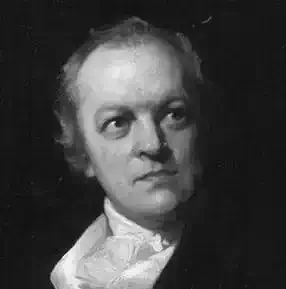
William Blake
The Book of Thel
The Book of Thel
Does the Eagle know what is in the pit?
Or wilt thou go ask the Mole?
Can Wisdom be put in a silver rod?
Or Love in a golden bowl?
I
. The daughters of the Seraphim led round their sunny flocks,
. All but the youngest: she in paleness sought the secret air,
. To fade away like morning beauty from her mortal day:
. Down by the river of Adona her soft voice is heard,
. And thus her gentle lamentation falls like morning dew:
. 'O life of this our spring! why fades the lotus of the water,
. Why fade these children of the spring, born but to smile and fall?
. Ah! Thel is like a wat'ry bow, and like a parting cloud;
. Like a reflection in a glass; like shadows in the water;
. Like dreams of infants, like a smile upon an infant's face;
. Like the dove's voice; like transient day; like music in the air.
. Ah! gentle may I lay me down, and gentle rest my head,
. And gentle sleep the sleep of death, and gentle hear the voice
. Of him that walketh in the garden in the evening time.'
. The Lily of the valley, breathing in the humble grass,
. Answer'd the lovely maid and said: 'I am a wat'ry weed,
. And I am very small and love to dwell in lowly vales;
. So weak, the gilded butterfly scarce perches on my head.
. Yet I am visited from heaven, and he that smiles on all
. Walks in the valley and each morn over me spreads his hand,
. Saying, 'Rejoice, thou humble grass, thou new-born lily-flower,
. Thou gentle maid of silent valleys and of modest brooks;
. For thou shalt be clothed in light, and fed with morning manna,
. Till summer's heat melts thee beside the fountains and the springs
. To flourish in eternal vales.' Then why should Thel complain?
. Why should the mistress of the vales of Har utter a sigh?'
. She ceas'd and smil'd in tears, then sat down in her silver shrine.
. Thel answer'd: 'O thou little virgin of the peaceful valley,
. Giving to those that cannot crave, the voiceless, the o'ertired;
. Thy breath doth nourish the innocent lamb, he smells thy milky garments,
. He crops thy flowers while thou sittest smiling in his face,
. Wiping his mild and meekin mouth from all contagious taints.
. Thy wine doth purify the golden honey; thy perfume,
. Which thou dost scatter on every little blade of grass that springs,
. Revives the milked cow, and tames the fire-breathing steed.
. But Thel is like a faint cloud kindled at the rising sun:
. I vanish from my pearly throne, and who shall find my place?'
. 'Queen of the vales,' the Lily answer'd, 'ask the tender cloud,
. And it shall tell thee why it glitters in the morning sky,
. And why it scatters its bright beauty thro' the humid air.
. Descend, O little Cloud, and hover before the eyes of Thel.'
. The Cloud descended, and the Lily bow'd her modest head
. And went to mind her numerous charge among the verdant grass.
II
. 'O little Cloud,' the virgin said, 'I charge thee tell to me
. Why thou complainest not when in one hour thou fade away:
. Then we shall seek thee, but not find. Ah! Thel is like to thee:
. I pass away: yet I complain, and no one hears my voice.'
. The Cloud then shew'd his golden head and his bright form emerg'd,
. Hovering and glittering on the air before the face of Thel.
. 'O virgin, know'st thou not our steeds drink of the golden springs
. Where Luvah doth renew his horses? Look'st thou on my youth,
. And fearest thou, because I vanish and am seen no more,
. Nothing remains? O maid, I tell thee, when I pass away
. It is to tenfold life, to love, to peace and raptures holy:
. Unseen descending, weigh my light wings upon balmy flowers,
. And court the fair-eyed dew to take me to her shining tent:
. The weeping virgin trembling kneels before the risen sun,
. Till we arise link'd in a golden band and never part,
. But walk united, bearing food to all our tender flowers.'
. 'Dost thou, O little Cloud? I fear that I am not like thee,
. For I walk thro' the vales of Har, and smell the sweetest flowers,
. But I feed not the little flowers; I hear the warbling birds,
. But I feed not the warbling birds; they fly and seek their food:
. But Thel delights in these no more, because I fade away;
. And all shall say, 'Without a use this shining woman liv'd,
. Or did she only live to be at death the food of worms?' '
. The Cloud reclin'd upon his airy throne and answer'd thus:
. 'Then if thou art the food of worms, O virgin of the skies,
. How great thy use, how great thy blessing! Every thing that lives
. Lives not alone nor for itself. Fear not, and I will call
. The weak worm from its lowly bed, and thou shalt hear its voice,
. Come forth, worm of the silent valley, to thy pensive queen.'
. The helpless worm arose, and sat upon the Lily's leaf,
. And the bright Cloud sail'd on, to find his partner in the vale.
III
. Then Thel astonish'd view'd the Worm upon its dewy bed.
. 'Art thou a Worm? Image of weakness, art thou but a Worm?
. I see thee like an infant wrapped in the Lily's leaf
. Ah! weep not, little voice, thou canst not speak, but thou canst weep.
. Is this a Worm? I see thee lay helpless and naked, weeping,
. And none to answer, none to cherish thee with mother's smiles.'
. The Clod of Clay heard the Worm's voice and rais'd her pitying head:
. She bow'd over the weeping infant, and her life exhal'd
. In milky fondness: then on Thel she fix'd her humble eyes.
. 'O beauty of the vales of Har! we live not for ourselves.
. Thou seest me the meanest thing, and so I am indeed.
. My bosom of itself is cold, and of itself is dark;
. But he, that loves the lowly, pours his oil upon my head,
. And kisses me, and binds his nuptial bands around my breast,
. And says: 'Thou mother of my children, I have loved thee
. And I have given thee a crown that none can take away.'
. But how this is, sweet maid, I know not, and I cannot know;
. I ponder, and I cannot ponder; yet I live and love.'
. The daughter of beauty wip'd her pitying tears with her white veil,
. And said: 'Alas! I knew not this, and therefore did I weep.
. That God would love a Worm I knew, and punish the evil foot
. That wilful bruis'd its helpless form; but that he cherish'd it
. With milk and oil I never knew, and therefore did I weep;
. And I complain'd in the mild air, because I fade away,
. And lay me down in thy cold bed, and leave my shining lot.'
. 'Queen of the vales,' the matron Clay answer'd, 'I heard thy sighs,
. And all thy moans flew o'er my roof, but I have call'd them down.
. Wilt thou, O Queen, enter my house? 'Tis given thee to enter
. And to return: fear nothing, enter with thy virgin feet.'
IV
. The eternal gates' terrific porter lifted the northern bar:
. Thel enter'd in and saw the secrets of the land unknown.
. She saw the couches of the dead, and where the fibrous roots
. Of every heart on earth infixes deep its restless twists:
. A land of sorrows and of tears where never smile was seen.
. She wander'd in the land of clouds thro' valleys dark, list'ning
. Dolours and lamentations; waiting oft beside a dewy grave
. She stood in silence, list'ning to the voices of the ground,
. Till to her own grave plot she came, and there she sat down,
. And heard this voice of sorrow breathed from the hollow pit.
. 'Why cannot the Ear be closed to its own destruction?
. Or the glist'ning Eye to the poison of a smile?
. Why are Eyelids stor'd with arrows ready drawn,
. Where a thousand fighting men in ambush lie?
. Or an Eye of gifts and graces show'ring fruits and coined gold?
. Why a Tongue impress'd with honey from every wind?
. Why an Ear, a whirlpool fierce to draw creations in?
. Why a Nostril wide inhaling terror, trembling, and affright?
. Why a tender curb upon the youthful burning boy?
. Why a little curtain of flesh on the bed of our desire?'
. The Virgin started from her seat, and with a shriek
. Fled back unhinder'd till she came into the vales of Har.
Does the Eagle know what is in the pit?
Or wilt thou go ask the Mole?
Can Wisdom be put in a silver rod?
Or Love in a golden bowl?
I
. The daughters of the Seraphim led round their sunny flocks,
. All but the youngest: she in paleness sought the secret air,
. To fade away like morning beauty from her mortal day:
. Down by the river of Adona her soft voice is heard,
. And thus her gentle lamentation falls like morning dew:
. 'O life of this our spring! why fades the lotus of the water,
. Why fade these children of the spring, born but to smile and fall?
. Ah! Thel is like a wat'ry bow, and like a parting cloud;
. Like a reflection in a glass; like shadows in the water;
. Like dreams of infants, like a smile upon an infant's face;
. Like the dove's voice; like transient day; like music in the air.
. Ah! gentle may I lay me down, and gentle rest my head,
. And gentle sleep the sleep of death, and gentle hear the voice
. Of him that walketh in the garden in the evening time.'
. The Lily of the valley, breathing in the humble grass,
. Answer'd the lovely maid and said: 'I am a wat'ry weed,
. And I am very small and love to dwell in lowly vales;
. So weak, the gilded butterfly scarce perches on my head.
. Yet I am visited from heaven, and he that smiles on all
. Walks in the valley and each morn over me spreads his hand,
. Saying, 'Rejoice, thou humble grass, thou new-born lily-flower,
. Thou gentle maid of silent valleys and of modest brooks;
. For thou shalt be clothed in light, and fed with morning manna,
. Till summer's heat melts thee beside the fountains and the springs
. To flourish in eternal vales.' Then why should Thel complain?
. Why should the mistress of the vales of Har utter a sigh?'
. She ceas'd and smil'd in tears, then sat down in her silver shrine.
. Thel answer'd: 'O thou little virgin of the peaceful valley,
. Giving to those that cannot crave, the voiceless, the o'ertired;
. Thy breath doth nourish the innocent lamb, he smells thy milky garments,
. He crops thy flowers while thou sittest smiling in his face,
. Wiping his mild and meekin mouth from all contagious taints.
. Thy wine doth purify the golden honey; thy perfume,
. Which thou dost scatter on every little blade of grass that springs,
. Revives the milked cow, and tames the fire-breathing steed.
. But Thel is like a faint cloud kindled at the rising sun:
. I vanish from my pearly throne, and who shall find my place?'
. 'Queen of the vales,' the Lily answer'd, 'ask the tender cloud,
. And it shall tell thee why it glitters in the morning sky,
. And why it scatters its bright beauty thro' the humid air.
. Descend, O little Cloud, and hover before the eyes of Thel.'
. The Cloud descended, and the Lily bow'd her modest head
. And went to mind her numerous charge among the verdant grass.
II
. 'O little Cloud,' the virgin said, 'I charge thee tell to me
. Why thou complainest not when in one hour thou fade away:
. Then we shall seek thee, but not find. Ah! Thel is like to thee:
. I pass away: yet I complain, and no one hears my voice.'
. The Cloud then shew'd his golden head and his bright form emerg'd,
. Hovering and glittering on the air before the face of Thel.
. 'O virgin, know'st thou not our steeds drink of the golden springs
. Where Luvah doth renew his horses? Look'st thou on my youth,
. And fearest thou, because I vanish and am seen no more,
. Nothing remains? O maid, I tell thee, when I pass away
. It is to tenfold life, to love, to peace and raptures holy:
. Unseen descending, weigh my light wings upon balmy flowers,
. And court the fair-eyed dew to take me to her shining tent:
. The weeping virgin trembling kneels before the risen sun,
. Till we arise link'd in a golden band and never part,
. But walk united, bearing food to all our tender flowers.'
. 'Dost thou, O little Cloud? I fear that I am not like thee,
. For I walk thro' the vales of Har, and smell the sweetest flowers,
. But I feed not the little flowers; I hear the warbling birds,
. But I feed not the warbling birds; they fly and seek their food:
. But Thel delights in these no more, because I fade away;
. And all shall say, 'Without a use this shining woman liv'd,
. Or did she only live to be at death the food of worms?' '
. The Cloud reclin'd upon his airy throne and answer'd thus:
. 'Then if thou art the food of worms, O virgin of the skies,
. How great thy use, how great thy blessing! Every thing that lives
. Lives not alone nor for itself. Fear not, and I will call
. The weak worm from its lowly bed, and thou shalt hear its voice,
. Come forth, worm of the silent valley, to thy pensive queen.'
. The helpless worm arose, and sat upon the Lily's leaf,
. And the bright Cloud sail'd on, to find his partner in the vale.
III
. Then Thel astonish'd view'd the Worm upon its dewy bed.
. 'Art thou a Worm? Image of weakness, art thou but a Worm?
. I see thee like an infant wrapped in the Lily's leaf
. Ah! weep not, little voice, thou canst not speak, but thou canst weep.
. Is this a Worm? I see thee lay helpless and naked, weeping,
. And none to answer, none to cherish thee with mother's smiles.'
. The Clod of Clay heard the Worm's voice and rais'd her pitying head:
. She bow'd over the weeping infant, and her life exhal'd
. In milky fondness: then on Thel she fix'd her humble eyes.
. 'O beauty of the vales of Har! we live not for ourselves.
. Thou seest me the meanest thing, and so I am indeed.
. My bosom of itself is cold, and of itself is dark;
. But he, that loves the lowly, pours his oil upon my head,
. And kisses me, and binds his nuptial bands around my breast,
. And says: 'Thou mother of my children, I have loved thee
. And I have given thee a crown that none can take away.'
. But how this is, sweet maid, I know not, and I cannot know;
. I ponder, and I cannot ponder; yet I live and love.'
. The daughter of beauty wip'd her pitying tears with her white veil,
. And said: 'Alas! I knew not this, and therefore did I weep.
. That God would love a Worm I knew, and punish the evil foot
. That wilful bruis'd its helpless form; but that he cherish'd it
. With milk and oil I never knew, and therefore did I weep;
. And I complain'd in the mild air, because I fade away,
. And lay me down in thy cold bed, and leave my shining lot.'
. 'Queen of the vales,' the matron Clay answer'd, 'I heard thy sighs,
. And all thy moans flew o'er my roof, but I have call'd them down.
. Wilt thou, O Queen, enter my house? 'Tis given thee to enter
. And to return: fear nothing, enter with thy virgin feet.'
IV
. The eternal gates' terrific porter lifted the northern bar:
. Thel enter'd in and saw the secrets of the land unknown.
. She saw the couches of the dead, and where the fibrous roots
. Of every heart on earth infixes deep its restless twists:
. A land of sorrows and of tears where never smile was seen.
. She wander'd in the land of clouds thro' valleys dark, list'ning
. Dolours and lamentations; waiting oft beside a dewy grave
. She stood in silence, list'ning to the voices of the ground,
. Till to her own grave plot she came, and there she sat down,
. And heard this voice of sorrow breathed from the hollow pit.
. 'Why cannot the Ear be closed to its own destruction?
. Or the glist'ning Eye to the poison of a smile?
. Why are Eyelids stor'd with arrows ready drawn,
. Where a thousand fighting men in ambush lie?
. Or an Eye of gifts and graces show'ring fruits and coined gold?
. Why a Tongue impress'd with honey from every wind?
. Why an Ear, a whirlpool fierce to draw creations in?
. Why a Nostril wide inhaling terror, trembling, and affright?
. Why a tender curb upon the youthful burning boy?
. Why a little curtain of flesh on the bed of our desire?'
. The Virgin started from her seat, and with a shriek
. Fled back unhinder'd till she came into the vales of Har.
517
William Blake
The Birds
The Birds
He. Where thou dwellest, in what grove,
Tell me Fair One, tell me Love;
Where thou thy charming nest dost build,
O thou pride of every field!
She. Yonder stands a lonely tree,
There I live and mourn for thee;
Morning drinks my silent tear,
And evening winds my sorrow bear.
He. O thou summer's harmony,
I have liv'd and mourn'd for thee;
Each day I mourn along the wood,
And night hath heard my sorrows loud.
She. Dost thou truly long for me?
And am I thus sweet to thee?
Sorrow now is at an end,
O my Lover and my Friend!
He. Come, on wings of joy we'll fly
To where my bower hangs on high;
Come, and make thy calm retreat
Among green leaves and blossoms sweet.
He. Where thou dwellest, in what grove,
Tell me Fair One, tell me Love;
Where thou thy charming nest dost build,
O thou pride of every field!
She. Yonder stands a lonely tree,
There I live and mourn for thee;
Morning drinks my silent tear,
And evening winds my sorrow bear.
He. O thou summer's harmony,
I have liv'd and mourn'd for thee;
Each day I mourn along the wood,
And night hath heard my sorrows loud.
She. Dost thou truly long for me?
And am I thus sweet to thee?
Sorrow now is at an end,
O my Lover and my Friend!
He. Come, on wings of joy we'll fly
To where my bower hangs on high;
Come, and make thy calm retreat
Among green leaves and blossoms sweet.
521
William Blake
Sick Rose, The
Sick Rose, The
O Rose, thou art sick!
The invisible worm
That flies in the night,
In the howling storm,
Has found out thy bed
Of crimson joy:
And his dark secret love
Does thy life destroy.
O Rose, thou art sick!
The invisible worm
That flies in the night,
In the howling storm,
Has found out thy bed
Of crimson joy:
And his dark secret love
Does thy life destroy.
386
William Blake
Nurse's Song (Innocence)
Nurse's Song (Innocence)
When voices of children are heard on the green
And laughing is heard on the hill,
My heart is at rest within my breast
And everything else is still
Then come home my children the sun is gone down
And the dews of night arise
Come come leave off play, and let us away
Till the morning appears in the skies
No no let us play, for it is yet day
And we cannot go to sleep
Besides in the sky, the little birds fly
And the hills are all covered with sheep
Well well go & play till the light fades away
And then go home to bed
The little ones leaped & shouted & laugh'd
And all the hills echoed
When voices of children are heard on the green
And laughing is heard on the hill,
My heart is at rest within my breast
And everything else is still
Then come home my children the sun is gone down
And the dews of night arise
Come come leave off play, and let us away
Till the morning appears in the skies
No no let us play, for it is yet day
And we cannot go to sleep
Besides in the sky, the little birds fly
And the hills are all covered with sheep
Well well go & play till the light fades away
And then go home to bed
The little ones leaped & shouted & laugh'd
And all the hills echoed
410
William Blake
Night
Night
The sun descending in the west,
The evening star does shine;
The birds are silent in their nest,
And I must seek for mine.
The moon, like a flower,
In heaven's high bower,
With silent delight
Sits and smiles on the night.
Farewell, green fields and happy groves,
Where flocks have took delight.
Where lambs have nibbled, silent moves
The feet of angels bright;
Unseen they pour blessing,
And joy without ceasing,
On each bud and blossom,
And each sleeping bosom.
They look in every thoughtless nest,
Where birds are covered warm;
They visit caves of every beast,
To keep them all from harm.
If they see any weeping
That should have been sleeping,
They pour sleep on their head,
And sit down by their bed.
When wolves and tigers howl for prey,
They pitying stand and weep;
Seeking to drive their thirst away,
And keep them from the sheep.
But if they rush dreadful,
The angels, most heedful,
Receive each mild spirit,
New worlds to inherit.
And there the lion's ruddy eyes
Shall flow with tears of gold,
And pitying the tender cries,
And walking round the fold,
Saying, 'Wrath, by His meekness,
And, by His health, sickness
Is driven away
From our immortal day.
'And now beside thee, bleating lamb,
I can lie down and sleep;
Or think on Him who bore thy name,
Graze after thee and weep.
For, washed in life's river,
My bright mane for ever
Shall shine like the gold
As I guard o'er the fold.'
The sun descending in the west,
The evening star does shine;
The birds are silent in their nest,
And I must seek for mine.
The moon, like a flower,
In heaven's high bower,
With silent delight
Sits and smiles on the night.
Farewell, green fields and happy groves,
Where flocks have took delight.
Where lambs have nibbled, silent moves
The feet of angels bright;
Unseen they pour blessing,
And joy without ceasing,
On each bud and blossom,
And each sleeping bosom.
They look in every thoughtless nest,
Where birds are covered warm;
They visit caves of every beast,
To keep them all from harm.
If they see any weeping
That should have been sleeping,
They pour sleep on their head,
And sit down by their bed.
When wolves and tigers howl for prey,
They pitying stand and weep;
Seeking to drive their thirst away,
And keep them from the sheep.
But if they rush dreadful,
The angels, most heedful,
Receive each mild spirit,
New worlds to inherit.
And there the lion's ruddy eyes
Shall flow with tears of gold,
And pitying the tender cries,
And walking round the fold,
Saying, 'Wrath, by His meekness,
And, by His health, sickness
Is driven away
From our immortal day.
'And now beside thee, bleating lamb,
I can lie down and sleep;
Or think on Him who bore thy name,
Graze after thee and weep.
For, washed in life's river,
My bright mane for ever
Shall shine like the gold
As I guard o'er the fold.'
491
William Blake
Night
Night
The sun descending in the west,
The evening star does shine;
The birds are silent in their nest,
And I must seek for mine.
The moon, like a flower,
In heaven's high bower,
With silent delight
Sits and smiles on the night.
Farewell, green fields and happy groves,
Where flocks have took delight.
Where lambs have nibbled, silent moves
The feet of angels bright;
Unseen they pour blessing,
And joy without ceasing,
On each bud and blossom,
And each sleeping bosom.
They look in every thoughtless nest,
Where birds are covered warm;
They visit caves of every beast,
To keep them all from harm.
If they see any weeping
That should have been sleeping,
They pour sleep on their head,
And sit down by their bed.
When wolves and tigers howl for prey,
They pitying stand and weep;
Seeking to drive their thirst away,
And keep them from the sheep.
But if they rush dreadful,
The angels, most heedful,
Receive each mild spirit,
New worlds to inherit.
And there the lion's ruddy eyes
Shall flow with tears of gold,
And pitying the tender cries,
And walking round the fold,
Saying, 'Wrath, by His meekness,
And, by His health, sickness
Is driven away
From our immortal day.
'And now beside thee, bleating lamb,
I can lie down and sleep;
Or think on Him who bore thy name,
Graze after thee and weep.
For, washed in life's river,
My bright mane for ever
Shall shine like the gold
As I guard o'er the fold.'
The sun descending in the west,
The evening star does shine;
The birds are silent in their nest,
And I must seek for mine.
The moon, like a flower,
In heaven's high bower,
With silent delight
Sits and smiles on the night.
Farewell, green fields and happy groves,
Where flocks have took delight.
Where lambs have nibbled, silent moves
The feet of angels bright;
Unseen they pour blessing,
And joy without ceasing,
On each bud and blossom,
And each sleeping bosom.
They look in every thoughtless nest,
Where birds are covered warm;
They visit caves of every beast,
To keep them all from harm.
If they see any weeping
That should have been sleeping,
They pour sleep on their head,
And sit down by their bed.
When wolves and tigers howl for prey,
They pitying stand and weep;
Seeking to drive their thirst away,
And keep them from the sheep.
But if they rush dreadful,
The angels, most heedful,
Receive each mild spirit,
New worlds to inherit.
And there the lion's ruddy eyes
Shall flow with tears of gold,
And pitying the tender cries,
And walking round the fold,
Saying, 'Wrath, by His meekness,
And, by His health, sickness
Is driven away
From our immortal day.
'And now beside thee, bleating lamb,
I can lie down and sleep;
Or think on Him who bore thy name,
Graze after thee and weep.
For, washed in life's river,
My bright mane for ever
Shall shine like the gold
As I guard o'er the fold.'
491
William Blake
Milton: The Sky is an Immortal Tent Built by the Sons of Los
Milton: The Sky is an Immortal Tent Built by the Sons of Los
The sky is an immortal tent built by the Sons of Los:
And every space that a man views around his dwelling-place
Standing on his own roof or in his garden on a mount
Of twenty-five cubits in height, such space is his universe:
And on its verge the sun rises and sets, the clouds bow
To meet the flat earth and the sea in such an order'd space:
The starry heavens reach no further, but here bend and set
On all sides, and the two Poles turn on their valves of gold:
And if he moves his dwelling-place, his heavens also move
Where'er he goes, and all his neighbourhood bewail his loss.
Such are the spaces called Earth and such its dimension.
As to that false appearance which appears to the reasoner
As of a globe rolling through voidness, it is a delusion of Ulro.
The microscope knows not of this nor the telescope: they alter
The ratio of the spectator's organs, but leave objects untouch'd.
For every space larger than a red globule of Man's blood
Is visionary, and is created by the Hammer of Los;
And every space smaller than a globule of Man's blood opens
Into Eternity of which this vegetable Earth is but a shadow.
The red globule is the unwearied sun by Los created
To measure time and space to mortal men every morning
The sky is an immortal tent built by the Sons of Los:
And every space that a man views around his dwelling-place
Standing on his own roof or in his garden on a mount
Of twenty-five cubits in height, such space is his universe:
And on its verge the sun rises and sets, the clouds bow
To meet the flat earth and the sea in such an order'd space:
The starry heavens reach no further, but here bend and set
On all sides, and the two Poles turn on their valves of gold:
And if he moves his dwelling-place, his heavens also move
Where'er he goes, and all his neighbourhood bewail his loss.
Such are the spaces called Earth and such its dimension.
As to that false appearance which appears to the reasoner
As of a globe rolling through voidness, it is a delusion of Ulro.
The microscope knows not of this nor the telescope: they alter
The ratio of the spectator's organs, but leave objects untouch'd.
For every space larger than a red globule of Man's blood
Is visionary, and is created by the Hammer of Los;
And every space smaller than a globule of Man's blood opens
Into Eternity of which this vegetable Earth is but a shadow.
The red globule is the unwearied sun by Los created
To measure time and space to mortal men every morning
435
William Blake
Love and Harmony
Love and Harmony
Love and harmony combine,
And round our souls entwine
While thy branches mix with mine,
And our roots together join.
Joys upon our branches sit,
Chirping loud and singing sweet;
Like gentle streams beneath our feet
Innocence and virtue meet.
Thou the golden fruit dost bear,
I am clad in flowers fair;
Thy sweet boughs perfume the air,
And the turtle buildeth there.
There she sits and feeds her young,
Sweet I hear her mournful song;
And thy lovely leaves among,
There is love, I hear his tongue.
There his charming nest doth lay,
There he sleeps the night away;
There he sports along the day,
And doth among our branches play.
Love and harmony combine,
And round our souls entwine
While thy branches mix with mine,
And our roots together join.
Joys upon our branches sit,
Chirping loud and singing sweet;
Like gentle streams beneath our feet
Innocence and virtue meet.
Thou the golden fruit dost bear,
I am clad in flowers fair;
Thy sweet boughs perfume the air,
And the turtle buildeth there.
There she sits and feeds her young,
Sweet I hear her mournful song;
And thy lovely leaves among,
There is love, I hear his tongue.
There his charming nest doth lay,
There he sleeps the night away;
There he sports along the day,
And doth among our branches play.
621
William Blake
Lily, The
Lily, The
The modest Rose puts forth a thorn,
The humble sheep a threat'ning horn:
While the Lily white shall in love delight,
Nor a thorn nor a threat stain her beauty bright.
The modest Rose puts forth a thorn,
The humble sheep a threat'ning horn:
While the Lily white shall in love delight,
Nor a thorn nor a threat stain her beauty bright.
341

Wilfred Owen
Winter Song
Winter Song
The browns, the olives, and the yellows died,
And were swept up to heaven; where they glowed
Each dawn and set of sun till Christmastide,
And when the land lay pale for them, pale-snowed,
Fell back, and down the snow-drifts flamed and flowed.
From off your face, into the winds of winter,
The sun-brown and the summer-gold are blowing;
But they shall gleam with spiritual glinter,
When paler beauty on your brows falls snowing,
And through those snows my looks shall be soft-going.
The browns, the olives, and the yellows died,
And were swept up to heaven; where they glowed
Each dawn and set of sun till Christmastide,
And when the land lay pale for them, pale-snowed,
Fell back, and down the snow-drifts flamed and flowed.
From off your face, into the winds of winter,
The sun-brown and the summer-gold are blowing;
But they shall gleam with spiritual glinter,
When paler beauty on your brows falls snowing,
And through those snows my looks shall be soft-going.
175
Wilfred Owen
I Know the Music
I Know the Music
All sounds have been as music to my listening:
Pacific lamentations of slow bells,
The crunch of boots on blue snow rosy-glistening,
Shuffle of autumn leaves; and all farewells:
Bugles that sadden all the evening air,
And country bells clamouring their last appeals
Before [the] music of the evening prayer;
Bridges, sonorous under carriage wheels.
Gurgle of sluicing surge through hollow rocks,
The gluttonous lapping of the waves on weeds,
Whisper of grass; the myriad-tinkling flocks,
The warbling drawl of flutes and shepherds' reeds.
The orchestral noises of October nights
Blowing ( ) symphonetic storms
Of startled clarions ( )
Drums, rumbling and rolling thunderous and ( ).
Thrilling of throstles in the keen blue dawn,
Bees fumbling and fuming over sainfoin-fields.
All sounds have been as music to my listening:
Pacific lamentations of slow bells,
The crunch of boots on blue snow rosy-glistening,
Shuffle of autumn leaves; and all farewells:
Bugles that sadden all the evening air,
And country bells clamouring their last appeals
Before [the] music of the evening prayer;
Bridges, sonorous under carriage wheels.
Gurgle of sluicing surge through hollow rocks,
The gluttonous lapping of the waves on weeds,
Whisper of grass; the myriad-tinkling flocks,
The warbling drawl of flutes and shepherds' reeds.
The orchestral noises of October nights
Blowing ( ) symphonetic storms
Of startled clarions ( )
Drums, rumbling and rolling thunderous and ( ).
Thrilling of throstles in the keen blue dawn,
Bees fumbling and fuming over sainfoin-fields.
154
Wilfred Owen
War broke: and now the Winter of the world
War broke: and now the Winter of the world
With perishing great darkness closes in.
The foul tornado, centred at Berlin,
Is over all the width of Europe whirled,
Rending the sails of progress. Rent or furled
Are all Art's ensigns. Verse wails. Now begin
Famines of thought and feeling. Love's wine's thin.
The grain of human Autumn rots, down-hurled.
For after Spring had bloomed in early Greece,
And Summer blazed her glory out with Rome,
An Autumn softly fell, a harvest home,
A slow grand age, and rich with all increase.
But now, for us, wild Winter, and the need
Of sowings for new Spring, and blood for seed.
With perishing great darkness closes in.
The foul tornado, centred at Berlin,
Is over all the width of Europe whirled,
Rending the sails of progress. Rent or furled
Are all Art's ensigns. Verse wails. Now begin
Famines of thought and feeling. Love's wine's thin.
The grain of human Autumn rots, down-hurled.
For after Spring had bloomed in early Greece,
And Summer blazed her glory out with Rome,
An Autumn softly fell, a harvest home,
A slow grand age, and rich with all increase.
But now, for us, wild Winter, and the need
Of sowings for new Spring, and blood for seed.
182

Walter de la Mare
Winter
Winter
Clouded with snow
The cold winds blow,
And shrill on leafless bough
The robin with its burning breast
Alone sings now.
The rayless sun,
Day's journey done,
Sheds its last ebbing light
On fields in leagues of beauty spread
Unearthly white.
Thick draws the dark,
And spark by spark,
The frost-fires kindle, and soon
Over that sea of frozen foam
Floats the white moon.
Clouded with snow
The cold winds blow,
And shrill on leafless bough
The robin with its burning breast
Alone sings now.
The rayless sun,
Day's journey done,
Sheds its last ebbing light
On fields in leagues of beauty spread
Unearthly white.
Thick draws the dark,
And spark by spark,
The frost-fires kindle, and soon
Over that sea of frozen foam
Floats the white moon.
365
Walter de la Mare
Winter
Winter
Clouded with snow
The cold winds blow,
And shrill on leafless bough
The robin with its burning breast
Alone sings now.
The rayless sun,
Day's journey done,
Sheds its last ebbing light
On fields in leagues of beauty spread
Unearthly white.
Thick draws the dark,
And spark by spark,
The frost-fires kindle, and soon
Over that sea of frozen foam
Floats the white moon.
Clouded with snow
The cold winds blow,
And shrill on leafless bough
The robin with its burning breast
Alone sings now.
The rayless sun,
Day's journey done,
Sheds its last ebbing light
On fields in leagues of beauty spread
Unearthly white.
Thick draws the dark,
And spark by spark,
The frost-fires kindle, and soon
Over that sea of frozen foam
Floats the white moon.
365
Walter de la Mare
Tom's Little Dog
Tom's Little Dog
Tom told his dog called Tim to beg,
And up at once he sat,
His two clear amber eyes fixed fast,
His haunches on his mat.Tom poised a lump of sugar on
His nose; then, "Trust!" says he;
Stiff as a guardsman sat his Tim;
Never a hair stirred he.
"Paid for!" says Tom; and in a trice
Up jerked that moist black nose;
A snap of teeth, a crunch, a munch,
And down the sugar goes!
Tom told his dog called Tim to beg,
And up at once he sat,
His two clear amber eyes fixed fast,
His haunches on his mat.Tom poised a lump of sugar on
His nose; then, "Trust!" says he;
Stiff as a guardsman sat his Tim;
Never a hair stirred he.
"Paid for!" says Tom; and in a trice
Up jerked that moist black nose;
A snap of teeth, a crunch, a munch,
And down the sugar goes!
256
Walter de la Mare
The Spirit of Air
The Spirit of Air
Coral and clear emerald,
And amber from the sea,
Lilac-coloured amethyst,
Chalcedony;
The lovely Spirit of Air
Floats on a cloud and doth ride,
Clad in the beauties of earth
Like a bride.
So doth she haunt me; and words
Tell but a tithe of the tale.
Sings all the sweetness of Spring
Even in the nightengale?
Nay, but with echoes she cries
Of the valley of love;
Dews on the thorns of her feet,
And darkness above.
Coral and clear emerald,
And amber from the sea,
Lilac-coloured amethyst,
Chalcedony;
The lovely Spirit of Air
Floats on a cloud and doth ride,
Clad in the beauties of earth
Like a bride.
So doth she haunt me; and words
Tell but a tithe of the tale.
Sings all the sweetness of Spring
Even in the nightengale?
Nay, but with echoes she cries
Of the valley of love;
Dews on the thorns of her feet,
And darkness above.
367
Walter de la Mare
The Mocking Fairy
The Mocking Fairy
'Won't you look out of your window, Mrs. Gill?'
Quoth the Fairy, nidding, nodding in the garden;
'Can't you look out of your window, Mrs. Gill?'
Quoth the Fairy, laughing softly in the garden;
But the air was still, the cherry boughs were still,
And the ivy-tod neath the empty sill,
And never from her window looked out Mrs. Gill
On the Fairy shrilly mocking in the garden.
'What have they done with you, you poor Mrs. Gill?'
Quoth the Fairy brightly glancing in the garden;
'Where have they hidden you, you poor old Mrs. Gill?'
Quoth the Fairy dancing lightly in the garden;
But night's faint veil now wrapped the hill,
Stark 'neath the stars stood the dead-still Mill,
And out of her cold cottage never answered Mrs. Gill
The Fairy mimbling, mambling in the garden.
'Won't you look out of your window, Mrs. Gill?'
Quoth the Fairy, nidding, nodding in the garden;
'Can't you look out of your window, Mrs. Gill?'
Quoth the Fairy, laughing softly in the garden;
But the air was still, the cherry boughs were still,
And the ivy-tod neath the empty sill,
And never from her window looked out Mrs. Gill
On the Fairy shrilly mocking in the garden.
'What have they done with you, you poor Mrs. Gill?'
Quoth the Fairy brightly glancing in the garden;
'Where have they hidden you, you poor old Mrs. Gill?'
Quoth the Fairy dancing lightly in the garden;
But night's faint veil now wrapped the hill,
Stark 'neath the stars stood the dead-still Mill,
And out of her cold cottage never answered Mrs. Gill
The Fairy mimbling, mambling in the garden.
291
Walter de la Mare
Some One
Some One
Some one came knocking
At my wee, small door;
Someone came knocking;
I'm sure-sure-sure;
I listened, I opened,
I looked to left and right,
But nought there was a stirring
In the still dark night;
Only the busy beetle
Tap-tapping in the wall,
Only from the forest
The screech-owl's call,
Only the cricket whistling
While the dewdrops fall,
So I know not who came knocking,
At all, at all, at all.
Some one came knocking
At my wee, small door;
Someone came knocking;
I'm sure-sure-sure;
I listened, I opened,
I looked to left and right,
But nought there was a stirring
In the still dark night;
Only the busy beetle
Tap-tapping in the wall,
Only from the forest
The screech-owl's call,
Only the cricket whistling
While the dewdrops fall,
So I know not who came knocking,
At all, at all, at all.
1,052
Walter de la Mare
Some One
Some One
Some one came knocking
At my wee, small door;
Someone came knocking;
I'm sure-sure-sure;
I listened, I opened,
I looked to left and right,
But nought there was a stirring
In the still dark night;
Only the busy beetle
Tap-tapping in the wall,
Only from the forest
The screech-owl's call,
Only the cricket whistling
While the dewdrops fall,
So I know not who came knocking,
At all, at all, at all.
Some one came knocking
At my wee, small door;
Someone came knocking;
I'm sure-sure-sure;
I listened, I opened,
I looked to left and right,
But nought there was a stirring
In the still dark night;
Only the busy beetle
Tap-tapping in the wall,
Only from the forest
The screech-owl's call,
Only the cricket whistling
While the dewdrops fall,
So I know not who came knocking,
At all, at all, at all.
1,052
Walter de la Mare
Tartary
Tartary
If I were Lord of Tartary,
Myself, and me alone,
My bed should be of ivory,
Of beaten gold my throne;
And in my court should peacocks flaunt,
And in my forests tigers haunt,
And in my pools great fishes slant
Their fins athwart the sun.
If I were Lord of Tartary,
Trumpeters every day
To all my meals should summon me,
And in my courtyards bray;
And in the evening lamps should shine,
Yellow as honey, red as wine,
While harp, and flute, and mandoline
Made music sweet and gay.
If I were Lord of Tartary,
I'd wear a robe of beads,
White, and gold, and green they'd be --
And small and thick as seeds;
And ere should wane the morning star,
I'd don my robe and scimitar.
And zebras seven should draw my car
Through Tartary's dark gleades.
Lord of the fruits of Tartary.
Her rivers silver-pale!
Lord of the hills of Tartary.
Glen, thicket, wood, and dale!
Her flashing stars, her scented breeze,
Her trembling lakes, like foamless seas,
Her bird-delighting citron-trees,
In every purple vale!
If I were Lord of Tartary,
Myself, and me alone,
My bed should be of ivory,
Of beaten gold my throne;
And in my court should peacocks flaunt,
And in my forests tigers haunt,
And in my pools great fishes slant
Their fins athwart the sun.
If I were Lord of Tartary,
Trumpeters every day
To all my meals should summon me,
And in my courtyards bray;
And in the evening lamps should shine,
Yellow as honey, red as wine,
While harp, and flute, and mandoline
Made music sweet and gay.
If I were Lord of Tartary,
I'd wear a robe of beads,
White, and gold, and green they'd be --
And small and thick as seeds;
And ere should wane the morning star,
I'd don my robe and scimitar.
And zebras seven should draw my car
Through Tartary's dark gleades.
Lord of the fruits of Tartary.
Her rivers silver-pale!
Lord of the hills of Tartary.
Glen, thicket, wood, and dale!
Her flashing stars, her scented breeze,
Her trembling lakes, like foamless seas,
Her bird-delighting citron-trees,
In every purple vale!
385
Walter de la Mare
Silver
Silver
Slowly, silently, now the moon
Walks the night in her silver shoon;
This way, and that, she peers, and sees
Silver fruit upon silver trees;
One by one the casements catch
Her beams beneath the silvery thatch;
Couched in his kennel, like a log,
With paws of silver sleeps the dog;
From their shadowy cote the white breasts peep
Of doves in silver feathered sleep
A harvest mouse goes scampering by,
With silver claws, and silver eye;
And moveless fish in the water gleam,
By silver reeds in a silver stream.
Slowly, silently, now the moon
Walks the night in her silver shoon;
This way, and that, she peers, and sees
Silver fruit upon silver trees;
One by one the casements catch
Her beams beneath the silvery thatch;
Couched in his kennel, like a log,
With paws of silver sleeps the dog;
From their shadowy cote the white breasts peep
Of doves in silver feathered sleep
A harvest mouse goes scampering by,
With silver claws, and silver eye;
And moveless fish in the water gleam,
By silver reeds in a silver stream.
1,010
Walter de la Mare
Silver
Silver
Slowly, silently, now the moon
Walks the night in her silver shoon;
This way, and that, she peers, and sees
Silver fruit upon silver trees;
One by one the casements catch
Her beams beneath the silvery thatch;
Couched in his kennel, like a log,
With paws of silver sleeps the dog;
From their shadowy cote the white breasts peep
Of doves in silver feathered sleep
A harvest mouse goes scampering by,
With silver claws, and silver eye;
And moveless fish in the water gleam,
By silver reeds in a silver stream.
Slowly, silently, now the moon
Walks the night in her silver shoon;
This way, and that, she peers, and sees
Silver fruit upon silver trees;
One by one the casements catch
Her beams beneath the silvery thatch;
Couched in his kennel, like a log,
With paws of silver sleeps the dog;
From their shadowy cote the white breasts peep
Of doves in silver feathered sleep
A harvest mouse goes scampering by,
With silver claws, and silver eye;
And moveless fish in the water gleam,
By silver reeds in a silver stream.
1,010
Walter de la Mare
Off the Ground
Off the Ground
Three jolly Farmers
Once bet a pound
Each dance the others would
Off the ground.
Out of their coats
They slipped right soon,
And neat and nicesome
Put each his shoon.
One--Two--Three!
And away they go,
Not too fast,
And not too slow;
Out from the elm-tree's
Noonday shadow,
Into the sun
And across the meadow.
Past the schoolroom,
With knees well bent,
Fingers a flicking,
They dancing went.
Up sides and over,
And round and round,
They crossed click-clacking
The Parish bound;
By Tupman's meadow
They did their mile,
Tee-to-tum
On a three-barred stile.
Then straight through Whipham,
Downhill to Week,
Footing it lightsome,
But not too quick,
Up fields to Watchet
And on through Wye,
Till seven fine churches
They'd seen slip by --
Seven fine churches,
And five old mills,
Farms in the valley,
And sheep on the hills;
Old Man's Acre
And Dead Man's Pool
All left behind,
As they danced through Wool.
And Wool gone by,
Like tops that seem
To spin in sleep
They danced in dream:
Withy -- Wellover --
Wassop -- Wo --
Like an old clock
Their heels did go.
A league and a league
And a league they went,
And not one weary,
And not one spent.
And log, and behold!
Past Willow-cum-Leigh
Stretched with its waters
The great green sea.
Says Farmer Bates,
'I puffs and I blows,
What's under the water,
Why, no man knows !'
Says Farmer Giles,
'My mind comes weak,
And a good man drownded
Is far to seek. '
But Farmer Turvey,
On twirling toes,
Up's with his gaiters,
And in he goes:
Down where the mermaids
Pluck and play
On their twangling harps
In a sea-green day;
Down where the mermaids
Finned and fair,
Sleek with their combs
Their yellow hair. . . .
Bates and Giles --
On the shingle sat,
Gazing at Turvey's
Floating hat.
But never a ripple
Nor bubble told
Where he was supping
Off plates of gold.
Never an echo
Rilled through the sea
Of the feasting and dancing
And minstrelsy.
They called -- called -- called;
Came no reply:
Nought but the ripples'
Sandy sigh.
Then glum and silent
They sat instead,
Vacantly brooding
On home and bed,
Till both together
Stood up and said: --
'Us knows not, dreams not,
Where you be,
Turvey, unless
In the deep blue sea;
But axcusing silver --
And it comes most willing --
Here's us two paying our forty shilling;
For it's sartin sure, Turvey,
Safe and sound,
You danced us a square, Turvey,
Off the ground.'
Three jolly Farmers
Once bet a pound
Each dance the others would
Off the ground.
Out of their coats
They slipped right soon,
And neat and nicesome
Put each his shoon.
One--Two--Three!
And away they go,
Not too fast,
And not too slow;
Out from the elm-tree's
Noonday shadow,
Into the sun
And across the meadow.
Past the schoolroom,
With knees well bent,
Fingers a flicking,
They dancing went.
Up sides and over,
And round and round,
They crossed click-clacking
The Parish bound;
By Tupman's meadow
They did their mile,
Tee-to-tum
On a three-barred stile.
Then straight through Whipham,
Downhill to Week,
Footing it lightsome,
But not too quick,
Up fields to Watchet
And on through Wye,
Till seven fine churches
They'd seen slip by --
Seven fine churches,
And five old mills,
Farms in the valley,
And sheep on the hills;
Old Man's Acre
And Dead Man's Pool
All left behind,
As they danced through Wool.
And Wool gone by,
Like tops that seem
To spin in sleep
They danced in dream:
Withy -- Wellover --
Wassop -- Wo --
Like an old clock
Their heels did go.
A league and a league
And a league they went,
And not one weary,
And not one spent.
And log, and behold!
Past Willow-cum-Leigh
Stretched with its waters
The great green sea.
Says Farmer Bates,
'I puffs and I blows,
What's under the water,
Why, no man knows !'
Says Farmer Giles,
'My mind comes weak,
And a good man drownded
Is far to seek. '
But Farmer Turvey,
On twirling toes,
Up's with his gaiters,
And in he goes:
Down where the mermaids
Pluck and play
On their twangling harps
In a sea-green day;
Down where the mermaids
Finned and fair,
Sleek with their combs
Their yellow hair. . . .
Bates and Giles --
On the shingle sat,
Gazing at Turvey's
Floating hat.
But never a ripple
Nor bubble told
Where he was supping
Off plates of gold.
Never an echo
Rilled through the sea
Of the feasting and dancing
And minstrelsy.
They called -- called -- called;
Came no reply:
Nought but the ripples'
Sandy sigh.
Then glum and silent
They sat instead,
Vacantly brooding
On home and bed,
Till both together
Stood up and said: --
'Us knows not, dreams not,
Where you be,
Turvey, unless
In the deep blue sea;
But axcusing silver --
And it comes most willing --
Here's us two paying our forty shilling;
For it's sartin sure, Turvey,
Safe and sound,
You danced us a square, Turvey,
Off the ground.'
337
Walter de la Mare
Nicholas Nye
Nicholas Nye
Thistle and darnell and dock grew there,
And a bush, in the corner, of may,
On the orchard wall I used to sprawl
In the blazing heat of the day;
Half asleep and half awake,
While the birds went twittering by,
And nobody there my lone to share
But Nicholas Nye.
Nicholas Nye was lean and gray,
Lame of leg and old,
More than a score of donkey's years
He had been since he was foaled;
He munched the thistles, purple and spiked,
Would sometimes stoop and sigh,
And turn to his head, as if he said,
"Poor Nicholas Nye!"
Alone with his shadow he'd drowse in the meadow,
Lazily swinging his tail,
At break of day he used to bray,--
Not much too hearty and hale;
But a wonderful gumption was under his skin,
And a clean calm light in his eye,
And once in a while; he'd smile:--
Would Nicholas Nye.
Seem to be smiling at me, he would,
From his bush in the corner, of may,--
Bony and ownerless, widowed and worn,
Knobble-kneed, lonely and gray;
And over the grass would seem to pass
'Neath the deep dark blue of the sky,
Something much better than words between me
And Nicholas Nye.
But dusk would come in the apple boughs,
The green of the glow-worm shine,
The birds in nest would crouch to rest,
And home I'd trudge to mine;
And there, in the moonlight, dark with dew,
Asking not wherefore nor why,
Would brood like a ghost, and as still as a post,
Old Nicholas Nye.
Thistle and darnell and dock grew there,
And a bush, in the corner, of may,
On the orchard wall I used to sprawl
In the blazing heat of the day;
Half asleep and half awake,
While the birds went twittering by,
And nobody there my lone to share
But Nicholas Nye.
Nicholas Nye was lean and gray,
Lame of leg and old,
More than a score of donkey's years
He had been since he was foaled;
He munched the thistles, purple and spiked,
Would sometimes stoop and sigh,
And turn to his head, as if he said,
"Poor Nicholas Nye!"
Alone with his shadow he'd drowse in the meadow,
Lazily swinging his tail,
At break of day he used to bray,--
Not much too hearty and hale;
But a wonderful gumption was under his skin,
And a clean calm light in his eye,
And once in a while; he'd smile:--
Would Nicholas Nye.
Seem to be smiling at me, he would,
From his bush in the corner, of may,--
Bony and ownerless, widowed and worn,
Knobble-kneed, lonely and gray;
And over the grass would seem to pass
'Neath the deep dark blue of the sky,
Something much better than words between me
And Nicholas Nye.
But dusk would come in the apple boughs,
The green of the glow-worm shine,
The birds in nest would crouch to rest,
And home I'd trudge to mine;
And there, in the moonlight, dark with dew,
Asking not wherefore nor why,
Would brood like a ghost, and as still as a post,
Old Nicholas Nye.
655