

Poems in this topic
Others
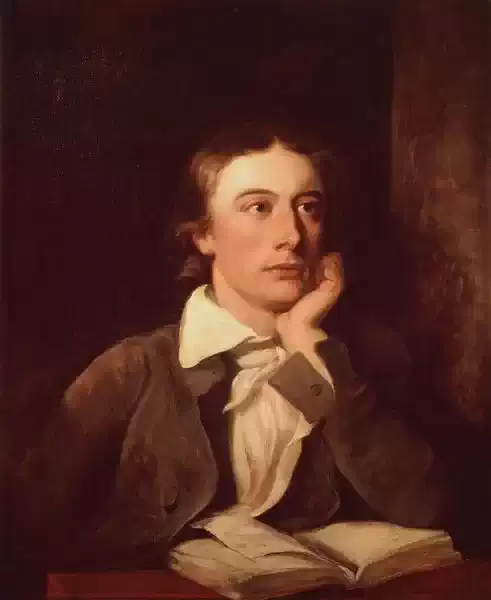
John Keats
To Byron
To Byron
Byron! how sweetly sad thy melody!
Attuning still the soul to tenderness,
As if soft Pity, with unusual stress,
Had touch'd her plaintive lute, and thou, being by,
Hadst caught the tones, nor suffer'd them to die.
O'ershadowing sorrow doth not make thee less
Delightful: thou thy griefs dost dress
With a bright halo, shining beamily,
As when a cloud the golden moon doth veil,
Its sides are ting'd with a resplendent glow,
Through the dark robe oft amber rays prevail,
And like fair veins in sable marble flow;
Still warble, dying swan! still tell the tale,
The enchanting tale, the tale of pleasing woe.
Byron! how sweetly sad thy melody!
Attuning still the soul to tenderness,
As if soft Pity, with unusual stress,
Had touch'd her plaintive lute, and thou, being by,
Hadst caught the tones, nor suffer'd them to die.
O'ershadowing sorrow doth not make thee less
Delightful: thou thy griefs dost dress
With a bright halo, shining beamily,
As when a cloud the golden moon doth veil,
Its sides are ting'd with a resplendent glow,
Through the dark robe oft amber rays prevail,
And like fair veins in sable marble flow;
Still warble, dying swan! still tell the tale,
The enchanting tale, the tale of pleasing woe.
418
John Keats
To Byron
To Byron
Byron! how sweetly sad thy melody!
Attuning still the soul to tenderness,
As if soft Pity, with unusual stress,
Had touch'd her plaintive lute, and thou, being by,
Hadst caught the tones, nor suffer'd them to die.
O'ershadowing sorrow doth not make thee less
Delightful: thou thy griefs dost dress
With a bright halo, shining beamily,
As when a cloud the golden moon doth veil,
Its sides are ting'd with a resplendent glow,
Through the dark robe oft amber rays prevail,
And like fair veins in sable marble flow;
Still warble, dying swan! still tell the tale,
The enchanting tale, the tale of pleasing woe.
Byron! how sweetly sad thy melody!
Attuning still the soul to tenderness,
As if soft Pity, with unusual stress,
Had touch'd her plaintive lute, and thou, being by,
Hadst caught the tones, nor suffer'd them to die.
O'ershadowing sorrow doth not make thee less
Delightful: thou thy griefs dost dress
With a bright halo, shining beamily,
As when a cloud the golden moon doth veil,
Its sides are ting'd with a resplendent glow,
Through the dark robe oft amber rays prevail,
And like fair veins in sable marble flow;
Still warble, dying swan! still tell the tale,
The enchanting tale, the tale of pleasing woe.
418
John Keats
To Fanny
To Fanny
I cry your mercy-pity-love!-aye, love!
Merciful love that tantalizes not,
One-thoughted, never-wandering, guileless love,
Unmasked, and being seen-without a blot!
O! let me have thee whole,-all-all-be mine!
That shape, that fairness, that sweet minor zest
Of love, your kiss,-those hands, those eyes divine,
That warm, white, lucent, million-pleasured breast,Yourself-
your soul-in pity give me all,
Withhold no atom's atom or I die,
Or living on, perhaps, your wretched thrall,
Forget, in the mist of idle misery,
Life's purposes,-the palate of my mind
Losing its gust, and my ambition blind!
I cry your mercy-pity-love!-aye, love!
Merciful love that tantalizes not,
One-thoughted, never-wandering, guileless love,
Unmasked, and being seen-without a blot!
O! let me have thee whole,-all-all-be mine!
That shape, that fairness, that sweet minor zest
Of love, your kiss,-those hands, those eyes divine,
That warm, white, lucent, million-pleasured breast,Yourself-
your soul-in pity give me all,
Withhold no atom's atom or I die,
Or living on, perhaps, your wretched thrall,
Forget, in the mist of idle misery,
Life's purposes,-the palate of my mind
Losing its gust, and my ambition blind!
455
John Keats
To A Friend Who Sent Me Some Roses
To A Friend Who Sent Me Some Roses
As late I rambled in the happy fields,
What time the skylark shakes the tremulous dew
From his lush clover covert;-when anew
Adventurous knights take up their dinted shields;
I saw the sweetest flower wild nature yields,
A fresh-blown musk-rose; 'twas the first that threw
Its sweets upon the summer: graceful it grew
As is the wand that Queen Titania wields.
And, as I feasted on its fragrancy,
I thought the garden-rose it far excelled;
But when, O Wells! thy roses came to me,
My sense with their deliciousness was spelled:
Soft voices had they, that with tender plea
Whispered of peace, and truth, and friendliness unquelled.
As late I rambled in the happy fields,
What time the skylark shakes the tremulous dew
From his lush clover covert;-when anew
Adventurous knights take up their dinted shields;
I saw the sweetest flower wild nature yields,
A fresh-blown musk-rose; 'twas the first that threw
Its sweets upon the summer: graceful it grew
As is the wand that Queen Titania wields.
And, as I feasted on its fragrancy,
I thought the garden-rose it far excelled;
But when, O Wells! thy roses came to me,
My sense with their deliciousness was spelled:
Soft voices had they, that with tender plea
Whispered of peace, and truth, and friendliness unquelled.
450
John Keats
To ****
To ****
Hadst thou liv'd in days of old,
O what wonders had been told
Of thy lively countenance,
And thy humid eyes that dance
In the midst of their own brightness;
In the very fane of lightness.
Over which thine eyebrows, leaning,
Picture out each lovely meaning:
In a dainty bend they lie,
Like to streaks across the sky,
Or the feathers from a crow,
Fallen on a bed of snow.
Of thy dark hair that extends
Into many graceful bends:
As the leaves of Hellebore
Turn to whence they sprung before.
And behind each ample curl
Peeps the richness of a pearl.
Downward too flows many a tress
With a glossy waviness;
Full, and round like globes that rise
From the censer to the skies
Through sunny air. Add too, the sweetness
Of thy honied voice; the neatness
Of thine ankle lightly turn'd:
With those beauties, scarce discern'd,
Kept with such sweet privacy,
That they seldom meet the eye
Of the little loves that fly
Round about with eager pry.
Saving when, with freshening lave,
Thou dipp'st them in the taintless wave;
Like twin water lillies, born
In the coolness of the morn.
O, if thou hadst breathed then,
Now the Muses had been ten.
Couldst thou wish for lineage higher
Than twin sister of Thalia?
At least for ever, evermore,
Will I call the Graces four.
Hadst thou liv'd when chivalry
Lifted up her lance on high,
Tell me what thou wouldst have been?
Ah! I see the silver sheen
Of thy broidered, floating vest
Cov’ring half thine ivory breast;
Which, O heavens! I should see,
But that cruel destiny
Has placed a golden cuirass there;
Keeping secret what is fair.
Like sunbeams in a cloudlet nested
Thy locks in knightly casque are rested:
O’er which bend four milky plumes
Like the gentle lilly’s blooms
Springing from a costly vase.
See with what a stately pace
Comes thine alabaster steed;
Servant of heroic deed!
O'er his loins, his trappings glow
Like the northern lights on snow.
Mount his back! thy sword unsheath!
Sign of the enchanter's death;
Bane of every wicked spell;
Silencer of dragon's yell.
Alas! thou this wilt never do:
Thou art an enchantress too,
And wilt surely never spill
Blood of those whose eyes can kill.
Hadst thou liv'd in days of old,
O what wonders had been told
Of thy lively countenance,
And thy humid eyes that dance
In the midst of their own brightness;
In the very fane of lightness.
Over which thine eyebrows, leaning,
Picture out each lovely meaning:
In a dainty bend they lie,
Like to streaks across the sky,
Or the feathers from a crow,
Fallen on a bed of snow.
Of thy dark hair that extends
Into many graceful bends:
As the leaves of Hellebore
Turn to whence they sprung before.
And behind each ample curl
Peeps the richness of a pearl.
Downward too flows many a tress
With a glossy waviness;
Full, and round like globes that rise
From the censer to the skies
Through sunny air. Add too, the sweetness
Of thy honied voice; the neatness
Of thine ankle lightly turn'd:
With those beauties, scarce discern'd,
Kept with such sweet privacy,
That they seldom meet the eye
Of the little loves that fly
Round about with eager pry.
Saving when, with freshening lave,
Thou dipp'st them in the taintless wave;
Like twin water lillies, born
In the coolness of the morn.
O, if thou hadst breathed then,
Now the Muses had been ten.
Couldst thou wish for lineage higher
Than twin sister of Thalia?
At least for ever, evermore,
Will I call the Graces four.
Hadst thou liv'd when chivalry
Lifted up her lance on high,
Tell me what thou wouldst have been?
Ah! I see the silver sheen
Of thy broidered, floating vest
Cov’ring half thine ivory breast;
Which, O heavens! I should see,
But that cruel destiny
Has placed a golden cuirass there;
Keeping secret what is fair.
Like sunbeams in a cloudlet nested
Thy locks in knightly casque are rested:
O’er which bend four milky plumes
Like the gentle lilly’s blooms
Springing from a costly vase.
See with what a stately pace
Comes thine alabaster steed;
Servant of heroic deed!
O'er his loins, his trappings glow
Like the northern lights on snow.
Mount his back! thy sword unsheath!
Sign of the enchanter's death;
Bane of every wicked spell;
Silencer of dragon's yell.
Alas! thou this wilt never do:
Thou art an enchantress too,
And wilt surely never spill
Blood of those whose eyes can kill.
444
John Keats
Teignmouth
Teignmouth
I.
Here all the summer could I stay,
For there's Bishop's teign
And King's teign
And Coomb at the clear Teign head--
Where close by the stream
You may have your cream
All spread upon barley bread.
II.
There's Arch Brook
And there's Larch Brook
Both turning many a mill,
And cooling the drouth
Of the salmon's mouth
And fattening his silver gill.
III.
There is Wild wood,
A Mild hood
To the sheep on the lea o' the down,
Where the golden furze,
With its green, thin spurs,
Doth catch at the maiden's gown.
IV.
There is Newton Marsh
With its spear grass harsh--
A pleasant summer level
Where the maidens sweet
Of the Market Street
Do meet in the dusk to revel.
V.
There's the Barton rich
With dyke and ditch
And hedge for the thrush to live in,
And the hollow tree
For the buzzing bee
And a bank for the wasp to hive in.
VI.
And O, and O
The daisies blow
And the primroses are waken'd,
And violets white
Sit in silver plight,
And the green bud's as long as the spike end.
VII.
Then who would go
Into dark Soho,
And chatter with dack'd-hair'd critics,
When he can stay
For the new-mown hay,
And startle the dappled Prickets?
I.
Here all the summer could I stay,
For there's Bishop's teign
And King's teign
And Coomb at the clear Teign head--
Where close by the stream
You may have your cream
All spread upon barley bread.
II.
There's Arch Brook
And there's Larch Brook
Both turning many a mill,
And cooling the drouth
Of the salmon's mouth
And fattening his silver gill.
III.
There is Wild wood,
A Mild hood
To the sheep on the lea o' the down,
Where the golden furze,
With its green, thin spurs,
Doth catch at the maiden's gown.
IV.
There is Newton Marsh
With its spear grass harsh--
A pleasant summer level
Where the maidens sweet
Of the Market Street
Do meet in the dusk to revel.
V.
There's the Barton rich
With dyke and ditch
And hedge for the thrush to live in,
And the hollow tree
For the buzzing bee
And a bank for the wasp to hive in.
VI.
And O, and O
The daisies blow
And the primroses are waken'd,
And violets white
Sit in silver plight,
And the green bud's as long as the spike end.
VII.
Then who would go
Into dark Soho,
And chatter with dack'd-hair'd critics,
When he can stay
For the new-mown hay,
And startle the dappled Prickets?
493
John Keats
The Day Is Gone, And All Its Sweets Are Gone
The Day Is Gone, And All Its Sweets Are Gone
The day is gone, and all its sweets are gone!
Sweet voice, sweet lips, soft hand, and softer breast,
Warm breath, light whisper, tender semitone,
Bright eyes, accomplished shape, and lang'rous waist!
Faded the flower and all its budded charms,
Faded the sight of beauty from my eyes,
Faded the shape of beauty from my arms,
Faded the voice, warmth, whiteness, paradise-
Vanished unseasonably at shut of eve,
When the dusk holiday-or holinight
Of fragrant-curtained love begins to weave
The woof of darkness thick, for hid delight;
But, as I've read love's missal through today,
He'll let me sleep, seeing I fast and pray.
The day is gone, and all its sweets are gone!
Sweet voice, sweet lips, soft hand, and softer breast,
Warm breath, light whisper, tender semitone,
Bright eyes, accomplished shape, and lang'rous waist!
Faded the flower and all its budded charms,
Faded the sight of beauty from my eyes,
Faded the shape of beauty from my arms,
Faded the voice, warmth, whiteness, paradise-
Vanished unseasonably at shut of eve,
When the dusk holiday-or holinight
Of fragrant-curtained love begins to weave
The woof of darkness thick, for hid delight;
But, as I've read love's missal through today,
He'll let me sleep, seeing I fast and pray.
472
John Keats
The Day Is Gone, And All Its Sweets Are Gone
The Day Is Gone, And All Its Sweets Are Gone
The day is gone, and all its sweets are gone!
Sweet voice, sweet lips, soft hand, and softer breast,
Warm breath, light whisper, tender semitone,
Bright eyes, accomplished shape, and lang'rous waist!
Faded the flower and all its budded charms,
Faded the sight of beauty from my eyes,
Faded the shape of beauty from my arms,
Faded the voice, warmth, whiteness, paradise-
Vanished unseasonably at shut of eve,
When the dusk holiday-or holinight
Of fragrant-curtained love begins to weave
The woof of darkness thick, for hid delight;
But, as I've read love's missal through today,
He'll let me sleep, seeing I fast and pray.
The day is gone, and all its sweets are gone!
Sweet voice, sweet lips, soft hand, and softer breast,
Warm breath, light whisper, tender semitone,
Bright eyes, accomplished shape, and lang'rous waist!
Faded the flower and all its budded charms,
Faded the sight of beauty from my eyes,
Faded the shape of beauty from my arms,
Faded the voice, warmth, whiteness, paradise-
Vanished unseasonably at shut of eve,
When the dusk holiday-or holinight
Of fragrant-curtained love begins to weave
The woof of darkness thick, for hid delight;
But, as I've read love's missal through today,
He'll let me sleep, seeing I fast and pray.
472
John Keats
Staffa
Staffa
Not Aladdin magian
Ever such a work began;
Not the wizard of the Dee
Ever such a dream could see;
Not St. John, in Patmos' Isle,
In the passion of his toil,
When he saw the churches seven,
Golden aisl'd, built up in heaven,
Gaz'd at such a rugged wonder.
As I stood its roofing under
Lo! I saw one sleeping there,
On the marble cold and bare.
While the surges wash'd his feet,
And his garments white did beat.
Drench'd about the sombre rocks,
On his neck his well-grown locks,
Lifted dry above the main,
Were upon the curl again.
'What is this? and what art thou?'
Whisper'd I, and touch'd his brow;
'What art thou? and what is this?'
Whisper'd I, and strove to kiss
The spirit's hand, to wake his eyes;
Up he started in a trice:
'I am Lycidas,' said he,
'Fam'd in funeral minstrely!
This was architectur'd thus
By the great Oceanus!--
Here his mighty waters play
Hollow organs all the day;
Here by turns his dolphins all,
Finny palmers great and small,
Come to pay devotion due--
Each a mouth of pearls must strew.
Many a mortal of these days,
Dares to pass our sacred ways,
Dares to touch audaciously
This Cathedral of the Sea!
I have been the pontiff-priest
Where the waters never rest,
Where a fledgy sea-bird choir
Soars for ever; holy fire
I have hid from mortal man;
Proteus is my Sacristan.
But the dulled eye of mortal
Hath pass'd beyond the rocky portal;
So for ever will I leave
Such a taint, and soon unweave
All the magic of the place.'
* * * * * *
So saying, with a Spirit's glance
He dived!
Not Aladdin magian
Ever such a work began;
Not the wizard of the Dee
Ever such a dream could see;
Not St. John, in Patmos' Isle,
In the passion of his toil,
When he saw the churches seven,
Golden aisl'd, built up in heaven,
Gaz'd at such a rugged wonder.
As I stood its roofing under
Lo! I saw one sleeping there,
On the marble cold and bare.
While the surges wash'd his feet,
And his garments white did beat.
Drench'd about the sombre rocks,
On his neck his well-grown locks,
Lifted dry above the main,
Were upon the curl again.
'What is this? and what art thou?'
Whisper'd I, and touch'd his brow;
'What art thou? and what is this?'
Whisper'd I, and strove to kiss
The spirit's hand, to wake his eyes;
Up he started in a trice:
'I am Lycidas,' said he,
'Fam'd in funeral minstrely!
This was architectur'd thus
By the great Oceanus!--
Here his mighty waters play
Hollow organs all the day;
Here by turns his dolphins all,
Finny palmers great and small,
Come to pay devotion due--
Each a mouth of pearls must strew.
Many a mortal of these days,
Dares to pass our sacred ways,
Dares to touch audaciously
This Cathedral of the Sea!
I have been the pontiff-priest
Where the waters never rest,
Where a fledgy sea-bird choir
Soars for ever; holy fire
I have hid from mortal man;
Proteus is my Sacristan.
But the dulled eye of mortal
Hath pass'd beyond the rocky portal;
So for ever will I leave
Such a taint, and soon unweave
All the magic of the place.'
* * * * * *
So saying, with a Spirit's glance
He dived!
446
John Keats
Staffa
Staffa
Not Aladdin magian
Ever such a work began;
Not the wizard of the Dee
Ever such a dream could see;
Not St. John, in Patmos' Isle,
In the passion of his toil,
When he saw the churches seven,
Golden aisl'd, built up in heaven,
Gaz'd at such a rugged wonder.
As I stood its roofing under
Lo! I saw one sleeping there,
On the marble cold and bare.
While the surges wash'd his feet,
And his garments white did beat.
Drench'd about the sombre rocks,
On his neck his well-grown locks,
Lifted dry above the main,
Were upon the curl again.
'What is this? and what art thou?'
Whisper'd I, and touch'd his brow;
'What art thou? and what is this?'
Whisper'd I, and strove to kiss
The spirit's hand, to wake his eyes;
Up he started in a trice:
'I am Lycidas,' said he,
'Fam'd in funeral minstrely!
This was architectur'd thus
By the great Oceanus!--
Here his mighty waters play
Hollow organs all the day;
Here by turns his dolphins all,
Finny palmers great and small,
Come to pay devotion due--
Each a mouth of pearls must strew.
Many a mortal of these days,
Dares to pass our sacred ways,
Dares to touch audaciously
This Cathedral of the Sea!
I have been the pontiff-priest
Where the waters never rest,
Where a fledgy sea-bird choir
Soars for ever; holy fire
I have hid from mortal man;
Proteus is my Sacristan.
But the dulled eye of mortal
Hath pass'd beyond the rocky portal;
So for ever will I leave
Such a taint, and soon unweave
All the magic of the place.'
* * * * * *
So saying, with a Spirit's glance
He dived!
Not Aladdin magian
Ever such a work began;
Not the wizard of the Dee
Ever such a dream could see;
Not St. John, in Patmos' Isle,
In the passion of his toil,
When he saw the churches seven,
Golden aisl'd, built up in heaven,
Gaz'd at such a rugged wonder.
As I stood its roofing under
Lo! I saw one sleeping there,
On the marble cold and bare.
While the surges wash'd his feet,
And his garments white did beat.
Drench'd about the sombre rocks,
On his neck his well-grown locks,
Lifted dry above the main,
Were upon the curl again.
'What is this? and what art thou?'
Whisper'd I, and touch'd his brow;
'What art thou? and what is this?'
Whisper'd I, and strove to kiss
The spirit's hand, to wake his eyes;
Up he started in a trice:
'I am Lycidas,' said he,
'Fam'd in funeral minstrely!
This was architectur'd thus
By the great Oceanus!--
Here his mighty waters play
Hollow organs all the day;
Here by turns his dolphins all,
Finny palmers great and small,
Come to pay devotion due--
Each a mouth of pearls must strew.
Many a mortal of these days,
Dares to pass our sacred ways,
Dares to touch audaciously
This Cathedral of the Sea!
I have been the pontiff-priest
Where the waters never rest,
Where a fledgy sea-bird choir
Soars for ever; holy fire
I have hid from mortal man;
Proteus is my Sacristan.
But the dulled eye of mortal
Hath pass'd beyond the rocky portal;
So for ever will I leave
Such a taint, and soon unweave
All the magic of the place.'
* * * * * *
So saying, with a Spirit's glance
He dived!
446
John Keats
Spenserian Stanza. Written At The Close Of Canto II, Book V, Of
Spenserian Stanza. Written At The Close Of Canto II, Book V, Of
In after-time, a sage of mickle lore
Yclep'd Typographus, the Giant took,
And did refit his limbs as heretofore,
And made him read in many a learned book,
And into many a lively legend look;
Thereby in goodly themes so training him,
That all his brutishness he quite forsook,
When, meeting Artegall and Talus grim,
The one he struck stone-blind, the other's eyes wox dim.
In after-time, a sage of mickle lore
Yclep'd Typographus, the Giant took,
And did refit his limbs as heretofore,
And made him read in many a learned book,
And into many a lively legend look;
Thereby in goodly themes so training him,
That all his brutishness he quite forsook,
When, meeting Artegall and Talus grim,
The one he struck stone-blind, the other's eyes wox dim.
374
John Keats
Sonnet: After Dark Vapors Have Oppress'd Our Plains
Sonnet: After Dark Vapors Have Oppress'd Our Plains
After dark vapors have oppress'd our plains
For a long dreary season, comes a day
Born of the gentle South, and clears away
From the sick heavens all unseemly stains.
The anxious month, relieved of its pains,
Takes as a long-lost right the feel of May;
The eyelids with the passing coolness play
Like rose leaves with the drip of Summer rains.
The calmest thoughts came round us; as of leaves
Budding -- fruit ripening in stillness -- Autumn suns
Smiling at eve upon the quiet sheaves --
Sweet Sappho's cheek -- a smiling infant's breath --
The gradual sand that through an hour-glass runs --
A woodland rivulet -- a Poet's death.
After dark vapors have oppress'd our plains
For a long dreary season, comes a day
Born of the gentle South, and clears away
From the sick heavens all unseemly stains.
The anxious month, relieved of its pains,
Takes as a long-lost right the feel of May;
The eyelids with the passing coolness play
Like rose leaves with the drip of Summer rains.
The calmest thoughts came round us; as of leaves
Budding -- fruit ripening in stillness -- Autumn suns
Smiling at eve upon the quiet sheaves --
Sweet Sappho's cheek -- a smiling infant's breath --
The gradual sand that through an hour-glass runs --
A woodland rivulet -- a Poet's death.
407
John Keats
Sonnet: Before He Went
Sonnet: Before He Went
BEFORE he went to feed with owls and bats
Nebuchadnezzar had an ugly dream,
Worse than an Hus'if's when she thinks her cream
Made a Naumachia for mice and rats.
So scared, he sent for that 'Good King of Cats'
Young Daniel, who soon did pluck away the beam
From out his eye, and said he did not deem
The sceptre worth a straw his Cushions old door-mats.
A horrid nightmare similar somewhat
Of late has haunted a most motley crew,
Most loggerheads and Chapmen we are told
That any Daniel tho' he be a sot
Can make the lying lips turn pale of hue
By belching out 'ye are that head of Gold.'
BEFORE he went to feed with owls and bats
Nebuchadnezzar had an ugly dream,
Worse than an Hus'if's when she thinks her cream
Made a Naumachia for mice and rats.
So scared, he sent for that 'Good King of Cats'
Young Daniel, who soon did pluck away the beam
From out his eye, and said he did not deem
The sceptre worth a straw his Cushions old door-mats.
A horrid nightmare similar somewhat
Of late has haunted a most motley crew,
Most loggerheads and Chapmen we are told
That any Daniel tho' he be a sot
Can make the lying lips turn pale of hue
By belching out 'ye are that head of Gold.'
455
John Keats
Sonnet: Before He Went
Sonnet: Before He Went
BEFORE he went to feed with owls and bats
Nebuchadnezzar had an ugly dream,
Worse than an Hus'if's when she thinks her cream
Made a Naumachia for mice and rats.
So scared, he sent for that 'Good King of Cats'
Young Daniel, who soon did pluck away the beam
From out his eye, and said he did not deem
The sceptre worth a straw his Cushions old door-mats.
A horrid nightmare similar somewhat
Of late has haunted a most motley crew,
Most loggerheads and Chapmen we are told
That any Daniel tho' he be a sot
Can make the lying lips turn pale of hue
By belching out 'ye are that head of Gold.'
BEFORE he went to feed with owls and bats
Nebuchadnezzar had an ugly dream,
Worse than an Hus'if's when she thinks her cream
Made a Naumachia for mice and rats.
So scared, he sent for that 'Good King of Cats'
Young Daniel, who soon did pluck away the beam
From out his eye, and said he did not deem
The sceptre worth a straw his Cushions old door-mats.
A horrid nightmare similar somewhat
Of late has haunted a most motley crew,
Most loggerheads and Chapmen we are told
That any Daniel tho' he be a sot
Can make the lying lips turn pale of hue
By belching out 'ye are that head of Gold.'
455
John Keats
Sonnet. Written On A Blank Space At The End Of Chaucer's Tale Of 'The Floure
Sonnet. Written On A Blank Space At The End Of Chaucer's Tale Of 'The Floure
And The Lefe'
This pleasant tale is like a little copse:
The honied lines do freshly interlace,
To keep the reader in so sweet a place,
So that he here and there full hearted stops;
And oftentimes he feels the dewy drops
Come cool and suddenly against his face,
And by the wandering melody may trace
Which way the tender-legged linnet hops.
Oh! What a power hath white simplicity!
What mighty power has this gentle story!
I, that for ever feel athirst for glory,
Could at this moment be content to lie
Meekly upon the grass, as those whose sobbings
Were heard of none beside the mournful robbins.
And The Lefe'
This pleasant tale is like a little copse:
The honied lines do freshly interlace,
To keep the reader in so sweet a place,
So that he here and there full hearted stops;
And oftentimes he feels the dewy drops
Come cool and suddenly against his face,
And by the wandering melody may trace
Which way the tender-legged linnet hops.
Oh! What a power hath white simplicity!
What mighty power has this gentle story!
I, that for ever feel athirst for glory,
Could at this moment be content to lie
Meekly upon the grass, as those whose sobbings
Were heard of none beside the mournful robbins.
389
John Keats
Sonnet. Written On A Blank Space At The End Of Chaucer's Tale Of 'The Floure
Sonnet. Written On A Blank Space At The End Of Chaucer's Tale Of 'The Floure
And The Lefe'
This pleasant tale is like a little copse:
The honied lines do freshly interlace,
To keep the reader in so sweet a place,
So that he here and there full hearted stops;
And oftentimes he feels the dewy drops
Come cool and suddenly against his face,
And by the wandering melody may trace
Which way the tender-legged linnet hops.
Oh! What a power hath white simplicity!
What mighty power has this gentle story!
I, that for ever feel athirst for glory,
Could at this moment be content to lie
Meekly upon the grass, as those whose sobbings
Were heard of none beside the mournful robbins.
And The Lefe'
This pleasant tale is like a little copse:
The honied lines do freshly interlace,
To keep the reader in so sweet a place,
So that he here and there full hearted stops;
And oftentimes he feels the dewy drops
Come cool and suddenly against his face,
And by the wandering melody may trace
Which way the tender-legged linnet hops.
Oh! What a power hath white simplicity!
What mighty power has this gentle story!
I, that for ever feel athirst for glory,
Could at this moment be content to lie
Meekly upon the grass, as those whose sobbings
Were heard of none beside the mournful robbins.
389
John Keats
Sonnet. To A Lady Seen For A Few Moments At Vauxhall
Sonnet. To A Lady Seen For A Few Moments At Vauxhall
Time's sea hath been five years at its slow ebb,
Long hours have to and fro let creep the sand,
Since I was tangled in thy beauty's web,
And snared by the ungloving of thine hand.
And yet I never look on midnight sky,
But I behold thine eyes' well memory'd light;
I cannot look upon the rose's dye,
But to thy cheek my soul doth take its flight.
I cannot look on any budding flower,
But my fond ear, in fancy at thy lips
And hearkening for a love-sound, doth devour
Its sweets in the wrong sense: -- Thou dost eclipse
Every delight with sweet remembering,
And grief unto my darling joys dost bring.
Time's sea hath been five years at its slow ebb,
Long hours have to and fro let creep the sand,
Since I was tangled in thy beauty's web,
And snared by the ungloving of thine hand.
And yet I never look on midnight sky,
But I behold thine eyes' well memory'd light;
I cannot look upon the rose's dye,
But to thy cheek my soul doth take its flight.
I cannot look on any budding flower,
But my fond ear, in fancy at thy lips
And hearkening for a love-sound, doth devour
Its sweets in the wrong sense: -- Thou dost eclipse
Every delight with sweet remembering,
And grief unto my darling joys dost bring.
509
John Keats
Sonnet. Why Did I Laugh Tonight?
Sonnet. Why Did I Laugh Tonight?
Why did I laugh to-night? No voice will tell
No God, no Demon of severe response,
Deigns to reply from Heaven or from Hell
Then to my human heart I turn at once:
Heart! Thou and I are here sad and alone;
I say, why did I laugh? O mortal pain!
O Darkness! Darkness! ever must I moan,
To question Heaven and Hell and Heart in vain.
Why did I laugh? I know this Being's lease,
My fancy to its utmost blisses spreads;
Yet would I on this very midnight cease,
And all the world's gaudy ensigns see in shreds;
Verse, Fame, and Beauty are intense indeed,
But Death intenser -- Death is Life's high meed.
Why did I laugh to-night? No voice will tell
No God, no Demon of severe response,
Deigns to reply from Heaven or from Hell
Then to my human heart I turn at once:
Heart! Thou and I are here sad and alone;
I say, why did I laugh? O mortal pain!
O Darkness! Darkness! ever must I moan,
To question Heaven and Hell and Heart in vain.
Why did I laugh? I know this Being's lease,
My fancy to its utmost blisses spreads;
Yet would I on this very midnight cease,
And all the world's gaudy ensigns see in shreds;
Verse, Fame, and Beauty are intense indeed,
But Death intenser -- Death is Life's high meed.
457
John Keats
Sonnet. The Day Is Gone
Sonnet. The Day Is Gone
The day is gone, and all its sweets are gone!
Sweet voice, sweet lips, soft hand, and softer breast,
Warm breath, light whisper, tender semitone,
Bright eyes, accomplished shape, and lang'rous waist!
Faded the flower and all its budded charms,
Faded the sight of beauty from my eyes,
Faded the shape of beauty from my arms,
Faded the voice, warmth, whiteness, paradise--
Vanished unseasonably at shut of eve,
When the dusk holiday -- or holinight
Of fragrant-curtained love begins to weave
The woof of darkness thick, for hid delight;
But, as I've read love's missal through today,
He'll let me sleep, seeing I fast and pray.
The day is gone, and all its sweets are gone!
Sweet voice, sweet lips, soft hand, and softer breast,
Warm breath, light whisper, tender semitone,
Bright eyes, accomplished shape, and lang'rous waist!
Faded the flower and all its budded charms,
Faded the sight of beauty from my eyes,
Faded the shape of beauty from my arms,
Faded the voice, warmth, whiteness, paradise--
Vanished unseasonably at shut of eve,
When the dusk holiday -- or holinight
Of fragrant-curtained love begins to weave
The woof of darkness thick, for hid delight;
But, as I've read love's missal through today,
He'll let me sleep, seeing I fast and pray.
424
John Keats
Sonnet. The Day Is Gone
Sonnet. The Day Is Gone
The day is gone, and all its sweets are gone!
Sweet voice, sweet lips, soft hand, and softer breast,
Warm breath, light whisper, tender semitone,
Bright eyes, accomplished shape, and lang'rous waist!
Faded the flower and all its budded charms,
Faded the sight of beauty from my eyes,
Faded the shape of beauty from my arms,
Faded the voice, warmth, whiteness, paradise--
Vanished unseasonably at shut of eve,
When the dusk holiday -- or holinight
Of fragrant-curtained love begins to weave
The woof of darkness thick, for hid delight;
But, as I've read love's missal through today,
He'll let me sleep, seeing I fast and pray.
The day is gone, and all its sweets are gone!
Sweet voice, sweet lips, soft hand, and softer breast,
Warm breath, light whisper, tender semitone,
Bright eyes, accomplished shape, and lang'rous waist!
Faded the flower and all its budded charms,
Faded the sight of beauty from my eyes,
Faded the shape of beauty from my arms,
Faded the voice, warmth, whiteness, paradise--
Vanished unseasonably at shut of eve,
When the dusk holiday -- or holinight
Of fragrant-curtained love begins to weave
The woof of darkness thick, for hid delight;
But, as I've read love's missal through today,
He'll let me sleep, seeing I fast and pray.
424
John Keats
Sonnet. On A Picture Of Leander
Sonnet. On A Picture Of Leander
Come hither all sweet Maidens soberly
Down looking aye, and with a chasten'd light
Hid in the fringes of your eyelids white,
And meekly let your fair hands joined be,
As if so gentle that ye could not see,
Untouch'd, a victim of your beauty bright,
Sinking away to his young spirit's night,
Sinking bewilder'd 'mid the dreary sea.
'Tis young Leander toiling to his death.
Nigh swooning he doth purse his weary lips
For Hero's cheek, and smiles against her smile.
O horrid dream! see how his body dips
Dead-heavy; arms and shoulders gleam awhile;
He's gone; up bubbles all his amorous breath!
Come hither all sweet Maidens soberly
Down looking aye, and with a chasten'd light
Hid in the fringes of your eyelids white,
And meekly let your fair hands joined be,
As if so gentle that ye could not see,
Untouch'd, a victim of your beauty bright,
Sinking away to his young spirit's night,
Sinking bewilder'd 'mid the dreary sea.
'Tis young Leander toiling to his death.
Nigh swooning he doth purse his weary lips
For Hero's cheek, and smiles against her smile.
O horrid dream! see how his body dips
Dead-heavy; arms and shoulders gleam awhile;
He's gone; up bubbles all his amorous breath!
533
John Keats
Sonnet. A Dream, After Reading Dante's Episode Of Paulo And Francesca
Sonnet. A Dream, After Reading Dante's Episode Of Paulo And Francesca
As Hermes once took to his feathers light,
When lulled Argus, baffled, swooned and slept,
So on a Delphic reed, my idle spright
So played, so charmed, so conquered, so bereft
The dragon-world of all its hundred eyes;
And seeing it asleep, so fled away--
Not to pure Ida with its snow-cold skies,
Nor unto Tempe, where Jove grieved a day;
But to that second circle of sad Hell,
Where in the gust, the whirlwind, and the flaw
Of rain and hail-stones, lovers need not tell
Their sorrows. Pale were the sweet lips I saw,
Pale were the lips I kissed, and fair the form
I floated with, about that melancholy storm.
As Hermes once took to his feathers light,
When lulled Argus, baffled, swooned and slept,
So on a Delphic reed, my idle spright
So played, so charmed, so conquered, so bereft
The dragon-world of all its hundred eyes;
And seeing it asleep, so fled away--
Not to pure Ida with its snow-cold skies,
Nor unto Tempe, where Jove grieved a day;
But to that second circle of sad Hell,
Where in the gust, the whirlwind, and the flaw
Of rain and hail-stones, lovers need not tell
Their sorrows. Pale were the sweet lips I saw,
Pale were the lips I kissed, and fair the form
I floated with, about that melancholy storm.
429
John Keats
Sonnet XVII. Happy Is England
Sonnet XVII. Happy Is England
Happy is England! I could be content
To see no other verdure than its own;
To feel no other breezes than are blown
Through its tall woods with high romances blent:
Yet do I sometimes feel a languishment
For skies Italian, and an inward groan
To sit upon an Alp as on a throne,
And half forget what world or worldling meant.
Happy is England, sweet her artless daughters;
Enough their simple loveliness for me,
Enough their whitest arms in silence clinging:
Yet do I often warmly burn to see
Beauties of deeper glance, and hear their singing,
And float with them about the summer waters.
Happy is England! I could be content
To see no other verdure than its own;
To feel no other breezes than are blown
Through its tall woods with high romances blent:
Yet do I sometimes feel a languishment
For skies Italian, and an inward groan
To sit upon an Alp as on a throne,
And half forget what world or worldling meant.
Happy is England, sweet her artless daughters;
Enough their simple loveliness for me,
Enough their whitest arms in silence clinging:
Yet do I often warmly burn to see
Beauties of deeper glance, and hear their singing,
And float with them about the summer waters.
459
John Keats
Sonnet XIV. Addressed To The Same (Haydon)
Sonnet XIV. Addressed To The Same (Haydon)
Great spirits now on earth are sojourning;
He of the cloud, the cataract, the lake,
Who on Helvellyn's summit, wide awake,
Catches his freshness from Archangel's wing:
He of the rose, the violet, the spring,
The social smile, the chain for Freedom's sake:
And lo!--whose stedfastness would never take
A meaner sound than Raphael’s whispering.
And other spirits there are standing apart
Upon the forehead of the age to come;
These, these will give the world another heart,
And other pulses. Hear ye not the hum
Of mighty workings?-------
Listen awhile ye nations, and be dumb.
Great spirits now on earth are sojourning;
He of the cloud, the cataract, the lake,
Who on Helvellyn's summit, wide awake,
Catches his freshness from Archangel's wing:
He of the rose, the violet, the spring,
The social smile, the chain for Freedom's sake:
And lo!--whose stedfastness would never take
A meaner sound than Raphael’s whispering.
And other spirits there are standing apart
Upon the forehead of the age to come;
These, these will give the world another heart,
And other pulses. Hear ye not the hum
Of mighty workings?-------
Listen awhile ye nations, and be dumb.
430