

Poems in this topic
Others
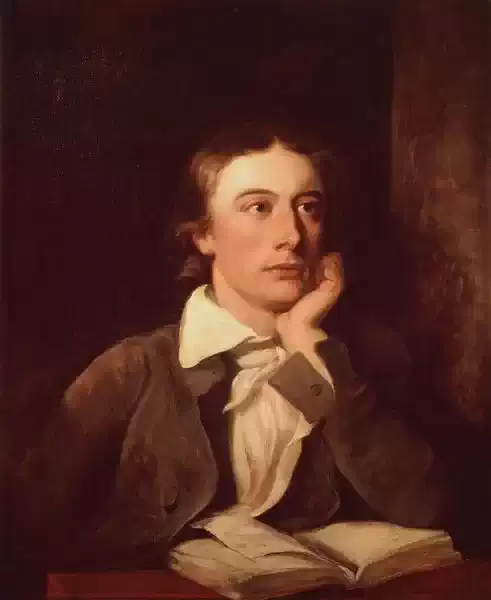
John Keats
On First Looking Into Chapman's Homer
On First Looking Into Chapman's Homer
Much have I travell'd in the realms of gold,
And many goodly states and kingdoms seen;
Round many western islands have I been
Which bards in fealty to Apollo hold.
Oft of one wide expanse had I been told
That deep-brow'd Homer ruled as his demesne;
Yet did I never breathe its pure serene
Till I heard Chapman speak out loud and bold:
Then felt I like some watcher of the skies
When a new planet swims into his ken;
Or like stout Cortez when with eagle eyes
He star'd at the Pacific--and all his men
Look'd at each other with a wild surmise-Silent,
upon a peak in Darien.
Much have I travell'd in the realms of gold,
And many goodly states and kingdoms seen;
Round many western islands have I been
Which bards in fealty to Apollo hold.
Oft of one wide expanse had I been told
That deep-brow'd Homer ruled as his demesne;
Yet did I never breathe its pure serene
Till I heard Chapman speak out loud and bold:
Then felt I like some watcher of the skies
When a new planet swims into his ken;
Or like stout Cortez when with eagle eyes
He star'd at the Pacific--and all his men
Look'd at each other with a wild surmise-Silent,
upon a peak in Darien.
531
John Keats
On Leaving Some Friends At An Early Hour
On Leaving Some Friends At An Early Hour
Give me a golden pen, and let me lean
On heaped-up flowers, in regions clear, and far;
Bring me a tablet whiter than a star,
Or hand of hymning angel, when 'tis seen
The silver strings of heavenly harp atween:
And let there glide by many a pearly car
Pink robes, and wavy hair, and diamond jar,
And half-discovered wings, and glances keen.
The while let music wander round my ears,
And as it reaches each delicious ending,
Let me write down a line of glorious tone,
And full of many wonders of the spheres:
For what a height my spirit is contending!
'Tis not content so soon to be alone.
Give me a golden pen, and let me lean
On heaped-up flowers, in regions clear, and far;
Bring me a tablet whiter than a star,
Or hand of hymning angel, when 'tis seen
The silver strings of heavenly harp atween:
And let there glide by many a pearly car
Pink robes, and wavy hair, and diamond jar,
And half-discovered wings, and glances keen.
The while let music wander round my ears,
And as it reaches each delicious ending,
Let me write down a line of glorious tone,
And full of many wonders of the spheres:
For what a height my spirit is contending!
'Tis not content so soon to be alone.
373
John Keats
Ode. Written On The Blank Page Before Beaumont And Fletcher's
Ode. Written On The Blank Page Before Beaumont And Fletcher's
Tragi-Comedy 'The Fair Maid Of The Inn'
Bards of Passion and of Mirth,
Ye have left your souls on earth!
Have ye souls in heaven too,
Doubled-lived in regions new?
Yes, and those of heaven commune
With the spheres of sun and moon;
With the noise of fountains wondrous,
And the parle of voices thund'rous;
With the whisper of heaven's trees
And one another, in soft ease
Seated on Elysian lawns
Browsed by none but Dian's fawns;
Underneath large blue-bells tented,
Where the daisies are rose-scented,
And the rose herself has got
Perfume which on earth is not;
Where the nightingale doth sing
Not a senseless, tranced thing,
But divine melodious truth;
Philosophic numbers smooth;
Tales and golden histories
Of heaven and its mysteries.
Thus ye live on high, and then
On the earth ye live again;
And the souls ye left behind you
Teach us, here, the way to find you,
Where your other souls are joying,
Never slumber'd, never cloying.
Here, your earth-born souls still speak
To mortals, of their little week;
Of their sorrows and delights;
Of their passions and their spites;
Of their glory and their shame;
What doth strengthen and what maim.
Thus ye teach us, every day,
Wisdom, though fled far away.
Bards of Passion and of Mirth,
Ye have left your souls on earth!
Ye have souls in heaven too,
Double-lived in regions new!
Tragi-Comedy 'The Fair Maid Of The Inn'
Bards of Passion and of Mirth,
Ye have left your souls on earth!
Have ye souls in heaven too,
Doubled-lived in regions new?
Yes, and those of heaven commune
With the spheres of sun and moon;
With the noise of fountains wondrous,
And the parle of voices thund'rous;
With the whisper of heaven's trees
And one another, in soft ease
Seated on Elysian lawns
Browsed by none but Dian's fawns;
Underneath large blue-bells tented,
Where the daisies are rose-scented,
And the rose herself has got
Perfume which on earth is not;
Where the nightingale doth sing
Not a senseless, tranced thing,
But divine melodious truth;
Philosophic numbers smooth;
Tales and golden histories
Of heaven and its mysteries.
Thus ye live on high, and then
On the earth ye live again;
And the souls ye left behind you
Teach us, here, the way to find you,
Where your other souls are joying,
Never slumber'd, never cloying.
Here, your earth-born souls still speak
To mortals, of their little week;
Of their sorrows and delights;
Of their passions and their spites;
Of their glory and their shame;
What doth strengthen and what maim.
Thus ye teach us, every day,
Wisdom, though fled far away.
Bards of Passion and of Mirth,
Ye have left your souls on earth!
Ye have souls in heaven too,
Double-lived in regions new!
444
John Keats
Ode. Written On The Blank Page Before Beaumont And Fletcher's
Ode. Written On The Blank Page Before Beaumont And Fletcher's
Tragi-Comedy 'The Fair Maid Of The Inn'
Bards of Passion and of Mirth,
Ye have left your souls on earth!
Have ye souls in heaven too,
Doubled-lived in regions new?
Yes, and those of heaven commune
With the spheres of sun and moon;
With the noise of fountains wondrous,
And the parle of voices thund'rous;
With the whisper of heaven's trees
And one another, in soft ease
Seated on Elysian lawns
Browsed by none but Dian's fawns;
Underneath large blue-bells tented,
Where the daisies are rose-scented,
And the rose herself has got
Perfume which on earth is not;
Where the nightingale doth sing
Not a senseless, tranced thing,
But divine melodious truth;
Philosophic numbers smooth;
Tales and golden histories
Of heaven and its mysteries.
Thus ye live on high, and then
On the earth ye live again;
And the souls ye left behind you
Teach us, here, the way to find you,
Where your other souls are joying,
Never slumber'd, never cloying.
Here, your earth-born souls still speak
To mortals, of their little week;
Of their sorrows and delights;
Of their passions and their spites;
Of their glory and their shame;
What doth strengthen and what maim.
Thus ye teach us, every day,
Wisdom, though fled far away.
Bards of Passion and of Mirth,
Ye have left your souls on earth!
Ye have souls in heaven too,
Double-lived in regions new!
Tragi-Comedy 'The Fair Maid Of The Inn'
Bards of Passion and of Mirth,
Ye have left your souls on earth!
Have ye souls in heaven too,
Doubled-lived in regions new?
Yes, and those of heaven commune
With the spheres of sun and moon;
With the noise of fountains wondrous,
And the parle of voices thund'rous;
With the whisper of heaven's trees
And one another, in soft ease
Seated on Elysian lawns
Browsed by none but Dian's fawns;
Underneath large blue-bells tented,
Where the daisies are rose-scented,
And the rose herself has got
Perfume which on earth is not;
Where the nightingale doth sing
Not a senseless, tranced thing,
But divine melodious truth;
Philosophic numbers smooth;
Tales and golden histories
Of heaven and its mysteries.
Thus ye live on high, and then
On the earth ye live again;
And the souls ye left behind you
Teach us, here, the way to find you,
Where your other souls are joying,
Never slumber'd, never cloying.
Here, your earth-born souls still speak
To mortals, of their little week;
Of their sorrows and delights;
Of their passions and their spites;
Of their glory and their shame;
What doth strengthen and what maim.
Thus ye teach us, every day,
Wisdom, though fled far away.
Bards of Passion and of Mirth,
Ye have left your souls on earth!
Ye have souls in heaven too,
Double-lived in regions new!
444
John Keats
Ode. Written On The Blank Page Before Beaumont And Fletcher's
Ode. Written On The Blank Page Before Beaumont And Fletcher's
Tragi-Comedy 'The Fair Maid Of The Inn'
Bards of Passion and of Mirth,
Ye have left your souls on earth!
Have ye souls in heaven too,
Doubled-lived in regions new?
Yes, and those of heaven commune
With the spheres of sun and moon;
With the noise of fountains wondrous,
And the parle of voices thund'rous;
With the whisper of heaven's trees
And one another, in soft ease
Seated on Elysian lawns
Browsed by none but Dian's fawns;
Underneath large blue-bells tented,
Where the daisies are rose-scented,
And the rose herself has got
Perfume which on earth is not;
Where the nightingale doth sing
Not a senseless, tranced thing,
But divine melodious truth;
Philosophic numbers smooth;
Tales and golden histories
Of heaven and its mysteries.
Thus ye live on high, and then
On the earth ye live again;
And the souls ye left behind you
Teach us, here, the way to find you,
Where your other souls are joying,
Never slumber'd, never cloying.
Here, your earth-born souls still speak
To mortals, of their little week;
Of their sorrows and delights;
Of their passions and their spites;
Of their glory and their shame;
What doth strengthen and what maim.
Thus ye teach us, every day,
Wisdom, though fled far away.
Bards of Passion and of Mirth,
Ye have left your souls on earth!
Ye have souls in heaven too,
Double-lived in regions new!
Tragi-Comedy 'The Fair Maid Of The Inn'
Bards of Passion and of Mirth,
Ye have left your souls on earth!
Have ye souls in heaven too,
Doubled-lived in regions new?
Yes, and those of heaven commune
With the spheres of sun and moon;
With the noise of fountains wondrous,
And the parle of voices thund'rous;
With the whisper of heaven's trees
And one another, in soft ease
Seated on Elysian lawns
Browsed by none but Dian's fawns;
Underneath large blue-bells tented,
Where the daisies are rose-scented,
And the rose herself has got
Perfume which on earth is not;
Where the nightingale doth sing
Not a senseless, tranced thing,
But divine melodious truth;
Philosophic numbers smooth;
Tales and golden histories
Of heaven and its mysteries.
Thus ye live on high, and then
On the earth ye live again;
And the souls ye left behind you
Teach us, here, the way to find you,
Where your other souls are joying,
Never slumber'd, never cloying.
Here, your earth-born souls still speak
To mortals, of their little week;
Of their sorrows and delights;
Of their passions and their spites;
Of their glory and their shame;
What doth strengthen and what maim.
Thus ye teach us, every day,
Wisdom, though fled far away.
Bards of Passion and of Mirth,
Ye have left your souls on earth!
Ye have souls in heaven too,
Double-lived in regions new!
444
John Keats
Ode. Written On The Blank Page Before Beaumont And Fletcher's
Ode. Written On The Blank Page Before Beaumont And Fletcher's
Tragi-Comedy 'The Fair Maid Of The Inn'
Bards of Passion and of Mirth,
Ye have left your souls on earth!
Have ye souls in heaven too,
Doubled-lived in regions new?
Yes, and those of heaven commune
With the spheres of sun and moon;
With the noise of fountains wondrous,
And the parle of voices thund'rous;
With the whisper of heaven's trees
And one another, in soft ease
Seated on Elysian lawns
Browsed by none but Dian's fawns;
Underneath large blue-bells tented,
Where the daisies are rose-scented,
And the rose herself has got
Perfume which on earth is not;
Where the nightingale doth sing
Not a senseless, tranced thing,
But divine melodious truth;
Philosophic numbers smooth;
Tales and golden histories
Of heaven and its mysteries.
Thus ye live on high, and then
On the earth ye live again;
And the souls ye left behind you
Teach us, here, the way to find you,
Where your other souls are joying,
Never slumber'd, never cloying.
Here, your earth-born souls still speak
To mortals, of their little week;
Of their sorrows and delights;
Of their passions and their spites;
Of their glory and their shame;
What doth strengthen and what maim.
Thus ye teach us, every day,
Wisdom, though fled far away.
Bards of Passion and of Mirth,
Ye have left your souls on earth!
Ye have souls in heaven too,
Double-lived in regions new!
Tragi-Comedy 'The Fair Maid Of The Inn'
Bards of Passion and of Mirth,
Ye have left your souls on earth!
Have ye souls in heaven too,
Doubled-lived in regions new?
Yes, and those of heaven commune
With the spheres of sun and moon;
With the noise of fountains wondrous,
And the parle of voices thund'rous;
With the whisper of heaven's trees
And one another, in soft ease
Seated on Elysian lawns
Browsed by none but Dian's fawns;
Underneath large blue-bells tented,
Where the daisies are rose-scented,
And the rose herself has got
Perfume which on earth is not;
Where the nightingale doth sing
Not a senseless, tranced thing,
But divine melodious truth;
Philosophic numbers smooth;
Tales and golden histories
Of heaven and its mysteries.
Thus ye live on high, and then
On the earth ye live again;
And the souls ye left behind you
Teach us, here, the way to find you,
Where your other souls are joying,
Never slumber'd, never cloying.
Here, your earth-born souls still speak
To mortals, of their little week;
Of their sorrows and delights;
Of their passions and their spites;
Of their glory and their shame;
What doth strengthen and what maim.
Thus ye teach us, every day,
Wisdom, though fled far away.
Bards of Passion and of Mirth,
Ye have left your souls on earth!
Ye have souls in heaven too,
Double-lived in regions new!
444
John Keats
On Death
On Death
1.
Can death be sleep, when life is but a dream,
And scenes of bliss pass as a phantom by?
The transient pleasures as a vision seem,
And yet we think the greatest pain's to die.
2.
How strange it is that man on earth should roam,
And lead a life of woe, but not forsake
His rugged path; nor dare he view alone
His future doom which is but to awake.
1.
Can death be sleep, when life is but a dream,
And scenes of bliss pass as a phantom by?
The transient pleasures as a vision seem,
And yet we think the greatest pain's to die.
2.
How strange it is that man on earth should roam,
And lead a life of woe, but not forsake
His rugged path; nor dare he view alone
His future doom which is but to awake.
409
John Keats
Ode to Fanny
Ode to Fanny
Physician Nature! Let my spirit blood!
O ease my heart of verse and let me rest;
Throw me upon thy Tripod, till the flood
Of stifling numbers ebbs from my full breast.
A theme! a theme! great nature! give a theme;
Let me begin my dream.
I come -- I see thee, as thou standest there,
Beckon me not into the wintry air.
Ah! dearest love, sweet home of all my fears,
And hopes, and joys, and panting miseries, -To-
night, if I may guess, thy beauty wears
A smile of such delight,
As brilliant and as bright,
As when with ravished, aching, vassal eyes,
Lost in soft amaze,
I gaze, I gaze!
Who now, with greedy looks, eats up my feast?
What stare outfaces now my silver moon!
Ah! keep that hand unravished at the least;
Let, let, the amorous burn --
But pr'ythee, do not turn
The current of your heart from me so soon.
O! save, in charity,
The quickest pulse for me.
Save it for me, sweet love! though music breathe
Voluptuous visions into the warm air;
Though swimming through the dance's dangerous wreath,
Be like an April day,
Smiling and cold and gay,
A temperate lilly, temperate as fair;
Then, Heaven! there will be
A warmer June for me.
Why, this, you'll say, my Fanny! is not true:
Put your soft hand upon your snowy side,
Where the heart beats: confess -- 'tis nothing new --
Must not a woman be
A feather on the sea,
Sway'd to and fro by every wind and tide?
Of as uncertain speed
As blow-ball from the mead?
I know it -- and to know it is despair
To one who loves you as I love, sweet Fanny!
Whose heart goes fluttering for you every where,
Nor, when away you roam,
Dare keep its wretched home,
Love, love alone, his pains severe and many:
Then, loveliest! keep me free,
From torturing jealousy.
Ah! if you prize my subdued soul above
The poor, the fading, brief, pride of an hour;
Let none profane my Holy See of love,
Or with a rude hand break
The sacramental cake:
Let none else touch the just new-budded flower;
If not -- may my eyes close,
Love! on their lost repose.
Physician Nature! Let my spirit blood!
O ease my heart of verse and let me rest;
Throw me upon thy Tripod, till the flood
Of stifling numbers ebbs from my full breast.
A theme! a theme! great nature! give a theme;
Let me begin my dream.
I come -- I see thee, as thou standest there,
Beckon me not into the wintry air.
Ah! dearest love, sweet home of all my fears,
And hopes, and joys, and panting miseries, -To-
night, if I may guess, thy beauty wears
A smile of such delight,
As brilliant and as bright,
As when with ravished, aching, vassal eyes,
Lost in soft amaze,
I gaze, I gaze!
Who now, with greedy looks, eats up my feast?
What stare outfaces now my silver moon!
Ah! keep that hand unravished at the least;
Let, let, the amorous burn --
But pr'ythee, do not turn
The current of your heart from me so soon.
O! save, in charity,
The quickest pulse for me.
Save it for me, sweet love! though music breathe
Voluptuous visions into the warm air;
Though swimming through the dance's dangerous wreath,
Be like an April day,
Smiling and cold and gay,
A temperate lilly, temperate as fair;
Then, Heaven! there will be
A warmer June for me.
Why, this, you'll say, my Fanny! is not true:
Put your soft hand upon your snowy side,
Where the heart beats: confess -- 'tis nothing new --
Must not a woman be
A feather on the sea,
Sway'd to and fro by every wind and tide?
Of as uncertain speed
As blow-ball from the mead?
I know it -- and to know it is despair
To one who loves you as I love, sweet Fanny!
Whose heart goes fluttering for you every where,
Nor, when away you roam,
Dare keep its wretched home,
Love, love alone, his pains severe and many:
Then, loveliest! keep me free,
From torturing jealousy.
Ah! if you prize my subdued soul above
The poor, the fading, brief, pride of an hour;
Let none profane my Holy See of love,
Or with a rude hand break
The sacramental cake:
Let none else touch the just new-budded flower;
If not -- may my eyes close,
Love! on their lost repose.
501
John Keats
Ode To Apollo
Ode To Apollo
1.
In thy western halls of gold
When thou sittest in thy state,
Bards, that erst sublimely told
Heroic deeds, and sang of fate,
With fervour seize their adamantine lyres,
Whose chords are solid rays, and twinkle radiant fires.
2.
Here Homer with his nervous arms
Strikes the twanging harp of war,
And even the western splendour warms,
While the trumpets sound afar:
But, what creates the most intense surprise,
His soul looks out through renovated eyes.
3.
Then, through thy Temple wide, melodious swells
The sweet majestic tone of Maro's lyre:
The soul delighted on each accent dwells,-Enraptur'd
dwells,--not daring to respire,
The while he tells of grief around a funeral pyre.
4.
'Tis awful silence then again;
Expectant stand the spheres;
Breathless the laurell'd peers,
Nor move, till ends the lofty strain,
Nor move till Milton's tuneful thunders cease,
And leave once more the ravish'd heavens in peace.
5.
Thou biddest Shakespeare wave his hand,
And quickly forward spring
The Passions--a terrific band--
And each vibrates the string
That with its tyrant temper best accords,
While from their Master's lips pour forth the inspiring words.
6.
A silver trumpet Spenser blows,
And, as its martial notes to silence flee,
From a virgin chorus flows
A hymn in praise of spotless Chastity.
'Tis still! Wild warblings from the Aeolian lyre
Enchantment softly breathe, and tremblingly expire.
7.
Next thy Tasso's ardent numbers
Float along the pleased air,
Calling youth from idle slumbers,
Rousing them from Pleasure's lair:-www.
PoemHunter.com - The World's Poetry Archive
Then o'er the strings his fingers gently move,
And melt the soul to pity and to love.
8.
But when Thou joinest with the Nine,
And all the powers of song combine,
We listen here on earth:
Thy dying tones that fill the air,
And charm the ear of evening fair,
From thee, great God of Bards, receive their heavenly birth.
1.
In thy western halls of gold
When thou sittest in thy state,
Bards, that erst sublimely told
Heroic deeds, and sang of fate,
With fervour seize their adamantine lyres,
Whose chords are solid rays, and twinkle radiant fires.
2.
Here Homer with his nervous arms
Strikes the twanging harp of war,
And even the western splendour warms,
While the trumpets sound afar:
But, what creates the most intense surprise,
His soul looks out through renovated eyes.
3.
Then, through thy Temple wide, melodious swells
The sweet majestic tone of Maro's lyre:
The soul delighted on each accent dwells,-Enraptur'd
dwells,--not daring to respire,
The while he tells of grief around a funeral pyre.
4.
'Tis awful silence then again;
Expectant stand the spheres;
Breathless the laurell'd peers,
Nor move, till ends the lofty strain,
Nor move till Milton's tuneful thunders cease,
And leave once more the ravish'd heavens in peace.
5.
Thou biddest Shakespeare wave his hand,
And quickly forward spring
The Passions--a terrific band--
And each vibrates the string
That with its tyrant temper best accords,
While from their Master's lips pour forth the inspiring words.
6.
A silver trumpet Spenser blows,
And, as its martial notes to silence flee,
From a virgin chorus flows
A hymn in praise of spotless Chastity.
'Tis still! Wild warblings from the Aeolian lyre
Enchantment softly breathe, and tremblingly expire.
7.
Next thy Tasso's ardent numbers
Float along the pleased air,
Calling youth from idle slumbers,
Rousing them from Pleasure's lair:-www.
PoemHunter.com - The World's Poetry Archive
Then o'er the strings his fingers gently move,
And melt the soul to pity and to love.
8.
But when Thou joinest with the Nine,
And all the powers of song combine,
We listen here on earth:
Thy dying tones that fill the air,
And charm the ear of evening fair,
From thee, great God of Bards, receive their heavenly birth.
496
John Keats
Ode To Apollo
Ode To Apollo
1.
In thy western halls of gold
When thou sittest in thy state,
Bards, that erst sublimely told
Heroic deeds, and sang of fate,
With fervour seize their adamantine lyres,
Whose chords are solid rays, and twinkle radiant fires.
2.
Here Homer with his nervous arms
Strikes the twanging harp of war,
And even the western splendour warms,
While the trumpets sound afar:
But, what creates the most intense surprise,
His soul looks out through renovated eyes.
3.
Then, through thy Temple wide, melodious swells
The sweet majestic tone of Maro's lyre:
The soul delighted on each accent dwells,-Enraptur'd
dwells,--not daring to respire,
The while he tells of grief around a funeral pyre.
4.
'Tis awful silence then again;
Expectant stand the spheres;
Breathless the laurell'd peers,
Nor move, till ends the lofty strain,
Nor move till Milton's tuneful thunders cease,
And leave once more the ravish'd heavens in peace.
5.
Thou biddest Shakespeare wave his hand,
And quickly forward spring
The Passions--a terrific band--
And each vibrates the string
That with its tyrant temper best accords,
While from their Master's lips pour forth the inspiring words.
6.
A silver trumpet Spenser blows,
And, as its martial notes to silence flee,
From a virgin chorus flows
A hymn in praise of spotless Chastity.
'Tis still! Wild warblings from the Aeolian lyre
Enchantment softly breathe, and tremblingly expire.
7.
Next thy Tasso's ardent numbers
Float along the pleased air,
Calling youth from idle slumbers,
Rousing them from Pleasure's lair:-www.
PoemHunter.com - The World's Poetry Archive
Then o'er the strings his fingers gently move,
And melt the soul to pity and to love.
8.
But when Thou joinest with the Nine,
And all the powers of song combine,
We listen here on earth:
Thy dying tones that fill the air,
And charm the ear of evening fair,
From thee, great God of Bards, receive their heavenly birth.
1.
In thy western halls of gold
When thou sittest in thy state,
Bards, that erst sublimely told
Heroic deeds, and sang of fate,
With fervour seize their adamantine lyres,
Whose chords are solid rays, and twinkle radiant fires.
2.
Here Homer with his nervous arms
Strikes the twanging harp of war,
And even the western splendour warms,
While the trumpets sound afar:
But, what creates the most intense surprise,
His soul looks out through renovated eyes.
3.
Then, through thy Temple wide, melodious swells
The sweet majestic tone of Maro's lyre:
The soul delighted on each accent dwells,-Enraptur'd
dwells,--not daring to respire,
The while he tells of grief around a funeral pyre.
4.
'Tis awful silence then again;
Expectant stand the spheres;
Breathless the laurell'd peers,
Nor move, till ends the lofty strain,
Nor move till Milton's tuneful thunders cease,
And leave once more the ravish'd heavens in peace.
5.
Thou biddest Shakespeare wave his hand,
And quickly forward spring
The Passions--a terrific band--
And each vibrates the string
That with its tyrant temper best accords,
While from their Master's lips pour forth the inspiring words.
6.
A silver trumpet Spenser blows,
And, as its martial notes to silence flee,
From a virgin chorus flows
A hymn in praise of spotless Chastity.
'Tis still! Wild warblings from the Aeolian lyre
Enchantment softly breathe, and tremblingly expire.
7.
Next thy Tasso's ardent numbers
Float along the pleased air,
Calling youth from idle slumbers,
Rousing them from Pleasure's lair:-www.
PoemHunter.com - The World's Poetry Archive
Then o'er the strings his fingers gently move,
And melt the soul to pity and to love.
8.
But when Thou joinest with the Nine,
And all the powers of song combine,
We listen here on earth:
Thy dying tones that fill the air,
And charm the ear of evening fair,
From thee, great God of Bards, receive their heavenly birth.
496
John Keats
Ode To Apollo
Ode To Apollo
1.
In thy western halls of gold
When thou sittest in thy state,
Bards, that erst sublimely told
Heroic deeds, and sang of fate,
With fervour seize their adamantine lyres,
Whose chords are solid rays, and twinkle radiant fires.
2.
Here Homer with his nervous arms
Strikes the twanging harp of war,
And even the western splendour warms,
While the trumpets sound afar:
But, what creates the most intense surprise,
His soul looks out through renovated eyes.
3.
Then, through thy Temple wide, melodious swells
The sweet majestic tone of Maro's lyre:
The soul delighted on each accent dwells,-Enraptur'd
dwells,--not daring to respire,
The while he tells of grief around a funeral pyre.
4.
'Tis awful silence then again;
Expectant stand the spheres;
Breathless the laurell'd peers,
Nor move, till ends the lofty strain,
Nor move till Milton's tuneful thunders cease,
And leave once more the ravish'd heavens in peace.
5.
Thou biddest Shakespeare wave his hand,
And quickly forward spring
The Passions--a terrific band--
And each vibrates the string
That with its tyrant temper best accords,
While from their Master's lips pour forth the inspiring words.
6.
A silver trumpet Spenser blows,
And, as its martial notes to silence flee,
From a virgin chorus flows
A hymn in praise of spotless Chastity.
'Tis still! Wild warblings from the Aeolian lyre
Enchantment softly breathe, and tremblingly expire.
7.
Next thy Tasso's ardent numbers
Float along the pleased air,
Calling youth from idle slumbers,
Rousing them from Pleasure's lair:-www.
PoemHunter.com - The World's Poetry Archive
Then o'er the strings his fingers gently move,
And melt the soul to pity and to love.
8.
But when Thou joinest with the Nine,
And all the powers of song combine,
We listen here on earth:
Thy dying tones that fill the air,
And charm the ear of evening fair,
From thee, great God of Bards, receive their heavenly birth.
1.
In thy western halls of gold
When thou sittest in thy state,
Bards, that erst sublimely told
Heroic deeds, and sang of fate,
With fervour seize their adamantine lyres,
Whose chords are solid rays, and twinkle radiant fires.
2.
Here Homer with his nervous arms
Strikes the twanging harp of war,
And even the western splendour warms,
While the trumpets sound afar:
But, what creates the most intense surprise,
His soul looks out through renovated eyes.
3.
Then, through thy Temple wide, melodious swells
The sweet majestic tone of Maro's lyre:
The soul delighted on each accent dwells,-Enraptur'd
dwells,--not daring to respire,
The while he tells of grief around a funeral pyre.
4.
'Tis awful silence then again;
Expectant stand the spheres;
Breathless the laurell'd peers,
Nor move, till ends the lofty strain,
Nor move till Milton's tuneful thunders cease,
And leave once more the ravish'd heavens in peace.
5.
Thou biddest Shakespeare wave his hand,
And quickly forward spring
The Passions--a terrific band--
And each vibrates the string
That with its tyrant temper best accords,
While from their Master's lips pour forth the inspiring words.
6.
A silver trumpet Spenser blows,
And, as its martial notes to silence flee,
From a virgin chorus flows
A hymn in praise of spotless Chastity.
'Tis still! Wild warblings from the Aeolian lyre
Enchantment softly breathe, and tremblingly expire.
7.
Next thy Tasso's ardent numbers
Float along the pleased air,
Calling youth from idle slumbers,
Rousing them from Pleasure's lair:-www.
PoemHunter.com - The World's Poetry Archive
Then o'er the strings his fingers gently move,
And melt the soul to pity and to love.
8.
But when Thou joinest with the Nine,
And all the powers of song combine,
We listen here on earth:
Thy dying tones that fill the air,
And charm the ear of evening fair,
From thee, great God of Bards, receive their heavenly birth.
496
John Keats
Ode To Apollo
Ode To Apollo
1.
In thy western halls of gold
When thou sittest in thy state,
Bards, that erst sublimely told
Heroic deeds, and sang of fate,
With fervour seize their adamantine lyres,
Whose chords are solid rays, and twinkle radiant fires.
2.
Here Homer with his nervous arms
Strikes the twanging harp of war,
And even the western splendour warms,
While the trumpets sound afar:
But, what creates the most intense surprise,
His soul looks out through renovated eyes.
3.
Then, through thy Temple wide, melodious swells
The sweet majestic tone of Maro's lyre:
The soul delighted on each accent dwells,-Enraptur'd
dwells,--not daring to respire,
The while he tells of grief around a funeral pyre.
4.
'Tis awful silence then again;
Expectant stand the spheres;
Breathless the laurell'd peers,
Nor move, till ends the lofty strain,
Nor move till Milton's tuneful thunders cease,
And leave once more the ravish'd heavens in peace.
5.
Thou biddest Shakespeare wave his hand,
And quickly forward spring
The Passions--a terrific band--
And each vibrates the string
That with its tyrant temper best accords,
While from their Master's lips pour forth the inspiring words.
6.
A silver trumpet Spenser blows,
And, as its martial notes to silence flee,
From a virgin chorus flows
A hymn in praise of spotless Chastity.
'Tis still! Wild warblings from the Aeolian lyre
Enchantment softly breathe, and tremblingly expire.
7.
Next thy Tasso's ardent numbers
Float along the pleased air,
Calling youth from idle slumbers,
Rousing them from Pleasure's lair:-www.
PoemHunter.com - The World's Poetry Archive
Then o'er the strings his fingers gently move,
And melt the soul to pity and to love.
8.
But when Thou joinest with the Nine,
And all the powers of song combine,
We listen here on earth:
Thy dying tones that fill the air,
And charm the ear of evening fair,
From thee, great God of Bards, receive their heavenly birth.
1.
In thy western halls of gold
When thou sittest in thy state,
Bards, that erst sublimely told
Heroic deeds, and sang of fate,
With fervour seize their adamantine lyres,
Whose chords are solid rays, and twinkle radiant fires.
2.
Here Homer with his nervous arms
Strikes the twanging harp of war,
And even the western splendour warms,
While the trumpets sound afar:
But, what creates the most intense surprise,
His soul looks out through renovated eyes.
3.
Then, through thy Temple wide, melodious swells
The sweet majestic tone of Maro's lyre:
The soul delighted on each accent dwells,-Enraptur'd
dwells,--not daring to respire,
The while he tells of grief around a funeral pyre.
4.
'Tis awful silence then again;
Expectant stand the spheres;
Breathless the laurell'd peers,
Nor move, till ends the lofty strain,
Nor move till Milton's tuneful thunders cease,
And leave once more the ravish'd heavens in peace.
5.
Thou biddest Shakespeare wave his hand,
And quickly forward spring
The Passions--a terrific band--
And each vibrates the string
That with its tyrant temper best accords,
While from their Master's lips pour forth the inspiring words.
6.
A silver trumpet Spenser blows,
And, as its martial notes to silence flee,
From a virgin chorus flows
A hymn in praise of spotless Chastity.
'Tis still! Wild warblings from the Aeolian lyre
Enchantment softly breathe, and tremblingly expire.
7.
Next thy Tasso's ardent numbers
Float along the pleased air,
Calling youth from idle slumbers,
Rousing them from Pleasure's lair:-www.
PoemHunter.com - The World's Poetry Archive
Then o'er the strings his fingers gently move,
And melt the soul to pity and to love.
8.
But when Thou joinest with the Nine,
And all the powers of song combine,
We listen here on earth:
Thy dying tones that fill the air,
And charm the ear of evening fair,
From thee, great God of Bards, receive their heavenly birth.
496
John Keats
Ode on Melancholy
Ode on Melancholy
No, no! go not to Lethe, neither twist
Wolf's-bane, tight-rooted, for its poisonous wine;
Nor suffer thy pale forehead to be kissed
By nightshade, ruby grape of Proserpine;
Make not your rosary of yew-berries,
Nor let the beetle nor the death-moth be
Your mournful Psyche, nor the downy owl
A partner in your sorrow's mysteries;
For shade to shade will come too drowsily,
And drown the wakeful anguish of the soul.
But when the melancholy fit shall fall
Sudden from heaven like a weeping cloud,
That fosters the droop-headed flowers all,
And hides the green hill in an April shroud;
Then glut thy sorrow on a morning rose,
Or on the rainbow of the salt sand-wave,
Or on the wealth of globed peonies;
Or if thy mistress some rich anger shows,
Emprison her soft hand, and let her rave,
And feed deep, deep upon her peerless eyes.
She dwells with Beauty -- Beauty that must die;
And Joy, whose hand is ever at his lips
Bidding adieu; and aching Pleasure nigh,
Turning to poison while the bee-mouth sips;
Ay, in the very temple of delight
Veiled Melancholy has her sovran shrine,
Though seen of none save him whose strenuous
tongue
Can burst Joy's grape against his palate fine;
His soul shall taste the sadness of her might,
And be among her cloudy trophies hung.
No, no! go not to Lethe, neither twist
Wolf's-bane, tight-rooted, for its poisonous wine;
Nor suffer thy pale forehead to be kissed
By nightshade, ruby grape of Proserpine;
Make not your rosary of yew-berries,
Nor let the beetle nor the death-moth be
Your mournful Psyche, nor the downy owl
A partner in your sorrow's mysteries;
For shade to shade will come too drowsily,
And drown the wakeful anguish of the soul.
But when the melancholy fit shall fall
Sudden from heaven like a weeping cloud,
That fosters the droop-headed flowers all,
And hides the green hill in an April shroud;
Then glut thy sorrow on a morning rose,
Or on the rainbow of the salt sand-wave,
Or on the wealth of globed peonies;
Or if thy mistress some rich anger shows,
Emprison her soft hand, and let her rave,
And feed deep, deep upon her peerless eyes.
She dwells with Beauty -- Beauty that must die;
And Joy, whose hand is ever at his lips
Bidding adieu; and aching Pleasure nigh,
Turning to poison while the bee-mouth sips;
Ay, in the very temple of delight
Veiled Melancholy has her sovran shrine,
Though seen of none save him whose strenuous
tongue
Can burst Joy's grape against his palate fine;
His soul shall taste the sadness of her might,
And be among her cloudy trophies hung.
660
John Keats
Ode on Melancholy
Ode on Melancholy
No, no! go not to Lethe, neither twist
Wolf's-bane, tight-rooted, for its poisonous wine;
Nor suffer thy pale forehead to be kissed
By nightshade, ruby grape of Proserpine;
Make not your rosary of yew-berries,
Nor let the beetle nor the death-moth be
Your mournful Psyche, nor the downy owl
A partner in your sorrow's mysteries;
For shade to shade will come too drowsily,
And drown the wakeful anguish of the soul.
But when the melancholy fit shall fall
Sudden from heaven like a weeping cloud,
That fosters the droop-headed flowers all,
And hides the green hill in an April shroud;
Then glut thy sorrow on a morning rose,
Or on the rainbow of the salt sand-wave,
Or on the wealth of globed peonies;
Or if thy mistress some rich anger shows,
Emprison her soft hand, and let her rave,
And feed deep, deep upon her peerless eyes.
She dwells with Beauty -- Beauty that must die;
And Joy, whose hand is ever at his lips
Bidding adieu; and aching Pleasure nigh,
Turning to poison while the bee-mouth sips;
Ay, in the very temple of delight
Veiled Melancholy has her sovran shrine,
Though seen of none save him whose strenuous
tongue
Can burst Joy's grape against his palate fine;
His soul shall taste the sadness of her might,
And be among her cloudy trophies hung.
No, no! go not to Lethe, neither twist
Wolf's-bane, tight-rooted, for its poisonous wine;
Nor suffer thy pale forehead to be kissed
By nightshade, ruby grape of Proserpine;
Make not your rosary of yew-berries,
Nor let the beetle nor the death-moth be
Your mournful Psyche, nor the downy owl
A partner in your sorrow's mysteries;
For shade to shade will come too drowsily,
And drown the wakeful anguish of the soul.
But when the melancholy fit shall fall
Sudden from heaven like a weeping cloud,
That fosters the droop-headed flowers all,
And hides the green hill in an April shroud;
Then glut thy sorrow on a morning rose,
Or on the rainbow of the salt sand-wave,
Or on the wealth of globed peonies;
Or if thy mistress some rich anger shows,
Emprison her soft hand, and let her rave,
And feed deep, deep upon her peerless eyes.
She dwells with Beauty -- Beauty that must die;
And Joy, whose hand is ever at his lips
Bidding adieu; and aching Pleasure nigh,
Turning to poison while the bee-mouth sips;
Ay, in the very temple of delight
Veiled Melancholy has her sovran shrine,
Though seen of none save him whose strenuous
tongue
Can burst Joy's grape against his palate fine;
His soul shall taste the sadness of her might,
And be among her cloudy trophies hung.
660
John Keats
Ode On A Grecian Urn
Ode On A Grecian Urn
Thou still unravish'd bride of quietness,
Thou foster-child of silence and slow time,
Sylvan historian, who canst thus express
A flowery tale more sweetly than our rhyme:
What leaf-fring'd legend haunts about thy shape
Of deities or mortals, or of both,
In Tempe or the dales of Arcady?
What men or gods are these? What maidens loth?
What mad pursuit? What struggle to escape?
What pipes and timbrels? What wild ecstasy?
Heard melodies are sweet, but those unheard
Are sweeter; therefore, ye soft pipes, play on;
Not to the sensual ear, but, more endear'd,
Pipe to the spirit ditties of no tone:
Fair youth, beneath the trees, thou canst not leave
Thy song, nor ever can those trees be bare;
Bold Lover, never, never canst thou kiss,
Though winning near the goal yet, do not grieve;
She cannot fade, though thou hast not thy bliss,
For ever wilt thou love, and she be fair!
Ah, happy, happy boughs! that cannot shed
Your leaves, nor ever bid the Spring adieu;
And, happy melodist, unwearied,
For ever piping songs for ever new;
More happy love! more happy, happy love!
For ever warm and still to be enjoy'd,
For ever panting, and for ever young;
All breathing human passion far above,
That leaves a heart high-sorrowful and cloy'd,
A burning forehead, and a parching tongue.
Who are these coming to the sacrifice?
To what green altar, O mysterious priest,
Lead'st thou that heifer lowing at the skies,
And all her silken flanks with garlands drest?
What little town by river or sea shore,
Or mountain-built with peaceful citadel,
Is emptied of this folk, this pious morn?
And, little town, thy streets for evermore
Will silent be; and not a soul to tell
Why thou art desolate, can e'er return.
O Attic shape! Fair attitude! with brede
Of marble men and maidens overwrought,
With forest branches and the trodden weed;
Thou, silent form, dost tease us out of thought
As doth eternity: Cold Pastoral!
When old age shall this generation waste,
Thou shalt remain, in midst of other woe
Than ours, a friend to man, to whom thou say'st,
"Beauty is truth, truth beauty,--that is all
Ye know on earth, and all ye need to know."
Thou still unravish'd bride of quietness,
Thou foster-child of silence and slow time,
Sylvan historian, who canst thus express
A flowery tale more sweetly than our rhyme:
What leaf-fring'd legend haunts about thy shape
Of deities or mortals, or of both,
In Tempe or the dales of Arcady?
What men or gods are these? What maidens loth?
What mad pursuit? What struggle to escape?
What pipes and timbrels? What wild ecstasy?
Heard melodies are sweet, but those unheard
Are sweeter; therefore, ye soft pipes, play on;
Not to the sensual ear, but, more endear'd,
Pipe to the spirit ditties of no tone:
Fair youth, beneath the trees, thou canst not leave
Thy song, nor ever can those trees be bare;
Bold Lover, never, never canst thou kiss,
Though winning near the goal yet, do not grieve;
She cannot fade, though thou hast not thy bliss,
For ever wilt thou love, and she be fair!
Ah, happy, happy boughs! that cannot shed
Your leaves, nor ever bid the Spring adieu;
And, happy melodist, unwearied,
For ever piping songs for ever new;
More happy love! more happy, happy love!
For ever warm and still to be enjoy'd,
For ever panting, and for ever young;
All breathing human passion far above,
That leaves a heart high-sorrowful and cloy'd,
A burning forehead, and a parching tongue.
Who are these coming to the sacrifice?
To what green altar, O mysterious priest,
Lead'st thou that heifer lowing at the skies,
And all her silken flanks with garlands drest?
What little town by river or sea shore,
Or mountain-built with peaceful citadel,
Is emptied of this folk, this pious morn?
And, little town, thy streets for evermore
Will silent be; and not a soul to tell
Why thou art desolate, can e'er return.
O Attic shape! Fair attitude! with brede
Of marble men and maidens overwrought,
With forest branches and the trodden weed;
Thou, silent form, dost tease us out of thought
As doth eternity: Cold Pastoral!
When old age shall this generation waste,
Thou shalt remain, in midst of other woe
Than ours, a friend to man, to whom thou say'st,
"Beauty is truth, truth beauty,--that is all
Ye know on earth, and all ye need to know."
784
John Keats
Ode On A Grecian Urn
Ode On A Grecian Urn
Thou still unravish'd bride of quietness,
Thou foster-child of silence and slow time,
Sylvan historian, who canst thus express
A flowery tale more sweetly than our rhyme:
What leaf-fring'd legend haunts about thy shape
Of deities or mortals, or of both,
In Tempe or the dales of Arcady?
What men or gods are these? What maidens loth?
What mad pursuit? What struggle to escape?
What pipes and timbrels? What wild ecstasy?
Heard melodies are sweet, but those unheard
Are sweeter; therefore, ye soft pipes, play on;
Not to the sensual ear, but, more endear'd,
Pipe to the spirit ditties of no tone:
Fair youth, beneath the trees, thou canst not leave
Thy song, nor ever can those trees be bare;
Bold Lover, never, never canst thou kiss,
Though winning near the goal yet, do not grieve;
She cannot fade, though thou hast not thy bliss,
For ever wilt thou love, and she be fair!
Ah, happy, happy boughs! that cannot shed
Your leaves, nor ever bid the Spring adieu;
And, happy melodist, unwearied,
For ever piping songs for ever new;
More happy love! more happy, happy love!
For ever warm and still to be enjoy'd,
For ever panting, and for ever young;
All breathing human passion far above,
That leaves a heart high-sorrowful and cloy'd,
A burning forehead, and a parching tongue.
Who are these coming to the sacrifice?
To what green altar, O mysterious priest,
Lead'st thou that heifer lowing at the skies,
And all her silken flanks with garlands drest?
What little town by river or sea shore,
Or mountain-built with peaceful citadel,
Is emptied of this folk, this pious morn?
And, little town, thy streets for evermore
Will silent be; and not a soul to tell
Why thou art desolate, can e'er return.
O Attic shape! Fair attitude! with brede
Of marble men and maidens overwrought,
With forest branches and the trodden weed;
Thou, silent form, dost tease us out of thought
As doth eternity: Cold Pastoral!
When old age shall this generation waste,
Thou shalt remain, in midst of other woe
Than ours, a friend to man, to whom thou say'st,
"Beauty is truth, truth beauty,--that is all
Ye know on earth, and all ye need to know."
Thou still unravish'd bride of quietness,
Thou foster-child of silence and slow time,
Sylvan historian, who canst thus express
A flowery tale more sweetly than our rhyme:
What leaf-fring'd legend haunts about thy shape
Of deities or mortals, or of both,
In Tempe or the dales of Arcady?
What men or gods are these? What maidens loth?
What mad pursuit? What struggle to escape?
What pipes and timbrels? What wild ecstasy?
Heard melodies are sweet, but those unheard
Are sweeter; therefore, ye soft pipes, play on;
Not to the sensual ear, but, more endear'd,
Pipe to the spirit ditties of no tone:
Fair youth, beneath the trees, thou canst not leave
Thy song, nor ever can those trees be bare;
Bold Lover, never, never canst thou kiss,
Though winning near the goal yet, do not grieve;
She cannot fade, though thou hast not thy bliss,
For ever wilt thou love, and she be fair!
Ah, happy, happy boughs! that cannot shed
Your leaves, nor ever bid the Spring adieu;
And, happy melodist, unwearied,
For ever piping songs for ever new;
More happy love! more happy, happy love!
For ever warm and still to be enjoy'd,
For ever panting, and for ever young;
All breathing human passion far above,
That leaves a heart high-sorrowful and cloy'd,
A burning forehead, and a parching tongue.
Who are these coming to the sacrifice?
To what green altar, O mysterious priest,
Lead'st thou that heifer lowing at the skies,
And all her silken flanks with garlands drest?
What little town by river or sea shore,
Or mountain-built with peaceful citadel,
Is emptied of this folk, this pious morn?
And, little town, thy streets for evermore
Will silent be; and not a soul to tell
Why thou art desolate, can e'er return.
O Attic shape! Fair attitude! with brede
Of marble men and maidens overwrought,
With forest branches and the trodden weed;
Thou, silent form, dost tease us out of thought
As doth eternity: Cold Pastoral!
When old age shall this generation waste,
Thou shalt remain, in midst of other woe
Than ours, a friend to man, to whom thou say'st,
"Beauty is truth, truth beauty,--that is all
Ye know on earth, and all ye need to know."
784
John Keats
Ode On A Grecian Urn
Ode On A Grecian Urn
Thou still unravish'd bride of quietness,
Thou foster-child of silence and slow time,
Sylvan historian, who canst thus express
A flowery tale more sweetly than our rhyme:
What leaf-fring'd legend haunts about thy shape
Of deities or mortals, or of both,
In Tempe or the dales of Arcady?
What men or gods are these? What maidens loth?
What mad pursuit? What struggle to escape?
What pipes and timbrels? What wild ecstasy?
Heard melodies are sweet, but those unheard
Are sweeter; therefore, ye soft pipes, play on;
Not to the sensual ear, but, more endear'd,
Pipe to the spirit ditties of no tone:
Fair youth, beneath the trees, thou canst not leave
Thy song, nor ever can those trees be bare;
Bold Lover, never, never canst thou kiss,
Though winning near the goal yet, do not grieve;
She cannot fade, though thou hast not thy bliss,
For ever wilt thou love, and she be fair!
Ah, happy, happy boughs! that cannot shed
Your leaves, nor ever bid the Spring adieu;
And, happy melodist, unwearied,
For ever piping songs for ever new;
More happy love! more happy, happy love!
For ever warm and still to be enjoy'd,
For ever panting, and for ever young;
All breathing human passion far above,
That leaves a heart high-sorrowful and cloy'd,
A burning forehead, and a parching tongue.
Who are these coming to the sacrifice?
To what green altar, O mysterious priest,
Lead'st thou that heifer lowing at the skies,
And all her silken flanks with garlands drest?
What little town by river or sea shore,
Or mountain-built with peaceful citadel,
Is emptied of this folk, this pious morn?
And, little town, thy streets for evermore
Will silent be; and not a soul to tell
Why thou art desolate, can e'er return.
O Attic shape! Fair attitude! with brede
Of marble men and maidens overwrought,
With forest branches and the trodden weed;
Thou, silent form, dost tease us out of thought
As doth eternity: Cold Pastoral!
When old age shall this generation waste,
Thou shalt remain, in midst of other woe
Than ours, a friend to man, to whom thou say'st,
"Beauty is truth, truth beauty,--that is all
Ye know on earth, and all ye need to know."
Thou still unravish'd bride of quietness,
Thou foster-child of silence and slow time,
Sylvan historian, who canst thus express
A flowery tale more sweetly than our rhyme:
What leaf-fring'd legend haunts about thy shape
Of deities or mortals, or of both,
In Tempe or the dales of Arcady?
What men or gods are these? What maidens loth?
What mad pursuit? What struggle to escape?
What pipes and timbrels? What wild ecstasy?
Heard melodies are sweet, but those unheard
Are sweeter; therefore, ye soft pipes, play on;
Not to the sensual ear, but, more endear'd,
Pipe to the spirit ditties of no tone:
Fair youth, beneath the trees, thou canst not leave
Thy song, nor ever can those trees be bare;
Bold Lover, never, never canst thou kiss,
Though winning near the goal yet, do not grieve;
She cannot fade, though thou hast not thy bliss,
For ever wilt thou love, and she be fair!
Ah, happy, happy boughs! that cannot shed
Your leaves, nor ever bid the Spring adieu;
And, happy melodist, unwearied,
For ever piping songs for ever new;
More happy love! more happy, happy love!
For ever warm and still to be enjoy'd,
For ever panting, and for ever young;
All breathing human passion far above,
That leaves a heart high-sorrowful and cloy'd,
A burning forehead, and a parching tongue.
Who are these coming to the sacrifice?
To what green altar, O mysterious priest,
Lead'st thou that heifer lowing at the skies,
And all her silken flanks with garlands drest?
What little town by river or sea shore,
Or mountain-built with peaceful citadel,
Is emptied of this folk, this pious morn?
And, little town, thy streets for evermore
Will silent be; and not a soul to tell
Why thou art desolate, can e'er return.
O Attic shape! Fair attitude! with brede
Of marble men and maidens overwrought,
With forest branches and the trodden weed;
Thou, silent form, dost tease us out of thought
As doth eternity: Cold Pastoral!
When old age shall this generation waste,
Thou shalt remain, in midst of other woe
Than ours, a friend to man, to whom thou say'st,
"Beauty is truth, truth beauty,--that is all
Ye know on earth, and all ye need to know."
784
John Keats
Ode
Ode
Bards of Passion and of Mirth,
Ye have left your souls on earth!
Have ye souls in heaven too,
Double lived in regions new?
Yes, and those of heaven commune
With the spheres of sun and moon;
With the noise of fountains wound'rous,
And the parle of voices thund'rous;
With the whisper of heaven's trees
And one another, in soft ease.
Seated on Elysian lawns
Brows'd by none but Dian's fawns;
Underneath large blue-bells tented,
Where the daisies are rose-scented,
And the rose herself has got
Perfume which on earth is not;
Where the nightingale doth sing
Not a senseless, tranced thing,
But divine melodious truth;
Philosophic numbers smooth;
Tales and golden histories
Of heaven and its mysteries.
Thus ye live on high, and then
On the earth ye live again;
And the souls ye left behind you
Teach us, here, the way to find you,
Where your other souls are joying,
Never slumber'd, never cloying.
Here, your earth-born souls still speak
To mortals, of their little week;
Of their sorrows and delights;
Of their passions and their spites;
Of their glory and their shame;
What doth strengthen and what maim.
Thus ye teach us, every day,
Wisdom, though fled far away.
Bards of Passion and of Mirth,
Ye have left your souls on earth!
Ye have souls in heaven too,
Double-lived in regions new!
Bards of Passion and of Mirth,
Ye have left your souls on earth!
Have ye souls in heaven too,
Double lived in regions new?
Yes, and those of heaven commune
With the spheres of sun and moon;
With the noise of fountains wound'rous,
And the parle of voices thund'rous;
With the whisper of heaven's trees
And one another, in soft ease.
Seated on Elysian lawns
Brows'd by none but Dian's fawns;
Underneath large blue-bells tented,
Where the daisies are rose-scented,
And the rose herself has got
Perfume which on earth is not;
Where the nightingale doth sing
Not a senseless, tranced thing,
But divine melodious truth;
Philosophic numbers smooth;
Tales and golden histories
Of heaven and its mysteries.
Thus ye live on high, and then
On the earth ye live again;
And the souls ye left behind you
Teach us, here, the way to find you,
Where your other souls are joying,
Never slumber'd, never cloying.
Here, your earth-born souls still speak
To mortals, of their little week;
Of their sorrows and delights;
Of their passions and their spites;
Of their glory and their shame;
What doth strengthen and what maim.
Thus ye teach us, every day,
Wisdom, though fled far away.
Bards of Passion and of Mirth,
Ye have left your souls on earth!
Ye have souls in heaven too,
Double-lived in regions new!
502
John Keats
Ode
Ode
Bards of Passion and of Mirth,
Ye have left your souls on earth!
Have ye souls in heaven too,
Double lived in regions new?
Yes, and those of heaven commune
With the spheres of sun and moon;
With the noise of fountains wound'rous,
And the parle of voices thund'rous;
With the whisper of heaven's trees
And one another, in soft ease.
Seated on Elysian lawns
Brows'd by none but Dian's fawns;
Underneath large blue-bells tented,
Where the daisies are rose-scented,
And the rose herself has got
Perfume which on earth is not;
Where the nightingale doth sing
Not a senseless, tranced thing,
But divine melodious truth;
Philosophic numbers smooth;
Tales and golden histories
Of heaven and its mysteries.
Thus ye live on high, and then
On the earth ye live again;
And the souls ye left behind you
Teach us, here, the way to find you,
Where your other souls are joying,
Never slumber'd, never cloying.
Here, your earth-born souls still speak
To mortals, of their little week;
Of their sorrows and delights;
Of their passions and their spites;
Of their glory and their shame;
What doth strengthen and what maim.
Thus ye teach us, every day,
Wisdom, though fled far away.
Bards of Passion and of Mirth,
Ye have left your souls on earth!
Ye have souls in heaven too,
Double-lived in regions new!
Bards of Passion and of Mirth,
Ye have left your souls on earth!
Have ye souls in heaven too,
Double lived in regions new?
Yes, and those of heaven commune
With the spheres of sun and moon;
With the noise of fountains wound'rous,
And the parle of voices thund'rous;
With the whisper of heaven's trees
And one another, in soft ease.
Seated on Elysian lawns
Brows'd by none but Dian's fawns;
Underneath large blue-bells tented,
Where the daisies are rose-scented,
And the rose herself has got
Perfume which on earth is not;
Where the nightingale doth sing
Not a senseless, tranced thing,
But divine melodious truth;
Philosophic numbers smooth;
Tales and golden histories
Of heaven and its mysteries.
Thus ye live on high, and then
On the earth ye live again;
And the souls ye left behind you
Teach us, here, the way to find you,
Where your other souls are joying,
Never slumber'd, never cloying.
Here, your earth-born souls still speak
To mortals, of their little week;
Of their sorrows and delights;
Of their passions and their spites;
Of their glory and their shame;
What doth strengthen and what maim.
Thus ye teach us, every day,
Wisdom, though fled far away.
Bards of Passion and of Mirth,
Ye have left your souls on earth!
Ye have souls in heaven too,
Double-lived in regions new!
502
John Keats
Ode
Ode
Bards of Passion and of Mirth,
Ye have left your souls on earth!
Have ye souls in heaven too,
Double lived in regions new?
Yes, and those of heaven commune
With the spheres of sun and moon;
With the noise of fountains wound'rous,
And the parle of voices thund'rous;
With the whisper of heaven's trees
And one another, in soft ease.
Seated on Elysian lawns
Brows'd by none but Dian's fawns;
Underneath large blue-bells tented,
Where the daisies are rose-scented,
And the rose herself has got
Perfume which on earth is not;
Where the nightingale doth sing
Not a senseless, tranced thing,
But divine melodious truth;
Philosophic numbers smooth;
Tales and golden histories
Of heaven and its mysteries.
Thus ye live on high, and then
On the earth ye live again;
And the souls ye left behind you
Teach us, here, the way to find you,
Where your other souls are joying,
Never slumber'd, never cloying.
Here, your earth-born souls still speak
To mortals, of their little week;
Of their sorrows and delights;
Of their passions and their spites;
Of their glory and their shame;
What doth strengthen and what maim.
Thus ye teach us, every day,
Wisdom, though fled far away.
Bards of Passion and of Mirth,
Ye have left your souls on earth!
Ye have souls in heaven too,
Double-lived in regions new!
Bards of Passion and of Mirth,
Ye have left your souls on earth!
Have ye souls in heaven too,
Double lived in regions new?
Yes, and those of heaven commune
With the spheres of sun and moon;
With the noise of fountains wound'rous,
And the parle of voices thund'rous;
With the whisper of heaven's trees
And one another, in soft ease.
Seated on Elysian lawns
Brows'd by none but Dian's fawns;
Underneath large blue-bells tented,
Where the daisies are rose-scented,
And the rose herself has got
Perfume which on earth is not;
Where the nightingale doth sing
Not a senseless, tranced thing,
But divine melodious truth;
Philosophic numbers smooth;
Tales and golden histories
Of heaven and its mysteries.
Thus ye live on high, and then
On the earth ye live again;
And the souls ye left behind you
Teach us, here, the way to find you,
Where your other souls are joying,
Never slumber'd, never cloying.
Here, your earth-born souls still speak
To mortals, of their little week;
Of their sorrows and delights;
Of their passions and their spites;
Of their glory and their shame;
What doth strengthen and what maim.
Thus ye teach us, every day,
Wisdom, though fled far away.
Bards of Passion and of Mirth,
Ye have left your souls on earth!
Ye have souls in heaven too,
Double-lived in regions new!
502
John Keats
Ode
Ode
Bards of Passion and of Mirth,
Ye have left your souls on earth!
Have ye souls in heaven too,
Double lived in regions new?
Yes, and those of heaven commune
With the spheres of sun and moon;
With the noise of fountains wound'rous,
And the parle of voices thund'rous;
With the whisper of heaven's trees
And one another, in soft ease.
Seated on Elysian lawns
Brows'd by none but Dian's fawns;
Underneath large blue-bells tented,
Where the daisies are rose-scented,
And the rose herself has got
Perfume which on earth is not;
Where the nightingale doth sing
Not a senseless, tranced thing,
But divine melodious truth;
Philosophic numbers smooth;
Tales and golden histories
Of heaven and its mysteries.
Thus ye live on high, and then
On the earth ye live again;
And the souls ye left behind you
Teach us, here, the way to find you,
Where your other souls are joying,
Never slumber'd, never cloying.
Here, your earth-born souls still speak
To mortals, of their little week;
Of their sorrows and delights;
Of their passions and their spites;
Of their glory and their shame;
What doth strengthen and what maim.
Thus ye teach us, every day,
Wisdom, though fled far away.
Bards of Passion and of Mirth,
Ye have left your souls on earth!
Ye have souls in heaven too,
Double-lived in regions new!
Bards of Passion and of Mirth,
Ye have left your souls on earth!
Have ye souls in heaven too,
Double lived in regions new?
Yes, and those of heaven commune
With the spheres of sun and moon;
With the noise of fountains wound'rous,
And the parle of voices thund'rous;
With the whisper of heaven's trees
And one another, in soft ease.
Seated on Elysian lawns
Brows'd by none but Dian's fawns;
Underneath large blue-bells tented,
Where the daisies are rose-scented,
And the rose herself has got
Perfume which on earth is not;
Where the nightingale doth sing
Not a senseless, tranced thing,
But divine melodious truth;
Philosophic numbers smooth;
Tales and golden histories
Of heaven and its mysteries.
Thus ye live on high, and then
On the earth ye live again;
And the souls ye left behind you
Teach us, here, the way to find you,
Where your other souls are joying,
Never slumber'd, never cloying.
Here, your earth-born souls still speak
To mortals, of their little week;
Of their sorrows and delights;
Of their passions and their spites;
Of their glory and their shame;
What doth strengthen and what maim.
Thus ye teach us, every day,
Wisdom, though fled far away.
Bards of Passion and of Mirth,
Ye have left your souls on earth!
Ye have souls in heaven too,
Double-lived in regions new!
502
John Keats
Lines Rhymed In A Letter From Oxford
Lines Rhymed In A Letter From Oxford
I.
The Gothic looks solemn,
The plain Doric column
Supports an old Bishop and Crosier;
The mouldering arch,
Shaded o'er by a larch
Stands next door to Wilson the Hosier.
II.
Vice--that is, by turns,-O'er
pale faces mourns
The black tassell'd trencher and common hat;
The Chantry boy sings,
The Steeple-bell rings,
And as for the Chancellor--dominat.
III.
There are plenty of trees,
And plenty of ease,
And plenty of fat deer for Parsons;
And when it is venison,
Short is the benison,--
Then each on a leg or thigh fastens.
I.
The Gothic looks solemn,
The plain Doric column
Supports an old Bishop and Crosier;
The mouldering arch,
Shaded o'er by a larch
Stands next door to Wilson the Hosier.
II.
Vice--that is, by turns,-O'er
pale faces mourns
The black tassell'd trencher and common hat;
The Chantry boy sings,
The Steeple-bell rings,
And as for the Chancellor--dominat.
III.
There are plenty of trees,
And plenty of ease,
And plenty of fat deer for Parsons;
And when it is venison,
Short is the benison,--
Then each on a leg or thigh fastens.
464
John Keats
Lines Written In The Highlands After A Visit To Burns's Country
Lines Written In The Highlands After A Visit To Burns's Country
There is a charm in footing slow across a silent plain,
Where patriot battle has been fought, where glory had the gain;
There is a pleasure on the heath where Druids old have been,
Where mantles grey have rustled by and swept the nettles green;
There is a joy in every spot made known by times of old,
New to the feet, although each tale a hundred times be told;
There is a deeper joy than all, more solemn in the heart,
More parching to the tongue than all, of more divine a smart,
When weary steps forget themselves upon a pleasant turf,
Upon hot sand, or flinty road, or sea-shore iron scurf,
Toward the castle or the cot, where long ago was born
One who was great through mortal days, and died of fame unshorn.
Light heather-bells may tremble then, but they are far away;
Wood-lark may sing from sandy fern, -- the Sun may hear this lay;
Runnels may kiss the grass on shelves and shallows clear,
But their low voices are not heard, though come on travels drear;
Blood-red the Sun may set behind the black mountain peaks;
Blue tides may sluice and drench their time in caves and weedy creeks;
Eagles may seem to sleep wing-side upon the air;
Ring-dove may fly convuls'd across to some high-cedar'd lair;
But the forgotten eye is still fast lidded to the ground,
As Palmer's, that with weariness, mid-desert shrine hath found.
At such a time the soul's a child, in childhood is the brain;
Forgotten is the worldly heart -- alone, it beats in vain.--
Aye, if a madman could have leave to pass a healthful day
To tell his forehead's swoon and faint when first began decay,
He might make tremble many a one whose spirit had gone forth
To find a Bard's low cradle-place about the silent North!
Scanty the hour and few the steps, because a longer stay
Would bar return, and make a man forget his mortal way:
O horrible! to lose the sight of well remember'd face,
Of Brother's eyes, of Sister's brow -- constant to every place;
Filling the air, as on we move, with portraiture intense;
More warm than those heroic tints that pain a painter's sense,
When shapes of old come striding by, and visages of old,
Locks shining black, hair scanty grey, and passions manifold.
No, no, that horror cannot be, for at the cable's length
Man feels the gentle anchor pull and gladdens in its strength:--
One hour, half-idiot, he stands by mossy waterfall,
But in the very next he reads his soul's memorial:--
He reads it on the mountain's height, where chance he may sit down
Upon rough marble diadem -- that hill's eternal crown.
Yet be his anchor e'er so fast, room is there for a prayer
That man may never lose his mind on mountains black and bare;
That he may stray league after league some great birth-place to find
And keep his vision clear from speck, his inward sight unblind.
There is a charm in footing slow across a silent plain,
Where patriot battle has been fought, where glory had the gain;
There is a pleasure on the heath where Druids old have been,
Where mantles grey have rustled by and swept the nettles green;
There is a joy in every spot made known by times of old,
New to the feet, although each tale a hundred times be told;
There is a deeper joy than all, more solemn in the heart,
More parching to the tongue than all, of more divine a smart,
When weary steps forget themselves upon a pleasant turf,
Upon hot sand, or flinty road, or sea-shore iron scurf,
Toward the castle or the cot, where long ago was born
One who was great through mortal days, and died of fame unshorn.
Light heather-bells may tremble then, but they are far away;
Wood-lark may sing from sandy fern, -- the Sun may hear this lay;
Runnels may kiss the grass on shelves and shallows clear,
But their low voices are not heard, though come on travels drear;
Blood-red the Sun may set behind the black mountain peaks;
Blue tides may sluice and drench their time in caves and weedy creeks;
Eagles may seem to sleep wing-side upon the air;
Ring-dove may fly convuls'd across to some high-cedar'd lair;
But the forgotten eye is still fast lidded to the ground,
As Palmer's, that with weariness, mid-desert shrine hath found.
At such a time the soul's a child, in childhood is the brain;
Forgotten is the worldly heart -- alone, it beats in vain.--
Aye, if a madman could have leave to pass a healthful day
To tell his forehead's swoon and faint when first began decay,
He might make tremble many a one whose spirit had gone forth
To find a Bard's low cradle-place about the silent North!
Scanty the hour and few the steps, because a longer stay
Would bar return, and make a man forget his mortal way:
O horrible! to lose the sight of well remember'd face,
Of Brother's eyes, of Sister's brow -- constant to every place;
Filling the air, as on we move, with portraiture intense;
More warm than those heroic tints that pain a painter's sense,
When shapes of old come striding by, and visages of old,
Locks shining black, hair scanty grey, and passions manifold.
No, no, that horror cannot be, for at the cable's length
Man feels the gentle anchor pull and gladdens in its strength:--
One hour, half-idiot, he stands by mossy waterfall,
But in the very next he reads his soul's memorial:--
He reads it on the mountain's height, where chance he may sit down
Upon rough marble diadem -- that hill's eternal crown.
Yet be his anchor e'er so fast, room is there for a prayer
That man may never lose his mind on mountains black and bare;
That he may stray league after league some great birth-place to find
And keep his vision clear from speck, his inward sight unblind.
435
John Keats
Lines Written In The Highlands After A Visit To Burns's Country
Lines Written In The Highlands After A Visit To Burns's Country
There is a charm in footing slow across a silent plain,
Where patriot battle has been fought, where glory had the gain;
There is a pleasure on the heath where Druids old have been,
Where mantles grey have rustled by and swept the nettles green;
There is a joy in every spot made known by times of old,
New to the feet, although each tale a hundred times be told;
There is a deeper joy than all, more solemn in the heart,
More parching to the tongue than all, of more divine a smart,
When weary steps forget themselves upon a pleasant turf,
Upon hot sand, or flinty road, or sea-shore iron scurf,
Toward the castle or the cot, where long ago was born
One who was great through mortal days, and died of fame unshorn.
Light heather-bells may tremble then, but they are far away;
Wood-lark may sing from sandy fern, -- the Sun may hear this lay;
Runnels may kiss the grass on shelves and shallows clear,
But their low voices are not heard, though come on travels drear;
Blood-red the Sun may set behind the black mountain peaks;
Blue tides may sluice and drench their time in caves and weedy creeks;
Eagles may seem to sleep wing-side upon the air;
Ring-dove may fly convuls'd across to some high-cedar'd lair;
But the forgotten eye is still fast lidded to the ground,
As Palmer's, that with weariness, mid-desert shrine hath found.
At such a time the soul's a child, in childhood is the brain;
Forgotten is the worldly heart -- alone, it beats in vain.--
Aye, if a madman could have leave to pass a healthful day
To tell his forehead's swoon and faint when first began decay,
He might make tremble many a one whose spirit had gone forth
To find a Bard's low cradle-place about the silent North!
Scanty the hour and few the steps, because a longer stay
Would bar return, and make a man forget his mortal way:
O horrible! to lose the sight of well remember'd face,
Of Brother's eyes, of Sister's brow -- constant to every place;
Filling the air, as on we move, with portraiture intense;
More warm than those heroic tints that pain a painter's sense,
When shapes of old come striding by, and visages of old,
Locks shining black, hair scanty grey, and passions manifold.
No, no, that horror cannot be, for at the cable's length
Man feels the gentle anchor pull and gladdens in its strength:--
One hour, half-idiot, he stands by mossy waterfall,
But in the very next he reads his soul's memorial:--
He reads it on the mountain's height, where chance he may sit down
Upon rough marble diadem -- that hill's eternal crown.
Yet be his anchor e'er so fast, room is there for a prayer
That man may never lose his mind on mountains black and bare;
That he may stray league after league some great birth-place to find
And keep his vision clear from speck, his inward sight unblind.
There is a charm in footing slow across a silent plain,
Where patriot battle has been fought, where glory had the gain;
There is a pleasure on the heath where Druids old have been,
Where mantles grey have rustled by and swept the nettles green;
There is a joy in every spot made known by times of old,
New to the feet, although each tale a hundred times be told;
There is a deeper joy than all, more solemn in the heart,
More parching to the tongue than all, of more divine a smart,
When weary steps forget themselves upon a pleasant turf,
Upon hot sand, or flinty road, or sea-shore iron scurf,
Toward the castle or the cot, where long ago was born
One who was great through mortal days, and died of fame unshorn.
Light heather-bells may tremble then, but they are far away;
Wood-lark may sing from sandy fern, -- the Sun may hear this lay;
Runnels may kiss the grass on shelves and shallows clear,
But their low voices are not heard, though come on travels drear;
Blood-red the Sun may set behind the black mountain peaks;
Blue tides may sluice and drench their time in caves and weedy creeks;
Eagles may seem to sleep wing-side upon the air;
Ring-dove may fly convuls'd across to some high-cedar'd lair;
But the forgotten eye is still fast lidded to the ground,
As Palmer's, that with weariness, mid-desert shrine hath found.
At such a time the soul's a child, in childhood is the brain;
Forgotten is the worldly heart -- alone, it beats in vain.--
Aye, if a madman could have leave to pass a healthful day
To tell his forehead's swoon and faint when first began decay,
He might make tremble many a one whose spirit had gone forth
To find a Bard's low cradle-place about the silent North!
Scanty the hour and few the steps, because a longer stay
Would bar return, and make a man forget his mortal way:
O horrible! to lose the sight of well remember'd face,
Of Brother's eyes, of Sister's brow -- constant to every place;
Filling the air, as on we move, with portraiture intense;
More warm than those heroic tints that pain a painter's sense,
When shapes of old come striding by, and visages of old,
Locks shining black, hair scanty grey, and passions manifold.
No, no, that horror cannot be, for at the cable's length
Man feels the gentle anchor pull and gladdens in its strength:--
One hour, half-idiot, he stands by mossy waterfall,
But in the very next he reads his soul's memorial:--
He reads it on the mountain's height, where chance he may sit down
Upon rough marble diadem -- that hill's eternal crown.
Yet be his anchor e'er so fast, room is there for a prayer
That man may never lose his mind on mountains black and bare;
That he may stray league after league some great birth-place to find
And keep his vision clear from speck, his inward sight unblind.
435