

Poems in this topic
Others
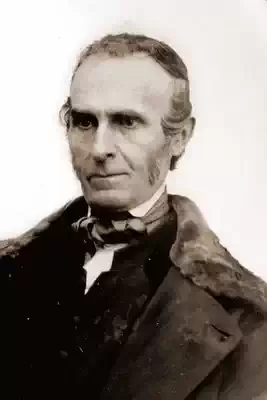
John Greenleaf Whittier
King Volmer and Elsie
King Volmer and Elsie
After the Danish of Christian Winter
Where, over heathen doom-rings and gray stones of the Horg,
In its little Christian city stands the church of Vordingborg,
In merry mood King Volmer sat, forgetful of his power,
As idle as the Goose of Gold that brooded on his tower.
Out spake the King to Henrik, his young and faithful squire
'Dar'st trust thy little Elsie, the maid of thy desire?'
'Of all the men in Denmark she loveth only me
As true to me is Elsie as thy Lily is to thee.'
Loud laughed the king: 'To-morrow shall bring another day,
When I myself will test her; she will not say me nay.'
Thereat the lords and gallants, that round about him stood,
Wagged all their heads in concert and smiled as courtiers should.
The gray lark sings o'er Vordingborg, and on the ancient town
From the tall tower of Valdemar the Golden Goose looks down;
The yellow grain is waving in the pleasant wind of morn,
The wood resounds with cry of hounds and blare of hunter's horn.
In the garden of her father little Elsie sits and spins,
And, singing with the early birds, her daily task, begins.
Gay tulips bloom and sweet mint curls around her garden-bower,
But she is sweeter than the mint and fairer than the flower.
About her form her kirtle blue clings lovingly, and, white
As snow, her loose sleeves only leave her small, round wrists in sight;
Below, the modest petticoat can only half conceal
The motion of the lightest foot that ever turned a wheel.
The cat sits purring at her side, bees hum in sunshine warm;
But, look! she starts, she lifts her face, she shades it with her arm.
And, hark! a train of horsemen, with sound of dog and horn,
Come leaping o'er the ditches, come trampling down the corn!
Merrily rang the bridle-reins, and scarf and plume streamed gay,
As fast beside her father's gate the riders held their way;
And one was brave in scarlet cloak, with golden spur on heel,
And, as he checked his foaming steed, the maiden checked her wheel.
'All hail among thy roses, the fairest rose to me!
For weary months in secret my heart has longed for thee!'
What noble knight was this? What words for modest maiden's ear?
She dropped a lowly courtesy of bashfulness and fear.
She lifted up her spinning-wheel; she fain would seek the door,
Trembling in every limb, her cheek with blushes crimsoned o'er.
'Nay, fear me not,' the rider said, 'I offer heart and hand,
Bear witness these good Danish knights who round about me stand.
'I grant you time to think of this, to answer as you may,
For to-morrow, little Elsie, shall bring another day.'
He spake the old phrase slyly as, glancing round his train,
He saw his merry followers seek to hide their smiles in vain.
'The snow of pearls I'll scatter in your curls of golden hair,
I'll line with furs the velvet of the kirtle that you wear;
All precious gems shall twine your neck; and in a chariot gay
You shall ride, my little Elsie, behind four steeds of gray.
'And harps shall sound, and flutes shall play, and brazen lamps shall glow;
On marble floors your feet shall weave the dances to and fro.
At frosty eventide for us the blazing hearth shall shine,
While, at our ease, we play at draughts, and drink the blood-red wine.'
Then Elsie raised her head and met her wooer face to face;
A roguish smile shone in her eye and on her lip found place.
Back from her low white forehead the curls of gold she threw,
And lifted up her eyes to his, steady and clear and blue.
'I am a lowly peasant, and you a gallant knight;
I will not trust a love that soon may cool and turn to slight.
If you would wed me henceforth be a peasant, not a lord;
I bid you hang upon the wall your tried and trusty sword.'
'To please you, Elsie, I will lay keen Dynadel away,
And in its place will swing the scythe and mow your father's hay.'
'Nay, but your gallant scarlet cloak my eyes can never bear;
A Vadmal coat, so plain and gray, is all that you must wear.'
'Well, Vadmal will I wear for you,' the rider gayly spoke,
'And on the Lord's high altar I'll lay my scarlet cloak.'
'But mark,' she said, 'no stately horse my peasant love must ride,
A yoke of steers before the plough is all that he must guide.'
The knight looked down upon his steed: 'Well, let him wander free
No other man must ride the horse that has been backed by me.
Henceforth I'll tread the furrow and to my oxen talk,
If only little Elsie beside my plough will walk.'
'You must take from out your cellar cask of wine and flask and can;
The homely mead I brew you may serve a peasant man.'
'Most willingly, fair Elsie, I'll drink that mead of thine,
And leave my minstrel's thirsty throat to drain my generous wine.'
'Now break your shield asunder, and shatter sign and boss,
Unmeet for peasant-wedded arms, your knightly knee across.
And pull me down your castle from top to basement wall,
And let your plough trace furrows in the ruins of your hall!'
Then smiled he with a lofty pride; right well at last he knew
The maiden of the spinning-wheel was to her troth. plight true.
'Ah, roguish little Elsie! you act your part full well
You know that I must bear my shield and in my castle dwell!
'The lions ramping on that shield between the hearts aflame
Keep watch o'er Denmark's honor, and guard her ancient name.
'For know that I am Volmer; I dwell in yonder towers,
Who ploughs them ploughs up Denmark, this goodly home of ours'.
'I tempt no more, fair Elsie! your heart I know is true;
Would God that all our maidens were good and pure as you!
Well have you pleased your monarch, and he shall well repay;
God's peace! Farewell! To-morrow will bring another day!'
He lifted up his bridle hand, he spurred his good steed then,
And like a whirl-blast swept away with all his gallant men.
The steel hoofs beat the rocky path; again on winds of morn
The wood resounds with cry of hounds and blare of hunter's horn.
'Thou true and ever faithful!' the listening Henrik cried;
And, leaping o'er the green hedge, he stood by Elsie's side.
None saw the fond embracing, save, shining from afar,
The Golden Goose that watched them from the tower of Valdemar.
O darling girls of Denmark! of all the flowers that throng
Her vales of spring the fairest, I sing for you my song.
No praise as yours so bravely rewards the singer's skill;
Thank God! of maids like Elsie the land has plenty still!
After the Danish of Christian Winter
Where, over heathen doom-rings and gray stones of the Horg,
In its little Christian city stands the church of Vordingborg,
In merry mood King Volmer sat, forgetful of his power,
As idle as the Goose of Gold that brooded on his tower.
Out spake the King to Henrik, his young and faithful squire
'Dar'st trust thy little Elsie, the maid of thy desire?'
'Of all the men in Denmark she loveth only me
As true to me is Elsie as thy Lily is to thee.'
Loud laughed the king: 'To-morrow shall bring another day,
When I myself will test her; she will not say me nay.'
Thereat the lords and gallants, that round about him stood,
Wagged all their heads in concert and smiled as courtiers should.
The gray lark sings o'er Vordingborg, and on the ancient town
From the tall tower of Valdemar the Golden Goose looks down;
The yellow grain is waving in the pleasant wind of morn,
The wood resounds with cry of hounds and blare of hunter's horn.
In the garden of her father little Elsie sits and spins,
And, singing with the early birds, her daily task, begins.
Gay tulips bloom and sweet mint curls around her garden-bower,
But she is sweeter than the mint and fairer than the flower.
About her form her kirtle blue clings lovingly, and, white
As snow, her loose sleeves only leave her small, round wrists in sight;
Below, the modest petticoat can only half conceal
The motion of the lightest foot that ever turned a wheel.
The cat sits purring at her side, bees hum in sunshine warm;
But, look! she starts, she lifts her face, she shades it with her arm.
And, hark! a train of horsemen, with sound of dog and horn,
Come leaping o'er the ditches, come trampling down the corn!
Merrily rang the bridle-reins, and scarf and plume streamed gay,
As fast beside her father's gate the riders held their way;
And one was brave in scarlet cloak, with golden spur on heel,
And, as he checked his foaming steed, the maiden checked her wheel.
'All hail among thy roses, the fairest rose to me!
For weary months in secret my heart has longed for thee!'
What noble knight was this? What words for modest maiden's ear?
She dropped a lowly courtesy of bashfulness and fear.
She lifted up her spinning-wheel; she fain would seek the door,
Trembling in every limb, her cheek with blushes crimsoned o'er.
'Nay, fear me not,' the rider said, 'I offer heart and hand,
Bear witness these good Danish knights who round about me stand.
'I grant you time to think of this, to answer as you may,
For to-morrow, little Elsie, shall bring another day.'
He spake the old phrase slyly as, glancing round his train,
He saw his merry followers seek to hide their smiles in vain.
'The snow of pearls I'll scatter in your curls of golden hair,
I'll line with furs the velvet of the kirtle that you wear;
All precious gems shall twine your neck; and in a chariot gay
You shall ride, my little Elsie, behind four steeds of gray.
'And harps shall sound, and flutes shall play, and brazen lamps shall glow;
On marble floors your feet shall weave the dances to and fro.
At frosty eventide for us the blazing hearth shall shine,
While, at our ease, we play at draughts, and drink the blood-red wine.'
Then Elsie raised her head and met her wooer face to face;
A roguish smile shone in her eye and on her lip found place.
Back from her low white forehead the curls of gold she threw,
And lifted up her eyes to his, steady and clear and blue.
'I am a lowly peasant, and you a gallant knight;
I will not trust a love that soon may cool and turn to slight.
If you would wed me henceforth be a peasant, not a lord;
I bid you hang upon the wall your tried and trusty sword.'
'To please you, Elsie, I will lay keen Dynadel away,
And in its place will swing the scythe and mow your father's hay.'
'Nay, but your gallant scarlet cloak my eyes can never bear;
A Vadmal coat, so plain and gray, is all that you must wear.'
'Well, Vadmal will I wear for you,' the rider gayly spoke,
'And on the Lord's high altar I'll lay my scarlet cloak.'
'But mark,' she said, 'no stately horse my peasant love must ride,
A yoke of steers before the plough is all that he must guide.'
The knight looked down upon his steed: 'Well, let him wander free
No other man must ride the horse that has been backed by me.
Henceforth I'll tread the furrow and to my oxen talk,
If only little Elsie beside my plough will walk.'
'You must take from out your cellar cask of wine and flask and can;
The homely mead I brew you may serve a peasant man.'
'Most willingly, fair Elsie, I'll drink that mead of thine,
And leave my minstrel's thirsty throat to drain my generous wine.'
'Now break your shield asunder, and shatter sign and boss,
Unmeet for peasant-wedded arms, your knightly knee across.
And pull me down your castle from top to basement wall,
And let your plough trace furrows in the ruins of your hall!'
Then smiled he with a lofty pride; right well at last he knew
The maiden of the spinning-wheel was to her troth. plight true.
'Ah, roguish little Elsie! you act your part full well
You know that I must bear my shield and in my castle dwell!
'The lions ramping on that shield between the hearts aflame
Keep watch o'er Denmark's honor, and guard her ancient name.
'For know that I am Volmer; I dwell in yonder towers,
Who ploughs them ploughs up Denmark, this goodly home of ours'.
'I tempt no more, fair Elsie! your heart I know is true;
Would God that all our maidens were good and pure as you!
Well have you pleased your monarch, and he shall well repay;
God's peace! Farewell! To-morrow will bring another day!'
He lifted up his bridle hand, he spurred his good steed then,
And like a whirl-blast swept away with all his gallant men.
The steel hoofs beat the rocky path; again on winds of morn
The wood resounds with cry of hounds and blare of hunter's horn.
'Thou true and ever faithful!' the listening Henrik cried;
And, leaping o'er the green hedge, he stood by Elsie's side.
None saw the fond embracing, save, shining from afar,
The Golden Goose that watched them from the tower of Valdemar.
O darling girls of Denmark! of all the flowers that throng
Her vales of spring the fairest, I sing for you my song.
No praise as yours so bravely rewards the singer's skill;
Thank God! of maids like Elsie the land has plenty still!
342
John Greenleaf Whittier
John Underhill
John Underhill
A score of years had come and gone
Since the Pilgrims landed on Plymouth stone,
When Captain Underhill, bearing scars
From Indian ambush and Flemish wars,
Left three-hilled Boston and wandered down,
East by north, to Cocheco town.
With Vane the younger, in counsel sweet,
He had sat at Anna Hutchinson's feet,
And, when the bolt of banishment fell
On the head of his saintly oracle,
He had shared her ill as her good report,
And braved the wrath of the General Court.
He shook from his feet as he rode away
The dust of the Massachusetts Bay.
The world might bless and the world might ban,
What did it matter the perfect man,
To whom the freedom of earth was given,
Proof against sin, and sure of heaven?
He cheered his heart as he rode along
With screed of Scripture and holy song,
Or thought how he rode with his lances free
By the Lower Rhine and the Zuyder-Zee,
Till his wood-path grew to a trodden road,
And Hilton Point in the distance showed.
He saw the church with the block-house nigh,
The two fair rivers, the flakes thereby,
And, tacking to windward, low and crank,
The little shallop from Strawberry Bank;
And he rose in his stirrups and looked abroad
Over land and water, and praised the Lord.
Goodly and stately and grave to see,
Into the clearing's space rode he,
With the sun on the hilt of his sword in sheath,
And his silver buckles and spurs beneath,
And the settlers welcomed him, one and all,
From swift Quampeagan to Gonic Fall.
And he said to the elders: 'Lo, I come
As the way seemed open to seek a home.
Somewhat the Lord hath wrought by my hands
In the Narragansett and Netherlands,
And if here ye have work for a Christian man,
I will tarry, and serve ye as best I can.
'I boast not of gifts, but fain would own
The wonderful favor God hath shown,
The special mercy vouchsafed one day
On the shore of Narragansett Bay,
As I sat, with my pipe, from the camp aside,
And mused like Isaac at eventide.
'A sudden sweetness of peace I found,
A garment of gladness wrapped me round;
I felt from the law of works released,
The strife of the flesh and spirit ceased,
My faith to a full assurance grew,
And all I had hoped for myself I knew.
'Now, as God appointeth, I keep my way,
I shall not stumble, I shall not stray;
He hath taken away my fig-leaf dress,
I wear the robe of His righteousness;
And the shafts of Satan no more avail
Than Pequot arrows on Christian mail.'
'Tarry with us,' the settlers cried,
'Thou man of God, as our ruler and guide.'
And Captain Underhill bowed his head.
'The will of the Lord be done!' he said.
And the morrow beheld him sitting down
In the ruler's seat in Cocheco town.
And he judged therein as a just man should;
His words were wise and his rule was good;
He coveted not his neighbor's land,
From the holding of bribes he shook his hand;
And through the camps of the heathen ran
A wholesome fear of the valiant man.
But the heart is deceitful, the good Book saith,
And life hath ever a savor of death.
Through hymns of triumph the tempter calls,
And whoso thinketh he standeth falls.
Alas! ere their round the seasons ran,
There was grief in the soul of the saintly man.
The tempter's arrows that rarely fail
Had found the joints of his spiritual mail;
And men took note of his gloomy air,
The shame in his eye, the halt in his prayer,
The signs of a battle lost within,
The pain of a soul in the coils of sin.
Then a whisper of scandal linked his name
With broken vows and a life of blame;
And the people looked askance on him
As he walked among them sullen and grim,
Ill at ease, and bitter of word,
And prompt of quarrel with hand or sword.
None knew how, with prayer and fasting still,
He strove in the bonds of his evil will;
But he shook himself like Samson at length,
And girded anew his loins of strength,
And bade the crier go up and down
And call together the wondering town.
Jeer and murmur and shaking of head
Ceased as he rose in his place and said
'Men, brethren, and fathers, well ye know
How I came among you a year ago,
Strong in the faith that my soul was freed
From sin of feeling, or thought, or deed.
'I have sinned, I own it with grief and shame,
But not with a lie on my lips I came.
In my blindness I verily thought my heart
Swept and garnished in every part.
He chargeth His angels with folly; He sees
The heavens unclean. Was I more than these?
'I urge no plea. At your feet I lay
The trust you gave me, and go my way.
Hate me or pity me, as you will,
The Lord will have mercy on sinners still;
And I, who am chiefest, say to all,
Watch and pray, lest ye also fall.'
No voice made answer: a sob so low
That only his quickened ear could know
Smote his heart with a bitter pain,
As into the forest he rode again,
And the veil of its oaken leaves shut down
On his latest glimpse of Cocheco town.
Crystal-clear on the man of sin
The streams flashed up, and the sky shone in;
On his cheek of fever the cool wind blew,
The leaves dropped on him their tears of dew,
And angels of God, in the pure, sweet guise
Of flowers, looked on him with sad surprise.
Was his ear at fault that brook and breeze
Sang in their saddest of minor keys?
What was it the mournful wood-thrush said?
What whispered the pine-trees overhead?
Did he hear the Voice on his lonely way
That Adam heard in the cool of day?
Into the desert alone rode he,
Alone with the Infinite Purity;
And, bowing his soul to its tender rebuke,
As Peter did to the Master's look,
He measured his path with prayers of pain
For peace with God and nature again.
And in after years to Cocheco came
The bruit of a once familiar name;
How among the Dutch of New Netherlands,
From wild Danskamer to Haarlem sands,
A penitent soldier preached the Word,
And smote the heathen with Gideon's sword!
And the heart of Boston was glad to hear
How he harried the foe on the long frontier,
And heaped on the land against him barred
The coals of his generous watch and ward.
Frailest and bravest! the Bay State still
Counts with her worthies John Underhill.
A score of years had come and gone
Since the Pilgrims landed on Plymouth stone,
When Captain Underhill, bearing scars
From Indian ambush and Flemish wars,
Left three-hilled Boston and wandered down,
East by north, to Cocheco town.
With Vane the younger, in counsel sweet,
He had sat at Anna Hutchinson's feet,
And, when the bolt of banishment fell
On the head of his saintly oracle,
He had shared her ill as her good report,
And braved the wrath of the General Court.
He shook from his feet as he rode away
The dust of the Massachusetts Bay.
The world might bless and the world might ban,
What did it matter the perfect man,
To whom the freedom of earth was given,
Proof against sin, and sure of heaven?
He cheered his heart as he rode along
With screed of Scripture and holy song,
Or thought how he rode with his lances free
By the Lower Rhine and the Zuyder-Zee,
Till his wood-path grew to a trodden road,
And Hilton Point in the distance showed.
He saw the church with the block-house nigh,
The two fair rivers, the flakes thereby,
And, tacking to windward, low and crank,
The little shallop from Strawberry Bank;
And he rose in his stirrups and looked abroad
Over land and water, and praised the Lord.
Goodly and stately and grave to see,
Into the clearing's space rode he,
With the sun on the hilt of his sword in sheath,
And his silver buckles and spurs beneath,
And the settlers welcomed him, one and all,
From swift Quampeagan to Gonic Fall.
And he said to the elders: 'Lo, I come
As the way seemed open to seek a home.
Somewhat the Lord hath wrought by my hands
In the Narragansett and Netherlands,
And if here ye have work for a Christian man,
I will tarry, and serve ye as best I can.
'I boast not of gifts, but fain would own
The wonderful favor God hath shown,
The special mercy vouchsafed one day
On the shore of Narragansett Bay,
As I sat, with my pipe, from the camp aside,
And mused like Isaac at eventide.
'A sudden sweetness of peace I found,
A garment of gladness wrapped me round;
I felt from the law of works released,
The strife of the flesh and spirit ceased,
My faith to a full assurance grew,
And all I had hoped for myself I knew.
'Now, as God appointeth, I keep my way,
I shall not stumble, I shall not stray;
He hath taken away my fig-leaf dress,
I wear the robe of His righteousness;
And the shafts of Satan no more avail
Than Pequot arrows on Christian mail.'
'Tarry with us,' the settlers cried,
'Thou man of God, as our ruler and guide.'
And Captain Underhill bowed his head.
'The will of the Lord be done!' he said.
And the morrow beheld him sitting down
In the ruler's seat in Cocheco town.
And he judged therein as a just man should;
His words were wise and his rule was good;
He coveted not his neighbor's land,
From the holding of bribes he shook his hand;
And through the camps of the heathen ran
A wholesome fear of the valiant man.
But the heart is deceitful, the good Book saith,
And life hath ever a savor of death.
Through hymns of triumph the tempter calls,
And whoso thinketh he standeth falls.
Alas! ere their round the seasons ran,
There was grief in the soul of the saintly man.
The tempter's arrows that rarely fail
Had found the joints of his spiritual mail;
And men took note of his gloomy air,
The shame in his eye, the halt in his prayer,
The signs of a battle lost within,
The pain of a soul in the coils of sin.
Then a whisper of scandal linked his name
With broken vows and a life of blame;
And the people looked askance on him
As he walked among them sullen and grim,
Ill at ease, and bitter of word,
And prompt of quarrel with hand or sword.
None knew how, with prayer and fasting still,
He strove in the bonds of his evil will;
But he shook himself like Samson at length,
And girded anew his loins of strength,
And bade the crier go up and down
And call together the wondering town.
Jeer and murmur and shaking of head
Ceased as he rose in his place and said
'Men, brethren, and fathers, well ye know
How I came among you a year ago,
Strong in the faith that my soul was freed
From sin of feeling, or thought, or deed.
'I have sinned, I own it with grief and shame,
But not with a lie on my lips I came.
In my blindness I verily thought my heart
Swept and garnished in every part.
He chargeth His angels with folly; He sees
The heavens unclean. Was I more than these?
'I urge no plea. At your feet I lay
The trust you gave me, and go my way.
Hate me or pity me, as you will,
The Lord will have mercy on sinners still;
And I, who am chiefest, say to all,
Watch and pray, lest ye also fall.'
No voice made answer: a sob so low
That only his quickened ear could know
Smote his heart with a bitter pain,
As into the forest he rode again,
And the veil of its oaken leaves shut down
On his latest glimpse of Cocheco town.
Crystal-clear on the man of sin
The streams flashed up, and the sky shone in;
On his cheek of fever the cool wind blew,
The leaves dropped on him their tears of dew,
And angels of God, in the pure, sweet guise
Of flowers, looked on him with sad surprise.
Was his ear at fault that brook and breeze
Sang in their saddest of minor keys?
What was it the mournful wood-thrush said?
What whispered the pine-trees overhead?
Did he hear the Voice on his lonely way
That Adam heard in the cool of day?
Into the desert alone rode he,
Alone with the Infinite Purity;
And, bowing his soul to its tender rebuke,
As Peter did to the Master's look,
He measured his path with prayers of pain
For peace with God and nature again.
And in after years to Cocheco came
The bruit of a once familiar name;
How among the Dutch of New Netherlands,
From wild Danskamer to Haarlem sands,
A penitent soldier preached the Word,
And smote the heathen with Gideon's sword!
And the heart of Boston was glad to hear
How he harried the foe on the long frontier,
And heaped on the land against him barred
The coals of his generous watch and ward.
Frailest and bravest! the Bay State still
Counts with her worthies John Underhill.
241
John Greenleaf Whittier
Inscriptions on a Sun-Dial
Inscriptions on a Sun-Dial
For Dr Henry L Bowditch
With warning hand I mark Time's rapid
flight
From life's glad morning to it's solemn
night;
Yet through thee dear God's love, I also
show
There's Light above me by the shade
below.
For Dr Henry L Bowditch
With warning hand I mark Time's rapid
flight
From life's glad morning to it's solemn
night;
Yet through thee dear God's love, I also
show
There's Light above me by the shade
below.
303
John Greenleaf Whittier
In Remembrance Of Joseph Sturge
In Remembrance Of Joseph Sturge
In the fair land o'erwatched by Ischia's mountains,
Across the charmed bay
Whose blue waves keep with Capri's silver fountains
Perpetual holiday,
A king lies dead, his wafer duly eaten,
His gold-bought masses given;
And Rome's great altar smokes with gums to sweeten
Her foulest gift to Heaven.
And while all Naples thrills with mute thanksgiving,
The court of England's queen
For the dead monster so abhorred while living
In mourning garb is seen.
With a true sorrow God rebukes that feigning;
By lone Edgbaston's side
Stands a great city in the sky's sad raining,
Bareheaded and wet-eyed!
Silent for once the restless hive of labor,
Save the low funeral tread,
Or voice of craftsman whispering to his neighbor
The good deeds of the dead.
For him no minster's chant of the immortals
Rose from the lips of sin;
No mitred priest swung back the heavenly portals
To let the white soul in.
But Age and Sickness framed their tearful faces
In the low hovel's door,
And prayers went up from all the dark by-places
And Ghettos of the poor.
The pallid toiler and the negro chattel,
The vagrant of the street,
The human dice wherewith in games of battle
The lords of earth compete,
Touched with a grief that needs no outward draping,
All swelled the long lament,
Of grateful hearts, instead of marble, shaping
His viewless monument!
For never yet, with ritual pomp and splendor,
In the long heretofore,
A heart more loyal, warm, and true, and tender,
Has England's turf closed o'er.
And if there fell from out her grand old steeples
No crash of brazen wail,
The murmurous woe of kindreds, tongues, and peoples
Swept in on every gale.
It came from Holstein's birchen-belted meadows,
And from the tropic calms
Of Indian islands in the sunlit shadows
Of Occidental palms;
From the locked roadsteads of the Bothniaii peasants,
And harbors of the Finn,
Where war's worn victims saw his gentle presence
Come sailing, Christ-like, in,
To seek the lost, to build the old waste places,
To link the hostile shores
Of severing seas, and sow with England's daisies
The moss of Finland's moors.
Thanks for the good man's beautiful example,
Who in the vilest saw
Some sacred crypt or altar of a temple
Still vocal with God's law;
And heard with tender ear the spirit sighing
As from its prison cell,
Praying for pity, like the mournful crying
Of Jonah out of hell.
Not his the golden pen's or lip's persuasion,
But a fine sense of right,
And Truth's directness, meeting each occasion
Straight as a line of light.
His faith and works, like streams that intermingle,
In the same channel ran
The crystal clearness of an eye kept single
Shamed all the frauds of man.
The very gentlest of all human natures
He joined to courage strong,
And love outreaching unto all God's creatures
With sturdy hate of wrong.
Tender as woman, manliness and meekness
In him were so allied
That they who judged him by his strength or weakness
Saw but a single side.
Men failed, betrayed him, but his zeal seemed nourished
By failure and by fall;
Still a large faith in human-kind he cherished,
And in God's love for all.
And now he rests: his greatness and his sweetness
No more shall seem at strife,
And death has moulded into calm completeness
The statue of his life.
Where the dews glisten and the songbirds warble,
His dust to dust is laid,
In Nature's keeping, with no pomp of marble
To shame his modest shade.
The forges glow, the hammers all are ringing;
Beneath its smoky vale,
Hard by, the city of his love is swinging
Its clamorous iron flail.
But round his grave are quietude and beauty,
And the sweet heaven above,-The
fitting symbols of a life of duty
Transfigured into love!
In the fair land o'erwatched by Ischia's mountains,
Across the charmed bay
Whose blue waves keep with Capri's silver fountains
Perpetual holiday,
A king lies dead, his wafer duly eaten,
His gold-bought masses given;
And Rome's great altar smokes with gums to sweeten
Her foulest gift to Heaven.
And while all Naples thrills with mute thanksgiving,
The court of England's queen
For the dead monster so abhorred while living
In mourning garb is seen.
With a true sorrow God rebukes that feigning;
By lone Edgbaston's side
Stands a great city in the sky's sad raining,
Bareheaded and wet-eyed!
Silent for once the restless hive of labor,
Save the low funeral tread,
Or voice of craftsman whispering to his neighbor
The good deeds of the dead.
For him no minster's chant of the immortals
Rose from the lips of sin;
No mitred priest swung back the heavenly portals
To let the white soul in.
But Age and Sickness framed their tearful faces
In the low hovel's door,
And prayers went up from all the dark by-places
And Ghettos of the poor.
The pallid toiler and the negro chattel,
The vagrant of the street,
The human dice wherewith in games of battle
The lords of earth compete,
Touched with a grief that needs no outward draping,
All swelled the long lament,
Of grateful hearts, instead of marble, shaping
His viewless monument!
For never yet, with ritual pomp and splendor,
In the long heretofore,
A heart more loyal, warm, and true, and tender,
Has England's turf closed o'er.
And if there fell from out her grand old steeples
No crash of brazen wail,
The murmurous woe of kindreds, tongues, and peoples
Swept in on every gale.
It came from Holstein's birchen-belted meadows,
And from the tropic calms
Of Indian islands in the sunlit shadows
Of Occidental palms;
From the locked roadsteads of the Bothniaii peasants,
And harbors of the Finn,
Where war's worn victims saw his gentle presence
Come sailing, Christ-like, in,
To seek the lost, to build the old waste places,
To link the hostile shores
Of severing seas, and sow with England's daisies
The moss of Finland's moors.
Thanks for the good man's beautiful example,
Who in the vilest saw
Some sacred crypt or altar of a temple
Still vocal with God's law;
And heard with tender ear the spirit sighing
As from its prison cell,
Praying for pity, like the mournful crying
Of Jonah out of hell.
Not his the golden pen's or lip's persuasion,
But a fine sense of right,
And Truth's directness, meeting each occasion
Straight as a line of light.
His faith and works, like streams that intermingle,
In the same channel ran
The crystal clearness of an eye kept single
Shamed all the frauds of man.
The very gentlest of all human natures
He joined to courage strong,
And love outreaching unto all God's creatures
With sturdy hate of wrong.
Tender as woman, manliness and meekness
In him were so allied
That they who judged him by his strength or weakness
Saw but a single side.
Men failed, betrayed him, but his zeal seemed nourished
By failure and by fall;
Still a large faith in human-kind he cherished,
And in God's love for all.
And now he rests: his greatness and his sweetness
No more shall seem at strife,
And death has moulded into calm completeness
The statue of his life.
Where the dews glisten and the songbirds warble,
His dust to dust is laid,
In Nature's keeping, with no pomp of marble
To shame his modest shade.
The forges glow, the hammers all are ringing;
Beneath its smoky vale,
Hard by, the city of his love is swinging
Its clamorous iron flail.
But round his grave are quietude and beauty,
And the sweet heaven above,-The
fitting symbols of a life of duty
Transfigured into love!
349
John Greenleaf Whittier
In The
In The
She came and stood in the Old South Church,
A wonder and a sign,
With a look the old-time sibyls wore,
Half-crazed and half-divine.
Save the mournful sackcloth about her wound,
Unclothed as the primal mother,
With limbs that trembled and eyes that blazed
With a fire she dare not smother.
Loose on her shoulders fell her hair,
With sprinkled ashes gray;
She stood in the broad aisle strange and weird
As a soul at the judgment day.
And the minister paused in his sermon's midst,
And the people held their breath,
For these were the words the maiden spoke
Through lips as the lips of death:
'Thus saith the Lord, with equal feet
All men my courts shall tread,
And priest and ruler no more shall eat
My people up like bread!
'Repent! repent! ere the Lord shall speak
In thunder and breaking seals
Let all souls worship Him in the way
His light within reveals.'
She shook the dust from her naked feet,
And her sackcloth closer drew,
And into the porch of the awe-hushed church
She passed like a ghost from view.
They whipped her away at the tail o' the cart
Through half the streets of the town,
But the words she uttered that day nor fire
Could burn nor water drown.
And now the aisles of the ancient church
By equal feet are trod,
And the bell that swings in its belfry rings
Freedom to worship God!
And now whenever a wrong is done
It thrills the conscious walls;
The stone from the basement cries aloud
And the beam from the timber calls.
There are steeple-houses on every hand,
And pulpits that bless and ban,
And the Lord will not grudge the single church
That is set apart for man.
For in two commandments are all the law
And the prophets under the sun,
And the first is last and the last is first,
And the twain are verily one.
So, long as Boston shall Boston be,
And her bay-tides rise and fall,
Shall freedom stand in the Old South Church
And plead for the rights of all!
She came and stood in the Old South Church,
A wonder and a sign,
With a look the old-time sibyls wore,
Half-crazed and half-divine.
Save the mournful sackcloth about her wound,
Unclothed as the primal mother,
With limbs that trembled and eyes that blazed
With a fire she dare not smother.
Loose on her shoulders fell her hair,
With sprinkled ashes gray;
She stood in the broad aisle strange and weird
As a soul at the judgment day.
And the minister paused in his sermon's midst,
And the people held their breath,
For these were the words the maiden spoke
Through lips as the lips of death:
'Thus saith the Lord, with equal feet
All men my courts shall tread,
And priest and ruler no more shall eat
My people up like bread!
'Repent! repent! ere the Lord shall speak
In thunder and breaking seals
Let all souls worship Him in the way
His light within reveals.'
She shook the dust from her naked feet,
And her sackcloth closer drew,
And into the porch of the awe-hushed church
She passed like a ghost from view.
They whipped her away at the tail o' the cart
Through half the streets of the town,
But the words she uttered that day nor fire
Could burn nor water drown.
And now the aisles of the ancient church
By equal feet are trod,
And the bell that swings in its belfry rings
Freedom to worship God!
And now whenever a wrong is done
It thrills the conscious walls;
The stone from the basement cries aloud
And the beam from the timber calls.
There are steeple-houses on every hand,
And pulpits that bless and ban,
And the Lord will not grudge the single church
That is set apart for man.
For in two commandments are all the law
And the prophets under the sun,
And the first is last and the last is first,
And the twain are verily one.
So, long as Boston shall Boston be,
And her bay-tides rise and fall,
Shall freedom stand in the Old South Church
And plead for the rights of all!
343
John Greenleaf Whittier
Immortal love, forever full
Immortal love, forever full
Immortal love, forever full,
Forever flowing free,
Forever shared, forever whole,
A never ebbing sea!
Our outward lips confess the name
All other names above;
Love only knoweth whence it came,
And comprehendeth love.
Blow, winds of God, awake and blow
The mists of earth away:
Shine out, O Light divine, and show
How wide and far we stray.
We may not climb the heavenly steeps
To bring the Lord Christ down;
In vain we search the lowest deeps,
For Him no depths can drown.
But warm, sweet, tender, even yet,
A present help is He;
And faith still has its Olivet,
And love its Galilee.
The healing of His seamless dress
Is by our beds of pain;
We touch Him in life’s throng and press,
And we are whole again.
Through Him the first fond prayers are said
Our lips of childhood frame,
The last low whispers of our dead
Are burdened with His Name.
O Lord and Master of us all,
Whate’er our name or sign,
We own Thy sway, we hear Thy call,
We test our lives by Thine.
The letter fails, the systems fall,
And every symbol wanes;
The Spirit over brooding all,
Eternal Love remains.
Immortal love, forever full,
Forever flowing free,
Forever shared, forever whole,
A never ebbing sea!
Our outward lips confess the name
All other names above;
Love only knoweth whence it came,
And comprehendeth love.
Blow, winds of God, awake and blow
The mists of earth away:
Shine out, O Light divine, and show
How wide and far we stray.
We may not climb the heavenly steeps
To bring the Lord Christ down;
In vain we search the lowest deeps,
For Him no depths can drown.
But warm, sweet, tender, even yet,
A present help is He;
And faith still has its Olivet,
And love its Galilee.
The healing of His seamless dress
Is by our beds of pain;
We touch Him in life’s throng and press,
And we are whole again.
Through Him the first fond prayers are said
Our lips of childhood frame,
The last low whispers of our dead
Are burdened with His Name.
O Lord and Master of us all,
Whate’er our name or sign,
We own Thy sway, we hear Thy call,
We test our lives by Thine.
The letter fails, the systems fall,
And every symbol wanes;
The Spirit over brooding all,
Eternal Love remains.
325
John Greenleaf Whittier
In Peace
In Peace
A track of moonlight on a quiet lake,
Whose small waves on a silver-sanded shore
Whisper of peace, and with the low winds make
Such harmonies as keep the woods awake,
And listening all night long for their sweet sake
A green-waved slope of meadow, hovered o'er
By angel-troops of lilies, swaying light
On viewless stems, with folded wings of white;
A slumberous stretch of mountain-land, far seen
Where the low westering day, with gold and green,
Purple and amber, softly blended, fills
The wooded vales, and melts among the hills;
A vine-fringed river, winding to its rest
On the calm bosom of a stormless sea,
Bearing alike upon its placid breast,
With earthly flowers and heavenly' stars impressed,
The hues of time and of eternity
Such are the pictures which the thought of thee,
O friend, awakeneth,--charming the keen pain
Of thy departure, and our sense of loss
Requiting with the fullness of thy gain.
Lo! on the quiet grave thy life-borne cross,
Dropped only at its side, methinks doth shine,
Of thy beatitude the radiant sign!
No sob of grief, no wild lament be there,
To break the Sabbath of the holy air;
But, in their stead, the silent-breathing prayer
Of hearts still waiting for a rest like thine.
O spirit redeemed! Forgive us, if henceforth,
With sweet and pure similitudes of earth,
We keep thy pleasant memory freshly green,
Of love's inheritance a priceless part,
Which Fancy's self, in reverent awe, is seen
To paint, forgetful of the tricks of art,
With pencil dipped alone in colors of the heart.
A track of moonlight on a quiet lake,
Whose small waves on a silver-sanded shore
Whisper of peace, and with the low winds make
Such harmonies as keep the woods awake,
And listening all night long for their sweet sake
A green-waved slope of meadow, hovered o'er
By angel-troops of lilies, swaying light
On viewless stems, with folded wings of white;
A slumberous stretch of mountain-land, far seen
Where the low westering day, with gold and green,
Purple and amber, softly blended, fills
The wooded vales, and melts among the hills;
A vine-fringed river, winding to its rest
On the calm bosom of a stormless sea,
Bearing alike upon its placid breast,
With earthly flowers and heavenly' stars impressed,
The hues of time and of eternity
Such are the pictures which the thought of thee,
O friend, awakeneth,--charming the keen pain
Of thy departure, and our sense of loss
Requiting with the fullness of thy gain.
Lo! on the quiet grave thy life-borne cross,
Dropped only at its side, methinks doth shine,
Of thy beatitude the radiant sign!
No sob of grief, no wild lament be there,
To break the Sabbath of the holy air;
But, in their stead, the silent-breathing prayer
Of hearts still waiting for a rest like thine.
O spirit redeemed! Forgive us, if henceforth,
With sweet and pure similitudes of earth,
We keep thy pleasant memory freshly green,
Of love's inheritance a priceless part,
Which Fancy's self, in reverent awe, is seen
To paint, forgetful of the tricks of art,
With pencil dipped alone in colors of the heart.
313
John Greenleaf Whittier
Hymns From The French Of Lamartine
Hymns From The French Of Lamartine
I.
'Encore un hymne, O ma lyre
Un hymn pour le Seigneur,
Un hymne dans mon delire,
Un hymne dans mon bonheur.'
One hymn more, O my lyre!
Praise to the God above,
Of joy and life and love,
Sweeping its strings of fire!
Oh, who the speed of bird and wind
And sunbeam's glance will lend to me,
That, soaring upward, I may find
My resting-place and home in Thee?
Thou, whom my soul, midst doubt and gloom,
Adoreth with a fervent flame,-Mysterious
spirit! unto whom
Pertain nor sign nor name!
Swiftly my lyre's soft murmurs go,
Up from the cold and joyless earth,
Back to the God who bade them flow,
Whose moving spirit sent them forth.
But as for me, O God! for me,
The lowly creature of Thy will,
Lingering and sad, I sigh to Thee,
An earth-bound pilgrim still!
Was not my spirit born to shine
Where yonder stars and suns are glowing?
To breathe with them the light divine
From God's own holy altar flowing?
To be, indeed, whate'er the soul
In dreams hath thirsted for so long,-A
portion of heaven's glorious whole
Of loveliness and song?
Oh, watchers of the stars at night,
Who breathe their fire, as we the air,-Suns,
thunders, stars, and rays of light,
Oh, say, is He, the Eternal, there?
Bend there around His awful throne
The seraph's glance, the angel's knee?
Or are thy inmost depths His own,
O wild and mighty sea?
Thoughts of my soul, how swift ye go!
Swift as the eagle's glance of fire,
Or arrows from the archer's bow,
To the far aim of your desire!
Thought after thought, ye thronging rise,
Like spring-doves from the startled wood,
Bearing like them your sacrifice
Of music unto God!
And shall these thoughts of joy and love
Come back again no more to me?
Returning like the patriarch's dove
Wing-weary from the eternal sea,
To bear within my longing arms
The promise-bough of kindlier skies,
Plucked from the green, immortal palms
Which shadow Paradise?
All-moving spirit! freely forth
At Thy command the strong wind goes
Its errand to the passive earth,
Nor art can stay, nor strength oppose,
Until it folds its weary wing
Once more within the hand divine;
So, weary from its wandering,
My spirit turns to Thine!
Child of the sea, the mountain stream,
From its dark caverns, hurries on,
Ceaseless, by night and morning's beam,
By evening's star and noontide's sun,
Until at last it sinks to rest,
O'erwearied, in the waiting sea,
And moans upon its mother's breast,-So
turns my soul to Thee!
O Thou who bidst the torrent flow,
Who lendest wings unto the wind,-Mover
of all things! where art Thou?
Oh, whither shall I go to find
The secret of Thy resting-place?
Is there no holy wing for me,
That, soaring, I may search the space
Of highest heaven for Thee?
Oh, would I were as free to rise
As leaves on autumn's whirlwind borne,-The
arrowy light of sunset skies,
Or sound, or ray, or star of morn,
Which melts in heaven at twilight's close,
Or aught which soars unchecked and free
Through earth and heaven; that I might lose
Myself in finding Thee!
II.
LE CRI DE L'AME.
'Quand le souffle divin qui flotte sur le monde.'
When the breath divine is flowing,
Zephyr-like o'er all things going,
And, as the touch of viewless fingers,
Softly on my soul it lingers,
Open to a breath the lightest,
Conscious of a touch the slightest,-As
some calm, still lake, whereon
Sinks the snowy-bosomed swan,
And the glistening water-rings
Circle round her moving wings
When my upward gaze is turning
Where the stars of heaven are burning
Through the deep and dark abyss,
Flowers of midnight's wilderness,
Blowing with the evening's breath
Sweetly in their Maker's path
When the breaking day is flushing
All the east, and light is gushing
Upward through the horizon's haze,
Sheaf-like, with its thousand rays,
Spreading, until all above
Overflows with joy and love,
And below, on earth's green bosom,
All is changed to light and blossom:
When my waking fancies over
Forms of brightness flit and hover
Holy as the seraphs are,
Who by Zion's fountains wear
On their foreheads, white and broad,
'Holiness unto the Lord!'
When, inspired with rapture high,
It would seem a single sigh
Could a world of love create;
That my life could know no date,
And my eager thoughts could fill
Heaven and Earth, o'erflowing still!
Then, O Father! Thou alone,
From the shadow of Thy throne,
To the sighing of my breast
And its rapture answerest.
All my thoughts, which, upward winging,
Bathe where Thy own light is springing,-All
my yearnings to be free
Are at echoes answering Thee!
Seldom upon lips of mine,
Father! rests that name of Thine;
Deep within my inmost breast,
In the secret place of mind,
Like an awful presence shrined,
Doth the dread idea rest
Hushed and holy dwells it there,
Prompter of the silent prayer,
Lifting up my spirit's eye
And its faint, but earnest cry,
From its dark and cold abode,
Unto Thee, my Guide and God!
I.
'Encore un hymne, O ma lyre
Un hymn pour le Seigneur,
Un hymne dans mon delire,
Un hymne dans mon bonheur.'
One hymn more, O my lyre!
Praise to the God above,
Of joy and life and love,
Sweeping its strings of fire!
Oh, who the speed of bird and wind
And sunbeam's glance will lend to me,
That, soaring upward, I may find
My resting-place and home in Thee?
Thou, whom my soul, midst doubt and gloom,
Adoreth with a fervent flame,-Mysterious
spirit! unto whom
Pertain nor sign nor name!
Swiftly my lyre's soft murmurs go,
Up from the cold and joyless earth,
Back to the God who bade them flow,
Whose moving spirit sent them forth.
But as for me, O God! for me,
The lowly creature of Thy will,
Lingering and sad, I sigh to Thee,
An earth-bound pilgrim still!
Was not my spirit born to shine
Where yonder stars and suns are glowing?
To breathe with them the light divine
From God's own holy altar flowing?
To be, indeed, whate'er the soul
In dreams hath thirsted for so long,-A
portion of heaven's glorious whole
Of loveliness and song?
Oh, watchers of the stars at night,
Who breathe their fire, as we the air,-Suns,
thunders, stars, and rays of light,
Oh, say, is He, the Eternal, there?
Bend there around His awful throne
The seraph's glance, the angel's knee?
Or are thy inmost depths His own,
O wild and mighty sea?
Thoughts of my soul, how swift ye go!
Swift as the eagle's glance of fire,
Or arrows from the archer's bow,
To the far aim of your desire!
Thought after thought, ye thronging rise,
Like spring-doves from the startled wood,
Bearing like them your sacrifice
Of music unto God!
And shall these thoughts of joy and love
Come back again no more to me?
Returning like the patriarch's dove
Wing-weary from the eternal sea,
To bear within my longing arms
The promise-bough of kindlier skies,
Plucked from the green, immortal palms
Which shadow Paradise?
All-moving spirit! freely forth
At Thy command the strong wind goes
Its errand to the passive earth,
Nor art can stay, nor strength oppose,
Until it folds its weary wing
Once more within the hand divine;
So, weary from its wandering,
My spirit turns to Thine!
Child of the sea, the mountain stream,
From its dark caverns, hurries on,
Ceaseless, by night and morning's beam,
By evening's star and noontide's sun,
Until at last it sinks to rest,
O'erwearied, in the waiting sea,
And moans upon its mother's breast,-So
turns my soul to Thee!
O Thou who bidst the torrent flow,
Who lendest wings unto the wind,-Mover
of all things! where art Thou?
Oh, whither shall I go to find
The secret of Thy resting-place?
Is there no holy wing for me,
That, soaring, I may search the space
Of highest heaven for Thee?
Oh, would I were as free to rise
As leaves on autumn's whirlwind borne,-The
arrowy light of sunset skies,
Or sound, or ray, or star of morn,
Which melts in heaven at twilight's close,
Or aught which soars unchecked and free
Through earth and heaven; that I might lose
Myself in finding Thee!
II.
LE CRI DE L'AME.
'Quand le souffle divin qui flotte sur le monde.'
When the breath divine is flowing,
Zephyr-like o'er all things going,
And, as the touch of viewless fingers,
Softly on my soul it lingers,
Open to a breath the lightest,
Conscious of a touch the slightest,-As
some calm, still lake, whereon
Sinks the snowy-bosomed swan,
And the glistening water-rings
Circle round her moving wings
When my upward gaze is turning
Where the stars of heaven are burning
Through the deep and dark abyss,
Flowers of midnight's wilderness,
Blowing with the evening's breath
Sweetly in their Maker's path
When the breaking day is flushing
All the east, and light is gushing
Upward through the horizon's haze,
Sheaf-like, with its thousand rays,
Spreading, until all above
Overflows with joy and love,
And below, on earth's green bosom,
All is changed to light and blossom:
When my waking fancies over
Forms of brightness flit and hover
Holy as the seraphs are,
Who by Zion's fountains wear
On their foreheads, white and broad,
'Holiness unto the Lord!'
When, inspired with rapture high,
It would seem a single sigh
Could a world of love create;
That my life could know no date,
And my eager thoughts could fill
Heaven and Earth, o'erflowing still!
Then, O Father! Thou alone,
From the shadow of Thy throne,
To the sighing of my breast
And its rapture answerest.
All my thoughts, which, upward winging,
Bathe where Thy own light is springing,-All
my yearnings to be free
Are at echoes answering Thee!
Seldom upon lips of mine,
Father! rests that name of Thine;
Deep within my inmost breast,
In the secret place of mind,
Like an awful presence shrined,
Doth the dread idea rest
Hushed and holy dwells it there,
Prompter of the silent prayer,
Lifting up my spirit's eye
And its faint, but earnest cry,
From its dark and cold abode,
Unto Thee, my Guide and God!
263
John Greenleaf Whittier
I Was A Stranger, And Ye Took Me In
I Was A Stranger, And Ye Took Me In
'Neath skies that winter never knew
The air was full of light and balm,
And warm and soft the Gulf wind blew
Through orange bloom and groves of palm.
A stranger from the frozen North,
Who sought the fount of health in vain,
Sank homeless on the alien earth,
And breathed the languid air with pain.
God's angel came! The tender shade
Of pity made her blue eye dim;
Against her woman's breast she laid
The drooping, fainting head of him.
She bore him to a pleasant room,
Flower-sweet and cool with salt sea air,
And watched beside his bed, for whom
His far-off sisters might not care.
She fanned his feverish brow and smoothed
Its lines of pain with tenderest touch.
With holy hymn and prayer she soothed
The trembling soul that feared so much.
Through her the peace that passeth sight
Came to him, as he lapsed away
As one whose troubled dreams of night
Slide slowly into tranquil day.
The sweetness of the Land of Flowers
Upon his lonely grave she laid
The jasmine dropped its golden showers,
The orange lent its bloom and shade.
And something whispered in her thought,
More sweet than mortal voices be
'The service thou for him hast wrought
O daughter! hath been done for me.'
'Neath skies that winter never knew
The air was full of light and balm,
And warm and soft the Gulf wind blew
Through orange bloom and groves of palm.
A stranger from the frozen North,
Who sought the fount of health in vain,
Sank homeless on the alien earth,
And breathed the languid air with pain.
God's angel came! The tender shade
Of pity made her blue eye dim;
Against her woman's breast she laid
The drooping, fainting head of him.
She bore him to a pleasant room,
Flower-sweet and cool with salt sea air,
And watched beside his bed, for whom
His far-off sisters might not care.
She fanned his feverish brow and smoothed
Its lines of pain with tenderest touch.
With holy hymn and prayer she soothed
The trembling soul that feared so much.
Through her the peace that passeth sight
Came to him, as he lapsed away
As one whose troubled dreams of night
Slide slowly into tranquil day.
The sweetness of the Land of Flowers
Upon his lonely grave she laid
The jasmine dropped its golden showers,
The orange lent its bloom and shade.
And something whispered in her thought,
More sweet than mortal voices be
'The service thou for him hast wrought
O daughter! hath been done for me.'
252
John Greenleaf Whittier
Hymn of The Dunkers
Hymn of The Dunkers
KLOSTER KEDAR, EPHRATA, PENNSYLVANIA (1738)
SISTER MARIA CHRISTINA sings
Wake, sisters, wake! the day-star shines;
Above Ephrata's eastern pines
The dawn is breaking, cool and calm.
Wake, sisters, wake to prayer and psalm!
Praised be the Lord for shade and light,
For toil by day, for rest by night!
Praised be His name who deigns to bless
Our Kedar of the wilderness!
Our refuge when the spoiler's hand
Was heavy on our native land;
And freedom, to her children due,
The wolf and vulture only knew.
We praised Him when to prison led,
We owned Him when the stake blazed red;
We knew, whatever might befall,
His love and power were over all.
He heard our prayers; with outstretched arm
He led us forth from cruel harm;
Still, wheresoe'er our steps were bent,
His cloud and fire before us went!
The watch of faith and prayer He set,
We kept it then, we keep it yet.
At midnight, crow of cock, or noon,
He cometh sure, He cometh soon.
He comes to chasten, not destroy,
To purge the earth from sin's alloy.
At last, at last shall all confess
His mercy as His righteousness.
The dead shall live, the sick be whole,
The scarlet sin be white as wool;
No discord mar below, above,
The music of eternal love!
Sound, welcome trump, the last alarm!
Lord God of hosts, make bare thine arm,
Fulfil this day our long desire,
Make sweet and clean the world with fire!
Sweep, flaming besom, sweep from sight
The lies of time; be swift to smite,
Sharp sword of God, all idols down,
Genevan creed and Roman crown.
Quake, earth, through all thy zones, till all
The fanes of pride and priesteraft fall;
And lift thou up in place of them
Thy gates of pearl, Jerusalem!
Lo! rising from baptismal flame,
Transfigured, glorious, yet the same,
Within the heavenly city's bound
Our Kloster Kedar shall be found.
He cometh soon! at dawn or noon
Or set of sun, He cometh soon.
Our prayers shall meet Him on His way;
Wake, sisters, wake! arise and pray!
KLOSTER KEDAR, EPHRATA, PENNSYLVANIA (1738)
SISTER MARIA CHRISTINA sings
Wake, sisters, wake! the day-star shines;
Above Ephrata's eastern pines
The dawn is breaking, cool and calm.
Wake, sisters, wake to prayer and psalm!
Praised be the Lord for shade and light,
For toil by day, for rest by night!
Praised be His name who deigns to bless
Our Kedar of the wilderness!
Our refuge when the spoiler's hand
Was heavy on our native land;
And freedom, to her children due,
The wolf and vulture only knew.
We praised Him when to prison led,
We owned Him when the stake blazed red;
We knew, whatever might befall,
His love and power were over all.
He heard our prayers; with outstretched arm
He led us forth from cruel harm;
Still, wheresoe'er our steps were bent,
His cloud and fire before us went!
The watch of faith and prayer He set,
We kept it then, we keep it yet.
At midnight, crow of cock, or noon,
He cometh sure, He cometh soon.
He comes to chasten, not destroy,
To purge the earth from sin's alloy.
At last, at last shall all confess
His mercy as His righteousness.
The dead shall live, the sick be whole,
The scarlet sin be white as wool;
No discord mar below, above,
The music of eternal love!
Sound, welcome trump, the last alarm!
Lord God of hosts, make bare thine arm,
Fulfil this day our long desire,
Make sweet and clean the world with fire!
Sweep, flaming besom, sweep from sight
The lies of time; be swift to smite,
Sharp sword of God, all idols down,
Genevan creed and Roman crown.
Quake, earth, through all thy zones, till all
The fanes of pride and priesteraft fall;
And lift thou up in place of them
Thy gates of pearl, Jerusalem!
Lo! rising from baptismal flame,
Transfigured, glorious, yet the same,
Within the heavenly city's bound
Our Kloster Kedar shall be found.
He cometh soon! at dawn or noon
Or set of sun, He cometh soon.
Our prayers shall meet Him on His way;
Wake, sisters, wake! arise and pray!
297
John Greenleaf Whittier
Hymn II
Hymn II
O HOLY FATHER! just and true
Are all Thy works and words and ways,
And unto Thee alone are due
Thanksgiving and eternal praise!
As children of Thy gracious care,
We veil the eye, we bend the knee,
With broken words of praise and prayer,
Father and God, we come to Thee.
For Thou hast heard, O God of Right,
The sighing of the island slave;
And stretched for him the arm of might,
Not shortened that it could not save.
The laborer sits beneath his vine,
The shackled soul and hand are free;
Thanksgiving! for the work is Thine!
Praise! for the blessing is of Thee!
And oh, we feel Thy presence here,
Thy awful arm in judgment bare!
Thine eye hath seen the bondman's tear;
Thine ear hath heard the bondman's prayer.
Praise! for the pride of man is low,
The counsels of the wise are naught,
The fountains of repentance flow;
What hath our God in mercy wrought?
Speed on Thy work, Lord God of Hosts!
And when the bondman's chain is riven,
And swells from all our guilty coasts
The anthem of the free to Heaven,
Oh, not to those whom Thou hast led,
As with Thy cloud and fire before,
But. unto Thee, in fear and dread,
Be praise and glory evermore.
O HOLY FATHER! just and true
Are all Thy works and words and ways,
And unto Thee alone are due
Thanksgiving and eternal praise!
As children of Thy gracious care,
We veil the eye, we bend the knee,
With broken words of praise and prayer,
Father and God, we come to Thee.
For Thou hast heard, O God of Right,
The sighing of the island slave;
And stretched for him the arm of might,
Not shortened that it could not save.
The laborer sits beneath his vine,
The shackled soul and hand are free;
Thanksgiving! for the work is Thine!
Praise! for the blessing is of Thee!
And oh, we feel Thy presence here,
Thy awful arm in judgment bare!
Thine eye hath seen the bondman's tear;
Thine ear hath heard the bondman's prayer.
Praise! for the pride of man is low,
The counsels of the wise are naught,
The fountains of repentance flow;
What hath our God in mercy wrought?
Speed on Thy work, Lord God of Hosts!
And when the bondman's chain is riven,
And swells from all our guilty coasts
The anthem of the free to Heaven,
Oh, not to those whom Thou hast led,
As with Thy cloud and fire before,
But. unto Thee, in fear and dread,
Be praise and glory evermore.
332
John Greenleaf Whittier
Hymn For The Opening Of Thomas Starr King’s House Of Worship, 1864
Hymn For The Opening Of Thomas Starr King’s House Of Worship, 1864
Amidst these glorious works of Thine,
The solemn minarets of the pine,
And awful Shasta's icy shrine,-
Where swell Thy hymns from wave and gale,
And organ-thunders never fail,
Behind the cataract's silver veil,
Our puny walls to Thee we raise,
Our poor reed-music sounds Thy praise:
Forgive, O Lord, our childish ways!
For, kneeling on these altar-stairs,
We urge Thee not with selfish prayers,
Nor murmur at our daily cares.
Before Thee, in an evil day,
Our country's bleeding heart we lay,
And dare not ask Thy hand to stay;
But, through the war-cloud, pray to Thee
For union, but a union free,
With peace that comes of purity!
That Thou wilt bare Thy arm to, save
And, smiting through this Red Sea wave,
Make broad a pathway for the slave!
For us, confessing all our need,
We trust nor rite nor word nor deed,
Nor yet the broken staff of creed.
Assured alone that Thou art good
To each, as to the multitude,
Eternal Love and Fatherhood,-
Weak, sinful, blind, to Thee we kneel,
Stretch dumbly forth our hands, and feel
Our weakness is our strong appeal.
So, by these Western gates of Even
We wait to see with Thy forgiven
The opening Golden Gate of Heaven!
Suffice it now. In time to be
Shall holier altars rise to Thee,-Thy
Church our broad humanity
White flowers of love its walls shall climb,
Soft bells of peace shall ring its chime,
Its days shall all be holy time.
A sweeter song shall then be heard,--
The music of the world's accord
Confessing Christ, the Inward Word!
That song shall swell from shore to shore,
One hope, one faith, one love, restore
The seamless robe that Jesus wore.
Amidst these glorious works of Thine,
The solemn minarets of the pine,
And awful Shasta's icy shrine,-
Where swell Thy hymns from wave and gale,
And organ-thunders never fail,
Behind the cataract's silver veil,
Our puny walls to Thee we raise,
Our poor reed-music sounds Thy praise:
Forgive, O Lord, our childish ways!
For, kneeling on these altar-stairs,
We urge Thee not with selfish prayers,
Nor murmur at our daily cares.
Before Thee, in an evil day,
Our country's bleeding heart we lay,
And dare not ask Thy hand to stay;
But, through the war-cloud, pray to Thee
For union, but a union free,
With peace that comes of purity!
That Thou wilt bare Thy arm to, save
And, smiting through this Red Sea wave,
Make broad a pathway for the slave!
For us, confessing all our need,
We trust nor rite nor word nor deed,
Nor yet the broken staff of creed.
Assured alone that Thou art good
To each, as to the multitude,
Eternal Love and Fatherhood,-
Weak, sinful, blind, to Thee we kneel,
Stretch dumbly forth our hands, and feel
Our weakness is our strong appeal.
So, by these Western gates of Even
We wait to see with Thy forgiven
The opening Golden Gate of Heaven!
Suffice it now. In time to be
Shall holier altars rise to Thee,-Thy
Church our broad humanity
White flowers of love its walls shall climb,
Soft bells of peace shall ring its chime,
Its days shall all be holy time.
A sweeter song shall then be heard,--
The music of the world's accord
Confessing Christ, the Inward Word!
That song shall swell from shore to shore,
One hope, one faith, one love, restore
The seamless robe that Jesus wore.
250
John Greenleaf Whittier
How The Robin Came
How The Robin Came
AN ALGONQUIN LEGEND.
HAPPY young friends, sit by me,
Under May's blown apple-tree,
While these home-birds in and out
Through the blossoms flit about.
Hear a story, strange and old,
By the wild red Indians told,
How the robin came to be:
Once a great chief left his son,-Well-
beloved, his only one,-When
the boy was well-nigh grown,
In the trial-lodge alone.
Left for tortures long and slow
Youths like him must undergo,
Who their pride of manhood test,
Lacking water, food, and rest.
Seven days the fast he kept,
Seven nights he never slept.
Then the young boy, wrung with pain,
Weak from nature's overstrain,
Faltering, moaned a low complaint
'Spare me, father, for I faint!'
But the chieftain, haughty-eyed,
Hid his pity in his pride.
'You shall be a hunter good,
Knowing never lack of food;
You shall be a warrior great,
Wise as fox and strong as bear;
Many scalps your belt shall wear,
If with patient heart you wait
Bravely till your task is done.
Better you should starving die
Than that boy and squaw should cry
Shame upon your father's son!'
When next morn the sun's first rays
Glistened on the hemlock sprays,
Straight that lodge the old chief sought,
And boiled sainp and moose meat brought.
'Rise and eat, my son!' he said.
Lo, he found the poor boy dead!
As with grief his grave they made,
And his bow beside him laid,
Pipe, and knife, and wampum-braid,
On the lodge-top overhead,
Preening smooth its breast of red
And the brown coat that it wore,
Sat a bird, unknown before.
And as if with human tongue,
'Mourn me not,' it said, or sung;
'I, a bird, am still your son,
Happier than if hunter fleet,
Or a brave, before your feet
Laying scalps in battle won.
Friend of man, my song shall cheer
Lodge and corn-land; hovering near,
To each wigwam I shall bring
Tidings of the corning spring;
Every child my voice shall know
In the moon of melting snow,
When the maple's red bud swells,
And the wind-flower lifts its bells.
As their fond companion
Men shall henceforth own your son,
And my song shall testify
That of human kin am I.'
Thus the Indian legend saith
How, at first, the robin came
With a sweeter life from death,
Bird for boy, and still the same.
If my young friends doubt that this
Is the robin's genesis,
Not in vain is still the myth
If a truth be found therewith
Unto gentleness belong
Gifts unknown to pride and wrong;
Happier far than hate is praise,-He
who sings than he who slays.
AN ALGONQUIN LEGEND.
HAPPY young friends, sit by me,
Under May's blown apple-tree,
While these home-birds in and out
Through the blossoms flit about.
Hear a story, strange and old,
By the wild red Indians told,
How the robin came to be:
Once a great chief left his son,-Well-
beloved, his only one,-When
the boy was well-nigh grown,
In the trial-lodge alone.
Left for tortures long and slow
Youths like him must undergo,
Who their pride of manhood test,
Lacking water, food, and rest.
Seven days the fast he kept,
Seven nights he never slept.
Then the young boy, wrung with pain,
Weak from nature's overstrain,
Faltering, moaned a low complaint
'Spare me, father, for I faint!'
But the chieftain, haughty-eyed,
Hid his pity in his pride.
'You shall be a hunter good,
Knowing never lack of food;
You shall be a warrior great,
Wise as fox and strong as bear;
Many scalps your belt shall wear,
If with patient heart you wait
Bravely till your task is done.
Better you should starving die
Than that boy and squaw should cry
Shame upon your father's son!'
When next morn the sun's first rays
Glistened on the hemlock sprays,
Straight that lodge the old chief sought,
And boiled sainp and moose meat brought.
'Rise and eat, my son!' he said.
Lo, he found the poor boy dead!
As with grief his grave they made,
And his bow beside him laid,
Pipe, and knife, and wampum-braid,
On the lodge-top overhead,
Preening smooth its breast of red
And the brown coat that it wore,
Sat a bird, unknown before.
And as if with human tongue,
'Mourn me not,' it said, or sung;
'I, a bird, am still your son,
Happier than if hunter fleet,
Or a brave, before your feet
Laying scalps in battle won.
Friend of man, my song shall cheer
Lodge and corn-land; hovering near,
To each wigwam I shall bring
Tidings of the corning spring;
Every child my voice shall know
In the moon of melting snow,
When the maple's red bud swells,
And the wind-flower lifts its bells.
As their fond companion
Men shall henceforth own your son,
And my song shall testify
That of human kin am I.'
Thus the Indian legend saith
How, at first, the robin came
With a sweeter life from death,
Bird for boy, and still the same.
If my young friends doubt that this
Is the robin's genesis,
Not in vain is still the myth
If a truth be found therewith
Unto gentleness belong
Gifts unknown to pride and wrong;
Happier far than hate is praise,-He
who sings than he who slays.
252
John Greenleaf Whittier
Howard At Atlanta
Howard At Atlanta
RIGHT in the track where Sherman
Ploughed his red furrow,
Out of the narrow cabin,
Up from the cellar's burrow,
Gathered the little black people,
With freedom newly dowered,
Where, beside their Northern teacher,
Stood the soldier, Howard.
He listened and heard the children
Of the poor and long-enslavëd
Reading the words of Jesus,
Singing the songs of David.
Behold! —the dumb lips speaking,
The blind eyes seeing!
Bones of the Prophet's vision
Warmed into being!
Transformed he saw them passing
Their new life's portal!
Almost it seemed the mortal
Put on the immortal.
No more with the beasts of burden,
No more with stone and clod,
But crowned with glory and honor
In the image of God!
There was the human chattel
Its manhood taking;
There, in each dark, brown statue,
A soul was waking!
The man of many battles,
With tears his eyelids pressing,
Stretched over those dusky foreheads
His one-armed blessing.
And he said: 'Who hears can never
Fear for or doubt you;
What shall I tell the children
Up North about you?'
Then ran round a whisper, a murmur,
Some answer devising;
And a little boy stood up: 'General,
Tell'em we're rising!'
O black boy of Atlanta!
But half was spoken:
The slave's chain and the master's
Alike are broken.
The one curse of the races
Held both in tether:
They are rising, — all are rising,
The black and white together!
O brave men and fair women!
Ill comes of hate and scorning:
Shall the dark faces only
Be turned to morning? —
Make Time your sole avenger,
All-healing, all-redressing;
Meet Fate half-way, and make it
A joy and blessing!
RIGHT in the track where Sherman
Ploughed his red furrow,
Out of the narrow cabin,
Up from the cellar's burrow,
Gathered the little black people,
With freedom newly dowered,
Where, beside their Northern teacher,
Stood the soldier, Howard.
He listened and heard the children
Of the poor and long-enslavëd
Reading the words of Jesus,
Singing the songs of David.
Behold! —the dumb lips speaking,
The blind eyes seeing!
Bones of the Prophet's vision
Warmed into being!
Transformed he saw them passing
Their new life's portal!
Almost it seemed the mortal
Put on the immortal.
No more with the beasts of burden,
No more with stone and clod,
But crowned with glory and honor
In the image of God!
There was the human chattel
Its manhood taking;
There, in each dark, brown statue,
A soul was waking!
The man of many battles,
With tears his eyelids pressing,
Stretched over those dusky foreheads
His one-armed blessing.
And he said: 'Who hears can never
Fear for or doubt you;
What shall I tell the children
Up North about you?'
Then ran round a whisper, a murmur,
Some answer devising;
And a little boy stood up: 'General,
Tell'em we're rising!'
O black boy of Atlanta!
But half was spoken:
The slave's chain and the master's
Alike are broken.
The one curse of the races
Held both in tether:
They are rising, — all are rising,
The black and white together!
O brave men and fair women!
Ill comes of hate and scorning:
Shall the dark faces only
Be turned to morning? —
Make Time your sole avenger,
All-healing, all-redressing;
Meet Fate half-way, and make it
A joy and blessing!
298
John Greenleaf Whittier
Help
Help
Dream not, O Soul, that easy is the task
Thus set before thee. If it proves at length,
As well it may, beyond thy natural strength,
Faint not, despair not. As a child may ask
A father, pray the Everlasting Good
For light and guidance midst the subtle snares
Of sin thick planted in life's thoroughfares,
For spiritual strength and moral hardihood;
Still listening, through the noise of time and sense,
To the still whisper of the Inward Word;
Bitter in blame, sweet in approval heard,
Itself its own confirming evidence
To health of soul a voice to cheer and please,
To guilt the wrath of the Eumenides.
Dream not, O Soul, that easy is the task
Thus set before thee. If it proves at length,
As well it may, beyond thy natural strength,
Faint not, despair not. As a child may ask
A father, pray the Everlasting Good
For light and guidance midst the subtle snares
Of sin thick planted in life's thoroughfares,
For spiritual strength and moral hardihood;
Still listening, through the noise of time and sense,
To the still whisper of the Inward Word;
Bitter in blame, sweet in approval heard,
Itself its own confirming evidence
To health of soul a voice to cheer and please,
To guilt the wrath of the Eumenides.
276
John Greenleaf Whittier
George L. Stearns
George L. Stearns
He has done the work of a true man,-Crown
him, honor him, love him.
Weep, over him, tears of woman,
Stoop manliest brows above him!
O dusky mothers and daughters,
Vigils of mourning keep for him!
Up in the mountains, and down by the waters,
Lift up your voices and weep for him,
For the warmest of hearts is frozen,
The freest of hands is still;
And the gap in our picked and chosen
The long years may not fill.
No duty could overtask him,
No need his will outrun;
Or ever our lips could ask him,
His hands the work had done.
He forgot his own soul for others,
Himself to his neighbor lending;
He found the Lord in his suffering brothers,
And not in the clouds descending.
So the bed was sweet to die on,
Whence he saw the doors wide swung
Against whose bolted iron
The strength of his life was flung.
And he saw ere his eye was darkened
The sheaves of the harvest-bringing,
And knew while his ear yet hearkened
The voice of the reapers singing.
Ah, well! The world is discreet;
There are plenty to pause and wait;
But here was a man who set his feet
Sometimes in advance of fate;
Plucked off the old bark when the inner
Was slow to renew it,
And put to the Lord's work the sinner
When saints failed to do it.
Never rode to the wrong's redressing
A worthier paladin.
Shall he not hear the blessing,
'Good and faithful, enter in!'
He has done the work of a true man,-Crown
him, honor him, love him.
Weep, over him, tears of woman,
Stoop manliest brows above him!
O dusky mothers and daughters,
Vigils of mourning keep for him!
Up in the mountains, and down by the waters,
Lift up your voices and weep for him,
For the warmest of hearts is frozen,
The freest of hands is still;
And the gap in our picked and chosen
The long years may not fill.
No duty could overtask him,
No need his will outrun;
Or ever our lips could ask him,
His hands the work had done.
He forgot his own soul for others,
Himself to his neighbor lending;
He found the Lord in his suffering brothers,
And not in the clouds descending.
So the bed was sweet to die on,
Whence he saw the doors wide swung
Against whose bolted iron
The strength of his life was flung.
And he saw ere his eye was darkened
The sheaves of the harvest-bringing,
And knew while his ear yet hearkened
The voice of the reapers singing.
Ah, well! The world is discreet;
There are plenty to pause and wait;
But here was a man who set his feet
Sometimes in advance of fate;
Plucked off the old bark when the inner
Was slow to renew it,
And put to the Lord's work the sinner
When saints failed to do it.
Never rode to the wrong's redressing
A worthier paladin.
Shall he not hear the blessing,
'Good and faithful, enter in!'
342
John Greenleaf Whittier
Fitz-Greene Halleck
Fitz-Greene Halleck
AT THE UNVEILING OF HIS STATUE.
Among their graven shapes to whom
Thy civic wreaths belong,
O city of his love, make room
For one whose gift was song.
Not his the soldier's sword to wield,
Nor his the helm of state,
Nor glory of the stricken field,
Nor triumph of debate.
In common ways, with common men,
He served his race and time
As well as if his clerkly pen
Had never danced to rhyme.
If, in the thronged and noisy mart,
The Muses found their son,
Could any say his tuneful art
A duty left undone?
He toiled and sang; and year by year
Men found their homes more sweet,
And through a tenderer atmosphere
Looked down the brick-walled street.
The Greek's wild onset gall Street knew;
The Red King walked Broadway;
And Alnwick Castle's roses blew
From Palisades to Bay.
Fair City by the Sea! upraise
His veil with reverent hands;
And mingle with thy own the praise
And pride of other lands.
Let Greece his fiery lyric breathe
Above her hero-urns;
And Scotland, with her holly, wreathe
The flower he culled for Burns.
Oh, stately stand thy palace walls,
Thy tall ships ride the seas;
To-day thy poet's name recalls
A prouder thought than these.
Not less thy pulse of trade shall beat,
Nor less thy tall fleets swim,
That shaded square and dusty street
Are classic ground through him.
Alive, he loved, like all who sing,
The echoes of his song;
Too late the tardy meed we bring,
The praise delayed so long.
Too late, alas! Of all who knew
The living man, to-day
Before his unveiled face, how few
Make bare their locks of gray!
Our lips of praise must soon be dumb,
Our grateful eyes be dim;
O brothers of the days to come,
Take tender charge of him!
New hands the wires of song may sweep,
New voices challenge fame;
But let no moss of years o'ercreep
The lines of Halleck's name.
AT THE UNVEILING OF HIS STATUE.
Among their graven shapes to whom
Thy civic wreaths belong,
O city of his love, make room
For one whose gift was song.
Not his the soldier's sword to wield,
Nor his the helm of state,
Nor glory of the stricken field,
Nor triumph of debate.
In common ways, with common men,
He served his race and time
As well as if his clerkly pen
Had never danced to rhyme.
If, in the thronged and noisy mart,
The Muses found their son,
Could any say his tuneful art
A duty left undone?
He toiled and sang; and year by year
Men found their homes more sweet,
And through a tenderer atmosphere
Looked down the brick-walled street.
The Greek's wild onset gall Street knew;
The Red King walked Broadway;
And Alnwick Castle's roses blew
From Palisades to Bay.
Fair City by the Sea! upraise
His veil with reverent hands;
And mingle with thy own the praise
And pride of other lands.
Let Greece his fiery lyric breathe
Above her hero-urns;
And Scotland, with her holly, wreathe
The flower he culled for Burns.
Oh, stately stand thy palace walls,
Thy tall ships ride the seas;
To-day thy poet's name recalls
A prouder thought than these.
Not less thy pulse of trade shall beat,
Nor less thy tall fleets swim,
That shaded square and dusty street
Are classic ground through him.
Alive, he loved, like all who sing,
The echoes of his song;
Too late the tardy meed we bring,
The praise delayed so long.
Too late, alas! Of all who knew
The living man, to-day
Before his unveiled face, how few
Make bare their locks of gray!
Our lips of praise must soon be dumb,
Our grateful eyes be dim;
O brothers of the days to come,
Take tender charge of him!
New hands the wires of song may sweep,
New voices challenge fame;
But let no moss of years o'ercreep
The lines of Halleck's name.
337
John Greenleaf Whittier
Fitz-Greene Halleck
Fitz-Greene Halleck
AT THE UNVEILING OF HIS STATUE.
Among their graven shapes to whom
Thy civic wreaths belong,
O city of his love, make room
For one whose gift was song.
Not his the soldier's sword to wield,
Nor his the helm of state,
Nor glory of the stricken field,
Nor triumph of debate.
In common ways, with common men,
He served his race and time
As well as if his clerkly pen
Had never danced to rhyme.
If, in the thronged and noisy mart,
The Muses found their son,
Could any say his tuneful art
A duty left undone?
He toiled and sang; and year by year
Men found their homes more sweet,
And through a tenderer atmosphere
Looked down the brick-walled street.
The Greek's wild onset gall Street knew;
The Red King walked Broadway;
And Alnwick Castle's roses blew
From Palisades to Bay.
Fair City by the Sea! upraise
His veil with reverent hands;
And mingle with thy own the praise
And pride of other lands.
Let Greece his fiery lyric breathe
Above her hero-urns;
And Scotland, with her holly, wreathe
The flower he culled for Burns.
Oh, stately stand thy palace walls,
Thy tall ships ride the seas;
To-day thy poet's name recalls
A prouder thought than these.
Not less thy pulse of trade shall beat,
Nor less thy tall fleets swim,
That shaded square and dusty street
Are classic ground through him.
Alive, he loved, like all who sing,
The echoes of his song;
Too late the tardy meed we bring,
The praise delayed so long.
Too late, alas! Of all who knew
The living man, to-day
Before his unveiled face, how few
Make bare their locks of gray!
Our lips of praise must soon be dumb,
Our grateful eyes be dim;
O brothers of the days to come,
Take tender charge of him!
New hands the wires of song may sweep,
New voices challenge fame;
But let no moss of years o'ercreep
The lines of Halleck's name.
AT THE UNVEILING OF HIS STATUE.
Among their graven shapes to whom
Thy civic wreaths belong,
O city of his love, make room
For one whose gift was song.
Not his the soldier's sword to wield,
Nor his the helm of state,
Nor glory of the stricken field,
Nor triumph of debate.
In common ways, with common men,
He served his race and time
As well as if his clerkly pen
Had never danced to rhyme.
If, in the thronged and noisy mart,
The Muses found their son,
Could any say his tuneful art
A duty left undone?
He toiled and sang; and year by year
Men found their homes more sweet,
And through a tenderer atmosphere
Looked down the brick-walled street.
The Greek's wild onset gall Street knew;
The Red King walked Broadway;
And Alnwick Castle's roses blew
From Palisades to Bay.
Fair City by the Sea! upraise
His veil with reverent hands;
And mingle with thy own the praise
And pride of other lands.
Let Greece his fiery lyric breathe
Above her hero-urns;
And Scotland, with her holly, wreathe
The flower he culled for Burns.
Oh, stately stand thy palace walls,
Thy tall ships ride the seas;
To-day thy poet's name recalls
A prouder thought than these.
Not less thy pulse of trade shall beat,
Nor less thy tall fleets swim,
That shaded square and dusty street
Are classic ground through him.
Alive, he loved, like all who sing,
The echoes of his song;
Too late the tardy meed we bring,
The praise delayed so long.
Too late, alas! Of all who knew
The living man, to-day
Before his unveiled face, how few
Make bare their locks of gray!
Our lips of praise must soon be dumb,
Our grateful eyes be dim;
O brothers of the days to come,
Take tender charge of him!
New hands the wires of song may sweep,
New voices challenge fame;
But let no moss of years o'ercreep
The lines of Halleck's name.
337
John Greenleaf Whittier
Elliott
Elliott
Hands off! thou tithe-fat plunderer! play
No trick of priestcraft here!
Back, puny lordling! darest thou lay
A hand on Elliott's bier?
Alive, your rank and pomp, as dust,
Beneath his feet he trod.
He knew the locust swarm that cursed
The harvest-fields of God.
On these pale lips, the smothered thought
Which England's millions feel,
A fierce and fearful splendor caught,
As from his forge the steel.
Strong-armed as Thor, a shower of fire
His smitten anvil flung;
God's curse, Earth's wrong, dumb Hunger's ire,
He gave them all a tongue!
Then let the poor man's horny hands
Bear up the mighty dead,
And labor's swart and stalwart bands
Behind as mourners tread.
Leave cant and craft their baptized bounds,
Leave rank its minster floor;
Give England's green and daisied grounds
The poet of the poor!
Lay down upon his Sheaf's green verge
That brave old heart of oak,
With fitting dirge from sounding forge,
And pall of furnace smoke!
Where whirls the stone its dizzy rounds,
And axe and sledge are swung,
And, timing to their stormy sounds,
His stormy lays are sung.
There let the peasant's step be heard,
The grinder chant his rhyme,
Nor patron's praise nor dainty word
Befits the man or time.
No soft lament nor dreamer's sigh
For him whose words were bread;
The Runic rhyme and spell whereby
The foodless poor were fed!
Pile up the tombs of rank and pride,
O England, as thou wilt!
With pomp to nameless worth denied,
Emblazon titled guilt!
No part or lot in these we claim;
But, o'er the sounding wave,
A common right to Elliott's name,
A freehold in his grave!
Hands off! thou tithe-fat plunderer! play
No trick of priestcraft here!
Back, puny lordling! darest thou lay
A hand on Elliott's bier?
Alive, your rank and pomp, as dust,
Beneath his feet he trod.
He knew the locust swarm that cursed
The harvest-fields of God.
On these pale lips, the smothered thought
Which England's millions feel,
A fierce and fearful splendor caught,
As from his forge the steel.
Strong-armed as Thor, a shower of fire
His smitten anvil flung;
God's curse, Earth's wrong, dumb Hunger's ire,
He gave them all a tongue!
Then let the poor man's horny hands
Bear up the mighty dead,
And labor's swart and stalwart bands
Behind as mourners tread.
Leave cant and craft their baptized bounds,
Leave rank its minster floor;
Give England's green and daisied grounds
The poet of the poor!
Lay down upon his Sheaf's green verge
That brave old heart of oak,
With fitting dirge from sounding forge,
And pall of furnace smoke!
Where whirls the stone its dizzy rounds,
And axe and sledge are swung,
And, timing to their stormy sounds,
His stormy lays are sung.
There let the peasant's step be heard,
The grinder chant his rhyme,
Nor patron's praise nor dainty word
Befits the man or time.
No soft lament nor dreamer's sigh
For him whose words were bread;
The Runic rhyme and spell whereby
The foodless poor were fed!
Pile up the tombs of rank and pride,
O England, as thou wilt!
With pomp to nameless worth denied,
Emblazon titled guilt!
No part or lot in these we claim;
But, o'er the sounding wave,
A common right to Elliott's name,
A freehold in his grave!
261
John Greenleaf Whittier
Divine Compassion
Divine Compassion
Long since, a dream of heaven I had,
And still the vision haunts me oft;
I see the saints in white robes clad,
The martyrs with their palms aloft;
But hearing still, in middle song,
The ceaseless dissonance of wrong;
And shrinking, with hid faces, from the strain
Of sad, beseeching eyes, full of remorse and pain.
The glad song falters to a wail,
The harping sinks to low lament;
Before the still unlifted veil
I see the crowned foreheads bent,
Making more sweet the heavenly air,
With breathings of unselfish prayer;
And a Voice saith: 'O Pity which is pain,
O Love that weeps, fill up my sufferings which remain!
'Shall souls redeemed by me refuse
To share my sorrow in their turn?
Or, sin-forgiven, my gift abuse
Of peace with selfish unconcern?
Has saintly ease no pitying care?
Has faith no work, and love no prayer?
While sin remains, and souls in darkness dwell,
Can heaven itself be heaven, and look unmoved on hell?'
Then through the Gates of Pain, I dream,
A wind of heaven blows coolly in;
Fainter the awful discords seem,
The smoke of torment grows more thin,
Tears quench the burning soil, and thence
Spring sweet, pale flowers of penitence
And through the dreary realm of man's despair,
Star-crowned an angel walks, and to! God's hope is there!
Is it a dream? Is heaven so high
That pity cannot breathe its air?
Its happy eyes forever dry,
Its holy lips without a prayer!
My God! my God! if thither led
By Thy free grace unmerited,
No crown nor palm be mine, but let me keep
A heart that still can feel, and eyes that still can weep.
Long since, a dream of heaven I had,
And still the vision haunts me oft;
I see the saints in white robes clad,
The martyrs with their palms aloft;
But hearing still, in middle song,
The ceaseless dissonance of wrong;
And shrinking, with hid faces, from the strain
Of sad, beseeching eyes, full of remorse and pain.
The glad song falters to a wail,
The harping sinks to low lament;
Before the still unlifted veil
I see the crowned foreheads bent,
Making more sweet the heavenly air,
With breathings of unselfish prayer;
And a Voice saith: 'O Pity which is pain,
O Love that weeps, fill up my sufferings which remain!
'Shall souls redeemed by me refuse
To share my sorrow in their turn?
Or, sin-forgiven, my gift abuse
Of peace with selfish unconcern?
Has saintly ease no pitying care?
Has faith no work, and love no prayer?
While sin remains, and souls in darkness dwell,
Can heaven itself be heaven, and look unmoved on hell?'
Then through the Gates of Pain, I dream,
A wind of heaven blows coolly in;
Fainter the awful discords seem,
The smoke of torment grows more thin,
Tears quench the burning soil, and thence
Spring sweet, pale flowers of penitence
And through the dreary realm of man's despair,
Star-crowned an angel walks, and to! God's hope is there!
Is it a dream? Is heaven so high
That pity cannot breathe its air?
Its happy eyes forever dry,
Its holy lips without a prayer!
My God! my God! if thither led
By Thy free grace unmerited,
No crown nor palm be mine, but let me keep
A heart that still can feel, and eyes that still can weep.
338
John Greenleaf Whittier
Dedication - Songs of Labor
Dedication - Songs of Labor
I WOULD the gift I offer here
Might graces from thy favor take,
And, seen through Friendship's atmosphere,
On softened lines and coloring, wear
The unaccustomed light of beauty, for thy sake.
Few leaves of Fancy's spring remain:
But what I have I give to thee,
The o'er-sunned bloom of summer's plain,
And paler flowers, the latter rain
Calls from the westering slope of life's autumnal lea.
Above the fallen groves of green,
Where youth's enchanted forest stood,
Dry root and mossëd trunk between,
A sober after-growth is seen,
As springs the pine where falls the gay-leafed maple wood!
Yet birds will sing, and breezes play
Their leaf-harps in the sombre tree;
And through the bleak and wintry day
It keeps its steady green alway, —
So, even my after-thoughts may have a charm for thee.
Art's perfect forms no moral need,
And beauty is its own excuse;
But for the dull and flowerless weed
Some healing virtue still must plead,
And the rough ore must find its honors in its use.
So haply these, my simple lays
Of homely toil, may serve to show
The orchard bloom and tasselled maize
That skirt and gladden duty's ways,
The unsung beauty hid life's common things below.
Haply from them the toiler, bent
Above his forge or plough, may gain,
A manlier spirit of content,
And feel that life is wisest spent
Where the strong working hand makes strong the working brain.
The doom which to the guilty pair
Without the walls of Eden came,
Transforming sinless ease to care
And rugged toil, no more shall bear
The burden of old crime, or mark of primal shame.
A blessing now, a curse no more;
Since He, whose name we breathe with awe,
The coarse mechanic vesture wore,
A poor man toiling with the poor,
In labor, as in prayer, fulfilling the same law.
I WOULD the gift I offer here
Might graces from thy favor take,
And, seen through Friendship's atmosphere,
On softened lines and coloring, wear
The unaccustomed light of beauty, for thy sake.
Few leaves of Fancy's spring remain:
But what I have I give to thee,
The o'er-sunned bloom of summer's plain,
And paler flowers, the latter rain
Calls from the westering slope of life's autumnal lea.
Above the fallen groves of green,
Where youth's enchanted forest stood,
Dry root and mossëd trunk between,
A sober after-growth is seen,
As springs the pine where falls the gay-leafed maple wood!
Yet birds will sing, and breezes play
Their leaf-harps in the sombre tree;
And through the bleak and wintry day
It keeps its steady green alway, —
So, even my after-thoughts may have a charm for thee.
Art's perfect forms no moral need,
And beauty is its own excuse;
But for the dull and flowerless weed
Some healing virtue still must plead,
And the rough ore must find its honors in its use.
So haply these, my simple lays
Of homely toil, may serve to show
The orchard bloom and tasselled maize
That skirt and gladden duty's ways,
The unsung beauty hid life's common things below.
Haply from them the toiler, bent
Above his forge or plough, may gain,
A manlier spirit of content,
And feel that life is wisest spent
Where the strong working hand makes strong the working brain.
The doom which to the guilty pair
Without the walls of Eden came,
Transforming sinless ease to care
And rugged toil, no more shall bear
The burden of old crime, or mark of primal shame.
A blessing now, a curse no more;
Since He, whose name we breathe with awe,
The coarse mechanic vesture wore,
A poor man toiling with the poor,
In labor, as in prayer, fulfilling the same law.
259
John Greenleaf Whittier
Conduct
Conduct
From the Mahabharata.
Heed how thou livest. Do no act by day
Which from the night shall drive thy peace away.
In months of sun so live that months of rain
Shall still be happy. Evermore restrain
Evil and cherish good, so shall there be
Another and a happier life for thee.
From the Mahabharata.
Heed how thou livest. Do no act by day
Which from the night shall drive thy peace away.
In months of sun so live that months of rain
Shall still be happy. Evermore restrain
Evil and cherish good, so shall there be
Another and a happier life for thee.
401
John Greenleaf Whittier
Chalkey Hall
Chalkey Hall
How bland and sweet the greeting of this breeze
To him who flies
From crowded street and red wall's weary gleam,
Till far behind him like a hideous dream
The close dark city lies
Here, while the market murmurs, while men throng
The marble floor
Of Mammon's altar, from the crush and din
Of the world's madness let me gather in
My better thoughts once more.
Oh, once again revive, while on my ear
The cry of Gain
And low hoarse hum of Traffic die away,
Ye blessed memories of my early day
Like sere grass wet with rain!
Once more let God's green earth and sunset air
Old feelings waken;
Through weary years of toil and strife and ill,
Oh, let me feel that my good angel still
Hath not his trust forsaken.
And well do time and place befit my mood
Beneath the arms
Of this embracing wood, a good man made
His home, like Abraham resting in the shade
Of Mamre's lonely palms.
Here, rich with autumn gifts of countless years,
The virgin soil
Turned from the share he guided, and in rain
And summer sunshine throve the fruits and grain
Which blessed his honest toil.
Here, from his voyages on the stormy seas,
Weary and worn,
He came to meet his children and to bless
The Giver of all good in thankfulness
And praise for his return.
And here his neighbors gathered in to greet
Their friend again,
Safe from the wave and the destroying gales,
Which reap untimely green Bermuda's vales,
And vex the Carib main.
To hear the good man tell of simple truth,
Sown in an hour
Of weakness in some far-off Indian isle,
From the parched bosom of a barren soil,
Raised up in life and power.
How at those gatherings in Barbadian vales,
A tendering love
Came o'er him, like the gentle rain from heaven,
And words of fitness to his lips were given,
And strength as from above.
How the sad captive listened to the Word,
Until his chain
Grew lighter, and his wounded spirit felt
The healing balm of consolation melt
Upon its life-long pain
How the armed warrior sat him down to hear
Of Peace and Truth,
And the proud ruler and his Creole dame,
Jewelled and gorgeous in her beauty came,
And fair and bright-eyed youth.
Oh, far away beneath New England's sky,
Even when a boy,
Following my plough by Merrimac's green shore,
His simple record I have pondered o'er
With deep and quiet joy.
And hence this scene, in sunset glory warm,-Its
woods around,
Its still stream winding on in light and shade,
Its soft, green meadows and its upland glade,-To
me is holy ground.
And dearer far than haunts where Genius keeps
His vigils still;
Than that where Avon's son of song is laid,
Or Vaucluse hallowed by its Petrarch's shade,
Or Virgil's laurelled hill.
To the gray walls of fallen Paraclete,
To Juliet's urn,
Fair Arno and Sorrento's orange-grove,
Where Tasso sang, let young Romance and Love
Like brother pilgrims turn.
But here a deeper and serener charm
To all is given;
And blessed memories of the faithful dead
O'er wood and vale and meadow-stream have shed
The holy hues of Heaven!
How bland and sweet the greeting of this breeze
To him who flies
From crowded street and red wall's weary gleam,
Till far behind him like a hideous dream
The close dark city lies
Here, while the market murmurs, while men throng
The marble floor
Of Mammon's altar, from the crush and din
Of the world's madness let me gather in
My better thoughts once more.
Oh, once again revive, while on my ear
The cry of Gain
And low hoarse hum of Traffic die away,
Ye blessed memories of my early day
Like sere grass wet with rain!
Once more let God's green earth and sunset air
Old feelings waken;
Through weary years of toil and strife and ill,
Oh, let me feel that my good angel still
Hath not his trust forsaken.
And well do time and place befit my mood
Beneath the arms
Of this embracing wood, a good man made
His home, like Abraham resting in the shade
Of Mamre's lonely palms.
Here, rich with autumn gifts of countless years,
The virgin soil
Turned from the share he guided, and in rain
And summer sunshine throve the fruits and grain
Which blessed his honest toil.
Here, from his voyages on the stormy seas,
Weary and worn,
He came to meet his children and to bless
The Giver of all good in thankfulness
And praise for his return.
And here his neighbors gathered in to greet
Their friend again,
Safe from the wave and the destroying gales,
Which reap untimely green Bermuda's vales,
And vex the Carib main.
To hear the good man tell of simple truth,
Sown in an hour
Of weakness in some far-off Indian isle,
From the parched bosom of a barren soil,
Raised up in life and power.
How at those gatherings in Barbadian vales,
A tendering love
Came o'er him, like the gentle rain from heaven,
And words of fitness to his lips were given,
And strength as from above.
How the sad captive listened to the Word,
Until his chain
Grew lighter, and his wounded spirit felt
The healing balm of consolation melt
Upon its life-long pain
How the armed warrior sat him down to hear
Of Peace and Truth,
And the proud ruler and his Creole dame,
Jewelled and gorgeous in her beauty came,
And fair and bright-eyed youth.
Oh, far away beneath New England's sky,
Even when a boy,
Following my plough by Merrimac's green shore,
His simple record I have pondered o'er
With deep and quiet joy.
And hence this scene, in sunset glory warm,-Its
woods around,
Its still stream winding on in light and shade,
Its soft, green meadows and its upland glade,-To
me is holy ground.
And dearer far than haunts where Genius keeps
His vigils still;
Than that where Avon's son of song is laid,
Or Vaucluse hallowed by its Petrarch's shade,
Or Virgil's laurelled hill.
To the gray walls of fallen Paraclete,
To Juliet's urn,
Fair Arno and Sorrento's orange-grove,
Where Tasso sang, let young Romance and Love
Like brother pilgrims turn.
But here a deeper and serener charm
To all is given;
And blessed memories of the faithful dead
O'er wood and vale and meadow-stream have shed
The holy hues of Heaven!
318
John Greenleaf Whittier
Burning Drift-Wood
Burning Drift-Wood
Before my drift-wood fire I sit,
And see, with every waif I burn,
Old dreams and fancies coloring it,
And folly's unlaid ghosts return.
O ships of mine, whose swift keels cleft
The enchanted sea on which they sailed,
Are these poor fragments only left
Of vain desires and hopes that failed?
Did I not watch from them the light
Of sunset on my towers in Spain,
And see, far off, uploom in sight
The Fortunate Isles I might not gain?
Did sudden lift of fog reveal
Arcadia's vales of song and spring,
And did I pass, with grazing keel,
The rocks whereon the sirens sing?
Have I not drifted hard upon
The unmapped regions lost to man,
The cloud-pitched tents of Prester John,
The palace domes of Kubla Khan?
Did land winds blow from jasmine flowers,
Where Youth the ageless Fountain fills?
Did Love make sign from rose blown bowers,
And gold from Eldorado's hills?
Alas! the gallant ships, that sailed
On blind Adventure's errand sent,
Howe'er they laid their courses, failed
To reach the haven of Content.
And of my ventures, those alone
Which Love had freighted, safely sped,
Seeking a good beyond my own,
By clear-eyed Duty piloted.
O mariners, hoping still to meet
The luck Arabian voyagers met,
And find in Bagdad's moonlit street,
Haroun al Raschid walking yet,
Take with you, on your Sea of Dreams,
The fair, fond fancies dear to youth.
I turn from all that only seems,
And seek the sober grounds of truth.
What matter that it is not May,
That birds have flown, and trees are bare,
That darker grows the shortening day,
And colder blows the wintry air!
The wrecks of passion and desire,
The castles I no more rebuild,
May fitly feed my drift-wood fire,
And warm the hands that age has chilled.
Whatever perished with my ships,
I only know the best remains;
A song of praise is on my lips
For losses which are now my gains.
Heap high my hearth! No worth is lost;
No wisdom with the folly dies.
Burn on, poor shreds, your holocaust
Shall be my evening sacrifice!
Far more than all I dared to dream,
Unsought before my door I see;
On wings of fire and steeds of steam
The world's great wonders come to me,
And holier signs, unmarked before,
Of Love to seek and Power to save, -The
righting of the wronged and poor,
The man evolving from the slave;
And life, no longer chance or fate,
Safe in the gracious Fatherhood.
I fold o'er-wearied hands and wait,
In full assurance of the good.
And well the waiting time must be,
Though brief or long its granted days,
If Faith and Hope and Charity
Sit by my evening hearth-fire's blaze.
And with them, friends whom Heaven has spared,
Whose love my heart has comforted,
And, sharing all my joys, has shared
My tender memories of the dead, -
Dear souls who left us lonely here,
Bound on their last, long voyage, to whom
We, day by day, are drawing near,
Where every bark has sailing room.
I know the solemn monotone
Of waters calling unto me;
I know from whence the airs have blown
That whisper of the Eternal Sea.
As low my fires of drift-wood burn,
I hear that sea's deep sounds increase,
And, fair in sunset light, discern
Its mirage-lifted Isles of Peace.
Before my drift-wood fire I sit,
And see, with every waif I burn,
Old dreams and fancies coloring it,
And folly's unlaid ghosts return.
O ships of mine, whose swift keels cleft
The enchanted sea on which they sailed,
Are these poor fragments only left
Of vain desires and hopes that failed?
Did I not watch from them the light
Of sunset on my towers in Spain,
And see, far off, uploom in sight
The Fortunate Isles I might not gain?
Did sudden lift of fog reveal
Arcadia's vales of song and spring,
And did I pass, with grazing keel,
The rocks whereon the sirens sing?
Have I not drifted hard upon
The unmapped regions lost to man,
The cloud-pitched tents of Prester John,
The palace domes of Kubla Khan?
Did land winds blow from jasmine flowers,
Where Youth the ageless Fountain fills?
Did Love make sign from rose blown bowers,
And gold from Eldorado's hills?
Alas! the gallant ships, that sailed
On blind Adventure's errand sent,
Howe'er they laid their courses, failed
To reach the haven of Content.
And of my ventures, those alone
Which Love had freighted, safely sped,
Seeking a good beyond my own,
By clear-eyed Duty piloted.
O mariners, hoping still to meet
The luck Arabian voyagers met,
And find in Bagdad's moonlit street,
Haroun al Raschid walking yet,
Take with you, on your Sea of Dreams,
The fair, fond fancies dear to youth.
I turn from all that only seems,
And seek the sober grounds of truth.
What matter that it is not May,
That birds have flown, and trees are bare,
That darker grows the shortening day,
And colder blows the wintry air!
The wrecks of passion and desire,
The castles I no more rebuild,
May fitly feed my drift-wood fire,
And warm the hands that age has chilled.
Whatever perished with my ships,
I only know the best remains;
A song of praise is on my lips
For losses which are now my gains.
Heap high my hearth! No worth is lost;
No wisdom with the folly dies.
Burn on, poor shreds, your holocaust
Shall be my evening sacrifice!
Far more than all I dared to dream,
Unsought before my door I see;
On wings of fire and steeds of steam
The world's great wonders come to me,
And holier signs, unmarked before,
Of Love to seek and Power to save, -The
righting of the wronged and poor,
The man evolving from the slave;
And life, no longer chance or fate,
Safe in the gracious Fatherhood.
I fold o'er-wearied hands and wait,
In full assurance of the good.
And well the waiting time must be,
Though brief or long its granted days,
If Faith and Hope and Charity
Sit by my evening hearth-fire's blaze.
And with them, friends whom Heaven has spared,
Whose love my heart has comforted,
And, sharing all my joys, has shared
My tender memories of the dead, -
Dear souls who left us lonely here,
Bound on their last, long voyage, to whom
We, day by day, are drawing near,
Where every bark has sailing room.
I know the solemn monotone
Of waters calling unto me;
I know from whence the airs have blown
That whisper of the Eternal Sea.
As low my fires of drift-wood burn,
I hear that sea's deep sounds increase,
And, fair in sunset light, discern
Its mirage-lifted Isles of Peace.
336