

Poems in this topic
Others
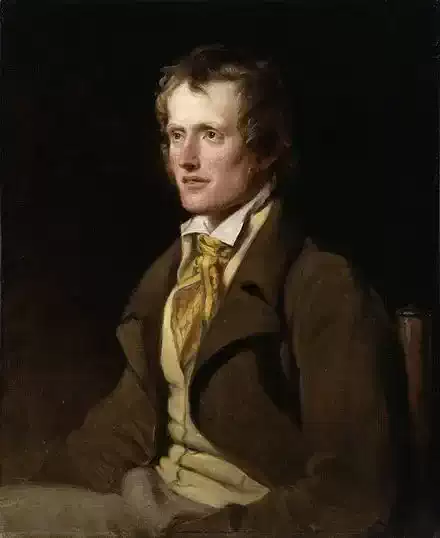
John Clare
First Love
First Love
I ne'er was struck before that hour
With love so sudden and so sweet,
Her face it bloomed like a sweet flower
And stole my heart away complete.
My face turned pale as deadly pale.
My legs refused to walk away,
And when she looked, what could I ail?
My life and all seemed turned to clay.
And then my blood rushed to my face
And took my eyesight quite away,
The trees and bushes round the place
Seemed midnight at noonday.
I could not see a single thing,
Words from my eyes did start --
They spoke as chords do from the string,
And blood burnt round my heart.
Are flowers the winter's choice?
Is love's bed always snow?
She seemed to hear my silent voice,
Not love's appeals to know.
I never saw so sweet a face
As that I stood before.
My heart has left its dwelling-place
And can return no more
I ne'er was struck before that hour
With love so sudden and so sweet,
Her face it bloomed like a sweet flower
And stole my heart away complete.
My face turned pale as deadly pale.
My legs refused to walk away,
And when she looked, what could I ail?
My life and all seemed turned to clay.
And then my blood rushed to my face
And took my eyesight quite away,
The trees and bushes round the place
Seemed midnight at noonday.
I could not see a single thing,
Words from my eyes did start --
They spoke as chords do from the string,
And blood burnt round my heart.
Are flowers the winter's choice?
Is love's bed always snow?
She seemed to hear my silent voice,
Not love's appeals to know.
I never saw so sweet a face
As that I stood before.
My heart has left its dwelling-place
And can return no more
414
John Clare
Farewell And Defiance To Love
Farewell And Defiance To Love
Love and thy vain employs, away
From this too oft deluded breast!
No longer will I court thy stay,
To be my bosom's teazing guest.
Thou treacherous medicine, reckoned pure,
Thou quackery of the harassed heart,
That kills what it pretends to cure,
Life's mountebank thou art.
With nostrums vain of boasted powers,
That, ta'en, a worse disorder leave;
An asp hid in a group of flowers,
That bites and stings when few perceive;
Thou mock-truce to the troubled mind,
Leading it more in sorrow's way,
Freedom, that leaves us more confined,
I bid thee hence away.
Dost taunt, and deem thy power beyond
The resolution reason gave?
Tut! Falsity hath snapt each bond,
That kept me once thy quiet slave,
And made thy snare a spider's thread,
Which een my breath can break in twain;
Nor will I be, like Sampson, led
To trust thy wiles again.
I took thee as my staff to guide
Me on the road I did pursue,
And when my weakness most relied
Upon its strength it broke in two.
I took thee as my friendly host
That counsel might in dangers show,
But when I needed thee the most
I found thou wert my foe.
Tempt me no more with rosy cheeks,
Nor daze my reason with bright eyes;
I'm wearied with thy painted freaks,
And sicken at such vanities:
Be roses fine as eer they will,
They, with the meanest, fade and die,
And eyes, though thronged with darts to kill,
Share like mortality.
Feed the young bard, that madly sips
His nectar-draughts from folly's flowers,
Bright eyes, fair cheeks, and ruby lips,
Till muses melt to honey showers;
Lure him to thrum thy empty lays,
While flattery listens to the chimes,
Till words themselves grow sick with praise
And stop for want of rhymes.
Let such be still thy paramours,
And chaunt love's old and idle tune,
Robbing the spring of all its flowers,
And heaven of all her stars and moon,
To gild with dazzling similes
Blind folly's vain and empty lay:
I'm sobered from such phantasies,
So get thee hence away.
Nor bid me sigh for mine own cost,
Nor count its loss, for mine annoy,
Nor say my stubbornness hath lost
A paradise of dainty joy:
I'll not believe thee, till I know
That sober reason turns an ape,
And acts the harlequin, to show
That cares in every shape,
Heart-achings, sighs, and grief-wrung tears,
Shame-blushes at betrayed distress,
Dissembled smiles, and jealous fears,
Are nought but real happiness:
Then will I mourn what now I brave,
And suffer Celia's quirks to be
(Like a poor fate-bewilder'd slave,)
The rulers of my destiny.
I'll weep and sigh wheneer she wills
To frown, and when she deigns to smile
It shall be cure for all my ills,
And, foolish still, I'll laugh the while;
But till that comes, I'll bless the rules
Experience taught, and deem it wise
To hold thee as the game of fools,
And all thy tricks despise.
Love and thy vain employs, away
From this too oft deluded breast!
No longer will I court thy stay,
To be my bosom's teazing guest.
Thou treacherous medicine, reckoned pure,
Thou quackery of the harassed heart,
That kills what it pretends to cure,
Life's mountebank thou art.
With nostrums vain of boasted powers,
That, ta'en, a worse disorder leave;
An asp hid in a group of flowers,
That bites and stings when few perceive;
Thou mock-truce to the troubled mind,
Leading it more in sorrow's way,
Freedom, that leaves us more confined,
I bid thee hence away.
Dost taunt, and deem thy power beyond
The resolution reason gave?
Tut! Falsity hath snapt each bond,
That kept me once thy quiet slave,
And made thy snare a spider's thread,
Which een my breath can break in twain;
Nor will I be, like Sampson, led
To trust thy wiles again.
I took thee as my staff to guide
Me on the road I did pursue,
And when my weakness most relied
Upon its strength it broke in two.
I took thee as my friendly host
That counsel might in dangers show,
But when I needed thee the most
I found thou wert my foe.
Tempt me no more with rosy cheeks,
Nor daze my reason with bright eyes;
I'm wearied with thy painted freaks,
And sicken at such vanities:
Be roses fine as eer they will,
They, with the meanest, fade and die,
And eyes, though thronged with darts to kill,
Share like mortality.
Feed the young bard, that madly sips
His nectar-draughts from folly's flowers,
Bright eyes, fair cheeks, and ruby lips,
Till muses melt to honey showers;
Lure him to thrum thy empty lays,
While flattery listens to the chimes,
Till words themselves grow sick with praise
And stop for want of rhymes.
Let such be still thy paramours,
And chaunt love's old and idle tune,
Robbing the spring of all its flowers,
And heaven of all her stars and moon,
To gild with dazzling similes
Blind folly's vain and empty lay:
I'm sobered from such phantasies,
So get thee hence away.
Nor bid me sigh for mine own cost,
Nor count its loss, for mine annoy,
Nor say my stubbornness hath lost
A paradise of dainty joy:
I'll not believe thee, till I know
That sober reason turns an ape,
And acts the harlequin, to show
That cares in every shape,
Heart-achings, sighs, and grief-wrung tears,
Shame-blushes at betrayed distress,
Dissembled smiles, and jealous fears,
Are nought but real happiness:
Then will I mourn what now I brave,
And suffer Celia's quirks to be
(Like a poor fate-bewilder'd slave,)
The rulers of my destiny.
I'll weep and sigh wheneer she wills
To frown, and when she deigns to smile
It shall be cure for all my ills,
And, foolish still, I'll laugh the while;
But till that comes, I'll bless the rules
Experience taught, and deem it wise
To hold thee as the game of fools,
And all thy tricks despise.
414
John Clare
Evening Primrose
Evening Primrose
When once the sun sinks in the west,
And dewdrops pearl the evening's breast;
Almost as pale as moonbeams are,
Or its companionable star,
The evening primrose opes anew
Its delicate blossoms to the dew;
And, hermit-like, shunning the light,
Wastes its fair bloom upon the night,
Who, blindfold to its fond caresses,
Knows not the beauty it possesses;
Thus it blooms on while night is by;
When day looks out with open eye,
Bashed at the gaze it cannot shun,
It faints and withers and is gone.
When once the sun sinks in the west,
And dewdrops pearl the evening's breast;
Almost as pale as moonbeams are,
Or its companionable star,
The evening primrose opes anew
Its delicate blossoms to the dew;
And, hermit-like, shunning the light,
Wastes its fair bloom upon the night,
Who, blindfold to its fond caresses,
Knows not the beauty it possesses;
Thus it blooms on while night is by;
When day looks out with open eye,
Bashed at the gaze it cannot shun,
It faints and withers and is gone.
522
John Clare
Evening Primrose
Evening Primrose
When once the sun sinks in the west,
And dewdrops pearl the evening's breast;
Almost as pale as moonbeams are,
Or its companionable star,
The evening primrose opes anew
Its delicate blossoms to the dew;
And, hermit-like, shunning the light,
Wastes its fair bloom upon the night,
Who, blindfold to its fond caresses,
Knows not the beauty it possesses;
Thus it blooms on while night is by;
When day looks out with open eye,
Bashed at the gaze it cannot shun,
It faints and withers and is gone.
When once the sun sinks in the west,
And dewdrops pearl the evening's breast;
Almost as pale as moonbeams are,
Or its companionable star,
The evening primrose opes anew
Its delicate blossoms to the dew;
And, hermit-like, shunning the light,
Wastes its fair bloom upon the night,
Who, blindfold to its fond caresses,
Knows not the beauty it possesses;
Thus it blooms on while night is by;
When day looks out with open eye,
Bashed at the gaze it cannot shun,
It faints and withers and is gone.
522
John Clare
Dewdrops
Dewdrops
The dewdrops on every blade of grass are so much like silver drops
that I am obliged to stoop down as I walk to see if they are pearls,
and those sprinkled on the ivy-woven beds of primroses underneath the
hazels, whitethorns and maples are so like gold beads that I stooped
down to feel if they were hard, but they melted from my finger. And
where the dew lies on the primrose, the violet and whitethorn leaves
they are emerald and beryl, yet nothing more than the dews of the
morning on the budding leaves; nay, the road grasses are covered with
gold and silver beads, and the further we go the brighter they seem to
shine, like solid gold and silver. It is nothing more than the sun's
light and shade upon them in the dewy morning; every thorn-point and
every bramble-spear has its trembling ornament: till the wind gets
a little brisker, and then all is shaken off, and all the shining
jewelry passes away into a common spring morning full of budding
leaves, primroses, violets, vernal speedwell, bluebell and orchis, and
commonplace objects.
The dewdrops on every blade of grass are so much like silver drops
that I am obliged to stoop down as I walk to see if they are pearls,
and those sprinkled on the ivy-woven beds of primroses underneath the
hazels, whitethorns and maples are so like gold beads that I stooped
down to feel if they were hard, but they melted from my finger. And
where the dew lies on the primrose, the violet and whitethorn leaves
they are emerald and beryl, yet nothing more than the dews of the
morning on the budding leaves; nay, the road grasses are covered with
gold and silver beads, and the further we go the brighter they seem to
shine, like solid gold and silver. It is nothing more than the sun's
light and shade upon them in the dewy morning; every thorn-point and
every bramble-spear has its trembling ornament: till the wind gets
a little brisker, and then all is shaken off, and all the shining
jewelry passes away into a common spring morning full of budding
leaves, primroses, violets, vernal speedwell, bluebell and orchis, and
commonplace objects.
392
John Clare
Decay
Decay
O Poesy is on the wane,
For Fancy's visions all unfitting;
I hardly know her face again,
Nature herself seems on the flitting.
The fields grow old and common things,
The grass, the sky, the winds a-blowing;
And spots, where still a beauty clings,
Are sighing 'going! all a-going!'
O Poesy is on the wane,
I hardly know her face again.
The bank with brambles overspread,
And little molehills round about it,
Was more to me than laurel shades,
With paths of gravel finely clouted;
And streaking here and streaking there,
Through shaven grass and many a border,
With rutty lanes had no compare,
And heaths were in a richer order.
But Poesy is on the wane,
I hardly know her face again.
I sat beside the pasture stream,
When Beauty's self was sitting by,
The fields did more than Eden seem
Nor could I tell the reason why.
I often drank when not adry
To pledge her health in draughts divine;
Smiles made it nectar from the sky,
Love turned een water into wine.
O Poesy is on the wane,
I cannot find her face again.
The sun those mornings used to find,
Its clouds were other-country mountains,
And heaven looked downward on the mind,
Like groves, and rocks, and mottled fountains.
Those heavens are gone, the mountains grey
Turned mist--the sun, a homeless ranger,
Pursues alone his naked way,
Unnoticed like a very stranger.
O Poesy is on the wane,
Nor love nor joy is mine again.
Love's sun went down without a frown,
For very joy it used to grieve us;
I often think the West is gone,
Ah, cruel Time, to undeceive us.
The stream it is a common stream,
Where we on Sundays used to ramble,
The sky hangs oer a broken dream,
The bramble's dwindled to a bramble!
O Poesy is on the wane,
I cannot find her haunts again.
Mere withered stalks and fading trees,
And pastures spread with hills and rushes,
Are all my fading vision sees;
Gone, gone are rapture's flooding gushes!
When mushrooms they were fairy bowers,
Their marble pillars overswelling,
And Danger paused to pluck the flowers
That in their swarthy rings were dwelling.
Yes, Poesy is on the wane,
Nor joy nor fear is mine again.
Aye, Poesy hath passed away,
And Fancy's visions undeceive us;
The night hath ta'en the place of day,
And why should passing shadows grieve us?
I thought the flowers upon the hills
Were flowers from Adam's open gardens;
But I have had my summer thrills,
And I have had my heart's rewardings.
So Poesy is on the wane,
I hardly know her face again.
And Friendship it hath burned away,
Like to a very ember cooling,
A make-believe on April day
That sent the simple heart a-fooling;
Mere jesting in an earnest way,
Deceiving on and still deceiving;
And Hope is but a fancy-play,
And Joy the art of true believing;
For Poesy is on the wane,
O could I feel her faith again!
O Poesy is on the wane,
For Fancy's visions all unfitting;
I hardly know her face again,
Nature herself seems on the flitting.
The fields grow old and common things,
The grass, the sky, the winds a-blowing;
And spots, where still a beauty clings,
Are sighing 'going! all a-going!'
O Poesy is on the wane,
I hardly know her face again.
The bank with brambles overspread,
And little molehills round about it,
Was more to me than laurel shades,
With paths of gravel finely clouted;
And streaking here and streaking there,
Through shaven grass and many a border,
With rutty lanes had no compare,
And heaths were in a richer order.
But Poesy is on the wane,
I hardly know her face again.
I sat beside the pasture stream,
When Beauty's self was sitting by,
The fields did more than Eden seem
Nor could I tell the reason why.
I often drank when not adry
To pledge her health in draughts divine;
Smiles made it nectar from the sky,
Love turned een water into wine.
O Poesy is on the wane,
I cannot find her face again.
The sun those mornings used to find,
Its clouds were other-country mountains,
And heaven looked downward on the mind,
Like groves, and rocks, and mottled fountains.
Those heavens are gone, the mountains grey
Turned mist--the sun, a homeless ranger,
Pursues alone his naked way,
Unnoticed like a very stranger.
O Poesy is on the wane,
Nor love nor joy is mine again.
Love's sun went down without a frown,
For very joy it used to grieve us;
I often think the West is gone,
Ah, cruel Time, to undeceive us.
The stream it is a common stream,
Where we on Sundays used to ramble,
The sky hangs oer a broken dream,
The bramble's dwindled to a bramble!
O Poesy is on the wane,
I cannot find her haunts again.
Mere withered stalks and fading trees,
And pastures spread with hills and rushes,
Are all my fading vision sees;
Gone, gone are rapture's flooding gushes!
When mushrooms they were fairy bowers,
Their marble pillars overswelling,
And Danger paused to pluck the flowers
That in their swarthy rings were dwelling.
Yes, Poesy is on the wane,
Nor joy nor fear is mine again.
Aye, Poesy hath passed away,
And Fancy's visions undeceive us;
The night hath ta'en the place of day,
And why should passing shadows grieve us?
I thought the flowers upon the hills
Were flowers from Adam's open gardens;
But I have had my summer thrills,
And I have had my heart's rewardings.
So Poesy is on the wane,
I hardly know her face again.
And Friendship it hath burned away,
Like to a very ember cooling,
A make-believe on April day
That sent the simple heart a-fooling;
Mere jesting in an earnest way,
Deceiving on and still deceiving;
And Hope is but a fancy-play,
And Joy the art of true believing;
For Poesy is on the wane,
O could I feel her faith again!
450
John Clare
Decay
Decay
O Poesy is on the wane,
For Fancy's visions all unfitting;
I hardly know her face again,
Nature herself seems on the flitting.
The fields grow old and common things,
The grass, the sky, the winds a-blowing;
And spots, where still a beauty clings,
Are sighing 'going! all a-going!'
O Poesy is on the wane,
I hardly know her face again.
The bank with brambles overspread,
And little molehills round about it,
Was more to me than laurel shades,
With paths of gravel finely clouted;
And streaking here and streaking there,
Through shaven grass and many a border,
With rutty lanes had no compare,
And heaths were in a richer order.
But Poesy is on the wane,
I hardly know her face again.
I sat beside the pasture stream,
When Beauty's self was sitting by,
The fields did more than Eden seem
Nor could I tell the reason why.
I often drank when not adry
To pledge her health in draughts divine;
Smiles made it nectar from the sky,
Love turned een water into wine.
O Poesy is on the wane,
I cannot find her face again.
The sun those mornings used to find,
Its clouds were other-country mountains,
And heaven looked downward on the mind,
Like groves, and rocks, and mottled fountains.
Those heavens are gone, the mountains grey
Turned mist--the sun, a homeless ranger,
Pursues alone his naked way,
Unnoticed like a very stranger.
O Poesy is on the wane,
Nor love nor joy is mine again.
Love's sun went down without a frown,
For very joy it used to grieve us;
I often think the West is gone,
Ah, cruel Time, to undeceive us.
The stream it is a common stream,
Where we on Sundays used to ramble,
The sky hangs oer a broken dream,
The bramble's dwindled to a bramble!
O Poesy is on the wane,
I cannot find her haunts again.
Mere withered stalks and fading trees,
And pastures spread with hills and rushes,
Are all my fading vision sees;
Gone, gone are rapture's flooding gushes!
When mushrooms they were fairy bowers,
Their marble pillars overswelling,
And Danger paused to pluck the flowers
That in their swarthy rings were dwelling.
Yes, Poesy is on the wane,
Nor joy nor fear is mine again.
Aye, Poesy hath passed away,
And Fancy's visions undeceive us;
The night hath ta'en the place of day,
And why should passing shadows grieve us?
I thought the flowers upon the hills
Were flowers from Adam's open gardens;
But I have had my summer thrills,
And I have had my heart's rewardings.
So Poesy is on the wane,
I hardly know her face again.
And Friendship it hath burned away,
Like to a very ember cooling,
A make-believe on April day
That sent the simple heart a-fooling;
Mere jesting in an earnest way,
Deceiving on and still deceiving;
And Hope is but a fancy-play,
And Joy the art of true believing;
For Poesy is on the wane,
O could I feel her faith again!
O Poesy is on the wane,
For Fancy's visions all unfitting;
I hardly know her face again,
Nature herself seems on the flitting.
The fields grow old and common things,
The grass, the sky, the winds a-blowing;
And spots, where still a beauty clings,
Are sighing 'going! all a-going!'
O Poesy is on the wane,
I hardly know her face again.
The bank with brambles overspread,
And little molehills round about it,
Was more to me than laurel shades,
With paths of gravel finely clouted;
And streaking here and streaking there,
Through shaven grass and many a border,
With rutty lanes had no compare,
And heaths were in a richer order.
But Poesy is on the wane,
I hardly know her face again.
I sat beside the pasture stream,
When Beauty's self was sitting by,
The fields did more than Eden seem
Nor could I tell the reason why.
I often drank when not adry
To pledge her health in draughts divine;
Smiles made it nectar from the sky,
Love turned een water into wine.
O Poesy is on the wane,
I cannot find her face again.
The sun those mornings used to find,
Its clouds were other-country mountains,
And heaven looked downward on the mind,
Like groves, and rocks, and mottled fountains.
Those heavens are gone, the mountains grey
Turned mist--the sun, a homeless ranger,
Pursues alone his naked way,
Unnoticed like a very stranger.
O Poesy is on the wane,
Nor love nor joy is mine again.
Love's sun went down without a frown,
For very joy it used to grieve us;
I often think the West is gone,
Ah, cruel Time, to undeceive us.
The stream it is a common stream,
Where we on Sundays used to ramble,
The sky hangs oer a broken dream,
The bramble's dwindled to a bramble!
O Poesy is on the wane,
I cannot find her haunts again.
Mere withered stalks and fading trees,
And pastures spread with hills and rushes,
Are all my fading vision sees;
Gone, gone are rapture's flooding gushes!
When mushrooms they were fairy bowers,
Their marble pillars overswelling,
And Danger paused to pluck the flowers
That in their swarthy rings were dwelling.
Yes, Poesy is on the wane,
Nor joy nor fear is mine again.
Aye, Poesy hath passed away,
And Fancy's visions undeceive us;
The night hath ta'en the place of day,
And why should passing shadows grieve us?
I thought the flowers upon the hills
Were flowers from Adam's open gardens;
But I have had my summer thrills,
And I have had my heart's rewardings.
So Poesy is on the wane,
I hardly know her face again.
And Friendship it hath burned away,
Like to a very ember cooling,
A make-believe on April day
That sent the simple heart a-fooling;
Mere jesting in an earnest way,
Deceiving on and still deceiving;
And Hope is but a fancy-play,
And Joy the art of true believing;
For Poesy is on the wane,
O could I feel her faith again!
450
John Clare
Decay
Decay
O Poesy is on the wane,
For Fancy's visions all unfitting;
I hardly know her face again,
Nature herself seems on the flitting.
The fields grow old and common things,
The grass, the sky, the winds a-blowing;
And spots, where still a beauty clings,
Are sighing 'going! all a-going!'
O Poesy is on the wane,
I hardly know her face again.
The bank with brambles overspread,
And little molehills round about it,
Was more to me than laurel shades,
With paths of gravel finely clouted;
And streaking here and streaking there,
Through shaven grass and many a border,
With rutty lanes had no compare,
And heaths were in a richer order.
But Poesy is on the wane,
I hardly know her face again.
I sat beside the pasture stream,
When Beauty's self was sitting by,
The fields did more than Eden seem
Nor could I tell the reason why.
I often drank when not adry
To pledge her health in draughts divine;
Smiles made it nectar from the sky,
Love turned een water into wine.
O Poesy is on the wane,
I cannot find her face again.
The sun those mornings used to find,
Its clouds were other-country mountains,
And heaven looked downward on the mind,
Like groves, and rocks, and mottled fountains.
Those heavens are gone, the mountains grey
Turned mist--the sun, a homeless ranger,
Pursues alone his naked way,
Unnoticed like a very stranger.
O Poesy is on the wane,
Nor love nor joy is mine again.
Love's sun went down without a frown,
For very joy it used to grieve us;
I often think the West is gone,
Ah, cruel Time, to undeceive us.
The stream it is a common stream,
Where we on Sundays used to ramble,
The sky hangs oer a broken dream,
The bramble's dwindled to a bramble!
O Poesy is on the wane,
I cannot find her haunts again.
Mere withered stalks and fading trees,
And pastures spread with hills and rushes,
Are all my fading vision sees;
Gone, gone are rapture's flooding gushes!
When mushrooms they were fairy bowers,
Their marble pillars overswelling,
And Danger paused to pluck the flowers
That in their swarthy rings were dwelling.
Yes, Poesy is on the wane,
Nor joy nor fear is mine again.
Aye, Poesy hath passed away,
And Fancy's visions undeceive us;
The night hath ta'en the place of day,
And why should passing shadows grieve us?
I thought the flowers upon the hills
Were flowers from Adam's open gardens;
But I have had my summer thrills,
And I have had my heart's rewardings.
So Poesy is on the wane,
I hardly know her face again.
And Friendship it hath burned away,
Like to a very ember cooling,
A make-believe on April day
That sent the simple heart a-fooling;
Mere jesting in an earnest way,
Deceiving on and still deceiving;
And Hope is but a fancy-play,
And Joy the art of true believing;
For Poesy is on the wane,
O could I feel her faith again!
O Poesy is on the wane,
For Fancy's visions all unfitting;
I hardly know her face again,
Nature herself seems on the flitting.
The fields grow old and common things,
The grass, the sky, the winds a-blowing;
And spots, where still a beauty clings,
Are sighing 'going! all a-going!'
O Poesy is on the wane,
I hardly know her face again.
The bank with brambles overspread,
And little molehills round about it,
Was more to me than laurel shades,
With paths of gravel finely clouted;
And streaking here and streaking there,
Through shaven grass and many a border,
With rutty lanes had no compare,
And heaths were in a richer order.
But Poesy is on the wane,
I hardly know her face again.
I sat beside the pasture stream,
When Beauty's self was sitting by,
The fields did more than Eden seem
Nor could I tell the reason why.
I often drank when not adry
To pledge her health in draughts divine;
Smiles made it nectar from the sky,
Love turned een water into wine.
O Poesy is on the wane,
I cannot find her face again.
The sun those mornings used to find,
Its clouds were other-country mountains,
And heaven looked downward on the mind,
Like groves, and rocks, and mottled fountains.
Those heavens are gone, the mountains grey
Turned mist--the sun, a homeless ranger,
Pursues alone his naked way,
Unnoticed like a very stranger.
O Poesy is on the wane,
Nor love nor joy is mine again.
Love's sun went down without a frown,
For very joy it used to grieve us;
I often think the West is gone,
Ah, cruel Time, to undeceive us.
The stream it is a common stream,
Where we on Sundays used to ramble,
The sky hangs oer a broken dream,
The bramble's dwindled to a bramble!
O Poesy is on the wane,
I cannot find her haunts again.
Mere withered stalks and fading trees,
And pastures spread with hills and rushes,
Are all my fading vision sees;
Gone, gone are rapture's flooding gushes!
When mushrooms they were fairy bowers,
Their marble pillars overswelling,
And Danger paused to pluck the flowers
That in their swarthy rings were dwelling.
Yes, Poesy is on the wane,
Nor joy nor fear is mine again.
Aye, Poesy hath passed away,
And Fancy's visions undeceive us;
The night hath ta'en the place of day,
And why should passing shadows grieve us?
I thought the flowers upon the hills
Were flowers from Adam's open gardens;
But I have had my summer thrills,
And I have had my heart's rewardings.
So Poesy is on the wane,
I hardly know her face again.
And Friendship it hath burned away,
Like to a very ember cooling,
A make-believe on April day
That sent the simple heart a-fooling;
Mere jesting in an earnest way,
Deceiving on and still deceiving;
And Hope is but a fancy-play,
And Joy the art of true believing;
For Poesy is on the wane,
O could I feel her faith again!
450
John Clare
Autumn
Autumn
The thistledown's flying, though the winds are all still,
On the green grass now lying, now mounting the hill,
The spring from the fountain now boils like a pot;
Through stones past the counting it bubbles red-hot.
The ground parched and cracked is like overbaked bread,
The greensward all wracked is, bents dried up and dead.
The fallow fields glitter like water indeed,
And gossamers twitter, flung from weed unto weed.
Hill-tops like hot iron glitter bright in the sun,
And the rivers we're eying burn to gold as they run;
Burning hot is the ground, liquid gold is the air;
Whoever looks round sees Eternity there.
The thistledown's flying, though the winds are all still,
On the green grass now lying, now mounting the hill,
The spring from the fountain now boils like a pot;
Through stones past the counting it bubbles red-hot.
The ground parched and cracked is like overbaked bread,
The greensward all wracked is, bents dried up and dead.
The fallow fields glitter like water indeed,
And gossamers twitter, flung from weed unto weed.
Hill-tops like hot iron glitter bright in the sun,
And the rivers we're eying burn to gold as they run;
Burning hot is the ground, liquid gold is the air;
Whoever looks round sees Eternity there.
439
John Clare
A World For Love
A World For Love
Oh, the world is all too rude for thee, with much ado and care;
Oh, this world is but a rude world, and hurts a thing so fair;
Was there a nook in which the world had never been to sear,
That place would prove a paradise when thou and Love were near.
And there to pluck the blackberry, and there to reach the sloe,
How joyously and happily would Love thy partner go;
Then rest when weary on a bank, where not a grassy blade
Had eer been bent by Trouble's feet, and Love thy pillow made.
For Summer would be ever green, though sloes were in their prime,
And Winter smile his frowns to Spring, in beauty's happy clime;
And months would come, and months would go, and all in sunny mood,
And everything inspired by thee grow beautifully good.
And there to make a cot unknown to any care and pain,
And there to shut the door alone on singing wind and rain--
Far, far away from all the world, more rude than rain or wind,
Oh, who could wish a sweeter home, or better place to find?
Than thus to love and live with thee, thou beautiful delight!
Than thus to live and love with thee the summer day and night!
The Earth itself, where thou hadst rest, would surely smile to see
Herself grow Eden once again, possest of Love and thee
Oh, the world is all too rude for thee, with much ado and care;
Oh, this world is but a rude world, and hurts a thing so fair;
Was there a nook in which the world had never been to sear,
That place would prove a paradise when thou and Love were near.
And there to pluck the blackberry, and there to reach the sloe,
How joyously and happily would Love thy partner go;
Then rest when weary on a bank, where not a grassy blade
Had eer been bent by Trouble's feet, and Love thy pillow made.
For Summer would be ever green, though sloes were in their prime,
And Winter smile his frowns to Spring, in beauty's happy clime;
And months would come, and months would go, and all in sunny mood,
And everything inspired by thee grow beautifully good.
And there to make a cot unknown to any care and pain,
And there to shut the door alone on singing wind and rain--
Far, far away from all the world, more rude than rain or wind,
Oh, who could wish a sweeter home, or better place to find?
Than thus to love and live with thee, thou beautiful delight!
Than thus to live and love with thee the summer day and night!
The Earth itself, where thou hadst rest, would surely smile to see
Herself grow Eden once again, possest of Love and thee
410
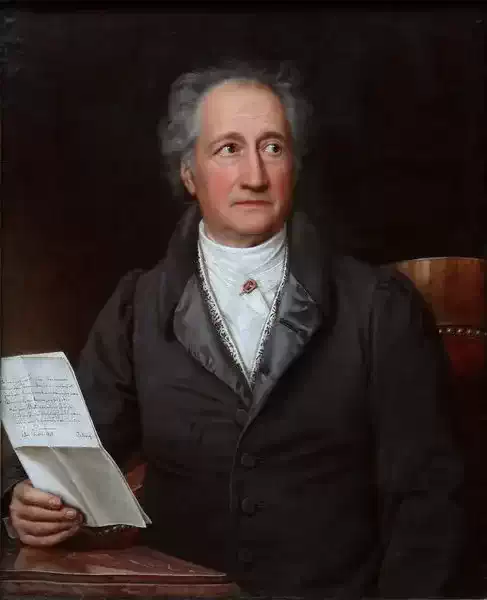
Johann Wolfgang von Goethe
With A Painted Ribbon
With A Painted Ribbon
LITTLE leaves and flow'rets too,
Scatter we with gentle hand,
Kind young spring-gods to the view,
Sporting on an airy band.
Zephyr, bear it on the wing,
Twine it round my loved one's dress;
To her glass then let her spring,
Full of eager joyousness.
Roses round her let her see,
She herself a youthful rose.
Grant, dear life, one look to me!
'Twill repay me all my woes,
What this bosom feels, feel thou.
Freely offer me thy hand;
Let the band that joins us now
Be no fragile rosy band!
LITTLE leaves and flow'rets too,
Scatter we with gentle hand,
Kind young spring-gods to the view,
Sporting on an airy band.
Zephyr, bear it on the wing,
Twine it round my loved one's dress;
To her glass then let her spring,
Full of eager joyousness.
Roses round her let her see,
She herself a youthful rose.
Grant, dear life, one look to me!
'Twill repay me all my woes,
What this bosom feels, feel thou.
Freely offer me thy hand;
Let the band that joins us now
Be no fragile rosy band!
431
John Clare
A vision
A vision
I lost the love of heaven above,
I spurned the lust of earth below,
I felt the sweets of fancied love
And hell itself my only foe.
I lost earth's joys but felt the glow
Of heaven's flame abound in me
Till loveliness and I did grow
The bard of immortality.
I loved but woman fell away
I hid me from her faded fame,
I snatched the sun's eternal ray
And wrote till earth was but a name
In every language upon earth,
On every shore, o'er every sea,
I give my name immortal birth
And kept my spirit with the free.
I lost the love of heaven above,
I spurned the lust of earth below,
I felt the sweets of fancied love
And hell itself my only foe.
I lost earth's joys but felt the glow
Of heaven's flame abound in me
Till loveliness and I did grow
The bard of immortality.
I loved but woman fell away
I hid me from her faded fame,
I snatched the sun's eternal ray
And wrote till earth was but a name
In every language upon earth,
On every shore, o'er every sea,
I give my name immortal birth
And kept my spirit with the free.
495
John Clare
A vision
A vision
I lost the love of heaven above,
I spurned the lust of earth below,
I felt the sweets of fancied love
And hell itself my only foe.
I lost earth's joys but felt the glow
Of heaven's flame abound in me
Till loveliness and I did grow
The bard of immortality.
I loved but woman fell away
I hid me from her faded fame,
I snatched the sun's eternal ray
And wrote till earth was but a name
In every language upon earth,
On every shore, o'er every sea,
I give my name immortal birth
And kept my spirit with the free.
I lost the love of heaven above,
I spurned the lust of earth below,
I felt the sweets of fancied love
And hell itself my only foe.
I lost earth's joys but felt the glow
Of heaven's flame abound in me
Till loveliness and I did grow
The bard of immortality.
I loved but woman fell away
I hid me from her faded fame,
I snatched the sun's eternal ray
And wrote till earth was but a name
In every language upon earth,
On every shore, o'er every sea,
I give my name immortal birth
And kept my spirit with the free.
495
John Clare
A vision
A vision
I lost the love of heaven above,
I spurned the lust of earth below,
I felt the sweets of fancied love
And hell itself my only foe.
I lost earth's joys but felt the glow
Of heaven's flame abound in me
Till loveliness and I did grow
The bard of immortality.
I loved but woman fell away
I hid me from her faded fame,
I snatched the sun's eternal ray
And wrote till earth was but a name
In every language upon earth,
On every shore, o'er every sea,
I give my name immortal birth
And kept my spirit with the free.
I lost the love of heaven above,
I spurned the lust of earth below,
I felt the sweets of fancied love
And hell itself my only foe.
I lost earth's joys but felt the glow
Of heaven's flame abound in me
Till loveliness and I did grow
The bard of immortality.
I loved but woman fell away
I hid me from her faded fame,
I snatched the sun's eternal ray
And wrote till earth was but a name
In every language upon earth,
On every shore, o'er every sea,
I give my name immortal birth
And kept my spirit with the free.
495
Johann Wolfgang von Goethe
Winter Journey Over The Hartz Mountain
Winter Journey Over The Hartz Mountain
LIKE the vulture
Who on heavy morning clouds
With gentle wing reposing
Looks for his prey,--
Hover, my song!
For a God hath
Unto each prescribed
His destined path,
Which the happy one
Runs o'er swiftly
To his glad goal:
He whose heart cruel
Fate hath contracted,
Struggles but vainly
Against all the barriers
The brazen thread raises,
But which the harsh shears
Must one day sever.
Through gloomy thickets
Presseth the wild deer on,
And with the sparrows
Long have the wealthy
Settled themselves in the marsh.
Easy 'tis following the chariot
That by Fortune is driven,
Like the baggage that moves
Over well-mended highways
After the train of a prince.
But who stands there apart?
In the thicket, lost is his path;
Behind him the bushes
Are closing together,
The grass springs up again,
The desert engulphs him.
Ah, who'll heal his afflictions,
To whom balsam was poison,
Who, from love's fullness,
Drank in misanthropy only?
First despised, and now a despiser,
He, in secret, wasteth
All that he is worth,
In a selfishness vain.
If there be, on thy psaltery,
Father of Love, but one tone
That to his ear may be pleasing,
Oh, then, quicken his heart!
Clear his cloud-enveloped eyes
Over the thousand fountains
Close by the thirsty one
In the desert.
Thou who createst much joy,
For each a measure o'erflowing,
Bless the sons of the chase
When on the track of the prey,
With a wild thirsting for blood,
Youthful and joyous
Avenging late the injustice
Which the peasant resisted
Vainly for years with his staff.
But the lonely one veil
Within thy gold clouds!
Surround with winter-green,
Until the roses bloom again,
The humid locks,
Oh Love, of thy minstrel!
With thy glimmering torch
Lightest thou him
Through the fords when 'tis night,
Over bottomless places
On desert-like plains;
With the thousand colours of morning
Gladd'nest his bosom;
With the fierce-biting storm
Bearest him proudly on high;
Winter torrents rush from the cliffs,--
Blend with his psalms;
An altar of grateful delight
He finds in the much-dreaded mountain's
Snow-begirded summit,
Which foreboding nations
Crown'd with spirit-dances.
Thou stand'st with breast inscrutable,
Mysteriously disclosed,
High o'er the wondering world,
And look'st from clouds
Upon its realms and its majesty,
Which thou from the veins of thy brethren
Near thee dost water.
LIKE the vulture
Who on heavy morning clouds
With gentle wing reposing
Looks for his prey,--
Hover, my song!
For a God hath
Unto each prescribed
His destined path,
Which the happy one
Runs o'er swiftly
To his glad goal:
He whose heart cruel
Fate hath contracted,
Struggles but vainly
Against all the barriers
The brazen thread raises,
But which the harsh shears
Must one day sever.
Through gloomy thickets
Presseth the wild deer on,
And with the sparrows
Long have the wealthy
Settled themselves in the marsh.
Easy 'tis following the chariot
That by Fortune is driven,
Like the baggage that moves
Over well-mended highways
After the train of a prince.
But who stands there apart?
In the thicket, lost is his path;
Behind him the bushes
Are closing together,
The grass springs up again,
The desert engulphs him.
Ah, who'll heal his afflictions,
To whom balsam was poison,
Who, from love's fullness,
Drank in misanthropy only?
First despised, and now a despiser,
He, in secret, wasteth
All that he is worth,
In a selfishness vain.
If there be, on thy psaltery,
Father of Love, but one tone
That to his ear may be pleasing,
Oh, then, quicken his heart!
Clear his cloud-enveloped eyes
Over the thousand fountains
Close by the thirsty one
In the desert.
Thou who createst much joy,
For each a measure o'erflowing,
Bless the sons of the chase
When on the track of the prey,
With a wild thirsting for blood,
Youthful and joyous
Avenging late the injustice
Which the peasant resisted
Vainly for years with his staff.
But the lonely one veil
Within thy gold clouds!
Surround with winter-green,
Until the roses bloom again,
The humid locks,
Oh Love, of thy minstrel!
With thy glimmering torch
Lightest thou him
Through the fords when 'tis night,
Over bottomless places
On desert-like plains;
With the thousand colours of morning
Gladd'nest his bosom;
With the fierce-biting storm
Bearest him proudly on high;
Winter torrents rush from the cliffs,--
Blend with his psalms;
An altar of grateful delight
He finds in the much-dreaded mountain's
Snow-begirded summit,
Which foreboding nations
Crown'd with spirit-dances.
Thou stand'st with breast inscrutable,
Mysteriously disclosed,
High o'er the wondering world,
And look'st from clouds
Upon its realms and its majesty,
Which thou from the veins of thy brethren
Near thee dost water.
399
Johann Wolfgang von Goethe
When The Fox Dies, His Skin Counts
When The Fox Dies, His Skin Counts
WE young people in the shade
Sat one sultry day;
Cupid came, and "Dies the Fox"
With us sought to play.
Each one of my friends then sat
By his mistress dear;
Cupid, blowing out the torch,
Said: "The taper's here!"
Then we quickly sent around
The expiring brand;
Each one put it hastily
ln his neighbour's hand.
Dorilis then gave it me,
With a scoffing jest;
Sudden into flame it broke,
By my fingers press'd.
And it singed my eyes and face,
Set my breast on fire;
Then above my head the blaze
Mounted ever higher.
Vain I sought to put it out;
Ever burned the flame;
Stead of dying, soon the Fox
Livelier still became.
WE young people in the shade
Sat one sultry day;
Cupid came, and "Dies the Fox"
With us sought to play.
Each one of my friends then sat
By his mistress dear;
Cupid, blowing out the torch,
Said: "The taper's here!"
Then we quickly sent around
The expiring brand;
Each one put it hastily
ln his neighbour's hand.
Dorilis then gave it me,
With a scoffing jest;
Sudden into flame it broke,
By my fingers press'd.
And it singed my eyes and face,
Set my breast on fire;
Then above my head the blaze
Mounted ever higher.
Vain I sought to put it out;
Ever burned the flame;
Stead of dying, soon the Fox
Livelier still became.
321
Johann Wolfgang von Goethe
Welcome And Farewell
Welcome And Farewell
QUICK throbb'd my heart: to norse! haste, haste,
And lo! 'twas done with speed of light;
The evening soon the world embraced,
And o'er the mountains hung the night.
Soon stood, in robe of mist, the oak,
A tow'ring giant in his size,
Where darkness through the thicket broke,
And glared with hundred gloomy eyes.
From out a hill of clouds the moon
With mournful gaze began to peer:
The winds their soft wings flutter'd soon,
And murmur'd in mine awe-struck ear;
The night a thousand monsters made,
Yet fresh and joyous was my mind;
What fire within my veins then play'd!
What glow was in my bosom shrin'd!
I saw thee, and with tender pride
Felt thy sweet gaze pour joy on me;
While all my heart was at thy side.
And every breath I breath'd for thee.
The roseate hues that spring supplies
Were playing round thy features fair,
And love for me--ye Deities!
I hoped it, I deserved it ne'er!
But, when the morning sun return'd,
Departure filled with grief my heart:
Within thy kiss, what rapture burn'd!
But in thy look, what bitter smart!
I went--thy gaze to earth first roved
Thou follow'dst me with tearful eye:
And yet, what rapture to be loved!
And, Gods, to love--what ecstasy!
QUICK throbb'd my heart: to norse! haste, haste,
And lo! 'twas done with speed of light;
The evening soon the world embraced,
And o'er the mountains hung the night.
Soon stood, in robe of mist, the oak,
A tow'ring giant in his size,
Where darkness through the thicket broke,
And glared with hundred gloomy eyes.
From out a hill of clouds the moon
With mournful gaze began to peer:
The winds their soft wings flutter'd soon,
And murmur'd in mine awe-struck ear;
The night a thousand monsters made,
Yet fresh and joyous was my mind;
What fire within my veins then play'd!
What glow was in my bosom shrin'd!
I saw thee, and with tender pride
Felt thy sweet gaze pour joy on me;
While all my heart was at thy side.
And every breath I breath'd for thee.
The roseate hues that spring supplies
Were playing round thy features fair,
And love for me--ye Deities!
I hoped it, I deserved it ne'er!
But, when the morning sun return'd,
Departure filled with grief my heart:
Within thy kiss, what rapture burn'd!
But in thy look, what bitter smart!
I went--thy gaze to earth first roved
Thou follow'dst me with tearful eye:
And yet, what rapture to be loved!
And, Gods, to love--what ecstasy!
593
Johann Wolfgang von Goethe
Wedding Night
Wedding Night
Far from the feasting, in the bedroom
Sits loyal Amor and quakes with dread:
What if the guests become too zestful,
Break the peace of the bridal bed?
A mystical and holy shimmer
Flows from his pale flames of gold;
For you both a whirl of incense
Readies pleasures manifold.
How throbs your heart as chiming timepiece
Chases noisy guests away;
Any moment, lips you burn for
Nought will utter, nought gainsay.
You hasten with her to the temple,
There to consummate your bliss;
The guardian holds aloft his flambeau,
Still and small as a taper is.
How she trembles with your kisses,
Bosom, lips, and cheeks, and brow:
His severities are shivers,
Your derring-do is duty now.
Quick, Amor helps you undress her,
He has half your enterprise;
Roguish, then, but also modest,
He'll be closing both his eyes.
Far from the feasting, in the bedroom
Sits loyal Amor and quakes with dread:
What if the guests become too zestful,
Break the peace of the bridal bed?
A mystical and holy shimmer
Flows from his pale flames of gold;
For you both a whirl of incense
Readies pleasures manifold.
How throbs your heart as chiming timepiece
Chases noisy guests away;
Any moment, lips you burn for
Nought will utter, nought gainsay.
You hasten with her to the temple,
There to consummate your bliss;
The guardian holds aloft his flambeau,
Still and small as a taper is.
How she trembles with your kisses,
Bosom, lips, and cheeks, and brow:
His severities are shivers,
Your derring-do is duty now.
Quick, Amor helps you undress her,
He has half your enterprise;
Roguish, then, but also modest,
He'll be closing both his eyes.
453
Johann Wolfgang von Goethe
Venetian Epigrams I
Venetian Epigrams I
Sarcophagi, urns, were all covered with lifelike scenes,
fauns dancing with girls from a Bacchanalian choir,
paired-off, goat-footed creatures puffing their cheeks,
forcing ear-splitting notes from the blaring horns.
Cymbals and drumbeats, the marble is seen and is heard.
How delightful the fruit in the beaks of fluttering birds!
No startling noise can scare them, or scare away love,
Amor, whose torch waves more gladly in this happy throng.
So fullness overcomes death, and the ashes within
seem still, in their silent house, to feel love’s delight.
So may the Poet’s sarcophagus be adorned,
with this book the writer has filled with the beauty of life.
Sarcophagi, urns, were all covered with lifelike scenes,
fauns dancing with girls from a Bacchanalian choir,
paired-off, goat-footed creatures puffing their cheeks,
forcing ear-splitting notes from the blaring horns.
Cymbals and drumbeats, the marble is seen and is heard.
How delightful the fruit in the beaks of fluttering birds!
No startling noise can scare them, or scare away love,
Amor, whose torch waves more gladly in this happy throng.
So fullness overcomes death, and the ashes within
seem still, in their silent house, to feel love’s delight.
So may the Poet’s sarcophagus be adorned,
with this book the writer has filled with the beauty of life.
423
Johann Wolfgang von Goethe
Venetian Epigrams I
Venetian Epigrams I
Sarcophagi, urns, were all covered with lifelike scenes,
fauns dancing with girls from a Bacchanalian choir,
paired-off, goat-footed creatures puffing their cheeks,
forcing ear-splitting notes from the blaring horns.
Cymbals and drumbeats, the marble is seen and is heard.
How delightful the fruit in the beaks of fluttering birds!
No startling noise can scare them, or scare away love,
Amor, whose torch waves more gladly in this happy throng.
So fullness overcomes death, and the ashes within
seem still, in their silent house, to feel love’s delight.
So may the Poet’s sarcophagus be adorned,
with this book the writer has filled with the beauty of life.
Sarcophagi, urns, were all covered with lifelike scenes,
fauns dancing with girls from a Bacchanalian choir,
paired-off, goat-footed creatures puffing their cheeks,
forcing ear-splitting notes from the blaring horns.
Cymbals and drumbeats, the marble is seen and is heard.
How delightful the fruit in the beaks of fluttering birds!
No startling noise can scare them, or scare away love,
Amor, whose torch waves more gladly in this happy throng.
So fullness overcomes death, and the ashes within
seem still, in their silent house, to feel love’s delight.
So may the Poet’s sarcophagus be adorned,
with this book the writer has filled with the beauty of life.
423
Johann Wolfgang von Goethe
Venetian Epigrams I
Venetian Epigrams I
Sarcophagi, urns, were all covered with lifelike scenes,
fauns dancing with girls from a Bacchanalian choir,
paired-off, goat-footed creatures puffing their cheeks,
forcing ear-splitting notes from the blaring horns.
Cymbals and drumbeats, the marble is seen and is heard.
How delightful the fruit in the beaks of fluttering birds!
No startling noise can scare them, or scare away love,
Amor, whose torch waves more gladly in this happy throng.
So fullness overcomes death, and the ashes within
seem still, in their silent house, to feel love’s delight.
So may the Poet’s sarcophagus be adorned,
with this book the writer has filled with the beauty of life.
Sarcophagi, urns, were all covered with lifelike scenes,
fauns dancing with girls from a Bacchanalian choir,
paired-off, goat-footed creatures puffing their cheeks,
forcing ear-splitting notes from the blaring horns.
Cymbals and drumbeats, the marble is seen and is heard.
How delightful the fruit in the beaks of fluttering birds!
No startling noise can scare them, or scare away love,
Amor, whose torch waves more gladly in this happy throng.
So fullness overcomes death, and the ashes within
seem still, in their silent house, to feel love’s delight.
So may the Poet’s sarcophagus be adorned,
with this book the writer has filled with the beauty of life.
423
Johann Wolfgang von Goethe
Trilogy Of Passion 01 To Werther
Trilogy Of Passion 01 To Werther
ONCE more, then, much-wept shadow, thou dost dare
Boldly to face the day's clear light,
To meet me on fresh blooming meadows fair,
And dost not tremble at my sight.
Those happy times appear return'd once more.
When on one field we quaff'd refreshing dew,
And, when the day's unwelcome toils were o'er,
The farewell sunbeams bless'd our ravish'd view;
Fate bade thee go,--to linger here was mine,--
Going the first, the smaller loss was thine.
The life of man appears a glorious fate:
The day how lovely, and the night how great!
And we 'mid Paradise-like raptures plac'd,
The sun's bright glory scarce have learn'd to taste.
When strange contending feelings dimly cover,
Now us, and now the forms that round us hover;
One's feelings by no other are supplied,
'Tis dark without, if all is bright inside;
An outward brightness veils my sadden'd mood,
When Fortune smiles,--how seldom understood!
Now think we that we know her, and with might
A woman's beauteous form instils delight;
The youth, as glad as in his infancy,
The spring-time treads, as though the spring were he
Ravish'd, amazed, he asks, how this is done?
He looks around, the world appears his own.
With careless speed he wanders on through space,
Nor walls, nor palaces can check his race;
As some gay flight of birds round tree-tops plays,
So 'tis with him who round his mistress strays;
He seeks from AEther, which he'd leave behind him,
The faithful look that fondly serves to bind him.
Yet first too early warn'd, and then too late,
He feels his flight restrain'd, is captur'd straight
To meet again is sweet, to part is sad,
Again to meet again is still more glad,
And years in one short moment are enshrin'd;
But, oh, the harsh farewell is hid behind!
Thou smilest, friend, with fitting thoughts inspired;
By a dread parting was thy fame acquired,
Thy mournful destiny we sorrow'd o'er,
For weal and woe thou left'st us evermore,
And then again the passions' wavering force
Drew us along in labyrinthine course;
And we, consumed by constant misery,
At length must part--and parting is to die!
How moving is it, when the minstrel sings,
To 'scape the death that separation brings!
Oh grant, some god, to one who suffers so,
To tell, half-guilty, his sad tale of woe.
ONCE more, then, much-wept shadow, thou dost dare
Boldly to face the day's clear light,
To meet me on fresh blooming meadows fair,
And dost not tremble at my sight.
Those happy times appear return'd once more.
When on one field we quaff'd refreshing dew,
And, when the day's unwelcome toils were o'er,
The farewell sunbeams bless'd our ravish'd view;
Fate bade thee go,--to linger here was mine,--
Going the first, the smaller loss was thine.
The life of man appears a glorious fate:
The day how lovely, and the night how great!
And we 'mid Paradise-like raptures plac'd,
The sun's bright glory scarce have learn'd to taste.
When strange contending feelings dimly cover,
Now us, and now the forms that round us hover;
One's feelings by no other are supplied,
'Tis dark without, if all is bright inside;
An outward brightness veils my sadden'd mood,
When Fortune smiles,--how seldom understood!
Now think we that we know her, and with might
A woman's beauteous form instils delight;
The youth, as glad as in his infancy,
The spring-time treads, as though the spring were he
Ravish'd, amazed, he asks, how this is done?
He looks around, the world appears his own.
With careless speed he wanders on through space,
Nor walls, nor palaces can check his race;
As some gay flight of birds round tree-tops plays,
So 'tis with him who round his mistress strays;
He seeks from AEther, which he'd leave behind him,
The faithful look that fondly serves to bind him.
Yet first too early warn'd, and then too late,
He feels his flight restrain'd, is captur'd straight
To meet again is sweet, to part is sad,
Again to meet again is still more glad,
And years in one short moment are enshrin'd;
But, oh, the harsh farewell is hid behind!
Thou smilest, friend, with fitting thoughts inspired;
By a dread parting was thy fame acquired,
Thy mournful destiny we sorrow'd o'er,
For weal and woe thou left'st us evermore,
And then again the passions' wavering force
Drew us along in labyrinthine course;
And we, consumed by constant misery,
At length must part--and parting is to die!
How moving is it, when the minstrel sings,
To 'scape the death that separation brings!
Oh grant, some god, to one who suffers so,
To tell, half-guilty, his sad tale of woe.
370
Johann Wolfgang von Goethe
Trilogy Of Passion 03 Atonement
Trilogy Of Passion 03 Atonement
PASSION brings reason--who can pacify
An anguish'd heart whose loss hath been so great?
Where are the hours that fled so swiftly by?
In vain the fairest thou didst gain from fate;
Sad is the soul, confused the enterprise;
The glorious world, how on the sense it dies!
In million tones entwined for evermore,
Music with angel-pinions hovers there,
To pierce man's being to its inmost core,
Eternal beauty has its fruit to bear;
The eye grows moist, in yearnings blest reveres
The godlike worth of music as of tears.
And so the lighten'd heart soon learns to see
That it still lives, and beats, and ought to beat,
Off'ring itself with joy and willingly,
In grateful payment for a gift so sweet.
And then was felt,--oh may it constant prove!--
The twofold bliss of music and of love.
PASSION brings reason--who can pacify
An anguish'd heart whose loss hath been so great?
Where are the hours that fled so swiftly by?
In vain the fairest thou didst gain from fate;
Sad is the soul, confused the enterprise;
The glorious world, how on the sense it dies!
In million tones entwined for evermore,
Music with angel-pinions hovers there,
To pierce man's being to its inmost core,
Eternal beauty has its fruit to bear;
The eye grows moist, in yearnings blest reveres
The godlike worth of music as of tears.
And so the lighten'd heart soon learns to see
That it still lives, and beats, and ought to beat,
Off'ring itself with joy and willingly,
In grateful payment for a gift so sweet.
And then was felt,--oh may it constant prove!--
The twofold bliss of music and of love.
378
Johann Wolfgang von Goethe
Trilogy Of Passion 03 Atonement
Trilogy Of Passion 03 Atonement
PASSION brings reason--who can pacify
An anguish'd heart whose loss hath been so great?
Where are the hours that fled so swiftly by?
In vain the fairest thou didst gain from fate;
Sad is the soul, confused the enterprise;
The glorious world, how on the sense it dies!
In million tones entwined for evermore,
Music with angel-pinions hovers there,
To pierce man's being to its inmost core,
Eternal beauty has its fruit to bear;
The eye grows moist, in yearnings blest reveres
The godlike worth of music as of tears.
And so the lighten'd heart soon learns to see
That it still lives, and beats, and ought to beat,
Off'ring itself with joy and willingly,
In grateful payment for a gift so sweet.
And then was felt,--oh may it constant prove!--
The twofold bliss of music and of love.
PASSION brings reason--who can pacify
An anguish'd heart whose loss hath been so great?
Where are the hours that fled so swiftly by?
In vain the fairest thou didst gain from fate;
Sad is the soul, confused the enterprise;
The glorious world, how on the sense it dies!
In million tones entwined for evermore,
Music with angel-pinions hovers there,
To pierce man's being to its inmost core,
Eternal beauty has its fruit to bear;
The eye grows moist, in yearnings blest reveres
The godlike worth of music as of tears.
And so the lighten'd heart soon learns to see
That it still lives, and beats, and ought to beat,
Off'ring itself with joy and willingly,
In grateful payment for a gift so sweet.
And then was felt,--oh may it constant prove!--
The twofold bliss of music and of love.
378