

Poems in this topic
Others
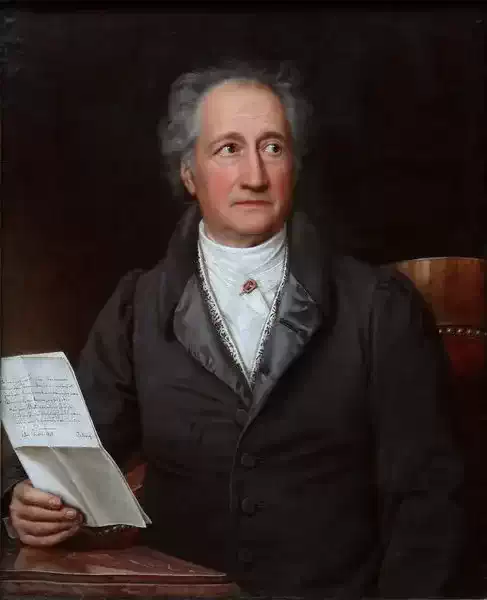
Johann Wolfgang von Goethe
The Godlike
The Godlike
NOBLE be man,
Helpful and good!
For that alone
Distinguisheth him
From all the beings
Unto us known.
Hail to the beings,
Unknown and glorious,
Whom we forebode!
From his example
Learn we to know them!
For unfeeling
Nature is ever:
On bad and on good
The sun alike shineth;
And on the wicked,
As on the best,
The moon and stars gleam.
Tempest and torrent,
Thunder and hail,
Roar on their path,
Seizing the while,
As they haste onward,
One after another.
Even so, fortune
Gropes 'mid the throng--
Innocent boyhood's
Curly head seizing,--
Seizing the hoary
Head of the sinner.
After laws mighty,
Brazen, eternal,
Must all we mortals
Finish the circuit
Of our existence.
Man, and man only
Can do the impossible;
He 'tis distinguisheth,
Chooseth and judgeth;
He to the moment
Endurance can lend.
He and he only
The good can reward,
The bad can he punish,
Can heal and can save;
All that wanders and strays
Can usefully blend.
And we pay homage
To the immortals
As though they were men,
And did in the great,
What the best, in the small,
Does or might do.
Be the man that is noble,
Both helpful and good.
Unweariedly forming
The right and the useful,
A type of those beings
Our mind hath foreshadow'd!
NOBLE be man,
Helpful and good!
For that alone
Distinguisheth him
From all the beings
Unto us known.
Hail to the beings,
Unknown and glorious,
Whom we forebode!
From his example
Learn we to know them!
For unfeeling
Nature is ever:
On bad and on good
The sun alike shineth;
And on the wicked,
As on the best,
The moon and stars gleam.
Tempest and torrent,
Thunder and hail,
Roar on their path,
Seizing the while,
As they haste onward,
One after another.
Even so, fortune
Gropes 'mid the throng--
Innocent boyhood's
Curly head seizing,--
Seizing the hoary
Head of the sinner.
After laws mighty,
Brazen, eternal,
Must all we mortals
Finish the circuit
Of our existence.
Man, and man only
Can do the impossible;
He 'tis distinguisheth,
Chooseth and judgeth;
He to the moment
Endurance can lend.
He and he only
The good can reward,
The bad can he punish,
Can heal and can save;
All that wanders and strays
Can usefully blend.
And we pay homage
To the immortals
As though they were men,
And did in the great,
What the best, in the small,
Does or might do.
Be the man that is noble,
Both helpful and good.
Unweariedly forming
The right and the useful,
A type of those beings
Our mind hath foreshadow'd!
471
Johann Wolfgang von Goethe
The Goblet
The Goblet
ONCE I held a well-carved brimming goblet,--
In my two hands tightly clasp'd I held it,
Eagerly the sweet wine sipp'd I from it,
Seeking there to drown all care and sorrow.
Amor enter'd in, and found me sitting,
And he gently smiled in modest fashion,
Smiled as though the foolish one he pitied.
"Friend, I know a far more beauteous vessel,
One wherein to sink thy spirit wholly;
Say, what wilt thou give me, if I grant it,
And with other nectar fill it for thee?"
Oh, how kindly hath he kept his promise!
For to me, who long had yearn'd, he granted
Thee, my Lida, fill'd with soft affection.
When I clasp mine arms around thee fondly,
When I drink in love's long-hoarded balsam
From thy darling lips so true, so faithful,
Fill'd with bliss thus speak I to my spirit
"No! a vessel such as this, save Amor
Never god hath fashion'd or been lord of!
Such a form was ne'er produced by Vulcan
With his cunning, reason-gifted hammers!
On the leaf-crown'd mountains may Lyaeus
Bid his Fauns, the oldest and the wisest,
Pass the choicest clusters through the winepress,
And himself watch o'er the fermentation:
Such a draught no toil can e'er procure him!"
ONCE I held a well-carved brimming goblet,--
In my two hands tightly clasp'd I held it,
Eagerly the sweet wine sipp'd I from it,
Seeking there to drown all care and sorrow.
Amor enter'd in, and found me sitting,
And he gently smiled in modest fashion,
Smiled as though the foolish one he pitied.
"Friend, I know a far more beauteous vessel,
One wherein to sink thy spirit wholly;
Say, what wilt thou give me, if I grant it,
And with other nectar fill it for thee?"
Oh, how kindly hath he kept his promise!
For to me, who long had yearn'd, he granted
Thee, my Lida, fill'd with soft affection.
When I clasp mine arms around thee fondly,
When I drink in love's long-hoarded balsam
From thy darling lips so true, so faithful,
Fill'd with bliss thus speak I to my spirit
"No! a vessel such as this, save Amor
Never god hath fashion'd or been lord of!
Such a form was ne'er produced by Vulcan
With his cunning, reason-gifted hammers!
On the leaf-crown'd mountains may Lyaeus
Bid his Fauns, the oldest and the wisest,
Pass the choicest clusters through the winepress,
And himself watch o'er the fermentation:
Such a draught no toil can e'er procure him!"
374
Johann Wolfgang von Goethe
The Friendly Meeting
The Friendly Meeting
IN spreading mantle to my chin concealed,
I trod the rocky path, so steep and grey,
Then to the wintry plain I bent my way
Uneasily, to flight my bosom steel'd.
But sudden was the newborn day reveal'd:
A maiden came, in heavenly bright array,
Like the fair creatures of the poet's lay
In realms of song. My yearning heart was heal'd.
Yet turn'd I thence, till she had onward pass'd,
While closer still the folds to draw I tried,
As though with heat self-kindled to grow warm;
But follow'd her. She stood. The die was cast!
No more within my mantle could I hide;
I threw it off,--she lay within mine arm.
IN spreading mantle to my chin concealed,
I trod the rocky path, so steep and grey,
Then to the wintry plain I bent my way
Uneasily, to flight my bosom steel'd.
But sudden was the newborn day reveal'd:
A maiden came, in heavenly bright array,
Like the fair creatures of the poet's lay
In realms of song. My yearning heart was heal'd.
Yet turn'd I thence, till she had onward pass'd,
While closer still the folds to draw I tried,
As though with heat self-kindled to grow warm;
But follow'd her. She stood. The die was cast!
No more within my mantle could I hide;
I threw it off,--she lay within mine arm.
299
Johann Wolfgang von Goethe
The Fisherman
The Fisherman
THE waters rush'd, the waters rose,
A fisherman sat by,
While on his line in calm repose
He cast his patient eye.
And as he sat, and hearken'd there,
The flood was cleft in twain,
And, lo! a dripping mermaid fair
Sprang from the troubled main.
She sang to him, and spake the while:
"Why lurest thou my brood,
With human wit and human guile
From out their native flood?
Oh, couldst thou know how gladly dart
The fish across the sea,
Thou wouldst descend, e'en as thou art,
And truly happy be!
"Do not the sun and moon with grace
Their forms in ocean lave?
Shines not with twofold charms their face,
When rising from the wave?
The deep, deep heavens, then lure thee not,--
The moist yet radiant blue,--
Not thine own form,--to tempt thy lot
'Midst this eternal dew?"
The waters rush'd, the waters rose,
Wetting his naked feet;
As if his true love's words were those,
His heart with longing beat.
She sang to him, to him spake she,
His doom was fix'd, I ween;
Half drew she him, and half sank he,
And ne'er again was seen.
THE waters rush'd, the waters rose,
A fisherman sat by,
While on his line in calm repose
He cast his patient eye.
And as he sat, and hearken'd there,
The flood was cleft in twain,
And, lo! a dripping mermaid fair
Sprang from the troubled main.
She sang to him, and spake the while:
"Why lurest thou my brood,
With human wit and human guile
From out their native flood?
Oh, couldst thou know how gladly dart
The fish across the sea,
Thou wouldst descend, e'en as thou art,
And truly happy be!
"Do not the sun and moon with grace
Their forms in ocean lave?
Shines not with twofold charms their face,
When rising from the wave?
The deep, deep heavens, then lure thee not,--
The moist yet radiant blue,--
Not thine own form,--to tempt thy lot
'Midst this eternal dew?"
The waters rush'd, the waters rose,
Wetting his naked feet;
As if his true love's words were those,
His heart with longing beat.
She sang to him, to him spake she,
His doom was fix'd, I ween;
Half drew she him, and half sank he,
And ne'er again was seen.
489
Johann Wolfgang von Goethe
The Farewell
The Farewell
LET mine eye the farewell say,
That my lips can utter ne'er;
Fain I'd be a man to-day,
Yet 'tis hard, oh, hard to bear!
Mournful in an hour like this
Is love's sweetest pledge, I ween;
Cold upon thy mouth the kiss,
Faint thy fingers' pressure e'en.
Oh what rapture to my heart
Used each stolen kiss to bring!
As the violets joy impart,
Gather'd in the early spring.
Now no garlands I entwine,
Now no roses pluck. for thee,
Though 'tis springtime, Fanny mine,
Dreary autumn 'tis to me!
LET mine eye the farewell say,
That my lips can utter ne'er;
Fain I'd be a man to-day,
Yet 'tis hard, oh, hard to bear!
Mournful in an hour like this
Is love's sweetest pledge, I ween;
Cold upon thy mouth the kiss,
Faint thy fingers' pressure e'en.
Oh what rapture to my heart
Used each stolen kiss to bring!
As the violets joy impart,
Gather'd in the early spring.
Now no garlands I entwine,
Now no roses pluck. for thee,
Though 'tis springtime, Fanny mine,
Dreary autumn 'tis to me!
381
Johann Wolfgang von Goethe
The Exchange
The Exchange
THE stones in the streamlet I make my bright pillow,
And open my arms to the swift-rolling billow,
That lovingly hastens to fall on my breast.
Then fickleness soon bids it onwards be flowing;
A second draws nigh, its caresses bestowing,--
And so by a twofold enjoyment I'm blest.
And yet thou art trailing in sorrow and sadness
The moments that life, as it flies, gave for gladness,
Because by thy love thou'rt remember'd no more!
Oh, call back to mind former days and their blisses!
The lips of the second will give as sweet kisses
As any the lips of the first gave before!
THE stones in the streamlet I make my bright pillow,
And open my arms to the swift-rolling billow,
That lovingly hastens to fall on my breast.
Then fickleness soon bids it onwards be flowing;
A second draws nigh, its caresses bestowing,--
And so by a twofold enjoyment I'm blest.
And yet thou art trailing in sorrow and sadness
The moments that life, as it flies, gave for gladness,
Because by thy love thou'rt remember'd no more!
Oh, call back to mind former days and their blisses!
The lips of the second will give as sweet kisses
As any the lips of the first gave before!
428
Johann Wolfgang von Goethe
The Epochs
The Epochs
ON Petrarch's heart, all other days before,
In flaming letters written, was impress d
GOOD FRIDAY. And on mine, be it confess'd,
Is this year's ADVENT, as it passeth o'er.
I do not now begin,--I still adore
Her whom I early cherish'd in my breast;,
Then once again with prudence dispossess'd,
And to whose heart I'm driven back once more.
The love of Petrarch, that all-glorious love,
Was unrequited, and, alas, full sad;
One long Good Friday 'twas, one heartache drear
But may my mistress' Advent ever prove,
With its palm-jubilee, so sweet and glad,
One endless Mayday, through the livelong year!
ON Petrarch's heart, all other days before,
In flaming letters written, was impress d
GOOD FRIDAY. And on mine, be it confess'd,
Is this year's ADVENT, as it passeth o'er.
I do not now begin,--I still adore
Her whom I early cherish'd in my breast;,
Then once again with prudence dispossess'd,
And to whose heart I'm driven back once more.
The love of Petrarch, that all-glorious love,
Was unrequited, and, alas, full sad;
One long Good Friday 'twas, one heartache drear
But may my mistress' Advent ever prove,
With its palm-jubilee, so sweet and glad,
One endless Mayday, through the livelong year!
465
Johann Wolfgang von Goethe
The Drops Of Nectar
The Drops Of Nectar
WHEN Minerva, to give pleasure
To Prometheus, her well-loved one,
Brought a brimming bowl of nectar
From the glorious realms of heaven
As a blessing for his creatures,
And to pour into their bosoms
Impulses for arts ennobling,
She with rapid footstep hasten'd,
Fearing Jupiter might see her,
And the golden goblet trembled,
And there fell a few drops from it
On the verdant plain beneath her.
Then the busy bees flew thither
Straightway, eagerly to drink them,
And the butterfly came quickly
That he, too, might find a drop there;
Even the misshapen spider
Thither crawl'd and suck'd with vigour.
To a happy end they tasted,
They, and other gentle insects!
For with mortals now divide they
Art - that noblest gift of all.
WHEN Minerva, to give pleasure
To Prometheus, her well-loved one,
Brought a brimming bowl of nectar
From the glorious realms of heaven
As a blessing for his creatures,
And to pour into their bosoms
Impulses for arts ennobling,
She with rapid footstep hasten'd,
Fearing Jupiter might see her,
And the golden goblet trembled,
And there fell a few drops from it
On the verdant plain beneath her.
Then the busy bees flew thither
Straightway, eagerly to drink them,
And the butterfly came quickly
That he, too, might find a drop there;
Even the misshapen spider
Thither crawl'd and suck'd with vigour.
To a happy end they tasted,
They, and other gentle insects!
For with mortals now divide they
Art - that noblest gift of all.
407
Johann Wolfgang von Goethe
The Drops Of Nectar
The Drops Of Nectar
WHEN Minerva, to give pleasure
To Prometheus, her well-loved one,
Brought a brimming bowl of nectar
From the glorious realms of heaven
As a blessing for his creatures,
And to pour into their bosoms
Impulses for arts ennobling,
She with rapid footstep hasten'd,
Fearing Jupiter might see her,
And the golden goblet trembled,
And there fell a few drops from it
On the verdant plain beneath her.
Then the busy bees flew thither
Straightway, eagerly to drink them,
And the butterfly came quickly
That he, too, might find a drop there;
Even the misshapen spider
Thither crawl'd and suck'd with vigour.
To a happy end they tasted,
They, and other gentle insects!
For with mortals now divide they
Art - that noblest gift of all.
WHEN Minerva, to give pleasure
To Prometheus, her well-loved one,
Brought a brimming bowl of nectar
From the glorious realms of heaven
As a blessing for his creatures,
And to pour into their bosoms
Impulses for arts ennobling,
She with rapid footstep hasten'd,
Fearing Jupiter might see her,
And the golden goblet trembled,
And there fell a few drops from it
On the verdant plain beneath her.
Then the busy bees flew thither
Straightway, eagerly to drink them,
And the butterfly came quickly
That he, too, might find a drop there;
Even the misshapen spider
Thither crawl'd and suck'd with vigour.
To a happy end they tasted,
They, and other gentle insects!
For with mortals now divide they
Art - that noblest gift of all.
407
Johann Wolfgang von Goethe
The Country Schoolmaster
The Country Schoolmaster
I.
A MASTER of a country school
Jump'd up one day from off his stool,
Inspired with firm resolve to try
To gain the best society;
So to the nearest baths he walk'd,
And into the saloon he stalk'd.
He felt quite. startled at the door,
Ne'er having seen the like before.
To the first stranger made he now
A very low and graceful bow,
But quite forgot to bear in mind
That people also stood behind;
His left-hand neighbor's paunch he struck
A grievous blow, by great ill luck;
Pardon for this he first entreated,
And then in haste his bow repeated.
His right hand neighbor next he hit,
And begg'd him, too, to pardon it;
But on his granting his petition,
Another was in like condition;
These compliments he paid to all,
Behind, before, across the hall;
At length one who could stand no more,
Show'd him impatiently the door.
May many, pond'ring on their crimes,
A moral draw from this betimes!
II.
As he proceeded on his way
He thought, "I was too weak to-day;
To bow I'll ne'er again be seen;
For goats will swallow what is green."
Across the fields he now must speed,
Not over stumps and stones, indeed,
But over meads and cornfields sweet,
Trampling down all with clumsy feet.
A farmer met him by-and-by,
And didn't ask him: how? or why?
But with his fist saluted him.
"I feel new life in every limb!"
Our traveller cried in ecstasy.
"Who art thou who thus gladden'st me?
May Heaven such blessings ever send!
Ne'er may I want a jovial friend!"
I.
A MASTER of a country school
Jump'd up one day from off his stool,
Inspired with firm resolve to try
To gain the best society;
So to the nearest baths he walk'd,
And into the saloon he stalk'd.
He felt quite. startled at the door,
Ne'er having seen the like before.
To the first stranger made he now
A very low and graceful bow,
But quite forgot to bear in mind
That people also stood behind;
His left-hand neighbor's paunch he struck
A grievous blow, by great ill luck;
Pardon for this he first entreated,
And then in haste his bow repeated.
His right hand neighbor next he hit,
And begg'd him, too, to pardon it;
But on his granting his petition,
Another was in like condition;
These compliments he paid to all,
Behind, before, across the hall;
At length one who could stand no more,
Show'd him impatiently the door.
May many, pond'ring on their crimes,
A moral draw from this betimes!
II.
As he proceeded on his way
He thought, "I was too weak to-day;
To bow I'll ne'er again be seen;
For goats will swallow what is green."
Across the fields he now must speed,
Not over stumps and stones, indeed,
But over meads and cornfields sweet,
Trampling down all with clumsy feet.
A farmer met him by-and-by,
And didn't ask him: how? or why?
But with his fist saluted him.
"I feel new life in every limb!"
Our traveller cried in ecstasy.
"Who art thou who thus gladden'st me?
May Heaven such blessings ever send!
Ne'er may I want a jovial friend!"
355
Johann Wolfgang von Goethe
The Consecrated Spot
The Consecrated Spot
WHEN in the dance of the Nymphs, in the moonlight so holy assembled,
Mingle the Graces, down from Olympus in secret descending,
Here doth the minstrel hide, and list to their numbers enthralling,
Here doth he watch their silent dances' mysterious measure.
All that is glorious in Heaven, and all that the earth in her beauty
Ever hath brought into life, the dreamer awake sees before him;
All he repeats to the Muses, and lest the gods should be anger'd,
How to tell of secrets discreetly, the Muses instruct him.
WHEN in the dance of the Nymphs, in the moonlight so holy assembled,
Mingle the Graces, down from Olympus in secret descending,
Here doth the minstrel hide, and list to their numbers enthralling,
Here doth he watch their silent dances' mysterious measure.
All that is glorious in Heaven, and all that the earth in her beauty
Ever hath brought into life, the dreamer awake sees before him;
All he repeats to the Muses, and lest the gods should be anger'd,
How to tell of secrets discreetly, the Muses instruct him.
340
Johann Wolfgang von Goethe
The Consecrated Spot
The Consecrated Spot
WHEN in the dance of the Nymphs, in the moonlight so holy assembled,
Mingle the Graces, down from Olympus in secret descending,
Here doth the minstrel hide, and list to their numbers enthralling,
Here doth he watch their silent dances' mysterious measure.
All that is glorious in Heaven, and all that the earth in her beauty
Ever hath brought into life, the dreamer awake sees before him;
All he repeats to the Muses, and lest the gods should be anger'd,
How to tell of secrets discreetly, the Muses instruct him.
WHEN in the dance of the Nymphs, in the moonlight so holy assembled,
Mingle the Graces, down from Olympus in secret descending,
Here doth the minstrel hide, and list to their numbers enthralling,
Here doth he watch their silent dances' mysterious measure.
All that is glorious in Heaven, and all that the earth in her beauty
Ever hath brought into life, the dreamer awake sees before him;
All he repeats to the Muses, and lest the gods should be anger'd,
How to tell of secrets discreetly, the Muses instruct him.
340
Johann Wolfgang von Goethe
The Consecrated Spot
The Consecrated Spot
WHEN in the dance of the Nymphs, in the moonlight so holy assembled,
Mingle the Graces, down from Olympus in secret descending,
Here doth the minstrel hide, and list to their numbers enthralling,
Here doth he watch their silent dances' mysterious measure.
All that is glorious in Heaven, and all that the earth in her beauty
Ever hath brought into life, the dreamer awake sees before him;
All he repeats to the Muses, and lest the gods should be anger'd,
How to tell of secrets discreetly, the Muses instruct him.
WHEN in the dance of the Nymphs, in the moonlight so holy assembled,
Mingle the Graces, down from Olympus in secret descending,
Here doth the minstrel hide, and list to their numbers enthralling,
Here doth he watch their silent dances' mysterious measure.
All that is glorious in Heaven, and all that the earth in her beauty
Ever hath brought into life, the dreamer awake sees before him;
All he repeats to the Muses, and lest the gods should be anger'd,
How to tell of secrets discreetly, the Muses instruct him.
340
Johann Wolfgang von Goethe
The Consecrated Spot
The Consecrated Spot
WHEN in the dance of the Nymphs, in the moonlight so holy assembled,
Mingle the Graces, down from Olympus in secret descending,
Here doth the minstrel hide, and list to their numbers enthralling,
Here doth he watch their silent dances' mysterious measure.
All that is glorious in Heaven, and all that the earth in her beauty
Ever hath brought into life, the dreamer awake sees before him;
All he repeats to the Muses, and lest the gods should be anger'd,
How to tell of secrets discreetly, the Muses instruct him.
WHEN in the dance of the Nymphs, in the moonlight so holy assembled,
Mingle the Graces, down from Olympus in secret descending,
Here doth the minstrel hide, and list to their numbers enthralling,
Here doth he watch their silent dances' mysterious measure.
All that is glorious in Heaven, and all that the earth in her beauty
Ever hath brought into life, the dreamer awake sees before him;
All he repeats to the Muses, and lest the gods should be anger'd,
How to tell of secrets discreetly, the Muses instruct him.
340
Johann Wolfgang von Goethe
The Chosen Cliff
The Chosen Cliff
HERE in silence the lover fondly mused on his loved one;
Gladly he spake to me thus: "Be thou my witness, thou stone!
Yet thou must not be vainglorious, thou hast many companions;
Unto each rock on the plain, where I, the happy one, dwell,
Unto each tree of the wood that I cling to, as onward I ramble,
'Be thou a sign of my bliss!' shout I, and then 'tis ordain'd.
Yet to thee only I lend a voice, as a Muse from the people
Chooseth one for herself, kissing his lips as a friend."
HERE in silence the lover fondly mused on his loved one;
Gladly he spake to me thus: "Be thou my witness, thou stone!
Yet thou must not be vainglorious, thou hast many companions;
Unto each rock on the plain, where I, the happy one, dwell,
Unto each tree of the wood that I cling to, as onward I ramble,
'Be thou a sign of my bliss!' shout I, and then 'tis ordain'd.
Yet to thee only I lend a voice, as a Muse from the people
Chooseth one for herself, kissing his lips as a friend."
399
Johann Wolfgang von Goethe
The Bridegroom
The Bridegroom
I SLEPT,--'twas midnight,--in my bosom woke,
As though 'twere day, my love-o'erflowing heart;
To me it seemed like night, when day first broke;
What is't to me, whate'er it may impart?
She was away; the world's unceasing strife
For her alone I suffer'd through the heat
Of sultry day; oh, what refreshing life
At cooling eve!--my guerdon was complete.
The sun now set, and wand'ring hand in hand,
His last and blissful look we greeted then;
While spake our eyes, as they each other scann'd:
"From the far east, let's trust, he'll come again!"
At midnight!--the bright stars, in vision blest,
Guide to the threshold where she slumbers calm:
Oh be it mine, there too at length to rest,--
Yet howsoe'er this prove, life's full of charm!
I SLEPT,--'twas midnight,--in my bosom woke,
As though 'twere day, my love-o'erflowing heart;
To me it seemed like night, when day first broke;
What is't to me, whate'er it may impart?
She was away; the world's unceasing strife
For her alone I suffer'd through the heat
Of sultry day; oh, what refreshing life
At cooling eve!--my guerdon was complete.
The sun now set, and wand'ring hand in hand,
His last and blissful look we greeted then;
While spake our eyes, as they each other scann'd:
"From the far east, let's trust, he'll come again!"
At midnight!--the bright stars, in vision blest,
Guide to the threshold where she slumbers calm:
Oh be it mine, there too at length to rest,--
Yet howsoe'er this prove, life's full of charm!
438
Johann Wolfgang von Goethe
The Brethren
The Brethren
SLUMBER and Sleep, two brethren ordain'd by the gods to their service,
Were by Prometheus implored, comfort to give to his race;
But though so light to the gods, too heavy for man was their burden,
We in their slumber find sleep, we in their sleep meet with death.
SLUMBER and Sleep, two brethren ordain'd by the gods to their service,
Were by Prometheus implored, comfort to give to his race;
But though so light to the gods, too heavy for man was their burden,
We in their slumber find sleep, we in their sleep meet with death.
356
Johann Wolfgang von Goethe
The Best
The Best
WHEN head and heart are busy, say,
What better can be found?
Who neither loves nor goes astray,
Were better under ground.
WHEN head and heart are busy, say,
What better can be found?
Who neither loves nor goes astray,
Were better under ground.
362
Johann Wolfgang von Goethe
The Bliss Of Sorrow
The Bliss Of Sorrow
NEVER dry, never dry,
Tears that eternal love sheddeth!
How dreary, how dead doth the world still appear,
When only half-dried on the eye is the tear!
Never dry, never dry,
Tears that unhappy love sheddeth!
NEVER dry, never dry,
Tears that eternal love sheddeth!
How dreary, how dead doth the world still appear,
When only half-dried on the eye is the tear!
Never dry, never dry,
Tears that unhappy love sheddeth!
306
Johann Wolfgang von Goethe
Table Song
Table Song
O'ER me--how I cannot say,-
Heav'nly rapture's growing.
Will it help to guide my way
To yon stars all-glowing?
Yet that here I'd sooner be,
To assert I'm able,
Where, with wine and harmony,
I may thump the table.
Wonder not, my dearest friends,
What 'tis gives me pleasure;
For of all that earth e'er lends,
'Tis the sweetest treasure.
Therefore solemnly I swear,
With no reservation,
That maliciously I'll ne'er
Leave my present station.
Now that here we're gather'd round,
Chasing cares and slumbers,
Let, methought, the goblet sound
To the bard's glad numbers!
Many a hundred mile away,
Go those we love dearly;
Therefore let us here to-day
Make the glass ring clearly!
Here's His health, through Whom we live!
I that faith inherit.
To our king the next toast give,
Honour is his merit,
'Gainst each in-- and outward foe
He's our rock and tower.
Of his maintenance thinks he though,
More that grows his power.
Next to her good health I drink,
Who has stirr'd my passion;
Of his mistress let each think,
Think in knightly fashion.
If the beauteous maid but see
Whom 'tis I now call so,
Let her smiling nod to me:
"Here's my love's health also!"
To those friends,--the two or three,--
Be our next toast given,
In whose presence revel we,
In the silent even,--
Who the gloomy mist so cold
Scatter gently, lightly;
To those friends, then, new or old,
Let the toast ring brightly.
Broader now the stream rolls on,
With its waves more swelling,
While in higher, nobler tone,
Comrades, we are dwelling,--
We who with collected might,
Bravely cling together,
Both in fortune's sunshine bright,
And in stormy weather.
Just as we are gather'd thus,
Others are collected;
On them, therefore, as on us,
Be Fate's smile directed!
From the springhead to the sea,
Many a mill's revolving,
And the world's prosperity
Is the task I'm solving.
O'ER me--how I cannot say,-
Heav'nly rapture's growing.
Will it help to guide my way
To yon stars all-glowing?
Yet that here I'd sooner be,
To assert I'm able,
Where, with wine and harmony,
I may thump the table.
Wonder not, my dearest friends,
What 'tis gives me pleasure;
For of all that earth e'er lends,
'Tis the sweetest treasure.
Therefore solemnly I swear,
With no reservation,
That maliciously I'll ne'er
Leave my present station.
Now that here we're gather'd round,
Chasing cares and slumbers,
Let, methought, the goblet sound
To the bard's glad numbers!
Many a hundred mile away,
Go those we love dearly;
Therefore let us here to-day
Make the glass ring clearly!
Here's His health, through Whom we live!
I that faith inherit.
To our king the next toast give,
Honour is his merit,
'Gainst each in-- and outward foe
He's our rock and tower.
Of his maintenance thinks he though,
More that grows his power.
Next to her good health I drink,
Who has stirr'd my passion;
Of his mistress let each think,
Think in knightly fashion.
If the beauteous maid but see
Whom 'tis I now call so,
Let her smiling nod to me:
"Here's my love's health also!"
To those friends,--the two or three,--
Be our next toast given,
In whose presence revel we,
In the silent even,--
Who the gloomy mist so cold
Scatter gently, lightly;
To those friends, then, new or old,
Let the toast ring brightly.
Broader now the stream rolls on,
With its waves more swelling,
While in higher, nobler tone,
Comrades, we are dwelling,--
We who with collected might,
Bravely cling together,
Both in fortune's sunshine bright,
And in stormy weather.
Just as we are gather'd thus,
Others are collected;
On them, therefore, as on us,
Be Fate's smile directed!
From the springhead to the sea,
Many a mill's revolving,
And the world's prosperity
Is the task I'm solving.
362
Johann Wolfgang von Goethe
The Beauteous Flower - Son Of The Imprisioned Count
The Beauteous Flower - Son Of The Imprisioned Count
COUNT.
I KNOW a flower of beauty rare,
Ah, how I hold it dear!
To seek it I would fain repair,
Were I not prison'd here.
My sorrow sore oppresses me,
For when I was at liberty,
I had it close beside me.
Though from this castle's walls so steep
I cast mine eyes around,
And gaze oft from the lofty keep,
The flower can not be found.
Whoe'er would bring it to my sight,
Whether a vassal he, or knight,
My dearest friend I'd deem him.
THE ROSE.
I blossom fair,--thy tale of woes
I hear from 'neath thy grate.
Thou doubtless meanest me, the rose.
Poor knight of high estate!
Thou hast in truth a lofty mind;
The queen of flowers is then enshrin'd,
I doubt not, in thy bosom.
COUNT.
Thy red, in dress of green array'd,
As worth all praise I hold;
And so thou'rt treasured by each maid
Like precious stones or gold.
Thy wreath adorns the fairest face
But still thou'rt not the flower whose grace
I honour here in silence.
THE LILY.
The rose is wont with pride to swell,
And ever seeks to rise;
But gentle sweethearts love full well
The lily's charms to prize,
The heart that fills a bosom true,
That is, like me, unsullied too,
My merit values duly.
COUNT.
In truth, I hope myself unstain'd,
And free from grievous crime;
Yet I am here a prisoner chain'd,
And pass in grief my time,
To me thou art an image sure
Of many a maiden, mild and pure,
And yet I know a dearer.
THE PINK.
That must be me, the pink, who scent
The warder's garden here;
Or wherefore is he so intent
My charms with care to rear?
My petals stand in beauteous ring,
Sweet incense all around I fling,
And boast a thousand colours.
COUNT.
The pink in truth we should not slight,
It is the gardener's pride
It now must stand exposed to light,
Now in the shade abide.
Yet what can make the Count's heart glow
Is no mere pomp of outward show;
It is a silent flower.
THE VIOLET.
Here stand I, modestly half hid,
And fain would silence keep;
Yet since to speak I now am bid,
I'll break my silence deep.
If, worthy Knight, I am that flower,
It grieves me that I have not power
To breathe forth all my sweetness.
COUNT.
The violet's charms I prize indeed,
So modest 'tis, and fair,
And smells so sweet; yet more I need
To ease my heavy care.
The truth I'll whisper in thine ear:
Upon these rocky heights so drear,
I cannot find the loved one.
The truest maiden 'neath the sky
Roams near the stream below,
And breathes forth many a gentle sigh,
Till I from hence can go.
And when she plucks a flow'ret blue,
And says "Forget-me-not!"--I, too,
Though far away, can feel it.
Ay, distance only swells love's might,
When fondly love a pair;
Though prison'd in the dungeon's night,
In life I linger there
And when my heart is breaking nigh,
"Forget-me-not!" is all I cry,
And straightway life returneth.
COUNT.
I KNOW a flower of beauty rare,
Ah, how I hold it dear!
To seek it I would fain repair,
Were I not prison'd here.
My sorrow sore oppresses me,
For when I was at liberty,
I had it close beside me.
Though from this castle's walls so steep
I cast mine eyes around,
And gaze oft from the lofty keep,
The flower can not be found.
Whoe'er would bring it to my sight,
Whether a vassal he, or knight,
My dearest friend I'd deem him.
THE ROSE.
I blossom fair,--thy tale of woes
I hear from 'neath thy grate.
Thou doubtless meanest me, the rose.
Poor knight of high estate!
Thou hast in truth a lofty mind;
The queen of flowers is then enshrin'd,
I doubt not, in thy bosom.
COUNT.
Thy red, in dress of green array'd,
As worth all praise I hold;
And so thou'rt treasured by each maid
Like precious stones or gold.
Thy wreath adorns the fairest face
But still thou'rt not the flower whose grace
I honour here in silence.
THE LILY.
The rose is wont with pride to swell,
And ever seeks to rise;
But gentle sweethearts love full well
The lily's charms to prize,
The heart that fills a bosom true,
That is, like me, unsullied too,
My merit values duly.
COUNT.
In truth, I hope myself unstain'd,
And free from grievous crime;
Yet I am here a prisoner chain'd,
And pass in grief my time,
To me thou art an image sure
Of many a maiden, mild and pure,
And yet I know a dearer.
THE PINK.
That must be me, the pink, who scent
The warder's garden here;
Or wherefore is he so intent
My charms with care to rear?
My petals stand in beauteous ring,
Sweet incense all around I fling,
And boast a thousand colours.
COUNT.
The pink in truth we should not slight,
It is the gardener's pride
It now must stand exposed to light,
Now in the shade abide.
Yet what can make the Count's heart glow
Is no mere pomp of outward show;
It is a silent flower.
THE VIOLET.
Here stand I, modestly half hid,
And fain would silence keep;
Yet since to speak I now am bid,
I'll break my silence deep.
If, worthy Knight, I am that flower,
It grieves me that I have not power
To breathe forth all my sweetness.
COUNT.
The violet's charms I prize indeed,
So modest 'tis, and fair,
And smells so sweet; yet more I need
To ease my heavy care.
The truth I'll whisper in thine ear:
Upon these rocky heights so drear,
I cannot find the loved one.
The truest maiden 'neath the sky
Roams near the stream below,
And breathes forth many a gentle sigh,
Till I from hence can go.
And when she plucks a flow'ret blue,
And says "Forget-me-not!"--I, too,
Though far away, can feel it.
Ay, distance only swells love's might,
When fondly love a pair;
Though prison'd in the dungeon's night,
In life I linger there
And when my heart is breaking nigh,
"Forget-me-not!" is all I cry,
And straightway life returneth.
317
Johann Wolfgang von Goethe
Spirit Song Over The Waters
Spirit Song Over The Waters
THE soul of man
Resembleth water:
From heaven it cometh,
To heaven it soareth.
And then again
To earth descendeth,
Changing ever.
Down from the lofty
Rocky wall
Streams the bright flood,
Then spreadeth gently
In cloudy billows
O'er the smooth rock,
And welcomed kindly,
Veiling, on roams it,
Soft murmuring,
Tow'rd the abyss.
Cliffs projecting
Oppose its progress,--
Angrily foams it
Down to the bottom,
Step by step.
Now, in flat channel,
Through the meadowland steals it,
And in the polish'd lake
Each constellation
Joyously peepeth.
Wind is the loving
Wooer of waters;
Wind blends together
Billows all-foaming.
Spirit of man,
Thou art like unto water!
Fortune of man,
Thou art like unto wind!
THE soul of man
Resembleth water:
From heaven it cometh,
To heaven it soareth.
And then again
To earth descendeth,
Changing ever.
Down from the lofty
Rocky wall
Streams the bright flood,
Then spreadeth gently
In cloudy billows
O'er the smooth rock,
And welcomed kindly,
Veiling, on roams it,
Soft murmuring,
Tow'rd the abyss.
Cliffs projecting
Oppose its progress,--
Angrily foams it
Down to the bottom,
Step by step.
Now, in flat channel,
Through the meadowland steals it,
And in the polish'd lake
Each constellation
Joyously peepeth.
Wind is the loving
Wooer of waters;
Wind blends together
Billows all-foaming.
Spirit of man,
Thou art like unto water!
Fortune of man,
Thou art like unto wind!
465
Johann Wolfgang von Goethe
Swiss Song
Swiss Song
Up in th' mountain
I was a-sitting,
With the bird there
As my guest,
Blithely singing,
Blithely springing,
And building
His nest.
In the garden
I was a-standing,
And the bee there
Saw as well,
Buzzing, humming,
Going, coming,
And building
His cell.
O'er the meadow
I was a-going,
And there saw the
Butterflies,
Sipping, dancing,
Flying, glancing,
And charming
The eyes.
And then came my
Dear Hansel,
And I show'd them
With glee,
Sipping, quaffing,
And he, laughing,
Sweet kisses
Gave me.
Up in th' mountain
I was a-sitting,
With the bird there
As my guest,
Blithely singing,
Blithely springing,
And building
His nest.
In the garden
I was a-standing,
And the bee there
Saw as well,
Buzzing, humming,
Going, coming,
And building
His cell.
O'er the meadow
I was a-going,
And there saw the
Butterflies,
Sipping, dancing,
Flying, glancing,
And charming
The eyes.
And then came my
Dear Hansel,
And I show'd them
With glee,
Sipping, quaffing,
And he, laughing,
Sweet kisses
Gave me.
375
Johann Wolfgang von Goethe
Songs
Songs
SONGS are like painted window-panes!
In darkness wrapp'd the church remains,
If from the market-place we view it;
Thus sees the ignoramus through it.
No wonder that he deems it tame,--
And all his life 'twill be the same.
But let us now inside repair,
And greet the holy Chapel there!
At once the whole seems clear and bright,
Each ornament is bathed in light,
And fraught with meaning to the sight.
God's children! thus your fortune prize,
Be edified, and feast your eyes!
SONGS are like painted window-panes!
In darkness wrapp'd the church remains,
If from the market-place we view it;
Thus sees the ignoramus through it.
No wonder that he deems it tame,--
And all his life 'twill be the same.
But let us now inside repair,
And greet the holy Chapel there!
At once the whole seems clear and bright,
Each ornament is bathed in light,
And fraught with meaning to the sight.
God's children! thus your fortune prize,
Be edified, and feast your eyes!
458