

Poems in this topic
Others
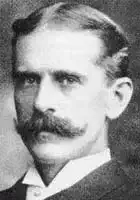
Henry Van Dyke
Keats
Keats
The melancholy gift Aurora gained
From Jove, that her sad lover should not see
The face of death, no goddess asked for thee,
My Keats! But when the crimson blood-drop stained
Thy pillow, thou didst read the fate ordained, --
Brief life, wild love, a flight of poesy!
And then, -- a shadow fell on Italy:
Thy star went down before its brightness waned,
Yet thou hast won the gift Tithonus missed:
Never to feel the pain of growing old,
Nor lose the blissful sight of beauty's truth,
But with the ardent lips that music kissed
To breathe thy song, and, ere thy heart grew cold,
Become the Poet of Immortal Youth.
The melancholy gift Aurora gained
From Jove, that her sad lover should not see
The face of death, no goddess asked for thee,
My Keats! But when the crimson blood-drop stained
Thy pillow, thou didst read the fate ordained, --
Brief life, wild love, a flight of poesy!
And then, -- a shadow fell on Italy:
Thy star went down before its brightness waned,
Yet thou hast won the gift Tithonus missed:
Never to feel the pain of growing old,
Nor lose the blissful sight of beauty's truth,
But with the ardent lips that music kissed
To breathe thy song, and, ere thy heart grew cold,
Become the Poet of Immortal Youth.
256
Henry Van Dyke
Keats
Keats
The melancholy gift Aurora gained
From Jove, that her sad lover should not see
The face of death, no goddess asked for thee,
My Keats! But when the crimson blood-drop stained
Thy pillow, thou didst read the fate ordained, --
Brief life, wild love, a flight of poesy!
And then, -- a shadow fell on Italy:
Thy star went down before its brightness waned,
Yet thou hast won the gift Tithonus missed:
Never to feel the pain of growing old,
Nor lose the blissful sight of beauty's truth,
But with the ardent lips that music kissed
To breathe thy song, and, ere thy heart grew cold,
Become the Poet of Immortal Youth.
The melancholy gift Aurora gained
From Jove, that her sad lover should not see
The face of death, no goddess asked for thee,
My Keats! But when the crimson blood-drop stained
Thy pillow, thou didst read the fate ordained, --
Brief life, wild love, a flight of poesy!
And then, -- a shadow fell on Italy:
Thy star went down before its brightness waned,
Yet thou hast won the gift Tithonus missed:
Never to feel the pain of growing old,
Nor lose the blissful sight of beauty's truth,
But with the ardent lips that music kissed
To breathe thy song, and, ere thy heart grew cold,
Become the Poet of Immortal Youth.
256
Henry Van Dyke
Jeanne d'Arc Returns
Jeanne d'Arc Returns
1914-1916
What hast thou done, O womanhood of France,
Mother and daughter, sister, sweetheart, wife,
What hast thou done, amid this fateful strife,
To prove the pride of thine inheritance
In this fair land of freedom and romance?
I hear thy voice with tears and courage rife,--
Smiling against the swords that seek thy life,--
Make answer in a noble utterance:
"I give France all I have, and all she asks.
Would it were more! Ah, let her ask and take:
My hands to nurse her wounded, do her tasks,--
My feet to run her errands through the dark,--
My heart to bleed in triumph for her sake,--
And all my soul to follow thee, Jeanne d'Arc!"
1914-1916
What hast thou done, O womanhood of France,
Mother and daughter, sister, sweetheart, wife,
What hast thou done, amid this fateful strife,
To prove the pride of thine inheritance
In this fair land of freedom and romance?
I hear thy voice with tears and courage rife,--
Smiling against the swords that seek thy life,--
Make answer in a noble utterance:
"I give France all I have, and all she asks.
Would it were more! Ah, let her ask and take:
My hands to nurse her wounded, do her tasks,--
My feet to run her errands through the dark,--
My heart to bleed in triumph for her sake,--
And all my soul to follow thee, Jeanne d'Arc!"
340
Henry Van Dyke
Joyful, Joyful, We Adore Thee
Joyful, Joyful, We Adore Thee
Joyful, joyful we adore Thee, God of glory, Lord of love,
Hearts unfold like flowers before Thee, hail Thee as the sun above.
Melt the clouds of sin and sadness, drive the dark of doubt away;
Giver of immortal gladness, fill us with the light of day.
All Thy works with joy surround Thee, earth and heav'n reflect Thy rays,
Stars and agnels sing around Thee, center of unbroken praise;
Field and forest, vale and moutain, flow'ry meadow, flashing sea,
Chanting birds and flowing fountain call us to rejoice in Thee.
Thou art givind and forgiving, ever blessing, ever blest,
Wellspring of the joy of living, ocean depth of happy rest.
Thou our Father, Christ our Brother, all who live in love are Thine;
Teach us how to love each other, lift us to the Joy Divine.
Mortals, join the mighty chorus which the morning stars began,
Father love is reigning o'er us, brother love binds man to man.
Ever singing, march we onward, victors in the midst of strife;
Joyful music lifts us sunward, in the triumph song of life.
Joyful, joyful we adore Thee, God of glory, Lord of love,
Hearts unfold like flowers before Thee, hail Thee as the sun above.
Melt the clouds of sin and sadness, drive the dark of doubt away;
Giver of immortal gladness, fill us with the light of day.
All Thy works with joy surround Thee, earth and heav'n reflect Thy rays,
Stars and agnels sing around Thee, center of unbroken praise;
Field and forest, vale and moutain, flow'ry meadow, flashing sea,
Chanting birds and flowing fountain call us to rejoice in Thee.
Thou art givind and forgiving, ever blessing, ever blest,
Wellspring of the joy of living, ocean depth of happy rest.
Thou our Father, Christ our Brother, all who live in love are Thine;
Teach us how to love each other, lift us to the Joy Divine.
Mortals, join the mighty chorus which the morning stars began,
Father love is reigning o'er us, brother love binds man to man.
Ever singing, march we onward, victors in the midst of strife;
Joyful music lifts us sunward, in the triumph song of life.
391
Henry Van Dyke
Inscriptions for a Friend's House
Inscriptions for a Friend's House
THE HOUSE
The cornerstone in Truth is laid,
The guardian walls of Honour made,
The roof of Faith is built above,
The fire upon the hearth is Love:
Though rains descend and loud winds call,
This happy house shall never fall.
THE DOORSTEAD
The lintel low enough to keep out pomp and pride:
The threshold high enough to turn deceit aside:
The doorband strong enough from robbers to defend:
This door will open at a touch to welcome every friend.
THE HEARTHSTONE
When the logs are burning free,
Then the fire is full of glee:
When each heart gives out its best,
Then the talk is full of zest:
Light your fire and never fear,
Life was made for love and cheer.
THE SUN-DIAL
Time can never take
What Time did not give;
When my shadows have all passed,
You shall live.
THE HOUSE
The cornerstone in Truth is laid,
The guardian walls of Honour made,
The roof of Faith is built above,
The fire upon the hearth is Love:
Though rains descend and loud winds call,
This happy house shall never fall.
THE DOORSTEAD
The lintel low enough to keep out pomp and pride:
The threshold high enough to turn deceit aside:
The doorband strong enough from robbers to defend:
This door will open at a touch to welcome every friend.
THE HEARTHSTONE
When the logs are burning free,
Then the fire is full of glee:
When each heart gives out its best,
Then the talk is full of zest:
Light your fire and never fear,
Life was made for love and cheer.
THE SUN-DIAL
Time can never take
What Time did not give;
When my shadows have all passed,
You shall live.
333
Henry Van Dyke
If All the Skies
If All the Skies
If all the skies were sunshine,
Our faces would be fain
To feel once more upon them
The cooling splash of rain.
If all the world were music,
Our hearts would often long
For one sweet strain of silence,
To break the endless song.
If life were always merry,
Our souls would seek relief,
And rest from weary laughter
In the quiet arms of grief.
If all the skies were sunshine,
Our faces would be fain
To feel once more upon them
The cooling splash of rain.
If all the world were music,
Our hearts would often long
For one sweet strain of silence,
To break the endless song.
If life were always merry,
Our souls would seek relief,
And rest from weary laughter
In the quiet arms of grief.
268
Henry Van Dyke
Hide and Seek
Hide and Seek
All the trees are sleeping, all the winds are still,
All the flocks of fleecy clouds have wandered past the hill;
Through the noonday silence, down the woods of June,
Hark, a little hunter's voice comes running with a tune.
"Hide and seek!
"When I speak,
"You must answer me:
"Call again,
"Merry men,
"Coo-ee, coo-ee, coo-ee!"
Now I hear his footsteps, rustling through the grass:
Hidden in my leafy nook, shall I let him pass?
Just a low, soft whistle,--quick the hunter turns,
Leaps upon me laughing, rolls me in the ferns.
"Hold him fast,
"Caught at last!
"Now you're it, you see.
"Hide your eye,
"Till I cry,
"Coo-ee, coo-ee, coo-ee!"
II
Long ago he left me, long and long ago:
Now I wander through the world and seek him high and low;
Hidden safe and happy, in some pleasant place,--
Ah, if I could hear his voice, I soon should find his face.
Far away,
Many a day,
Where can Barney be?
Answer, dear,
Don't you hear?
Coo-ee, coo-ee, coo-ee!
Birds that in the spring-time thrilled his heart with joy,
Flowers he loved to pick for me, mind me of my boy.
Surely he is waiting till my steps come nigh;
Love may hide itself awhile, but love can never die.
Heart, be glad,
The little lad
Will call some day to thee:
"Father dear,
"Heaven is here,
"Coo-ee, coo-ee, coo-ee!"
All the trees are sleeping, all the winds are still,
All the flocks of fleecy clouds have wandered past the hill;
Through the noonday silence, down the woods of June,
Hark, a little hunter's voice comes running with a tune.
"Hide and seek!
"When I speak,
"You must answer me:
"Call again,
"Merry men,
"Coo-ee, coo-ee, coo-ee!"
Now I hear his footsteps, rustling through the grass:
Hidden in my leafy nook, shall I let him pass?
Just a low, soft whistle,--quick the hunter turns,
Leaps upon me laughing, rolls me in the ferns.
"Hold him fast,
"Caught at last!
"Now you're it, you see.
"Hide your eye,
"Till I cry,
"Coo-ee, coo-ee, coo-ee!"
II
Long ago he left me, long and long ago:
Now I wander through the world and seek him high and low;
Hidden safe and happy, in some pleasant place,--
Ah, if I could hear his voice, I soon should find his face.
Far away,
Many a day,
Where can Barney be?
Answer, dear,
Don't you hear?
Coo-ee, coo-ee, coo-ee!
Birds that in the spring-time thrilled his heart with joy,
Flowers he loved to pick for me, mind me of my boy.
Surely he is waiting till my steps come nigh;
Love may hide itself awhile, but love can never die.
Heart, be glad,
The little lad
Will call some day to thee:
"Father dear,
"Heaven is here,
"Coo-ee, coo-ee, coo-ee!"
325
Henry Van Dyke
Gratitude
Gratitude
"Do you give thanks for this? -- or that?"
No, God be thanked
I am not grateful
In that cold, calculating way, with blessing ranked
As one, two, three, and four, -- that would be hateful.
I only know that every day brings good above"
My poor deserving;
I only feel that, in the road of Life, true Love
Is leading me along and never swerving.
Whatever gifts and mercies in my lot may fall,
I would not measure
As worth a certain price in praise, or great or small;
But take and use them all with simple pleasure.
For when we gladly eat our daily bread, we bless
The Hand that feeds us;
And when we tread the road of Life in cheerfulness,
Our very heart-beats praise the Love that leads us.
"Do you give thanks for this? -- or that?"
No, God be thanked
I am not grateful
In that cold, calculating way, with blessing ranked
As one, two, three, and four, -- that would be hateful.
I only know that every day brings good above"
My poor deserving;
I only feel that, in the road of Life, true Love
Is leading me along and never swerving.
Whatever gifts and mercies in my lot may fall,
I would not measure
As worth a certain price in praise, or great or small;
But take and use them all with simple pleasure.
For when we gladly eat our daily bread, we bless
The Hand that feeds us;
And when we tread the road of Life in cheerfulness,
Our very heart-beats praise the Love that leads us.
309
Henry Van Dyke
Edmund Clarence Stedman
Edmund Clarence Stedman
Oh, quick to feel the lightest touch
Of beauty or of truth,
Rich in the thoughtfulness of age,
The hopefulness of youth,
The courage of the gentle heart,
The wisdom of the pure,
The strength of finely tempered souls
To labour and endure!
The blue of springtime in your eyes
Was never quenched by pain;
And winter brought your head the crown
Of snow without a stain.
The poet's mind, the prince's heart,
You kept until the end,
Nor ever faltered in your work,
Nor ever failed a friend.
Oh, quick to feel the lightest touch
Of beauty or of truth,
Rich in the thoughtfulness of age,
The hopefulness of youth,
The courage of the gentle heart,
The wisdom of the pure,
The strength of finely tempered souls
To labour and endure!
The blue of springtime in your eyes
Was never quenched by pain;
And winter brought your head the crown
Of snow without a stain.
The poet's mind, the prince's heart,
You kept until the end,
Nor ever faltered in your work,
Nor ever failed a friend.
319
Henry Van Dyke
Edmund Clarence Stedman
Edmund Clarence Stedman
Oh, quick to feel the lightest touch
Of beauty or of truth,
Rich in the thoughtfulness of age,
The hopefulness of youth,
The courage of the gentle heart,
The wisdom of the pure,
The strength of finely tempered souls
To labour and endure!
The blue of springtime in your eyes
Was never quenched by pain;
And winter brought your head the crown
Of snow without a stain.
The poet's mind, the prince's heart,
You kept until the end,
Nor ever faltered in your work,
Nor ever failed a friend.
Oh, quick to feel the lightest touch
Of beauty or of truth,
Rich in the thoughtfulness of age,
The hopefulness of youth,
The courage of the gentle heart,
The wisdom of the pure,
The strength of finely tempered souls
To labour and endure!
The blue of springtime in your eyes
Was never quenched by pain;
And winter brought your head the crown
Of snow without a stain.
The poet's mind, the prince's heart,
You kept until the end,
Nor ever faltered in your work,
Nor ever failed a friend.
319
Henry Van Dyke
Edmund Clarence Stedman
Edmund Clarence Stedman
Oh, quick to feel the lightest touch
Of beauty or of truth,
Rich in the thoughtfulness of age,
The hopefulness of youth,
The courage of the gentle heart,
The wisdom of the pure,
The strength of finely tempered souls
To labour and endure!
The blue of springtime in your eyes
Was never quenched by pain;
And winter brought your head the crown
Of snow without a stain.
The poet's mind, the prince's heart,
You kept until the end,
Nor ever faltered in your work,
Nor ever failed a friend.
Oh, quick to feel the lightest touch
Of beauty or of truth,
Rich in the thoughtfulness of age,
The hopefulness of youth,
The courage of the gentle heart,
The wisdom of the pure,
The strength of finely tempered souls
To labour and endure!
The blue of springtime in your eyes
Was never quenched by pain;
And winter brought your head the crown
Of snow without a stain.
The poet's mind, the prince's heart,
You kept until the end,
Nor ever faltered in your work,
Nor ever failed a friend.
319
Henry Van Dyke
Dulcis Memoria
Dulcis Memoria
Long, long ago I heard a little song,
(Ah, was it long ago, or yesterday?)
So lowly, slowly wound the tune along,
That far into my heart it found the way:
A melody consoling and endearing;
And still, in silent hours, I'm often hearing
The small, sweet song that does not die away.
Long, long ago I saw a little flower,-(
Ah, was it long ago, or yesterday?)
So fair of face and fragrant for an hour,
That something dear to me it seemed to say:
A thought of joy that blossomed into being
Without a word; and now I'm often seeing
The friendly flower that does not fade away.
Long, long ago we had a little child,-(
Ah, was it long ago, or yesterday?)
Into his mother's eyes and mine he smiled
Unconscious love; warm in our arms he lay.
An angel called! Dear heart, we could not hold him;
Yet secretly your arms and mine infold him--
Our little child who does not go away.
Long, long ago? Ah, memory, make it clear-(
It was not long ago, but yesterday,)
So little and so helpless and so dear
Let not the song be lost, the flower decay!
His voice, his waking eyes, his gentle sleeping:
The smallest things are safest in thy keeping.
Sweet memory, keep our child with us always.
Long, long ago I heard a little song,
(Ah, was it long ago, or yesterday?)
So lowly, slowly wound the tune along,
That far into my heart it found the way:
A melody consoling and endearing;
And still, in silent hours, I'm often hearing
The small, sweet song that does not die away.
Long, long ago I saw a little flower,-(
Ah, was it long ago, or yesterday?)
So fair of face and fragrant for an hour,
That something dear to me it seemed to say:
A thought of joy that blossomed into being
Without a word; and now I'm often seeing
The friendly flower that does not fade away.
Long, long ago we had a little child,-(
Ah, was it long ago, or yesterday?)
Into his mother's eyes and mine he smiled
Unconscious love; warm in our arms he lay.
An angel called! Dear heart, we could not hold him;
Yet secretly your arms and mine infold him--
Our little child who does not go away.
Long, long ago? Ah, memory, make it clear-(
It was not long ago, but yesterday,)
So little and so helpless and so dear
Let not the song be lost, the flower decay!
His voice, his waking eyes, his gentle sleeping:
The smallest things are safest in thy keeping.
Sweet memory, keep our child with us always.
360
Henry Van Dyke
Departure
Departure
Oh, why are you shining so bright, big Sun,
And why is the garden so gay?
Do you know that my days of delight are done,
Do you know I am going away?
If you covered your face with a cloud, I 'd dream
You were sorry for me in my pain,
And the heads of the flowers all bowed would seem
To be weeping with me in the rain.
But why is your head so low, sweet heart,
And why are your eyes overcast?
Are they clouded because you know we must part,
Do you think this embrace is our last?
Then kiss me again, and again, and again,
Look up as you bid me good-bye!
For your face is too dear for the stain of a tear,
And your smile is the sun in my sky.
Oh, why are you shining so bright, big Sun,
And why is the garden so gay?
Do you know that my days of delight are done,
Do you know I am going away?
If you covered your face with a cloud, I 'd dream
You were sorry for me in my pain,
And the heads of the flowers all bowed would seem
To be weeping with me in the rain.
But why is your head so low, sweet heart,
And why are your eyes overcast?
Are they clouded because you know we must part,
Do you think this embrace is our last?
Then kiss me again, and again, and again,
Look up as you bid me good-bye!
For your face is too dear for the stain of a tear,
And your smile is the sun in my sky.
294
Henry Van Dyke
Autumn in the Garden
Autumn in the Garden
When the frosty kiss of Autumn in the dark
Makes its mark
On the flowers, and the misty morning grieves
Over fallen leaves;
Then my olden garden, where the golden soil
Through the toil
Of a hundred years is mellow, rich, and deep,
Whispers in its sleep.
'Mid the crumpled beds of marigold and phlox,
Where the box
Borders with its glossy green the ancient walks,
There's a voice that talks
Of the human hopes that bloomed and withered here
Year by year,--
Dreams of joy, that brightened all the labouring hours,
Fading as the flowers.
Yet the whispered story does not deepen grief;
But relief
For the loneliness of sorrow seems to flow
From the Long-Ago,
When I think of other lives that learned, like mine,
To resign,
And remember that the sadness of the fall
Comes alike to all.
What regrets, what longings for the lost were theirs!
And what prayers
For the silent strength that nerves us to endure
Things we cannot cure!
Pacing up and down the garden where they paced,
I have traced
All their well-worn paths of patience, till I find
Comfort in my mind.
Faint and far away their ancient griefs appear:
Yet how near
Is the tender voice, the careworn, kindly face,
Of the human race!
Let us walk together in the garden, dearest heart,
Not apart!
They who know the sorrows other lives have known
Never walk alone.
When the frosty kiss of Autumn in the dark
Makes its mark
On the flowers, and the misty morning grieves
Over fallen leaves;
Then my olden garden, where the golden soil
Through the toil
Of a hundred years is mellow, rich, and deep,
Whispers in its sleep.
'Mid the crumpled beds of marigold and phlox,
Where the box
Borders with its glossy green the ancient walks,
There's a voice that talks
Of the human hopes that bloomed and withered here
Year by year,--
Dreams of joy, that brightened all the labouring hours,
Fading as the flowers.
Yet the whispered story does not deepen grief;
But relief
For the loneliness of sorrow seems to flow
From the Long-Ago,
When I think of other lives that learned, like mine,
To resign,
And remember that the sadness of the fall
Comes alike to all.
What regrets, what longings for the lost were theirs!
And what prayers
For the silent strength that nerves us to endure
Things we cannot cure!
Pacing up and down the garden where they paced,
I have traced
All their well-worn paths of patience, till I find
Comfort in my mind.
Faint and far away their ancient griefs appear:
Yet how near
Is the tender voice, the careworn, kindly face,
Of the human race!
Let us walk together in the garden, dearest heart,
Not apart!
They who know the sorrows other lives have known
Never walk alone.
310
Henry Van Dyke
A Scrap of Paper
A Scrap of Paper
"Will you go to war just for a scrap of paper?" -- Question
of the German Chancellor to the British Ambassador,
August 5, 1914.
A mocking question! Britain's answer came
Swift as the light and searching as the flame.
"Yes, for a scrap of paper we will fight
Till our last breath, and God defend the right!
"A scrap of paper where a name is set
Is strong as duty's pledge and honor's debt.
"A scrap of paper holds for man and wife
The sacrament of love, the bond of life.
"A scrap of paper may be Holy Writ
With God's eternal word to hallow it.
"A scrap of paper binds us both to stand
Defenders of a neutral neighbor land.
"By God, by faith, by honor, yes! We fight
To keep our name upon that paper white."
"Will you go to war just for a scrap of paper?" -- Question
of the German Chancellor to the British Ambassador,
August 5, 1914.
A mocking question! Britain's answer came
Swift as the light and searching as the flame.
"Yes, for a scrap of paper we will fight
Till our last breath, and God defend the right!
"A scrap of paper where a name is set
Is strong as duty's pledge and honor's debt.
"A scrap of paper holds for man and wife
The sacrament of love, the bond of life.
"A scrap of paper may be Holy Writ
With God's eternal word to hallow it.
"A scrap of paper binds us both to stand
Defenders of a neutral neighbor land.
"By God, by faith, by honor, yes! We fight
To keep our name upon that paper white."
363
Henry Van Dyke
A Mile With Me
A Mile With Me
O who will walk a mile with me
Along life's merry way?
A comrade blithe and full of glee,
Who dares to laugh out loud and free,
And let his frolic fancy play,
Like a happy child, through the flowers gay
That fill the field and fringe the way
Where he walks a mile with me.
And who will walk a mile with me
Along life's weary way?
A friend whose heart has eyes to see
The stars shine out o'er the darkening lea,
And the quiet rest at the end o' the day,--
A friend who knows, and dares to say,
The brave, sweet words that cheer the way
Where he walks a mile with me.
With such a comrade, such a friend,
I fain would walk till journeys end,
Through summer sunshine, winter rain,
And then?--Farewell, we shall meet again!
O who will walk a mile with me
Along life's merry way?
A comrade blithe and full of glee,
Who dares to laugh out loud and free,
And let his frolic fancy play,
Like a happy child, through the flowers gay
That fill the field and fringe the way
Where he walks a mile with me.
And who will walk a mile with me
Along life's weary way?
A friend whose heart has eyes to see
The stars shine out o'er the darkening lea,
And the quiet rest at the end o' the day,--
A friend who knows, and dares to say,
The brave, sweet words that cheer the way
Where he walks a mile with me.
With such a comrade, such a friend,
I fain would walk till journeys end,
Through summer sunshine, winter rain,
And then?--Farewell, we shall meet again!
245
Henry Van Dyke
A Child in the Garden
A Child in the Garden
When to the garden of untroubled thought
I came of late, and saw the open door,
And wished again to enter, and explore
The sweet, wild ways with stainless bloom inwrought,
And bowers of innocence with beauty fraught,
It seemed some purer voice must speak before
I dared to tread that garden loved of yore,
That Eden lost unknown and found unsought.
Then just within the gate I saw a child, --
A stranger-child, yet to my heart most dear;
He held his hands to me, and softly smiled
With eyes that knew no shade of sin or fear:
"Come in," he said, "and play awhile with me;"
"I am the little child you used to be."
When to the garden of untroubled thought
I came of late, and saw the open door,
And wished again to enter, and explore
The sweet, wild ways with stainless bloom inwrought,
And bowers of innocence with beauty fraught,
It seemed some purer voice must speak before
I dared to tread that garden loved of yore,
That Eden lost unknown and found unsought.
Then just within the gate I saw a child, --
A stranger-child, yet to my heart most dear;
He held his hands to me, and softly smiled
With eyes that knew no shade of sin or fear:
"Come in," he said, "and play awhile with me;"
"I am the little child you used to be."
328
Henry Van Dyke
A Health to Mark Twain
A Health to Mark Twain
At his Birthday Feast
With memories old and wishes new
We crown our cups again,
And here's to you, and here's to you
With love that ne'er shall wane!
And may you keep, at sixty-seven,
The joy of earth, the hope of heaven,
And fame well-earned, and friendship true,
And peace that comforts every pain,
And faith that fights the battle through,
And all your heart's unbounded wealth,
And all your wit, and all your health,--
Yes, here's a hearty health to you,
And here's to you, and here's to you,
Long life to you, Mark Twain.
At his Birthday Feast
With memories old and wishes new
We crown our cups again,
And here's to you, and here's to you
With love that ne'er shall wane!
And may you keep, at sixty-seven,
The joy of earth, the hope of heaven,
And fame well-earned, and friendship true,
And peace that comforts every pain,
And faith that fights the battle through,
And all your heart's unbounded wealth,
And all your wit, and all your health,--
Yes, here's a hearty health to you,
And here's to you, and here's to you,
Long life to you, Mark Twain.
236

Henry Lawson
Written Afterwards
Written Afterwards
So the days of my tramping are over,
And the days of my riding are done—
I’m about as content as a rover
Will ever be under the sun;
I write, after reading your letter—
My pipe with old memories rife—
And I feel in a mood that had better
Not meet the true eyes of the wife.
You must never admit a suggestion
That old things are good to recall;
You must never consider the question:
‘Was I happier then, after all?’
You must banish the old hope and sorrow
That make the sad pleasures of life,
You must live for To-day and To-morrow
If you want to be just to the wife.
I have changed since the first day I kissed her.
Which is due—Heaven bless her!—to her;
I’m respected and trusted—I’m ‘Mister,’
Addressed by the children as ‘Sir.’
And I feel the respect without feigning—
But you’d laugh the great laugh of your life
If you only saw me entertaining
An old lady friend of the wife.
By-the-way, when you’re writing, remember
That you never went drinking with me,
And forget our last night of December,
Lest our sev’ral accounts disagree.
And, for my sake, old man, you had better
Avoid the old language of strife,
For the technical terms of your letter
May be misunderstood by the wife.
Never hint of the girls appertaining
To the past (when you’re writing again),
For they take such a lot of explaining,
And you know how I hate to explain.
There are some things, we know to our sorrow,
That cut to the heart like a knife,
And your past is To-day and To-morrow
If you want to be true to the wife.
I believe that the creed we were chums in
Was grand, but too abstract and bold,
And the knowledge of life only comes in
When you’re married and fathered and old.
And it’s well. You may travel as few men,
You may stick to a mistress for life;
But the world, as it is, born of woman
Must be seen through the eyes of the wife.
No doubt you are dreaming as I did
And going the careless old pace,
While my future grows dull and decided,
And the world narrows down to the Place.
Let it be. If my ‘treason’s’ resented,
You may do worse, old man, in your life;
Let me dream, too, that I am contented—
For the sake of a true little wife.
So the days of my tramping are over,
And the days of my riding are done—
I’m about as content as a rover
Will ever be under the sun;
I write, after reading your letter—
My pipe with old memories rife—
And I feel in a mood that had better
Not meet the true eyes of the wife.
You must never admit a suggestion
That old things are good to recall;
You must never consider the question:
‘Was I happier then, after all?’
You must banish the old hope and sorrow
That make the sad pleasures of life,
You must live for To-day and To-morrow
If you want to be just to the wife.
I have changed since the first day I kissed her.
Which is due—Heaven bless her!—to her;
I’m respected and trusted—I’m ‘Mister,’
Addressed by the children as ‘Sir.’
And I feel the respect without feigning—
But you’d laugh the great laugh of your life
If you only saw me entertaining
An old lady friend of the wife.
By-the-way, when you’re writing, remember
That you never went drinking with me,
And forget our last night of December,
Lest our sev’ral accounts disagree.
And, for my sake, old man, you had better
Avoid the old language of strife,
For the technical terms of your letter
May be misunderstood by the wife.
Never hint of the girls appertaining
To the past (when you’re writing again),
For they take such a lot of explaining,
And you know how I hate to explain.
There are some things, we know to our sorrow,
That cut to the heart like a knife,
And your past is To-day and To-morrow
If you want to be true to the wife.
I believe that the creed we were chums in
Was grand, but too abstract and bold,
And the knowledge of life only comes in
When you’re married and fathered and old.
And it’s well. You may travel as few men,
You may stick to a mistress for life;
But the world, as it is, born of woman
Must be seen through the eyes of the wife.
No doubt you are dreaming as I did
And going the careless old pace,
While my future grows dull and decided,
And the world narrows down to the Place.
Let it be. If my ‘treason’s’ resented,
You may do worse, old man, in your life;
Let me dream, too, that I am contented—
For the sake of a true little wife.
221
Henry Lawson
Written Afterwards
Written Afterwards
So the days of my tramping are over,
And the days of my riding are done—
I’m about as content as a rover
Will ever be under the sun;
I write, after reading your letter—
My pipe with old memories rife—
And I feel in a mood that had better
Not meet the true eyes of the wife.
You must never admit a suggestion
That old things are good to recall;
You must never consider the question:
‘Was I happier then, after all?’
You must banish the old hope and sorrow
That make the sad pleasures of life,
You must live for To-day and To-morrow
If you want to be just to the wife.
I have changed since the first day I kissed her.
Which is due—Heaven bless her!—to her;
I’m respected and trusted—I’m ‘Mister,’
Addressed by the children as ‘Sir.’
And I feel the respect without feigning—
But you’d laugh the great laugh of your life
If you only saw me entertaining
An old lady friend of the wife.
By-the-way, when you’re writing, remember
That you never went drinking with me,
And forget our last night of December,
Lest our sev’ral accounts disagree.
And, for my sake, old man, you had better
Avoid the old language of strife,
For the technical terms of your letter
May be misunderstood by the wife.
Never hint of the girls appertaining
To the past (when you’re writing again),
For they take such a lot of explaining,
And you know how I hate to explain.
There are some things, we know to our sorrow,
That cut to the heart like a knife,
And your past is To-day and To-morrow
If you want to be true to the wife.
I believe that the creed we were chums in
Was grand, but too abstract and bold,
And the knowledge of life only comes in
When you’re married and fathered and old.
And it’s well. You may travel as few men,
You may stick to a mistress for life;
But the world, as it is, born of woman
Must be seen through the eyes of the wife.
No doubt you are dreaming as I did
And going the careless old pace,
While my future grows dull and decided,
And the world narrows down to the Place.
Let it be. If my ‘treason’s’ resented,
You may do worse, old man, in your life;
Let me dream, too, that I am contented—
For the sake of a true little wife.
So the days of my tramping are over,
And the days of my riding are done—
I’m about as content as a rover
Will ever be under the sun;
I write, after reading your letter—
My pipe with old memories rife—
And I feel in a mood that had better
Not meet the true eyes of the wife.
You must never admit a suggestion
That old things are good to recall;
You must never consider the question:
‘Was I happier then, after all?’
You must banish the old hope and sorrow
That make the sad pleasures of life,
You must live for To-day and To-morrow
If you want to be just to the wife.
I have changed since the first day I kissed her.
Which is due—Heaven bless her!—to her;
I’m respected and trusted—I’m ‘Mister,’
Addressed by the children as ‘Sir.’
And I feel the respect without feigning—
But you’d laugh the great laugh of your life
If you only saw me entertaining
An old lady friend of the wife.
By-the-way, when you’re writing, remember
That you never went drinking with me,
And forget our last night of December,
Lest our sev’ral accounts disagree.
And, for my sake, old man, you had better
Avoid the old language of strife,
For the technical terms of your letter
May be misunderstood by the wife.
Never hint of the girls appertaining
To the past (when you’re writing again),
For they take such a lot of explaining,
And you know how I hate to explain.
There are some things, we know to our sorrow,
That cut to the heart like a knife,
And your past is To-day and To-morrow
If you want to be true to the wife.
I believe that the creed we were chums in
Was grand, but too abstract and bold,
And the knowledge of life only comes in
When you’re married and fathered and old.
And it’s well. You may travel as few men,
You may stick to a mistress for life;
But the world, as it is, born of woman
Must be seen through the eyes of the wife.
No doubt you are dreaming as I did
And going the careless old pace,
While my future grows dull and decided,
And the world narrows down to the Place.
Let it be. If my ‘treason’s’ resented,
You may do worse, old man, in your life;
Let me dream, too, that I am contented—
For the sake of a true little wife.
221
Henry Lawson
With Dickens
With Dickens
In Windsor Terrace, number four,
I’ve taken my abode—
A little crescent from the street,
A bight from City Road;
And, hard up and in exile, I
To many fancies yield;
For it was here Micawber lived
And David Copperfield.
A bed, a table, and a chair,
A bottle and a cup.
The landlord’s waiting even now
For something to turn up.
The landlady is spiritless—
They both seem tired of life;
They cannot fight the battle like
Micawber and his wife.
But in the little open space
That lies back from the street,
The same old ancient, shabby clerk
Is sitting on a seat.
The same sad characters go by,
The ragged children play—
And things have very little changed
Since Dickens passed away.
Some seek religion in their grief,
And some for friendship yearn;
Some fly to liquor for relief,
But I to Dickens turn.
I find him ever fresh and new,
His lesson ever plain;
And every line that Dickens wrote
I’ve read and read again.
The tavern’s just across the ‘wye,’
And frowsy women there
Are gossiping and drinking gin,
And twisting up their hair.
And grubby girls go past at times,
And furtive gentry lurk—
I don’t think anyone has died
Since Dickens did his work.
There’s Jingle, Tigg, and Chevy Slyme,
And Weevle—whom you will;
And hard-up virtue proudly slinks
Into the pawnshop still.
Go east a bit from City Road,
And all the rest are there—
A friendly whistle might produce
A Chicken anywhere.
My favourite author’s heroes I
Should love, but somehow can’t.
I don’t like David Copperfield
As much as David’s Aunt,
And it may be because my mind
Has been in many fogs—
I don’t like Nicholas Nickleby
So well as Newman Noggs.
I don’t like Richard Carstone, Pip,
Or Martin Chuzzlewit,
And for the rich and fatherly
I scarcely care a bit.
The honest, sober clods are bores
Who cannot suffer much,
And with the Esther Summersons
I never was in touch.
The ‘Charleys’ and the haggard wives,
Kind hearts in poverty—
And yes! the Lizzie Hexams, too—
Are very near to me;
But men like Brothers Cheeryble,
And Madeline Bray divine,
And Nell, and Little Dorrit live
In a better world than mine.
The Nicklebys and Copperfields,
They do not stand the test;
And in my heart I don’t believe
That Dickens loved them best.
I can’t admire their ways and talk,
I do not like their looks—
Those selfish, injured sticks that stalk
Through all the Master’s books.
They’re mostly selfish in their love,
And selfish in their hate,
They marry Dora Spenlows, too,
While Agnes Wickfields wait;
And back they come to poor Tom Pinch
When hard-up for a friend;
They come to wrecks like Newman Nogga
To help them in the end.
And—well, maybe I am unjust,
And maybe I forget;
Some of us marry dolls and jilt
Our Agnes Wickfields yet.
We seek our friends when fortune frowns—
It has been ever thus—
And we neglect Joe Gargery
When fortune smiles on us.
They get some rich old grandfather
Or aunt to see them through,
And you can trace self-interest
In nearly all they do.
And scoundrels like Ralph Nickleby,
In spite of all their crimes,
And crawlers like Uriah Heep
Told bitter truths at times.
But—yes, I love the vagabonds
And failures from the ranks,
And hard old files with hidden hearts
Like Wemmick and like Pancks.
And Jaggers had his ‘poor dreams, too,’
And fond hopes like the rest—
But, somehow, somehow, all my life
I’ve loved Dick Swiveller best!
But, let us peep at Snagsby first
As softly he lays down
Beside the bed of dying Joe
Another half-a-crown.
And Nemo’s wretched pauper grave—
But we can let them be,
For Joe has said to Heaven: ‘They
Wos werry good to me.’
And Wemmick with his aged P——
No doubt has his reward;
And Jaggers, hardest nut of all,
Will be judged by the Lord.
And Pancks, the rent-collecting screw,
With laurels on his brow,
Is loved by all the bleeding hearts
In Bleeding Heart Yard now.
Tom Pinch is very happy now,
And Magwitch is at rest,
And Newman Noggs again might hold
His head up with the best;
Micawber, too, when all is said,
Drank bravely Sorrow’s cup—
Micawber worked to right them all,
And something did turn up.
How do ‘John Edward Nandy, Sir!’
And Plornish get along?
Why! if the old man is in voice
We’ll hear him pipe a song.
We’ll have a look at Baptiste, too,
While still the night is young—
With Mrs. Plornish to explain
In the Italian tongue.
Before we go we’ll ask about
Poor young John Chivery:
‘There never was a gentleman
In all his family.’
His hopeless love, his broken heart,
But to his rival true;
He came of Nature’s gentlemen,
But young John never knew.
We’ll pass the little midshipman
With heart that swells and fills,
Where Captain Ed’ard Cuttle waits
For Wal’r and Sol Gills.
Jack Bunsby stands by what he says
(Which isn’t very clear),
And Toots with his own hopeless love—
As true as any here.
And who that read has never felt
The sorrow that it cost
When Captain Cuttle read the news
The ‘Son and Heir’ was lost?
And who that read has not rejoiced
With him and ‘Heart’s Delight,’
And felt as Captain Cuttle felt
When Wal’r came that night?
And yonder, with a broken heart,
That people thought was stone,
Deserted in his ruined home,
Poor Dombey sits alone.
Who has not gulped a something down,
Whose eye has not grown dim
While feeling glad for Dombey’s sake
When Florence came to him?
(A stately house in Lincolnshire—
The scene is bleak and cold—
The footsteps on the terrace sound
To-night at Chesney Wold.
One who loved honour, wife, and truth,
If nothing else besides,
Along the dreary Avenue
Sir Leicester Dedlock rides.)
We’ll go round by Poll Sweedlepipe’s,
The bird and barber shop;
If Sairey Gamp is so dispoged
We’ll send her up a drop.
We’ll cross High Holborn to the Bull,
And, if he cares to come,
By streets that are not closed to him
We’ll see Dick Swiveller home.
He’s looking rather glum to-night,
The why I will not ask—
No matter how we act the goat,
We mostly wear a mask.
Some wear a mask to hide the false
(And some the good and true)—
I wouldn’t be surprised to know
Mark Tapley wore one too.
We wear a mask called cheerfulness
While feeling sad inside;
And men like Dombey, who was shy,
Oft wear a mask called pride.
A front of pure benevolence
The grinding ‘Patriarch’ bore;
And kind men often wear a mask
Like that which Jaggers wore.
But, never mind, Dick Swiveller!
We’ll see it out together
Beneath the wing of friendship, Dick,
That never moults a feather.
We’ll look upon the rosy yet
Full many a night, old friend,
And tread the mazy ere we woo
The balmy in the end.
Our palace walls are rather bare,
The floor is somewhat damp,
But, while there’s liquor, anywhere
Is good enough to camp.
What ho! mine host! bring forth thine ale
And let the board be spread!—
It is the hour when churchyards yawn
And wine goes to the head.
’Twas you who saved poor Kit, old chap,
When he was in a mess—
But, what ho! Varlet! bring us wine!
Here’s to the Marchioness!
‘We’ll make a scholar of her yet,’
She’ll be a lady fair,
‘And she shall go in silk attire
And siller have to spare.’
From sport to sport they hurry her
To banish her regrets,
And when we win a smile from her
We cannot pay our debts!
Left orphans at a tender age,
We’re happiest in the land—
We’re Glorious Apollos, Dick,
And you’re Perpetual Grand!
You’re king of all philosophers,
And let the Godly rust;
Here’s to the obscure citizen
Who sent the beer on trust?
It sure would be a cheerful world
If never man got tight;
You spent your money on your friends,
Dick Swiveller! Good night!
‘A dissolute and careless man—
An idle, drunken path;’
But see where Sidney Carton spills
His last drink on the hearth!
A ruined life! He lived for drink
And but one thing beside—
And Oh! it was a glorious death
That Sidney Carton died.
And ‘Which I meantersay is Pip’—
The voices hurry past—
‘Not to deceive you, sir’—‘Stand by!’
‘Awast, my lass, awast!’
‘Beware of widders, Samivel,’
And shun strong drink, my friend;
And, ‘not to put too fine a point
Upon it,’ I must end.
In Windsor Terrace, number four,
I’ve taken my abode—
A little crescent from the street,
A bight from City Road;
And, hard up and in exile, I
To many fancies yield;
For it was here Micawber lived
And David Copperfield.
A bed, a table, and a chair,
A bottle and a cup.
The landlord’s waiting even now
For something to turn up.
The landlady is spiritless—
They both seem tired of life;
They cannot fight the battle like
Micawber and his wife.
But in the little open space
That lies back from the street,
The same old ancient, shabby clerk
Is sitting on a seat.
The same sad characters go by,
The ragged children play—
And things have very little changed
Since Dickens passed away.
Some seek religion in their grief,
And some for friendship yearn;
Some fly to liquor for relief,
But I to Dickens turn.
I find him ever fresh and new,
His lesson ever plain;
And every line that Dickens wrote
I’ve read and read again.
The tavern’s just across the ‘wye,’
And frowsy women there
Are gossiping and drinking gin,
And twisting up their hair.
And grubby girls go past at times,
And furtive gentry lurk—
I don’t think anyone has died
Since Dickens did his work.
There’s Jingle, Tigg, and Chevy Slyme,
And Weevle—whom you will;
And hard-up virtue proudly slinks
Into the pawnshop still.
Go east a bit from City Road,
And all the rest are there—
A friendly whistle might produce
A Chicken anywhere.
My favourite author’s heroes I
Should love, but somehow can’t.
I don’t like David Copperfield
As much as David’s Aunt,
And it may be because my mind
Has been in many fogs—
I don’t like Nicholas Nickleby
So well as Newman Noggs.
I don’t like Richard Carstone, Pip,
Or Martin Chuzzlewit,
And for the rich and fatherly
I scarcely care a bit.
The honest, sober clods are bores
Who cannot suffer much,
And with the Esther Summersons
I never was in touch.
The ‘Charleys’ and the haggard wives,
Kind hearts in poverty—
And yes! the Lizzie Hexams, too—
Are very near to me;
But men like Brothers Cheeryble,
And Madeline Bray divine,
And Nell, and Little Dorrit live
In a better world than mine.
The Nicklebys and Copperfields,
They do not stand the test;
And in my heart I don’t believe
That Dickens loved them best.
I can’t admire their ways and talk,
I do not like their looks—
Those selfish, injured sticks that stalk
Through all the Master’s books.
They’re mostly selfish in their love,
And selfish in their hate,
They marry Dora Spenlows, too,
While Agnes Wickfields wait;
And back they come to poor Tom Pinch
When hard-up for a friend;
They come to wrecks like Newman Nogga
To help them in the end.
And—well, maybe I am unjust,
And maybe I forget;
Some of us marry dolls and jilt
Our Agnes Wickfields yet.
We seek our friends when fortune frowns—
It has been ever thus—
And we neglect Joe Gargery
When fortune smiles on us.
They get some rich old grandfather
Or aunt to see them through,
And you can trace self-interest
In nearly all they do.
And scoundrels like Ralph Nickleby,
In spite of all their crimes,
And crawlers like Uriah Heep
Told bitter truths at times.
But—yes, I love the vagabonds
And failures from the ranks,
And hard old files with hidden hearts
Like Wemmick and like Pancks.
And Jaggers had his ‘poor dreams, too,’
And fond hopes like the rest—
But, somehow, somehow, all my life
I’ve loved Dick Swiveller best!
But, let us peep at Snagsby first
As softly he lays down
Beside the bed of dying Joe
Another half-a-crown.
And Nemo’s wretched pauper grave—
But we can let them be,
For Joe has said to Heaven: ‘They
Wos werry good to me.’
And Wemmick with his aged P——
No doubt has his reward;
And Jaggers, hardest nut of all,
Will be judged by the Lord.
And Pancks, the rent-collecting screw,
With laurels on his brow,
Is loved by all the bleeding hearts
In Bleeding Heart Yard now.
Tom Pinch is very happy now,
And Magwitch is at rest,
And Newman Noggs again might hold
His head up with the best;
Micawber, too, when all is said,
Drank bravely Sorrow’s cup—
Micawber worked to right them all,
And something did turn up.
How do ‘John Edward Nandy, Sir!’
And Plornish get along?
Why! if the old man is in voice
We’ll hear him pipe a song.
We’ll have a look at Baptiste, too,
While still the night is young—
With Mrs. Plornish to explain
In the Italian tongue.
Before we go we’ll ask about
Poor young John Chivery:
‘There never was a gentleman
In all his family.’
His hopeless love, his broken heart,
But to his rival true;
He came of Nature’s gentlemen,
But young John never knew.
We’ll pass the little midshipman
With heart that swells and fills,
Where Captain Ed’ard Cuttle waits
For Wal’r and Sol Gills.
Jack Bunsby stands by what he says
(Which isn’t very clear),
And Toots with his own hopeless love—
As true as any here.
And who that read has never felt
The sorrow that it cost
When Captain Cuttle read the news
The ‘Son and Heir’ was lost?
And who that read has not rejoiced
With him and ‘Heart’s Delight,’
And felt as Captain Cuttle felt
When Wal’r came that night?
And yonder, with a broken heart,
That people thought was stone,
Deserted in his ruined home,
Poor Dombey sits alone.
Who has not gulped a something down,
Whose eye has not grown dim
While feeling glad for Dombey’s sake
When Florence came to him?
(A stately house in Lincolnshire—
The scene is bleak and cold—
The footsteps on the terrace sound
To-night at Chesney Wold.
One who loved honour, wife, and truth,
If nothing else besides,
Along the dreary Avenue
Sir Leicester Dedlock rides.)
We’ll go round by Poll Sweedlepipe’s,
The bird and barber shop;
If Sairey Gamp is so dispoged
We’ll send her up a drop.
We’ll cross High Holborn to the Bull,
And, if he cares to come,
By streets that are not closed to him
We’ll see Dick Swiveller home.
He’s looking rather glum to-night,
The why I will not ask—
No matter how we act the goat,
We mostly wear a mask.
Some wear a mask to hide the false
(And some the good and true)—
I wouldn’t be surprised to know
Mark Tapley wore one too.
We wear a mask called cheerfulness
While feeling sad inside;
And men like Dombey, who was shy,
Oft wear a mask called pride.
A front of pure benevolence
The grinding ‘Patriarch’ bore;
And kind men often wear a mask
Like that which Jaggers wore.
But, never mind, Dick Swiveller!
We’ll see it out together
Beneath the wing of friendship, Dick,
That never moults a feather.
We’ll look upon the rosy yet
Full many a night, old friend,
And tread the mazy ere we woo
The balmy in the end.
Our palace walls are rather bare,
The floor is somewhat damp,
But, while there’s liquor, anywhere
Is good enough to camp.
What ho! mine host! bring forth thine ale
And let the board be spread!—
It is the hour when churchyards yawn
And wine goes to the head.
’Twas you who saved poor Kit, old chap,
When he was in a mess—
But, what ho! Varlet! bring us wine!
Here’s to the Marchioness!
‘We’ll make a scholar of her yet,’
She’ll be a lady fair,
‘And she shall go in silk attire
And siller have to spare.’
From sport to sport they hurry her
To banish her regrets,
And when we win a smile from her
We cannot pay our debts!
Left orphans at a tender age,
We’re happiest in the land—
We’re Glorious Apollos, Dick,
And you’re Perpetual Grand!
You’re king of all philosophers,
And let the Godly rust;
Here’s to the obscure citizen
Who sent the beer on trust?
It sure would be a cheerful world
If never man got tight;
You spent your money on your friends,
Dick Swiveller! Good night!
‘A dissolute and careless man—
An idle, drunken path;’
But see where Sidney Carton spills
His last drink on the hearth!
A ruined life! He lived for drink
And but one thing beside—
And Oh! it was a glorious death
That Sidney Carton died.
And ‘Which I meantersay is Pip’—
The voices hurry past—
‘Not to deceive you, sir’—‘Stand by!’
‘Awast, my lass, awast!’
‘Beware of widders, Samivel,’
And shun strong drink, my friend;
And, ‘not to put too fine a point
Upon it,’ I must end.
266
Henry Lawson
Will Yer Write It Down for Me?
Will Yer Write It Down for Me?
In the parlour of the shanty where the lives have all gone wrong,
When a singer or reciter gives a story or a song,
Where the poet’s heart is speaking to their hearts in every line,
Till the hardest curse and blubber at the thoughts of Auld Lang Syne;
Then a boozer lurches forward with an oath for all disguise—
Prayers and curses in his soul, and tears and liquor in his eyes—
Grasps the singer or reciter with a death-grip by the hand:
‘That’s the truth, bloke! Sling it at ’em! Oh! Gorbli’me, that was grand!
‘Don’t mind me; I’ve got ’em. You know! What’s yer name, bloke! Don’t yer see?
‘Who’s the bloke what wrote the po’try? Will yer write it down fer me?’
And the backblocks’ bard goes through it, ever seeking as he goes
For the line of least resistance to the hearts of men he knows;
And he tracks their hearts in mateship, and he tracks them out alone—
Seeking for the power to sway them, till he finds it in his own,
Feels what they feel, loves what they love, learns to hate what they condemn,
Takes his pen in tears and triumph, and he writes it down for them.
In the parlour of the shanty where the lives have all gone wrong,
When a singer or reciter gives a story or a song,
Where the poet’s heart is speaking to their hearts in every line,
Till the hardest curse and blubber at the thoughts of Auld Lang Syne;
Then a boozer lurches forward with an oath for all disguise—
Prayers and curses in his soul, and tears and liquor in his eyes—
Grasps the singer or reciter with a death-grip by the hand:
‘That’s the truth, bloke! Sling it at ’em! Oh! Gorbli’me, that was grand!
‘Don’t mind me; I’ve got ’em. You know! What’s yer name, bloke! Don’t yer see?
‘Who’s the bloke what wrote the po’try? Will yer write it down fer me?’
And the backblocks’ bard goes through it, ever seeking as he goes
For the line of least resistance to the hearts of men he knows;
And he tracks their hearts in mateship, and he tracks them out alone—
Seeking for the power to sway them, till he finds it in his own,
Feels what they feel, loves what they love, learns to hate what they condemn,
Takes his pen in tears and triumph, and he writes it down for them.
261
Henry Lawson
Will Yer Write It Down for Me?
Will Yer Write It Down for Me?
In the parlour of the shanty where the lives have all gone wrong,
When a singer or reciter gives a story or a song,
Where the poet’s heart is speaking to their hearts in every line,
Till the hardest curse and blubber at the thoughts of Auld Lang Syne;
Then a boozer lurches forward with an oath for all disguise—
Prayers and curses in his soul, and tears and liquor in his eyes—
Grasps the singer or reciter with a death-grip by the hand:
‘That’s the truth, bloke! Sling it at ’em! Oh! Gorbli’me, that was grand!
‘Don’t mind me; I’ve got ’em. You know! What’s yer name, bloke! Don’t yer see?
‘Who’s the bloke what wrote the po’try? Will yer write it down fer me?’
And the backblocks’ bard goes through it, ever seeking as he goes
For the line of least resistance to the hearts of men he knows;
And he tracks their hearts in mateship, and he tracks them out alone—
Seeking for the power to sway them, till he finds it in his own,
Feels what they feel, loves what they love, learns to hate what they condemn,
Takes his pen in tears and triumph, and he writes it down for them.
In the parlour of the shanty where the lives have all gone wrong,
When a singer or reciter gives a story or a song,
Where the poet’s heart is speaking to their hearts in every line,
Till the hardest curse and blubber at the thoughts of Auld Lang Syne;
Then a boozer lurches forward with an oath for all disguise—
Prayers and curses in his soul, and tears and liquor in his eyes—
Grasps the singer or reciter with a death-grip by the hand:
‘That’s the truth, bloke! Sling it at ’em! Oh! Gorbli’me, that was grand!
‘Don’t mind me; I’ve got ’em. You know! What’s yer name, bloke! Don’t yer see?
‘Who’s the bloke what wrote the po’try? Will yer write it down fer me?’
And the backblocks’ bard goes through it, ever seeking as he goes
For the line of least resistance to the hearts of men he knows;
And he tracks their hearts in mateship, and he tracks them out alone—
Seeking for the power to sway them, till he finds it in his own,
Feels what they feel, loves what they love, learns to hate what they condemn,
Takes his pen in tears and triumph, and he writes it down for them.
261
Henry Lawson
When The `Army' Prays For Watty
When The `Army' Prays For Watty
When the kindly hours of darkness, save for light of moon and star,
Hide the picture on the signboard over Doughty's Horse Bazaar;
When the last rose-tint is fading on the distant mulga scrub,
Then the Army prays for Watty at the entrance of his pub.
Now, I often sit at Watty's when the night is very near,
With a head that's full of jingles and the fumes of bottled beer,
For I always have a fancy that, if I am over there
When the Army prays for Watty, I'm included in the prayer.
Watty lounges in his arm-chair, in its old accustomed place,
With a fatherly expression on his round and passive face;
And his arms are clasped before him in a calm, contented way,
And he nods his head and dozes when he hears the Army pray.
And I wonder does he ponder on the distant years and dim,
Or his chances over yonder, when the Army prays for him?
Has he not a fear connected with the warm place down below,
Where, according to good Christians, all the publicans should go?
But his features give no token of a feeling in his breast,
Save of peace that is unbroken and a conscience well at rest;
And we guzzle as we guzzled long before the Army came,
And the loafers wait for `shouters' and -- they get there just the same.
It would take a lot of praying -- lots of thumping on the drum --
To prepare our sinful, straying, erring souls for Kingdom Come;
But I love my fellow-sinners, and I hope, upon the whole,
That the Army gets a hearing when it prays for Watty's soul.
When the kindly hours of darkness, save for light of moon and star,
Hide the picture on the signboard over Doughty's Horse Bazaar;
When the last rose-tint is fading on the distant mulga scrub,
Then the Army prays for Watty at the entrance of his pub.
Now, I often sit at Watty's when the night is very near,
With a head that's full of jingles and the fumes of bottled beer,
For I always have a fancy that, if I am over there
When the Army prays for Watty, I'm included in the prayer.
Watty lounges in his arm-chair, in its old accustomed place,
With a fatherly expression on his round and passive face;
And his arms are clasped before him in a calm, contented way,
And he nods his head and dozes when he hears the Army pray.
And I wonder does he ponder on the distant years and dim,
Or his chances over yonder, when the Army prays for him?
Has he not a fear connected with the warm place down below,
Where, according to good Christians, all the publicans should go?
But his features give no token of a feeling in his breast,
Save of peace that is unbroken and a conscience well at rest;
And we guzzle as we guzzled long before the Army came,
And the loafers wait for `shouters' and -- they get there just the same.
It would take a lot of praying -- lots of thumping on the drum --
To prepare our sinful, straying, erring souls for Kingdom Come;
But I love my fellow-sinners, and I hope, upon the whole,
That the Army gets a hearing when it prays for Watty's soul.
245