

Poems in this topic
Others
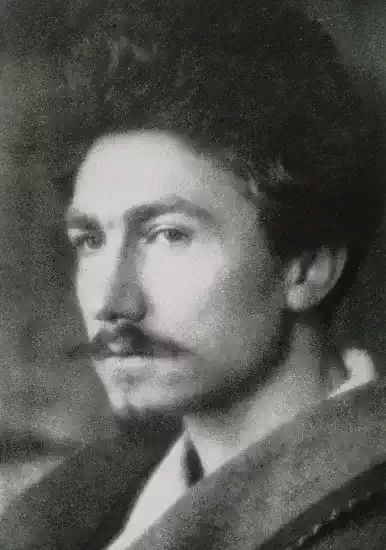
Ezra Pound
Poetic Eggs
Poetic Eggs
I am a grave poetic hen
That lays poetic eggs
And to enhance my temperament
A little quiet begs.
We make the yolk philosophy,
True beauty the albumen.
And then gum on a shell of form
To make the screed sound human.
I am a grave poetic hen
That lays poetic eggs
And to enhance my temperament
A little quiet begs.
We make the yolk philosophy,
True beauty the albumen.
And then gum on a shell of form
To make the screed sound human.
403
Ezra Pound
Poetic Eggs
Poetic Eggs
I am a grave poetic hen
That lays poetic eggs
And to enhance my temperament
A little quiet begs.
We make the yolk philosophy,
True beauty the albumen.
And then gum on a shell of form
To make the screed sound human.
I am a grave poetic hen
That lays poetic eggs
And to enhance my temperament
A little quiet begs.
We make the yolk philosophy,
True beauty the albumen.
And then gum on a shell of form
To make the screed sound human.
403
Ezra Pound
Piere Vidal Old
Piere Vidal Old
When I but think upon the great dead days
And turn my mind upon that splendid madness,
Lo! I do curse my strength
And blame the sun his gladness;
For that the one is dead
And the red sun mocks my sadness.
Behold me, Vidal, that was fool of fools!
Swift as the king wolf was I and as strong
When tall stags fled me through the alder brakes,
And every jongleur knew me in his song,
And the hounds fled and the deer fled
And none fled over long.
Even the grey pack knew me and knew fear.
God! how the swiftest hind's blood spurted hot
Over the sharpened teeth and purpling lips!
Hot was that hind's blood yet it scorched me not
As did first scorn, then lips of the Penautier!
Aye ye are fools, if ye think time can blot
From Piere Vidal’s remembrance that blue night.
God! but the purple of the sky was deep!
Clear, deep, translucent, so the stars me seemed
Set deep in crystal; and because my sleep
Rare visitor came not, the Saints I guerdon
For that restlessness Piere set to keep
One more fool's vigil with the hollyhocks.
Swift came the Loba, as a branch that's caught,
Torn, green and silent in the swollen Rhone,
Green was her mantle, close, and wrought
Of some thin silk stuff that's scarce stuff at all,
But like a mist wherethrough her white form fought,
And conquered! Ah God! conquered!
Silent my mate came as the night was still.
Speech? Words? Faugh! Who talks of words and love?!
Hot is such love and silent,
Silent as fate is, and as strong until
It faints in taking and in giving all.
Stark, keen, triumphant, till it plays at death.
God! she was white then, splendid as some tomb
High wrought of marble, and the panting breath
Ceased utterly. Well, then I waited, drew,
Half-sheathed, then naked from its saffron sheath
Drew full this dagger that doth tremble here.
Just then she woke and mocked the less keen blade.
Ah God, the Loba! and my only mate!
Was there such flesh made ever and unmade!
God curse the years that turn such women grey!
Behold here Vidal, that was hunted, flayed,
Shamed and yet bowed not and that won at last.
And yet I curse the sun for his red gladness,
I that have known strath, garth, brake, dale,
And every run-away of the wood through that great
madness,
Behold me shrivelled as an old oak's trunk
And made men's mock'ry in my rotten sadness!
No man hath heard the glory of my days:
No man hath dared and won his dare as I:
One night, one body and one welding flame!
What do ye own, ye niggards! that can buy
Such glory of the earth? Or who will win
Such battle-guerdon with his 'prowesse high' ?
O age gone lax! O stunted followers,
That mask at passions and desire desires,
Behold me shrivelled, and your mock of mocks;
And yet I mock you by the mighty fires
That burnt me to this ash.
Ah! Cabaret! Ah Cabaret, thy hills again!
Take your hands off me! . . . [Sniffing the air.
Ha! this scent is hot!
When I but think upon the great dead days
And turn my mind upon that splendid madness,
Lo! I do curse my strength
And blame the sun his gladness;
For that the one is dead
And the red sun mocks my sadness.
Behold me, Vidal, that was fool of fools!
Swift as the king wolf was I and as strong
When tall stags fled me through the alder brakes,
And every jongleur knew me in his song,
And the hounds fled and the deer fled
And none fled over long.
Even the grey pack knew me and knew fear.
God! how the swiftest hind's blood spurted hot
Over the sharpened teeth and purpling lips!
Hot was that hind's blood yet it scorched me not
As did first scorn, then lips of the Penautier!
Aye ye are fools, if ye think time can blot
From Piere Vidal’s remembrance that blue night.
God! but the purple of the sky was deep!
Clear, deep, translucent, so the stars me seemed
Set deep in crystal; and because my sleep
Rare visitor came not, the Saints I guerdon
For that restlessness Piere set to keep
One more fool's vigil with the hollyhocks.
Swift came the Loba, as a branch that's caught,
Torn, green and silent in the swollen Rhone,
Green was her mantle, close, and wrought
Of some thin silk stuff that's scarce stuff at all,
But like a mist wherethrough her white form fought,
And conquered! Ah God! conquered!
Silent my mate came as the night was still.
Speech? Words? Faugh! Who talks of words and love?!
Hot is such love and silent,
Silent as fate is, and as strong until
It faints in taking and in giving all.
Stark, keen, triumphant, till it plays at death.
God! she was white then, splendid as some tomb
High wrought of marble, and the panting breath
Ceased utterly. Well, then I waited, drew,
Half-sheathed, then naked from its saffron sheath
Drew full this dagger that doth tremble here.
Just then she woke and mocked the less keen blade.
Ah God, the Loba! and my only mate!
Was there such flesh made ever and unmade!
God curse the years that turn such women grey!
Behold here Vidal, that was hunted, flayed,
Shamed and yet bowed not and that won at last.
And yet I curse the sun for his red gladness,
I that have known strath, garth, brake, dale,
And every run-away of the wood through that great
madness,
Behold me shrivelled as an old oak's trunk
And made men's mock'ry in my rotten sadness!
No man hath heard the glory of my days:
No man hath dared and won his dare as I:
One night, one body and one welding flame!
What do ye own, ye niggards! that can buy
Such glory of the earth? Or who will win
Such battle-guerdon with his 'prowesse high' ?
O age gone lax! O stunted followers,
That mask at passions and desire desires,
Behold me shrivelled, and your mock of mocks;
And yet I mock you by the mighty fires
That burnt me to this ash.
Ah! Cabaret! Ah Cabaret, thy hills again!
Take your hands off me! . . . [Sniffing the air.
Ha! this scent is hot!
555
Ezra Pound
Paracelsus In Excelsis
Paracelsus In Excelsis
‘Being no longer human, why should I
Pretend humanity or don the frail attire?
Men have I known and men, but never one
Was grown so free an essence, or become
So simply element as what I am.
The mist goes from the mirror and I see.
Behold! the world of forms is swept beneath-
Turmoil grown visible beneath our peace,
And we that are grown formless, rise above-
Fluids intangible that have been men,
We seem as statues round whose high-risen base
Some overflowing river is run mad,
In us alone the element of calm.'
‘Being no longer human, why should I
Pretend humanity or don the frail attire?
Men have I known and men, but never one
Was grown so free an essence, or become
So simply element as what I am.
The mist goes from the mirror and I see.
Behold! the world of forms is swept beneath-
Turmoil grown visible beneath our peace,
And we that are grown formless, rise above-
Fluids intangible that have been men,
We seem as statues round whose high-risen base
Some overflowing river is run mad,
In us alone the element of calm.'
470
Ezra Pound
Paracelsus In Excelsis
Paracelsus In Excelsis
‘Being no longer human, why should I
Pretend humanity or don the frail attire?
Men have I known and men, but never one
Was grown so free an essence, or become
So simply element as what I am.
The mist goes from the mirror and I see.
Behold! the world of forms is swept beneath-
Turmoil grown visible beneath our peace,
And we that are grown formless, rise above-
Fluids intangible that have been men,
We seem as statues round whose high-risen base
Some overflowing river is run mad,
In us alone the element of calm.'
‘Being no longer human, why should I
Pretend humanity or don the frail attire?
Men have I known and men, but never one
Was grown so free an essence, or become
So simply element as what I am.
The mist goes from the mirror and I see.
Behold! the world of forms is swept beneath-
Turmoil grown visible beneath our peace,
And we that are grown formless, rise above-
Fluids intangible that have been men,
We seem as statues round whose high-risen base
Some overflowing river is run mad,
In us alone the element of calm.'
470
Ezra Pound
Ortus
Ortus
How have I laboured?
How have I not laboured
To bring her soul to birth,
To give these elements a name and a centre!
She is beautiful as the sunlight, and as fluid.
She has no name, and no place.
How have I laboured to bring her soul into separation;
To give her a name and her being!
Surely you are bound and entwined,
You are mingled with the elements unborn;
I have loved a stream and a shadow.
I beseech you enter your life.
I beseech you learn to say ‘I’
When I question you;
For you are no part, but a whole,
No portion, but a being.
How have I laboured?
How have I not laboured
To bring her soul to birth,
To give these elements a name and a centre!
She is beautiful as the sunlight, and as fluid.
She has no name, and no place.
How have I laboured to bring her soul into separation;
To give her a name and her being!
Surely you are bound and entwined,
You are mingled with the elements unborn;
I have loved a stream and a shadow.
I beseech you enter your life.
I beseech you learn to say ‘I’
When I question you;
For you are no part, but a whole,
No portion, but a being.
511
Ezra Pound
Pagani’s, November 8
Pagani’s, November 8
Suddenly discovering in the eyes of the very beautiful
Normande cocotte
The eyes of the very learned British Museum assistant.
Suddenly discovering in the eyes of the very beautiful
Normande cocotte
The eyes of the very learned British Museum assistant.
417
Ezra Pound
Ole Kate
Ole Kate
When I was only a youngster,
Sing: toodle doodlede ootl
Ole Kate would git her 'arf a pint
And wouldn't' giv' a damn hoot.
'Them stairs! them stairs, them gordam stairs
Will be the death of me/
I never heerd her say nothin'
About the priv'lege of liberty.
She'd come a sweatin' up with the coals
An a-sloshin' round with 'er mop,
Startin' in about 6 a.m.
And didn't seem never to stop.
She died on the job they tells me,
Fell plump into her pail.
Never got properly tanked as I saw,
And never got took to jail,
Just went on a sloshin'
And totin' up scuttles of coal,
And kissin9 her cat fer diversion,
Cod rest her sloshin’ soul.
‘Gimme a kissy-cuddle'
She'd say to her tibby-cat,
But she never made no mention
Of this here proletariat.
When I was only a youngster,
Sing: toodle doodlede ootl
Ole Kate would git her 'arf a pint
And wouldn't' giv' a damn hoot.
'Them stairs! them stairs, them gordam stairs
Will be the death of me/
I never heerd her say nothin'
About the priv'lege of liberty.
She'd come a sweatin' up with the coals
An a-sloshin' round with 'er mop,
Startin' in about 6 a.m.
And didn't seem never to stop.
She died on the job they tells me,
Fell plump into her pail.
Never got properly tanked as I saw,
And never got took to jail,
Just went on a sloshin'
And totin' up scuttles of coal,
And kissin9 her cat fer diversion,
Cod rest her sloshin’ soul.
‘Gimme a kissy-cuddle'
She'd say to her tibby-cat,
But she never made no mention
Of this here proletariat.
439
Ezra Pound
Of Jacopo Del Sellaio
Of Jacopo Del Sellaio
This man knew out the secret ways of love,
No man could paint such things who did not know.
And now she's gone, who was his Cyprian,
And you are here, who are ‘The Isles’ to me.
And here's the thing that lasts the whole thing out:
The eyes of this dead lady speak to me.
This man knew out the secret ways of love,
No man could paint such things who did not know.
And now she's gone, who was his Cyprian,
And you are here, who are ‘The Isles’ to me.
And here's the thing that lasts the whole thing out:
The eyes of this dead lady speak to me.
466
Ezra Pound
Night Litany
Night Litany
O Dieu, purifiez nos cceurs!
Purifiez nos coeurs !
Yea the lines hast thou laid unto me
in pleasant places,
And the beauty of this thy Venice
hast thou shown unto me
Until is its loveliness become unto me
a thing of tears.
O God, what great kindness
have we done in times past
and forgotten it,
That thou givest this wonder unto us,
O God of waters?
O God of the night,
What great sorrow
Cometh unto us,
That thou thus repayest us
Before the time of its coming?
O God of silence,
Purifiez nos coeurs,
Purifiez nos coeurs,
For we have seen
The glory of the shadow of the
likeness of thine handmaid,
Yea, the glory of the shadow
of thy Beauty hath walked
Upon the shadow of the waters
In this thy Venice.
And before the holiness
Of the shadow of thy handmaid
Have I hidden mine eyes,
O God of waters.
O God of silence,
Purifiez nos coeurs,
Purifiez nos coeurs,
O God of waters,
make clean our hearts within us,
For I have seen the
Shadow of this thy Venice
Floating upon the waters,
And thy stars
Have seen this thing, out of their far courses
Have they seen this thing,
O God of waters,
Even as are thy stars
Silent unto us in their far-coursing,
Even so is mine heart
become silent within me.
Purifiez nos coeurs,
O God of the silence,
Purifiez nos coeurs,
O God of waters.
O Dieu, purifiez nos cceurs!
Purifiez nos coeurs !
Yea the lines hast thou laid unto me
in pleasant places,
And the beauty of this thy Venice
hast thou shown unto me
Until is its loveliness become unto me
a thing of tears.
O God, what great kindness
have we done in times past
and forgotten it,
That thou givest this wonder unto us,
O God of waters?
O God of the night,
What great sorrow
Cometh unto us,
That thou thus repayest us
Before the time of its coming?
O God of silence,
Purifiez nos coeurs,
Purifiez nos coeurs,
For we have seen
The glory of the shadow of the
likeness of thine handmaid,
Yea, the glory of the shadow
of thy Beauty hath walked
Upon the shadow of the waters
In this thy Venice.
And before the holiness
Of the shadow of thy handmaid
Have I hidden mine eyes,
O God of waters.
O God of silence,
Purifiez nos coeurs,
Purifiez nos coeurs,
O God of waters,
make clean our hearts within us,
For I have seen the
Shadow of this thy Venice
Floating upon the waters,
And thy stars
Have seen this thing, out of their far courses
Have they seen this thing,
O God of waters,
Even as are thy stars
Silent unto us in their far-coursing,
Even so is mine heart
become silent within me.
Purifiez nos coeurs,
O God of the silence,
Purifiez nos coeurs,
O God of waters.
529
Ezra Pound
Night Litany
Night Litany
O Dieu, purifiez nos cceurs!
Purifiez nos coeurs !
Yea the lines hast thou laid unto me
in pleasant places,
And the beauty of this thy Venice
hast thou shown unto me
Until is its loveliness become unto me
a thing of tears.
O God, what great kindness
have we done in times past
and forgotten it,
That thou givest this wonder unto us,
O God of waters?
O God of the night,
What great sorrow
Cometh unto us,
That thou thus repayest us
Before the time of its coming?
O God of silence,
Purifiez nos coeurs,
Purifiez nos coeurs,
For we have seen
The glory of the shadow of the
likeness of thine handmaid,
Yea, the glory of the shadow
of thy Beauty hath walked
Upon the shadow of the waters
In this thy Venice.
And before the holiness
Of the shadow of thy handmaid
Have I hidden mine eyes,
O God of waters.
O God of silence,
Purifiez nos coeurs,
Purifiez nos coeurs,
O God of waters,
make clean our hearts within us,
For I have seen the
Shadow of this thy Venice
Floating upon the waters,
And thy stars
Have seen this thing, out of their far courses
Have they seen this thing,
O God of waters,
Even as are thy stars
Silent unto us in their far-coursing,
Even so is mine heart
become silent within me.
Purifiez nos coeurs,
O God of the silence,
Purifiez nos coeurs,
O God of waters.
O Dieu, purifiez nos cceurs!
Purifiez nos coeurs !
Yea the lines hast thou laid unto me
in pleasant places,
And the beauty of this thy Venice
hast thou shown unto me
Until is its loveliness become unto me
a thing of tears.
O God, what great kindness
have we done in times past
and forgotten it,
That thou givest this wonder unto us,
O God of waters?
O God of the night,
What great sorrow
Cometh unto us,
That thou thus repayest us
Before the time of its coming?
O God of silence,
Purifiez nos coeurs,
Purifiez nos coeurs,
For we have seen
The glory of the shadow of the
likeness of thine handmaid,
Yea, the glory of the shadow
of thy Beauty hath walked
Upon the shadow of the waters
In this thy Venice.
And before the holiness
Of the shadow of thy handmaid
Have I hidden mine eyes,
O God of waters.
O God of silence,
Purifiez nos coeurs,
Purifiez nos coeurs,
O God of waters,
make clean our hearts within us,
For I have seen the
Shadow of this thy Venice
Floating upon the waters,
And thy stars
Have seen this thing, out of their far courses
Have they seen this thing,
O God of waters,
Even as are thy stars
Silent unto us in their far-coursing,
Even so is mine heart
become silent within me.
Purifiez nos coeurs,
O God of the silence,
Purifiez nos coeurs,
O God of waters.
529
Ezra Pound
Night Litany
Night Litany
O Dieu, purifiez nos cceurs!
Purifiez nos coeurs !
Yea the lines hast thou laid unto me
in pleasant places,
And the beauty of this thy Venice
hast thou shown unto me
Until is its loveliness become unto me
a thing of tears.
O God, what great kindness
have we done in times past
and forgotten it,
That thou givest this wonder unto us,
O God of waters?
O God of the night,
What great sorrow
Cometh unto us,
That thou thus repayest us
Before the time of its coming?
O God of silence,
Purifiez nos coeurs,
Purifiez nos coeurs,
For we have seen
The glory of the shadow of the
likeness of thine handmaid,
Yea, the glory of the shadow
of thy Beauty hath walked
Upon the shadow of the waters
In this thy Venice.
And before the holiness
Of the shadow of thy handmaid
Have I hidden mine eyes,
O God of waters.
O God of silence,
Purifiez nos coeurs,
Purifiez nos coeurs,
O God of waters,
make clean our hearts within us,
For I have seen the
Shadow of this thy Venice
Floating upon the waters,
And thy stars
Have seen this thing, out of their far courses
Have they seen this thing,
O God of waters,
Even as are thy stars
Silent unto us in their far-coursing,
Even so is mine heart
become silent within me.
Purifiez nos coeurs,
O God of the silence,
Purifiez nos coeurs,
O God of waters.
O Dieu, purifiez nos cceurs!
Purifiez nos coeurs !
Yea the lines hast thou laid unto me
in pleasant places,
And the beauty of this thy Venice
hast thou shown unto me
Until is its loveliness become unto me
a thing of tears.
O God, what great kindness
have we done in times past
and forgotten it,
That thou givest this wonder unto us,
O God of waters?
O God of the night,
What great sorrow
Cometh unto us,
That thou thus repayest us
Before the time of its coming?
O God of silence,
Purifiez nos coeurs,
Purifiez nos coeurs,
For we have seen
The glory of the shadow of the
likeness of thine handmaid,
Yea, the glory of the shadow
of thy Beauty hath walked
Upon the shadow of the waters
In this thy Venice.
And before the holiness
Of the shadow of thy handmaid
Have I hidden mine eyes,
O God of waters.
O God of silence,
Purifiez nos coeurs,
Purifiez nos coeurs,
O God of waters,
make clean our hearts within us,
For I have seen the
Shadow of this thy Venice
Floating upon the waters,
And thy stars
Have seen this thing, out of their far courses
Have they seen this thing,
O God of waters,
Even as are thy stars
Silent unto us in their far-coursing,
Even so is mine heart
become silent within me.
Purifiez nos coeurs,
O God of the silence,
Purifiez nos coeurs,
O God of waters.
529
Ezra Pound
Na Audiart
Na Audiart
Though thou well dost wish me ill
Audiart, Audiart,
Where thy bodice laces start
As ivy fingers clutching through
Its crevices,
Audiart, Audiart,
Stately, tall and lovely tender
Who shall render
Audiart, Audiart,
Praises meet unto thy fashion?
Here a word kiss !
Pass I on
Unto Lady ‘Miels-de-Ben’,
Having praised thy girdle's scope
How the stays ply back from it;
I breath no hope
That thou shouldst . . .
Nay no whit
Bespeak thyself for anything.
Just a word in thy praise, girl,
Just for the swirl
Thy satins make upon the stair,
'Cause never a flaw was there
Where thy torse and limbs are met
Though thou hate me, read it set
In rose and gold.
Or when the minstrel, tale half told,
Shall burst to lilting at the praise
'Audiart, Audiart' . .
Bertrans, master of his lays,
Bertrans of Aultaforte thy praise
Sets forth, and though thou hate me well,
Yea though thou wish me ill,
Audiart, Audiart.
Thy loveliness is here writ till,
Audiart,
Oh, till thou come again.
And being bent and wrinkled, in a form
That hath no perfect limning, when the warm
Youth dew is cold
Upon thy hands, and thy old soul
Scorning a new, wry'd casement,
Churlish at seemed misplacement,
Finds the earth as bitter
As now seems it sweet,
Being so young and fair
As then only in dreams,
Being then young and wry'd,
Broken of ancient pride,
Thou shalt then soften,
Knowing, I know not how,
Thou wert once she
Audiart, Audiart
For whose fairness one forgave
Audiart,
Audiart
Que be-m vols mal.
Though thou well dost wish me ill
Audiart, Audiart,
Where thy bodice laces start
As ivy fingers clutching through
Its crevices,
Audiart, Audiart,
Stately, tall and lovely tender
Who shall render
Audiart, Audiart,
Praises meet unto thy fashion?
Here a word kiss !
Pass I on
Unto Lady ‘Miels-de-Ben’,
Having praised thy girdle's scope
How the stays ply back from it;
I breath no hope
That thou shouldst . . .
Nay no whit
Bespeak thyself for anything.
Just a word in thy praise, girl,
Just for the swirl
Thy satins make upon the stair,
'Cause never a flaw was there
Where thy torse and limbs are met
Though thou hate me, read it set
In rose and gold.
Or when the minstrel, tale half told,
Shall burst to lilting at the praise
'Audiart, Audiart' . .
Bertrans, master of his lays,
Bertrans of Aultaforte thy praise
Sets forth, and though thou hate me well,
Yea though thou wish me ill,
Audiart, Audiart.
Thy loveliness is here writ till,
Audiart,
Oh, till thou come again.
And being bent and wrinkled, in a form
That hath no perfect limning, when the warm
Youth dew is cold
Upon thy hands, and thy old soul
Scorning a new, wry'd casement,
Churlish at seemed misplacement,
Finds the earth as bitter
As now seems it sweet,
Being so young and fair
As then only in dreams,
Being then young and wry'd,
Broken of ancient pride,
Thou shalt then soften,
Knowing, I know not how,
Thou wert once she
Audiart, Audiart
For whose fairness one forgave
Audiart,
Audiart
Que be-m vols mal.
536
Ezra Pound
Na Audiart
Na Audiart
Though thou well dost wish me ill
Audiart, Audiart,
Where thy bodice laces start
As ivy fingers clutching through
Its crevices,
Audiart, Audiart,
Stately, tall and lovely tender
Who shall render
Audiart, Audiart,
Praises meet unto thy fashion?
Here a word kiss !
Pass I on
Unto Lady ‘Miels-de-Ben’,
Having praised thy girdle's scope
How the stays ply back from it;
I breath no hope
That thou shouldst . . .
Nay no whit
Bespeak thyself for anything.
Just a word in thy praise, girl,
Just for the swirl
Thy satins make upon the stair,
'Cause never a flaw was there
Where thy torse and limbs are met
Though thou hate me, read it set
In rose and gold.
Or when the minstrel, tale half told,
Shall burst to lilting at the praise
'Audiart, Audiart' . .
Bertrans, master of his lays,
Bertrans of Aultaforte thy praise
Sets forth, and though thou hate me well,
Yea though thou wish me ill,
Audiart, Audiart.
Thy loveliness is here writ till,
Audiart,
Oh, till thou come again.
And being bent and wrinkled, in a form
That hath no perfect limning, when the warm
Youth dew is cold
Upon thy hands, and thy old soul
Scorning a new, wry'd casement,
Churlish at seemed misplacement,
Finds the earth as bitter
As now seems it sweet,
Being so young and fair
As then only in dreams,
Being then young and wry'd,
Broken of ancient pride,
Thou shalt then soften,
Knowing, I know not how,
Thou wert once she
Audiart, Audiart
For whose fairness one forgave
Audiart,
Audiart
Que be-m vols mal.
Though thou well dost wish me ill
Audiart, Audiart,
Where thy bodice laces start
As ivy fingers clutching through
Its crevices,
Audiart, Audiart,
Stately, tall and lovely tender
Who shall render
Audiart, Audiart,
Praises meet unto thy fashion?
Here a word kiss !
Pass I on
Unto Lady ‘Miels-de-Ben’,
Having praised thy girdle's scope
How the stays ply back from it;
I breath no hope
That thou shouldst . . .
Nay no whit
Bespeak thyself for anything.
Just a word in thy praise, girl,
Just for the swirl
Thy satins make upon the stair,
'Cause never a flaw was there
Where thy torse and limbs are met
Though thou hate me, read it set
In rose and gold.
Or when the minstrel, tale half told,
Shall burst to lilting at the praise
'Audiart, Audiart' . .
Bertrans, master of his lays,
Bertrans of Aultaforte thy praise
Sets forth, and though thou hate me well,
Yea though thou wish me ill,
Audiart, Audiart.
Thy loveliness is here writ till,
Audiart,
Oh, till thou come again.
And being bent and wrinkled, in a form
That hath no perfect limning, when the warm
Youth dew is cold
Upon thy hands, and thy old soul
Scorning a new, wry'd casement,
Churlish at seemed misplacement,
Finds the earth as bitter
As now seems it sweet,
Being so young and fair
As then only in dreams,
Being then young and wry'd,
Broken of ancient pride,
Thou shalt then soften,
Knowing, I know not how,
Thou wert once she
Audiart, Audiart
For whose fairness one forgave
Audiart,
Audiart
Que be-m vols mal.
536
Ezra Pound
Mr. Nixon
Mr. Nixon
In the cream gilded cabin of his steam yacht
Mr. Nixon advised me kindly, to advance with fewer
Dangers of delay. 'Consider
Carefully the reviewer.
'I was as poor as you are;
'When I began I got, of course,
'Advance on royalties, fifty at first,' said Mr. Nixon,
'Follow me, and take a column,
'Even if you have to work free.
'Butter reviewers. From fifty to three hundred
'I rose in eighteen months;
'The hardest nut I had to crack
'Was Dr. Dundas.
'I never mentioned a man but with the view
'Of selling my own works.
'The tip's a good one, as for literature
'It gives no man a sinecure.
'And no one knows, at sight, a masterpiece.
'And give up verse, my boy,
'There's nothing in it.'
Likewise a friend of Bloughram's once advised me:
Don't kick against the pricks,
Accept opinion. The 'Nineties' tried your game
And died, there's nothing in it.
X
Beneath the sagging roof
The stylist has taken shelter,
Unpaid, uncelebrated,
At last from the world's welter
Nature receives him;
With a placid and uneducated mistress
He exercises his talents
And the soil meets his distress.
The haven from sophistications and contentions
Leaks through its thatch;
He offers succulent cooking;
The door has a creaking latch.
XI
Conservatrix of Milésien'
Habits of mind and feeling,
Possibly. But in Ealing
With the most bank-clerkly of Englishmen ?
No, 'Milésian' is an exaggeration.
No instinct has survived in her
Older than those her grandmother
Told her would fit her station.
XII
‘Daphne with her thighs in bark
Stretches toward me her leafy hands,'
Subjectively. In the stuffed-satin drawing-room
I await The Lady Valentine's commands,
Knowing my coat has never been
Of precisely the fashion
To stimulate, in her,
A durable passion;
Doubtful, somewhat, of the value
Of well-gowned approbation
Of literary effort,
But never of The Lady Valentine's vocation:
Poetry, her border of ideas,
The edge, uncertain, but a means of blending
With other strata
Where the lower and higher have ending;
A hook to catch the Lady Jane's attention,
A modulation toward the theatre,
Also, in the case of revolution,
A possible friend and comforter.
Conduct, on the other hand, the soul
‘Which the highest cultures have nourished'
To Fleet St. where
Dr. Johnson flourished;
Beside this thoroughfare
The sale of half-hose has
Long since superseded the cultivation
Of Pierian roses.
In the cream gilded cabin of his steam yacht
Mr. Nixon advised me kindly, to advance with fewer
Dangers of delay. 'Consider
Carefully the reviewer.
'I was as poor as you are;
'When I began I got, of course,
'Advance on royalties, fifty at first,' said Mr. Nixon,
'Follow me, and take a column,
'Even if you have to work free.
'Butter reviewers. From fifty to three hundred
'I rose in eighteen months;
'The hardest nut I had to crack
'Was Dr. Dundas.
'I never mentioned a man but with the view
'Of selling my own works.
'The tip's a good one, as for literature
'It gives no man a sinecure.
'And no one knows, at sight, a masterpiece.
'And give up verse, my boy,
'There's nothing in it.'
Likewise a friend of Bloughram's once advised me:
Don't kick against the pricks,
Accept opinion. The 'Nineties' tried your game
And died, there's nothing in it.
X
Beneath the sagging roof
The stylist has taken shelter,
Unpaid, uncelebrated,
At last from the world's welter
Nature receives him;
With a placid and uneducated mistress
He exercises his talents
And the soil meets his distress.
The haven from sophistications and contentions
Leaks through its thatch;
He offers succulent cooking;
The door has a creaking latch.
XI
Conservatrix of Milésien'
Habits of mind and feeling,
Possibly. But in Ealing
With the most bank-clerkly of Englishmen ?
No, 'Milésian' is an exaggeration.
No instinct has survived in her
Older than those her grandmother
Told her would fit her station.
XII
‘Daphne with her thighs in bark
Stretches toward me her leafy hands,'
Subjectively. In the stuffed-satin drawing-room
I await The Lady Valentine's commands,
Knowing my coat has never been
Of precisely the fashion
To stimulate, in her,
A durable passion;
Doubtful, somewhat, of the value
Of well-gowned approbation
Of literary effort,
But never of The Lady Valentine's vocation:
Poetry, her border of ideas,
The edge, uncertain, but a means of blending
With other strata
Where the lower and higher have ending;
A hook to catch the Lady Jane's attention,
A modulation toward the theatre,
Also, in the case of revolution,
A possible friend and comforter.
Conduct, on the other hand, the soul
‘Which the highest cultures have nourished'
To Fleet St. where
Dr. Johnson flourished;
Beside this thoroughfare
The sale of half-hose has
Long since superseded the cultivation
Of Pierian roses.
520
Ezra Pound
Mr. Nixon
Mr. Nixon
In the cream gilded cabin of his steam yacht
Mr. Nixon advised me kindly, to advance with fewer
Dangers of delay. 'Consider
Carefully the reviewer.
'I was as poor as you are;
'When I began I got, of course,
'Advance on royalties, fifty at first,' said Mr. Nixon,
'Follow me, and take a column,
'Even if you have to work free.
'Butter reviewers. From fifty to three hundred
'I rose in eighteen months;
'The hardest nut I had to crack
'Was Dr. Dundas.
'I never mentioned a man but with the view
'Of selling my own works.
'The tip's a good one, as for literature
'It gives no man a sinecure.
'And no one knows, at sight, a masterpiece.
'And give up verse, my boy,
'There's nothing in it.'
Likewise a friend of Bloughram's once advised me:
Don't kick against the pricks,
Accept opinion. The 'Nineties' tried your game
And died, there's nothing in it.
X
Beneath the sagging roof
The stylist has taken shelter,
Unpaid, uncelebrated,
At last from the world's welter
Nature receives him;
With a placid and uneducated mistress
He exercises his talents
And the soil meets his distress.
The haven from sophistications and contentions
Leaks through its thatch;
He offers succulent cooking;
The door has a creaking latch.
XI
Conservatrix of Milésien'
Habits of mind and feeling,
Possibly. But in Ealing
With the most bank-clerkly of Englishmen ?
No, 'Milésian' is an exaggeration.
No instinct has survived in her
Older than those her grandmother
Told her would fit her station.
XII
‘Daphne with her thighs in bark
Stretches toward me her leafy hands,'
Subjectively. In the stuffed-satin drawing-room
I await The Lady Valentine's commands,
Knowing my coat has never been
Of precisely the fashion
To stimulate, in her,
A durable passion;
Doubtful, somewhat, of the value
Of well-gowned approbation
Of literary effort,
But never of The Lady Valentine's vocation:
Poetry, her border of ideas,
The edge, uncertain, but a means of blending
With other strata
Where the lower and higher have ending;
A hook to catch the Lady Jane's attention,
A modulation toward the theatre,
Also, in the case of revolution,
A possible friend and comforter.
Conduct, on the other hand, the soul
‘Which the highest cultures have nourished'
To Fleet St. where
Dr. Johnson flourished;
Beside this thoroughfare
The sale of half-hose has
Long since superseded the cultivation
Of Pierian roses.
In the cream gilded cabin of his steam yacht
Mr. Nixon advised me kindly, to advance with fewer
Dangers of delay. 'Consider
Carefully the reviewer.
'I was as poor as you are;
'When I began I got, of course,
'Advance on royalties, fifty at first,' said Mr. Nixon,
'Follow me, and take a column,
'Even if you have to work free.
'Butter reviewers. From fifty to three hundred
'I rose in eighteen months;
'The hardest nut I had to crack
'Was Dr. Dundas.
'I never mentioned a man but with the view
'Of selling my own works.
'The tip's a good one, as for literature
'It gives no man a sinecure.
'And no one knows, at sight, a masterpiece.
'And give up verse, my boy,
'There's nothing in it.'
Likewise a friend of Bloughram's once advised me:
Don't kick against the pricks,
Accept opinion. The 'Nineties' tried your game
And died, there's nothing in it.
X
Beneath the sagging roof
The stylist has taken shelter,
Unpaid, uncelebrated,
At last from the world's welter
Nature receives him;
With a placid and uneducated mistress
He exercises his talents
And the soil meets his distress.
The haven from sophistications and contentions
Leaks through its thatch;
He offers succulent cooking;
The door has a creaking latch.
XI
Conservatrix of Milésien'
Habits of mind and feeling,
Possibly. But in Ealing
With the most bank-clerkly of Englishmen ?
No, 'Milésian' is an exaggeration.
No instinct has survived in her
Older than those her grandmother
Told her would fit her station.
XII
‘Daphne with her thighs in bark
Stretches toward me her leafy hands,'
Subjectively. In the stuffed-satin drawing-room
I await The Lady Valentine's commands,
Knowing my coat has never been
Of precisely the fashion
To stimulate, in her,
A durable passion;
Doubtful, somewhat, of the value
Of well-gowned approbation
Of literary effort,
But never of The Lady Valentine's vocation:
Poetry, her border of ideas,
The edge, uncertain, but a means of blending
With other strata
Where the lower and higher have ending;
A hook to catch the Lady Jane's attention,
A modulation toward the theatre,
Also, in the case of revolution,
A possible friend and comforter.
Conduct, on the other hand, the soul
‘Which the highest cultures have nourished'
To Fleet St. where
Dr. Johnson flourished;
Beside this thoroughfare
The sale of half-hose has
Long since superseded the cultivation
Of Pierian roses.
520
Ezra Pound
Middle-Aged
Middle-Aged
‘Tis but a vague, invarious delight
As gold that rains about some buried king.
As the fine flakes,
When tourists frolicking
Stamp on his roof or in the glazing light
Try photographs, wolf down their ale and cakes
And start to inspect some further pyramid;
As the fine dust, in the hid cell
Beneath their transitory step and merriment,
Drifts through the air, and the sarcophagus
Gains yet another crust
Of useless riches for the occupant,
So I, the fires that lit once dreams
Now over and spent,
Lie dead within four walls
And so now love
Rains down and so enriches some stiff case,
And strews a mind with precious metaphors,
And so the space
Of my still consciousness
Is full of gilded snow,
The which, no cat has eyes enough
To see the brightness of.
‘Tis but a vague, invarious delight
As gold that rains about some buried king.
As the fine flakes,
When tourists frolicking
Stamp on his roof or in the glazing light
Try photographs, wolf down their ale and cakes
And start to inspect some further pyramid;
As the fine dust, in the hid cell
Beneath their transitory step and merriment,
Drifts through the air, and the sarcophagus
Gains yet another crust
Of useless riches for the occupant,
So I, the fires that lit once dreams
Now over and spent,
Lie dead within four walls
And so now love
Rains down and so enriches some stiff case,
And strews a mind with precious metaphors,
And so the space
Of my still consciousness
Is full of gilded snow,
The which, no cat has eyes enough
To see the brightness of.
437
Ezra Pound
Mauberley
Mauberley
I
Turned from the 'eau-forte
Par Jaquemart'
To the strait head
Of Messalina:
'His true Penelope
Was Flaubert,'
And his tool
The engraver's.
Firmness,
Not the full smile,
His art, but an art
In profile;
Colourless
Pier Francesca,
Pisanello lacking the skill
To forge Achaia.
II
For three years, diabolus in the scale,
He drank ambrosia,
All passes, ANANGKE prevails,
Came end, at last, to that Arcadia.
He had moved amid her phantasmagoria,
Amid her galaxies,
NUKTIS 'AGALMA
Drifted . . . drifted precipitate,
Asking time to be rid of ...
Of his bewilderment; to designate
His new found orchid. . . .
To be certain . . . certain . . .
(Amid aerial flowers) . . . time for arrangements-
Drifted on
To the final estrangement;
Unable in the supervening blankness
To sift TO AGATHON from the chaff
Until he found his sieve . . .
Ultimately, his seismograph:
Given that is his 'fundamental passion',
This urge to convey the relation
Of eye-lid and cheek-bone
By verbal manifestations;
To present the series
Of curious heads in medallion
He had passed, inconscient, full gaze,
The wide-branded irides
And botticellian sprays implied
In their diastasis;
Which ansethesis, noted a year late,
And weighed, revealed his great affect,
(Orchid), mandate
Of Eros, a retrospect.
Mouths biting empty air,
The still stone dogs,
Caught in metamorphosis, were
Left him as epilogues.
I
Turned from the 'eau-forte
Par Jaquemart'
To the strait head
Of Messalina:
'His true Penelope
Was Flaubert,'
And his tool
The engraver's.
Firmness,
Not the full smile,
His art, but an art
In profile;
Colourless
Pier Francesca,
Pisanello lacking the skill
To forge Achaia.
II
For three years, diabolus in the scale,
He drank ambrosia,
All passes, ANANGKE prevails,
Came end, at last, to that Arcadia.
He had moved amid her phantasmagoria,
Amid her galaxies,
NUKTIS 'AGALMA
Drifted . . . drifted precipitate,
Asking time to be rid of ...
Of his bewilderment; to designate
His new found orchid. . . .
To be certain . . . certain . . .
(Amid aerial flowers) . . . time for arrangements-
Drifted on
To the final estrangement;
Unable in the supervening blankness
To sift TO AGATHON from the chaff
Until he found his sieve . . .
Ultimately, his seismograph:
Given that is his 'fundamental passion',
This urge to convey the relation
Of eye-lid and cheek-bone
By verbal manifestations;
To present the series
Of curious heads in medallion
He had passed, inconscient, full gaze,
The wide-branded irides
And botticellian sprays implied
In their diastasis;
Which ansethesis, noted a year late,
And weighed, revealed his great affect,
(Orchid), mandate
Of Eros, a retrospect.
Mouths biting empty air,
The still stone dogs,
Caught in metamorphosis, were
Left him as epilogues.
444
Ezra Pound
Mauberley
Mauberley
I
Turned from the 'eau-forte
Par Jaquemart'
To the strait head
Of Messalina:
'His true Penelope
Was Flaubert,'
And his tool
The engraver's.
Firmness,
Not the full smile,
His art, but an art
In profile;
Colourless
Pier Francesca,
Pisanello lacking the skill
To forge Achaia.
II
For three years, diabolus in the scale,
He drank ambrosia,
All passes, ANANGKE prevails,
Came end, at last, to that Arcadia.
He had moved amid her phantasmagoria,
Amid her galaxies,
NUKTIS 'AGALMA
Drifted . . . drifted precipitate,
Asking time to be rid of ...
Of his bewilderment; to designate
His new found orchid. . . .
To be certain . . . certain . . .
(Amid aerial flowers) . . . time for arrangements-
Drifted on
To the final estrangement;
Unable in the supervening blankness
To sift TO AGATHON from the chaff
Until he found his sieve . . .
Ultimately, his seismograph:
Given that is his 'fundamental passion',
This urge to convey the relation
Of eye-lid and cheek-bone
By verbal manifestations;
To present the series
Of curious heads in medallion
He had passed, inconscient, full gaze,
The wide-branded irides
And botticellian sprays implied
In their diastasis;
Which ansethesis, noted a year late,
And weighed, revealed his great affect,
(Orchid), mandate
Of Eros, a retrospect.
Mouths biting empty air,
The still stone dogs,
Caught in metamorphosis, were
Left him as epilogues.
I
Turned from the 'eau-forte
Par Jaquemart'
To the strait head
Of Messalina:
'His true Penelope
Was Flaubert,'
And his tool
The engraver's.
Firmness,
Not the full smile,
His art, but an art
In profile;
Colourless
Pier Francesca,
Pisanello lacking the skill
To forge Achaia.
II
For three years, diabolus in the scale,
He drank ambrosia,
All passes, ANANGKE prevails,
Came end, at last, to that Arcadia.
He had moved amid her phantasmagoria,
Amid her galaxies,
NUKTIS 'AGALMA
Drifted . . . drifted precipitate,
Asking time to be rid of ...
Of his bewilderment; to designate
His new found orchid. . . .
To be certain . . . certain . . .
(Amid aerial flowers) . . . time for arrangements-
Drifted on
To the final estrangement;
Unable in the supervening blankness
To sift TO AGATHON from the chaff
Until he found his sieve . . .
Ultimately, his seismograph:
Given that is his 'fundamental passion',
This urge to convey the relation
Of eye-lid and cheek-bone
By verbal manifestations;
To present the series
Of curious heads in medallion
He had passed, inconscient, full gaze,
The wide-branded irides
And botticellian sprays implied
In their diastasis;
Which ansethesis, noted a year late,
And weighed, revealed his great affect,
(Orchid), mandate
Of Eros, a retrospect.
Mouths biting empty air,
The still stone dogs,
Caught in metamorphosis, were
Left him as epilogues.
444
Ezra Pound
Mauberley
Mauberley
I
Turned from the 'eau-forte
Par Jaquemart'
To the strait head
Of Messalina:
'His true Penelope
Was Flaubert,'
And his tool
The engraver's.
Firmness,
Not the full smile,
His art, but an art
In profile;
Colourless
Pier Francesca,
Pisanello lacking the skill
To forge Achaia.
II
For three years, diabolus in the scale,
He drank ambrosia,
All passes, ANANGKE prevails,
Came end, at last, to that Arcadia.
He had moved amid her phantasmagoria,
Amid her galaxies,
NUKTIS 'AGALMA
Drifted . . . drifted precipitate,
Asking time to be rid of ...
Of his bewilderment; to designate
His new found orchid. . . .
To be certain . . . certain . . .
(Amid aerial flowers) . . . time for arrangements-
Drifted on
To the final estrangement;
Unable in the supervening blankness
To sift TO AGATHON from the chaff
Until he found his sieve . . .
Ultimately, his seismograph:
Given that is his 'fundamental passion',
This urge to convey the relation
Of eye-lid and cheek-bone
By verbal manifestations;
To present the series
Of curious heads in medallion
He had passed, inconscient, full gaze,
The wide-branded irides
And botticellian sprays implied
In their diastasis;
Which ansethesis, noted a year late,
And weighed, revealed his great affect,
(Orchid), mandate
Of Eros, a retrospect.
Mouths biting empty air,
The still stone dogs,
Caught in metamorphosis, were
Left him as epilogues.
I
Turned from the 'eau-forte
Par Jaquemart'
To the strait head
Of Messalina:
'His true Penelope
Was Flaubert,'
And his tool
The engraver's.
Firmness,
Not the full smile,
His art, but an art
In profile;
Colourless
Pier Francesca,
Pisanello lacking the skill
To forge Achaia.
II
For three years, diabolus in the scale,
He drank ambrosia,
All passes, ANANGKE prevails,
Came end, at last, to that Arcadia.
He had moved amid her phantasmagoria,
Amid her galaxies,
NUKTIS 'AGALMA
Drifted . . . drifted precipitate,
Asking time to be rid of ...
Of his bewilderment; to designate
His new found orchid. . . .
To be certain . . . certain . . .
(Amid aerial flowers) . . . time for arrangements-
Drifted on
To the final estrangement;
Unable in the supervening blankness
To sift TO AGATHON from the chaff
Until he found his sieve . . .
Ultimately, his seismograph:
Given that is his 'fundamental passion',
This urge to convey the relation
Of eye-lid and cheek-bone
By verbal manifestations;
To present the series
Of curious heads in medallion
He had passed, inconscient, full gaze,
The wide-branded irides
And botticellian sprays implied
In their diastasis;
Which ansethesis, noted a year late,
And weighed, revealed his great affect,
(Orchid), mandate
Of Eros, a retrospect.
Mouths biting empty air,
The still stone dogs,
Caught in metamorphosis, were
Left him as epilogues.
444
Ezra Pound
Mauberley
Mauberley
I
Turned from the 'eau-forte
Par Jaquemart'
To the strait head
Of Messalina:
'His true Penelope
Was Flaubert,'
And his tool
The engraver's.
Firmness,
Not the full smile,
His art, but an art
In profile;
Colourless
Pier Francesca,
Pisanello lacking the skill
To forge Achaia.
II
For three years, diabolus in the scale,
He drank ambrosia,
All passes, ANANGKE prevails,
Came end, at last, to that Arcadia.
He had moved amid her phantasmagoria,
Amid her galaxies,
NUKTIS 'AGALMA
Drifted . . . drifted precipitate,
Asking time to be rid of ...
Of his bewilderment; to designate
His new found orchid. . . .
To be certain . . . certain . . .
(Amid aerial flowers) . . . time for arrangements-
Drifted on
To the final estrangement;
Unable in the supervening blankness
To sift TO AGATHON from the chaff
Until he found his sieve . . .
Ultimately, his seismograph:
Given that is his 'fundamental passion',
This urge to convey the relation
Of eye-lid and cheek-bone
By verbal manifestations;
To present the series
Of curious heads in medallion
He had passed, inconscient, full gaze,
The wide-branded irides
And botticellian sprays implied
In their diastasis;
Which ansethesis, noted a year late,
And weighed, revealed his great affect,
(Orchid), mandate
Of Eros, a retrospect.
Mouths biting empty air,
The still stone dogs,
Caught in metamorphosis, were
Left him as epilogues.
I
Turned from the 'eau-forte
Par Jaquemart'
To the strait head
Of Messalina:
'His true Penelope
Was Flaubert,'
And his tool
The engraver's.
Firmness,
Not the full smile,
His art, but an art
In profile;
Colourless
Pier Francesca,
Pisanello lacking the skill
To forge Achaia.
II
For three years, diabolus in the scale,
He drank ambrosia,
All passes, ANANGKE prevails,
Came end, at last, to that Arcadia.
He had moved amid her phantasmagoria,
Amid her galaxies,
NUKTIS 'AGALMA
Drifted . . . drifted precipitate,
Asking time to be rid of ...
Of his bewilderment; to designate
His new found orchid. . . .
To be certain . . . certain . . .
(Amid aerial flowers) . . . time for arrangements-
Drifted on
To the final estrangement;
Unable in the supervening blankness
To sift TO AGATHON from the chaff
Until he found his sieve . . .
Ultimately, his seismograph:
Given that is his 'fundamental passion',
This urge to convey the relation
Of eye-lid and cheek-bone
By verbal manifestations;
To present the series
Of curious heads in medallion
He had passed, inconscient, full gaze,
The wide-branded irides
And botticellian sprays implied
In their diastasis;
Which ansethesis, noted a year late,
And weighed, revealed his great affect,
(Orchid), mandate
Of Eros, a retrospect.
Mouths biting empty air,
The still stone dogs,
Caught in metamorphosis, were
Left him as epilogues.
444
Ezra Pound
Liu Ch'e
Liu Ch'e
The rustling of the silk is discontinued,
Dust drifts over the court-yard,
There is no sound of foot-fall, and the leaves
Scurry into heaps and lie still,
And she the rejoicer of the heart is beneath them:
A wet leaf that clings to the threshold.
The rustling of the silk is discontinued,
Dust drifts over the court-yard,
There is no sound of foot-fall, and the leaves
Scurry into heaps and lie still,
And she the rejoicer of the heart is beneath them:
A wet leaf that clings to the threshold.
434
Ezra Pound
Marvoil
Marvoil
A poor clerk I, 'Arnaut the less' they call me,
And because I have small mind to sit
Day long, long day cooped on a stool
A-jumbling o' figures for Maitre Jacques Polin,
I ha' taken to rambling the South here.
The Vicomte of Beziers's not such a bad lot.
I made rimes to his lady this three year:
Vers and canzone, till that damn'd son of Aragon,
Alfonso the half-bald, took to hanging
His helmet at Beziers.
Then came what might come, to wit: three men and one woman,
Beziers off at Mont-Ausier, I and his lady
Singing the stars in the turrets of Beziers,
And one lean Aragonese cursing the seneschal
To the end that you see, friends:
Aragon cursing in Aragon, Beziers busy at Beziers
Bored to an inch of extinction,
Tibors all tongue and temper at Mont-Ausier,
Me! in this damn'd inn of Avignon,
Stringing long verse for the Burlatz;
All for one half-bald, knock-knee'd king of the Aragonese,
Alfonso, Quattro, poke-nose.
And if when I am dead
They take the trouble to tear out this wall here,
They'11 know more of Arnaut of Marvoil
Than half his canzoni say of him.
As for will and testament I leave none,
Save this: ‘Vers and canzone to the Countess of Beziers
In return for the first kiss she gave me.'
May her eyes and her cheek be fair
To all men except the King of Aragon,
And may I come'speedily to Beziers
Whither my desire and my dream have preceded me.
O hole in the wall here! be thou my jongleur
As ne'er had I other, and when the wind blows,
Sing thou the grace of the Lady of Beziers,
For even as thou art hollow before I fill thee with this parchment,
So is my heart hollow when she filleth not mine eyes,
And so were my mind hollow, did she not fill utterly my thought.
Wherefore, O hole in the wall here,
When the wind blows sigh thou for my sorrow
That I have not the Countess of Beziers
Close in my arms here.
Even as thou shalt soon have this parchment.
O hole in the wall here, be thou my jongleur,
And though thou sighest my sorrow in the wind,
Keep yet my secret in thy breast here;
Even as I keep her image in my heart here.
A poor clerk I, 'Arnaut the less' they call me,
And because I have small mind to sit
Day long, long day cooped on a stool
A-jumbling o' figures for Maitre Jacques Polin,
I ha' taken to rambling the South here.
The Vicomte of Beziers's not such a bad lot.
I made rimes to his lady this three year:
Vers and canzone, till that damn'd son of Aragon,
Alfonso the half-bald, took to hanging
His helmet at Beziers.
Then came what might come, to wit: three men and one woman,
Beziers off at Mont-Ausier, I and his lady
Singing the stars in the turrets of Beziers,
And one lean Aragonese cursing the seneschal
To the end that you see, friends:
Aragon cursing in Aragon, Beziers busy at Beziers
Bored to an inch of extinction,
Tibors all tongue and temper at Mont-Ausier,
Me! in this damn'd inn of Avignon,
Stringing long verse for the Burlatz;
All for one half-bald, knock-knee'd king of the Aragonese,
Alfonso, Quattro, poke-nose.
And if when I am dead
They take the trouble to tear out this wall here,
They'11 know more of Arnaut of Marvoil
Than half his canzoni say of him.
As for will and testament I leave none,
Save this: ‘Vers and canzone to the Countess of Beziers
In return for the first kiss she gave me.'
May her eyes and her cheek be fair
To all men except the King of Aragon,
And may I come'speedily to Beziers
Whither my desire and my dream have preceded me.
O hole in the wall here! be thou my jongleur
As ne'er had I other, and when the wind blows,
Sing thou the grace of the Lady of Beziers,
For even as thou art hollow before I fill thee with this parchment,
So is my heart hollow when she filleth not mine eyes,
And so were my mind hollow, did she not fill utterly my thought.
Wherefore, O hole in the wall here,
When the wind blows sigh thou for my sorrow
That I have not the Countess of Beziers
Close in my arms here.
Even as thou shalt soon have this parchment.
O hole in the wall here, be thou my jongleur,
And though thou sighest my sorrow in the wind,
Keep yet my secret in thy breast here;
Even as I keep her image in my heart here.
506
Ezra Pound
Les Millwin
Les Millwin
The little Millwins attend the Russian Ballet.
The mauve and greenish souls of the little Millwins
Were seen lying along the upper seats
Like so many unused boas.
The turbulent and undisciplined host of art students-
The rigorous deputation from ‘Slade’-
Was before them.
With arms exalted, with fore-arms
Crossed in great futuristic X's, the art students
Exulted, they beheld the splendours of Cleopatra
And the little Millwins beheld these things;
With their large and anaemic eyes they looked out upon
this configuration.
Let us therefore mention the fact,
For it seems to us worthy of record.
The little Millwins attend the Russian Ballet.
The mauve and greenish souls of the little Millwins
Were seen lying along the upper seats
Like so many unused boas.
The turbulent and undisciplined host of art students-
The rigorous deputation from ‘Slade’-
Was before them.
With arms exalted, with fore-arms
Crossed in great futuristic X's, the art students
Exulted, they beheld the splendours of Cleopatra
And the little Millwins beheld these things;
With their large and anaemic eyes they looked out upon
this configuration.
Let us therefore mention the fact,
For it seems to us worthy of record.
435