

Poems in this topic
Others
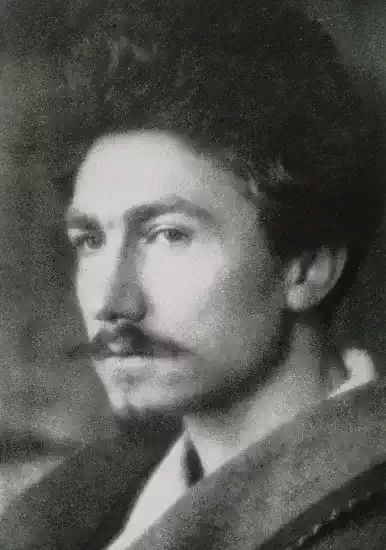
Ezra Pound
And Thus In Nineveh
And Thus In Nineveh
Aye! I am a poet and upon my tomb
Shall maidens scatter rose leaves
And men myrtles, ere the night
Slays day with her dark sword.
'Lo ! this thing is not mine
Nor thine to hinder,
For the custom is full old,
And here in Nineveh have I beheld
Many a singer pass and take his place
In those dim halls where no man troubleth
His sleep or song.
And many a one hath sung his songs
More craftily, more subtle-souled than I;
And many a one now doth surpass
My wave-worn beauty with his wind of flowers,
Yet am I poet, and upon my tomb
Shall all men scatter rose leaves
Ere the night slay light
With her blue sword.
‘It is not, Raana, that my song rings highest
Or more sweet in tone than any, but that I
Am here a Poet, that doth drink of life
As lesser men drink wine.’
Aye! I am a poet and upon my tomb
Shall maidens scatter rose leaves
And men myrtles, ere the night
Slays day with her dark sword.
'Lo ! this thing is not mine
Nor thine to hinder,
For the custom is full old,
And here in Nineveh have I beheld
Many a singer pass and take his place
In those dim halls where no man troubleth
His sleep or song.
And many a one hath sung his songs
More craftily, more subtle-souled than I;
And many a one now doth surpass
My wave-worn beauty with his wind of flowers,
Yet am I poet, and upon my tomb
Shall all men scatter rose leaves
Ere the night slay light
With her blue sword.
‘It is not, Raana, that my song rings highest
Or more sweet in tone than any, but that I
Am here a Poet, that doth drink of life
As lesser men drink wine.’
468
Ezra Pound
Apparuit
Apparuit
Golden rose the house, in the portal I saw
thee, a marvel, carven in subtle stuff, a
portent. Life died down in the lamp and flickered,
caught at the wonder.
Crimson, frosty with dew, the roses bend where
thou afar, moving in the glamorous sun,
drinkst in life of earth, of the air, the tissue
golden about thee.
Green the ways, the breath of the fields is thine there,
open lies the land, yet the steely going
darkly hast thou dared and the dreaded aether
parted before thee.
Swift at courage thou in the shell of gold, casting
a-loose the cloak of the body, earnest
straight, then shone thine oriel and the stunned light
faded about thee.
Half the graven shoulder, the throat aflash with
strands of light inwoven about it, loveliest
of all things, frail alabaster, ah me!
swift in departing.
Clothed in goldish weft, delicately perfect,
gone as wind ! The cloth of the magical hands!
Thou a slight thing, thou in access of cunning
dar'dst to assume this?
Golden rose the house, in the portal I saw
thee, a marvel, carven in subtle stuff, a
portent. Life died down in the lamp and flickered,
caught at the wonder.
Crimson, frosty with dew, the roses bend where
thou afar, moving in the glamorous sun,
drinkst in life of earth, of the air, the tissue
golden about thee.
Green the ways, the breath of the fields is thine there,
open lies the land, yet the steely going
darkly hast thou dared and the dreaded aether
parted before thee.
Swift at courage thou in the shell of gold, casting
a-loose the cloak of the body, earnest
straight, then shone thine oriel and the stunned light
faded about thee.
Half the graven shoulder, the throat aflash with
strands of light inwoven about it, loveliest
of all things, frail alabaster, ah me!
swift in departing.
Clothed in goldish weft, delicately perfect,
gone as wind ! The cloth of the magical hands!
Thou a slight thing, thou in access of cunning
dar'dst to assume this?
548
Ezra Pound
Apparuit
Apparuit
Golden rose the house, in the portal I saw
thee, a marvel, carven in subtle stuff, a
portent. Life died down in the lamp and flickered,
caught at the wonder.
Crimson, frosty with dew, the roses bend where
thou afar, moving in the glamorous sun,
drinkst in life of earth, of the air, the tissue
golden about thee.
Green the ways, the breath of the fields is thine there,
open lies the land, yet the steely going
darkly hast thou dared and the dreaded aether
parted before thee.
Swift at courage thou in the shell of gold, casting
a-loose the cloak of the body, earnest
straight, then shone thine oriel and the stunned light
faded about thee.
Half the graven shoulder, the throat aflash with
strands of light inwoven about it, loveliest
of all things, frail alabaster, ah me!
swift in departing.
Clothed in goldish weft, delicately perfect,
gone as wind ! The cloth of the magical hands!
Thou a slight thing, thou in access of cunning
dar'dst to assume this?
Golden rose the house, in the portal I saw
thee, a marvel, carven in subtle stuff, a
portent. Life died down in the lamp and flickered,
caught at the wonder.
Crimson, frosty with dew, the roses bend where
thou afar, moving in the glamorous sun,
drinkst in life of earth, of the air, the tissue
golden about thee.
Green the ways, the breath of the fields is thine there,
open lies the land, yet the steely going
darkly hast thou dared and the dreaded aether
parted before thee.
Swift at courage thou in the shell of gold, casting
a-loose the cloak of the body, earnest
straight, then shone thine oriel and the stunned light
faded about thee.
Half the graven shoulder, the throat aflash with
strands of light inwoven about it, loveliest
of all things, frail alabaster, ah me!
swift in departing.
Clothed in goldish weft, delicately perfect,
gone as wind ! The cloth of the magical hands!
Thou a slight thing, thou in access of cunning
dar'dst to assume this?
548
Ezra Pound
Ancora
Ancora
Good God! They say you are risqué,
O canzonetti!
We who went out into the four A. M. of the world
Composing our albas,
We who shook off our dew with the rabbits,
We who have seen even Artemis a-binding her sandals,
Have we ever heard the like?
O mountains of Hellas!!
Gather about me, O Muses!
When we sat upon the granite brink in Helicon
Clothed in the tattered sunlight,
Muses with delicate shins,
O Muses with delectable knee-joints,
When we splashed and were splashed with
The lucid Castalian spray,
Had we ever such an epithet cast upon us!!
Good God! They say you are risqué,
O canzonetti!
We who went out into the four A. M. of the world
Composing our albas,
We who shook off our dew with the rabbits,
We who have seen even Artemis a-binding her sandals,
Have we ever heard the like?
O mountains of Hellas!!
Gather about me, O Muses!
When we sat upon the granite brink in Helicon
Clothed in the tattered sunlight,
Muses with delicate shins,
O Muses with delectable knee-joints,
When we splashed and were splashed with
The lucid Castalian spray,
Had we ever such an epithet cast upon us!!
503
Ezra Pound
Albatre
Albatre
This lady in the white bath-robe which she calls a
peignoir,
Is, for the time being, the mistress of my friend,
And the delicate white feet of her little white dog
Are not more delicate than she is,
Nor would Gautier himself have despised their contrasts
in whiteness
As she sits in the great chair
Between the two indolent candles.
This lady in the white bath-robe which she calls a
peignoir,
Is, for the time being, the mistress of my friend,
And the delicate white feet of her little white dog
Are not more delicate than she is,
Nor would Gautier himself have despised their contrasts
in whiteness
As she sits in the great chair
Between the two indolent candles.
370
Ezra Pound
A Virginal
A Virginal
No, no! Go from me. I have left her lately.
I will not spoil my sheath with lesser brightness,
For my surrounding air hath a new lightness;
Slight are her arms, yet they have bound me straitly
And left me cloaked as with a gauze of aether;
As with sweet leaves; as with subtle clearness.
Oh, I have picked up magic in her nearness
To sheathe me half in half the things that sheathe her.
No, no! Go from me. I have still the flavour,
Soft as spring wind that's come from birchen bowers.
Green come the shoots, aye April in the branches,
As winter's wound with her sleight hand she staunches,
Hath of the trees a likeness of the savour:
As white their bark, so white this lady's hours.
No, no! Go from me. I have left her lately.
I will not spoil my sheath with lesser brightness,
For my surrounding air hath a new lightness;
Slight are her arms, yet they have bound me straitly
And left me cloaked as with a gauze of aether;
As with sweet leaves; as with subtle clearness.
Oh, I have picked up magic in her nearness
To sheathe me half in half the things that sheathe her.
No, no! Go from me. I have still the flavour,
Soft as spring wind that's come from birchen bowers.
Green come the shoots, aye April in the branches,
As winter's wound with her sleight hand she staunches,
Hath of the trees a likeness of the savour:
As white their bark, so white this lady's hours.
439
Ezra Pound
A Song Of The Degrees
A Song Of The Degrees
I
Rest me with Chinese colours,
For I think the glass is evil.
II
The wind moves above the wheat-
With a silver crashing,
A thin war of metal.
I have known the golden disc,
I have seen it melting above me.
I have known the stone-bright place,
The hall of clear colours.
III
O glass subtly evil, O confusion of colours !
O light bound and bent in, soul of the captive,
Why am I warned? Why am I sent away?
Why is your glitter full of curious mistrust?
O glass subtle and cunning, O powdery gold!
O filaments of amber, two-faced iridescence!
I
Rest me with Chinese colours,
For I think the glass is evil.
II
The wind moves above the wheat-
With a silver crashing,
A thin war of metal.
I have known the golden disc,
I have seen it melting above me.
I have known the stone-bright place,
The hall of clear colours.
III
O glass subtly evil, O confusion of colours !
O light bound and bent in, soul of the captive,
Why am I warned? Why am I sent away?
Why is your glitter full of curious mistrust?
O glass subtle and cunning, O powdery gold!
O filaments of amber, two-faced iridescence!
583
Ezra Pound
A Song Of The Degrees
A Song Of The Degrees
I
Rest me with Chinese colours,
For I think the glass is evil.
II
The wind moves above the wheat-
With a silver crashing,
A thin war of metal.
I have known the golden disc,
I have seen it melting above me.
I have known the stone-bright place,
The hall of clear colours.
III
O glass subtly evil, O confusion of colours !
O light bound and bent in, soul of the captive,
Why am I warned? Why am I sent away?
Why is your glitter full of curious mistrust?
O glass subtle and cunning, O powdery gold!
O filaments of amber, two-faced iridescence!
I
Rest me with Chinese colours,
For I think the glass is evil.
II
The wind moves above the wheat-
With a silver crashing,
A thin war of metal.
I have known the golden disc,
I have seen it melting above me.
I have known the stone-bright place,
The hall of clear colours.
III
O glass subtly evil, O confusion of colours !
O light bound and bent in, soul of the captive,
Why am I warned? Why am I sent away?
Why is your glitter full of curious mistrust?
O glass subtle and cunning, O powdery gold!
O filaments of amber, two-faced iridescence!
583
Ezra Pound
A Girl
A Girl
The tree has entered my hands,
The sap has ascended my arms,
The tree has grown in my breast -
Downward,
The branches grow out of me, like arms.
Tree you are,
Moss you are,
You are violets with wind above them.
A child - so high - you are,
And all this is folly to the world.
The tree has entered my hands,
The sap has ascended my arms,
The tree has grown in my breast -
Downward,
The branches grow out of me, like arms.
Tree you are,
Moss you are,
You are violets with wind above them.
A child - so high - you are,
And all this is folly to the world.
711
Ezra Pound
‘Phasellus Ille’
‘Phasellus Ille’
1 his papier-mâché, which you see, my friends,
Saith 'twas the worthiest of editors.
Its mind was made up in 'the seventies',
Nor hath it ever since changed that concoction.
It works to represent that school of thought
Which brought the hair-cloth chair to such perfection,
Nor will the horrid threats of Bernard Shaw
Shake up the stagnant pool of its convictions;
Nay, should the deathless voice of all the world
Speak once again for its sole stimulation,
Twould not move it one jot from left to right.
Come Beauty barefoot from the Cyclades,
She'd find a model for St. Anthony
In this thing's sure decorum and behaviour.
1 his papier-mâché, which you see, my friends,
Saith 'twas the worthiest of editors.
Its mind was made up in 'the seventies',
Nor hath it ever since changed that concoction.
It works to represent that school of thought
Which brought the hair-cloth chair to such perfection,
Nor will the horrid threats of Bernard Shaw
Shake up the stagnant pool of its convictions;
Nay, should the deathless voice of all the world
Speak once again for its sole stimulation,
Twould not move it one jot from left to right.
Come Beauty barefoot from the Cyclades,
She'd find a model for St. Anthony
In this thing's sure decorum and behaviour.
472
Ezra Pound
‘Phasellus Ille’
‘Phasellus Ille’
1 his papier-mâché, which you see, my friends,
Saith 'twas the worthiest of editors.
Its mind was made up in 'the seventies',
Nor hath it ever since changed that concoction.
It works to represent that school of thought
Which brought the hair-cloth chair to such perfection,
Nor will the horrid threats of Bernard Shaw
Shake up the stagnant pool of its convictions;
Nay, should the deathless voice of all the world
Speak once again for its sole stimulation,
Twould not move it one jot from left to right.
Come Beauty barefoot from the Cyclades,
She'd find a model for St. Anthony
In this thing's sure decorum and behaviour.
1 his papier-mâché, which you see, my friends,
Saith 'twas the worthiest of editors.
Its mind was made up in 'the seventies',
Nor hath it ever since changed that concoction.
It works to represent that school of thought
Which brought the hair-cloth chair to such perfection,
Nor will the horrid threats of Bernard Shaw
Shake up the stagnant pool of its convictions;
Nay, should the deathless voice of all the world
Speak once again for its sole stimulation,
Twould not move it one jot from left to right.
Come Beauty barefoot from the Cyclades,
She'd find a model for St. Anthony
In this thing's sure decorum and behaviour.
472
Ezra Pound
[Greek]
[Greek]
Be in me as the eternal moods
of the bleak wind, and not
As transient things are—
gaiety of flowers.
Have me in the strong loneliness
of sunless cliffs
And of gray waters.
Let the gods speak softly of us
In days hereafter,
the shadowy flowers of Orcus
Remember thee.
Be in me as the eternal moods
of the bleak wind, and not
As transient things are—
gaiety of flowers.
Have me in the strong loneliness
of sunless cliffs
And of gray waters.
Let the gods speak softly of us
In days hereafter,
the shadowy flowers of Orcus
Remember thee.
443

Emily Jane Brontë
To Imagination
To Imagination
When weary with the long day's care,
And earthly change from pain to pain,
And lost and ready to despair,
Thy kind voice calls me back again:
Oh, my true friend! I am not lone,
While thou canst speak with such a tone!
So hopeless is the world without;
The world within I doubly prize;
Thy world, where guile, and hate, and doubt,
And cold suspicion never rise;
Where thou, and I, and Liberty,
Have undisputed sovereignty.
What matters it, that, all around,
Danger, and guilt, and darkness lie,
If but within our bosom's bound
We hold a bright, untroubled sky,
Warm with ten thousand mingled rays
Of suns that know no winter days?
Reason, indeed, may oft complain
For Nature's sad reality,
And tell the suffering heart, how vain
Its cherished dreams must always be;
And Truth may rudely trample down
The flowers of Fancy, newly-blown:
But, thou art ever there, to bring
The hovering vision back, and breathe
New glories o'er the blighted spring,
And call a lovelier Life from Death,
And whisper, with a voice divine,
Of real worlds, as bright as thine.
I trust not to thy phantom bliss,
Yet, still, in evening's quiet hour,
With never-failing thankfulness,
I welcome thee, Benignant Power;
Sure solacer of human cares,
And sweeter hope, when hope despairs!
When weary with the long day's care,
And earthly change from pain to pain,
And lost and ready to despair,
Thy kind voice calls me back again:
Oh, my true friend! I am not lone,
While thou canst speak with such a tone!
So hopeless is the world without;
The world within I doubly prize;
Thy world, where guile, and hate, and doubt,
And cold suspicion never rise;
Where thou, and I, and Liberty,
Have undisputed sovereignty.
What matters it, that, all around,
Danger, and guilt, and darkness lie,
If but within our bosom's bound
We hold a bright, untroubled sky,
Warm with ten thousand mingled rays
Of suns that know no winter days?
Reason, indeed, may oft complain
For Nature's sad reality,
And tell the suffering heart, how vain
Its cherished dreams must always be;
And Truth may rudely trample down
The flowers of Fancy, newly-blown:
But, thou art ever there, to bring
The hovering vision back, and breathe
New glories o'er the blighted spring,
And call a lovelier Life from Death,
And whisper, with a voice divine,
Of real worlds, as bright as thine.
I trust not to thy phantom bliss,
Yet, still, in evening's quiet hour,
With never-failing thankfulness,
I welcome thee, Benignant Power;
Sure solacer of human cares,
And sweeter hope, when hope despairs!
255
Emily Jane Brontë
Well Hast Thou spoke
Well Hast Thou spoke
Well hast thou spoken, and yet not taught
A feeling strange or new;
Thou hast but roused a latent thought,
A cloud-closed beam of sunshine brought
To gleam in open view.
Deep down, concealed within my soul,
That light lies hid from men;
Yet glows unquenched--though shadows roll,
Its gentle ray cannot control--
About the sullen den.
Was I not vexed, in these gloomy ways
To walk alone so long?
Around me, wretches uttering praise,
Or howling o'er their hopeless days,
And each with Frenzy's tongue;--
A brotherhood of misery,
Their smiles as sad as sighs;
Whose madness daily maddened me,
Distorting into agony
The bliss before my eyes!
So stood I, in Heaven's glorious sun,
And in the glare of Hell;
My spirit drank a mingled tone,
Of seraph's song, and demon's moan;
What my soul bore, my soul alone
Within itself may tell!
Like a soft, air above a sea,
Tossed by the tempest's stir;
A thaw-wind, melting quietly
The snow-drift on some wintry lea;
No: what sweet thing resembles thee,
My thoughtful Comforter?
And yet a little longer speak,
Calm this resentful mood;
And while the savage heart grows meek,
For other token do not seek,
But let the tear upon my cheek
Evince my gratitude!
Well hast thou spoken, and yet not taught
A feeling strange or new;
Thou hast but roused a latent thought,
A cloud-closed beam of sunshine brought
To gleam in open view.
Deep down, concealed within my soul,
That light lies hid from men;
Yet glows unquenched--though shadows roll,
Its gentle ray cannot control--
About the sullen den.
Was I not vexed, in these gloomy ways
To walk alone so long?
Around me, wretches uttering praise,
Or howling o'er their hopeless days,
And each with Frenzy's tongue;--
A brotherhood of misery,
Their smiles as sad as sighs;
Whose madness daily maddened me,
Distorting into agony
The bliss before my eyes!
So stood I, in Heaven's glorious sun,
And in the glare of Hell;
My spirit drank a mingled tone,
Of seraph's song, and demon's moan;
What my soul bore, my soul alone
Within itself may tell!
Like a soft, air above a sea,
Tossed by the tempest's stir;
A thaw-wind, melting quietly
The snow-drift on some wintry lea;
No: what sweet thing resembles thee,
My thoughtful Comforter?
And yet a little longer speak,
Calm this resentful mood;
And while the savage heart grows meek,
For other token do not seek,
But let the tear upon my cheek
Evince my gratitude!
245
Emily Jane Brontë
The Visionary
The Visionary
Silent is the house: all are laid asleep:
One alone looks out o’er the snow-wreaths deep,
Watching every cloud, dreading every breeze
That whirls the wildering drift, and bends the groaning trees.
Cheerful is the hearth, soft the matted floor;
Not one shivering gust creeps through pane or door;
The little lamp burns straight, its rays shoot strong and far:
I trim it well, to be the wanderer’s guiding-star.
Frown, my haughty sire! chide, my angry dame!
Set your slaves to spy; threaten me with shame:
But neither sire nor dame nor prying serf shall know,
What angel nightly tracks that waste of frozen snow.
What I love shall come like visitant of air,
Safe in secret power from lurking human snare;
What loves me, no word of mine shall e’er betray,
Though for faith unstained my life must forfeit pay.
Burn, then, little lamp; glimmer straight and clear—
Hush! a rustling wing stirs, methinks, the air:
He for whom I wait, thus ever comes to me;
Strange Power! I trust thy might; trust thou my constancy.
Silent is the house: all are laid asleep:
One alone looks out o’er the snow-wreaths deep,
Watching every cloud, dreading every breeze
That whirls the wildering drift, and bends the groaning trees.
Cheerful is the hearth, soft the matted floor;
Not one shivering gust creeps through pane or door;
The little lamp burns straight, its rays shoot strong and far:
I trim it well, to be the wanderer’s guiding-star.
Frown, my haughty sire! chide, my angry dame!
Set your slaves to spy; threaten me with shame:
But neither sire nor dame nor prying serf shall know,
What angel nightly tracks that waste of frozen snow.
What I love shall come like visitant of air,
Safe in secret power from lurking human snare;
What loves me, no word of mine shall e’er betray,
Though for faith unstained my life must forfeit pay.
Burn, then, little lamp; glimmer straight and clear—
Hush! a rustling wing stirs, methinks, the air:
He for whom I wait, thus ever comes to me;
Strange Power! I trust thy might; trust thou my constancy.
230
Emily Jane Brontë
The Prisoner
The Prisoner
Still let my tyrants know, I am not doomed to wear
Year after year in gloom and desolate despair;
A messenger of Hope comes every night to me,
And offers for short life, eternal liberty.
He comes with western winds, with evening's wandering airs,
With that clear dusk of heaven that brings the thickest stars:
Winds take a pensive tone, and stars a tender fire,
And visions rise, and change, that kill me with desire.
Desire for nothing known in my maturer years,
When Joy grew mad with awe, at counting future tears:
When, if my spirit's sky was full of flashes warm,
I knew not whence they came, from sun or thunderstorm.
But first, a hush of peace -a soundless calm descends;
The struggle of distress and fierce impatience ends;
Mute music soothes my breast -unuttered harmony
That I could never dream, till Earth was lost to me.
Then dawns the Invisible; the Unseen its truth reveals;
My outward sense is gone, my inward essence feels;
Its wings are almost free -its home, its harbour found;
Measuring the gulf, it stoops, and dares the final bound.
O dreadful is the check -intense the agony -
When the ear begins to hear, and the eye begins to see;
When the pulse begins to throb, the brain to think again,
The soul to feel the flesh, and the flesh to feel the chain.
Yet I would lose no sting, would wish no torture less;
The more that anguish racks, the earlier it will bless;
And robed in fires of hell, or bright with heavenly shine,
If it but herald Death, the vision is divine.
Still let my tyrants know, I am not doomed to wear
Year after year in gloom and desolate despair;
A messenger of Hope comes every night to me,
And offers for short life, eternal liberty.
He comes with western winds, with evening's wandering airs,
With that clear dusk of heaven that brings the thickest stars:
Winds take a pensive tone, and stars a tender fire,
And visions rise, and change, that kill me with desire.
Desire for nothing known in my maturer years,
When Joy grew mad with awe, at counting future tears:
When, if my spirit's sky was full of flashes warm,
I knew not whence they came, from sun or thunderstorm.
But first, a hush of peace -a soundless calm descends;
The struggle of distress and fierce impatience ends;
Mute music soothes my breast -unuttered harmony
That I could never dream, till Earth was lost to me.
Then dawns the Invisible; the Unseen its truth reveals;
My outward sense is gone, my inward essence feels;
Its wings are almost free -its home, its harbour found;
Measuring the gulf, it stoops, and dares the final bound.
O dreadful is the check -intense the agony -
When the ear begins to hear, and the eye begins to see;
When the pulse begins to throb, the brain to think again,
The soul to feel the flesh, and the flesh to feel the chain.
Yet I would lose no sting, would wish no torture less;
The more that anguish racks, the earlier it will bless;
And robed in fires of hell, or bright with heavenly shine,
If it but herald Death, the vision is divine.
364
Emily Jane Brontë
The Night - Wind
The Night - Wind
In summer's mellow midnight,
A cloudless moon shone through
Our open parlour window,
And rose-trees wet with dew.
I sat in silent musing;
The soft wind waved my hair;
It told me heaven was glorious,
And sleeping earth was fair.
I needed not its breathing
To bring such thoughts to me;
But still it whispered lowly,
'How dark the woods would be!
'The thick leaves in my murmur
Are rustling like a dream,
And all their myriad voices
Instinct with spirit seem.'
I said, 'Go, gentle singer,
Thy wooing voice is kind:
But do not think its music
Has power to reach my mind.
'Play with the scented flower,
The young tree's supply bough,
And leave my human feelings
In their own course to flow.'
The wanderer would not heed me:
Its kiss grew warmer still:
'Oh Come!' it sighed so sweetly;
'I'll win thee 'gainst thy will.
'Were we not friends from childhood?
Have I not loved thee long?
As long as thou, the solemn night,
Whose silence wakes my song.
'And when thy heart is resting
Beneath the church-aisle stone,
I shall have time for mourning,
And thou for being alone.'
In summer's mellow midnight,
A cloudless moon shone through
Our open parlour window,
And rose-trees wet with dew.
I sat in silent musing;
The soft wind waved my hair;
It told me heaven was glorious,
And sleeping earth was fair.
I needed not its breathing
To bring such thoughts to me;
But still it whispered lowly,
'How dark the woods would be!
'The thick leaves in my murmur
Are rustling like a dream,
And all their myriad voices
Instinct with spirit seem.'
I said, 'Go, gentle singer,
Thy wooing voice is kind:
But do not think its music
Has power to reach my mind.
'Play with the scented flower,
The young tree's supply bough,
And leave my human feelings
In their own course to flow.'
The wanderer would not heed me:
Its kiss grew warmer still:
'Oh Come!' it sighed so sweetly;
'I'll win thee 'gainst thy will.
'Were we not friends from childhood?
Have I not loved thee long?
As long as thou, the solemn night,
Whose silence wakes my song.
'And when thy heart is resting
Beneath the church-aisle stone,
I shall have time for mourning,
And thou for being alone.'
403
Emily Jane Brontë
The Old Stoic
The Old Stoic
Riches I hold in light esteem;
And Love I laugh to scorn;
And lust of fame was but a dream
That vanished with the morn:
And if I pray, the only prayer
That moves my lips for me
Is, 'Leave the heart that now I bear,
And give me liberty!'
Yes, as my swift days near their goal,
'Tis all that I implore;
In life and death, a chainless soul,
With courage to endure.
Riches I hold in light esteem;
And Love I laugh to scorn;
And lust of fame was but a dream
That vanished with the morn:
And if I pray, the only prayer
That moves my lips for me
Is, 'Leave the heart that now I bear,
And give me liberty!'
Yes, as my swift days near their goal,
'Tis all that I implore;
In life and death, a chainless soul,
With courage to endure.
192
Emily Jane Brontë
The Elder's Rebuke
The Elder's Rebuke
'Listen! When your hair, like mine,
Takes a tint of silver gray;
When your eyes, with dimmer shine,
Watch life's bubbles float away:
When you, young man, have borne like me
The weary weight of sixty-three,
Then shall penance sore be paid
For those hours so wildly squandered;
And the words that now fall dead
On your ear, be deeply pondered—
Pondered and approved at last:
But their virtue will be past!
'Glorious is the prize of Duty,
Though she be 'a serious power';
Treacherous all the lures of Beauty,
Thorny bud and poisonous flower!
'Mirth is but a mad beguiling
Of the golden-gifted time;
Love—a demon-meteor, wiling
Heedless feet to gulfs of crime.
'Those who follow earthly pleasure,
Heavenly knowledge will not lead;
Wisdom hides from them her treasure,
Virtue bids them evil-speed!
'Vainly may their hearts repenting.
Seek for aid in future years;
Wisdom, scorned, knows no relenting;
Virtue is not won by fears.'
Thus spake the ice-blooded elder gray;
The young man scoffed as he turned away,
Turned to the call of a sweet lute's measure,
Waked by the lightsome touch of pleasure:
Had he ne'er met a gentler teacher,
Woe had been wrought by that pitiless preacher.
'Listen! When your hair, like mine,
Takes a tint of silver gray;
When your eyes, with dimmer shine,
Watch life's bubbles float away:
When you, young man, have borne like me
The weary weight of sixty-three,
Then shall penance sore be paid
For those hours so wildly squandered;
And the words that now fall dead
On your ear, be deeply pondered—
Pondered and approved at last:
But their virtue will be past!
'Glorious is the prize of Duty,
Though she be 'a serious power';
Treacherous all the lures of Beauty,
Thorny bud and poisonous flower!
'Mirth is but a mad beguiling
Of the golden-gifted time;
Love—a demon-meteor, wiling
Heedless feet to gulfs of crime.
'Those who follow earthly pleasure,
Heavenly knowledge will not lead;
Wisdom hides from them her treasure,
Virtue bids them evil-speed!
'Vainly may their hearts repenting.
Seek for aid in future years;
Wisdom, scorned, knows no relenting;
Virtue is not won by fears.'
Thus spake the ice-blooded elder gray;
The young man scoffed as he turned away,
Turned to the call of a sweet lute's measure,
Waked by the lightsome touch of pleasure:
Had he ne'er met a gentler teacher,
Woe had been wrought by that pitiless preacher.
275
Emily Jane Brontë
The Elder's Rebuke
The Elder's Rebuke
'Listen! When your hair, like mine,
Takes a tint of silver gray;
When your eyes, with dimmer shine,
Watch life's bubbles float away:
When you, young man, have borne like me
The weary weight of sixty-three,
Then shall penance sore be paid
For those hours so wildly squandered;
And the words that now fall dead
On your ear, be deeply pondered—
Pondered and approved at last:
But their virtue will be past!
'Glorious is the prize of Duty,
Though she be 'a serious power';
Treacherous all the lures of Beauty,
Thorny bud and poisonous flower!
'Mirth is but a mad beguiling
Of the golden-gifted time;
Love—a demon-meteor, wiling
Heedless feet to gulfs of crime.
'Those who follow earthly pleasure,
Heavenly knowledge will not lead;
Wisdom hides from them her treasure,
Virtue bids them evil-speed!
'Vainly may their hearts repenting.
Seek for aid in future years;
Wisdom, scorned, knows no relenting;
Virtue is not won by fears.'
Thus spake the ice-blooded elder gray;
The young man scoffed as he turned away,
Turned to the call of a sweet lute's measure,
Waked by the lightsome touch of pleasure:
Had he ne'er met a gentler teacher,
Woe had been wrought by that pitiless preacher.
'Listen! When your hair, like mine,
Takes a tint of silver gray;
When your eyes, with dimmer shine,
Watch life's bubbles float away:
When you, young man, have borne like me
The weary weight of sixty-three,
Then shall penance sore be paid
For those hours so wildly squandered;
And the words that now fall dead
On your ear, be deeply pondered—
Pondered and approved at last:
But their virtue will be past!
'Glorious is the prize of Duty,
Though she be 'a serious power';
Treacherous all the lures of Beauty,
Thorny bud and poisonous flower!
'Mirth is but a mad beguiling
Of the golden-gifted time;
Love—a demon-meteor, wiling
Heedless feet to gulfs of crime.
'Those who follow earthly pleasure,
Heavenly knowledge will not lead;
Wisdom hides from them her treasure,
Virtue bids them evil-speed!
'Vainly may their hearts repenting.
Seek for aid in future years;
Wisdom, scorned, knows no relenting;
Virtue is not won by fears.'
Thus spake the ice-blooded elder gray;
The young man scoffed as he turned away,
Turned to the call of a sweet lute's measure,
Waked by the lightsome touch of pleasure:
Had he ne'er met a gentler teacher,
Woe had been wrought by that pitiless preacher.
275
Emily Jane Brontë
Stanzas
Stanzas
I'll not weep that thou art going to leave me,
There's nothing lovely here;
And doubly will the dark world grieve me,
While thy heart suffers there.
I'll not weep, because the summer's glory
Must always end in gloom;
And, follow out the happiest story -
It closes with a tomb!
And I am weary of the anguish
Increasing winters bear;
Weary to watch the spirit languish
Through years of dead despair.
So, if a tear, when thou art dying,
Should haply fall from me,
It is but that my soul is sighing,
To go and rest with thee.
I'll not weep that thou art going to leave me,
There's nothing lovely here;
And doubly will the dark world grieve me,
While thy heart suffers there.
I'll not weep, because the summer's glory
Must always end in gloom;
And, follow out the happiest story -
It closes with a tomb!
And I am weary of the anguish
Increasing winters bear;
Weary to watch the spirit languish
Through years of dead despair.
So, if a tear, when thou art dying,
Should haply fall from me,
It is but that my soul is sighing,
To go and rest with thee.
165
Emily Jane Brontë
Stars
Stars
Ah! why, because the dazzling sun
Restored our Earth to joy,
Have you departed, every one,
And left a desert sky?
All through the night, your glorious eyes
Were gazing down in mine,
And, with a full heart's thankful sighs,
I blessed that watch divine.
I was at peace, and drank your beams
As they were life to me;
And revelled in my changeful dreams,
Like petrel on the sea.
Thought followed thought, star followed star
Through boundless regions on;
While one sweet influence, near and far,
Thrilled through, and proved us one!
Why did the morning dawn to break
So great, so pure a spell;
And scorch with fire the tranquil cheek,
Where your cool radiance fell?
Blood-red, he rose, and arrow-straight,
His fierce beams struck my brow;
The soul of nature sprang, elate,
But mine sank sad and low.
My lids closed down, yet through their veil
I saw him, blazinig, still,
And steep in gold the misty dale,
And flash upon the hill.
I turned me to the pillow, then,
To call back night, and see
Your words of solemn light, again,
Throb with my heart, and me!
It would not do - the pillow glowed,
And glowed both roof and floor;
And birds sang loudly in the wood,
And fresh winds shook the door;
The curtains waved, the wakened flies
Were murmuring round my room,
Imprisoned there, till I should rise,
And give them leave to roam.
O stars, and dreams, and gentle night;
O night and stars, return!
And hide me from the hostile light
That does not warm, but burn;
That drains the blood of suffering men;
Drinks tears, instead of dew;
Let me sleep through his blinding reign,
And only wake with you!
Ah! why, because the dazzling sun
Restored our Earth to joy,
Have you departed, every one,
And left a desert sky?
All through the night, your glorious eyes
Were gazing down in mine,
And, with a full heart's thankful sighs,
I blessed that watch divine.
I was at peace, and drank your beams
As they were life to me;
And revelled in my changeful dreams,
Like petrel on the sea.
Thought followed thought, star followed star
Through boundless regions on;
While one sweet influence, near and far,
Thrilled through, and proved us one!
Why did the morning dawn to break
So great, so pure a spell;
And scorch with fire the tranquil cheek,
Where your cool radiance fell?
Blood-red, he rose, and arrow-straight,
His fierce beams struck my brow;
The soul of nature sprang, elate,
But mine sank sad and low.
My lids closed down, yet through their veil
I saw him, blazinig, still,
And steep in gold the misty dale,
And flash upon the hill.
I turned me to the pillow, then,
To call back night, and see
Your words of solemn light, again,
Throb with my heart, and me!
It would not do - the pillow glowed,
And glowed both roof and floor;
And birds sang loudly in the wood,
And fresh winds shook the door;
The curtains waved, the wakened flies
Were murmuring round my room,
Imprisoned there, till I should rise,
And give them leave to roam.
O stars, and dreams, and gentle night;
O night and stars, return!
And hide me from the hostile light
That does not warm, but burn;
That drains the blood of suffering men;
Drinks tears, instead of dew;
Let me sleep through his blinding reign,
And only wake with you!
238
Emily Jane Brontë
Speak, God Of Visions
Speak, God Of Visions
O, thy bright eyes must answer now,
When Reason, with a scornful brow,
Is mocking at my overthrow!
O, thy sweet tongue must plead for me,
And tell why I have chosen thee!
Stern Reason is to judgment come,
Arrayed in all her forms of gloom:
Wilt thou, my advocate, be dumb?
No, radiant angel, speak and say
Why I did cast the world away;
Why I have presevered to shun
The common paths that others run,
And on a strange road journeyed on,
Heedless alike of wealth and power,
Of Glory's wreath and Pleasure's flower.
These once, indeed, seemed Beings Divine;
And they, perchance, heard vows of mine,
And saw my offerings on their shrine;
But careless gifts are seldom prized,
And mine were worthily despised.
So, with a ready heart I swore
To seek their altar-stone no more;
And gave my spirit to adore
Thee, ever-present, phantom thing—
My slave, my comrade, and my king.
A slave, because I rule thee still,
Incline thee to my changeful will,
And make thy influence good or ill;
A comrade, for by day and night
Thou art my intimate delight,—
My darling pain that wounds and sears,
And wrings a blessing out of tears
Be deadening me to earthly cares;
And yet, a king, though Prudence well
Have taught thy subject to rebel.
And I am wrong to worship where
Faith cannot doubt, nor Hope despair,
Since my own soul can grant my prayer?
Speak, God of Visions, plead for me,
And tell why I have chosen thee!
O, thy bright eyes must answer now,
When Reason, with a scornful brow,
Is mocking at my overthrow!
O, thy sweet tongue must plead for me,
And tell why I have chosen thee!
Stern Reason is to judgment come,
Arrayed in all her forms of gloom:
Wilt thou, my advocate, be dumb?
No, radiant angel, speak and say
Why I did cast the world away;
Why I have presevered to shun
The common paths that others run,
And on a strange road journeyed on,
Heedless alike of wealth and power,
Of Glory's wreath and Pleasure's flower.
These once, indeed, seemed Beings Divine;
And they, perchance, heard vows of mine,
And saw my offerings on their shrine;
But careless gifts are seldom prized,
And mine were worthily despised.
So, with a ready heart I swore
To seek their altar-stone no more;
And gave my spirit to adore
Thee, ever-present, phantom thing—
My slave, my comrade, and my king.
A slave, because I rule thee still,
Incline thee to my changeful will,
And make thy influence good or ill;
A comrade, for by day and night
Thou art my intimate delight,—
My darling pain that wounds and sears,
And wrings a blessing out of tears
Be deadening me to earthly cares;
And yet, a king, though Prudence well
Have taught thy subject to rebel.
And I am wrong to worship where
Faith cannot doubt, nor Hope despair,
Since my own soul can grant my prayer?
Speak, God of Visions, plead for me,
And tell why I have chosen thee!
204
Emily Jane Brontë
Shall Earth No More Inspire Thee
Shall Earth No More Inspire Thee
Shall Earth no more inspire thee,
Thou lonely dreamer now ?
Since passion may not fire thee
Shall nature cease to bow ?
Thy mind is ever moving
In regions dark to thee;
Recall its useless roving -
Come back and dwell with me -
I know my mountain breezes
Enchant annd soothe thee still -
I know my sunshine pleases
Despite thy wayward will -
When day with evening blending
Sinks from the summer sky,
I've seen thy spirit bending
In fond idolotry
I've watched thee every hour -
I know my mighty sway -
I know my magic power
To drive thy griefs away -
Few hearts to mortal given
On earth so wildly pine
Yet none would ask a Heaven
More like this Earth than thine -
Then let my winds caress thee -
Thy comrade let me be -
Since nought beside can bless thee
Return and dwell with me -
Shall Earth no more inspire thee,
Thou lonely dreamer now ?
Since passion may not fire thee
Shall nature cease to bow ?
Thy mind is ever moving
In regions dark to thee;
Recall its useless roving -
Come back and dwell with me -
I know my mountain breezes
Enchant annd soothe thee still -
I know my sunshine pleases
Despite thy wayward will -
When day with evening blending
Sinks from the summer sky,
I've seen thy spirit bending
In fond idolotry
I've watched thee every hour -
I know my mighty sway -
I know my magic power
To drive thy griefs away -
Few hearts to mortal given
On earth so wildly pine
Yet none would ask a Heaven
More like this Earth than thine -
Then let my winds caress thee -
Thy comrade let me be -
Since nought beside can bless thee
Return and dwell with me -
204