

Poems in this topic
Others
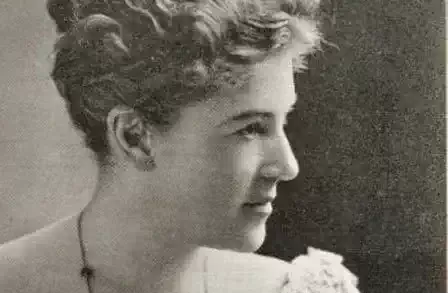
Ella Wheeler Wilcox
The Traveller
The Traveller
Reply to Rudyard Kipling’s ‘He travels the fastest who travels alone.’
Who travels alone with his eye on the heights,
Though he laughs in the day time oft weeps on the nights;
For courage goes down at the set of the sun,
When the toil of the journey is all borne by one.
He speeds but to grief though full gaily he ride
Who travels alone without love at his side.
Who travels alone without lover of friend
But hurries from nothing, to naught at the end.
Though great be his winnings and high be his goal,
He is bankrupt in wisdom and beggared in soul.
Life’s one gift of value to him is denied
Who travels alone without love at his side.
It is easy enough in this world to make haste
If one live for that purpose – but think of the waste;
For life is a poem to leisurely read,
And the joy of the journey lies not in its speed.
Oh! vain his achievement and petty his pride
Who travels alone without love at his side.
Reply to Rudyard Kipling’s ‘He travels the fastest who travels alone.’
Who travels alone with his eye on the heights,
Though he laughs in the day time oft weeps on the nights;
For courage goes down at the set of the sun,
When the toil of the journey is all borne by one.
He speeds but to grief though full gaily he ride
Who travels alone without love at his side.
Who travels alone without lover of friend
But hurries from nothing, to naught at the end.
Though great be his winnings and high be his goal,
He is bankrupt in wisdom and beggared in soul.
Life’s one gift of value to him is denied
Who travels alone without love at his side.
It is easy enough in this world to make haste
If one live for that purpose – but think of the waste;
For life is a poem to leisurely read,
And the joy of the journey lies not in its speed.
Oh! vain his achievement and petty his pride
Who travels alone without love at his side.
522
Ella Wheeler Wilcox
The Traveller
The Traveller
Reply to Rudyard Kipling’s ‘He travels the fastest who travels alone.’
Who travels alone with his eye on the heights,
Though he laughs in the day time oft weeps on the nights;
For courage goes down at the set of the sun,
When the toil of the journey is all borne by one.
He speeds but to grief though full gaily he ride
Who travels alone without love at his side.
Who travels alone without lover of friend
But hurries from nothing, to naught at the end.
Though great be his winnings and high be his goal,
He is bankrupt in wisdom and beggared in soul.
Life’s one gift of value to him is denied
Who travels alone without love at his side.
It is easy enough in this world to make haste
If one live for that purpose – but think of the waste;
For life is a poem to leisurely read,
And the joy of the journey lies not in its speed.
Oh! vain his achievement and petty his pride
Who travels alone without love at his side.
Reply to Rudyard Kipling’s ‘He travels the fastest who travels alone.’
Who travels alone with his eye on the heights,
Though he laughs in the day time oft weeps on the nights;
For courage goes down at the set of the sun,
When the toil of the journey is all borne by one.
He speeds but to grief though full gaily he ride
Who travels alone without love at his side.
Who travels alone without lover of friend
But hurries from nothing, to naught at the end.
Though great be his winnings and high be his goal,
He is bankrupt in wisdom and beggared in soul.
Life’s one gift of value to him is denied
Who travels alone without love at his side.
It is easy enough in this world to make haste
If one live for that purpose – but think of the waste;
For life is a poem to leisurely read,
And the joy of the journey lies not in its speed.
Oh! vain his achievement and petty his pride
Who travels alone without love at his side.
522
Ella Wheeler Wilcox
The Times
The Times
The times are not degenerate. Man’s faith
Mounts higher than of old. No crumbling creed
Can take from the immortal soul the need
Of that supreme Creator, God. The wraith
Of dead beliefs we cherished in our youth
Fades but to let us welcome new-born Truth.
Man may not worship at the ancient shrine
Prone on his face, in self-accusing scorn.
That night is past. He hails a fairer morn,
And knows himself a something all divine;
No humble worm whose heritage is sin,
But, born of God, he feels the Christ within.
Not loud his prayers, as in the olden time,
But deep his reverence for that mighty force,
That occult working of the great all Source,
Which makes the present era so sublime.
Religion now means something high and broad,
And man stood never half so near to God.
The times are not degenerate. Man’s faith
Mounts higher than of old. No crumbling creed
Can take from the immortal soul the need
Of that supreme Creator, God. The wraith
Of dead beliefs we cherished in our youth
Fades but to let us welcome new-born Truth.
Man may not worship at the ancient shrine
Prone on his face, in self-accusing scorn.
That night is past. He hails a fairer morn,
And knows himself a something all divine;
No humble worm whose heritage is sin,
But, born of God, he feels the Christ within.
Not loud his prayers, as in the olden time,
But deep his reverence for that mighty force,
That occult working of the great all Source,
Which makes the present era so sublime.
Religion now means something high and broad,
And man stood never half so near to God.
420
Ella Wheeler Wilcox
The Times
The Times
The times are not degenerate. Man’s faith
Mounts higher than of old. No crumbling creed
Can take from the immortal soul the need
Of that supreme Creator, God. The wraith
Of dead beliefs we cherished in our youth
Fades but to let us welcome new-born Truth.
Man may not worship at the ancient shrine
Prone on his face, in self-accusing scorn.
That night is past. He hails a fairer morn,
And knows himself a something all divine;
No humble worm whose heritage is sin,
But, born of God, he feels the Christ within.
Not loud his prayers, as in the olden time,
But deep his reverence for that mighty force,
That occult working of the great all Source,
Which makes the present era so sublime.
Religion now means something high and broad,
And man stood never half so near to God.
The times are not degenerate. Man’s faith
Mounts higher than of old. No crumbling creed
Can take from the immortal soul the need
Of that supreme Creator, God. The wraith
Of dead beliefs we cherished in our youth
Fades but to let us welcome new-born Truth.
Man may not worship at the ancient shrine
Prone on his face, in self-accusing scorn.
That night is past. He hails a fairer morn,
And knows himself a something all divine;
No humble worm whose heritage is sin,
But, born of God, he feels the Christ within.
Not loud his prayers, as in the olden time,
But deep his reverence for that mighty force,
That occult working of the great all Source,
Which makes the present era so sublime.
Religion now means something high and broad,
And man stood never half so near to God.
420
Ella Wheeler Wilcox
The Summer Girl
The Summer Girl
She's the jauntiest of creatures, she's the daintiest of misses,
With her pretty patent leathers or her alligator ties,
With her eyes inviting glances and her lips inviting kisses,
As she wanders by the ocean or strolls under country skies.
She's a captivating dresser, and her parasols are stunning,
Her fads will-take your breath away, her hats are dreams of style;
She is not so very bookish, but with repartee and punning
She can set the savants laughing and make even dudelets smile.
She has no attacks of talent, she is not a stage-struck maiden;
She is wholly free from hobbies, and she dreams of no 'career;'
She is mostly gay and happy, never sad or care-beladen,
Though she sometimes sighs a little if a gentleman is near.
She's a sturdy little walker and she braves all kinds of weather,
And when the rain or fog or mist drive rival crimps a-wreck,
Her fluffy hair goes curling like a kinked-up ostrich feather
Around her ears and forehead and the white nape of her neck.
She is like a fish in water; she can handle reins and racket;
From head to toe and finger-tips she's thoroughly alive;
When she goes promenading in a most distracting jacket,
The rustle round her feet suggests how laundresses may thrive.
She can dare the wind and sunshine in the most bravado manner,
And after hours of sailing she has merely cheeks of rose;
Old Sol himself seems smitten and at most will only tan her,
Though to everybody else he gives a danger-signal nose.
She's a trifle sentimental, and she's fond of admiration,
And she sometimes flirts a little in the season's giddy whirl;
But win her if you can, sir, she may prove your life's salvation,
For an angel masquerading oft is she, the summer girl.
She's the jauntiest of creatures, she's the daintiest of misses,
With her pretty patent leathers or her alligator ties,
With her eyes inviting glances and her lips inviting kisses,
As she wanders by the ocean or strolls under country skies.
She's a captivating dresser, and her parasols are stunning,
Her fads will-take your breath away, her hats are dreams of style;
She is not so very bookish, but with repartee and punning
She can set the savants laughing and make even dudelets smile.
She has no attacks of talent, she is not a stage-struck maiden;
She is wholly free from hobbies, and she dreams of no 'career;'
She is mostly gay and happy, never sad or care-beladen,
Though she sometimes sighs a little if a gentleman is near.
She's a sturdy little walker and she braves all kinds of weather,
And when the rain or fog or mist drive rival crimps a-wreck,
Her fluffy hair goes curling like a kinked-up ostrich feather
Around her ears and forehead and the white nape of her neck.
She is like a fish in water; she can handle reins and racket;
From head to toe and finger-tips she's thoroughly alive;
When she goes promenading in a most distracting jacket,
The rustle round her feet suggests how laundresses may thrive.
She can dare the wind and sunshine in the most bravado manner,
And after hours of sailing she has merely cheeks of rose;
Old Sol himself seems smitten and at most will only tan her,
Though to everybody else he gives a danger-signal nose.
She's a trifle sentimental, and she's fond of admiration,
And she sometimes flirts a little in the season's giddy whirl;
But win her if you can, sir, she may prove your life's salvation,
For an angel masquerading oft is she, the summer girl.
374
Ella Wheeler Wilcox
The Old Moon In The New Moon's Arms
The Old Moon In The New Moon's Arms
The beautiful and slender young New Moon,
In trailing robes of pink and palest blue,
Swept close to Venus, and breathed low: 'A boon,
A precious boon, I ask, dear friend, of you.'
'O queen of light and beauty, you have known
The pangs of love - its passions and alarms;
Then grant me this one favour, let my own My
lost Old Moon be once more in my arms.'
Swift thro' the vapours and the golden mist The
Full Moon's shadowy shape shone on the night,
The New Moon reached out clasping arms and kissed
Her phantom lover in the whole world's sight.
The beautiful and slender young New Moon,
In trailing robes of pink and palest blue,
Swept close to Venus, and breathed low: 'A boon,
A precious boon, I ask, dear friend, of you.'
'O queen of light and beauty, you have known
The pangs of love - its passions and alarms;
Then grant me this one favour, let my own My
lost Old Moon be once more in my arms.'
Swift thro' the vapours and the golden mist The
Full Moon's shadowy shape shone on the night,
The New Moon reached out clasping arms and kissed
Her phantom lover in the whole world's sight.
290
Ella Wheeler Wilcox
The Muse And The Poet
The Muse And The Poet
The Muse said, Let us sing a little song
Wherein no hint of wrong,
No echo of the great world need, or pain,
Shall mar the strain.
Lock fast the swinging portal of thy heart;
Keep sympathy apart.
Sing of the sunset, of the dawn, the sea;
Of any thing or nothing, so there be
No purpose to thy art.
Yea, let us make, art for Art's sake.
And sing no more unto the hearts of men,
But for the critic's pen.
With songs that are but words, sweet sounding words,
Like joyous jargon of the birds.
Tune now thy lyre, O Poet, and sing on.
Sing of
THE DAWN
The Virgin Night, all languorous with dreams
Of her belovèd Darkness, rose in fear,
Feeling the presence of another near.
Outside her curtained casement shone the gleams
Of burning orbs; and modestly she hid
Her brow and bosom with her dusky hair.
When lo! the bold intruder lurking there
Leaped through the fragile lattice, all unbid,
And half unveiled her. Then the swooning Night
Fell pale and dead, while yet her soul was white
Before that lawless Ravisher, the Light.
The Muse said, Poet, nay; thou hast not caught
My meaning. For there lurks a thought
Back of thy song.
In art, all thought is wrong.
Re-string thy lyre; and let the echoes bound
To nothing but sweet sound.
Strike now the chords
And sing of
WORDS
One day sweet Ladye Language gave to me
A little golden key.
I sat me down beside her jewel box
And turned its locks.
And oh, the wealth that lay there in my sight.
Great solitaires of words, so bright, so bright;
Words that no use can commonize; like God,
And Truth, and Love; and words of sapphire blue;
And amber words; with sunshine dripping through;
And words of that strange hue
A pearl reveals upon a wanton's hand.
Again the Muse:
Thou dost not understand;
A thought within thy song is lingering yet.
Sing but of words; all else forget, forget.
Nor let thy words convey one thought to men.
Try once again.
Down through the dusk and dew there fell a word;
Down through the dew and dusk.
And all the garments of the air it stirred
Smelled sweet as musk;
And all the little waves of air it kissed
Turned gold and amethyst.
There in the dew and dusk a heart it found;
There in the dusk and dew
The sodden silence changed to fragrant sound;
And all the world seemed new.
Upon the path that little word had trod,
There shone the smile of God.
The Muse said, Drop thy lyre.
I tire, I tire.
The Muse said, Let us sing a little song
Wherein no hint of wrong,
No echo of the great world need, or pain,
Shall mar the strain.
Lock fast the swinging portal of thy heart;
Keep sympathy apart.
Sing of the sunset, of the dawn, the sea;
Of any thing or nothing, so there be
No purpose to thy art.
Yea, let us make, art for Art's sake.
And sing no more unto the hearts of men,
But for the critic's pen.
With songs that are but words, sweet sounding words,
Like joyous jargon of the birds.
Tune now thy lyre, O Poet, and sing on.
Sing of
THE DAWN
The Virgin Night, all languorous with dreams
Of her belovèd Darkness, rose in fear,
Feeling the presence of another near.
Outside her curtained casement shone the gleams
Of burning orbs; and modestly she hid
Her brow and bosom with her dusky hair.
When lo! the bold intruder lurking there
Leaped through the fragile lattice, all unbid,
And half unveiled her. Then the swooning Night
Fell pale and dead, while yet her soul was white
Before that lawless Ravisher, the Light.
The Muse said, Poet, nay; thou hast not caught
My meaning. For there lurks a thought
Back of thy song.
In art, all thought is wrong.
Re-string thy lyre; and let the echoes bound
To nothing but sweet sound.
Strike now the chords
And sing of
WORDS
One day sweet Ladye Language gave to me
A little golden key.
I sat me down beside her jewel box
And turned its locks.
And oh, the wealth that lay there in my sight.
Great solitaires of words, so bright, so bright;
Words that no use can commonize; like God,
And Truth, and Love; and words of sapphire blue;
And amber words; with sunshine dripping through;
And words of that strange hue
A pearl reveals upon a wanton's hand.
Again the Muse:
Thou dost not understand;
A thought within thy song is lingering yet.
Sing but of words; all else forget, forget.
Nor let thy words convey one thought to men.
Try once again.
Down through the dusk and dew there fell a word;
Down through the dew and dusk.
And all the garments of the air it stirred
Smelled sweet as musk;
And all the little waves of air it kissed
Turned gold and amethyst.
There in the dew and dusk a heart it found;
There in the dusk and dew
The sodden silence changed to fragrant sound;
And all the world seemed new.
Upon the path that little word had trod,
There shone the smile of God.
The Muse said, Drop thy lyre.
I tire, I tire.
519
Ella Wheeler Wilcox
The Muse And The Poet
The Muse And The Poet
The Muse said, Let us sing a little song
Wherein no hint of wrong,
No echo of the great world need, or pain,
Shall mar the strain.
Lock fast the swinging portal of thy heart;
Keep sympathy apart.
Sing of the sunset, of the dawn, the sea;
Of any thing or nothing, so there be
No purpose to thy art.
Yea, let us make, art for Art's sake.
And sing no more unto the hearts of men,
But for the critic's pen.
With songs that are but words, sweet sounding words,
Like joyous jargon of the birds.
Tune now thy lyre, O Poet, and sing on.
Sing of
THE DAWN
The Virgin Night, all languorous with dreams
Of her belovèd Darkness, rose in fear,
Feeling the presence of another near.
Outside her curtained casement shone the gleams
Of burning orbs; and modestly she hid
Her brow and bosom with her dusky hair.
When lo! the bold intruder lurking there
Leaped through the fragile lattice, all unbid,
And half unveiled her. Then the swooning Night
Fell pale and dead, while yet her soul was white
Before that lawless Ravisher, the Light.
The Muse said, Poet, nay; thou hast not caught
My meaning. For there lurks a thought
Back of thy song.
In art, all thought is wrong.
Re-string thy lyre; and let the echoes bound
To nothing but sweet sound.
Strike now the chords
And sing of
WORDS
One day sweet Ladye Language gave to me
A little golden key.
I sat me down beside her jewel box
And turned its locks.
And oh, the wealth that lay there in my sight.
Great solitaires of words, so bright, so bright;
Words that no use can commonize; like God,
And Truth, and Love; and words of sapphire blue;
And amber words; with sunshine dripping through;
And words of that strange hue
A pearl reveals upon a wanton's hand.
Again the Muse:
Thou dost not understand;
A thought within thy song is lingering yet.
Sing but of words; all else forget, forget.
Nor let thy words convey one thought to men.
Try once again.
Down through the dusk and dew there fell a word;
Down through the dew and dusk.
And all the garments of the air it stirred
Smelled sweet as musk;
And all the little waves of air it kissed
Turned gold and amethyst.
There in the dew and dusk a heart it found;
There in the dusk and dew
The sodden silence changed to fragrant sound;
And all the world seemed new.
Upon the path that little word had trod,
There shone the smile of God.
The Muse said, Drop thy lyre.
I tire, I tire.
The Muse said, Let us sing a little song
Wherein no hint of wrong,
No echo of the great world need, or pain,
Shall mar the strain.
Lock fast the swinging portal of thy heart;
Keep sympathy apart.
Sing of the sunset, of the dawn, the sea;
Of any thing or nothing, so there be
No purpose to thy art.
Yea, let us make, art for Art's sake.
And sing no more unto the hearts of men,
But for the critic's pen.
With songs that are but words, sweet sounding words,
Like joyous jargon of the birds.
Tune now thy lyre, O Poet, and sing on.
Sing of
THE DAWN
The Virgin Night, all languorous with dreams
Of her belovèd Darkness, rose in fear,
Feeling the presence of another near.
Outside her curtained casement shone the gleams
Of burning orbs; and modestly she hid
Her brow and bosom with her dusky hair.
When lo! the bold intruder lurking there
Leaped through the fragile lattice, all unbid,
And half unveiled her. Then the swooning Night
Fell pale and dead, while yet her soul was white
Before that lawless Ravisher, the Light.
The Muse said, Poet, nay; thou hast not caught
My meaning. For there lurks a thought
Back of thy song.
In art, all thought is wrong.
Re-string thy lyre; and let the echoes bound
To nothing but sweet sound.
Strike now the chords
And sing of
WORDS
One day sweet Ladye Language gave to me
A little golden key.
I sat me down beside her jewel box
And turned its locks.
And oh, the wealth that lay there in my sight.
Great solitaires of words, so bright, so bright;
Words that no use can commonize; like God,
And Truth, and Love; and words of sapphire blue;
And amber words; with sunshine dripping through;
And words of that strange hue
A pearl reveals upon a wanton's hand.
Again the Muse:
Thou dost not understand;
A thought within thy song is lingering yet.
Sing but of words; all else forget, forget.
Nor let thy words convey one thought to men.
Try once again.
Down through the dusk and dew there fell a word;
Down through the dew and dusk.
And all the garments of the air it stirred
Smelled sweet as musk;
And all the little waves of air it kissed
Turned gold and amethyst.
There in the dew and dusk a heart it found;
There in the dusk and dew
The sodden silence changed to fragrant sound;
And all the world seemed new.
Upon the path that little word had trod,
There shone the smile of God.
The Muse said, Drop thy lyre.
I tire, I tire.
519
Ella Wheeler Wilcox
The Muse And The Poet
The Muse And The Poet
The Muse said, Let us sing a little song
Wherein no hint of wrong,
No echo of the great world need, or pain,
Shall mar the strain.
Lock fast the swinging portal of thy heart;
Keep sympathy apart.
Sing of the sunset, of the dawn, the sea;
Of any thing or nothing, so there be
No purpose to thy art.
Yea, let us make, art for Art's sake.
And sing no more unto the hearts of men,
But for the critic's pen.
With songs that are but words, sweet sounding words,
Like joyous jargon of the birds.
Tune now thy lyre, O Poet, and sing on.
Sing of
THE DAWN
The Virgin Night, all languorous with dreams
Of her belovèd Darkness, rose in fear,
Feeling the presence of another near.
Outside her curtained casement shone the gleams
Of burning orbs; and modestly she hid
Her brow and bosom with her dusky hair.
When lo! the bold intruder lurking there
Leaped through the fragile lattice, all unbid,
And half unveiled her. Then the swooning Night
Fell pale and dead, while yet her soul was white
Before that lawless Ravisher, the Light.
The Muse said, Poet, nay; thou hast not caught
My meaning. For there lurks a thought
Back of thy song.
In art, all thought is wrong.
Re-string thy lyre; and let the echoes bound
To nothing but sweet sound.
Strike now the chords
And sing of
WORDS
One day sweet Ladye Language gave to me
A little golden key.
I sat me down beside her jewel box
And turned its locks.
And oh, the wealth that lay there in my sight.
Great solitaires of words, so bright, so bright;
Words that no use can commonize; like God,
And Truth, and Love; and words of sapphire blue;
And amber words; with sunshine dripping through;
And words of that strange hue
A pearl reveals upon a wanton's hand.
Again the Muse:
Thou dost not understand;
A thought within thy song is lingering yet.
Sing but of words; all else forget, forget.
Nor let thy words convey one thought to men.
Try once again.
Down through the dusk and dew there fell a word;
Down through the dew and dusk.
And all the garments of the air it stirred
Smelled sweet as musk;
And all the little waves of air it kissed
Turned gold and amethyst.
There in the dew and dusk a heart it found;
There in the dusk and dew
The sodden silence changed to fragrant sound;
And all the world seemed new.
Upon the path that little word had trod,
There shone the smile of God.
The Muse said, Drop thy lyre.
I tire, I tire.
The Muse said, Let us sing a little song
Wherein no hint of wrong,
No echo of the great world need, or pain,
Shall mar the strain.
Lock fast the swinging portal of thy heart;
Keep sympathy apart.
Sing of the sunset, of the dawn, the sea;
Of any thing or nothing, so there be
No purpose to thy art.
Yea, let us make, art for Art's sake.
And sing no more unto the hearts of men,
But for the critic's pen.
With songs that are but words, sweet sounding words,
Like joyous jargon of the birds.
Tune now thy lyre, O Poet, and sing on.
Sing of
THE DAWN
The Virgin Night, all languorous with dreams
Of her belovèd Darkness, rose in fear,
Feeling the presence of another near.
Outside her curtained casement shone the gleams
Of burning orbs; and modestly she hid
Her brow and bosom with her dusky hair.
When lo! the bold intruder lurking there
Leaped through the fragile lattice, all unbid,
And half unveiled her. Then the swooning Night
Fell pale and dead, while yet her soul was white
Before that lawless Ravisher, the Light.
The Muse said, Poet, nay; thou hast not caught
My meaning. For there lurks a thought
Back of thy song.
In art, all thought is wrong.
Re-string thy lyre; and let the echoes bound
To nothing but sweet sound.
Strike now the chords
And sing of
WORDS
One day sweet Ladye Language gave to me
A little golden key.
I sat me down beside her jewel box
And turned its locks.
And oh, the wealth that lay there in my sight.
Great solitaires of words, so bright, so bright;
Words that no use can commonize; like God,
And Truth, and Love; and words of sapphire blue;
And amber words; with sunshine dripping through;
And words of that strange hue
A pearl reveals upon a wanton's hand.
Again the Muse:
Thou dost not understand;
A thought within thy song is lingering yet.
Sing but of words; all else forget, forget.
Nor let thy words convey one thought to men.
Try once again.
Down through the dusk and dew there fell a word;
Down through the dew and dusk.
And all the garments of the air it stirred
Smelled sweet as musk;
And all the little waves of air it kissed
Turned gold and amethyst.
There in the dew and dusk a heart it found;
There in the dusk and dew
The sodden silence changed to fragrant sound;
And all the world seemed new.
Upon the path that little word had trod,
There shone the smile of God.
The Muse said, Drop thy lyre.
I tire, I tire.
519
Ella Wheeler Wilcox
The Meeting Of The Centuries
The Meeting Of The Centuries
A CURIOUS vision, on mine eyes unfurled
In the deep night. I saw, or seemed to see,
Two Centuries meet, and sit down vis-a-vis,
Across the great round table of the world.
One with suggested sorrows in his mien
And on his brow the furrowed lines of thought.
And one whose glad expectant presence brought
A glow and radiance from the realms unseen.
Hand clasped with hand, in silence for a space,
The Centuries sat; the sad old eyes of one
(As grave paternal eyes regard a son)
Gazing upon that other eager face.
And then a voice, as cadenceless and gray
As the sea's monody in winter time,
Mingled with tones melodious, as the chime
Of bird choirs, singing in the dawns of May.
THE OLD CENTURY SPEAKS:
By you, Hope stands. With me, Experience walks.
Like a fair jewel in a faded box,
In my tear-rusted heart, sweet pity lies.
For all the dreams that look forth from your eyes,
And those bright-hued ambitions, which I know
Must fall like leaves and perish in Time's snow,
(Even as my soul's garden stands bereft,)
I give you pity! 'tis the one gift left.
THE NEW CENTURY:
Nay, nay, good friend! not pity, but Godspeed,
Here in the morning of my life I need.
Counsel, and not condolence; smiles, not tears,
To guide me through the channels of the years.
Oh, I am blinded by the blaze of light
That shines upon me from the Infinite.
Blurred is my vision by the close approach
To unseen shores, whereon the times encroach.
THE OLD CENTURY:
Illusion, all illusion. List and hear
The Godless cannons, booming far and near.
Flaunting the flag of Unbelief, with Greed
For pilot, lo! the pirate age in speed
Bears on to ruin. War's most hideous crimes
Besmirch the record of these modern times.
Degenerate is the world I leave to you, --
My happiest speech to earth will be -- adieu.
THE NEW CENTURY:
You speak as one too weary to be just.
I hear the guns-I see the greed and lust.
The death throes of a giant evil fill
The air with riot and confusion. Ill
Ofttimes makes fallow ground for Good; and Wrong
Builds Right's foundation, when it grows too strong.
Pregnant with promise is the hour, and grand
The trust you leave in my all-willing hand.
THE OLD CENTURY:
As one who throws a flickering taper's ray
To light departing feet, my shadowed way
You brighten with your faith. Faith makes the man.
Alas, that my poor foolish age outran
Its early trust in God. The death of art
And progress follows, when the world's hard heart
Casts out religion. 'Tis the human brain
Men worship now, and heaven, to them, means gain.
THE NEW CENTURY:
Faith is not dead, tho' priest and creed may pass,
For thought has leavened the whole unthinking mass.
And man looks now to find the God within.
We shall talk more of love, and less of sin,
In this new era. We are drawing near
Unatlassed boundaries of a larger sphere.
With awe, I wait, till Science leads us on,
Into the full effulgence of its dawn.
A CURIOUS vision, on mine eyes unfurled
In the deep night. I saw, or seemed to see,
Two Centuries meet, and sit down vis-a-vis,
Across the great round table of the world.
One with suggested sorrows in his mien
And on his brow the furrowed lines of thought.
And one whose glad expectant presence brought
A glow and radiance from the realms unseen.
Hand clasped with hand, in silence for a space,
The Centuries sat; the sad old eyes of one
(As grave paternal eyes regard a son)
Gazing upon that other eager face.
And then a voice, as cadenceless and gray
As the sea's monody in winter time,
Mingled with tones melodious, as the chime
Of bird choirs, singing in the dawns of May.
THE OLD CENTURY SPEAKS:
By you, Hope stands. With me, Experience walks.
Like a fair jewel in a faded box,
In my tear-rusted heart, sweet pity lies.
For all the dreams that look forth from your eyes,
And those bright-hued ambitions, which I know
Must fall like leaves and perish in Time's snow,
(Even as my soul's garden stands bereft,)
I give you pity! 'tis the one gift left.
THE NEW CENTURY:
Nay, nay, good friend! not pity, but Godspeed,
Here in the morning of my life I need.
Counsel, and not condolence; smiles, not tears,
To guide me through the channels of the years.
Oh, I am blinded by the blaze of light
That shines upon me from the Infinite.
Blurred is my vision by the close approach
To unseen shores, whereon the times encroach.
THE OLD CENTURY:
Illusion, all illusion. List and hear
The Godless cannons, booming far and near.
Flaunting the flag of Unbelief, with Greed
For pilot, lo! the pirate age in speed
Bears on to ruin. War's most hideous crimes
Besmirch the record of these modern times.
Degenerate is the world I leave to you, --
My happiest speech to earth will be -- adieu.
THE NEW CENTURY:
You speak as one too weary to be just.
I hear the guns-I see the greed and lust.
The death throes of a giant evil fill
The air with riot and confusion. Ill
Ofttimes makes fallow ground for Good; and Wrong
Builds Right's foundation, when it grows too strong.
Pregnant with promise is the hour, and grand
The trust you leave in my all-willing hand.
THE OLD CENTURY:
As one who throws a flickering taper's ray
To light departing feet, my shadowed way
You brighten with your faith. Faith makes the man.
Alas, that my poor foolish age outran
Its early trust in God. The death of art
And progress follows, when the world's hard heart
Casts out religion. 'Tis the human brain
Men worship now, and heaven, to them, means gain.
THE NEW CENTURY:
Faith is not dead, tho' priest and creed may pass,
For thought has leavened the whole unthinking mass.
And man looks now to find the God within.
We shall talk more of love, and less of sin,
In this new era. We are drawing near
Unatlassed boundaries of a larger sphere.
With awe, I wait, till Science leads us on,
Into the full effulgence of its dawn.
412
Ella Wheeler Wilcox
The Little White Hearse
The Little White Hearse
Somebody’s baby was buried to-day –
The empty white hearse from the grave rumbled back,
And the morning somehow seemed less smiling and gay
As I paused on the sidewalk while it crossed on its way,
And a shadow seemed drawn o’er the sun’s golden track.
Somebody’s baby was laid out to rest,
White as a snowdrop, and fair to behold,
And the soft little hands were crossed over the breast,
And those hands and the lips and the eyelids were pressed
With kisses as hot as the eyelids were cold.
Somebody saw it go out of her sight,
Under the coffin lid – out through the door;
Somebody finds only darkness and blight
All through the glory of summer-sun light;
Somebody’s baby will waken no more.
Somebody’s sorrow is making me weep:
I know not her name, but I echo her cry,
For the dearly bought baby she longed so to keep,
The baby that rode to its long-lasting sleep
In the little white hearse that went rumbling by.
I know not her name, but her sorrow I know;
While I paused on the crossing I lived it once more,
And back to my heart surged that river of woe
That but in the breast of a mother can flow;
For the little white hearse has been, too, at my door.
Somebody’s baby was buried to-day –
The empty white hearse from the grave rumbled back,
And the morning somehow seemed less smiling and gay
As I paused on the sidewalk while it crossed on its way,
And a shadow seemed drawn o’er the sun’s golden track.
Somebody’s baby was laid out to rest,
White as a snowdrop, and fair to behold,
And the soft little hands were crossed over the breast,
And those hands and the lips and the eyelids were pressed
With kisses as hot as the eyelids were cold.
Somebody saw it go out of her sight,
Under the coffin lid – out through the door;
Somebody finds only darkness and blight
All through the glory of summer-sun light;
Somebody’s baby will waken no more.
Somebody’s sorrow is making me weep:
I know not her name, but I echo her cry,
For the dearly bought baby she longed so to keep,
The baby that rode to its long-lasting sleep
In the little white hearse that went rumbling by.
I know not her name, but her sorrow I know;
While I paused on the crossing I lived it once more,
And back to my heart surged that river of woe
That but in the breast of a mother can flow;
For the little white hearse has been, too, at my door.
449
Ella Wheeler Wilcox
The Land Of The Gone-Away Souls
The Land Of The Gone-Away Souls
Oh! that is a beautiful land, I wis,
The land of the Gone-away Souls.
Yes, a lovelier region by far than this
(Though this is a world most fair).
The goodliest goal of all good goals,
Else why do our friends stay there?
I walk in a world that is sweet with friends,
And earth I have ever held dear;
Yes, love with duty and beauty blends
To render the earth-place bright.
But faster and faster, year on year,
My comrades hurry from sight.
They hurry away to the Over-There,
And few of them say farewell;
Yes, they go away with a secret air
As if on a secret quest.
And they come not back to earth to tell
Why that land seems the best.
Messages come from the mystic sphere,
But few know the code of that land,
Yes, many the message but few who hear,
In the din of the world below,
Or hearing the message, can understand
Those truths which we long to know.
But it must be the goal of all good goals,
And I think of it more and more.
Yes, think of that land of the Gone-Away Souls
And its growing hosts of friends
Who will hail my bark when it touches shore
Where the last brief journey ends.
Oh! that is a beautiful land, I wis,
The land of the Gone-away Souls.
Yes, a lovelier region by far than this
(Though this is a world most fair).
The goodliest goal of all good goals,
Else why do our friends stay there?
I walk in a world that is sweet with friends,
And earth I have ever held dear;
Yes, love with duty and beauty blends
To render the earth-place bright.
But faster and faster, year on year,
My comrades hurry from sight.
They hurry away to the Over-There,
And few of them say farewell;
Yes, they go away with a secret air
As if on a secret quest.
And they come not back to earth to tell
Why that land seems the best.
Messages come from the mystic sphere,
But few know the code of that land,
Yes, many the message but few who hear,
In the din of the world below,
Or hearing the message, can understand
Those truths which we long to know.
But it must be the goal of all good goals,
And I think of it more and more.
Yes, think of that land of the Gone-Away Souls
And its growing hosts of friends
Who will hail my bark when it touches shore
Where the last brief journey ends.
408
Ella Wheeler Wilcox
The Little Bird
The Little Bird
The father sits in his lonely room,
Outside sings a little bird.
But the shadows are laden with death and gloom,
And the song is all unheard.
The father's heart is the home of sorrow;
His breast is the seat of grief!
Who will hunt the paper for him on the morrow
Who will bring him sweet relief
From wearing his thoughts with innocent chat?
Who will find his slippers and bring his hat?
Still the little bird sings
And flutters her wings;
The refrain of her song is, 'Gos knows best!
He giveth His little children rest.'
What can she know of these sorrowful things?
The mother sits by the desolate hearth,
And weeps o'er a vacant chair.
Sorrow has taken the place of mirth Joy
has resigned to despair.
Bitter the cup the mother is drinking,
So bitter the tear-drops start.
Sad are the thoughts the mother is thinking
Oh, they will break her heart.
Who will on errands, and romp and play,
And mimic the robins the livelong day?
Still the little bird sings
And flutters her wings;
'God reigns in heaven, and He will keep
The dear little children that fall asleep.'
What can she know of these sorrowful things?
Grandmother sits by the open door,
And her tears fall down like rain.
Was there ever a household so sad before,
Will it ever be glad agaiin?
Many unwelcome thoughts come flitting
Into the granddame's mind.
Who will take up the stitches she drops in knitting?
Who will her snuff-box find?
Who'll bring her glasses, and wheel her chair,
And tie her kerchief, and comb her hair?
Still the little bird sings
And flutters her wings;
'God above doeth all things well,
I sang it the same when my nestlings fell.'
Ah! this knows the bird of these sorrowful things.
The father sits in his lonely room,
Outside sings a little bird.
But the shadows are laden with death and gloom,
And the song is all unheard.
The father's heart is the home of sorrow;
His breast is the seat of grief!
Who will hunt the paper for him on the morrow
Who will bring him sweet relief
From wearing his thoughts with innocent chat?
Who will find his slippers and bring his hat?
Still the little bird sings
And flutters her wings;
The refrain of her song is, 'Gos knows best!
He giveth His little children rest.'
What can she know of these sorrowful things?
The mother sits by the desolate hearth,
And weeps o'er a vacant chair.
Sorrow has taken the place of mirth Joy
has resigned to despair.
Bitter the cup the mother is drinking,
So bitter the tear-drops start.
Sad are the thoughts the mother is thinking
Oh, they will break her heart.
Who will on errands, and romp and play,
And mimic the robins the livelong day?
Still the little bird sings
And flutters her wings;
'God reigns in heaven, and He will keep
The dear little children that fall asleep.'
What can she know of these sorrowful things?
Grandmother sits by the open door,
And her tears fall down like rain.
Was there ever a household so sad before,
Will it ever be glad agaiin?
Many unwelcome thoughts come flitting
Into the granddame's mind.
Who will take up the stitches she drops in knitting?
Who will her snuff-box find?
Who'll bring her glasses, and wheel her chair,
And tie her kerchief, and comb her hair?
Still the little bird sings
And flutters her wings;
'God above doeth all things well,
I sang it the same when my nestlings fell.'
Ah! this knows the bird of these sorrowful things.
535
Ella Wheeler Wilcox
The Lady And The Dame
The Lady And The Dame
So thou hast the art, good dame, thou swearest,
To keep Time's perishing touch at bay
From the roseate splendor of the cheek so tender,
And the silver threads from the gold away;
And the tell-tale years that have hurried by us
Shall tiptoe back, and, with kind good-will,
They shall take their traces from off our faces,
If we will trust to thy magic skill.
Thou speakest fairly; but if I listen
And buy thy secret and prove its truth,
Hast thou the potion and magic lotion
To give me also the heart of youth?
With the cheek of rose and the eye of beauty,
And the lustrous locks of life's lost prime,
Wilt thou bring thronging each hope and longing
That made the glory of that dead Time?
When the sap in the trees sets young buds bursting,
And the song of the birds fills the air like spray,
Will rivers of feeling come once more stealing
From the beautiful hills of the far-away?
Wilt thou demolish the tower of reason
And fling forever down into the dust,
The caution time brought me, the lessons life taught me,
And put in their places my old sweet trust?
If Time's footprint from my brow is driven,
Canst thou, too, take with thy subtle powers
The burden of thinking, and let me go drinking
The careless pleasures of youth's bright hours?
If silver threads from my tresses vanish,
If a glow once more in my pale cheek gleams,
Wilt thou slay duty and give back the beauty
Of days untroubled by aught but dreams?
When the soft, fair arms of the siren Summer
Encircle the earth in their languorous fold,
Will vast, deep oceans of sweet emotions
Surge through my veins as they surged of old?
Canst thou bring back from a day long vanished
The leaping pulse and the boundless aim?
I will pay thee double for all thy trouble,
If thou wilt restore all these, good dame.
So thou hast the art, good dame, thou swearest,
To keep Time's perishing touch at bay
From the roseate splendor of the cheek so tender,
And the silver threads from the gold away;
And the tell-tale years that have hurried by us
Shall tiptoe back, and, with kind good-will,
They shall take their traces from off our faces,
If we will trust to thy magic skill.
Thou speakest fairly; but if I listen
And buy thy secret and prove its truth,
Hast thou the potion and magic lotion
To give me also the heart of youth?
With the cheek of rose and the eye of beauty,
And the lustrous locks of life's lost prime,
Wilt thou bring thronging each hope and longing
That made the glory of that dead Time?
When the sap in the trees sets young buds bursting,
And the song of the birds fills the air like spray,
Will rivers of feeling come once more stealing
From the beautiful hills of the far-away?
Wilt thou demolish the tower of reason
And fling forever down into the dust,
The caution time brought me, the lessons life taught me,
And put in their places my old sweet trust?
If Time's footprint from my brow is driven,
Canst thou, too, take with thy subtle powers
The burden of thinking, and let me go drinking
The careless pleasures of youth's bright hours?
If silver threads from my tresses vanish,
If a glow once more in my pale cheek gleams,
Wilt thou slay duty and give back the beauty
Of days untroubled by aught but dreams?
When the soft, fair arms of the siren Summer
Encircle the earth in their languorous fold,
Will vast, deep oceans of sweet emotions
Surge through my veins as they surged of old?
Canst thou bring back from a day long vanished
The leaping pulse and the boundless aim?
I will pay thee double for all thy trouble,
If thou wilt restore all these, good dame.
356
Ella Wheeler Wilcox
The Lady And The Dame
The Lady And The Dame
So thou hast the art, good dame, thou swearest,
To keep Time's perishing touch at bay
From the roseate splendor of the cheek so tender,
And the silver threads from the gold away;
And the tell-tale years that have hurried by us
Shall tiptoe back, and, with kind good-will,
They shall take their traces from off our faces,
If we will trust to thy magic skill.
Thou speakest fairly; but if I listen
And buy thy secret and prove its truth,
Hast thou the potion and magic lotion
To give me also the heart of youth?
With the cheek of rose and the eye of beauty,
And the lustrous locks of life's lost prime,
Wilt thou bring thronging each hope and longing
That made the glory of that dead Time?
When the sap in the trees sets young buds bursting,
And the song of the birds fills the air like spray,
Will rivers of feeling come once more stealing
From the beautiful hills of the far-away?
Wilt thou demolish the tower of reason
And fling forever down into the dust,
The caution time brought me, the lessons life taught me,
And put in their places my old sweet trust?
If Time's footprint from my brow is driven,
Canst thou, too, take with thy subtle powers
The burden of thinking, and let me go drinking
The careless pleasures of youth's bright hours?
If silver threads from my tresses vanish,
If a glow once more in my pale cheek gleams,
Wilt thou slay duty and give back the beauty
Of days untroubled by aught but dreams?
When the soft, fair arms of the siren Summer
Encircle the earth in their languorous fold,
Will vast, deep oceans of sweet emotions
Surge through my veins as they surged of old?
Canst thou bring back from a day long vanished
The leaping pulse and the boundless aim?
I will pay thee double for all thy trouble,
If thou wilt restore all these, good dame.
So thou hast the art, good dame, thou swearest,
To keep Time's perishing touch at bay
From the roseate splendor of the cheek so tender,
And the silver threads from the gold away;
And the tell-tale years that have hurried by us
Shall tiptoe back, and, with kind good-will,
They shall take their traces from off our faces,
If we will trust to thy magic skill.
Thou speakest fairly; but if I listen
And buy thy secret and prove its truth,
Hast thou the potion and magic lotion
To give me also the heart of youth?
With the cheek of rose and the eye of beauty,
And the lustrous locks of life's lost prime,
Wilt thou bring thronging each hope and longing
That made the glory of that dead Time?
When the sap in the trees sets young buds bursting,
And the song of the birds fills the air like spray,
Will rivers of feeling come once more stealing
From the beautiful hills of the far-away?
Wilt thou demolish the tower of reason
And fling forever down into the dust,
The caution time brought me, the lessons life taught me,
And put in their places my old sweet trust?
If Time's footprint from my brow is driven,
Canst thou, too, take with thy subtle powers
The burden of thinking, and let me go drinking
The careless pleasures of youth's bright hours?
If silver threads from my tresses vanish,
If a glow once more in my pale cheek gleams,
Wilt thou slay duty and give back the beauty
Of days untroubled by aught but dreams?
When the soft, fair arms of the siren Summer
Encircle the earth in their languorous fold,
Will vast, deep oceans of sweet emotions
Surge through my veins as they surged of old?
Canst thou bring back from a day long vanished
The leaping pulse and the boundless aim?
I will pay thee double for all thy trouble,
If thou wilt restore all these, good dame.
356
Ella Wheeler Wilcox
The Hour
The Hour
This is the world's stupendous hour-
The supreme moment for the race
To see the emptiness of power,
The worthlessness of wealth and place,
To see the purpose and the plan
Conceived by God for growing man.
And they who see and comprehend
That ultimate and lofty aim
Will wait in patience for the end,
Knowing injustice cannot claim
One lasting victory, or control
Laws that bar progress for the whole.
This is an epoch-making time;
God thunders through the universe
A message glorious and sublime,
At once a blessing and a curse.
Blessings for those who seek His light,
Curses for those whose law is might.
Ephemeral as the sunset glow
Is human grandeur. Mortal life
Was given that souls might seek and know
Immortal truths; and through the strife
That shakes the earth from land to land
The wise shall hear and understand.
Out of the awful holocaust,
Out of the whirlwind and the flood,
Out of old creeds to Bedlam tossed,
Shall rise a new earth washed in blood-
A new race filled with spirit power,
This is the world's stupendous hour.
This is the world's stupendous hour-
The supreme moment for the race
To see the emptiness of power,
The worthlessness of wealth and place,
To see the purpose and the plan
Conceived by God for growing man.
And they who see and comprehend
That ultimate and lofty aim
Will wait in patience for the end,
Knowing injustice cannot claim
One lasting victory, or control
Laws that bar progress for the whole.
This is an epoch-making time;
God thunders through the universe
A message glorious and sublime,
At once a blessing and a curse.
Blessings for those who seek His light,
Curses for those whose law is might.
Ephemeral as the sunset glow
Is human grandeur. Mortal life
Was given that souls might seek and know
Immortal truths; and through the strife
That shakes the earth from land to land
The wise shall hear and understand.
Out of the awful holocaust,
Out of the whirlwind and the flood,
Out of old creeds to Bedlam tossed,
Shall rise a new earth washed in blood-
A new race filled with spirit power,
This is the world's stupendous hour.
425
Ella Wheeler Wilcox
The Hammock's Complaint
The Hammock's Complaint
Who thinks how desolate and strange
To me must seem the autumn's change,
When housed in attic or in chest,
A lonely and unwilling guest,
I lie through nights of bleak December,
And think in silence, and remember.
I think of hempen fields, where I
Once played with insects floating by,
And joyed alike in sun and rain,
Unconscious of approaching pain.
I dwell upon my later lot,
Where, swung in some secluded spot
Between two tried and trusted trees,
All summer long I wooed the breeze.
With song of bee and call of bird
And lover's secrets overheard,
And sight and scent of blooming flowers,
To fill the happy sunlight's hours.
When verdant fields grow bare and brown,
When forest leaves come raining down,
When frost has mated with the weather
And all the birds go south together,
When drying boats turn up their keels,
Who wonders how the hammock feels?
Who thinks how desolate and strange
To me must seem the autumn's change,
When housed in attic or in chest,
A lonely and unwilling guest,
I lie through nights of bleak December,
And think in silence, and remember.
I think of hempen fields, where I
Once played with insects floating by,
And joyed alike in sun and rain,
Unconscious of approaching pain.
I dwell upon my later lot,
Where, swung in some secluded spot
Between two tried and trusted trees,
All summer long I wooed the breeze.
With song of bee and call of bird
And lover's secrets overheard,
And sight and scent of blooming flowers,
To fill the happy sunlight's hours.
When verdant fields grow bare and brown,
When forest leaves come raining down,
When frost has mated with the weather
And all the birds go south together,
When drying boats turn up their keels,
Who wonders how the hammock feels?
427
Ella Wheeler Wilcox
The Farewell to Clarimonde
The Farewell to Clarimonde
Adieu, Romauld! But thou canst not forget me.
Although no more I haunt thy dreams at night,
Thy hungering heart forever must regret me,
And starve for those lost moments of delight.
Naught shall avail thy priestly rites and duties,
Nor fears of Hell, nor hopes of Heaven beyond:
Before the Cross shall rise my fair form's beauties—-
The lips, the limbs, the eyes of Clarimonde.
Like gall the wine sipped from the sacred chalice
Shall taste to one who knew my red mouth's bliss,
When Youth and Beauty dwelt in Love's own palace,
And life flowed on in one eternal kiss.
Through what strange ways I come, dear heart, to reach thee,
From viewless lands, by paths no man e'er trod!
I braved all fears, all dangers dared, to teach thee
A love more mighty than thy love of God.
Think not in all His Kingdom to discover
Such joys, Romauld, as ours, when fierce yet fond
I clasped thee—kissed thee—crowned thee my one lover:
Thou canst not find another Clarimonde.
I knew all arts of love: he who possessed me
Possessed all women, and could never tire;
A new life dawned for him who once caressed me;
Satiety itself I set on fire.
Inconstancy I chained: men died to win me;
Kings cast by crowns for one hour on my breast:
And all the passionate tide of love within me
I gave to thee, Romauld. Wert thou not blest?
Yet, for the love of God, thy hand hath riven
Our welded souls. But not in prayer well conned,
Not in thy dearly-purchased peace of Heaven,
Canst thou forget those hours with Clarimonde.
Adieu, Romauld! But thou canst not forget me.
Although no more I haunt thy dreams at night,
Thy hungering heart forever must regret me,
And starve for those lost moments of delight.
Naught shall avail thy priestly rites and duties,
Nor fears of Hell, nor hopes of Heaven beyond:
Before the Cross shall rise my fair form's beauties—-
The lips, the limbs, the eyes of Clarimonde.
Like gall the wine sipped from the sacred chalice
Shall taste to one who knew my red mouth's bliss,
When Youth and Beauty dwelt in Love's own palace,
And life flowed on in one eternal kiss.
Through what strange ways I come, dear heart, to reach thee,
From viewless lands, by paths no man e'er trod!
I braved all fears, all dangers dared, to teach thee
A love more mighty than thy love of God.
Think not in all His Kingdom to discover
Such joys, Romauld, as ours, when fierce yet fond
I clasped thee—kissed thee—crowned thee my one lover:
Thou canst not find another Clarimonde.
I knew all arts of love: he who possessed me
Possessed all women, and could never tire;
A new life dawned for him who once caressed me;
Satiety itself I set on fire.
Inconstancy I chained: men died to win me;
Kings cast by crowns for one hour on my breast:
And all the passionate tide of love within me
I gave to thee, Romauld. Wert thou not blest?
Yet, for the love of God, thy hand hath riven
Our welded souls. But not in prayer well conned,
Not in thy dearly-purchased peace of Heaven,
Canst thou forget those hours with Clarimonde.
473
Ella Wheeler Wilcox
The Creed
The Creed
Whoever was begotten by pure love,
And came desired and welcome into life,
Is of immaculate conception. He
Whose heart is full of tenderness and truth,
Who loves mankind more than he loves himself,
And cannot find room in his heart for hate,
May be another Christ. We all may be
The Saviours of the world if we believe
In the Divinity which dwells in us
And worship it, and nail our grosser selves,
Our tempers, greeds, and our unworthy aims,
Upon the cross. Who giveth love to all;
Pays kindness for unkindness, smiles for frowns;
And lends new courage to each fainting heart,
And strengthens hope and scatters joy abroad—
He, too, is a Redeemer, Son of God.
Whoever was begotten by pure love,
And came desired and welcome into life,
Is of immaculate conception. He
Whose heart is full of tenderness and truth,
Who loves mankind more than he loves himself,
And cannot find room in his heart for hate,
May be another Christ. We all may be
The Saviours of the world if we believe
In the Divinity which dwells in us
And worship it, and nail our grosser selves,
Our tempers, greeds, and our unworthy aims,
Upon the cross. Who giveth love to all;
Pays kindness for unkindness, smiles for frowns;
And lends new courage to each fainting heart,
And strengthens hope and scatters joy abroad—
He, too, is a Redeemer, Son of God.
424
Ella Wheeler Wilcox
The Christian’s New Year Prayer
The Christian’s New Year Prayer
Thou Christ of mine, Thy gracious ear low bending
Through these glad New Year days,
To catch the countless prayers to heaven ascending –
For e’en hard hearts do raise
Some secret wish for fame, or gold, or power,
Or freedom from all care –
Dear, patient Christ, who listeneth hour on hour,
Hear now a Christian’s prayer.
Let this young year, silent, walks beside me,
Be as a means of grace
To lead me up, no matter what betide me,
Nearer the Master’s face.
If it need be ere I reach the Fountain
Where living waters play,
My feet should bleed from sharp stones on the mountain,
Then cast them in my way.
If my vain soul needs blows and bitter losses
To shape it for Thy crown,
Then bruise it, burn it, burden it with crosses,
With sorrows bear it down.
Do what Thou wilt to mould me to Thy pleasure,
And if I should complain,
Heap full of anguish yet another measure
Until I smile at pain.
Send dangers – deaths! but tell me how to dare them;
Enfold me in Thy care.
Send trials, tears! but give me strength to bear them –
This is a Christian’s prayer.
Thou Christ of mine, Thy gracious ear low bending
Through these glad New Year days,
To catch the countless prayers to heaven ascending –
For e’en hard hearts do raise
Some secret wish for fame, or gold, or power,
Or freedom from all care –
Dear, patient Christ, who listeneth hour on hour,
Hear now a Christian’s prayer.
Let this young year, silent, walks beside me,
Be as a means of grace
To lead me up, no matter what betide me,
Nearer the Master’s face.
If it need be ere I reach the Fountain
Where living waters play,
My feet should bleed from sharp stones on the mountain,
Then cast them in my way.
If my vain soul needs blows and bitter losses
To shape it for Thy crown,
Then bruise it, burn it, burden it with crosses,
With sorrows bear it down.
Do what Thou wilt to mould me to Thy pleasure,
And if I should complain,
Heap full of anguish yet another measure
Until I smile at pain.
Send dangers – deaths! but tell me how to dare them;
Enfold me in Thy care.
Send trials, tears! but give me strength to bear them –
This is a Christian’s prayer.
342
Ella Wheeler Wilcox
The Common Lot
The Common Lot
It is a common fate – a woman’s lot –
To waste on one the riches of her soul,
Who takes the wealth she gives him, but cannot
Repay the interest, and much less the whole.
As I look up into your eyes, and wait
For some response to my fond gaze and touch,
It seems to me there is no sadder fate
Than to be doomed to loving overmuch.
Are you not kind? Ah, yes, so very kind –
So thoughtful of my comfort, and so true.
Yes, yes, dear heart; but I, not being blind,
Know that I am not loved, as I love you.
One tenderer word, a little longer kiss,
Will fill my soul with music and with song;
And if you seem abstracted, or I miss
The heart-tone from your voice, my world goes wrong.
And oftentimes you think me childish – weak –
When at some thoughtless word the tears will start;
You cannot understand how aught you speak
Has power to stir the deapths of my poor heart.
I cannot help it, dear – I wish I could,
Or feign indifference where I now adore;
For if I seemed to love you less, you would,
Manlike, I have no doubt, love me the more.
‘Tis a sad gift, that much applauded thing,
A constant heart; for fact doth daily prove
That constancy finds oft a cruel sting,
While fickle natures win the deeper love.
It is a common fate – a woman’s lot –
To waste on one the riches of her soul,
Who takes the wealth she gives him, but cannot
Repay the interest, and much less the whole.
As I look up into your eyes, and wait
For some response to my fond gaze and touch,
It seems to me there is no sadder fate
Than to be doomed to loving overmuch.
Are you not kind? Ah, yes, so very kind –
So thoughtful of my comfort, and so true.
Yes, yes, dear heart; but I, not being blind,
Know that I am not loved, as I love you.
One tenderer word, a little longer kiss,
Will fill my soul with music and with song;
And if you seem abstracted, or I miss
The heart-tone from your voice, my world goes wrong.
And oftentimes you think me childish – weak –
When at some thoughtless word the tears will start;
You cannot understand how aught you speak
Has power to stir the deapths of my poor heart.
I cannot help it, dear – I wish I could,
Or feign indifference where I now adore;
For if I seemed to love you less, you would,
Manlike, I have no doubt, love me the more.
‘Tis a sad gift, that much applauded thing,
A constant heart; for fact doth daily prove
That constancy finds oft a cruel sting,
While fickle natures win the deeper love.
362
Ella Wheeler Wilcox
The Beautiful Blue Danube
The Beautiful Blue Danube
They drift down the hall together;
He smiles in her lifted eyes.
Like waves of that mighty river
The strains of the ‘Danube’ rise.
They float on its rhythmic measure,
Like leaves on a summer stream;
And here, in this scene of pleasure,
I bury my sweet dead dream.
Through the cloud of her dusky tresses,
Like a star, shines out her face;
And the form of his strong arm presses
Is sylph-like in its grace.
As a leaf on the bounding river
Is lost in the seething sea,
I know that for ever and ever
My dream is lost to me.
And still the viols are playing
That grand old wordless rhyme;
And still those two are swaying
In perfect tune and time.
If the great bassoons that mutter,
If the clarinets that blow,
Were given the chance to utter
The secret things they know.
Would the lists of the slain who slumber
On the Danube’s battle-plains
The unknown hosts outnumber
Who die ‘neath the ‘Danube’s’ strains?
Those fall where the cannons rattle,
‘Mid the rain of shot and shell;
But these, in a fiercer battle,
Find death in the music’s swell.
With the river’s roar of passion
Is blended the dying groan;
But here, in the halls of fashion,
Hearts break, and make no moan.
And the music, swelling and sweeping,
Like the river, knows it all;
But none are counting or keeping
The lists of those who fall.
They drift down the hall together;
He smiles in her lifted eyes.
Like waves of that mighty river
The strains of the ‘Danube’ rise.
They float on its rhythmic measure,
Like leaves on a summer stream;
And here, in this scene of pleasure,
I bury my sweet dead dream.
Through the cloud of her dusky tresses,
Like a star, shines out her face;
And the form of his strong arm presses
Is sylph-like in its grace.
As a leaf on the bounding river
Is lost in the seething sea,
I know that for ever and ever
My dream is lost to me.
And still the viols are playing
That grand old wordless rhyme;
And still those two are swaying
In perfect tune and time.
If the great bassoons that mutter,
If the clarinets that blow,
Were given the chance to utter
The secret things they know.
Would the lists of the slain who slumber
On the Danube’s battle-plains
The unknown hosts outnumber
Who die ‘neath the ‘Danube’s’ strains?
Those fall where the cannons rattle,
‘Mid the rain of shot and shell;
But these, in a fiercer battle,
Find death in the music’s swell.
With the river’s roar of passion
Is blended the dying groan;
But here, in the halls of fashion,
Hearts break, and make no moan.
And the music, swelling and sweeping,
Like the river, knows it all;
But none are counting or keeping
The lists of those who fall.
368
Ella Wheeler Wilcox
The Ah Goo Tongue
The Ah Goo Tongue
The queerest languages known to man,
Sanscrit, Hebrew, Hindoostan,
Are all translated and made as free
And comprehensive as A B C.
Yet the oldest language talked or sung,
The strange mysterious Ah Goo tongue,
The royal language of Babyland
No man living can understand.
Every soul in the world to-day
Was one time anchored in Babyland Bay,
And quarantined there for a year or more
Before he even could step on shore.
And everybody in Babyland Bay
Talks the Ah Goo tongue, so people say,
But once on land-why not a word
Do they understand of it when 'tis heard.
For the fairy rulers of Babyland
Who guard the kingdom on every hand,
Have willed that no one shall keep the key
Who crosses into the Grown-up Sea.
So the sweet court language has never been made
A common parlance of strife or trade,
But is kept in the kingdom where natives come
Versed in the language of Babydom.
They are all of them royal and that is how
The Grown-up people all kneel and bow,
When they hear that language talked or sung-
The strange mysterious Ah Goo tongue.
The queerest languages known to man,
Sanscrit, Hebrew, Hindoostan,
Are all translated and made as free
And comprehensive as A B C.
Yet the oldest language talked or sung,
The strange mysterious Ah Goo tongue,
The royal language of Babyland
No man living can understand.
Every soul in the world to-day
Was one time anchored in Babyland Bay,
And quarantined there for a year or more
Before he even could step on shore.
And everybody in Babyland Bay
Talks the Ah Goo tongue, so people say,
But once on land-why not a word
Do they understand of it when 'tis heard.
For the fairy rulers of Babyland
Who guard the kingdom on every hand,
Have willed that no one shall keep the key
Who crosses into the Grown-up Sea.
So the sweet court language has never been made
A common parlance of strife or trade,
But is kept in the kingdom where natives come
Versed in the language of Babydom.
They are all of them royal and that is how
The Grown-up people all kneel and bow,
When they hear that language talked or sung-
The strange mysterious Ah Goo tongue.
408
Ella Wheeler Wilcox
Spectres
Spectres
How terrible these nights are when alone
With our scarred hearts, we sit in solitude,
And some old sorrow, to the world unknown,
Does suddenly with silent steps intrude.
After the guests departed, and the light
Burned dimly in my room, there came to me,
As noiselessly as shadows of the night,
The spectre of a woe that used to be.
Out of the gruesome darkness and the gloom
I saw it peering; and, in still despair,
I watched it gliding swift across the room,
Until it came and stood beside my chair.
Why, need I tell thee what its shape or name?
Thou hast thy secret hidden from the light:
And be it sin or sorrow, woe or shame,
Thou dost not like to meet it in the night.
And yet it comes. As certainly as death,
And far more cruel since death ends all pain,
On lonesome nights we feel its icy breath,
And turn and face the thing we fancied slain.
With shrinking hearts, we view the ghastly shape;
We look into its eyes with fear and dread,
And know that we can never more escape
Until the grave doth fold us with the dead.
On the swift maelstrom of the eddying world
We hurl our woes, and think they are no more.
But round and round by dizzy billows whirled,
They reach out sinewy arms and swim to shore.
How terrible these nights are when alone
With our scarred hearts, we sit in solitude,
And some old sorrow, to the world unknown,
Does suddenly with silent steps intrude.
After the guests departed, and the light
Burned dimly in my room, there came to me,
As noiselessly as shadows of the night,
The spectre of a woe that used to be.
Out of the gruesome darkness and the gloom
I saw it peering; and, in still despair,
I watched it gliding swift across the room,
Until it came and stood beside my chair.
Why, need I tell thee what its shape or name?
Thou hast thy secret hidden from the light:
And be it sin or sorrow, woe or shame,
Thou dost not like to meet it in the night.
And yet it comes. As certainly as death,
And far more cruel since death ends all pain,
On lonesome nights we feel its icy breath,
And turn and face the thing we fancied slain.
With shrinking hearts, we view the ghastly shape;
We look into its eyes with fear and dread,
And know that we can never more escape
Until the grave doth fold us with the dead.
On the swift maelstrom of the eddying world
We hurl our woes, and think they are no more.
But round and round by dizzy billows whirled,
They reach out sinewy arms and swim to shore.
399