

Poems in this topic
Others
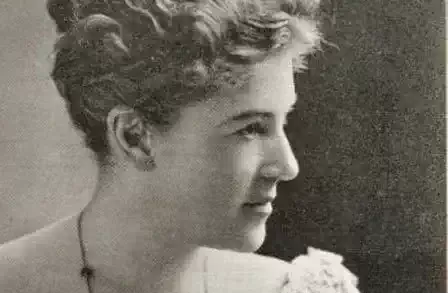
Ella Wheeler Wilcox
Sorrow's Uses
Sorrow's Uses
The uses of sorrow I comprehend
Better and better at each year’s end.
Deeper and deeper I seem to see
Why and wherefore it has to be
Only after the dark, wet days
Do we fully rejoice in the sun’s bright rays.
Sweeter the crust tastes after the fast
Than the sated gourmand’s finest repast.
The faintest cheer sounds never amiss
To the actor who once has heard a hiss.
To one who the sadness of freedom knows,
Light seem the fetters love may impose.
And he who has dwelt with his heart alone,
Hears all the music in friendship’s tone.
So better and better I comprehend,
How sorrow ever would be our friend.
The uses of sorrow I comprehend
Better and better at each year’s end.
Deeper and deeper I seem to see
Why and wherefore it has to be
Only after the dark, wet days
Do we fully rejoice in the sun’s bright rays.
Sweeter the crust tastes after the fast
Than the sated gourmand’s finest repast.
The faintest cheer sounds never amiss
To the actor who once has heard a hiss.
To one who the sadness of freedom knows,
Light seem the fetters love may impose.
And he who has dwelt with his heart alone,
Hears all the music in friendship’s tone.
So better and better I comprehend,
How sorrow ever would be our friend.
470
Ella Wheeler Wilcox
Songs Of A Country Home
Songs Of A Country Home
I
Who has not felt his heart leap up, and glow
What time the tulips first begin to blow,
Has one sweet joy, still left for him to know.
It is like early loves' imagining;
That fragile pleasure, which the Tulips bring,
When suddenly we see them, in the Spring.
Not all the gardens later royal train,
Not great triumphant Roses, when they reign,
Can bring that delicate delight again.
II
One of the sweetest hours is this;
(Of all I think we like it best
A little restful oasis,
Between the breakfast, and the post.
Just south of coffee, and of toast,
Just north of daily task and duty;
Just west of dreams, this Island gleams,
A fertile spot of peace and beauty.
We wander out across the lawn;
We idle by a bush in bloom;
The Household pets come following on;
Or if the day is one of gloom,
We loiter in a pleasant room
Or from a casement, lean and chatter.
Then comes the mail, like sudden hail,
And off we scatter.
III
When roses die, in languid August days,
We leave the Garden, to its fallen ways;
And seek the shelter of wide porticos,
Where Honeysuckle, in defiance blows
Undaunted by the Sun's too ardent rays.
The matron Summer, turns a wistful gaze
Across green valleys, back to tender Mays;
And something of her large contentment goes,
When roses die.
Yet all her subtle fascination stays
To lure us into idle sweet delays.
The lowered awning, by the hammock shows
Inviting nooks for dreaming and repose;
Oh, restful are the pleasures of those days
When roses die.
IV
The summer folk, fled back to town;
The green woods changed to red and brown;
A sound upon the frosty air
Of windows closing everywhere.
And then the log, lapped by a blaze.
Oh, what is better than these days;
With books and friends and love a-near;
Go on, gay world, but leave me here.
I
Who has not felt his heart leap up, and glow
What time the tulips first begin to blow,
Has one sweet joy, still left for him to know.
It is like early loves' imagining;
That fragile pleasure, which the Tulips bring,
When suddenly we see them, in the Spring.
Not all the gardens later royal train,
Not great triumphant Roses, when they reign,
Can bring that delicate delight again.
II
One of the sweetest hours is this;
(Of all I think we like it best
A little restful oasis,
Between the breakfast, and the post.
Just south of coffee, and of toast,
Just north of daily task and duty;
Just west of dreams, this Island gleams,
A fertile spot of peace and beauty.
We wander out across the lawn;
We idle by a bush in bloom;
The Household pets come following on;
Or if the day is one of gloom,
We loiter in a pleasant room
Or from a casement, lean and chatter.
Then comes the mail, like sudden hail,
And off we scatter.
III
When roses die, in languid August days,
We leave the Garden, to its fallen ways;
And seek the shelter of wide porticos,
Where Honeysuckle, in defiance blows
Undaunted by the Sun's too ardent rays.
The matron Summer, turns a wistful gaze
Across green valleys, back to tender Mays;
And something of her large contentment goes,
When roses die.
Yet all her subtle fascination stays
To lure us into idle sweet delays.
The lowered awning, by the hammock shows
Inviting nooks for dreaming and repose;
Oh, restful are the pleasures of those days
When roses die.
IV
The summer folk, fled back to town;
The green woods changed to red and brown;
A sound upon the frosty air
Of windows closing everywhere.
And then the log, lapped by a blaze.
Oh, what is better than these days;
With books and friends and love a-near;
Go on, gay world, but leave me here.
553
Ella Wheeler Wilcox
Song Of The Spirit
Song Of The Spirit
Too sweet and too subtle for pen or for tongue
In phrases unwritten and measures unsung,
As deep and as strange as the sounds of the sea,
Is the song that my spirit is singing to me.
In the midnight and tempest when forest trees shiver,
In the roar of the surf, and the rush of the river,
In the rustle of leaves and the fall of the rain,
And on the low breezes I catch the refrain.
From the vapours that frame and envelop the earth,
And beyond, from the realms where my spirit had birth,
From the mists of the land and the fogs of the sea,
For ever and ever the songs come to me.
I know not its wording - its import I know -
For the rhythm is broken, the measure runs low,
When vexed or allured by the things of this life
My soul is merged into its pleasures or strife.
When up to the hill tops of beauty and light
My soul like a lark in the ether takes flight,
And the white gates of heaven shine brighter and nearer,
The song of the spirit grows sweeter and clearer.
Up, up to the realms where no mortal has trod -
Into space and infinity near to my God -
With whiteness, and silence, and beautiful things,
I am bourne when the voice of eternity sings.
When once in the winds or the dropp of the rain
Thy spirit shall listen and hear the refrain,
Thy soul shall soar up like a bird on the breeze,
And the things that have pleased thee will never more please.
Too sweet and too subtle for pen or for tongue
In phrases unwritten and measures unsung,
As deep and as strange as the sounds of the sea,
Is the song that my spirit is singing to me.
In the midnight and tempest when forest trees shiver,
In the roar of the surf, and the rush of the river,
In the rustle of leaves and the fall of the rain,
And on the low breezes I catch the refrain.
From the vapours that frame and envelop the earth,
And beyond, from the realms where my spirit had birth,
From the mists of the land and the fogs of the sea,
For ever and ever the songs come to me.
I know not its wording - its import I know -
For the rhythm is broken, the measure runs low,
When vexed or allured by the things of this life
My soul is merged into its pleasures or strife.
When up to the hill tops of beauty and light
My soul like a lark in the ether takes flight,
And the white gates of heaven shine brighter and nearer,
The song of the spirit grows sweeter and clearer.
Up, up to the realms where no mortal has trod -
Into space and infinity near to my God -
With whiteness, and silence, and beautiful things,
I am bourne when the voice of eternity sings.
When once in the winds or the dropp of the rain
Thy spirit shall listen and hear the refrain,
Thy soul shall soar up like a bird on the breeze,
And the things that have pleased thee will never more please.
432
Ella Wheeler Wilcox
Song Of The Aviator
Song Of The Aviator
You may thrill with the speed of your thoroughbred steed,
You may laugh with delight as you ride the ocean,
You may rush afar in your touring car,
Leaping, sweeping, by things that are creeping-
But you never will know the joy of motion
Till you rise up over the earth some day,
And soar like an eagle, away-away.
High and higher above each spire,
Till lost to sight is the tallest steeple,
With the winds you chase in a valiant race,
Looping, swooping, where mountains are grouping,
Hailing them comrades, in place of people.
Oh! vast is the rapture the birdman knows,
As into the ether he mounts and goes.
He is over the sphere of human fear;
He has come into touch with things supernal.
At each man's gate death stands await;
And dying, flying, were better than lying
In sick-beds, crying for life eternal,
Better to fly half-way to God
Than to burrow too long like a worm in the sod.
You may thrill with the speed of your thoroughbred steed,
You may laugh with delight as you ride the ocean,
You may rush afar in your touring car,
Leaping, sweeping, by things that are creeping-
But you never will know the joy of motion
Till you rise up over the earth some day,
And soar like an eagle, away-away.
High and higher above each spire,
Till lost to sight is the tallest steeple,
With the winds you chase in a valiant race,
Looping, swooping, where mountains are grouping,
Hailing them comrades, in place of people.
Oh! vast is the rapture the birdman knows,
As into the ether he mounts and goes.
He is over the sphere of human fear;
He has come into touch with things supernal.
At each man's gate death stands await;
And dying, flying, were better than lying
In sick-beds, crying for life eternal,
Better to fly half-way to God
Than to burrow too long like a worm in the sod.
395
Ella Wheeler Wilcox
Solitude
Solitude
Laugh, and the world laughs with you;
Weep, and you weep alone.
For the sad old earth must borrow it's mirth,
But has trouble enough of its own.
Sing, and the hills will answer;
Sigh, it is lost on the air.
The echoes bound to a joyful sound,
But shrink from voicing care.
Rejoice, and men will seek you;
Grieve, and they turn and go.
They want full measure of all your pleasure,
But they do not need your woe.
Be glad, and your friends are many;
Be sad, and you lose them all.
There are none to decline your nectared wine,
But alone you must drink life's gall.
Feast, and your halls are crowded;
Fast, and the world goes by.
Succeed and give, and it helps you live,
But no man can help you die.
There is room in the halls of pleasure
For a long and lordly train,
But one by one we must all file on
Through the narrow aisles of pain.
Laugh, and the world laughs with you;
Weep, and you weep alone.
For the sad old earth must borrow it's mirth,
But has trouble enough of its own.
Sing, and the hills will answer;
Sigh, it is lost on the air.
The echoes bound to a joyful sound,
But shrink from voicing care.
Rejoice, and men will seek you;
Grieve, and they turn and go.
They want full measure of all your pleasure,
But they do not need your woe.
Be glad, and your friends are many;
Be sad, and you lose them all.
There are none to decline your nectared wine,
But alone you must drink life's gall.
Feast, and your halls are crowded;
Fast, and the world goes by.
Succeed and give, and it helps you live,
But no man can help you die.
There is room in the halls of pleasure
For a long and lordly train,
But one by one we must all file on
Through the narrow aisles of pain.
754
Ella Wheeler Wilcox
Slain
Slain
Hollow a grave where the willows wave,
And lay him under the grasses,
Where the pitying breeze bloweth up from the seas,
And murmurs a chant as it passes.
Lay the beautiful face and the form of grace
Away from the gaze of mortal.
Let us hope that his soul has gained the goal
Over the shining portal.
Hope! Ah! we thrill with a terrible chill.
Ah! pen, can you tell the story
Of the one who died in his manhood's pride,
Slain in the morn of his glory?
There's a blemish of shame on the dear one's name,
For he died as the drunkard dieth.
The ruddy wine-mug was the fiend who dug
The grave where our darling lieth.
O God! and his soul, was it lost in the bowl?
Has it gone where the wicked goeth?
Shall he bear the sin, and the tempter go in
Where the beautiful city gloweth?
Hush! O my heart! act well thy part,
Nor question a Father's kindness,
And strive not to see the thing hid from thee
By a veil of earthly blindness.
But all through the wine may there shimmer and shine,
As it glimmers and glows in the glasses,
A coffin and grave, and the willows that wave
Over our dead 'neath the grasses.
Hollow a grave where the willows wave,
And lay him under the grasses,
Where the pitying breeze bloweth up from the seas,
And murmurs a chant as it passes.
Lay the beautiful face and the form of grace
Away from the gaze of mortal.
Let us hope that his soul has gained the goal
Over the shining portal.
Hope! Ah! we thrill with a terrible chill.
Ah! pen, can you tell the story
Of the one who died in his manhood's pride,
Slain in the morn of his glory?
There's a blemish of shame on the dear one's name,
For he died as the drunkard dieth.
The ruddy wine-mug was the fiend who dug
The grave where our darling lieth.
O God! and his soul, was it lost in the bowl?
Has it gone where the wicked goeth?
Shall he bear the sin, and the tempter go in
Where the beautiful city gloweth?
Hush! O my heart! act well thy part,
Nor question a Father's kindness,
And strive not to see the thing hid from thee
By a veil of earthly blindness.
But all through the wine may there shimmer and shine,
As it glimmers and glows in the glasses,
A coffin and grave, and the willows that wave
Over our dead 'neath the grasses.
394
Ella Wheeler Wilcox
Sestina
Sestina
I wandered o'er the vast green plains of youth,
And searched for Pleasure. On a distant height
Fame's silhouette stood sharp against the skies.
Beyond vast crowds that thronged a broad highway
I caught the glimmer of a golden goal,
While from a blooming bower smiled siren Love.
Straight gazing in her eyes, I laughed at Love,
With all the haughty insolence of youth,
As past her bower I strode to seek my goal.
'Now will I climb to glory's dizzy height, '
I said, ' for there above the common way
Doth pleasure dwell companioned by the skies.'
But when I reached that summit near the skies,
So far from man I seemed, so far from Love'
Not here, ' I cried, 'doth Pleasure find her way, '
Seen from the distant borderland of youth.
Fame smiles upon us from her sun-kissed height,
But frowns in shadows when we reach the goal.
Then were mine eyes fixed on that glittering goal,
Dear to all sense-sunk souls beneath the skies.
Gold tempts the artist from the lofty height,
Gold lures the maiden from the arms of Love,
Gold buys the fresh ingenuous heart of youth,
'And gold, ' I said, 'will show me Pleasure's way.'
But ah! the soil and discord of that way,
Where savage hordes rushed headlong to the goal,
Dead to the best impulses of their youth,
Blind to the azure beauty of the skies;
Dulled to the voice of conscience and of love,
They wandered far from Truth's eternal height.
Then Truth spoke to me from that noble height,
Saying: 'Thou didst pass Pleasure on the way,
She with the yearning eyes so full of Love,
Whom thou disdained to seek for glory's goal.'
Two blending paths beneath God's arching skies
Lead straight to Pleasure. Ah, blind heart of youth,
Not up fame's height, not toward the base god's goal,
Doth Pleasure make her way, but 'neath calm skies
Where Duty walks with Love in endless youth.
I wandered o'er the vast green plains of youth,
And searched for Pleasure. On a distant height
Fame's silhouette stood sharp against the skies.
Beyond vast crowds that thronged a broad highway
I caught the glimmer of a golden goal,
While from a blooming bower smiled siren Love.
Straight gazing in her eyes, I laughed at Love,
With all the haughty insolence of youth,
As past her bower I strode to seek my goal.
'Now will I climb to glory's dizzy height, '
I said, ' for there above the common way
Doth pleasure dwell companioned by the skies.'
But when I reached that summit near the skies,
So far from man I seemed, so far from Love'
Not here, ' I cried, 'doth Pleasure find her way, '
Seen from the distant borderland of youth.
Fame smiles upon us from her sun-kissed height,
But frowns in shadows when we reach the goal.
Then were mine eyes fixed on that glittering goal,
Dear to all sense-sunk souls beneath the skies.
Gold tempts the artist from the lofty height,
Gold lures the maiden from the arms of Love,
Gold buys the fresh ingenuous heart of youth,
'And gold, ' I said, 'will show me Pleasure's way.'
But ah! the soil and discord of that way,
Where savage hordes rushed headlong to the goal,
Dead to the best impulses of their youth,
Blind to the azure beauty of the skies;
Dulled to the voice of conscience and of love,
They wandered far from Truth's eternal height.
Then Truth spoke to me from that noble height,
Saying: 'Thou didst pass Pleasure on the way,
She with the yearning eyes so full of Love,
Whom thou disdained to seek for glory's goal.'
Two blending paths beneath God's arching skies
Lead straight to Pleasure. Ah, blind heart of youth,
Not up fame's height, not toward the base god's goal,
Doth Pleasure make her way, but 'neath calm skies
Where Duty walks with Love in endless youth.
416
Ella Wheeler Wilcox
Robin's Mistake
Robin's Mistake
What do you think Red Robin
Found by a mow of hay?
Why, a flask brimful of liquor,
That the mowers brought that day
To slake their thirst in the hayfield.
And Robin he shook his head:
'Now, I wonder what they call it,
And how it tastes?' he said.
'I have seen the mowers drink it-
Why isn't it good for me?
So I'll just draw out the stopper
And get at the stuff, and see!'
But alas! for the curious Robin,
One draught, and he burned his throat
From his bill to his poor crop's lining,
And he could not utter a note.
And his head grew light and dizzy,
And he staggered left and right,
Tipped over the flask of brandy,
And spilled it, every mite.
But after awhile he sobered,
And quietly flew away,
And he never has tasted liquor,
Or touched it, since that day.
But I heard him say to his kindred.
In the course of a friendly chat,
'These men think they are above us,
Yet they drink such stuff as that!
Oh, the poor degraded creatures!
I am glad I am only a bird!'
Then he flew up over the meadow,
And that was all I heard.
What do you think Red Robin
Found by a mow of hay?
Why, a flask brimful of liquor,
That the mowers brought that day
To slake their thirst in the hayfield.
And Robin he shook his head:
'Now, I wonder what they call it,
And how it tastes?' he said.
'I have seen the mowers drink it-
Why isn't it good for me?
So I'll just draw out the stopper
And get at the stuff, and see!'
But alas! for the curious Robin,
One draught, and he burned his throat
From his bill to his poor crop's lining,
And he could not utter a note.
And his head grew light and dizzy,
And he staggered left and right,
Tipped over the flask of brandy,
And spilled it, every mite.
But after awhile he sobered,
And quietly flew away,
And he never has tasted liquor,
Or touched it, since that day.
But I heard him say to his kindred.
In the course of a friendly chat,
'These men think they are above us,
Yet they drink such stuff as that!
Oh, the poor degraded creatures!
I am glad I am only a bird!'
Then he flew up over the meadow,
And that was all I heard.
432
Ella Wheeler Wilcox
Searching
Searching
These quiet Autumn days,
My soul, like Noah's dove, on airy wings
Goes out and searches for the hidden things
Beyond the hills of haze.
With mournful, pleading cries,
Above the waters of the voiceless sea
That laps the shore of broad Eternity,
Day after day, it flies,
Searching, but all in vain,
For some stray leaf that it may light upon,
And read the future, as the days agone -
Its pleasures, and its pain.
Listening patiently
For some voice speaking from the mighty deep,
Revealing all the things that it doth keep
In secret there for me.
Come back and wait, my soul!
Day after day thy search has been in vain.
Voiceles and silent o'er the future's plain
Its mystic waters roll.
God, seeing, knoweth best,
And in His time the waters shall subside,
And thou shalt know what lies beneath the tide,
Then wait, my soul, and rest.
These quiet Autumn days,
My soul, like Noah's dove, on airy wings
Goes out and searches for the hidden things
Beyond the hills of haze.
With mournful, pleading cries,
Above the waters of the voiceless sea
That laps the shore of broad Eternity,
Day after day, it flies,
Searching, but all in vain,
For some stray leaf that it may light upon,
And read the future, as the days agone -
Its pleasures, and its pain.
Listening patiently
For some voice speaking from the mighty deep,
Revealing all the things that it doth keep
In secret there for me.
Come back and wait, my soul!
Day after day thy search has been in vain.
Voiceles and silent o'er the future's plain
Its mystic waters roll.
God, seeing, knoweth best,
And in His time the waters shall subside,
And thou shalt know what lies beneath the tide,
Then wait, my soul, and rest.
320
Ella Wheeler Wilcox
Response
Response
I said this morning, as I leaned and threw
My shutters open to the Spring's surprise,
'Tell me, O Earth, how is it that in you
Year after year the same fresh feelings rise?
How do you keep your young exultant glee?
No more those sweet emotions come to me.
'I note through all your fissures how the tide
Of healthful life goes leaping as of old;
Your royal dawns retain their pomp and pride;
Your sunsets lose no atom of their gold.
How can this wonder be?' My soul's fine ear
Leaned, listening, till a small voice answered near:
'My days lapse never over into night;
My nights encroach not on the rights of dawn.
I rush not breathless after some delight;
I waste no grief for any pleasure gone.
My July noons burn not the entire year.
Heart, hearken well!' 'Yes, yes; go on; I hear.'
'I do not strive to make my sunsets' gold
Pave all the dim and distant realms of space.
I do not bid my crimson dawns unfold
To lend the midnight a fictitious grace.
I break no law, for all God's laws are good.
Heart, hast thou heard?' 'Yes, yes; and understood.'
I said this morning, as I leaned and threw
My shutters open to the Spring's surprise,
'Tell me, O Earth, how is it that in you
Year after year the same fresh feelings rise?
How do you keep your young exultant glee?
No more those sweet emotions come to me.
'I note through all your fissures how the tide
Of healthful life goes leaping as of old;
Your royal dawns retain their pomp and pride;
Your sunsets lose no atom of their gold.
How can this wonder be?' My soul's fine ear
Leaned, listening, till a small voice answered near:
'My days lapse never over into night;
My nights encroach not on the rights of dawn.
I rush not breathless after some delight;
I waste no grief for any pleasure gone.
My July noons burn not the entire year.
Heart, hearken well!' 'Yes, yes; go on; I hear.'
'I do not strive to make my sunsets' gold
Pave all the dim and distant realms of space.
I do not bid my crimson dawns unfold
To lend the midnight a fictitious grace.
I break no law, for all God's laws are good.
Heart, hast thou heard?' 'Yes, yes; and understood.'
416
Ella Wheeler Wilcox
Realisation
Realisation
Hers was a lonely, shadowed lot;
Or so the unperceiving thought,
Who looked no deeper than her face,
Devoid of chiselled lines of grace –
No farther than her humble grate,
And wondered how she bore her fate.
Yet she was neither lone nor sad;
So much of love her spirit had,
She found an ever-flowing spring
Of happiness in everything.
So near to her was Nature’s heart
It seemed a very living part
Of her own self; and bud and blade,
And heat and cold, and sun and shade,
And dawn and sunset, Spring and Fall,
Held raptures for her, one and all.
The year’s four changing seasons brought
To her own door what thousands sought
In wandering ways and did not find –
Diversion and content of mind.
She loved the tasks that filled each day –
Such menial duties; but her way
Of looking at them lent a grace
To things the world deemed commonplace.
Obscure and without place or name,
She gloried in another’s fame.
Poor, plain and humble in her dress,
She thrilled when beauty and success
And wealth passed by, on pleasure bent;
They made earth seem so opulent.
Yet none of quicker sympathy,
When need or sorrow came, than she.
And so she lived, and so she died.
She woke as from a dream. How wide
And wonderful the avenue
That stretched to her astonished view!
And up the green ascending lawn
A palace caught the rays of dawn.
Then suddenly the silence stirred
With one clear keynote of a bird;
A thousand answered, till ere long
The air was quivering bits of song.
She rose and wandered forth in awe,
Amazed and moved by all she saw,
For, like so many souls who go
Away from earth, she did not know
The cord was severed.
Down the street,
With eager arms stretched forth to greet,
Came one she loved and mourned in youth;
Her mother followed; then the truth
Broke on her, golden wave on wave,
Of knowledge infinite. The grave,
The body and the earthly sphere
Were gone! Immortal life was here!
They led her through the Palace halls;
From gleaming mirrors on the walls
She saw herself, with radiant mien,
And robed in splendour like a queen,
While glory round about her shone.
‘All this, ’ Love murmured, ‘is your own.’
And when she gazed with wondering eye,
And questioned whence and where and why,
Love answered thus: ‘All Heaven is made
By thoughts on earth; your walls were laid,
Year after year, of purest gold;
The beauty of your mind behold
In this fair palace; ay, and more
Waits farther on, so vast your store.
I was not worthy when I died
To take my place here at your side;
I toiled through long and weary years
From lower planes to these high spheres;
And through the love you sent from earth
I have attained a second birth.
Oft when my erring soul would tire
I felt the strength of your desire;
I heard you breathe my name in prayer,
And courage conquered weak despair.
Ah! earth needs heaven, but heaven indeed
Of earth has just as great a need!
Across the terrace with a bound
There sped a lambkin with a hound
(Dumb comrades of the old earth land)
And fondled her caressing hand.
Hers was a lonely, shadowed lot;
Or so the unperceiving thought,
Who looked no deeper than her face,
Devoid of chiselled lines of grace –
No farther than her humble grate,
And wondered how she bore her fate.
Yet she was neither lone nor sad;
So much of love her spirit had,
She found an ever-flowing spring
Of happiness in everything.
So near to her was Nature’s heart
It seemed a very living part
Of her own self; and bud and blade,
And heat and cold, and sun and shade,
And dawn and sunset, Spring and Fall,
Held raptures for her, one and all.
The year’s four changing seasons brought
To her own door what thousands sought
In wandering ways and did not find –
Diversion and content of mind.
She loved the tasks that filled each day –
Such menial duties; but her way
Of looking at them lent a grace
To things the world deemed commonplace.
Obscure and without place or name,
She gloried in another’s fame.
Poor, plain and humble in her dress,
She thrilled when beauty and success
And wealth passed by, on pleasure bent;
They made earth seem so opulent.
Yet none of quicker sympathy,
When need or sorrow came, than she.
And so she lived, and so she died.
She woke as from a dream. How wide
And wonderful the avenue
That stretched to her astonished view!
And up the green ascending lawn
A palace caught the rays of dawn.
Then suddenly the silence stirred
With one clear keynote of a bird;
A thousand answered, till ere long
The air was quivering bits of song.
She rose and wandered forth in awe,
Amazed and moved by all she saw,
For, like so many souls who go
Away from earth, she did not know
The cord was severed.
Down the street,
With eager arms stretched forth to greet,
Came one she loved and mourned in youth;
Her mother followed; then the truth
Broke on her, golden wave on wave,
Of knowledge infinite. The grave,
The body and the earthly sphere
Were gone! Immortal life was here!
They led her through the Palace halls;
From gleaming mirrors on the walls
She saw herself, with radiant mien,
And robed in splendour like a queen,
While glory round about her shone.
‘All this, ’ Love murmured, ‘is your own.’
And when she gazed with wondering eye,
And questioned whence and where and why,
Love answered thus: ‘All Heaven is made
By thoughts on earth; your walls were laid,
Year after year, of purest gold;
The beauty of your mind behold
In this fair palace; ay, and more
Waits farther on, so vast your store.
I was not worthy when I died
To take my place here at your side;
I toiled through long and weary years
From lower planes to these high spheres;
And through the love you sent from earth
I have attained a second birth.
Oft when my erring soul would tire
I felt the strength of your desire;
I heard you breathe my name in prayer,
And courage conquered weak despair.
Ah! earth needs heaven, but heaven indeed
Of earth has just as great a need!
Across the terrace with a bound
There sped a lambkin with a hound
(Dumb comrades of the old earth land)
And fondled her caressing hand.
408
Ella Wheeler Wilcox
Presumption
Presumption
Whenever I am prone to doubt or wonder
I check myself, and say, 'That mighty One
Who made the solar system cannot blunder And
for the best all things are being done.'
Who set the stars on their eternal courses
Has fashioned this strange earth by come sure plan.
Bow low, bow low to those majestic forces,
Nor dare to doubt their wisdom - puny man.
You cannot put one little star in motion,
You cannot shape one single forest leaf,
Nor fling a mountain up, nor sink an ocean,
Presumptuous pigmy, large with unbelief.
You cannot bring one dawn of regal splendour
Nor bid the day to shadowy twilight fall,
Nor send the pale moon forth with radiance tender,
And dare you doubt the One who has done all?
'So much is wrong, there is such pain - such sinning.'
Yet look again - behold how much is right!
And He who formed the world from its beginning
Knows how o guide it upward to the light.
Your task, O man, is not to carp and cavil
At God's achievements, but with purpose strong
To cling to good, and turn away from evil That
is the way to help the world along.
Whenever I am prone to doubt or wonder
I check myself, and say, 'That mighty One
Who made the solar system cannot blunder And
for the best all things are being done.'
Who set the stars on their eternal courses
Has fashioned this strange earth by come sure plan.
Bow low, bow low to those majestic forces,
Nor dare to doubt their wisdom - puny man.
You cannot put one little star in motion,
You cannot shape one single forest leaf,
Nor fling a mountain up, nor sink an ocean,
Presumptuous pigmy, large with unbelief.
You cannot bring one dawn of regal splendour
Nor bid the day to shadowy twilight fall,
Nor send the pale moon forth with radiance tender,
And dare you doubt the One who has done all?
'So much is wrong, there is such pain - such sinning.'
Yet look again - behold how much is right!
And He who formed the world from its beginning
Knows how o guide it upward to the light.
Your task, O man, is not to carp and cavil
At God's achievements, but with purpose strong
To cling to good, and turn away from evil That
is the way to help the world along.
363
Ella Wheeler Wilcox
Queries
Queries
Well, how has it been with you since we met
That last strange time of a hundred times?
When we met to swear that we could forget—
I your caresses, and you my rhymes—
The rhyme of my lays that rang like a bell,
And the rhyme of my heart with yours, as well?
How has it been since we drank that last kiss,
That was bitter with lees of the wasted wine,
When the tattered remains of a threadbare bliss,
And the worn-out shreds of a joy divine,
With a year's best dreams and hopes, were cast
Into the rag-bag of the Past?
Since Time, the rag-buyer, hurried away,
With a chuckle of glee at a bargain made,
Did you discover, like me, one day,
That, hid in the folds of those garments frayed,
Were priceless jewels and diadems—
The soul's best treasures, the heart's best gems?
Have you, too, found that you could not supply
The place of those jewels so rare and chaste?
Do all that you borrow or beg or buy
Prove to be nothing but skilful paste?
Have you found pleasure, as I found art,
Not all-sufficient to fill your heart?
Do you sometimes sigh for the tattered shreds
Of the old delight that we cast away,
And find no worth in the silken threads
Of newer fabrics we wear to-day?
Have you thought the bitter of that last kiss
Better than sweets of a later bliss?
What idle queries!—or yes or no—
Whatever your answer, I understand
That there is no pathway by which we can go
Back to the dead past's wonderland;
And the gems he purchased from me, from you,
There is no rebuying from Time, the Jew
Well, how has it been with you since we met
That last strange time of a hundred times?
When we met to swear that we could forget—
I your caresses, and you my rhymes—
The rhyme of my lays that rang like a bell,
And the rhyme of my heart with yours, as well?
How has it been since we drank that last kiss,
That was bitter with lees of the wasted wine,
When the tattered remains of a threadbare bliss,
And the worn-out shreds of a joy divine,
With a year's best dreams and hopes, were cast
Into the rag-bag of the Past?
Since Time, the rag-buyer, hurried away,
With a chuckle of glee at a bargain made,
Did you discover, like me, one day,
That, hid in the folds of those garments frayed,
Were priceless jewels and diadems—
The soul's best treasures, the heart's best gems?
Have you, too, found that you could not supply
The place of those jewels so rare and chaste?
Do all that you borrow or beg or buy
Prove to be nothing but skilful paste?
Have you found pleasure, as I found art,
Not all-sufficient to fill your heart?
Do you sometimes sigh for the tattered shreds
Of the old delight that we cast away,
And find no worth in the silken threads
Of newer fabrics we wear to-day?
Have you thought the bitter of that last kiss
Better than sweets of a later bliss?
What idle queries!—or yes or no—
Whatever your answer, I understand
That there is no pathway by which we can go
Back to the dead past's wonderland;
And the gems he purchased from me, from you,
There is no rebuying from Time, the Jew
337
Ella Wheeler Wilcox
Preaching Vs Practice
Preaching Vs Practice
It is easy to sit in the sunshine
And talk to the man in the shade;
It is easy to float in a well-trimmed boat,
And point out the places to wade.
But once we pass into the shadows,
We murmur and fret and frown,
And, our length from the bank, we shout for a plank,
Or throw up our hands and go down.
It is easy to sit in your carriage,
And counsel the man on foot,
But get down and walk, and you'll change your talk,
As you feel the peg in your boot.
It is easy to tell the toiler
How best he can carry his pack,
But no one can rate a burden's weight
Until it has been on his back.
The up-curled mouth of pleasure,
Can prate of sorrow's worth,
But give it a sip, and a wryer lip,
Was never made on earth.
It is easy to sit in the sunshine
And talk to the man in the shade;
It is easy to float in a well-trimmed boat,
And point out the places to wade.
But once we pass into the shadows,
We murmur and fret and frown,
And, our length from the bank, we shout for a plank,
Or throw up our hands and go down.
It is easy to sit in your carriage,
And counsel the man on foot,
But get down and walk, and you'll change your talk,
As you feel the peg in your boot.
It is easy to tell the toiler
How best he can carry his pack,
But no one can rate a burden's weight
Until it has been on his back.
The up-curled mouth of pleasure,
Can prate of sorrow's worth,
But give it a sip, and a wryer lip,
Was never made on earth.
351
Ella Wheeler Wilcox
Preaching Vs Practice
Preaching Vs Practice
It is easy to sit in the sunshine
And talk to the man in the shade;
It is easy to float in a well-trimmed boat,
And point out the places to wade.
But once we pass into the shadows,
We murmur and fret and frown,
And, our length from the bank, we shout for a plank,
Or throw up our hands and go down.
It is easy to sit in your carriage,
And counsel the man on foot,
But get down and walk, and you'll change your talk,
As you feel the peg in your boot.
It is easy to tell the toiler
How best he can carry his pack,
But no one can rate a burden's weight
Until it has been on his back.
The up-curled mouth of pleasure,
Can prate of sorrow's worth,
But give it a sip, and a wryer lip,
Was never made on earth.
It is easy to sit in the sunshine
And talk to the man in the shade;
It is easy to float in a well-trimmed boat,
And point out the places to wade.
But once we pass into the shadows,
We murmur and fret and frown,
And, our length from the bank, we shout for a plank,
Or throw up our hands and go down.
It is easy to sit in your carriage,
And counsel the man on foot,
But get down and walk, and you'll change your talk,
As you feel the peg in your boot.
It is easy to tell the toiler
How best he can carry his pack,
But no one can rate a burden's weight
Until it has been on his back.
The up-curled mouth of pleasure,
Can prate of sorrow's worth,
But give it a sip, and a wryer lip,
Was never made on earth.
351
Ella Wheeler Wilcox
PH. Best & Co.'s Lager-Beer
PH. Best & Co.'s Lager-Beer
In every part of the thrifty town,
Whether my course be up or down,
In lane, and alley, and avenue,
Painted in yellow, and red, and blue,
This side and that, east and west,
Was this flaunting sign-board of 'Ph. Best.'
'Twas hung high up, and swung in the air
With a swaggering, bold-faced, 'devil-may-careIt-
is-none-of-your-business' sort of way;
Or, as if dreading the light o' the day,
It hung low, over a basement-stair,
And seemed ashamed when you saw it there.
Or it shone like a wicked and evil eye
From a 'restaurant' door on passers-by,
And seemed with a twinkling wink to say:
'Are you bound for hell? Then step this way;
This is the ticket-office of sin;
If you think of purchasing, pray, walk in.'
Or it glared from a window where the light
Of the lamps within shone full and bright,
And seemed to be saying, 'Come out of the storm!
Come into my haven snug and warm;
I will give you warmth from the flowing bowl,
And all I ask is your purse and soul.'
But whether on window, door, or stair,
Wherever I went, it was always there;
Painted in yellow, and red, and blue,
It stared from alley and avenue:
It was north, and south, and east, and west,
The lager-beer of this Philip Best.
And who was Philip Best, you ask?
Oh! he was a man, whose noble task
Was the brewing of beer-good beer, first-class-
That should sparkle, and bubble, and boil in the glass:
Should sparkle and flow till drank, and then
Feast like a vampire on brains of men.
Ah! Philip Best, you have passed from view,
But your name and your works live after you.
Come, brothers, raise him a monument,
Inscribed, 'Here lies the man who sent
A million of souls to the depths of hell;
Turned genius and worth to the prison-cell;
Stole bread from the mouth of the hungry child:
Made the father a brute, and the mother wild;
Filled happy homes with dread unrest:
Oh! a very great man was Philip Best.
O Ph. Best! you have passed from view,
But your nameand your deeds live after you.'
In every part of the thrifty town,
Whether my course be up or down,
In lane, and alley, and avenue,
Painted in yellow, and red, and blue,
This side and that, east and west,
Was this flaunting sign-board of 'Ph. Best.'
'Twas hung high up, and swung in the air
With a swaggering, bold-faced, 'devil-may-careIt-
is-none-of-your-business' sort of way;
Or, as if dreading the light o' the day,
It hung low, over a basement-stair,
And seemed ashamed when you saw it there.
Or it shone like a wicked and evil eye
From a 'restaurant' door on passers-by,
And seemed with a twinkling wink to say:
'Are you bound for hell? Then step this way;
This is the ticket-office of sin;
If you think of purchasing, pray, walk in.'
Or it glared from a window where the light
Of the lamps within shone full and bright,
And seemed to be saying, 'Come out of the storm!
Come into my haven snug and warm;
I will give you warmth from the flowing bowl,
And all I ask is your purse and soul.'
But whether on window, door, or stair,
Wherever I went, it was always there;
Painted in yellow, and red, and blue,
It stared from alley and avenue:
It was north, and south, and east, and west,
The lager-beer of this Philip Best.
And who was Philip Best, you ask?
Oh! he was a man, whose noble task
Was the brewing of beer-good beer, first-class-
That should sparkle, and bubble, and boil in the glass:
Should sparkle and flow till drank, and then
Feast like a vampire on brains of men.
Ah! Philip Best, you have passed from view,
But your name and your works live after you.
Come, brothers, raise him a monument,
Inscribed, 'Here lies the man who sent
A million of souls to the depths of hell;
Turned genius and worth to the prison-cell;
Stole bread from the mouth of the hungry child:
Made the father a brute, and the mother wild;
Filled happy homes with dread unrest:
Oh! a very great man was Philip Best.
O Ph. Best! you have passed from view,
But your nameand your deeds live after you.'
340
Ella Wheeler Wilcox
Platonic
Platonic
I knew it the first of the summer,
I knew it the same at the end,
That you and your love were plighted,
But couldn’t you be my friend?
Couldn’t we sit in the twilight,
Couldn’t we walk on the shore
With only a pleasant friendship
To bind us, and nothing more?
There was not a word of folly
Spoken between us two,
Though we lingered oft in the garden
Till the roses were wet with dew.
We touched on a thousand subjects –
The moon and the worlds above, -
And our talk was tinctured with science,
And everything else, save love.
A wholly Platonic friendship
You said I had proven to you
Could bind a man and a woman
The whole long season through,
With never a thought of flirting,
Though both were in their youth,
What would you have said, my lady,
If you had known the truth!
What would you have done, I wonder,
Had I gone on my knees to you
And told you my passionate story,
There in the dusk and the dew?
My burning, burdensome story,
Hidden and hushed so long –
My story of hopeless loving –
Say, would you have thought it wrong?
But I fought with my heart and conquered,
I hid my wound from sight;
You were going away in the morning,
And I said a calm goodnight.
But now when I sit in the twilight,
Or when I walk by the sea
That friendship, quite Platonic,
Comes surging over me.
And a passionate longing fills me
For the roses, the dusk, the dew;
For the beautiful summer vanished,
For the moonlight walks – and you.
I knew it the first of the summer,
I knew it the same at the end,
That you and your love were plighted,
But couldn’t you be my friend?
Couldn’t we sit in the twilight,
Couldn’t we walk on the shore
With only a pleasant friendship
To bind us, and nothing more?
There was not a word of folly
Spoken between us two,
Though we lingered oft in the garden
Till the roses were wet with dew.
We touched on a thousand subjects –
The moon and the worlds above, -
And our talk was tinctured with science,
And everything else, save love.
A wholly Platonic friendship
You said I had proven to you
Could bind a man and a woman
The whole long season through,
With never a thought of flirting,
Though both were in their youth,
What would you have said, my lady,
If you had known the truth!
What would you have done, I wonder,
Had I gone on my knees to you
And told you my passionate story,
There in the dusk and the dew?
My burning, burdensome story,
Hidden and hushed so long –
My story of hopeless loving –
Say, would you have thought it wrong?
But I fought with my heart and conquered,
I hid my wound from sight;
You were going away in the morning,
And I said a calm goodnight.
But now when I sit in the twilight,
Or when I walk by the sea
That friendship, quite Platonic,
Comes surging over me.
And a passionate longing fills me
For the roses, the dusk, the dew;
For the beautiful summer vanished,
For the moonlight walks – and you.
379
Ella Wheeler Wilcox
Perfectness
Perfectness
All perfect things are saddening in effect.
The autumn wood robed in its scarlet clothes,
The matchless tinting on the royal rose
Whose velvet leaf by no least flaw is flecked,
Love's supreme moment, when the soul unchecked
Soars high as heaven, and its best rapture knows—
These hold a deeper pathos than our woes,
Since they leave nothing better to expect.
Resistless change, when powerless to improve,
Can only mar. The gold will pale to gray;
Nothing remains tomorrow as to-day;
The lose will not seem quite so fait, and love
Must find its measures of delight made less.
Ah, how imperfect is all Perfectness!
All perfect things are saddening in effect.
The autumn wood robed in its scarlet clothes,
The matchless tinting on the royal rose
Whose velvet leaf by no least flaw is flecked,
Love's supreme moment, when the soul unchecked
Soars high as heaven, and its best rapture knows—
These hold a deeper pathos than our woes,
Since they leave nothing better to expect.
Resistless change, when powerless to improve,
Can only mar. The gold will pale to gray;
Nothing remains tomorrow as to-day;
The lose will not seem quite so fait, and love
Must find its measures of delight made less.
Ah, how imperfect is all Perfectness!
330
Ella Wheeler Wilcox
Perfectness
Perfectness
All perfect things are saddening in effect.
The autumn wood robed in its scarlet clothes,
The matchless tinting on the royal rose
Whose velvet leaf by no least flaw is flecked,
Love's supreme moment, when the soul unchecked
Soars high as heaven, and its best rapture knows—
These hold a deeper pathos than our woes,
Since they leave nothing better to expect.
Resistless change, when powerless to improve,
Can only mar. The gold will pale to gray;
Nothing remains tomorrow as to-day;
The lose will not seem quite so fait, and love
Must find its measures of delight made less.
Ah, how imperfect is all Perfectness!
All perfect things are saddening in effect.
The autumn wood robed in its scarlet clothes,
The matchless tinting on the royal rose
Whose velvet leaf by no least flaw is flecked,
Love's supreme moment, when the soul unchecked
Soars high as heaven, and its best rapture knows—
These hold a deeper pathos than our woes,
Since they leave nothing better to expect.
Resistless change, when powerless to improve,
Can only mar. The gold will pale to gray;
Nothing remains tomorrow as to-day;
The lose will not seem quite so fait, and love
Must find its measures of delight made less.
Ah, how imperfect is all Perfectness!
330
Ella Wheeler Wilcox
Over The May Hill
Over The May Hill
All through the night time, and all through the day time,
Dreading the morning and dreading the night,
Nearer and nearer we drift to the May time
Season of beauty and season of blight,
Leaves on the linden, and sun on the meadow,
Green in the garden, and bloom everywhere,
Gloom in my heart, and a terrible shadow,
Walks by me, sits by me, stands by my chair.
Oh, but the birds by the brooklet are cheery,
Oh, but the woods show such delicate greens,
Strange how you droop and how soon you are weary-
Too well I know what that weariness means.
But how could I know in the crisp winter weather
(Though sometimes I notices a catch in your breath),
Riding and singing and dancing together,
How could I know you were racing with death?
How could I know when we danced until morning,
And you were the gayest of all the gay crowd-
With only that shortness of breath for a warning,
How could I know that you danced for a shroud?
Whirling and whirling through moonlight and star-light,
Rocking as lightly as boats on the wave,
Down in your eyes shone a deep light-a far light,
How could I know 'twas the light to your grave?
Day by day, day by day, nearing and nearing,
Hid under greenness, and beauty and bloom,
Cometh the shape and the shadow I'm fearing,
'Over the May hill' is waiting your tomb.
The season of mirth and of music is over-
I have danced my last dance, I have sung my last song,
Under the violets, under the clover,
My heart and my love will be lying ere long.
All through the night time, and all through the day time,
Dreading the morning and dreading the night,
Nearer and nearer we drift to the May time
Season of beauty and season of blight,
Leaves on the linden, and sun on the meadow,
Green in the garden, and bloom everywhere,
Gloom in my heart, and a terrible shadow,
Walks by me, sits by me, stands by my chair.
Oh, but the birds by the brooklet are cheery,
Oh, but the woods show such delicate greens,
Strange how you droop and how soon you are weary-
Too well I know what that weariness means.
But how could I know in the crisp winter weather
(Though sometimes I notices a catch in your breath),
Riding and singing and dancing together,
How could I know you were racing with death?
How could I know when we danced until morning,
And you were the gayest of all the gay crowd-
With only that shortness of breath for a warning,
How could I know that you danced for a shroud?
Whirling and whirling through moonlight and star-light,
Rocking as lightly as boats on the wave,
Down in your eyes shone a deep light-a far light,
How could I know 'twas the light to your grave?
Day by day, day by day, nearing and nearing,
Hid under greenness, and beauty and bloom,
Cometh the shape and the shadow I'm fearing,
'Over the May hill' is waiting your tomb.
The season of mirth and of music is over-
I have danced my last dance, I have sung my last song,
Under the violets, under the clover,
My heart and my love will be lying ere long.
358
Ella Wheeler Wilcox
Pardoned Out
Pardoned Out
I’m pardoned out. Again the stars
Shine on me with their myriad eyes.
So long I’ve peered ‘twixt iron bars,
I’m awed by this expanse of skies.
The world is wider than I thought,
And yet ‘tis not so wide, I know,
But into its remotest spot
My tale of shame can go.
I’m pardoned out. Old Father Time
Who seemed to halt in horror, when
I strained my manhood by a crime,
With steady step moves on again,
And through the black appalling night,
That walled me in a gloom accurst,
The wonder of the morning light
In sudden glory burst.
I’m pardoned out. I shall be knows
No more by number, but by name.
And yet each whispering wind has blown
Abroad the story of my shame.
I dread to see men shrink away
With startled looks of scorn or fear,
When in life’s crowded marts some day,
That name falls on their ear.
I’m pardoned out, ah God! to roam
Like some whipped dog among my kind.
I have no friends, I have no home,
Save these bleak walls I leave behind.
How can I face the world of men,
My comrades in the days of yore?
Oh! hide me in my cell again,
And, warden lock the door.
I’m pardoned out. Again the stars
Shine on me with their myriad eyes.
So long I’ve peered ‘twixt iron bars,
I’m awed by this expanse of skies.
The world is wider than I thought,
And yet ‘tis not so wide, I know,
But into its remotest spot
My tale of shame can go.
I’m pardoned out. Old Father Time
Who seemed to halt in horror, when
I strained my manhood by a crime,
With steady step moves on again,
And through the black appalling night,
That walled me in a gloom accurst,
The wonder of the morning light
In sudden glory burst.
I’m pardoned out. I shall be knows
No more by number, but by name.
And yet each whispering wind has blown
Abroad the story of my shame.
I dread to see men shrink away
With startled looks of scorn or fear,
When in life’s crowded marts some day,
That name falls on their ear.
I’m pardoned out, ah God! to roam
Like some whipped dog among my kind.
I have no friends, I have no home,
Save these bleak walls I leave behind.
How can I face the world of men,
My comrades in the days of yore?
Oh! hide me in my cell again,
And, warden lock the door.
404
Ella Wheeler Wilcox
Our Lives
Our Lives
Our lives are songs. God writes the words,
And we set them to music at pleasure;
And the song grows glad, or sweet, or sad,
As we choose to fashion the measure.
We must write the music, whatever the song,
Whatever its rhyme, or metre;
And if it is sad, we can make it glad,
Or if sweet, we can make it sweeter.
One has a song that is free and strong;
But the music he writes is minor;
And the sad, sad strain is replete with pain,
And the singer becomes a repiner.
And he thinks God gave him a dirge-like lay,
Nor knows that the words are cheery;
And the song seems lonely and solemn-only
Because the music is dreary.
And the song of another has through the words
An under current of sadness;
But he sets it to music of ringing chords,
And makes it a pean of gladness.
So whether our songs are sad or not,
We can give the world more pleasure,
And better ourselves, by setting the words
To a glad, triumphant measure.
1872
Our lives are songs. God writes the words,
And we set them to music at pleasure;
And the song grows glad, or sweet, or sad,
As we choose to fashion the measure.
We must write the music, whatever the song,
Whatever its rhyme, or metre;
And if it is sad, we can make it glad,
Or if sweet, we can make it sweeter.
One has a song that is free and strong;
But the music he writes is minor;
And the sad, sad strain is replete with pain,
And the singer becomes a repiner.
And he thinks God gave him a dirge-like lay,
Nor knows that the words are cheery;
And the song seems lonely and solemn-only
Because the music is dreary.
And the song of another has through the words
An under current of sadness;
But he sets it to music of ringing chords,
And makes it a pean of gladness.
So whether our songs are sad or not,
We can give the world more pleasure,
And better ourselves, by setting the words
To a glad, triumphant measure.
1872
418
Ella Wheeler Wilcox
Over The Alley
Over The Alley
Here in my office I sit and write
Hour on hour, and day on day,
With no one to speak to from morn till night,
Though I have a neighbour just over the way.
Across the alley that yawns between
A maiden sits sewing the whole day long;
A face more lovely is seldom seen
In hall or castle or country throng.
Her curling tresses are golden brown;
Her eyes, I think, are violet blue,
Though her long, thick lashes are always down,
Jealously hiding the orbs from view;
Her neck is slender, and round, and white,
And this way and that way her soft hair blows,
As there in the window from morn till night,
She sits in her beauty, and sings and sews.
And I in my office chair, lounge and dream,
In an idle way, of a sweet 'might be, '
While the maid at her window sews her seam,
With never a glance or a thought for me.
Perhaps she is angry because I look
So long and so often across the way,
Over the top of my ledger-book;
But those stolen glances brighten the day.
And I am blameless of any wrong; She
is the transgressor, by sitting there
And making my eyes turn oft and long
To a face so delicate, pure and fair.
Work is forgotten; the page lies clean,
Untouched by the pen, while hours go by.
Oh, maid of the pensive air and mien!
Give me one glance of your violet eye.
Drop your thimble or spool of thread
Down in the alley, I pray, my sweet,
Or the comb or ribbon from that fair head,
That I may follow with nimble feet;
For how can I tell you my heart has gone
Across the alley, and lingers there,
Till I know your name, my beautiful one?
How could I venture, and how could I dare?
Just one day longer I'll wait and dream,
And then, if you grant me no other way,
I shall write you a letter: 'Maid of the seam,
You have stolen my property; now give pay,
Beautiful robber and charming thief!
Give me one glance for the deed you've done.'
Thus shall I tell you my loss and grief,
Over the alley, my beautiful one.
Here in my office I sit and write
Hour on hour, and day on day,
With no one to speak to from morn till night,
Though I have a neighbour just over the way.
Across the alley that yawns between
A maiden sits sewing the whole day long;
A face more lovely is seldom seen
In hall or castle or country throng.
Her curling tresses are golden brown;
Her eyes, I think, are violet blue,
Though her long, thick lashes are always down,
Jealously hiding the orbs from view;
Her neck is slender, and round, and white,
And this way and that way her soft hair blows,
As there in the window from morn till night,
She sits in her beauty, and sings and sews.
And I in my office chair, lounge and dream,
In an idle way, of a sweet 'might be, '
While the maid at her window sews her seam,
With never a glance or a thought for me.
Perhaps she is angry because I look
So long and so often across the way,
Over the top of my ledger-book;
But those stolen glances brighten the day.
And I am blameless of any wrong; She
is the transgressor, by sitting there
And making my eyes turn oft and long
To a face so delicate, pure and fair.
Work is forgotten; the page lies clean,
Untouched by the pen, while hours go by.
Oh, maid of the pensive air and mien!
Give me one glance of your violet eye.
Drop your thimble or spool of thread
Down in the alley, I pray, my sweet,
Or the comb or ribbon from that fair head,
That I may follow with nimble feet;
For how can I tell you my heart has gone
Across the alley, and lingers there,
Till I know your name, my beautiful one?
How could I venture, and how could I dare?
Just one day longer I'll wait and dream,
And then, if you grant me no other way,
I shall write you a letter: 'Maid of the seam,
You have stolen my property; now give pay,
Beautiful robber and charming thief!
Give me one glance for the deed you've done.'
Thus shall I tell you my loss and grief,
Over the alley, my beautiful one.
442
Ella Wheeler Wilcox
Our Atlas
Our Atlas
Not Atlas, with his shoulders bent beneath the weighty world,
Bore such a burden as this man, on whom the Gods have hurled
The evils of old festering lands-yea, hurled them in their might
And left him standing all alone, to set the wrong things right.
It is the way the Fates have done since first Time's race began!
They open up Pandora's box before some chosen man;
And then, aloof, they wait and watch, to see if he will find
And wake the slumbering God that dwells in every mortal's mind.
Erect, our modern Atlas stands, with brave uplifted head,
And there is courage in his eyes, if in his heart be dread.
Not dread of foes, but dread of friends, who may not pull together,
To bring the lurching ship of State safe through the stormy weather.
Oh, never were there wilder waves or more stupendous seas,
Or rougher rocks or bleaker winds, or darker days than these.
Not Washington, not Lincoln knew so grave an hour of Time
As he who now stands face to face with War's world-shaking crime.
His brain is clear, his soul is brave, his heart is just and right,
He asks no honours of the earth, but favour in God's sight;
His aim is not to wear a crown or win imperial power,
But to use wisely for the race life's terrible great hour.
O Liberty, who lights the world with rays that come from God,
Shine on Columbia's troubled track, and make it bright and broad;
Shine on each heart, and give it strength to meet its pains and losses,
And give supernal strength to one who bears the whole world's crosses;
Take from his thought the fear of friends who may not pull together,
And bring the glorious ship of State safe through wild waves and weather.
Not Atlas, with his shoulders bent beneath the weighty world,
Bore such a burden as this man, on whom the Gods have hurled
The evils of old festering lands-yea, hurled them in their might
And left him standing all alone, to set the wrong things right.
It is the way the Fates have done since first Time's race began!
They open up Pandora's box before some chosen man;
And then, aloof, they wait and watch, to see if he will find
And wake the slumbering God that dwells in every mortal's mind.
Erect, our modern Atlas stands, with brave uplifted head,
And there is courage in his eyes, if in his heart be dread.
Not dread of foes, but dread of friends, who may not pull together,
To bring the lurching ship of State safe through the stormy weather.
Oh, never were there wilder waves or more stupendous seas,
Or rougher rocks or bleaker winds, or darker days than these.
Not Washington, not Lincoln knew so grave an hour of Time
As he who now stands face to face with War's world-shaking crime.
His brain is clear, his soul is brave, his heart is just and right,
He asks no honours of the earth, but favour in God's sight;
His aim is not to wear a crown or win imperial power,
But to use wisely for the race life's terrible great hour.
O Liberty, who lights the world with rays that come from God,
Shine on Columbia's troubled track, and make it bright and broad;
Shine on each heart, and give it strength to meet its pains and losses,
And give supernal strength to one who bears the whole world's crosses;
Take from his thought the fear of friends who may not pull together,
And bring the glorious ship of State safe through wild waves and weather.
465