

Poems in this topic
Others
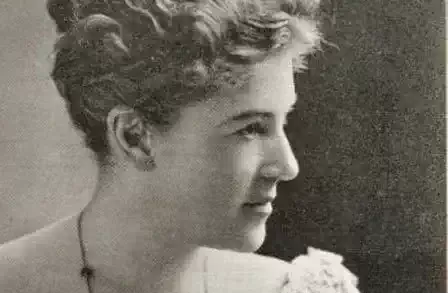
Ella Wheeler Wilcox
Optimism
Optimism
Talk happiness. The world is sad enough
Without your woes. No path is wholly rough;
Look for the places that are smooth and clear,
And speak of those, to rest the weary ear
Of Earth, so hurt by one continuous strain
Of human discontent and grief and pain.
Talk faith. The world is better off without
Your uttered ignorance and morbid doubt.
If you have faith in God, or man, or self,
Say so. If not, push back upon the shelf
Of silence all your thoughts, till faith shall come;
No one will grieve because your lips are dumb.
Talk health. The dreary, never-changing tale
Of mortal maladies is worn and stale.
You cannot charm, or interest, or please
By harping on that minor chord, disease.
Say you are well, or all is well with you,
And God shall hear your words and make them true.
Talk happiness. The world is sad enough
Without your woes. No path is wholly rough;
Look for the places that are smooth and clear,
And speak of those, to rest the weary ear
Of Earth, so hurt by one continuous strain
Of human discontent and grief and pain.
Talk faith. The world is better off without
Your uttered ignorance and morbid doubt.
If you have faith in God, or man, or self,
Say so. If not, push back upon the shelf
Of silence all your thoughts, till faith shall come;
No one will grieve because your lips are dumb.
Talk health. The dreary, never-changing tale
Of mortal maladies is worn and stale.
You cannot charm, or interest, or please
By harping on that minor chord, disease.
Say you are well, or all is well with you,
And God shall hear your words and make them true.
386
Ella Wheeler Wilcox
Only A Sad Mistake
Only A Sad Mistake
Only a blunder-a sad mistake;
All my own fault and mine alone.
The saddest error a heart can make;
I was so young, or I would have known.
Only his rare, sweet, tender smile;
Only a lingering touch of his hand.
I think I was dreaming all the while,
The reason I did not understand.
Yet, somewhere, I've read men woo this way;
That eyes speak, sometimes, before the tongue.
And I was sure he would speak some day;
Pardon the folly-I was so young.
Was I, say-for now I am old!
So old, it seems like a hundred years
Since I felt my heart growing hard and cold
With a pain too bitter and deep for tears.
I saw him lean over the stranger's chair,
With a warm, new light in his beautiful eyes;
And I woke from my dreaming, then and there,
And went out of my self-made Paradise.
He never loved me-I know, I see!
Such sad, sad blunders as young hearts make.
She did not win him away from me,
For he was not mine. It was my mistake.
A woman should wait for a man to speak
Before she dreams of his love, I own;
But I was a girl-girls' hearts are weak;
And the pain, like the fault, is mine alone.
Only a blunder-a sad mistake;
All my own fault and mine alone.
The saddest error a heart can make;
I was so young, or I would have known.
Only his rare, sweet, tender smile;
Only a lingering touch of his hand.
I think I was dreaming all the while,
The reason I did not understand.
Yet, somewhere, I've read men woo this way;
That eyes speak, sometimes, before the tongue.
And I was sure he would speak some day;
Pardon the folly-I was so young.
Was I, say-for now I am old!
So old, it seems like a hundred years
Since I felt my heart growing hard and cold
With a pain too bitter and deep for tears.
I saw him lean over the stranger's chair,
With a warm, new light in his beautiful eyes;
And I woke from my dreaming, then and there,
And went out of my self-made Paradise.
He never loved me-I know, I see!
Such sad, sad blunders as young hearts make.
She did not win him away from me,
For he was not mine. It was my mistake.
A woman should wait for a man to speak
Before she dreams of his love, I own;
But I was a girl-girls' hearts are weak;
And the pain, like the fault, is mine alone.
450
Ella Wheeler Wilcox
One By One
One By One
Little by little and one by one,
Out of the ether, were worlds created;
Star and planet and sea and sun,
All in the nebulous Nothing waited
Till the Nameless One Who has many a name
Called them to being and forth they came.
All things mighty and all things small,
Stone and flower and sentient being,
Each is an answer to that one call,
A part of Himself that His will is freeing-
Freeing to go on the long, long way
That winds back home at the end of the day.
Little by little does mortal man
Build his castles for joy and glory,
And one by one time shatters each plan
And lowers his palaces, story by story-
Story by story, till earth is just
A row of graves in the lowly dust.
One by one, whatever was called,
Must be called back to the primal Centre.
Let no soul tremble or be appalled,
For the heart of the Maker is where we enter-
Is where we enter to gain new force
Before we are sent on another course.
And one by one, as He calls us back,
We shall find the souls that we loved with passion,
In the great way-stations along the track,
And clasp them again in the old, sweet fashion-
In the old, sweet fashion when earth we trod-
And journey along with them up to God.
Little by little and one by one,
Out of the ether, were worlds created;
Star and planet and sea and sun,
All in the nebulous Nothing waited
Till the Nameless One Who has many a name
Called them to being and forth they came.
All things mighty and all things small,
Stone and flower and sentient being,
Each is an answer to that one call,
A part of Himself that His will is freeing-
Freeing to go on the long, long way
That winds back home at the end of the day.
Little by little does mortal man
Build his castles for joy and glory,
And one by one time shatters each plan
And lowers his palaces, story by story-
Story by story, till earth is just
A row of graves in the lowly dust.
One by one, whatever was called,
Must be called back to the primal Centre.
Let no soul tremble or be appalled,
For the heart of the Maker is where we enter-
Is where we enter to gain new force
Before we are sent on another course.
And one by one, as He calls us back,
We shall find the souls that we loved with passion,
In the great way-stations along the track,
And clasp them again in the old, sweet fashion-
In the old, sweet fashion when earth we trod-
And journey along with them up to God.
415
Ella Wheeler Wilcox
One Woman's History
One Woman's History
'The maiden free, the maiden wed.
Can never, never be the same,
A new life springs from out the dead.
And with the speaking of a name-
A breath upon the marriage bed,
She finds herself a something new.
'Where lay the shallows of the maid
No plummet line the wife can sound;
Where round the sunny islands played
The pulses of the great profound
Lies low the treacherous everglade.
'A wife is like an unknown sea,
Least known to him who thinks he knows
Where all the shores of Promise be,
And where the islands of Repose-
And where the rocks that he must flee.'
'The maiden free, the maiden wed.
Can never, never be the same,
A new life springs from out the dead.
And with the speaking of a name-
A breath upon the marriage bed,
She finds herself a something new.
'Where lay the shallows of the maid
No plummet line the wife can sound;
Where round the sunny islands played
The pulses of the great profound
Lies low the treacherous everglade.
'A wife is like an unknown sea,
Least known to him who thinks he knows
Where all the shores of Promise be,
And where the islands of Repose-
And where the rocks that he must flee.'
420
Ella Wheeler Wilcox
Now I lay Me
Now I lay Me
When I pass from earth away,
Palsied though I be and gray,
May my spirit keep so young
That my failing, faltering tongue
Frames that prayer so dear to me
Taught me at my mother's knee:
'Now I lay me down to sleep,'
(Passing to Eternal rest
On the loving parent breast)
'I pray the Lord my soul to keep;'
(From all danger safe and calm
In the hollow of His palm
'If I should die before I wake,'
(Drifting with a bated breath
Out of slumber into death,)
'I pray the Lord my soul to take.'
(From the body's claim set free
Sheltered in the Great to be.)
Simple prayer of trust and truth
Taught me in my early youth-
Let my soul its beauty keep
When I lay me down to sleep.
When I pass from earth away,
Palsied though I be and gray,
May my spirit keep so young
That my failing, faltering tongue
Frames that prayer so dear to me
Taught me at my mother's knee:
'Now I lay me down to sleep,'
(Passing to Eternal rest
On the loving parent breast)
'I pray the Lord my soul to keep;'
(From all danger safe and calm
In the hollow of His palm
'If I should die before I wake,'
(Drifting with a bated breath
Out of slumber into death,)
'I pray the Lord my soul to take.'
(From the body's claim set free
Sheltered in the Great to be.)
Simple prayer of trust and truth
Taught me in my early youth-
Let my soul its beauty keep
When I lay me down to sleep.
469
Ella Wheeler Wilcox
Noblesse Oblige
Noblesse Oblige
I hold it the duty of one who is gifted
And specially dowered I all men’s sight,
To know no rest till his life is lifted
Fully up to his great gifts’ height.
He must mould the man into rare completeness,
For gems are only in gold refined.
He must fashion his thoughts into perfect sweetness,
And cast out folly and pride from his mind.
For he who drinks from a god’s gold fountain
Of art of music or rhythmic song
Must sift from his soul the chaff of malice,
And weed from his heart the roots of wrong.
Great gifts should be worn, like a crown befitting,
And not like gems in a beggar’s hands!
And the toil must be constant and unremitting
Which lifts up the king to the crown’s demands.
I hold it the duty of one who is gifted
And specially dowered I all men’s sight,
To know no rest till his life is lifted
Fully up to his great gifts’ height.
He must mould the man into rare completeness,
For gems are only in gold refined.
He must fashion his thoughts into perfect sweetness,
And cast out folly and pride from his mind.
For he who drinks from a god’s gold fountain
Of art of music or rhythmic song
Must sift from his soul the chaff of malice,
And weed from his heart the roots of wrong.
Great gifts should be worn, like a crown befitting,
And not like gems in a beggar’s hands!
And the toil must be constant and unremitting
Which lifts up the king to the crown’s demands.
505
Ella Wheeler Wilcox
Noblesse Oblige
Noblesse Oblige
I hold it the duty of one who is gifted
And specially dowered I all men’s sight,
To know no rest till his life is lifted
Fully up to his great gifts’ height.
He must mould the man into rare completeness,
For gems are only in gold refined.
He must fashion his thoughts into perfect sweetness,
And cast out folly and pride from his mind.
For he who drinks from a god’s gold fountain
Of art of music or rhythmic song
Must sift from his soul the chaff of malice,
And weed from his heart the roots of wrong.
Great gifts should be worn, like a crown befitting,
And not like gems in a beggar’s hands!
And the toil must be constant and unremitting
Which lifts up the king to the crown’s demands.
I hold it the duty of one who is gifted
And specially dowered I all men’s sight,
To know no rest till his life is lifted
Fully up to his great gifts’ height.
He must mould the man into rare completeness,
For gems are only in gold refined.
He must fashion his thoughts into perfect sweetness,
And cast out folly and pride from his mind.
For he who drinks from a god’s gold fountain
Of art of music or rhythmic song
Must sift from his soul the chaff of malice,
And weed from his heart the roots of wrong.
Great gifts should be worn, like a crown befitting,
And not like gems in a beggar’s hands!
And the toil must be constant and unremitting
Which lifts up the king to the crown’s demands.
505
Ella Wheeler Wilcox
New And Old
New And Old
I and new love, in all its living bloom,
Sat vis-à-vis, while tender twilight hours
Went softly by us, treading as on flowers.
Then suddenly I saw within the room
The old love, long since lying in its tomb.
It dropped the cerecloth from its fleshless face
And smiled on me, with a remembered grace
That, like the noontide, lit the gloaming gloom.
Upon its shroud there hung the grave’s green mould,
About it hung the odour of the dead;
Yet from its cavernous eyes such light was shed
That all my life seemed gilded, as with gold;
Unto the trembling new love “Go, ” I said,
“I do not need thee, for I have the old.”
I and new love, in all its living bloom,
Sat vis-à-vis, while tender twilight hours
Went softly by us, treading as on flowers.
Then suddenly I saw within the room
The old love, long since lying in its tomb.
It dropped the cerecloth from its fleshless face
And smiled on me, with a remembered grace
That, like the noontide, lit the gloaming gloom.
Upon its shroud there hung the grave’s green mould,
About it hung the odour of the dead;
Yet from its cavernous eyes such light was shed
That all my life seemed gilded, as with gold;
Unto the trembling new love “Go, ” I said,
“I do not need thee, for I have the old.”
420
Ella Wheeler Wilcox
My Vision
My Vision
Wherever my feet may wander
Wherever I chance to be,
There comes, with the coming of even' time
A vision sweet to me.
I see my mother sitting
In the old familiar place,
And she rocks to the tune her needles sing,
And thinks of an absent face.
I can hear the roar of the city
AAbout me now as I write;
But over an hundred miles of snow
My thought-steeds fly tonight,
To the dear little cozy cottage,
And the room where mother sits,
And slowly rocks in her easy chair
And thinks of me as she knits.
Sometimes with the merry dancers
When my feet are keeping time,
And my heart beats high, as young hearts will,
To the music's rhythmic chime.
My spirit slips over the distance
Over the glitter and whirl,
To my mother who sits, and rocks, and knits,
And thinks of her "little girl."
And when I listen to voices that flatter,
And smile, as women do,
To whispered words that may be sweet,
But are not always true;
I think of the sweet, quaint picture
Afar in quiet ways,
And I know one smile of my mother's eyes
Is better than all their praise.
And I know I can never wander
Far from the path of right,
Though snares are set for a woman's feet
In places that seem most bright.
For the vision is with me always,
Wherever I chance to be,
Of mother sitting, rocking, and knitting,
Thinking and praying for me.
Wherever my feet may wander
Wherever I chance to be,
There comes, with the coming of even' time
A vision sweet to me.
I see my mother sitting
In the old familiar place,
And she rocks to the tune her needles sing,
And thinks of an absent face.
I can hear the roar of the city
AAbout me now as I write;
But over an hundred miles of snow
My thought-steeds fly tonight,
To the dear little cozy cottage,
And the room where mother sits,
And slowly rocks in her easy chair
And thinks of me as she knits.
Sometimes with the merry dancers
When my feet are keeping time,
And my heart beats high, as young hearts will,
To the music's rhythmic chime.
My spirit slips over the distance
Over the glitter and whirl,
To my mother who sits, and rocks, and knits,
And thinks of her "little girl."
And when I listen to voices that flatter,
And smile, as women do,
To whispered words that may be sweet,
But are not always true;
I think of the sweet, quaint picture
Afar in quiet ways,
And I know one smile of my mother's eyes
Is better than all their praise.
And I know I can never wander
Far from the path of right,
Though snares are set for a woman's feet
In places that seem most bright.
For the vision is with me always,
Wherever I chance to be,
Of mother sitting, rocking, and knitting,
Thinking and praying for me.
445
Ella Wheeler Wilcox
Mesalliance
Mesalliance
I am troubled to-night with a curious pain;
It is not of the flesh, it is not of the brain,
Nor yet of a heart that is breaking:
But down still deeper, and out of sight—
In the place where the soul and the body unite—
There lies the scat of the aching.
They have been lovers in days gone by;
But the soul is fickle, and longs to fly
From the fettering mesalliance:
And she tears at the bonds which are binding her so,
And pleads with the body to let her go,
But he will not yield compliance.
For the body loves, as he loved in the past,
When he wedded the soul; and he holds her fast,
And swears that he will not loose her;
That he will keep her and hide her away
For ever and ever and for a day
From the arms of Death, the seducer.
Ah! this is the strife that is wearying me—
The strife 'twixt a soul that would be free
And a body that will not let her.
And I say to my soul, 'Be calm, and wait;
For I tell ye truly that soon or late
Ye surely shall drop each fetter.'
And I say to the body, 'Be kind, I pray;
For the soul is not of thy mortal clay,
But is formed in spirit fashion.'
And still through the hours of the solemn night
I can hear my sad soul's plea for flight,
And my body's reply of passion.
I am troubled to-night with a curious pain;
It is not of the flesh, it is not of the brain,
Nor yet of a heart that is breaking:
But down still deeper, and out of sight—
In the place where the soul and the body unite—
There lies the scat of the aching.
They have been lovers in days gone by;
But the soul is fickle, and longs to fly
From the fettering mesalliance:
And she tears at the bonds which are binding her so,
And pleads with the body to let her go,
But he will not yield compliance.
For the body loves, as he loved in the past,
When he wedded the soul; and he holds her fast,
And swears that he will not loose her;
That he will keep her and hide her away
For ever and ever and for a day
From the arms of Death, the seducer.
Ah! this is the strife that is wearying me—
The strife 'twixt a soul that would be free
And a body that will not let her.
And I say to my soul, 'Be calm, and wait;
For I tell ye truly that soon or late
Ye surely shall drop each fetter.'
And I say to the body, 'Be kind, I pray;
For the soul is not of thy mortal clay,
But is formed in spirit fashion.'
And still through the hours of the solemn night
I can hear my sad soul's plea for flight,
And my body's reply of passion.
441
Ella Wheeler Wilcox
Master And Servant
Master And Servant
The devil to Bacchus said, one day,
In a scowling, growling, petulant way,
As he came from earth to hell:
'There's a soul above that I cannot move,
And I've struggled long and well;
He's a manly youth, with an eye of truth,
A fellow of matchless grace;
And he looks me through with his eye of blue
Till I cower before his face.
The very power and strength of heaven
To this young, fearless soul were given;
For I've never an art that can reach his heart,
And I cannot snare his feet:
I have wasted days in devising ways,
And now must cry 'Defeat!''
And the devil scowled, and grumbled, and growled,
And beat about with his cane,
Till the demons fled over the burning waste
Out of his reach in hurrying haste,
Howling aloud in pain.
Bacchus laughed as he stooped and quaffed
A burning bumper of wine:
'Why, master,' said he, 'you soon shall see
The fellow down at your shrine;
Long ago, if you'd let me know,
We'd had him in our ranks.
And now, adieu! while I work for you;
Don't hurry about your thanks!
I'm going above; you know they love
The sight of my glowing face.
They call me a god! ho! ho! how odd!
With this for my dwelling-place.'
A youth with a dower of manly grace,
A maid with the morning in her face;
And she filleth a goblet full to the brim,
And giveth the bubbling draught to him.
'Drink!' she says, and the goblet sways
And shimmers under his eyes.
He tries to speak, but the tongue is weak,
And the words sink into sighs;
For the maid is fair, and she holds him there
With a spell that he cannot flee:
'Drink!' and she sips with her ruby lips'
Drink but a draught with me.'
And the lovers quaffed, while the demons laughed,
And Bacchus laughed loud and long.
'Ho! ho!' cried he, 'what a victory!
Ho! ho! for the soul so strong
That my master was beat, and cried 'Defeat!'
But wine is a tempter, and love is sweet.'
Bacchus went back o'er the fiery track
Into the land below;
And the devil said, 'Well, what have you to tell
Of the thing I want to know?'
And Bacchus said he, 'Why, look and see!
There is your strong, brave youth
Reeling along, with a drunken song
Staining those lips of truth.
My work is done! You must go on
And finish the job I started;
And as long as I stay in your service, pray,
Don't ever be down-hearted.'
The devil to Bacchus said, one day,
In a scowling, growling, petulant way,
As he came from earth to hell:
'There's a soul above that I cannot move,
And I've struggled long and well;
He's a manly youth, with an eye of truth,
A fellow of matchless grace;
And he looks me through with his eye of blue
Till I cower before his face.
The very power and strength of heaven
To this young, fearless soul were given;
For I've never an art that can reach his heart,
And I cannot snare his feet:
I have wasted days in devising ways,
And now must cry 'Defeat!''
And the devil scowled, and grumbled, and growled,
And beat about with his cane,
Till the demons fled over the burning waste
Out of his reach in hurrying haste,
Howling aloud in pain.
Bacchus laughed as he stooped and quaffed
A burning bumper of wine:
'Why, master,' said he, 'you soon shall see
The fellow down at your shrine;
Long ago, if you'd let me know,
We'd had him in our ranks.
And now, adieu! while I work for you;
Don't hurry about your thanks!
I'm going above; you know they love
The sight of my glowing face.
They call me a god! ho! ho! how odd!
With this for my dwelling-place.'
A youth with a dower of manly grace,
A maid with the morning in her face;
And she filleth a goblet full to the brim,
And giveth the bubbling draught to him.
'Drink!' she says, and the goblet sways
And shimmers under his eyes.
He tries to speak, but the tongue is weak,
And the words sink into sighs;
For the maid is fair, and she holds him there
With a spell that he cannot flee:
'Drink!' and she sips with her ruby lips'
Drink but a draught with me.'
And the lovers quaffed, while the demons laughed,
And Bacchus laughed loud and long.
'Ho! ho!' cried he, 'what a victory!
Ho! ho! for the soul so strong
That my master was beat, and cried 'Defeat!'
But wine is a tempter, and love is sweet.'
Bacchus went back o'er the fiery track
Into the land below;
And the devil said, 'Well, what have you to tell
Of the thing I want to know?'
And Bacchus said he, 'Why, look and see!
There is your strong, brave youth
Reeling along, with a drunken song
Staining those lips of truth.
My work is done! You must go on
And finish the job I started;
And as long as I stay in your service, pray,
Don't ever be down-hearted.'
409
Ella Wheeler Wilcox
Love Song
Love Song
Once in the world’s first prime,
When nothing lived or stirred,
Nothing but new-born Time,
Nor was there even a bird –
The Silence spoke to a Star,
But do not dare repeat
What it said to its love afar:
It was too sweet, too sweet.
But there, in the fair world’s youth,
Ere sorrow had drawn breath,
When nothing was known but Truth,
Nor was there even death,
The Star to Silence wed,
And the Sun was priest that day,
And they made their bridal-bed
High in the Milky Way.
For the great white star had heard
Her silent lover’s speech;
It needed no passionate word
To pledge them each to each.
O lady fair and far,
Hear, oh, hear, and apply!
Thou the beautiful Star –
The voiceless silence, I.
Once in the world’s first prime,
When nothing lived or stirred,
Nothing but new-born Time,
Nor was there even a bird –
The Silence spoke to a Star,
But do not dare repeat
What it said to its love afar:
It was too sweet, too sweet.
But there, in the fair world’s youth,
Ere sorrow had drawn breath,
When nothing was known but Truth,
Nor was there even death,
The Star to Silence wed,
And the Sun was priest that day,
And they made their bridal-bed
High in the Milky Way.
For the great white star had heard
Her silent lover’s speech;
It needed no passionate word
To pledge them each to each.
O lady fair and far,
Hear, oh, hear, and apply!
Thou the beautiful Star –
The voiceless silence, I.
481
Ella Wheeler Wilcox
Lost
Lost
You left me with the autumn time;
When the winter stripped the forest bare,
Then dressed it in his spotless rime;
When frosts were lurking in the air
You left me here and went away.
The winds were cold; you could not stay.
You sought a warmer clime, until
The south wind, artful maid, should break
The winter's trumpets, and should fill
The air with songs of birds; and wake
The sleeping blossoms on the plain
And make the brooks to flow again.
I thought that the winter desolate,
And all times felt a sense of loss.
I taught my longing heart to wait,
And said, 'When Spring shall come across
The hills, with blossoms in her track,
The she, our loved one, will come back.'
And now the hills with grass and moss
The spring with cunning hands has spread,
And yet I feel my grievous loss.
My heart will not be comforted,
But crieth daily, 'Where is she
You promised should come back to me? '
Oh, love! where are you? day by day
I seek to find you, but in vain.
Men point me to a grave, and say:
'There is her bed upon the plain.'
But though I see no trace of you,
I cannot thiink their words are true.
You were too sweet to wholly pass
Away from earth, and leave no trace;
You were to fair to let the grass
Grow rank and tall above your face.
Your voice, that mocked the robin's trill,
I cannot think is hushed and still.
I thought I saw your golden hair
One day, and reached to touch a strand;
I found but yellow sunbeams there
The bright rays fell aslant my hand,
And seemed to mock, with lights and shades,
The silken meshes of your braids.
Again, I thought I saw your hand
Wave, as if beckoning to me;
I found 'twas but a lily, fanned
By the cool zephyrs from the sea.
Oh, love! I find no trace of you -
I wonder if their words were true?
One day I heard a singing voice;
A burst of music, trill on trill.
It made my very soul rejoice;
My heart gave and exultant thrill.
I cried, 'Oh heart, we've found her - hush! '
But no - 'twas the silver-throated thrush.
And once I thought I saw your face,
And wild with joy I ran to you;
But found, when I had reached the place,
'Twas a blush rose, bathed in dew.
Ah, love! I think you must be dead;
And I believe the words they said.
You left me with the autumn time;
When the winter stripped the forest bare,
Then dressed it in his spotless rime;
When frosts were lurking in the air
You left me here and went away.
The winds were cold; you could not stay.
You sought a warmer clime, until
The south wind, artful maid, should break
The winter's trumpets, and should fill
The air with songs of birds; and wake
The sleeping blossoms on the plain
And make the brooks to flow again.
I thought that the winter desolate,
And all times felt a sense of loss.
I taught my longing heart to wait,
And said, 'When Spring shall come across
The hills, with blossoms in her track,
The she, our loved one, will come back.'
And now the hills with grass and moss
The spring with cunning hands has spread,
And yet I feel my grievous loss.
My heart will not be comforted,
But crieth daily, 'Where is she
You promised should come back to me? '
Oh, love! where are you? day by day
I seek to find you, but in vain.
Men point me to a grave, and say:
'There is her bed upon the plain.'
But though I see no trace of you,
I cannot thiink their words are true.
You were too sweet to wholly pass
Away from earth, and leave no trace;
You were to fair to let the grass
Grow rank and tall above your face.
Your voice, that mocked the robin's trill,
I cannot think is hushed and still.
I thought I saw your golden hair
One day, and reached to touch a strand;
I found but yellow sunbeams there
The bright rays fell aslant my hand,
And seemed to mock, with lights and shades,
The silken meshes of your braids.
Again, I thought I saw your hand
Wave, as if beckoning to me;
I found 'twas but a lily, fanned
By the cool zephyrs from the sea.
Oh, love! I find no trace of you -
I wonder if their words were true?
One day I heard a singing voice;
A burst of music, trill on trill.
It made my very soul rejoice;
My heart gave and exultant thrill.
I cried, 'Oh heart, we've found her - hush! '
But no - 'twas the silver-throated thrush.
And once I thought I saw your face,
And wild with joy I ran to you;
But found, when I had reached the place,
'Twas a blush rose, bathed in dew.
Ah, love! I think you must be dead;
And I believe the words they said.
458
Ella Wheeler Wilcox
Little Queen
Little Queen
Do you remember the name I wore –
The old pet-name of Little Queen –
In the dear, dead days that are no more,
The happiest days of our lives, I ween?
For we loved with that passionate love of youth
That blesses but once with its perfect bliss, -
A love that, in spite of its trust and truth,
Seems never to thrive, in a world like this.
I lived for you, and you lived for me;
All was centred in “Little Queen”;
And never a thought in our hearts had we
That strife or trouble could come between,
What utter sinking of self it was!
How little we cared for the world of men!
For love’s fair kingdom, and loves’ sweet laws,
Were all of the world and life to us then.
But a love like ours was a challenge to fate;
She rang down the curtains and shifted the scene;
Yet sometimes now, when the day grows late,
I can hear you calling for Little Queen;
For a happy home and a busy life
Can never wholly crowd out our past;
In the twilight pauses that come from strife,
You will think of me while life shall last.
And however sweet the voice of fame
May sing to me of a great world’s praise,
I shall long sometimes for the old pet-name
That you gave to me in the dear, dead days;
And nothing the angel band can say,
When I reach the shores of the great Unseen,
Can please me so much as on that day
To hear your greeting of “Little Queen.”
Do you remember the name I wore –
The old pet-name of Little Queen –
In the dear, dead days that are no more,
The happiest days of our lives, I ween?
For we loved with that passionate love of youth
That blesses but once with its perfect bliss, -
A love that, in spite of its trust and truth,
Seems never to thrive, in a world like this.
I lived for you, and you lived for me;
All was centred in “Little Queen”;
And never a thought in our hearts had we
That strife or trouble could come between,
What utter sinking of self it was!
How little we cared for the world of men!
For love’s fair kingdom, and loves’ sweet laws,
Were all of the world and life to us then.
But a love like ours was a challenge to fate;
She rang down the curtains and shifted the scene;
Yet sometimes now, when the day grows late,
I can hear you calling for Little Queen;
For a happy home and a busy life
Can never wholly crowd out our past;
In the twilight pauses that come from strife,
You will think of me while life shall last.
And however sweet the voice of fame
May sing to me of a great world’s praise,
I shall long sometimes for the old pet-name
That you gave to me in the dear, dead days;
And nothing the angel band can say,
When I reach the shores of the great Unseen,
Can please me so much as on that day
To hear your greeting of “Little Queen.”
433
Ella Wheeler Wilcox
Lines from
Lines from
I'd rather have my verses win
A place in common people's hearts,
Who, toiling through the strife and din
Of life's great thoroughfares, and marts,
May read some line my hand has penned;
Some simple verse, not fine, or grand,
But what their hearts can understand
And hold me henceforth as a friend,-
I'd rather win such quiet fame
Than by some fine thought, bolished so
But those of learned minds would know,
Just what the meaning of my song,--
To have the critics sound my name
In high-flown praises, loud and long.
I sing not for the critic's ear,
But for the masses. If they hear
Despite the turmoil, noise, and strife
Some least low note that gladdens life,
I shall be wholly satisfied,
Though critics to the end deride.
I'd rather have my verses win
A place in common people's hearts,
Who, toiling through the strife and din
Of life's great thoroughfares, and marts,
May read some line my hand has penned;
Some simple verse, not fine, or grand,
But what their hearts can understand
And hold me henceforth as a friend,-
I'd rather win such quiet fame
Than by some fine thought, bolished so
But those of learned minds would know,
Just what the meaning of my song,--
To have the critics sound my name
In high-flown praises, loud and long.
I sing not for the critic's ear,
But for the masses. If they hear
Despite the turmoil, noise, and strife
Some least low note that gladdens life,
I shall be wholly satisfied,
Though critics to the end deride.
443
Ella Wheeler Wilcox
Life's Harmonies
Life's Harmonies
Let no man pray that he know not sorrow,
Let no soul ask to be free from pain,
For the gall of to-day is the sweet of to-morrow,
And the moment's loss is the lifetime's gain.
Through want of a thing does its worth redouble,
Through hunger's pangs does the feast content,
And only the heart that has harbored trouble,
Can fully rejoice when joy is sent.
Let no man shrink from the bitter tonics
Of grief, and yearning, and need, and strife,
For the rarest chords in the soul's harmonies,
Are found in the minor strains of life.
Let no man pray that he know not sorrow,
Let no soul ask to be free from pain,
For the gall of to-day is the sweet of to-morrow,
And the moment's loss is the lifetime's gain.
Through want of a thing does its worth redouble,
Through hunger's pangs does the feast content,
And only the heart that has harbored trouble,
Can fully rejoice when joy is sent.
Let no man shrink from the bitter tonics
Of grief, and yearning, and need, and strife,
For the rarest chords in the soul's harmonies,
Are found in the minor strains of life.
432
Ella Wheeler Wilcox
Life's Harmonies
Life's Harmonies
Let no man pray that he know not sorrow,
Let no soul ask to be free from pain,
For the gall of to-day is the sweet of to-morrow,
And the moment's loss is the lifetime's gain.
Through want of a thing does its worth redouble,
Through hunger's pangs does the feast content,
And only the heart that has harbored trouble,
Can fully rejoice when joy is sent.
Let no man shrink from the bitter tonics
Of grief, and yearning, and need, and strife,
For the rarest chords in the soul's harmonies,
Are found in the minor strains of life.
Let no man pray that he know not sorrow,
Let no soul ask to be free from pain,
For the gall of to-day is the sweet of to-morrow,
And the moment's loss is the lifetime's gain.
Through want of a thing does its worth redouble,
Through hunger's pangs does the feast content,
And only the heart that has harbored trouble,
Can fully rejoice when joy is sent.
Let no man shrink from the bitter tonics
Of grief, and yearning, and need, and strife,
For the rarest chords in the soul's harmonies,
Are found in the minor strains of life.
432
Ella Wheeler Wilcox
Life Is A Privilege
Life Is A Privilege
Life is a privilege. Its youthful days
Shine with the radiance of continuous Mays.
To live, to breathe, to wonder and desire,
To feed with dreams the heart’s perpetual fire,
To thrill with virtuous passions, and to glow
With great ambitions – in one hour to know
The depths and heights of feeling – God! in truth,
How beautiful, how beautiful is youth!
Life is a privilege. Like some rare rose
The mysteries of the human mind unclose.
What marvels lie in the earth, and air, and sea!
What stores of knowledge wait our opening key!
What sunny roads of happiness lead out
Beyond the realms of indolence and doubt!
And what large pleasures smile upon and bless
The busy avenues of usefulness!
Life is a privilege. Thought the noontide fades
And shadows fall along the winding glades,
Though joy-blooms wither in the autumn air,
Yet the sweet scent of sympathy is there.
Pale sorrow leads us closer to our kind,
And in the serious hours of life we find
Depths in the souls of men which lend new worth
And majesty to this brief span of earth.
Life is a privilege. If some sad fate
Sends us alone to seek the exit gate,
If men forsake us and as shadows fall,
Still does the supreme privilege of all
Come in that reaching upward of the soul
To find the welcoming Presence at the goal,
And in the Knowledge that our feet have trod
Paths that led from, and must wind back, to God.
Life is a privilege. Its youthful days
Shine with the radiance of continuous Mays.
To live, to breathe, to wonder and desire,
To feed with dreams the heart’s perpetual fire,
To thrill with virtuous passions, and to glow
With great ambitions – in one hour to know
The depths and heights of feeling – God! in truth,
How beautiful, how beautiful is youth!
Life is a privilege. Like some rare rose
The mysteries of the human mind unclose.
What marvels lie in the earth, and air, and sea!
What stores of knowledge wait our opening key!
What sunny roads of happiness lead out
Beyond the realms of indolence and doubt!
And what large pleasures smile upon and bless
The busy avenues of usefulness!
Life is a privilege. Thought the noontide fades
And shadows fall along the winding glades,
Though joy-blooms wither in the autumn air,
Yet the sweet scent of sympathy is there.
Pale sorrow leads us closer to our kind,
And in the serious hours of life we find
Depths in the souls of men which lend new worth
And majesty to this brief span of earth.
Life is a privilege. If some sad fate
Sends us alone to seek the exit gate,
If men forsake us and as shadows fall,
Still does the supreme privilege of all
Come in that reaching upward of the soul
To find the welcoming Presence at the goal,
And in the Knowledge that our feet have trod
Paths that led from, and must wind back, to God.
618
Ella Wheeler Wilcox
Let Me Lean Hard
Let Me Lean Hard
Let me lean hard upon the Eternal Breast;
In all earth's devious ways, I sought for rest
And found it not. I will be strong, said I,
And lean upon myself. I will not cry
And importune all heaven with my complaint,
But not my strength fails, and I fall, I faint:
Let me lean hard.
Let me lean hard upon the unfailing Arm.
I said I will walk on, I fear no harm,
The spark divine within my soul will show
The upward pathway where my feet should go,
But now the heights to which I msot aspire
Are lost in clouds. I stumble and I tire;
Let me lean hard.
Let me lean harder yet. That swerveless force
Which speeds the solar systems on their course
Can take, unfelt, the burden of my woe,
Which bears me to the dust and hurts me so;
I thought my strength enough for any fate,
But lo! I sink beneath my sorrow's weight:
Let me lean hard.
Let me lean hard upon the Eternal Breast;
In all earth's devious ways, I sought for rest
And found it not. I will be strong, said I,
And lean upon myself. I will not cry
And importune all heaven with my complaint,
But not my strength fails, and I fall, I faint:
Let me lean hard.
Let me lean hard upon the unfailing Arm.
I said I will walk on, I fear no harm,
The spark divine within my soul will show
The upward pathway where my feet should go,
But now the heights to which I msot aspire
Are lost in clouds. I stumble and I tire;
Let me lean hard.
Let me lean harder yet. That swerveless force
Which speeds the solar systems on their course
Can take, unfelt, the burden of my woe,
Which bears me to the dust and hurts me so;
I thought my strength enough for any fate,
But lo! I sink beneath my sorrow's weight:
Let me lean hard.
391
Ella Wheeler Wilcox
Karma
Karma
I
We cannot choose our sorrows. One there was
Who, reverent of soul, and strong with trust,
Cried, 'God, though Thou shouldst bow me to the dust,
Yet will I praise thy everlasting laws.
Beggared, my faith would never halt or pause,
But sing Thy glory, feasting on a crust.
Only one boon, one precious boon I must
Demand of Thee, O opulent great Cause.
Let Love stay with me, constant to the end,
Though fame pass by and poverty pursue.'
With freighted hold her life ship onward sailed;
The world gave wealth, and pleasure, and a friend,
Unmarred by envy, and whose heart was true.
But ere the sun reached midday, Love had failed.
II
Then from the depths, in bitterness she cried,
'Hell is on earth, and heaven is but a dream;
And human life a troubled aimless stream;
And God is nowhere. Would God so deride
A loving creature's faith?' A voice replied,
'The stream flows onward to the Source Supreme,
Where things that ARE replace the things that SEEM,
And where the deeds of all past lives abide.
Once at thy door Love languished and was spurned.
Who sorrow plants, must garner sorrow's sheaf.
No prayers can change the seedling in the sod.
By thine own heart Love's anguish must be learned.
Pass on, and know, as one made wise by grief,
That in thyself dwells heaven and hell and God.'
I
We cannot choose our sorrows. One there was
Who, reverent of soul, and strong with trust,
Cried, 'God, though Thou shouldst bow me to the dust,
Yet will I praise thy everlasting laws.
Beggared, my faith would never halt or pause,
But sing Thy glory, feasting on a crust.
Only one boon, one precious boon I must
Demand of Thee, O opulent great Cause.
Let Love stay with me, constant to the end,
Though fame pass by and poverty pursue.'
With freighted hold her life ship onward sailed;
The world gave wealth, and pleasure, and a friend,
Unmarred by envy, and whose heart was true.
But ere the sun reached midday, Love had failed.
II
Then from the depths, in bitterness she cried,
'Hell is on earth, and heaven is but a dream;
And human life a troubled aimless stream;
And God is nowhere. Would God so deride
A loving creature's faith?' A voice replied,
'The stream flows onward to the Source Supreme,
Where things that ARE replace the things that SEEM,
And where the deeds of all past lives abide.
Once at thy door Love languished and was spurned.
Who sorrow plants, must garner sorrow's sheaf.
No prayers can change the seedling in the sod.
By thine own heart Love's anguish must be learned.
Pass on, and know, as one made wise by grief,
That in thyself dwells heaven and hell and God.'
466
Ella Wheeler Wilcox
Inspiration
Inspiration
Not like a daring, bold, aggressive boy,
Is inspiration, eager to pursue,
But rather like a maiden, fond, yet coy,
Who gives herself to him who best doth woo.
Once she may smile, or thrice, thy soul to fire,
In passing by, but when she turns her face,
Thou must persist and seek her with desire,
If thou wouldst win the favor of her grace.
And if, like some winged bird she cleaves the air,
And leaves thee spent and stricken on the earth,
Still must thou strive to follow even there,
That she may know thy valor and thy worth.
Then shall she come unveiling all her charms,
Giving thee joy for pain, and smiles for tears;
Then shalt thou clasp her with possessing arms,
The while she murmurs music in thine ears.
But ere her kiss has faded from thy cheek,
She shall flee from thee over hill and glade,
So must thou seek and ever seek and seek
For each new conquest of this phantom maid.
Not like a daring, bold, aggressive boy,
Is inspiration, eager to pursue,
But rather like a maiden, fond, yet coy,
Who gives herself to him who best doth woo.
Once she may smile, or thrice, thy soul to fire,
In passing by, but when she turns her face,
Thou must persist and seek her with desire,
If thou wouldst win the favor of her grace.
And if, like some winged bird she cleaves the air,
And leaves thee spent and stricken on the earth,
Still must thou strive to follow even there,
That she may know thy valor and thy worth.
Then shall she come unveiling all her charms,
Giving thee joy for pain, and smiles for tears;
Then shalt thou clasp her with possessing arms,
The while she murmurs music in thine ears.
But ere her kiss has faded from thy cheek,
She shall flee from thee over hill and glade,
So must thou seek and ever seek and seek
For each new conquest of this phantom maid.
382
Ella Wheeler Wilcox
Inspiration
Inspiration
Not like a daring, bold, aggressive boy,
Is inspiration, eager to pursue,
But rather like a maiden, fond, yet coy,
Who gives herself to him who best doth woo.
Once she may smile, or thrice, thy soul to fire,
In passing by, but when she turns her face,
Thou must persist and seek her with desire,
If thou wouldst win the favor of her grace.
And if, like some winged bird she cleaves the air,
And leaves thee spent and stricken on the earth,
Still must thou strive to follow even there,
That she may know thy valor and thy worth.
Then shall she come unveiling all her charms,
Giving thee joy for pain, and smiles for tears;
Then shalt thou clasp her with possessing arms,
The while she murmurs music in thine ears.
But ere her kiss has faded from thy cheek,
She shall flee from thee over hill and glade,
So must thou seek and ever seek and seek
For each new conquest of this phantom maid.
Not like a daring, bold, aggressive boy,
Is inspiration, eager to pursue,
But rather like a maiden, fond, yet coy,
Who gives herself to him who best doth woo.
Once she may smile, or thrice, thy soul to fire,
In passing by, but when she turns her face,
Thou must persist and seek her with desire,
If thou wouldst win the favor of her grace.
And if, like some winged bird she cleaves the air,
And leaves thee spent and stricken on the earth,
Still must thou strive to follow even there,
That she may know thy valor and thy worth.
Then shall she come unveiling all her charms,
Giving thee joy for pain, and smiles for tears;
Then shalt thou clasp her with possessing arms,
The while she murmurs music in thine ears.
But ere her kiss has faded from thy cheek,
She shall flee from thee over hill and glade,
So must thou seek and ever seek and seek
For each new conquest of this phantom maid.
382
Ella Wheeler Wilcox
In The Cup
In The Cup
There is grief in the cup!
I saw a proud mother set wine on the board;
The eyes of her son sparkled bright as she poured
The ruddy stream into the glass in his hand.
The cup was of silver; the lady was grand
In her satins and laces; her proud heart was glad
In the love of her fair, noble son; but, oh! sad,
Oh! so sad ere a year had passed by,
And the soft light had gone from her beautiful eye.
For the boy that she loved, with a love strong as death,
In the chill hours of morn with a drunkard's foul breath
And a drunkard's fierce oath, reeled and staggered his way
To his home, a dark blot on the face of the day.
There is shame in the cup!
The tempter said, 'Drink,' and a fair maiden quaffed
Till her cheeks glowed the hue of the dangerous draught.
The voice of the tempter spoke low in her ear
Words that once would have started the quick, angry tear,
But wine blunts the conscience, and wine dulls the brain,
She listened and smiled, and he whispered again.
He lifted the goblet: 'Once more,' he said, 'drink,'
And the soul of the maiden was lost in the brink.
There is death in the cup!
A man in God's image, strong, noble, and grand,
With talents that crowned him a prince of the land,
Sipped the ruddy red wine!-sipped it lightly at first,
Until from its chains broke the demon of thirst.
And thirst became master, and man became slave,
And he ended his life in the drunkard's poor grave.
Wealth, fame, talents, beauty, and life swallowed up,
Grief, shame, death, destruction, are all in the cup.
There is grief in the cup!
I saw a proud mother set wine on the board;
The eyes of her son sparkled bright as she poured
The ruddy stream into the glass in his hand.
The cup was of silver; the lady was grand
In her satins and laces; her proud heart was glad
In the love of her fair, noble son; but, oh! sad,
Oh! so sad ere a year had passed by,
And the soft light had gone from her beautiful eye.
For the boy that she loved, with a love strong as death,
In the chill hours of morn with a drunkard's foul breath
And a drunkard's fierce oath, reeled and staggered his way
To his home, a dark blot on the face of the day.
There is shame in the cup!
The tempter said, 'Drink,' and a fair maiden quaffed
Till her cheeks glowed the hue of the dangerous draught.
The voice of the tempter spoke low in her ear
Words that once would have started the quick, angry tear,
But wine blunts the conscience, and wine dulls the brain,
She listened and smiled, and he whispered again.
He lifted the goblet: 'Once more,' he said, 'drink,'
And the soul of the maiden was lost in the brink.
There is death in the cup!
A man in God's image, strong, noble, and grand,
With talents that crowned him a prince of the land,
Sipped the ruddy red wine!-sipped it lightly at first,
Until from its chains broke the demon of thirst.
And thirst became master, and man became slave,
And he ended his life in the drunkard's poor grave.
Wealth, fame, talents, beauty, and life swallowed up,
Grief, shame, death, destruction, are all in the cup.
360
Ella Wheeler Wilcox
In England
In England
In England, there are wrongs no doubt,
Which should be righted; so men say,
Who seek to weed earth's garden out,
And give the roses right of way;
Yes, right of way, to fruit and rose,
Where now but poison ivy grows.
In England, there is wide unrest,
They tell me who should know; and yet
I saw but hedges, gayly dressed,
And eyes where love and kindness met;
Yes, love and kindness, met and made
Soft sunshine even in the shade.
In England, there are haunting things
Which follow one to other lands;
Like some pervading scent that clings
To laces touched by vanished hands;
Yes, touched by vanished hands, which made
A fragrance that defies the grave.
In England, centuries of art
Give common things a mellow tone;
And wake old memories in the heart
Of other lives the soul has known;
Yes, other lives in some past age
Start forth from canvas, and from page.
In England, there are simple joys,
The modern world has left all sweet;
In London's heart, are nooks where noise
Has entered but with slippered feet;
Yes, entered softly. Friend, believe,
To part from England is to grieve.
In England, there are wrongs no doubt,
Which should be righted; so men say,
Who seek to weed earth's garden out,
And give the roses right of way;
Yes, right of way, to fruit and rose,
Where now but poison ivy grows.
In England, there is wide unrest,
They tell me who should know; and yet
I saw but hedges, gayly dressed,
And eyes where love and kindness met;
Yes, love and kindness, met and made
Soft sunshine even in the shade.
In England, there are haunting things
Which follow one to other lands;
Like some pervading scent that clings
To laces touched by vanished hands;
Yes, touched by vanished hands, which made
A fragrance that defies the grave.
In England, centuries of art
Give common things a mellow tone;
And wake old memories in the heart
Of other lives the soul has known;
Yes, other lives in some past age
Start forth from canvas, and from page.
In England, there are simple joys,
The modern world has left all sweet;
In London's heart, are nooks where noise
Has entered but with slippered feet;
Yes, entered softly. Friend, believe,
To part from England is to grieve.
376