

Poems in this topic
Others
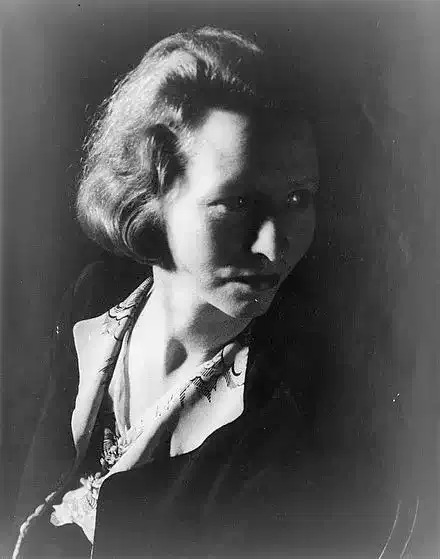
Edna St. Vincent Millay
I Dreamed I Moved Among The Elysian Fields
I Dreamed I Moved Among The Elysian Fields
I dreamed I moved among the Elysian fields,
In converse with sweet women long since dead;
And out of blossoms which that meadow yields
I wove a garland for your living head.
Danai, that was the vessel for a day
Of golden Jove, I saw, and at her side,
Whom Jove the Bull desired and bore away,
Europa stood, and the Swan's featherless bride.
All these were mortal women, yet all these
Above the ground had had a god for guest;
Freely I walked beside them and at ease,
Addressing them, by them again addressed,
And marvelled nothing, for remembering you,
Wherefore I was among them well I knew.
I dreamed I moved among the Elysian fields,
In converse with sweet women long since dead;
And out of blossoms which that meadow yields
I wove a garland for your living head.
Danai, that was the vessel for a day
Of golden Jove, I saw, and at her side,
Whom Jove the Bull desired and bore away,
Europa stood, and the Swan's featherless bride.
All these were mortal women, yet all these
Above the ground had had a god for guest;
Freely I walked beside them and at ease,
Addressing them, by them again addressed,
And marvelled nothing, for remembering you,
Wherefore I was among them well I knew.
411
Edna St. Vincent Millay
Euclid Alone
Euclid Alone
Euclid alone has looked on Beauty bare.
Let all who prate of Beauty hold their peace,
And lay them prone upon the earth and cease
To ponder on themselves, the while they stare
At nothing, intricately drawn nowhere
In shapes of shifting lineage; let geese
Gabble and hiss, but heroes seek release
From dusty bondage into luminous air.
O blinding hour, O holy, terrible day,
When first the shaft into his vision shone
Of light anatomized! Euclid alone
Has looked on Beauty bare. Fortunate they
Who, though once only and then but far away,
Have heard her massive sandal set on stone.
Euclid alone has looked on Beauty bare.
Let all who prate of Beauty hold their peace,
And lay them prone upon the earth and cease
To ponder on themselves, the while they stare
At nothing, intricately drawn nowhere
In shapes of shifting lineage; let geese
Gabble and hiss, but heroes seek release
From dusty bondage into luminous air.
O blinding hour, O holy, terrible day,
When first the shaft into his vision shone
Of light anatomized! Euclid alone
Has looked on Beauty bare. Fortunate they
Who, though once only and then but far away,
Have heard her massive sandal set on stone.
312
Edna St. Vincent Millay
Euclid Alone
Euclid Alone
Euclid alone has looked on Beauty bare.
Let all who prate of Beauty hold their peace,
And lay them prone upon the earth and cease
To ponder on themselves, the while they stare
At nothing, intricately drawn nowhere
In shapes of shifting lineage; let geese
Gabble and hiss, but heroes seek release
From dusty bondage into luminous air.
O blinding hour, O holy, terrible day,
When first the shaft into his vision shone
Of light anatomized! Euclid alone
Has looked on Beauty bare. Fortunate they
Who, though once only and then but far away,
Have heard her massive sandal set on stone.
Euclid alone has looked on Beauty bare.
Let all who prate of Beauty hold their peace,
And lay them prone upon the earth and cease
To ponder on themselves, the while they stare
At nothing, intricately drawn nowhere
In shapes of shifting lineage; let geese
Gabble and hiss, but heroes seek release
From dusty bondage into luminous air.
O blinding hour, O holy, terrible day,
When first the shaft into his vision shone
Of light anatomized! Euclid alone
Has looked on Beauty bare. Fortunate they
Who, though once only and then but far away,
Have heard her massive sandal set on stone.
312
Edna St. Vincent Millay
Euclid Alone
Euclid Alone
Euclid alone has looked on Beauty bare.
Let all who prate of Beauty hold their peace,
And lay them prone upon the earth and cease
To ponder on themselves, the while they stare
At nothing, intricately drawn nowhere
In shapes of shifting lineage; let geese
Gabble and hiss, but heroes seek release
From dusty bondage into luminous air.
O blinding hour, O holy, terrible day,
When first the shaft into his vision shone
Of light anatomized! Euclid alone
Has looked on Beauty bare. Fortunate they
Who, though once only and then but far away,
Have heard her massive sandal set on stone.
Euclid alone has looked on Beauty bare.
Let all who prate of Beauty hold their peace,
And lay them prone upon the earth and cease
To ponder on themselves, the while they stare
At nothing, intricately drawn nowhere
In shapes of shifting lineage; let geese
Gabble and hiss, but heroes seek release
From dusty bondage into luminous air.
O blinding hour, O holy, terrible day,
When first the shaft into his vision shone
Of light anatomized! Euclid alone
Has looked on Beauty bare. Fortunate they
Who, though once only and then but far away,
Have heard her massive sandal set on stone.
312
Edna St. Vincent Millay
Euclid Alone
Euclid Alone
Euclid alone has looked on Beauty bare.
Let all who prate of Beauty hold their peace,
And lay them prone upon the earth and cease
To ponder on themselves, the while they stare
At nothing, intricately drawn nowhere
In shapes of shifting lineage; let geese
Gabble and hiss, but heroes seek release
From dusty bondage into luminous air.
O blinding hour, O holy, terrible day,
When first the shaft into his vision shone
Of light anatomized! Euclid alone
Has looked on Beauty bare. Fortunate they
Who, though once only and then but far away,
Have heard her massive sandal set on stone.
Euclid alone has looked on Beauty bare.
Let all who prate of Beauty hold their peace,
And lay them prone upon the earth and cease
To ponder on themselves, the while they stare
At nothing, intricately drawn nowhere
In shapes of shifting lineage; let geese
Gabble and hiss, but heroes seek release
From dusty bondage into luminous air.
O blinding hour, O holy, terrible day,
When first the shaft into his vision shone
Of light anatomized! Euclid alone
Has looked on Beauty bare. Fortunate they
Who, though once only and then but far away,
Have heard her massive sandal set on stone.
312
Edna St. Vincent Millay
Dirge
Dirge
Boys and girls that held her dear,
Do your weeping now;
All you loved of her lies here.
Brought to earth the arrogant brow,
And the withering tongue
Chastened; do your weeping now.
Sing whatever songs are sung,
Wind whatever wreath,
For a playmate perished young,
For a spirit spent in death.
Boys and girls that held her dear,
All you loved of her lies here.
Boys and girls that held her dear,
Do your weeping now;
All you loved of her lies here.
Brought to earth the arrogant brow,
And the withering tongue
Chastened; do your weeping now.
Sing whatever songs are sung,
Wind whatever wreath,
For a playmate perished young,
For a spirit spent in death.
Boys and girls that held her dear,
All you loved of her lies here.
281
Edna St. Vincent Millay
Assault
Assault
I
I had forgotten how the frogs must sound
After a year of silence, else I think
I should not so have ventured forth alone
At dusk upon this unfrequented road.
II
I am waylaid by Beauty. Who will walk
Between me and the crying of the frogs?
Oh, savage Beauty, suffer me to pass,
That am a timid woman, on her way
From one house to another!
I
I had forgotten how the frogs must sound
After a year of silence, else I think
I should not so have ventured forth alone
At dusk upon this unfrequented road.
II
I am waylaid by Beauty. Who will walk
Between me and the crying of the frogs?
Oh, savage Beauty, suffer me to pass,
That am a timid woman, on her way
From one house to another!
381
Edna St. Vincent Millay
Alms
Alms
My heart is what it was before,
A house where people come and go;
But it is winter with your love,
The sashes are beset with snow.
I light the lamp and lay the cloth,
I blow the coals to blaze again;
But it is winter with your love,
The frost is thick upon the pane..
I know a winter when it comes:
The leaves are listless on the boughs;
I watched your love a little while,
And brought my plants into the house.
I water them and turn them south,
I snap the dead brown from the stem;
But it is winter with your love,
I only tend and water them.
There was a time I stood and watched
The small, ill-natured sparrows' fray;
I loved the beggar that I fed,
I cared for what he had to say,
I stood and watched him out of sight:
Today I reach around the door
And set a bowl upon the step;
My heart is what it was before,
But it is winter with your love;
I scatter crumbs upon the sill,
And close the window, —and the birds
May take or leave them, as they will.
My heart is what it was before,
A house where people come and go;
But it is winter with your love,
The sashes are beset with snow.
I light the lamp and lay the cloth,
I blow the coals to blaze again;
But it is winter with your love,
The frost is thick upon the pane..
I know a winter when it comes:
The leaves are listless on the boughs;
I watched your love a little while,
And brought my plants into the house.
I water them and turn them south,
I snap the dead brown from the stem;
But it is winter with your love,
I only tend and water them.
There was a time I stood and watched
The small, ill-natured sparrows' fray;
I loved the beggar that I fed,
I cared for what he had to say,
I stood and watched him out of sight:
Today I reach around the door
And set a bowl upon the step;
My heart is what it was before,
But it is winter with your love;
I scatter crumbs upon the sill,
And close the window, —and the birds
May take or leave them, as they will.
403
Edna St. Vincent Millay
And we are done forever
And we are done forever; by and by
I shall forget you, as I said, but now,
If you entreat me with your loveliest lie
I will protest you with my favorite vow.
I would indeed that love were longer-lived,
And vows were not so brittle as they are,
But so it is, and nature has contrived
To struggle on without a break thus far, -
Whether or not we find what we are seeking
Is idle, biologically speaking.
I shall forget you, as I said, but now,
If you entreat me with your loveliest lie
I will protest you with my favorite vow.
I would indeed that love were longer-lived,
And vows were not so brittle as they are,
But so it is, and nature has contrived
To struggle on without a break thus far, -
Whether or not we find what we are seeking
Is idle, biologically speaking.
106
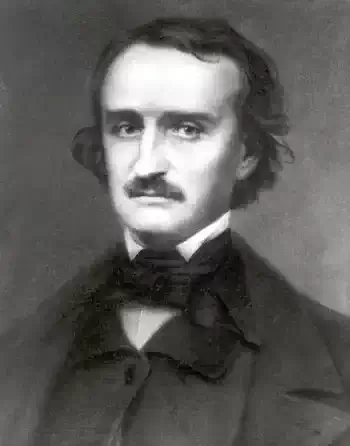
Edgar Allan Poe
To The River --
To The River --
Fair river! in thy bright, clear flow
Of crystal, wandering water,
Thou art an emblem of the glow
Of beauty- the unhidden heartThe
playful maziness of art
In old Alberto's daughter;
But when within thy wave she looksWhich
glistens then, and tremblesWhy,
then, the prettiest of brooks
Her worshipper resembles;
For in his heart, as in thy stream,
Her image deeply liesHis
heart which trembles at the beam
Of her soul-searching eyes.
Fair river! in thy bright, clear flow
Of crystal, wandering water,
Thou art an emblem of the glow
Of beauty- the unhidden heartThe
playful maziness of art
In old Alberto's daughter;
But when within thy wave she looksWhich
glistens then, and tremblesWhy,
then, the prettiest of brooks
Her worshipper resembles;
For in his heart, as in thy stream,
Her image deeply liesHis
heart which trembles at the beam
Of her soul-searching eyes.
234
Edgar Allan Poe
To The River --
To The River --
Fair river! in thy bright, clear flow
Of crystal, wandering water,
Thou art an emblem of the glow
Of beauty- the unhidden heartThe
playful maziness of art
In old Alberto's daughter;
But when within thy wave she looksWhich
glistens then, and tremblesWhy,
then, the prettiest of brooks
Her worshipper resembles;
For in his heart, as in thy stream,
Her image deeply liesHis
heart which trembles at the beam
Of her soul-searching eyes.
Fair river! in thy bright, clear flow
Of crystal, wandering water,
Thou art an emblem of the glow
Of beauty- the unhidden heartThe
playful maziness of art
In old Alberto's daughter;
But when within thy wave she looksWhich
glistens then, and tremblesWhy,
then, the prettiest of brooks
Her worshipper resembles;
For in his heart, as in thy stream,
Her image deeply liesHis
heart which trembles at the beam
Of her soul-searching eyes.
234
Edgar Allan Poe
To The River --
To The River --
Fair river! in thy bright, clear flow
Of crystal, wandering water,
Thou art an emblem of the glow
Of beauty- the unhidden heartThe
playful maziness of art
In old Alberto's daughter;
But when within thy wave she looksWhich
glistens then, and tremblesWhy,
then, the prettiest of brooks
Her worshipper resembles;
For in his heart, as in thy stream,
Her image deeply liesHis
heart which trembles at the beam
Of her soul-searching eyes.
Fair river! in thy bright, clear flow
Of crystal, wandering water,
Thou art an emblem of the glow
Of beauty- the unhidden heartThe
playful maziness of art
In old Alberto's daughter;
But when within thy wave she looksWhich
glistens then, and tremblesWhy,
then, the prettiest of brooks
Her worshipper resembles;
For in his heart, as in thy stream,
Her image deeply liesHis
heart which trembles at the beam
Of her soul-searching eyes.
234
Edgar Allan Poe
To One Departed
To One Departed
Seraph! thy memory is to me
Like some enchanted far-off isle
In some tumultuous sea -
Some ocean vexed as it may be
With storms; but where, meanwhile,
Serenest skies continually
Just o'er that one bright island smile.
For 'mid the earnest cares and woes
That crowd around my earthly path,
(Sad path, alas, where grows
Not even one lonely rose!)
My soul at least a solace hath
In dreams of thee; and therein knows
An Eden of bland repose.
Seraph! thy memory is to me
Like some enchanted far-off isle
In some tumultuous sea -
Some ocean vexed as it may be
With storms; but where, meanwhile,
Serenest skies continually
Just o'er that one bright island smile.
For 'mid the earnest cares and woes
That crowd around my earthly path,
(Sad path, alas, where grows
Not even one lonely rose!)
My soul at least a solace hath
In dreams of thee; and therein knows
An Eden of bland repose.
311
Edgar Allan Poe
To Marie Louise (Shew)
To Marie Louise (Shew)
Of all who hail thy presence as the morning-
Of all to whom thine absence is the night-
The blotting utterly from out high heaven
The sacred sun- of all who, weeping, bless thee
Hourly for hope- for life- ah! above all,
For the resurrection of deep-buried faith
In Truth- in Virtue- in Humanity-
Of all who, on Despair's unhallowed bed
Lying down to die, have suddenly arisen
At thy soft-murmured words, 'Let there be light!'
At the soft-murmured words that were fulfilled
In the seraphic glancing of thine eyes-
Of all who owe thee most- whose gratitude
Nearest resembles worship- oh, remember
The truest- the most fervently devoted,
And think that these weak lines are written by him-
By him who, as he pens them, thrills to think
His spirit is communing with an angel's.
Of all who hail thy presence as the morning-
Of all to whom thine absence is the night-
The blotting utterly from out high heaven
The sacred sun- of all who, weeping, bless thee
Hourly for hope- for life- ah! above all,
For the resurrection of deep-buried faith
In Truth- in Virtue- in Humanity-
Of all who, on Despair's unhallowed bed
Lying down to die, have suddenly arisen
At thy soft-murmured words, 'Let there be light!'
At the soft-murmured words that were fulfilled
In the seraphic glancing of thine eyes-
Of all who owe thee most- whose gratitude
Nearest resembles worship- oh, remember
The truest- the most fervently devoted,
And think that these weak lines are written by him-
By him who, as he pens them, thrills to think
His spirit is communing with an angel's.
360
Edgar Allan Poe
To M--
To M--
O! I care not that my earthly lot
Hath little of Earth in it,
That years of love have been forgot
In the fever of a minute:
I heed not that the desolate
Are happier, sweet, than I,
But that you meddle with my fate
Who am a passer by.
It is not that my founts of bliss
Are gushing- strange! with tearsOr
that the thrill of a single kiss
Hath palsied many years
'Tis not that the flowers of twenty springs
Which have wither'd as they rose
Lie dead on my heart-strings
With the weight of an age of snows.
Not that the grass- O! may it thrive!
On my grave is growing or grownBut
that, while I am dead yet alive
I cannot be, lady, alone.
O! I care not that my earthly lot
Hath little of Earth in it,
That years of love have been forgot
In the fever of a minute:
I heed not that the desolate
Are happier, sweet, than I,
But that you meddle with my fate
Who am a passer by.
It is not that my founts of bliss
Are gushing- strange! with tearsOr
that the thrill of a single kiss
Hath palsied many years
'Tis not that the flowers of twenty springs
Which have wither'd as they rose
Lie dead on my heart-strings
With the weight of an age of snows.
Not that the grass- O! may it thrive!
On my grave is growing or grownBut
that, while I am dead yet alive
I cannot be, lady, alone.
312
Edgar Allan Poe
To Helen - 1848
To Helen - 1848
I saw thee once- once only- years ago:
I must not say how many- but not many.
It was a July midnight; and from out
A full-orbed moon, that, like thine own soul, soaring,
Sought a precipitate pathway up through heaven,
There fell a silvery-silken veil of light,
With quietude, and sultriness, and slumber,
Upon the upturned faces of a thousand
Roses that grew in an enchanted garden,
Where no wind dared to stir, unless on tiptoe-
Fell on the upturn'd faces of these roses
That gave out, in return for the love-light,
Their odorous souls in an ecstatic death-
Fell on the upturn'd faces of these roses
That smiled and died in this parterre, enchanted
By thee, and by the poetry of thy presence.
Clad all in white, upon a violet bank
I saw thee half reclining; while the moon
Fell on the upturn'd faces of the roses,
And on thine own, upturn'd- alas, in sorrow!
Was it not Fate, that, on this July midnight-
Was it not Fate, (whose name is also Sorrow,)
That bade me pause before that garden-gate,
To breathe the incense of those slumbering roses?
No footstep stirred: the hated world an slept,
Save only thee and me. (Oh, Heaven!- oh, God!
How my heart beats in coupling those two words!)
Save only thee and me. I paused- I looked-
And in an instant all things disappeared.
(Ah, bear in mind this garden was enchanted!)
The pearly lustre of the moon went out:
The mossy banks and the meandering paths,
The happy flowers and the repining trees,
Were seen no more: the very roses' odors
Died in the arms of the adoring airs.
All- all expired save thee- save less than thou:
Save only the divine light in thine eyes-
Save but the soul in thine uplifted eyes.
I saw but them- they were the world to me!
I saw but them- saw only them for hours,
Saw only them until the moon went down.
What wild heart-histories seemed to he enwritten
Upon those crystalline, celestial spheres!
How dark a woe, yet how sublime a hope!
How silently serene a sea of pride!
How daring an ambition; yet how deep-
How fathomless a capacity for love!
But now, at length, dear Dian sank from sight,
Into a western couch of thunder-cloud;
And thou, a ghost, amid the entombing trees
Didst glide away. Only thine eyes remained;
They would not go- they never yet have gone;
Lighting my lonely pathway home that night,
They have not left me (as my hopes have) since;
They follow me- they lead me through the years.
They are my ministers- yet I their slave.
Their office is to illumine and enkindle-
My duty, to be saved by their bright light,
And purified in their electric fire,
And sanctified in their elysian fire.
They fill my soul with Beauty (which is Hope),
And are far up in Heaven- the stars I kneel to
In the sad, silent watches of my night;
While even in the meridian glare of day
I see them still- two sweetly scintillant
Venuses, unextinguished by the sun!
I saw thee once- once only- years ago:
I must not say how many- but not many.
It was a July midnight; and from out
A full-orbed moon, that, like thine own soul, soaring,
Sought a precipitate pathway up through heaven,
There fell a silvery-silken veil of light,
With quietude, and sultriness, and slumber,
Upon the upturned faces of a thousand
Roses that grew in an enchanted garden,
Where no wind dared to stir, unless on tiptoe-
Fell on the upturn'd faces of these roses
That gave out, in return for the love-light,
Their odorous souls in an ecstatic death-
Fell on the upturn'd faces of these roses
That smiled and died in this parterre, enchanted
By thee, and by the poetry of thy presence.
Clad all in white, upon a violet bank
I saw thee half reclining; while the moon
Fell on the upturn'd faces of the roses,
And on thine own, upturn'd- alas, in sorrow!
Was it not Fate, that, on this July midnight-
Was it not Fate, (whose name is also Sorrow,)
That bade me pause before that garden-gate,
To breathe the incense of those slumbering roses?
No footstep stirred: the hated world an slept,
Save only thee and me. (Oh, Heaven!- oh, God!
How my heart beats in coupling those two words!)
Save only thee and me. I paused- I looked-
And in an instant all things disappeared.
(Ah, bear in mind this garden was enchanted!)
The pearly lustre of the moon went out:
The mossy banks and the meandering paths,
The happy flowers and the repining trees,
Were seen no more: the very roses' odors
Died in the arms of the adoring airs.
All- all expired save thee- save less than thou:
Save only the divine light in thine eyes-
Save but the soul in thine uplifted eyes.
I saw but them- they were the world to me!
I saw but them- saw only them for hours,
Saw only them until the moon went down.
What wild heart-histories seemed to he enwritten
Upon those crystalline, celestial spheres!
How dark a woe, yet how sublime a hope!
How silently serene a sea of pride!
How daring an ambition; yet how deep-
How fathomless a capacity for love!
But now, at length, dear Dian sank from sight,
Into a western couch of thunder-cloud;
And thou, a ghost, amid the entombing trees
Didst glide away. Only thine eyes remained;
They would not go- they never yet have gone;
Lighting my lonely pathway home that night,
They have not left me (as my hopes have) since;
They follow me- they lead me through the years.
They are my ministers- yet I their slave.
Their office is to illumine and enkindle-
My duty, to be saved by their bright light,
And purified in their electric fire,
And sanctified in their elysian fire.
They fill my soul with Beauty (which is Hope),
And are far up in Heaven- the stars I kneel to
In the sad, silent watches of my night;
While even in the meridian glare of day
I see them still- two sweetly scintillant
Venuses, unextinguished by the sun!
294
Edgar Allan Poe
To Helen - 1848
To Helen - 1848
I saw thee once- once only- years ago:
I must not say how many- but not many.
It was a July midnight; and from out
A full-orbed moon, that, like thine own soul, soaring,
Sought a precipitate pathway up through heaven,
There fell a silvery-silken veil of light,
With quietude, and sultriness, and slumber,
Upon the upturned faces of a thousand
Roses that grew in an enchanted garden,
Where no wind dared to stir, unless on tiptoe-
Fell on the upturn'd faces of these roses
That gave out, in return for the love-light,
Their odorous souls in an ecstatic death-
Fell on the upturn'd faces of these roses
That smiled and died in this parterre, enchanted
By thee, and by the poetry of thy presence.
Clad all in white, upon a violet bank
I saw thee half reclining; while the moon
Fell on the upturn'd faces of the roses,
And on thine own, upturn'd- alas, in sorrow!
Was it not Fate, that, on this July midnight-
Was it not Fate, (whose name is also Sorrow,)
That bade me pause before that garden-gate,
To breathe the incense of those slumbering roses?
No footstep stirred: the hated world an slept,
Save only thee and me. (Oh, Heaven!- oh, God!
How my heart beats in coupling those two words!)
Save only thee and me. I paused- I looked-
And in an instant all things disappeared.
(Ah, bear in mind this garden was enchanted!)
The pearly lustre of the moon went out:
The mossy banks and the meandering paths,
The happy flowers and the repining trees,
Were seen no more: the very roses' odors
Died in the arms of the adoring airs.
All- all expired save thee- save less than thou:
Save only the divine light in thine eyes-
Save but the soul in thine uplifted eyes.
I saw but them- they were the world to me!
I saw but them- saw only them for hours,
Saw only them until the moon went down.
What wild heart-histories seemed to he enwritten
Upon those crystalline, celestial spheres!
How dark a woe, yet how sublime a hope!
How silently serene a sea of pride!
How daring an ambition; yet how deep-
How fathomless a capacity for love!
But now, at length, dear Dian sank from sight,
Into a western couch of thunder-cloud;
And thou, a ghost, amid the entombing trees
Didst glide away. Only thine eyes remained;
They would not go- they never yet have gone;
Lighting my lonely pathway home that night,
They have not left me (as my hopes have) since;
They follow me- they lead me through the years.
They are my ministers- yet I their slave.
Their office is to illumine and enkindle-
My duty, to be saved by their bright light,
And purified in their electric fire,
And sanctified in their elysian fire.
They fill my soul with Beauty (which is Hope),
And are far up in Heaven- the stars I kneel to
In the sad, silent watches of my night;
While even in the meridian glare of day
I see them still- two sweetly scintillant
Venuses, unextinguished by the sun!
I saw thee once- once only- years ago:
I must not say how many- but not many.
It was a July midnight; and from out
A full-orbed moon, that, like thine own soul, soaring,
Sought a precipitate pathway up through heaven,
There fell a silvery-silken veil of light,
With quietude, and sultriness, and slumber,
Upon the upturned faces of a thousand
Roses that grew in an enchanted garden,
Where no wind dared to stir, unless on tiptoe-
Fell on the upturn'd faces of these roses
That gave out, in return for the love-light,
Their odorous souls in an ecstatic death-
Fell on the upturn'd faces of these roses
That smiled and died in this parterre, enchanted
By thee, and by the poetry of thy presence.
Clad all in white, upon a violet bank
I saw thee half reclining; while the moon
Fell on the upturn'd faces of the roses,
And on thine own, upturn'd- alas, in sorrow!
Was it not Fate, that, on this July midnight-
Was it not Fate, (whose name is also Sorrow,)
That bade me pause before that garden-gate,
To breathe the incense of those slumbering roses?
No footstep stirred: the hated world an slept,
Save only thee and me. (Oh, Heaven!- oh, God!
How my heart beats in coupling those two words!)
Save only thee and me. I paused- I looked-
And in an instant all things disappeared.
(Ah, bear in mind this garden was enchanted!)
The pearly lustre of the moon went out:
The mossy banks and the meandering paths,
The happy flowers and the repining trees,
Were seen no more: the very roses' odors
Died in the arms of the adoring airs.
All- all expired save thee- save less than thou:
Save only the divine light in thine eyes-
Save but the soul in thine uplifted eyes.
I saw but them- they were the world to me!
I saw but them- saw only them for hours,
Saw only them until the moon went down.
What wild heart-histories seemed to he enwritten
Upon those crystalline, celestial spheres!
How dark a woe, yet how sublime a hope!
How silently serene a sea of pride!
How daring an ambition; yet how deep-
How fathomless a capacity for love!
But now, at length, dear Dian sank from sight,
Into a western couch of thunder-cloud;
And thou, a ghost, amid the entombing trees
Didst glide away. Only thine eyes remained;
They would not go- they never yet have gone;
Lighting my lonely pathway home that night,
They have not left me (as my hopes have) since;
They follow me- they lead me through the years.
They are my ministers- yet I their slave.
Their office is to illumine and enkindle-
My duty, to be saved by their bright light,
And purified in their electric fire,
And sanctified in their elysian fire.
They fill my soul with Beauty (which is Hope),
And are far up in Heaven- the stars I kneel to
In the sad, silent watches of my night;
While even in the meridian glare of day
I see them still- two sweetly scintillant
Venuses, unextinguished by the sun!
294
Edgar Allan Poe
To -- -- --. Ulalume: A Ballad
To -- -- --. Ulalume: A Ballad
The skies they were ashen and sober;
The leaves they were crisped and sereThe
leaves they were withering and sere;
It was night in the lonesome October
Of my most immemorial year;
It was hard by the dim lake of Auber,
In the misty mid region of WeirIt
was down by the dank tarn of Auber,
In the ghoul-haunted woodland of Weir.
Here once, through an alley Titanic,
Of cypress, I roamed with my SoulOf
cypress, with Psyche, my Soul.
There were days when my heart was volcanic
As the scoriac rivers that rollAs
the lavas that restlessly roll
Their sulphurous currents down Yaanek
In the ultimate climes of the poleThat
groan as they roll down Mount Yaanek
In the realms of the boreal pole.
Our talk had been serious and sober,
But our thoughts they were palsied and sereOur
memories were treacherous and sere
For we knew not the month was October,
And we marked not the night of the year(
Ah, night of all nights in the year!)
We noted not the dim lake of Auber(
Though once we had journeyed down here),
Remembered not the dank tarn of Auber,
Nor the ghoul-haunted woodland of Weir.
And now, as the night was senescent,
And star-dials pointed to mornAs
the star-dials hinted of morn
At the end of our path a liquescent
And nebulous lustre was born,
Out of which a miraculous crescent
Arose with a duplicate hornAstarte's
bediamonded crescent
Distinct with its duplicate horn.
And I said- 'She is warmer than Dian:
She rolls through an ether of sighsShe
revels in a region of sighs:
She has seen that the tears are not dry on
These cheeks, where the worm never dies,
And has come past the stars of the Lion,
To point us the path to the skiesTo
the Lethean peace of the skies
Come up, in despite of the Lion,
To shine on us with her bright eyes
Come up through the lair of the Lion,
With love in her luminous eyes.'
But Psyche, uplifting her finger,
Said- 'Sadly this star I mistrustHer
pallor I strangely mistrust:
Oh, hasten!- oh, let us not linger!
Oh, fly!- let us fly!- for we must.'
In terror she spoke, letting sink her
Wings until they trailed in the dust
In agony sobbed, letting sink her
Plumes till they trailed in the dustTill
they sorrowfully trailed in the dust.
I replied- 'This is nothing but dreaming:
Let us on by this tremulous light!
Let us bathe in this crystalline light!
Its Sybilic splendor is beaming
With Hope and in Beauty to-night:See!-
it flickers up the sky through the night!
Ah, we safely may trust to its gleaming,
And be sure it will lead us aright
We safely may trust to a gleaming
That cannot but guide us aright,
Since it flickers up to Heaven through the night.'
Thus I pacified Psyche and kissed her,
And tempted her out of her gloomAnd
conquered her scruples and gloom;
And we passed to the end of the vista,
But were stopped by the door of a tombBy
the door of a legended tomb;
And I said- 'What is written, sweet sister,
On the door of this legended tomb?'
She replied- 'Ulalume- Ulalume'
Tis the vault of thy lost Ulalume!'
Then my heart it grew ashen and sober
As the leaves that were crisped and sereAs
the leaves that were withering and sere
And I cried- 'It was surely October
On this very night of last year
That I journeyed- I journeyed down hereThat
I brought a dread burden down hereOn
this night of all nights in the year,
Ah, what demon has tempted me here?
Well I know, now, this dim lake of AuberThis
misty mid region of WeirWell
I know, now, this dank tarn of Auber,
This ghoul-haunted woodland of Weir.'
The skies they were ashen and sober;
The leaves they were crisped and sereThe
leaves they were withering and sere;
It was night in the lonesome October
Of my most immemorial year;
It was hard by the dim lake of Auber,
In the misty mid region of WeirIt
was down by the dank tarn of Auber,
In the ghoul-haunted woodland of Weir.
Here once, through an alley Titanic,
Of cypress, I roamed with my SoulOf
cypress, with Psyche, my Soul.
There were days when my heart was volcanic
As the scoriac rivers that rollAs
the lavas that restlessly roll
Their sulphurous currents down Yaanek
In the ultimate climes of the poleThat
groan as they roll down Mount Yaanek
In the realms of the boreal pole.
Our talk had been serious and sober,
But our thoughts they were palsied and sereOur
memories were treacherous and sere
For we knew not the month was October,
And we marked not the night of the year(
Ah, night of all nights in the year!)
We noted not the dim lake of Auber(
Though once we had journeyed down here),
Remembered not the dank tarn of Auber,
Nor the ghoul-haunted woodland of Weir.
And now, as the night was senescent,
And star-dials pointed to mornAs
the star-dials hinted of morn
At the end of our path a liquescent
And nebulous lustre was born,
Out of which a miraculous crescent
Arose with a duplicate hornAstarte's
bediamonded crescent
Distinct with its duplicate horn.
And I said- 'She is warmer than Dian:
She rolls through an ether of sighsShe
revels in a region of sighs:
She has seen that the tears are not dry on
These cheeks, where the worm never dies,
And has come past the stars of the Lion,
To point us the path to the skiesTo
the Lethean peace of the skies
Come up, in despite of the Lion,
To shine on us with her bright eyes
Come up through the lair of the Lion,
With love in her luminous eyes.'
But Psyche, uplifting her finger,
Said- 'Sadly this star I mistrustHer
pallor I strangely mistrust:
Oh, hasten!- oh, let us not linger!
Oh, fly!- let us fly!- for we must.'
In terror she spoke, letting sink her
Wings until they trailed in the dust
In agony sobbed, letting sink her
Plumes till they trailed in the dustTill
they sorrowfully trailed in the dust.
I replied- 'This is nothing but dreaming:
Let us on by this tremulous light!
Let us bathe in this crystalline light!
Its Sybilic splendor is beaming
With Hope and in Beauty to-night:See!-
it flickers up the sky through the night!
Ah, we safely may trust to its gleaming,
And be sure it will lead us aright
We safely may trust to a gleaming
That cannot but guide us aright,
Since it flickers up to Heaven through the night.'
Thus I pacified Psyche and kissed her,
And tempted her out of her gloomAnd
conquered her scruples and gloom;
And we passed to the end of the vista,
But were stopped by the door of a tombBy
the door of a legended tomb;
And I said- 'What is written, sweet sister,
On the door of this legended tomb?'
She replied- 'Ulalume- Ulalume'
Tis the vault of thy lost Ulalume!'
Then my heart it grew ashen and sober
As the leaves that were crisped and sereAs
the leaves that were withering and sere
And I cried- 'It was surely October
On this very night of last year
That I journeyed- I journeyed down hereThat
I brought a dread burden down hereOn
this night of all nights in the year,
Ah, what demon has tempted me here?
Well I know, now, this dim lake of AuberThis
misty mid region of WeirWell
I know, now, this dank tarn of Auber,
This ghoul-haunted woodland of Weir.'
311
Edgar Allan Poe
To --
To --
The bowers whereat, in dreams, I see
The wantonest singing birds,
Are lips- and all thy melody
Of lip-begotten words
Thine eyes, in Heaven of heart enshrined,
Then desolately fall,
O God! on my funereal mind
Like starlight on a pall
Thy heart- thy heart!- I wake and sigh,
And sleep to dream till day
Of the truth that gold can never buyOf
the baubles that it may.
The bowers whereat, in dreams, I see
The wantonest singing birds,
Are lips- and all thy melody
Of lip-begotten words
Thine eyes, in Heaven of heart enshrined,
Then desolately fall,
O God! on my funereal mind
Like starlight on a pall
Thy heart- thy heart!- I wake and sigh,
And sleep to dream till day
Of the truth that gold can never buyOf
the baubles that it may.
241
Edgar Allan Poe
To --
To --
The bowers whereat, in dreams, I see
The wantonest singing birds,
Are lips- and all thy melody
Of lip-begotten words
Thine eyes, in Heaven of heart enshrined,
Then desolately fall,
O God! on my funereal mind
Like starlight on a pall
Thy heart- thy heart!- I wake and sigh,
And sleep to dream till day
Of the truth that gold can never buyOf
the baubles that it may.
The bowers whereat, in dreams, I see
The wantonest singing birds,
Are lips- and all thy melody
Of lip-begotten words
Thine eyes, in Heaven of heart enshrined,
Then desolately fall,
O God! on my funereal mind
Like starlight on a pall
Thy heart- thy heart!- I wake and sigh,
And sleep to dream till day
Of the truth that gold can never buyOf
the baubles that it may.
241
Edgar Allan Poe
The Haunted Palace
The Haunted Palace
In the greenest of our valleys
By good angels tenanted,
Once a fair and stately palaceRadiant
palace- reared its head.
In the monarch Thought's dominionIt
stood there!
Never seraph spread a pinion
Over fabric half so fair!
Banners yellow, glorious, golden,
On its roof did float and flow,
(This- all this- was in the olden
Time long ago,)
And every gentle air that dallied,
In that sweet day,
Along the ramparts plumed and pallid,
A winged odor went away.
Wanderers in that happy valley,
Through two luminous windows, saw
Spirits moving musically,
To a lute's well-tuned law,
Round about a throne where, sitting
(Porphyrogene!)
In state his glory well-befitting,
The ruler of the realm was seen.
And all with pearl and ruby glowing
Was the fair palace door,
Through which came flowing, flowing, flowing,
And sparkling evermore,
A troop of Echoes, whose sweet duty
Was but to sing,
In voices of surpassing beauty,
The wit and wisdom of their king.
But evil things, in robes of sorrow,
Assailed the monarch's high estate.
(Ah, let us mourn!- for never morrow
Shall dawn upon him desolate!)
And round about his home the glory
That blushed and bloomed,
Is but a dim-remembered story
Of the old time entombed.
And travellers, now, within that valley,
Through the red-litten windows see
Vast forms, that move fantastically
To a discordant melody,
While, like a ghastly rapid river,
Through the pale door
A hideous throng rush out forever
And laugh- but smile no more.
-THE END
.
In the greenest of our valleys
By good angels tenanted,
Once a fair and stately palaceRadiant
palace- reared its head.
In the monarch Thought's dominionIt
stood there!
Never seraph spread a pinion
Over fabric half so fair!
Banners yellow, glorious, golden,
On its roof did float and flow,
(This- all this- was in the olden
Time long ago,)
And every gentle air that dallied,
In that sweet day,
Along the ramparts plumed and pallid,
A winged odor went away.
Wanderers in that happy valley,
Through two luminous windows, saw
Spirits moving musically,
To a lute's well-tuned law,
Round about a throne where, sitting
(Porphyrogene!)
In state his glory well-befitting,
The ruler of the realm was seen.
And all with pearl and ruby glowing
Was the fair palace door,
Through which came flowing, flowing, flowing,
And sparkling evermore,
A troop of Echoes, whose sweet duty
Was but to sing,
In voices of surpassing beauty,
The wit and wisdom of their king.
But evil things, in robes of sorrow,
Assailed the monarch's high estate.
(Ah, let us mourn!- for never morrow
Shall dawn upon him desolate!)
And round about his home the glory
That blushed and bloomed,
Is but a dim-remembered story
Of the old time entombed.
And travellers, now, within that valley,
Through the red-litten windows see
Vast forms, that move fantastically
To a discordant melody,
While, like a ghastly rapid river,
Through the pale door
A hideous throng rush out forever
And laugh- but smile no more.
-THE END
.
709
Edgar Allan Poe
The Raven
The Raven
Once upon a midnight dreary, while I pondered, weak and weary,
Over many a quaint and curious volume of forgotten lore,
While I nodded, nearly napping, suddenly there came a tapping,
As of some one gently rapping, rapping at my chamber door.
''Tis some visitor,' I muttered, 'tapping at my chamber doorOnly
this, and nothing more.'
Ah, distinctly I remember it was in the bleak December,
And each separate dying ember wrought its ghost upon the floor.
Eagerly I wished the morrow;- vainly I had sought to borrow
From my books surcease of sorrow- sorrow for the lost Lenore
For the rare and radiant maiden whom the angels name LenoreNameless
here for evermore.
And the silken sad uncertain rustling of each purple curtain
Thrilled me- filled me with fantastic terrors never felt before;
So that now, to still the beating of my heart, I stood repeating,
''Tis some visitor entreating entrance at my chamber door
Some late visitor entreating entrance at my chamber door;This
it is, and nothing more.'
Presently my soul grew stronger; hesitating then no longer,
'Sir,' said I, 'or Madam, truly your forgiveness I implore;
But the fact is I was napping, and so gently you came rapping,
And so faintly you came tapping, tapping at my chamber door,
That I scarce was sure I heard you'- here I opened wide the door;Darkness
there, and nothing more.
Deep into that darkness peering, long I stood there wondering,
fearing,
Doubting, dreaming dreams no mortals ever dared to dream before;
But the silence was unbroken, and the stillness gave no token,
And the only word there spoken was the whispered word, 'Lenore!'
This I whispered, and an echo murmured back the word, 'Lenore!'Merely
this, and nothing more.
Back into the chamber turning, all my soul within me burning,
Soon again I heard a tapping somewhat louder than before.
'Surely,' said I, 'surely that is something at my window lattice:
Let me see, then, what thereat is, and this mystery explore
Let my heart be still a moment and this mystery explore;'
Tis the wind and nothing more.'
Open here I flung the shutter, when, with many a flirt and
flutter,
In there stepped a stately raven of the saintly days of yore;
Not the least obeisance made he; not a minute stopped or stayed
he;
But, with mien of lord or lady, perched above my chamber doorPerched
upon a bust of Pallas just above my chamber doorPerched,
and sat, and nothing more.
Then this ebony bird beguiling my sad fancy into smiling,
By the grave and stern decorum of the countenance it wore.
'Though thy crest be shorn and shaven, thou,' I said, 'art sure no
craven,
Ghastly grim and ancient raven wandering from the Nightly shoreTell
me what thy lordly name is on the Night's Plutonian shore!'
Quoth the Raven, 'Nevermore.'
Much I marvelled this ungainly fowl to hear discourse so plainly,
Though its answer little meaning- little relevancy bore;
For we cannot help agreeing that no living human being
Ever yet was blest with seeing bird above his chamber door
Bird or beast upon the sculptured bust above his chamber door,
With such name as 'Nevermore.'
But the raven, sitting lonely on the placid bust, spoke only
That one word, as if his soul in that one word he did outpour.
Nothing further then he uttered- not a feather then he flutteredTill
I scarcely more than muttered, 'other friends have flown
beforeOn
the morrow he will leave me, as my hopes have flown before.'
Then the bird said, 'Nevermore.'
Startled at the stillness broken by reply so aptly spoken,
'Doubtless,' said I, 'what it utters is its only stock and store,
Caught from some unhappy master whom unmerciful Disaster
Followed fast and followed faster till his songs one burden bore
Till the dirges of his Hope that melancholy burden bore
Of 'Never- nevermore'.'
But the Raven still beguiling all my fancy into smiling,
Straight I wheeled a cushioned seat in front of bird, and bust and
door;
Then upon the velvet sinking, I betook myself to linking
Fancy unto fancy, thinking what this ominous bird of yore
What this grim, ungainly, ghastly, gaunt and ominous bird of yore
Meant in croaking 'Nevermore.'
This I sat engaged in guessing, but no syllable expressing
To the fowl whose fiery eyes now burned into my bosom's core;
This and more I sat divining, with my head at ease reclining
On the cushion's velvet lining that the lamplight gloated o'er,
But whose velvet violet lining with the lamplight gloating o'er,
She shall press, ah, nevermore!
Then methought the air grew denser, perfumed from an unseen censer
Swung by Seraphim whose footfalls tinkled on the tufted floor.
'Wretch,' I cried, 'thy God hath lent thee- by these angels he
hath sent thee
Respite- respite and nepenthe, from thy memories of Lenore!
Quaff, oh quaff this kind nepenthe and forget this lost Lenore!'
Quoth the Raven, 'Nevermore.'
'Prophet!' said I, 'thing of evil!- prophet still, if bird or
devil!
Whether Tempter sent, or whether tempest tossed thee here ashore,
Desolate yet all undaunted, on this desert land enchantedOn
this home by horror haunted- tell me truly, I implore
Is there- is there balm in Gilead?- tell me- tell me, I implore!'
Quoth the Raven, 'Nevermore.'
'Prophet!' said I, 'thing of evil- prophet still, if bird or
devil!
By that Heaven that bends above us- by that God we both adoreTell
this soul with sorrow laden if, within the distant Aidenn,
It shall clasp a sainted maiden whom the angels name Lenore
Clasp a rare and radiant maiden whom the angels name Lenore.'
Quoth the Raven, 'Nevermore.'
'Be that word our sign in parting, bird or fiend,' I shrieked,
upstarting
'Get thee back into the tempest and the Night's Plutonian shore!
Leave no black plume as a token of that lie thy soul hath spoken!
Leave my loneliness unbroken!- quit the bust above my door!
Take thy beak from out my heart, and take thy form from off my
door!'
Quoth the Raven, 'Nevermore.'
And the Raven, never flitting, still is sitting, still is sitting
On the pallid bust of Pallas just above my chamber door;
And his eyes have all the seeming of a demon's that is dreaming,
And the lamplight o'er him streaming throws his shadow on the
floor;
And my soul from out that shadow that lies floating on the floor
Shall be lifted- nevermore!
Once upon a midnight dreary, while I pondered, weak and weary,
Over many a quaint and curious volume of forgotten lore,
While I nodded, nearly napping, suddenly there came a tapping,
As of some one gently rapping, rapping at my chamber door.
''Tis some visitor,' I muttered, 'tapping at my chamber doorOnly
this, and nothing more.'
Ah, distinctly I remember it was in the bleak December,
And each separate dying ember wrought its ghost upon the floor.
Eagerly I wished the morrow;- vainly I had sought to borrow
From my books surcease of sorrow- sorrow for the lost Lenore
For the rare and radiant maiden whom the angels name LenoreNameless
here for evermore.
And the silken sad uncertain rustling of each purple curtain
Thrilled me- filled me with fantastic terrors never felt before;
So that now, to still the beating of my heart, I stood repeating,
''Tis some visitor entreating entrance at my chamber door
Some late visitor entreating entrance at my chamber door;This
it is, and nothing more.'
Presently my soul grew stronger; hesitating then no longer,
'Sir,' said I, 'or Madam, truly your forgiveness I implore;
But the fact is I was napping, and so gently you came rapping,
And so faintly you came tapping, tapping at my chamber door,
That I scarce was sure I heard you'- here I opened wide the door;Darkness
there, and nothing more.
Deep into that darkness peering, long I stood there wondering,
fearing,
Doubting, dreaming dreams no mortals ever dared to dream before;
But the silence was unbroken, and the stillness gave no token,
And the only word there spoken was the whispered word, 'Lenore!'
This I whispered, and an echo murmured back the word, 'Lenore!'Merely
this, and nothing more.
Back into the chamber turning, all my soul within me burning,
Soon again I heard a tapping somewhat louder than before.
'Surely,' said I, 'surely that is something at my window lattice:
Let me see, then, what thereat is, and this mystery explore
Let my heart be still a moment and this mystery explore;'
Tis the wind and nothing more.'
Open here I flung the shutter, when, with many a flirt and
flutter,
In there stepped a stately raven of the saintly days of yore;
Not the least obeisance made he; not a minute stopped or stayed
he;
But, with mien of lord or lady, perched above my chamber doorPerched
upon a bust of Pallas just above my chamber doorPerched,
and sat, and nothing more.
Then this ebony bird beguiling my sad fancy into smiling,
By the grave and stern decorum of the countenance it wore.
'Though thy crest be shorn and shaven, thou,' I said, 'art sure no
craven,
Ghastly grim and ancient raven wandering from the Nightly shoreTell
me what thy lordly name is on the Night's Plutonian shore!'
Quoth the Raven, 'Nevermore.'
Much I marvelled this ungainly fowl to hear discourse so plainly,
Though its answer little meaning- little relevancy bore;
For we cannot help agreeing that no living human being
Ever yet was blest with seeing bird above his chamber door
Bird or beast upon the sculptured bust above his chamber door,
With such name as 'Nevermore.'
But the raven, sitting lonely on the placid bust, spoke only
That one word, as if his soul in that one word he did outpour.
Nothing further then he uttered- not a feather then he flutteredTill
I scarcely more than muttered, 'other friends have flown
beforeOn
the morrow he will leave me, as my hopes have flown before.'
Then the bird said, 'Nevermore.'
Startled at the stillness broken by reply so aptly spoken,
'Doubtless,' said I, 'what it utters is its only stock and store,
Caught from some unhappy master whom unmerciful Disaster
Followed fast and followed faster till his songs one burden bore
Till the dirges of his Hope that melancholy burden bore
Of 'Never- nevermore'.'
But the Raven still beguiling all my fancy into smiling,
Straight I wheeled a cushioned seat in front of bird, and bust and
door;
Then upon the velvet sinking, I betook myself to linking
Fancy unto fancy, thinking what this ominous bird of yore
What this grim, ungainly, ghastly, gaunt and ominous bird of yore
Meant in croaking 'Nevermore.'
This I sat engaged in guessing, but no syllable expressing
To the fowl whose fiery eyes now burned into my bosom's core;
This and more I sat divining, with my head at ease reclining
On the cushion's velvet lining that the lamplight gloated o'er,
But whose velvet violet lining with the lamplight gloating o'er,
She shall press, ah, nevermore!
Then methought the air grew denser, perfumed from an unseen censer
Swung by Seraphim whose footfalls tinkled on the tufted floor.
'Wretch,' I cried, 'thy God hath lent thee- by these angels he
hath sent thee
Respite- respite and nepenthe, from thy memories of Lenore!
Quaff, oh quaff this kind nepenthe and forget this lost Lenore!'
Quoth the Raven, 'Nevermore.'
'Prophet!' said I, 'thing of evil!- prophet still, if bird or
devil!
Whether Tempter sent, or whether tempest tossed thee here ashore,
Desolate yet all undaunted, on this desert land enchantedOn
this home by horror haunted- tell me truly, I implore
Is there- is there balm in Gilead?- tell me- tell me, I implore!'
Quoth the Raven, 'Nevermore.'
'Prophet!' said I, 'thing of evil- prophet still, if bird or
devil!
By that Heaven that bends above us- by that God we both adoreTell
this soul with sorrow laden if, within the distant Aidenn,
It shall clasp a sainted maiden whom the angels name Lenore
Clasp a rare and radiant maiden whom the angels name Lenore.'
Quoth the Raven, 'Nevermore.'
'Be that word our sign in parting, bird or fiend,' I shrieked,
upstarting
'Get thee back into the tempest and the Night's Plutonian shore!
Leave no black plume as a token of that lie thy soul hath spoken!
Leave my loneliness unbroken!- quit the bust above my door!
Take thy beak from out my heart, and take thy form from off my
door!'
Quoth the Raven, 'Nevermore.'
And the Raven, never flitting, still is sitting, still is sitting
On the pallid bust of Pallas just above my chamber door;
And his eyes have all the seeming of a demon's that is dreaming,
And the lamplight o'er him streaming throws his shadow on the
floor;
And my soul from out that shadow that lies floating on the floor
Shall be lifted- nevermore!
344
Edgar Allan Poe
The Forest Reverie
The Forest Reverie
'Tis said that when
The hands of men
Tamed this primeval wood,
And hoary trees with groans of woe,
Like warriors by an unknown foe,
Were in their strength subdued,
The virgin Earth Gave instant birth
To springs that ne'er did flow
That in the sun Did rivulets run,
And all around rare flowers did blow
The wild rose pale Perfumed the gale
And the queenly lily adown the dale
(Whom the sun and the dew
And the winds did woo),
With the gourd and the grape luxuriant grew.
So when in tears
The love of years
Is wasted like the snow,
And the fine fibrils of its life
By the rude wrong of instant strife
Are broken at a blow
Within the heart
Do springs upstart
Of which it doth now know,
And strange, sweet dreams,
Like silent streams
That from new fountains overflow,
With the earlier tide
Of rivers glide
Deep in the heart whose hope has died--
Quenching the fires its ashes hide,--
Its ashes, whence will spring and grow
Sweet flowers, ere long,
The rare and radiant flowers of song!
'Tis said that when
The hands of men
Tamed this primeval wood,
And hoary trees with groans of woe,
Like warriors by an unknown foe,
Were in their strength subdued,
The virgin Earth Gave instant birth
To springs that ne'er did flow
That in the sun Did rivulets run,
And all around rare flowers did blow
The wild rose pale Perfumed the gale
And the queenly lily adown the dale
(Whom the sun and the dew
And the winds did woo),
With the gourd and the grape luxuriant grew.
So when in tears
The love of years
Is wasted like the snow,
And the fine fibrils of its life
By the rude wrong of instant strife
Are broken at a blow
Within the heart
Do springs upstart
Of which it doth now know,
And strange, sweet dreams,
Like silent streams
That from new fountains overflow,
With the earlier tide
Of rivers glide
Deep in the heart whose hope has died--
Quenching the fires its ashes hide,--
Its ashes, whence will spring and grow
Sweet flowers, ere long,
The rare and radiant flowers of song!
317
Edgar Allan Poe
The Forest Reverie
The Forest Reverie
'Tis said that when
The hands of men
Tamed this primeval wood,
And hoary trees with groans of woe,
Like warriors by an unknown foe,
Were in their strength subdued,
The virgin Earth Gave instant birth
To springs that ne'er did flow
That in the sun Did rivulets run,
And all around rare flowers did blow
The wild rose pale Perfumed the gale
And the queenly lily adown the dale
(Whom the sun and the dew
And the winds did woo),
With the gourd and the grape luxuriant grew.
So when in tears
The love of years
Is wasted like the snow,
And the fine fibrils of its life
By the rude wrong of instant strife
Are broken at a blow
Within the heart
Do springs upstart
Of which it doth now know,
And strange, sweet dreams,
Like silent streams
That from new fountains overflow,
With the earlier tide
Of rivers glide
Deep in the heart whose hope has died--
Quenching the fires its ashes hide,--
Its ashes, whence will spring and grow
Sweet flowers, ere long,
The rare and radiant flowers of song!
'Tis said that when
The hands of men
Tamed this primeval wood,
And hoary trees with groans of woe,
Like warriors by an unknown foe,
Were in their strength subdued,
The virgin Earth Gave instant birth
To springs that ne'er did flow
That in the sun Did rivulets run,
And all around rare flowers did blow
The wild rose pale Perfumed the gale
And the queenly lily adown the dale
(Whom the sun and the dew
And the winds did woo),
With the gourd and the grape luxuriant grew.
So when in tears
The love of years
Is wasted like the snow,
And the fine fibrils of its life
By the rude wrong of instant strife
Are broken at a blow
Within the heart
Do springs upstart
Of which it doth now know,
And strange, sweet dreams,
Like silent streams
That from new fountains overflow,
With the earlier tide
Of rivers glide
Deep in the heart whose hope has died--
Quenching the fires its ashes hide,--
Its ashes, whence will spring and grow
Sweet flowers, ere long,
The rare and radiant flowers of song!
317