

Poems in this topic
Others
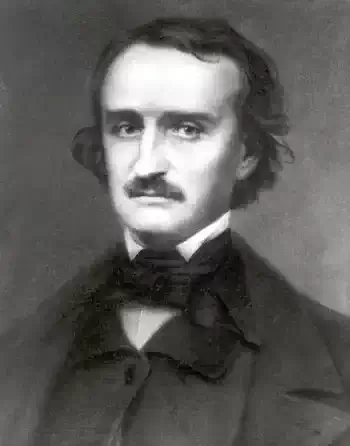
Edgar Allan Poe
The Conqueror Worm
The Conqueror Worm
Lo! 'tis a gala night
Within the lonesome latter years!
An angel throng, bewinged, bedight
In veils, and drowned in tears,
Sit in a theatre, to see
A play of hopes and fears,
While the orchestra breathes fitfully
The music of the spheres.
Mimes, in the form of God on high,
Mutter and mumble low,
And hither and thither flyMere
puppets they, who come and go
At bidding of vast formless things
That shift the scenery to and fro,
Flapping from out their Condor wings
Invisible Woe!
That motley drama- oh, be sure
It shall not be forgot!
With its Phantom chased for evermore,
By a crowd that seize it not,
Through a circle that ever returneth in
To the self-same spot,
And much of Madness, and more of Sin,
And Horror the soul of the plot.
But see, amid the mimic rout
A crawling shape intrude!
A blood-red thing that writhes from out
The scenic solitude!
It writhes!- it writhes!- with mortal pangs
The mimes become its food,
And seraphs sob at vermin fangs
In human gore imbued.
Out- out are the lights- out all!
And, over each quivering form,
The curtain, a funeral pall,
Comes down with the rush of a storm,
While the angels, all pallid and wan,
Uprising, unveiling, affirm
That the play is the tragedy, 'Man,'
And its hero the Conqueror Worm.
Lo! 'tis a gala night
Within the lonesome latter years!
An angel throng, bewinged, bedight
In veils, and drowned in tears,
Sit in a theatre, to see
A play of hopes and fears,
While the orchestra breathes fitfully
The music of the spheres.
Mimes, in the form of God on high,
Mutter and mumble low,
And hither and thither flyMere
puppets they, who come and go
At bidding of vast formless things
That shift the scenery to and fro,
Flapping from out their Condor wings
Invisible Woe!
That motley drama- oh, be sure
It shall not be forgot!
With its Phantom chased for evermore,
By a crowd that seize it not,
Through a circle that ever returneth in
To the self-same spot,
And much of Madness, and more of Sin,
And Horror the soul of the plot.
But see, amid the mimic rout
A crawling shape intrude!
A blood-red thing that writhes from out
The scenic solitude!
It writhes!- it writhes!- with mortal pangs
The mimes become its food,
And seraphs sob at vermin fangs
In human gore imbued.
Out- out are the lights- out all!
And, over each quivering form,
The curtain, a funeral pall,
Comes down with the rush of a storm,
While the angels, all pallid and wan,
Uprising, unveiling, affirm
That the play is the tragedy, 'Man,'
And its hero the Conqueror Worm.
485
Edgar Allan Poe
The Bells - A Collaboration
The Bells - A Collaboration
The bells! — ah, the bells!
The little silver bells!
How fairy-like a melody there floats
From their throats. —
From their merry little throats —
From the silver, tinkling throats
Of the bells, bells, bells —
Of the bells!
The bells! — ah, the bells!
The heavy iron bells!
How horrible a monody there floats
From their throats —
From their deep-toned throats —
From their melancholy throats!
How I shudder at the notes
Of the bells, bells, bells —
Of the bells!
The bells! — ah, the bells!
The little silver bells!
How fairy-like a melody there floats
From their throats. —
From their merry little throats —
From the silver, tinkling throats
Of the bells, bells, bells —
Of the bells!
The bells! — ah, the bells!
The heavy iron bells!
How horrible a monody there floats
From their throats —
From their deep-toned throats —
From their melancholy throats!
How I shudder at the notes
Of the bells, bells, bells —
Of the bells!
280
Edgar Allan Poe
The City In The Sea
The City In The Sea
Lo! Death has reared himself a throne
In a strange city lying alone
Far down within the dim West,
Where the good and the bad and the worst and the best
Have gone to their eternal rest.
There shrines and palaces and towers
(Time-eaten towers that tremble not!)
Resemble nothing that is ours.
Around, by lifting winds forgot,
Resignedly beneath the sky
The melancholy waters he.
No rays from the holy heaven come down
On the long night-time of that town;
But light from out the lurid sea
Streams up the turrets silentlyGleams
up the pinnacles far and freeUp
domes- up spires- up kingly hallsUp
fanes- up Babylon-like wallsUp
shadowy long-forgotten bowers
Of sculptured ivy and stone flowersUp
many and many a marvellous shrine
Whose wreathed friezes intertwine
The viol, the violet, and the vine.
Resignedly beneath the sky
The melancholy waters lie.
So blend the turrets and shadows there
That all seem pendulous in air,
While from a proud tower in the town
Death looks gigantically down.
There open fanes and gaping graves
Yawn level with the luminous waves;
But not the riches there that lie
In each idol's diamond eyeNot
the gaily-jewelled dead
Tempt the waters from their bed;
For no ripples curl, alas!
Along that wilderness of glassNo
swellings tell that winds may be
Upon some far-off happier seaNo
heavings hint that winds have been
On seas less hideously serene.
But lo, a stir is in the air!
The wave- there is a movement there!
As if the towers had thrust aside,
In slightly sinking, the dull tideAs
if their tops had feebly given
A void within the filmy Heaven.
The waves have now a redder glowThe
hours are breathing faint and low
And when, amid no earthly moans,
Down, down that town shall settle hence,
Hell, rising from a thousand thrones,
Shall do it reverence.
Lo! Death has reared himself a throne
In a strange city lying alone
Far down within the dim West,
Where the good and the bad and the worst and the best
Have gone to their eternal rest.
There shrines and palaces and towers
(Time-eaten towers that tremble not!)
Resemble nothing that is ours.
Around, by lifting winds forgot,
Resignedly beneath the sky
The melancholy waters he.
No rays from the holy heaven come down
On the long night-time of that town;
But light from out the lurid sea
Streams up the turrets silentlyGleams
up the pinnacles far and freeUp
domes- up spires- up kingly hallsUp
fanes- up Babylon-like wallsUp
shadowy long-forgotten bowers
Of sculptured ivy and stone flowersUp
many and many a marvellous shrine
Whose wreathed friezes intertwine
The viol, the violet, and the vine.
Resignedly beneath the sky
The melancholy waters lie.
So blend the turrets and shadows there
That all seem pendulous in air,
While from a proud tower in the town
Death looks gigantically down.
There open fanes and gaping graves
Yawn level with the luminous waves;
But not the riches there that lie
In each idol's diamond eyeNot
the gaily-jewelled dead
Tempt the waters from their bed;
For no ripples curl, alas!
Along that wilderness of glassNo
swellings tell that winds may be
Upon some far-off happier seaNo
heavings hint that winds have been
On seas less hideously serene.
But lo, a stir is in the air!
The wave- there is a movement there!
As if the towers had thrust aside,
In slightly sinking, the dull tideAs
if their tops had feebly given
A void within the filmy Heaven.
The waves have now a redder glowThe
hours are breathing faint and low
And when, amid no earthly moans,
Down, down that town shall settle hence,
Hell, rising from a thousand thrones,
Shall do it reverence.
340
Edgar Allan Poe
Spirits Of The Dead
Spirits Of The Dead
Thy soul shall find itself alone
'Mid dark thoughts of the grey tomb-stone;
Not one, of all the crowd, to pry
Into thine hour of secrecy.
Be silent in that solitude,
Which is not loneliness- for then
The spirits of the dead, who stood
In life before thee, are again
In death around thee, and their will
Shall overshadow thee; be still.
The night, though clear, shall frown,
And the stars shall not look down
From their high thrones in the Heaven
With light like hope to mortals given,
But their red orbs, without beam,
To thy weariness shall seem
As a burning and a fever
Which would cling to thee for ever.
Now are thoughts thou shalt not banish,
Now are visions ne'er to vanish;
From thy spirit shall they pass
No more, like dew-drop from the grass.
The breeze, the breath of God, is still,
And the mist upon the hill
Shadowy, shadowy, yet unbroken,
Is a symbol and a token.
How it hangs upon the trees,
A mystery of mysteries!
Thy soul shall find itself alone
'Mid dark thoughts of the grey tomb-stone;
Not one, of all the crowd, to pry
Into thine hour of secrecy.
Be silent in that solitude,
Which is not loneliness- for then
The spirits of the dead, who stood
In life before thee, are again
In death around thee, and their will
Shall overshadow thee; be still.
The night, though clear, shall frown,
And the stars shall not look down
From their high thrones in the Heaven
With light like hope to mortals given,
But their red orbs, without beam,
To thy weariness shall seem
As a burning and a fever
Which would cling to thee for ever.
Now are thoughts thou shalt not banish,
Now are visions ne'er to vanish;
From thy spirit shall they pass
No more, like dew-drop from the grass.
The breeze, the breath of God, is still,
And the mist upon the hill
Shadowy, shadowy, yet unbroken,
Is a symbol and a token.
How it hangs upon the trees,
A mystery of mysteries!
394
Edgar Allan Poe
Tamerlane
Tamerlane
Kind solace in a dying hour!
Such, father, is not (now) my theme
I will not madly deem that power
Of Earth may shrive me of the sin
Unearthly pride hath revell'd in
I have no time to dote or dream:
You call it hope- that fire of fire!
It is but agony of desire:
If I can hope- Oh God! I can
Its fount is holier- more divineI
would not call thee fool, old man,
But such is not a gift of thine.
Know thou the secret of a spirit
Bow'd from its wild pride into shame.
O yearning heart! I did inherit
Thy withering portion with the fame,
The searing glory which hath shone
Amid the jewels of my throne,
Halo of Hell! and with a pain
Not Hell shall make me fear againO
craving heart, for the lost flowers
And sunshine of my summer hours!
The undying voice of that dead time,
With its interminable chime,
Rings, in the spirit of a spell,
Upon thy emptiness- a knell.
I have not always been as now:
The fever'd diadem on my brow
I claim'd and won usurpingly
Hath not the same fierce heirdom given
Rome to the Caesar- this to me?
The heritage of a kingly mind,
And a proud spirit which hath striven
Triumphantly with human kind.
On mountain soil I first drew life:
The mists of the Taglay have shed
Nightly their dews upon my head,
And, I believe, the winged strife
And tumult of the headlong air
Have nestled in my very hair.
So late from Heaven- that dew- it fell
(Mid dreams of an unholy night)
Upon me with the touch of Hell,
While the red flashing of the light
From clouds that hung, like banners, o'er,
Appeared to my half-closing eye
The pageantry of monarchy,
And the deep trumpet-thunder's roar
Came hurriedly upon me, telling
Of human battle, where my voice,
My own voice, silly child!- was swelling
(O! how my spirit would rejoice,
And leap within me at the cry)
The battle-cry of Victory!
The rain came down upon my head
Unshelter'd- and the heavy wind
Rendered me mad and deaf and blind.
It was but man, I thought, who shed
Laurels upon me: and the rushThe
torrent of the chilly air
Gurgled within my ear the crush
Of empires- with the captive's prayerThe
hum of suitors- and the tone
Of flattery 'round a sovereign's throne.
My passions, from that hapless hour,
Usurp'd a tyranny which men
Have deem'd, since I have reach'd to power,
My innate nature- be it so:
But father, there liv'd one who, then,
Then- in my boyhood- when their fire
Burn'd with a still intenser glow,
(For passion must, with youth, expire)
E'en then who knew this iron heart
In woman's weakness had a part.
I have no words- alas!- to tell
The loveliness of loving well!
Nor would I now attempt to trace
The more than beauty of a face
Whose lineaments, upon my mind,
Are- shadows on th' unstable wind:
Thus I remember having dwelt
Some page of early lore upon,
With loitering eye, till I have felt
The letters- with their meaning- melt
To fantasies- with none.
O, she was worthy of all love!
Love- as in infancy was mine'
Twas such as angel minds above
Might envy; her young heart the shrine
On which my every hope and thought
Were incense- then a goodly gift,
For they were childish and uprightPure-
as her young example taught:
Why did I leave it, and, adrift,
Trust to the fire within, for light?
We grew in age- and love- together,
Roaming the forest, and the wild;
My breast her shield in wintry weather
And when the friendly sunshine smil'd,
And she would mark the opening skies,
I saw no Heaven- but in her eyes.
Young Love's first lesson is- the heart:
For 'mid that sunshine, and those smiles,
When, from our little cares apart,
And laughing at her girlish wiles,
I'd throw me on her throbbing breast,
And pour my spirit out in tearsThere
was no need to speak the rest
No need to quiet any fears
Of her- who ask'd no reason why,
But turn'd on me her quiet eye!
Yet more than worthy of the love
My spirit struggled with, and strove,
When, on the mountain peak, alone,
Ambition lent it a new toneI
had no being- but in thee:
The world, and all it did contain
In the earth- the air- the seaIts
joy- its little lot of pain
That was new pleasure- the ideal,
Dim vanities of dreams by night
And dimmer nothings which were real(
Shadows- and a more shadowy light!)
Parted upon their misty wings,
And, so, confusedly, became
Thine image, and- a name- a name!
Two separate- yet most intimate things.
I was ambitious- have you known
The passion, father? You have not:
A cottager, I mark'd a throne
Of half the world as all my own,
And murmur'd at such lowly lotBut,
just like any other dream,
Upon the vapour of the dew
My own had past, did not the beam
Of beauty which did while it thro'
The minute- the hour- the day- oppress
My mind with double loveliness.
We walk'd together on the crown
Of a high mountain which look'd down
Afar from its proud natural towers
Of rock and forest, on the hills
The dwindled hills! begirt with bowers,
And shouting with a thousand rills.
I spoke to her of power and pride,
But mystically- in such guise
That she might deem it nought beside
The moment's converse; in her eyes
I read, perhaps too carelesslyA
mingled feeling with my ownThe
flush on her bright cheek, to me
Seem'd to become a queenly throne
Too well that I should let it be
Light in the wilderness alone.
I wrapp'd myself in grandeur then,
And donn'd a visionary crownYet
it was not that Fantasy
Had thrown her mantle over me
But that, among the rabble- men,
Lion ambition is chained downAnd
crouches to a keeper's handNot
so in deserts where the grandThe
wild- the terrible conspire
With their own breath to fan his fire.
Look 'round thee now on Samarcand!
Is not she queen of Earth? her pride
Above all cities? in her hand
Their destinies? in all beside
Of glory which the world hath known
Stands she not nobly and alone?
Falling- her veriest stepping-stone
Shall form the pedestal of a throneAnd
who her sovereign? Timour- he
Whom the astonished people saw
Striding o'er empires haughtily
A diadem'd outlaw!
O, human love! thou spirit given
On Earth, of all we hope in Heaven!
Which fall'st into the soul like rain
Upon the Siroc-wither'd plain,
And, failing in thy power to bless,
But leav'st the heart a wilderness!
Idea! which bindest life around
With music of so strange a sound,
And beauty of so wild a birthFarewell!
for I have won the Earth.
When Hope, the eagle that tower'd, could see
No cliff beyond him in the sky,
His pinions were bent droopingly
And homeward turn'd his soften'd eye.
'Twas sunset: when the sun will part
There comes a sullenness of heart
To him who still would look upon
The glory of the summer sun.
That soul will hate the ev'ning mist,
So often lovely, and will list
To the sound of the coming darkness (known
To those whose spirits hearken) as one
Who, in a dream of night, would fly
But cannot from a danger nigh.
What tho' the moon- the white moon
Shed all the splendour of her noon,
Her smile is chilly, and her beam,
In that time of dreariness, will seem
(So like you gather in your breath)
A portrait taken after death.
And boyhood is a summer sun
Whose waning is the dreariest oneFor
all we live to know is known,
And all we seek to keep hath flownLet
life, then, as the day-flower, fall
With the noon-day beauty- which is all.
I reach'd my home- my home no more
For all had flown who made it so.
I pass'd from out its mossy door,
And, tho' my tread was soft and low,
A voice came from the threshold stone
Of one whom I had earlier known
O, I defy thee, Hell, to show
On beds of fire that burn below,
A humbler heart- a deeper woe.
Father, I firmly do believeI
know- for Death, who comes for me
From regions of the blest afar,
Where there is nothing to deceive,
Hath left his iron gate ajar,
And rays of truth you cannot see
Are flashing thro' Eternity
I do believe that Eblis hath
A snare in every human pathElse
how, when in the holy grove
I wandered of the idol, Love,
Who daily scents his snowy wings
With incense of burnt offerings
From the most unpolluted things,
Whose pleasant bowers are yet so riven
Above with trellis'd rays from Heaven,
No mote may shun- no tiniest fly
The lightning of his eagle eyeHow
was it that Ambition crept,
Unseen, amid the revels there,
Till growing bold, he laughed and leapt
In the tangles of Love's very hair?
Kind solace in a dying hour!
Such, father, is not (now) my theme
I will not madly deem that power
Of Earth may shrive me of the sin
Unearthly pride hath revell'd in
I have no time to dote or dream:
You call it hope- that fire of fire!
It is but agony of desire:
If I can hope- Oh God! I can
Its fount is holier- more divineI
would not call thee fool, old man,
But such is not a gift of thine.
Know thou the secret of a spirit
Bow'd from its wild pride into shame.
O yearning heart! I did inherit
Thy withering portion with the fame,
The searing glory which hath shone
Amid the jewels of my throne,
Halo of Hell! and with a pain
Not Hell shall make me fear againO
craving heart, for the lost flowers
And sunshine of my summer hours!
The undying voice of that dead time,
With its interminable chime,
Rings, in the spirit of a spell,
Upon thy emptiness- a knell.
I have not always been as now:
The fever'd diadem on my brow
I claim'd and won usurpingly
Hath not the same fierce heirdom given
Rome to the Caesar- this to me?
The heritage of a kingly mind,
And a proud spirit which hath striven
Triumphantly with human kind.
On mountain soil I first drew life:
The mists of the Taglay have shed
Nightly their dews upon my head,
And, I believe, the winged strife
And tumult of the headlong air
Have nestled in my very hair.
So late from Heaven- that dew- it fell
(Mid dreams of an unholy night)
Upon me with the touch of Hell,
While the red flashing of the light
From clouds that hung, like banners, o'er,
Appeared to my half-closing eye
The pageantry of monarchy,
And the deep trumpet-thunder's roar
Came hurriedly upon me, telling
Of human battle, where my voice,
My own voice, silly child!- was swelling
(O! how my spirit would rejoice,
And leap within me at the cry)
The battle-cry of Victory!
The rain came down upon my head
Unshelter'd- and the heavy wind
Rendered me mad and deaf and blind.
It was but man, I thought, who shed
Laurels upon me: and the rushThe
torrent of the chilly air
Gurgled within my ear the crush
Of empires- with the captive's prayerThe
hum of suitors- and the tone
Of flattery 'round a sovereign's throne.
My passions, from that hapless hour,
Usurp'd a tyranny which men
Have deem'd, since I have reach'd to power,
My innate nature- be it so:
But father, there liv'd one who, then,
Then- in my boyhood- when their fire
Burn'd with a still intenser glow,
(For passion must, with youth, expire)
E'en then who knew this iron heart
In woman's weakness had a part.
I have no words- alas!- to tell
The loveliness of loving well!
Nor would I now attempt to trace
The more than beauty of a face
Whose lineaments, upon my mind,
Are- shadows on th' unstable wind:
Thus I remember having dwelt
Some page of early lore upon,
With loitering eye, till I have felt
The letters- with their meaning- melt
To fantasies- with none.
O, she was worthy of all love!
Love- as in infancy was mine'
Twas such as angel minds above
Might envy; her young heart the shrine
On which my every hope and thought
Were incense- then a goodly gift,
For they were childish and uprightPure-
as her young example taught:
Why did I leave it, and, adrift,
Trust to the fire within, for light?
We grew in age- and love- together,
Roaming the forest, and the wild;
My breast her shield in wintry weather
And when the friendly sunshine smil'd,
And she would mark the opening skies,
I saw no Heaven- but in her eyes.
Young Love's first lesson is- the heart:
For 'mid that sunshine, and those smiles,
When, from our little cares apart,
And laughing at her girlish wiles,
I'd throw me on her throbbing breast,
And pour my spirit out in tearsThere
was no need to speak the rest
No need to quiet any fears
Of her- who ask'd no reason why,
But turn'd on me her quiet eye!
Yet more than worthy of the love
My spirit struggled with, and strove,
When, on the mountain peak, alone,
Ambition lent it a new toneI
had no being- but in thee:
The world, and all it did contain
In the earth- the air- the seaIts
joy- its little lot of pain
That was new pleasure- the ideal,
Dim vanities of dreams by night
And dimmer nothings which were real(
Shadows- and a more shadowy light!)
Parted upon their misty wings,
And, so, confusedly, became
Thine image, and- a name- a name!
Two separate- yet most intimate things.
I was ambitious- have you known
The passion, father? You have not:
A cottager, I mark'd a throne
Of half the world as all my own,
And murmur'd at such lowly lotBut,
just like any other dream,
Upon the vapour of the dew
My own had past, did not the beam
Of beauty which did while it thro'
The minute- the hour- the day- oppress
My mind with double loveliness.
We walk'd together on the crown
Of a high mountain which look'd down
Afar from its proud natural towers
Of rock and forest, on the hills
The dwindled hills! begirt with bowers,
And shouting with a thousand rills.
I spoke to her of power and pride,
But mystically- in such guise
That she might deem it nought beside
The moment's converse; in her eyes
I read, perhaps too carelesslyA
mingled feeling with my ownThe
flush on her bright cheek, to me
Seem'd to become a queenly throne
Too well that I should let it be
Light in the wilderness alone.
I wrapp'd myself in grandeur then,
And donn'd a visionary crownYet
it was not that Fantasy
Had thrown her mantle over me
But that, among the rabble- men,
Lion ambition is chained downAnd
crouches to a keeper's handNot
so in deserts where the grandThe
wild- the terrible conspire
With their own breath to fan his fire.
Look 'round thee now on Samarcand!
Is not she queen of Earth? her pride
Above all cities? in her hand
Their destinies? in all beside
Of glory which the world hath known
Stands she not nobly and alone?
Falling- her veriest stepping-stone
Shall form the pedestal of a throneAnd
who her sovereign? Timour- he
Whom the astonished people saw
Striding o'er empires haughtily
A diadem'd outlaw!
O, human love! thou spirit given
On Earth, of all we hope in Heaven!
Which fall'st into the soul like rain
Upon the Siroc-wither'd plain,
And, failing in thy power to bless,
But leav'st the heart a wilderness!
Idea! which bindest life around
With music of so strange a sound,
And beauty of so wild a birthFarewell!
for I have won the Earth.
When Hope, the eagle that tower'd, could see
No cliff beyond him in the sky,
His pinions were bent droopingly
And homeward turn'd his soften'd eye.
'Twas sunset: when the sun will part
There comes a sullenness of heart
To him who still would look upon
The glory of the summer sun.
That soul will hate the ev'ning mist,
So often lovely, and will list
To the sound of the coming darkness (known
To those whose spirits hearken) as one
Who, in a dream of night, would fly
But cannot from a danger nigh.
What tho' the moon- the white moon
Shed all the splendour of her noon,
Her smile is chilly, and her beam,
In that time of dreariness, will seem
(So like you gather in your breath)
A portrait taken after death.
And boyhood is a summer sun
Whose waning is the dreariest oneFor
all we live to know is known,
And all we seek to keep hath flownLet
life, then, as the day-flower, fall
With the noon-day beauty- which is all.
I reach'd my home- my home no more
For all had flown who made it so.
I pass'd from out its mossy door,
And, tho' my tread was soft and low,
A voice came from the threshold stone
Of one whom I had earlier known
O, I defy thee, Hell, to show
On beds of fire that burn below,
A humbler heart- a deeper woe.
Father, I firmly do believeI
know- for Death, who comes for me
From regions of the blest afar,
Where there is nothing to deceive,
Hath left his iron gate ajar,
And rays of truth you cannot see
Are flashing thro' Eternity
I do believe that Eblis hath
A snare in every human pathElse
how, when in the holy grove
I wandered of the idol, Love,
Who daily scents his snowy wings
With incense of burnt offerings
From the most unpolluted things,
Whose pleasant bowers are yet so riven
Above with trellis'd rays from Heaven,
No mote may shun- no tiniest fly
The lightning of his eagle eyeHow
was it that Ambition crept,
Unseen, amid the revels there,
Till growing bold, he laughed and leapt
In the tangles of Love's very hair?
282
Edgar Allan Poe
Sonnet- To Science
Sonnet- To Science
Science! true daughter of Old Time thou art!
Who alterest all things with thy peering eyes.
Why preyest thou thus upon the poet's heart,
Vulture, whose wings are dull realities?
How should he love thee? or how deem thee wise,
Who wouldst not leave him in his wandering
To seek for treasure in the jewelled skies,
Albeit he soared with an undaunted wing?
Hast thou not dragged Diana from her car?
And driven the Hamadryad from the wood
To seek a shelter in some happier star?
Hast thou not torn the Naiad from her flood,
The Elfin from the green grass, and from me
The summer dream beneath the tamarind tree?
Science! true daughter of Old Time thou art!
Who alterest all things with thy peering eyes.
Why preyest thou thus upon the poet's heart,
Vulture, whose wings are dull realities?
How should he love thee? or how deem thee wise,
Who wouldst not leave him in his wandering
To seek for treasure in the jewelled skies,
Albeit he soared with an undaunted wing?
Hast thou not dragged Diana from her car?
And driven the Hamadryad from the wood
To seek a shelter in some happier star?
Hast thou not torn the Naiad from her flood,
The Elfin from the green grass, and from me
The summer dream beneath the tamarind tree?
538
Edgar Allan Poe
Sancta Maria
Sancta Maria
Sancta Maria! turn thine eyes -
Upon the sinner's sacrifice,
Of fervent prayer and humble love,
From thy holy throne above.
At morn - at noon - at twilight dim -
Maria! thou hast heard my hymn!
In joy and wo - in good and ill -
Mother of God, be with me still!
When the Hours flew brightly by,
And not a cloud obscured the sky,
My soul, lest it should truant be,
Thy grace did guide to thine and thee;
Now, when storms of Fate o'ercast
Darkly my Present and my Past,
Let my Future radiant shine
With sweet hopes of thee and thine!
Sancta Maria! turn thine eyes -
Upon the sinner's sacrifice,
Of fervent prayer and humble love,
From thy holy throne above.
At morn - at noon - at twilight dim -
Maria! thou hast heard my hymn!
In joy and wo - in good and ill -
Mother of God, be with me still!
When the Hours flew brightly by,
And not a cloud obscured the sky,
My soul, lest it should truant be,
Thy grace did guide to thine and thee;
Now, when storms of Fate o'ercast
Darkly my Present and my Past,
Let my Future radiant shine
With sweet hopes of thee and thine!
226
Edgar Allan Poe
Lenore
Lenore
Ah, broken is the golden bowl! the spirit flown forever!
Let the bell toll!- a saintly soul floats on the Stygian river;
And, Guy de Vere, hast thou no tear?- weep now or nevermore!
See! on yon drear and rigid bier low lies thy love, Lenore!
Come! let the burial rite be read- the funeral song be sung!An
anthem for the queenliest dead that ever died so youngA
dirge for her the doubly dead in that she died so young.
"Wretches! ye loved her for her wealth and hated her for her pride,
And when she fell in feeble health, ye blessed her- that she died!
How shall the ritual, then, be read?- the requiem how be sung
By you- by yours, the evil eye,- by yours, the slanderous tongue
That did to death the innocence that died, and died so young?"
Peccavimus; but rave not thus! and let a Sabbath song
Go up to God so solemnly the dead may feel no wrong.
The sweet Lenore hath "gone before," with Hope, that flew beside,
Leaving thee wild for the dear child that should have been thy
bride.
For her, the fair and debonair, that now so lowly lies,
The life upon her yellow hair but not within her eyes
The life still there, upon her hair- the death upon her eyes.
"Avaunt! avaunt! from fiends below, the indignant ghost is rivenFrom
Hell unto a high estate far up within the HeavenFrom
grief and groan, to a golden throne, beside the King of
Heaven!
Let no bell toll, then,- lest her soul, amid its hallowed mirth,
Should catch the note as it doth float up from the damned Earth!
And I!- to-night my heart is light!- no dirge will I upraise,
But waft the angel on her flight with a Paean of old days!"
Ah, broken is the golden bowl! the spirit flown forever!
Let the bell toll!- a saintly soul floats on the Stygian river;
And, Guy de Vere, hast thou no tear?- weep now or nevermore!
See! on yon drear and rigid bier low lies thy love, Lenore!
Come! let the burial rite be read- the funeral song be sung!An
anthem for the queenliest dead that ever died so youngA
dirge for her the doubly dead in that she died so young.
"Wretches! ye loved her for her wealth and hated her for her pride,
And when she fell in feeble health, ye blessed her- that she died!
How shall the ritual, then, be read?- the requiem how be sung
By you- by yours, the evil eye,- by yours, the slanderous tongue
That did to death the innocence that died, and died so young?"
Peccavimus; but rave not thus! and let a Sabbath song
Go up to God so solemnly the dead may feel no wrong.
The sweet Lenore hath "gone before," with Hope, that flew beside,
Leaving thee wild for the dear child that should have been thy
bride.
For her, the fair and debonair, that now so lowly lies,
The life upon her yellow hair but not within her eyes
The life still there, upon her hair- the death upon her eyes.
"Avaunt! avaunt! from fiends below, the indignant ghost is rivenFrom
Hell unto a high estate far up within the HeavenFrom
grief and groan, to a golden throne, beside the King of
Heaven!
Let no bell toll, then,- lest her soul, amid its hallowed mirth,
Should catch the note as it doth float up from the damned Earth!
And I!- to-night my heart is light!- no dirge will I upraise,
But waft the angel on her flight with a Paean of old days!"
387
Edgar Allan Poe
Impromptu - To Kate Carol
Impromptu - To Kate Carol
When from your gems of thought I turn
To those pure orbs, your heart to learn,
I scarce know which to prize most high —
The bright i-dea, or the bright dear-eye.
When from your gems of thought I turn
To those pure orbs, your heart to learn,
I scarce know which to prize most high —
The bright i-dea, or the bright dear-eye.
261
Edgar Allan Poe
In Youth I have Known One
In Youth I have Known One
How often we forget all time, when lone
Admiring Nature's universal throne;
Her woods - her winds - her mountains - the intense
Reply of Hers to Our intelligence!
I.
In youth I have known one with whom the Earth
In secret communing held - as he with it,
In daylight, and in beauty, from his birth:
Whose fervid, flickering torch of life was lit
From the sun and stars, whence he had drawn forth
A passionate light - such for his spirit was fit -
And yet that spirit knew - not in the hour
Of its own fervour - what had o'er it power.
II.
Perhaps it may be that my mind is wrought
To a fever by the moonbeam that hangs o'er,
But I will half believe that wild light fraught
With more of sovereignty than ancient lore
Hath ever told - or is it of a thought
The unembodied essence, and no more
That with a quickening spell doth o'er us pass
As dew of the night time, o'er the summer grass?
III.
Doth o'er us pass, when as th' expanding eye
To the loved object - so the tear to the lid
Will start, which lately slept in apathy?
And yet it need not be - (that object) hid
From us in life - but common - which doth lie
Each hour before us - but then only bid
With a strange sound, as of a harpstring broken
T' awake us - 'Tis a symbol and a token
IV.
Of what in other worlds shall be - and given
In beauty by our God, to those alone
Who otherwise would fall from life and Heaven
Drawn by their heart's passion, and that tone,
That high tone of the spirit which hath striven
Though not with Faith - with godliness - whose throne
With desperate energy 't hath beaten down;
Wearing its own deep feeling as a crown.
How often we forget all time, when lone
Admiring Nature's universal throne;
Her woods - her winds - her mountains - the intense
Reply of Hers to Our intelligence!
I.
In youth I have known one with whom the Earth
In secret communing held - as he with it,
In daylight, and in beauty, from his birth:
Whose fervid, flickering torch of life was lit
From the sun and stars, whence he had drawn forth
A passionate light - such for his spirit was fit -
And yet that spirit knew - not in the hour
Of its own fervour - what had o'er it power.
II.
Perhaps it may be that my mind is wrought
To a fever by the moonbeam that hangs o'er,
But I will half believe that wild light fraught
With more of sovereignty than ancient lore
Hath ever told - or is it of a thought
The unembodied essence, and no more
That with a quickening spell doth o'er us pass
As dew of the night time, o'er the summer grass?
III.
Doth o'er us pass, when as th' expanding eye
To the loved object - so the tear to the lid
Will start, which lately slept in apathy?
And yet it need not be - (that object) hid
From us in life - but common - which doth lie
Each hour before us - but then only bid
With a strange sound, as of a harpstring broken
T' awake us - 'Tis a symbol and a token
IV.
Of what in other worlds shall be - and given
In beauty by our God, to those alone
Who otherwise would fall from life and Heaven
Drawn by their heart's passion, and that tone,
That high tone of the spirit which hath striven
Though not with Faith - with godliness - whose throne
With desperate energy 't hath beaten down;
Wearing its own deep feeling as a crown.
330
Edgar Allan Poe
In Youth I have Known One
In Youth I have Known One
How often we forget all time, when lone
Admiring Nature's universal throne;
Her woods - her winds - her mountains - the intense
Reply of Hers to Our intelligence!
I.
In youth I have known one with whom the Earth
In secret communing held - as he with it,
In daylight, and in beauty, from his birth:
Whose fervid, flickering torch of life was lit
From the sun and stars, whence he had drawn forth
A passionate light - such for his spirit was fit -
And yet that spirit knew - not in the hour
Of its own fervour - what had o'er it power.
II.
Perhaps it may be that my mind is wrought
To a fever by the moonbeam that hangs o'er,
But I will half believe that wild light fraught
With more of sovereignty than ancient lore
Hath ever told - or is it of a thought
The unembodied essence, and no more
That with a quickening spell doth o'er us pass
As dew of the night time, o'er the summer grass?
III.
Doth o'er us pass, when as th' expanding eye
To the loved object - so the tear to the lid
Will start, which lately slept in apathy?
And yet it need not be - (that object) hid
From us in life - but common - which doth lie
Each hour before us - but then only bid
With a strange sound, as of a harpstring broken
T' awake us - 'Tis a symbol and a token
IV.
Of what in other worlds shall be - and given
In beauty by our God, to those alone
Who otherwise would fall from life and Heaven
Drawn by their heart's passion, and that tone,
That high tone of the spirit which hath striven
Though not with Faith - with godliness - whose throne
With desperate energy 't hath beaten down;
Wearing its own deep feeling as a crown.
How often we forget all time, when lone
Admiring Nature's universal throne;
Her woods - her winds - her mountains - the intense
Reply of Hers to Our intelligence!
I.
In youth I have known one with whom the Earth
In secret communing held - as he with it,
In daylight, and in beauty, from his birth:
Whose fervid, flickering torch of life was lit
From the sun and stars, whence he had drawn forth
A passionate light - such for his spirit was fit -
And yet that spirit knew - not in the hour
Of its own fervour - what had o'er it power.
II.
Perhaps it may be that my mind is wrought
To a fever by the moonbeam that hangs o'er,
But I will half believe that wild light fraught
With more of sovereignty than ancient lore
Hath ever told - or is it of a thought
The unembodied essence, and no more
That with a quickening spell doth o'er us pass
As dew of the night time, o'er the summer grass?
III.
Doth o'er us pass, when as th' expanding eye
To the loved object - so the tear to the lid
Will start, which lately slept in apathy?
And yet it need not be - (that object) hid
From us in life - but common - which doth lie
Each hour before us - but then only bid
With a strange sound, as of a harpstring broken
T' awake us - 'Tis a symbol and a token
IV.
Of what in other worlds shall be - and given
In beauty by our God, to those alone
Who otherwise would fall from life and Heaven
Drawn by their heart's passion, and that tone,
That high tone of the spirit which hath striven
Though not with Faith - with godliness - whose throne
With desperate energy 't hath beaten down;
Wearing its own deep feeling as a crown.
330
Edgar Allan Poe
For Annie
For Annie
Thank Heaven! the crisisThe
danger is past,
And the lingering illness
Is over at lastAnd
the fever called "Living"
Is conquered at last.
Sadly, I know
I am shorn of my strength,
And no muscle I move
As I lie at full lengthBut
no matter!-I feel
I am better at length.
And I rest so composedly,
Now, in my bed
That any beholder
Might fancy me deadMight
start at beholding me,
Thinking me dead.
The moaning and groaning,
The sighing and sobbing,
Are quieted now,
With that horrible throbbing
At heart:- ah, that horrible,
Horrible throbbing!
The sickness- the nauseaThe
pitiless painHave
ceased, with the fever
That maddened my brainWith
the fever called "Living"
That burned in my brain.
And oh! of all tortures
That torture the worst
Has abated- the terrible
Torture of thirst
For the naphthaline river
Of Passion accurst:I
have drunk of a water
That quenches all thirst:
Of a water that flows,
With a lullaby sound,
From a spring but a very few
Feet under groundFrom
a cavern not very far
Down under ground.
And ah! let it never
Be foolishly said
That my room it is gloomy
And narrow my bed;
For man never slept
In a different bedAnd,
to sleep, you must slumber
In just such a bed.
My tantalized spirit
Here blandly reposes,
Forgetting, or never
Regretting its rosesIts
old agitations
Of myrtles and roses:
For now, while so quietly
Lying, it fancies
A holier odor
About it, of pansiesA
rosemary odor,
Commingled with pansiesWith
rue and the beautiful
Puritan pansies.
And so it lies happily,
Bathing in many
A dream of the truth
And the beauty of AnnieDrowned
in a bath
Of the tresses of Annie.
She tenderly kissed me,
She fondly caressed,
And then I fell gently
To sleep on her breastDeeply
to sleep
From the heaven of her breast.
When the light was extinguished,
She covered me warm,
And she prayed to the angels
To keep me from harmTo
the queen of the angels
To shield me from harm.
And I lie so composedly,
Now, in my bed,
(Knowing her love)
That you fancy me deadAnd
I rest so contentedly,
Now, in my bed,
(With her love at my breast)
That you fancy me deadThat
you shudder to look at me,
Thinking me dead.
But my heart it is brighter
Than all of the many
Stars in the sky,
For it sparkles with AnnieIt
glows with the light
Of the love of my AnnieWith
the thought of the light
Of the eyes of my Annie.
Thank Heaven! the crisisThe
danger is past,
And the lingering illness
Is over at lastAnd
the fever called "Living"
Is conquered at last.
Sadly, I know
I am shorn of my strength,
And no muscle I move
As I lie at full lengthBut
no matter!-I feel
I am better at length.
And I rest so composedly,
Now, in my bed
That any beholder
Might fancy me deadMight
start at beholding me,
Thinking me dead.
The moaning and groaning,
The sighing and sobbing,
Are quieted now,
With that horrible throbbing
At heart:- ah, that horrible,
Horrible throbbing!
The sickness- the nauseaThe
pitiless painHave
ceased, with the fever
That maddened my brainWith
the fever called "Living"
That burned in my brain.
And oh! of all tortures
That torture the worst
Has abated- the terrible
Torture of thirst
For the naphthaline river
Of Passion accurst:I
have drunk of a water
That quenches all thirst:
Of a water that flows,
With a lullaby sound,
From a spring but a very few
Feet under groundFrom
a cavern not very far
Down under ground.
And ah! let it never
Be foolishly said
That my room it is gloomy
And narrow my bed;
For man never slept
In a different bedAnd,
to sleep, you must slumber
In just such a bed.
My tantalized spirit
Here blandly reposes,
Forgetting, or never
Regretting its rosesIts
old agitations
Of myrtles and roses:
For now, while so quietly
Lying, it fancies
A holier odor
About it, of pansiesA
rosemary odor,
Commingled with pansiesWith
rue and the beautiful
Puritan pansies.
And so it lies happily,
Bathing in many
A dream of the truth
And the beauty of AnnieDrowned
in a bath
Of the tresses of Annie.
She tenderly kissed me,
She fondly caressed,
And then I fell gently
To sleep on her breastDeeply
to sleep
From the heaven of her breast.
When the light was extinguished,
She covered me warm,
And she prayed to the angels
To keep me from harmTo
the queen of the angels
To shield me from harm.
And I lie so composedly,
Now, in my bed,
(Knowing her love)
That you fancy me deadAnd
I rest so contentedly,
Now, in my bed,
(With her love at my breast)
That you fancy me deadThat
you shudder to look at me,
Thinking me dead.
But my heart it is brighter
Than all of the many
Stars in the sky,
For it sparkles with AnnieIt
glows with the light
Of the love of my AnnieWith
the thought of the light
Of the eyes of my Annie.
325
Edgar Allan Poe
Evening Star
Evening Star
'Twas noontide of summer,
And mid-time of night;
And stars, in their orbits,
Shone pale, thro' the light
Of the brighter, cold moon,
'Mid planets her slaves,
Herself in the Heavens,
Her beam on the waves.
I gazed awhile
On her cold smile;
Too cold- too cold for meThere
pass'd, as a shroud,
A fleecy cloud,
And I turned away to thee,
Proud Evening Star,
In thy glory afar,
And dearer thy beam shall be;
For joy to my heart
Is the proud part
Thou bearest in Heaven at night,
And more I admire
Thy distant fire,
Than that colder, lowly light.
'Twas noontide of summer,
And mid-time of night;
And stars, in their orbits,
Shone pale, thro' the light
Of the brighter, cold moon,
'Mid planets her slaves,
Herself in the Heavens,
Her beam on the waves.
I gazed awhile
On her cold smile;
Too cold- too cold for meThere
pass'd, as a shroud,
A fleecy cloud,
And I turned away to thee,
Proud Evening Star,
In thy glory afar,
And dearer thy beam shall be;
For joy to my heart
Is the proud part
Thou bearest in Heaven at night,
And more I admire
Thy distant fire,
Than that colder, lowly light.
323
Edgar Allan Poe
Evening Star
Evening Star
'Twas noontide of summer,
And mid-time of night;
And stars, in their orbits,
Shone pale, thro' the light
Of the brighter, cold moon,
'Mid planets her slaves,
Herself in the Heavens,
Her beam on the waves.
I gazed awhile
On her cold smile;
Too cold- too cold for meThere
pass'd, as a shroud,
A fleecy cloud,
And I turned away to thee,
Proud Evening Star,
In thy glory afar,
And dearer thy beam shall be;
For joy to my heart
Is the proud part
Thou bearest in Heaven at night,
And more I admire
Thy distant fire,
Than that colder, lowly light.
'Twas noontide of summer,
And mid-time of night;
And stars, in their orbits,
Shone pale, thro' the light
Of the brighter, cold moon,
'Mid planets her slaves,
Herself in the Heavens,
Her beam on the waves.
I gazed awhile
On her cold smile;
Too cold- too cold for meThere
pass'd, as a shroud,
A fleecy cloud,
And I turned away to thee,
Proud Evening Star,
In thy glory afar,
And dearer thy beam shall be;
For joy to my heart
Is the proud part
Thou bearest in Heaven at night,
And more I admire
Thy distant fire,
Than that colder, lowly light.
323
Edgar Allan Poe
Elizabeth
Elizabeth
Elizabeth, it surely is most fit
[Logic and common usage so commanding]
In thy own book that first thy name be writ,
Zeno and other sages notwithstanding;
And I have other reasons for so doing
Besides my innate love of contradiction;
Each poet - if a poet - in pursuing
The muses thro' their bowers of Truth or Fiction,
Has studied very little of his part,
Read nothing, written less - in short's a fool
Endued with neither soul, nor sense, nor art,
Being ignorant of one important rule,
Employed in even the theses of the schoolCalled
- I forget the heathenish Greek name
[Called anything, its meaning is the same]
"Always write first things uppermost in the heart."
Elizabeth, it surely is most fit
[Logic and common usage so commanding]
In thy own book that first thy name be writ,
Zeno and other sages notwithstanding;
And I have other reasons for so doing
Besides my innate love of contradiction;
Each poet - if a poet - in pursuing
The muses thro' their bowers of Truth or Fiction,
Has studied very little of his part,
Read nothing, written less - in short's a fool
Endued with neither soul, nor sense, nor art,
Being ignorant of one important rule,
Employed in even the theses of the schoolCalled
- I forget the heathenish Greek name
[Called anything, its meaning is the same]
"Always write first things uppermost in the heart."
319
Edgar Allan Poe
Elizabeth
Elizabeth
Elizabeth, it surely is most fit
[Logic and common usage so commanding]
In thy own book that first thy name be writ,
Zeno and other sages notwithstanding;
And I have other reasons for so doing
Besides my innate love of contradiction;
Each poet - if a poet - in pursuing
The muses thro' their bowers of Truth or Fiction,
Has studied very little of his part,
Read nothing, written less - in short's a fool
Endued with neither soul, nor sense, nor art,
Being ignorant of one important rule,
Employed in even the theses of the schoolCalled
- I forget the heathenish Greek name
[Called anything, its meaning is the same]
"Always write first things uppermost in the heart."
Elizabeth, it surely is most fit
[Logic and common usage so commanding]
In thy own book that first thy name be writ,
Zeno and other sages notwithstanding;
And I have other reasons for so doing
Besides my innate love of contradiction;
Each poet - if a poet - in pursuing
The muses thro' their bowers of Truth or Fiction,
Has studied very little of his part,
Read nothing, written less - in short's a fool
Endued with neither soul, nor sense, nor art,
Being ignorant of one important rule,
Employed in even the theses of the schoolCalled
- I forget the heathenish Greek name
[Called anything, its meaning is the same]
"Always write first things uppermost in the heart."
319
Edgar Allan Poe
Elizabeth
Elizabeth
Elizabeth, it surely is most fit
[Logic and common usage so commanding]
In thy own book that first thy name be writ,
Zeno and other sages notwithstanding;
And I have other reasons for so doing
Besides my innate love of contradiction;
Each poet - if a poet - in pursuing
The muses thro' their bowers of Truth or Fiction,
Has studied very little of his part,
Read nothing, written less - in short's a fool
Endued with neither soul, nor sense, nor art,
Being ignorant of one important rule,
Employed in even the theses of the schoolCalled
- I forget the heathenish Greek name
[Called anything, its meaning is the same]
"Always write first things uppermost in the heart."
Elizabeth, it surely is most fit
[Logic and common usage so commanding]
In thy own book that first thy name be writ,
Zeno and other sages notwithstanding;
And I have other reasons for so doing
Besides my innate love of contradiction;
Each poet - if a poet - in pursuing
The muses thro' their bowers of Truth or Fiction,
Has studied very little of his part,
Read nothing, written less - in short's a fool
Endued with neither soul, nor sense, nor art,
Being ignorant of one important rule,
Employed in even the theses of the schoolCalled
- I forget the heathenish Greek name
[Called anything, its meaning is the same]
"Always write first things uppermost in the heart."
319
Edgar Allan Poe
Dreams
Dreams
Oh! that my young life were a lasting dream!
My spirit not awakening, till the beam
Of an Eternity should bring the morrow.
Yes! tho' that long dream were of hopeless sorrow,
'Twere better than the cold reality
Of waking life, to him whose heart must be,
And hath been still, upon the lovely earth,
A chaos of deep passion, from his birth.
But should it be- that dream eternally
Continuing- as dreams have been to me
In my young boyhood- should it thus be given,
'Twere folly still to hope for higher Heaven.
For I have revell'd, when the sun was bright
I' the summer sky, in dreams of living light
And loveliness,- have left my very heart
In climes of my imagining, apart
From mine own home, with beings that have been
Of mine own thought- what more could I have seen?
'Twas once- and only once- and the wild hour
From my remembrance shall not pass- some power
Or spell had bound me- 'twas the chilly wind
Came o'er me in the night, and left behind
Its image on my spirit- or the moon
Shone on my slumbers in her lofty noon
Too coldly- or the stars- howe'er it was
That dream was as that night-wind- let it pass.
I have been happy, tho' in a dream.
I have been happy- and I love the theme:
Dreams! in their vivid coloring of life,
As in that fleeting, shadowy, misty strife
Of semblance with reality, which brings
To the delirious eye, more lovely things
Of Paradise and Love- and all our own!
Than young Hope in his sunniest hour hath known.
Oh! that my young life were a lasting dream!
My spirit not awakening, till the beam
Of an Eternity should bring the morrow.
Yes! tho' that long dream were of hopeless sorrow,
'Twere better than the cold reality
Of waking life, to him whose heart must be,
And hath been still, upon the lovely earth,
A chaos of deep passion, from his birth.
But should it be- that dream eternally
Continuing- as dreams have been to me
In my young boyhood- should it thus be given,
'Twere folly still to hope for higher Heaven.
For I have revell'd, when the sun was bright
I' the summer sky, in dreams of living light
And loveliness,- have left my very heart
In climes of my imagining, apart
From mine own home, with beings that have been
Of mine own thought- what more could I have seen?
'Twas once- and only once- and the wild hour
From my remembrance shall not pass- some power
Or spell had bound me- 'twas the chilly wind
Came o'er me in the night, and left behind
Its image on my spirit- or the moon
Shone on my slumbers in her lofty noon
Too coldly- or the stars- howe'er it was
That dream was as that night-wind- let it pass.
I have been happy, tho' in a dream.
I have been happy- and I love the theme:
Dreams! in their vivid coloring of life,
As in that fleeting, shadowy, misty strife
Of semblance with reality, which brings
To the delirious eye, more lovely things
Of Paradise and Love- and all our own!
Than young Hope in his sunniest hour hath known.
346
Edgar Allan Poe
Bridal Ballad
Bridal Ballad
The ring is on my hand,
And the wreath is on my brow;
Satin and jewels grand
Are all at my command,
And I am happy now.
And my lord he loves me well;
But, when first he breathed his vow,
I felt my bosom swellFor
the words rang as a knell,
And the voice seemed his who fell
In the battle down the dell,
And who is happy now.
But he spoke to re-assure me,
And he kissed my pallid brow,
While a reverie came o'er me,
And to the church-yard bore me,
And I sighed to him before me,
Thinking him dead D'Elormie,
"Oh, I am happy now!"
And thus the words were spoken,
And this the plighted vow,
And, though my faith be broken,
And, though my heart be broken,
Here is a ring, as token
That I am happy now!
Would God I could awaken!
For I dream I know not how!
And my soul is sorely shaken
Lest an evil step be taken,
Lest the dead who is forsaken
May not be happy now.
The ring is on my hand,
And the wreath is on my brow;
Satin and jewels grand
Are all at my command,
And I am happy now.
And my lord he loves me well;
But, when first he breathed his vow,
I felt my bosom swellFor
the words rang as a knell,
And the voice seemed his who fell
In the battle down the dell,
And who is happy now.
But he spoke to re-assure me,
And he kissed my pallid brow,
While a reverie came o'er me,
And to the church-yard bore me,
And I sighed to him before me,
Thinking him dead D'Elormie,
"Oh, I am happy now!"
And thus the words were spoken,
And this the plighted vow,
And, though my faith be broken,
And, though my heart be broken,
Here is a ring, as token
That I am happy now!
Would God I could awaken!
For I dream I know not how!
And my soul is sorely shaken
Lest an evil step be taken,
Lest the dead who is forsaken
May not be happy now.
345
Edgar Allan Poe
An Enigma
An Enigma
"Seldom we find," says Solomon Don Dunce,
"Half an idea in the profoundest sonnet.
Through all the flimsy things we see at once
As easily as through a Naples bonnetTrash
of all trash!- how can a lady don it?
Yet heavier far than your Petrarchan stuffOwl-
downy nonsense that the faintest puff
Twirls into trunk-paper the while you con it."
And, veritably, Sol is right enough.
The general tuckermanities are arrant
Bubbles- ephemeral and so transparent
But this is, now- you may depend upon itStable,
opaque, immortal- all by dint
Of the dear names that he concealed within 't.
"Seldom we find," says Solomon Don Dunce,
"Half an idea in the profoundest sonnet.
Through all the flimsy things we see at once
As easily as through a Naples bonnetTrash
of all trash!- how can a lady don it?
Yet heavier far than your Petrarchan stuffOwl-
downy nonsense that the faintest puff
Twirls into trunk-paper the while you con it."
And, veritably, Sol is right enough.
The general tuckermanities are arrant
Bubbles- ephemeral and so transparent
But this is, now- you may depend upon itStable,
opaque, immortal- all by dint
Of the dear names that he concealed within 't.
265
Edgar Allan Poe
An Enigma
An Enigma
"Seldom we find," says Solomon Don Dunce,
"Half an idea in the profoundest sonnet.
Through all the flimsy things we see at once
As easily as through a Naples bonnetTrash
of all trash!- how can a lady don it?
Yet heavier far than your Petrarchan stuffOwl-
downy nonsense that the faintest puff
Twirls into trunk-paper the while you con it."
And, veritably, Sol is right enough.
The general tuckermanities are arrant
Bubbles- ephemeral and so transparent
But this is, now- you may depend upon itStable,
opaque, immortal- all by dint
Of the dear names that he concealed within 't.
"Seldom we find," says Solomon Don Dunce,
"Half an idea in the profoundest sonnet.
Through all the flimsy things we see at once
As easily as through a Naples bonnetTrash
of all trash!- how can a lady don it?
Yet heavier far than your Petrarchan stuffOwl-
downy nonsense that the faintest puff
Twirls into trunk-paper the while you con it."
And, veritably, Sol is right enough.
The general tuckermanities are arrant
Bubbles- ephemeral and so transparent
But this is, now- you may depend upon itStable,
opaque, immortal- all by dint
Of the dear names that he concealed within 't.
265
Edgar Allan Poe
Alone
Alone
From childhood's hour I have not been
As others were; I have not seen
As others saw; I could not bring
My passions from a common spring.
From the same source I have not taken
My sorrow; I could not awaken
My heart to joy at the same tone;
And all I loved, I loved alone.
Then- in my childhood, in the dawn
Of a most stormy life- was drawn
From every depth of good and ill
The mystery which binds me still:
From the torrent, or the fountain,
From the red cliff of the mountain,
From the sun that round me rolled
In its autumn tint of gold,
From the lightning in the sky
As it passed me flying by,
From the thunder and the storm,
And the cloud that took the form
(When the rest of Heaven was blue)
Of a demon in my view.
From childhood's hour I have not been
As others were; I have not seen
As others saw; I could not bring
My passions from a common spring.
From the same source I have not taken
My sorrow; I could not awaken
My heart to joy at the same tone;
And all I loved, I loved alone.
Then- in my childhood, in the dawn
Of a most stormy life- was drawn
From every depth of good and ill
The mystery which binds me still:
From the torrent, or the fountain,
From the red cliff of the mountain,
From the sun that round me rolled
In its autumn tint of gold,
From the lightning in the sky
As it passed me flying by,
From the thunder and the storm,
And the cloud that took the form
(When the rest of Heaven was blue)
Of a demon in my view.
514
Edgar Allan Poe
A Valentine
A Valentine
For her this rhyme is penned, whose luminous eyes,
Brightly expressive as the twins of Leda,
Shall find her own sweet name, that nestling lies
Upon the page, enwrapped from every reader.
Search narrowly the lines!- they hold a treasure
Divine- a talisman- an amulet
That must be worn at heart. Search well the measureThe
words- the syllables! Do not forget
The trivialest point, or you may lose your labor
And yet there is in this no Gordian knot
Which one might not undo without a sabre,
If one could merely comprehend the plot.
Enwritten upon the leaf where now are peering
Eyes scintillating soul, there lie perdus
Three eloquent words oft uttered in the hearing
Of poets, by poets- as the name is a poet's, too,
Its letters, although naturally lying
Like the knight Pinto- Mendez FerdinandoStill
form a synonym for Truth- Cease trying!
You will not read the riddle, though you do the best you can do.
For her this rhyme is penned, whose luminous eyes,
Brightly expressive as the twins of Leda,
Shall find her own sweet name, that nestling lies
Upon the page, enwrapped from every reader.
Search narrowly the lines!- they hold a treasure
Divine- a talisman- an amulet
That must be worn at heart. Search well the measureThe
words- the syllables! Do not forget
The trivialest point, or you may lose your labor
And yet there is in this no Gordian knot
Which one might not undo without a sabre,
If one could merely comprehend the plot.
Enwritten upon the leaf where now are peering
Eyes scintillating soul, there lie perdus
Three eloquent words oft uttered in the hearing
Of poets, by poets- as the name is a poet's, too,
Its letters, although naturally lying
Like the knight Pinto- Mendez FerdinandoStill
form a synonym for Truth- Cease trying!
You will not read the riddle, though you do the best you can do.
339
Edgar Allan Poe
A Dream
A Dream
In visions of the dark night
I have dreamed of joy departedBut
a waking dream of life and light
Hath left me broken-hearted.
Ah! what is not a dream by day
To him whose eyes are cast
On things around him with a ray
Turned back upon the past?
That holy dream- that holy dream,
While all the world were chiding,
Hath cheered me as a lovely beam
A lonely spirit guiding.
What though that light, thro' storm and night,
So trembled from afarWhat
could there be more purely bright
In Truth's day-star?
In visions of the dark night
I have dreamed of joy departedBut
a waking dream of life and light
Hath left me broken-hearted.
Ah! what is not a dream by day
To him whose eyes are cast
On things around him with a ray
Turned back upon the past?
That holy dream- that holy dream,
While all the world were chiding,
Hath cheered me as a lovely beam
A lonely spirit guiding.
What though that light, thro' storm and night,
So trembled from afarWhat
could there be more purely bright
In Truth's day-star?
354