

Poems in this topic
Others
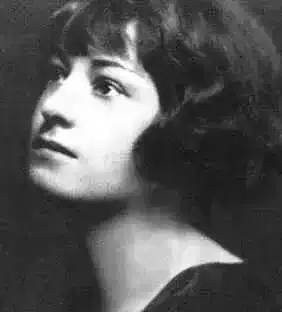
Dorothy Parker
August
August
When my eyes are weeds,
And my lips are petals, spinning
Down the wind that has beginning
Where the crumpled beeches start
In a fringe of salty reeds;
When my arms are elder-bushes,
And the rangy lilac pushes
Upward, upward through my heart;
Summer, do your worst!
Light your tinsel moon, and call on
Your performing stars to fall on
Headlong through your paper sky;
Nevermore shall I be cursed
By a flushed and amorous slattern,
With her dusty laces' pattern
Trailing, as she straggles by.
When my eyes are weeds,
And my lips are petals, spinning
Down the wind that has beginning
Where the crumpled beeches start
In a fringe of salty reeds;
When my arms are elder-bushes,
And the rangy lilac pushes
Upward, upward through my heart;
Summer, do your worst!
Light your tinsel moon, and call on
Your performing stars to fall on
Headlong through your paper sky;
Nevermore shall I be cursed
By a flushed and amorous slattern,
With her dusty laces' pattern
Trailing, as she straggles by.
384
Dorothy Parker
Alfred, Lord Tennyson
Alfred, Lord Tennyson
Should Heaven send me any son,
I hope he's not like Tennyson.
I'd rather have him play a fiddle
Than rise and bow and speak an idyll.
Should Heaven send me any son,
I hope he's not like Tennyson.
I'd rather have him play a fiddle
Than rise and bow and speak an idyll.
320
Dorothy Parker
Alfred, Lord Tennyson
Alfred, Lord Tennyson
Should Heaven send me any son,
I hope he's not like Tennyson.
I'd rather have him play a fiddle
Than rise and bow and speak an idyll.
Should Heaven send me any son,
I hope he's not like Tennyson.
I'd rather have him play a fiddle
Than rise and bow and speak an idyll.
320
Dorothy Parker
Afternoon
Afternoon
When I am old, and comforted,
And done with this desire,
With Memory to share my bed
And Peace to share my fire,
I'll comb my hair in scalloped bands
Beneath my laundered cap,
And watch my cool and fragile hands
Lie light upon my lap.
And I will have a sprigged gown
With lace to kiss my throat;
I'll draw my curtain to the town,
And hum a purring note.
And I'll forget the way of tears,
And rock, and stir my tea.
But oh, I wish those blessed years
Were further than they be!
When I am old, and comforted,
And done with this desire,
With Memory to share my bed
And Peace to share my fire,
I'll comb my hair in scalloped bands
Beneath my laundered cap,
And watch my cool and fragile hands
Lie light upon my lap.
And I will have a sprigged gown
With lace to kiss my throat;
I'll draw my curtain to the town,
And hum a purring note.
And I'll forget the way of tears,
And rock, and stir my tea.
But oh, I wish those blessed years
Were further than they be!
316
Dorothy Parker
A Well-Worn Story
A Well-Worn Story
In April, in April,
My one love came along,
And I ran the slope of my high hill
To follow a thread of song.
His eyes were hard as porphyry
With looking on cruel lands;
His voice went slipping over me
Like terrible silver hands.
Together we trod the secret lane
And walked the muttering town.
I wore my heart like a wet, red stain
On the breast of a velvet gown.
In April, in April,
My love went whistling by,
And I stumbled here to my high hill
Along the way of a lie.
Now what should I do in this place
But sit and count the chimes,
And splash cold water on my face
And spoil a page with rhymes?
In April, in April,
My one love came along,
And I ran the slope of my high hill
To follow a thread of song.
His eyes were hard as porphyry
With looking on cruel lands;
His voice went slipping over me
Like terrible silver hands.
Together we trod the secret lane
And walked the muttering town.
I wore my heart like a wet, red stain
On the breast of a velvet gown.
In April, in April,
My love went whistling by,
And I stumbled here to my high hill
Along the way of a lie.
Now what should I do in this place
But sit and count the chimes,
And splash cold water on my face
And spoil a page with rhymes?
424
Dorothy Parker
A Well-Worn Story
A Well-Worn Story
In April, in April,
My one love came along,
And I ran the slope of my high hill
To follow a thread of song.
His eyes were hard as porphyry
With looking on cruel lands;
His voice went slipping over me
Like terrible silver hands.
Together we trod the secret lane
And walked the muttering town.
I wore my heart like a wet, red stain
On the breast of a velvet gown.
In April, in April,
My love went whistling by,
And I stumbled here to my high hill
Along the way of a lie.
Now what should I do in this place
But sit and count the chimes,
And splash cold water on my face
And spoil a page with rhymes?
In April, in April,
My one love came along,
And I ran the slope of my high hill
To follow a thread of song.
His eyes were hard as porphyry
With looking on cruel lands;
His voice went slipping over me
Like terrible silver hands.
Together we trod the secret lane
And walked the muttering town.
I wore my heart like a wet, red stain
On the breast of a velvet gown.
In April, in April,
My love went whistling by,
And I stumbled here to my high hill
Along the way of a lie.
Now what should I do in this place
But sit and count the chimes,
And splash cold water on my face
And spoil a page with rhymes?
424
Dorothy Parker
A Portrait
A Portrait
Because my love is quick to come and go-
A little here, and then a little there-
What use are any words of mine to swear
My heart is stubborn, and my spirit slow
Of weathering the drip and drive of woe?
What is my oath, when you have but to bare
My little, easy loves; and I can dare
Only to shrug, and answer, "They are so"?
You do not know how heavy a heart it is
That hangs about my neck- a clumsy stone
Cut with a birth, a death, a bridal-day.
Each time I love, I find it still my own,
Who take it, now to that lad, now to this,
Seeking to give the wretched thing away.
Because my love is quick to come and go-
A little here, and then a little there-
What use are any words of mine to swear
My heart is stubborn, and my spirit slow
Of weathering the drip and drive of woe?
What is my oath, when you have but to bare
My little, easy loves; and I can dare
Only to shrug, and answer, "They are so"?
You do not know how heavy a heart it is
That hangs about my neck- a clumsy stone
Cut with a birth, a death, a bridal-day.
Each time I love, I find it still my own,
Who take it, now to that lad, now to this,
Seeking to give the wretched thing away.
393
Dorothy Parker
A Certain Lady
A Certain Lady
Oh, I can smile for you, and tilt my head,
And drink your rushing words with eager lips,
And paint my mouth for you a fragrant red,
And trace your brows with tutored finger-tips.
When you rehearse your list of loves to me,
Oh, I can laugh and marvel, rapturous-eyed.
And you laugh back, nor can you ever see
The thousand little deaths my heart has died.
And you believe, so well I know my part,
That I am gay as morning, light as snow,
And all the straining things within my heart
You'll never know.
Oh, I can laugh and listen, when we meet,
And you bring tales of fresh adventurings, --
Of ladies delicately indiscreet,
Of lingering hands, and gently whispered things.
And you are pleased with me, and strive anew
To sing me sagas of your late delights.
Thus do you want me -- marveling, gay, and true,
Nor do you see my staring eyes of nights.
And when, in search of novelty, you stray,
Oh, I can kiss you blithely as you go ....
And what goes on, my love, while you're away,
You'll never know.
Oh, I can smile for you, and tilt my head,
And drink your rushing words with eager lips,
And paint my mouth for you a fragrant red,
And trace your brows with tutored finger-tips.
When you rehearse your list of loves to me,
Oh, I can laugh and marvel, rapturous-eyed.
And you laugh back, nor can you ever see
The thousand little deaths my heart has died.
And you believe, so well I know my part,
That I am gay as morning, light as snow,
And all the straining things within my heart
You'll never know.
Oh, I can laugh and listen, when we meet,
And you bring tales of fresh adventurings, --
Of ladies delicately indiscreet,
Of lingering hands, and gently whispered things.
And you are pleased with me, and strive anew
To sing me sagas of your late delights.
Thus do you want me -- marveling, gay, and true,
Nor do you see my staring eyes of nights.
And when, in search of novelty, you stray,
Oh, I can kiss you blithely as you go ....
And what goes on, my love, while you're away,
You'll never know.
456
Dorothy Parker
Star Light, Star Bright--
"Star Light, Star Bright--"
Star, that gives a gracious dole,
What am I to choose?
Oh, will it be a shriven soul,
Or little buckled shoes?
Shall I wish a wedding-ring,
Bright and thin and round,
Or plead you send me coveringA
newly spaded mound?
Gentle beam, shall I implore
Gold, or sailing-ships,
Or beg I hate forevermore
A pair of lying lips?
Swing you low or high away,
Burn you hot or dim;
My only wish I dare not sayLest
you should grant me him.
Star, that gives a gracious dole,
What am I to choose?
Oh, will it be a shriven soul,
Or little buckled shoes?
Shall I wish a wedding-ring,
Bright and thin and round,
Or plead you send me coveringA
newly spaded mound?
Gentle beam, shall I implore
Gold, or sailing-ships,
Or beg I hate forevermore
A pair of lying lips?
Swing you low or high away,
Burn you hot or dim;
My only wish I dare not sayLest
you should grant me him.
283
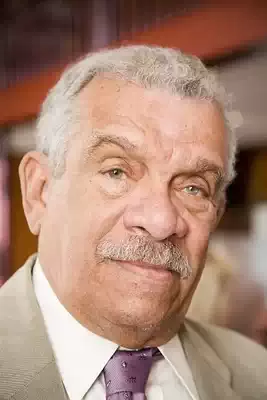
Derek Walcott
The Saddhu Of Couva
The Saddhu Of Couva
When sunset, a brass gong,
vibrate through Couva,
is then I see my soul, swiftly unsheathed,
like a white cattle bird growing more small
over the ocean of the evening canes,
and I sit quiet, waiting for it to return
like a hog-cattle blistered with mud,
because, for my spirit, India is too far.
And to that gong
sometimes bald clouds in saffron robes assemble
sacred to the evening,
sacred even to Ramlochan,
singing Indian hits from his jute hammock
while evening strokes the flanks
and silver horns of his maroon taxi,
as the mosquitoes whine their evening mantras,
my friend Anopheles, on the sitar,
and the fireflies making every dusk Divali.
I knot my head with a cloud,
my white mustache bristle like horns,
my hands are brittle as the pages of Ramayana.
Once the sacred monkeys multiplied like branches
in the ancient temples: I did not miss them,
because these fields sang of Bengal,
behind Ramlochan Repairs there was Uttar Pradesh;
but time roars in my ears like a river,
old age is a conflagration
as fierce as the cane fires of crop time.
I will pass through these people like a cloud,
they will see a white bird beating the evening sea
of the canes behind Couva,
and who will point it as my soul unsheathed?
Naither the bridegroom in beads,
nor the bride in her veils,
their sacred language on the cinema hoardings.
I talked too damn much on the Couva Village Council.
I talked too softly, I was always drowned
by the loudspeakers in front of the stores
or the loudspeakers with the greatest pictures.
I am best suited to stalk like a white cattle bird
on legs like sticks, with sticking to the Path
between the canes on a district road at dusk.
Playing the Elder. There are no more elders.
Is only old people.
My friends spit on the government.
I do not think is just the government.
Suppose all the gods too old,
Suppose they dead and they burning them,
supposing when some cane cutter
start chopping up snakes with a cutlass
he is severing the snake-armed god,
and suppose some hunter has caught
Hanuman in his mischief in a monkey cage.
Suppose all the gods were killed by electric light?
Sunset, a bonfire, roars in my ears;
embers of brown swallows dart and cry,
like women distracted,
around its cremation.
I ascend to my bed of sweet sandalwood.
When sunset, a brass gong,
vibrate through Couva,
is then I see my soul, swiftly unsheathed,
like a white cattle bird growing more small
over the ocean of the evening canes,
and I sit quiet, waiting for it to return
like a hog-cattle blistered with mud,
because, for my spirit, India is too far.
And to that gong
sometimes bald clouds in saffron robes assemble
sacred to the evening,
sacred even to Ramlochan,
singing Indian hits from his jute hammock
while evening strokes the flanks
and silver horns of his maroon taxi,
as the mosquitoes whine their evening mantras,
my friend Anopheles, on the sitar,
and the fireflies making every dusk Divali.
I knot my head with a cloud,
my white mustache bristle like horns,
my hands are brittle as the pages of Ramayana.
Once the sacred monkeys multiplied like branches
in the ancient temples: I did not miss them,
because these fields sang of Bengal,
behind Ramlochan Repairs there was Uttar Pradesh;
but time roars in my ears like a river,
old age is a conflagration
as fierce as the cane fires of crop time.
I will pass through these people like a cloud,
they will see a white bird beating the evening sea
of the canes behind Couva,
and who will point it as my soul unsheathed?
Naither the bridegroom in beads,
nor the bride in her veils,
their sacred language on the cinema hoardings.
I talked too damn much on the Couva Village Council.
I talked too softly, I was always drowned
by the loudspeakers in front of the stores
or the loudspeakers with the greatest pictures.
I am best suited to stalk like a white cattle bird
on legs like sticks, with sticking to the Path
between the canes on a district road at dusk.
Playing the Elder. There are no more elders.
Is only old people.
My friends spit on the government.
I do not think is just the government.
Suppose all the gods too old,
Suppose they dead and they burning them,
supposing when some cane cutter
start chopping up snakes with a cutlass
he is severing the snake-armed god,
and suppose some hunter has caught
Hanuman in his mischief in a monkey cage.
Suppose all the gods were killed by electric light?
Sunset, a bonfire, roars in my ears;
embers of brown swallows dart and cry,
like women distracted,
around its cremation.
I ascend to my bed of sweet sandalwood.
1,221
Derek Walcott
Pentecost
Pentecost
Better a jungle in the head
than rootless concrete.
Better to stand bewildered
by the fireflies' crooked street;
winter lamps do not show
where the sidewalk is lost,
nor can these tongues of snow
speak for the Holy Ghost;
the self-increasing silence
of words dropped from a roof
points along iron railings,
direction, in not proof.
But best is this night surf
with slow scriptures of sand,
that sends, not quite a seraph,
but a late cormorant,
whose fading cry propels
through phosphorescent shoal
what, in my childhood gospels,
used to be called the Soul.
Better a jungle in the head
than rootless concrete.
Better to stand bewildered
by the fireflies' crooked street;
winter lamps do not show
where the sidewalk is lost,
nor can these tongues of snow
speak for the Holy Ghost;
the self-increasing silence
of words dropped from a roof
points along iron railings,
direction, in not proof.
But best is this night surf
with slow scriptures of sand,
that sends, not quite a seraph,
but a late cormorant,
whose fading cry propels
through phosphorescent shoal
what, in my childhood gospels,
used to be called the Soul.
1,138
Derek Walcott
In The Virgins
In The Virgins
You can't put in the ground swell of the organ
from the Christiansted, St.Croix, Anglican Church
behind the paratrooper's voice: 'Turned cop
after Vietnam. I made thirty jumps.'
Bells punish the dead street and pigeons lurch
from the stone belfry, opening their chutes,
circling until the rings of ringing stop.
'Salud!' The paratrooper's glass is raised.
The congregation rises to its feet
like a patrol, with scuffling shoes and boots,
repeating orders as the organ thumps:
'Praise Ye the Lord. The Lord's name be praised.'
You cannot hear, beyond the quiet harbor,
the breakers cannonading on the bruised
horizon, or the charter engines gunning for
Buck Island. The only war here is a war
of silence between blue sky and sea,
and just one voice, the marching choir's, is raised
to draft new conscripts with the ancient cry
of 'Onward, Christian Soldiers,' into pews
half-empty still, or like a glass, half-full.
Pinning itself to a cornice, a gull
hangs like a medal from the serge-blue sky.
Are these boats all? Is the blue water all?
The rocks surpliced with lace where they are moored,
dinghy, catamaran, and racing yawl,
nodding to the ground swell of 'Praise the Lord'?
Wesley and Watts, their evangelical light
lanced down the mine shafts to our chapel pew,
its beam gritted with motes of anthracite
that drifted on us in our chapel benches:
from God's slow-grinding mills in Lancashire,
ash on the dead mired in Flanders' trenches,
as a gray drizzle now defiles the view
of this blue harbor, framed in windows where
two yellow palm fronds, jerked by the wind's rain,
agree like horses' necks, and nodding bear,
slow as a hearse, a haze of tasseled rain,
and, as the weather changes in a child,
the paradisal day outside grows dark,
the yachts flutter like moths in a gray jar,
the martial voices fade in thunder, while
across the harbor, like a timid lure,
a rainbow casts its seven-colored arc.
Tonight, now Sunday has been put to rest.
Altar lights ride the black glass where the yachts
stiffly repeat themselves and phosphoresce
with every ripple - the wide parking-lots
of tidal affluence - and every mast
sways the night's dial as its needle veers
to find the station which is truly peace.
Like neon lasers shot across the bars
discos blast out the music of the spheres,
and, one by one, science infects the stars.
You can't put in the ground swell of the organ
from the Christiansted, St.Croix, Anglican Church
behind the paratrooper's voice: 'Turned cop
after Vietnam. I made thirty jumps.'
Bells punish the dead street and pigeons lurch
from the stone belfry, opening their chutes,
circling until the rings of ringing stop.
'Salud!' The paratrooper's glass is raised.
The congregation rises to its feet
like a patrol, with scuffling shoes and boots,
repeating orders as the organ thumps:
'Praise Ye the Lord. The Lord's name be praised.'
You cannot hear, beyond the quiet harbor,
the breakers cannonading on the bruised
horizon, or the charter engines gunning for
Buck Island. The only war here is a war
of silence between blue sky and sea,
and just one voice, the marching choir's, is raised
to draft new conscripts with the ancient cry
of 'Onward, Christian Soldiers,' into pews
half-empty still, or like a glass, half-full.
Pinning itself to a cornice, a gull
hangs like a medal from the serge-blue sky.
Are these boats all? Is the blue water all?
The rocks surpliced with lace where they are moored,
dinghy, catamaran, and racing yawl,
nodding to the ground swell of 'Praise the Lord'?
Wesley and Watts, their evangelical light
lanced down the mine shafts to our chapel pew,
its beam gritted with motes of anthracite
that drifted on us in our chapel benches:
from God's slow-grinding mills in Lancashire,
ash on the dead mired in Flanders' trenches,
as a gray drizzle now defiles the view
of this blue harbor, framed in windows where
two yellow palm fronds, jerked by the wind's rain,
agree like horses' necks, and nodding bear,
slow as a hearse, a haze of tasseled rain,
and, as the weather changes in a child,
the paradisal day outside grows dark,
the yachts flutter like moths in a gray jar,
the martial voices fade in thunder, while
across the harbor, like a timid lure,
a rainbow casts its seven-colored arc.
Tonight, now Sunday has been put to rest.
Altar lights ride the black glass where the yachts
stiffly repeat themselves and phosphoresce
with every ripple - the wide parking-lots
of tidal affluence - and every mast
sways the night's dial as its needle veers
to find the station which is truly peace.
Like neon lasers shot across the bars
discos blast out the music of the spheres,
and, one by one, science infects the stars.
1,231
Derek Walcott
In The Virgins
In The Virgins
You can't put in the ground swell of the organ
from the Christiansted, St.Croix, Anglican Church
behind the paratrooper's voice: 'Turned cop
after Vietnam. I made thirty jumps.'
Bells punish the dead street and pigeons lurch
from the stone belfry, opening their chutes,
circling until the rings of ringing stop.
'Salud!' The paratrooper's glass is raised.
The congregation rises to its feet
like a patrol, with scuffling shoes and boots,
repeating orders as the organ thumps:
'Praise Ye the Lord. The Lord's name be praised.'
You cannot hear, beyond the quiet harbor,
the breakers cannonading on the bruised
horizon, or the charter engines gunning for
Buck Island. The only war here is a war
of silence between blue sky and sea,
and just one voice, the marching choir's, is raised
to draft new conscripts with the ancient cry
of 'Onward, Christian Soldiers,' into pews
half-empty still, or like a glass, half-full.
Pinning itself to a cornice, a gull
hangs like a medal from the serge-blue sky.
Are these boats all? Is the blue water all?
The rocks surpliced with lace where they are moored,
dinghy, catamaran, and racing yawl,
nodding to the ground swell of 'Praise the Lord'?
Wesley and Watts, their evangelical light
lanced down the mine shafts to our chapel pew,
its beam gritted with motes of anthracite
that drifted on us in our chapel benches:
from God's slow-grinding mills in Lancashire,
ash on the dead mired in Flanders' trenches,
as a gray drizzle now defiles the view
of this blue harbor, framed in windows where
two yellow palm fronds, jerked by the wind's rain,
agree like horses' necks, and nodding bear,
slow as a hearse, a haze of tasseled rain,
and, as the weather changes in a child,
the paradisal day outside grows dark,
the yachts flutter like moths in a gray jar,
the martial voices fade in thunder, while
across the harbor, like a timid lure,
a rainbow casts its seven-colored arc.
Tonight, now Sunday has been put to rest.
Altar lights ride the black glass where the yachts
stiffly repeat themselves and phosphoresce
with every ripple - the wide parking-lots
of tidal affluence - and every mast
sways the night's dial as its needle veers
to find the station which is truly peace.
Like neon lasers shot across the bars
discos blast out the music of the spheres,
and, one by one, science infects the stars.
You can't put in the ground swell of the organ
from the Christiansted, St.Croix, Anglican Church
behind the paratrooper's voice: 'Turned cop
after Vietnam. I made thirty jumps.'
Bells punish the dead street and pigeons lurch
from the stone belfry, opening their chutes,
circling until the rings of ringing stop.
'Salud!' The paratrooper's glass is raised.
The congregation rises to its feet
like a patrol, with scuffling shoes and boots,
repeating orders as the organ thumps:
'Praise Ye the Lord. The Lord's name be praised.'
You cannot hear, beyond the quiet harbor,
the breakers cannonading on the bruised
horizon, or the charter engines gunning for
Buck Island. The only war here is a war
of silence between blue sky and sea,
and just one voice, the marching choir's, is raised
to draft new conscripts with the ancient cry
of 'Onward, Christian Soldiers,' into pews
half-empty still, or like a glass, half-full.
Pinning itself to a cornice, a gull
hangs like a medal from the serge-blue sky.
Are these boats all? Is the blue water all?
The rocks surpliced with lace where they are moored,
dinghy, catamaran, and racing yawl,
nodding to the ground swell of 'Praise the Lord'?
Wesley and Watts, their evangelical light
lanced down the mine shafts to our chapel pew,
its beam gritted with motes of anthracite
that drifted on us in our chapel benches:
from God's slow-grinding mills in Lancashire,
ash on the dead mired in Flanders' trenches,
as a gray drizzle now defiles the view
of this blue harbor, framed in windows where
two yellow palm fronds, jerked by the wind's rain,
agree like horses' necks, and nodding bear,
slow as a hearse, a haze of tasseled rain,
and, as the weather changes in a child,
the paradisal day outside grows dark,
the yachts flutter like moths in a gray jar,
the martial voices fade in thunder, while
across the harbor, like a timid lure,
a rainbow casts its seven-colored arc.
Tonight, now Sunday has been put to rest.
Altar lights ride the black glass where the yachts
stiffly repeat themselves and phosphoresce
with every ripple - the wide parking-lots
of tidal affluence - and every mast
sways the night's dial as its needle veers
to find the station which is truly peace.
Like neon lasers shot across the bars
discos blast out the music of the spheres,
and, one by one, science infects the stars.
1,231
Derek Walcott
Love After Love
Love After Love
The time will come
when, with elation
you will greet yourself arriving
at your own door, in your own mirror
and each will smile at the other's welcome,
and say, sit here. Eat.
You will love again the stranger who was your self.
Give wine. Give bread. Give back your heart
to itself, to the stranger who has loved you
all your life, whom you ignored
for another, who knows you by heart.
Take down the love letters from the bookshelf,
the photographs, the desperate notes,
peel your own image from the mirror.
Sit. Feast on your life.
The time will come
when, with elation
you will greet yourself arriving
at your own door, in your own mirror
and each will smile at the other's welcome,
and say, sit here. Eat.
You will love again the stranger who was your self.
Give wine. Give bread. Give back your heart
to itself, to the stranger who has loved you
all your life, whom you ignored
for another, who knows you by heart.
Take down the love letters from the bookshelf,
the photographs, the desperate notes,
peel your own image from the mirror.
Sit. Feast on your life.
1,245
Derek Walcott
Coral
Coral
This coral's hape ecohes the hand
It hollowed. Its
Immediate absence is heavy. As pumice,
As your breast in my cupped palm.
Sea-cold, its nipple rasps like sand,
Its pores, like yours, shone with salt sweat.
Bodies in absence displace their weight,
And your smooth body, like none other,
Creates an exact absence like this stoneSet on a table with a whitening rack
Of souvenirs. It dares my hand
To claim what lovers' hands have never known:
The nature of the body of another.
This coral's hape ecohes the hand
It hollowed. Its
Immediate absence is heavy. As pumice,
As your breast in my cupped palm.
Sea-cold, its nipple rasps like sand,
Its pores, like yours, shone with salt sweat.
Bodies in absence displace their weight,
And your smooth body, like none other,
Creates an exact absence like this stoneSet on a table with a whitening rack
Of souvenirs. It dares my hand
To claim what lovers' hands have never known:
The nature of the body of another.
700
Derek Walcott
Egypt, Tobago
Egypt, Tobago
There is a shattered palm
on this fierce shore,
its plumes the rusting helmet
of a dead warrior.
Numb Antony, in the torpor
stretching her inert
sex near him like a sleeping cat,
knows his heart is the real desert.
Over the dunes
of her heaving,
to his heart's drumming
fades the mirage of the legions,
across love-tousled sheets,
the triremes fading.
Ar the carved door of her temple
a fly wrings its message.
He brushes a damp hair
away from an ear
as perfect as a sleeping child's.
He stares, inert, the fallen column.
He lies like a copper palm
tree at three in the afternoon
by a hot sea
and a river, in Egypt, Tobago
Her salt marsh dries in the heat
where he foundered
without armor.
He exchanged an empire for her beads of sweat,
the uproar of arenas,
the changing surf
of senators, for
this silent ceiling over silent sand
this grizzled bear, whose fur,
moulting, is silvered for
this quick fox with her
sweet stench. By sleep dismembered,
his head
is in Egypt, his feet
in Rome, his groin a desert
trench with its dead soldier.
He drifts a finger
through her stiff hair
crisp as a mare's fountaining tail.
Shadows creep up the palace tile.
He is too tired to move;
a groan would waken
trumpets, one more gesture
war. His glare,
a shield
reflecting fires,
a brass brow that cannot frown
at carnage, sweats the sun's force.
It is not the turmoil
of autumnal lust,
its treacheries, that drove
him, fired and grimed with dust,
this far, not even love,
but a great rage without
clamor, that grew great
because its depth is quiet;
it hears the river
of her young brown blood,
it feels the whole sky quiver
with her blue eyelid.
She sleeps with the soft engine of a child,
that sleep which scythes
the stalks of lances, fells the
harvest of legions
with nothing for its knives,
that makes Caesars,
sputtering at flies,
slapping their foreheads
with the laurel's imprint,
drunkards, comedians.
All-humbling sleep, whose peace
is sweet as death,
whose silence has
all the sea's weight and volubility,
who swings this globe by a hair's trembling breath.
Shattered and wild and
palm-crowned Antony,
rusting in Egypt,
ready to lose the world,
to Actium and sand,
everything else
is vanity, but this tenderness
for a woman not his mistress
but his sleeping child.
The sky is cloudless. The afternoon is mild.
There is a shattered palm
on this fierce shore,
its plumes the rusting helmet
of a dead warrior.
Numb Antony, in the torpor
stretching her inert
sex near him like a sleeping cat,
knows his heart is the real desert.
Over the dunes
of her heaving,
to his heart's drumming
fades the mirage of the legions,
across love-tousled sheets,
the triremes fading.
Ar the carved door of her temple
a fly wrings its message.
He brushes a damp hair
away from an ear
as perfect as a sleeping child's.
He stares, inert, the fallen column.
He lies like a copper palm
tree at three in the afternoon
by a hot sea
and a river, in Egypt, Tobago
Her salt marsh dries in the heat
where he foundered
without armor.
He exchanged an empire for her beads of sweat,
the uproar of arenas,
the changing surf
of senators, for
this silent ceiling over silent sand
this grizzled bear, whose fur,
moulting, is silvered for
this quick fox with her
sweet stench. By sleep dismembered,
his head
is in Egypt, his feet
in Rome, his groin a desert
trench with its dead soldier.
He drifts a finger
through her stiff hair
crisp as a mare's fountaining tail.
Shadows creep up the palace tile.
He is too tired to move;
a groan would waken
trumpets, one more gesture
war. His glare,
a shield
reflecting fires,
a brass brow that cannot frown
at carnage, sweats the sun's force.
It is not the turmoil
of autumnal lust,
its treacheries, that drove
him, fired and grimed with dust,
this far, not even love,
but a great rage without
clamor, that grew great
because its depth is quiet;
it hears the river
of her young brown blood,
it feels the whole sky quiver
with her blue eyelid.
She sleeps with the soft engine of a child,
that sleep which scythes
the stalks of lances, fells the
harvest of legions
with nothing for its knives,
that makes Caesars,
sputtering at flies,
slapping their foreheads
with the laurel's imprint,
drunkards, comedians.
All-humbling sleep, whose peace
is sweet as death,
whose silence has
all the sea's weight and volubility,
who swings this globe by a hair's trembling breath.
Shattered and wild and
palm-crowned Antony,
rusting in Egypt,
ready to lose the world,
to Actium and sand,
everything else
is vanity, but this tenderness
for a woman not his mistress
but his sleeping child.
The sky is cloudless. The afternoon is mild.
1,205

D.H. Lawrence
Week-Night Service
Week-Night Service
The five old bells
Are hurrying and eagerly calling,
Imploring, protesting
They know, but clamorously falling
Into gabbling incoherence, never resting,
Like spattering showers from a bursten sky-rocket dropping
In splashes of sound, endlessly, never stopping.
The silver moon
That somebody has spun so high
To settle the question, yes or no, has caught
In the net of the night’s balloon,
And sits with a smooth bland smile up there in the sky
Smiling at naught,
Unless the winking star that keeps her company
Makes little jests at the bells’ insanity,
As if he knew aught!
The patient Night
Sits indifferent, hugged in her rags,
She neither knows nor cares
Why the old church sobs and brags;
The light distresses her eyes, and tears
Her old blue cloak, as she crouches and covers her face,
Smiling, perhaps, if we knew it, at the bells’ loud clattering disgrace.
The wise old trees
Drop their leaves with a faint, sharp hiss of contempt,
While a car at the end of the street goes by with a laugh;
As by degrees
The poor bells cease, and the Night is exempt,
And the stars can chaff
The ironic moon at their ease, while the dim old church
Is peopled with shadows and sounds and ghosts that lurch
In its cenotaph.
The five old bells
Are hurrying and eagerly calling,
Imploring, protesting
They know, but clamorously falling
Into gabbling incoherence, never resting,
Like spattering showers from a bursten sky-rocket dropping
In splashes of sound, endlessly, never stopping.
The silver moon
That somebody has spun so high
To settle the question, yes or no, has caught
In the net of the night’s balloon,
And sits with a smooth bland smile up there in the sky
Smiling at naught,
Unless the winking star that keeps her company
Makes little jests at the bells’ insanity,
As if he knew aught!
The patient Night
Sits indifferent, hugged in her rags,
She neither knows nor cares
Why the old church sobs and brags;
The light distresses her eyes, and tears
Her old blue cloak, as she crouches and covers her face,
Smiling, perhaps, if we knew it, at the bells’ loud clattering disgrace.
The wise old trees
Drop their leaves with a faint, sharp hiss of contempt,
While a car at the end of the street goes by with a laugh;
As by degrees
The poor bells cease, and the Night is exempt,
And the stars can chaff
The ironic moon at their ease, while the dim old church
Is peopled with shadows and sounds and ghosts that lurch
In its cenotaph.
252
D.H. Lawrence
Virgin Youth
Virgin Youth
Now and again
All my body springs alive,
And the life that is polarised in my eyes,
That quivers between my eyes and mouth,
Flies like a wild thing across my body,
Leaving my eyes half-empty, and clamorous,
Filling my still breasts with a flush and a flame,
Gathering the soft ripples below my breast
Into urgent, passionate waves,
And my soft, slumbering belly
Quivering awake with one impulse of desire,
Gathers itself fiercely together;
And my docile, fluent arms
Knotting themselves with wild strength
To clasp—what they have never clasped.
Then I tremble, and go trembling
Under the wild, strange tyranny of my body,
Till it has spent itself,
And the relentless nodality of my eyes reasserts itself,
Till the bursten flood of life ebbs back to my eyes,
Back from my beautiful, lonely body
Tired and unsatisfied.
Now and again
All my body springs alive,
And the life that is polarised in my eyes,
That quivers between my eyes and mouth,
Flies like a wild thing across my body,
Leaving my eyes half-empty, and clamorous,
Filling my still breasts with a flush and a flame,
Gathering the soft ripples below my breast
Into urgent, passionate waves,
And my soft, slumbering belly
Quivering awake with one impulse of desire,
Gathers itself fiercely together;
And my docile, fluent arms
Knotting themselves with wild strength
To clasp—what they have never clasped.
Then I tremble, and go trembling
Under the wild, strange tyranny of my body,
Till it has spent itself,
And the relentless nodality of my eyes reasserts itself,
Till the bursten flood of life ebbs back to my eyes,
Back from my beautiful, lonely body
Tired and unsatisfied.
234
D.H. Lawrence
Tortoise Shell
Tortoise Shell
The Cross, the Cross
Goes deeper in than we know,
Deeper into life;
Right into the marrow
And through the bone.
Along the back of the baby tortoise
The scales are locked in an arch like a bridge,
Scale-lapping, like a lobster's sections
Or a bee's.
Then crossways down his sides
Tiger-stripes and wasp-bands.
Five, and five again, and five again,
And round the edges twenty-five little ones,
The sections of the baby tortoise shell.
Four, and a keystone;
Four, and a keystone;
Four, and a keystone;
Then twenty-four, and a tiny little keystone.
It needed Pythagoras to see life playing with counters on the living back
Of the baby tortoise;
Life establishing the first eternal mathematical tablet,
Not in stone, like the Judean Lord, or bronze, but in life-clouded, life-rosy tortoise shell.
The first little mathematical gentleman
Stepping, wee mite, in his loose trousers
Under all the eternal dome of mathematical law.
Fives, and tens,
Threes and fours and twelves,
All the volte face of decimals,
The whirligig of dozens and the pinnacle of seven.
Turn him on his back,
The kicking little beetle,
And there again, on his shell-tender, earth-touching belly,
The long cleavage of division, upright of the eternal cross
And on either side count five,
On each side, two above, on each side, two below
The dark bar horizontal.
The Cross!
It goes right through him, the sprottling insect,
Through his cross-wise cloven psyche,
Through his five-fold complex-nature.
So turn him over on his toes again;
Four pin-point toes, and a problematical thumb-piece,
Four rowing limbs, and one wedge-balancing head,
Four and one makes five, which is the clue to all mathematics.
The Lord wrote it all down on the little slate
Of the baby tortoise.
Outward and visible indication of the plan within,
The complex, manifold involvednes,s of an individual creature
Plotted out
On this small bird, this rudiment,
This little dome, this pediment
Of all creation,
This slow one.
The Cross, the Cross
Goes deeper in than we know,
Deeper into life;
Right into the marrow
And through the bone.
Along the back of the baby tortoise
The scales are locked in an arch like a bridge,
Scale-lapping, like a lobster's sections
Or a bee's.
Then crossways down his sides
Tiger-stripes and wasp-bands.
Five, and five again, and five again,
And round the edges twenty-five little ones,
The sections of the baby tortoise shell.
Four, and a keystone;
Four, and a keystone;
Four, and a keystone;
Then twenty-four, and a tiny little keystone.
It needed Pythagoras to see life playing with counters on the living back
Of the baby tortoise;
Life establishing the first eternal mathematical tablet,
Not in stone, like the Judean Lord, or bronze, but in life-clouded, life-rosy tortoise shell.
The first little mathematical gentleman
Stepping, wee mite, in his loose trousers
Under all the eternal dome of mathematical law.
Fives, and tens,
Threes and fours and twelves,
All the volte face of decimals,
The whirligig of dozens and the pinnacle of seven.
Turn him on his back,
The kicking little beetle,
And there again, on his shell-tender, earth-touching belly,
The long cleavage of division, upright of the eternal cross
And on either side count five,
On each side, two above, on each side, two below
The dark bar horizontal.
The Cross!
It goes right through him, the sprottling insect,
Through his cross-wise cloven psyche,
Through his five-fold complex-nature.
So turn him over on his toes again;
Four pin-point toes, and a problematical thumb-piece,
Four rowing limbs, and one wedge-balancing head,
Four and one makes five, which is the clue to all mathematics.
The Lord wrote it all down on the little slate
Of the baby tortoise.
Outward and visible indication of the plan within,
The complex, manifold involvednes,s of an individual creature
Plotted out
On this small bird, this rudiment,
This little dome, this pediment
Of all creation,
This slow one.
234
D.H. Lawrence
Trees in the Garden
Trees in the Garden
Ah in the thunder air
how still the trees are!
And the lime-tree, lovely and tall, every leaf silent
hardly looses even a last breath of perfume.
And the ghostly, creamy coloured little tree of leaves
white, ivory white among the rambling greens
how evanescent, variegated elder, she hesitates on the green grass
as if, in another moment, she would disappear
with all her grace of foam!
And the larch that is only a column, it goes up too tall to see:
and the balsam-pines that are blue with the grey-blue blueness of
things from the sea,
and the young copper beech, its leaves red-rosy at the ends
how still they are together, they stand so still
in the thunder air, all strangers to one another
as the green grass glows upwards, strangers in the silent garden.
Ah in the thunder air
how still the trees are!
And the lime-tree, lovely and tall, every leaf silent
hardly looses even a last breath of perfume.
And the ghostly, creamy coloured little tree of leaves
white, ivory white among the rambling greens
how evanescent, variegated elder, she hesitates on the green grass
as if, in another moment, she would disappear
with all her grace of foam!
And the larch that is only a column, it goes up too tall to see:
and the balsam-pines that are blue with the grey-blue blueness of
things from the sea,
and the young copper beech, its leaves red-rosy at the ends
how still they are together, they stand so still
in the thunder air, all strangers to one another
as the green grass glows upwards, strangers in the silent garden.
268
D.H. Lawrence
Thought
Thought
Thought, I love thought.
But not the juggling and twisting of already existent ideas
I despise that self-important game.
Thought is the welling up of unknown life into consciousness,
Thought is the testing of statements on the touchstone of consciousness,
Thought is gazing onto the face of life, and reading what can be read,
Thought is pondering over experience, and coming to conclusion.
Thought is not a trick, or an exercise, or a set of dodges,
Thought is a man in his wholeness, wholly attending.
Thought, I love thought.
But not the juggling and twisting of already existent ideas
I despise that self-important game.
Thought is the welling up of unknown life into consciousness,
Thought is the testing of statements on the touchstone of consciousness,
Thought is gazing onto the face of life, and reading what can be read,
Thought is pondering over experience, and coming to conclusion.
Thought is not a trick, or an exercise, or a set of dodges,
Thought is a man in his wholeness, wholly attending.
221
D.H. Lawrence
Tortoise Family Connections
Tortoise Family Connections
On he goes, the little one,
Bud of the universe,
Pediment of life.
Setting off somewhere, apparently.
Whither away, brisk egg?
His mother deposited him on the soil as if he were no more than droppings,
And now he scuffles tinily past her as if she were an old rusty tin.
A mere obstacle,
He veers round the slow great mound of her --
Tortoises always foresee obstacles.
It is no use my saying to him in an emotional voice:
'This is your Mother, she laid you when you were an egg.'
He does not even trouble to answer: 'Woman, what have I to do with thee?'
He wearily looks the other way,
And she even more wearily looks another way still,
Each with the utmost apathy,
Incognisant,
Unaware,
Nothing.
As for papa,
He snaps when I offer him his offspring,
Just as he snaps when I poke a bit of stick at him,
Because he is irascible this morning, an irascible tortoise
Being touched with love, and devoid of fatherliness.
Father and mother,
And three little brothers,
And all rambling aimless, like little perambulating pebbles scattered in the garden,
Not knowing each other from bits of earth or old tins.
Except that papa and mama are old acquaintances, of course,
Though family feeling there is none, not even the beginnings.
Fatherless, motherless, brotherless, sisterless
Little tortoise.
Row on then, small pebble,
Over the clods of the autumn, wind-chilled sunshine,
Young gaiety.
Does he look for a companion?
No, no, don't think it.
He doesn't know he is alone;
Isolation is his birthright,
This atom.
To row forward, and reach himself tall on spiny toes,
To travel, to burrow into a little loose earth, afraid of the night,
To crop a little substance,
To move, and to be quite sure that he is moving:
Basta!
To be a tortoise!
Think of it, in a garden of inert clods
A brisk, brindled little tortoise, all to himself --
Adam!
In a garden of pebbles and insects
To roam, and feel the slow heart beat
Tortoise-wise, the first bell sounding
From the warm blood, in the dark-creation morning.
Moving, and being himself,
Slow, and unquestioned,
And inordinately there, O stoic!
Wandering in the slow triumph of his own existence,
Ringing the soundless bell of his presence in chaos,
And biting the frail grass arrogantly,
Decidedly arrogantly.
On he goes, the little one,
Bud of the universe,
Pediment of life.
Setting off somewhere, apparently.
Whither away, brisk egg?
His mother deposited him on the soil as if he were no more than droppings,
And now he scuffles tinily past her as if she were an old rusty tin.
A mere obstacle,
He veers round the slow great mound of her --
Tortoises always foresee obstacles.
It is no use my saying to him in an emotional voice:
'This is your Mother, she laid you when you were an egg.'
He does not even trouble to answer: 'Woman, what have I to do with thee?'
He wearily looks the other way,
And she even more wearily looks another way still,
Each with the utmost apathy,
Incognisant,
Unaware,
Nothing.
As for papa,
He snaps when I offer him his offspring,
Just as he snaps when I poke a bit of stick at him,
Because he is irascible this morning, an irascible tortoise
Being touched with love, and devoid of fatherliness.
Father and mother,
And three little brothers,
And all rambling aimless, like little perambulating pebbles scattered in the garden,
Not knowing each other from bits of earth or old tins.
Except that papa and mama are old acquaintances, of course,
Though family feeling there is none, not even the beginnings.
Fatherless, motherless, brotherless, sisterless
Little tortoise.
Row on then, small pebble,
Over the clods of the autumn, wind-chilled sunshine,
Young gaiety.
Does he look for a companion?
No, no, don't think it.
He doesn't know he is alone;
Isolation is his birthright,
This atom.
To row forward, and reach himself tall on spiny toes,
To travel, to burrow into a little loose earth, afraid of the night,
To crop a little substance,
To move, and to be quite sure that he is moving:
Basta!
To be a tortoise!
Think of it, in a garden of inert clods
A brisk, brindled little tortoise, all to himself --
Adam!
In a garden of pebbles and insects
To roam, and feel the slow heart beat
Tortoise-wise, the first bell sounding
From the warm blood, in the dark-creation morning.
Moving, and being himself,
Slow, and unquestioned,
And inordinately there, O stoic!
Wandering in the slow triumph of his own existence,
Ringing the soundless bell of his presence in chaos,
And biting the frail grass arrogantly,
Decidedly arrogantly.
211
D.H. Lawrence
The Virgin Mother
The Virgin Mother
My little love, my darling,
You were a doorway to me;
You let me out of the confines
Into this strange countrie,
Where people are crowded like thistles,
Yet are shapely and comely to see.
My little love, my dearest
Twice have you issued me,
Once from your womb, sweet mother,
Once from myself, to be
Free of all hearts, my darling,
Of each heart’s home-life free.
And so, my love, my mother,
I shall always be true to you;
Twice I am born, my dearest,
To life, and to death, in you;
And this is the life hereafter
Wherein I am true.
I kiss you good-bye, my darling,
Our ways are different now;
You are a seed in the night-time,
I am a man, to plough
The difficult glebe of the future
For God to endow.
I kiss you good-bye, my dearest,
It is finished between us here.
Oh, if I were calm as you are,
Sweet and still on your bier!
O God, if I had not to leave you
Alone, my dear!
Let the last word be uttered,
Oh grant the farewell is said!
Spare me the strength to leave you
Now you are dead.
I must go, but my soul lies helpless
Beside your bed.
My little love, my darling,
You were a doorway to me;
You let me out of the confines
Into this strange countrie,
Where people are crowded like thistles,
Yet are shapely and comely to see.
My little love, my dearest
Twice have you issued me,
Once from your womb, sweet mother,
Once from myself, to be
Free of all hearts, my darling,
Of each heart’s home-life free.
And so, my love, my mother,
I shall always be true to you;
Twice I am born, my dearest,
To life, and to death, in you;
And this is the life hereafter
Wherein I am true.
I kiss you good-bye, my darling,
Our ways are different now;
You are a seed in the night-time,
I am a man, to plough
The difficult glebe of the future
For God to endow.
I kiss you good-bye, my dearest,
It is finished between us here.
Oh, if I were calm as you are,
Sweet and still on your bier!
O God, if I had not to leave you
Alone, my dear!
Let the last word be uttered,
Oh grant the farewell is said!
Spare me the strength to leave you
Now you are dead.
I must go, but my soul lies helpless
Beside your bed.
244
D.H. Lawrence
The Ship of Death
The Ship of Death
I
Now it is autumn and the falling fruit
and the long journey towards oblivion.
The apples falling like great drops of dew
to bruise themselves an exit from themselves.
And it is time to go, to bid farewell
to one's own self, and find an exit
from the fallen self.
II
Have you built your ship of death, O have you?
O build your ship of death, for you will need it.
The grim frost is at hand, when the apples will fall
thick, almost thundrous, on the hardened earth.
And death is on the air like a smell of ashes!
Ah! can't you smell it?
And in the bruised body, the frightened soul
finds itself shrinking, wincing from the cold
that blows upon it through the orifices.
III
And can a man his own quietus make
with a bare bodkin?
With daggers, bodkins, bullets, man can make
a bruise or break of exit for his life;
but is that a quietus, O tell me, is it quietus?
Surely not so! for how could murder, even self-murder
ever a quietus make?
IV
O let us talk of quiet that we know,
that we can know, the deep and lovely quiet
of a strong heart at peace!
How can we this, our own quietus, make?
V
Build then the ship of death, for you must take
the longest journey, to oblivion.
And die the death, the long and painful death
that lies between the old self and the new.
Already our bodies are fallen, bruised, badly bruised,
already our souls are oozing through the exit
of the cruel bruise.
Already the dark and endless ocean of the end
is washing in through the breaches of our wounds,
Already the flood is upon us.
Oh build your ship of death, your little ark
and furnish it with food, with little cakes, and wine
for the dark flight down oblivion.
VI
Piecemeal the body dies, and the timid soul
has her footing washed away, as the dark flood rises.
We are dying, we are dying, we are all of us dying
and nothing will stay the death-flood rising within us
and soon it will rise on the world, on the outside world.
We are dying, we are dying, piecemeal our bodies are dying
and our strength leaves us,
and our soul cowers naked in the dark rain over the flood,
cowering in the last branches of the tree of our life.
VII
We are dying, we are dying, so all we can do
is now to be willing to die, and to build the ship
of death to carry the soul on the longest journey.
A little ship, with oars and food
and little dishes, and all accoutrements
fitting and ready for the departing soul.
Now launch the small ship, now as the body dies
and life departs, launch out, the fragile soul
in the fragile ship of courage, the ark of faith
with its store of food and little cooking pans
and change of clothes,
upon the flood's black waste
upon the waters of the end
upon the sea of death, where still we sail
darkly, for we cannot steer, and have no port.
There is no port, there is nowhere to go
only the deepening blackness darkening still
blacker upon the soundless, ungurgling flood
darkness at one with darkness, up and down
and sideways utterly dark, so there is no direction any more
and the little ship is there; yet she is gone.
She is not seen, for there is nothing to see her by.
She is gone! gone! and yet
somewhere she is there.
Nowhere!
VIII
And everything is gone, the body is gone
completely under, gone, entirely gone.
The upper darkness is heavy as the lower,
between them the little ship
is gone
It is the end, it is oblivion.
IX
And yet out of eternity a thread
separates itself on the blackness,
a horizontal thread
that fumes a little with pallor upon the dark.
Is it illusion? or does the pallor fume
A little higher?
Ah wait, wait, for there's the dawn
the cruel dawn of coming back to life
out of oblivion
Wait, wait, the little ship
drifting, beneath the deathly ashy grey
of a flood-dawn.
Wait, wait! even so, a flush of yellow
and strangely, O chilled wan soul, a flush of rose.
A flush of rose, and the whole thing starts again.
X
The flood subsides, and the body, like a worn sea-shell
emerges strange and lovely.
And the little ship wings home, faltering and lapsing
on the pink flood,
and the frail soul steps out, into the house again
filling the heart with peace.
Swings the heart renewed with peace
even of oblivion.
Oh build your ship of death. Oh build it!
for you will need it.
For the voyage of oblivion awaits you.
I
Now it is autumn and the falling fruit
and the long journey towards oblivion.
The apples falling like great drops of dew
to bruise themselves an exit from themselves.
And it is time to go, to bid farewell
to one's own self, and find an exit
from the fallen self.
II
Have you built your ship of death, O have you?
O build your ship of death, for you will need it.
The grim frost is at hand, when the apples will fall
thick, almost thundrous, on the hardened earth.
And death is on the air like a smell of ashes!
Ah! can't you smell it?
And in the bruised body, the frightened soul
finds itself shrinking, wincing from the cold
that blows upon it through the orifices.
III
And can a man his own quietus make
with a bare bodkin?
With daggers, bodkins, bullets, man can make
a bruise or break of exit for his life;
but is that a quietus, O tell me, is it quietus?
Surely not so! for how could murder, even self-murder
ever a quietus make?
IV
O let us talk of quiet that we know,
that we can know, the deep and lovely quiet
of a strong heart at peace!
How can we this, our own quietus, make?
V
Build then the ship of death, for you must take
the longest journey, to oblivion.
And die the death, the long and painful death
that lies between the old self and the new.
Already our bodies are fallen, bruised, badly bruised,
already our souls are oozing through the exit
of the cruel bruise.
Already the dark and endless ocean of the end
is washing in through the breaches of our wounds,
Already the flood is upon us.
Oh build your ship of death, your little ark
and furnish it with food, with little cakes, and wine
for the dark flight down oblivion.
VI
Piecemeal the body dies, and the timid soul
has her footing washed away, as the dark flood rises.
We are dying, we are dying, we are all of us dying
and nothing will stay the death-flood rising within us
and soon it will rise on the world, on the outside world.
We are dying, we are dying, piecemeal our bodies are dying
and our strength leaves us,
and our soul cowers naked in the dark rain over the flood,
cowering in the last branches of the tree of our life.
VII
We are dying, we are dying, so all we can do
is now to be willing to die, and to build the ship
of death to carry the soul on the longest journey.
A little ship, with oars and food
and little dishes, and all accoutrements
fitting and ready for the departing soul.
Now launch the small ship, now as the body dies
and life departs, launch out, the fragile soul
in the fragile ship of courage, the ark of faith
with its store of food and little cooking pans
and change of clothes,
upon the flood's black waste
upon the waters of the end
upon the sea of death, where still we sail
darkly, for we cannot steer, and have no port.
There is no port, there is nowhere to go
only the deepening blackness darkening still
blacker upon the soundless, ungurgling flood
darkness at one with darkness, up and down
and sideways utterly dark, so there is no direction any more
and the little ship is there; yet she is gone.
She is not seen, for there is nothing to see her by.
She is gone! gone! and yet
somewhere she is there.
Nowhere!
VIII
And everything is gone, the body is gone
completely under, gone, entirely gone.
The upper darkness is heavy as the lower,
between them the little ship
is gone
It is the end, it is oblivion.
IX
And yet out of eternity a thread
separates itself on the blackness,
a horizontal thread
that fumes a little with pallor upon the dark.
Is it illusion? or does the pallor fume
A little higher?
Ah wait, wait, for there's the dawn
the cruel dawn of coming back to life
out of oblivion
Wait, wait, the little ship
drifting, beneath the deathly ashy grey
of a flood-dawn.
Wait, wait! even so, a flush of yellow
and strangely, O chilled wan soul, a flush of rose.
A flush of rose, and the whole thing starts again.
X
The flood subsides, and the body, like a worn sea-shell
emerges strange and lovely.
And the little ship wings home, faltering and lapsing
on the pink flood,
and the frail soul steps out, into the house again
filling the heart with peace.
Swings the heart renewed with peace
even of oblivion.
Oh build your ship of death. Oh build it!
for you will need it.
For the voyage of oblivion awaits you.
264