

Poems in this topic
Others

D.H. Lawrence
Excursion
Excursion
I wonder, can the night go by;
Can this shot arrow of travel fly
Shaft-golden with light, sheer into the sky
Of a dawned to-morrow,
Without ever sleep delivering us
From each other, or loosing the dolorous
Unfruitful sorrow!
What is it then that you can see
That at the window endlessly
You watch the red sparks whirl and flee
And the night look through?
Your presence peering lonelily there
Oppresses me so, I can hardly bear
To share the train with you.
You hurt my heart-beats’ privacy;
I wish I could put you away from me;
I suffocate in this intimacy,
For all that I love you;
How I have longed for this night in the train,
Yet now every fibre of me cries in pain
To God to remove you.
But surely my soul’s best dream is still
That one night pouring down shall swill
Us away in an utter sleep, until
We are one, smooth-rounded.
Yet closely bitten in to me
Is this armour of stiff reluctancy
That keeps me impounded.
So, dear love, when another night
Pours on us, lift your fingers white
And strip me naked, touch me light,
Light, light all over.
For I ache most earnestly for your touch,
Yet I cannot move, however much
I would be your lover.
Night after night with a blemish of day
Unblown and unblossomed has withered away;
Come another night, come a new night, say
Will you pluck me apart?
Will you open the amorous, aching bud
Of my body, and loose the burning flood
That would leap to you from my heart?
I wonder, can the night go by;
Can this shot arrow of travel fly
Shaft-golden with light, sheer into the sky
Of a dawned to-morrow,
Without ever sleep delivering us
From each other, or loosing the dolorous
Unfruitful sorrow!
What is it then that you can see
That at the window endlessly
You watch the red sparks whirl and flee
And the night look through?
Your presence peering lonelily there
Oppresses me so, I can hardly bear
To share the train with you.
You hurt my heart-beats’ privacy;
I wish I could put you away from me;
I suffocate in this intimacy,
For all that I love you;
How I have longed for this night in the train,
Yet now every fibre of me cries in pain
To God to remove you.
But surely my soul’s best dream is still
That one night pouring down shall swill
Us away in an utter sleep, until
We are one, smooth-rounded.
Yet closely bitten in to me
Is this armour of stiff reluctancy
That keeps me impounded.
So, dear love, when another night
Pours on us, lift your fingers white
And strip me naked, touch me light,
Light, light all over.
For I ache most earnestly for your touch,
Yet I cannot move, however much
I would be your lover.
Night after night with a blemish of day
Unblown and unblossomed has withered away;
Come another night, come a new night, say
Will you pluck me apart?
Will you open the amorous, aching bud
Of my body, and loose the burning flood
That would leap to you from my heart?
225
D.H. Lawrence
Elegy
Elegy
Since I lost you, my darling, the sky has come near,
And I am of it, the small sharp stars are quite near,
The white moon going among them like a white bird among snow-berries,
And the sound of her gently rustling in heaven like a bird I hear.
And I am willing to come to you now, my dear,
As a pigeon lets itself off from a cathedral dome
To be lost in the haze of the sky, I would like to come,
And be lost out of sight with you, and be gone like foam.
For I am tired, my dear, and if I could lift my feet,
My tenacious feet from off the dome of the earth
To fall like a breath within the breathing wind
Where you are lost, what rest, my love, what rest!
Since I lost you, my darling, the sky has come near,
And I am of it, the small sharp stars are quite near,
The white moon going among them like a white bird among snow-berries,
And the sound of her gently rustling in heaven like a bird I hear.
And I am willing to come to you now, my dear,
As a pigeon lets itself off from a cathedral dome
To be lost in the haze of the sky, I would like to come,
And be lost out of sight with you, and be gone like foam.
For I am tired, my dear, and if I could lift my feet,
My tenacious feet from off the dome of the earth
To fall like a breath within the breathing wind
Where you are lost, what rest, my love, what rest!
248
D.H. Lawrence
Dreams Old
Dreams Old
I have opened the window to warm my hands on the sill
Where the sunlight soaks in the stone: the afternoon
Is full of dreams, my love, the boys are all still
In a wistful dream of Lorna Doone.
The clink of the shunting engines is sharp and fine,
Like savage music striking far off, and there
On the great, uplifted blue palace, lights stir and shine
Where the glass is domed in the blue, soft air.
There lies the world, my darling, full of wonder and wistfulness and strange
Recognition and greetings of half-acquaint things, as I greet the cloud
Of blue palace aloft there, among misty indefinite dreams that range
At the back of my life’s horizon, where the dreamings of past lives crowd.
Over the nearness of Norwood Hill, through the mellow veil
Of the afternoon glows to me the old romance of David and Dora,
With the old, sweet, soothing tears, and laughter that shakes the sail
Of the ship of the soul over seas where dreamed dreams lure the unoceaned explorer.
All the bygone, hushèd years
Streaming back where the mist distils
Into forgetfulness: soft-sailing waters where fears
No longer shake, where the silk sail fills
With an unfelt breeze that ebbs over the seas, where the storm
Of living has passed, on and on
Through the coloured iridescence that swims in the warm
Wake of the tumult now spent and gone,
Drifts my boat, wistfully lapsing after
The mists of vanishing tears and the echo of laughter.
I have opened the window to warm my hands on the sill
Where the sunlight soaks in the stone: the afternoon
Is full of dreams, my love, the boys are all still
In a wistful dream of Lorna Doone.
The clink of the shunting engines is sharp and fine,
Like savage music striking far off, and there
On the great, uplifted blue palace, lights stir and shine
Where the glass is domed in the blue, soft air.
There lies the world, my darling, full of wonder and wistfulness and strange
Recognition and greetings of half-acquaint things, as I greet the cloud
Of blue palace aloft there, among misty indefinite dreams that range
At the back of my life’s horizon, where the dreamings of past lives crowd.
Over the nearness of Norwood Hill, through the mellow veil
Of the afternoon glows to me the old romance of David and Dora,
With the old, sweet, soothing tears, and laughter that shakes the sail
Of the ship of the soul over seas where dreamed dreams lure the unoceaned explorer.
All the bygone, hushèd years
Streaming back where the mist distils
Into forgetfulness: soft-sailing waters where fears
No longer shake, where the silk sail fills
With an unfelt breeze that ebbs over the seas, where the storm
Of living has passed, on and on
Through the coloured iridescence that swims in the warm
Wake of the tumult now spent and gone,
Drifts my boat, wistfully lapsing after
The mists of vanishing tears and the echo of laughter.
270
D.H. Lawrence
Dissolute
Dissolute
Many years have I still to burn, detained
Like a candle flame on this body; but I enshine
A darkness within me, a presence which sleeps contained
In my flame of living, her soul enfolded in mine.
And through these years, while I burn on the fuel of life,
What matter the stuff I lick up in my living flame,
Seeing I keep in the fire-core, inviolate,
A night where she dreams my dreams for me, ever the same.
Many years have I still to burn, detained
Like a candle flame on this body; but I enshine
A darkness within me, a presence which sleeps contained
In my flame of living, her soul enfolded in mine.
And through these years, while I burn on the fuel of life,
What matter the stuff I lick up in my living flame,
Seeing I keep in the fire-core, inviolate,
A night where she dreams my dreams for me, ever the same.
199
D.H. Lawrence
Discipline
Discipline
It is stormy, and raindrops cling like silver bees to the pane,
The thin sycamores in the playground are swinging with flattened leaves;
The heads of the boys move dimly through a yellow gloom that stains
The class; over them all the dark net of my discipline weaves.
It is no good, dear, gentleness and forbearance, I endured too long:
I have pushed my hands in the dark soil, under the flower of my soul
And the gentle leaves, and have felt where the roots are strong
Fixed in the darkness, grappling for the deep soil’s little control.
And there is the dark, my darling, where the roots are entangled and fight
Each one for its hold on the oblivious darkness, I know that there
In the night where we first have being, before we rise on the light,
We are not brothers, my darling, we fight and we do not spare.
And in the original dark the roots cannot keep, cannot know
Any communion whatever, but they bind themselves on to the dark,
And drawing the darkness together, crush from it a twilight, a slow
Burning that breaks at last into leaves and a flower’s bright spark.
I came to the boys with love, my dear, but they turned on me;
I came with gentleness, with my heart ’twixt my hands like a bowl,
Like a loving-cup, like a grail, but they spilt it triumphantly
And tried to break the vessel, and to violate my soul.
But what have I to do with the boys, deep down in my soul, my love?
I throw from out of the darkness my self like a flower into sight,
Like a flower from out of the night-time, I lift my face, and those
Who will may warm their hands at me, comfort this night.
But whosoever would pluck apart my flowering shall burn their hands,
So flowers are tender folk, and roots can only hide,
Yet my flowerings of love are a fire, and the scarlet brands
Of my love are roses to look at, but flames to chide.
But comfort me, my love, now the fires are low,
Now I am broken to earth like a winter destroyed, and all
Myself but a knowledge of roots, of roots in the dark that throw
A net on the undersoil, which lies passive beneath their thrall.
But comfort me, for henceforth my love is yours alone,
To you alone will I offer the bowl, to you will I give
My essence only, but love me, and I will atone
To you for my general loving, atone as long as I live.
It is stormy, and raindrops cling like silver bees to the pane,
The thin sycamores in the playground are swinging with flattened leaves;
The heads of the boys move dimly through a yellow gloom that stains
The class; over them all the dark net of my discipline weaves.
It is no good, dear, gentleness and forbearance, I endured too long:
I have pushed my hands in the dark soil, under the flower of my soul
And the gentle leaves, and have felt where the roots are strong
Fixed in the darkness, grappling for the deep soil’s little control.
And there is the dark, my darling, where the roots are entangled and fight
Each one for its hold on the oblivious darkness, I know that there
In the night where we first have being, before we rise on the light,
We are not brothers, my darling, we fight and we do not spare.
And in the original dark the roots cannot keep, cannot know
Any communion whatever, but they bind themselves on to the dark,
And drawing the darkness together, crush from it a twilight, a slow
Burning that breaks at last into leaves and a flower’s bright spark.
I came to the boys with love, my dear, but they turned on me;
I came with gentleness, with my heart ’twixt my hands like a bowl,
Like a loving-cup, like a grail, but they spilt it triumphantly
And tried to break the vessel, and to violate my soul.
But what have I to do with the boys, deep down in my soul, my love?
I throw from out of the darkness my self like a flower into sight,
Like a flower from out of the night-time, I lift my face, and those
Who will may warm their hands at me, comfort this night.
But whosoever would pluck apart my flowering shall burn their hands,
So flowers are tender folk, and roots can only hide,
Yet my flowerings of love are a fire, and the scarlet brands
Of my love are roses to look at, but flames to chide.
But comfort me, my love, now the fires are low,
Now I am broken to earth like a winter destroyed, and all
Myself but a knowledge of roots, of roots in the dark that throw
A net on the undersoil, which lies passive beneath their thrall.
But comfort me, for henceforth my love is yours alone,
To you alone will I offer the bowl, to you will I give
My essence only, but love me, and I will atone
To you for my general loving, atone as long as I live.
233
D.H. Lawrence
Craving for Spring
Craving for Spring
I wish it were spring in the world.
Let it be spring!
Come, bubbling, surging tide of sap!
Come, rush of creation!
Come, life! surge through this mass of mortification!
Come, sweep away these exquisite, ghastly first-flowers,
which are rather last-flowers!
Come, thaw down their cool portentousness, dissolve them:
snowdrops, straight, death-veined exhalations of white and purple crocuses,
flowers of the penumbra, issue of corruption, nourished in mortification,
jets of exquisite finality;
Come, spring, make havoc of them!
I trample on the snowdrops, it gives me pleasure to tread down the jonquils,
to destroy the chill Lent lilies;
for I am sick of them, their faint-bloodedness,
slow-blooded, icy-fleshed, portentous.
I want the fine, kindling wine-sap of spring,
gold, and of inconceivably fine, quintessential brightness,
rare almost as beams, yet overwhelmingly potent,
strong like the greatest force of world-balancing.
This is the same that picks up the harvest of wheat
and rocks it, tons of grain, on the ripening wind;
the same that dangles the globe-shaped pleiads of fruit
temptingly in mid-air, between a playful thumb and finger;
oh, and suddenly, from out of nowhere, whirls the pear-bloom,
upon us, and apple- and almond- and apricot- and quince-blossom,
storms and cumulus clouds of all imaginable blossom
about our bewildered faces,
though we do not worship.
I wish it were spring
cunningly blowing on the fallen sparks, odds and ends of the old, scattered fire,
and kindling shapely little conflagrations
curious long-legged foals, and wide-eared calves, and naked sparrow-bubs.
I wish that spring
would start the thundering traffic of feet
new feet on the earth, beating with impatience.
I wish it were spring, thundering
delicate, tender spring.
I wish these brittle, frost-lovely flowers of passionate, mysterious corruption
were not yet to come still more from the still-flickering discontent.
Oh, in the spring, the bluebell bows him down for very exuberance,
exulting with secret warm excess,
bowed down with his inner magnificence!
Oh, yes, the gush of spring is strong enough
to toss the globe of earth like a ball on a water-jet
dancing sportfully;
as you see a tiny celluloid ball tossing on a squirt of water
for men to shoot at, penny-a-time, in a booth at a fair.
The gush of spring is strong enough
to play with the globe of earth like a ball on a fountain;
At the same time it opens the tiny hands of the hazel
with such infinite patience.
The power of the rising, golden, all-creative sap could take the earth
and heave it off among the stars, into the invisible;
the same sets the throstle at sunset on a bough
singing against the blackbird;
comes out in the hesitating tremor of the primrose,
and betrays its candour in the round white strawberry flower,
is dignified in the foxglove, like a Red-Indian brave.
Ah come, come quickly, spring!
come and lift us towards our culmination, we myriads;
we who have never flowered, like patient cactuses.
Come and lift us to our end, to blossom, bring us to our summer
we who are winter-weary in the winter of the of the world.
Come making the chaffinch nests hollow and cosy,
come and soften the willow buds till they are puffed and furred,
then blow them over with gold.
Coma and cajole the gawky colt’s-foot flowers.
Come quickly, and vindicate us.
against too much death.
Come quickly, and stir the rotten globe of the world from within,
burst it with germination, with world anew.
Come now, to us, your adherents, who cannot flower from the ice.
All the world gleams with the lilies of death the Unconquerable,
but come, give us our turn.
Enough of the virgins and lilies, of passionate, suffocating perfume of corruption,
no more narcissus perfume, lily harlots, the blades of sensation
piercing the flesh to blossom of death.
Have done, have done with this shuddering, delicious business
of thrilling ruin in the flesh, of pungent passion, of rare, death-edged ecstasy.
Give us our turn, give us a chance, let our hour strike,
O soon, soon!
Let the darkness turn violet with rich dawn.
Let the darkness be warmed, warmed through to a ruddy violet,
incipient purpling towards summer in the world of the heart of man.
Are the violets already here!
Show me! I tremble so much to hear it, that even now
on the threshold of spring, I fear I shall die.
Show me the violets that are out.
Oh, if it be true, and the living darkness of the blood of man is purpling with violets,
if the violets are coming out from under the rack of men, winter-rotten and fallen,
we shall have spring.
Pray not to die on this Pisgah blossoming with violets.
Pray to live through.
If you catch a whiff of violets from the darkness of the shadow of man
it will be spring in the world,
it will be spring in the world of the living;
wonderment organising itself, heralding itself with the violets,
stirring of new seasons.
Ah, do not let me die on the brink of such anticipation!
Worse, let me not deceive myself.
I wish it were spring in the world.
Let it be spring!
Come, bubbling, surging tide of sap!
Come, rush of creation!
Come, life! surge through this mass of mortification!
Come, sweep away these exquisite, ghastly first-flowers,
which are rather last-flowers!
Come, thaw down their cool portentousness, dissolve them:
snowdrops, straight, death-veined exhalations of white and purple crocuses,
flowers of the penumbra, issue of corruption, nourished in mortification,
jets of exquisite finality;
Come, spring, make havoc of them!
I trample on the snowdrops, it gives me pleasure to tread down the jonquils,
to destroy the chill Lent lilies;
for I am sick of them, their faint-bloodedness,
slow-blooded, icy-fleshed, portentous.
I want the fine, kindling wine-sap of spring,
gold, and of inconceivably fine, quintessential brightness,
rare almost as beams, yet overwhelmingly potent,
strong like the greatest force of world-balancing.
This is the same that picks up the harvest of wheat
and rocks it, tons of grain, on the ripening wind;
the same that dangles the globe-shaped pleiads of fruit
temptingly in mid-air, between a playful thumb and finger;
oh, and suddenly, from out of nowhere, whirls the pear-bloom,
upon us, and apple- and almond- and apricot- and quince-blossom,
storms and cumulus clouds of all imaginable blossom
about our bewildered faces,
though we do not worship.
I wish it were spring
cunningly blowing on the fallen sparks, odds and ends of the old, scattered fire,
and kindling shapely little conflagrations
curious long-legged foals, and wide-eared calves, and naked sparrow-bubs.
I wish that spring
would start the thundering traffic of feet
new feet on the earth, beating with impatience.
I wish it were spring, thundering
delicate, tender spring.
I wish these brittle, frost-lovely flowers of passionate, mysterious corruption
were not yet to come still more from the still-flickering discontent.
Oh, in the spring, the bluebell bows him down for very exuberance,
exulting with secret warm excess,
bowed down with his inner magnificence!
Oh, yes, the gush of spring is strong enough
to toss the globe of earth like a ball on a water-jet
dancing sportfully;
as you see a tiny celluloid ball tossing on a squirt of water
for men to shoot at, penny-a-time, in a booth at a fair.
The gush of spring is strong enough
to play with the globe of earth like a ball on a fountain;
At the same time it opens the tiny hands of the hazel
with such infinite patience.
The power of the rising, golden, all-creative sap could take the earth
and heave it off among the stars, into the invisible;
the same sets the throstle at sunset on a bough
singing against the blackbird;
comes out in the hesitating tremor of the primrose,
and betrays its candour in the round white strawberry flower,
is dignified in the foxglove, like a Red-Indian brave.
Ah come, come quickly, spring!
come and lift us towards our culmination, we myriads;
we who have never flowered, like patient cactuses.
Come and lift us to our end, to blossom, bring us to our summer
we who are winter-weary in the winter of the of the world.
Come making the chaffinch nests hollow and cosy,
come and soften the willow buds till they are puffed and furred,
then blow them over with gold.
Coma and cajole the gawky colt’s-foot flowers.
Come quickly, and vindicate us.
against too much death.
Come quickly, and stir the rotten globe of the world from within,
burst it with germination, with world anew.
Come now, to us, your adherents, who cannot flower from the ice.
All the world gleams with the lilies of death the Unconquerable,
but come, give us our turn.
Enough of the virgins and lilies, of passionate, suffocating perfume of corruption,
no more narcissus perfume, lily harlots, the blades of sensation
piercing the flesh to blossom of death.
Have done, have done with this shuddering, delicious business
of thrilling ruin in the flesh, of pungent passion, of rare, death-edged ecstasy.
Give us our turn, give us a chance, let our hour strike,
O soon, soon!
Let the darkness turn violet with rich dawn.
Let the darkness be warmed, warmed through to a ruddy violet,
incipient purpling towards summer in the world of the heart of man.
Are the violets already here!
Show me! I tremble so much to hear it, that even now
on the threshold of spring, I fear I shall die.
Show me the violets that are out.
Oh, if it be true, and the living darkness of the blood of man is purpling with violets,
if the violets are coming out from under the rack of men, winter-rotten and fallen,
we shall have spring.
Pray not to die on this Pisgah blossoming with violets.
Pray to live through.
If you catch a whiff of violets from the darkness of the shadow of man
it will be spring in the world,
it will be spring in the world of the living;
wonderment organising itself, heralding itself with the violets,
stirring of new seasons.
Ah, do not let me die on the brink of such anticipation!
Worse, let me not deceive myself.
209
D.H. Lawrence
Blue
Blue
The earth again like a ship steams out of the dark sea over
The edge of the blue, and the sun stands up to see us glide
Slowly into another day; slowly the rover
Vessel of darkness takes the rising tide.
I, on the deck, am startled by this dawn confronting
Me who am issued amazed from the darkness, stripped
And quailing here in the sunshine, delivered from haunting
The night unsounded whereon our days are shipped.
Feeling myself undawning, the day’s light playing upon me,
I who am substance of shadow, I all compact
Of the stuff of the night, finding myself all wrongly
Among the crowds of things in the sunshine jostled and racked.
I with the night on my lips, I sigh with the silence of death;
And what do I care though the very stones should cry me unreal, though the clouds
Shine in conceit of substance upon me, who am less than the rain.
Do I know the darkness within them? What are they but shrouds?
The clouds go down the sky with a wealthy ease
Casting a shadow of scorn upon me for my share in death; but I
Hold my own in the midst of them, darkling, defy
The whole of the day to extinguish the shadow I lift on the breeze.
Yea, though the very clouds have vantage over me,
Enjoying their glancing flight, though my love is dead,
I still am not homeless here, I’ve a tent by day
Of darkness where she sleeps on her perfect bed.
And I know the host, the minute sparkling of darkness
Which vibrates untouched and virile through the grandeur of night,
But which, when dawn crows challenge, assaulting the vivid motes
Of living darkness, bursts fretfully, and is bright:
Runs like a fretted arc-lamp into light,
Stirred by conflict to shining, which else
Were dark and whole with the night.
Runs to a fret of speed like a racing wheel,
Which else were aslumber along with the whole
Of the dark, swinging rhythmic instead of a-reel.
Is chafed to anger, bursts into rage like thunder;
Which else were a silent grasp that held the heavens
Arrested, beating thick with wonder.
Leaps like a fountain of blue sparks leaping
In a jet from out of obscurity,
Which erst was darkness sleeping.
Runs into streams of bright blue drops,
Water and stones and stars, and myriads
Of twin-blue eyes, and crops
Of floury grain, and all the hosts of day,
All lovely hosts of ripples caused by fretting
The Darkness into play.
The earth again like a ship steams out of the dark sea over
The edge of the blue, and the sun stands up to see us glide
Slowly into another day; slowly the rover
Vessel of darkness takes the rising tide.
I, on the deck, am startled by this dawn confronting
Me who am issued amazed from the darkness, stripped
And quailing here in the sunshine, delivered from haunting
The night unsounded whereon our days are shipped.
Feeling myself undawning, the day’s light playing upon me,
I who am substance of shadow, I all compact
Of the stuff of the night, finding myself all wrongly
Among the crowds of things in the sunshine jostled and racked.
I with the night on my lips, I sigh with the silence of death;
And what do I care though the very stones should cry me unreal, though the clouds
Shine in conceit of substance upon me, who am less than the rain.
Do I know the darkness within them? What are they but shrouds?
The clouds go down the sky with a wealthy ease
Casting a shadow of scorn upon me for my share in death; but I
Hold my own in the midst of them, darkling, defy
The whole of the day to extinguish the shadow I lift on the breeze.
Yea, though the very clouds have vantage over me,
Enjoying their glancing flight, though my love is dead,
I still am not homeless here, I’ve a tent by day
Of darkness where she sleeps on her perfect bed.
And I know the host, the minute sparkling of darkness
Which vibrates untouched and virile through the grandeur of night,
But which, when dawn crows challenge, assaulting the vivid motes
Of living darkness, bursts fretfully, and is bright:
Runs like a fretted arc-lamp into light,
Stirred by conflict to shining, which else
Were dark and whole with the night.
Runs to a fret of speed like a racing wheel,
Which else were aslumber along with the whole
Of the dark, swinging rhythmic instead of a-reel.
Is chafed to anger, bursts into rage like thunder;
Which else were a silent grasp that held the heavens
Arrested, beating thick with wonder.
Leaps like a fountain of blue sparks leaping
In a jet from out of obscurity,
Which erst was darkness sleeping.
Runs into streams of bright blue drops,
Water and stones and stars, and myriads
Of twin-blue eyes, and crops
Of floury grain, and all the hosts of day,
All lovely hosts of ripples caused by fretting
The Darkness into play.
238
D.H. Lawrence
Brother and Sister
Brother and Sister
The shorn moon trembling indistinct on her path,
Frail as a scar upon the pale blue sky,
Draws towards the downward slope: some sorrow hath
Worn her down to the quick, so she faintly fares
Along her foot-searched way without knowing why
She creeps persistent down the sky’s long stairs.
Some day they see, though I have never seen,
The dead moon heaped within the new moon’s arms;
For surely the fragile, fine young thing had been
Too heavily burdened to mount the heavens so.
But my heart stands still, as a new, strong dread alarms
Me; might a young girl be heaped with such shadow of woe?
Since Death from the mother moon has pared us down to the quick,
And cast us forth like shorn, thin moons, to travel
An uncharted way among the myriad thick
Strewn stars of silent people, and luminous litter
Of lives which sorrows like mischievous dark mice chavel
To nought, diminishing each star’s glitter,
Since Death has delivered us utterly, naked and white,
Since the month of childhood is over, and we stand alone,
Since the beloved, faded moon that set us alight
Is delivered from us and pays no heed though we moan
In sorrow, since we stand in bewilderment, strange
And fearful to sally forth down the sky’s long range.
We may not cry to her still to sustain us here,
We may not hold her shadow back from the dark.
Oh, let us here forget, let us take the sheer
Unknown that lies before us, bearing the ark
Of the covenant onwards where she cannot go.
Let us rise and leave her now, she will never know.
The shorn moon trembling indistinct on her path,
Frail as a scar upon the pale blue sky,
Draws towards the downward slope: some sorrow hath
Worn her down to the quick, so she faintly fares
Along her foot-searched way without knowing why
She creeps persistent down the sky’s long stairs.
Some day they see, though I have never seen,
The dead moon heaped within the new moon’s arms;
For surely the fragile, fine young thing had been
Too heavily burdened to mount the heavens so.
But my heart stands still, as a new, strong dread alarms
Me; might a young girl be heaped with such shadow of woe?
Since Death from the mother moon has pared us down to the quick,
And cast us forth like shorn, thin moons, to travel
An uncharted way among the myriad thick
Strewn stars of silent people, and luminous litter
Of lives which sorrows like mischievous dark mice chavel
To nought, diminishing each star’s glitter,
Since Death has delivered us utterly, naked and white,
Since the month of childhood is over, and we stand alone,
Since the beloved, faded moon that set us alight
Is delivered from us and pays no heed though we moan
In sorrow, since we stand in bewilderment, strange
And fearful to sally forth down the sky’s long range.
We may not cry to her still to sustain us here,
We may not hold her shadow back from the dark.
Oh, let us here forget, let us take the sheer
Unknown that lies before us, bearing the ark
Of the covenant onwards where she cannot go.
Let us rise and leave her now, she will never know.
214
D.H. Lawrence
Belief
Belief
Forever nameless
Forever unknwon
Forever unconceived
Forever unrepresented
yet forever felt in the soul.
Forever nameless
Forever unknwon
Forever unconceived
Forever unrepresented
yet forever felt in the soul.
203
D.H. Lawrence
Beautiful Old Age
Beautiful Old Age
It ought to be lovely to be old
to be full of the peace that comes of experience
and wrinkled ripe fulfilment.
The wrinkled smile of completeness that follows a life
lived undaunted and unsoured with accepted lies
they would ripen like apples, and be scented like pippins
in their old age.
Soothing, old people should be, like apples
when one is tired of love.
Fragrant like yellowing leaves, and dim with the soft
stillness and satisfaction of autumn.
And a girl should say:
It must be wonderful to live and grow old.
Look at my mother, how rich and still she is! -
And a young man should think: By Jove
my father has faced all weathers, but it's been a life!
It ought to be lovely to be old
to be full of the peace that comes of experience
and wrinkled ripe fulfilment.
The wrinkled smile of completeness that follows a life
lived undaunted and unsoured with accepted lies
they would ripen like apples, and be scented like pippins
in their old age.
Soothing, old people should be, like apples
when one is tired of love.
Fragrant like yellowing leaves, and dim with the soft
stillness and satisfaction of autumn.
And a girl should say:
It must be wonderful to live and grow old.
Look at my mother, how rich and still she is! -
And a young man should think: By Jove
my father has faced all weathers, but it's been a life!
235
D.H. Lawrence
A Spiritual Woman
A Spiritual Woman
Close your eyes, my love, let me make you blind;
They have taught you to see
Only a mean arithmetic on the face of things,
A cunning algebra in the faces of men,
And God like geometry
Completing his circles, and working cleverly.
I’ll kiss you over the eyes till I kiss you blind;
If I can—if any one could.
Then perhaps in the dark you’ll have got what you want to find.
You’ve discovered so many bits, with your clever eyes,
And I’m a kaleidoscope
That you shake and shake, and yet it won’t come to your mind.
Now stop carping at me.—But God, how I hate you!
Do you fear I shall swindle you?
Do you think if you take me as I am, that that will abate you
Somehow?—so sad, so intrinsic, so spiritual, yet so cautious, you
Must have me all in your will and your consciousness—
I hate you.
Close your eyes, my love, let me make you blind;
They have taught you to see
Only a mean arithmetic on the face of things,
A cunning algebra in the faces of men,
And God like geometry
Completing his circles, and working cleverly.
I’ll kiss you over the eyes till I kiss you blind;
If I can—if any one could.
Then perhaps in the dark you’ll have got what you want to find.
You’ve discovered so many bits, with your clever eyes,
And I’m a kaleidoscope
That you shake and shake, and yet it won’t come to your mind.
Now stop carping at me.—But God, how I hate you!
Do you fear I shall swindle you?
Do you think if you take me as I am, that that will abate you
Somehow?—so sad, so intrinsic, so spiritual, yet so cautious, you
Must have me all in your will and your consciousness—
I hate you.
197
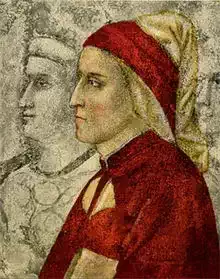
Dante Alighieri
Ulysses' Last Voyage
Ulysses' Last Voyage
I launched her with my small remaining band
and, putting out to sea, we set the main
on that lone ship and said farewell to land.
Far to starboard rose the coast of Spain,
astern was Sardi, Islas at our bow,
and soon we saw Morocco port abeam.
Though I and comrades now were old and slow,
we hauled till nightfall for the narrow sound
where Hercules had shown what not to do,
by setting marks for men to stay behind.
At dawn the starboard lookout made Seville,
and at the straits stood Ceuta t'other hand.
'Brothers,' I shouted, 'who have had the will
to come through danger, and have reached the west!
our time awake is brief from now until
the senses die, and so I say we test
the sun's own motion and do not forego
the worlds beyond, unknown and peopleless.
Think of the roots from which you sprang, and show
that you are human: not unconscious brutes
but made to follow virtue and to know.'
I launched her with my small remaining band
and, putting out to sea, we set the main
on that lone ship and said farewell to land.
Far to starboard rose the coast of Spain,
astern was Sardi, Islas at our bow,
and soon we saw Morocco port abeam.
Though I and comrades now were old and slow,
we hauled till nightfall for the narrow sound
where Hercules had shown what not to do,
by setting marks for men to stay behind.
At dawn the starboard lookout made Seville,
and at the straits stood Ceuta t'other hand.
'Brothers,' I shouted, 'who have had the will
to come through danger, and have reached the west!
our time awake is brief from now until
the senses die, and so I say we test
the sun's own motion and do not forego
the worlds beyond, unknown and peopleless.
Think of the roots from which you sprang, and show
that you are human: not unconscious brutes
but made to follow virtue and to know.'
287
Dante Alighieri
There is a Gentle Thought
There is a Gentle Thought
There is a gentle thought that often springs
to life in me, because it speaks of you.
Its reasoning about love’s so sweet and true,
the heart is conquered, and accepts these things.
‘Who is this’ the mind enquires of the heart,
‘who comes here to seduce our intellect?
Is his power so great we must reject
every other intellectual art?
The heart replies ‘O, meditative mind
this is love’s messenger and newly sent
to bring me all Love’s words and desires.
His life, and all the strength that he can find,
from her sweet eyes are mercifully lent,
who feels compassion for our inner fires.’
There is a gentle thought that often springs
to life in me, because it speaks of you.
Its reasoning about love’s so sweet and true,
the heart is conquered, and accepts these things.
‘Who is this’ the mind enquires of the heart,
‘who comes here to seduce our intellect?
Is his power so great we must reject
every other intellectual art?
The heart replies ‘O, meditative mind
this is love’s messenger and newly sent
to bring me all Love’s words and desires.
His life, and all the strength that he can find,
from her sweet eyes are mercifully lent,
who feels compassion for our inner fires.’
300
Dante Alighieri
Sonnet: Spirit Of Love
Sonnet: Spirit Of Love
I felt a spirit of love begin to stir
Within my heart, long time unfelt till then;
And saw Love coming towards me fair and fain
(That I scarce knew him for his joyful cheer),
Saying, 'Be now indeed my worshipper!'
And in his speech he laughed and laughed again.
Then, while it was his pleasure to remain,
I chanced to look the way he had drawn near,
And saw the Ladies Joan and Beatrice
Approach me, this the other following,
One and a second marvel instantly.
And even as now my memory speaketh this,
Love spake it then: 'The first is christened Spring;
The second Love, she is so like to me.'
I felt a spirit of love begin to stir
Within my heart, long time unfelt till then;
And saw Love coming towards me fair and fain
(That I scarce knew him for his joyful cheer),
Saying, 'Be now indeed my worshipper!'
And in his speech he laughed and laughed again.
Then, while it was his pleasure to remain,
I chanced to look the way he had drawn near,
And saw the Ladies Joan and Beatrice
Approach me, this the other following,
One and a second marvel instantly.
And even as now my memory speaketh this,
Love spake it then: 'The first is christened Spring;
The second Love, she is so like to me.'
314
Dante Alighieri
Sonnet: Love and the Gentle
Sonnet: Love and the Gentle
Love and the gentle heart are one same thing,
Even as the wise man in his ditty saith.
Each, of itself, would be such life in death
As rational soul bereft of reasoning.
'Tis Nature makes them when she loves: a king
Love is, whose palace where he sojourneth
Is call'd the Heart; there draws he quiet breath
At first, with brief or longer slumbering.
Then beauty seen in virtuous womankind
Will make the eyes desire, and through the heart
Send the desiring of the eyes again;
Where often it abides so long enshrined
That Love at length out of his sleep will start.
And women feel the same for worthy men.
Love and the gentle heart are one same thing,
Even as the wise man in his ditty saith.
Each, of itself, would be such life in death
As rational soul bereft of reasoning.
'Tis Nature makes them when she loves: a king
Love is, whose palace where he sojourneth
Is call'd the Heart; there draws he quiet breath
At first, with brief or longer slumbering.
Then beauty seen in virtuous womankind
Will make the eyes desire, and through the heart
Send the desiring of the eyes again;
Where often it abides so long enshrined
That Love at length out of his sleep will start.
And women feel the same for worthy men.
333
Dante Alighieri
Sonnet: Beauty Of Her Face
Sonnet: Beauty Of Her Face
For certain he hath seen all perfectness
Who among other ladies hath seen mine:
They that go with her humbly should combine
To thank their God for such peculiar grace.
So perfect is the beauty of her face
That is begets in no wise any sigh
Of envy, but draws round her a clear line
Of love, and blessed faith, and gentleness.
Merely the sight of her makes all things bow:
Not she herself alone is holier
Than all; but hers, through her, are raised above.
From all her acts such lovely graces flow
That truly one may never think of her
Without a passion of exceeding love.
For certain he hath seen all perfectness
Who among other ladies hath seen mine:
They that go with her humbly should combine
To thank their God for such peculiar grace.
So perfect is the beauty of her face
That is begets in no wise any sigh
Of envy, but draws round her a clear line
Of love, and blessed faith, and gentleness.
Merely the sight of her makes all things bow:
Not she herself alone is holier
Than all; but hers, through her, are raised above.
From all her acts such lovely graces flow
That truly one may never think of her
Without a passion of exceeding love.
434
Dante Alighieri
Sonnet: Beauty Of Her Face
Sonnet: Beauty Of Her Face
For certain he hath seen all perfectness
Who among other ladies hath seen mine:
They that go with her humbly should combine
To thank their God for such peculiar grace.
So perfect is the beauty of her face
That is begets in no wise any sigh
Of envy, but draws round her a clear line
Of love, and blessed faith, and gentleness.
Merely the sight of her makes all things bow:
Not she herself alone is holier
Than all; but hers, through her, are raised above.
From all her acts such lovely graces flow
That truly one may never think of her
Without a passion of exceeding love.
For certain he hath seen all perfectness
Who among other ladies hath seen mine:
They that go with her humbly should combine
To thank their God for such peculiar grace.
So perfect is the beauty of her face
That is begets in no wise any sigh
Of envy, but draws round her a clear line
Of love, and blessed faith, and gentleness.
Merely the sight of her makes all things bow:
Not she herself alone is holier
Than all; but hers, through her, are raised above.
From all her acts such lovely graces flow
That truly one may never think of her
Without a passion of exceeding love.
434
Dante Alighieri
Sestina
Sestina
I have come, alas, to the great circle of shadow,
to the short day and to the whitening hills,
when the colour is all lost from the grass,
though my desire will not lose its green,
so rooted is it in this hardest stone,
that speaks and feels as though it were a woman.
And likewise this heaven-born woman
stays frozen, like the snow in shadow,
and is unmoved, or moved like a stone,
by the sweet season that warms all the hills,
and makes them alter from pure white to green,
so as to clothe them with the flowers and grass.
When her head wears a crown of grass
she draws the mind from any other woman,
because she blends her gold hair with the green
so well that Amor lingers in their shadow,
he who fastens me in these low hills,
more certainly than lime fastens stone.
Her beauty has more virtue than rare stone.
The wound she gives cannot be healed with grass,
since I have travelled, through the plains and hills,
to find my release from such a woman,
yet from her light had never a shadow
thrown on me, by hill, wall, or leaves’ green.
I have seen her walk all dressed in green,
so formed she would have sparked love in a stone,
that love I bear for her very shadow,
so that I wished her, in those fields of grass,
as much in love as ever yet was woman,
closed around by all the highest hills.
The rivers will flow upwards to the hills
before this wood, that is so soft and green,
takes fire, as might ever lovely woman,
for me, who would choose to sleep on stone,
all my life, and go eating grass,
only to gaze at where her clothes cast shadow.
Whenever the hills cast blackest shadow,
with her sweet green, the lovely woman
hides it, as a man hides stone in grass.
I have come, alas, to the great circle of shadow,
to the short day and to the whitening hills,
when the colour is all lost from the grass,
though my desire will not lose its green,
so rooted is it in this hardest stone,
that speaks and feels as though it were a woman.
And likewise this heaven-born woman
stays frozen, like the snow in shadow,
and is unmoved, or moved like a stone,
by the sweet season that warms all the hills,
and makes them alter from pure white to green,
so as to clothe them with the flowers and grass.
When her head wears a crown of grass
she draws the mind from any other woman,
because she blends her gold hair with the green
so well that Amor lingers in their shadow,
he who fastens me in these low hills,
more certainly than lime fastens stone.
Her beauty has more virtue than rare stone.
The wound she gives cannot be healed with grass,
since I have travelled, through the plains and hills,
to find my release from such a woman,
yet from her light had never a shadow
thrown on me, by hill, wall, or leaves’ green.
I have seen her walk all dressed in green,
so formed she would have sparked love in a stone,
that love I bear for her very shadow,
so that I wished her, in those fields of grass,
as much in love as ever yet was woman,
closed around by all the highest hills.
The rivers will flow upwards to the hills
before this wood, that is so soft and green,
takes fire, as might ever lovely woman,
for me, who would choose to sleep on stone,
all my life, and go eating grass,
only to gaze at where her clothes cast shadow.
Whenever the hills cast blackest shadow,
with her sweet green, the lovely woman
hides it, as a man hides stone in grass.
337
Dante Alighieri
Paradiso: Canto II
Paradiso: Canto II
Paradiso Canto 2
O Ye, who in some pretty little boat,
Eager to listen, have been following
Behind my ship, that singing sails along,
Turn back to look again upon your shores;
Do not put out to sea, lest peradventure,
In losing me, you might yourselves be lost.
The sea I sail has never yet been passed;
Minerva breathes, and pilots me Apollo,
And Muses nine point out to me the Bears.
Ye other few who have the neck uplifted
Betimes to th' bread of Angels upon which
One liveth here and grows not sated by it,
Well may you launch upon the deep salt-sea
Your vessel, keeping still my wake before you
Upon the water that grows smooth again.
Those glorious ones who unto Colchos passed
Were not so wonder-struck as you shall be,
When Jason they beheld a ploughman made!
The con-created and perpetual thirst
For the realm deiform did bear us on,
As swift almost as ye the heavens behold.
Upward gazed Beatrice, and I at her;
And in such space perchance as strikes a bolt
And flies, and from the notch unlocks itself,
Arrived I saw me where a wondrous thing
Drew to itself my sight; and therefore she
From whom no care of mine could be concealed,
Towards me turning, blithe as beautiful,
Said unto me: 'Fix gratefully thy mind
On God, who unto the first star has brought us.'
It seemed to me a cloud encompassed us,
Luminous, dense, consolidate and bright
As adamant on which the sun is striking.
Into itself did the eternal pearl
Receive us, even as water doth receive
A ray of light, remaining still unbroken.
If I was body, (and we here conceive not
How one dimension tolerates another,
Which needs must be if body enter body,)
More the desire should be enkindled in us
That essence to behold, wherein is seen
How God and our own nature were united.
There will be seen what we receive by faith,
Not demonstrated, but self-evident
In guise of the first truth that man believes.
I made reply: 'Madonna, as devoutly
As most I can do I give thanks to Him
Who has removed me from the mortal world.
But tell me what the dusky spots may be
Upon this body, which below on earth
Make people tell that fabulous tale of Cain?'
Somewhat she smiled; and then, 'If the opinion
Of mortals be erroneous,' she said,
'Where'er the key of sense doth not unlock,
Certes, the shafts of wonder should not pierce thee
Now, forasmuch as, following the senses,
Thou seest that the reason has short wings.
But tell me what thou think'st of it thyself.'
And I: 'What seems to us up here diverse,
Is caused, I think, by bodies rare and dense.'
And she: 'Right truly shalt thou see immersed
In error thy belief, if well thou hearest
The argument that I shall make against it.
Lights many the eighth sphere displays to you
Which in their quality and quantity
May noted be of aspects different.
If this were caused by rare and dense alone,
One only virtue would there be in all
Or more or less diffused, or equally.
Virtues diverse must be perforce the fruits
Of formal principles; and these, save one,
Of course would by thy reasoning be destroyed.
Besides, if rarity were of this dimness
The cause thou askest, either through and through
This planet thus attenuate were of matter,
Or else, as in a body is apportioned
The fat and lean, so in like manner this
Would in its volume interchange the leaves.
Were it the former, in the sun's eclipse
It would be manifest by the shining through
Of light, as through aught tenuous interfused.
This is not so; hence we must scan the other,
And if it chance the other I demolish,
Then falsified will thy opinion be.
But if this rarity go not through and through,
There needs must be a limit, beyond which
Its contrary prevents the further passing,
And thence the foreign radiance is reflected,
Even as a colour cometh back from glass,
The which behind itself concealeth lead.
Now thou wilt say the sunbeam shows itself
More dimly there than in the other parts,
By being there reflected farther back.
From this reply experiment will free thee
If e'er thou try it, which is wont to be
The fountain to the rivers of your arts.
Three mirrors shalt thou take, and two remove
Alike from thee, the other more remote
Between the former two shall meet thine eyes.
Turned towards these, cause that behind thy back
Be placed a light, illuming the three mirrors
And coming back to thee by all reflected.
Though in its quantity be not so ample
The image most remote, there shalt thou see
How it perforce is equally resplendent.
Now, as beneath the touches of warm rays
Naked the subject of the snow remains
Both of its former colour and its cold,
Thee thus remaining in thy intellect,
Will I inform with such a living light,
That it shall tremble in its aspect to thee.
Within the heaven of the divine repose
Revolves a body, in whose virtue lies
The being of whatever it contains.
The following heaven, that has so many eyes,
Divides this being by essences diverse,
Distinguished from it, and by it contained.
The other spheres, by various differences,
All the distinctions which they have within them
Dispose unto their ends and their effects.
Thus do these organs of the world proceed,
As thou perceivest now, from grade to grade;
Since from above they take, and act beneath.
Observe me well, how through this place I come
Unto the truth thou wishest, that hereafter
Thou mayst alone know how to keep the ford
The power and motion of the holy spheres,
As from the artisan the hammer's craft,
Forth from the blessed motors must proceed.
The heaven, which lights so manifold make fair,
From the Intelligence profound, which turns it,
The image takes, and makes of it a seal.
And even as the soul within your dust
Through members different and accommodated
To faculties diverse expands itself,
So likewise this Intelligence diffuses
Its virtue multiplied among the stars.
Itself revolving on its unity.
Virtue diverse doth a diverse alloyage
Make with the precious body that it quickens,
In which, as life in you, it is combined.
From the glad nature whence it is derived,
The mingled virtue through the body shines,
Even as gladness through the living pupil.
From this proceeds whate'er from light to light
Appeareth different, not from dense and rare:
This is the formal principle that produces,
According to its goodness, dark and bright.'
Paradiso Canto 2
O Ye, who in some pretty little boat,
Eager to listen, have been following
Behind my ship, that singing sails along,
Turn back to look again upon your shores;
Do not put out to sea, lest peradventure,
In losing me, you might yourselves be lost.
The sea I sail has never yet been passed;
Minerva breathes, and pilots me Apollo,
And Muses nine point out to me the Bears.
Ye other few who have the neck uplifted
Betimes to th' bread of Angels upon which
One liveth here and grows not sated by it,
Well may you launch upon the deep salt-sea
Your vessel, keeping still my wake before you
Upon the water that grows smooth again.
Those glorious ones who unto Colchos passed
Were not so wonder-struck as you shall be,
When Jason they beheld a ploughman made!
The con-created and perpetual thirst
For the realm deiform did bear us on,
As swift almost as ye the heavens behold.
Upward gazed Beatrice, and I at her;
And in such space perchance as strikes a bolt
And flies, and from the notch unlocks itself,
Arrived I saw me where a wondrous thing
Drew to itself my sight; and therefore she
From whom no care of mine could be concealed,
Towards me turning, blithe as beautiful,
Said unto me: 'Fix gratefully thy mind
On God, who unto the first star has brought us.'
It seemed to me a cloud encompassed us,
Luminous, dense, consolidate and bright
As adamant on which the sun is striking.
Into itself did the eternal pearl
Receive us, even as water doth receive
A ray of light, remaining still unbroken.
If I was body, (and we here conceive not
How one dimension tolerates another,
Which needs must be if body enter body,)
More the desire should be enkindled in us
That essence to behold, wherein is seen
How God and our own nature were united.
There will be seen what we receive by faith,
Not demonstrated, but self-evident
In guise of the first truth that man believes.
I made reply: 'Madonna, as devoutly
As most I can do I give thanks to Him
Who has removed me from the mortal world.
But tell me what the dusky spots may be
Upon this body, which below on earth
Make people tell that fabulous tale of Cain?'
Somewhat she smiled; and then, 'If the opinion
Of mortals be erroneous,' she said,
'Where'er the key of sense doth not unlock,
Certes, the shafts of wonder should not pierce thee
Now, forasmuch as, following the senses,
Thou seest that the reason has short wings.
But tell me what thou think'st of it thyself.'
And I: 'What seems to us up here diverse,
Is caused, I think, by bodies rare and dense.'
And she: 'Right truly shalt thou see immersed
In error thy belief, if well thou hearest
The argument that I shall make against it.
Lights many the eighth sphere displays to you
Which in their quality and quantity
May noted be of aspects different.
If this were caused by rare and dense alone,
One only virtue would there be in all
Or more or less diffused, or equally.
Virtues diverse must be perforce the fruits
Of formal principles; and these, save one,
Of course would by thy reasoning be destroyed.
Besides, if rarity were of this dimness
The cause thou askest, either through and through
This planet thus attenuate were of matter,
Or else, as in a body is apportioned
The fat and lean, so in like manner this
Would in its volume interchange the leaves.
Were it the former, in the sun's eclipse
It would be manifest by the shining through
Of light, as through aught tenuous interfused.
This is not so; hence we must scan the other,
And if it chance the other I demolish,
Then falsified will thy opinion be.
But if this rarity go not through and through,
There needs must be a limit, beyond which
Its contrary prevents the further passing,
And thence the foreign radiance is reflected,
Even as a colour cometh back from glass,
The which behind itself concealeth lead.
Now thou wilt say the sunbeam shows itself
More dimly there than in the other parts,
By being there reflected farther back.
From this reply experiment will free thee
If e'er thou try it, which is wont to be
The fountain to the rivers of your arts.
Three mirrors shalt thou take, and two remove
Alike from thee, the other more remote
Between the former two shall meet thine eyes.
Turned towards these, cause that behind thy back
Be placed a light, illuming the three mirrors
And coming back to thee by all reflected.
Though in its quantity be not so ample
The image most remote, there shalt thou see
How it perforce is equally resplendent.
Now, as beneath the touches of warm rays
Naked the subject of the snow remains
Both of its former colour and its cold,
Thee thus remaining in thy intellect,
Will I inform with such a living light,
That it shall tremble in its aspect to thee.
Within the heaven of the divine repose
Revolves a body, in whose virtue lies
The being of whatever it contains.
The following heaven, that has so many eyes,
Divides this being by essences diverse,
Distinguished from it, and by it contained.
The other spheres, by various differences,
All the distinctions which they have within them
Dispose unto their ends and their effects.
Thus do these organs of the world proceed,
As thou perceivest now, from grade to grade;
Since from above they take, and act beneath.
Observe me well, how through this place I come
Unto the truth thou wishest, that hereafter
Thou mayst alone know how to keep the ford
The power and motion of the holy spheres,
As from the artisan the hammer's craft,
Forth from the blessed motors must proceed.
The heaven, which lights so manifold make fair,
From the Intelligence profound, which turns it,
The image takes, and makes of it a seal.
And even as the soul within your dust
Through members different and accommodated
To faculties diverse expands itself,
So likewise this Intelligence diffuses
Its virtue multiplied among the stars.
Itself revolving on its unity.
Virtue diverse doth a diverse alloyage
Make with the precious body that it quickens,
In which, as life in you, it is combined.
From the glad nature whence it is derived,
The mingled virtue through the body shines,
Even as gladness through the living pupil.
From this proceeds whate'er from light to light
Appeareth different, not from dense and rare:
This is the formal principle that produces,
According to its goodness, dark and bright.'
300
Dante Alighieri
Of Beauty and Duty
Of Beauty and Duty
TWO ladies to the summit of my mind
Have clomb, to hold an argument of love.
The one has wisdom with her from above,
For every noblest virtue well designed:
The other, beauty's tempting power refined
And the high charm of perfect grace approve:
And I, as my sweet Master's will doth move,
At feet of both their favors am reclined.
Beauty and Duty in my soul keep strife,
At question if the heart such course can take
And 'twixt the two ladies hold its love complete.
The fount of gentle speech yields answer meet,
That Beauty may be loved for gladness sake,
And Duty in the lofty ends of life
TWO ladies to the summit of my mind
Have clomb, to hold an argument of love.
The one has wisdom with her from above,
For every noblest virtue well designed:
The other, beauty's tempting power refined
And the high charm of perfect grace approve:
And I, as my sweet Master's will doth move,
At feet of both their favors am reclined.
Beauty and Duty in my soul keep strife,
At question if the heart such course can take
And 'twixt the two ladies hold its love complete.
The fount of gentle speech yields answer meet,
That Beauty may be loved for gladness sake,
And Duty in the lofty ends of life
339
Dante Alighieri
Of Beauty and Duty
Of Beauty and Duty
TWO ladies to the summit of my mind
Have clomb, to hold an argument of love.
The one has wisdom with her from above,
For every noblest virtue well designed:
The other, beauty's tempting power refined
And the high charm of perfect grace approve:
And I, as my sweet Master's will doth move,
At feet of both their favors am reclined.
Beauty and Duty in my soul keep strife,
At question if the heart such course can take
And 'twixt the two ladies hold its love complete.
The fount of gentle speech yields answer meet,
That Beauty may be loved for gladness sake,
And Duty in the lofty ends of life
TWO ladies to the summit of my mind
Have clomb, to hold an argument of love.
The one has wisdom with her from above,
For every noblest virtue well designed:
The other, beauty's tempting power refined
And the high charm of perfect grace approve:
And I, as my sweet Master's will doth move,
At feet of both their favors am reclined.
Beauty and Duty in my soul keep strife,
At question if the heart such course can take
And 'twixt the two ladies hold its love complete.
The fount of gentle speech yields answer meet,
That Beauty may be loved for gladness sake,
And Duty in the lofty ends of life
339
Dante Alighieri
Inferno Canto03
Inferno Canto03
Per me si va ne la città dolente,
per me si va ne l'etterno dolore,
per me si va tra la perduta gente .
THROUGH ME THE WAY INTO THE SUFFERING CITY,
THROUGH ME THE WAY TO THE ETERNAL PAIN,
THROUGH ME THE WAY THAT RUNS AMONG THE LOST.
Giustizia mosse il mio alto fattore:
fecemi la divina podestate,
la somma sapienza e 'l primo amore .
JUSTICE URGED ON MY HIGH ARTIFICER;
MY MAKER WAS DIVINE AUTHORITY,
THE HIGHEST WISDOM, AND THE PRIMAL LOVE.
Dinanzi a me non fuor cose create
se non etterne, e io etterno duro.
Lasciate ogne speranza, voi ch'intrate ".
BEFORE ME NOTHING BUT ETERNAL THINGS
WERE MADE, AND I ENDURE ETERNALLY.
ABANDON EVERY HOPE, WHO ENTER HERE.
Queste parole di colore oscuro
vid'io scritte al sommo d'una porta;
per ch'io: «Maestro, il senso lor m'è duro ».
These words-their aspect was obscure-I read
inscribed above a gateway, and I said:
"Master, their meaning is difficult for me."
Ed elli a me, come persona accorta:
«Qui si convien lasciare ogne sospetto;
ogne viltà convien che qui sia morta .
And he to me, as one who comprehends:
"Here one must leave behind all hesitation;
here every cowardice must meet its death.
Noi siam venuti al loco ov'i' t'ho detto
che tu vedrai le genti dolorose
c'hanno perduto il ben de l'intelletto ».
For we have reached the place of which I spoke,
where you will see the miserable people,
those who have lost the good of the intellect."
E poi che la sua mano a la mia puose
con lieto volto, ond'io mi confortai,
mi mise dentro a le segrete cose .
And when, with gladness in his face, he placed
his hand upon my own, to comfort me,
he drew me in among the hidden things.
Quivi sospiri, pianti e alti guai
risonavan per l'aere sanza stelle,
per ch'io al cominciar ne lagrimai .
Here sighs and lamentations and loud cries
were echoing across the starless air,
so that, as soon as I set out, I wept.
Diverse lingue, orribili favelle,
parole di dolore, accenti d'ira,
voci alte e fioche, e suon di man con elle
Strange utterances, horrible pronouncements,
accents of anger, words of suffering,
and voices shrill and faint, and beating hands
facevano un tumulto, il qual s'aggira
sempre in quell'aura sanza tempo tinta,
come la rena quando turbo spira .
all went to make a tumult that will whirl
forever through that turbid, timeless air,
like sand that eddies when a whirlwind swirls.
E io ch'avea d'error la testa cinta,
dissi: «Maestro, che è quel ch'i' odo?
e che gent'è che par nel duol sì vinta ?».
And I-my head oppressed by horror-said:
"Master, what is it that I hear? Who are
those people so defeated by their pain?"
Ed elli a me: «Questo misero modo
tegnon l'anime triste di coloro
che visser sanza 'nfamia e sanza lodo .
And he to me: "This miserable way
is taken by the sorry souls of those
who lived without disgrace and without praise.
Mischiate sono a quel cattivo coro
de li angeli che non furon ribelli
né fur fedeli a Dio, ma per sé fuoro .
They now commingle with the coward angels,
the company of those who were not rebels
nor faithful to their God, but stood apart.
Caccianli i ciel per non esser men belli,
né lo profondo inferno li riceve,
ch'alcuna gloria i rei avrebber d'elli ».
The heavens, that their beauty not be lessened,
have cast them out, nor will deep Hell receive themeven
the wicked cannot glory in them."
E io: «Maestro, che è tanto greve
a lor, che lamentar li fa sì forte?».
Rispuose: «Dicerolti molto breve .
And I: "What is it, master, that oppresses
these souls, compelling them to wail so loud?"
He answered: "I shall tell you in few words.
Questi non hanno speranza di morte
e la lor cieca vita è tanto bassa,
che 'nvidiosi son d'ogne altra sorte .
Those who are here can place no hope in death,
and their blind life is so abject that they
are envious of every other fate.
Fama di loro il mondo esser non lassa;
misericordia e giustizia li sdegna:
non ragioniam di lor, ma guarda e passa ».
The world will let no fame of theirs endure;
both justice and compassion must disdain them;
let us not talk of them, but look and pass."
E io, che riguardai, vidi una 'nsegna
che girando correva tanto ratta,
che d'ogne posa mi parea indegna ;
And I, looking more closely, saw a banner
that, as it wheeled about, raced on-so quick
that any respite seemed unsuited to it.
e dietro le venìa sì lunga tratta
di gente, ch'i' non averei creduto
che morte tanta n'avesse disfatta .
Behind that banner trailed so long a file
of people-I should never have believed
that death could have unmade so many souls.
Poscia ch'io v'ebbi alcun riconosciuto,
vidi e conobbi l'ombra di colui
che fece per viltade il gran rifiuto .
After I had identified a few,
I saw and recognized the shade of him
who made, through cowardice, the great refusal.
Incontanente intesi e certo fui
che questa era la setta d'i cattivi,
a Dio spiacenti e a' nemici sui .
At once I understood with certainty:
this company contained the cowardly,
hateful to God and to His enemies.
Questi sciaurati, che mai non fur vivi,
erano ignudi e stimolati molto
da mosconi e da vespe ch'eran ivi .
These wretched ones, who never were alive,
went naked and were stung again, again
by horseflies and by wasps that circled them.
Elle rigavan lor di sangue il volto,
che, mischiato di lagrime, a' lor piedi
da fastidiosi vermi era ricolto .
The insects streaked their faces with their blood,
which, mingled with their tears, fell at their feet,
where it was gathered up by sickening worms.
E poi ch'a riguardar oltre mi diedi,
vidi genti a la riva d'un gran fiume;
per ch'io dissi: «Maestro, or mi concedi
And then, looking beyond them, I could see
a crowd along the bank of a great river;
at which I said: "Allow me now to know
ch'i' sappia quali sono, e qual costume
le fa di trapassar parer sì pronte,
com'io discerno per lo fioco lume ».
who are these people-master-and what law
has made them seem so eager for the crossing,
as I can see despite the feeble light."
Ed elli a me: «Le cose ti fier conte
quando noi fermerem li nostri passi
su la trista riviera d'Acheronte ».
And he to me: "When we have stopped along
the melancholy shore of Acheron,
then all these matters will be plain to you."
Allor con li occhi vergognosi e bassi,
temendo no 'l mio dir li fosse grave,
infino al fiume del parlar mi trassi .
At that, with eyes ashamed, downcast, and fearing
that what I said had given him offense,
I did not speak until we reached the river.
Ed ecco verso noi venir per nave
un vecchio, bianco per antico pelo,
gridando: «Guai a voi, anime prave !
And here, advancing toward us, in a boat,
an aged man-his hair was white with yearswas
shouting: "Woe to you, corrupted souls!
Non isperate mai veder lo cielo:
i' vegno per menarvi a l'altra riva
ne le tenebre etterne, in caldo e 'n gelo .
Forget your hope of ever seeing Heaven:
I come to lead you to the other shore,
to the eternal dark, to fire and frost.
E tu che se' costì, anima viva,
pàrtiti da cotesti che son morti».
Ma poi che vide ch'io non mi partiva ,
And you approaching there, you living soul,
keep well away from these-they are the dead."
But when he saw I made no move to go,
disse: «Per altra via, per altri porti
verrai a piaggia, non qui, per passare:
più lieve legno convien che ti porti ».
he said: "Another way and other harborsnot
here-will bring you passage to your shore:
a lighter craft will have to carry you."
E 'l duca lui: «Caron, non ti crucciare:
vuolsi così colà dove si puote
ciò che si vuole, e più non dimandare ».
My guide then: "Charon, don't torment yourself:
our passage has been willed above, where One
can do what He has willed; and ask no more."
Quinci fuor quete le lanose gote
al nocchier de la livida palude,
che 'ntorno a li occhi avea di fiamme rote .
Now silence fell upon the wooly cheeks
of Charon, pilot of the livid marsh,
whose eyes were ringed about with wheels of flame.
Ma quell'anime, ch'eran lasse e nude,
cangiar colore e dibattero i denti,
ratto che 'nteser le parole crude .
But all those spirits, naked and exhausted,
had lost their color, and they gnashed their teeth
as soon as they heard Charon's cruel words;
Bestemmiavano Dio e lor parenti,
l'umana spezie e 'l loco e 'l tempo e 'l seme
di lor semenza e di lor nascimenti .
they execrated God and their own parents
and humankind, and then the place and time
of their conception's seed and of their birth.
Poi si ritrasser tutte quante insieme,
forte piangendo, a la riva malvagia
ch'attende ciascun uom che Dio non teme .
Then they forgathered, huddled in one throng,
weeping aloud along that wretched shore
which waits for all who have no fear of God.
Caron dimonio, con occhi di bragia,
loro accennando, tutte le raccoglie;
batte col remo qualunque s'adagia .
The demon Charon, with his eyes like embers,
by signaling to them, has all embark;
his oar strikes anyone who stretches out.
Come d'autunno si levan le foglie
l'una appresso de l'altra, fin che 'l ramo
vede a la terra tutte le sue spoglie ,
As, in the autumn, leaves detach themselves,
first one and then the other, till the bough
sees all its fallen garments on the ground,
Aen.VI.
similemente il mal seme d'Adamo
gittansi di quel lito ad una ad una,
per cenni come augel per suo richiamo .
similarly, the evil seed of Adam
descended from the shoreline one by one,
when signaled, as a falcon-called-will come.
Così sen vanno su per l'onda bruna,
e avanti che sien di là discese,
anche di qua nuova schiera s'auna .
So do they move across the darkened waters;
even before they reach the farther shore,
new ranks already gather on this bank.
«Figliuol mio», disse 'l maestro cortese,
«quelli che muoion ne l'ira di Dio
tutti convegnon qui d'ogne paese :
"My son," the gracious master said to me,
"those who have died beneath the wrath of God,
all these assemble here from every country;
e pronti sono a trapassar lo rio,
ché la divina giustizia li sprona,
sì che la tema si volve in disio .
and they are eager for the river crossing
because celestial justice spurs them on,
so that their fear is turned into desire.
Quinci non passa mai anima buona;
e però, se Caron di te si lagna,
ben puoi sapere omai che 'l suo dir suona ».
No good soul ever takes its passage here;
therefore, if Charon has complained of you,
by now you can be sure what his words mean."
Finito questo, la buia campagna
tremò sì forte, che de lo spavento
la mente di sudore ancor mi bagna .
And after this was said, the darkened plain
quaked so tremendously-the memory
of terror then, bathes me in sweat again.
La terra lagrimosa diede vento,
che balenò una luce vermiglia
la qual mi vinse ciascun sentimento ;
A whirlwind burst out of the tear-drenched earth,
a wind that crackled with a bloodred light,
a light that overcame all of my senses;
e caddi come l'uom cui sonno piglia.
and like a man whom sleep has seized, I fell.
Per me si va ne la città dolente,
per me si va ne l'etterno dolore,
per me si va tra la perduta gente .
THROUGH ME THE WAY INTO THE SUFFERING CITY,
THROUGH ME THE WAY TO THE ETERNAL PAIN,
THROUGH ME THE WAY THAT RUNS AMONG THE LOST.
Giustizia mosse il mio alto fattore:
fecemi la divina podestate,
la somma sapienza e 'l primo amore .
JUSTICE URGED ON MY HIGH ARTIFICER;
MY MAKER WAS DIVINE AUTHORITY,
THE HIGHEST WISDOM, AND THE PRIMAL LOVE.
Dinanzi a me non fuor cose create
se non etterne, e io etterno duro.
Lasciate ogne speranza, voi ch'intrate ".
BEFORE ME NOTHING BUT ETERNAL THINGS
WERE MADE, AND I ENDURE ETERNALLY.
ABANDON EVERY HOPE, WHO ENTER HERE.
Queste parole di colore oscuro
vid'io scritte al sommo d'una porta;
per ch'io: «Maestro, il senso lor m'è duro ».
These words-their aspect was obscure-I read
inscribed above a gateway, and I said:
"Master, their meaning is difficult for me."
Ed elli a me, come persona accorta:
«Qui si convien lasciare ogne sospetto;
ogne viltà convien che qui sia morta .
And he to me, as one who comprehends:
"Here one must leave behind all hesitation;
here every cowardice must meet its death.
Noi siam venuti al loco ov'i' t'ho detto
che tu vedrai le genti dolorose
c'hanno perduto il ben de l'intelletto ».
For we have reached the place of which I spoke,
where you will see the miserable people,
those who have lost the good of the intellect."
E poi che la sua mano a la mia puose
con lieto volto, ond'io mi confortai,
mi mise dentro a le segrete cose .
And when, with gladness in his face, he placed
his hand upon my own, to comfort me,
he drew me in among the hidden things.
Quivi sospiri, pianti e alti guai
risonavan per l'aere sanza stelle,
per ch'io al cominciar ne lagrimai .
Here sighs and lamentations and loud cries
were echoing across the starless air,
so that, as soon as I set out, I wept.
Diverse lingue, orribili favelle,
parole di dolore, accenti d'ira,
voci alte e fioche, e suon di man con elle
Strange utterances, horrible pronouncements,
accents of anger, words of suffering,
and voices shrill and faint, and beating hands
facevano un tumulto, il qual s'aggira
sempre in quell'aura sanza tempo tinta,
come la rena quando turbo spira .
all went to make a tumult that will whirl
forever through that turbid, timeless air,
like sand that eddies when a whirlwind swirls.
E io ch'avea d'error la testa cinta,
dissi: «Maestro, che è quel ch'i' odo?
e che gent'è che par nel duol sì vinta ?».
And I-my head oppressed by horror-said:
"Master, what is it that I hear? Who are
those people so defeated by their pain?"
Ed elli a me: «Questo misero modo
tegnon l'anime triste di coloro
che visser sanza 'nfamia e sanza lodo .
And he to me: "This miserable way
is taken by the sorry souls of those
who lived without disgrace and without praise.
Mischiate sono a quel cattivo coro
de li angeli che non furon ribelli
né fur fedeli a Dio, ma per sé fuoro .
They now commingle with the coward angels,
the company of those who were not rebels
nor faithful to their God, but stood apart.
Caccianli i ciel per non esser men belli,
né lo profondo inferno li riceve,
ch'alcuna gloria i rei avrebber d'elli ».
The heavens, that their beauty not be lessened,
have cast them out, nor will deep Hell receive themeven
the wicked cannot glory in them."
E io: «Maestro, che è tanto greve
a lor, che lamentar li fa sì forte?».
Rispuose: «Dicerolti molto breve .
And I: "What is it, master, that oppresses
these souls, compelling them to wail so loud?"
He answered: "I shall tell you in few words.
Questi non hanno speranza di morte
e la lor cieca vita è tanto bassa,
che 'nvidiosi son d'ogne altra sorte .
Those who are here can place no hope in death,
and their blind life is so abject that they
are envious of every other fate.
Fama di loro il mondo esser non lassa;
misericordia e giustizia li sdegna:
non ragioniam di lor, ma guarda e passa ».
The world will let no fame of theirs endure;
both justice and compassion must disdain them;
let us not talk of them, but look and pass."
E io, che riguardai, vidi una 'nsegna
che girando correva tanto ratta,
che d'ogne posa mi parea indegna ;
And I, looking more closely, saw a banner
that, as it wheeled about, raced on-so quick
that any respite seemed unsuited to it.
e dietro le venìa sì lunga tratta
di gente, ch'i' non averei creduto
che morte tanta n'avesse disfatta .
Behind that banner trailed so long a file
of people-I should never have believed
that death could have unmade so many souls.
Poscia ch'io v'ebbi alcun riconosciuto,
vidi e conobbi l'ombra di colui
che fece per viltade il gran rifiuto .
After I had identified a few,
I saw and recognized the shade of him
who made, through cowardice, the great refusal.
Incontanente intesi e certo fui
che questa era la setta d'i cattivi,
a Dio spiacenti e a' nemici sui .
At once I understood with certainty:
this company contained the cowardly,
hateful to God and to His enemies.
Questi sciaurati, che mai non fur vivi,
erano ignudi e stimolati molto
da mosconi e da vespe ch'eran ivi .
These wretched ones, who never were alive,
went naked and were stung again, again
by horseflies and by wasps that circled them.
Elle rigavan lor di sangue il volto,
che, mischiato di lagrime, a' lor piedi
da fastidiosi vermi era ricolto .
The insects streaked their faces with their blood,
which, mingled with their tears, fell at their feet,
where it was gathered up by sickening worms.
E poi ch'a riguardar oltre mi diedi,
vidi genti a la riva d'un gran fiume;
per ch'io dissi: «Maestro, or mi concedi
And then, looking beyond them, I could see
a crowd along the bank of a great river;
at which I said: "Allow me now to know
ch'i' sappia quali sono, e qual costume
le fa di trapassar parer sì pronte,
com'io discerno per lo fioco lume ».
who are these people-master-and what law
has made them seem so eager for the crossing,
as I can see despite the feeble light."
Ed elli a me: «Le cose ti fier conte
quando noi fermerem li nostri passi
su la trista riviera d'Acheronte ».
And he to me: "When we have stopped along
the melancholy shore of Acheron,
then all these matters will be plain to you."
Allor con li occhi vergognosi e bassi,
temendo no 'l mio dir li fosse grave,
infino al fiume del parlar mi trassi .
At that, with eyes ashamed, downcast, and fearing
that what I said had given him offense,
I did not speak until we reached the river.
Ed ecco verso noi venir per nave
un vecchio, bianco per antico pelo,
gridando: «Guai a voi, anime prave !
And here, advancing toward us, in a boat,
an aged man-his hair was white with yearswas
shouting: "Woe to you, corrupted souls!
Non isperate mai veder lo cielo:
i' vegno per menarvi a l'altra riva
ne le tenebre etterne, in caldo e 'n gelo .
Forget your hope of ever seeing Heaven:
I come to lead you to the other shore,
to the eternal dark, to fire and frost.
E tu che se' costì, anima viva,
pàrtiti da cotesti che son morti».
Ma poi che vide ch'io non mi partiva ,
And you approaching there, you living soul,
keep well away from these-they are the dead."
But when he saw I made no move to go,
disse: «Per altra via, per altri porti
verrai a piaggia, non qui, per passare:
più lieve legno convien che ti porti ».
he said: "Another way and other harborsnot
here-will bring you passage to your shore:
a lighter craft will have to carry you."
E 'l duca lui: «Caron, non ti crucciare:
vuolsi così colà dove si puote
ciò che si vuole, e più non dimandare ».
My guide then: "Charon, don't torment yourself:
our passage has been willed above, where One
can do what He has willed; and ask no more."
Quinci fuor quete le lanose gote
al nocchier de la livida palude,
che 'ntorno a li occhi avea di fiamme rote .
Now silence fell upon the wooly cheeks
of Charon, pilot of the livid marsh,
whose eyes were ringed about with wheels of flame.
Ma quell'anime, ch'eran lasse e nude,
cangiar colore e dibattero i denti,
ratto che 'nteser le parole crude .
But all those spirits, naked and exhausted,
had lost their color, and they gnashed their teeth
as soon as they heard Charon's cruel words;
Bestemmiavano Dio e lor parenti,
l'umana spezie e 'l loco e 'l tempo e 'l seme
di lor semenza e di lor nascimenti .
they execrated God and their own parents
and humankind, and then the place and time
of their conception's seed and of their birth.
Poi si ritrasser tutte quante insieme,
forte piangendo, a la riva malvagia
ch'attende ciascun uom che Dio non teme .
Then they forgathered, huddled in one throng,
weeping aloud along that wretched shore
which waits for all who have no fear of God.
Caron dimonio, con occhi di bragia,
loro accennando, tutte le raccoglie;
batte col remo qualunque s'adagia .
The demon Charon, with his eyes like embers,
by signaling to them, has all embark;
his oar strikes anyone who stretches out.
Come d'autunno si levan le foglie
l'una appresso de l'altra, fin che 'l ramo
vede a la terra tutte le sue spoglie ,
As, in the autumn, leaves detach themselves,
first one and then the other, till the bough
sees all its fallen garments on the ground,
Aen.VI.
similemente il mal seme d'Adamo
gittansi di quel lito ad una ad una,
per cenni come augel per suo richiamo .
similarly, the evil seed of Adam
descended from the shoreline one by one,
when signaled, as a falcon-called-will come.
Così sen vanno su per l'onda bruna,
e avanti che sien di là discese,
anche di qua nuova schiera s'auna .
So do they move across the darkened waters;
even before they reach the farther shore,
new ranks already gather on this bank.
«Figliuol mio», disse 'l maestro cortese,
«quelli che muoion ne l'ira di Dio
tutti convegnon qui d'ogne paese :
"My son," the gracious master said to me,
"those who have died beneath the wrath of God,
all these assemble here from every country;
e pronti sono a trapassar lo rio,
ché la divina giustizia li sprona,
sì che la tema si volve in disio .
and they are eager for the river crossing
because celestial justice spurs them on,
so that their fear is turned into desire.
Quinci non passa mai anima buona;
e però, se Caron di te si lagna,
ben puoi sapere omai che 'l suo dir suona ».
No good soul ever takes its passage here;
therefore, if Charon has complained of you,
by now you can be sure what his words mean."
Finito questo, la buia campagna
tremò sì forte, che de lo spavento
la mente di sudore ancor mi bagna .
And after this was said, the darkened plain
quaked so tremendously-the memory
of terror then, bathes me in sweat again.
La terra lagrimosa diede vento,
che balenò una luce vermiglia
la qual mi vinse ciascun sentimento ;
A whirlwind burst out of the tear-drenched earth,
a wind that crackled with a bloodred light,
a light that overcame all of my senses;
e caddi come l'uom cui sonno piglia.
and like a man whom sleep has seized, I fell.
252
Dante Alighieri
Love and the Gentle Heart
Love and the Gentle Heart
Love and the gentle heart are one thing,
just as the poet says in his verse,
each from the other one as well divorced
as reason from the mind’s reasoning.
Nature craves love, and then creates love king,
and makes the heart a palace where he’ll stay,
perhaps a shorter or a longer day,
breathing quietly, gently slumbering.
Then beauty in a virtuous woman’s face
makes the eyes yearn, and strikes the heart,
so that the eyes’ desire’s reborn again,
and often, rooting there with longing, stays,
Till love, at last, out of its dreaming starts.
Woman’s moved likewise by a virtuous man.
Love and the gentle heart are one thing,
just as the poet says in his verse,
each from the other one as well divorced
as reason from the mind’s reasoning.
Nature craves love, and then creates love king,
and makes the heart a palace where he’ll stay,
perhaps a shorter or a longer day,
breathing quietly, gently slumbering.
Then beauty in a virtuous woman’s face
makes the eyes yearn, and strikes the heart,
so that the eyes’ desire’s reborn again,
and often, rooting there with longing, stays,
Till love, at last, out of its dreaming starts.
Woman’s moved likewise by a virtuous man.
299
Dante Alighieri
Autumn Song
Autumn Song
Know'st thou not at the fall of the leaf
How the heart feels a languid grief
Laid on it for a covering,
And how sleep seems a goodly thing
In Autumn at the fall of the leaf?
And how the swift beat of the brain
Falters because it is in vain,
In Autumn at the fall of the leaf
Knowest thou not? and how the chief
Of joys seems--not to suffer pain?
Know'st thou not at the fall of the leaf
How the soul feels like a dried sheaf
Bound up at length for harvesting,
And how death seems a comely thing
In Autumn at the fall of the leaf?
Know'st thou not at the fall of the leaf
How the heart feels a languid grief
Laid on it for a covering,
And how sleep seems a goodly thing
In Autumn at the fall of the leaf?
And how the swift beat of the brain
Falters because it is in vain,
In Autumn at the fall of the leaf
Knowest thou not? and how the chief
Of joys seems--not to suffer pain?
Know'st thou not at the fall of the leaf
How the soul feels like a dried sheaf
Bound up at length for harvesting,
And how death seems a comely thing
In Autumn at the fall of the leaf?
283