

Poems in this topic
Others
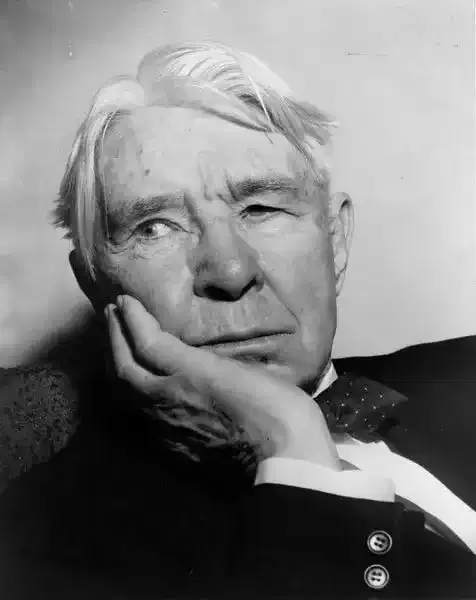
Carl Sandburg
Shirt
Shirt
My shirt is a token and symbol,
more than a cover for sun and rain,
my shirt is a signal,
and a teller of souls.
I can take off my shirt and tear it,
and so make a ripping razzly noise,
and the people will say,
"Look at him tear his shirt."
I can keep my shirt on.
I can stick around and sing like a little bird
and look 'em all in the eye and never be fazed.
I can keep my shirt on.
My shirt is a token and symbol,
more than a cover for sun and rain,
my shirt is a signal,
and a teller of souls.
I can take off my shirt and tear it,
and so make a ripping razzly noise,
and the people will say,
"Look at him tear his shirt."
I can keep my shirt on.
I can stick around and sing like a little bird
and look 'em all in the eye and never be fazed.
I can keep my shirt on.
372
Carl Sandburg
Sea-Wash
Sea-Wash
The sea-wash never ends.
The sea-wash repeats, repeats.
Only old songs? Is that all the sea knows?
Only the old strong songs?
Is that all?
The sea-wash repeats, repeats.
The sea-wash never ends.
The sea-wash repeats, repeats.
Only old songs? Is that all the sea knows?
Only the old strong songs?
Is that all?
The sea-wash repeats, repeats.
421
Carl Sandburg
Salvage
Salvage
Guns on the battle lines have pounded now a year
between Brussels and Paris.
And, William Morris, when I read your old chapter on
the great arches and naves and little whimsical
corners of the Churches of Northern France--Brr-rr!
I'm glad you're a dead man, William Morris, I'm glad
you're down in the damp and mouldy, only a memory
instead of a living man--I'm glad you're gone.
You never lied to us, William Morris, you loved the
shape of those stones piled and carved for you to
dream over and wonder because workmen got joy
of life into them,
Workmen in aprons singing while they hammered, and
praying, and putting their songs and prayers into
the walls and roofs, the bastions and cornerstones
and gargoyles--all their children and kisses of
women and wheat and roses growing.
I say, William Morris, I'm glad you're gone, I'm glad
you're a dead man.
Guns on the battle lines have pounded a year now between
Brussels and Paris.
Guns on the battle lines have pounded now a year
between Brussels and Paris.
And, William Morris, when I read your old chapter on
the great arches and naves and little whimsical
corners of the Churches of Northern France--Brr-rr!
I'm glad you're a dead man, William Morris, I'm glad
you're down in the damp and mouldy, only a memory
instead of a living man--I'm glad you're gone.
You never lied to us, William Morris, you loved the
shape of those stones piled and carved for you to
dream over and wonder because workmen got joy
of life into them,
Workmen in aprons singing while they hammered, and
praying, and putting their songs and prayers into
the walls and roofs, the bastions and cornerstones
and gargoyles--all their children and kisses of
women and wheat and roses growing.
I say, William Morris, I'm glad you're gone, I'm glad
you're a dead man.
Guns on the battle lines have pounded a year now between
Brussels and Paris.
396
Carl Sandburg
Prayers of Steel
Prayers of Steel
Lay me on an anvil, O God.
Beat me and hammer me into a crowbar.
Let me pry loose old walls.
Let me lift and loosen old foundations.
Lay me on an anvil, O God.
Beat me and hammer me into a steel spike.
Drive me into the girders that hold a skyscraper together.
Take red-hot rivets and fasten me into the central girders.
Let me be the great nail holding a skyscraper through blue nights into white stars.
Lay me on an anvil, O God.
Beat me and hammer me into a crowbar.
Let me pry loose old walls.
Let me lift and loosen old foundations.
Lay me on an anvil, O God.
Beat me and hammer me into a steel spike.
Drive me into the girders that hold a skyscraper together.
Take red-hot rivets and fasten me into the central girders.
Let me be the great nail holding a skyscraper through blue nights into white stars.
297
Carl Sandburg
Pool
Pool
Out of the fire
Came a man sunken
To less than cinders,
A tea-cup of ashes or so.
And I,
The gold in the house,
Writhed into a stiff pool.
Out of the fire
Came a man sunken
To less than cinders,
A tea-cup of ashes or so.
And I,
The gold in the house,
Writhed into a stiff pool.
393
Carl Sandburg
Personality
Personality
Musings of a Police Reporter in the Identification Bureau
You have loved forty women, but you have only one thumb.
You have led a hundred secret lives, but you mark only
one thumb.
You go round the world and fight in a thousand wars and
win all the world's honors, but when you come back
home the print of the one thumb your mother gave
you is the same print of thumb you had in the old
home when your mother kissed you and said good-by.
Out of the whirling womb of time come millions of men
and their feet crowd the earth and they cut one anothers'
throats for room to stand and among them all
are not two thumbs alike.
Somewhere is a Great God of Thumbs who can tell the
inside story of this.
Musings of a Police Reporter in the Identification Bureau
You have loved forty women, but you have only one thumb.
You have led a hundred secret lives, but you mark only
one thumb.
You go round the world and fight in a thousand wars and
win all the world's honors, but when you come back
home the print of the one thumb your mother gave
you is the same print of thumb you had in the old
home when your mother kissed you and said good-by.
Out of the whirling womb of time come millions of men
and their feet crowd the earth and they cut one anothers'
throats for room to stand and among them all
are not two thumbs alike.
Somewhere is a Great God of Thumbs who can tell the
inside story of this.
371
Carl Sandburg
Passers-By
Passers-By
Passers-by,
Out of your many faces
Flash memories to me
Now at the day end
Away from the sidewalks
Where your shoe soles traveled
And your voices rose and blent
To form the city's afternoon roar
Hindering an old silence.
Passers-by,
I remember lean ones among you,
Throats in the clutch of a hope,
Lips written over with strivings,
Mouths that kiss only for love.
Records of great wishes slept with,
Held long
And prayed and toiled for. .
Yes,
Written on
Your mouths
And your throats
I read them
When you passed by.
Passers-by,
Out of your many faces
Flash memories to me
Now at the day end
Away from the sidewalks
Where your shoe soles traveled
And your voices rose and blent
To form the city's afternoon roar
Hindering an old silence.
Passers-by,
I remember lean ones among you,
Throats in the clutch of a hope,
Lips written over with strivings,
Mouths that kiss only for love.
Records of great wishes slept with,
Held long
And prayed and toiled for. .
Yes,
Written on
Your mouths
And your throats
I read them
When you passed by.
299
Carl Sandburg
On the Way
On the Way
Little one, you have been buzzing in the books,
Flittering in the newspapers and drinking beer with lawyers
And amid the educated men of the clubs you have been getting an earful of speech
from trained tongues.
Take an earful from me once, go with me on a hike
Along sand stretches on the great inland sea here
And while the eastern breeze blows on us and the restless surge
Of the lake waves on the breakwater breaks with an ever fresh monotone,
Let us ask ourselves: What is truth? what do you or I know?
How much do the wisest of the world’s men know about where the massed human
procession is going?
You have heard the mob laughed at?
I ask you: Is not the mob rough as the mountains are rough?
And all things human rise from the mob and relapse and rise again as rain to the sea?
Little one, you have been buzzing in the books,
Flittering in the newspapers and drinking beer with lawyers
And amid the educated men of the clubs you have been getting an earful of speech
from trained tongues.
Take an earful from me once, go with me on a hike
Along sand stretches on the great inland sea here
And while the eastern breeze blows on us and the restless surge
Of the lake waves on the breakwater breaks with an ever fresh monotone,
Let us ask ourselves: What is truth? what do you or I know?
How much do the wisest of the world’s men know about where the massed human
procession is going?
You have heard the mob laughed at?
I ask you: Is not the mob rough as the mountains are rough?
And all things human rise from the mob and relapse and rise again as rain to the sea?
375
Carl Sandburg
Nocturne in a Deserted Brickyard
Nocturne in a Deserted Brickyard
Stuff of the moon
Runs on the lapping sand
Out to the longest shadows.
Under the curving willows,
And round the creep of the wave line,
Fluxions of yellow and dusk on the waters
Make a wide dreaming pansy of an old pond in the night.
Stuff of the moon
Runs on the lapping sand
Out to the longest shadows.
Under the curving willows,
And round the creep of the wave line,
Fluxions of yellow and dusk on the waters
Make a wide dreaming pansy of an old pond in the night.
349
Carl Sandburg
Mask
Mask
Fling your red scarf faster and faster, dancer.
It is summer and the sun loves a million green leaves, masses of green.
Your red scarf flashes across them calling and a-calling.
The silk and flare of it is a great soprano leading a chorus
Carried along in a rouse of voices reaching for the heart of the world.
Your toes are singing to meet the song of your arms:
Let the red scarf go swifter.
Summer and the sun command you.
Fling your red scarf faster and faster, dancer.
It is summer and the sun loves a million green leaves, masses of green.
Your red scarf flashes across them calling and a-calling.
The silk and flare of it is a great soprano leading a chorus
Carried along in a rouse of voices reaching for the heart of the world.
Your toes are singing to meet the song of your arms:
Let the red scarf go swifter.
Summer and the sun command you.
344
Carl Sandburg
Mask
Mask
Fling your red scarf faster and faster, dancer.
It is summer and the sun loves a million green leaves, masses of green.
Your red scarf flashes across them calling and a-calling.
The silk and flare of it is a great soprano leading a chorus
Carried along in a rouse of voices reaching for the heart of the world.
Your toes are singing to meet the song of your arms:
Let the red scarf go swifter.
Summer and the sun command you.
Fling your red scarf faster and faster, dancer.
It is summer and the sun loves a million green leaves, masses of green.
Your red scarf flashes across them calling and a-calling.
The silk and flare of it is a great soprano leading a chorus
Carried along in a rouse of voices reaching for the heart of the world.
Your toes are singing to meet the song of your arms:
Let the red scarf go swifter.
Summer and the sun command you.
344
Carl Sandburg
Last Answers
Last Answers
I wrote a poem on the mist
And a woman asked me what I meant by it.
I had thought till then only of the beauty of the mist,
how pearl and gray of it mix and reel,
And change the drab shanties with lighted lamps at evening
into points of mystery quivering with color.
I answered:
The whole world was mist once long ago and some day
it will all go back to mist,
Our skulls and lungs are more water than bone and tissue
And all poets love dust and mist because all the last answers
Go running back to dust and mist.
I wrote a poem on the mist
And a woman asked me what I meant by it.
I had thought till then only of the beauty of the mist,
how pearl and gray of it mix and reel,
And change the drab shanties with lighted lamps at evening
into points of mystery quivering with color.
I answered:
The whole world was mist once long ago and some day
it will all go back to mist,
Our skulls and lungs are more water than bone and tissue
And all poets love dust and mist because all the last answers
Go running back to dust and mist.
287
Carl Sandburg
Last Answers
Last Answers
I wrote a poem on the mist
And a woman asked me what I meant by it.
I had thought till then only of the beauty of the mist,
how pearl and gray of it mix and reel,
And change the drab shanties with lighted lamps at evening
into points of mystery quivering with color.
I answered:
The whole world was mist once long ago and some day
it will all go back to mist,
Our skulls and lungs are more water than bone and tissue
And all poets love dust and mist because all the last answers
Go running back to dust and mist.
I wrote a poem on the mist
And a woman asked me what I meant by it.
I had thought till then only of the beauty of the mist,
how pearl and gray of it mix and reel,
And change the drab shanties with lighted lamps at evening
into points of mystery quivering with color.
I answered:
The whole world was mist once long ago and some day
it will all go back to mist,
Our skulls and lungs are more water than bone and tissue
And all poets love dust and mist because all the last answers
Go running back to dust and mist.
287
Carl Sandburg
Jungheimer's
Jungheimer's
In western fields of corn and northern timber lands,
They talk about me, a saloon with a soul,
The soft red lights, the long curving bar,
The leather seats and dim corners,
Tall brass spittoons, a nigger cutting ham,
And the painting of a woman half-dressed thrown reckless across a bed after a night of
booze and riots.
In western fields of corn and northern timber lands,
They talk about me, a saloon with a soul,
The soft red lights, the long curving bar,
The leather seats and dim corners,
Tall brass spittoons, a nigger cutting ham,
And the painting of a woman half-dressed thrown reckless across a bed after a night of
booze and riots.
427
Carl Sandburg
Kin
Kin
Brother, I am fire
Surging under the ocean floor.
I shall never meet you, brother—
Not for years, anyhow;
Maybe thousands of years, brother.
Then I will warm you,
Hold you close, wrap you in circles,
Use you and change you—
Maybe thousands of years, brother.
Brother, I am fire
Surging under the ocean floor.
I shall never meet you, brother—
Not for years, anyhow;
Maybe thousands of years, brother.
Then I will warm you,
Hold you close, wrap you in circles,
Use you and change you—
Maybe thousands of years, brother.
424
Carl Sandburg
Joy
Joy
Let a joy keep you.
Reach out your hands
And take it when it runs by,
As the Apache dancer
Clutches his woman.
I have seen them
Live long and laugh loud,
Sent on singing, singing,
Smashed to the heart
Under the ribs
With a terrible love.
Joy always,
Joy everywhere--
Let joy kill you!
Keep away from the little deaths.
Let a joy keep you.
Reach out your hands
And take it when it runs by,
As the Apache dancer
Clutches his woman.
I have seen them
Live long and laugh loud,
Sent on singing, singing,
Smashed to the heart
Under the ribs
With a terrible love.
Joy always,
Joy everywhere--
Let joy kill you!
Keep away from the little deaths.
418
Carl Sandburg
Jan Kubelik
Jan Kubelik
Your bow swept over a string, and a long low note quivered to the air.
(A mother of Bohemia sobs over a new child perfect learning to suck milk.)
Your bow ran fast over all the high strings fluttering and wild.
(All the girls in Bohemia are laughing on a Sunday afternoon in the hills with their
lovers.)
Your bow swept over a string, and a long low note quivered to the air.
(A mother of Bohemia sobs over a new child perfect learning to suck milk.)
Your bow ran fast over all the high strings fluttering and wild.
(All the girls in Bohemia are laughing on a Sunday afternoon in the hills with their
lovers.)
390
Carl Sandburg
Jan Kubelik
Jan Kubelik
Your bow swept over a string, and a long low note quivered to the air.
(A mother of Bohemia sobs over a new child perfect learning to suck milk.)
Your bow ran fast over all the high strings fluttering and wild.
(All the girls in Bohemia are laughing on a Sunday afternoon in the hills with their
lovers.)
Your bow swept over a string, and a long low note quivered to the air.
(A mother of Bohemia sobs over a new child perfect learning to suck milk.)
Your bow ran fast over all the high strings fluttering and wild.
(All the girls in Bohemia are laughing on a Sunday afternoon in the hills with their
lovers.)
390
Carl Sandburg
It Is Much
It Is Much
Women of night life amid the lights
Where the line of your full, round throats
Matches in gleam the glint of your eyes
And the ring of your heart-deep laughter:
It is much to be warm and sure of to-morrow.
Women of night life along the shadows,
Lean at your throats and skulking the walls,
Gaunt as a bitch worn to the bone,
Under the paint of your smiling faces:
It is much to be warm and sure of to-morrow.
Women of night life amid the lights
Where the line of your full, round throats
Matches in gleam the glint of your eyes
And the ring of your heart-deep laughter:
It is much to be warm and sure of to-morrow.
Women of night life along the shadows,
Lean at your throats and skulking the walls,
Gaunt as a bitch worn to the bone,
Under the paint of your smiling faces:
It is much to be warm and sure of to-morrow.
351
Carl Sandburg
Interior
Interior
In the cool of the night time
The clocks pick off the points
And the mainsprings loosen.
They will need winding.
One of these days
they will need winding.
Rabelais in red boards,
Walt Whitman in green,
Hugo in ten-cent paper covers,
Here they stand on shelves
In the cool of the night time
And there is nothing . . . .
To be said against them . . . .
Or for them . . . .
In the cool of the night time
And the docks.
A man in pigeon-gray pyjamas.
The open window begins at his feet
And goes taller than his head.
Eight feet high is the pattern.
Moon and mist make an oblong layout.
Silver at the man's bare feet.
He swings one foot in a moon silver.
And it costs nothing.
(One more day of bread and work.
One more day . . . .so much rags .
The man barefoot in moon silver
Mutters "You" and "You"
To things hidden
In the cool of the night time,
In Rabelais, Whitman, Hugo,
In an oblong of moon mist.
Out from the window . . . . prairielands.
Moon mist whitens a golf ground.
Whiter yet is a limestone quarry.
The crickets keep on chirring.
Switch engines of the Great Western
Sidetrack box cars, make up trains
For Weehawken, Oskaloosa, Saskatchewan;
The cattle, the coal, the corn, must go
In the night . . . . on the prairielands.
Chuff-chuff go the pulses.
They beat in the cool of the night time.
Chuff-chuff and chuff-chuff . . . .
These heartbeats travel the night a mile
And touch the moon silver at the window
And the hones of the man.
It costs nothing.
Rabelais in red boards,
Whitman in green,
Hugo in ten-cent paper covers,
Here they stand on shelves
In the cool of the night time
And the clocks.
In the cool of the night time
The clocks pick off the points
And the mainsprings loosen.
They will need winding.
One of these days
they will need winding.
Rabelais in red boards,
Walt Whitman in green,
Hugo in ten-cent paper covers,
Here they stand on shelves
In the cool of the night time
And there is nothing . . . .
To be said against them . . . .
Or for them . . . .
In the cool of the night time
And the docks.
A man in pigeon-gray pyjamas.
The open window begins at his feet
And goes taller than his head.
Eight feet high is the pattern.
Moon and mist make an oblong layout.
Silver at the man's bare feet.
He swings one foot in a moon silver.
And it costs nothing.
(One more day of bread and work.
One more day . . . .so much rags .
The man barefoot in moon silver
Mutters "You" and "You"
To things hidden
In the cool of the night time,
In Rabelais, Whitman, Hugo,
In an oblong of moon mist.
Out from the window . . . . prairielands.
Moon mist whitens a golf ground.
Whiter yet is a limestone quarry.
The crickets keep on chirring.
Switch engines of the Great Western
Sidetrack box cars, make up trains
For Weehawken, Oskaloosa, Saskatchewan;
The cattle, the coal, the corn, must go
In the night . . . . on the prairielands.
Chuff-chuff go the pulses.
They beat in the cool of the night time.
Chuff-chuff and chuff-chuff . . . .
These heartbeats travel the night a mile
And touch the moon silver at the window
And the hones of the man.
It costs nothing.
Rabelais in red boards,
Whitman in green,
Hugo in ten-cent paper covers,
Here they stand on shelves
In the cool of the night time
And the clocks.
412
Carl Sandburg
Interior
Interior
In the cool of the night time
The clocks pick off the points
And the mainsprings loosen.
They will need winding.
One of these days
they will need winding.
Rabelais in red boards,
Walt Whitman in green,
Hugo in ten-cent paper covers,
Here they stand on shelves
In the cool of the night time
And there is nothing . . . .
To be said against them . . . .
Or for them . . . .
In the cool of the night time
And the docks.
A man in pigeon-gray pyjamas.
The open window begins at his feet
And goes taller than his head.
Eight feet high is the pattern.
Moon and mist make an oblong layout.
Silver at the man's bare feet.
He swings one foot in a moon silver.
And it costs nothing.
(One more day of bread and work.
One more day . . . .so much rags .
The man barefoot in moon silver
Mutters "You" and "You"
To things hidden
In the cool of the night time,
In Rabelais, Whitman, Hugo,
In an oblong of moon mist.
Out from the window . . . . prairielands.
Moon mist whitens a golf ground.
Whiter yet is a limestone quarry.
The crickets keep on chirring.
Switch engines of the Great Western
Sidetrack box cars, make up trains
For Weehawken, Oskaloosa, Saskatchewan;
The cattle, the coal, the corn, must go
In the night . . . . on the prairielands.
Chuff-chuff go the pulses.
They beat in the cool of the night time.
Chuff-chuff and chuff-chuff . . . .
These heartbeats travel the night a mile
And touch the moon silver at the window
And the hones of the man.
It costs nothing.
Rabelais in red boards,
Whitman in green,
Hugo in ten-cent paper covers,
Here they stand on shelves
In the cool of the night time
And the clocks.
In the cool of the night time
The clocks pick off the points
And the mainsprings loosen.
They will need winding.
One of these days
they will need winding.
Rabelais in red boards,
Walt Whitman in green,
Hugo in ten-cent paper covers,
Here they stand on shelves
In the cool of the night time
And there is nothing . . . .
To be said against them . . . .
Or for them . . . .
In the cool of the night time
And the docks.
A man in pigeon-gray pyjamas.
The open window begins at his feet
And goes taller than his head.
Eight feet high is the pattern.
Moon and mist make an oblong layout.
Silver at the man's bare feet.
He swings one foot in a moon silver.
And it costs nothing.
(One more day of bread and work.
One more day . . . .so much rags .
The man barefoot in moon silver
Mutters "You" and "You"
To things hidden
In the cool of the night time,
In Rabelais, Whitman, Hugo,
In an oblong of moon mist.
Out from the window . . . . prairielands.
Moon mist whitens a golf ground.
Whiter yet is a limestone quarry.
The crickets keep on chirring.
Switch engines of the Great Western
Sidetrack box cars, make up trains
For Weehawken, Oskaloosa, Saskatchewan;
The cattle, the coal, the corn, must go
In the night . . . . on the prairielands.
Chuff-chuff go the pulses.
They beat in the cool of the night time.
Chuff-chuff and chuff-chuff . . . .
These heartbeats travel the night a mile
And touch the moon silver at the window
And the hones of the man.
It costs nothing.
Rabelais in red boards,
Whitman in green,
Hugo in ten-cent paper covers,
Here they stand on shelves
In the cool of the night time
And the clocks.
412
Carl Sandburg
Interior
Interior
In the cool of the night time
The clocks pick off the points
And the mainsprings loosen.
They will need winding.
One of these days
they will need winding.
Rabelais in red boards,
Walt Whitman in green,
Hugo in ten-cent paper covers,
Here they stand on shelves
In the cool of the night time
And there is nothing . . . .
To be said against them . . . .
Or for them . . . .
In the cool of the night time
And the docks.
A man in pigeon-gray pyjamas.
The open window begins at his feet
And goes taller than his head.
Eight feet high is the pattern.
Moon and mist make an oblong layout.
Silver at the man's bare feet.
He swings one foot in a moon silver.
And it costs nothing.
(One more day of bread and work.
One more day . . . .so much rags .
The man barefoot in moon silver
Mutters "You" and "You"
To things hidden
In the cool of the night time,
In Rabelais, Whitman, Hugo,
In an oblong of moon mist.
Out from the window . . . . prairielands.
Moon mist whitens a golf ground.
Whiter yet is a limestone quarry.
The crickets keep on chirring.
Switch engines of the Great Western
Sidetrack box cars, make up trains
For Weehawken, Oskaloosa, Saskatchewan;
The cattle, the coal, the corn, must go
In the night . . . . on the prairielands.
Chuff-chuff go the pulses.
They beat in the cool of the night time.
Chuff-chuff and chuff-chuff . . . .
These heartbeats travel the night a mile
And touch the moon silver at the window
And the hones of the man.
It costs nothing.
Rabelais in red boards,
Whitman in green,
Hugo in ten-cent paper covers,
Here they stand on shelves
In the cool of the night time
And the clocks.
In the cool of the night time
The clocks pick off the points
And the mainsprings loosen.
They will need winding.
One of these days
they will need winding.
Rabelais in red boards,
Walt Whitman in green,
Hugo in ten-cent paper covers,
Here they stand on shelves
In the cool of the night time
And there is nothing . . . .
To be said against them . . . .
Or for them . . . .
In the cool of the night time
And the docks.
A man in pigeon-gray pyjamas.
The open window begins at his feet
And goes taller than his head.
Eight feet high is the pattern.
Moon and mist make an oblong layout.
Silver at the man's bare feet.
He swings one foot in a moon silver.
And it costs nothing.
(One more day of bread and work.
One more day . . . .so much rags .
The man barefoot in moon silver
Mutters "You" and "You"
To things hidden
In the cool of the night time,
In Rabelais, Whitman, Hugo,
In an oblong of moon mist.
Out from the window . . . . prairielands.
Moon mist whitens a golf ground.
Whiter yet is a limestone quarry.
The crickets keep on chirring.
Switch engines of the Great Western
Sidetrack box cars, make up trains
For Weehawken, Oskaloosa, Saskatchewan;
The cattle, the coal, the corn, must go
In the night . . . . on the prairielands.
Chuff-chuff go the pulses.
They beat in the cool of the night time.
Chuff-chuff and chuff-chuff . . . .
These heartbeats travel the night a mile
And touch the moon silver at the window
And the hones of the man.
It costs nothing.
Rabelais in red boards,
Whitman in green,
Hugo in ten-cent paper covers,
Here they stand on shelves
In the cool of the night time
And the clocks.
412