

Poems in this topic
Others

Billy Collins
Neither Snow
Neither Snow
When all of a sudden the city air filled with snow,
the distinguishable flakes
blowing sideways,
looked like krill
fleeing the maw of an advancing whale.
At least they looked that way to me
from the taxi window,
and since I happened to be sitting
that fading Sunday afternoon
in the very center of the universe,
who was in a better position
to say what looked like what,
which thing resembled some other?
Yes, it was a run of white plankton
borne down the Avenue of the Americas
in the stream of the wind,
phosphorescent against the weighty buildings.
Which made the taxi itself,
yellow and slow-moving,
a kind of undersea creature,
I thought as I wiped the fog from the glass,
and me one of its protruding eyes,
an eye on a stem
swiveling this way and that
monitoring one side of its world,
observing tons of water
tons of people
colored signs and lights
and now a wildly blowing race of snow.
When all of a sudden the city air filled with snow,
the distinguishable flakes
blowing sideways,
looked like krill
fleeing the maw of an advancing whale.
At least they looked that way to me
from the taxi window,
and since I happened to be sitting
that fading Sunday afternoon
in the very center of the universe,
who was in a better position
to say what looked like what,
which thing resembled some other?
Yes, it was a run of white plankton
borne down the Avenue of the Americas
in the stream of the wind,
phosphorescent against the weighty buildings.
Which made the taxi itself,
yellow and slow-moving,
a kind of undersea creature,
I thought as I wiped the fog from the glass,
and me one of its protruding eyes,
an eye on a stem
swiveling this way and that
monitoring one side of its world,
observing tons of water
tons of people
colored signs and lights
and now a wildly blowing race of snow.
270
Billy Collins
Nostalgia
Nostalgia
Remember the 1340's? We were doing a dance called the Catapult.
You always wore brown, the color craze of the decade,
and I was draped in one of those capes that were popular,
the ones with unicorns and pomegranates in needlework.
Everyone would pause for beer and onions in the afternoon,
and at night we would play a game called "Find the Cow."
Everything was hand-lettered then, not like today.
Where has the summer of 1572 gone? Brocade and sonnet
marathons were the rage. We used to dress up in the flags
of rival baronies and conquer one another in cold rooms of stone.
Out on the dance floor we were all doing the Struggle
while your sister practiced the Daphne all alone in her room.
We borrowed the jargon of farriers for our slang.
These days language seems transparent a badly broken code.
The 1790's will never come again. Childhood was big.
People would take walks to the very tops of hills
and write down what they saw in their journals without speaking.
Our collars were high and our hats were extremely soft.
We would surprise each other with alphabets made of twigs.
It was a wonderful time to be alive, or even dead.
I am very fond of the period between 1815 and 1821.
Europe trembled while we sat still for our portraits.
And I would love to return to 1901 if only for a moment,
time enough to wind up a music box and do a few dance steps,
or shoot me back to 1922 or 1941, or at least let me
recapture the serenity of last month when we picked
berries and glided through afternoons in a canoe.
Even this morning would be an improvement over the present.
I was in the garden then, surrounded by the hum of bees
and the Latin names of flowers, watching the early light
flash off the slanted windows of the greenhouse
and silver the limbs on the rows of dark hemlocks.
As usual, I was thinking about the moments of the past,
letting my memory rush over them like water
rushing over the stones on the bottom of a stream.
I was even thinking a little about the future, that place
where people are doing a dance we cannot imagine,
a dance whose name we can only guess.
Remember the 1340's? We were doing a dance called the Catapult.
You always wore brown, the color craze of the decade,
and I was draped in one of those capes that were popular,
the ones with unicorns and pomegranates in needlework.
Everyone would pause for beer and onions in the afternoon,
and at night we would play a game called "Find the Cow."
Everything was hand-lettered then, not like today.
Where has the summer of 1572 gone? Brocade and sonnet
marathons were the rage. We used to dress up in the flags
of rival baronies and conquer one another in cold rooms of stone.
Out on the dance floor we were all doing the Struggle
while your sister practiced the Daphne all alone in her room.
We borrowed the jargon of farriers for our slang.
These days language seems transparent a badly broken code.
The 1790's will never come again. Childhood was big.
People would take walks to the very tops of hills
and write down what they saw in their journals without speaking.
Our collars were high and our hats were extremely soft.
We would surprise each other with alphabets made of twigs.
It was a wonderful time to be alive, or even dead.
I am very fond of the period between 1815 and 1821.
Europe trembled while we sat still for our portraits.
And I would love to return to 1901 if only for a moment,
time enough to wind up a music box and do a few dance steps,
or shoot me back to 1922 or 1941, or at least let me
recapture the serenity of last month when we picked
berries and glided through afternoons in a canoe.
Even this morning would be an improvement over the present.
I was in the garden then, surrounded by the hum of bees
and the Latin names of flowers, watching the early light
flash off the slanted windows of the greenhouse
and silver the limbs on the rows of dark hemlocks.
As usual, I was thinking about the moments of the past,
letting my memory rush over them like water
rushing over the stones on the bottom of a stream.
I was even thinking a little about the future, that place
where people are doing a dance we cannot imagine,
a dance whose name we can only guess.
400
Billy Collins
Litany
Litany
You are the bread and the knife,
The crystal goblet and the wine...
-Jacques Crickillon
You are the bread and the knife,
the crystal goblet and the wine.
You are the dew on the morning grass
and the burning wheel of the sun.
You are the white apron of the baker,
and the marsh birds suddenly in flight.
However, you are not the wind in the orchard,
the plums on the counter,
or the house of cards.
And you are certainly not the pine-scented air.
There is just no way that you are the pine-scented air.
It is possible that you are the fish under the bridge,
maybe even the pigeon on the general's head,
but you are not even close
to being the field of cornflowers at dusk.
And a quick look in the mirror will show
that you are neither the boots in the corner
nor the boat asleep in its boathouse.
It might interest you to know,
speaking of the plentiful imagery of the world,
that I am the sound of rain on the roof.
I also happen to be the shooting star,
the evening paper blowing down an alley
and the basket of chestnuts on the kitchen table.
I am also the moon in the trees
and the blind woman's tea cup.
But don't worry, I'm not the bread and the knife.
You are still the bread and the knife.
You will always be the bread and the knife,
not to mention the crystal goblet and--somehow--the wine.
You are the bread and the knife,
The crystal goblet and the wine...
-Jacques Crickillon
You are the bread and the knife,
the crystal goblet and the wine.
You are the dew on the morning grass
and the burning wheel of the sun.
You are the white apron of the baker,
and the marsh birds suddenly in flight.
However, you are not the wind in the orchard,
the plums on the counter,
or the house of cards.
And you are certainly not the pine-scented air.
There is just no way that you are the pine-scented air.
It is possible that you are the fish under the bridge,
maybe even the pigeon on the general's head,
but you are not even close
to being the field of cornflowers at dusk.
And a quick look in the mirror will show
that you are neither the boots in the corner
nor the boat asleep in its boathouse.
It might interest you to know,
speaking of the plentiful imagery of the world,
that I am the sound of rain on the roof.
I also happen to be the shooting star,
the evening paper blowing down an alley
and the basket of chestnuts on the kitchen table.
I am also the moon in the trees
and the blind woman's tea cup.
But don't worry, I'm not the bread and the knife.
You are still the bread and the knife.
You will always be the bread and the knife,
not to mention the crystal goblet and--somehow--the wine.
395
Billy Collins
Litany
Litany
You are the bread and the knife,
The crystal goblet and the wine...
-Jacques Crickillon
You are the bread and the knife,
the crystal goblet and the wine.
You are the dew on the morning grass
and the burning wheel of the sun.
You are the white apron of the baker,
and the marsh birds suddenly in flight.
However, you are not the wind in the orchard,
the plums on the counter,
or the house of cards.
And you are certainly not the pine-scented air.
There is just no way that you are the pine-scented air.
It is possible that you are the fish under the bridge,
maybe even the pigeon on the general's head,
but you are not even close
to being the field of cornflowers at dusk.
And a quick look in the mirror will show
that you are neither the boots in the corner
nor the boat asleep in its boathouse.
It might interest you to know,
speaking of the plentiful imagery of the world,
that I am the sound of rain on the roof.
I also happen to be the shooting star,
the evening paper blowing down an alley
and the basket of chestnuts on the kitchen table.
I am also the moon in the trees
and the blind woman's tea cup.
But don't worry, I'm not the bread and the knife.
You are still the bread and the knife.
You will always be the bread and the knife,
not to mention the crystal goblet and--somehow--the wine.
You are the bread and the knife,
The crystal goblet and the wine...
-Jacques Crickillon
You are the bread and the knife,
the crystal goblet and the wine.
You are the dew on the morning grass
and the burning wheel of the sun.
You are the white apron of the baker,
and the marsh birds suddenly in flight.
However, you are not the wind in the orchard,
the plums on the counter,
or the house of cards.
And you are certainly not the pine-scented air.
There is just no way that you are the pine-scented air.
It is possible that you are the fish under the bridge,
maybe even the pigeon on the general's head,
but you are not even close
to being the field of cornflowers at dusk.
And a quick look in the mirror will show
that you are neither the boots in the corner
nor the boat asleep in its boathouse.
It might interest you to know,
speaking of the plentiful imagery of the world,
that I am the sound of rain on the roof.
I also happen to be the shooting star,
the evening paper blowing down an alley
and the basket of chestnuts on the kitchen table.
I am also the moon in the trees
and the blind woman's tea cup.
But don't worry, I'm not the bread and the knife.
You are still the bread and the knife.
You will always be the bread and the knife,
not to mention the crystal goblet and--somehow--the wine.
395
Billy Collins
Man Listening To Disc
Man Listening To Disc
This is not bad -ambling
along 44th Street
with Sonny Rollins for company,
his music flowing through the soft calipers
of these earphones,
as if he were right beside me
on this clear day in March,
the pavement sparkling with sunlight,
pigeons fluttering off the curb,
nodding over a profusion of bread crumbs.
In fact, I would say
my delight at being suffused
with phrases from his saxophone -some
like honey, some like vinegar -is
surpassed only by my gratitude
to Tommy Potter for taking the time
to join us on this breezy afternoon
with his most unwieldy bass
and to the esteemed Arthur Taylor
who is somehow managing to navigate
this crowd with his cumbersome drums.
And I bow deeply to Thelonious Monk
for figuring out a way
to motorize -- or whatever -- his huge piano
so he could be with us today.
This music is loud yet so confidential.
I cannot help feeling even more
like the center of the universe
than usual as I walk along to a rapid
little version of "The Way You Look Tonight,"
and all I can say to my fellow pedestrians,
to the woman in the white sweater,
the man in the tan raincoat and the heavy glasses,
who mistake themselves for the center of the universe -all
I can say is watch your step,
because the five of us, instruments and all,
are about to angle over
to the south side of the street
and then, in our own tightly knit way,
turn the corner at Sixth Avenue.
And if any of you are curious
about where this aggregation,
this whole battery-powered crew,
is headed, let us just say
that the real center of the universe,
the only true point of view,
is full of hope that he,
the hub of the cosmos
with his hair blown sideways,
will eventually make it all the way downtown.
This is not bad -ambling
along 44th Street
with Sonny Rollins for company,
his music flowing through the soft calipers
of these earphones,
as if he were right beside me
on this clear day in March,
the pavement sparkling with sunlight,
pigeons fluttering off the curb,
nodding over a profusion of bread crumbs.
In fact, I would say
my delight at being suffused
with phrases from his saxophone -some
like honey, some like vinegar -is
surpassed only by my gratitude
to Tommy Potter for taking the time
to join us on this breezy afternoon
with his most unwieldy bass
and to the esteemed Arthur Taylor
who is somehow managing to navigate
this crowd with his cumbersome drums.
And I bow deeply to Thelonious Monk
for figuring out a way
to motorize -- or whatever -- his huge piano
so he could be with us today.
This music is loud yet so confidential.
I cannot help feeling even more
like the center of the universe
than usual as I walk along to a rapid
little version of "The Way You Look Tonight,"
and all I can say to my fellow pedestrians,
to the woman in the white sweater,
the man in the tan raincoat and the heavy glasses,
who mistake themselves for the center of the universe -all
I can say is watch your step,
because the five of us, instruments and all,
are about to angle over
to the south side of the street
and then, in our own tightly knit way,
turn the corner at Sixth Avenue.
And if any of you are curious
about where this aggregation,
this whole battery-powered crew,
is headed, let us just say
that the real center of the universe,
the only true point of view,
is full of hope that he,
the hub of the cosmos
with his hair blown sideways,
will eventually make it all the way downtown.
328
Billy Collins
Man Listening To Disc
Man Listening To Disc
This is not bad -ambling
along 44th Street
with Sonny Rollins for company,
his music flowing through the soft calipers
of these earphones,
as if he were right beside me
on this clear day in March,
the pavement sparkling with sunlight,
pigeons fluttering off the curb,
nodding over a profusion of bread crumbs.
In fact, I would say
my delight at being suffused
with phrases from his saxophone -some
like honey, some like vinegar -is
surpassed only by my gratitude
to Tommy Potter for taking the time
to join us on this breezy afternoon
with his most unwieldy bass
and to the esteemed Arthur Taylor
who is somehow managing to navigate
this crowd with his cumbersome drums.
And I bow deeply to Thelonious Monk
for figuring out a way
to motorize -- or whatever -- his huge piano
so he could be with us today.
This music is loud yet so confidential.
I cannot help feeling even more
like the center of the universe
than usual as I walk along to a rapid
little version of "The Way You Look Tonight,"
and all I can say to my fellow pedestrians,
to the woman in the white sweater,
the man in the tan raincoat and the heavy glasses,
who mistake themselves for the center of the universe -all
I can say is watch your step,
because the five of us, instruments and all,
are about to angle over
to the south side of the street
and then, in our own tightly knit way,
turn the corner at Sixth Avenue.
And if any of you are curious
about where this aggregation,
this whole battery-powered crew,
is headed, let us just say
that the real center of the universe,
the only true point of view,
is full of hope that he,
the hub of the cosmos
with his hair blown sideways,
will eventually make it all the way downtown.
This is not bad -ambling
along 44th Street
with Sonny Rollins for company,
his music flowing through the soft calipers
of these earphones,
as if he were right beside me
on this clear day in March,
the pavement sparkling with sunlight,
pigeons fluttering off the curb,
nodding over a profusion of bread crumbs.
In fact, I would say
my delight at being suffused
with phrases from his saxophone -some
like honey, some like vinegar -is
surpassed only by my gratitude
to Tommy Potter for taking the time
to join us on this breezy afternoon
with his most unwieldy bass
and to the esteemed Arthur Taylor
who is somehow managing to navigate
this crowd with his cumbersome drums.
And I bow deeply to Thelonious Monk
for figuring out a way
to motorize -- or whatever -- his huge piano
so he could be with us today.
This music is loud yet so confidential.
I cannot help feeling even more
like the center of the universe
than usual as I walk along to a rapid
little version of "The Way You Look Tonight,"
and all I can say to my fellow pedestrians,
to the woman in the white sweater,
the man in the tan raincoat and the heavy glasses,
who mistake themselves for the center of the universe -all
I can say is watch your step,
because the five of us, instruments and all,
are about to angle over
to the south side of the street
and then, in our own tightly knit way,
turn the corner at Sixth Avenue.
And if any of you are curious
about where this aggregation,
this whole battery-powered crew,
is headed, let us just say
that the real center of the universe,
the only true point of view,
is full of hope that he,
the hub of the cosmos
with his hair blown sideways,
will eventually make it all the way downtown.
328
Billy Collins
Man Listening To Disc
Man Listening To Disc
This is not bad -ambling
along 44th Street
with Sonny Rollins for company,
his music flowing through the soft calipers
of these earphones,
as if he were right beside me
on this clear day in March,
the pavement sparkling with sunlight,
pigeons fluttering off the curb,
nodding over a profusion of bread crumbs.
In fact, I would say
my delight at being suffused
with phrases from his saxophone -some
like honey, some like vinegar -is
surpassed only by my gratitude
to Tommy Potter for taking the time
to join us on this breezy afternoon
with his most unwieldy bass
and to the esteemed Arthur Taylor
who is somehow managing to navigate
this crowd with his cumbersome drums.
And I bow deeply to Thelonious Monk
for figuring out a way
to motorize -- or whatever -- his huge piano
so he could be with us today.
This music is loud yet so confidential.
I cannot help feeling even more
like the center of the universe
than usual as I walk along to a rapid
little version of "The Way You Look Tonight,"
and all I can say to my fellow pedestrians,
to the woman in the white sweater,
the man in the tan raincoat and the heavy glasses,
who mistake themselves for the center of the universe -all
I can say is watch your step,
because the five of us, instruments and all,
are about to angle over
to the south side of the street
and then, in our own tightly knit way,
turn the corner at Sixth Avenue.
And if any of you are curious
about where this aggregation,
this whole battery-powered crew,
is headed, let us just say
that the real center of the universe,
the only true point of view,
is full of hope that he,
the hub of the cosmos
with his hair blown sideways,
will eventually make it all the way downtown.
This is not bad -ambling
along 44th Street
with Sonny Rollins for company,
his music flowing through the soft calipers
of these earphones,
as if he were right beside me
on this clear day in March,
the pavement sparkling with sunlight,
pigeons fluttering off the curb,
nodding over a profusion of bread crumbs.
In fact, I would say
my delight at being suffused
with phrases from his saxophone -some
like honey, some like vinegar -is
surpassed only by my gratitude
to Tommy Potter for taking the time
to join us on this breezy afternoon
with his most unwieldy bass
and to the esteemed Arthur Taylor
who is somehow managing to navigate
this crowd with his cumbersome drums.
And I bow deeply to Thelonious Monk
for figuring out a way
to motorize -- or whatever -- his huge piano
so he could be with us today.
This music is loud yet so confidential.
I cannot help feeling even more
like the center of the universe
than usual as I walk along to a rapid
little version of "The Way You Look Tonight,"
and all I can say to my fellow pedestrians,
to the woman in the white sweater,
the man in the tan raincoat and the heavy glasses,
who mistake themselves for the center of the universe -all
I can say is watch your step,
because the five of us, instruments and all,
are about to angle over
to the south side of the street
and then, in our own tightly knit way,
turn the corner at Sixth Avenue.
And if any of you are curious
about where this aggregation,
this whole battery-powered crew,
is headed, let us just say
that the real center of the universe,
the only true point of view,
is full of hope that he,
the hub of the cosmos
with his hair blown sideways,
will eventually make it all the way downtown.
328
Billy Collins
Invention
Invention
Tonight the moon is a cracker,
with a bite out of it
floating in the night,
and in a week or so
according to the calendar
it will probably look
like a silver football,
and nine, maybe ten days ago
it reminded me of a thin bright claw.
But eventually -by
the end of the month,
I reckon -
it will waste away
to nothing,
nothing but stars in the sky,
and I will have a few nights
to myself,
a little time to rest my jittery pen.
Tonight the moon is a cracker,
with a bite out of it
floating in the night,
and in a week or so
according to the calendar
it will probably look
like a silver football,
and nine, maybe ten days ago
it reminded me of a thin bright claw.
But eventually -by
the end of the month,
I reckon -
it will waste away
to nothing,
nothing but stars in the sky,
and I will have a few nights
to myself,
a little time to rest my jittery pen.
224
Billy Collins
Invention
Invention
Tonight the moon is a cracker,
with a bite out of it
floating in the night,
and in a week or so
according to the calendar
it will probably look
like a silver football,
and nine, maybe ten days ago
it reminded me of a thin bright claw.
But eventually -by
the end of the month,
I reckon -
it will waste away
to nothing,
nothing but stars in the sky,
and I will have a few nights
to myself,
a little time to rest my jittery pen.
Tonight the moon is a cracker,
with a bite out of it
floating in the night,
and in a week or so
according to the calendar
it will probably look
like a silver football,
and nine, maybe ten days ago
it reminded me of a thin bright claw.
But eventually -by
the end of the month,
I reckon -
it will waste away
to nothing,
nothing but stars in the sky,
and I will have a few nights
to myself,
a little time to rest my jittery pen.
224
Billy Collins
I Go Back To The House For A Book
I Go Back To The House For A Book
I turn around on the gravel and go back to the house for a book, something to read at
the doctor's office, and while I am inside, running the finger of inquisition along a shelf,
another me that did not bother to go back to the house for a book heads out on his
own, rolls down the driveway, and swings left toward town, a ghost in his ghost car,
another knot in the string of time, a good three minutes ahead of me — a spacing
that will now continue for the rest of my life.
I turn around on the gravel and go back to the house for a book, something to read at
the doctor's office, and while I am inside, running the finger of inquisition along a shelf,
another me that did not bother to go back to the house for a book heads out on his
own, rolls down the driveway, and swings left toward town, a ghost in his ghost car,
another knot in the string of time, a good three minutes ahead of me — a spacing
that will now continue for the rest of my life.
190
Billy Collins
For Bartleby The Scrivener
For Bartleby The Scrivener
"Every time we get a big gale around here
some people just refuse to batten down."
we estimate that
ice skating into a sixty
mile an hour wind, fully exerting
the legs and swinging arms
you will be pushed backward
an inch every twenty minutes.
in a few days, depending on
the size of the lake,
the backs of your skates
will touch land.
you will then fall on your ass
and be blown into the forest.
if you gather enough speed
by flapping your arms
and keeping your skates pointed
you will catch up to other
flying people who refused to batten down.
you will exchange knowing waves
as you ride the great wind north.
"Every time we get a big gale around here
some people just refuse to batten down."
we estimate that
ice skating into a sixty
mile an hour wind, fully exerting
the legs and swinging arms
you will be pushed backward
an inch every twenty minutes.
in a few days, depending on
the size of the lake,
the backs of your skates
will touch land.
you will then fall on your ass
and be blown into the forest.
if you gather enough speed
by flapping your arms
and keeping your skates pointed
you will catch up to other
flying people who refused to batten down.
you will exchange knowing waves
as you ride the great wind north.
270
Billy Collins
I Ask You
I Ask You
What scene would I want to be enveloped in
more than this one,
an ordinary night at the kitchen table,
floral wallpaper pressing in,
white cabinets full of glass,
the telephone silent,
a pen tilted back in my hand?
It gives me time to think
about all that is going on outside-leaves
gathering in corners,
lichen greening the high grey rocks,
while over the dunes the world sails on,
huge, ocean-going, history bubbling in its wake.
But beyond this table
there is nothing that I need,
not even a job that would allow me to row to work,
or a coffee-colored Aston Martin DB4
with cracked green leather seats.
No, it's all here,
the clear ovals of a glass of water,
a small crate of oranges, a book on Stalin,
not to mention the odd snarling fish
in a frame on the wall,
and the way these three candles-each
a different height-are
singing in perfect harmony.
So forgive me
if I lower my head now and listen
to the short bass candle as he takes a solo
while my heart
thrums under my shirt-frog
at the edge of a pond-and
my thoughts fly off to a province
made of one enormous sky
and about a million empty branches.
What scene would I want to be enveloped in
more than this one,
an ordinary night at the kitchen table,
floral wallpaper pressing in,
white cabinets full of glass,
the telephone silent,
a pen tilted back in my hand?
It gives me time to think
about all that is going on outside-leaves
gathering in corners,
lichen greening the high grey rocks,
while over the dunes the world sails on,
huge, ocean-going, history bubbling in its wake.
But beyond this table
there is nothing that I need,
not even a job that would allow me to row to work,
or a coffee-colored Aston Martin DB4
with cracked green leather seats.
No, it's all here,
the clear ovals of a glass of water,
a small crate of oranges, a book on Stalin,
not to mention the odd snarling fish
in a frame on the wall,
and the way these three candles-each
a different height-are
singing in perfect harmony.
So forgive me
if I lower my head now and listen
to the short bass candle as he takes a solo
while my heart
thrums under my shirt-frog
at the edge of a pond-and
my thoughts fly off to a province
made of one enormous sky
and about a million empty branches.
256
Billy Collins
Dear Reader
Dear Reader
Baudelaire considers you his brother, and Fielding calls out to you every few
paragraphs as if to make sure you have not closed the book, and now I am
summoning you up again, attentive ghost, dark silent figure standing in the doorway
of these words.
Baudelaire considers you his brother, and Fielding calls out to you every few
paragraphs as if to make sure you have not closed the book, and now I am
summoning you up again, attentive ghost, dark silent figure standing in the doorway
of these words.
268
Billy Collins
Fishing On The Susquehanna In July
Fishing On The Susquehanna In July
I have never been fishing on the Susquehanna
or on any river for that matter
to be perfectly honest.
Not in July or any month
have I had the pleasure -- if it is a pleasure -of
fishing on the Susquehanna.
I am more likely to be found
in a quiet room like this one -a
painting of a woman on the wall,
a bowl of tangerines on the table -trying
to manufacture the sensation
of fishing on the Susquehanna.
There is little doubt
that others have been fishing
on the Susquehanna,
rowing upstream in a wooden boat,
sliding the oars under the water
then raising them to drip in the light.
But the nearest I have ever come to
fishing on the Susquehanna
was one afternoon in a museum in Philadelphia,
when I balanced a little egg of time
in front of a painting
in which that river curled around a bend
under a blue cloud-ruffled sky,
dense trees along the banks,
and a fellow with a red bandana
sitting in a small, green
flat-bottom boat
holding the thin whip of a pole.
That is something I am unlikely
ever to do, I remember
saying to myself and the person next to me.
Then I blinked and moved on
to other American scenes
of haystacks, water whitening over rocks,
even one of a brown hare
who seemed so wired with alertness
I imagined him springing right out of the frame.
I have never been fishing on the Susquehanna
or on any river for that matter
to be perfectly honest.
Not in July or any month
have I had the pleasure -- if it is a pleasure -of
fishing on the Susquehanna.
I am more likely to be found
in a quiet room like this one -a
painting of a woman on the wall,
a bowl of tangerines on the table -trying
to manufacture the sensation
of fishing on the Susquehanna.
There is little doubt
that others have been fishing
on the Susquehanna,
rowing upstream in a wooden boat,
sliding the oars under the water
then raising them to drip in the light.
But the nearest I have ever come to
fishing on the Susquehanna
was one afternoon in a museum in Philadelphia,
when I balanced a little egg of time
in front of a painting
in which that river curled around a bend
under a blue cloud-ruffled sky,
dense trees along the banks,
and a fellow with a red bandana
sitting in a small, green
flat-bottom boat
holding the thin whip of a pole.
That is something I am unlikely
ever to do, I remember
saying to myself and the person next to me.
Then I blinked and moved on
to other American scenes
of haystacks, water whitening over rocks,
even one of a brown hare
who seemed so wired with alertness
I imagined him springing right out of the frame.
287

Bertolt Brecht
To Be Read in the Morning and at Night
To Be Read in the Morning and at Night
[Original]
Morgens und abends zu lesen
Der, den ich liebe
Hat mir gesagt
Daß er mich braucht.
Darum
Gebe ich auf mich acht
Sehe auf meinen Weg und
Fürchte von jedem Regentropfen
Daß er mich erschlagen könnte.
[Translation]
To read in the morning and at night
My love
Has told me
That he needs me.
That's why
I take good care of myself
Watch out where I'm going and
Fear that any drop of rain
Might kill me.
[Original]
Morgens und abends zu lesen
Der, den ich liebe
Hat mir gesagt
Daß er mich braucht.
Darum
Gebe ich auf mich acht
Sehe auf meinen Weg und
Fürchte von jedem Regentropfen
Daß er mich erschlagen könnte.
[Translation]
To read in the morning and at night
My love
Has told me
That he needs me.
That's why
I take good care of myself
Watch out where I'm going and
Fear that any drop of rain
Might kill me.
499
Bertolt Brecht
I Never Loved You More
I Never Loved You More
I never loved you more, ma soeur
Than as I walked away from you that evening.
The forest swallowed me, the blue forest, ma soeur
The blue forest and above it pale stars in the west.
I did not laugh, not one little bit, ma soeur
As I playfully walked towards a dark fate –
While the faces behind me
Slowly paled in the evening of the blue forest.
Everything was grand that one night, ma soeur
Never thereafter and never before –
I admit it: I was left with nothing but the big birds
And their hungry cries in the dark evening sky.
I never loved you more, ma soeur
Than as I walked away from you that evening.
The forest swallowed me, the blue forest, ma soeur
The blue forest and above it pale stars in the west.
I did not laugh, not one little bit, ma soeur
As I playfully walked towards a dark fate –
While the faces behind me
Slowly paled in the evening of the blue forest.
Everything was grand that one night, ma soeur
Never thereafter and never before –
I admit it: I was left with nothing but the big birds
And their hungry cries in the dark evening sky.
560
Bertolt Brecht
Ich habe dich nie je so geliebt...
Ich habe dich nie je so geliebt...
[Original]
Ich habe dich nie je so geliebt, ma soeur
Als wie ich fortging von dir in jenem Abendrot.
Der Wald schluckte mich, der blaue Wald, ma soeur
Über dem immer schon die bleichen Gestirne im Westen standen.
Ich lachte kein klein wenig, gar nicht, ma soeur
Der ich spielend dunklem Schicksal entgegenging -W&
auml;hrend schon die Gesichter hinter mir
Langsam im Abend des blauen Walds verblaßten.
Alles war schön an diesem einzigen Abend, ma soeur
Nachher nie wieder und nie zuvor --
Freilich: mir blieben nur mehr die großen Vögel
Die abends im dunklen Himmel Hunger haben.
[Translation]
I never loved you more, ma soeur
Than as I walked away from you that evening.
The forest swallowed me, the blue forest, ma soeur
The blue forest and above it pale stars in the west.
I did not laugh, not one little bit, ma soeur
As I playfully walked towards a dark fate --
While the faces behind me
Slowly paled in the evening of the blue forest.
Everything was grand that one night, ma soeur
Never thereafter and never before --
I admit it: I was left with nothing but the big birds
And their hungry cries in the dark evening sky.
[Original]
Ich habe dich nie je so geliebt, ma soeur
Als wie ich fortging von dir in jenem Abendrot.
Der Wald schluckte mich, der blaue Wald, ma soeur
Über dem immer schon die bleichen Gestirne im Westen standen.
Ich lachte kein klein wenig, gar nicht, ma soeur
Der ich spielend dunklem Schicksal entgegenging -W&
auml;hrend schon die Gesichter hinter mir
Langsam im Abend des blauen Walds verblaßten.
Alles war schön an diesem einzigen Abend, ma soeur
Nachher nie wieder und nie zuvor --
Freilich: mir blieben nur mehr die großen Vögel
Die abends im dunklen Himmel Hunger haben.
[Translation]
I never loved you more, ma soeur
Than as I walked away from you that evening.
The forest swallowed me, the blue forest, ma soeur
The blue forest and above it pale stars in the west.
I did not laugh, not one little bit, ma soeur
As I playfully walked towards a dark fate --
While the faces behind me
Slowly paled in the evening of the blue forest.
Everything was grand that one night, ma soeur
Never thereafter and never before --
I admit it: I was left with nothing but the big birds
And their hungry cries in the dark evening sky.
488
Bertolt Brecht
Fragen
Fragen
Schreib mir, was du anhast! Ist es warm?
Schreib mir, wie du liegst! Liegst du auch weich?
Schreib mir, wie du aussiehst! Ist´s noch gleich?
Schreib mir, was dir fehlt! Ist es mein Arm?
Schreib mir, wie´s dir geht! Verschont man dich?
Schreib mir, was sie treiben! Reicht dein Mut?
Schreib mir, was du tust! Ist es auch gut?
Schreib mir, woran denkst du? Bin es ich?
Freilich hab ich dir nur meine Fragen!
Und die Antwort hör ich, wie sie fällt!
Wenn du müd bist, kann ich dir nichts tragen.
Hungerst du, hab ich dir nichts zu Essen.
Und so bin ich grad wie aus der Welt
Nicht mehr da, als hätt ich dich vergessen.
Schreib mir, was du anhast! Ist es warm?
Schreib mir, wie du liegst! Liegst du auch weich?
Schreib mir, wie du aussiehst! Ist´s noch gleich?
Schreib mir, was dir fehlt! Ist es mein Arm?
Schreib mir, wie´s dir geht! Verschont man dich?
Schreib mir, was sie treiben! Reicht dein Mut?
Schreib mir, was du tust! Ist es auch gut?
Schreib mir, woran denkst du? Bin es ich?
Freilich hab ich dir nur meine Fragen!
Und die Antwort hör ich, wie sie fällt!
Wenn du müd bist, kann ich dir nichts tragen.
Hungerst du, hab ich dir nichts zu Essen.
Und so bin ich grad wie aus der Welt
Nicht mehr da, als hätt ich dich vergessen.
1,625
Bertolt Brecht
Future Generations (Translation of
Future Generations (Translation of
I confess this:
I have no hope.
The blind talk about an escape.
I see.
When the errors are consumed
The nothing will sit next to us
as our last companion.
Den Nachgeborenen
Ich gestehe es:
Ich habe keine Hoffnung.
Die Blinden reden von einem Ausweg.
Ich sehe.
Wenn die Irrtümer verbraucht sind
Sitzt als letzter Gesellschafter
Uns das Nichts gegenüber.
I confess this:
I have no hope.
The blind talk about an escape.
I see.
When the errors are consumed
The nothing will sit next to us
as our last companion.
Den Nachgeborenen
Ich gestehe es:
Ich habe keine Hoffnung.
Die Blinden reden von einem Ausweg.
Ich sehe.
Wenn die Irrtümer verbraucht sind
Sitzt als letzter Gesellschafter
Uns das Nichts gegenüber.
627
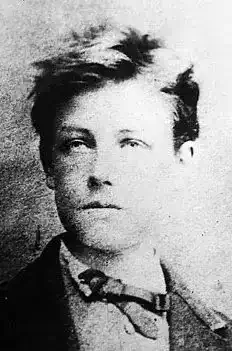
Arthur Rimbaud
What One Says To The Poet On The Subject Of Flowers
What One Says To The Poet On The Subject Of Flowers
I
Thus, ever, towards the azure night
Where there quivers a topaz sea,
Will function in your evening light
The Lilies, those clysters of ecstasy!
In our own age of sago, as they must,
Since all the Plants are workers first,
The Lilies will drink a blue disgust,
From your religious Prose, not verse!
– The Lily of Monsieur de Kerdrel
The sonnet of eighteen thirty, the plant,
That Lily, they bestow on ‘The Minstrel’
With the carnation and the amaranth!
Lilies! Lilies! You see never a one!
Yet in your Verses, like the Sinners’
Sleeves, those of soft-footed women,
Always those white flowers shiver!
Always, Dear, when you take a bathe,
Your Shirt with yellow armpits rots
Swells to the breeze of rising day,
Above the soiled forget-me-nots!
Love, only, through your nets
Smuggles Lilies – O unequal!
And the Woodland Violets,
The dark Nymphs’ sugary spittle!...
II
O Poets, if you could but own
To the red on the laurel’s firm stem
To the Roses, the Roses, blown,
With a thousand octaves swollen!
If BANVILLE could make them snow,
Blood-stained, whirling in gyrations,
Blacking the eye of that stranger so,
Who sees wicked interpretations!
In your forests, by your paths,
O so placid photographers!
Like the stoppers on carafes,
The Flora’s more or less diverse!
Always the vegetables, French,
Absurd, consumptive, up for a fight,
Bellies of basset hounds they drench,
Peacefully passed in evening light;
Always, after fearful drawings
Of blue Lotus or that Sunflower,
Pink prints, subjects befitting
Girls in communion’s sweet hour!
The Asoka Ode agrees with the
Loretto window stanza; showers
Of bright butterflies, heavy, flutter,
Dunging on the daisy flowers.
Old verdures, old braided ribbons!
O vegetable biscuit bakes!
Fantastic flowers of old Salons!
– For cockchafers, not rattlesnakes,
Those vegetable dolls in tears
Grandville would have mislaid
In the margin, sucking colours
From spiteful stars with eye-shades!
Yes, the drooling of your flutes
Produces precious sugar!
– Heaps of fried eggs in old boots,
Lily, Lilac, Rose, Asoka!...
III
O white Hunter, running through,
Stocking-less, the Panic field,
Shouldn’t you, couldn’t you
Acquire a little botany?
You’d have succeed, I’m afraid,
To russet Crickets, Spanish Fly,
Rio golds to Rhine blue, Norway
To Florida, in the blink of an eye:
But, Dear, art cannot, for us,
– It’s true – permit, it’s wrong,
To the astounding Eucalyptus,
Boa-Constrictors, hexameter-long;
There…! As if Mahogany
Served, even in our Guiana,
Only the Capuchin monkey
To ride the mad weight of liana!
– In short, a single Flower: is it,
Lily or Rosemary, live or dead,
Worth a spot of sea-gull’s shit,
Worth a candle drip, I said?
– And I mean what I say, mind!
Even you, squatting there, in one
Of those bamboo-huts – blind
Shut, behind brown Persian curtain –
You’d scrawl about things floral
Worthy of some wild Oise department!...
– Poet, yet that’s a rationale
No less laughable than it’s arrogant!
IV
Speak, not of pampas in the spring,
Black with terrible rebellions,
But of tobacco, cotton growing!
Speak of exotic harvest seasons!
Speak, white brow that Phoebus tanned,
Of how many dollars Pedro
Velasquez of Havana earned;
En-shit the Bay of Sorrento
Where in thousands rest the Swans;
Let your stanzas undertake
The draining of the mangrove swamps,
Filled with hydras, water-snakes!
Your quatrains plunge in blood-wet groves
Return, bringing Humanity
Diverse offerings, sugars, cloves,
Lozenges and rubber-trees!
Let us know if the yellowness
Of snowy Peaks, near the Tropic,
Is prolific insect’s nests
Or lichens microscopic!
Seek, O Hunter, our wish what’s more,
Diverse fragrant madders,
That, for our Army, Nature
Might cause to bloom in trousers!
Seek, beside the slumbering Glades,
Flowers that look like muzzles, oh,
Out of which drip gold pomades,
On the dark hide of the buffalo!
Seek wild fields, where in the Blue
Trembles the silver of pubescence,
Calyxes of fiery eggs that brew
Steeped in burning oily essence!
Seek the Thistle’s cotton-bin,
Whose downy wool ten asses
With ember eyes toil to spin!
Seek flowers which are chassis!
Yes, seek at the heart of black seams
Nigh-on stone-like flowers – marvels! –
That near their hard pale ovaries
Bear soft gemmiferous tonsils!
Serve us, O Crammer, as you can,
On a fine vermilion platter
Stews of syrupy Lilies, plan
To corrode our German silver!
V
Many will sing of Love sublime,
The thief of sombre Indulgence:
Not Renan, nor Murr the cat, I’m
Sure, know Thyrsi, blue, immense!
You’ll quicken, in our torpors,
Hysterias, through your fragrances;
Exalt us towards candours
Purer than Marys’ whitenesses…
Colonist! Trader! Medium!
Your Rhyme, pink, white, will be
A welling ray of sodium,
A well-tapped dripping rubber-tree!
From your dark Poems – Juggler!
Let dioptric white, green, red,
Burst out like strange flowers,
Electric butterflies instead!
See! It’s the Century of hell!
Telegraph poles will honour
– A lyre, where steel songs swell,
Your magnificent shoulder!
Rhyme us above all a version
On the ills of potato blight!
– And to aid the composition
Of Poems of mysterious light
To be read from Tréguier
To Paramaribo, don’t forget
To buy Tomes by Monsieur Figuier,
– Illustrated – from Monsieur Hachette!
I
Thus, ever, towards the azure night
Where there quivers a topaz sea,
Will function in your evening light
The Lilies, those clysters of ecstasy!
In our own age of sago, as they must,
Since all the Plants are workers first,
The Lilies will drink a blue disgust,
From your religious Prose, not verse!
– The Lily of Monsieur de Kerdrel
The sonnet of eighteen thirty, the plant,
That Lily, they bestow on ‘The Minstrel’
With the carnation and the amaranth!
Lilies! Lilies! You see never a one!
Yet in your Verses, like the Sinners’
Sleeves, those of soft-footed women,
Always those white flowers shiver!
Always, Dear, when you take a bathe,
Your Shirt with yellow armpits rots
Swells to the breeze of rising day,
Above the soiled forget-me-nots!
Love, only, through your nets
Smuggles Lilies – O unequal!
And the Woodland Violets,
The dark Nymphs’ sugary spittle!...
II
O Poets, if you could but own
To the red on the laurel’s firm stem
To the Roses, the Roses, blown,
With a thousand octaves swollen!
If BANVILLE could make them snow,
Blood-stained, whirling in gyrations,
Blacking the eye of that stranger so,
Who sees wicked interpretations!
In your forests, by your paths,
O so placid photographers!
Like the stoppers on carafes,
The Flora’s more or less diverse!
Always the vegetables, French,
Absurd, consumptive, up for a fight,
Bellies of basset hounds they drench,
Peacefully passed in evening light;
Always, after fearful drawings
Of blue Lotus or that Sunflower,
Pink prints, subjects befitting
Girls in communion’s sweet hour!
The Asoka Ode agrees with the
Loretto window stanza; showers
Of bright butterflies, heavy, flutter,
Dunging on the daisy flowers.
Old verdures, old braided ribbons!
O vegetable biscuit bakes!
Fantastic flowers of old Salons!
– For cockchafers, not rattlesnakes,
Those vegetable dolls in tears
Grandville would have mislaid
In the margin, sucking colours
From spiteful stars with eye-shades!
Yes, the drooling of your flutes
Produces precious sugar!
– Heaps of fried eggs in old boots,
Lily, Lilac, Rose, Asoka!...
III
O white Hunter, running through,
Stocking-less, the Panic field,
Shouldn’t you, couldn’t you
Acquire a little botany?
You’d have succeed, I’m afraid,
To russet Crickets, Spanish Fly,
Rio golds to Rhine blue, Norway
To Florida, in the blink of an eye:
But, Dear, art cannot, for us,
– It’s true – permit, it’s wrong,
To the astounding Eucalyptus,
Boa-Constrictors, hexameter-long;
There…! As if Mahogany
Served, even in our Guiana,
Only the Capuchin monkey
To ride the mad weight of liana!
– In short, a single Flower: is it,
Lily or Rosemary, live or dead,
Worth a spot of sea-gull’s shit,
Worth a candle drip, I said?
– And I mean what I say, mind!
Even you, squatting there, in one
Of those bamboo-huts – blind
Shut, behind brown Persian curtain –
You’d scrawl about things floral
Worthy of some wild Oise department!...
– Poet, yet that’s a rationale
No less laughable than it’s arrogant!
IV
Speak, not of pampas in the spring,
Black with terrible rebellions,
But of tobacco, cotton growing!
Speak of exotic harvest seasons!
Speak, white brow that Phoebus tanned,
Of how many dollars Pedro
Velasquez of Havana earned;
En-shit the Bay of Sorrento
Where in thousands rest the Swans;
Let your stanzas undertake
The draining of the mangrove swamps,
Filled with hydras, water-snakes!
Your quatrains plunge in blood-wet groves
Return, bringing Humanity
Diverse offerings, sugars, cloves,
Lozenges and rubber-trees!
Let us know if the yellowness
Of snowy Peaks, near the Tropic,
Is prolific insect’s nests
Or lichens microscopic!
Seek, O Hunter, our wish what’s more,
Diverse fragrant madders,
That, for our Army, Nature
Might cause to bloom in trousers!
Seek, beside the slumbering Glades,
Flowers that look like muzzles, oh,
Out of which drip gold pomades,
On the dark hide of the buffalo!
Seek wild fields, where in the Blue
Trembles the silver of pubescence,
Calyxes of fiery eggs that brew
Steeped in burning oily essence!
Seek the Thistle’s cotton-bin,
Whose downy wool ten asses
With ember eyes toil to spin!
Seek flowers which are chassis!
Yes, seek at the heart of black seams
Nigh-on stone-like flowers – marvels! –
That near their hard pale ovaries
Bear soft gemmiferous tonsils!
Serve us, O Crammer, as you can,
On a fine vermilion platter
Stews of syrupy Lilies, plan
To corrode our German silver!
V
Many will sing of Love sublime,
The thief of sombre Indulgence:
Not Renan, nor Murr the cat, I’m
Sure, know Thyrsi, blue, immense!
You’ll quicken, in our torpors,
Hysterias, through your fragrances;
Exalt us towards candours
Purer than Marys’ whitenesses…
Colonist! Trader! Medium!
Your Rhyme, pink, white, will be
A welling ray of sodium,
A well-tapped dripping rubber-tree!
From your dark Poems – Juggler!
Let dioptric white, green, red,
Burst out like strange flowers,
Electric butterflies instead!
See! It’s the Century of hell!
Telegraph poles will honour
– A lyre, where steel songs swell,
Your magnificent shoulder!
Rhyme us above all a version
On the ills of potato blight!
– And to aid the composition
Of Poems of mysterious light
To be read from Tréguier
To Paramaribo, don’t forget
To buy Tomes by Monsieur Figuier,
– Illustrated – from Monsieur Hachette!
675
Arthur Rimbaud
What One Says To The Poet On The Subject Of Flowers
What One Says To The Poet On The Subject Of Flowers
I
Thus, ever, towards the azure night
Where there quivers a topaz sea,
Will function in your evening light
The Lilies, those clysters of ecstasy!
In our own age of sago, as they must,
Since all the Plants are workers first,
The Lilies will drink a blue disgust,
From your religious Prose, not verse!
– The Lily of Monsieur de Kerdrel
The sonnet of eighteen thirty, the plant,
That Lily, they bestow on ‘The Minstrel’
With the carnation and the amaranth!
Lilies! Lilies! You see never a one!
Yet in your Verses, like the Sinners’
Sleeves, those of soft-footed women,
Always those white flowers shiver!
Always, Dear, when you take a bathe,
Your Shirt with yellow armpits rots
Swells to the breeze of rising day,
Above the soiled forget-me-nots!
Love, only, through your nets
Smuggles Lilies – O unequal!
And the Woodland Violets,
The dark Nymphs’ sugary spittle!...
II
O Poets, if you could but own
To the red on the laurel’s firm stem
To the Roses, the Roses, blown,
With a thousand octaves swollen!
If BANVILLE could make them snow,
Blood-stained, whirling in gyrations,
Blacking the eye of that stranger so,
Who sees wicked interpretations!
In your forests, by your paths,
O so placid photographers!
Like the stoppers on carafes,
The Flora’s more or less diverse!
Always the vegetables, French,
Absurd, consumptive, up for a fight,
Bellies of basset hounds they drench,
Peacefully passed in evening light;
Always, after fearful drawings
Of blue Lotus or that Sunflower,
Pink prints, subjects befitting
Girls in communion’s sweet hour!
The Asoka Ode agrees with the
Loretto window stanza; showers
Of bright butterflies, heavy, flutter,
Dunging on the daisy flowers.
Old verdures, old braided ribbons!
O vegetable biscuit bakes!
Fantastic flowers of old Salons!
– For cockchafers, not rattlesnakes,
Those vegetable dolls in tears
Grandville would have mislaid
In the margin, sucking colours
From spiteful stars with eye-shades!
Yes, the drooling of your flutes
Produces precious sugar!
– Heaps of fried eggs in old boots,
Lily, Lilac, Rose, Asoka!...
III
O white Hunter, running through,
Stocking-less, the Panic field,
Shouldn’t you, couldn’t you
Acquire a little botany?
You’d have succeed, I’m afraid,
To russet Crickets, Spanish Fly,
Rio golds to Rhine blue, Norway
To Florida, in the blink of an eye:
But, Dear, art cannot, for us,
– It’s true – permit, it’s wrong,
To the astounding Eucalyptus,
Boa-Constrictors, hexameter-long;
There…! As if Mahogany
Served, even in our Guiana,
Only the Capuchin monkey
To ride the mad weight of liana!
– In short, a single Flower: is it,
Lily or Rosemary, live or dead,
Worth a spot of sea-gull’s shit,
Worth a candle drip, I said?
– And I mean what I say, mind!
Even you, squatting there, in one
Of those bamboo-huts – blind
Shut, behind brown Persian curtain –
You’d scrawl about things floral
Worthy of some wild Oise department!...
– Poet, yet that’s a rationale
No less laughable than it’s arrogant!
IV
Speak, not of pampas in the spring,
Black with terrible rebellions,
But of tobacco, cotton growing!
Speak of exotic harvest seasons!
Speak, white brow that Phoebus tanned,
Of how many dollars Pedro
Velasquez of Havana earned;
En-shit the Bay of Sorrento
Where in thousands rest the Swans;
Let your stanzas undertake
The draining of the mangrove swamps,
Filled with hydras, water-snakes!
Your quatrains plunge in blood-wet groves
Return, bringing Humanity
Diverse offerings, sugars, cloves,
Lozenges and rubber-trees!
Let us know if the yellowness
Of snowy Peaks, near the Tropic,
Is prolific insect’s nests
Or lichens microscopic!
Seek, O Hunter, our wish what’s more,
Diverse fragrant madders,
That, for our Army, Nature
Might cause to bloom in trousers!
Seek, beside the slumbering Glades,
Flowers that look like muzzles, oh,
Out of which drip gold pomades,
On the dark hide of the buffalo!
Seek wild fields, where in the Blue
Trembles the silver of pubescence,
Calyxes of fiery eggs that brew
Steeped in burning oily essence!
Seek the Thistle’s cotton-bin,
Whose downy wool ten asses
With ember eyes toil to spin!
Seek flowers which are chassis!
Yes, seek at the heart of black seams
Nigh-on stone-like flowers – marvels! –
That near their hard pale ovaries
Bear soft gemmiferous tonsils!
Serve us, O Crammer, as you can,
On a fine vermilion platter
Stews of syrupy Lilies, plan
To corrode our German silver!
V
Many will sing of Love sublime,
The thief of sombre Indulgence:
Not Renan, nor Murr the cat, I’m
Sure, know Thyrsi, blue, immense!
You’ll quicken, in our torpors,
Hysterias, through your fragrances;
Exalt us towards candours
Purer than Marys’ whitenesses…
Colonist! Trader! Medium!
Your Rhyme, pink, white, will be
A welling ray of sodium,
A well-tapped dripping rubber-tree!
From your dark Poems – Juggler!
Let dioptric white, green, red,
Burst out like strange flowers,
Electric butterflies instead!
See! It’s the Century of hell!
Telegraph poles will honour
– A lyre, where steel songs swell,
Your magnificent shoulder!
Rhyme us above all a version
On the ills of potato blight!
– And to aid the composition
Of Poems of mysterious light
To be read from Tréguier
To Paramaribo, don’t forget
To buy Tomes by Monsieur Figuier,
– Illustrated – from Monsieur Hachette!
I
Thus, ever, towards the azure night
Where there quivers a topaz sea,
Will function in your evening light
The Lilies, those clysters of ecstasy!
In our own age of sago, as they must,
Since all the Plants are workers first,
The Lilies will drink a blue disgust,
From your religious Prose, not verse!
– The Lily of Monsieur de Kerdrel
The sonnet of eighteen thirty, the plant,
That Lily, they bestow on ‘The Minstrel’
With the carnation and the amaranth!
Lilies! Lilies! You see never a one!
Yet in your Verses, like the Sinners’
Sleeves, those of soft-footed women,
Always those white flowers shiver!
Always, Dear, when you take a bathe,
Your Shirt with yellow armpits rots
Swells to the breeze of rising day,
Above the soiled forget-me-nots!
Love, only, through your nets
Smuggles Lilies – O unequal!
And the Woodland Violets,
The dark Nymphs’ sugary spittle!...
II
O Poets, if you could but own
To the red on the laurel’s firm stem
To the Roses, the Roses, blown,
With a thousand octaves swollen!
If BANVILLE could make them snow,
Blood-stained, whirling in gyrations,
Blacking the eye of that stranger so,
Who sees wicked interpretations!
In your forests, by your paths,
O so placid photographers!
Like the stoppers on carafes,
The Flora’s more or less diverse!
Always the vegetables, French,
Absurd, consumptive, up for a fight,
Bellies of basset hounds they drench,
Peacefully passed in evening light;
Always, after fearful drawings
Of blue Lotus or that Sunflower,
Pink prints, subjects befitting
Girls in communion’s sweet hour!
The Asoka Ode agrees with the
Loretto window stanza; showers
Of bright butterflies, heavy, flutter,
Dunging on the daisy flowers.
Old verdures, old braided ribbons!
O vegetable biscuit bakes!
Fantastic flowers of old Salons!
– For cockchafers, not rattlesnakes,
Those vegetable dolls in tears
Grandville would have mislaid
In the margin, sucking colours
From spiteful stars with eye-shades!
Yes, the drooling of your flutes
Produces precious sugar!
– Heaps of fried eggs in old boots,
Lily, Lilac, Rose, Asoka!...
III
O white Hunter, running through,
Stocking-less, the Panic field,
Shouldn’t you, couldn’t you
Acquire a little botany?
You’d have succeed, I’m afraid,
To russet Crickets, Spanish Fly,
Rio golds to Rhine blue, Norway
To Florida, in the blink of an eye:
But, Dear, art cannot, for us,
– It’s true – permit, it’s wrong,
To the astounding Eucalyptus,
Boa-Constrictors, hexameter-long;
There…! As if Mahogany
Served, even in our Guiana,
Only the Capuchin monkey
To ride the mad weight of liana!
– In short, a single Flower: is it,
Lily or Rosemary, live or dead,
Worth a spot of sea-gull’s shit,
Worth a candle drip, I said?
– And I mean what I say, mind!
Even you, squatting there, in one
Of those bamboo-huts – blind
Shut, behind brown Persian curtain –
You’d scrawl about things floral
Worthy of some wild Oise department!...
– Poet, yet that’s a rationale
No less laughable than it’s arrogant!
IV
Speak, not of pampas in the spring,
Black with terrible rebellions,
But of tobacco, cotton growing!
Speak of exotic harvest seasons!
Speak, white brow that Phoebus tanned,
Of how many dollars Pedro
Velasquez of Havana earned;
En-shit the Bay of Sorrento
Where in thousands rest the Swans;
Let your stanzas undertake
The draining of the mangrove swamps,
Filled with hydras, water-snakes!
Your quatrains plunge in blood-wet groves
Return, bringing Humanity
Diverse offerings, sugars, cloves,
Lozenges and rubber-trees!
Let us know if the yellowness
Of snowy Peaks, near the Tropic,
Is prolific insect’s nests
Or lichens microscopic!
Seek, O Hunter, our wish what’s more,
Diverse fragrant madders,
That, for our Army, Nature
Might cause to bloom in trousers!
Seek, beside the slumbering Glades,
Flowers that look like muzzles, oh,
Out of which drip gold pomades,
On the dark hide of the buffalo!
Seek wild fields, where in the Blue
Trembles the silver of pubescence,
Calyxes of fiery eggs that brew
Steeped in burning oily essence!
Seek the Thistle’s cotton-bin,
Whose downy wool ten asses
With ember eyes toil to spin!
Seek flowers which are chassis!
Yes, seek at the heart of black seams
Nigh-on stone-like flowers – marvels! –
That near their hard pale ovaries
Bear soft gemmiferous tonsils!
Serve us, O Crammer, as you can,
On a fine vermilion platter
Stews of syrupy Lilies, plan
To corrode our German silver!
V
Many will sing of Love sublime,
The thief of sombre Indulgence:
Not Renan, nor Murr the cat, I’m
Sure, know Thyrsi, blue, immense!
You’ll quicken, in our torpors,
Hysterias, through your fragrances;
Exalt us towards candours
Purer than Marys’ whitenesses…
Colonist! Trader! Medium!
Your Rhyme, pink, white, will be
A welling ray of sodium,
A well-tapped dripping rubber-tree!
From your dark Poems – Juggler!
Let dioptric white, green, red,
Burst out like strange flowers,
Electric butterflies instead!
See! It’s the Century of hell!
Telegraph poles will honour
– A lyre, where steel songs swell,
Your magnificent shoulder!
Rhyme us above all a version
On the ills of potato blight!
– And to aid the composition
Of Poems of mysterious light
To be read from Tréguier
To Paramaribo, don’t forget
To buy Tomes by Monsieur Figuier,
– Illustrated – from Monsieur Hachette!
675
Arthur Rimbaud
Vigils
Vigils
I.
It is a repose in the light,
neither fever nor languor,
on a bed or on a meadow.
It is the friend neither violent nor weak.
The friend.
It is the beloved neither
tormenting nor tormented.
The beloved.
Air and the world not sought.
Life. --Was it really this?
--And the dream grew cold.
II.
The lighting comes round
to the crown post again.
From the two extremities of the room
-- decorations negligible
-- harmonic elevations join.
The wall opposite the watcher
is a psychological succession
of atmospheric sections of friezes,
bands, and geological accidents.
Intense quick dream
of sentimental groups
with people of all possible characters
amidst all possible appearances.
III.
The lamps and the rugs
of the vigil make the noise
of waves in the night,
along the hull and around the steerage.
The sea of the vigil, like Emily's breasts.
The hangings, halfway up,
undergrowth of emerald tinted lace,
where dart the vigil doves. . . . . . . . . . . . . . . . . . . .
The plaque of the black hearth,
real suns of seashores! ah! magic wells;
only sight of dawn, this time.
I.
It is a repose in the light,
neither fever nor languor,
on a bed or on a meadow.
It is the friend neither violent nor weak.
The friend.
It is the beloved neither
tormenting nor tormented.
The beloved.
Air and the world not sought.
Life. --Was it really this?
--And the dream grew cold.
II.
The lighting comes round
to the crown post again.
From the two extremities of the room
-- decorations negligible
-- harmonic elevations join.
The wall opposite the watcher
is a psychological succession
of atmospheric sections of friezes,
bands, and geological accidents.
Intense quick dream
of sentimental groups
with people of all possible characters
amidst all possible appearances.
III.
The lamps and the rugs
of the vigil make the noise
of waves in the night,
along the hull and around the steerage.
The sea of the vigil, like Emily's breasts.
The hangings, halfway up,
undergrowth of emerald tinted lace,
where dart the vigil doves. . . . . . . . . . . . . . . . . . . .
The plaque of the black hearth,
real suns of seashores! ah! magic wells;
only sight of dawn, this time.
570
Arthur Rimbaud
To A Reason
To A Reason
A rap of your finger on the drum
fires all the sounds
and starts a new harmony.
A step of yours: the levy of new men
and their marching on.
Your head turns away:
O the new love!
Your head turns back:
O the new love!
'Change our lots, confound the plagues,
beginning with time,'
to you these children sing.
'Raise no matter where the substance
of our fortune and our desires,'
they beg you.
Arrival of all time,
who will go everywhere.
A rap of your finger on the drum
fires all the sounds
and starts a new harmony.
A step of yours: the levy of new men
and their marching on.
Your head turns away:
O the new love!
Your head turns back:
O the new love!
'Change our lots, confound the plagues,
beginning with time,'
to you these children sing.
'Raise no matter where the substance
of our fortune and our desires,'
they beg you.
Arrival of all time,
who will go everywhere.
538
Arthur Rimbaud
The Soul
The Soul
Eternal Undines, split the pure water.
Venus, sister of azure, stir up the clear wave.
Wandering Jews of Norway, tell me of snow;
old beloved exiles tell me of the sea.
Myself: No, no more of these pure drinks,
these water-flowers for glasses;
neither legends nor faces quench my thirst;
singer, your god-child is my thirst so mad,
a mouthless intimate hydra
which consumes and ravages.
Eternal Undines, split the pure water.
Venus, sister of azure, stir up the clear wave.
Wandering Jews of Norway, tell me of snow;
old beloved exiles tell me of the sea.
Myself: No, no more of these pure drinks,
these water-flowers for glasses;
neither legends nor faces quench my thirst;
singer, your god-child is my thirst so mad,
a mouthless intimate hydra
which consumes and ravages.
602