

Poems in this topic
Others
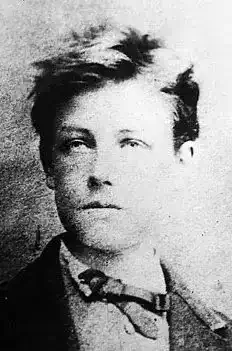
Arthur Rimbaud
The Sun Has Wept Rose
The Sun Has Wept Rose
The sun has wept rose in the shell of your ears,
The world has rolled white from your back,
Your thighs:
The sea has stained rust at the crimson of your breasts,
And Man had bled black at your sovereign side.
The sun has wept rose in the shell of your ears,
The world has rolled white from your back,
Your thighs:
The sea has stained rust at the crimson of your breasts,
And Man had bled black at your sovereign side.
919
Arthur Rimbaud
The Seekers Of Lice
The Seekers Of Lice
When the child's forehead, full of red torments,
Implores the white swarm of indistinct dreams,
There come near his bed two tall charming sisters
With slim fingers that have silvery nails.
They seat the child in front of a wide open
Window where the blue air bathes a mass of flowers,
And in his heavy hair where the dew falls,
Move their delicate, fearful and enticing fingers.
He listens to the singing of their apprehensive breath
Which smells of long rosy plant honey,
And which at times a hiss interrupts, saliva
Caught on the lip or desire for kisses.
He hears their black eyelashes beating
in the perfumed Silence;
and their gentle electric fingers
Make in his half-drunken indolence the death of the little lice
Crackle under their royal nails.
Then the wine of Sloth rises in him,
The sigh of an harmonica which could bring on delerium;
The child feels, according to the slowness of the caresses,
Surging in him and dying continuously a desire to cry.
When the child's forehead, full of red torments,
Implores the white swarm of indistinct dreams,
There come near his bed two tall charming sisters
With slim fingers that have silvery nails.
They seat the child in front of a wide open
Window where the blue air bathes a mass of flowers,
And in his heavy hair where the dew falls,
Move their delicate, fearful and enticing fingers.
He listens to the singing of their apprehensive breath
Which smells of long rosy plant honey,
And which at times a hiss interrupts, saliva
Caught on the lip or desire for kisses.
He hears their black eyelashes beating
in the perfumed Silence;
and their gentle electric fingers
Make in his half-drunken indolence the death of the little lice
Crackle under their royal nails.
Then the wine of Sloth rises in him,
The sigh of an harmonica which could bring on delerium;
The child feels, according to the slowness of the caresses,
Surging in him and dying continuously a desire to cry.
481
Arthur Rimbaud
The Bridges
The Bridges
Skies the gray of crystal.
A strange design of bridges,
some straight, some arched,
others descending at oblique angles to the first;
and these figures recurring
in other lighted circuits of the canal,
but all so long and light that the banks,
laden with domes, sink and shrink.
A few of these bridges
are still covered with hovels,
others support polls,
signals, frail parapets.
Minor chords cross
each other and disappear;
ropes rise from the shore.
One can make out a red coat,
possibly other costumes
and musical instruments.
Are these popular tunes,
snatches of seigniorial concerts,
remnants of public hymns?
The water is gray and blue,
wide as an arm of the sea.
A white ray falling from high
in the sky destroys this comedy.
Skies the gray of crystal.
A strange design of bridges,
some straight, some arched,
others descending at oblique angles to the first;
and these figures recurring
in other lighted circuits of the canal,
but all so long and light that the banks,
laden with domes, sink and shrink.
A few of these bridges
are still covered with hovels,
others support polls,
signals, frail parapets.
Minor chords cross
each other and disappear;
ropes rise from the shore.
One can make out a red coat,
possibly other costumes
and musical instruments.
Are these popular tunes,
snatches of seigniorial concerts,
remnants of public hymns?
The water is gray and blue,
wide as an arm of the sea.
A white ray falling from high
in the sky destroys this comedy.
556
Arthur Rimbaud
The Bridges
The Bridges
Skies the gray of crystal.
A strange design of bridges,
some straight, some arched,
others descending at oblique angles to the first;
and these figures recurring
in other lighted circuits of the canal,
but all so long and light that the banks,
laden with domes, sink and shrink.
A few of these bridges
are still covered with hovels,
others support polls,
signals, frail parapets.
Minor chords cross
each other and disappear;
ropes rise from the shore.
One can make out a red coat,
possibly other costumes
and musical instruments.
Are these popular tunes,
snatches of seigniorial concerts,
remnants of public hymns?
The water is gray and blue,
wide as an arm of the sea.
A white ray falling from high
in the sky destroys this comedy.
Skies the gray of crystal.
A strange design of bridges,
some straight, some arched,
others descending at oblique angles to the first;
and these figures recurring
in other lighted circuits of the canal,
but all so long and light that the banks,
laden with domes, sink and shrink.
A few of these bridges
are still covered with hovels,
others support polls,
signals, frail parapets.
Minor chords cross
each other and disappear;
ropes rise from the shore.
One can make out a red coat,
possibly other costumes
and musical instruments.
Are these popular tunes,
snatches of seigniorial concerts,
remnants of public hymns?
The water is gray and blue,
wide as an arm of the sea.
A white ray falling from high
in the sky destroys this comedy.
556
Arthur Rimbaud
Sun And Flesh (Credo In Unam)
Sun And Flesh (Credo In Unam)
Birth of Venus
I
The Sun, the hearth of affection and life,
Pours burning love on the delighted earth,
And when you lie down in the valley, you can smell
How the earth is nubile and very full-blooded;
How its huge breast, heaved up by a soul,
Is, like God, made of love, and, like woman, of flesh,
And that it contains, big with sap and with sunlight,
The vast pullulation of all embryos!
And everything grows, and everything rises!
-O Venus, O Goddess!
I long for the days of antique youth,
Of lascivious satyrs, and animal fauns,
Gods who bit, mad with love, the bark of the boughs,
And among water-lilies kissed the Nymph with fair hair!
I long for the time when the sap of the world,
River water, the rose-coloured blood of green trees
Put into the veins of Pan a whole universe!
When the earth trembled, green,beneath his goat-feet;
When, softly kissing the fair Syrinx, his lips formed
Under heaven the great hymn of love;
When, standing on the plain, he heard round about him
Living Nature answer his call;
When the silent trees cradling the singing bird,
Earth cradling mankind, and the whole blue Ocean,
And all living creatures loved, loved in God!
I long for the time of great Cybele,
Who was said to travel, gigantically lovely,
In a great bronze chariot, through splendid cities;
Her twin breasts poured, through the vast deeps,
The pure streams of infinite life.
Mankind sucked joyfully at her blessed nipple,
Like a small child playing on her knees.
-Because he was strong, Man was gentle and chaste.
Misfortune! Now he says: I understand things,
And goes about with eyes shut and ears closed.
-And again, no more gods! no more gods! Man is King,
Man is God! But the great faith is Love!
Oh! if only man still drew sustenance from your nipple,
Great mother of gods and of men, Cybele;
If only he had not forsaken immortal Astarte
Who long ago, rising in the tremendous brightness
Of blue waters, flower-flesh perfumed by the wave,
Showed her rosy navel, towards which the foam came snowing
And , being a goddess with the great conquering black eyes,
Made the nightingale sing in the woods and love in men's hearts!
The Birth of Venus
II
I believe! I believe in you! divine mother,
Sea-born Aphrodite! - Oh! the path is bitter
Since the other God harnessed us to his cross;
Flesh, Marble, Flower, Venus, in you I believe!
-yes, Man is sad and ugly, sad under the vast sky.
He possesses clothes, because he is no longer chaste,
Because he has defiled his proud, godlike head
And because he has bent, like an idol in the furnace,
His Olympian form towards base slaveries!
Yes, even after death, in the form of pale skeletons
He wishes to live and insult the original beauty!
-And the Idol in whom you placed such maidenhood,
Woman, in whom you rendered our clay divine,
So that Man might bring light into his poor soul
And slowly ascend, in unbounded love,
From the earthly prison to the beauty of day,
Woman no longer knows even how to be a Courtesan!
-It's a fine farce! and the world snickers
At the sweet and sacred name of great Venus!
III
If only the times which have come and gone might come again!
-For Man is finished! Man has played all the parts!
In the broad daylight, wearied with breaking idols
He will revive, free of all his gods,
And, since he is of heaven, he will scan the heavens!
The Ideal, that eternal, invincible thought, which is
All; The living god within his fleshly clay,
Will rise, mount, burn beneath his brow!
An when you see him plumbing the whole horizon,
Despising old yokes, and free from all fear,
You will come and give him holy Redemption!
-Resplendent, radiant, from the bosom of the huge seas
You will rise up and give to the vast Universe
Infinite Love with its eternal smile!
The World will vibrate like an immense lyre
In the trembling of an infinite kiss!
-The World thirsts for love: you will come and slake its thirst.
....................................................
O! Man has raised his free, proud head!
And the sudden blaze of primordial beauty
Makes the god quiver in the altar of the flesh!
Happy in the present good, pale from the ill suffered,
Man wishes to plumb all depths, - and know all things! Thought,
So long a jade, and for so long oppressed,
Springs from his forehead! She will know Why!...
Let her but gallop free, and Man will find Faith!
-Why the blue silence, unfathomable space?
Why the golden stars, teeming like sands?
If one ascended forever, what would one see up there?
Does a sheperd drive this enormous flock
Of worlds on a journey through this horror of space?
And do all these worlds contained in the vast ether,
tremble at the tones of an eternal voice?
-And Man, can he see? can he say: I believe?
Is the langage of thought anymore than a dream?
If man is born so quickly, if life is so short
Whence does he come? Does he sink into the deep Ocean
Of Germs, of Foetuses, of Embryos, to the bottom
of the huge Crucible where Nature the Mother
Will resuscitate him, a living creature,
To love in the rose and to grow in the corn?...
We cannot know! - We are weighed down
With a cloak of ignorance, hemmed in by chimaeras!
Men like apes, dropped from our mothers' wombs,
Our feeble reason hides the infinite from us!
We wish to perceive: - and Doubt punishes us!
Doubt, dismal bird, beat us down with its wing...
-And the horizon rushes away in endless flight!...
.......................................................
The vast heaven is open! the mysteries lie dead
Before erect Man, who folds his strong arms
Among the vast splendour of abundant Nature!
He sings... and the woods sing, the river murmurs
A song full of happiness which rises towards the light!...
-it is Redemption! it is love! it is love!...
IV
O splendour of flesh! O ideal splendour!
O renewal of love, triumphal dawn
When, prostrating the Gods and the Heroes,
White Callipyge and little Eros
Covered with the snow of rose petals, will caress
Women and flowers beneath their lovely outstretched feet!
-O great Ariadne who pour out your tears
On the shore, as you see, out there on the waves,
The sail of Theseus flying white under the sun,
O sweet virgin child whom a night has broken,
Be silent! On his golden chariot studded with black grapes,
Lysios, who has been drawn through Phrygian fields
By lascivious tigers and russet panthers,
Reddens the dark mosses along the blue rivers.
-Zeus, the Bull, cradles on his neck like a child
The nude body of Europa who throws her white arm
Round the God's muscular neck which shivers in the wave.
Slowly he turns his dreamy eye towards her;
She, droops her pale flowerlike cheek
On the brow of Zeus; her eyes are closed; she is dying
In a divine kiss, and the murmuring waters
Strew the flowers of their golden foam on her hair.
-Between the oleander and the gaudy lotus tree
Slips amorously the great dreaming Swan
Enfloding Leda in the whiteness of his wing;
-And while Cypris goes by, strangely beautiful,
And, arching the marvellous curves of her back,
Proudly displays the golden vision of her big breasts
And snowy belly embroidered with black moss,
-Hercules, Tamer of beasts, in his Strength,
Robes his huge body with the lion's skin as with glory
And faces the horizons, his brow terrible and sweet!
Vaguely lit by the summer moon,
Erect, naked, dreaming in her pallor of gold
Streaked by the heavy wave of her long blue hair,
In the shadowy glade whenre stars spring in the moss,
The Dryade gazes up at the silent sky...
-White Selene, timidly, lets her veil float,
Over the feet of beautiful Endymion,
And throws him a kiss in a pale beam...
-The Spring sobs far off in a long ectasy...
Ii is the nymph who dreams with one elbow on her urn,
Of the handsome white stripling her wave has pressed against.
-A soft wind of love has passed in the night,
And in the sacred woods, amid the standing hair of the great trees,
Erect in majesty, the shadowly Marbles,
The Gods, on whose brows the Bullfinch has his nest,
-the Gods listen to Men, and to the infinite World!
Original French
Soleil et Chair
I
Le Soleil, le foyer de tendresse et de vie,
Verse l'amour brûlant à la terre ravie,
Et, quand on est couché sur la vallée, on sent
Que la terre est nubile et déborde de sang ;
Que son immense sein, soulevé par une âme,
Est d'amour comme Dieu, de chair comme la femme,
Et qu'il renferme, gros de sève et de rayons,
Le grand fourmillement de tous les embryons !
Et tout croît, et tout monte !
spacespacespacespacespacespace- O Vénus, ô Déesse !
Je regrette les temps de l'antique jeunesse,
Des satyres lascifs, des faunes animaux,
Dieux qui mordaient d'amour l'écorce des rameaux
Et dans les nénuphars baisaient la Nymphe blonde !
Je regrette les temps où la sève du monde,
L'eau du fleuve, le sang rose des arbres verts
Dans les veines de Pan mettaient un univers !.
Où le sol palpitait, vert, sous ses pieds de chèvre ;
Où, baisant mollement le clair syrinx, sa lèvre
Modulait sous le ciel le grand hymne d'amour ;
Où, debout sur la plaine, il entendait autour
Répondre à son appel la Nature vivante ;
Où les arbres muets, berçant l'oiseau qui chante,
La terre berçant l'homme, et tout l'Océan bleu
Et tous les animaux aimaient, aimaient en Dieu !
Soleil et Chair, Suite
Je regrette les temps de la grande Cybèle
Qu'on disait parcourir, gigantesquement belle,
Sur un grand char d'airain, les splendides cités ;
Son double sein versait dans les immensités
Le pur ruissellement de la vie infinie.
L'Homme suçait, heureux, sa mamelle bénie,
Comme un petit enfant, jouant sur ses genoux.
-Parce qu'il était fort, l'Homme était chaste et doux.
Misère ! Maintenant il dit : Je sais les choses,
Et va, les yeux fermés et les oreille closes.
-Et pourtant, plus de dieux ! plus de dieux ! l'Homme est Roi,
L'Homme est Dieu ! Mais l'Amour, voilà la grande Foi !
Oh ! si l'homme puisait encore à ta mamelle,
Grande mère des dieux et des hommes, Cybèle ;
S'il n'avait pas laissé l'immortelle Astarté
Qui jadis, émergeant dans l'immense clarté
Des flots bleus, fleur de chair que la vague parfume,
Montra son nombril rose où vint neiger l'écume,
Et fit chanter, Déesse aux grands yeux noirs vainqueurs,
Le rossignol aux bois et l'amour dans les coeurs !
II
Je crois en toi ! Je crois en toi ! divine mère,
Aphrodite marine ! - Oh ! la route est amère
Depuis que l'autre Dieu nous attelle à sa croix ;
Chair, Marbre, Fleur, Vénus, c'est en toi que je crois !
-Oui, l'Homme est triste et laid, triste sous le ciel vaste,
Il a des vêtements, parce qu'il n'est plus chaste,
Parce qu'il a sali son fier buste de Dieu,
Et qu'il a rabougri, comme une idole au feu,
Son corps Olympien aux servitudes sales !
Oui, même après la mort, dans les squelettes pâles
Il veut vivre, insultant la première beauté !
-Et l'Idole où tu mis tant de virginité,
Où tu divinisas notre argile, la Femme,
Afin que l'Homme pût éclairer sa pauvre âme
Et monter lentement, dans un immense amour,
De la prison terrestre à la beauté du jour,
La Femme ne sait plus même être Courtisane !
-C'est une bonne farce ! et le monde ricane
Au nom doux et sacré de la grande Vénus !
III
Si les temps revenaient, les temps qui sont venus !
-Car l'Homme a fini ! l'Homme a joué tous les rôles !
Au grand jour, fatigué de briser des idoles
Il ressuscitera, libre de tous ses Dieux,
Et, comme il est du ciel, il scrutera les cieux !
L'idéal, la pensée invincible, éternelle,
Tout ; le dieu qui vit, sous son argile charnelle,
Montera, montera, brûlera sous son front !
Et quand tu le verras sonder tout l'horizon,
Contempteur des vieux jougs, libre de toute crainte,
Tu viendras lui donner la Rédemption sainte !
-Splendide, radieuse, au sein des grandes mers
Tu surgiras, jetant sur le vaste Univers
L'Amour infini dans un infini sourire !
Le Monde vibrera comme une immense lyre
Dans le frémissement d'un immense baiser
-Le Monde a soif d'amour : tu viendras l'apaiser.
IV
O splendeur de la chair ! ô splendeur idéale !
O renouveau d'amour, aurore triomphale
Où, courbant à leurs pieds les Dieux et les Héros,
Kallipyge la blanche et le petit Éros
Effleureront, couverts de la neige des roses,
Les femmes et les fleurs sous leurs beaux pieds écloses !
-O grande Ariadné, qui jette tes sanglots
Sur la rive, en voyant fuir là-bas sur les flots
Blanche sous le soleil, la voile de Thésée,
O douce vierge enfant qu'une nuit a brisée,
Tais-toi ! Sur son char d'or brodé de noirs raisins,
Lysios, promené dans les champs Phrygiens
Par les tigres lascifs et les panthères rousses,
Le long des fleuves bleus rougit les sombres mousses.
-Zeus, Taureau, sur son cou berce comme une enfant
Le corps nu d'Europé, qui jette son bras blanc
Au cou nerveux du Dieu frissonnant dans la vague
Il tourne lentement vers elle son oeil vague ;
Elle, laisse traîner sa pâle joue en fleur
Au front de Zeus ; ses yeux sont fermés ; elle meurt
Dans un divin baiser, et le flot qui murmure
De son écume d'or fleurit sa chevelure.
-Entre le laurier-rose et le lotus jaseur
Glisse amoureusement le grand Cygne rêveur
Embrassant la Léda des blancheurs de son aile ;
-Et tandis que Cypris passe, étrangement belle,
Et, cambrant les rondeurs splendides de ses reins,
Étale fièrement l'or de ses larges seins
Et son ventre neigeux brodé de mousse noire,
-Héraclès, le Dompteur, qui, comme d'une gloire
Fort, ceint son vaste corps de la peau du lion,
S'avance, front terrible et doux, à l'horizon !
Par la lune d'été vaguement éclairée,
Debout, nue, et rêvant dans sa pâleur dorée
Que tache le flot lourd de ses longs cheveux bleus,
Dans la clairière sombre, où la mousse s'étoile,
La Dryade regarde au ciel silencieux....
-La blanche Séléné laisse flotter son voile,
Craintive, sur les pieds du bel Endymion,
Et lui jette un baiser dans un pâle rayon...
-La Source pleure au loin dans une longue extase...
C'est la nymphe qui rêve, un coude sur son vase,
Au beau jeune homme blanc que son onde a pressé.
-Une brise d'amour dans la nuit a passé,
Et, dans les bois sacrés, dans l'horreur des grands arbres,
Majestueusement debout, les sombres Marbres,
Les Dieux, au front desquels le Bouvreuil fait son nid,
-Les Dieux écoutent l'homme et le Monde infini !
Birth of Venus
I
The Sun, the hearth of affection and life,
Pours burning love on the delighted earth,
And when you lie down in the valley, you can smell
How the earth is nubile and very full-blooded;
How its huge breast, heaved up by a soul,
Is, like God, made of love, and, like woman, of flesh,
And that it contains, big with sap and with sunlight,
The vast pullulation of all embryos!
And everything grows, and everything rises!
-O Venus, O Goddess!
I long for the days of antique youth,
Of lascivious satyrs, and animal fauns,
Gods who bit, mad with love, the bark of the boughs,
And among water-lilies kissed the Nymph with fair hair!
I long for the time when the sap of the world,
River water, the rose-coloured blood of green trees
Put into the veins of Pan a whole universe!
When the earth trembled, green,beneath his goat-feet;
When, softly kissing the fair Syrinx, his lips formed
Under heaven the great hymn of love;
When, standing on the plain, he heard round about him
Living Nature answer his call;
When the silent trees cradling the singing bird,
Earth cradling mankind, and the whole blue Ocean,
And all living creatures loved, loved in God!
I long for the time of great Cybele,
Who was said to travel, gigantically lovely,
In a great bronze chariot, through splendid cities;
Her twin breasts poured, through the vast deeps,
The pure streams of infinite life.
Mankind sucked joyfully at her blessed nipple,
Like a small child playing on her knees.
-Because he was strong, Man was gentle and chaste.
Misfortune! Now he says: I understand things,
And goes about with eyes shut and ears closed.
-And again, no more gods! no more gods! Man is King,
Man is God! But the great faith is Love!
Oh! if only man still drew sustenance from your nipple,
Great mother of gods and of men, Cybele;
If only he had not forsaken immortal Astarte
Who long ago, rising in the tremendous brightness
Of blue waters, flower-flesh perfumed by the wave,
Showed her rosy navel, towards which the foam came snowing
And , being a goddess with the great conquering black eyes,
Made the nightingale sing in the woods and love in men's hearts!
The Birth of Venus
II
I believe! I believe in you! divine mother,
Sea-born Aphrodite! - Oh! the path is bitter
Since the other God harnessed us to his cross;
Flesh, Marble, Flower, Venus, in you I believe!
-yes, Man is sad and ugly, sad under the vast sky.
He possesses clothes, because he is no longer chaste,
Because he has defiled his proud, godlike head
And because he has bent, like an idol in the furnace,
His Olympian form towards base slaveries!
Yes, even after death, in the form of pale skeletons
He wishes to live and insult the original beauty!
-And the Idol in whom you placed such maidenhood,
Woman, in whom you rendered our clay divine,
So that Man might bring light into his poor soul
And slowly ascend, in unbounded love,
From the earthly prison to the beauty of day,
Woman no longer knows even how to be a Courtesan!
-It's a fine farce! and the world snickers
At the sweet and sacred name of great Venus!
III
If only the times which have come and gone might come again!
-For Man is finished! Man has played all the parts!
In the broad daylight, wearied with breaking idols
He will revive, free of all his gods,
And, since he is of heaven, he will scan the heavens!
The Ideal, that eternal, invincible thought, which is
All; The living god within his fleshly clay,
Will rise, mount, burn beneath his brow!
An when you see him plumbing the whole horizon,
Despising old yokes, and free from all fear,
You will come and give him holy Redemption!
-Resplendent, radiant, from the bosom of the huge seas
You will rise up and give to the vast Universe
Infinite Love with its eternal smile!
The World will vibrate like an immense lyre
In the trembling of an infinite kiss!
-The World thirsts for love: you will come and slake its thirst.
....................................................
O! Man has raised his free, proud head!
And the sudden blaze of primordial beauty
Makes the god quiver in the altar of the flesh!
Happy in the present good, pale from the ill suffered,
Man wishes to plumb all depths, - and know all things! Thought,
So long a jade, and for so long oppressed,
Springs from his forehead! She will know Why!...
Let her but gallop free, and Man will find Faith!
-Why the blue silence, unfathomable space?
Why the golden stars, teeming like sands?
If one ascended forever, what would one see up there?
Does a sheperd drive this enormous flock
Of worlds on a journey through this horror of space?
And do all these worlds contained in the vast ether,
tremble at the tones of an eternal voice?
-And Man, can he see? can he say: I believe?
Is the langage of thought anymore than a dream?
If man is born so quickly, if life is so short
Whence does he come? Does he sink into the deep Ocean
Of Germs, of Foetuses, of Embryos, to the bottom
of the huge Crucible where Nature the Mother
Will resuscitate him, a living creature,
To love in the rose and to grow in the corn?...
We cannot know! - We are weighed down
With a cloak of ignorance, hemmed in by chimaeras!
Men like apes, dropped from our mothers' wombs,
Our feeble reason hides the infinite from us!
We wish to perceive: - and Doubt punishes us!
Doubt, dismal bird, beat us down with its wing...
-And the horizon rushes away in endless flight!...
.......................................................
The vast heaven is open! the mysteries lie dead
Before erect Man, who folds his strong arms
Among the vast splendour of abundant Nature!
He sings... and the woods sing, the river murmurs
A song full of happiness which rises towards the light!...
-it is Redemption! it is love! it is love!...
IV
O splendour of flesh! O ideal splendour!
O renewal of love, triumphal dawn
When, prostrating the Gods and the Heroes,
White Callipyge and little Eros
Covered with the snow of rose petals, will caress
Women and flowers beneath their lovely outstretched feet!
-O great Ariadne who pour out your tears
On the shore, as you see, out there on the waves,
The sail of Theseus flying white under the sun,
O sweet virgin child whom a night has broken,
Be silent! On his golden chariot studded with black grapes,
Lysios, who has been drawn through Phrygian fields
By lascivious tigers and russet panthers,
Reddens the dark mosses along the blue rivers.
-Zeus, the Bull, cradles on his neck like a child
The nude body of Europa who throws her white arm
Round the God's muscular neck which shivers in the wave.
Slowly he turns his dreamy eye towards her;
She, droops her pale flowerlike cheek
On the brow of Zeus; her eyes are closed; she is dying
In a divine kiss, and the murmuring waters
Strew the flowers of their golden foam on her hair.
-Between the oleander and the gaudy lotus tree
Slips amorously the great dreaming Swan
Enfloding Leda in the whiteness of his wing;
-And while Cypris goes by, strangely beautiful,
And, arching the marvellous curves of her back,
Proudly displays the golden vision of her big breasts
And snowy belly embroidered with black moss,
-Hercules, Tamer of beasts, in his Strength,
Robes his huge body with the lion's skin as with glory
And faces the horizons, his brow terrible and sweet!
Vaguely lit by the summer moon,
Erect, naked, dreaming in her pallor of gold
Streaked by the heavy wave of her long blue hair,
In the shadowy glade whenre stars spring in the moss,
The Dryade gazes up at the silent sky...
-White Selene, timidly, lets her veil float,
Over the feet of beautiful Endymion,
And throws him a kiss in a pale beam...
-The Spring sobs far off in a long ectasy...
Ii is the nymph who dreams with one elbow on her urn,
Of the handsome white stripling her wave has pressed against.
-A soft wind of love has passed in the night,
And in the sacred woods, amid the standing hair of the great trees,
Erect in majesty, the shadowly Marbles,
The Gods, on whose brows the Bullfinch has his nest,
-the Gods listen to Men, and to the infinite World!
Original French
Soleil et Chair
I
Le Soleil, le foyer de tendresse et de vie,
Verse l'amour brûlant à la terre ravie,
Et, quand on est couché sur la vallée, on sent
Que la terre est nubile et déborde de sang ;
Que son immense sein, soulevé par une âme,
Est d'amour comme Dieu, de chair comme la femme,
Et qu'il renferme, gros de sève et de rayons,
Le grand fourmillement de tous les embryons !
Et tout croît, et tout monte !
spacespacespacespacespacespace- O Vénus, ô Déesse !
Je regrette les temps de l'antique jeunesse,
Des satyres lascifs, des faunes animaux,
Dieux qui mordaient d'amour l'écorce des rameaux
Et dans les nénuphars baisaient la Nymphe blonde !
Je regrette les temps où la sève du monde,
L'eau du fleuve, le sang rose des arbres verts
Dans les veines de Pan mettaient un univers !.
Où le sol palpitait, vert, sous ses pieds de chèvre ;
Où, baisant mollement le clair syrinx, sa lèvre
Modulait sous le ciel le grand hymne d'amour ;
Où, debout sur la plaine, il entendait autour
Répondre à son appel la Nature vivante ;
Où les arbres muets, berçant l'oiseau qui chante,
La terre berçant l'homme, et tout l'Océan bleu
Et tous les animaux aimaient, aimaient en Dieu !
Soleil et Chair, Suite
Je regrette les temps de la grande Cybèle
Qu'on disait parcourir, gigantesquement belle,
Sur un grand char d'airain, les splendides cités ;
Son double sein versait dans les immensités
Le pur ruissellement de la vie infinie.
L'Homme suçait, heureux, sa mamelle bénie,
Comme un petit enfant, jouant sur ses genoux.
-Parce qu'il était fort, l'Homme était chaste et doux.
Misère ! Maintenant il dit : Je sais les choses,
Et va, les yeux fermés et les oreille closes.
-Et pourtant, plus de dieux ! plus de dieux ! l'Homme est Roi,
L'Homme est Dieu ! Mais l'Amour, voilà la grande Foi !
Oh ! si l'homme puisait encore à ta mamelle,
Grande mère des dieux et des hommes, Cybèle ;
S'il n'avait pas laissé l'immortelle Astarté
Qui jadis, émergeant dans l'immense clarté
Des flots bleus, fleur de chair que la vague parfume,
Montra son nombril rose où vint neiger l'écume,
Et fit chanter, Déesse aux grands yeux noirs vainqueurs,
Le rossignol aux bois et l'amour dans les coeurs !
II
Je crois en toi ! Je crois en toi ! divine mère,
Aphrodite marine ! - Oh ! la route est amère
Depuis que l'autre Dieu nous attelle à sa croix ;
Chair, Marbre, Fleur, Vénus, c'est en toi que je crois !
-Oui, l'Homme est triste et laid, triste sous le ciel vaste,
Il a des vêtements, parce qu'il n'est plus chaste,
Parce qu'il a sali son fier buste de Dieu,
Et qu'il a rabougri, comme une idole au feu,
Son corps Olympien aux servitudes sales !
Oui, même après la mort, dans les squelettes pâles
Il veut vivre, insultant la première beauté !
-Et l'Idole où tu mis tant de virginité,
Où tu divinisas notre argile, la Femme,
Afin que l'Homme pût éclairer sa pauvre âme
Et monter lentement, dans un immense amour,
De la prison terrestre à la beauté du jour,
La Femme ne sait plus même être Courtisane !
-C'est une bonne farce ! et le monde ricane
Au nom doux et sacré de la grande Vénus !
III
Si les temps revenaient, les temps qui sont venus !
-Car l'Homme a fini ! l'Homme a joué tous les rôles !
Au grand jour, fatigué de briser des idoles
Il ressuscitera, libre de tous ses Dieux,
Et, comme il est du ciel, il scrutera les cieux !
L'idéal, la pensée invincible, éternelle,
Tout ; le dieu qui vit, sous son argile charnelle,
Montera, montera, brûlera sous son front !
Et quand tu le verras sonder tout l'horizon,
Contempteur des vieux jougs, libre de toute crainte,
Tu viendras lui donner la Rédemption sainte !
-Splendide, radieuse, au sein des grandes mers
Tu surgiras, jetant sur le vaste Univers
L'Amour infini dans un infini sourire !
Le Monde vibrera comme une immense lyre
Dans le frémissement d'un immense baiser
-Le Monde a soif d'amour : tu viendras l'apaiser.
IV
O splendeur de la chair ! ô splendeur idéale !
O renouveau d'amour, aurore triomphale
Où, courbant à leurs pieds les Dieux et les Héros,
Kallipyge la blanche et le petit Éros
Effleureront, couverts de la neige des roses,
Les femmes et les fleurs sous leurs beaux pieds écloses !
-O grande Ariadné, qui jette tes sanglots
Sur la rive, en voyant fuir là-bas sur les flots
Blanche sous le soleil, la voile de Thésée,
O douce vierge enfant qu'une nuit a brisée,
Tais-toi ! Sur son char d'or brodé de noirs raisins,
Lysios, promené dans les champs Phrygiens
Par les tigres lascifs et les panthères rousses,
Le long des fleuves bleus rougit les sombres mousses.
-Zeus, Taureau, sur son cou berce comme une enfant
Le corps nu d'Europé, qui jette son bras blanc
Au cou nerveux du Dieu frissonnant dans la vague
Il tourne lentement vers elle son oeil vague ;
Elle, laisse traîner sa pâle joue en fleur
Au front de Zeus ; ses yeux sont fermés ; elle meurt
Dans un divin baiser, et le flot qui murmure
De son écume d'or fleurit sa chevelure.
-Entre le laurier-rose et le lotus jaseur
Glisse amoureusement le grand Cygne rêveur
Embrassant la Léda des blancheurs de son aile ;
-Et tandis que Cypris passe, étrangement belle,
Et, cambrant les rondeurs splendides de ses reins,
Étale fièrement l'or de ses larges seins
Et son ventre neigeux brodé de mousse noire,
-Héraclès, le Dompteur, qui, comme d'une gloire
Fort, ceint son vaste corps de la peau du lion,
S'avance, front terrible et doux, à l'horizon !
Par la lune d'été vaguement éclairée,
Debout, nue, et rêvant dans sa pâleur dorée
Que tache le flot lourd de ses longs cheveux bleus,
Dans la clairière sombre, où la mousse s'étoile,
La Dryade regarde au ciel silencieux....
-La blanche Séléné laisse flotter son voile,
Craintive, sur les pieds du bel Endymion,
Et lui jette un baiser dans un pâle rayon...
-La Source pleure au loin dans une longue extase...
C'est la nymphe qui rêve, un coude sur son vase,
Au beau jeune homme blanc que son onde a pressé.
-Une brise d'amour dans la nuit a passé,
Et, dans les bois sacrés, dans l'horreur des grands arbres,
Majestueusement debout, les sombres Marbres,
Les Dieux, au front desquels le Bouvreuil fait son nid,
-Les Dieux écoutent l'homme et le Monde infini !
1,081
Arthur Rimbaud
Sun And Flesh (Credo In Unam)
Sun And Flesh (Credo In Unam)
Birth of Venus
I
The Sun, the hearth of affection and life,
Pours burning love on the delighted earth,
And when you lie down in the valley, you can smell
How the earth is nubile and very full-blooded;
How its huge breast, heaved up by a soul,
Is, like God, made of love, and, like woman, of flesh,
And that it contains, big with sap and with sunlight,
The vast pullulation of all embryos!
And everything grows, and everything rises!
-O Venus, O Goddess!
I long for the days of antique youth,
Of lascivious satyrs, and animal fauns,
Gods who bit, mad with love, the bark of the boughs,
And among water-lilies kissed the Nymph with fair hair!
I long for the time when the sap of the world,
River water, the rose-coloured blood of green trees
Put into the veins of Pan a whole universe!
When the earth trembled, green,beneath his goat-feet;
When, softly kissing the fair Syrinx, his lips formed
Under heaven the great hymn of love;
When, standing on the plain, he heard round about him
Living Nature answer his call;
When the silent trees cradling the singing bird,
Earth cradling mankind, and the whole blue Ocean,
And all living creatures loved, loved in God!
I long for the time of great Cybele,
Who was said to travel, gigantically lovely,
In a great bronze chariot, through splendid cities;
Her twin breasts poured, through the vast deeps,
The pure streams of infinite life.
Mankind sucked joyfully at her blessed nipple,
Like a small child playing on her knees.
-Because he was strong, Man was gentle and chaste.
Misfortune! Now he says: I understand things,
And goes about with eyes shut and ears closed.
-And again, no more gods! no more gods! Man is King,
Man is God! But the great faith is Love!
Oh! if only man still drew sustenance from your nipple,
Great mother of gods and of men, Cybele;
If only he had not forsaken immortal Astarte
Who long ago, rising in the tremendous brightness
Of blue waters, flower-flesh perfumed by the wave,
Showed her rosy navel, towards which the foam came snowing
And , being a goddess with the great conquering black eyes,
Made the nightingale sing in the woods and love in men's hearts!
The Birth of Venus
II
I believe! I believe in you! divine mother,
Sea-born Aphrodite! - Oh! the path is bitter
Since the other God harnessed us to his cross;
Flesh, Marble, Flower, Venus, in you I believe!
-yes, Man is sad and ugly, sad under the vast sky.
He possesses clothes, because he is no longer chaste,
Because he has defiled his proud, godlike head
And because he has bent, like an idol in the furnace,
His Olympian form towards base slaveries!
Yes, even after death, in the form of pale skeletons
He wishes to live and insult the original beauty!
-And the Idol in whom you placed such maidenhood,
Woman, in whom you rendered our clay divine,
So that Man might bring light into his poor soul
And slowly ascend, in unbounded love,
From the earthly prison to the beauty of day,
Woman no longer knows even how to be a Courtesan!
-It's a fine farce! and the world snickers
At the sweet and sacred name of great Venus!
III
If only the times which have come and gone might come again!
-For Man is finished! Man has played all the parts!
In the broad daylight, wearied with breaking idols
He will revive, free of all his gods,
And, since he is of heaven, he will scan the heavens!
The Ideal, that eternal, invincible thought, which is
All; The living god within his fleshly clay,
Will rise, mount, burn beneath his brow!
An when you see him plumbing the whole horizon,
Despising old yokes, and free from all fear,
You will come and give him holy Redemption!
-Resplendent, radiant, from the bosom of the huge seas
You will rise up and give to the vast Universe
Infinite Love with its eternal smile!
The World will vibrate like an immense lyre
In the trembling of an infinite kiss!
-The World thirsts for love: you will come and slake its thirst.
....................................................
O! Man has raised his free, proud head!
And the sudden blaze of primordial beauty
Makes the god quiver in the altar of the flesh!
Happy in the present good, pale from the ill suffered,
Man wishes to plumb all depths, - and know all things! Thought,
So long a jade, and for so long oppressed,
Springs from his forehead! She will know Why!...
Let her but gallop free, and Man will find Faith!
-Why the blue silence, unfathomable space?
Why the golden stars, teeming like sands?
If one ascended forever, what would one see up there?
Does a sheperd drive this enormous flock
Of worlds on a journey through this horror of space?
And do all these worlds contained in the vast ether,
tremble at the tones of an eternal voice?
-And Man, can he see? can he say: I believe?
Is the langage of thought anymore than a dream?
If man is born so quickly, if life is so short
Whence does he come? Does he sink into the deep Ocean
Of Germs, of Foetuses, of Embryos, to the bottom
of the huge Crucible where Nature the Mother
Will resuscitate him, a living creature,
To love in the rose and to grow in the corn?...
We cannot know! - We are weighed down
With a cloak of ignorance, hemmed in by chimaeras!
Men like apes, dropped from our mothers' wombs,
Our feeble reason hides the infinite from us!
We wish to perceive: - and Doubt punishes us!
Doubt, dismal bird, beat us down with its wing...
-And the horizon rushes away in endless flight!...
.......................................................
The vast heaven is open! the mysteries lie dead
Before erect Man, who folds his strong arms
Among the vast splendour of abundant Nature!
He sings... and the woods sing, the river murmurs
A song full of happiness which rises towards the light!...
-it is Redemption! it is love! it is love!...
IV
O splendour of flesh! O ideal splendour!
O renewal of love, triumphal dawn
When, prostrating the Gods and the Heroes,
White Callipyge and little Eros
Covered with the snow of rose petals, will caress
Women and flowers beneath their lovely outstretched feet!
-O great Ariadne who pour out your tears
On the shore, as you see, out there on the waves,
The sail of Theseus flying white under the sun,
O sweet virgin child whom a night has broken,
Be silent! On his golden chariot studded with black grapes,
Lysios, who has been drawn through Phrygian fields
By lascivious tigers and russet panthers,
Reddens the dark mosses along the blue rivers.
-Zeus, the Bull, cradles on his neck like a child
The nude body of Europa who throws her white arm
Round the God's muscular neck which shivers in the wave.
Slowly he turns his dreamy eye towards her;
She, droops her pale flowerlike cheek
On the brow of Zeus; her eyes are closed; she is dying
In a divine kiss, and the murmuring waters
Strew the flowers of their golden foam on her hair.
-Between the oleander and the gaudy lotus tree
Slips amorously the great dreaming Swan
Enfloding Leda in the whiteness of his wing;
-And while Cypris goes by, strangely beautiful,
And, arching the marvellous curves of her back,
Proudly displays the golden vision of her big breasts
And snowy belly embroidered with black moss,
-Hercules, Tamer of beasts, in his Strength,
Robes his huge body with the lion's skin as with glory
And faces the horizons, his brow terrible and sweet!
Vaguely lit by the summer moon,
Erect, naked, dreaming in her pallor of gold
Streaked by the heavy wave of her long blue hair,
In the shadowy glade whenre stars spring in the moss,
The Dryade gazes up at the silent sky...
-White Selene, timidly, lets her veil float,
Over the feet of beautiful Endymion,
And throws him a kiss in a pale beam...
-The Spring sobs far off in a long ectasy...
Ii is the nymph who dreams with one elbow on her urn,
Of the handsome white stripling her wave has pressed against.
-A soft wind of love has passed in the night,
And in the sacred woods, amid the standing hair of the great trees,
Erect in majesty, the shadowly Marbles,
The Gods, on whose brows the Bullfinch has his nest,
-the Gods listen to Men, and to the infinite World!
Original French
Soleil et Chair
I
Le Soleil, le foyer de tendresse et de vie,
Verse l'amour brûlant à la terre ravie,
Et, quand on est couché sur la vallée, on sent
Que la terre est nubile et déborde de sang ;
Que son immense sein, soulevé par une âme,
Est d'amour comme Dieu, de chair comme la femme,
Et qu'il renferme, gros de sève et de rayons,
Le grand fourmillement de tous les embryons !
Et tout croît, et tout monte !
spacespacespacespacespacespace- O Vénus, ô Déesse !
Je regrette les temps de l'antique jeunesse,
Des satyres lascifs, des faunes animaux,
Dieux qui mordaient d'amour l'écorce des rameaux
Et dans les nénuphars baisaient la Nymphe blonde !
Je regrette les temps où la sève du monde,
L'eau du fleuve, le sang rose des arbres verts
Dans les veines de Pan mettaient un univers !.
Où le sol palpitait, vert, sous ses pieds de chèvre ;
Où, baisant mollement le clair syrinx, sa lèvre
Modulait sous le ciel le grand hymne d'amour ;
Où, debout sur la plaine, il entendait autour
Répondre à son appel la Nature vivante ;
Où les arbres muets, berçant l'oiseau qui chante,
La terre berçant l'homme, et tout l'Océan bleu
Et tous les animaux aimaient, aimaient en Dieu !
Soleil et Chair, Suite
Je regrette les temps de la grande Cybèle
Qu'on disait parcourir, gigantesquement belle,
Sur un grand char d'airain, les splendides cités ;
Son double sein versait dans les immensités
Le pur ruissellement de la vie infinie.
L'Homme suçait, heureux, sa mamelle bénie,
Comme un petit enfant, jouant sur ses genoux.
-Parce qu'il était fort, l'Homme était chaste et doux.
Misère ! Maintenant il dit : Je sais les choses,
Et va, les yeux fermés et les oreille closes.
-Et pourtant, plus de dieux ! plus de dieux ! l'Homme est Roi,
L'Homme est Dieu ! Mais l'Amour, voilà la grande Foi !
Oh ! si l'homme puisait encore à ta mamelle,
Grande mère des dieux et des hommes, Cybèle ;
S'il n'avait pas laissé l'immortelle Astarté
Qui jadis, émergeant dans l'immense clarté
Des flots bleus, fleur de chair que la vague parfume,
Montra son nombril rose où vint neiger l'écume,
Et fit chanter, Déesse aux grands yeux noirs vainqueurs,
Le rossignol aux bois et l'amour dans les coeurs !
II
Je crois en toi ! Je crois en toi ! divine mère,
Aphrodite marine ! - Oh ! la route est amère
Depuis que l'autre Dieu nous attelle à sa croix ;
Chair, Marbre, Fleur, Vénus, c'est en toi que je crois !
-Oui, l'Homme est triste et laid, triste sous le ciel vaste,
Il a des vêtements, parce qu'il n'est plus chaste,
Parce qu'il a sali son fier buste de Dieu,
Et qu'il a rabougri, comme une idole au feu,
Son corps Olympien aux servitudes sales !
Oui, même après la mort, dans les squelettes pâles
Il veut vivre, insultant la première beauté !
-Et l'Idole où tu mis tant de virginité,
Où tu divinisas notre argile, la Femme,
Afin que l'Homme pût éclairer sa pauvre âme
Et monter lentement, dans un immense amour,
De la prison terrestre à la beauté du jour,
La Femme ne sait plus même être Courtisane !
-C'est une bonne farce ! et le monde ricane
Au nom doux et sacré de la grande Vénus !
III
Si les temps revenaient, les temps qui sont venus !
-Car l'Homme a fini ! l'Homme a joué tous les rôles !
Au grand jour, fatigué de briser des idoles
Il ressuscitera, libre de tous ses Dieux,
Et, comme il est du ciel, il scrutera les cieux !
L'idéal, la pensée invincible, éternelle,
Tout ; le dieu qui vit, sous son argile charnelle,
Montera, montera, brûlera sous son front !
Et quand tu le verras sonder tout l'horizon,
Contempteur des vieux jougs, libre de toute crainte,
Tu viendras lui donner la Rédemption sainte !
-Splendide, radieuse, au sein des grandes mers
Tu surgiras, jetant sur le vaste Univers
L'Amour infini dans un infini sourire !
Le Monde vibrera comme une immense lyre
Dans le frémissement d'un immense baiser
-Le Monde a soif d'amour : tu viendras l'apaiser.
IV
O splendeur de la chair ! ô splendeur idéale !
O renouveau d'amour, aurore triomphale
Où, courbant à leurs pieds les Dieux et les Héros,
Kallipyge la blanche et le petit Éros
Effleureront, couverts de la neige des roses,
Les femmes et les fleurs sous leurs beaux pieds écloses !
-O grande Ariadné, qui jette tes sanglots
Sur la rive, en voyant fuir là-bas sur les flots
Blanche sous le soleil, la voile de Thésée,
O douce vierge enfant qu'une nuit a brisée,
Tais-toi ! Sur son char d'or brodé de noirs raisins,
Lysios, promené dans les champs Phrygiens
Par les tigres lascifs et les panthères rousses,
Le long des fleuves bleus rougit les sombres mousses.
-Zeus, Taureau, sur son cou berce comme une enfant
Le corps nu d'Europé, qui jette son bras blanc
Au cou nerveux du Dieu frissonnant dans la vague
Il tourne lentement vers elle son oeil vague ;
Elle, laisse traîner sa pâle joue en fleur
Au front de Zeus ; ses yeux sont fermés ; elle meurt
Dans un divin baiser, et le flot qui murmure
De son écume d'or fleurit sa chevelure.
-Entre le laurier-rose et le lotus jaseur
Glisse amoureusement le grand Cygne rêveur
Embrassant la Léda des blancheurs de son aile ;
-Et tandis que Cypris passe, étrangement belle,
Et, cambrant les rondeurs splendides de ses reins,
Étale fièrement l'or de ses larges seins
Et son ventre neigeux brodé de mousse noire,
-Héraclès, le Dompteur, qui, comme d'une gloire
Fort, ceint son vaste corps de la peau du lion,
S'avance, front terrible et doux, à l'horizon !
Par la lune d'été vaguement éclairée,
Debout, nue, et rêvant dans sa pâleur dorée
Que tache le flot lourd de ses longs cheveux bleus,
Dans la clairière sombre, où la mousse s'étoile,
La Dryade regarde au ciel silencieux....
-La blanche Séléné laisse flotter son voile,
Craintive, sur les pieds du bel Endymion,
Et lui jette un baiser dans un pâle rayon...
-La Source pleure au loin dans une longue extase...
C'est la nymphe qui rêve, un coude sur son vase,
Au beau jeune homme blanc que son onde a pressé.
-Une brise d'amour dans la nuit a passé,
Et, dans les bois sacrés, dans l'horreur des grands arbres,
Majestueusement debout, les sombres Marbres,
Les Dieux, au front desquels le Bouvreuil fait son nid,
-Les Dieux écoutent l'homme et le Monde infini !
Birth of Venus
I
The Sun, the hearth of affection and life,
Pours burning love on the delighted earth,
And when you lie down in the valley, you can smell
How the earth is nubile and very full-blooded;
How its huge breast, heaved up by a soul,
Is, like God, made of love, and, like woman, of flesh,
And that it contains, big with sap and with sunlight,
The vast pullulation of all embryos!
And everything grows, and everything rises!
-O Venus, O Goddess!
I long for the days of antique youth,
Of lascivious satyrs, and animal fauns,
Gods who bit, mad with love, the bark of the boughs,
And among water-lilies kissed the Nymph with fair hair!
I long for the time when the sap of the world,
River water, the rose-coloured blood of green trees
Put into the veins of Pan a whole universe!
When the earth trembled, green,beneath his goat-feet;
When, softly kissing the fair Syrinx, his lips formed
Under heaven the great hymn of love;
When, standing on the plain, he heard round about him
Living Nature answer his call;
When the silent trees cradling the singing bird,
Earth cradling mankind, and the whole blue Ocean,
And all living creatures loved, loved in God!
I long for the time of great Cybele,
Who was said to travel, gigantically lovely,
In a great bronze chariot, through splendid cities;
Her twin breasts poured, through the vast deeps,
The pure streams of infinite life.
Mankind sucked joyfully at her blessed nipple,
Like a small child playing on her knees.
-Because he was strong, Man was gentle and chaste.
Misfortune! Now he says: I understand things,
And goes about with eyes shut and ears closed.
-And again, no more gods! no more gods! Man is King,
Man is God! But the great faith is Love!
Oh! if only man still drew sustenance from your nipple,
Great mother of gods and of men, Cybele;
If only he had not forsaken immortal Astarte
Who long ago, rising in the tremendous brightness
Of blue waters, flower-flesh perfumed by the wave,
Showed her rosy navel, towards which the foam came snowing
And , being a goddess with the great conquering black eyes,
Made the nightingale sing in the woods and love in men's hearts!
The Birth of Venus
II
I believe! I believe in you! divine mother,
Sea-born Aphrodite! - Oh! the path is bitter
Since the other God harnessed us to his cross;
Flesh, Marble, Flower, Venus, in you I believe!
-yes, Man is sad and ugly, sad under the vast sky.
He possesses clothes, because he is no longer chaste,
Because he has defiled his proud, godlike head
And because he has bent, like an idol in the furnace,
His Olympian form towards base slaveries!
Yes, even after death, in the form of pale skeletons
He wishes to live and insult the original beauty!
-And the Idol in whom you placed such maidenhood,
Woman, in whom you rendered our clay divine,
So that Man might bring light into his poor soul
And slowly ascend, in unbounded love,
From the earthly prison to the beauty of day,
Woman no longer knows even how to be a Courtesan!
-It's a fine farce! and the world snickers
At the sweet and sacred name of great Venus!
III
If only the times which have come and gone might come again!
-For Man is finished! Man has played all the parts!
In the broad daylight, wearied with breaking idols
He will revive, free of all his gods,
And, since he is of heaven, he will scan the heavens!
The Ideal, that eternal, invincible thought, which is
All; The living god within his fleshly clay,
Will rise, mount, burn beneath his brow!
An when you see him plumbing the whole horizon,
Despising old yokes, and free from all fear,
You will come and give him holy Redemption!
-Resplendent, radiant, from the bosom of the huge seas
You will rise up and give to the vast Universe
Infinite Love with its eternal smile!
The World will vibrate like an immense lyre
In the trembling of an infinite kiss!
-The World thirsts for love: you will come and slake its thirst.
....................................................
O! Man has raised his free, proud head!
And the sudden blaze of primordial beauty
Makes the god quiver in the altar of the flesh!
Happy in the present good, pale from the ill suffered,
Man wishes to plumb all depths, - and know all things! Thought,
So long a jade, and for so long oppressed,
Springs from his forehead! She will know Why!...
Let her but gallop free, and Man will find Faith!
-Why the blue silence, unfathomable space?
Why the golden stars, teeming like sands?
If one ascended forever, what would one see up there?
Does a sheperd drive this enormous flock
Of worlds on a journey through this horror of space?
And do all these worlds contained in the vast ether,
tremble at the tones of an eternal voice?
-And Man, can he see? can he say: I believe?
Is the langage of thought anymore than a dream?
If man is born so quickly, if life is so short
Whence does he come? Does he sink into the deep Ocean
Of Germs, of Foetuses, of Embryos, to the bottom
of the huge Crucible where Nature the Mother
Will resuscitate him, a living creature,
To love in the rose and to grow in the corn?...
We cannot know! - We are weighed down
With a cloak of ignorance, hemmed in by chimaeras!
Men like apes, dropped from our mothers' wombs,
Our feeble reason hides the infinite from us!
We wish to perceive: - and Doubt punishes us!
Doubt, dismal bird, beat us down with its wing...
-And the horizon rushes away in endless flight!...
.......................................................
The vast heaven is open! the mysteries lie dead
Before erect Man, who folds his strong arms
Among the vast splendour of abundant Nature!
He sings... and the woods sing, the river murmurs
A song full of happiness which rises towards the light!...
-it is Redemption! it is love! it is love!...
IV
O splendour of flesh! O ideal splendour!
O renewal of love, triumphal dawn
When, prostrating the Gods and the Heroes,
White Callipyge and little Eros
Covered with the snow of rose petals, will caress
Women and flowers beneath their lovely outstretched feet!
-O great Ariadne who pour out your tears
On the shore, as you see, out there on the waves,
The sail of Theseus flying white under the sun,
O sweet virgin child whom a night has broken,
Be silent! On his golden chariot studded with black grapes,
Lysios, who has been drawn through Phrygian fields
By lascivious tigers and russet panthers,
Reddens the dark mosses along the blue rivers.
-Zeus, the Bull, cradles on his neck like a child
The nude body of Europa who throws her white arm
Round the God's muscular neck which shivers in the wave.
Slowly he turns his dreamy eye towards her;
She, droops her pale flowerlike cheek
On the brow of Zeus; her eyes are closed; she is dying
In a divine kiss, and the murmuring waters
Strew the flowers of their golden foam on her hair.
-Between the oleander and the gaudy lotus tree
Slips amorously the great dreaming Swan
Enfloding Leda in the whiteness of his wing;
-And while Cypris goes by, strangely beautiful,
And, arching the marvellous curves of her back,
Proudly displays the golden vision of her big breasts
And snowy belly embroidered with black moss,
-Hercules, Tamer of beasts, in his Strength,
Robes his huge body with the lion's skin as with glory
And faces the horizons, his brow terrible and sweet!
Vaguely lit by the summer moon,
Erect, naked, dreaming in her pallor of gold
Streaked by the heavy wave of her long blue hair,
In the shadowy glade whenre stars spring in the moss,
The Dryade gazes up at the silent sky...
-White Selene, timidly, lets her veil float,
Over the feet of beautiful Endymion,
And throws him a kiss in a pale beam...
-The Spring sobs far off in a long ectasy...
Ii is the nymph who dreams with one elbow on her urn,
Of the handsome white stripling her wave has pressed against.
-A soft wind of love has passed in the night,
And in the sacred woods, amid the standing hair of the great trees,
Erect in majesty, the shadowly Marbles,
The Gods, on whose brows the Bullfinch has his nest,
-the Gods listen to Men, and to the infinite World!
Original French
Soleil et Chair
I
Le Soleil, le foyer de tendresse et de vie,
Verse l'amour brûlant à la terre ravie,
Et, quand on est couché sur la vallée, on sent
Que la terre est nubile et déborde de sang ;
Que son immense sein, soulevé par une âme,
Est d'amour comme Dieu, de chair comme la femme,
Et qu'il renferme, gros de sève et de rayons,
Le grand fourmillement de tous les embryons !
Et tout croît, et tout monte !
spacespacespacespacespacespace- O Vénus, ô Déesse !
Je regrette les temps de l'antique jeunesse,
Des satyres lascifs, des faunes animaux,
Dieux qui mordaient d'amour l'écorce des rameaux
Et dans les nénuphars baisaient la Nymphe blonde !
Je regrette les temps où la sève du monde,
L'eau du fleuve, le sang rose des arbres verts
Dans les veines de Pan mettaient un univers !.
Où le sol palpitait, vert, sous ses pieds de chèvre ;
Où, baisant mollement le clair syrinx, sa lèvre
Modulait sous le ciel le grand hymne d'amour ;
Où, debout sur la plaine, il entendait autour
Répondre à son appel la Nature vivante ;
Où les arbres muets, berçant l'oiseau qui chante,
La terre berçant l'homme, et tout l'Océan bleu
Et tous les animaux aimaient, aimaient en Dieu !
Soleil et Chair, Suite
Je regrette les temps de la grande Cybèle
Qu'on disait parcourir, gigantesquement belle,
Sur un grand char d'airain, les splendides cités ;
Son double sein versait dans les immensités
Le pur ruissellement de la vie infinie.
L'Homme suçait, heureux, sa mamelle bénie,
Comme un petit enfant, jouant sur ses genoux.
-Parce qu'il était fort, l'Homme était chaste et doux.
Misère ! Maintenant il dit : Je sais les choses,
Et va, les yeux fermés et les oreille closes.
-Et pourtant, plus de dieux ! plus de dieux ! l'Homme est Roi,
L'Homme est Dieu ! Mais l'Amour, voilà la grande Foi !
Oh ! si l'homme puisait encore à ta mamelle,
Grande mère des dieux et des hommes, Cybèle ;
S'il n'avait pas laissé l'immortelle Astarté
Qui jadis, émergeant dans l'immense clarté
Des flots bleus, fleur de chair que la vague parfume,
Montra son nombril rose où vint neiger l'écume,
Et fit chanter, Déesse aux grands yeux noirs vainqueurs,
Le rossignol aux bois et l'amour dans les coeurs !
II
Je crois en toi ! Je crois en toi ! divine mère,
Aphrodite marine ! - Oh ! la route est amère
Depuis que l'autre Dieu nous attelle à sa croix ;
Chair, Marbre, Fleur, Vénus, c'est en toi que je crois !
-Oui, l'Homme est triste et laid, triste sous le ciel vaste,
Il a des vêtements, parce qu'il n'est plus chaste,
Parce qu'il a sali son fier buste de Dieu,
Et qu'il a rabougri, comme une idole au feu,
Son corps Olympien aux servitudes sales !
Oui, même après la mort, dans les squelettes pâles
Il veut vivre, insultant la première beauté !
-Et l'Idole où tu mis tant de virginité,
Où tu divinisas notre argile, la Femme,
Afin que l'Homme pût éclairer sa pauvre âme
Et monter lentement, dans un immense amour,
De la prison terrestre à la beauté du jour,
La Femme ne sait plus même être Courtisane !
-C'est une bonne farce ! et le monde ricane
Au nom doux et sacré de la grande Vénus !
III
Si les temps revenaient, les temps qui sont venus !
-Car l'Homme a fini ! l'Homme a joué tous les rôles !
Au grand jour, fatigué de briser des idoles
Il ressuscitera, libre de tous ses Dieux,
Et, comme il est du ciel, il scrutera les cieux !
L'idéal, la pensée invincible, éternelle,
Tout ; le dieu qui vit, sous son argile charnelle,
Montera, montera, brûlera sous son front !
Et quand tu le verras sonder tout l'horizon,
Contempteur des vieux jougs, libre de toute crainte,
Tu viendras lui donner la Rédemption sainte !
-Splendide, radieuse, au sein des grandes mers
Tu surgiras, jetant sur le vaste Univers
L'Amour infini dans un infini sourire !
Le Monde vibrera comme une immense lyre
Dans le frémissement d'un immense baiser
-Le Monde a soif d'amour : tu viendras l'apaiser.
IV
O splendeur de la chair ! ô splendeur idéale !
O renouveau d'amour, aurore triomphale
Où, courbant à leurs pieds les Dieux et les Héros,
Kallipyge la blanche et le petit Éros
Effleureront, couverts de la neige des roses,
Les femmes et les fleurs sous leurs beaux pieds écloses !
-O grande Ariadné, qui jette tes sanglots
Sur la rive, en voyant fuir là-bas sur les flots
Blanche sous le soleil, la voile de Thésée,
O douce vierge enfant qu'une nuit a brisée,
Tais-toi ! Sur son char d'or brodé de noirs raisins,
Lysios, promené dans les champs Phrygiens
Par les tigres lascifs et les panthères rousses,
Le long des fleuves bleus rougit les sombres mousses.
-Zeus, Taureau, sur son cou berce comme une enfant
Le corps nu d'Europé, qui jette son bras blanc
Au cou nerveux du Dieu frissonnant dans la vague
Il tourne lentement vers elle son oeil vague ;
Elle, laisse traîner sa pâle joue en fleur
Au front de Zeus ; ses yeux sont fermés ; elle meurt
Dans un divin baiser, et le flot qui murmure
De son écume d'or fleurit sa chevelure.
-Entre le laurier-rose et le lotus jaseur
Glisse amoureusement le grand Cygne rêveur
Embrassant la Léda des blancheurs de son aile ;
-Et tandis que Cypris passe, étrangement belle,
Et, cambrant les rondeurs splendides de ses reins,
Étale fièrement l'or de ses larges seins
Et son ventre neigeux brodé de mousse noire,
-Héraclès, le Dompteur, qui, comme d'une gloire
Fort, ceint son vaste corps de la peau du lion,
S'avance, front terrible et doux, à l'horizon !
Par la lune d'été vaguement éclairée,
Debout, nue, et rêvant dans sa pâleur dorée
Que tache le flot lourd de ses longs cheveux bleus,
Dans la clairière sombre, où la mousse s'étoile,
La Dryade regarde au ciel silencieux....
-La blanche Séléné laisse flotter son voile,
Craintive, sur les pieds du bel Endymion,
Et lui jette un baiser dans un pâle rayon...
-La Source pleure au loin dans une longue extase...
C'est la nymphe qui rêve, un coude sur son vase,
Au beau jeune homme blanc que son onde a pressé.
-Une brise d'amour dans la nuit a passé,
Et, dans les bois sacrés, dans l'horreur des grands arbres,
Majestueusement debout, les sombres Marbres,
Les Dieux, au front desquels le Bouvreuil fait son nid,
-Les Dieux écoutent l'homme et le Monde infini !
1,081
Arthur Rimbaud
Stages (Scenes)
Stages (Scenes)
Ancient Comedy pursues its harmonies and divides its Idylls:
Raised platforms along the boulevards.
A long wooden pier the length of a rocky field in which
the barbarous crowd moves about under the denuded trees.
In corridors of black gauze, following the promenades
with their lanterns and their leaves.
Birds of the mysteries swoop down onto a masonry pontoon,
swayed by the sheltered archipelago of spectators' boats.
Operatic scenes with accompaniment of flute and drum
look down from slanting recesses contrived below
the ceilings around modern club rooms and halls of ancient Orient.
The fairy spectacle maneuvers at the top of an amphitheater
crowned with thickets,-- or moves and modulates for the Boeotians
in the shade of waving forest trees, on the edge of the cultivated fields.
The opera-comique is divided on a stage at the line of intersection
of ten partitions set up between the gallery and the footlights.
Ancient Comedy pursues its harmonies and divides its Idylls:
Raised platforms along the boulevards.
A long wooden pier the length of a rocky field in which
the barbarous crowd moves about under the denuded trees.
In corridors of black gauze, following the promenades
with their lanterns and their leaves.
Birds of the mysteries swoop down onto a masonry pontoon,
swayed by the sheltered archipelago of spectators' boats.
Operatic scenes with accompaniment of flute and drum
look down from slanting recesses contrived below
the ceilings around modern club rooms and halls of ancient Orient.
The fairy spectacle maneuvers at the top of an amphitheater
crowned with thickets,-- or moves and modulates for the Boeotians
in the shade of waving forest trees, on the edge of the cultivated fields.
The opera-comique is divided on a stage at the line of intersection
of ten partitions set up between the gallery and the footlights.
672
Arthur Rimbaud
Stages (Scenes)
Stages (Scenes)
Ancient Comedy pursues its harmonies and divides its Idylls:
Raised platforms along the boulevards.
A long wooden pier the length of a rocky field in which
the barbarous crowd moves about under the denuded trees.
In corridors of black gauze, following the promenades
with their lanterns and their leaves.
Birds of the mysteries swoop down onto a masonry pontoon,
swayed by the sheltered archipelago of spectators' boats.
Operatic scenes with accompaniment of flute and drum
look down from slanting recesses contrived below
the ceilings around modern club rooms and halls of ancient Orient.
The fairy spectacle maneuvers at the top of an amphitheater
crowned with thickets,-- or moves and modulates for the Boeotians
in the shade of waving forest trees, on the edge of the cultivated fields.
The opera-comique is divided on a stage at the line of intersection
of ten partitions set up between the gallery and the footlights.
Ancient Comedy pursues its harmonies and divides its Idylls:
Raised platforms along the boulevards.
A long wooden pier the length of a rocky field in which
the barbarous crowd moves about under the denuded trees.
In corridors of black gauze, following the promenades
with their lanterns and their leaves.
Birds of the mysteries swoop down onto a masonry pontoon,
swayed by the sheltered archipelago of spectators' boats.
Operatic scenes with accompaniment of flute and drum
look down from slanting recesses contrived below
the ceilings around modern club rooms and halls of ancient Orient.
The fairy spectacle maneuvers at the top of an amphitheater
crowned with thickets,-- or moves and modulates for the Boeotians
in the shade of waving forest trees, on the edge of the cultivated fields.
The opera-comique is divided on a stage at the line of intersection
of ten partitions set up between the gallery and the footlights.
672
Arthur Rimbaud
Song Of The Highest Tower
Song Of The Highest Tower
Idle youth
Enslaved to everything,
By being too sensitive
I have wasted my life.
Ah ! Let the time come
When hearts are enamoured.
I said to myself : let be,
And let no one see you :
Do without the promise
Of higher joys.
Let nothing delay you,
Majestic retirement.
I have endured so long
That I have forgotten everything ;
Fear and suffering
Have flown to the skies.
And morbid thirst
Darkens my veins.
Thus the meadow
Given over to oblivion,
Grown up, and flowering
With frankincense and tares
To the wild buzzing
Of a hundred filthy flies.
Oh ! the thousand bereavements
Of the poor soul
Which possesses only the image
Of Our Lady ! Can one pray
To the Virgin Mary ?
Idle youth
Enslaved by everything,
By being too sensitive
I have wasted my life.
Ah ! Let the time come
When hearts are enamoured !
Idle youth
Enslaved to everything,
By being too sensitive
I have wasted my life.
Ah ! Let the time come
When hearts are enamoured.
I said to myself : let be,
And let no one see you :
Do without the promise
Of higher joys.
Let nothing delay you,
Majestic retirement.
I have endured so long
That I have forgotten everything ;
Fear and suffering
Have flown to the skies.
And morbid thirst
Darkens my veins.
Thus the meadow
Given over to oblivion,
Grown up, and flowering
With frankincense and tares
To the wild buzzing
Of a hundred filthy flies.
Oh ! the thousand bereavements
Of the poor soul
Which possesses only the image
Of Our Lady ! Can one pray
To the Virgin Mary ?
Idle youth
Enslaved by everything,
By being too sensitive
I have wasted my life.
Ah ! Let the time come
When hearts are enamoured !
796
Arthur Rimbaud
Sensation
Sensation
In the blue summer evenings, I will go along the paths,
And walk over the short grass, as I am pricked by the wheat:
Daydreaming I will feel the coolness on my feet.
I will let the wind bathe my bare head.
I will not speak, I will have no thoughts:
But infinite love will mount in my soul;
And I will go far, far off, like a gypsy,
Through the country side-joyous as if I were with a woman.
In the blue summer evenings, I will go along the paths,
And walk over the short grass, as I am pricked by the wheat:
Daydreaming I will feel the coolness on my feet.
I will let the wind bathe my bare head.
I will not speak, I will have no thoughts:
But infinite love will mount in my soul;
And I will go far, far off, like a gypsy,
Through the country side-joyous as if I were with a woman.
682
Arthur Rimbaud
Poets At Seven Years
Poets At Seven Years
And the mother, closing the work-book
Went off, proud, satisfied, not seeing,
In the blue eyes, under the lumpy brow,
The soul of her child given over to loathing.
All day he sweated obedience: very
Intelligent: yet dark habits, certain traits
Seemed to show bitter hypocrisies at work!
In the shadow of corridors with damp paper,
He stuck out his tongue in passing, two fists
In his groin, seeing specks under his shut lids.
A doorway open to evening: by the light
You’d see him, high up, groaning on the railing
Under a void of light hung from the roof. In summer,
Especially, vanquished, stupefied, stubborn,
He’d shut himself in the toilet’s coolness:
He could think in peace there, sacrificing his nostrils.
When the small garden cleansed of the smell of day,
Filled with light, behind the house, in winter,
Lying at the foot of a wall, buried in clay
Rubbing his dazzled eyes hard, for the visions,
He listened to the scabbed espaliers creaking.
Pity! His only companions were those children
Bare-headed and puny, eyes sunk in their cheeks,
Hiding thin fingers yellow and black with mud
Under old clothes soiled with excrement,
Who talked with the sweetness of the simple-minded!
And if his mother took fright, surprising him
At his vile compassions: the child’s deep
Tenderness overcame her astonishment.
All fine. She’d had the blue look, – that lies!
At seven he was making novels about life
In the great desert, where ravished Freedom shines,
Forests, suns, riverbanks, savannahs! – He used
Illustrated weeklies where he saw, blushing,
Smiling Italian girls, and Spanish women.
When the daughter of next door workers came by,
Eight years old – in Indian prints, brown-eyed,
A little brute, and jumped him from behind,
Shaking out her tresses, in a corner,
And he was under her, he bit her buttocks,
Since she never wore knickers:
– And, bruised by her fists and heels,
Carried the taste of her back to his room.
He feared the pallid December Sundays,
When, hair slicked back, at a mahogany table,
He read from a Bible with cabbage-green margins:
Dreams oppressed him each night in the alcove.
He didn’t love God: rather those men in the dusk,
Returning, black, in smocks, to the outer suburbs
Where the town-crier, with a triple drum beat,
Made the crowds laugh and murmur at the edicts.
– He dreamed of the amorous prairies, where
Luminous swells, pure odours, gold pubescences,
Stirred in the calm there, and then took flight!
And above all how he savoured sombre things,
When, in his bare room behind closed shutters,
High, and blue, and pierced with acrid damp,
He read his novel, mooned over endlessly,
Full of drowned forests, leaden ochre skies,
Flowers of flesh opening in star-filled woods,
Dizziness, epilepsies, defeats, compassion!
– While the street noises rumbled on below,
Lying alone on pieces of unbleached canvas,
With a violent presentiment of setting sail!
And the mother, closing the work-book
Went off, proud, satisfied, not seeing,
In the blue eyes, under the lumpy brow,
The soul of her child given over to loathing.
All day he sweated obedience: very
Intelligent: yet dark habits, certain traits
Seemed to show bitter hypocrisies at work!
In the shadow of corridors with damp paper,
He stuck out his tongue in passing, two fists
In his groin, seeing specks under his shut lids.
A doorway open to evening: by the light
You’d see him, high up, groaning on the railing
Under a void of light hung from the roof. In summer,
Especially, vanquished, stupefied, stubborn,
He’d shut himself in the toilet’s coolness:
He could think in peace there, sacrificing his nostrils.
When the small garden cleansed of the smell of day,
Filled with light, behind the house, in winter,
Lying at the foot of a wall, buried in clay
Rubbing his dazzled eyes hard, for the visions,
He listened to the scabbed espaliers creaking.
Pity! His only companions were those children
Bare-headed and puny, eyes sunk in their cheeks,
Hiding thin fingers yellow and black with mud
Under old clothes soiled with excrement,
Who talked with the sweetness of the simple-minded!
And if his mother took fright, surprising him
At his vile compassions: the child’s deep
Tenderness overcame her astonishment.
All fine. She’d had the blue look, – that lies!
At seven he was making novels about life
In the great desert, where ravished Freedom shines,
Forests, suns, riverbanks, savannahs! – He used
Illustrated weeklies where he saw, blushing,
Smiling Italian girls, and Spanish women.
When the daughter of next door workers came by,
Eight years old – in Indian prints, brown-eyed,
A little brute, and jumped him from behind,
Shaking out her tresses, in a corner,
And he was under her, he bit her buttocks,
Since she never wore knickers:
– And, bruised by her fists and heels,
Carried the taste of her back to his room.
He feared the pallid December Sundays,
When, hair slicked back, at a mahogany table,
He read from a Bible with cabbage-green margins:
Dreams oppressed him each night in the alcove.
He didn’t love God: rather those men in the dusk,
Returning, black, in smocks, to the outer suburbs
Where the town-crier, with a triple drum beat,
Made the crowds laugh and murmur at the edicts.
– He dreamed of the amorous prairies, where
Luminous swells, pure odours, gold pubescences,
Stirred in the calm there, and then took flight!
And above all how he savoured sombre things,
When, in his bare room behind closed shutters,
High, and blue, and pierced with acrid damp,
He read his novel, mooned over endlessly,
Full of drowned forests, leaden ochre skies,
Flowers of flesh opening in star-filled woods,
Dizziness, epilepsies, defeats, compassion!
– While the street noises rumbled on below,
Lying alone on pieces of unbleached canvas,
With a violent presentiment of setting sail!
819
Arthur Rimbaud
O Seasons, O Chateaux
O Seasons, O Chateaux
1. (From: Fetes de la Patience)
O seasons, O chateaux,
Where is the flawless soul?
O seasons, O chateaux,
The magic study I pursued,
Of happiness, none can elude.
O may it live, each time
The Gallic cock makes rhyme.
Nothing else I desire,
It’s possessed my life entire.
That charm! It’s taken heart and soul
Scattered all my effort so.
Where’s the sense in what I say?
It makes the whole thing fly away!
O seasons, O chateaux!
O Seasons, O Chateaux
2. (From: Une Saison en Enfer)
O seasons, O chateaux!
Where is the flawless soul?
The magic study I pursued,
Of happiness, none can elude.
A health to it, each time
The Gallic cock makes rhyme.
Ah! There’s nothing I desire,
It’s possessed my life entire.
That charm has taken heart and soul
Scattered all my efforts so.
O seasons, O chateaux!
The hour of its flight, alas!
Will be the hour I pass.
O seasons, O chateaux!
1. (From: Fetes de la Patience)
O seasons, O chateaux,
Where is the flawless soul?
O seasons, O chateaux,
The magic study I pursued,
Of happiness, none can elude.
O may it live, each time
The Gallic cock makes rhyme.
Nothing else I desire,
It’s possessed my life entire.
That charm! It’s taken heart and soul
Scattered all my effort so.
Where’s the sense in what I say?
It makes the whole thing fly away!
O seasons, O chateaux!
O Seasons, O Chateaux
2. (From: Une Saison en Enfer)
O seasons, O chateaux!
Where is the flawless soul?
The magic study I pursued,
Of happiness, none can elude.
A health to it, each time
The Gallic cock makes rhyme.
Ah! There’s nothing I desire,
It’s possessed my life entire.
That charm has taken heart and soul
Scattered all my efforts so.
O seasons, O chateaux!
The hour of its flight, alas!
Will be the hour I pass.
O seasons, O chateaux!
565
Arthur Rimbaud
Ophelia
Ophelia
I
On the calm black water where the stars are sleeping
White Ophelia floats like a great lily ;
Floats very slowly, lying in her long veils…
-In the far-off woods you can hear them sound the mort.
For more than a thousand years sad Ophelia
Has passed, a white phantom, down the long black river.
For more than a thousand years her sweet madness
Has murmured its ballad to the evening breeze.
The wind kisses her breasts and unfolds in a wreath
Her great veils rising and falling with the waters ;
The shivering willows weep on her shoulder,
The rushes lean over her wide, dreaming brow.
The ruffled water-lilies are sighing around her ;
At times she rouses, in a slumbering alder,
Some nest from which escapes a small rustle of wings ;
-A mysterious anthem falls from the golden stars.
II
O pale Ophelia ! beautiful as snow !
Yes child, you died, carried off by a river !
-It was the winds descending from the great mountains of Norway
That spoke to you in low voices of better freedom.
It was a breath of wind, that, twisting your great hair,
Brought strange rumors to your dreaming mind ;
It was your heart listening to the song of Nature
In the groans of the tree and the sighs of the nights ;
It was the voice of mad seas, the great roar,
That shattered your child's heart, too human and too soft ;
It was a handsome pale knight, a poor madman
Who one April morning sate mute at your knees !
Heaven ! Love ! Freedom ! What a dream, oh poor crazed Girl !
You melted to him as snow does to a fire ;
Your great visions strangled your words
-And fearful Infinity terrified your blue eye !
III
-And the poet says that by starlight
You come seeking, in the night, the flowers that you picked
And that he has seen on the water, lying in her long veils
White Ophelia floating, like a great lily.
Ophélie
I
Sur l'onde calme et noire où dorment les étoiles
La blanche Ophélia flotte comme un grand lys,
Flotte très lentement, couchée en ses longs voiles…
-On entend dans les bois lointains des hallalis.
Voici plus de mille ans que la triste Ophélie
Passe, fantôme blanc, sur le long fleuve noir;
Voici plus de mille ans que sa douce folie
Murmure sa romance à la brise du soir.
Le vent baise ses seins et déploie en corolle
Ses grands voiles bercés mollement par les eaux;
Les saules frissonnants pleurent sur son épaule,
Sur son grand front rêveur s'inclinent les roseaux.
Les nénuphars froissés soupirent autour d'elle;
Elle éveille parfois, dans un aune qui dort,
Quelque nid, d'où s'échappe un petit frisson d'aile:
-Un chant mystérieux tombe des astres d'or.
II
O pâle Ophélia! belle comme la neige!
Oui, tu mourus, enfant, par un fleuve emporté!
-C'est que les vents tombant des grands monts de Norwège
T'avaient parlé tout bas de l'âpre liberté;
C'est qu'un souffle, tordant ta grande chevelure,
A ton esprit rêveur portait d'étranges bruits;
Que ton coeur écoutait le chant de la Nature
Dans les plaintes de l'arbre et les soupirs des nuits;
C'est que la voix des mers folles, immense râle,
Brisait ton sein d'enfant, trop humain et trop doux;
C'est qu'un matin d'avril, un beau cavalier pâle,
Un pauvre fou, s'assit muet à tes genoux!
Ciel! Amour! Liberté! Quel rêve, ô pauvre Folle!
Tu te fondais à lui comme une neige au feu:
Tes grandes visions étranglaient ta parole
-Et l'Infini terrible effara ton oeil bleu!
III
-Et le Poète dit qu'aux rayons des étoiles
Tu viens chercher, la nuit, les fleurs que tu cueillis,
Et qu'il a vu sur l'eau, couchée en ses longs voiles,
La blanche Ophélia flotter, comme un grand lys.
I
On the calm black water where the stars are sleeping
White Ophelia floats like a great lily ;
Floats very slowly, lying in her long veils…
-In the far-off woods you can hear them sound the mort.
For more than a thousand years sad Ophelia
Has passed, a white phantom, down the long black river.
For more than a thousand years her sweet madness
Has murmured its ballad to the evening breeze.
The wind kisses her breasts and unfolds in a wreath
Her great veils rising and falling with the waters ;
The shivering willows weep on her shoulder,
The rushes lean over her wide, dreaming brow.
The ruffled water-lilies are sighing around her ;
At times she rouses, in a slumbering alder,
Some nest from which escapes a small rustle of wings ;
-A mysterious anthem falls from the golden stars.
II
O pale Ophelia ! beautiful as snow !
Yes child, you died, carried off by a river !
-It was the winds descending from the great mountains of Norway
That spoke to you in low voices of better freedom.
It was a breath of wind, that, twisting your great hair,
Brought strange rumors to your dreaming mind ;
It was your heart listening to the song of Nature
In the groans of the tree and the sighs of the nights ;
It was the voice of mad seas, the great roar,
That shattered your child's heart, too human and too soft ;
It was a handsome pale knight, a poor madman
Who one April morning sate mute at your knees !
Heaven ! Love ! Freedom ! What a dream, oh poor crazed Girl !
You melted to him as snow does to a fire ;
Your great visions strangled your words
-And fearful Infinity terrified your blue eye !
III
-And the poet says that by starlight
You come seeking, in the night, the flowers that you picked
And that he has seen on the water, lying in her long veils
White Ophelia floating, like a great lily.
Ophélie
I
Sur l'onde calme et noire où dorment les étoiles
La blanche Ophélia flotte comme un grand lys,
Flotte très lentement, couchée en ses longs voiles…
-On entend dans les bois lointains des hallalis.
Voici plus de mille ans que la triste Ophélie
Passe, fantôme blanc, sur le long fleuve noir;
Voici plus de mille ans que sa douce folie
Murmure sa romance à la brise du soir.
Le vent baise ses seins et déploie en corolle
Ses grands voiles bercés mollement par les eaux;
Les saules frissonnants pleurent sur son épaule,
Sur son grand front rêveur s'inclinent les roseaux.
Les nénuphars froissés soupirent autour d'elle;
Elle éveille parfois, dans un aune qui dort,
Quelque nid, d'où s'échappe un petit frisson d'aile:
-Un chant mystérieux tombe des astres d'or.
II
O pâle Ophélia! belle comme la neige!
Oui, tu mourus, enfant, par un fleuve emporté!
-C'est que les vents tombant des grands monts de Norwège
T'avaient parlé tout bas de l'âpre liberté;
C'est qu'un souffle, tordant ta grande chevelure,
A ton esprit rêveur portait d'étranges bruits;
Que ton coeur écoutait le chant de la Nature
Dans les plaintes de l'arbre et les soupirs des nuits;
C'est que la voix des mers folles, immense râle,
Brisait ton sein d'enfant, trop humain et trop doux;
C'est qu'un matin d'avril, un beau cavalier pâle,
Un pauvre fou, s'assit muet à tes genoux!
Ciel! Amour! Liberté! Quel rêve, ô pauvre Folle!
Tu te fondais à lui comme une neige au feu:
Tes grandes visions étranglaient ta parole
-Et l'Infini terrible effara ton oeil bleu!
III
-Et le Poète dit qu'aux rayons des étoiles
Tu viens chercher, la nuit, les fleurs que tu cueillis,
Et qu'il a vu sur l'eau, couchée en ses longs voiles,
La blanche Ophélia flotter, comme un grand lys.
722
Arthur Rimbaud
Ophelia
Ophelia
I
On the calm black water where the stars are sleeping
White Ophelia floats like a great lily ;
Floats very slowly, lying in her long veils…
-In the far-off woods you can hear them sound the mort.
For more than a thousand years sad Ophelia
Has passed, a white phantom, down the long black river.
For more than a thousand years her sweet madness
Has murmured its ballad to the evening breeze.
The wind kisses her breasts and unfolds in a wreath
Her great veils rising and falling with the waters ;
The shivering willows weep on her shoulder,
The rushes lean over her wide, dreaming brow.
The ruffled water-lilies are sighing around her ;
At times she rouses, in a slumbering alder,
Some nest from which escapes a small rustle of wings ;
-A mysterious anthem falls from the golden stars.
II
O pale Ophelia ! beautiful as snow !
Yes child, you died, carried off by a river !
-It was the winds descending from the great mountains of Norway
That spoke to you in low voices of better freedom.
It was a breath of wind, that, twisting your great hair,
Brought strange rumors to your dreaming mind ;
It was your heart listening to the song of Nature
In the groans of the tree and the sighs of the nights ;
It was the voice of mad seas, the great roar,
That shattered your child's heart, too human and too soft ;
It was a handsome pale knight, a poor madman
Who one April morning sate mute at your knees !
Heaven ! Love ! Freedom ! What a dream, oh poor crazed Girl !
You melted to him as snow does to a fire ;
Your great visions strangled your words
-And fearful Infinity terrified your blue eye !
III
-And the poet says that by starlight
You come seeking, in the night, the flowers that you picked
And that he has seen on the water, lying in her long veils
White Ophelia floating, like a great lily.
Ophélie
I
Sur l'onde calme et noire où dorment les étoiles
La blanche Ophélia flotte comme un grand lys,
Flotte très lentement, couchée en ses longs voiles…
-On entend dans les bois lointains des hallalis.
Voici plus de mille ans que la triste Ophélie
Passe, fantôme blanc, sur le long fleuve noir;
Voici plus de mille ans que sa douce folie
Murmure sa romance à la brise du soir.
Le vent baise ses seins et déploie en corolle
Ses grands voiles bercés mollement par les eaux;
Les saules frissonnants pleurent sur son épaule,
Sur son grand front rêveur s'inclinent les roseaux.
Les nénuphars froissés soupirent autour d'elle;
Elle éveille parfois, dans un aune qui dort,
Quelque nid, d'où s'échappe un petit frisson d'aile:
-Un chant mystérieux tombe des astres d'or.
II
O pâle Ophélia! belle comme la neige!
Oui, tu mourus, enfant, par un fleuve emporté!
-C'est que les vents tombant des grands monts de Norwège
T'avaient parlé tout bas de l'âpre liberté;
C'est qu'un souffle, tordant ta grande chevelure,
A ton esprit rêveur portait d'étranges bruits;
Que ton coeur écoutait le chant de la Nature
Dans les plaintes de l'arbre et les soupirs des nuits;
C'est que la voix des mers folles, immense râle,
Brisait ton sein d'enfant, trop humain et trop doux;
C'est qu'un matin d'avril, un beau cavalier pâle,
Un pauvre fou, s'assit muet à tes genoux!
Ciel! Amour! Liberté! Quel rêve, ô pauvre Folle!
Tu te fondais à lui comme une neige au feu:
Tes grandes visions étranglaient ta parole
-Et l'Infini terrible effara ton oeil bleu!
III
-Et le Poète dit qu'aux rayons des étoiles
Tu viens chercher, la nuit, les fleurs que tu cueillis,
Et qu'il a vu sur l'eau, couchée en ses longs voiles,
La blanche Ophélia flotter, comme un grand lys.
I
On the calm black water where the stars are sleeping
White Ophelia floats like a great lily ;
Floats very slowly, lying in her long veils…
-In the far-off woods you can hear them sound the mort.
For more than a thousand years sad Ophelia
Has passed, a white phantom, down the long black river.
For more than a thousand years her sweet madness
Has murmured its ballad to the evening breeze.
The wind kisses her breasts and unfolds in a wreath
Her great veils rising and falling with the waters ;
The shivering willows weep on her shoulder,
The rushes lean over her wide, dreaming brow.
The ruffled water-lilies are sighing around her ;
At times she rouses, in a slumbering alder,
Some nest from which escapes a small rustle of wings ;
-A mysterious anthem falls from the golden stars.
II
O pale Ophelia ! beautiful as snow !
Yes child, you died, carried off by a river !
-It was the winds descending from the great mountains of Norway
That spoke to you in low voices of better freedom.
It was a breath of wind, that, twisting your great hair,
Brought strange rumors to your dreaming mind ;
It was your heart listening to the song of Nature
In the groans of the tree and the sighs of the nights ;
It was the voice of mad seas, the great roar,
That shattered your child's heart, too human and too soft ;
It was a handsome pale knight, a poor madman
Who one April morning sate mute at your knees !
Heaven ! Love ! Freedom ! What a dream, oh poor crazed Girl !
You melted to him as snow does to a fire ;
Your great visions strangled your words
-And fearful Infinity terrified your blue eye !
III
-And the poet says that by starlight
You come seeking, in the night, the flowers that you picked
And that he has seen on the water, lying in her long veils
White Ophelia floating, like a great lily.
Ophélie
I
Sur l'onde calme et noire où dorment les étoiles
La blanche Ophélia flotte comme un grand lys,
Flotte très lentement, couchée en ses longs voiles…
-On entend dans les bois lointains des hallalis.
Voici plus de mille ans que la triste Ophélie
Passe, fantôme blanc, sur le long fleuve noir;
Voici plus de mille ans que sa douce folie
Murmure sa romance à la brise du soir.
Le vent baise ses seins et déploie en corolle
Ses grands voiles bercés mollement par les eaux;
Les saules frissonnants pleurent sur son épaule,
Sur son grand front rêveur s'inclinent les roseaux.
Les nénuphars froissés soupirent autour d'elle;
Elle éveille parfois, dans un aune qui dort,
Quelque nid, d'où s'échappe un petit frisson d'aile:
-Un chant mystérieux tombe des astres d'or.
II
O pâle Ophélia! belle comme la neige!
Oui, tu mourus, enfant, par un fleuve emporté!
-C'est que les vents tombant des grands monts de Norwège
T'avaient parlé tout bas de l'âpre liberté;
C'est qu'un souffle, tordant ta grande chevelure,
A ton esprit rêveur portait d'étranges bruits;
Que ton coeur écoutait le chant de la Nature
Dans les plaintes de l'arbre et les soupirs des nuits;
C'est que la voix des mers folles, immense râle,
Brisait ton sein d'enfant, trop humain et trop doux;
C'est qu'un matin d'avril, un beau cavalier pâle,
Un pauvre fou, s'assit muet à tes genoux!
Ciel! Amour! Liberté! Quel rêve, ô pauvre Folle!
Tu te fondais à lui comme une neige au feu:
Tes grandes visions étranglaient ta parole
-Et l'Infini terrible effara ton oeil bleu!
III
-Et le Poète dit qu'aux rayons des étoiles
Tu viens chercher, la nuit, les fleurs que tu cueillis,
Et qu'il a vu sur l'eau, couchée en ses longs voiles,
La blanche Ophélia flotter, comme un grand lys.
722
Arthur Rimbaud
Nina's Reply (Les Reparties De Nina)
Nina's Reply (Les Reparties De Nina)
HE - Your breast on my breast,
Eh ? We could go,
With our nostrils full of air,
Into the cool light
Of the blue good morning that bathes you
In the wine of daylight ?…
When the whole shivering wood bleeds,
Dumb with love
From every branch green drops,
Pale buds,
You can feel in things unclosing
The quivering flesh :
You would bury in the lucerne
Your white gown,
Changing to rose-colour in the fresh air the blue tint which encircles
Your great black eyes,
In love with the country,
Scattering everywhere,
Like champagne bubbles,
Your crazy laughter :
breast,
Mingling our voices,
Slowly we'd reach the stream,
Then the great woods !…
Then, like a little ghost,
Your heart fainting,
You'd tell me to carry you,
Your eyes half closed…
I'd carry your quivering body
Along the path :
The bird would sping out his andante :
Hard by the hazeltree…
I'd speak into your mouth ;
And go on, pressing
Your body like a little girl's I was putting to bed,
Drunk with the blood
That runs blue under your white skin
With its tints of rose :
And speaking to you in that frank tongue…
There !… - that you understand…
Our great woods would smell of sap,
And the sunlight
Would dust with fine gold their great
Green and bronze dream.
……………………………………………
In the evening ?… We'd take the white road
Which meanders,
Like a grazing herd,
All over the place
Oh the pleasant orchards with blue grass,
And twisted apple trees !
How you can smell a whole league
Off their strong perfume !
We'd get back to the village
When the sky was half dark ;
And there'd be a smell of milking
In the evening air ;
It would smell of the cowshed, full
Of warm manure,
Filled with the slow rythm of breathing,
And with great backs
Gleaming under some light or other ;
And, right down at the far end,
There'd be a cow dunging proudly
At every step…
-Grandmother's spectacles
And her long nose
Deep in her missal ; the jug of beer
Circled with pewter
Foaming among the big-bowled pipes
Gallantly smoking :
And the frightfull blubber lips
Which, still puffing,
Snatch ham from forks :
So much, and more :
The fire lighting up the bunks
And the cupboards.
The shining fat buttocks
Of the fat baby
On his hands and knees, who nuzzles into the cups,
His white snout
Tickled by a gently
Growling muzzle,
That licks all over the round face
Of the little darling…
Black and haughty on her chair's edge,
A terrifying profile,
And old woman in front of the embers,
Spinning
What sights we shall see, dearest,
In those hovels,
When the bright fire lights up
The grey window panes !…
-And then, small and nestling
Inside the cool
Dark lilacs : the hidden window
Smiling in there…
You'll come, you will come, I love you so !
It will be lovely.
You will come, won't you ? and even…
ELLE : - And what about my office ?
Original French
Les reparties de Nina
LUI - Ta poitrine sur ma poitrine,
Hein ? nous irions,
Ayant de l'air plein la narine,
Aux frais rayons
Du bon matin bleu, qui vous baigne
Du vin de jour ?...
Quand tout le bois frissonnant saigne
Muet d'amour
De chaque branche, gouttes vertes,
Des bourgeons clairs,
On sent dans les choses ouvertes
Frémir des chairs :
Tu plongerais dans la luzerne
Ton blanc peignoir,
Rosant à l'air ce bleu qui cerne
Ton grand oeil noir,
Amoureuse de la campagne,
Semant partout,
Comme une mousse de champagne,
Ton rire fou :
Riant à moi, brutal d'ivresse,
Qui te prendrais
Comme cela, - la belle tresse,
Oh ! - qui boirais
Ton goût de framboise et de fraise,
O chair de fleur !
Riant au vent vif qui te baise
Comme un voleur,
Au rose, églantier qui t'embête
Aimablement :
Riant surtout, ô folle tête,
À ton amant !....
........................................................
-Ta poitrine sur ma poitrine,
Mêlant nos voix,
Lents, nous gagnerions la ravine,
Puis les grands bois !...
Puis, comme une petite morte,
Le coeur pâmé,
Tu me dirais que je te porte,
L'oeil mi-fermé...
Je te porterais, palpitante,
Dans le sentier :
L'oiseau filerait son andante
Au Noisetier...
Je te parlerais dans ta bouche..
J'irais, pressant
Ton corps, comme une enfant qu'on couche,
Ivre du sang
Qui coule, bleu, sous ta peau blanche
Aux tons rosés.
Et te parlant la langue franche - .....
Tiens !... - que tu sais...
Nos grands bois sentiraient la sève,
Et le soleil
Sablerait d'or fin leur grand rêve
Vert et vermeil
........................................................
Le soir ?... Nous reprendrons la route
Blanche qui court
Flânant, comme un troupeau qui broute,
Tout à l'entour
Les bons vergers à l'herbe bleue,
Aux pommiers tors !
Comme on les sent toute une lieue
Leurs parfums forts !
Nous regagnerons le village
Au ciel mi-noir ;
Et ça sentira le laitage
Dans l'air du soir ;
Ca sentira l'étable, pleine
De fumiers chauds,
Pleine d'un lent rythme d'haleine,
Et de grands dos
Blanchissant sous quelque lumière ;
Et, tout là-bas,
Une vache fientera, fière,
À chaque pas...
-Les lunettes de la grand-mère
Et son nez long
Dans son missel ; le pot de bière
Cerclé de plomb,
Moussant entre les larges pipes
Qui, crânement,
Fument : les effroyables lippes
Qui, tout fumant,
Happent le jambon aux fourchettes
Tant, tant et plus :
Le feu qui claire les couchettes
Et les bahuts.
Les fesses luisantes et grasses
D'un gros enfant
Qui fourre, à genoux, dans les tasses,
Son museau blanc
Frôlé par un mufle qui gronde
D'un ton gentil,
Et pourlèche la face ronde
Du cher petit.....
Que de choses verrons-nous, chère,
Dans ces taudis,
Quand la flamme illumine, claire,
Les carreaux gris !...
-Puis, petite et toute nichée,
Dans les lilas
Noirs et frais : la vitre cachée,
Qui rit là-bas....
Tu viendras, tu viendras, je t'aime !
Ce sera beau.
Tu viendras, n'est-ce pas, et même...
Elle - Et mon bureau ?
HE - Your breast on my breast,
Eh ? We could go,
With our nostrils full of air,
Into the cool light
Of the blue good morning that bathes you
In the wine of daylight ?…
When the whole shivering wood bleeds,
Dumb with love
From every branch green drops,
Pale buds,
You can feel in things unclosing
The quivering flesh :
You would bury in the lucerne
Your white gown,
Changing to rose-colour in the fresh air the blue tint which encircles
Your great black eyes,
In love with the country,
Scattering everywhere,
Like champagne bubbles,
Your crazy laughter :
breast,
Mingling our voices,
Slowly we'd reach the stream,
Then the great woods !…
Then, like a little ghost,
Your heart fainting,
You'd tell me to carry you,
Your eyes half closed…
I'd carry your quivering body
Along the path :
The bird would sping out his andante :
Hard by the hazeltree…
I'd speak into your mouth ;
And go on, pressing
Your body like a little girl's I was putting to bed,
Drunk with the blood
That runs blue under your white skin
With its tints of rose :
And speaking to you in that frank tongue…
There !… - that you understand…
Our great woods would smell of sap,
And the sunlight
Would dust with fine gold their great
Green and bronze dream.
……………………………………………
In the evening ?… We'd take the white road
Which meanders,
Like a grazing herd,
All over the place
Oh the pleasant orchards with blue grass,
And twisted apple trees !
How you can smell a whole league
Off their strong perfume !
We'd get back to the village
When the sky was half dark ;
And there'd be a smell of milking
In the evening air ;
It would smell of the cowshed, full
Of warm manure,
Filled with the slow rythm of breathing,
And with great backs
Gleaming under some light or other ;
And, right down at the far end,
There'd be a cow dunging proudly
At every step…
-Grandmother's spectacles
And her long nose
Deep in her missal ; the jug of beer
Circled with pewter
Foaming among the big-bowled pipes
Gallantly smoking :
And the frightfull blubber lips
Which, still puffing,
Snatch ham from forks :
So much, and more :
The fire lighting up the bunks
And the cupboards.
The shining fat buttocks
Of the fat baby
On his hands and knees, who nuzzles into the cups,
His white snout
Tickled by a gently
Growling muzzle,
That licks all over the round face
Of the little darling…
Black and haughty on her chair's edge,
A terrifying profile,
And old woman in front of the embers,
Spinning
What sights we shall see, dearest,
In those hovels,
When the bright fire lights up
The grey window panes !…
-And then, small and nestling
Inside the cool
Dark lilacs : the hidden window
Smiling in there…
You'll come, you will come, I love you so !
It will be lovely.
You will come, won't you ? and even…
ELLE : - And what about my office ?
Original French
Les reparties de Nina
LUI - Ta poitrine sur ma poitrine,
Hein ? nous irions,
Ayant de l'air plein la narine,
Aux frais rayons
Du bon matin bleu, qui vous baigne
Du vin de jour ?...
Quand tout le bois frissonnant saigne
Muet d'amour
De chaque branche, gouttes vertes,
Des bourgeons clairs,
On sent dans les choses ouvertes
Frémir des chairs :
Tu plongerais dans la luzerne
Ton blanc peignoir,
Rosant à l'air ce bleu qui cerne
Ton grand oeil noir,
Amoureuse de la campagne,
Semant partout,
Comme une mousse de champagne,
Ton rire fou :
Riant à moi, brutal d'ivresse,
Qui te prendrais
Comme cela, - la belle tresse,
Oh ! - qui boirais
Ton goût de framboise et de fraise,
O chair de fleur !
Riant au vent vif qui te baise
Comme un voleur,
Au rose, églantier qui t'embête
Aimablement :
Riant surtout, ô folle tête,
À ton amant !....
........................................................
-Ta poitrine sur ma poitrine,
Mêlant nos voix,
Lents, nous gagnerions la ravine,
Puis les grands bois !...
Puis, comme une petite morte,
Le coeur pâmé,
Tu me dirais que je te porte,
L'oeil mi-fermé...
Je te porterais, palpitante,
Dans le sentier :
L'oiseau filerait son andante
Au Noisetier...
Je te parlerais dans ta bouche..
J'irais, pressant
Ton corps, comme une enfant qu'on couche,
Ivre du sang
Qui coule, bleu, sous ta peau blanche
Aux tons rosés.
Et te parlant la langue franche - .....
Tiens !... - que tu sais...
Nos grands bois sentiraient la sève,
Et le soleil
Sablerait d'or fin leur grand rêve
Vert et vermeil
........................................................
Le soir ?... Nous reprendrons la route
Blanche qui court
Flânant, comme un troupeau qui broute,
Tout à l'entour
Les bons vergers à l'herbe bleue,
Aux pommiers tors !
Comme on les sent toute une lieue
Leurs parfums forts !
Nous regagnerons le village
Au ciel mi-noir ;
Et ça sentira le laitage
Dans l'air du soir ;
Ca sentira l'étable, pleine
De fumiers chauds,
Pleine d'un lent rythme d'haleine,
Et de grands dos
Blanchissant sous quelque lumière ;
Et, tout là-bas,
Une vache fientera, fière,
À chaque pas...
-Les lunettes de la grand-mère
Et son nez long
Dans son missel ; le pot de bière
Cerclé de plomb,
Moussant entre les larges pipes
Qui, crânement,
Fument : les effroyables lippes
Qui, tout fumant,
Happent le jambon aux fourchettes
Tant, tant et plus :
Le feu qui claire les couchettes
Et les bahuts.
Les fesses luisantes et grasses
D'un gros enfant
Qui fourre, à genoux, dans les tasses,
Son museau blanc
Frôlé par un mufle qui gronde
D'un ton gentil,
Et pourlèche la face ronde
Du cher petit.....
Que de choses verrons-nous, chère,
Dans ces taudis,
Quand la flamme illumine, claire,
Les carreaux gris !...
-Puis, petite et toute nichée,
Dans les lilas
Noirs et frais : la vitre cachée,
Qui rit là-bas....
Tu viendras, tu viendras, je t'aime !
Ce sera beau.
Tu viendras, n'est-ce pas, et même...
Elle - Et mon bureau ?
1,056
Arthur Rimbaud
Lives
Lives
I.
O the enormous avenues of the Holy Land,
the temple terraces!
What has become of the Brahman
who explained the proverbs to me?
Of that time, of that place,
I can still see even the old women!
I remember silver hours and sunlight by the rivers,
the hand of the country on my shoulder
and our carresses standing on the spicy plains.--
A flight of scarlet pigeons thunders round my thoughts.
An exile here, I once had a stage on which
to play all the masterpieces of literature.
I would show you unheard-of riches.
I note the story of the treasures you discovered.
I see the outcome.
My wisdom is as scorned as chaos.
What is my nothingness
to the stupor that awaits you?
II.
I am the inventor more deserving far
than all those who have preceeded me;
a musician, moreover, who has discovered
something like the key of love.
At present, a country gentleman
of a bleak land with a sober sky,
I try to rouse myself with the memory
of my beggar childhood,
my apprenticeship or my arrival in wooden shoes,
of polemics, of five or six widowings, and of certain convivalities
when my level head kept me from rising
to the diapason of my comrades.
I do not regret my old portion of divine gaiety:
the sober air of this bleak countryside
feeds vigorously my dreadful skepticism.
But since this skepticism cannot,
henceforth be put to use, and since,
moreover, I am dedicated to a new torment,--
I expect to become a very vicious madman.
III.
In a loft, where I was shut in when I was twelve,
I got to know the world,
I illustrated the human comedy.
I learned history in a wine cellar.
In a northern city, at some nocturnal revel,
I met all the women of the old masters.
In an old arcade in Paris,
I was taught the classical sciences.
In a magnificent dwelling encircled by the entire Orient,
I accomplished my prodigious work
and spent my illustrious retreat.
I churned up my blood.
My duty has been remitted.
I must not even think of that anymore.
I am really from beyond
the tomb, and no commissions.
I.
O the enormous avenues of the Holy Land,
the temple terraces!
What has become of the Brahman
who explained the proverbs to me?
Of that time, of that place,
I can still see even the old women!
I remember silver hours and sunlight by the rivers,
the hand of the country on my shoulder
and our carresses standing on the spicy plains.--
A flight of scarlet pigeons thunders round my thoughts.
An exile here, I once had a stage on which
to play all the masterpieces of literature.
I would show you unheard-of riches.
I note the story of the treasures you discovered.
I see the outcome.
My wisdom is as scorned as chaos.
What is my nothingness
to the stupor that awaits you?
II.
I am the inventor more deserving far
than all those who have preceeded me;
a musician, moreover, who has discovered
something like the key of love.
At present, a country gentleman
of a bleak land with a sober sky,
I try to rouse myself with the memory
of my beggar childhood,
my apprenticeship or my arrival in wooden shoes,
of polemics, of five or six widowings, and of certain convivalities
when my level head kept me from rising
to the diapason of my comrades.
I do not regret my old portion of divine gaiety:
the sober air of this bleak countryside
feeds vigorously my dreadful skepticism.
But since this skepticism cannot,
henceforth be put to use, and since,
moreover, I am dedicated to a new torment,--
I expect to become a very vicious madman.
III.
In a loft, where I was shut in when I was twelve,
I got to know the world,
I illustrated the human comedy.
I learned history in a wine cellar.
In a northern city, at some nocturnal revel,
I met all the women of the old masters.
In an old arcade in Paris,
I was taught the classical sciences.
In a magnificent dwelling encircled by the entire Orient,
I accomplished my prodigious work
and spent my illustrious retreat.
I churned up my blood.
My duty has been remitted.
I must not even think of that anymore.
I am really from beyond
the tomb, and no commissions.
550
Arthur Rimbaud
Lives
Lives
I.
O the enormous avenues of the Holy Land,
the temple terraces!
What has become of the Brahman
who explained the proverbs to me?
Of that time, of that place,
I can still see even the old women!
I remember silver hours and sunlight by the rivers,
the hand of the country on my shoulder
and our carresses standing on the spicy plains.--
A flight of scarlet pigeons thunders round my thoughts.
An exile here, I once had a stage on which
to play all the masterpieces of literature.
I would show you unheard-of riches.
I note the story of the treasures you discovered.
I see the outcome.
My wisdom is as scorned as chaos.
What is my nothingness
to the stupor that awaits you?
II.
I am the inventor more deserving far
than all those who have preceeded me;
a musician, moreover, who has discovered
something like the key of love.
At present, a country gentleman
of a bleak land with a sober sky,
I try to rouse myself with the memory
of my beggar childhood,
my apprenticeship or my arrival in wooden shoes,
of polemics, of five or six widowings, and of certain convivalities
when my level head kept me from rising
to the diapason of my comrades.
I do not regret my old portion of divine gaiety:
the sober air of this bleak countryside
feeds vigorously my dreadful skepticism.
But since this skepticism cannot,
henceforth be put to use, and since,
moreover, I am dedicated to a new torment,--
I expect to become a very vicious madman.
III.
In a loft, where I was shut in when I was twelve,
I got to know the world,
I illustrated the human comedy.
I learned history in a wine cellar.
In a northern city, at some nocturnal revel,
I met all the women of the old masters.
In an old arcade in Paris,
I was taught the classical sciences.
In a magnificent dwelling encircled by the entire Orient,
I accomplished my prodigious work
and spent my illustrious retreat.
I churned up my blood.
My duty has been remitted.
I must not even think of that anymore.
I am really from beyond
the tomb, and no commissions.
I.
O the enormous avenues of the Holy Land,
the temple terraces!
What has become of the Brahman
who explained the proverbs to me?
Of that time, of that place,
I can still see even the old women!
I remember silver hours and sunlight by the rivers,
the hand of the country on my shoulder
and our carresses standing on the spicy plains.--
A flight of scarlet pigeons thunders round my thoughts.
An exile here, I once had a stage on which
to play all the masterpieces of literature.
I would show you unheard-of riches.
I note the story of the treasures you discovered.
I see the outcome.
My wisdom is as scorned as chaos.
What is my nothingness
to the stupor that awaits you?
II.
I am the inventor more deserving far
than all those who have preceeded me;
a musician, moreover, who has discovered
something like the key of love.
At present, a country gentleman
of a bleak land with a sober sky,
I try to rouse myself with the memory
of my beggar childhood,
my apprenticeship or my arrival in wooden shoes,
of polemics, of five or six widowings, and of certain convivalities
when my level head kept me from rising
to the diapason of my comrades.
I do not regret my old portion of divine gaiety:
the sober air of this bleak countryside
feeds vigorously my dreadful skepticism.
But since this skepticism cannot,
henceforth be put to use, and since,
moreover, I am dedicated to a new torment,--
I expect to become a very vicious madman.
III.
In a loft, where I was shut in when I was twelve,
I got to know the world,
I illustrated the human comedy.
I learned history in a wine cellar.
In a northern city, at some nocturnal revel,
I met all the women of the old masters.
In an old arcade in Paris,
I was taught the classical sciences.
In a magnificent dwelling encircled by the entire Orient,
I accomplished my prodigious work
and spent my illustrious retreat.
I churned up my blood.
My duty has been remitted.
I must not even think of that anymore.
I am really from beyond
the tomb, and no commissions.
550
Arthur Rimbaud
L'Idole.. Sonnet Du Trou Du Cul
L'Idole.. Sonnet Du Trou Du Cul
Obscur et froncé comme un oeillet violet
Il respire, humblement tapi parmi la mousse.
Humide encor d'amour qui suit la fuite douce
Des Fesses blanches jusqu'au coeur de son ourlet.
Des filaments pareils à des larmes de lait
Ont pleuré, sous le vent cruel qui les repousse,
À travers de petits caillots de marne rousse
Pour s'aller perdre où la pente les appelait.
Mon Rêve s'aboucha souvent à sa ventouse ;
Mon âme, du coït matériel jalouse,
En fit son larmier fauve et son nid de sanglots.
C'est l'olive pâmée, et la flûte caline ;
C'est le tube où descend la céleste praline :
Chanaan féminin dans les moiteurs enclos !
Albert Mérat.
The Idol.
Sonnet to an Asshole
Dark and wrinkled like a purple pink
It breathes, nestling humbly among the still-damp
Froth of love that follows the gentle slope
Of the white buttocks to its crater's edge.
Filaments like tears of milk
Have wept in the cruel wind which pushes them back,
Across little clots of reddish marl
To lose themselves where the slope called them.
My dream has often kissed its opening;
My soul, jealous of physical coitus,
Has made this its fawn-coloured tear-bottle and its nest of sobs.
It is the rapturous olive and the wheedling flute,
The tube from which the heavenly burnt almond falls:
Feminine Canaan enclosed among moistures.
Albert Mérat.
P.V.-A.R.
Obscur et froncé comme un oeillet violet
Il respire, humblement tapi parmi la mousse.
Humide encor d'amour qui suit la fuite douce
Des Fesses blanches jusqu'au coeur de son ourlet.
Des filaments pareils à des larmes de lait
Ont pleuré, sous le vent cruel qui les repousse,
À travers de petits caillots de marne rousse
Pour s'aller perdre où la pente les appelait.
Mon Rêve s'aboucha souvent à sa ventouse ;
Mon âme, du coït matériel jalouse,
En fit son larmier fauve et son nid de sanglots.
C'est l'olive pâmée, et la flûte caline ;
C'est le tube où descend la céleste praline :
Chanaan féminin dans les moiteurs enclos !
Albert Mérat.
The Idol.
Sonnet to an Asshole
Dark and wrinkled like a purple pink
It breathes, nestling humbly among the still-damp
Froth of love that follows the gentle slope
Of the white buttocks to its crater's edge.
Filaments like tears of milk
Have wept in the cruel wind which pushes them back,
Across little clots of reddish marl
To lose themselves where the slope called them.
My dream has often kissed its opening;
My soul, jealous of physical coitus,
Has made this its fawn-coloured tear-bottle and its nest of sobs.
It is the rapturous olive and the wheedling flute,
The tube from which the heavenly burnt almond falls:
Feminine Canaan enclosed among moistures.
Albert Mérat.
P.V.-A.R.
751
Arthur Rimbaud
Genie
Genie
He is love and the present because he has opened our house
to winter's foam and to the sound of summer,
He who purified all that we drink and tea;
He is the charm of passing places,
the incarnate delight of all things that abide.
He is affection and the future,
the strength and love that we,
standing surrounded by anger and weariness,
See passing in the storm-filled sky and in banners of ecstasy.
He is love, perfect and rediscovered measure,
Reason, marvelous and unforeseen,
Eternity: beloved prime mover of the elements, of destinies.
We all know the terror of his yielding, and of ours:
Oh delight of our well-being, brilliance of our faculties,
selfish affection and passion for him, who loves us forever...
And we remember him, and he goes on his way...
And if Adoration departs, then it sounds, his promise sounds:
'Away with these ages and superstitions,
These couplings, these bodies of old!
All our age has submerged.' He will not go away,
will not come down again from some heave.
He will not fulfill the redemption of women's fury
nor the gaiety of men nor the rest of this sin:
For he is and he is loved, and so it is already done.
Oh, his breathing, the turn of his head when he runs:
Terrible speed of perfection in action and form!
Fecundity of spirit and vastness of the universe! His body!
Release so long desired, The splintering of grace before a new violence!
Oh, the sight, the sight of him!
All ancient genuflections, all sorrows are lifted as he passes.
The light of his day! All moving and sonorous
suffering dissolves in more intense music.
In his step there are vaster migrations than the old invasions were.
Oh, He and we! a pride more benevolent than charities lost.
Oh, world! and the shining song of new sorrows.
He has known us all and has loved us.
Let us discover how, this winter night, to hail him from cape to cape,
from the unquiet pole to the château,
from crowded cities to the empty coast,
from glance to glance, with our strength and our feelings exhausted,
To see him, and to send him once again away...
And beneath the tides and over high deserts of snow
To follow his image, his breathing, his body, the light of his day.
He is love and the present because he has opened our house
to winter's foam and to the sound of summer,
He who purified all that we drink and tea;
He is the charm of passing places,
the incarnate delight of all things that abide.
He is affection and the future,
the strength and love that we,
standing surrounded by anger and weariness,
See passing in the storm-filled sky and in banners of ecstasy.
He is love, perfect and rediscovered measure,
Reason, marvelous and unforeseen,
Eternity: beloved prime mover of the elements, of destinies.
We all know the terror of his yielding, and of ours:
Oh delight of our well-being, brilliance of our faculties,
selfish affection and passion for him, who loves us forever...
And we remember him, and he goes on his way...
And if Adoration departs, then it sounds, his promise sounds:
'Away with these ages and superstitions,
These couplings, these bodies of old!
All our age has submerged.' He will not go away,
will not come down again from some heave.
He will not fulfill the redemption of women's fury
nor the gaiety of men nor the rest of this sin:
For he is and he is loved, and so it is already done.
Oh, his breathing, the turn of his head when he runs:
Terrible speed of perfection in action and form!
Fecundity of spirit and vastness of the universe! His body!
Release so long desired, The splintering of grace before a new violence!
Oh, the sight, the sight of him!
All ancient genuflections, all sorrows are lifted as he passes.
The light of his day! All moving and sonorous
suffering dissolves in more intense music.
In his step there are vaster migrations than the old invasions were.
Oh, He and we! a pride more benevolent than charities lost.
Oh, world! and the shining song of new sorrows.
He has known us all and has loved us.
Let us discover how, this winter night, to hail him from cape to cape,
from the unquiet pole to the château,
from crowded cities to the empty coast,
from glance to glance, with our strength and our feelings exhausted,
To see him, and to send him once again away...
And beneath the tides and over high deserts of snow
To follow his image, his breathing, his body, the light of his day.
728
Arthur Rimbaud
Genie
Genie
He is love and the present because he has opened our house
to winter's foam and to the sound of summer,
He who purified all that we drink and tea;
He is the charm of passing places,
the incarnate delight of all things that abide.
He is affection and the future,
the strength and love that we,
standing surrounded by anger and weariness,
See passing in the storm-filled sky and in banners of ecstasy.
He is love, perfect and rediscovered measure,
Reason, marvelous and unforeseen,
Eternity: beloved prime mover of the elements, of destinies.
We all know the terror of his yielding, and of ours:
Oh delight of our well-being, brilliance of our faculties,
selfish affection and passion for him, who loves us forever...
And we remember him, and he goes on his way...
And if Adoration departs, then it sounds, his promise sounds:
'Away with these ages and superstitions,
These couplings, these bodies of old!
All our age has submerged.' He will not go away,
will not come down again from some heave.
He will not fulfill the redemption of women's fury
nor the gaiety of men nor the rest of this sin:
For he is and he is loved, and so it is already done.
Oh, his breathing, the turn of his head when he runs:
Terrible speed of perfection in action and form!
Fecundity of spirit and vastness of the universe! His body!
Release so long desired, The splintering of grace before a new violence!
Oh, the sight, the sight of him!
All ancient genuflections, all sorrows are lifted as he passes.
The light of his day! All moving and sonorous
suffering dissolves in more intense music.
In his step there are vaster migrations than the old invasions were.
Oh, He and we! a pride more benevolent than charities lost.
Oh, world! and the shining song of new sorrows.
He has known us all and has loved us.
Let us discover how, this winter night, to hail him from cape to cape,
from the unquiet pole to the château,
from crowded cities to the empty coast,
from glance to glance, with our strength and our feelings exhausted,
To see him, and to send him once again away...
And beneath the tides and over high deserts of snow
To follow his image, his breathing, his body, the light of his day.
He is love and the present because he has opened our house
to winter's foam and to the sound of summer,
He who purified all that we drink and tea;
He is the charm of passing places,
the incarnate delight of all things that abide.
He is affection and the future,
the strength and love that we,
standing surrounded by anger and weariness,
See passing in the storm-filled sky and in banners of ecstasy.
He is love, perfect and rediscovered measure,
Reason, marvelous and unforeseen,
Eternity: beloved prime mover of the elements, of destinies.
We all know the terror of his yielding, and of ours:
Oh delight of our well-being, brilliance of our faculties,
selfish affection and passion for him, who loves us forever...
And we remember him, and he goes on his way...
And if Adoration departs, then it sounds, his promise sounds:
'Away with these ages and superstitions,
These couplings, these bodies of old!
All our age has submerged.' He will not go away,
will not come down again from some heave.
He will not fulfill the redemption of women's fury
nor the gaiety of men nor the rest of this sin:
For he is and he is loved, and so it is already done.
Oh, his breathing, the turn of his head when he runs:
Terrible speed of perfection in action and form!
Fecundity of spirit and vastness of the universe! His body!
Release so long desired, The splintering of grace before a new violence!
Oh, the sight, the sight of him!
All ancient genuflections, all sorrows are lifted as he passes.
The light of his day! All moving and sonorous
suffering dissolves in more intense music.
In his step there are vaster migrations than the old invasions were.
Oh, He and we! a pride more benevolent than charities lost.
Oh, world! and the shining song of new sorrows.
He has known us all and has loved us.
Let us discover how, this winter night, to hail him from cape to cape,
from the unquiet pole to the château,
from crowded cities to the empty coast,
from glance to glance, with our strength and our feelings exhausted,
To see him, and to send him once again away...
And beneath the tides and over high deserts of snow
To follow his image, his breathing, his body, the light of his day.
728
Arthur Rimbaud
Fairy
Fairy
For Helen, in the virgin shadows and the
impassive radiance in astral silence,
ornamental saps conspired.
Summer's ardour was confided
to silent birds and due indolence
to a priceless mourning boat
through gulfs of dead loves
and fallen perfumes.
-After the moment of the woods women's song
to the rumble of the torrent in the ruin of the wood,
of the tinkle of the cowbells to the echo of the vales,
and the cries of the steppes.
-For Helen's childhood, furs and shadows trembled,
and the breast of the poor and the legends of heaven.
And her eyes and her dance superior
even to the precious radiance,
to cold influences, to the pleasure of the unique
setting and the unique hour.
For Helen, in the virgin shadows and the
impassive radiance in astral silence,
ornamental saps conspired.
Summer's ardour was confided
to silent birds and due indolence
to a priceless mourning boat
through gulfs of dead loves
and fallen perfumes.
-After the moment of the woods women's song
to the rumble of the torrent in the ruin of the wood,
of the tinkle of the cowbells to the echo of the vales,
and the cries of the steppes.
-For Helen's childhood, furs and shadows trembled,
and the breast of the poor and the legends of heaven.
And her eyes and her dance superior
even to the precious radiance,
to cold influences, to the pleasure of the unique
setting and the unique hour.
1,173
Arthur Rimbaud
Evening Prayer
Evening Prayer
I spend my life sitting - like an angel
in the hands of a barber - a deeply fluted beer mug
in my fist, belly and neck curved,
a Gambier pipe in my teeth, under the air
swelling with impalpable veils of smoke.
Like the warm excrements in an old dovecote,
a thousand dreams burn softly inside me,
and at times my sad heart is like sap-wood bled
on by the dark yellow gold of its sweats.
Then, when I have carefully swallowed my dreams,
I turn, having drunk thirty or forty tankards,
and gather myself together to relieve bitter need:
As sweetly as the Saviour of Hyssops
and of Cedar I piss towards dark skies,
very high and very far;
and receive the approval of the great heliotropes.
I spend my life sitting - like an angel
in the hands of a barber - a deeply fluted beer mug
in my fist, belly and neck curved,
a Gambier pipe in my teeth, under the air
swelling with impalpable veils of smoke.
Like the warm excrements in an old dovecote,
a thousand dreams burn softly inside me,
and at times my sad heart is like sap-wood bled
on by the dark yellow gold of its sweats.
Then, when I have carefully swallowed my dreams,
I turn, having drunk thirty or forty tankards,
and gather myself together to relieve bitter need:
As sweetly as the Saviour of Hyssops
and of Cedar I piss towards dark skies,
very high and very far;
and receive the approval of the great heliotropes.
646
Arthur Rimbaud
Drunken Morning
Drunken Morning
Oh, my Beautiful! Oh, my Good!
Hideous fanfare where yet I do not stumble!
Oh, rack of enchantments!
For the first time, hurrah for the unheard-of work,
For the marvelous body! For the first time!
It began with the laughter of children, and there it will end.
This poison will stay in our veins even when, as the fanfares depart,
We return to our former disharmony.
Oh, now, we who are so worthy of these tortures!
Let us re-create ourselves after that superhuman promise
Made to our souls and our bodies at their creation:
That promise, that madness!
Elegance, silence, violence!
They promised to bury in shadows the tree of good and evil,
To banish tyrannical honesty,
So that we might flourish in our very pure love.
It began with a certain disgust, and it ended -
Since we could not immediately seize upon eternity -
It ended in a scattering of perfumes.
Laughter of children, discretion of slaves, austerity of virgins,
Horror of faces and objects here below,
Be sacred in the memory of the evening past.
It began in utter boorishness, and now it ends
In angels of fire and ice.
Little drunken vigil, blessed!
If only for the mask you have left us!
Method, we believe in you! We never forgot that yesterday
You glorified all of our ages.
We have faith in poison.
We will give our lives completely, every day.
FOR THIS IS THE ASSASSIN'S HOUR.
(translated by Paul Schmidt)
Oh, my Beautiful! Oh, my Good!
Hideous fanfare where yet I do not stumble!
Oh, rack of enchantments!
For the first time, hurrah for the unheard-of work,
For the marvelous body! For the first time!
It began with the laughter of children, and there it will end.
This poison will stay in our veins even when, as the fanfares depart,
We return to our former disharmony.
Oh, now, we who are so worthy of these tortures!
Let us re-create ourselves after that superhuman promise
Made to our souls and our bodies at their creation:
That promise, that madness!
Elegance, silence, violence!
They promised to bury in shadows the tree of good and evil,
To banish tyrannical honesty,
So that we might flourish in our very pure love.
It began with a certain disgust, and it ended -
Since we could not immediately seize upon eternity -
It ended in a scattering of perfumes.
Laughter of children, discretion of slaves, austerity of virgins,
Horror of faces and objects here below,
Be sacred in the memory of the evening past.
It began in utter boorishness, and now it ends
In angels of fire and ice.
Little drunken vigil, blessed!
If only for the mask you have left us!
Method, we believe in you! We never forgot that yesterday
You glorified all of our ages.
We have faith in poison.
We will give our lives completely, every day.
FOR THIS IS THE ASSASSIN'S HOUR.
(translated by Paul Schmidt)
556
Arthur Rimbaud
Dawn
Dawn
I have kissed the summer dawn. Before the palaces, nothing moved. The water lay
dead. Battalions of shadows still kept the forest road.
I walked, walking warm and vital breath, While stones watched, and wings rose
soundlessly.
My first adventure, in a path already gleaming With a clear pale light, Was a flower
who told me its name.
I laughted at the blond Wasserfall That threw its hair across the pines: On the silvered
summit, I came upon the goddess.
Then one by one, I lifted her veils. In the long walk, waving my arms.
Across the meadow, where I betrayed her to the cock. In the heart of town she fled
among the steeples and domes, And I hunted her, scrambling like a beggar on marble
wharves.
Above the road, near a thicket of laurel, I caught her in her gathered veils, And smelled
the scent of her immense body. Dawn and the child fell together at the bottom of the
wood.
When I awoke, it was noon.
I have kissed the summer dawn. Before the palaces, nothing moved. The water lay
dead. Battalions of shadows still kept the forest road.
I walked, walking warm and vital breath, While stones watched, and wings rose
soundlessly.
My first adventure, in a path already gleaming With a clear pale light, Was a flower
who told me its name.
I laughted at the blond Wasserfall That threw its hair across the pines: On the silvered
summit, I came upon the goddess.
Then one by one, I lifted her veils. In the long walk, waving my arms.
Across the meadow, where I betrayed her to the cock. In the heart of town she fled
among the steeples and domes, And I hunted her, scrambling like a beggar on marble
wharves.
Above the road, near a thicket of laurel, I caught her in her gathered veils, And smelled
the scent of her immense body. Dawn and the child fell together at the bottom of the
wood.
When I awoke, it was noon.
1,624