

Poems in this topic
Others
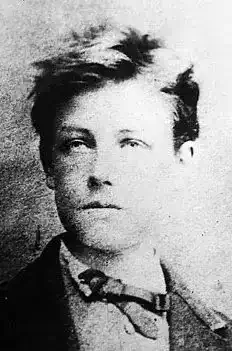
Arthur Rimbaud
Brussels
Brussels
Boulevard du Régent
July Flowerbeds of amaranths right up to
The pleasant palace of Jupiter. -
I know it is Thou, who is this place,
Minglest thine almost Saharan Blue !
Then, since rose and fir-tree of the sun
And tropical creeper have their play enclosed here,
The little widow's cage !...
What, Flocks of birds, o iaio, iaio !... -
Calm houses, old passions !
Summerhouse of the Lady who ran mad for love.
After the buttocks of the rosebushes,
the balcony Of Juliet, shadowy and very low. -
La Juliette, that reminds me of l'Henriette,
A charming railway station,
At the heart of a mountain, as if the bottom of an orchard
Where a thousand blue devils dance in the air !
Green bench where in stormy paradise,
The white Irish girl sings to the guitar.
Then, from the Guianian dining-room,
Chatter of children and of cages.
The duke's window which makes me think
Of the poison of snails and of boxwood
Sleeping down here in the sun.
And then, It is too beautiful ! too ! Let us maintain our silence. -
Boulevard without movement or business,
Dumb, every drama and every comedy,
Unending concentration of scenes,
I know you and I admire you in silence.
*** Is she an Almeh ?...
in the first blue hours
Will she destroy herself like flowers of fire...
In front of the splendid sweep where one may smell
The enormous flowering city's breath !
It's too beautiful ! It's too beautiful ! but it is necessary -
For the Fisherwoman*
and the Corsair's song,
And also because the last masqueraders still believed
In nocturnal festivities on the pure sea !
Boulevard du Régent
July Flowerbeds of amaranths right up to
The pleasant palace of Jupiter. -
I know it is Thou, who is this place,
Minglest thine almost Saharan Blue !
Then, since rose and fir-tree of the sun
And tropical creeper have their play enclosed here,
The little widow's cage !...
What, Flocks of birds, o iaio, iaio !... -
Calm houses, old passions !
Summerhouse of the Lady who ran mad for love.
After the buttocks of the rosebushes,
the balcony Of Juliet, shadowy and very low. -
La Juliette, that reminds me of l'Henriette,
A charming railway station,
At the heart of a mountain, as if the bottom of an orchard
Where a thousand blue devils dance in the air !
Green bench where in stormy paradise,
The white Irish girl sings to the guitar.
Then, from the Guianian dining-room,
Chatter of children and of cages.
The duke's window which makes me think
Of the poison of snails and of boxwood
Sleeping down here in the sun.
And then, It is too beautiful ! too ! Let us maintain our silence. -
Boulevard without movement or business,
Dumb, every drama and every comedy,
Unending concentration of scenes,
I know you and I admire you in silence.
*** Is she an Almeh ?...
in the first blue hours
Will she destroy herself like flowers of fire...
In front of the splendid sweep where one may smell
The enormous flowering city's breath !
It's too beautiful ! It's too beautiful ! but it is necessary -
For the Fisherwoman*
and the Corsair's song,
And also because the last masqueraders still believed
In nocturnal festivities on the pure sea !
716
Arthur Rimbaud
Being Beauteous
Being Beauteous
Against a fall of snow, a Being Beauiful, and very tall.
Whistlings of death and circles of faint music
Make this adored body, swelling and trembling
Like a specter, rise...
Black and scarlet gashes burst in the gleaming flesh.
The true colors of life grow dark,
Shimmering and sperate
In the scaffolding, around the Vision.
Shiverings mutter and rise,
And the furious taste of these effects is charged
With deadly whistlings and the raucous music
That the world, far behind us, hurls at our mother of beauty...
She retreats, she rises up...
Oh! Our bones have put on new flesh, for love.
Oh ash-white face
Oh tousled hair
O crystal arms!
On this cannot I mean to destroy myself
In a swirling of trees and soft air!
Against a fall of snow, a Being Beauiful, and very tall.
Whistlings of death and circles of faint music
Make this adored body, swelling and trembling
Like a specter, rise...
Black and scarlet gashes burst in the gleaming flesh.
The true colors of life grow dark,
Shimmering and sperate
In the scaffolding, around the Vision.
Shiverings mutter and rise,
And the furious taste of these effects is charged
With deadly whistlings and the raucous music
That the world, far behind us, hurls at our mother of beauty...
She retreats, she rises up...
Oh! Our bones have put on new flesh, for love.
Oh ash-white face
Oh tousled hair
O crystal arms!
On this cannot I mean to destroy myself
In a swirling of trees and soft air!
861
Arthur Rimbaud
Being Beauteous
Being Beauteous
Against a fall of snow, a Being Beauiful, and very tall.
Whistlings of death and circles of faint music
Make this adored body, swelling and trembling
Like a specter, rise...
Black and scarlet gashes burst in the gleaming flesh.
The true colors of life grow dark,
Shimmering and sperate
In the scaffolding, around the Vision.
Shiverings mutter and rise,
And the furious taste of these effects is charged
With deadly whistlings and the raucous music
That the world, far behind us, hurls at our mother of beauty...
She retreats, she rises up...
Oh! Our bones have put on new flesh, for love.
Oh ash-white face
Oh tousled hair
O crystal arms!
On this cannot I mean to destroy myself
In a swirling of trees and soft air!
Against a fall of snow, a Being Beauiful, and very tall.
Whistlings of death and circles of faint music
Make this adored body, swelling and trembling
Like a specter, rise...
Black and scarlet gashes burst in the gleaming flesh.
The true colors of life grow dark,
Shimmering and sperate
In the scaffolding, around the Vision.
Shiverings mutter and rise,
And the furious taste of these effects is charged
With deadly whistlings and the raucous music
That the world, far behind us, hurls at our mother of beauty...
She retreats, she rises up...
Oh! Our bones have put on new flesh, for love.
Oh ash-white face
Oh tousled hair
O crystal arms!
On this cannot I mean to destroy myself
In a swirling of trees and soft air!
861
Arthur Rimbaud
Antique
Antique
Gracious son of Pan! Around your forehead
crowned with flowerets
and with laurel, restlessly roll
those precious balls, your eyes.
Spotted with brown lees, your cheeks are hollow.
Your fangs gleam. Your breast is like a lyre,
tinklings circulate through your pale arms.
Your heart beats in that belly where sleeps the double sex.
Walk through the night, gently moving that thigh,
that second thigh, and that left leg.
Gracious son of Pan! Around your forehead
crowned with flowerets
and with laurel, restlessly roll
those precious balls, your eyes.
Spotted with brown lees, your cheeks are hollow.
Your fangs gleam. Your breast is like a lyre,
tinklings circulate through your pale arms.
Your heart beats in that belly where sleeps the double sex.
Walk through the night, gently moving that thigh,
that second thigh, and that left leg.
613
Arthur Rimbaud
Antique
Antique
Gracious son of Pan! Around your forehead
crowned with flowerets
and with laurel, restlessly roll
those precious balls, your eyes.
Spotted with brown lees, your cheeks are hollow.
Your fangs gleam. Your breast is like a lyre,
tinklings circulate through your pale arms.
Your heart beats in that belly where sleeps the double sex.
Walk through the night, gently moving that thigh,
that second thigh, and that left leg.
Gracious son of Pan! Around your forehead
crowned with flowerets
and with laurel, restlessly roll
those precious balls, your eyes.
Spotted with brown lees, your cheeks are hollow.
Your fangs gleam. Your breast is like a lyre,
tinklings circulate through your pale arms.
Your heart beats in that belly where sleeps the double sex.
Walk through the night, gently moving that thigh,
that second thigh, and that left leg.
613

Anonymous
When Flora had O'erfret the Firth
When Flora had O'erfret the Firth
QUHEN Flora had o'erfret the firth
In May of every moneth queen;
Quhen merle and mavis singis with mirth
Sweet melling in the shawis sheen;
Quhen all luvaris rejoicit bene
And most desirous of their prey,
I heard a lusty luvar mene
--'I luve, but I dare nocht assay!'
'Strong are the pains I daily prove,
But yet with patience I sustene,
I am so fetterit with the luve
Only of my lady sheen,
Quhilk for her beauty micht be queen,
Nature so craftily alway
Has done depaint that sweet serene:
--Quhom I luve I dare nocht assay.
'She is so bricht of hyd and hue,
I luve but her alone, I ween;
Is none her luve that may eschew,
That blinkis of that dulce amene;
So comely cleir are her twa een
That she mae luvaris dois affray
Than ever of Greece did fair Helene:
--Quhom I luve I dare nocht assay!'
QUHEN Flora had o'erfret the firth
In May of every moneth queen;
Quhen merle and mavis singis with mirth
Sweet melling in the shawis sheen;
Quhen all luvaris rejoicit bene
And most desirous of their prey,
I heard a lusty luvar mene
--'I luve, but I dare nocht assay!'
'Strong are the pains I daily prove,
But yet with patience I sustene,
I am so fetterit with the luve
Only of my lady sheen,
Quhilk for her beauty micht be queen,
Nature so craftily alway
Has done depaint that sweet serene:
--Quhom I luve I dare nocht assay.
'She is so bricht of hyd and hue,
I luve but her alone, I ween;
Is none her luve that may eschew,
That blinkis of that dulce amene;
So comely cleir are her twa een
That she mae luvaris dois affray
Than ever of Greece did fair Helene:
--Quhom I luve I dare nocht assay!'
193
Anonymous
There is a Lady sweet and kind, Thomas Ford's Music of Sundry Kinds
There is a Lady sweet and kind, Thomas Ford's Music of Sundry Kinds
THERE is a Lady sweet and kind,
Was never face so pleased my mind;
I did but see her passing by,
And yet I love her till I die.
Her gesture, motion, and her smiles,
Her wit, her voice my heart beguiles,
Beguiles my heart, I know not why,
And yet I love her till I die.
Cupid is winged and doth range,
Her country so my love doth change:
But change she earth, or change she sky,
Yet will I love her till I die.
THERE is a Lady sweet and kind,
Was never face so pleased my mind;
I did but see her passing by,
And yet I love her till I die.
Her gesture, motion, and her smiles,
Her wit, her voice my heart beguiles,
Beguiles my heart, I know not why,
And yet I love her till I die.
Cupid is winged and doth range,
Her country so my love doth change:
But change she earth, or change she sky,
Yet will I love her till I die.
303
Anonymous
The Wakening, John Attye's First Book of Airs
The Wakening, John Attye's First Book of Airs
ON a time the amorous Silvy
Said to her shepherd, 'Sweet, how do ye?
Kiss me this once and then God be with ye,
My sweetest dear!
Kiss me this once and then God be with ye,
For now the morning draweth near.'
With that, her fairest bosom showing,
Op'ning her lips, rich perfumes blowing,
She said, 'Now kiss me and be going,
My sweetest dear!
Kiss me this once and then be going,
For now the morning draweth near.'
With that the shepherd waked from sleeping,
And spying where the day was peeping,
He said, 'Now take my soul in keeping,
My sweetest dear!
Kiss me and take my soul in keeping,
Since I must go, now day is near.'
ON a time the amorous Silvy
Said to her shepherd, 'Sweet, how do ye?
Kiss me this once and then God be with ye,
My sweetest dear!
Kiss me this once and then God be with ye,
For now the morning draweth near.'
With that, her fairest bosom showing,
Op'ning her lips, rich perfumes blowing,
She said, 'Now kiss me and be going,
My sweetest dear!
Kiss me this once and then be going,
For now the morning draweth near.'
With that the shepherd waked from sleeping,
And spying where the day was peeping,
He said, 'Now take my soul in keeping,
My sweetest dear!
Kiss me and take my soul in keeping,
Since I must go, now day is near.'
181
Anonymous
The Seven Virgins
The Seven Virgins
ALL under the leaves and the leaves of life
I met with virgins seven,
And one of them was Mary mild,
Our Lord's mother of Heaven.
'O what are you seeking, you seven fair maids,
All under the leaves of life?
Come tell, come tell, what seek you
All under the leaves of life?'
'We're seeking for no leaves, Thomas,
But for a friend of thine;
We're seeking for sweet Jesus Christ,
To be our guide and thine.'
'Go down, go down, to yonder town,
And sit in the gallery,
And there you'll see sweet Jesus Christ
Nail'd to a big yew-tree.'
So down they went to yonder town
As fast as foot could fall,
And many a grievous bitter tear
From the virgins' eyes did fall.
'O peace, Mother, O peace, Mother,
Your weeping doth me grieve:
I must suffer this,' He said,
'For Adam and for Eve.
'O Mother, take you John Evangelist
All for to be your son,
And he will comfort you sometimes,
Mother, as I have done.'
'O come, thou John Evangelist,
Thou'rt welcome unto me;
But more welcome my own dear Son,
Whom I nursed on my knee.'
Then He laid His head on His right shoulder,
Seeing death it struck Him nigh--
'The Holy Ghost be with your soul,
I die, Mother dear, I die.'
O the rose, the gentle rose,
And the fennel that grows so green!
God give us grace in every place
To pray for our king and queen.
Furthermore for our enemies all
Our prayers they should be strong:
Amen, good Lord; your charity
Is the ending of my song.
ALL under the leaves and the leaves of life
I met with virgins seven,
And one of them was Mary mild,
Our Lord's mother of Heaven.
'O what are you seeking, you seven fair maids,
All under the leaves of life?
Come tell, come tell, what seek you
All under the leaves of life?'
'We're seeking for no leaves, Thomas,
But for a friend of thine;
We're seeking for sweet Jesus Christ,
To be our guide and thine.'
'Go down, go down, to yonder town,
And sit in the gallery,
And there you'll see sweet Jesus Christ
Nail'd to a big yew-tree.'
So down they went to yonder town
As fast as foot could fall,
And many a grievous bitter tear
From the virgins' eyes did fall.
'O peace, Mother, O peace, Mother,
Your weeping doth me grieve:
I must suffer this,' He said,
'For Adam and for Eve.
'O Mother, take you John Evangelist
All for to be your son,
And he will comfort you sometimes,
Mother, as I have done.'
'O come, thou John Evangelist,
Thou'rt welcome unto me;
But more welcome my own dear Son,
Whom I nursed on my knee.'
Then He laid His head on His right shoulder,
Seeing death it struck Him nigh--
'The Holy Ghost be with your soul,
I die, Mother dear, I die.'
O the rose, the gentle rose,
And the fennel that grows so green!
God give us grace in every place
To pray for our king and queen.
Furthermore for our enemies all
Our prayers they should be strong:
Amen, good Lord; your charity
Is the ending of my song.
209
Anonymous
The Means to attain Happy Life
The Means to attain Happy Life
MARTIAL, the things that do attain
The happy life be these, I find:--
The richesse left, not got with pain;
The fruitful ground, the quiet mind;
The equal friend; no grudge, no strife;
No charge of rule, nor governance;
Without disease, the healthful life;
The household of continuance;
The mean diet, no delicate fare;
True wisdom join'd with simpleness;
The night discharged of all care,
Where wine the wit may not oppress.
The faithful wife, without debate;
Such sleeps as may beguile the night:
Contented with thine own estate
Ne wish for death, ne fear his might.
MARTIAL, the things that do attain
The happy life be these, I find:--
The richesse left, not got with pain;
The fruitful ground, the quiet mind;
The equal friend; no grudge, no strife;
No charge of rule, nor governance;
Without disease, the healthful life;
The household of continuance;
The mean diet, no delicate fare;
True wisdom join'd with simpleness;
The night discharged of all care,
Where wine the wit may not oppress.
The faithful wife, without debate;
Such sleeps as may beguile the night:
Contented with thine own estate
Ne wish for death, ne fear his might.
249
Anonymous
The Call
The Call
MY blood so red
For thee was shed,
Come home again, come home again;
My own sweet heart, come home again!
You've gone astray
Out of your way,
Come home again, come home again!
MY blood so red
For thee was shed,
Come home again, come home again;
My own sweet heart, come home again!
You've gone astray
Out of your way,
Come home again, come home again!
257
Anonymous
Since First I saw your Face, Thomas Ford's Music of Sundry Kinds
Since First I saw your Face, Thomas Ford's Music of Sundry Kinds
SINCE first I saw your face I resolved to honour and renown ye;
If now I be disdained I wish my heart had never known ye.
What? I that loved and you that liked, shall we begin to wrangle?
No, no, no, my heart is fast, and cannot disentangle.
If I admire or praise you too much, that fault you may forgive me;
Or if my hands had stray'd but a touch, then justly might you leave
me.
I ask'd you leave, you bade me love; is 't now a time to chide me?
No, no, no, I'll love you still what fortune e'er betide me.
The Sun, whose beams most glorious are, rejecteth no beholder,
And your sweet beauty past compare made my poor eyes the bolder:
Where beauty moves and wit delights and signs of kindness bind me,
There, O there! where'er I go I'll leave my heart behind me!
SINCE first I saw your face I resolved to honour and renown ye;
If now I be disdained I wish my heart had never known ye.
What? I that loved and you that liked, shall we begin to wrangle?
No, no, no, my heart is fast, and cannot disentangle.
If I admire or praise you too much, that fault you may forgive me;
Or if my hands had stray'd but a touch, then justly might you leave
me.
I ask'd you leave, you bade me love; is 't now a time to chide me?
No, no, no, I'll love you still what fortune e'er betide me.
The Sun, whose beams most glorious are, rejecteth no beholder,
And your sweet beauty past compare made my poor eyes the bolder:
Where beauty moves and wit delights and signs of kindness bind me,
There, O there! where'er I go I'll leave my heart behind me!
273
Anonymous
Quia Amore Langueo
Quia Amore Langueo
IN a valley of this restles mind
I sought in mountain and in mead,
Trusting a true love for to find.
Upon an hill then took I heed;
A voice I heard (and near I yede)
In great dolour complaining tho:
See, dear soul, how my sides bleed
Quia amore langueo.
Upon this hill I found a tree,
Under a tree a man sitting;
From head to foot wounded was he;
His hearte blood I saw bleeding:
A seemly man to be a king,
A gracious face to look unto.
I asked why he had paining;
[He said,] Quia amore langueo.
I am true love that false was never;
My sister, man's soul, I loved her thus.
Because we would in no wise dissever
I left my kingdom glorious.
I purveyed her a palace full precious;
She fled, I followed, I loved her so
That I suffered this pain piteous
Quia amore langueo.
My fair love and my spouse bright!
I saved her from beating, and she hath me bet;
I clothed her in grace and heavenly light;
This bloody shirt she hath on me set;
For longing of love yet would I not let;
Sweete strokes are these: lo!
I have loved her ever as I her het
Quia amore langueo.
I crowned her with bliss and she me with thorn;
I led her to chamber and she me to die;
I brought her to worship and she me to scorn;
I did her reverence and she me villany.
To love that loveth is no maistry;
Her hate made never my love her foe:
Ask me then no question why--
Quia amore langueo.
Look unto mine handes, man!
These gloves were given me when I her sought;
They be not white, but red and wan;
Embroidered with blood my spouse them brought.
They will not off; I loose hem nought;
I woo her with hem wherever she go.
These hands for her so friendly fought
Quia amore langueo.
Marvel not, man, though I sit still.
See, love hath shod me wonder strait:
Buckled my feet, as was her will,
With sharpe nails (well thou may'st wait!)
In my love was never desait;
All my membres I have opened her to;
My body I made her herte's bait
Quia amore langueo.
In my side I have made her nest;
Look in, how weet a wound is here!
This is her chamber, here shall she rest,
That she and I may sleep in fere.
Here may she wash, if any filth were;
Here is seat for all her woe;
Come when she will, she shall have cheer
Quia amore langueo.
I will abide till she be ready,
I will her sue if she say nay;
If she be retchless I will be greedy,
If she be dangerous I will her pray;
If she weep, then bide I ne may:
Mine arms ben spread to clip her me to.
Cry once, I come: now, soul, assay
Quia amore langueo.
Fair love, let us go play:
Apples ben ripe in my gardayne.
I shall thee clothe in a new array,
Thy meat shall be milk, honey and wine.
Fair love, let us go dine:
Thy sustenance is in my crippe, lo!
Tarry thou not, my fair spouse mine,
Quia amore langueo.
If thou be foul, I shall thee make clean;
If thou be sick, I shall thee heal;
If thou mourn ought, I shall thee mene;
Why wilt thou not, fair love, with me deal?
Foundest thou ever love so leal?
What wilt thou, soul, that I shall do?
I may not unkindly thee appeal
Quia amore langueo.
What shall I do now with my spouse
But abide her of my gentleness,
Till that she look out of her house
Of fleshly affection? love mine she is;
Her bed is made, her bolster is bliss,
Her chamber is chosen; is there none mo.
Look out on me at the window of kindeness
Quia amore langueo.
My love is in her chamber: hold your peace!
Make ye no noise, but let her sleep.
My babe I would not were in disease,
I may not hear my dear child weep.
With my pap I shall her keep;
Ne marvel ye not though I tend her to:
This wound in my side had ne'er be so deep
But Quia amore langueo.
Long thou for love never so high,
My love is more than thine may be.
Thou weepest, thou gladdest, I sit thee by:
Yet wouldst thou once, love, look unto me!
Should I always feede thee
With children meat? Nay, love, not so!
I will prove thy love with adversite
Quia amore langueo.
Wax not weary, mine own wife!
What mede is aye to live in comfort?
In tribulation I reign more rife
Ofter times than in disport.
In weal and in woe I am aye to support:
Mine own wife, go not me fro!
Thy mede is marked, when thou art mort:
Quia amore langueo.
IN a valley of this restles mind
I sought in mountain and in mead,
Trusting a true love for to find.
Upon an hill then took I heed;
A voice I heard (and near I yede)
In great dolour complaining tho:
See, dear soul, how my sides bleed
Quia amore langueo.
Upon this hill I found a tree,
Under a tree a man sitting;
From head to foot wounded was he;
His hearte blood I saw bleeding:
A seemly man to be a king,
A gracious face to look unto.
I asked why he had paining;
[He said,] Quia amore langueo.
I am true love that false was never;
My sister, man's soul, I loved her thus.
Because we would in no wise dissever
I left my kingdom glorious.
I purveyed her a palace full precious;
She fled, I followed, I loved her so
That I suffered this pain piteous
Quia amore langueo.
My fair love and my spouse bright!
I saved her from beating, and she hath me bet;
I clothed her in grace and heavenly light;
This bloody shirt she hath on me set;
For longing of love yet would I not let;
Sweete strokes are these: lo!
I have loved her ever as I her het
Quia amore langueo.
I crowned her with bliss and she me with thorn;
I led her to chamber and she me to die;
I brought her to worship and she me to scorn;
I did her reverence and she me villany.
To love that loveth is no maistry;
Her hate made never my love her foe:
Ask me then no question why--
Quia amore langueo.
Look unto mine handes, man!
These gloves were given me when I her sought;
They be not white, but red and wan;
Embroidered with blood my spouse them brought.
They will not off; I loose hem nought;
I woo her with hem wherever she go.
These hands for her so friendly fought
Quia amore langueo.
Marvel not, man, though I sit still.
See, love hath shod me wonder strait:
Buckled my feet, as was her will,
With sharpe nails (well thou may'st wait!)
In my love was never desait;
All my membres I have opened her to;
My body I made her herte's bait
Quia amore langueo.
In my side I have made her nest;
Look in, how weet a wound is here!
This is her chamber, here shall she rest,
That she and I may sleep in fere.
Here may she wash, if any filth were;
Here is seat for all her woe;
Come when she will, she shall have cheer
Quia amore langueo.
I will abide till she be ready,
I will her sue if she say nay;
If she be retchless I will be greedy,
If she be dangerous I will her pray;
If she weep, then bide I ne may:
Mine arms ben spread to clip her me to.
Cry once, I come: now, soul, assay
Quia amore langueo.
Fair love, let us go play:
Apples ben ripe in my gardayne.
I shall thee clothe in a new array,
Thy meat shall be milk, honey and wine.
Fair love, let us go dine:
Thy sustenance is in my crippe, lo!
Tarry thou not, my fair spouse mine,
Quia amore langueo.
If thou be foul, I shall thee make clean;
If thou be sick, I shall thee heal;
If thou mourn ought, I shall thee mene;
Why wilt thou not, fair love, with me deal?
Foundest thou ever love so leal?
What wilt thou, soul, that I shall do?
I may not unkindly thee appeal
Quia amore langueo.
What shall I do now with my spouse
But abide her of my gentleness,
Till that she look out of her house
Of fleshly affection? love mine she is;
Her bed is made, her bolster is bliss,
Her chamber is chosen; is there none mo.
Look out on me at the window of kindeness
Quia amore langueo.
My love is in her chamber: hold your peace!
Make ye no noise, but let her sleep.
My babe I would not were in disease,
I may not hear my dear child weep.
With my pap I shall her keep;
Ne marvel ye not though I tend her to:
This wound in my side had ne'er be so deep
But Quia amore langueo.
Long thou for love never so high,
My love is more than thine may be.
Thou weepest, thou gladdest, I sit thee by:
Yet wouldst thou once, love, look unto me!
Should I always feede thee
With children meat? Nay, love, not so!
I will prove thy love with adversite
Quia amore langueo.
Wax not weary, mine own wife!
What mede is aye to live in comfort?
In tribulation I reign more rife
Ofter times than in disport.
In weal and in woe I am aye to support:
Mine own wife, go not me fro!
Thy mede is marked, when thou art mort:
Quia amore langueo.
255
Anonymous
Pipe and Can
Pipe and Can
I
THE Indian weed withered quite;
Green at morn, cut down at night;
Shows thy decay: all flesh is hay:
Thus think, then drink Tobacco.
And when the smoke ascends on high,
Think thou behold'st the vanity
Of worldly stuff, gone with a puff:
Thus think, then drink Tobacco.
But when the pipe grows foul within,
Think of thy soul defiled with sin,
And that the fire doth it require:
Thus think, then drink Tobacco.
The ashes, that are left behind,
May serve to put thee still in mind
That unto dust return thou must:
Thus think, then drink Tobacco.
II
WHEN as the chill Charokko blows,
And Winter tells a heavy tale;
When pyes and daws and rooks and crows
Sit cursing of the frosts and snows;
Then give me ale.
Ale in a Saxon rumkin then,
Such as will make grimalkin prate;
Bids valour burgeon in tall men,
Quickens the poet's wit and pen,
Despises fate.
Ale, that the absent battle fights,
And frames the march of Swedish drum,
Disputes with princes, laws, and rights,
What 's done and past tells mortal wights,
And what 's to come.
Ale, that the plowman's heart up-keeps
And equals it with tyrants' thrones,
That wipes the eye that over-weeps,
And lulls in sure and dainty sleeps
Th' o'er-wearied bones.
Grandchild of Ceres, Bacchus' daughter,
Wine's emulous neighbour, though but stale,
Ennobling all the nymphs of water,
And filling each man's heart with laughter--
Ha! give me ale!
I
THE Indian weed withered quite;
Green at morn, cut down at night;
Shows thy decay: all flesh is hay:
Thus think, then drink Tobacco.
And when the smoke ascends on high,
Think thou behold'st the vanity
Of worldly stuff, gone with a puff:
Thus think, then drink Tobacco.
But when the pipe grows foul within,
Think of thy soul defiled with sin,
And that the fire doth it require:
Thus think, then drink Tobacco.
The ashes, that are left behind,
May serve to put thee still in mind
That unto dust return thou must:
Thus think, then drink Tobacco.
II
WHEN as the chill Charokko blows,
And Winter tells a heavy tale;
When pyes and daws and rooks and crows
Sit cursing of the frosts and snows;
Then give me ale.
Ale in a Saxon rumkin then,
Such as will make grimalkin prate;
Bids valour burgeon in tall men,
Quickens the poet's wit and pen,
Despises fate.
Ale, that the absent battle fights,
And frames the march of Swedish drum,
Disputes with princes, laws, and rights,
What 's done and past tells mortal wights,
And what 's to come.
Ale, that the plowman's heart up-keeps
And equals it with tyrants' thrones,
That wipes the eye that over-weeps,
And lulls in sure and dainty sleeps
Th' o'er-wearied bones.
Grandchild of Ceres, Bacchus' daughter,
Wine's emulous neighbour, though but stale,
Ennobling all the nymphs of water,
And filling each man's heart with laughter--
Ha! give me ale!
232
Anonymous
Pipe and Can
Pipe and Can
I
THE Indian weed withered quite;
Green at morn, cut down at night;
Shows thy decay: all flesh is hay:
Thus think, then drink Tobacco.
And when the smoke ascends on high,
Think thou behold'st the vanity
Of worldly stuff, gone with a puff:
Thus think, then drink Tobacco.
But when the pipe grows foul within,
Think of thy soul defiled with sin,
And that the fire doth it require:
Thus think, then drink Tobacco.
The ashes, that are left behind,
May serve to put thee still in mind
That unto dust return thou must:
Thus think, then drink Tobacco.
II
WHEN as the chill Charokko blows,
And Winter tells a heavy tale;
When pyes and daws and rooks and crows
Sit cursing of the frosts and snows;
Then give me ale.
Ale in a Saxon rumkin then,
Such as will make grimalkin prate;
Bids valour burgeon in tall men,
Quickens the poet's wit and pen,
Despises fate.
Ale, that the absent battle fights,
And frames the march of Swedish drum,
Disputes with princes, laws, and rights,
What 's done and past tells mortal wights,
And what 's to come.
Ale, that the plowman's heart up-keeps
And equals it with tyrants' thrones,
That wipes the eye that over-weeps,
And lulls in sure and dainty sleeps
Th' o'er-wearied bones.
Grandchild of Ceres, Bacchus' daughter,
Wine's emulous neighbour, though but stale,
Ennobling all the nymphs of water,
And filling each man's heart with laughter--
Ha! give me ale!
I
THE Indian weed withered quite;
Green at morn, cut down at night;
Shows thy decay: all flesh is hay:
Thus think, then drink Tobacco.
And when the smoke ascends on high,
Think thou behold'st the vanity
Of worldly stuff, gone with a puff:
Thus think, then drink Tobacco.
But when the pipe grows foul within,
Think of thy soul defiled with sin,
And that the fire doth it require:
Thus think, then drink Tobacco.
The ashes, that are left behind,
May serve to put thee still in mind
That unto dust return thou must:
Thus think, then drink Tobacco.
II
WHEN as the chill Charokko blows,
And Winter tells a heavy tale;
When pyes and daws and rooks and crows
Sit cursing of the frosts and snows;
Then give me ale.
Ale in a Saxon rumkin then,
Such as will make grimalkin prate;
Bids valour burgeon in tall men,
Quickens the poet's wit and pen,
Despises fate.
Ale, that the absent battle fights,
And frames the march of Swedish drum,
Disputes with princes, laws, and rights,
What 's done and past tells mortal wights,
And what 's to come.
Ale, that the plowman's heart up-keeps
And equals it with tyrants' thrones,
That wipes the eye that over-weeps,
And lulls in sure and dainty sleeps
Th' o'er-wearied bones.
Grandchild of Ceres, Bacchus' daughter,
Wine's emulous neighbour, though but stale,
Ennobling all the nymphs of water,
And filling each man's heart with laughter--
Ha! give me ale!
232
Anonymous
Of a rose, a lovely rose, Of a rose is al myn song.
Of a rose, a lovely rose, Of a rose is al myn song.
LESTENYT, lordynges, both elde and yinge,
How this rose began to sprynge;
Swych a rose to myn lykynge
In al this word ne knowe I non.
The Aungil came fro hevene tour,
To grete Marye with gret honour,
And seyde sche xuld bere the flour
That xulde breke the fyndes bond.
The flour sprong in heye Bedlem,
That is bothe bryht and schen:
The rose is Mary hevene qwyn,
Out of here bosum the blosme sprong.
The ferste braunche is ful of myht,
That sprang on Cyrstemesse nyht,
The sterre schon over Bedlem bryht
That is bothe brod and long.
The secunde braunche sprong to helle,
The fendys power doun to felle:
Therein myht non sowle dwelle;
Blyssid be the time the rose sprong!
The thredde braunche is good and swote,
It sprang to hevene crop and rote,
Therein to dwellyn and ben our bote;
Every day it schewit in prystes hond.
Prey we to here with gret honour,
Che that bar the blyssid flowr,
Che be our helpe and our socour
And schyd us fro the fyndes bond.
LESTENYT, lordynges, both elde and yinge,
How this rose began to sprynge;
Swych a rose to myn lykynge
In al this word ne knowe I non.
The Aungil came fro hevene tour,
To grete Marye with gret honour,
And seyde sche xuld bere the flour
That xulde breke the fyndes bond.
The flour sprong in heye Bedlem,
That is bothe bryht and schen:
The rose is Mary hevene qwyn,
Out of here bosum the blosme sprong.
The ferste braunche is ful of myht,
That sprang on Cyrstemesse nyht,
The sterre schon over Bedlem bryht
That is bothe brod and long.
The secunde braunche sprong to helle,
The fendys power doun to felle:
Therein myht non sowle dwelle;
Blyssid be the time the rose sprong!
The thredde braunche is good and swote,
It sprang to hevene crop and rote,
Therein to dwellyn and ben our bote;
Every day it schewit in prystes hond.
Prey we to here with gret honour,
Che that bar the blyssid flowr,
Che be our helpe and our socour
And schyd us fro the fyndes bond.
224
Anonymous
My Lady's Tears, John Dowland's Third and Last Book of Songs or Airs
My Lady's Tears, John Dowland's Third and Last Book of Songs or Airs
I SAW my Lady weep,
And Sorrow proud to be advanced so
In those fair eyes where all perfections keep.
Her face was full of woe;
But such a woe (believe me) as wins more hearts
Than Mirth can do with her enticing parts.
Sorrow was there made fair,
And Passion wise; Tears a delightful thing;
Silence beyond all speech, a wisdom rare:
She made her sighs to sing,
And all things with so sweet a sadness move
As made my heart at once both grieve and love.
O fairer than aught else
The world can show, leave off in time to grieve!
Enough, enough: your joyful look excels:
Tears kill the heart, believe.
O strive not to be excellent in woe,
Which only breeds your beauty's overthrow.
I SAW my Lady weep,
And Sorrow proud to be advanced so
In those fair eyes where all perfections keep.
Her face was full of woe;
But such a woe (believe me) as wins more hearts
Than Mirth can do with her enticing parts.
Sorrow was there made fair,
And Passion wise; Tears a delightful thing;
Silence beyond all speech, a wisdom rare:
She made her sighs to sing,
And all things with so sweet a sadness move
As made my heart at once both grieve and love.
O fairer than aught else
The world can show, leave off in time to grieve!
Enough, enough: your joyful look excels:
Tears kill the heart, believe.
O strive not to be excellent in woe,
Which only breeds your beauty's overthrow.
260
Anonymous
Dominus Illuminatio Mea
Dominus Illuminatio Mea
IN the hour of death, after this life's whim,
When the heart beats low, and the eyes grow dim,
And pain has exhausted every limb--
The lover of the Lord shall trust in Him.
When the will has forgotten the lifelong aim,
And the mind can only disgrace its fame,
And a man is uncertain of his own name--
The power of the Lord shall fill this frame.
When the last sigh is heaved, and the last tear shed,
And the coffin is waiting beside the bed,
And the widow and child forsake the dead--
The angel of the Lord shall lift this head.
For even the purest delight may pall,
And power must fail, and the pride must fall,
And the love of the dearest friends grow small--
But the glory of the Lord is all in all.
IN the hour of death, after this life's whim,
When the heart beats low, and the eyes grow dim,
And pain has exhausted every limb--
The lover of the Lord shall trust in Him.
When the will has forgotten the lifelong aim,
And the mind can only disgrace its fame,
And a man is uncertain of his own name--
The power of the Lord shall fill this frame.
When the last sigh is heaved, and the last tear shed,
And the coffin is waiting beside the bed,
And the widow and child forsake the dead--
The angel of the Lord shall lift this head.
For even the purest delight may pall,
And power must fail, and the pride must fall,
And the love of the dearest friends grow small--
But the glory of the Lord is all in all.
292
Anonymous
Devotion, Captain Tobias Hume's The First Part of Airs, &c.
Devotion, Captain Tobias Hume's The First Part of Airs, &c.
FAIN would I change that note
To which fond Love hath charm'd me
Long, long to sing by rote,
Fancying that that harm'd me:
Yet when this thought doth come,
'Love is the perfect sum
Of all delight,'
I have no other choice
Either for pen or voice
To sing or write.
O Love! they wrong thee much
That say thy sweet is bitter,
When thy rich fruit is such
As nothing can be sweeter.
Fair house of joy and bliss,
Where truest pleasure is,
I do adore thee:
I know thee what thou art,
I serve thee with my heart,
And fall before thee.
FAIN would I change that note
To which fond Love hath charm'd me
Long, long to sing by rote,
Fancying that that harm'd me:
Yet when this thought doth come,
'Love is the perfect sum
Of all delight,'
I have no other choice
Either for pen or voice
To sing or write.
O Love! they wrong thee much
That say thy sweet is bitter,
When thy rich fruit is such
As nothing can be sweeter.
Fair house of joy and bliss,
Where truest pleasure is,
I do adore thee:
I know thee what thou art,
I serve thee with my heart,
And fall before thee.
217
Anonymous
Cradle Song
Cradle Song
O MY deir hert, young Jesus sweit,
Prepare thy creddil in my spreit,
And I sall rock thee in my hert
And never mair from thee depart.
But I sall praise thee evermoir
With sangis sweit unto thy gloir;
The knees of my hert sall I bow,
And sing that richt Balulalow!
O MY deir hert, young Jesus sweit,
Prepare thy creddil in my spreit,
And I sall rock thee in my hert
And never mair from thee depart.
But I sall praise thee evermoir
With sangis sweit unto thy gloir;
The knees of my hert sall I bow,
And sing that richt Balulalow!
289
Anonymous
Blow, Northern Wind
Blow, Northern Wind
ICHOT a burde in boure bryht,
That fully semly is on syht,
Menskful maiden of myht;
Feir ant fre to fonde;
In al this wurhliche won
A burde of blod ant of bon
Never yete y nuste non
Lussomore in londe.
Blou northerne wynd!
Send thou me my suetyng!
Blou northerne wynd! blou, blou, blou!
With lokkes lefliche ant longe,
With frount ant face feir to fonge,
With murthes monie mote heo monge,
That brid so breme in boure.
With lossom eye grete ant gode,
With browen blysfol under hode,
He that reste him on the Rode,
That leflych lyf honoure.
Blou northerne wynd, etc.
Hire lure lumes liht,
Ase a launterne a nyht,
Hire bleo blykyeth so bryht.
So feyr heo is ant fyn.
A suetly swyre heo hath to holde,
With armes shuldre ase mon wolde,
Ant fingres feyre forte folde,
God wolde hue were myn!
Blou northerne wynd, etc.
Heo is coral of godnesse,
Heo is rubie of ryhtfulnesse,
Heo is cristal of clannesse,
Ant baner of bealte.
Heo is lilie of largesse,
Heo is parvenke of prouesse,
Heo is solsecle of suetnesse,
Ant lady of lealte.
For hire love y carke ant care,
For hire love y droupne ant dare,
For hire love my blisse is bare
Ant al ich waxe won,
For hire love in slep y slake,
For hire love al nyht ich wake,
For hire love mournynge y make
More then eny mon.
Blou northerne wynd!
Send thou me my suetyng!
Blou northerne wynd! blou, blou, blou!
ICHOT a burde in boure bryht,
That fully semly is on syht,
Menskful maiden of myht;
Feir ant fre to fonde;
In al this wurhliche won
A burde of blod ant of bon
Never yete y nuste non
Lussomore in londe.
Blou northerne wynd!
Send thou me my suetyng!
Blou northerne wynd! blou, blou, blou!
With lokkes lefliche ant longe,
With frount ant face feir to fonge,
With murthes monie mote heo monge,
That brid so breme in boure.
With lossom eye grete ant gode,
With browen blysfol under hode,
He that reste him on the Rode,
That leflych lyf honoure.
Blou northerne wynd, etc.
Hire lure lumes liht,
Ase a launterne a nyht,
Hire bleo blykyeth so bryht.
So feyr heo is ant fyn.
A suetly swyre heo hath to holde,
With armes shuldre ase mon wolde,
Ant fingres feyre forte folde,
God wolde hue were myn!
Blou northerne wynd, etc.
Heo is coral of godnesse,
Heo is rubie of ryhtfulnesse,
Heo is cristal of clannesse,
Ant baner of bealte.
Heo is lilie of largesse,
Heo is parvenke of prouesse,
Heo is solsecle of suetnesse,
Ant lady of lealte.
For hire love y carke ant care,
For hire love y droupne ant dare,
For hire love my blisse is bare
Ant al ich waxe won,
For hire love in slep y slake,
For hire love al nyht ich wake,
For hire love mournynge y make
More then eny mon.
Blou northerne wynd!
Send thou me my suetyng!
Blou northerne wynd! blou, blou, blou!
325
Anonymous
Blow, Northern Wind
Blow, Northern Wind
ICHOT a burde in boure bryht,
That fully semly is on syht,
Menskful maiden of myht;
Feir ant fre to fonde;
In al this wurhliche won
A burde of blod ant of bon
Never yete y nuste non
Lussomore in londe.
Blou northerne wynd!
Send thou me my suetyng!
Blou northerne wynd! blou, blou, blou!
With lokkes lefliche ant longe,
With frount ant face feir to fonge,
With murthes monie mote heo monge,
That brid so breme in boure.
With lossom eye grete ant gode,
With browen blysfol under hode,
He that reste him on the Rode,
That leflych lyf honoure.
Blou northerne wynd, etc.
Hire lure lumes liht,
Ase a launterne a nyht,
Hire bleo blykyeth so bryht.
So feyr heo is ant fyn.
A suetly swyre heo hath to holde,
With armes shuldre ase mon wolde,
Ant fingres feyre forte folde,
God wolde hue were myn!
Blou northerne wynd, etc.
Heo is coral of godnesse,
Heo is rubie of ryhtfulnesse,
Heo is cristal of clannesse,
Ant baner of bealte.
Heo is lilie of largesse,
Heo is parvenke of prouesse,
Heo is solsecle of suetnesse,
Ant lady of lealte.
For hire love y carke ant care,
For hire love y droupne ant dare,
For hire love my blisse is bare
Ant al ich waxe won,
For hire love in slep y slake,
For hire love al nyht ich wake,
For hire love mournynge y make
More then eny mon.
Blou northerne wynd!
Send thou me my suetyng!
Blou northerne wynd! blou, blou, blou!
ICHOT a burde in boure bryht,
That fully semly is on syht,
Menskful maiden of myht;
Feir ant fre to fonde;
In al this wurhliche won
A burde of blod ant of bon
Never yete y nuste non
Lussomore in londe.
Blou northerne wynd!
Send thou me my suetyng!
Blou northerne wynd! blou, blou, blou!
With lokkes lefliche ant longe,
With frount ant face feir to fonge,
With murthes monie mote heo monge,
That brid so breme in boure.
With lossom eye grete ant gode,
With browen blysfol under hode,
He that reste him on the Rode,
That leflych lyf honoure.
Blou northerne wynd, etc.
Hire lure lumes liht,
Ase a launterne a nyht,
Hire bleo blykyeth so bryht.
So feyr heo is ant fyn.
A suetly swyre heo hath to holde,
With armes shuldre ase mon wolde,
Ant fingres feyre forte folde,
God wolde hue were myn!
Blou northerne wynd, etc.
Heo is coral of godnesse,
Heo is rubie of ryhtfulnesse,
Heo is cristal of clannesse,
Ant baner of bealte.
Heo is lilie of largesse,
Heo is parvenke of prouesse,
Heo is solsecle of suetnesse,
Ant lady of lealte.
For hire love y carke ant care,
For hire love y droupne ant dare,
For hire love my blisse is bare
Ant al ich waxe won,
For hire love in slep y slake,
For hire love al nyht ich wake,
For hire love mournynge y make
More then eny mon.
Blou northerne wynd!
Send thou me my suetyng!
Blou northerne wynd! blou, blou, blou!
325
Anonymous
Clerk Saunders
Clerk Saunders
Whan bells war rung, an mass was sung,
A wat a' man to bed were gone,
Clark Sanders came to Margret's window,
With mony a sad sigh and groan.
"Are ye sleeping, Margret," he says,
"Or are ye waking, presentlie?
Give me my faith and trouthe again,
A wat, trew-love, I gied to thee."
"Your faith and trouth ye's never get,
Nor our trew love shall never twain,
Till ye come with me in my bower,
And kiss me both cheek and chin."
"My mouth it is full cold, Margret,
It has the smell now of the ground;
And if I kiss thy comely mouth,
Thy life-days will not be long.
"Cocks are crowing a merry mid-larf,
I wat the wild fule boded day;
Gie me my faith and trouthe again,
And let me fare me on my way."
"Thy faith and trouth thou shall na get,
Nor our trew love shall never twin,
Till ye tell me what comes of women
Awat that dy's in strong traveling."
"Their beds are made in the heavens high,
Down at the foot of our good Lord's knee,
Well set about wi gilly-flowers,
A wat sweet company for to see.
"O cocks are crowing a merry middlarf,
A wat the wilde foule boded day;
The salms of Heaven will be sung,
And ere now I'le be misst away."
Up she has tain a bright long wand,
And she has straked her trouth thereon;
She has given it him out at the shot-window,
Wi many a sad sigh and heavy groan.
"I thank you, Margret, I thank you, Margret,
And I thank you hartilie;
Gine ever the dead come for the quick,
Be sure, Margret, I'll come again for thee."
It's hose an shoon an gound alane
She clame the wall and followed him,
Untill she came to a green forest,
On this she lost the sight of him.
"Is their any room at your head, Sanders?
Is their any room at your feet?
Or any room at your twa sides?
Whare fain, fain woud I sleep."
"Their is na room at my head, Margret,
Their is na room at my feet;
There is room at my twa sides,
For ladys for to sleep.
"Cold meal is my covering owre,
But an my winding sheet;
My bed it is full low, I say,
Down among the hongerey worms I sleep.
"Cold meal is my covering owre,
But an my winding sheet;
The dew it falls na sooner down
Then ay it is full weet."
Whan bells war rung, an mass was sung,
A wat a' man to bed were gone,
Clark Sanders came to Margret's window,
With mony a sad sigh and groan.
"Are ye sleeping, Margret," he says,
"Or are ye waking, presentlie?
Give me my faith and trouthe again,
A wat, trew-love, I gied to thee."
"Your faith and trouth ye's never get,
Nor our trew love shall never twain,
Till ye come with me in my bower,
And kiss me both cheek and chin."
"My mouth it is full cold, Margret,
It has the smell now of the ground;
And if I kiss thy comely mouth,
Thy life-days will not be long.
"Cocks are crowing a merry mid-larf,
I wat the wild fule boded day;
Gie me my faith and trouthe again,
And let me fare me on my way."
"Thy faith and trouth thou shall na get,
Nor our trew love shall never twin,
Till ye tell me what comes of women
Awat that dy's in strong traveling."
"Their beds are made in the heavens high,
Down at the foot of our good Lord's knee,
Well set about wi gilly-flowers,
A wat sweet company for to see.
"O cocks are crowing a merry middlarf,
A wat the wilde foule boded day;
The salms of Heaven will be sung,
And ere now I'le be misst away."
Up she has tain a bright long wand,
And she has straked her trouth thereon;
She has given it him out at the shot-window,
Wi many a sad sigh and heavy groan.
"I thank you, Margret, I thank you, Margret,
And I thank you hartilie;
Gine ever the dead come for the quick,
Be sure, Margret, I'll come again for thee."
It's hose an shoon an gound alane
She clame the wall and followed him,
Untill she came to a green forest,
On this she lost the sight of him.
"Is their any room at your head, Sanders?
Is their any room at your feet?
Or any room at your twa sides?
Whare fain, fain woud I sleep."
"Their is na room at my head, Margret,
Their is na room at my feet;
There is room at my twa sides,
For ladys for to sleep.
"Cold meal is my covering owre,
But an my winding sheet;
My bed it is full low, I say,
Down among the hongerey worms I sleep.
"Cold meal is my covering owre,
But an my winding sheet;
The dew it falls na sooner down
Then ay it is full weet."
254
Anonymous
Barbara Allen's Cruelty
Barbara Allen's Cruelty
IN Scarlet town, where I was born,
There was a fair maid dwellin',
Made every youth cry Well-a-way!
Her name was Barbara Allen.
All in the merry month of May,
When green buds they were swellin',
Young Jemmy Grove on his death-bed lay,
For love of Barbara Allen.
He sent his man in to her then,
To the town where she was dwellin',
'O haste and come to my master dear,
If your name be Barbara Allen.'
So slowly, slowly rase she up,
And slowly she came nigh him,
And when she drew the curtain by--
'Young man, I think you're dyin'.'
'O it 's I am sick and very very sick,
And it 's all for Barbara Allen.'
'O the better for me ye'se never be,
Tho' your heart's blood were a-spillin'!
'O dinna ye mind, young man,' says she,
'When the red wine ye were fillin',
That ye made the healths go round and round,
And slighted Barbara Allen?'
He turn'd his face unto the wall,
And death was with him dealin':
'Adieu, adieu, my dear friends all,
And be kind to Barbara Allen!'
As she was walking o'er the fields,
She heard the dead-bell knellin';
And every jow the dead-bell gave
Cried 'Woe to Barbara Allen.'
'O mother, mother, make my bed,
O make it saft and narrow:
My love has died for me to-day,
I'll die for him to-morrow.
'Farewell,' she said, 'ye virgins all,
And shun the fault I fell in:
Henceforth take warning by the fall
Of cruel Barbara Allen.'
IN Scarlet town, where I was born,
There was a fair maid dwellin',
Made every youth cry Well-a-way!
Her name was Barbara Allen.
All in the merry month of May,
When green buds they were swellin',
Young Jemmy Grove on his death-bed lay,
For love of Barbara Allen.
He sent his man in to her then,
To the town where she was dwellin',
'O haste and come to my master dear,
If your name be Barbara Allen.'
So slowly, slowly rase she up,
And slowly she came nigh him,
And when she drew the curtain by--
'Young man, I think you're dyin'.'
'O it 's I am sick and very very sick,
And it 's all for Barbara Allen.'
'O the better for me ye'se never be,
Tho' your heart's blood were a-spillin'!
'O dinna ye mind, young man,' says she,
'When the red wine ye were fillin',
That ye made the healths go round and round,
And slighted Barbara Allen?'
He turn'd his face unto the wall,
And death was with him dealin':
'Adieu, adieu, my dear friends all,
And be kind to Barbara Allen!'
As she was walking o'er the fields,
She heard the dead-bell knellin';
And every jow the dead-bell gave
Cried 'Woe to Barbara Allen.'
'O mother, mother, make my bed,
O make it saft and narrow:
My love has died for me to-day,
I'll die for him to-morrow.
'Farewell,' she said, 'ye virgins all,
And shun the fault I fell in:
Henceforth take warning by the fall
Of cruel Barbara Allen.'
283