

Poems in this topic
Others
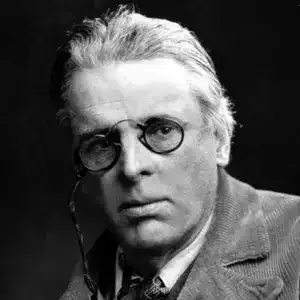
William Butler Yeats
A Song From The Player Queen
A Song From "The Player Queen"
MY mother dandled me and sang,
"How young it is, how young!'
And made a golden cradle
That on a willow swung.
"He went away,' my mother sang,
"When I was brought to bed,'
And all the while her needle pulled
The gold and silver thread.
She pulled the thread and bit the thread
And made a golden gown,
And wept because she had dreamt that I
Was born to wear a crown.
"When she was got,' my mother sang,
I heard a sea-mew cry,
And saw a flake of the yellow foam
That dropped upon my thigh."
How therefore could she help but braid
The gold into my hair,
And dream that I should carry
The golden top of care?
MY mother dandled me and sang,
"How young it is, how young!'
And made a golden cradle
That on a willow swung.
"He went away,' my mother sang,
"When I was brought to bed,'
And all the while her needle pulled
The gold and silver thread.
She pulled the thread and bit the thread
And made a golden gown,
And wept because she had dreamt that I
Was born to wear a crown.
"When she was got,' my mother sang,
I heard a sea-mew cry,
And saw a flake of the yellow foam
That dropped upon my thigh."
How therefore could she help but braid
The gold into my hair,
And dream that I should carry
The golden top of care?
398
William Butler Yeats
A Prayer For My Son
A Prayer For My Son
BID a strong ghost stand at the head
That my Michael may sleep sound,
Nor cry, nor turn in the bed
Till his morning meal come round;
And may departing twilight keep
All dread afar till morning's back.
That his mother may not lack
Her fill of sleep.
Bid the ghost have sword in fist:
Some there are, for I avow
Such devilish things exist,
Who have planned his murder, for they know
Of some most haughty deed or thought
That waits upon his future days,
And would through hatred of the bays
Bring that to nought.
Though You can fashion everything
From nothing every day, and teach
The morning stats to sing,
You have lacked articulate speech
To tell Your simplest want, and known,
Wailing upon a woman's knee,
All of that worst ignominy
Of flesh and bone;
And when through all the town there ran
The servants of Your enemy,
A woman and a man,
Unless the Holy Writings lie,
Hurried through the smooth and rough
And through the fertile and waste,
protecting, till the danger past,
With human love.
BID a strong ghost stand at the head
That my Michael may sleep sound,
Nor cry, nor turn in the bed
Till his morning meal come round;
And may departing twilight keep
All dread afar till morning's back.
That his mother may not lack
Her fill of sleep.
Bid the ghost have sword in fist:
Some there are, for I avow
Such devilish things exist,
Who have planned his murder, for they know
Of some most haughty deed or thought
That waits upon his future days,
And would through hatred of the bays
Bring that to nought.
Though You can fashion everything
From nothing every day, and teach
The morning stats to sing,
You have lacked articulate speech
To tell Your simplest want, and known,
Wailing upon a woman's knee,
All of that worst ignominy
Of flesh and bone;
And when through all the town there ran
The servants of Your enemy,
A woman and a man,
Unless the Holy Writings lie,
Hurried through the smooth and rough
And through the fertile and waste,
protecting, till the danger past,
With human love.
633
William Butler Yeats
A Prayer On Going Into My House
A Prayer On Going Into My House
GOD grant a blessing on this tower and cottage
And on my heirs, if all remain unspoiled,
No table or chair or stool not simple enough
For shepherd lads in Galilee; and grant
That I myself for portions of the year
May handle nothing and set eyes on nothing
But what the great and passionate have used
Throughout so many varying centuries
We take it for the norm; yet should I dream
Sinbad the sailor's brought a painted chest,
Or image, from beyond the Loadstone Mountain,
That dream is a norm; and should some limb of the Devil
Destroy the view by cutting down an ash
That shades the road, or setting up a cottage
Planned in a government office, shorten his life,
Manacle his soul upon the Red Sea bottom.
GOD grant a blessing on this tower and cottage
And on my heirs, if all remain unspoiled,
No table or chair or stool not simple enough
For shepherd lads in Galilee; and grant
That I myself for portions of the year
May handle nothing and set eyes on nothing
But what the great and passionate have used
Throughout so many varying centuries
We take it for the norm; yet should I dream
Sinbad the sailor's brought a painted chest,
Or image, from beyond the Loadstone Mountain,
That dream is a norm; and should some limb of the Devil
Destroy the view by cutting down an ash
That shades the road, or setting up a cottage
Planned in a government office, shorten his life,
Manacle his soul upon the Red Sea bottom.
560
William Butler Yeats
A Poet To His Beloved
A Poet To His Beloved
I BRING you with reverent hands
The books of my numberless dreams,
White woman that passion has worn
As the tide wears the dove-grey sands,
And with heart more old than the horn
That is brimmed from the pale fire of time:
White woman with numberless dreams,
I bring you my passionate rhyme.
I BRING you with reverent hands
The books of my numberless dreams,
White woman that passion has worn
As the tide wears the dove-grey sands,
And with heart more old than the horn
That is brimmed from the pale fire of time:
White woman with numberless dreams,
I bring you my passionate rhyme.
409
William Butler Yeats
A Meditation In Time Of War
A Meditation In Time Of War
FOR one throb of the artery,
While on that old grey stone I Sat
Under the old wind-broken tree,
I knew that One is animate,
Mankind inanimate fantasy'.
FOR one throb of the artery,
While on that old grey stone I Sat
Under the old wind-broken tree,
I knew that One is animate,
Mankind inanimate fantasy'.
349
William Butler Yeats
A Man Young And Old: X. His Wildness
A Man Young And Old: X. His Wildness
O bid me mount and sail up there
Amid the cloudy wrack,
For peg and Meg and Paris' love
That had so straight a back,
Are gone away, and some that stay
Have changed their silk for sack.
Were I but there and none to hear
I'd have a peacock cry,
For that is natural to a man
That lives in memory,
Being all alone I'd nurse a stone
And sing it lullaby.
O bid me mount and sail up there
Amid the cloudy wrack,
For peg and Meg and Paris' love
That had so straight a back,
Are gone away, and some that stay
Have changed their silk for sack.
Were I but there and none to hear
I'd have a peacock cry,
For that is natural to a man
That lives in memory,
Being all alone I'd nurse a stone
And sing it lullaby.
281
William Butler Yeats
A Last Confession
A Last Confession
What lively lad most pleasured me
Of all that with me lay?
I answer that I gave my soul
And loved in misery,
But had great pleasure with a lad
That I loved bodily.
Flinging from his arms I laughed
To think his passion such
He fancied that I gave a soul
Did but our bodies touch,
And laughed upon his breast to think
Beast gave beast as much.
I gave what other women gave
That stepped out of their clothes.
But when this soul, its body off,
Naked to naked goes,
He it has found shall find therein
What none other knows,
And give his own and take his own
And rule in his own right;
And though it loved in misery
Close and cling so tight,
There's not a bird of day that dare
Extinguish that delight.
What lively lad most pleasured me
Of all that with me lay?
I answer that I gave my soul
And loved in misery,
But had great pleasure with a lad
That I loved bodily.
Flinging from his arms I laughed
To think his passion such
He fancied that I gave a soul
Did but our bodies touch,
And laughed upon his breast to think
Beast gave beast as much.
I gave what other women gave
That stepped out of their clothes.
But when this soul, its body off,
Naked to naked goes,
He it has found shall find therein
What none other knows,
And give his own and take his own
And rule in his own right;
And though it loved in misery
Close and cling so tight,
There's not a bird of day that dare
Extinguish that delight.
481
William Butler Yeats
A Man Young And Old
A Man Young And Old
I
First Love
THOUGH nurtured like the sailing moon
In beauty's murderous brood,
She walked awhile and blushed awhile
And on my pathway stood
Until I thought her body bore
A heart of flesh and blood.
But since I laid a hand thereon
And found a heart of stone
I have attempted many things
And not a thing is done,
For every hand is lunatic
That travels on the moon.
She smiled and that transfigured me
And left me but a lout,
Maundering here, and maundering there,
Emptier of thought
Than the heavenly circuit of its stars
When the moon sails out.
II
Human Dignity
Like the moon her kindness is,
If kindness I may call
What has no comprehension in't,
But is the same for all
As though my sorrow were a scene
Upon a painted wall.
So like a bit of stone I lie
Under a broken tree.
I could recover if I shrieked
My heart's agony
To passing bird, but I am dumb
From human dignity.
III
The Mermaid
A mermaid found a swimming lad,
Picked him for her own,
Pressed her body to his body,
Laughed; and plunging down
Forgot in cruel happiness
That even lovers drown.
IV
The Death of the Hare
I have pointed out the yelling pack,
The hare leap to the wood,
And when I pass a compliment
Rejoice as lover should
At the drooping of an eye,
At the mantling of the blood.
Then' suddenly my heart is wrung
By her distracted air
And I remember wildness lost
And after, swept from there,
Am set down standing in the wood
At the death of the hare.
V
The Empty Cup
A crazy man that found a cup,
When all but dead of thirst,
Hardly dared to wet his mouth
Imagining, moon-accursed,
That another mouthful
And his beating heart would burst.
October last I found it too
But found it dry as bone,
And for that reason am I crazed
And my sleep is gone.
VI
His Memories
We should be hidden from their eyes,
Being but holy shows
And bodies broken like a thorn
Whereon the bleak north blows,
To think of buried Hector
And that none living knows.
The women take so little stock
In what I do or say
They'd sooner leave their cosseting
To hear a jackass bray;
My arms are like the twisted thorn
And yet there beauty lay;
The first of all the tribe lay there
And did such pleasure take --
She who had brought great Hector down
And put all Troy to wreck --
That she cried into this ear,
'Strike me if I shriek.'
VII
The Friends of his Youth
Laughter not time destroyed my voice
And put that crack in it,
And when the moon's pot-bellied
I get a laughing fit,
For that old Madge comes down the lane,
A stone upon her breast,
And a cloak wrapped about the stone,
And she can get no rest
With singing hush and hush-a-bye;
She that has been wild
And barren as a breaking wave
Thinks that the stone's a child.
And Peter that had great affairs
And was a pushing man
Shrieks, 'I am King of the Peacocks,'
And perches on a stone;
And then I laugh till tears run down
And the heart thumps at my side,
Remembering that her shriek was love
And that he shrieks from pride.
VIII
Summer and Spring
We sat under an old thorn-tree
And talked away the night,
Told all that had been said or done
Since first we saw the light,
And when we talked of growing up
Knew that we'd halved a soul
And fell the one in t'other's arms
That we might make it whole;
Then peter had a murdering look,
For it seemed that he and she
Had spoken of their childish days
Under that very tree.
O what a bursting out there was,
And what a blossoming,
When we had all the summer-time
And she had all the spring!
IX
The Secrets of the Old
I have old women's sectets now
That had those of the young;
Madge tells me what I dared not think
When my blood was strong,
And what had drowned a lover once
Sounds like an old song.
Though Margery is stricken dumb
If thrown in Madge's way,
We three make up a solitude;
For none alive to-day
Can know the stories that we know
Or say the things we say:
How such a man pleased women most
Of all that are gone,
How such a pair loved many years
And such a pair but one,
Stories of the bed of straw
Or the bed of down.
X
His Wildness
O bid me mount and sail up there
Amid the cloudy wrack,
For peg and Meg and Paris' love
That had so straight a back,
Are gone away, and some that stay
Have changed their silk for sack.
Were I but there and none to hear
I'd have a peacock cry,
For that is natural to a man
That lives in memory,
Being all alone I'd nurse a stone
And sing it lullaby.
XI
From 'Oedipus at Colonus'
Endure what life God gives and ask no longer span;
Cease to remember the delights of youth, travel-wearied aged man;
Delight becomes death-longing if all longing else be vain.
Even from that delight memory treasures so,
Death, despair, division of families, all entanglements of mankind grow,
As that old wandering beggar and these God-hated children know.
In the long echoing street the laughing dancers throng,
The bride is catried to the bridegroom's chamber
through torchlight and tumultuous song;
I celebrate the silent kiss that ends short life or long.
Never to have lived is best, ancient writers say;
Never to have drawn the breath of life, never to have
looked into the eye of day;
The second best's a gay goodnight and quickly turn away.
I
First Love
THOUGH nurtured like the sailing moon
In beauty's murderous brood,
She walked awhile and blushed awhile
And on my pathway stood
Until I thought her body bore
A heart of flesh and blood.
But since I laid a hand thereon
And found a heart of stone
I have attempted many things
And not a thing is done,
For every hand is lunatic
That travels on the moon.
She smiled and that transfigured me
And left me but a lout,
Maundering here, and maundering there,
Emptier of thought
Than the heavenly circuit of its stars
When the moon sails out.
II
Human Dignity
Like the moon her kindness is,
If kindness I may call
What has no comprehension in't,
But is the same for all
As though my sorrow were a scene
Upon a painted wall.
So like a bit of stone I lie
Under a broken tree.
I could recover if I shrieked
My heart's agony
To passing bird, but I am dumb
From human dignity.
III
The Mermaid
A mermaid found a swimming lad,
Picked him for her own,
Pressed her body to his body,
Laughed; and plunging down
Forgot in cruel happiness
That even lovers drown.
IV
The Death of the Hare
I have pointed out the yelling pack,
The hare leap to the wood,
And when I pass a compliment
Rejoice as lover should
At the drooping of an eye,
At the mantling of the blood.
Then' suddenly my heart is wrung
By her distracted air
And I remember wildness lost
And after, swept from there,
Am set down standing in the wood
At the death of the hare.
V
The Empty Cup
A crazy man that found a cup,
When all but dead of thirst,
Hardly dared to wet his mouth
Imagining, moon-accursed,
That another mouthful
And his beating heart would burst.
October last I found it too
But found it dry as bone,
And for that reason am I crazed
And my sleep is gone.
VI
His Memories
We should be hidden from their eyes,
Being but holy shows
And bodies broken like a thorn
Whereon the bleak north blows,
To think of buried Hector
And that none living knows.
The women take so little stock
In what I do or say
They'd sooner leave their cosseting
To hear a jackass bray;
My arms are like the twisted thorn
And yet there beauty lay;
The first of all the tribe lay there
And did such pleasure take --
She who had brought great Hector down
And put all Troy to wreck --
That she cried into this ear,
'Strike me if I shriek.'
VII
The Friends of his Youth
Laughter not time destroyed my voice
And put that crack in it,
And when the moon's pot-bellied
I get a laughing fit,
For that old Madge comes down the lane,
A stone upon her breast,
And a cloak wrapped about the stone,
And she can get no rest
With singing hush and hush-a-bye;
She that has been wild
And barren as a breaking wave
Thinks that the stone's a child.
And Peter that had great affairs
And was a pushing man
Shrieks, 'I am King of the Peacocks,'
And perches on a stone;
And then I laugh till tears run down
And the heart thumps at my side,
Remembering that her shriek was love
And that he shrieks from pride.
VIII
Summer and Spring
We sat under an old thorn-tree
And talked away the night,
Told all that had been said or done
Since first we saw the light,
And when we talked of growing up
Knew that we'd halved a soul
And fell the one in t'other's arms
That we might make it whole;
Then peter had a murdering look,
For it seemed that he and she
Had spoken of their childish days
Under that very tree.
O what a bursting out there was,
And what a blossoming,
When we had all the summer-time
And she had all the spring!
IX
The Secrets of the Old
I have old women's sectets now
That had those of the young;
Madge tells me what I dared not think
When my blood was strong,
And what had drowned a lover once
Sounds like an old song.
Though Margery is stricken dumb
If thrown in Madge's way,
We three make up a solitude;
For none alive to-day
Can know the stories that we know
Or say the things we say:
How such a man pleased women most
Of all that are gone,
How such a pair loved many years
And such a pair but one,
Stories of the bed of straw
Or the bed of down.
X
His Wildness
O bid me mount and sail up there
Amid the cloudy wrack,
For peg and Meg and Paris' love
That had so straight a back,
Are gone away, and some that stay
Have changed their silk for sack.
Were I but there and none to hear
I'd have a peacock cry,
For that is natural to a man
That lives in memory,
Being all alone I'd nurse a stone
And sing it lullaby.
XI
From 'Oedipus at Colonus'
Endure what life God gives and ask no longer span;
Cease to remember the delights of youth, travel-wearied aged man;
Delight becomes death-longing if all longing else be vain.
Even from that delight memory treasures so,
Death, despair, division of families, all entanglements of mankind grow,
As that old wandering beggar and these God-hated children know.
In the long echoing street the laughing dancers throng,
The bride is catried to the bridegroom's chamber
through torchlight and tumultuous song;
I celebrate the silent kiss that ends short life or long.
Never to have lived is best, ancient writers say;
Never to have drawn the breath of life, never to have
looked into the eye of day;
The second best's a gay goodnight and quickly turn away.
538
William Butler Yeats
A Drunken Man's Praise Of Sobriety
A Drunken Man's Praise Of Sobriety
COME swish around, my pretty punk,
And keep me dancing still
That I may stay a sober man
Although I drink my fill.
Sobriety is a jewel
That I do much adore;
And therefore keep me dancing
Though drunkards lie and snore.
O mind your feet, O mind your feet,
Keep dancing like a wave,
And under every dancer
A dead man in his grave.
No ups and downs, my pretty,
A mermaid, not a punk;
A drunkard is a dead man,
And all dead men are drunk.
COME swish around, my pretty punk,
And keep me dancing still
That I may stay a sober man
Although I drink my fill.
Sobriety is a jewel
That I do much adore;
And therefore keep me dancing
Though drunkards lie and snore.
O mind your feet, O mind your feet,
Keep dancing like a wave,
And under every dancer
A dead man in his grave.
No ups and downs, my pretty,
A mermaid, not a punk;
A drunkard is a dead man,
And all dead men are drunk.
306
William Butler Yeats
A First Confession
A First Confession
I admit the briar
Entangled in my hair
Did not injure me;
My blenching and trembling,
Nothing but dissembling,
Nothing but coquetry.
I long for truth, and yet
I cannot stay from that
My better self disowns,
For a man's attention
Brings such satisfaction
To the craving in my bones.
Brightness that I pull back
From the Zodiac,
Why those questioning eyes
That are fixed upon me?
What can they do but shun me
If empty night replies?
I admit the briar
Entangled in my hair
Did not injure me;
My blenching and trembling,
Nothing but dissembling,
Nothing but coquetry.
I long for truth, and yet
I cannot stay from that
My better self disowns,
For a man's attention
Brings such satisfaction
To the craving in my bones.
Brightness that I pull back
From the Zodiac,
Why those questioning eyes
That are fixed upon me?
What can they do but shun me
If empty night replies?
361
William Butler Yeats
A First Confession
A First Confession
I admit the briar
Entangled in my hair
Did not injure me;
My blenching and trembling,
Nothing but dissembling,
Nothing but coquetry.
I long for truth, and yet
I cannot stay from that
My better self disowns,
For a man's attention
Brings such satisfaction
To the craving in my bones.
Brightness that I pull back
From the Zodiac,
Why those questioning eyes
That are fixed upon me?
What can they do but shun me
If empty night replies?
I admit the briar
Entangled in my hair
Did not injure me;
My blenching and trembling,
Nothing but dissembling,
Nothing but coquetry.
I long for truth, and yet
I cannot stay from that
My better self disowns,
For a man's attention
Brings such satisfaction
To the craving in my bones.
Brightness that I pull back
From the Zodiac,
Why those questioning eyes
That are fixed upon me?
What can they do but shun me
If empty night replies?
361
William Butler Yeats
A Dialogue Of Self And Soul
A Dialogue Of Self And Soul
i{My Soul} I summon to the winding ancient stair;
Set all your mind upon the steep ascent,
Upon the broken, crumbling battlement,
Upon the breathless starlit air,
'Upon the star that marks the hidden pole;
Fix every wandering thought upon
That quarter where all thought is done:
Who can distinguish darkness from the soul
i{My Self}. The consecretes blade upon my knees
Is Sato's ancient blade, still as it was,
Still razor-keen, still like a looking-glass
Unspotted by the centuries;
That flowering, silken, old embroidery, torn
From some court-lady's dress and round
The wodden scabbard bound and wound
Can, tattered, still protect, faded adorn
i{My Soul.} Why should the imagination of a man
Long past his prime remember things that are
Emblematical of love and war?
Think of ancestral night that can,
If but imagination scorn the earth
And interllect is wandering
To this and that and t'other thing,
Deliver from the crime of death and birth.
i{My self.} Montashigi, third of his family, fashioned it
Five hundred years ago, about it lie
Flowers from I know not what embroidery -Heart's
purple -- and all these I set
For emblems of the day against the tower
Emblematical of the night,
And claim as by a soldier's right
A charter to commit the crime once more.
i{My Soul.} Such fullness in that quarter overflows
And falls into the basin of the mind
That man is stricken deaf and dumb and blind,
For intellect no longer knows
i{Is} from the i{Ought,} or i{knower} from the i{Known -- }
That is to say, ascends to Heaven;
Only the dead can be forgiven;
But when I think of that my tongue's a stone.
i{My Self.} A living man is blind and drinks his drop.
What matter if the ditches are impure?
What matter if I live it all once more?
Endure that toil of growing up;
The ignominy of boyhood; the distress
Of boyhood changing into man;
The unfinished man and his pain
Brought face to face with his own clumsiness;
The finished man among his enemies? --
How in the name of Heaven can he escape
That defiling and disfigured shape
The mirror of malicious eyes
Casts upon his eyes until at last
He thinks that shape must be his shape?
And what's the good of an escape
If honour find him in the wintry blast?
I am content to live it all again
And yet again, if it be life to pitch
Into the frog-spawn of a blind man's ditch,
A blind man battering blind men;
Or into that most fecund ditch of all,
The folly that man does
Or must suffer, if he woos
A proud woman not kindred of his soul.
I am content to follow to its source
Every event in action or in thought;
Measure the lot; forgive myself the lot!
When such as I cast out remorse
So great a sweetness flows into the breast
We must laugh and we must sing,
We are blest by everything,
Everything we look upon is blest.
i{My Soul} I summon to the winding ancient stair;
Set all your mind upon the steep ascent,
Upon the broken, crumbling battlement,
Upon the breathless starlit air,
'Upon the star that marks the hidden pole;
Fix every wandering thought upon
That quarter where all thought is done:
Who can distinguish darkness from the soul
i{My Self}. The consecretes blade upon my knees
Is Sato's ancient blade, still as it was,
Still razor-keen, still like a looking-glass
Unspotted by the centuries;
That flowering, silken, old embroidery, torn
From some court-lady's dress and round
The wodden scabbard bound and wound
Can, tattered, still protect, faded adorn
i{My Soul.} Why should the imagination of a man
Long past his prime remember things that are
Emblematical of love and war?
Think of ancestral night that can,
If but imagination scorn the earth
And interllect is wandering
To this and that and t'other thing,
Deliver from the crime of death and birth.
i{My self.} Montashigi, third of his family, fashioned it
Five hundred years ago, about it lie
Flowers from I know not what embroidery -Heart's
purple -- and all these I set
For emblems of the day against the tower
Emblematical of the night,
And claim as by a soldier's right
A charter to commit the crime once more.
i{My Soul.} Such fullness in that quarter overflows
And falls into the basin of the mind
That man is stricken deaf and dumb and blind,
For intellect no longer knows
i{Is} from the i{Ought,} or i{knower} from the i{Known -- }
That is to say, ascends to Heaven;
Only the dead can be forgiven;
But when I think of that my tongue's a stone.
i{My Self.} A living man is blind and drinks his drop.
What matter if the ditches are impure?
What matter if I live it all once more?
Endure that toil of growing up;
The ignominy of boyhood; the distress
Of boyhood changing into man;
The unfinished man and his pain
Brought face to face with his own clumsiness;
The finished man among his enemies? --
How in the name of Heaven can he escape
That defiling and disfigured shape
The mirror of malicious eyes
Casts upon his eyes until at last
He thinks that shape must be his shape?
And what's the good of an escape
If honour find him in the wintry blast?
I am content to live it all again
And yet again, if it be life to pitch
Into the frog-spawn of a blind man's ditch,
A blind man battering blind men;
Or into that most fecund ditch of all,
The folly that man does
Or must suffer, if he woos
A proud woman not kindred of his soul.
I am content to follow to its source
Every event in action or in thought;
Measure the lot; forgive myself the lot!
When such as I cast out remorse
So great a sweetness flows into the breast
We must laugh and we must sing,
We are blest by everything,
Everything we look upon is blest.
518
William Butler Yeats
A Dialogue Of Self And Soul
A Dialogue Of Self And Soul
i{My Soul} I summon to the winding ancient stair;
Set all your mind upon the steep ascent,
Upon the broken, crumbling battlement,
Upon the breathless starlit air,
'Upon the star that marks the hidden pole;
Fix every wandering thought upon
That quarter where all thought is done:
Who can distinguish darkness from the soul
i{My Self}. The consecretes blade upon my knees
Is Sato's ancient blade, still as it was,
Still razor-keen, still like a looking-glass
Unspotted by the centuries;
That flowering, silken, old embroidery, torn
From some court-lady's dress and round
The wodden scabbard bound and wound
Can, tattered, still protect, faded adorn
i{My Soul.} Why should the imagination of a man
Long past his prime remember things that are
Emblematical of love and war?
Think of ancestral night that can,
If but imagination scorn the earth
And interllect is wandering
To this and that and t'other thing,
Deliver from the crime of death and birth.
i{My self.} Montashigi, third of his family, fashioned it
Five hundred years ago, about it lie
Flowers from I know not what embroidery -Heart's
purple -- and all these I set
For emblems of the day against the tower
Emblematical of the night,
And claim as by a soldier's right
A charter to commit the crime once more.
i{My Soul.} Such fullness in that quarter overflows
And falls into the basin of the mind
That man is stricken deaf and dumb and blind,
For intellect no longer knows
i{Is} from the i{Ought,} or i{knower} from the i{Known -- }
That is to say, ascends to Heaven;
Only the dead can be forgiven;
But when I think of that my tongue's a stone.
i{My Self.} A living man is blind and drinks his drop.
What matter if the ditches are impure?
What matter if I live it all once more?
Endure that toil of growing up;
The ignominy of boyhood; the distress
Of boyhood changing into man;
The unfinished man and his pain
Brought face to face with his own clumsiness;
The finished man among his enemies? --
How in the name of Heaven can he escape
That defiling and disfigured shape
The mirror of malicious eyes
Casts upon his eyes until at last
He thinks that shape must be his shape?
And what's the good of an escape
If honour find him in the wintry blast?
I am content to live it all again
And yet again, if it be life to pitch
Into the frog-spawn of a blind man's ditch,
A blind man battering blind men;
Or into that most fecund ditch of all,
The folly that man does
Or must suffer, if he woos
A proud woman not kindred of his soul.
I am content to follow to its source
Every event in action or in thought;
Measure the lot; forgive myself the lot!
When such as I cast out remorse
So great a sweetness flows into the breast
We must laugh and we must sing,
We are blest by everything,
Everything we look upon is blest.
i{My Soul} I summon to the winding ancient stair;
Set all your mind upon the steep ascent,
Upon the broken, crumbling battlement,
Upon the breathless starlit air,
'Upon the star that marks the hidden pole;
Fix every wandering thought upon
That quarter where all thought is done:
Who can distinguish darkness from the soul
i{My Self}. The consecretes blade upon my knees
Is Sato's ancient blade, still as it was,
Still razor-keen, still like a looking-glass
Unspotted by the centuries;
That flowering, silken, old embroidery, torn
From some court-lady's dress and round
The wodden scabbard bound and wound
Can, tattered, still protect, faded adorn
i{My Soul.} Why should the imagination of a man
Long past his prime remember things that are
Emblematical of love and war?
Think of ancestral night that can,
If but imagination scorn the earth
And interllect is wandering
To this and that and t'other thing,
Deliver from the crime of death and birth.
i{My self.} Montashigi, third of his family, fashioned it
Five hundred years ago, about it lie
Flowers from I know not what embroidery -Heart's
purple -- and all these I set
For emblems of the day against the tower
Emblematical of the night,
And claim as by a soldier's right
A charter to commit the crime once more.
i{My Soul.} Such fullness in that quarter overflows
And falls into the basin of the mind
That man is stricken deaf and dumb and blind,
For intellect no longer knows
i{Is} from the i{Ought,} or i{knower} from the i{Known -- }
That is to say, ascends to Heaven;
Only the dead can be forgiven;
But when I think of that my tongue's a stone.
i{My Self.} A living man is blind and drinks his drop.
What matter if the ditches are impure?
What matter if I live it all once more?
Endure that toil of growing up;
The ignominy of boyhood; the distress
Of boyhood changing into man;
The unfinished man and his pain
Brought face to face with his own clumsiness;
The finished man among his enemies? --
How in the name of Heaven can he escape
That defiling and disfigured shape
The mirror of malicious eyes
Casts upon his eyes until at last
He thinks that shape must be his shape?
And what's the good of an escape
If honour find him in the wintry blast?
I am content to live it all again
And yet again, if it be life to pitch
Into the frog-spawn of a blind man's ditch,
A blind man battering blind men;
Or into that most fecund ditch of all,
The folly that man does
Or must suffer, if he woos
A proud woman not kindred of his soul.
I am content to follow to its source
Every event in action or in thought;
Measure the lot; forgive myself the lot!
When such as I cast out remorse
So great a sweetness flows into the breast
We must laugh and we must sing,
We are blest by everything,
Everything we look upon is blest.
518
William Butler Yeats
A Crazed Girl
A Crazed Girl
THAT crazed girl improvising her music.
Her poetry, dancing upon the shore,
Her soul in division from itself
Climbing, falling She knew not where,
Hiding amid the cargo of a steamship,
Her knee-cap broken, that girl I declare
A beautiful lofty thing, or a thing
Heroically lost, heroically found.
No matter what disaster occurred
She stood in desperate music wound,
Wound, wound, and she made in her triumph
Where the bales and the baskets lay
No common intelligible sound
But sang, 'O sea-starved, hungry sea.'
THAT crazed girl improvising her music.
Her poetry, dancing upon the shore,
Her soul in division from itself
Climbing, falling She knew not where,
Hiding amid the cargo of a steamship,
Her knee-cap broken, that girl I declare
A beautiful lofty thing, or a thing
Heroically lost, heroically found.
No matter what disaster occurred
She stood in desperate music wound,
Wound, wound, and she made in her triumph
Where the bales and the baskets lay
No common intelligible sound
But sang, 'O sea-starved, hungry sea.'
424
William Butler Yeats
A Crazed Girl
A Crazed Girl
THAT crazed girl improvising her music.
Her poetry, dancing upon the shore,
Her soul in division from itself
Climbing, falling She knew not where,
Hiding amid the cargo of a steamship,
Her knee-cap broken, that girl I declare
A beautiful lofty thing, or a thing
Heroically lost, heroically found.
No matter what disaster occurred
She stood in desperate music wound,
Wound, wound, and she made in her triumph
Where the bales and the baskets lay
No common intelligible sound
But sang, 'O sea-starved, hungry sea.'
THAT crazed girl improvising her music.
Her poetry, dancing upon the shore,
Her soul in division from itself
Climbing, falling She knew not where,
Hiding amid the cargo of a steamship,
Her knee-cap broken, that girl I declare
A beautiful lofty thing, or a thing
Heroically lost, heroically found.
No matter what disaster occurred
She stood in desperate music wound,
Wound, wound, and she made in her triumph
Where the bales and the baskets lay
No common intelligible sound
But sang, 'O sea-starved, hungry sea.'
424
William Butler Yeats
A Crazed Girl
A Crazed Girl
THAT crazed girl improvising her music.
Her poetry, dancing upon the shore,
Her soul in division from itself
Climbing, falling She knew not where,
Hiding amid the cargo of a steamship,
Her knee-cap broken, that girl I declare
A beautiful lofty thing, or a thing
Heroically lost, heroically found.
No matter what disaster occurred
She stood in desperate music wound,
Wound, wound, and she made in her triumph
Where the bales and the baskets lay
No common intelligible sound
But sang, 'O sea-starved, hungry sea.'
THAT crazed girl improvising her music.
Her poetry, dancing upon the shore,
Her soul in division from itself
Climbing, falling She knew not where,
Hiding amid the cargo of a steamship,
Her knee-cap broken, that girl I declare
A beautiful lofty thing, or a thing
Heroically lost, heroically found.
No matter what disaster occurred
She stood in desperate music wound,
Wound, wound, and she made in her triumph
Where the bales and the baskets lay
No common intelligible sound
But sang, 'O sea-starved, hungry sea.'
424
William Butler Yeats
A Coat
A Coat
I MADE my song a coat
Covered with embroideries
Out of old mythologies
From heel to throat;
But the fools caught it,
Wore it in the world's eyes
As though they'd wrought it.
Song, let them take it,
For there's more enterprise
In walking naked.
I MADE my song a coat
Covered with embroideries
Out of old mythologies
From heel to throat;
But the fools caught it,
Wore it in the world's eyes
As though they'd wrought it.
Song, let them take it,
For there's more enterprise
In walking naked.
384
William Butler Yeats
A Coat
A Coat
I MADE my song a coat
Covered with embroideries
Out of old mythologies
From heel to throat;
But the fools caught it,
Wore it in the world's eyes
As though they'd wrought it.
Song, let them take it,
For there's more enterprise
In walking naked.
I MADE my song a coat
Covered with embroideries
Out of old mythologies
From heel to throat;
But the fools caught it,
Wore it in the world's eyes
As though they'd wrought it.
Song, let them take it,
For there's more enterprise
In walking naked.
384
William Butler Yeats
A Bronze Head
A Bronze Head
HERE at right of the entrance this bronze head,
Human, superhuman, a bird's round eye,
Everything else withered and mummy-dead.
What great tomb-haunter sweeps the distant sky
(Something may linger there though all else die;)
And finds there nothing to make its tetror less
i{Hysterica passio} of its own emptiness?
No dark tomb-haunter once; her form all full
As though with magnanimity of light,
Yet a most gentle woman; who can tell
Which of her forms has shown her substance right?
Or maybe substance can be composite,
profound McTaggart thought so, and in a breath
A mouthful held the extreme of life and death.
But even at the starting-post, all sleek and new,
I saw the wildness in her and I thought
A vision of terror that it must live through
Had shattered her soul. Propinquity had brought
Imagiation to that pitch where it casts out
All that is not itself: I had grown wild
And wandered murmuring everywhere, 'My child, my
child! '
Or else I thought her supernatural;
As though a sterner eye looked through her eye
On this foul world in its decline and fall;
On gangling stocks grown great, great stocks run dry,
Ancestral pearls all pitched into a sty,
Heroic reverie mocked by clown and knave,
And wondered what was left for massacre to save.
HERE at right of the entrance this bronze head,
Human, superhuman, a bird's round eye,
Everything else withered and mummy-dead.
What great tomb-haunter sweeps the distant sky
(Something may linger there though all else die;)
And finds there nothing to make its tetror less
i{Hysterica passio} of its own emptiness?
No dark tomb-haunter once; her form all full
As though with magnanimity of light,
Yet a most gentle woman; who can tell
Which of her forms has shown her substance right?
Or maybe substance can be composite,
profound McTaggart thought so, and in a breath
A mouthful held the extreme of life and death.
But even at the starting-post, all sleek and new,
I saw the wildness in her and I thought
A vision of terror that it must live through
Had shattered her soul. Propinquity had brought
Imagiation to that pitch where it casts out
All that is not itself: I had grown wild
And wandered murmuring everywhere, 'My child, my
child! '
Or else I thought her supernatural;
As though a sterner eye looked through her eye
On this foul world in its decline and fall;
On gangling stocks grown great, great stocks run dry,
Ancestral pearls all pitched into a sty,
Heroic reverie mocked by clown and knave,
And wondered what was left for massacre to save.
423
William Butler Yeats
A Bronze Head
A Bronze Head
HERE at right of the entrance this bronze head,
Human, superhuman, a bird's round eye,
Everything else withered and mummy-dead.
What great tomb-haunter sweeps the distant sky
(Something may linger there though all else die;)
And finds there nothing to make its tetror less
i{Hysterica passio} of its own emptiness?
No dark tomb-haunter once; her form all full
As though with magnanimity of light,
Yet a most gentle woman; who can tell
Which of her forms has shown her substance right?
Or maybe substance can be composite,
profound McTaggart thought so, and in a breath
A mouthful held the extreme of life and death.
But even at the starting-post, all sleek and new,
I saw the wildness in her and I thought
A vision of terror that it must live through
Had shattered her soul. Propinquity had brought
Imagiation to that pitch where it casts out
All that is not itself: I had grown wild
And wandered murmuring everywhere, 'My child, my
child! '
Or else I thought her supernatural;
As though a sterner eye looked through her eye
On this foul world in its decline and fall;
On gangling stocks grown great, great stocks run dry,
Ancestral pearls all pitched into a sty,
Heroic reverie mocked by clown and knave,
And wondered what was left for massacre to save.
HERE at right of the entrance this bronze head,
Human, superhuman, a bird's round eye,
Everything else withered and mummy-dead.
What great tomb-haunter sweeps the distant sky
(Something may linger there though all else die;)
And finds there nothing to make its tetror less
i{Hysterica passio} of its own emptiness?
No dark tomb-haunter once; her form all full
As though with magnanimity of light,
Yet a most gentle woman; who can tell
Which of her forms has shown her substance right?
Or maybe substance can be composite,
profound McTaggart thought so, and in a breath
A mouthful held the extreme of life and death.
But even at the starting-post, all sleek and new,
I saw the wildness in her and I thought
A vision of terror that it must live through
Had shattered her soul. Propinquity had brought
Imagiation to that pitch where it casts out
All that is not itself: I had grown wild
And wandered murmuring everywhere, 'My child, my
child! '
Or else I thought her supernatural;
As though a sterner eye looked through her eye
On this foul world in its decline and fall;
On gangling stocks grown great, great stocks run dry,
Ancestral pearls all pitched into a sty,
Heroic reverie mocked by clown and knave,
And wondered what was left for massacre to save.
423
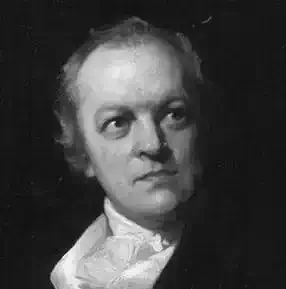
William Blake
When Klopstock England Defied
When Klopstock England Defied
When Klopstock England defied,
Uprose William Blake in his pride;
For old Nobodaddy aloft
. . . and belch'd and cough'd;
Then swore a great oath that made Heaven quake,
And call'd aloud to English Blake.
Blake was giving his body ease,
At Lambeth beneath the poplar trees.
From his seat then started he
And turn'd him round three times three.
The moon at that sight blush'd scarlet red,
The stars threw down their cups and fled,
And all the devils that were in hell,
Answerèd with a ninefold yell.
Klopstock felt the intripled turn,
And all his bowels began to churn,
And his bowels turn'd round three times three,
And lock'd in his soul with a ninefold key; . . .
Then again old Nobodaddy swore
He ne'er had seen such a thing before,
Since Noah was shut in the ark,
Since Eve first chose her hellfire spark,
Since 'twas the fashion to go naked,
Since the old Anything was created . . .
When Klopstock England defied,
Uprose William Blake in his pride;
For old Nobodaddy aloft
. . . and belch'd and cough'd;
Then swore a great oath that made Heaven quake,
And call'd aloud to English Blake.
Blake was giving his body ease,
At Lambeth beneath the poplar trees.
From his seat then started he
And turn'd him round three times three.
The moon at that sight blush'd scarlet red,
The stars threw down their cups and fled,
And all the devils that were in hell,
Answerèd with a ninefold yell.
Klopstock felt the intripled turn,
And all his bowels began to churn,
And his bowels turn'd round three times three,
And lock'd in his soul with a ninefold key; . . .
Then again old Nobodaddy swore
He ne'er had seen such a thing before,
Since Noah was shut in the ark,
Since Eve first chose her hellfire spark,
Since 'twas the fashion to go naked,
Since the old Anything was created . . .
457
William Blake
To Tirzah
To Tirzah
Whate'er is Born of Mortal Birth
Must be consumed with the Earth
To rise from Generation free:
Then what have I to do with thee?
The Sexes sprung from Shame & Pride,
Blow'd in the morn, in evening died;
But Mercy chang'd Death into Sleep;
The Sexes rose to work & weep.
Thou, Mother of my Mortal part,
With cruelty didst mould my Heart,
And with false self-deceiving tears
Didst bind my Nostrils, Eyes, & Ears:
Didst close my Tongue in senseless clay,
And me to Mortal Life betray.
The Death of Jesus set me free:
Then what have I to do with thee?
Whate'er is Born of Mortal Birth
Must be consumed with the Earth
To rise from Generation free:
Then what have I to do with thee?
The Sexes sprung from Shame & Pride,
Blow'd in the morn, in evening died;
But Mercy chang'd Death into Sleep;
The Sexes rose to work & weep.
Thou, Mother of my Mortal part,
With cruelty didst mould my Heart,
And with false self-deceiving tears
Didst bind my Nostrils, Eyes, & Ears:
Didst close my Tongue in senseless clay,
And me to Mortal Life betray.
The Death of Jesus set me free:
Then what have I to do with thee?
424
William Blake
To the Muses
To the Muses
Whether on Ida's shady brow,
Or in the chambers of the East,
The chambers of the sun, that now
From ancient melody have ceas'd;
Whether in Heav'n ye wander fair,
Or the green corners of the earth,
Or the blue regions of the air,
Where the melodious winds have birth;
Whether on crystal rocks ye rove,
Beneath the bosom of the sea
Wand'ring in many a coral grove,
Fair Nine, forsaking Poetry!
How have you left the ancient love
That bards of old enjoy'd in you!
The languid strings do scarcely move!
The sound is forc'd, the notes are few!
Whether on Ida's shady brow,
Or in the chambers of the East,
The chambers of the sun, that now
From ancient melody have ceas'd;
Whether in Heav'n ye wander fair,
Or the green corners of the earth,
Or the blue regions of the air,
Where the melodious winds have birth;
Whether on crystal rocks ye rove,
Beneath the bosom of the sea
Wand'ring in many a coral grove,
Fair Nine, forsaking Poetry!
How have you left the ancient love
That bards of old enjoy'd in you!
The languid strings do scarcely move!
The sound is forc'd, the notes are few!
473
William Blake
To the Muses
To the Muses
Whether on Ida's shady brow,
Or in the chambers of the East,
The chambers of the sun, that now
From ancient melody have ceas'd;
Whether in Heav'n ye wander fair,
Or the green corners of the earth,
Or the blue regions of the air,
Where the melodious winds have birth;
Whether on crystal rocks ye rove,
Beneath the bosom of the sea
Wand'ring in many a coral grove,
Fair Nine, forsaking Poetry!
How have you left the ancient love
That bards of old enjoy'd in you!
The languid strings do scarcely move!
The sound is forc'd, the notes are few!
Whether on Ida's shady brow,
Or in the chambers of the East,
The chambers of the sun, that now
From ancient melody have ceas'd;
Whether in Heav'n ye wander fair,
Or the green corners of the earth,
Or the blue regions of the air,
Where the melodious winds have birth;
Whether on crystal rocks ye rove,
Beneath the bosom of the sea
Wand'ring in many a coral grove,
Fair Nine, forsaking Poetry!
How have you left the ancient love
That bards of old enjoy'd in you!
The languid strings do scarcely move!
The sound is forc'd, the notes are few!
473