

Poems in this topic
Others
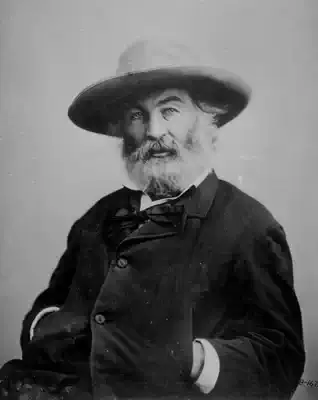
Walt Whitman
A Promise To California
A Promise To California
A PROMISE to California,
Also to the great Pastoral Plains, and for Oregon:
Sojourning east a while longer, soon I travel toward you, to remain,
to teach robust American love;
For I know very well that I and robust love belong among you, inland,
and along the Western Sea;
For These States tend inland, and toward the Western Sea--and I will
also.
A PROMISE to California,
Also to the great Pastoral Plains, and for Oregon:
Sojourning east a while longer, soon I travel toward you, to remain,
to teach robust American love;
For I know very well that I and robust love belong among you, inland,
and along the Western Sea;
For These States tend inland, and toward the Western Sea--and I will
also.
466
Walt Whitman
A Hand-Mirror
A Hand-Mirror
HOLD it up sternly! See this it sends back! (Who is it? Is it you?)
Outside fair costume--within ashes and filth,
No more a flashing eye--no more a sonorous voice or springy step;
Now some slave's eye, voice, hands, step,
A drunkard's breath, unwholesome eater's face, venerealee's flesh,
Lungs rotting away piecemeal, stomach sour and cankerous,
Joints rheumatic, bowels clogged with abomination,
Blood circulating dark and poisonous streams,
Words babble, hearing and touch callous,
No brain, no heart left--no magnetism of sex; 10
Such, from one look in this looking-glass ere you go hence,
Such a result so soon--and from such a beginning!
HOLD it up sternly! See this it sends back! (Who is it? Is it you?)
Outside fair costume--within ashes and filth,
No more a flashing eye--no more a sonorous voice or springy step;
Now some slave's eye, voice, hands, step,
A drunkard's breath, unwholesome eater's face, venerealee's flesh,
Lungs rotting away piecemeal, stomach sour and cankerous,
Joints rheumatic, bowels clogged with abomination,
Blood circulating dark and poisonous streams,
Words babble, hearing and touch callous,
No brain, no heart left--no magnetism of sex; 10
Such, from one look in this looking-glass ere you go hence,
Such a result so soon--and from such a beginning!
535
Walt Whitman
A March In The Ranks, Hard-prest
A March In The Ranks, Hard-prest
A MARCH in the ranks hard-prest, and the road unknown;
A route through a heavy wood, with muffled steps in the darkness;
Our army foil'd with loss severe, and the sullen remnant retreating;
Till after midnight glimmer upon us, the lights of a dim-lighted
building;
We come to an open space in the woods, and halt by the dim-lighted
building;
'Tis a large old church at the crossing roads--'tis now an impromptu
hospital;
--Entering but for a minute, I see a sight beyond all the pictures
and poems ever made:
Shadows of deepest, deepest black, just lit by moving candles and
lamps,
And by one great pitchy torch, stationary, with wild red flame, and
clouds of smoke;
By these, crowds, groups of forms, vaguely I see, on the floor, some
in the pews laid down; 10
At my feet more distinctly, a soldier, a mere lad, in danger of
bleeding to death, (he is shot in the abdomen;)
I staunch the blood temporarily, (the youngster's face is white as a
lily;)
Then before I depart I sweep my eyes o'er the scene, fain to absorb
it all;
Faces, varieties, postures beyond description, most in obscurity,
some of them dead;
Surgeons operating, attendants holding lights, the smell of ether,
the odor of blood;
The crowd, O the crowd of the bloody forms of soldiers--the yard
outside also fill'd;
Some on the bare ground, some on planks or stretchers, some in the
death-spasm sweating;
An occasional scream or cry, the doctor's shouted orders or calls;
The glisten of the little steel instruments catching the glint of the
torches;
These I resume as I chant--I see again the forms, I smell the
odor; 20
Then hear outside the orders given, Fall in, my men, Fall in;
But first I bend to the dying lad--his eyes open--a half-smile gives
he me;
Then the eyes close, calmly close, and I speed forth to the darkness,
Resuming, marching, ever in darkness marching, on in the ranks,
The unknown road still marching.
A MARCH in the ranks hard-prest, and the road unknown;
A route through a heavy wood, with muffled steps in the darkness;
Our army foil'd with loss severe, and the sullen remnant retreating;
Till after midnight glimmer upon us, the lights of a dim-lighted
building;
We come to an open space in the woods, and halt by the dim-lighted
building;
'Tis a large old church at the crossing roads--'tis now an impromptu
hospital;
--Entering but for a minute, I see a sight beyond all the pictures
and poems ever made:
Shadows of deepest, deepest black, just lit by moving candles and
lamps,
And by one great pitchy torch, stationary, with wild red flame, and
clouds of smoke;
By these, crowds, groups of forms, vaguely I see, on the floor, some
in the pews laid down; 10
At my feet more distinctly, a soldier, a mere lad, in danger of
bleeding to death, (he is shot in the abdomen;)
I staunch the blood temporarily, (the youngster's face is white as a
lily;)
Then before I depart I sweep my eyes o'er the scene, fain to absorb
it all;
Faces, varieties, postures beyond description, most in obscurity,
some of them dead;
Surgeons operating, attendants holding lights, the smell of ether,
the odor of blood;
The crowd, O the crowd of the bloody forms of soldiers--the yard
outside also fill'd;
Some on the bare ground, some on planks or stretchers, some in the
death-spasm sweating;
An occasional scream or cry, the doctor's shouted orders or calls;
The glisten of the little steel instruments catching the glint of the
torches;
These I resume as I chant--I see again the forms, I smell the
odor; 20
Then hear outside the orders given, Fall in, my men, Fall in;
But first I bend to the dying lad--his eyes open--a half-smile gives
he me;
Then the eyes close, calmly close, and I speed forth to the darkness,
Resuming, marching, ever in darkness marching, on in the ranks,
The unknown road still marching.
473
Walt Whitman
A Child's Amaze
A Child's Amaze
SILENT and amazed, even when a little boy,
I remember I heard the preacher every Sunday put God in his
statements,
As contending against some being or influence.
SILENT and amazed, even when a little boy,
I remember I heard the preacher every Sunday put God in his
statements,
As contending against some being or influence.
380
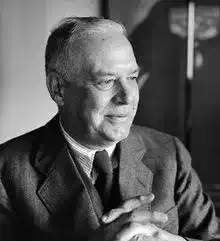
Wallace Stevens
Thirteen Ways of Looking at a Blackbird
Thirteen Ways of Looking at a Blackbird
I
Among twenty snowy mountains,
The only moving thing
Was the eye of the black bird.
II
I was of three minds,
Like a tree
In which there are three blackbirds.
III
The blackbird whirled in the autumn winds.
It was a small part of the pantomime.
IV
A man and a woman
Are one.
A man and a woman and a blackbird
Are one.
V
I do not know which to prefer,
The beauty of inflections
Or the beauty of innuendoes,
The blackbird whistling
Or just after.
VI
Icicles filled the long window
With barbaric glass.
The shadow of the blackbird
Crossed it, to and fro.
The mood
Traced in the shadow
An indecipherable cause.
VII
O thin men of Haddam,
Why do you imagine golden birds?
Do you not see how the blackbird
Walks around the feet
Of the women about you?
VIII
I know noble accents
And lucid, inescapable rhythms;
But I know, too,
That the blackbird is involved
In what I know.
IX
When the blackbird flew out of sight,
It marked the edge
Of one of many circles.
X
At the sight of blackbirds
Flying in a green light,
Even the bawds of euphony
Would cry out sharply.
XI
He rode over Connecticut
In a glass coach.
Once, a fear pierced him,
In that he mistook
The shadow of his equipage
For blackbirds.
XII
The river is moving.
The blackbird must be flying.
XIII
It was evening all afternoon.
It was snowing
And it was going to snow.
The blackbird sat
In the cedar-limbs.
I
Among twenty snowy mountains,
The only moving thing
Was the eye of the black bird.
II
I was of three minds,
Like a tree
In which there are three blackbirds.
III
The blackbird whirled in the autumn winds.
It was a small part of the pantomime.
IV
A man and a woman
Are one.
A man and a woman and a blackbird
Are one.
V
I do not know which to prefer,
The beauty of inflections
Or the beauty of innuendoes,
The blackbird whistling
Or just after.
VI
Icicles filled the long window
With barbaric glass.
The shadow of the blackbird
Crossed it, to and fro.
The mood
Traced in the shadow
An indecipherable cause.
VII
O thin men of Haddam,
Why do you imagine golden birds?
Do you not see how the blackbird
Walks around the feet
Of the women about you?
VIII
I know noble accents
And lucid, inescapable rhythms;
But I know, too,
That the blackbird is involved
In what I know.
IX
When the blackbird flew out of sight,
It marked the edge
Of one of many circles.
X
At the sight of blackbirds
Flying in a green light,
Even the bawds of euphony
Would cry out sharply.
XI
He rode over Connecticut
In a glass coach.
Once, a fear pierced him,
In that he mistook
The shadow of his equipage
For blackbirds.
XII
The river is moving.
The blackbird must be flying.
XIII
It was evening all afternoon.
It was snowing
And it was going to snow.
The blackbird sat
In the cedar-limbs.
305
Wallace Stevens
Two Figures in Dense Violet Light
Two Figures in Dense Violet Light
I had as lief be embraced by the portier of the hotel
As to get no more from the moonlight
Than your moist hand.
Be the voice of the night and Florida in my ear.
Use dasky words and dusky images.
Darken your speech.
Speak, even, as if I did not hear you speaking,
But spoke for you perfectly in my thoughts,
Conceiving words,
As the night conceives the sea-sound in silence,
And out of the droning sibilants makes
A serenade.
Say, puerile, that the buzzards crouch on the ridge-pole
and sleep with one eye watching the stars fall
Beyond Key West.
Say that the palms are clear in the total blue.
Are clear and are obscure; that it is night;
That the moon shines.
I had as lief be embraced by the portier of the hotel
As to get no more from the moonlight
Than your moist hand.
Be the voice of the night and Florida in my ear.
Use dasky words and dusky images.
Darken your speech.
Speak, even, as if I did not hear you speaking,
But spoke for you perfectly in my thoughts,
Conceiving words,
As the night conceives the sea-sound in silence,
And out of the droning sibilants makes
A serenade.
Say, puerile, that the buzzards crouch on the ridge-pole
and sleep with one eye watching the stars fall
Beyond Key West.
Say that the palms are clear in the total blue.
Are clear and are obscure; that it is night;
That the moon shines.
319
Wallace Stevens
The Snow Man
The Snow Man
One must have a mind of winter
To regard the frost and the boughs
Of the pine-trees crusted with snow;
And have been cold a long time
To behold the junipers shagged with ice,
The spruces rough in the distant glitter
Of the January sun; and not to think
Of any misery in the sound of the wind,
In the sound of a few leaves,
Which is the sound of the land
Full of the same wind
That is blowing in the same bare place
For the listener, who listens in the snow,
And, nothing himself, beholds
Nothing that is not there and the nothing that is.
One must have a mind of winter
To regard the frost and the boughs
Of the pine-trees crusted with snow;
And have been cold a long time
To behold the junipers shagged with ice,
The spruces rough in the distant glitter
Of the January sun; and not to think
Of any misery in the sound of the wind,
In the sound of a few leaves,
Which is the sound of the land
Full of the same wind
That is blowing in the same bare place
For the listener, who listens in the snow,
And, nothing himself, beholds
Nothing that is not there and the nothing that is.
343
Wallace Stevens
The Snow Man
The Snow Man
One must have a mind of winter
To regard the frost and the boughs
Of the pine-trees crusted with snow;
And have been cold a long time
To behold the junipers shagged with ice,
The spruces rough in the distant glitter
Of the January sun; and not to think
Of any misery in the sound of the wind,
In the sound of a few leaves,
Which is the sound of the land
Full of the same wind
That is blowing in the same bare place
For the listener, who listens in the snow,
And, nothing himself, beholds
Nothing that is not there and the nothing that is.
One must have a mind of winter
To regard the frost and the boughs
Of the pine-trees crusted with snow;
And have been cold a long time
To behold the junipers shagged with ice,
The spruces rough in the distant glitter
Of the January sun; and not to think
Of any misery in the sound of the wind,
In the sound of a few leaves,
Which is the sound of the land
Full of the same wind
That is blowing in the same bare place
For the listener, who listens in the snow,
And, nothing himself, beholds
Nothing that is not there and the nothing that is.
343
Wallace Stevens
The Emperor of Ice-Cream
The Emperor of Ice-Cream
Call the roller of big cigars,
The muscular one, and bid him whip
In kitchen cups concupiscent curds.
Let the wenches dawdle in such dress
As they are used to wear, and let the boys
Bring flowers in last month's newspapers.
Let be be finale of seem.
The only emperor is the emperor of ice-cream.
Take from the dresser of deal.
Lacking the three glass knobs, that sheet
On which she embroidered fantails once
And spread it so as to cover her face.
If her horny feet protrude, they come
To show how cold she is, and dumb.
Let the lamp affix its beam.
The only emperor is the emperor of ice-cream.
Call the roller of big cigars,
The muscular one, and bid him whip
In kitchen cups concupiscent curds.
Let the wenches dawdle in such dress
As they are used to wear, and let the boys
Bring flowers in last month's newspapers.
Let be be finale of seem.
The only emperor is the emperor of ice-cream.
Take from the dresser of deal.
Lacking the three glass knobs, that sheet
On which she embroidered fantails once
And spread it so as to cover her face.
If her horny feet protrude, they come
To show how cold she is, and dumb.
Let the lamp affix its beam.
The only emperor is the emperor of ice-cream.
310
Wallace Stevens
The House Was Quiet And The World Was Calm
The House Was Quiet And The World Was Calm
The house was quiet and the world was calm.
The reader became the book; and summer night
Was like the conscious being of the book.
The house was quiet and the world was calm.
The words were spoken as if there was no book,
Except that the reader leaned above the page,
Wanted to lean, wanted much to be
The scholar to whom his book is true, to whom
The summer night is like a perfection of thought.
The house was quiet because it had to be.
The quiet was part of the meaning, part of the mind:
The access of perfection to the page.
And the world was calm. The truth in a calm world,
In which there is no other meaning, itself
Is calm, itself is summer and night, itself
Is the reader leaning late and reading there.
The house was quiet and the world was calm.
The reader became the book; and summer night
Was like the conscious being of the book.
The house was quiet and the world was calm.
The words were spoken as if there was no book,
Except that the reader leaned above the page,
Wanted to lean, wanted much to be
The scholar to whom his book is true, to whom
The summer night is like a perfection of thought.
The house was quiet because it had to be.
The quiet was part of the meaning, part of the mind:
The access of perfection to the page.
And the world was calm. The truth in a calm world,
In which there is no other meaning, itself
Is calm, itself is summer and night, itself
Is the reader leaning late and reading there.
344
Wallace Stevens
The House Was Quiet And The World Was Calm
The House Was Quiet And The World Was Calm
The house was quiet and the world was calm.
The reader became the book; and summer night
Was like the conscious being of the book.
The house was quiet and the world was calm.
The words were spoken as if there was no book,
Except that the reader leaned above the page,
Wanted to lean, wanted much to be
The scholar to whom his book is true, to whom
The summer night is like a perfection of thought.
The house was quiet because it had to be.
The quiet was part of the meaning, part of the mind:
The access of perfection to the page.
And the world was calm. The truth in a calm world,
In which there is no other meaning, itself
Is calm, itself is summer and night, itself
Is the reader leaning late and reading there.
The house was quiet and the world was calm.
The reader became the book; and summer night
Was like the conscious being of the book.
The house was quiet and the world was calm.
The words were spoken as if there was no book,
Except that the reader leaned above the page,
Wanted to lean, wanted much to be
The scholar to whom his book is true, to whom
The summer night is like a perfection of thought.
The house was quiet because it had to be.
The quiet was part of the meaning, part of the mind:
The access of perfection to the page.
And the world was calm. The truth in a calm world,
In which there is no other meaning, itself
Is calm, itself is summer and night, itself
Is the reader leaning late and reading there.
344
Wallace Stevens
The House Was Quiet And The World Was Calm
The House Was Quiet And The World Was Calm
The house was quiet and the world was calm.
The reader became the book; and summer night
Was like the conscious being of the book.
The house was quiet and the world was calm.
The words were spoken as if there was no book,
Except that the reader leaned above the page,
Wanted to lean, wanted much to be
The scholar to whom his book is true, to whom
The summer night is like a perfection of thought.
The house was quiet because it had to be.
The quiet was part of the meaning, part of the mind:
The access of perfection to the page.
And the world was calm. The truth in a calm world,
In which there is no other meaning, itself
Is calm, itself is summer and night, itself
Is the reader leaning late and reading there.
The house was quiet and the world was calm.
The reader became the book; and summer night
Was like the conscious being of the book.
The house was quiet and the world was calm.
The words were spoken as if there was no book,
Except that the reader leaned above the page,
Wanted to lean, wanted much to be
The scholar to whom his book is true, to whom
The summer night is like a perfection of thought.
The house was quiet because it had to be.
The quiet was part of the meaning, part of the mind:
The access of perfection to the page.
And the world was calm. The truth in a calm world,
In which there is no other meaning, itself
Is calm, itself is summer and night, itself
Is the reader leaning late and reading there.
344
Wallace Stevens
Sunday Morning
Sunday Morning
Complacencies of the peignoir, and late
Coffee and oranges in a sunny chair,
And the green freedom of a cockatoo
Upon a rug mingle to dissipate
The holy hush of ancient sacrifice.
She dreams a little, and she feels the dark
Encroachment of that old catastrophe,
As a calm darkens among water-lights.
The pungent oranges and bright, green wings
Seem things in some procession of the dead,
Winding across wide water, without sound.
The day is like wide water, without sound.
Stilled for the passing of her dreaming feet
Over the seas, to silent Palestine,
Dominion of the blood and sepulchre.
Why should she give her bounty to the dead?
What is divinity if it can come
Only in silent shadows and in dreams?
Shall she not find in comforts of the sun,
In pungent fruit and bright green wings, or else
In any balm or beauty of the earth,
Things to be cherished like the thought of heaven?
Divinity must live within herself:
Passions of rain, or moods in falling snow;
Grievings in loneliness, or unsubdued
Elations when the forest blooms; gusty
Emotions on wet roads on autumn nights;
All pleasures and all pains, remembering
The bough of summer and the winter branch.
These are the measure destined for her soul.
Jove in the clouds had his inhuman birth.
No mother suckled him, no sweet land gave
Large-mannered motions to his mythy mind.
He moved among us, as a muttering king,
Magnificent, would move among his hinds,
Until our blood, commingling, virginal,
With heaven, brought such requital to desire
The very hinds discerned it, in a star.
Shall our blood fail? Or shall it come to be
The blood of paradise? And shall the earth
Seem all of paradise that we shall know?
The sky will be much friendlier then than now,
A part of labor and a part of pain,
And next in glory to enduring love,
Not this dividing and indifferent blue.
She says, "I am content when wakened birds,
Before they fly, test the reality
Of misty fields, by their sweet questionings;
But when the birds are gone, and their warm fields
Return no more, where, then, is paradise?"
There is not any haunt of prophecy,
Nor any old chimera of the grave,
Neither the golden underground, nor isle
Melodious, where spirits gat them home,
Nor visionary south, nor cloudy palm
Remote on heaven's hill, that has endured
As April's green endures; or will endure
Like her remembrance of awakened birds,
Or her desire for June and evening, tipped
By the consummation of the swallow's wings.
She says, "But in contentment I still feel
The need of some imperishable bliss."
Death is the mother of beauty; hence from her,
Alone, shall come fulfillment to our dreams
And our desires. Although she strews the leaves
Of sure obliteration on our paths,
The path sick sorrow took, the many paths
Where triumph rang its brassy phrase, or love
Whispered a little out of tenderness,
She makes the willow shiver in the sun
For maidens who were wont to sit and gaze
Upon the grass, relinquished to their feet.
She causes boys to pile new plums and pears
On disregarded plate. The maidens taste
And stray impassioned in the littering leaves.
Is there no change of death in paradise?
Does ripe fruit never fall? Or do the boughs
Hang always heavy in that perfect sky,
Unchanging, yet so like our perishing earth,
With rivers like our own that seek for seas
They never find, the same receding shores
That never touch with inarticulate pang?
Why set pear upon those river-banks
Or spice the shores with odors of the plum?
Alas, that they should wear our colors there,
The silken weavings of our afternoons,
And pick the strings of our insipid lutes!
Death is the mother of beauty, mystical,
Within whose burning bosom we devise
Our earthly mothers waiting, sleeplessly.
Supple and turbulent, a ring of men
Shall chant in orgy on a summer morn
Their boisterous devotion to the sun,
Not as a god, but as a god might be,
Naked among them, like a savage source.
Their chant shall be a chant of paradise,
Out of their blood, returning to the sky;
And in their chant shall enter, voice by voice,
The windy lake wherein their lord delights,
The trees, like serafin, and echoing hills,
That choir among themselves long afterward.
They shall know well the heavenly fellowship
Of men that perish and of summer morn.
And whence they came and whither they shall go
The dew upon their feel shall manifest.
She hears, upon that water without sound,
A voice that cries, "The tomb in Palestine
Is not the porch of spirits lingering.
It is the grave of Jesus, where he lay."
We live in an old chaos of the sun,
Or old dependency of day and night,
Or island solitude, unsponsored, free,
Of that wide water, inescapable.
Deer walk upon our mountains, and the quail
Whistle about us their spontaneous cries;
Sweet berries ripen in the wilderness;
And, in the isolation of the sky,
At evening, casual flocks of pigeons make
Ambiguous undulations as they sink,
Downward to darkness, on extended wings.
Complacencies of the peignoir, and late
Coffee and oranges in a sunny chair,
And the green freedom of a cockatoo
Upon a rug mingle to dissipate
The holy hush of ancient sacrifice.
She dreams a little, and she feels the dark
Encroachment of that old catastrophe,
As a calm darkens among water-lights.
The pungent oranges and bright, green wings
Seem things in some procession of the dead,
Winding across wide water, without sound.
The day is like wide water, without sound.
Stilled for the passing of her dreaming feet
Over the seas, to silent Palestine,
Dominion of the blood and sepulchre.
Why should she give her bounty to the dead?
What is divinity if it can come
Only in silent shadows and in dreams?
Shall she not find in comforts of the sun,
In pungent fruit and bright green wings, or else
In any balm or beauty of the earth,
Things to be cherished like the thought of heaven?
Divinity must live within herself:
Passions of rain, or moods in falling snow;
Grievings in loneliness, or unsubdued
Elations when the forest blooms; gusty
Emotions on wet roads on autumn nights;
All pleasures and all pains, remembering
The bough of summer and the winter branch.
These are the measure destined for her soul.
Jove in the clouds had his inhuman birth.
No mother suckled him, no sweet land gave
Large-mannered motions to his mythy mind.
He moved among us, as a muttering king,
Magnificent, would move among his hinds,
Until our blood, commingling, virginal,
With heaven, brought such requital to desire
The very hinds discerned it, in a star.
Shall our blood fail? Or shall it come to be
The blood of paradise? And shall the earth
Seem all of paradise that we shall know?
The sky will be much friendlier then than now,
A part of labor and a part of pain,
And next in glory to enduring love,
Not this dividing and indifferent blue.
She says, "I am content when wakened birds,
Before they fly, test the reality
Of misty fields, by their sweet questionings;
But when the birds are gone, and their warm fields
Return no more, where, then, is paradise?"
There is not any haunt of prophecy,
Nor any old chimera of the grave,
Neither the golden underground, nor isle
Melodious, where spirits gat them home,
Nor visionary south, nor cloudy palm
Remote on heaven's hill, that has endured
As April's green endures; or will endure
Like her remembrance of awakened birds,
Or her desire for June and evening, tipped
By the consummation of the swallow's wings.
She says, "But in contentment I still feel
The need of some imperishable bliss."
Death is the mother of beauty; hence from her,
Alone, shall come fulfillment to our dreams
And our desires. Although she strews the leaves
Of sure obliteration on our paths,
The path sick sorrow took, the many paths
Where triumph rang its brassy phrase, or love
Whispered a little out of tenderness,
She makes the willow shiver in the sun
For maidens who were wont to sit and gaze
Upon the grass, relinquished to their feet.
She causes boys to pile new plums and pears
On disregarded plate. The maidens taste
And stray impassioned in the littering leaves.
Is there no change of death in paradise?
Does ripe fruit never fall? Or do the boughs
Hang always heavy in that perfect sky,
Unchanging, yet so like our perishing earth,
With rivers like our own that seek for seas
They never find, the same receding shores
That never touch with inarticulate pang?
Why set pear upon those river-banks
Or spice the shores with odors of the plum?
Alas, that they should wear our colors there,
The silken weavings of our afternoons,
And pick the strings of our insipid lutes!
Death is the mother of beauty, mystical,
Within whose burning bosom we devise
Our earthly mothers waiting, sleeplessly.
Supple and turbulent, a ring of men
Shall chant in orgy on a summer morn
Their boisterous devotion to the sun,
Not as a god, but as a god might be,
Naked among them, like a savage source.
Their chant shall be a chant of paradise,
Out of their blood, returning to the sky;
And in their chant shall enter, voice by voice,
The windy lake wherein their lord delights,
The trees, like serafin, and echoing hills,
That choir among themselves long afterward.
They shall know well the heavenly fellowship
Of men that perish and of summer morn.
And whence they came and whither they shall go
The dew upon their feel shall manifest.
She hears, upon that water without sound,
A voice that cries, "The tomb in Palestine
Is not the porch of spirits lingering.
It is the grave of Jesus, where he lay."
We live in an old chaos of the sun,
Or old dependency of day and night,
Or island solitude, unsponsored, free,
Of that wide water, inescapable.
Deer walk upon our mountains, and the quail
Whistle about us their spontaneous cries;
Sweet berries ripen in the wilderness;
And, in the isolation of the sky,
At evening, casual flocks of pigeons make
Ambiguous undulations as they sink,
Downward to darkness, on extended wings.
316
Wallace Stevens
Sunday Morning
Sunday Morning
Complacencies of the peignoir, and late
Coffee and oranges in a sunny chair,
And the green freedom of a cockatoo
Upon a rug mingle to dissipate
The holy hush of ancient sacrifice.
She dreams a little, and she feels the dark
Encroachment of that old catastrophe,
As a calm darkens among water-lights.
The pungent oranges and bright, green wings
Seem things in some procession of the dead,
Winding across wide water, without sound.
The day is like wide water, without sound.
Stilled for the passing of her dreaming feet
Over the seas, to silent Palestine,
Dominion of the blood and sepulchre.
Why should she give her bounty to the dead?
What is divinity if it can come
Only in silent shadows and in dreams?
Shall she not find in comforts of the sun,
In pungent fruit and bright green wings, or else
In any balm or beauty of the earth,
Things to be cherished like the thought of heaven?
Divinity must live within herself:
Passions of rain, or moods in falling snow;
Grievings in loneliness, or unsubdued
Elations when the forest blooms; gusty
Emotions on wet roads on autumn nights;
All pleasures and all pains, remembering
The bough of summer and the winter branch.
These are the measure destined for her soul.
Jove in the clouds had his inhuman birth.
No mother suckled him, no sweet land gave
Large-mannered motions to his mythy mind.
He moved among us, as a muttering king,
Magnificent, would move among his hinds,
Until our blood, commingling, virginal,
With heaven, brought such requital to desire
The very hinds discerned it, in a star.
Shall our blood fail? Or shall it come to be
The blood of paradise? And shall the earth
Seem all of paradise that we shall know?
The sky will be much friendlier then than now,
A part of labor and a part of pain,
And next in glory to enduring love,
Not this dividing and indifferent blue.
She says, "I am content when wakened birds,
Before they fly, test the reality
Of misty fields, by their sweet questionings;
But when the birds are gone, and their warm fields
Return no more, where, then, is paradise?"
There is not any haunt of prophecy,
Nor any old chimera of the grave,
Neither the golden underground, nor isle
Melodious, where spirits gat them home,
Nor visionary south, nor cloudy palm
Remote on heaven's hill, that has endured
As April's green endures; or will endure
Like her remembrance of awakened birds,
Or her desire for June and evening, tipped
By the consummation of the swallow's wings.
She says, "But in contentment I still feel
The need of some imperishable bliss."
Death is the mother of beauty; hence from her,
Alone, shall come fulfillment to our dreams
And our desires. Although she strews the leaves
Of sure obliteration on our paths,
The path sick sorrow took, the many paths
Where triumph rang its brassy phrase, or love
Whispered a little out of tenderness,
She makes the willow shiver in the sun
For maidens who were wont to sit and gaze
Upon the grass, relinquished to their feet.
She causes boys to pile new plums and pears
On disregarded plate. The maidens taste
And stray impassioned in the littering leaves.
Is there no change of death in paradise?
Does ripe fruit never fall? Or do the boughs
Hang always heavy in that perfect sky,
Unchanging, yet so like our perishing earth,
With rivers like our own that seek for seas
They never find, the same receding shores
That never touch with inarticulate pang?
Why set pear upon those river-banks
Or spice the shores with odors of the plum?
Alas, that they should wear our colors there,
The silken weavings of our afternoons,
And pick the strings of our insipid lutes!
Death is the mother of beauty, mystical,
Within whose burning bosom we devise
Our earthly mothers waiting, sleeplessly.
Supple and turbulent, a ring of men
Shall chant in orgy on a summer morn
Their boisterous devotion to the sun,
Not as a god, but as a god might be,
Naked among them, like a savage source.
Their chant shall be a chant of paradise,
Out of their blood, returning to the sky;
And in their chant shall enter, voice by voice,
The windy lake wherein their lord delights,
The trees, like serafin, and echoing hills,
That choir among themselves long afterward.
They shall know well the heavenly fellowship
Of men that perish and of summer morn.
And whence they came and whither they shall go
The dew upon their feel shall manifest.
She hears, upon that water without sound,
A voice that cries, "The tomb in Palestine
Is not the porch of spirits lingering.
It is the grave of Jesus, where he lay."
We live in an old chaos of the sun,
Or old dependency of day and night,
Or island solitude, unsponsored, free,
Of that wide water, inescapable.
Deer walk upon our mountains, and the quail
Whistle about us their spontaneous cries;
Sweet berries ripen in the wilderness;
And, in the isolation of the sky,
At evening, casual flocks of pigeons make
Ambiguous undulations as they sink,
Downward to darkness, on extended wings.
Complacencies of the peignoir, and late
Coffee and oranges in a sunny chair,
And the green freedom of a cockatoo
Upon a rug mingle to dissipate
The holy hush of ancient sacrifice.
She dreams a little, and she feels the dark
Encroachment of that old catastrophe,
As a calm darkens among water-lights.
The pungent oranges and bright, green wings
Seem things in some procession of the dead,
Winding across wide water, without sound.
The day is like wide water, without sound.
Stilled for the passing of her dreaming feet
Over the seas, to silent Palestine,
Dominion of the blood and sepulchre.
Why should she give her bounty to the dead?
What is divinity if it can come
Only in silent shadows and in dreams?
Shall she not find in comforts of the sun,
In pungent fruit and bright green wings, or else
In any balm or beauty of the earth,
Things to be cherished like the thought of heaven?
Divinity must live within herself:
Passions of rain, or moods in falling snow;
Grievings in loneliness, or unsubdued
Elations when the forest blooms; gusty
Emotions on wet roads on autumn nights;
All pleasures and all pains, remembering
The bough of summer and the winter branch.
These are the measure destined for her soul.
Jove in the clouds had his inhuman birth.
No mother suckled him, no sweet land gave
Large-mannered motions to his mythy mind.
He moved among us, as a muttering king,
Magnificent, would move among his hinds,
Until our blood, commingling, virginal,
With heaven, brought such requital to desire
The very hinds discerned it, in a star.
Shall our blood fail? Or shall it come to be
The blood of paradise? And shall the earth
Seem all of paradise that we shall know?
The sky will be much friendlier then than now,
A part of labor and a part of pain,
And next in glory to enduring love,
Not this dividing and indifferent blue.
She says, "I am content when wakened birds,
Before they fly, test the reality
Of misty fields, by their sweet questionings;
But when the birds are gone, and their warm fields
Return no more, where, then, is paradise?"
There is not any haunt of prophecy,
Nor any old chimera of the grave,
Neither the golden underground, nor isle
Melodious, where spirits gat them home,
Nor visionary south, nor cloudy palm
Remote on heaven's hill, that has endured
As April's green endures; or will endure
Like her remembrance of awakened birds,
Or her desire for June and evening, tipped
By the consummation of the swallow's wings.
She says, "But in contentment I still feel
The need of some imperishable bliss."
Death is the mother of beauty; hence from her,
Alone, shall come fulfillment to our dreams
And our desires. Although she strews the leaves
Of sure obliteration on our paths,
The path sick sorrow took, the many paths
Where triumph rang its brassy phrase, or love
Whispered a little out of tenderness,
She makes the willow shiver in the sun
For maidens who were wont to sit and gaze
Upon the grass, relinquished to their feet.
She causes boys to pile new plums and pears
On disregarded plate. The maidens taste
And stray impassioned in the littering leaves.
Is there no change of death in paradise?
Does ripe fruit never fall? Or do the boughs
Hang always heavy in that perfect sky,
Unchanging, yet so like our perishing earth,
With rivers like our own that seek for seas
They never find, the same receding shores
That never touch with inarticulate pang?
Why set pear upon those river-banks
Or spice the shores with odors of the plum?
Alas, that they should wear our colors there,
The silken weavings of our afternoons,
And pick the strings of our insipid lutes!
Death is the mother of beauty, mystical,
Within whose burning bosom we devise
Our earthly mothers waiting, sleeplessly.
Supple and turbulent, a ring of men
Shall chant in orgy on a summer morn
Their boisterous devotion to the sun,
Not as a god, but as a god might be,
Naked among them, like a savage source.
Their chant shall be a chant of paradise,
Out of their blood, returning to the sky;
And in their chant shall enter, voice by voice,
The windy lake wherein their lord delights,
The trees, like serafin, and echoing hills,
That choir among themselves long afterward.
They shall know well the heavenly fellowship
Of men that perish and of summer morn.
And whence they came and whither they shall go
The dew upon their feel shall manifest.
She hears, upon that water without sound,
A voice that cries, "The tomb in Palestine
Is not the porch of spirits lingering.
It is the grave of Jesus, where he lay."
We live in an old chaos of the sun,
Or old dependency of day and night,
Or island solitude, unsponsored, free,
Of that wide water, inescapable.
Deer walk upon our mountains, and the quail
Whistle about us their spontaneous cries;
Sweet berries ripen in the wilderness;
And, in the isolation of the sky,
At evening, casual flocks of pigeons make
Ambiguous undulations as they sink,
Downward to darkness, on extended wings.
316
Wallace Stevens
Poem Written at Morning
Poem Written at Morning
A sunny day's complete Poussiniana
Divide it from itself. It is this or that
And it is not.
By metaphor you paint
A thing. Thus, the pineapple was a leather fruit,
A fruit for pewter, thorned and palmed and blue,
To be served by men of ice.
The senses paint
By metaphor. The juice was fragranter
Than wettest cinnamon. It was cribled pears
Dripping a morning sap.
The truth must be
That you do not see, you experience, you feel,
That the buxom eye brings merely its element
To the total thing, a shapeless giant forced
Upward.
Green were the curls upon that head.
A sunny day's complete Poussiniana
Divide it from itself. It is this or that
And it is not.
By metaphor you paint
A thing. Thus, the pineapple was a leather fruit,
A fruit for pewter, thorned and palmed and blue,
To be served by men of ice.
The senses paint
By metaphor. The juice was fragranter
Than wettest cinnamon. It was cribled pears
Dripping a morning sap.
The truth must be
That you do not see, you experience, you feel,
That the buxom eye brings merely its element
To the total thing, a shapeless giant forced
Upward.
Green were the curls upon that head.
329
Wallace Stevens
Poem Written at Morning
Poem Written at Morning
A sunny day's complete Poussiniana
Divide it from itself. It is this or that
And it is not.
By metaphor you paint
A thing. Thus, the pineapple was a leather fruit,
A fruit for pewter, thorned and palmed and blue,
To be served by men of ice.
The senses paint
By metaphor. The juice was fragranter
Than wettest cinnamon. It was cribled pears
Dripping a morning sap.
The truth must be
That you do not see, you experience, you feel,
That the buxom eye brings merely its element
To the total thing, a shapeless giant forced
Upward.
Green were the curls upon that head.
A sunny day's complete Poussiniana
Divide it from itself. It is this or that
And it is not.
By metaphor you paint
A thing. Thus, the pineapple was a leather fruit,
A fruit for pewter, thorned and palmed and blue,
To be served by men of ice.
The senses paint
By metaphor. The juice was fragranter
Than wettest cinnamon. It was cribled pears
Dripping a morning sap.
The truth must be
That you do not see, you experience, you feel,
That the buxom eye brings merely its element
To the total thing, a shapeless giant forced
Upward.
Green were the curls upon that head.
329
Wallace Stevens
Poem Written at Morning
Poem Written at Morning
A sunny day's complete Poussiniana
Divide it from itself. It is this or that
And it is not.
By metaphor you paint
A thing. Thus, the pineapple was a leather fruit,
A fruit for pewter, thorned and palmed and blue,
To be served by men of ice.
The senses paint
By metaphor. The juice was fragranter
Than wettest cinnamon. It was cribled pears
Dripping a morning sap.
The truth must be
That you do not see, you experience, you feel,
That the buxom eye brings merely its element
To the total thing, a shapeless giant forced
Upward.
Green were the curls upon that head.
A sunny day's complete Poussiniana
Divide it from itself. It is this or that
And it is not.
By metaphor you paint
A thing. Thus, the pineapple was a leather fruit,
A fruit for pewter, thorned and palmed and blue,
To be served by men of ice.
The senses paint
By metaphor. The juice was fragranter
Than wettest cinnamon. It was cribled pears
Dripping a morning sap.
The truth must be
That you do not see, you experience, you feel,
That the buxom eye brings merely its element
To the total thing, a shapeless giant forced
Upward.
Green were the curls upon that head.
329
Wallace Stevens
Of Modern Poetry
Of Modern Poetry
The poem of the mind in the act of finding
What will suffice. It has not always had
To find: the scene was set; it repeated what
Was in the script.
Then the theatre was changed
To something else. Its past was a souvenir.
It has to be living, to learn the speech of the place.
It has to face the men of the time and to meet
The women of the time. It has to think about war
And it has to find what will suffice. It has
To construct a new stage. It has to be on that stage,
And, like an insatiable actor, slowly and
With meditation, speak words that in the ear,
In the delicatest ear of the mind, repeat,
Exactly, that which it wants to hear, at the sound
Of which, an invisible audience listens,
Not to the play, but to itself, expressed
In an emotion as of two people, as of two
Emotions becoming one. The actor is
A metaphysician in the dark, twanging
An instrument, twanging a wiry string that gives
Sounds passing through sudden rightnesses, wholly
Containing the mind, below which it cannot descend,
Beyond which it has no will to rise.
It must
Be the finding of a satisfaction, and may
Be of a man skating, a woman dancing, a woman
Combing. The poem of the act of the mind.
The poem of the mind in the act of finding
What will suffice. It has not always had
To find: the scene was set; it repeated what
Was in the script.
Then the theatre was changed
To something else. Its past was a souvenir.
It has to be living, to learn the speech of the place.
It has to face the men of the time and to meet
The women of the time. It has to think about war
And it has to find what will suffice. It has
To construct a new stage. It has to be on that stage,
And, like an insatiable actor, slowly and
With meditation, speak words that in the ear,
In the delicatest ear of the mind, repeat,
Exactly, that which it wants to hear, at the sound
Of which, an invisible audience listens,
Not to the play, but to itself, expressed
In an emotion as of two people, as of two
Emotions becoming one. The actor is
A metaphysician in the dark, twanging
An instrument, twanging a wiry string that gives
Sounds passing through sudden rightnesses, wholly
Containing the mind, below which it cannot descend,
Beyond which it has no will to rise.
It must
Be the finding of a satisfaction, and may
Be of a man skating, a woman dancing, a woman
Combing. The poem of the act of the mind.
316
Wallace Stevens
Of Modern Poetry
Of Modern Poetry
The poem of the mind in the act of finding
What will suffice. It has not always had
To find: the scene was set; it repeated what
Was in the script.
Then the theatre was changed
To something else. Its past was a souvenir.
It has to be living, to learn the speech of the place.
It has to face the men of the time and to meet
The women of the time. It has to think about war
And it has to find what will suffice. It has
To construct a new stage. It has to be on that stage,
And, like an insatiable actor, slowly and
With meditation, speak words that in the ear,
In the delicatest ear of the mind, repeat,
Exactly, that which it wants to hear, at the sound
Of which, an invisible audience listens,
Not to the play, but to itself, expressed
In an emotion as of two people, as of two
Emotions becoming one. The actor is
A metaphysician in the dark, twanging
An instrument, twanging a wiry string that gives
Sounds passing through sudden rightnesses, wholly
Containing the mind, below which it cannot descend,
Beyond which it has no will to rise.
It must
Be the finding of a satisfaction, and may
Be of a man skating, a woman dancing, a woman
Combing. The poem of the act of the mind.
The poem of the mind in the act of finding
What will suffice. It has not always had
To find: the scene was set; it repeated what
Was in the script.
Then the theatre was changed
To something else. Its past was a souvenir.
It has to be living, to learn the speech of the place.
It has to face the men of the time and to meet
The women of the time. It has to think about war
And it has to find what will suffice. It has
To construct a new stage. It has to be on that stage,
And, like an insatiable actor, slowly and
With meditation, speak words that in the ear,
In the delicatest ear of the mind, repeat,
Exactly, that which it wants to hear, at the sound
Of which, an invisible audience listens,
Not to the play, but to itself, expressed
In an emotion as of two people, as of two
Emotions becoming one. The actor is
A metaphysician in the dark, twanging
An instrument, twanging a wiry string that gives
Sounds passing through sudden rightnesses, wholly
Containing the mind, below which it cannot descend,
Beyond which it has no will to rise.
It must
Be the finding of a satisfaction, and may
Be of a man skating, a woman dancing, a woman
Combing. The poem of the act of the mind.
316
Wallace Stevens
Of Modern Poetry
Of Modern Poetry
The poem of the mind in the act of finding
What will suffice. It has not always had
To find: the scene was set; it repeated what
Was in the script.
Then the theatre was changed
To something else. Its past was a souvenir.
It has to be living, to learn the speech of the place.
It has to face the men of the time and to meet
The women of the time. It has to think about war
And it has to find what will suffice. It has
To construct a new stage. It has to be on that stage,
And, like an insatiable actor, slowly and
With meditation, speak words that in the ear,
In the delicatest ear of the mind, repeat,
Exactly, that which it wants to hear, at the sound
Of which, an invisible audience listens,
Not to the play, but to itself, expressed
In an emotion as of two people, as of two
Emotions becoming one. The actor is
A metaphysician in the dark, twanging
An instrument, twanging a wiry string that gives
Sounds passing through sudden rightnesses, wholly
Containing the mind, below which it cannot descend,
Beyond which it has no will to rise.
It must
Be the finding of a satisfaction, and may
Be of a man skating, a woman dancing, a woman
Combing. The poem of the act of the mind.
The poem of the mind in the act of finding
What will suffice. It has not always had
To find: the scene was set; it repeated what
Was in the script.
Then the theatre was changed
To something else. Its past was a souvenir.
It has to be living, to learn the speech of the place.
It has to face the men of the time and to meet
The women of the time. It has to think about war
And it has to find what will suffice. It has
To construct a new stage. It has to be on that stage,
And, like an insatiable actor, slowly and
With meditation, speak words that in the ear,
In the delicatest ear of the mind, repeat,
Exactly, that which it wants to hear, at the sound
Of which, an invisible audience listens,
Not to the play, but to itself, expressed
In an emotion as of two people, as of two
Emotions becoming one. The actor is
A metaphysician in the dark, twanging
An instrument, twanging a wiry string that gives
Sounds passing through sudden rightnesses, wholly
Containing the mind, below which it cannot descend,
Beyond which it has no will to rise.
It must
Be the finding of a satisfaction, and may
Be of a man skating, a woman dancing, a woman
Combing. The poem of the act of the mind.
316
Wallace Stevens
Nomad Exquisite
Nomad Exquisite
As the immense dew of Florida
Brings forth
The big-finned palm
And green vine angering for life,
As the immense dew of Florida
Brings forth hymn and hymn
From the beholder,
Beholding all these green sides
And gold sides of green sides,
And blessed mornings,
Meet for the eye of the young alligator,
And lightning colors
So, in me, comes flinging
Forms, flames, and the flakes of flames.
As the immense dew of Florida
Brings forth
The big-finned palm
And green vine angering for life,
As the immense dew of Florida
Brings forth hymn and hymn
From the beholder,
Beholding all these green sides
And gold sides of green sides,
And blessed mornings,
Meet for the eye of the young alligator,
And lightning colors
So, in me, comes flinging
Forms, flames, and the flakes of flames.
216
Wallace Stevens
Nomad Exquisite
Nomad Exquisite
As the immense dew of Florida
Brings forth
The big-finned palm
And green vine angering for life,
As the immense dew of Florida
Brings forth hymn and hymn
From the beholder,
Beholding all these green sides
And gold sides of green sides,
And blessed mornings,
Meet for the eye of the young alligator,
And lightning colors
So, in me, comes flinging
Forms, flames, and the flakes of flames.
As the immense dew of Florida
Brings forth
The big-finned palm
And green vine angering for life,
As the immense dew of Florida
Brings forth hymn and hymn
From the beholder,
Beholding all these green sides
And gold sides of green sides,
And blessed mornings,
Meet for the eye of the young alligator,
And lightning colors
So, in me, comes flinging
Forms, flames, and the flakes of flames.
216
Wallace Stevens
Gray Room
Gray Room
Although you sit in a room that is gray,
Except for the silver
Of the straw-paper,
And pick
At your pale white gown;
Or lift one of the green beads
Of your necklace,
To let it fall;
Or gaze at your green fan
Printed with the red branches of a red willow;
Or, with one finger,
Move the leaf in the bowl--
The leaf that has fallen from the branches of the forsythia
Beside you...
What is all this?
I know how furiously your heart is beating.
Although you sit in a room that is gray,
Except for the silver
Of the straw-paper,
And pick
At your pale white gown;
Or lift one of the green beads
Of your necklace,
To let it fall;
Or gaze at your green fan
Printed with the red branches of a red willow;
Or, with one finger,
Move the leaf in the bowl--
The leaf that has fallen from the branches of the forsythia
Beside you...
What is all this?
I know how furiously your heart is beating.
303
Wallace Stevens
Madame la Fleurie
Madame la Fleurie
Weight him down, O side-stars, with the great weightings of
the end.
Seal him there. He looked in a glass of the earth and thought
he lived in it.
Now, he brings all that he saw into the earth, to the waiting
parent.
His crisp knowledge is devoured by her, beneath a dew.
Weight him, weight, weight him with the sleepiness of the
moon.
It was only a glass because he looked in it. It was nothing he
could be told.
It was a language he spoke, because he must, yet did not know.
It was a page he had found in the handbook of heartbreak.
The black fugatos are strumming the blackness of black...
The thick strings stutter the finial gutturals.
He does not lie there remembering the blue-jay, say the jay.
His grief is that his mother should feed on him, himself and
what he saw,
In that distant chamber, a bearded queen, wicked in her dead
light.
Weight him down, O side-stars, with the great weightings of
the end.
Seal him there. He looked in a glass of the earth and thought
he lived in it.
Now, he brings all that he saw into the earth, to the waiting
parent.
His crisp knowledge is devoured by her, beneath a dew.
Weight him, weight, weight him with the sleepiness of the
moon.
It was only a glass because he looked in it. It was nothing he
could be told.
It was a language he spoke, because he must, yet did not know.
It was a page he had found in the handbook of heartbreak.
The black fugatos are strumming the blackness of black...
The thick strings stutter the finial gutturals.
He does not lie there remembering the blue-jay, say the jay.
His grief is that his mother should feed on him, himself and
what he saw,
In that distant chamber, a bearded queen, wicked in her dead
light.
309