

Poems in this topic
Others
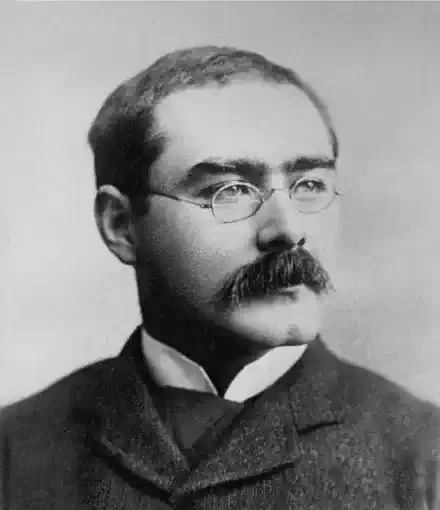
Rudyard Kipling
The Puzzler
The Puzzler
The Celt in all his variants from Builth to Ballyhoo,
His mental processes are plain--one knows what he will do,
And can logically predicate his finish by his start;
But the English--ah, the English!--they are quite a race apart.
Their psychology is bovine, their outlook crude and raw.
They abandon vital matters to be tickled with a straw;
But the straw that they were tickled with-the chaff that they were fed with--
They convert into a weaver's beam to break their foeman's head with.
For undemocratic reasons and for motives not of State,
They arrive at their conclusions--largely inarticulate.
Being void of self-expression they confide their views to none;
But sometimes in a smoking-room, one learns why things were done.
Yes, sometimes in a smoking-room, through clouds of "Ers" an "Ums,"
Obliquely and by inference, illumination comes,
On some step that they have taken, or some action they approve
Embellished with the argot of the Upper Fourth Remove.
In telegraphic sentences half nodded to their friends,
They hint a matter's inwardness--and there the matter ends.
And while the Celt is talking from Valencia to Kirkwall,
The English--ah, the English!--don't say anything at all.
The Celt in all his variants from Builth to Ballyhoo,
His mental processes are plain--one knows what he will do,
And can logically predicate his finish by his start;
But the English--ah, the English!--they are quite a race apart.
Their psychology is bovine, their outlook crude and raw.
They abandon vital matters to be tickled with a straw;
But the straw that they were tickled with-the chaff that they were fed with--
They convert into a weaver's beam to break their foeman's head with.
For undemocratic reasons and for motives not of State,
They arrive at their conclusions--largely inarticulate.
Being void of self-expression they confide their views to none;
But sometimes in a smoking-room, one learns why things were done.
Yes, sometimes in a smoking-room, through clouds of "Ers" an "Ums,"
Obliquely and by inference, illumination comes,
On some step that they have taken, or some action they approve
Embellished with the argot of the Upper Fourth Remove.
In telegraphic sentences half nodded to their friends,
They hint a matter's inwardness--and there the matter ends.
And while the Celt is talking from Valencia to Kirkwall,
The English--ah, the English!--don't say anything at all.
436
Rudyard Kipling
The Press
The Press
The Soldier may forget his Sword,
The Sailorman the Sea,
The Mason may forget the Word
And the Priest his Litany:
The Maid may forget both jewel and gem,
And the Bride her wedding-dress--
But the Jew shall forget Jerusalem
Ere we forget the Press!
Who once hath stood through the loaded hour
Ere, roaring like the gale,
The Harrild and the Hoe devour
Their league-long paper-bale,
And has lit his pipe in the morning calm
That follows the midnight stress--
He hath sold his heart to the old Black Art
We call the daily Press.
Who once hath dealt in the widest game
That all of a man can play,
No later love, no larger fame
Will lure him long away.
As the war-horse snuffeth the battle afar,
The entered Soul, no less,
He saith: "Ha! Ha!" where the trumpets are
And the thunders of the Press!
Canst thou number the days that we fulfill,
Or the Times that we bring forth?
Canst thou send the lightnings to do thy will,
And cause them reign on earth?
Hast thou given a peacock goodly wings,
To please his foolishness?
Sit down at the heart of men and things,
Companion of the Press!
The Pope may launch his Interdict,
The Union its decree,
But the bubble is blown and the bubble is pricked
By Us and such as We.
Remember the battle and stand aside
While Thrones and Powers confess
That King over all the children of pride
Is the Press--the Press--the Press!
The Soldier may forget his Sword,
The Sailorman the Sea,
The Mason may forget the Word
And the Priest his Litany:
The Maid may forget both jewel and gem,
And the Bride her wedding-dress--
But the Jew shall forget Jerusalem
Ere we forget the Press!
Who once hath stood through the loaded hour
Ere, roaring like the gale,
The Harrild and the Hoe devour
Their league-long paper-bale,
And has lit his pipe in the morning calm
That follows the midnight stress--
He hath sold his heart to the old Black Art
We call the daily Press.
Who once hath dealt in the widest game
That all of a man can play,
No later love, no larger fame
Will lure him long away.
As the war-horse snuffeth the battle afar,
The entered Soul, no less,
He saith: "Ha! Ha!" where the trumpets are
And the thunders of the Press!
Canst thou number the days that we fulfill,
Or the Times that we bring forth?
Canst thou send the lightnings to do thy will,
And cause them reign on earth?
Hast thou given a peacock goodly wings,
To please his foolishness?
Sit down at the heart of men and things,
Companion of the Press!
The Pope may launch his Interdict,
The Union its decree,
But the bubble is blown and the bubble is pricked
By Us and such as We.
Remember the battle and stand aside
While Thrones and Powers confess
That King over all the children of pride
Is the Press--the Press--the Press!
463
Rudyard Kipling
The Press
The Press
The Soldier may forget his Sword,
The Sailorman the Sea,
The Mason may forget the Word
And the Priest his Litany:
The Maid may forget both jewel and gem,
And the Bride her wedding-dress--
But the Jew shall forget Jerusalem
Ere we forget the Press!
Who once hath stood through the loaded hour
Ere, roaring like the gale,
The Harrild and the Hoe devour
Their league-long paper-bale,
And has lit his pipe in the morning calm
That follows the midnight stress--
He hath sold his heart to the old Black Art
We call the daily Press.
Who once hath dealt in the widest game
That all of a man can play,
No later love, no larger fame
Will lure him long away.
As the war-horse snuffeth the battle afar,
The entered Soul, no less,
He saith: "Ha! Ha!" where the trumpets are
And the thunders of the Press!
Canst thou number the days that we fulfill,
Or the Times that we bring forth?
Canst thou send the lightnings to do thy will,
And cause them reign on earth?
Hast thou given a peacock goodly wings,
To please his foolishness?
Sit down at the heart of men and things,
Companion of the Press!
The Pope may launch his Interdict,
The Union its decree,
But the bubble is blown and the bubble is pricked
By Us and such as We.
Remember the battle and stand aside
While Thrones and Powers confess
That King over all the children of pride
Is the Press--the Press--the Press!
The Soldier may forget his Sword,
The Sailorman the Sea,
The Mason may forget the Word
And the Priest his Litany:
The Maid may forget both jewel and gem,
And the Bride her wedding-dress--
But the Jew shall forget Jerusalem
Ere we forget the Press!
Who once hath stood through the loaded hour
Ere, roaring like the gale,
The Harrild and the Hoe devour
Their league-long paper-bale,
And has lit his pipe in the morning calm
That follows the midnight stress--
He hath sold his heart to the old Black Art
We call the daily Press.
Who once hath dealt in the widest game
That all of a man can play,
No later love, no larger fame
Will lure him long away.
As the war-horse snuffeth the battle afar,
The entered Soul, no less,
He saith: "Ha! Ha!" where the trumpets are
And the thunders of the Press!
Canst thou number the days that we fulfill,
Or the Times that we bring forth?
Canst thou send the lightnings to do thy will,
And cause them reign on earth?
Hast thou given a peacock goodly wings,
To please his foolishness?
Sit down at the heart of men and things,
Companion of the Press!
The Pope may launch his Interdict,
The Union its decree,
But the bubble is blown and the bubble is pricked
By Us and such as We.
Remember the battle and stand aside
While Thrones and Powers confess
That King over all the children of pride
Is the Press--the Press--the Press!
463
Rudyard Kipling
The Prayer
The Prayer
My brother kneels, so saith Kabir,
To stone and brass in heathen wise,
But in my brother's voice I hear
My own unanswered agonies.
His God is as his fates assign,
His prayer is all the world's--and mine.
My brother kneels, so saith Kabir,
To stone and brass in heathen wise,
But in my brother's voice I hear
My own unanswered agonies.
His God is as his fates assign,
His prayer is all the world's--and mine.
469
Rudyard Kipling
The Portent
The Portent
Horace, BK. V. Ode .
Oh, late withdrawn from human-kind
And following dreams we never knew!
Varus, what dream has Fate assigned
To trouble you?
Such virtue as commends of law
Of Virtue to the vulgar horde
Suffices not. You needs must draw
A righteous sword;
And, flagrant in well-doing, smite
The priests of Bacchus at their fane,
Lest any worshipper invite
The God again.
Whence public strife and naked crime
And-deadlier than the cup you shun--
A people schooled to mock, in time,
All law--not one.
Cease, then, to fashion State-made sin,
Nor give thy children cause to doubt
That Virtue springs from Iron within--
Not lead without.
Horace, BK. V. Ode .
Oh, late withdrawn from human-kind
And following dreams we never knew!
Varus, what dream has Fate assigned
To trouble you?
Such virtue as commends of law
Of Virtue to the vulgar horde
Suffices not. You needs must draw
A righteous sword;
And, flagrant in well-doing, smite
The priests of Bacchus at their fane,
Lest any worshipper invite
The God again.
Whence public strife and naked crime
And-deadlier than the cup you shun--
A people schooled to mock, in time,
All law--not one.
Cease, then, to fashion State-made sin,
Nor give thy children cause to doubt
That Virtue springs from Iron within--
Not lead without.
459
Rudyard Kipling
The Playmate
The Playmate
She is not Folly -- that I know.
Her steadfast eyelids tell me so
When, at the hour the lights divide,
She steals as summonsed to my side.
When, finger on the pursed lip
In secret, mirthful fellowship,
She, heralding new -- framed delights,
Breathes, "This shall be a Night of Nights!"
Then, out of Time and out of Space,
Is built an Hour and a Place
Where all an earnest, baffled Earth
Blunders and trips to make us mirth;
Whence from the trivial flux of Things,
Rise inconceived miscarryings,
Outrageous but immortal, shown,
Of Her great love, to me alone...
She is not Wisdom, but, maybe,
Wiser than all the Norns is She:
And more than Wisdom I prefer
To wait on Her, -- to wait on Her!
She is not Folly -- that I know.
Her steadfast eyelids tell me so
When, at the hour the lights divide,
She steals as summonsed to my side.
When, finger on the pursed lip
In secret, mirthful fellowship,
She, heralding new -- framed delights,
Breathes, "This shall be a Night of Nights!"
Then, out of Time and out of Space,
Is built an Hour and a Place
Where all an earnest, baffled Earth
Blunders and trips to make us mirth;
Whence from the trivial flux of Things,
Rise inconceived miscarryings,
Outrageous but immortal, shown,
Of Her great love, to me alone...
She is not Wisdom, but, maybe,
Wiser than all the Norns is She:
And more than Wisdom I prefer
To wait on Her, -- to wait on Her!
444
Rudyard Kipling
The Playmate
The Playmate
She is not Folly -- that I know.
Her steadfast eyelids tell me so
When, at the hour the lights divide,
She steals as summonsed to my side.
When, finger on the pursed lip
In secret, mirthful fellowship,
She, heralding new -- framed delights,
Breathes, "This shall be a Night of Nights!"
Then, out of Time and out of Space,
Is built an Hour and a Place
Where all an earnest, baffled Earth
Blunders and trips to make us mirth;
Whence from the trivial flux of Things,
Rise inconceived miscarryings,
Outrageous but immortal, shown,
Of Her great love, to me alone...
She is not Wisdom, but, maybe,
Wiser than all the Norns is She:
And more than Wisdom I prefer
To wait on Her, -- to wait on Her!
She is not Folly -- that I know.
Her steadfast eyelids tell me so
When, at the hour the lights divide,
She steals as summonsed to my side.
When, finger on the pursed lip
In secret, mirthful fellowship,
She, heralding new -- framed delights,
Breathes, "This shall be a Night of Nights!"
Then, out of Time and out of Space,
Is built an Hour and a Place
Where all an earnest, baffled Earth
Blunders and trips to make us mirth;
Whence from the trivial flux of Things,
Rise inconceived miscarryings,
Outrageous but immortal, shown,
Of Her great love, to me alone...
She is not Wisdom, but, maybe,
Wiser than all the Norns is She:
And more than Wisdom I prefer
To wait on Her, -- to wait on Her!
444
Rudyard Kipling
The Palace
The Palace
When I was a King and a Mason -- a Master proven and skilled --
I cleared me ground for a Palace such as a King should build.
I decreed and dug down to my levels. Presently, under the silt,
I came on the wreck of a Palace such as a King had built.
There was no worth in the fashion -- there was no wit in the plan --
Hither and thither, aimless, the ruined footings ran --
Masonry, brute, mishandled, but carven on every stone:
"After me cometh a Builder. Tell him, I too have known."
Swift to my use in my trenches, where my well-planned ground-works grew,
I tumbled his quoins and his ashlars, and cut and reset them anew.
Lime I milled of his marbles; burned it, slacked it, and spread;
Taking and leaving at pleasure the gifts of the humble dead.
Yet I despised not nor gloried; yet, as we wrenched them apart,
I read in the razed foundations the heart of that builder's heart.
As he had risen and pleaded, so did I understand
The form of the dream he had followed in the face of the thing he had planned.
* * * * *
When I was a King and a Mason -- in the open noon of my pride,
They sent me a Word from the Darkness. They whispered and called me aside.
They said -- "The end is forbidden." They said -- "Thy use is fulfilled.
"Thy Palace shall stand as that other's -- the spoil of a King who shall build."
I called my men from my trenches, my quarries, my wharves, and my sheers.
All I had wrought I abandoned to the faith of the faithless years.
Only I cut on the timber -- only I carved on the stone:
"After me cometh a Builder. Tell him, I too have known!"
When I was a King and a Mason -- a Master proven and skilled --
I cleared me ground for a Palace such as a King should build.
I decreed and dug down to my levels. Presently, under the silt,
I came on the wreck of a Palace such as a King had built.
There was no worth in the fashion -- there was no wit in the plan --
Hither and thither, aimless, the ruined footings ran --
Masonry, brute, mishandled, but carven on every stone:
"After me cometh a Builder. Tell him, I too have known."
Swift to my use in my trenches, where my well-planned ground-works grew,
I tumbled his quoins and his ashlars, and cut and reset them anew.
Lime I milled of his marbles; burned it, slacked it, and spread;
Taking and leaving at pleasure the gifts of the humble dead.
Yet I despised not nor gloried; yet, as we wrenched them apart,
I read in the razed foundations the heart of that builder's heart.
As he had risen and pleaded, so did I understand
The form of the dream he had followed in the face of the thing he had planned.
* * * * *
When I was a King and a Mason -- in the open noon of my pride,
They sent me a Word from the Darkness. They whispered and called me aside.
They said -- "The end is forbidden." They said -- "Thy use is fulfilled.
"Thy Palace shall stand as that other's -- the spoil of a King who shall build."
I called my men from my trenches, my quarries, my wharves, and my sheers.
All I had wrought I abandoned to the faith of the faithless years.
Only I cut on the timber -- only I carved on the stone:
"After me cometh a Builder. Tell him, I too have known!"
603
Rudyard Kipling
The Palace
The Palace
When I was a King and a Mason -- a Master proven and skilled --
I cleared me ground for a Palace such as a King should build.
I decreed and dug down to my levels. Presently, under the silt,
I came on the wreck of a Palace such as a King had built.
There was no worth in the fashion -- there was no wit in the plan --
Hither and thither, aimless, the ruined footings ran --
Masonry, brute, mishandled, but carven on every stone:
"After me cometh a Builder. Tell him, I too have known."
Swift to my use in my trenches, where my well-planned ground-works grew,
I tumbled his quoins and his ashlars, and cut and reset them anew.
Lime I milled of his marbles; burned it, slacked it, and spread;
Taking and leaving at pleasure the gifts of the humble dead.
Yet I despised not nor gloried; yet, as we wrenched them apart,
I read in the razed foundations the heart of that builder's heart.
As he had risen and pleaded, so did I understand
The form of the dream he had followed in the face of the thing he had planned.
* * * * *
When I was a King and a Mason -- in the open noon of my pride,
They sent me a Word from the Darkness. They whispered and called me aside.
They said -- "The end is forbidden." They said -- "Thy use is fulfilled.
"Thy Palace shall stand as that other's -- the spoil of a King who shall build."
I called my men from my trenches, my quarries, my wharves, and my sheers.
All I had wrought I abandoned to the faith of the faithless years.
Only I cut on the timber -- only I carved on the stone:
"After me cometh a Builder. Tell him, I too have known!"
When I was a King and a Mason -- a Master proven and skilled --
I cleared me ground for a Palace such as a King should build.
I decreed and dug down to my levels. Presently, under the silt,
I came on the wreck of a Palace such as a King had built.
There was no worth in the fashion -- there was no wit in the plan --
Hither and thither, aimless, the ruined footings ran --
Masonry, brute, mishandled, but carven on every stone:
"After me cometh a Builder. Tell him, I too have known."
Swift to my use in my trenches, where my well-planned ground-works grew,
I tumbled his quoins and his ashlars, and cut and reset them anew.
Lime I milled of his marbles; burned it, slacked it, and spread;
Taking and leaving at pleasure the gifts of the humble dead.
Yet I despised not nor gloried; yet, as we wrenched them apart,
I read in the razed foundations the heart of that builder's heart.
As he had risen and pleaded, so did I understand
The form of the dream he had followed in the face of the thing he had planned.
* * * * *
When I was a King and a Mason -- in the open noon of my pride,
They sent me a Word from the Darkness. They whispered and called me aside.
They said -- "The end is forbidden." They said -- "Thy use is fulfilled.
"Thy Palace shall stand as that other's -- the spoil of a King who shall build."
I called my men from my trenches, my quarries, my wharves, and my sheers.
All I had wrought I abandoned to the faith of the faithless years.
Only I cut on the timber -- only I carved on the stone:
"After me cometh a Builder. Tell him, I too have known!"
603
Rudyard Kipling
The Only Son
The Only Son
She dropped the bar, she shot the bolt, she fed the fire anew
For she heard a whimper under the sill and a great grey paw came through.
The fresh flame comforted the hut and shone on the roof-beam,
And the Only Son lay down again and dreamed that he dreamed a dream.
The last ash fell from the withered log with the click of a falling spark,
And the Only Son woke up again, and called across the dark:--
"Now was I born of womankind and laid in a mother's breast?
For I have dreamed of a shaggy hide whereon I went to rest.
And was I born of womankind and laid on a father's arm?
For I have dreamed of clashing teeth that guarded me from harm.
And was I born an Only Son and did I play alone?
For I have dreamed of comrades twain that bit me to the bone.
And did I break the barley-cake and steep it in the tyre?
For I have dreamed of a youngling kid new-riven from the byre:
For I have dreamed of a midnight sky and a midnight call to blood
And red-mouthed shadows racing by, that thrust me from my food.
'Tis an hour yet and an hour yet to the rising of the moon,
But I can see the black roof-tree as plain as it were noon.
'Tis a league and a league to the Lena Falls where the trooping blackbuck go;
But I can hear the little fawn that bleats behind the doe.
'Tis a league and a league to the Lena Falls where the crop and the upland meet,
But I Can smell the wet dawn-wind that wakes the sprouting wheat.
Unbar the door. I may not bide, but I must out and see
If those are wolves that wait outside or my own kin to me!"
. . . . .
She loosed the bar, she slid the bolt, she opened the door anon,
And a grey bitch-wolf came out of the dark and fawned on the Only Son!
She dropped the bar, she shot the bolt, she fed the fire anew
For she heard a whimper under the sill and a great grey paw came through.
The fresh flame comforted the hut and shone on the roof-beam,
And the Only Son lay down again and dreamed that he dreamed a dream.
The last ash fell from the withered log with the click of a falling spark,
And the Only Son woke up again, and called across the dark:--
"Now was I born of womankind and laid in a mother's breast?
For I have dreamed of a shaggy hide whereon I went to rest.
And was I born of womankind and laid on a father's arm?
For I have dreamed of clashing teeth that guarded me from harm.
And was I born an Only Son and did I play alone?
For I have dreamed of comrades twain that bit me to the bone.
And did I break the barley-cake and steep it in the tyre?
For I have dreamed of a youngling kid new-riven from the byre:
For I have dreamed of a midnight sky and a midnight call to blood
And red-mouthed shadows racing by, that thrust me from my food.
'Tis an hour yet and an hour yet to the rising of the moon,
But I can see the black roof-tree as plain as it were noon.
'Tis a league and a league to the Lena Falls where the trooping blackbuck go;
But I can hear the little fawn that bleats behind the doe.
'Tis a league and a league to the Lena Falls where the crop and the upland meet,
But I Can smell the wet dawn-wind that wakes the sprouting wheat.
Unbar the door. I may not bide, but I must out and see
If those are wolves that wait outside or my own kin to me!"
. . . . .
She loosed the bar, she slid the bolt, she opened the door anon,
And a grey bitch-wolf came out of the dark and fawned on the Only Son!
448
Rudyard Kipling
The Mother's Son
The Mother's Son
I have a dream -- a dreadful dream --
A dream that is never done.
I watch a man go out of his mind,
And he is My Mother's Son.
They pushed him into a Mental Home,
And that is like the grave:
For they do not let you sleep upstairs,
And you aren't allowed to shave.
And it was not disease or crime
Which got him landed there,
But because They laid on My Mother's Son
More than a man could bear.
What with noise, and fear of death,
Waking, and wounds and cold,
They filled the Cup for My Mother's Son
Fuller than it could hold.
They broke his body and his mind
And yet They made him live,
And They asked more of My Mother's Son
Than any man could give.
For, just because he had not died,
Nor been discharged nor sick,
They dragged it out with My Mother's Son
Longer than he could stick....
And no one knows when he'll get well --
So, there he'll have to be:
And, 'spite of the beard in the looking-glass,
I know that man is me!
I have a dream -- a dreadful dream --
A dream that is never done.
I watch a man go out of his mind,
And he is My Mother's Son.
They pushed him into a Mental Home,
And that is like the grave:
For they do not let you sleep upstairs,
And you aren't allowed to shave.
And it was not disease or crime
Which got him landed there,
But because They laid on My Mother's Son
More than a man could bear.
What with noise, and fear of death,
Waking, and wounds and cold,
They filled the Cup for My Mother's Son
Fuller than it could hold.
They broke his body and his mind
And yet They made him live,
And They asked more of My Mother's Son
Than any man could give.
For, just because he had not died,
Nor been discharged nor sick,
They dragged it out with My Mother's Son
Longer than he could stick....
And no one knows when he'll get well --
So, there he'll have to be:
And, 'spite of the beard in the looking-glass,
I know that man is me!
473
Rudyard Kipling
The Miracle of Purun Bhagat
The Miracle of Purun Bhagat
The night we felt the earth would move
We stole and plucked him by the hand,
Because we loved him with the love
That knows but cannot understand.
And when the roaring hillside broke,
And all our world fell down in rain,
We saved him, we the Little Folk;
But lo! he does not come again!
Mourn now, we saved him for the sake
Of such poor love as wild ones may.
Mourn ye! Our brother will not wake,
And his own kind drive us away!
The night we felt the earth would move
We stole and plucked him by the hand,
Because we loved him with the love
That knows but cannot understand.
And when the roaring hillside broke,
And all our world fell down in rain,
We saved him, we the Little Folk;
But lo! he does not come again!
Mourn now, we saved him for the sake
Of such poor love as wild ones may.
Mourn ye! Our brother will not wake,
And his own kind drive us away!
418
Rudyard Kipling
The Long Trail
The Long Trail
There's a whisper down the field where the year has shot her yield,
And the ricks stand grey to the sun,
Singing: "Over then, come over, for the bee has quit the dover,
"And your English summer's done."
You have heard the beat of the off-shore wind,
And the thresh of the deep-sea rain;
You have heard the song -- how long? how long?
Pull out on the trail again!
Ha' done with the Tents of Shem, dear lass,
We've seen the seasons through,
And it's time to turn the old trail, our own trail, the out trail,
Pull out, pull out, on the Long Trail-the trail that is always new!
It's North you may run to the rime-ringed sun
Or South to the blind Hom's hate;
Or East all the way into Mississippi Bay,
Or West to the Golden Gate --
Where the blindest bluffs hold good, dear lass,
And the wildest tales are true,
And the men bulk big on the old trail, our own trail, the out trail,
And life runs large on the Long Trail -- the trail that is always new.
The days are sick and cold, and the skies are grey and old
And the twice-breathed airs blow damp;
And I'd sell my tired soul for the bucking beam-sea roll
Of a black Bilbao tramp,
With her load-line over her hatch, dear lass,
And a drunken Dago crew,
And her nose held down on the old trail, our own trail, the out trail
From Cadiz south on the Long Trail-the trail that is always new.
There be triple ways to take, of the eagle or the snake,
Or the way of a man with a maid;
But the sweetest way to me is a ship's upon the sea
In the heel of the North-East Trade.
Can you hear the crash on her brows, dear lass.
And the drum of the racing screw,
As she ships it green on the old trail, our own trail, the out trail,
As she lifts and 'scends on the Long Trail -- the trail that is always new?
See the shaking funnels roar, with the Peter at the fore,
And the fenders grind and heave,
And the derricks clack and grate, as the tackle hooks the crate,
And the fall-rope whines through the sheave;
It's "Gang-plank up and in," dear lass,
It's "Hawsers warp her through!"
And it's "All clear aft" on the old trail, our own trail, the out trail,
We're backing down on the Long Trail -- the trail that is always new.
O the mutter overside, when the port-fog holds us tied,
And the sirens hoot their dread,
When foot by foot we creep o'er the hueless, viewless deep
To the sob of the questing lead!
It's down by the Lower Hope, dear lass,
With the Grinfleet Sands in view,
Till the Mouse swings green on the old trail, our own trail, the out trail,
And the Gull Light lifts on the Long Trail -- the trail that is always new.
O the blazing tropic night, when the wake's a welt of light
That holds the hot sky tame,
And the steady fore-foot snores through the planet-powdered floors
Where the scared whale flukes in flame!
Her plates are flaked by the sun, dear lass
And her ropes are taut with the dew,
For we're booming down on the old trail, our own trail, the out trail,
We're sagging south on the Long Trail -- the trail that is always new.
Then home, get her home, where the drunken rollers comb,
And the shouting seas drive by,
And the engines stamp and ring, and the wet bows reel and swing,
And the Southern Cross rides high!
Yes, the old lost stars wheel back, dear lass,
That blaze in the velvet blue.
They're all old friends on the old trail, our own trail, the out trail,
They're God's own guides on the Long Trail -- the trail that is always new.
Fly forward, O my heart, from the Foreland to the Start
We're steaming all too slow,
And it's twenty thousand mile to our little lazy isle
Where the trumpet-orchids blow!
You have heard the call of the off-shore wind
And the voice of the deep-sea rain;
You have heard the song-how long? how long?
Pull out on the trail again!
The Lord knows what we may find, dear lass,
And The Deuce knows we may do
But we're back once more on the old trail, our own trail, the out trail,
We're down, hull-down, on the Long Trail -- the trail that is always new!
There's a whisper down the field where the year has shot her yield,
And the ricks stand grey to the sun,
Singing: "Over then, come over, for the bee has quit the dover,
"And your English summer's done."
You have heard the beat of the off-shore wind,
And the thresh of the deep-sea rain;
You have heard the song -- how long? how long?
Pull out on the trail again!
Ha' done with the Tents of Shem, dear lass,
We've seen the seasons through,
And it's time to turn the old trail, our own trail, the out trail,
Pull out, pull out, on the Long Trail-the trail that is always new!
It's North you may run to the rime-ringed sun
Or South to the blind Hom's hate;
Or East all the way into Mississippi Bay,
Or West to the Golden Gate --
Where the blindest bluffs hold good, dear lass,
And the wildest tales are true,
And the men bulk big on the old trail, our own trail, the out trail,
And life runs large on the Long Trail -- the trail that is always new.
The days are sick and cold, and the skies are grey and old
And the twice-breathed airs blow damp;
And I'd sell my tired soul for the bucking beam-sea roll
Of a black Bilbao tramp,
With her load-line over her hatch, dear lass,
And a drunken Dago crew,
And her nose held down on the old trail, our own trail, the out trail
From Cadiz south on the Long Trail-the trail that is always new.
There be triple ways to take, of the eagle or the snake,
Or the way of a man with a maid;
But the sweetest way to me is a ship's upon the sea
In the heel of the North-East Trade.
Can you hear the crash on her brows, dear lass.
And the drum of the racing screw,
As she ships it green on the old trail, our own trail, the out trail,
As she lifts and 'scends on the Long Trail -- the trail that is always new?
See the shaking funnels roar, with the Peter at the fore,
And the fenders grind and heave,
And the derricks clack and grate, as the tackle hooks the crate,
And the fall-rope whines through the sheave;
It's "Gang-plank up and in," dear lass,
It's "Hawsers warp her through!"
And it's "All clear aft" on the old trail, our own trail, the out trail,
We're backing down on the Long Trail -- the trail that is always new.
O the mutter overside, when the port-fog holds us tied,
And the sirens hoot their dread,
When foot by foot we creep o'er the hueless, viewless deep
To the sob of the questing lead!
It's down by the Lower Hope, dear lass,
With the Grinfleet Sands in view,
Till the Mouse swings green on the old trail, our own trail, the out trail,
And the Gull Light lifts on the Long Trail -- the trail that is always new.
O the blazing tropic night, when the wake's a welt of light
That holds the hot sky tame,
And the steady fore-foot snores through the planet-powdered floors
Where the scared whale flukes in flame!
Her plates are flaked by the sun, dear lass
And her ropes are taut with the dew,
For we're booming down on the old trail, our own trail, the out trail,
We're sagging south on the Long Trail -- the trail that is always new.
Then home, get her home, where the drunken rollers comb,
And the shouting seas drive by,
And the engines stamp and ring, and the wet bows reel and swing,
And the Southern Cross rides high!
Yes, the old lost stars wheel back, dear lass,
That blaze in the velvet blue.
They're all old friends on the old trail, our own trail, the out trail,
They're God's own guides on the Long Trail -- the trail that is always new.
Fly forward, O my heart, from the Foreland to the Start
We're steaming all too slow,
And it's twenty thousand mile to our little lazy isle
Where the trumpet-orchids blow!
You have heard the call of the off-shore wind
And the voice of the deep-sea rain;
You have heard the song-how long? how long?
Pull out on the trail again!
The Lord knows what we may find, dear lass,
And The Deuce knows we may do
But we're back once more on the old trail, our own trail, the out trail,
We're down, hull-down, on the Long Trail -- the trail that is always new!
454
Rudyard Kipling
The Love Song of Har Dyal
The Love Song of Har Dyal
Alone upon the housetops to the North
I turn and watch the lightnings in the sky--
The glamour of thy footsteps in the North.
Come back to me, Beloved, or I die.
Below my feet the still bazar is laid--
Far, far below the weary camels lie--
The camels and the captives of thy raid.
Come back to me, Beloved, or I die!
My father's wife is old and harsh with years,
And drudge of all my father's house am I--
My bread is sorrow and my drink is tears.
Come back to me, Beloved, or I die!
Alone upon the housetops to the North
I turn and watch the lightnings in the sky--
The glamour of thy footsteps in the North.
Come back to me, Beloved, or I die.
Below my feet the still bazar is laid--
Far, far below the weary camels lie--
The camels and the captives of thy raid.
Come back to me, Beloved, or I die!
My father's wife is old and harsh with years,
And drudge of all my father's house am I--
My bread is sorrow and my drink is tears.
Come back to me, Beloved, or I die!
529
Rudyard Kipling
The Legend of Mirth
The Legend of Mirth
The Four Archangels, so the legends tell,
Raphael, Gabriel, Michael, Azrael,
Being first of those to whom the Power was shown
Stood first of all the Host before The Throne,
And, when the Charges were allotted, burst
Tumultuous-winged from out the assembly first.
Zeal was their spur that bade them strictly heed
Their own high judgment on their lightest deed.
Zeal was their spur that, when relief was given,
Urged them unwearied to new toils in Heaven;
For Honour's sake perfecting every task
Beyond what e 'en Perfection's self could ask. . .
And Allah, Who created Zeal and Pride,
Knows how the twain are perilous-near allied.
It chanced on one of Heaven's long-lighted days,
The Four and all the Host being gone their ways
Each to his Charge, the shining Courts were void
Save for one Seraph whom no charge employed,
With folden wings and slumber-threatened brow,
To whom The Word: "Beloved, what dost thou?"
"By the Permission," came the answer soft,
Little I do nor do that little oft.
As is The Will in Heaven so on Earth
Where by The Will I strive to make men mirth"
He ceased and sped, hearing The Word once more:
" Beloved, go thy way and greet the Four."
Systems and Universes overpast,
The Seraph came upon the Four, at last,
Guiding and guarding with devoted mind
The tedious generations of mankind
Who lent at most unwilling ear and eye
When they could not escape the ministry. . . .
Yet, patient, faithful, firm, persistent, just
Toward all that gross, indifferent, facile dust,
The Archangels laboured to discharge their trust
By precept and example, prayer and law,
Advice, reproof, and rule, but, labouring, saw
Each in his fellows' countenance confessed,
The Doubt that sickens: "Have I done my best?"
Even as they sighed and turned to toil anew,
The Seraph hailed them with observance due;
And, after some fit talk of higher things,
Touched tentative on mundane happenings.
This they permitting, he, emboldened thus,
Prolused of humankind promiscuous,
And, since the large contention less avails
Than instances observed, he told them tales--
Tales of the shop, the bed, the court, the street,
Intimate, elemental, indiscreet:
Occasions where Confusion smiting swift
Piles jest on jest as snow-slides pile the drift
Whence, one by one, beneath derisive skies,
The victims' bare, bewildered heads arise--
Tales of the passing of the spirit, graced
With humour blinding as the doom it faced--
Stark tales of ribaldy that broke aside
To tears, by laughter swallowed ere they dried-
Tales to which neither grace nor gain accrue,
But Only (Allah be exalted!) true,
And only, as the Seraph showed that night,
Delighting to the limits of delight.
These he rehearsed with artful pause and halt,
And such pretence of memory at fault,
That soon the Four--so well the bait was thrown--
Came to his aid with memories of their own--
Matters dismissed long since as small or vain,
Whereof the high significance had lain
Hid, till the ungirt glosses made it plain.
Then, as enlightenment came broad and fast,
Each marvelled at his own oblivious past
Until--the Gates of Laughter opened wide--
The Four, with that bland Seraph at their side,
While they recalled, compared, and amplified,
In utter mirth forgot both Zeal and Pride!
High over Heaven the lamps of midnight burned
Ere, weak with merriment, the Four returned,
Not in that order they were wont to keep--
Pinion to pinion answering, sweep for sweep,
In awful diapason heard afar--
But shoutingly adrift 'twixt star and star;
Reeling a planet's orbit left or right
As laughter took them in the abysmal Night;
Or, by the point of some remembered jest,
Winged and brought helpless down through gulfs unguessed,
Where the blank worlds that gather to the birth
Leaped in the Womb of Darkness at their mirth,
And e'en Gehenna's bondsmen understood.
They were not damned from human brotherhood . . .
Not first nor last of Heaven's high Host, the Four
That night took place beneath The Throne once more.
lovelier than their morning majesty,
The understanding light behind the eye!
more compelling than their old command,
The new-learned friendly gesture of the hand!
sweeter than their zealous fellowship,
The wise half-smile that passed from lip to lip!
well and roundly, when Command was given,
They told their tale against themselves to Heaven,
And in the silence, waiting on The Word,
Received the Peace and Pardon of The Lord!
The Four Archangels, so the legends tell,
Raphael, Gabriel, Michael, Azrael,
Being first of those to whom the Power was shown
Stood first of all the Host before The Throne,
And, when the Charges were allotted, burst
Tumultuous-winged from out the assembly first.
Zeal was their spur that bade them strictly heed
Their own high judgment on their lightest deed.
Zeal was their spur that, when relief was given,
Urged them unwearied to new toils in Heaven;
For Honour's sake perfecting every task
Beyond what e 'en Perfection's self could ask. . .
And Allah, Who created Zeal and Pride,
Knows how the twain are perilous-near allied.
It chanced on one of Heaven's long-lighted days,
The Four and all the Host being gone their ways
Each to his Charge, the shining Courts were void
Save for one Seraph whom no charge employed,
With folden wings and slumber-threatened brow,
To whom The Word: "Beloved, what dost thou?"
"By the Permission," came the answer soft,
Little I do nor do that little oft.
As is The Will in Heaven so on Earth
Where by The Will I strive to make men mirth"
He ceased and sped, hearing The Word once more:
" Beloved, go thy way and greet the Four."
Systems and Universes overpast,
The Seraph came upon the Four, at last,
Guiding and guarding with devoted mind
The tedious generations of mankind
Who lent at most unwilling ear and eye
When they could not escape the ministry. . . .
Yet, patient, faithful, firm, persistent, just
Toward all that gross, indifferent, facile dust,
The Archangels laboured to discharge their trust
By precept and example, prayer and law,
Advice, reproof, and rule, but, labouring, saw
Each in his fellows' countenance confessed,
The Doubt that sickens: "Have I done my best?"
Even as they sighed and turned to toil anew,
The Seraph hailed them with observance due;
And, after some fit talk of higher things,
Touched tentative on mundane happenings.
This they permitting, he, emboldened thus,
Prolused of humankind promiscuous,
And, since the large contention less avails
Than instances observed, he told them tales--
Tales of the shop, the bed, the court, the street,
Intimate, elemental, indiscreet:
Occasions where Confusion smiting swift
Piles jest on jest as snow-slides pile the drift
Whence, one by one, beneath derisive skies,
The victims' bare, bewildered heads arise--
Tales of the passing of the spirit, graced
With humour blinding as the doom it faced--
Stark tales of ribaldy that broke aside
To tears, by laughter swallowed ere they dried-
Tales to which neither grace nor gain accrue,
But Only (Allah be exalted!) true,
And only, as the Seraph showed that night,
Delighting to the limits of delight.
These he rehearsed with artful pause and halt,
And such pretence of memory at fault,
That soon the Four--so well the bait was thrown--
Came to his aid with memories of their own--
Matters dismissed long since as small or vain,
Whereof the high significance had lain
Hid, till the ungirt glosses made it plain.
Then, as enlightenment came broad and fast,
Each marvelled at his own oblivious past
Until--the Gates of Laughter opened wide--
The Four, with that bland Seraph at their side,
While they recalled, compared, and amplified,
In utter mirth forgot both Zeal and Pride!
High over Heaven the lamps of midnight burned
Ere, weak with merriment, the Four returned,
Not in that order they were wont to keep--
Pinion to pinion answering, sweep for sweep,
In awful diapason heard afar--
But shoutingly adrift 'twixt star and star;
Reeling a planet's orbit left or right
As laughter took them in the abysmal Night;
Or, by the point of some remembered jest,
Winged and brought helpless down through gulfs unguessed,
Where the blank worlds that gather to the birth
Leaped in the Womb of Darkness at their mirth,
And e'en Gehenna's bondsmen understood.
They were not damned from human brotherhood . . .
Not first nor last of Heaven's high Host, the Four
That night took place beneath The Throne once more.
lovelier than their morning majesty,
The understanding light behind the eye!
more compelling than their old command,
The new-learned friendly gesture of the hand!
sweeter than their zealous fellowship,
The wise half-smile that passed from lip to lip!
well and roundly, when Command was given,
They told their tale against themselves to Heaven,
And in the silence, waiting on The Word,
Received the Peace and Pardon of The Lord!
584
Rudyard Kipling
The Last Chantey
The Last Chantey
"~And there was no more sea.~"
Thus said The Lord in the Vault above the Cherubim
Calling to the Angels and the Souls in their degree:
"Lo! Earth has passed away
On the smoke of Judgment Day.
That Our word may be established shall We gather up the sea?"
Loud sang the souls of the jolly, jolly mariners:
"Plague upon the hurricane that made us furl and flee!
But the war is done between us,
In the deep the Lord hath seen us --
Our bones we'll leave the barracout', and God may sink the sea!"
Then said the soul of Judas that betray]\ed Him:
"Lord, hast Thou forgotten Thy covenant with me?
How once a year I go
To cool me on the floe?
And Ye take my day of mercy if Ye take away the sea!"
Then said the soul of the Angel of the Off-shore Wind:
(He that bits the thunder when the bull-mouthed breakers flee):
"I have watch and ward to keep
O'er Thy wonders on the deep,
And Ye take mine honour from me if Ye take away the sea!"
Loud sang the souls of the jolly, jolly mariners:
"Nay, but we were angry, and a hasty folk are we!
If we worked the ship together
Till she foundered in foul weather,
Are we babes that we should clamour for a vengeance on the sea?"
Then said the souls of the slaves that men threw overboard:
"Kennelled in the picaroon a weary band were we;
But Thy arm was strong to save,
And it touched us on the wave,
And we drowsed the long tides idle till Thy Trumpets tore the sea."
Then cried the soul of the stout Apostle Paul to God:
"Once we frapped a ship, and she laboured woundily.
There were fourteen score of these,
And they blessed Thee on their knees,
When they learned Thy Grace and Glory under Malta by the sea!"
Loud sang the souls of the jolly, jolly mariners,
Plucking at their harps, and they plucked unhandily:
"Our thumbs are rough and tarred,
And the tune is something hard --
May we lift a Deep-sea Chantey such as seamen use at sea?"
Then said the souls of the gentlemen-adventurers --
Fettered wrist to bar all for red iniquity:
"Ho, we revel in our chains
O'er the sorrow that was Spain's;
Heave or sink it, leave or drink it, we were masters of the sea!"
Up spake the soul of a gray Gothavn 'speckshioner --
(He that led the flinching in the fleets of fair Dundee):
"Oh, the ice-blink white and near,
And the bowhead breaching clear!
Will Ye whelm them all for wantonness that wallow in the sea?"
Loud sang the souls of the jolly, jolly mariners,
Crying: "Under Heaven, here is neither lead nor lee!
Must we sing for evermore
On the windless, glassy floor?
Take back your golden fiddles and we'll beat to open sea!"
Then stooped the Lord, and He called the good sea up to Him,
And 'stablished his borders unto all eternity,
That such as have no pleasure
For to praise the Lord by measure,
They may enter into galleons and serve Him on the sea.
Sun, wind, and cloud shall fail not from the face of it,
Stinging, ringing spindrift, nor the fulmar flying free;
And the ships shall go abroad
To the Glory of the Lord
Who heard the silly sailor-folk and gave them back their sea!
"~And there was no more sea.~"
Thus said The Lord in the Vault above the Cherubim
Calling to the Angels and the Souls in their degree:
"Lo! Earth has passed away
On the smoke of Judgment Day.
That Our word may be established shall We gather up the sea?"
Loud sang the souls of the jolly, jolly mariners:
"Plague upon the hurricane that made us furl and flee!
But the war is done between us,
In the deep the Lord hath seen us --
Our bones we'll leave the barracout', and God may sink the sea!"
Then said the soul of Judas that betray]\ed Him:
"Lord, hast Thou forgotten Thy covenant with me?
How once a year I go
To cool me on the floe?
And Ye take my day of mercy if Ye take away the sea!"
Then said the soul of the Angel of the Off-shore Wind:
(He that bits the thunder when the bull-mouthed breakers flee):
"I have watch and ward to keep
O'er Thy wonders on the deep,
And Ye take mine honour from me if Ye take away the sea!"
Loud sang the souls of the jolly, jolly mariners:
"Nay, but we were angry, and a hasty folk are we!
If we worked the ship together
Till she foundered in foul weather,
Are we babes that we should clamour for a vengeance on the sea?"
Then said the souls of the slaves that men threw overboard:
"Kennelled in the picaroon a weary band were we;
But Thy arm was strong to save,
And it touched us on the wave,
And we drowsed the long tides idle till Thy Trumpets tore the sea."
Then cried the soul of the stout Apostle Paul to God:
"Once we frapped a ship, and she laboured woundily.
There were fourteen score of these,
And they blessed Thee on their knees,
When they learned Thy Grace and Glory under Malta by the sea!"
Loud sang the souls of the jolly, jolly mariners,
Plucking at their harps, and they plucked unhandily:
"Our thumbs are rough and tarred,
And the tune is something hard --
May we lift a Deep-sea Chantey such as seamen use at sea?"
Then said the souls of the gentlemen-adventurers --
Fettered wrist to bar all for red iniquity:
"Ho, we revel in our chains
O'er the sorrow that was Spain's;
Heave or sink it, leave or drink it, we were masters of the sea!"
Up spake the soul of a gray Gothavn 'speckshioner --
(He that led the flinching in the fleets of fair Dundee):
"Oh, the ice-blink white and near,
And the bowhead breaching clear!
Will Ye whelm them all for wantonness that wallow in the sea?"
Loud sang the souls of the jolly, jolly mariners,
Crying: "Under Heaven, here is neither lead nor lee!
Must we sing for evermore
On the windless, glassy floor?
Take back your golden fiddles and we'll beat to open sea!"
Then stooped the Lord, and He called the good sea up to Him,
And 'stablished his borders unto all eternity,
That such as have no pleasure
For to praise the Lord by measure,
They may enter into galleons and serve Him on the sea.
Sun, wind, and cloud shall fail not from the face of it,
Stinging, ringing spindrift, nor the fulmar flying free;
And the ships shall go abroad
To the Glory of the Lord
Who heard the silly sailor-folk and gave them back their sea!
437
Rudyard Kipling
The King's Job
The King's Job
The Tudor Monarchy
Once on a time was a King anxious to understand
What was the wisest thing a man could do for his land.
Most of his population hurried to answer the question,
Each with a long oration, each with a new suggestion.
They interrupted his meals--he wasn't safe in his bed from 'em--
They hung round his neck and heels, and at last His Majesty fled
from 'em.
He put on a leper's cloak (people leave lepers alone),
Out of the window he broke, and abdicated his throne.
All that rapturous day, while his Court and his ministers mourn
him,
He danced on his own highway till his own Policeman warned
him.
Gay and cheerful he ran (lepers don't cheer as a rule)
Till he found a philosopher-man teaching an infant-school.
The windows were open wide, the King sat down on the grass,
And heard the children inside reciting "Our King is an ass."
The King popped in his head: "Some people would call this
treason,
But I think you are right," he said; "Will you kindly give me your
reason?"
Lepers in school are as rare as kings with a leper's dress on,
But the class didn't stop or stare; it calmly went on with the
lesson:
"The wisest thing, we suppose, that a man can do for his land.
Is the work that lies under his nose, with the tools that lie under
his hand."
The King whipped off his cloak, and stood in his crown before
'em.
He said: "My dear little folk, Ex ore parvulorum--."
(Which is Latin for "Children know more than grown-ups would
credit")
You have shown me the road to go, and I propose to tread it."
Back to his Kingdom he ran, and issued a Proclamation,
"Let every living man return to his occupation!"
Then he explained to the mob who cheered in his palace and round it,
"I've been to look for a job, and Heaven be praised I've found it!"
The Tudor Monarchy
Once on a time was a King anxious to understand
What was the wisest thing a man could do for his land.
Most of his population hurried to answer the question,
Each with a long oration, each with a new suggestion.
They interrupted his meals--he wasn't safe in his bed from 'em--
They hung round his neck and heels, and at last His Majesty fled
from 'em.
He put on a leper's cloak (people leave lepers alone),
Out of the window he broke, and abdicated his throne.
All that rapturous day, while his Court and his ministers mourn
him,
He danced on his own highway till his own Policeman warned
him.
Gay and cheerful he ran (lepers don't cheer as a rule)
Till he found a philosopher-man teaching an infant-school.
The windows were open wide, the King sat down on the grass,
And heard the children inside reciting "Our King is an ass."
The King popped in his head: "Some people would call this
treason,
But I think you are right," he said; "Will you kindly give me your
reason?"
Lepers in school are as rare as kings with a leper's dress on,
But the class didn't stop or stare; it calmly went on with the
lesson:
"The wisest thing, we suppose, that a man can do for his land.
Is the work that lies under his nose, with the tools that lie under
his hand."
The King whipped off his cloak, and stood in his crown before
'em.
He said: "My dear little folk, Ex ore parvulorum--."
(Which is Latin for "Children know more than grown-ups would
credit")
You have shown me the road to go, and I propose to tread it."
Back to his Kingdom he ran, and issued a Proclamation,
"Let every living man return to his occupation!"
Then he explained to the mob who cheered in his palace and round it,
"I've been to look for a job, and Heaven be praised I've found it!"
542
Rudyard Kipling
The Justice's Tale
The Justice's Tale
Chauser
With them there rode a lustie Engineere
Wel skilled to handel everich waie her geere,
Hee was soe wise ne man colde showe him naught
And out of Paris was hys learning brought.
Frontlings mid brazen wheeles and wandes he sat,
And on hys heade he bare an leathern hat.
Hee was soe certaine of his gouvermance,
That, by the Road, he tooke everie chaunce.
For simple people and for lordlings eke
Hee wolde not bate a del but onlie squeeke
Behinde their backes on an horne hie
Until they crope into a piggestie.
He was more wood than bull in china-shoppe,
And yet for cowes and dogges wolde hee stop,
Not our of Marcie but for Preudence-sake--
Than hys dependaunce ever was hys brake.
Chauser
With them there rode a lustie Engineere
Wel skilled to handel everich waie her geere,
Hee was soe wise ne man colde showe him naught
And out of Paris was hys learning brought.
Frontlings mid brazen wheeles and wandes he sat,
And on hys heade he bare an leathern hat.
Hee was soe certaine of his gouvermance,
That, by the Road, he tooke everie chaunce.
For simple people and for lordlings eke
Hee wolde not bate a del but onlie squeeke
Behinde their backes on an horne hie
Until they crope into a piggestie.
He was more wood than bull in china-shoppe,
And yet for cowes and dogges wolde hee stop,
Not our of Marcie but for Preudence-sake--
Than hys dependaunce ever was hys brake.
415
Rudyard Kipling
The Juggler's Song
The Juggler's Song
When the drums begin to beat
Down the street,
When the poles are fetched and guyed,
When the tight-rope's stretched and tied,
When the dance-girls make salaam,
When the snake-bag wakes alarm,
When the pipes set up their drone,
When the sharp-edged knives are thrown
When the red-hot coals are shown,
To be swallowed by-and-by--
Arre, Brethren, here come I!
Stripped to loin-cloth in the sun,
Search me well and watch me close!
Tell me how my tricks are done--
Tell me how the mango grows!
Give a man who is not made
To his trade
Swords to fling and catch again,
Coins to ring and snatch again,
Men to harm and cure again,
Snakes to charm and lure again--
He'll be hurt by his own blade,
By his serpents disobeyed,
By his clumsiness bewrayed,
By the people laughed to scorn--
So 'tis not with juggler born!
Pinch of dust or withered flower,
Chance-flung nut or borrowed staff,
Serve his need and shore his power,
Bind the spell or loose the laugh!
When the drums begin to beat
Down the street,
When the poles are fetched and guyed,
When the tight-rope's stretched and tied,
When the dance-girls make salaam,
When the snake-bag wakes alarm,
When the pipes set up their drone,
When the sharp-edged knives are thrown
When the red-hot coals are shown,
To be swallowed by-and-by--
Arre, Brethren, here come I!
Stripped to loin-cloth in the sun,
Search me well and watch me close!
Tell me how my tricks are done--
Tell me how the mango grows!
Give a man who is not made
To his trade
Swords to fling and catch again,
Coins to ring and snatch again,
Men to harm and cure again,
Snakes to charm and lure again--
He'll be hurt by his own blade,
By his serpents disobeyed,
By his clumsiness bewrayed,
By the people laughed to scorn--
So 'tis not with juggler born!
Pinch of dust or withered flower,
Chance-flung nut or borrowed staff,
Serve his need and shore his power,
Bind the spell or loose the laugh!
518
Rudyard Kipling
The Inventor
The Inventor
R. W. Emerson
Time and Space decreed his lot,
But little Man was quick to note:
When Time and Space said Man might not,
Bravely he answered, "Nay! I mote."
I looked on old New England.
Time and Space stood fast.
Men built altars to Distance
At every mile they passed.
Yet sleek with oil, a Force was hid
Making mock of all they did,
Ready at the appointed hour
To yield up to Prometheus
The secular and well-drilled Power
The Gods secreted thus.
And over high Wantastiquer
Emulous my lightnings ran,
Unregarded but after,
To fall in with my plan.
I beheld two ministries,
One of air and one of earth--
At a thought I married these,
And my New Age came to birth!
For rarely my purpose errs
Though oft it seems to pause,
And rods and cylinders
Obey my planets' laws.
Oil I drew from the well,
And Franklin's spark from its blue;
Time and Distance fell,
And Man went forth anew.
On the prairie and in the street
So long as my chariots roll
I bind wings to Adam's feet,
And, presently, to his soul!
R. W. Emerson
Time and Space decreed his lot,
But little Man was quick to note:
When Time and Space said Man might not,
Bravely he answered, "Nay! I mote."
I looked on old New England.
Time and Space stood fast.
Men built altars to Distance
At every mile they passed.
Yet sleek with oil, a Force was hid
Making mock of all they did,
Ready at the appointed hour
To yield up to Prometheus
The secular and well-drilled Power
The Gods secreted thus.
And over high Wantastiquer
Emulous my lightnings ran,
Unregarded but after,
To fall in with my plan.
I beheld two ministries,
One of air and one of earth--
At a thought I married these,
And my New Age came to birth!
For rarely my purpose errs
Though oft it seems to pause,
And rods and cylinders
Obey my planets' laws.
Oil I drew from the well,
And Franklin's spark from its blue;
Time and Distance fell,
And Man went forth anew.
On the prairie and in the street
So long as my chariots roll
I bind wings to Adam's feet,
And, presently, to his soul!
447
Rudyard Kipling
The Hyaenas
The Hyaenas
After the burial-parties leave
And the baffled kites have fled;
The wise hyaenas come out at eve
To take account of our dead.
How he died and why he died
Troubles them not a whit.
They snout the bushes and stones aside
And dig till they come to it.
They are only resolute they shall eat
That they and their mates may thrive,
And they know that the dead are safer meat
Than the weakest thing alive.
(For a goat may butt, and a worm may sting,
And a child will sometimes stand;
But a poor dead soldier of the King
Can never lift a hand.)
They whoop and halloo and scatter the dirt
Until their tushes white
Take good hold in the army shirt,
And tug the corpse to light,
And the pitiful face is shewn again
For an instant ere they close;
But it is not discovered to living men --
Only to God and to those
Who, being soulless, are free from shame,
Whatever meat they may find.
Nor do they defile the dead man's name --
That is reserved for his kind.
After the burial-parties leave
And the baffled kites have fled;
The wise hyaenas come out at eve
To take account of our dead.
How he died and why he died
Troubles them not a whit.
They snout the bushes and stones aside
And dig till they come to it.
They are only resolute they shall eat
That they and their mates may thrive,
And they know that the dead are safer meat
Than the weakest thing alive.
(For a goat may butt, and a worm may sting,
And a child will sometimes stand;
But a poor dead soldier of the King
Can never lift a hand.)
They whoop and halloo and scatter the dirt
Until their tushes white
Take good hold in the army shirt,
And tug the corpse to light,
And the pitiful face is shewn again
For an instant ere they close;
But it is not discovered to living men --
Only to God and to those
Who, being soulless, are free from shame,
Whatever meat they may find.
Nor do they defile the dead man's name --
That is reserved for his kind.
374
Rudyard Kipling
The Gift Of The Sea
The Gift Of The Sea
The dead child lay in the shroud,
And the widow watched beside;
And her mother slept, and the Channel swept
The gale in the teeth of the tide.
But the mother laughed at all.
"I have lost my man in the sea,
And the child is dead. Be still," she said,
"What more can ye do to me?"
The widow watched the dead,
And the candle guttered low,
And she tried to sing the Passing Song
That bids the poor soul go.
And "Mary take you now," she sang,
"That lay against my heart."
And "Mary smooth your crib to-night,"
But she could not say "Depart."
Then came a cry from the sea,
But the sea-rime blinded the glass,
And "Heard ye nothing, mother?" she said,
"'Tis the child that waits to pass."
And the nodding mother sighed.
"'Tis a lambing ewe in the whin,
For why should the christened soul cry out
That never knew of sin?"
"O feet I have held in my hand,
O hands at my heart to catch,
How should they know the road to go,
And how should they lift the latch?"
They laid a sheet to the door,
With the little quilt atop,
That it might not hurt from the cold or the dirt,
But the crying would not stop.
The widow lifted the latch
And strained her eyes to see,
And opened the door on the bitter shore
To let the soul go free.
There was neither glimmer nor ghost,
There was neither spirit nor spark,
And "Heard ye nothing, mother?" she said,
"'Tis crying for me in the dark."
And the nodding mother sighed:
"'Tis sorrow makes ye dull;
Have ye yet to learn the cry of the tern,
Or the wail of the wind-blown gull?"
"The terns are blown inland,
The gray gull follows the plough.
'Twas never a bird, the voice I heard,
O mother, I hear it now!"
"Lie still, dear lamb, lie still;
The child is passed from harm,
'Tis the ache in your breast that broke your rest,
And the feel of an empty arm."
She put her mother aside,
"In Mary's name let be!
For the peace of my soul I must go," she said,
And she went to the calling sea.
In the heel of the wind-bit pier,
Where the twisted weed was piled,
She came to the life she had missed by an hour,
For she came to a little child.
She laid it into her breast,
And back to her mother she came,
But it would not feed and it would not heed,
Though she gave it her own child's name.
And the dead child dripped on her breast,
And her own in the shroud lay stark;
And "God forgive us, mother," she said,
"We let it die in the dark!"
The dead child lay in the shroud,
And the widow watched beside;
And her mother slept, and the Channel swept
The gale in the teeth of the tide.
But the mother laughed at all.
"I have lost my man in the sea,
And the child is dead. Be still," she said,
"What more can ye do to me?"
The widow watched the dead,
And the candle guttered low,
And she tried to sing the Passing Song
That bids the poor soul go.
And "Mary take you now," she sang,
"That lay against my heart."
And "Mary smooth your crib to-night,"
But she could not say "Depart."
Then came a cry from the sea,
But the sea-rime blinded the glass,
And "Heard ye nothing, mother?" she said,
"'Tis the child that waits to pass."
And the nodding mother sighed.
"'Tis a lambing ewe in the whin,
For why should the christened soul cry out
That never knew of sin?"
"O feet I have held in my hand,
O hands at my heart to catch,
How should they know the road to go,
And how should they lift the latch?"
They laid a sheet to the door,
With the little quilt atop,
That it might not hurt from the cold or the dirt,
But the crying would not stop.
The widow lifted the latch
And strained her eyes to see,
And opened the door on the bitter shore
To let the soul go free.
There was neither glimmer nor ghost,
There was neither spirit nor spark,
And "Heard ye nothing, mother?" she said,
"'Tis crying for me in the dark."
And the nodding mother sighed:
"'Tis sorrow makes ye dull;
Have ye yet to learn the cry of the tern,
Or the wail of the wind-blown gull?"
"The terns are blown inland,
The gray gull follows the plough.
'Twas never a bird, the voice I heard,
O mother, I hear it now!"
"Lie still, dear lamb, lie still;
The child is passed from harm,
'Tis the ache in your breast that broke your rest,
And the feel of an empty arm."
She put her mother aside,
"In Mary's name let be!
For the peace of my soul I must go," she said,
And she went to the calling sea.
In the heel of the wind-bit pier,
Where the twisted weed was piled,
She came to the life she had missed by an hour,
For she came to a little child.
She laid it into her breast,
And back to her mother she came,
But it would not feed and it would not heed,
Though she gave it her own child's name.
And the dead child dripped on her breast,
And her own in the shroud lay stark;
And "God forgive us, mother," she said,
"We let it die in the dark!"
421
Rudyard Kipling
The Four Angels
The Four Angels
As Adam lay a-dreaming beneath the Apple Tree
The Angel of the Earth came down, and offered Earth in fee;
But Adam did not need it,
Nor the plough he would not speed it,
Singing: --"Earth and Water, Air and Fire,
What more can mortal man desire?"
(The Apple Tree's in bud)
As Adam lay a-dreaming beneath the Apple Tree
The Angel of the Waters offered all the Seas in fee;
But Adam would not take 'em,
Nor the ships he wouldn't make 'em,
Singing:--"Water, Earth and Air and Fire,
What more can mortal man desire? "
(The Apple Tree's in leaf.)
As Adam lay a-dreaming beneath the Apple Tree
The Angel of the Air he offered all the Air in fee;
But Adam did not crave it,
Nor the flight he wouldn't brave it,
Singing: --"Air and Water, Earth and Fire,
What more can mortal man desire:"
(The Apple Tree's in bloom.)
As Adam lay a-dreaming beneath the Apple Tree
The Angel of the Fire rose up and not a word said he;
But he wished a flame and made it,
And in Adam's heart he laid it,
Singing: --"Fire, Fire, burning Fire!
Stand up, and reach your heart's desire!"
(The Apple Blossom's set.)
As Adam was a-working outside of Eden-Wall,
He used the Earth, he used the Seas, he used the Air and all;
Till out of black disaster
He arose to be a master
Of Earth and Water, Air and Fire,
But never reached his heart's desire!
(The Apple Tree's cut down!)
As Adam lay a-dreaming beneath the Apple Tree
The Angel of the Earth came down, and offered Earth in fee;
But Adam did not need it,
Nor the plough he would not speed it,
Singing: --"Earth and Water, Air and Fire,
What more can mortal man desire?"
(The Apple Tree's in bud)
As Adam lay a-dreaming beneath the Apple Tree
The Angel of the Waters offered all the Seas in fee;
But Adam would not take 'em,
Nor the ships he wouldn't make 'em,
Singing:--"Water, Earth and Air and Fire,
What more can mortal man desire? "
(The Apple Tree's in leaf.)
As Adam lay a-dreaming beneath the Apple Tree
The Angel of the Air he offered all the Air in fee;
But Adam did not crave it,
Nor the flight he wouldn't brave it,
Singing: --"Air and Water, Earth and Fire,
What more can mortal man desire:"
(The Apple Tree's in bloom.)
As Adam lay a-dreaming beneath the Apple Tree
The Angel of the Fire rose up and not a word said he;
But he wished a flame and made it,
And in Adam's heart he laid it,
Singing: --"Fire, Fire, burning Fire!
Stand up, and reach your heart's desire!"
(The Apple Blossom's set.)
As Adam was a-working outside of Eden-Wall,
He used the Earth, he used the Seas, he used the Air and all;
Till out of black disaster
He arose to be a master
Of Earth and Water, Air and Fire,
But never reached his heart's desire!
(The Apple Tree's cut down!)
485
Rudyard Kipling
The First Chantey
The First Chantey
Mine was the woman to me, darkling I found her;
Haling her dumb from the camp, took her and bound her.
Hot rose her tribe on our track ere I had proved her;
Hearing her laugh in the gloom, greatly I loved her.
Swift through the forest we ran; none stood to guard us,
Few were my people and far; then the flood barred us --
Him we call Son of the Sea, sullen and swollen.
Panting we waited the death, stealer and stolen.
Yet ere they came to my lance laid for the slaughter,
Lightly she leaped to a log lapped in the water;
Holding on high and apart skins that arrayed her,
Called she the God of the Wind that He should aid her.
Life had the tree at that word (Praise we the Giver!)
Otter-like left he the bank for the full river.
Far fell their axes behind, flashing and ringing,
Wonder was on me and fear -- yet she was singing!
Low lay the land we had left. Now the blue bound us,
Even the Floor of the Gods level around us.
Whisper there was not, nor word, shadow nor showing,
Till the light stirred on the deep, glowing and growing.
Then did He leap to His place flaring from under,
He the Compeller, the Sun, bared to our wonder.
Nay, not a league from our eyes blinded with gazing,
Cleared He the gate of the world, huge and amazing!
This we beheld (and we live) -- the Pit of the Burning!
Then the God spoke to the tree for our returning;
Back to the beach of our flight, fearless and slowly,
Back to our slayers went he: but we were holy.
Men that were hot in that hunt, women that followed,
Babes that were promised our bones, trembled and wallowed:
Over the necks of the Tribe crouching and fawning --
Prophet and priestess we came back from the dawning!
Mine was the woman to me, darkling I found her;
Haling her dumb from the camp, took her and bound her.
Hot rose her tribe on our track ere I had proved her;
Hearing her laugh in the gloom, greatly I loved her.
Swift through the forest we ran; none stood to guard us,
Few were my people and far; then the flood barred us --
Him we call Son of the Sea, sullen and swollen.
Panting we waited the death, stealer and stolen.
Yet ere they came to my lance laid for the slaughter,
Lightly she leaped to a log lapped in the water;
Holding on high and apart skins that arrayed her,
Called she the God of the Wind that He should aid her.
Life had the tree at that word (Praise we the Giver!)
Otter-like left he the bank for the full river.
Far fell their axes behind, flashing and ringing,
Wonder was on me and fear -- yet she was singing!
Low lay the land we had left. Now the blue bound us,
Even the Floor of the Gods level around us.
Whisper there was not, nor word, shadow nor showing,
Till the light stirred on the deep, glowing and growing.
Then did He leap to His place flaring from under,
He the Compeller, the Sun, bared to our wonder.
Nay, not a league from our eyes blinded with gazing,
Cleared He the gate of the world, huge and amazing!
This we beheld (and we live) -- the Pit of the Burning!
Then the God spoke to the tree for our returning;
Back to the beach of our flight, fearless and slowly,
Back to our slayers went he: but we were holy.
Men that were hot in that hunt, women that followed,
Babes that were promised our bones, trembled and wallowed:
Over the necks of the Tribe crouching and fawning --
Prophet and priestess we came back from the dawning!
416