

Poems in this topic
Others

Robert W. Service
Amateur Poet
Amateur Poet
You see that sheaf of slender books
Upon the topmost shelf,
At which no browser ever looks,
Because they're by . . . myself;
They're neatly bound in navy blue,
But no one ever heeds;
Their print is clear and candid too,
Yet no one ever reads.
Poor wistful books! How much they cost
To me in time and gold!
I count them now as labour lost,
For none I ever sold;
No copy could I give away,
For all my friends would shrink,
And look at me as if to say:
"What waste of printer's ink!"
And as I gaze at them on high,
Although my eyes are sad,
I cannot help but breathe a sigh
To think what joy I had -
What ecstasy as I would seek
To make my rhyme come right,
And find at last the phrase unique
Flash fulgent in my sight.
Maybe that rapture was my gain
Far more than cheap success;
So I'll forget my striving vain,
And blot out bitterness.
Oh records of my radiant youth,
No broken heart I'll rue,
For all my best of love and truth
Is there, alive in you.
You see that sheaf of slender books
Upon the topmost shelf,
At which no browser ever looks,
Because they're by . . . myself;
They're neatly bound in navy blue,
But no one ever heeds;
Their print is clear and candid too,
Yet no one ever reads.
Poor wistful books! How much they cost
To me in time and gold!
I count them now as labour lost,
For none I ever sold;
No copy could I give away,
For all my friends would shrink,
And look at me as if to say:
"What waste of printer's ink!"
And as I gaze at them on high,
Although my eyes are sad,
I cannot help but breathe a sigh
To think what joy I had -
What ecstasy as I would seek
To make my rhyme come right,
And find at last the phrase unique
Flash fulgent in my sight.
Maybe that rapture was my gain
Far more than cheap success;
So I'll forget my striving vain,
And blot out bitterness.
Oh records of my radiant youth,
No broken heart I'll rue,
For all my best of love and truth
Is there, alive in you.
275
Robert W. Service
Amateur Poet
Amateur Poet
You see that sheaf of slender books
Upon the topmost shelf,
At which no browser ever looks,
Because they're by . . . myself;
They're neatly bound in navy blue,
But no one ever heeds;
Their print is clear and candid too,
Yet no one ever reads.
Poor wistful books! How much they cost
To me in time and gold!
I count them now as labour lost,
For none I ever sold;
No copy could I give away,
For all my friends would shrink,
And look at me as if to say:
"What waste of printer's ink!"
And as I gaze at them on high,
Although my eyes are sad,
I cannot help but breathe a sigh
To think what joy I had -
What ecstasy as I would seek
To make my rhyme come right,
And find at last the phrase unique
Flash fulgent in my sight.
Maybe that rapture was my gain
Far more than cheap success;
So I'll forget my striving vain,
And blot out bitterness.
Oh records of my radiant youth,
No broken heart I'll rue,
For all my best of love and truth
Is there, alive in you.
You see that sheaf of slender books
Upon the topmost shelf,
At which no browser ever looks,
Because they're by . . . myself;
They're neatly bound in navy blue,
But no one ever heeds;
Their print is clear and candid too,
Yet no one ever reads.
Poor wistful books! How much they cost
To me in time and gold!
I count them now as labour lost,
For none I ever sold;
No copy could I give away,
For all my friends would shrink,
And look at me as if to say:
"What waste of printer's ink!"
And as I gaze at them on high,
Although my eyes are sad,
I cannot help but breathe a sigh
To think what joy I had -
What ecstasy as I would seek
To make my rhyme come right,
And find at last the phrase unique
Flash fulgent in my sight.
Maybe that rapture was my gain
Far more than cheap success;
So I'll forget my striving vain,
And blot out bitterness.
Oh records of my radiant youth,
No broken heart I'll rue,
For all my best of love and truth
Is there, alive in you.
275
Robert W. Service
Agnostic Apology
Agnostic Apology
I am a stout materialist;
With abstract terms I can't agree,
And so I've made a little list
Of words that don't make sense to me.
To fool my reason I refuse,
For honest thinking is my goal;
And that is why I rarely use
Vague words like Soul.
In terms of matter I am sure
This world of our can be defined;
And so with theories obscure
I will not mystify my mind;
And though I use it more or less,
Describing alcoholic scenes,
I do not know, I must confess,
What Spirit means.
When I survey this cosmic scene,
The term "Creator" seems absurd;
The Universe has always been,
Creation never has occurred.
But in my Lexicon of Doubt
It strikes me definitely odd,
One word I never dare to flout,
One syllable the mountains shout,
Three letters that the stars spell out:
GOD.
I am a stout materialist;
With abstract terms I can't agree,
And so I've made a little list
Of words that don't make sense to me.
To fool my reason I refuse,
For honest thinking is my goal;
And that is why I rarely use
Vague words like Soul.
In terms of matter I am sure
This world of our can be defined;
And so with theories obscure
I will not mystify my mind;
And though I use it more or less,
Describing alcoholic scenes,
I do not know, I must confess,
What Spirit means.
When I survey this cosmic scene,
The term "Creator" seems absurd;
The Universe has always been,
Creation never has occurred.
But in my Lexicon of Doubt
It strikes me definitely odd,
One word I never dare to flout,
One syllable the mountains shout,
Three letters that the stars spell out:
GOD.
231
Robert W. Service
A Verseman's Apology
A Verseman's Apology
Alas! I am only a rhymer,
I don't know the meaning of Art;
But I learned in my little school primer
To love Eugene Field and Bret Harte.
I hailed Hoosier Ryley with pleasure,
To John Hay I took off my hat;
These fellows were right to my measure,
And I've never gone higher than that.
The Classics! Well, most of them bore me,
The Moderns I don't understand;
But I keep Burns, my kinsman before me,
And Kipling, my friend, is at hand.
They taught me my trade as I know it,
Yet though at their feet I have sat,
For God-sake don't call me a poet,
For I've never been guilty of that.
A rhyme-rustler, rugged and shameless,
A Bab Balladeer on the loose;
Of saccarine sonnets I'm blameless,
My model has been - Mother Goose.
And I fancy my grave-digger griping
As he gives my last lodging a pat:
"This guy wrote McGrew;
'Twas the best he could do" . . .
So I'll go to my maker with that.
Alas! I am only a rhymer,
I don't know the meaning of Art;
But I learned in my little school primer
To love Eugene Field and Bret Harte.
I hailed Hoosier Ryley with pleasure,
To John Hay I took off my hat;
These fellows were right to my measure,
And I've never gone higher than that.
The Classics! Well, most of them bore me,
The Moderns I don't understand;
But I keep Burns, my kinsman before me,
And Kipling, my friend, is at hand.
They taught me my trade as I know it,
Yet though at their feet I have sat,
For God-sake don't call me a poet,
For I've never been guilty of that.
A rhyme-rustler, rugged and shameless,
A Bab Balladeer on the loose;
Of saccarine sonnets I'm blameless,
My model has been - Mother Goose.
And I fancy my grave-digger griping
As he gives my last lodging a pat:
"This guy wrote McGrew;
'Twas the best he could do" . . .
So I'll go to my maker with that.
278
Robert W. Service
A Verseman's Apology
A Verseman's Apology
Alas! I am only a rhymer,
I don't know the meaning of Art;
But I learned in my little school primer
To love Eugene Field and Bret Harte.
I hailed Hoosier Ryley with pleasure,
To John Hay I took off my hat;
These fellows were right to my measure,
And I've never gone higher than that.
The Classics! Well, most of them bore me,
The Moderns I don't understand;
But I keep Burns, my kinsman before me,
And Kipling, my friend, is at hand.
They taught me my trade as I know it,
Yet though at their feet I have sat,
For God-sake don't call me a poet,
For I've never been guilty of that.
A rhyme-rustler, rugged and shameless,
A Bab Balladeer on the loose;
Of saccarine sonnets I'm blameless,
My model has been - Mother Goose.
And I fancy my grave-digger griping
As he gives my last lodging a pat:
"This guy wrote McGrew;
'Twas the best he could do" . . .
So I'll go to my maker with that.
Alas! I am only a rhymer,
I don't know the meaning of Art;
But I learned in my little school primer
To love Eugene Field and Bret Harte.
I hailed Hoosier Ryley with pleasure,
To John Hay I took off my hat;
These fellows were right to my measure,
And I've never gone higher than that.
The Classics! Well, most of them bore me,
The Moderns I don't understand;
But I keep Burns, my kinsman before me,
And Kipling, my friend, is at hand.
They taught me my trade as I know it,
Yet though at their feet I have sat,
For God-sake don't call me a poet,
For I've never been guilty of that.
A rhyme-rustler, rugged and shameless,
A Bab Balladeer on the loose;
Of saccarine sonnets I'm blameless,
My model has been - Mother Goose.
And I fancy my grave-digger griping
As he gives my last lodging a pat:
"This guy wrote McGrew;
'Twas the best he could do" . . .
So I'll go to my maker with that.
278
Robert W. Service
A Rolling Stone
A Rolling Stone
There's sunshine in the heart of me,
My blood sings in the breeze;
The mountains are a part of me,
I'm fellow to the trees.
My golden youth I'm squandering,
Sun-libertine am I;
A-wandering, a-wandering,
Until the day I die.
I was once, I declare, a Stone-Age man,
And I roomed in the cool of a cave;
I have known, I will swear, in a new life-span,
The fret and the sweat of a slave:
For far over all that folks hold worth,
There lives and there leaps in me
A love of the lowly things of earth,
And a passion to be free.
To pitch my tent with no prosy plan,
To range and to change at will;
To mock at the mastership of man,
To seek Adventure's thrill.
Carefree to be, as a bird that sings;
To go my own sweet way;
To reck not at all what may befall,
But to live and to love each day.
To make my body a temple pure
Wherein I dwell serene;
To care for the things that shall endure,
The simple, sweet and clean.
To oust out envy and hate and rage,
To breathe with no alarm;
For Nature shall be my anchorage,
And none shall do me harm.
To shun all lures that debauch the soul,
The orgied rites of the rich;
To eat my crust as a rover must
With the rough-neck down in the ditch.
To trudge by his side whate'er betide;
To share his fire at night;
To call him friend to the long trail-end,
And to read his heart aright.
To scorn all strife, and to view all life
With the curious eyes of a child;
From the plangent sea to the prairie,
From the slum to the heart of the Wild.
From the red-rimmed star to the speck of sand,
From the vast to the greatly small;
For I know that the whole for good is planned,
And I want to see it all.
To see it all, the wide world-way,
From the fig-leaf belt to the Pole;
With never a one to say me nay,
And none to cramp my soul.
In belly-pinch I will pay the price,
But God! let me be free;
For once I know in the long ago,
They made a slave of me.
In a flannel shirt from earth's clean dirt,
Here, pal, is my calloused hand!
Oh, I love each day as a rover may,
Nor seek to understand.
To enjoy is good enough for me;
The gipsy of God am I;
Then here's a hail to each flaring dawn!
And here's a cheer to the night that's gone!
And may I go a-roaming on
Until the day I die!
Then every star shall sing to me
Its song of liberty;
And every morn shall bring to me
Its mandate to be free.
In every throbbing vein of me
I'll feel the vast Earth-call;
O body, heart and brain of me
Praise Him who made it all!
There's sunshine in the heart of me,
My blood sings in the breeze;
The mountains are a part of me,
I'm fellow to the trees.
My golden youth I'm squandering,
Sun-libertine am I;
A-wandering, a-wandering,
Until the day I die.
I was once, I declare, a Stone-Age man,
And I roomed in the cool of a cave;
I have known, I will swear, in a new life-span,
The fret and the sweat of a slave:
For far over all that folks hold worth,
There lives and there leaps in me
A love of the lowly things of earth,
And a passion to be free.
To pitch my tent with no prosy plan,
To range and to change at will;
To mock at the mastership of man,
To seek Adventure's thrill.
Carefree to be, as a bird that sings;
To go my own sweet way;
To reck not at all what may befall,
But to live and to love each day.
To make my body a temple pure
Wherein I dwell serene;
To care for the things that shall endure,
The simple, sweet and clean.
To oust out envy and hate and rage,
To breathe with no alarm;
For Nature shall be my anchorage,
And none shall do me harm.
To shun all lures that debauch the soul,
The orgied rites of the rich;
To eat my crust as a rover must
With the rough-neck down in the ditch.
To trudge by his side whate'er betide;
To share his fire at night;
To call him friend to the long trail-end,
And to read his heart aright.
To scorn all strife, and to view all life
With the curious eyes of a child;
From the plangent sea to the prairie,
From the slum to the heart of the Wild.
From the red-rimmed star to the speck of sand,
From the vast to the greatly small;
For I know that the whole for good is planned,
And I want to see it all.
To see it all, the wide world-way,
From the fig-leaf belt to the Pole;
With never a one to say me nay,
And none to cramp my soul.
In belly-pinch I will pay the price,
But God! let me be free;
For once I know in the long ago,
They made a slave of me.
In a flannel shirt from earth's clean dirt,
Here, pal, is my calloused hand!
Oh, I love each day as a rover may,
Nor seek to understand.
To enjoy is good enough for me;
The gipsy of God am I;
Then here's a hail to each flaring dawn!
And here's a cheer to the night that's gone!
And may I go a-roaming on
Until the day I die!
Then every star shall sing to me
Its song of liberty;
And every morn shall bring to me
Its mandate to be free.
In every throbbing vein of me
I'll feel the vast Earth-call;
O body, heart and brain of me
Praise Him who made it all!
255
Robert W. Service
A Hero
A Hero
Three times I had the lust to kill,
To clutch a throat so young and fair,
And squeeze with all my might until
No breath of being lingered there.
Three times I drove the demon out,
Though on my brow was evil sweat. . . .
And yet I know beyond a doubt
He'll get me yet, he'll get me yet.
I know I'm mad, I ought to tell
The doctors, let them care for me,
Confine me in a padded cell
And never, never set me free;
But Oh how cruel that would be!
For I am young - and comely too . . .
Yet dim my demon I can see,
And there is but one thing to do.
Three times I beat the foul fiend back;
The fourth, I know he will prevail,
And so I'll seek the railway track
And lay my head upon the rail,
And sight the dark and distant train,
And hear its thunder louder roll,
Coming to crush my cursed brain . . .
Oh God, have mercy on my soul!
Three times I had the lust to kill,
To clutch a throat so young and fair,
And squeeze with all my might until
No breath of being lingered there.
Three times I drove the demon out,
Though on my brow was evil sweat. . . .
And yet I know beyond a doubt
He'll get me yet, he'll get me yet.
I know I'm mad, I ought to tell
The doctors, let them care for me,
Confine me in a padded cell
And never, never set me free;
But Oh how cruel that would be!
For I am young - and comely too . . .
Yet dim my demon I can see,
And there is but one thing to do.
Three times I beat the foul fiend back;
The fourth, I know he will prevail,
And so I'll seek the railway track
And lay my head upon the rail,
And sight the dark and distant train,
And hear its thunder louder roll,
Coming to crush my cursed brain . . .
Oh God, have mercy on my soul!
252
Robert W. Service
A Cabbage Patch
A Cabbage Patch
Folk ask if I'm alive,
Most think I'm not;
Yet gaily I contrive
To till my plot.
The world its way can go,
I little heed,
So long as I can grow
The grub I need.
For though long overdue,
The years to me,
Have taught a lesson true,
--Humility.
Such better men than I
I've seen pass on;
Their pay-off when they die;
--Oblivion.
And so I mock at fame,
With books unread;
No monument I claim
When I am dead;
Contented as I see
My cottage thatch
That my last goal should be
--A cabbage patch.
Folk ask if I'm alive,
Most think I'm not;
Yet gaily I contrive
To till my plot.
The world its way can go,
I little heed,
So long as I can grow
The grub I need.
For though long overdue,
The years to me,
Have taught a lesson true,
--Humility.
Such better men than I
I've seen pass on;
Their pay-off when they die;
--Oblivion.
And so I mock at fame,
With books unread;
No monument I claim
When I am dead;
Contented as I see
My cottage thatch
That my last goal should be
--A cabbage patch.
233
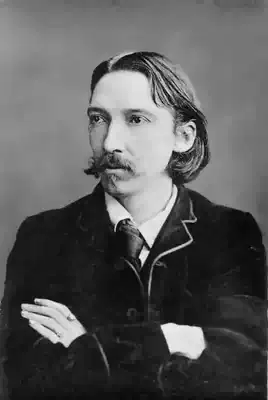
Robert Louis Stevenson
What Man May Learn, What Man May Do
What Man May Learn, What Man May Do
WHAT man may learn, what man may do,
Of right or wrong of false or true,
While, skipper-like, his course he steers
Through nine and twenty mingled years,
Half misconceived and half forgot,
So much I know and practise not.
Old are the words of wisdom, old
The counsels of the wise and bold:
To close the ears, to check the tongue,
To keep the pining spirit young;
To act the right, to say the true,
And to be kind whate'er you do.
Thus we across the modern stage
Follow the wise of every age;
And, as oaks grow and rivers run
Unchanged in the unchanging sun,
So the eternal march of man
Goes forth on an eternal plan.
WHAT man may learn, what man may do,
Of right or wrong of false or true,
While, skipper-like, his course he steers
Through nine and twenty mingled years,
Half misconceived and half forgot,
So much I know and practise not.
Old are the words of wisdom, old
The counsels of the wise and bold:
To close the ears, to check the tongue,
To keep the pining spirit young;
To act the right, to say the true,
And to be kind whate'er you do.
Thus we across the modern stage
Follow the wise of every age;
And, as oaks grow and rivers run
Unchanged in the unchanging sun,
So the eternal march of man
Goes forth on an eternal plan.
252
Robert Louis Stevenson
Variant Form Of The Preceding Poem
Variant Form Of The Preceding Poem
COME to me, all ye that labour; I will give your spirits rest;
Here apart in starry quiet I will give you rest.
Come to me, ye heavy laden, sin defiled and care opprest,
In your father's quiet mansions, soon to prove a welcome guest.
But an hour you bear your trial, sin and suffer, bleed and die;
But an hour you toil and combat here in day's inspiring eye.
See the feet of your deliverer; lo, the hour of freedom nigh.
COME to me, all ye that labour; I will give your spirits rest;
Here apart in starry quiet I will give you rest.
Come to me, ye heavy laden, sin defiled and care opprest,
In your father's quiet mansions, soon to prove a welcome guest.
But an hour you bear your trial, sin and suffer, bleed and die;
But an hour you toil and combat here in day's inspiring eye.
See the feet of your deliverer; lo, the hour of freedom nigh.
232
Robert Louis Stevenson
To the Muse
To the Muse
Resign the rhapsody, the dream,
To men of larger reach;
Be ours the quest of a plain theme,
The piety of speech.
As monkish scribes from morning break
Toiled till the close of light,
Nor thought a day too long to make
One line or letter bright:
We also with an ardent mind,
Time, wealth, and fame forgot,
Our glory in our patience find
And skim, and skim the pot:
Till last, when round the house we hear
The evensong of birds,
One corner of blue heaven appear
In our clear well of words.
Leave, leave it then, muse of my heart!
Sans finish and sans frame,
Leave unadorned by needless art
The picture as it came.
Resign the rhapsody, the dream,
To men of larger reach;
Be ours the quest of a plain theme,
The piety of speech.
As monkish scribes from morning break
Toiled till the close of light,
Nor thought a day too long to make
One line or letter bright:
We also with an ardent mind,
Time, wealth, and fame forgot,
Our glory in our patience find
And skim, and skim the pot:
Till last, when round the house we hear
The evensong of birds,
One corner of blue heaven appear
In our clear well of words.
Leave, leave it then, muse of my heart!
Sans finish and sans frame,
Leave unadorned by needless art
The picture as it came.
339
Robert Louis Stevenson
To the Muse
To the Muse
Resign the rhapsody, the dream,
To men of larger reach;
Be ours the quest of a plain theme,
The piety of speech.
As monkish scribes from morning break
Toiled till the close of light,
Nor thought a day too long to make
One line or letter bright:
We also with an ardent mind,
Time, wealth, and fame forgot,
Our glory in our patience find
And skim, and skim the pot:
Till last, when round the house we hear
The evensong of birds,
One corner of blue heaven appear
In our clear well of words.
Leave, leave it then, muse of my heart!
Sans finish and sans frame,
Leave unadorned by needless art
The picture as it came.
Resign the rhapsody, the dream,
To men of larger reach;
Be ours the quest of a plain theme,
The piety of speech.
As monkish scribes from morning break
Toiled till the close of light,
Nor thought a day too long to make
One line or letter bright:
We also with an ardent mind,
Time, wealth, and fame forgot,
Our glory in our patience find
And skim, and skim the pot:
Till last, when round the house we hear
The evensong of birds,
One corner of blue heaven appear
In our clear well of words.
Leave, leave it then, muse of my heart!
Sans finish and sans frame,
Leave unadorned by needless art
The picture as it came.
339
Robert Louis Stevenson
To the Muse
To the Muse
Resign the rhapsody, the dream,
To men of larger reach;
Be ours the quest of a plain theme,
The piety of speech.
As monkish scribes from morning break
Toiled till the close of light,
Nor thought a day too long to make
One line or letter bright:
We also with an ardent mind,
Time, wealth, and fame forgot,
Our glory in our patience find
And skim, and skim the pot:
Till last, when round the house we hear
The evensong of birds,
One corner of blue heaven appear
In our clear well of words.
Leave, leave it then, muse of my heart!
Sans finish and sans frame,
Leave unadorned by needless art
The picture as it came.
Resign the rhapsody, the dream,
To men of larger reach;
Be ours the quest of a plain theme,
The piety of speech.
As monkish scribes from morning break
Toiled till the close of light,
Nor thought a day too long to make
One line or letter bright:
We also with an ardent mind,
Time, wealth, and fame forgot,
Our glory in our patience find
And skim, and skim the pot:
Till last, when round the house we hear
The evensong of birds,
One corner of blue heaven appear
In our clear well of words.
Leave, leave it then, muse of my heart!
Sans finish and sans frame,
Leave unadorned by needless art
The picture as it came.
339
Robert Louis Stevenson
To Sydney
To Sydney
NOT thine where marble-still and white
Old statues share the tempered light
And mock the uneven modern flight,
But in the stream
Of daily sorrow and delight
To seek a theme.
I too, O friend, have steeled my heart
Boldly to choose the better part,
To leave the beaten ways of art,
And wholly free
To dare, beyond the scanty chart,
The deeper sea.
All vain restrictions left behind,
Frail bark! I loose my anchored mind
And large, before the prosperous wind
Desert the strand -
A new Columbus sworn to find
The morning land.
Nor too ambitious, friend. To thee
I own my weakness. Not for me
To sing the enfranchised nations' glee,
Or count the cost
Of warships foundered far at sea
And battles lost.
High on the far-seen, sunny hills,
Morning-content my bosom fills;
Well-pleased, I trace the wandering rills
And learn their birth.
Far off, the clash of sovereign wills
May shake the earth.
The nimble circuit of the wheel,
The uncertain poise of merchant weal,
Heaven of famine, fire and steel
When nations fall;
These, heedful, from afar I feel -
I mark them all.
But not, my friend, not these I sing,
My voice shall fill a narrower ring.
Tired souls, that flag upon the wing,
I seek to cheer:
Brave wines to strengthen hope I bring,
Life's cantineer!
Some song that shall be suppling oil
To weary muscles strained with toil,
Shall hearten for the daily moil,
Or widely read
Make sweet for him that tills the soil
His daily bread.
Such songs in my flushed hours I dream
(High thought) instead of armour gleam
Or warrior cantos ream by ream
To load the shelves -
Songs with a lilt of words, that seem
To sing themselves.
NOT thine where marble-still and white
Old statues share the tempered light
And mock the uneven modern flight,
But in the stream
Of daily sorrow and delight
To seek a theme.
I too, O friend, have steeled my heart
Boldly to choose the better part,
To leave the beaten ways of art,
And wholly free
To dare, beyond the scanty chart,
The deeper sea.
All vain restrictions left behind,
Frail bark! I loose my anchored mind
And large, before the prosperous wind
Desert the strand -
A new Columbus sworn to find
The morning land.
Nor too ambitious, friend. To thee
I own my weakness. Not for me
To sing the enfranchised nations' glee,
Or count the cost
Of warships foundered far at sea
And battles lost.
High on the far-seen, sunny hills,
Morning-content my bosom fills;
Well-pleased, I trace the wandering rills
And learn their birth.
Far off, the clash of sovereign wills
May shake the earth.
The nimble circuit of the wheel,
The uncertain poise of merchant weal,
Heaven of famine, fire and steel
When nations fall;
These, heedful, from afar I feel -
I mark them all.
But not, my friend, not these I sing,
My voice shall fill a narrower ring.
Tired souls, that flag upon the wing,
I seek to cheer:
Brave wines to strengthen hope I bring,
Life's cantineer!
Some song that shall be suppling oil
To weary muscles strained with toil,
Shall hearten for the daily moil,
Or widely read
Make sweet for him that tills the soil
His daily bread.
Such songs in my flushed hours I dream
(High thought) instead of armour gleam
Or warrior cantos ream by ream
To load the shelves -
Songs with a lilt of words, that seem
To sing themselves.
437
Robert Louis Stevenson
To Sydney
To Sydney
NOT thine where marble-still and white
Old statues share the tempered light
And mock the uneven modern flight,
But in the stream
Of daily sorrow and delight
To seek a theme.
I too, O friend, have steeled my heart
Boldly to choose the better part,
To leave the beaten ways of art,
And wholly free
To dare, beyond the scanty chart,
The deeper sea.
All vain restrictions left behind,
Frail bark! I loose my anchored mind
And large, before the prosperous wind
Desert the strand -
A new Columbus sworn to find
The morning land.
Nor too ambitious, friend. To thee
I own my weakness. Not for me
To sing the enfranchised nations' glee,
Or count the cost
Of warships foundered far at sea
And battles lost.
High on the far-seen, sunny hills,
Morning-content my bosom fills;
Well-pleased, I trace the wandering rills
And learn their birth.
Far off, the clash of sovereign wills
May shake the earth.
The nimble circuit of the wheel,
The uncertain poise of merchant weal,
Heaven of famine, fire and steel
When nations fall;
These, heedful, from afar I feel -
I mark them all.
But not, my friend, not these I sing,
My voice shall fill a narrower ring.
Tired souls, that flag upon the wing,
I seek to cheer:
Brave wines to strengthen hope I bring,
Life's cantineer!
Some song that shall be suppling oil
To weary muscles strained with toil,
Shall hearten for the daily moil,
Or widely read
Make sweet for him that tills the soil
His daily bread.
Such songs in my flushed hours I dream
(High thought) instead of armour gleam
Or warrior cantos ream by ream
To load the shelves -
Songs with a lilt of words, that seem
To sing themselves.
NOT thine where marble-still and white
Old statues share the tempered light
And mock the uneven modern flight,
But in the stream
Of daily sorrow and delight
To seek a theme.
I too, O friend, have steeled my heart
Boldly to choose the better part,
To leave the beaten ways of art,
And wholly free
To dare, beyond the scanty chart,
The deeper sea.
All vain restrictions left behind,
Frail bark! I loose my anchored mind
And large, before the prosperous wind
Desert the strand -
A new Columbus sworn to find
The morning land.
Nor too ambitious, friend. To thee
I own my weakness. Not for me
To sing the enfranchised nations' glee,
Or count the cost
Of warships foundered far at sea
And battles lost.
High on the far-seen, sunny hills,
Morning-content my bosom fills;
Well-pleased, I trace the wandering rills
And learn their birth.
Far off, the clash of sovereign wills
May shake the earth.
The nimble circuit of the wheel,
The uncertain poise of merchant weal,
Heaven of famine, fire and steel
When nations fall;
These, heedful, from afar I feel -
I mark them all.
But not, my friend, not these I sing,
My voice shall fill a narrower ring.
Tired souls, that flag upon the wing,
I seek to cheer:
Brave wines to strengthen hope I bring,
Life's cantineer!
Some song that shall be suppling oil
To weary muscles strained with toil,
Shall hearten for the daily moil,
Or widely read
Make sweet for him that tills the soil
His daily bread.
Such songs in my flushed hours I dream
(High thought) instead of armour gleam
Or warrior cantos ream by ream
To load the shelves -
Songs with a lilt of words, that seem
To sing themselves.
437
Robert Louis Stevenson
To Madame Garschine
To Madame Garschine
WHAT is the face, the fairest face, till Care,
Till Care the graver - Care with cunning hand,
Etches content thereon and makes it fair,
Or constancy, and love, and makes it grand?
WHAT is the face, the fairest face, till Care,
Till Care the graver - Care with cunning hand,
Etches content thereon and makes it fair,
Or constancy, and love, and makes it grand?
378
Robert Louis Stevenson
The Wind Is Without There And Howls In The Trees
The Wind Is Without There And Howls In The Trees
THE wind is without there and howls in the trees,
And the rain-flurries drum on the glass:
Alone by the fireside with elbows on knees
I can number the hours as they pass.
Yet now, when to cheer me the crickets begin,
And my pipe is just happily lit,
Believe me, my friend, tho' the evening draws in,
That not all uncontested I sit.
Alone, did I say? O no, nowise alone
With the Past sitting warm on my knee,
To gossip of days that are over and gone,
But still charming to her and to me.
With much to be glad of and much to deplore,
Yet, as these days with those we compare,
Believe me, my friend, tho' the sorrows seem more
They are somehow more easy to bear.
And thou, faded Future, uncertain and frail,
As I cherish thy light in each draught,
His lamp is not more to the miner - their sail
Is not more to the crew on the raft.
For Hope can make feeble ones earnest and brave,
And, as forth thro' the years I look on,
Believe me, my friend, between this and the grave,
I see wonderful things to be done.
To do or to try; and, believe me, my friend,
If the call should come early for me,
I can leave these foundations uprooted, and tend
For some new city over the sea.
To do or to try; and if failure be mine,
And if Fortune go cross to my plan,
Believe me, my friend, tho' I mourn the design
I shall never lament for the man.
THE wind is without there and howls in the trees,
And the rain-flurries drum on the glass:
Alone by the fireside with elbows on knees
I can number the hours as they pass.
Yet now, when to cheer me the crickets begin,
And my pipe is just happily lit,
Believe me, my friend, tho' the evening draws in,
That not all uncontested I sit.
Alone, did I say? O no, nowise alone
With the Past sitting warm on my knee,
To gossip of days that are over and gone,
But still charming to her and to me.
With much to be glad of and much to deplore,
Yet, as these days with those we compare,
Believe me, my friend, tho' the sorrows seem more
They are somehow more easy to bear.
And thou, faded Future, uncertain and frail,
As I cherish thy light in each draught,
His lamp is not more to the miner - their sail
Is not more to the crew on the raft.
For Hope can make feeble ones earnest and brave,
And, as forth thro' the years I look on,
Believe me, my friend, between this and the grave,
I see wonderful things to be done.
To do or to try; and, believe me, my friend,
If the call should come early for me,
I can leave these foundations uprooted, and tend
For some new city over the sea.
To do or to try; and if failure be mine,
And if Fortune go cross to my plan,
Believe me, my friend, tho' I mourn the design
I shall never lament for the man.
555
Robert Louis Stevenson
Thou Strainest Through The Mountain Fern
Thou Strainest Through The Mountain Fern
THOU strainest through the mountain fern,
A most exiguously thin Burn.
For all thy foam, for all thy din,
Thee shall the pallid lake inurn,
With well-a-day for Mr. Swin-Burne!
Take then this quarto in thy fin
And, O thou stoker huge and stern,
The whole affair, outside and in,
Burn!
But save the true poetic kin,
The works of Mr. Robert Burn'
And William Wordsworth upon Tin-Tern!
THOU strainest through the mountain fern,
A most exiguously thin Burn.
For all thy foam, for all thy din,
Thee shall the pallid lake inurn,
With well-a-day for Mr. Swin-Burne!
Take then this quarto in thy fin
And, O thou stoker huge and stern,
The whole affair, outside and in,
Burn!
But save the true poetic kin,
The works of Mr. Robert Burn'
And William Wordsworth upon Tin-Tern!
219
Robert Louis Stevenson
Thou Strainest Through The Mountain Fern
Thou Strainest Through The Mountain Fern
THOU strainest through the mountain fern,
A most exiguously thin Burn.
For all thy foam, for all thy din,
Thee shall the pallid lake inurn,
With well-a-day for Mr. Swin-Burne!
Take then this quarto in thy fin
And, O thou stoker huge and stern,
The whole affair, outside and in,
Burn!
But save the true poetic kin,
The works of Mr. Robert Burn'
And William Wordsworth upon Tin-Tern!
THOU strainest through the mountain fern,
A most exiguously thin Burn.
For all thy foam, for all thy din,
Thee shall the pallid lake inurn,
With well-a-day for Mr. Swin-Burne!
Take then this quarto in thy fin
And, O thou stoker huge and stern,
The whole affair, outside and in,
Burn!
But save the true poetic kin,
The works of Mr. Robert Burn'
And William Wordsworth upon Tin-Tern!
219
Robert Louis Stevenson
Thou Strainest Through The Mountain Fern
Thou Strainest Through The Mountain Fern
THOU strainest through the mountain fern,
A most exiguously thin Burn.
For all thy foam, for all thy din,
Thee shall the pallid lake inurn,
With well-a-day for Mr. Swin-Burne!
Take then this quarto in thy fin
And, O thou stoker huge and stern,
The whole affair, outside and in,
Burn!
But save the true poetic kin,
The works of Mr. Robert Burn'
And William Wordsworth upon Tin-Tern!
THOU strainest through the mountain fern,
A most exiguously thin Burn.
For all thy foam, for all thy din,
Thee shall the pallid lake inurn,
With well-a-day for Mr. Swin-Burne!
Take then this quarto in thy fin
And, O thou stoker huge and stern,
The whole affair, outside and in,
Burn!
But save the true poetic kin,
The works of Mr. Robert Burn'
And William Wordsworth upon Tin-Tern!
219
Robert Louis Stevenson
The Vagabond
The Vagabond
Give to me the life I love,
Let the lave go by me,
Give the jolly heaven above
And the byway nigh me.
Bed in the bush with stars to see,
Bread I dip in the river -
There's the life for a man like me,
There's the life for ever.
Let the blow fall soon or late,
Let what will be o'er me;
Give the face of earth around
And the road before me.
Wealth I seek not, hope nor love,
Nor a friend to know me;
All I seek, the heaven above
And the road below me.
Or let autumn fall on me
Where afield I linger,
Silencing the bird on tree,
Biting the blue finger.
White as meal the frosty field -
Warm the fireside haven -
Not to autumn will I yield,
Not to winter even!
Let the blow fall soon or late,
Let what will be o'er me;
Give the face of earth around,
And the road before me.
Wealth I ask not, hope nor love,
Nor a friend to know me;
All I ask, the heaven above
And the road below me.
Give to me the life I love,
Let the lave go by me,
Give the jolly heaven above
And the byway nigh me.
Bed in the bush with stars to see,
Bread I dip in the river -
There's the life for a man like me,
There's the life for ever.
Let the blow fall soon or late,
Let what will be o'er me;
Give the face of earth around
And the road before me.
Wealth I seek not, hope nor love,
Nor a friend to know me;
All I seek, the heaven above
And the road below me.
Or let autumn fall on me
Where afield I linger,
Silencing the bird on tree,
Biting the blue finger.
White as meal the frosty field -
Warm the fireside haven -
Not to autumn will I yield,
Not to winter even!
Let the blow fall soon or late,
Let what will be o'er me;
Give the face of earth around,
And the road before me.
Wealth I ask not, hope nor love,
Nor a friend to know me;
All I ask, the heaven above
And the road below me.
392
Robert Louis Stevenson
The Piper
The Piper
AGAIN I hear you piping, for I know the tune so well, -
You rouse the heart to wander and be free,
Tho' where you learned your music, not the God of song can tell,
For you pipe the open highway and the sea.
O piper, lightly footing, lightly piping on your way,
Tho' your music thrills and pierces far and near,
I tell you you had better pipe to someone else to-day,
For you cannot pipe my fancy from my dear.
You sound the note of travel through the hamlet and the town;
You would lure the holy angels from on high;
And not a man can hear you, but he throws the hammer down
And is off to see the countries ere he die.
But now no more I wander, now unchanging here I stay;
By my love, you find me safely sitting here:
And pipe you ne'er so sweetly, till you pipe the hills away,
You can never pipe my fancy from my dear.
AGAIN I hear you piping, for I know the tune so well, -
You rouse the heart to wander and be free,
Tho' where you learned your music, not the God of song can tell,
For you pipe the open highway and the sea.
O piper, lightly footing, lightly piping on your way,
Tho' your music thrills and pierces far and near,
I tell you you had better pipe to someone else to-day,
For you cannot pipe my fancy from my dear.
You sound the note of travel through the hamlet and the town;
You would lure the holy angels from on high;
And not a man can hear you, but he throws the hammer down
And is off to see the countries ere he die.
But now no more I wander, now unchanging here I stay;
By my love, you find me safely sitting here:
And pipe you ne'er so sweetly, till you pipe the hills away,
You can never pipe my fancy from my dear.
369
Robert Louis Stevenson
The Dumb Soldier
The Dumb Soldier
When the grass was closely mown,
Walking on the lawn alone,
In the turf a hole I found
And hid a soldier underground.
Spring and daisies came apace;
Grasses hid my hiding-place;
Grasses run like a green sea
O'er the lawn up to my knee.
Under grass alone he lies,
Looking up with leaden eyes,
Scarlet coat and pointed gun,
To the stars and to the sun.
When the grass is ripe like grain,
When the scythe is stoned again,
When the lawn is shaven clear,
Then my hole shall reappear.
I shall find him, never fear,
I shall find my grenadier;
But, for all that's gone and come,
I shall find my soldier dumb.
He has lived, a little thing,
In the grassy woods of spring;
Done, if he could tell me true,
Just as I should like to do.
He has seen the starry hours
And the springing of the flowers;
And the fairy things that pass
In the forests of the grass.
In the silence he has heard
Talking bee and ladybird,
And the butterfly has flown
O'er him as he lay alone.
Not a word will he disclose,
Not a word of all he knows.
I must lay him on the shelf,
And make up the tale myself.
When the grass was closely mown,
Walking on the lawn alone,
In the turf a hole I found
And hid a soldier underground.
Spring and daisies came apace;
Grasses hid my hiding-place;
Grasses run like a green sea
O'er the lawn up to my knee.
Under grass alone he lies,
Looking up with leaden eyes,
Scarlet coat and pointed gun,
To the stars and to the sun.
When the grass is ripe like grain,
When the scythe is stoned again,
When the lawn is shaven clear,
Then my hole shall reappear.
I shall find him, never fear,
I shall find my grenadier;
But, for all that's gone and come,
I shall find my soldier dumb.
He has lived, a little thing,
In the grassy woods of spring;
Done, if he could tell me true,
Just as I should like to do.
He has seen the starry hours
And the springing of the flowers;
And the fairy things that pass
In the forests of the grass.
In the silence he has heard
Talking bee and ladybird,
And the butterfly has flown
O'er him as he lay alone.
Not a word will he disclose,
Not a word of all he knows.
I must lay him on the shelf,
And make up the tale myself.
326
Robert Louis Stevenson
The Clock's Clear Voice Into The Clearer Air
The Clock's Clear Voice Into The Clearer Air
THE cock's clear voice into the clearer air
Where westward far I roam,
Mounts with a thrill of hope,
Falls with a sigh of home.
A rural sentry, he from farm and field
The coming morn descries,
And, mankind's bugler, wakes
The camp of enterprise.
He sings the morn upon the westward hills
Strange and remote and wild;
He sings it in the land
Where once I was a child.
He brings to me dear voices of the past,
The old land and the years:
My father calls for me,
My weeping spirit hears.
Fife, fife, into the golden air, O bird,
And sing the morning in;
For the old days are past
And new days begin.
THE cock's clear voice into the clearer air
Where westward far I roam,
Mounts with a thrill of hope,
Falls with a sigh of home.
A rural sentry, he from farm and field
The coming morn descries,
And, mankind's bugler, wakes
The camp of enterprise.
He sings the morn upon the westward hills
Strange and remote and wild;
He sings it in the land
Where once I was a child.
He brings to me dear voices of the past,
The old land and the years:
My father calls for me,
My weeping spirit hears.
Fife, fife, into the golden air, O bird,
And sing the morning in;
For the old days are past
And new days begin.
381