

Poems in this topic
Others
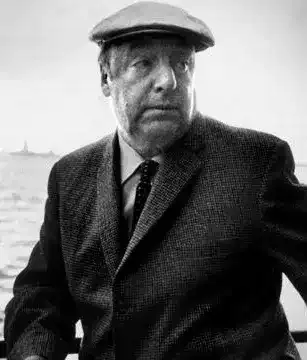
Pablo Neruda
Soneto XVII
Soneto XVII
No te amo como si fueras rosa de sal, topacio
o flecha de claveles que propagan el fuego:
te amo como se aman ciertas cosas oscuras,
secretamente, entre la sombra y el alma.
Te amo como la planta que no florece y lleva
dentro de sí, escondida, la luz de aquellas flores,
y gracias a tu amor vive oscuro en mi cuerpo
el apretado aroma que ascendió de la tierra.
Te amo sin saber cómo, ni cuándo, ni de dónde,
te amo directamente sin problemas ni orgullo:
así te amo porque no sé amar de otra manera,
sino así de este modo en que no soy ni eres,
tan cerca que tu mano sobre mi pecho es mía,
tan cerca que se cierran tus ojos con mi sueño.
No te amo como si fueras rosa de sal, topacio
o flecha de claveles que propagan el fuego:
te amo como se aman ciertas cosas oscuras,
secretamente, entre la sombra y el alma.
Te amo como la planta que no florece y lleva
dentro de sí, escondida, la luz de aquellas flores,
y gracias a tu amor vive oscuro en mi cuerpo
el apretado aroma que ascendió de la tierra.
Te amo sin saber cómo, ni cuándo, ni de dónde,
te amo directamente sin problemas ni orgullo:
así te amo porque no sé amar de otra manera,
sino así de este modo en que no soy ni eres,
tan cerca que tu mano sobre mi pecho es mía,
tan cerca que se cierran tus ojos con mi sueño.
775
Pablo Neruda
Sonnet IX: There where the waves shatter
Sonnet IX: There where the waves shatter
There where the waves shatter on the restless rocks
the clear light bursts and enacts its rose,
and the sea-circle shrinks to a cluster of buds,
to one drop of blue salt, falling.
O bright magnolia bursting in the foam,
magnetic transient whose death blooms
and vanishes--being, nothingness--forever:
broken salt, dazzling lurch of the sea.
You & I, Love, together we ratify the silence,
while the sea destroys its perpetual statues,
collapses its towers of wild speed and whiteness:
because in the weavings of those invisible fabrics,
galloping water, incessant sand,
we make the only permanent tenderness.
There where the waves shatter on the restless rocks
the clear light bursts and enacts its rose,
and the sea-circle shrinks to a cluster of buds,
to one drop of blue salt, falling.
O bright magnolia bursting in the foam,
magnetic transient whose death blooms
and vanishes--being, nothingness--forever:
broken salt, dazzling lurch of the sea.
You & I, Love, together we ratify the silence,
while the sea destroys its perpetual statues,
collapses its towers of wild speed and whiteness:
because in the weavings of those invisible fabrics,
galloping water, incessant sand,
we make the only permanent tenderness.
555
Pablo Neruda
Saddest Poem
Saddest Poem
I can write the saddest poem of all tonight.
Write, for instance: "The night is full of stars,
and the stars, blue, shiver in the distance."
The night wind whirls in the sky and sings.
I can write the saddest poem of all tonight.
I loved her, and sometimes she loved me too.
On nights like this, I held her in my arms.
I kissed her so many times under the infinite sky.
She loved me, sometimes I loved her.
How could I not have loved her large, still eyes?
I can write the saddest poem of all tonight.
To think I don't have her. To feel that I've lost her.
To hear the immense night, more immense without her.
And the poem falls to the soul as dew to grass.
What does it matter that my love couldn't keep her.
The night is full of stars and she is not with me.
That's all. Far away, someone sings. Far away.
My soul is lost without her.
As if to bring her near, my eyes search for her.
My heart searches for her and she is not with me.
The same night that whitens the same trees.
We, we who were, we are the same no longer.
I no longer love her, true, but how much I loved her.
My voice searched the wind to touch her ear.
Someone else's. She will be someone else's. As she once
belonged to my kisses.
Her voice, her light body. Her infinite eyes.
I no longer love her, true, but perhaps I love her.
Love is so short and oblivion so long.
Because on nights like this I held her in my arms,
my soul is lost without her.
Although this may be the last pain she causes me,
and this may be the last poem I write for her.
I can write the saddest poem of all tonight.
Write, for instance: "The night is full of stars,
and the stars, blue, shiver in the distance."
The night wind whirls in the sky and sings.
I can write the saddest poem of all tonight.
I loved her, and sometimes she loved me too.
On nights like this, I held her in my arms.
I kissed her so many times under the infinite sky.
She loved me, sometimes I loved her.
How could I not have loved her large, still eyes?
I can write the saddest poem of all tonight.
To think I don't have her. To feel that I've lost her.
To hear the immense night, more immense without her.
And the poem falls to the soul as dew to grass.
What does it matter that my love couldn't keep her.
The night is full of stars and she is not with me.
That's all. Far away, someone sings. Far away.
My soul is lost without her.
As if to bring her near, my eyes search for her.
My heart searches for her and she is not with me.
The same night that whitens the same trees.
We, we who were, we are the same no longer.
I no longer love her, true, but how much I loved her.
My voice searched the wind to touch her ear.
Someone else's. She will be someone else's. As she once
belonged to my kisses.
Her voice, her light body. Her infinite eyes.
I no longer love her, true, but perhaps I love her.
Love is so short and oblivion so long.
Because on nights like this I held her in my arms,
my soul is lost without her.
Although this may be the last pain she causes me,
and this may be the last poem I write for her.
778
Pablo Neruda
Potter
Potter
Your whole body has
a fullness or a gentleness destined for me.
When I move my hand up
I find in each place a dove
that was seeking me, as
if they had, love, made you of clay
for my own potter's hands.
Your knees, your breasts,
your waist
are missing parts of me like the hollow
of a thirsty earth
from which they broke off
a form,
and together
we are complete like a single river,
like a single grain of sand.
Your whole body has
a fullness or a gentleness destined for me.
When I move my hand up
I find in each place a dove
that was seeking me, as
if they had, love, made you of clay
for my own potter's hands.
Your knees, your breasts,
your waist
are missing parts of me like the hollow
of a thirsty earth
from which they broke off
a form,
and together
we are complete like a single river,
like a single grain of sand.
480
Pablo Neruda
Potter
Potter
Your whole body has
a fullness or a gentleness destined for me.
When I move my hand up
I find in each place a dove
that was seeking me, as
if they had, love, made you of clay
for my own potter's hands.
Your knees, your breasts,
your waist
are missing parts of me like the hollow
of a thirsty earth
from which they broke off
a form,
and together
we are complete like a single river,
like a single grain of sand.
Your whole body has
a fullness or a gentleness destined for me.
When I move my hand up
I find in each place a dove
that was seeking me, as
if they had, love, made you of clay
for my own potter's hands.
Your knees, your breasts,
your waist
are missing parts of me like the hollow
of a thirsty earth
from which they broke off
a form,
and together
we are complete like a single river,
like a single grain of sand.
480
Pablo Neruda
Poetry
Poetry
And it was at that age ... Poetry arrived
in search of me. I don't know, I don't know where
it came from, from winter or a river.
I don't know how or when,
no they were not voices, they were not
words, nor silence,
but from a street I was summoned,
from the branches of night,
abruptly from the others,
among violent fires
or returning alone,
there I was without a face
and it touched me.
I did not know what to say, my mouth
had no way
with names,
my eyes were blind,
and something started in my soul,
fever or forgotten wings,
and I made my own way,
deciphering
that fire,
and I wrote the first faint line,
faint, without substance, pure
nonsense,
pure wisdom
of someone who knows nothing,
and suddenly I saw
the heavens
unfastened
and open,
planets,
palpitating plantations,
shadow perforated,
riddled
with arrows, fire and flowers,
the winding night, the universe.
And I, infinitesimal being,
drunk with the great starry
void,
likeness, image of
mystery,
felt myself a pure part
of the abyss,
I wheeled with the stars,
my heart broke loose on the wind.
And it was at that age ... Poetry arrived
in search of me. I don't know, I don't know where
it came from, from winter or a river.
I don't know how or when,
no they were not voices, they were not
words, nor silence,
but from a street I was summoned,
from the branches of night,
abruptly from the others,
among violent fires
or returning alone,
there I was without a face
and it touched me.
I did not know what to say, my mouth
had no way
with names,
my eyes were blind,
and something started in my soul,
fever or forgotten wings,
and I made my own way,
deciphering
that fire,
and I wrote the first faint line,
faint, without substance, pure
nonsense,
pure wisdom
of someone who knows nothing,
and suddenly I saw
the heavens
unfastened
and open,
planets,
palpitating plantations,
shadow perforated,
riddled
with arrows, fire and flowers,
the winding night, the universe.
And I, infinitesimal being,
drunk with the great starry
void,
likeness, image of
mystery,
felt myself a pure part
of the abyss,
I wheeled with the stars,
my heart broke loose on the wind.
754
Pablo Neruda
Poetry
Poetry
And it was at that age ... Poetry arrived
in search of me. I don't know, I don't know where
it came from, from winter or a river.
I don't know how or when,
no they were not voices, they were not
words, nor silence,
but from a street I was summoned,
from the branches of night,
abruptly from the others,
among violent fires
or returning alone,
there I was without a face
and it touched me.
I did not know what to say, my mouth
had no way
with names,
my eyes were blind,
and something started in my soul,
fever or forgotten wings,
and I made my own way,
deciphering
that fire,
and I wrote the first faint line,
faint, without substance, pure
nonsense,
pure wisdom
of someone who knows nothing,
and suddenly I saw
the heavens
unfastened
and open,
planets,
palpitating plantations,
shadow perforated,
riddled
with arrows, fire and flowers,
the winding night, the universe.
And I, infinitesimal being,
drunk with the great starry
void,
likeness, image of
mystery,
felt myself a pure part
of the abyss,
I wheeled with the stars,
my heart broke loose on the wind.
And it was at that age ... Poetry arrived
in search of me. I don't know, I don't know where
it came from, from winter or a river.
I don't know how or when,
no they were not voices, they were not
words, nor silence,
but from a street I was summoned,
from the branches of night,
abruptly from the others,
among violent fires
or returning alone,
there I was without a face
and it touched me.
I did not know what to say, my mouth
had no way
with names,
my eyes were blind,
and something started in my soul,
fever or forgotten wings,
and I made my own way,
deciphering
that fire,
and I wrote the first faint line,
faint, without substance, pure
nonsense,
pure wisdom
of someone who knows nothing,
and suddenly I saw
the heavens
unfastened
and open,
planets,
palpitating plantations,
shadow perforated,
riddled
with arrows, fire and flowers,
the winding night, the universe.
And I, infinitesimal being,
drunk with the great starry
void,
likeness, image of
mystery,
felt myself a pure part
of the abyss,
I wheeled with the stars,
my heart broke loose on the wind.
754
Pablo Neruda
Poetry
Poetry
And it was at that age ... Poetry arrived
in search of me. I don't know, I don't know where
it came from, from winter or a river.
I don't know how or when,
no they were not voices, they were not
words, nor silence,
but from a street I was summoned,
from the branches of night,
abruptly from the others,
among violent fires
or returning alone,
there I was without a face
and it touched me.
I did not know what to say, my mouth
had no way
with names,
my eyes were blind,
and something started in my soul,
fever or forgotten wings,
and I made my own way,
deciphering
that fire,
and I wrote the first faint line,
faint, without substance, pure
nonsense,
pure wisdom
of someone who knows nothing,
and suddenly I saw
the heavens
unfastened
and open,
planets,
palpitating plantations,
shadow perforated,
riddled
with arrows, fire and flowers,
the winding night, the universe.
And I, infinitesimal being,
drunk with the great starry
void,
likeness, image of
mystery,
felt myself a pure part
of the abyss,
I wheeled with the stars,
my heart broke loose on the wind.
And it was at that age ... Poetry arrived
in search of me. I don't know, I don't know where
it came from, from winter or a river.
I don't know how or when,
no they were not voices, they were not
words, nor silence,
but from a street I was summoned,
from the branches of night,
abruptly from the others,
among violent fires
or returning alone,
there I was without a face
and it touched me.
I did not know what to say, my mouth
had no way
with names,
my eyes were blind,
and something started in my soul,
fever or forgotten wings,
and I made my own way,
deciphering
that fire,
and I wrote the first faint line,
faint, without substance, pure
nonsense,
pure wisdom
of someone who knows nothing,
and suddenly I saw
the heavens
unfastened
and open,
planets,
palpitating plantations,
shadow perforated,
riddled
with arrows, fire and flowers,
the winding night, the universe.
And I, infinitesimal being,
drunk with the great starry
void,
likeness, image of
mystery,
felt myself a pure part
of the abyss,
I wheeled with the stars,
my heart broke loose on the wind.
754
Pablo Neruda
Ode To Wine
Ode To Wine
Day-colored wine,
night-colored wine,
wine with purple feet
or wine with topaz blood,
wine,
starry child
of earth,
wine, smooth
as a golden sword,
soft
as lascivious velvet,
wine, spiral-seashelled
and full of wonder,
amorous,
marine;
never has one goblet contained you,
one song, one man,
you are choral, gregarious,
at the least, you must be shared.
At times
you feed on mortal
memories;
your wave carries us
from tomb to tomb,
stonecutter of icy sepulchers,
and we weep
transitory tears;
your
glorious
spring dress
is different,
blood rises through the shoots,
wind incites the day,
nothing is left
of your immutable soul.
Wine
stirs the spring, happiness
bursts through the earth like a plant,
walls crumble,
and rocky cliffs,
chasms close,
as song is born.
A jug of wine, and thou beside me
in the wilderness,
sang the ancient poet.
Let the wine pitcher
add to the kiss of love its own.
My darling, suddenly
the line of your hip
becomes the brimming curve
of the wine goblet,
your breast is the grape cluster,
your nipples are the grapes,
the gleam of spirits lights your hair,
and your navel is a chaste seal
stamped on the vessel of your belly,
your love an inexhaustible
cascade of wine,
light that illuminates my senses,
the earthly splendor of life.
But you are more than love,
the fiery kiss,
the heat of fire,
more than the wine of life;
you are
the community of man,
translucency,
chorus of discipline,
abundance of flowers.
I like on the table,
when we're speaking,
the light of a bottle
of intelligent wine.
Drink it,
and remember in every
drop of gold,
in every topaz glass,
in every purple ladle,
that autumn labored
to fill the vessel with wine;
and in the ritual of his office,
let the simple man remember
to think of the soil and of his duty,
to propagate the canticle of the wine.
Day-colored wine,
night-colored wine,
wine with purple feet
or wine with topaz blood,
wine,
starry child
of earth,
wine, smooth
as a golden sword,
soft
as lascivious velvet,
wine, spiral-seashelled
and full of wonder,
amorous,
marine;
never has one goblet contained you,
one song, one man,
you are choral, gregarious,
at the least, you must be shared.
At times
you feed on mortal
memories;
your wave carries us
from tomb to tomb,
stonecutter of icy sepulchers,
and we weep
transitory tears;
your
glorious
spring dress
is different,
blood rises through the shoots,
wind incites the day,
nothing is left
of your immutable soul.
Wine
stirs the spring, happiness
bursts through the earth like a plant,
walls crumble,
and rocky cliffs,
chasms close,
as song is born.
A jug of wine, and thou beside me
in the wilderness,
sang the ancient poet.
Let the wine pitcher
add to the kiss of love its own.
My darling, suddenly
the line of your hip
becomes the brimming curve
of the wine goblet,
your breast is the grape cluster,
your nipples are the grapes,
the gleam of spirits lights your hair,
and your navel is a chaste seal
stamped on the vessel of your belly,
your love an inexhaustible
cascade of wine,
light that illuminates my senses,
the earthly splendor of life.
But you are more than love,
the fiery kiss,
the heat of fire,
more than the wine of life;
you are
the community of man,
translucency,
chorus of discipline,
abundance of flowers.
I like on the table,
when we're speaking,
the light of a bottle
of intelligent wine.
Drink it,
and remember in every
drop of gold,
in every topaz glass,
in every purple ladle,
that autumn labored
to fill the vessel with wine;
and in the ritual of his office,
let the simple man remember
to think of the soil and of his duty,
to propagate the canticle of the wine.
615
Pablo Neruda
Ode To Wine
Ode To Wine
Day-colored wine,
night-colored wine,
wine with purple feet
or wine with topaz blood,
wine,
starry child
of earth,
wine, smooth
as a golden sword,
soft
as lascivious velvet,
wine, spiral-seashelled
and full of wonder,
amorous,
marine;
never has one goblet contained you,
one song, one man,
you are choral, gregarious,
at the least, you must be shared.
At times
you feed on mortal
memories;
your wave carries us
from tomb to tomb,
stonecutter of icy sepulchers,
and we weep
transitory tears;
your
glorious
spring dress
is different,
blood rises through the shoots,
wind incites the day,
nothing is left
of your immutable soul.
Wine
stirs the spring, happiness
bursts through the earth like a plant,
walls crumble,
and rocky cliffs,
chasms close,
as song is born.
A jug of wine, and thou beside me
in the wilderness,
sang the ancient poet.
Let the wine pitcher
add to the kiss of love its own.
My darling, suddenly
the line of your hip
becomes the brimming curve
of the wine goblet,
your breast is the grape cluster,
your nipples are the grapes,
the gleam of spirits lights your hair,
and your navel is a chaste seal
stamped on the vessel of your belly,
your love an inexhaustible
cascade of wine,
light that illuminates my senses,
the earthly splendor of life.
But you are more than love,
the fiery kiss,
the heat of fire,
more than the wine of life;
you are
the community of man,
translucency,
chorus of discipline,
abundance of flowers.
I like on the table,
when we're speaking,
the light of a bottle
of intelligent wine.
Drink it,
and remember in every
drop of gold,
in every topaz glass,
in every purple ladle,
that autumn labored
to fill the vessel with wine;
and in the ritual of his office,
let the simple man remember
to think of the soil and of his duty,
to propagate the canticle of the wine.
Day-colored wine,
night-colored wine,
wine with purple feet
or wine with topaz blood,
wine,
starry child
of earth,
wine, smooth
as a golden sword,
soft
as lascivious velvet,
wine, spiral-seashelled
and full of wonder,
amorous,
marine;
never has one goblet contained you,
one song, one man,
you are choral, gregarious,
at the least, you must be shared.
At times
you feed on mortal
memories;
your wave carries us
from tomb to tomb,
stonecutter of icy sepulchers,
and we weep
transitory tears;
your
glorious
spring dress
is different,
blood rises through the shoots,
wind incites the day,
nothing is left
of your immutable soul.
Wine
stirs the spring, happiness
bursts through the earth like a plant,
walls crumble,
and rocky cliffs,
chasms close,
as song is born.
A jug of wine, and thou beside me
in the wilderness,
sang the ancient poet.
Let the wine pitcher
add to the kiss of love its own.
My darling, suddenly
the line of your hip
becomes the brimming curve
of the wine goblet,
your breast is the grape cluster,
your nipples are the grapes,
the gleam of spirits lights your hair,
and your navel is a chaste seal
stamped on the vessel of your belly,
your love an inexhaustible
cascade of wine,
light that illuminates my senses,
the earthly splendor of life.
But you are more than love,
the fiery kiss,
the heat of fire,
more than the wine of life;
you are
the community of man,
translucency,
chorus of discipline,
abundance of flowers.
I like on the table,
when we're speaking,
the light of a bottle
of intelligent wine.
Drink it,
and remember in every
drop of gold,
in every topaz glass,
in every purple ladle,
that autumn labored
to fill the vessel with wine;
and in the ritual of his office,
let the simple man remember
to think of the soil and of his duty,
to propagate the canticle of the wine.
615
Pablo Neruda
Ode to the Book
Ode to the Book
When I close a book
I open life.
I hear
faltering cries
among harbours.
Copper ignots
slide down sand-pits
to Tocopilla.
Night time.
Among the islands
our ocean
throbs with fish,
touches the feet, the thighs,
the chalk ribs
of my country.
The whole of night
clings to its shores, by dawn
it wakes up singing
as if it had excited a guitar.
The ocean's surge is calling.
The wind
calls me
and Rodriguez calls,
and Jose Antonio--
I got a telegram
from the "Mine" Union
and the one I love
(whose name I won't let out)
expects me in Bucalemu.
No book has been able
to wrap me in paper,
to fill me up
with typography,
with heavenly imprints
or was ever able
to bind my eyes,
I come out of books to people orchards
with the hoarse family of my song,
to work the burning metals
or to eat smoked beef
by mountain firesides.
I love adventurous
books,
books of forest or snow,
depth or sky
but hate
the spider book
in which thought
has laid poisonous wires
to trap the juvenile
and circling fly.
Book, let me go.
I won't go clothed
in volumes,
I don't come out
of collected works,
my poems
have not eaten poems-they
devour
exciting happenings,
feed on rough weather,
and dig their food
out of earth and men.
I'm on my way
with dust in my shoes
free of mythology:
send books back to their shelves,
I'm going down into the streets.
I learned about life
from life itself,
love I learned in a single kiss
and could teach no one anything
except that I have lived
with something in common among men,
when fighting with them,
when saying all their say in my song.
When I close a book
I open life.
I hear
faltering cries
among harbours.
Copper ignots
slide down sand-pits
to Tocopilla.
Night time.
Among the islands
our ocean
throbs with fish,
touches the feet, the thighs,
the chalk ribs
of my country.
The whole of night
clings to its shores, by dawn
it wakes up singing
as if it had excited a guitar.
The ocean's surge is calling.
The wind
calls me
and Rodriguez calls,
and Jose Antonio--
I got a telegram
from the "Mine" Union
and the one I love
(whose name I won't let out)
expects me in Bucalemu.
No book has been able
to wrap me in paper,
to fill me up
with typography,
with heavenly imprints
or was ever able
to bind my eyes,
I come out of books to people orchards
with the hoarse family of my song,
to work the burning metals
or to eat smoked beef
by mountain firesides.
I love adventurous
books,
books of forest or snow,
depth or sky
but hate
the spider book
in which thought
has laid poisonous wires
to trap the juvenile
and circling fly.
Book, let me go.
I won't go clothed
in volumes,
I don't come out
of collected works,
my poems
have not eaten poems-they
devour
exciting happenings,
feed on rough weather,
and dig their food
out of earth and men.
I'm on my way
with dust in my shoes
free of mythology:
send books back to their shelves,
I'm going down into the streets.
I learned about life
from life itself,
love I learned in a single kiss
and could teach no one anything
except that I have lived
with something in common among men,
when fighting with them,
when saying all their say in my song.
686
Pablo Neruda
Ode to the Book
Ode to the Book
When I close a book
I open life.
I hear
faltering cries
among harbours.
Copper ignots
slide down sand-pits
to Tocopilla.
Night time.
Among the islands
our ocean
throbs with fish,
touches the feet, the thighs,
the chalk ribs
of my country.
The whole of night
clings to its shores, by dawn
it wakes up singing
as if it had excited a guitar.
The ocean's surge is calling.
The wind
calls me
and Rodriguez calls,
and Jose Antonio--
I got a telegram
from the "Mine" Union
and the one I love
(whose name I won't let out)
expects me in Bucalemu.
No book has been able
to wrap me in paper,
to fill me up
with typography,
with heavenly imprints
or was ever able
to bind my eyes,
I come out of books to people orchards
with the hoarse family of my song,
to work the burning metals
or to eat smoked beef
by mountain firesides.
I love adventurous
books,
books of forest or snow,
depth or sky
but hate
the spider book
in which thought
has laid poisonous wires
to trap the juvenile
and circling fly.
Book, let me go.
I won't go clothed
in volumes,
I don't come out
of collected works,
my poems
have not eaten poems-they
devour
exciting happenings,
feed on rough weather,
and dig their food
out of earth and men.
I'm on my way
with dust in my shoes
free of mythology:
send books back to their shelves,
I'm going down into the streets.
I learned about life
from life itself,
love I learned in a single kiss
and could teach no one anything
except that I have lived
with something in common among men,
when fighting with them,
when saying all their say in my song.
When I close a book
I open life.
I hear
faltering cries
among harbours.
Copper ignots
slide down sand-pits
to Tocopilla.
Night time.
Among the islands
our ocean
throbs with fish,
touches the feet, the thighs,
the chalk ribs
of my country.
The whole of night
clings to its shores, by dawn
it wakes up singing
as if it had excited a guitar.
The ocean's surge is calling.
The wind
calls me
and Rodriguez calls,
and Jose Antonio--
I got a telegram
from the "Mine" Union
and the one I love
(whose name I won't let out)
expects me in Bucalemu.
No book has been able
to wrap me in paper,
to fill me up
with typography,
with heavenly imprints
or was ever able
to bind my eyes,
I come out of books to people orchards
with the hoarse family of my song,
to work the burning metals
or to eat smoked beef
by mountain firesides.
I love adventurous
books,
books of forest or snow,
depth or sky
but hate
the spider book
in which thought
has laid poisonous wires
to trap the juvenile
and circling fly.
Book, let me go.
I won't go clothed
in volumes,
I don't come out
of collected works,
my poems
have not eaten poems-they
devour
exciting happenings,
feed on rough weather,
and dig their food
out of earth and men.
I'm on my way
with dust in my shoes
free of mythology:
send books back to their shelves,
I'm going down into the streets.
I learned about life
from life itself,
love I learned in a single kiss
and could teach no one anything
except that I have lived
with something in common among men,
when fighting with them,
when saying all their say in my song.
686
Pablo Neruda
Ode to Clothes
Ode to Clothes
Every morning you wait,
clothes, over a chair,
to fill yourself with
my vanity, my love,
my hope, my body.
Barely
risen from sleep,
I relinquish the water,
enter your sleeves,
my legs look for
the hollows of your legs,
and so embraced
by your indefatigable faithfulness
I rise, to tread the grass,
enter poetry,
consider through the windows,
the things,
the men, the women,
the deeds and the fights
go on forming me,
go on making me face things
working my hands,
opening my eyes,
using my mouth,
and so,
clothes,
I too go forming you,
extending your elbows,
snapping your threads,
and so your life expands
in the image of my life.
In the wind
you billow and snap
as if you were my soul,
at bad times
you cling
to my bones,
vacant, for the night,
darkness, sleep
populate with their phantoms
your wings and mine.
I wonder
if one day
a bullet
from the enemy
will leave you stained with my blood
and then
you will die with me
or one day
not quite
so dramatic
but simple,
you will fall ill,
clothes,
with me,
grow old
with me, with my body
and joined
we will enter
the earth.
Because of this
each day
I greet you
with reverence and then
you embrace me and I forget you,
because we are one
and we will go on
facing the wind, in the night,
the streets or the fight,
a single body,
one day, one day, some day, still.
Every morning you wait,
clothes, over a chair,
to fill yourself with
my vanity, my love,
my hope, my body.
Barely
risen from sleep,
I relinquish the water,
enter your sleeves,
my legs look for
the hollows of your legs,
and so embraced
by your indefatigable faithfulness
I rise, to tread the grass,
enter poetry,
consider through the windows,
the things,
the men, the women,
the deeds and the fights
go on forming me,
go on making me face things
working my hands,
opening my eyes,
using my mouth,
and so,
clothes,
I too go forming you,
extending your elbows,
snapping your threads,
and so your life expands
in the image of my life.
In the wind
you billow and snap
as if you were my soul,
at bad times
you cling
to my bones,
vacant, for the night,
darkness, sleep
populate with their phantoms
your wings and mine.
I wonder
if one day
a bullet
from the enemy
will leave you stained with my blood
and then
you will die with me
or one day
not quite
so dramatic
but simple,
you will fall ill,
clothes,
with me,
grow old
with me, with my body
and joined
we will enter
the earth.
Because of this
each day
I greet you
with reverence and then
you embrace me and I forget you,
because we are one
and we will go on
facing the wind, in the night,
the streets or the fight,
a single body,
one day, one day, some day, still.
650
Pablo Neruda
Ode to My Socks
Ode to My Socks
Mara Mori brought me
a pair of socks
which she knitted herself
with her sheepherder's hands,
two socks as soft as rabbits.
I slipped my feet into them
as if they were two cases
knitted with threads of twilight and goatskin,
Violent socks,
my feet were two fish made of wool,
two long sharks
sea blue, shot through
by one golden thread,
two immense blackbirds,
two cannons,
my feet were honored in this way
by these heavenly socks.
They were so handsome for the first time
my feet seemed to me unacceptable
like two decrepit firemen,
firemen unworthy of that woven fire,
of those glowing socks.
Nevertheless, I resisted the sharp temptation
to save them somewhere as schoolboys
keep fireflies,
as learned men collect
sacred texts,
I resisted the mad impulse to put them
in a golden cage and each day give them
birdseed and pieces of pink melon.
Like explorers in the jungle
who hand over the very rare green deer
to the spit and eat it with remorse,
I stretched out my feet and pulled on
the magnificent socks and then my shoes.
The moral of my ode is this:
beauty is twice beauty
and what is good is doubly good
when it is a matter of two socks
made of wool in winter.
Mara Mori brought me
a pair of socks
which she knitted herself
with her sheepherder's hands,
two socks as soft as rabbits.
I slipped my feet into them
as if they were two cases
knitted with threads of twilight and goatskin,
Violent socks,
my feet were two fish made of wool,
two long sharks
sea blue, shot through
by one golden thread,
two immense blackbirds,
two cannons,
my feet were honored in this way
by these heavenly socks.
They were so handsome for the first time
my feet seemed to me unacceptable
like two decrepit firemen,
firemen unworthy of that woven fire,
of those glowing socks.
Nevertheless, I resisted the sharp temptation
to save them somewhere as schoolboys
keep fireflies,
as learned men collect
sacred texts,
I resisted the mad impulse to put them
in a golden cage and each day give them
birdseed and pieces of pink melon.
Like explorers in the jungle
who hand over the very rare green deer
to the spit and eat it with remorse,
I stretched out my feet and pulled on
the magnificent socks and then my shoes.
The moral of my ode is this:
beauty is twice beauty
and what is good is doubly good
when it is a matter of two socks
made of wool in winter.
632
Pablo Neruda
Ode To Bird Watching
Ode To Bird Watching
Now
Let's look for birds!
The tall iron branches
in the forest,
The dense
fertility on the ground.
The world
is wet.
A dewdrop or raindrop
shines,
a diminutive star
among the leaves.
The morning time
mother earth
is cool.
The air
is like a river
which shakes
the silence.
It smells of rosemary,
of space
and roots.
Overhead,
a crazy song.
It's a bird.
How
out of its throat
smaller than a finger
can there fall the waters
of its song?
Luminous ease!
Invisible
power
torrent
of music
in the leaves.
Sacred conversations!
Clean and fresh washed
is this
day resounding
like a green dulcimer.
I bury
my shoes
in the mud,
jump over rivulets.
A thorn
bites me and a gust
of air like a crystal
wave
splits up inside my chest.
Where
are the birds?
Maybe it was
that
rustling in the foliage
or that fleeting pellet
of brown velvet
or that displaced
perfume? That
leaf that let loose cinnamon smell
-was that a bird? That dust
from an irritated magnolia
or that fruit
which fell with a thump was
that a flight?
Oh, invisible little
critters
birds of the devil
with their ringing
with their useless feathers.
I only want
to caress them,
to see them resplendent.
I don't want
to see under glass
the embalmed lightning.
I want to see them living.
I want to touch their gloves
of real hide,
which they never forget in
the branches
and to converse with
them
sitting on my shoulders
although they may leave
me like certain statues
undeservedly whitewashed.
Impossible.
You can't touch them.
You can hear them
like a heavenly
rustle or movement.
They converse
with precision.
They repeat
their observations.
They brag
of how much they do.
They comment
on everything that exists.
They learn
certain sciences
like hydrography.
and by a sure science
they know
where there are harvests
of grain
Now
Let's look for birds!
The tall iron branches
in the forest,
The dense
fertility on the ground.
The world
is wet.
A dewdrop or raindrop
shines,
a diminutive star
among the leaves.
The morning time
mother earth
is cool.
The air
is like a river
which shakes
the silence.
It smells of rosemary,
of space
and roots.
Overhead,
a crazy song.
It's a bird.
How
out of its throat
smaller than a finger
can there fall the waters
of its song?
Luminous ease!
Invisible
power
torrent
of music
in the leaves.
Sacred conversations!
Clean and fresh washed
is this
day resounding
like a green dulcimer.
I bury
my shoes
in the mud,
jump over rivulets.
A thorn
bites me and a gust
of air like a crystal
wave
splits up inside my chest.
Where
are the birds?
Maybe it was
that
rustling in the foliage
or that fleeting pellet
of brown velvet
or that displaced
perfume? That
leaf that let loose cinnamon smell
-was that a bird? That dust
from an irritated magnolia
or that fruit
which fell with a thump was
that a flight?
Oh, invisible little
critters
birds of the devil
with their ringing
with their useless feathers.
I only want
to caress them,
to see them resplendent.
I don't want
to see under glass
the embalmed lightning.
I want to see them living.
I want to touch their gloves
of real hide,
which they never forget in
the branches
and to converse with
them
sitting on my shoulders
although they may leave
me like certain statues
undeservedly whitewashed.
Impossible.
You can't touch them.
You can hear them
like a heavenly
rustle or movement.
They converse
with precision.
They repeat
their observations.
They brag
of how much they do.
They comment
on everything that exists.
They learn
certain sciences
like hydrography.
and by a sure science
they know
where there are harvests
of grain
651
Pablo Neruda
Ode to a Large Tuna in the Market
Ode to a Large Tuna in the Market
Among the market greens,
a bullet
from the ocean
depths,
a swimming
projectile,
I saw you,
dead.
All around you
were lettuces,
sea foam
of the earth,
carrots,
grapes,
but
of the ocean
truth,
of the unknown,
of the
unfathomable
shadow, the
depths
of the sea,
the abyss,
only you had survived,
a pitch-black, varnished
witness
to deepest night.
Only you, well-aimed
dark bullet
from the abyss,
mangled
at one tip,
but constantly
reborn,
at anchor in the current,
winged fins
windmilling
in the swift
flight
of
the
marine
shadow,
a mourning arrow,
dart of the sea,
olive, oily fish.
I saw you dead,
a deceased king
of my own ocean,
green
assault, silver
submarine fir,
seed
of seaquakes,
now
only dead remains,
yet
in all the market
yours
was the only
purposeful form
amid
the bewildering rout
of nature;
amid the fragile greens
you were
a solitary ship,
armed
among the vegetables
fin and prow black and oiled,
as if you were still
the vessel of the wind,
the one and only
pure
ocean
machine:
unflawed, navigating
the waters of death.
Among the market greens,
a bullet
from the ocean
depths,
a swimming
projectile,
I saw you,
dead.
All around you
were lettuces,
sea foam
of the earth,
carrots,
grapes,
but
of the ocean
truth,
of the unknown,
of the
unfathomable
shadow, the
depths
of the sea,
the abyss,
only you had survived,
a pitch-black, varnished
witness
to deepest night.
Only you, well-aimed
dark bullet
from the abyss,
mangled
at one tip,
but constantly
reborn,
at anchor in the current,
winged fins
windmilling
in the swift
flight
of
the
marine
shadow,
a mourning arrow,
dart of the sea,
olive, oily fish.
I saw you dead,
a deceased king
of my own ocean,
green
assault, silver
submarine fir,
seed
of seaquakes,
now
only dead remains,
yet
in all the market
yours
was the only
purposeful form
amid
the bewildering rout
of nature;
amid the fragile greens
you were
a solitary ship,
armed
among the vegetables
fin and prow black and oiled,
as if you were still
the vessel of the wind,
the one and only
pure
ocean
machine:
unflawed, navigating
the waters of death.
541
Pablo Neruda
LXXXIV From: ‘Cien sonetos de amor’
LXXXIV From: ‘Cien sonetos de amor’
One time more, my love, the net of light extinguishes
work, wheels, flames, boredoms and farewells,
and we surrender the swaying wheat to night,
the wheat that noon stole from earth and light.
The moon alone in the midst of its clear page
sustains the pillars of Heaven’s Bay,
the room acquires the slowness of gold,
and your hands go here and there preparing night.
O love, O night. O cupola ringed by a river
of impenetrable water in the shadows of Heaven,
that raises and drowns its tempestuous orbs,
until we are only the one dark space
a glass into which fall celestial ashes,
one drop in the flow of a vast slow river
One time more, my love, the net of light extinguishes
work, wheels, flames, boredoms and farewells,
and we surrender the swaying wheat to night,
the wheat that noon stole from earth and light.
The moon alone in the midst of its clear page
sustains the pillars of Heaven’s Bay,
the room acquires the slowness of gold,
and your hands go here and there preparing night.
O love, O night. O cupola ringed by a river
of impenetrable water in the shadows of Heaven,
that raises and drowns its tempestuous orbs,
until we are only the one dark space
a glass into which fall celestial ashes,
one drop in the flow of a vast slow river
473
Pablo Neruda
Love
Love
What's wrong with you, with us,
what's happening to us?
Ah our love is a harsh cord
that binds us wounding us
and if we want
to leave our wound,
to separate,
it makes a new knot for us and condemns us
to drain our blood and burn together.
What's wrong with you? I look at you
and I find nothing in you but two eyes
like all eyes, a mouth
lost among a thousand mouths that I have kissed, more beautiful,
a body just like those that have slipped
beneath my body without leaving any memory.
And how empty you went through the world
like a wheat-colored jar
without air, without sound, without substance!
I vainly sought in you
depth for my arms
that dig, without cease, beneath the earth:
beneath your skin, beneath your eyes,
nothing,
beneath your double breast scarcely
raised
a current of crystalline order
that does not know why it flows singing.
Why, why, why,
my love, why?
What's wrong with you, with us,
what's happening to us?
Ah our love is a harsh cord
that binds us wounding us
and if we want
to leave our wound,
to separate,
it makes a new knot for us and condemns us
to drain our blood and burn together.
What's wrong with you? I look at you
and I find nothing in you but two eyes
like all eyes, a mouth
lost among a thousand mouths that I have kissed, more beautiful,
a body just like those that have slipped
beneath my body without leaving any memory.
And how empty you went through the world
like a wheat-colored jar
without air, without sound, without substance!
I vainly sought in you
depth for my arms
that dig, without cease, beneath the earth:
beneath your skin, beneath your eyes,
nothing,
beneath your double breast scarcely
raised
a current of crystalline order
that does not know why it flows singing.
Why, why, why,
my love, why?
522
Pablo Neruda
Lovely One
Lovely One
Lovely one,
Just as on the cool stone
Of the spring, the water
Opens a wide flash of foam,
So is the smile of your face,
Lovely one.
Lovely one,
With delicate hands and slender feet
Like a silver pony,
Walking, flower of the world,
Thus I see you,
Lovely one.
Lovely one,
With a nest of copper entangled
On your head, a nest
The coloUr of dark honey
Where my heart burns and rests,
Lovely one.
Lovely one,
Your eyes are too big for your face,
Your eyes are too big for the earth.
There are countries, there are rivers,
In your eyes,
My country is your eyes,
I walk through them,
They light the world
Through which I walk,
Lovely one.
Lovely one,
Your breasts are like two loaves made
Of grainy earth and golden moon,
Lovely one.
Lovely one,
Your waist,
My arm shaped it like a river when
It flowed a thousand years through your sweet body,
Lovely one.
Lovely one,
There is nothing like your hips,
Perhaps earth has
In some hidden place
The curve and the fragrance of your body,
Perhaps in some place,
Lovely one.
Lovely one, my lovely one,
Your voice, your skin, your nails,
Lovely one, my lovely one,
Your being, your light, your shadow,
Lovely one,
All that is mine, lovely one,
All that is mine, my dear,
When you walk or rest,
When you sing or sleep,
When you suffer or dream,
Always,
When you are near or far,
Always,
You are mine, my lovely one,
Always.
Lovely one,
Just as on the cool stone
Of the spring, the water
Opens a wide flash of foam,
So is the smile of your face,
Lovely one.
Lovely one,
With delicate hands and slender feet
Like a silver pony,
Walking, flower of the world,
Thus I see you,
Lovely one.
Lovely one,
With a nest of copper entangled
On your head, a nest
The coloUr of dark honey
Where my heart burns and rests,
Lovely one.
Lovely one,
Your eyes are too big for your face,
Your eyes are too big for the earth.
There are countries, there are rivers,
In your eyes,
My country is your eyes,
I walk through them,
They light the world
Through which I walk,
Lovely one.
Lovely one,
Your breasts are like two loaves made
Of grainy earth and golden moon,
Lovely one.
Lovely one,
Your waist,
My arm shaped it like a river when
It flowed a thousand years through your sweet body,
Lovely one.
Lovely one,
There is nothing like your hips,
Perhaps earth has
In some hidden place
The curve and the fragrance of your body,
Perhaps in some place,
Lovely one.
Lovely one, my lovely one,
Your voice, your skin, your nails,
Lovely one, my lovely one,
Your being, your light, your shadow,
Lovely one,
All that is mine, lovely one,
All that is mine, my dear,
When you walk or rest,
When you sing or sleep,
When you suffer or dream,
Always,
When you are near or far,
Always,
You are mine, my lovely one,
Always.
533
Pablo Neruda
Lovely One
Lovely One
Lovely one,
Just as on the cool stone
Of the spring, the water
Opens a wide flash of foam,
So is the smile of your face,
Lovely one.
Lovely one,
With delicate hands and slender feet
Like a silver pony,
Walking, flower of the world,
Thus I see you,
Lovely one.
Lovely one,
With a nest of copper entangled
On your head, a nest
The coloUr of dark honey
Where my heart burns and rests,
Lovely one.
Lovely one,
Your eyes are too big for your face,
Your eyes are too big for the earth.
There are countries, there are rivers,
In your eyes,
My country is your eyes,
I walk through them,
They light the world
Through which I walk,
Lovely one.
Lovely one,
Your breasts are like two loaves made
Of grainy earth and golden moon,
Lovely one.
Lovely one,
Your waist,
My arm shaped it like a river when
It flowed a thousand years through your sweet body,
Lovely one.
Lovely one,
There is nothing like your hips,
Perhaps earth has
In some hidden place
The curve and the fragrance of your body,
Perhaps in some place,
Lovely one.
Lovely one, my lovely one,
Your voice, your skin, your nails,
Lovely one, my lovely one,
Your being, your light, your shadow,
Lovely one,
All that is mine, lovely one,
All that is mine, my dear,
When you walk or rest,
When you sing or sleep,
When you suffer or dream,
Always,
When you are near or far,
Always,
You are mine, my lovely one,
Always.
Lovely one,
Just as on the cool stone
Of the spring, the water
Opens a wide flash of foam,
So is the smile of your face,
Lovely one.
Lovely one,
With delicate hands and slender feet
Like a silver pony,
Walking, flower of the world,
Thus I see you,
Lovely one.
Lovely one,
With a nest of copper entangled
On your head, a nest
The coloUr of dark honey
Where my heart burns and rests,
Lovely one.
Lovely one,
Your eyes are too big for your face,
Your eyes are too big for the earth.
There are countries, there are rivers,
In your eyes,
My country is your eyes,
I walk through them,
They light the world
Through which I walk,
Lovely one.
Lovely one,
Your breasts are like two loaves made
Of grainy earth and golden moon,
Lovely one.
Lovely one,
Your waist,
My arm shaped it like a river when
It flowed a thousand years through your sweet body,
Lovely one.
Lovely one,
There is nothing like your hips,
Perhaps earth has
In some hidden place
The curve and the fragrance of your body,
Perhaps in some place,
Lovely one.
Lovely one, my lovely one,
Your voice, your skin, your nails,
Lovely one, my lovely one,
Your being, your light, your shadow,
Lovely one,
All that is mine, lovely one,
All that is mine, my dear,
When you walk or rest,
When you sing or sleep,
When you suffer or dream,
Always,
When you are near or far,
Always,
You are mine, my lovely one,
Always.
533
Pablo Neruda
Lost In The Forest
Lost In The Forest
Lost in the forest, I broke off a dark twig
and lifted its whisper to my thirsty lips:
maybe it was the voice of the rain crying,
a cracked bell, or a torn heart.
Something from far off it seemed
deep and secret to me, hidden by the earth,
a shout muffled by huge autumns,
by the moist half-open darkness of the leaves.
Wakening from the dreaming forest there, the hazel-sprig
sang under my tongue, its drifting fragrance
climbed up through my conscious mind
as if suddenly the roots I had left behind
cried out to me, the land I had lost with my childhood-and
I stopped, wounded by the wandering scent.
Lost in the forest, I broke off a dark twig
and lifted its whisper to my thirsty lips:
maybe it was the voice of the rain crying,
a cracked bell, or a torn heart.
Something from far off it seemed
deep and secret to me, hidden by the earth,
a shout muffled by huge autumns,
by the moist half-open darkness of the leaves.
Wakening from the dreaming forest there, the hazel-sprig
sang under my tongue, its drifting fragrance
climbed up through my conscious mind
as if suddenly the roots I had left behind
cried out to me, the land I had lost with my childhood-and
I stopped, wounded by the wandering scent.
659
Pablo Neruda
Leave Me A Place Underground
Leave Me A Place Underground
Leave me a place underground, a labyrinth,
where I can go, when I wish to turn,
without eyes, without touch,
in the void, to dumb stone,
or the finger of shadow.
I know that you cannot, no one, no thing
can deliver up that place, or that path,
but what can I do with my pitiful passions,
if they are no use, on the surface
of everyday life,
if I cannot look to survive,
except by dying, going beyond, entering
into the state, metallic and slumbering,
of primeval flame?
Leave me a place underground, a labyrinth,
where I can go, when I wish to turn,
without eyes, without touch,
in the void, to dumb stone,
or the finger of shadow.
I know that you cannot, no one, no thing
can deliver up that place, or that path,
but what can I do with my pitiful passions,
if they are no use, on the surface
of everyday life,
if I cannot look to survive,
except by dying, going beyond, entering
into the state, metallic and slumbering,
of primeval flame?
509
Pablo Neruda
La Reina (The Queen)
La Reina (The Queen)
I have named you queen.
There are taller than you, taller.
There are purer than you, purer.
There are lovelier than you, lovelier.
But you are the queen.
When you go through the streets
No one recognizes you.
No one sees your crystal crown, no one looks
At the carpet of red gold
That you tread as you pass,
The nonexistent carpet.
And when you appear
All the rivers sound
In my body, bells
Shake the sky,
And a hymn fills the world.
Only you and I,
Only you and I, my love,
Listen to me.
I have named you queen.
There are taller than you, taller.
There are purer than you, purer.
There are lovelier than you, lovelier.
But you are the queen.
When you go through the streets
No one recognizes you.
No one sees your crystal crown, no one looks
At the carpet of red gold
That you tread as you pass,
The nonexistent carpet.
And when you appear
All the rivers sound
In my body, bells
Shake the sky,
And a hymn fills the world.
Only you and I,
Only you and I, my love,
Listen to me.
620
Pablo Neruda
La Muerta
La Muerta
Si de pronto no existes,
si de pronto no vives,
yo seguiré viviendo.
No me atrevo,
no me atrevo a escribirlo,
si te mueres.
Yo seguiré viviendo.
Porque donde no tiene voz un hombre
allí, mi voz.
Donde los negros sean apaleados,
yo no puedo estar muerto.
Cuando entren en la cárcel mis hermanos
entraré yo con ellos.
Cuando la victoria,
no mi victoria,
sino la gran Victoria llegue,
aunque esté mudo debo hablar:
yo la veré llegar aunque esté ciego.
No, perdóname.
Si tú no vives,
si tú, querida, amor mío, si tú
te has muerto,
todas las hojas caerán en mi pecho,
lloverá sobre mi alma noche y día,
la nieve quemará mi corazón,
andaré con frío y fuego
y muerte y nieve,
mis pies querrán marchar hacia donde tú duermes, pero seguiré vivo,
porque tú me quisiste sobre
todas las cosas indomable,
y, amor, porque tú sabes que soy no sólo un hombre
sino todos los hombres
Si de pronto no existes,
si de pronto no vives,
yo seguiré viviendo.
No me atrevo,
no me atrevo a escribirlo,
si te mueres.
Yo seguiré viviendo.
Porque donde no tiene voz un hombre
allí, mi voz.
Donde los negros sean apaleados,
yo no puedo estar muerto.
Cuando entren en la cárcel mis hermanos
entraré yo con ellos.
Cuando la victoria,
no mi victoria,
sino la gran Victoria llegue,
aunque esté mudo debo hablar:
yo la veré llegar aunque esté ciego.
No, perdóname.
Si tú no vives,
si tú, querida, amor mío, si tú
te has muerto,
todas las hojas caerán en mi pecho,
lloverá sobre mi alma noche y día,
la nieve quemará mi corazón,
andaré con frío y fuego
y muerte y nieve,
mis pies querrán marchar hacia donde tú duermes, pero seguiré vivo,
porque tú me quisiste sobre
todas las cosas indomable,
y, amor, porque tú sabes que soy no sólo un hombre
sino todos los hombres
741