

Poems in this topic
Others

Kabir
Brother, I've Seen Some
Brother, I've Seen Some
Brother, I've seen some
Astonishing sights:
A lion keeping watch
Over pasturing cows;
A mother delivered
After her son was;
A guru prostrated
Before his disciple;
Fish spawning
On treetops;
A cat carrying away
A dog;
A gunny-sack
Driving a bullock-cart;
A buffalo going out to graze,
Sitting on a horse;
A tree with its branches in the earth,
Its roots in the sky;
A tree with flowering roots.
This verse, says Kabir,
Is your key to the universe.
If you can figure it out.
Brother, I've seen some
Astonishing sights:
A lion keeping watch
Over pasturing cows;
A mother delivered
After her son was;
A guru prostrated
Before his disciple;
Fish spawning
On treetops;
A cat carrying away
A dog;
A gunny-sack
Driving a bullock-cart;
A buffalo going out to graze,
Sitting on a horse;
A tree with its branches in the earth,
Its roots in the sky;
A tree with flowering roots.
This verse, says Kabir,
Is your key to the universe.
If you can figure it out.
460
Kabir
Are you looking for me?
Are you looking for me?
Are you looking for me? I am in the next seat.
My shoulder is against yours.
you will not find me in the stupas, not in Indian shrine
rooms, nor in synagogues, nor in cathedrals:
not in masses, nor kirtans, not in legs winding
around your own neck, nor in eating nothing but
vegetables.
When you really look for me, you will see me
instantly -you
will find me in the tiniest house of time.
Kabir says: Student, tell me, what is God?
He is the breath inside the breath.
Are you looking for me? I am in the next seat.
My shoulder is against yours.
you will not find me in the stupas, not in Indian shrine
rooms, nor in synagogues, nor in cathedrals:
not in masses, nor kirtans, not in legs winding
around your own neck, nor in eating nothing but
vegetables.
When you really look for me, you will see me
instantly -you
will find me in the tiniest house of time.
Kabir says: Student, tell me, what is God?
He is the breath inside the breath.
358

Joyce Kilmer
Waverley
Waverley
-
When, on a novel's newly printed page
We find a maudlin eulogy of sin,
And read of ways that harlots wander in,
And of sick souls that writhe in helpless rage;
Or when Romance, bespectacled and sage,
Taps on her desk and bids the class begin
To con the problems that have always been
Perplexed mankind's unhappy heritage;
Then in what robes of honor habited
The laureled wizard of the North appears!
Who raised Prince Charlie's cohorts from the dead,
Made Rose's mirth and Flora's noble tears,
And formed that shining legion at whose head
Rides Waverley, triumphant o'er the years!
-
When, on a novel's newly printed page
We find a maudlin eulogy of sin,
And read of ways that harlots wander in,
And of sick souls that writhe in helpless rage;
Or when Romance, bespectacled and sage,
Taps on her desk and bids the class begin
To con the problems that have always been
Perplexed mankind's unhappy heritage;
Then in what robes of honor habited
The laureled wizard of the North appears!
Who raised Prince Charlie's cohorts from the dead,
Made Rose's mirth and Flora's noble tears,
And formed that shining legion at whose head
Rides Waverley, triumphant o'er the years!
133
Kabir
Abode of the Beloved
Abode of the Beloved
Oh Companion That Abode Is Unmatched,
Where My Complete Beloved Is.
In that Place There Is No Happiness or Unhappiness,
No Truth or Untruth
Neither Sin Nor Virtue.
There Is No Day or Night, No Moon or Sun,
There Is Radiance Without Light.
There Is No Knowledge or Meditation
No Repetition of Mantra or Austerities,
Neither Speech Coming From Vedas or Books.
Doing, Not-Doing, Holding, Leaving
All These Are All Lost Too In This Place.
No Home, No Homeless, Neither Outside or Inside,
Micro and Macrocosm Are Non-Existent.
Five Elemental Constituents and the Trinity Are Both Not There
Witnessing Un-struck Shabad Sound is Also Not There.
No Root or Flower, Neither Branch or Seed,
Without a Tree Fruits are Adorning,
Primordial Om Sound, Breath-Synchronized Soham,
This and That - All Are Absent, The Breath Too Unknown
Where the Beloved Is There is Utterly Nothing
Says Kabir I Have Come To Realize.
Whoever Sees My Indicative Sign
Will Accomplish the Goal of Liberation.
Oh Companion That Abode Is Unmatched,
Where My Complete Beloved Is.
In that Place There Is No Happiness or Unhappiness,
No Truth or Untruth
Neither Sin Nor Virtue.
There Is No Day or Night, No Moon or Sun,
There Is Radiance Without Light.
There Is No Knowledge or Meditation
No Repetition of Mantra or Austerities,
Neither Speech Coming From Vedas or Books.
Doing, Not-Doing, Holding, Leaving
All These Are All Lost Too In This Place.
No Home, No Homeless, Neither Outside or Inside,
Micro and Macrocosm Are Non-Existent.
Five Elemental Constituents and the Trinity Are Both Not There
Witnessing Un-struck Shabad Sound is Also Not There.
No Root or Flower, Neither Branch or Seed,
Without a Tree Fruits are Adorning,
Primordial Om Sound, Breath-Synchronized Soham,
This and That - All Are Absent, The Breath Too Unknown
Where the Beloved Is There is Utterly Nothing
Says Kabir I Have Come To Realize.
Whoever Sees My Indicative Sign
Will Accomplish the Goal of Liberation.
377
Joyce Kilmer
Trees
Trees
I think that I shall never see
A poem as lovely as a tree.
A tree whose hungry mouth is prest
Against the earth's sweet flowing breast;
A tree that looks at God all day,
And lifts her leafy arms to pray;
A tree that may in Summer wear
A nest of robins in her hair;
Upon whose bosom snow has lain;
Who intimately lives with rain.
Poems are made by fools like me,
But only God can make a tree.
I think that I shall never see
A poem as lovely as a tree.
A tree whose hungry mouth is prest
Against the earth's sweet flowing breast;
A tree that looks at God all day,
And lifts her leafy arms to pray;
A tree that may in Summer wear
A nest of robins in her hair;
Upon whose bosom snow has lain;
Who intimately lives with rain.
Poems are made by fools like me,
But only God can make a tree.
198
Joyce Kilmer
Servant Girl and Grocer's Boy
Servant Girl and Grocer's Boy
Her lips' remark was: "Oh, you kid!"
Her soul spoke thus (I know it did):
"O king of realms of endless joy,
My own, my golden grocer's boy,
I am a princess forced to dwell
Within a lonely kitchen cell,
While you go dashing through the land
With loveliness on every hand.
Your whistle strikes my eager ears
Like music of the choiring spheres.
The mighty earth grows faint and reels
Beneath your thundering wagon wheels.
How keenly, perilously sweet
To cling upon that swaying seat!
How happy she who by your side
May share the splendors of that ride!
Ah, if you will not take my hand
And bear me off across the land,
Then, traveller from Arcady,
Remain awhile and comfort me.
What other maiden can you find
So young and delicate and kind?"
Her lips' remark was: "Oh, you kid!"
Her soul spoke thus (I know it did).
Her lips' remark was: "Oh, you kid!"
Her soul spoke thus (I know it did):
"O king of realms of endless joy,
My own, my golden grocer's boy,
I am a princess forced to dwell
Within a lonely kitchen cell,
While you go dashing through the land
With loveliness on every hand.
Your whistle strikes my eager ears
Like music of the choiring spheres.
The mighty earth grows faint and reels
Beneath your thundering wagon wheels.
How keenly, perilously sweet
To cling upon that swaying seat!
How happy she who by your side
May share the splendors of that ride!
Ah, if you will not take my hand
And bear me off across the land,
Then, traveller from Arcady,
Remain awhile and comfort me.
What other maiden can you find
So young and delicate and kind?"
Her lips' remark was: "Oh, you kid!"
Her soul spoke thus (I know it did).
115
Joyce Kilmer
Old Poets
Old Poets
(For Robert Cortez Holliday)
If I should live in a forest
And sleep underneath a tree,
No grove of impudent saplings
Would make a home for me.
I'd go where the old oaks gather,
Serene and good and strong,
And they would not sigh and tremble
And vex me with a song.
The pleasantest sort of poet
Is the poet who's old and wise,
With an old white beard and wrinkles
About his kind old eyes.
For these young flippertigibbets
A-rhyming their hours away
They won't be still like honest men
And listen to what you say.
The young poet screams forever
About his sex and his soul;
But the old man listens, and smokes his pipe,
And polishes its bowl.
There should be a club for poets
Who have come to seventy year.
They should sit in a great hall drinking
Red wine and golden beer.
They would shuffle in of an evening,
Each one to his cushioned seat,
And there would be mellow talking
And silence rich and sweet.
There is no peace to be taken
With poets who are young,
For they worry about the wars to be fought
And the songs that must be sung.
But the old man knows that he's in his chair
And that God's on His throne in the sky.
So he sits by the fire in comfort
And he lets the world spin by.
(For Robert Cortez Holliday)
If I should live in a forest
And sleep underneath a tree,
No grove of impudent saplings
Would make a home for me.
I'd go where the old oaks gather,
Serene and good and strong,
And they would not sigh and tremble
And vex me with a song.
The pleasantest sort of poet
Is the poet who's old and wise,
With an old white beard and wrinkles
About his kind old eyes.
For these young flippertigibbets
A-rhyming their hours away
They won't be still like honest men
And listen to what you say.
The young poet screams forever
About his sex and his soul;
But the old man listens, and smokes his pipe,
And polishes its bowl.
There should be a club for poets
Who have come to seventy year.
They should sit in a great hall drinking
Red wine and golden beer.
They would shuffle in of an evening,
Each one to his cushioned seat,
And there would be mellow talking
And silence rich and sweet.
There is no peace to be taken
With poets who are young,
For they worry about the wars to be fought
And the songs that must be sung.
But the old man knows that he's in his chair
And that God's on His throne in the sky.
So he sits by the fire in comfort
And he lets the world spin by.
133
Joyce Kilmer
Old Poets
Old Poets
(For Robert Cortez Holliday)
If I should live in a forest
And sleep underneath a tree,
No grove of impudent saplings
Would make a home for me.
I'd go where the old oaks gather,
Serene and good and strong,
And they would not sigh and tremble
And vex me with a song.
The pleasantest sort of poet
Is the poet who's old and wise,
With an old white beard and wrinkles
About his kind old eyes.
For these young flippertigibbets
A-rhyming their hours away
They won't be still like honest men
And listen to what you say.
The young poet screams forever
About his sex and his soul;
But the old man listens, and smokes his pipe,
And polishes its bowl.
There should be a club for poets
Who have come to seventy year.
They should sit in a great hall drinking
Red wine and golden beer.
They would shuffle in of an evening,
Each one to his cushioned seat,
And there would be mellow talking
And silence rich and sweet.
There is no peace to be taken
With poets who are young,
For they worry about the wars to be fought
And the songs that must be sung.
But the old man knows that he's in his chair
And that God's on His throne in the sky.
So he sits by the fire in comfort
And he lets the world spin by.
(For Robert Cortez Holliday)
If I should live in a forest
And sleep underneath a tree,
No grove of impudent saplings
Would make a home for me.
I'd go where the old oaks gather,
Serene and good and strong,
And they would not sigh and tremble
And vex me with a song.
The pleasantest sort of poet
Is the poet who's old and wise,
With an old white beard and wrinkles
About his kind old eyes.
For these young flippertigibbets
A-rhyming their hours away
They won't be still like honest men
And listen to what you say.
The young poet screams forever
About his sex and his soul;
But the old man listens, and smokes his pipe,
And polishes its bowl.
There should be a club for poets
Who have come to seventy year.
They should sit in a great hall drinking
Red wine and golden beer.
They would shuffle in of an evening,
Each one to his cushioned seat,
And there would be mellow talking
And silence rich and sweet.
There is no peace to be taken
With poets who are young,
For they worry about the wars to be fought
And the songs that must be sung.
But the old man knows that he's in his chair
And that God's on His throne in the sky.
So he sits by the fire in comfort
And he lets the world spin by.
133
Joyce Kilmer
Old Poets
Old Poets
(For Robert Cortez Holliday)
If I should live in a forest
And sleep underneath a tree,
No grove of impudent saplings
Would make a home for me.
I'd go where the old oaks gather,
Serene and good and strong,
And they would not sigh and tremble
And vex me with a song.
The pleasantest sort of poet
Is the poet who's old and wise,
With an old white beard and wrinkles
About his kind old eyes.
For these young flippertigibbets
A-rhyming their hours away
They won't be still like honest men
And listen to what you say.
The young poet screams forever
About his sex and his soul;
But the old man listens, and smokes his pipe,
And polishes its bowl.
There should be a club for poets
Who have come to seventy year.
They should sit in a great hall drinking
Red wine and golden beer.
They would shuffle in of an evening,
Each one to his cushioned seat,
And there would be mellow talking
And silence rich and sweet.
There is no peace to be taken
With poets who are young,
For they worry about the wars to be fought
And the songs that must be sung.
But the old man knows that he's in his chair
And that God's on His throne in the sky.
So he sits by the fire in comfort
And he lets the world spin by.
(For Robert Cortez Holliday)
If I should live in a forest
And sleep underneath a tree,
No grove of impudent saplings
Would make a home for me.
I'd go where the old oaks gather,
Serene and good and strong,
And they would not sigh and tremble
And vex me with a song.
The pleasantest sort of poet
Is the poet who's old and wise,
With an old white beard and wrinkles
About his kind old eyes.
For these young flippertigibbets
A-rhyming their hours away
They won't be still like honest men
And listen to what you say.
The young poet screams forever
About his sex and his soul;
But the old man listens, and smokes his pipe,
And polishes its bowl.
There should be a club for poets
Who have come to seventy year.
They should sit in a great hall drinking
Red wine and golden beer.
They would shuffle in of an evening,
Each one to his cushioned seat,
And there would be mellow talking
And silence rich and sweet.
There is no peace to be taken
With poets who are young,
For they worry about the wars to be fought
And the songs that must be sung.
But the old man knows that he's in his chair
And that God's on His throne in the sky.
So he sits by the fire in comfort
And he lets the world spin by.
133
Joyce Kilmer
Poets
Poets
Vain is the chiming of forgotten bells
That the wind sways above a ruined shrine.
Vainer his voice in whom no longer dwells
Hunger that craves immortal Bread and Wine.
Light songs we breathe that perish with our breath
Out of our lips that have not kissed the rod.
They shall not live who have not tasted death.
They only sing who are struck dumb by God.
Vain is the chiming of forgotten bells
That the wind sways above a ruined shrine.
Vainer his voice in whom no longer dwells
Hunger that craves immortal Bread and Wine.
Light songs we breathe that perish with our breath
Out of our lips that have not kissed the rod.
They shall not live who have not tasted death.
They only sing who are struck dumb by God.
185
Joyce Kilmer
Poets
Poets
Vain is the chiming of forgotten bells
That the wind sways above a ruined shrine.
Vainer his voice in whom no longer dwells
Hunger that craves immortal Bread and Wine.
Light songs we breathe that perish with our breath
Out of our lips that have not kissed the rod.
They shall not live who have not tasted death.
They only sing who are struck dumb by God.
Vain is the chiming of forgotten bells
That the wind sways above a ruined shrine.
Vainer his voice in whom no longer dwells
Hunger that craves immortal Bread and Wine.
Light songs we breathe that perish with our breath
Out of our lips that have not kissed the rod.
They shall not live who have not tasted death.
They only sing who are struck dumb by God.
185
Joyce Kilmer
Poets
Poets
Vain is the chiming of forgotten bells
That the wind sways above a ruined shrine.
Vainer his voice in whom no longer dwells
Hunger that craves immortal Bread and Wine.
Light songs we breathe that perish with our breath
Out of our lips that have not kissed the rod.
They shall not live who have not tasted death.
They only sing who are struck dumb by God.
Vain is the chiming of forgotten bells
That the wind sways above a ruined shrine.
Vainer his voice in whom no longer dwells
Hunger that craves immortal Bread and Wine.
Light songs we breathe that perish with our breath
Out of our lips that have not kissed the rod.
They shall not live who have not tasted death.
They only sing who are struck dumb by God.
185
Joyce Kilmer
Folly
Folly
(For A. K. K.)
What distant mountains thrill and glow
Beneath our Lady Folly's tread?
Why has she left us, wise in woe,
Shrewd, practical, uncomforted?
We cannot love or dream or sing,
We are too cynical to pray,
There is no joy in anything
Since Lady Folly went away.
Many a knight and gentle maid,
Whose glory shines from years gone by,
Through ignorance was unafraid
And as a fool knew how to die.
Saint Folly rode beside Jehanne
And broke the ranks of Hell with her,
And Folly's smile shone brightly on
Christ's plaything, Brother Juniper.
Our minds are troubled and defiled
By study in a weary school.
O for the folly of the child!
The ready courage of the fool!
Lord, crush our knowledge utterly
And make us humble, simple men;
And cleansed of wisdom, let us see
Our Lady Folly's face again.
(For A. K. K.)
What distant mountains thrill and glow
Beneath our Lady Folly's tread?
Why has she left us, wise in woe,
Shrewd, practical, uncomforted?
We cannot love or dream or sing,
We are too cynical to pray,
There is no joy in anything
Since Lady Folly went away.
Many a knight and gentle maid,
Whose glory shines from years gone by,
Through ignorance was unafraid
And as a fool knew how to die.
Saint Folly rode beside Jehanne
And broke the ranks of Hell with her,
And Folly's smile shone brightly on
Christ's plaything, Brother Juniper.
Our minds are troubled and defiled
By study in a weary school.
O for the folly of the child!
The ready courage of the fool!
Lord, crush our knowledge utterly
And make us humble, simple men;
And cleansed of wisdom, let us see
Our Lady Folly's face again.
138
Joyce Kilmer
Dave Lilly
Dave Lilly
There's a brook on the side of Greylock that used to be full of trout,
But there's nothing there now but minnows; they say it is all fished out.
I fished there many a Summer day some twenty years ago,
And I never quit without getting a mess of a dozen or so.
There was a man, Dave Lilly, who lived on the North Adams road,
And he spent all his time fishing, while his neighbors reaped and sowed.
He was the luckiest fisherman in the Berkshire hills, I think.
And when he didn't go fishing he'd sit in the tavern and drink.
Well, Dave is dead and buried and nobody cares very much;
They have no use in Greylock for drunkards and loafers and such.
But I always liked Dave Lilly, he was pleasant as you could wish;
He was shiftless and good-for-nothing, but he certainly could fish.
The other night I was walking up the hill from Williamstown
And I came to the brook I mentioned,
and I stopped on the bridge and sat down.
I looked at the blackened water with its little flecks of white
And I heard it ripple and whisper in the still of the Summer night.
And after I'd been there a minute it seemed to me I could feel
The presence of someone near me, and I heard the hum of a reel.
And the water was churned and broken, and something was brought to land
By a twist and flirt of a shadowy rod in a deft and shadowy hand.
I scrambled down to the brookside and hunted all about;
There wasn't a sign of a fisherman; there wasn't a sign of a trout.
But I heard somebody chuckle behind the hollow oak
And I got a whiff of tobacco like Lilly used to smoke.
It's fifteen years, they tell me, since anyone fished that brook;
And there's nothing in it but minnows that nibble the bait off your hook.
But before the sun has risen and after the moon has set
I know that it's full of ghostly trout for Lilly's ghost to get.
I guess I'll go to the tavern and get a bottle of rye
And leave it down by the hollow oak, where Lilly's ghost went by.
I meant to go up on the hillside and try to find his grave
And put some flowers on it -- but this will be better for Dave.
There's a brook on the side of Greylock that used to be full of trout,
But there's nothing there now but minnows; they say it is all fished out.
I fished there many a Summer day some twenty years ago,
And I never quit without getting a mess of a dozen or so.
There was a man, Dave Lilly, who lived on the North Adams road,
And he spent all his time fishing, while his neighbors reaped and sowed.
He was the luckiest fisherman in the Berkshire hills, I think.
And when he didn't go fishing he'd sit in the tavern and drink.
Well, Dave is dead and buried and nobody cares very much;
They have no use in Greylock for drunkards and loafers and such.
But I always liked Dave Lilly, he was pleasant as you could wish;
He was shiftless and good-for-nothing, but he certainly could fish.
The other night I was walking up the hill from Williamstown
And I came to the brook I mentioned,
and I stopped on the bridge and sat down.
I looked at the blackened water with its little flecks of white
And I heard it ripple and whisper in the still of the Summer night.
And after I'd been there a minute it seemed to me I could feel
The presence of someone near me, and I heard the hum of a reel.
And the water was churned and broken, and something was brought to land
By a twist and flirt of a shadowy rod in a deft and shadowy hand.
I scrambled down to the brookside and hunted all about;
There wasn't a sign of a fisherman; there wasn't a sign of a trout.
But I heard somebody chuckle behind the hollow oak
And I got a whiff of tobacco like Lilly used to smoke.
It's fifteen years, they tell me, since anyone fished that brook;
And there's nothing in it but minnows that nibble the bait off your hook.
But before the sun has risen and after the moon has set
I know that it's full of ghostly trout for Lilly's ghost to get.
I guess I'll go to the tavern and get a bottle of rye
And leave it down by the hollow oak, where Lilly's ghost went by.
I meant to go up on the hillside and try to find his grave
And put some flowers on it -- but this will be better for Dave.
172
Joyce Kilmer
Ballade of my Lady's Beauty
Ballade of my Lady's Beauty
Squire Adam had two wives, they say,
Two wives had he, for his delight,
He kissed and clypt them all the day
And clypt and kissed them all the night.
Now Eve like ocean foam was white
And Lilith roses dipped in wine,
But though they were a goodly sight
No lady is so fair as mine.
To Venus some folk tribute pay
And Queen of Beauty she is hight,
And Sainte Marie the world doth sway
In cerule napery bedight.
My wonderment these twain invite,
Their comeliness it is divine,
And yet I say in their despite,
No lady is so fair as mine.
Dame Helen caused a grievous fray,
For love of her brave men did fight,
The eyes of her made sages fey
And put their hearts in woeful plight.
To her no rhymes will I indite,
For her no garlands will I twine,
Though she be made of flowers and light
No lady is so fair as mine.
L'Envoi
Prince Eros, Lord of lovely might,
Who on Olympus dost recline,
Do I not tell the truth aright?
No lady is so fair as mine.
Squire Adam had two wives, they say,
Two wives had he, for his delight,
He kissed and clypt them all the day
And clypt and kissed them all the night.
Now Eve like ocean foam was white
And Lilith roses dipped in wine,
But though they were a goodly sight
No lady is so fair as mine.
To Venus some folk tribute pay
And Queen of Beauty she is hight,
And Sainte Marie the world doth sway
In cerule napery bedight.
My wonderment these twain invite,
Their comeliness it is divine,
And yet I say in their despite,
No lady is so fair as mine.
Dame Helen caused a grievous fray,
For love of her brave men did fight,
The eyes of her made sages fey
And put their hearts in woeful plight.
To her no rhymes will I indite,
For her no garlands will I twine,
Though she be made of flowers and light
No lady is so fair as mine.
L'Envoi
Prince Eros, Lord of lovely might,
Who on Olympus dost recline,
Do I not tell the truth aright?
No lady is so fair as mine.
106
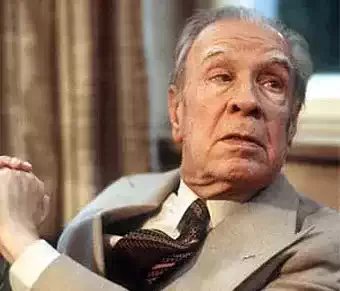
Jorge Luis Borges
To a Cat
To a Cat
Mirrors are not more silent
nor the creeping dawn more secretive;
in the moonlight, you are that panther
we catch sight of from afar.
By the inexplicable workings of a divine law,
we look for you in vain;
More remote, even, than the Ganges or the setting sun,
yours is the solitude, yours the secret.
Your haunch allows the lingering
caress of my hand. You have accepted,
since that long forgotten past,
the love of the distrustful hand.
You belong to another time. You are lord
of a place bounded like a dream.
Mirrors are not more silent
nor the creeping dawn more secretive;
in the moonlight, you are that panther
we catch sight of from afar.
By the inexplicable workings of a divine law,
we look for you in vain;
More remote, even, than the Ganges or the setting sun,
yours is the solitude, yours the secret.
Your haunch allows the lingering
caress of my hand. You have accepted,
since that long forgotten past,
the love of the distrustful hand.
You belong to another time. You are lord
of a place bounded like a dream.
680
Joyce Kilmer
But, of your courtesy, Monsignore,
But, of your courtesy, Monsignore,
Do me this favour:
When you this morning make your way
To the Ivory Throne that bursts into bloom with roses
because of her who sits upon it,
When you come to pay your devoir to Our Lady,
I beg you, say to her:
"Madame, a poor poet, one of your singing servants yet on earth,
Has asked me to say that at this moment he is especially grateful to you
For wearing a blue gown."
Do me this favour:
When you this morning make your way
To the Ivory Throne that bursts into bloom with roses
because of her who sits upon it,
When you come to pay your devoir to Our Lady,
I beg you, say to her:
"Madame, a poor poet, one of your singing servants yet on earth,
Has asked me to say that at this moment he is especially grateful to you
For wearing a blue gown."
152
Jorge Luis Borges
Susana Soca
Susana Soca
With lingering love she gazed at the dispersed
Colors of dusk. It pleased her utterly
To lose herself in the complex melody
Or in the cunous life to be found in verse.
lt was not the primal red but rather grays
That spun the fine thread of her destiny,
For the nicest distinctions and all spent
In waverings, ambiguities, delays.
Lacking the nerve to tread this treacherous
Labyrinth, she looked in on, whom without,
The shapes, the turbulence, the striving rout,
(Like the other lady of the looking glass.)
The gods that dwell too far away for prayer
Abandoned her to the final tiger, Fire.
With lingering love she gazed at the dispersed
Colors of dusk. It pleased her utterly
To lose herself in the complex melody
Or in the cunous life to be found in verse.
lt was not the primal red but rather grays
That spun the fine thread of her destiny,
For the nicest distinctions and all spent
In waverings, ambiguities, delays.
Lacking the nerve to tread this treacherous
Labyrinth, she looked in on, whom without,
The shapes, the turbulence, the striving rout,
(Like the other lady of the looking glass.)
The gods that dwell too far away for prayer
Abandoned her to the final tiger, Fire.
1,256
Jorge Luis Borges
Susana Soca
Susana Soca
With lingering love she gazed at the dispersed
Colors of dusk. It pleased her utterly
To lose herself in the complex melody
Or in the cunous life to be found in verse.
lt was not the primal red but rather grays
That spun the fine thread of her destiny,
For the nicest distinctions and all spent
In waverings, ambiguities, delays.
Lacking the nerve to tread this treacherous
Labyrinth, she looked in on, whom without,
The shapes, the turbulence, the striving rout,
(Like the other lady of the looking glass.)
The gods that dwell too far away for prayer
Abandoned her to the final tiger, Fire.
With lingering love she gazed at the dispersed
Colors of dusk. It pleased her utterly
To lose herself in the complex melody
Or in the cunous life to be found in verse.
lt was not the primal red but rather grays
That spun the fine thread of her destiny,
For the nicest distinctions and all spent
In waverings, ambiguities, delays.
Lacking the nerve to tread this treacherous
Labyrinth, she looked in on, whom without,
The shapes, the turbulence, the striving rout,
(Like the other lady of the looking glass.)
The gods that dwell too far away for prayer
Abandoned her to the final tiger, Fire.
1,256
Jorge Luis Borges
The Art of Poetry
The Art of Poetry
To gaze at a river made of time and water
And remember Time is another river.
To know we stray like a river
and our faces vanish like water.
To feel that waking is another dream
that dreams of not dreaming and that the death
we fear in our bones is the death
that every night we call a dream.
To see in every day and year a symbol
of all the days of man and his years,
and convert the outrage of the years
into a music, a sound, and a symbol.
To see in death a dream, in the sunset
a golden sadness--such is poetry,
humble and immortal, poetry,
returning, like dawn and the sunset.
Sometimes at evening there's a face
that sees us from the deeps of a mirror.
Art must be that sort of mirror,
disclosing to each of us his face.
They say Ulysses, wearied of wonders,
wept with love on seeing Ithaca,
humble and green. Art is that Ithaca,
a green eternity, not wonders.
Art is endless like a river flowing,
passing, yet remaining, a mirror to the same
inconstant Heraclitus, who is the same
and yet another, like the river flowing.
To gaze at a river made of time and water
And remember Time is another river.
To know we stray like a river
and our faces vanish like water.
To feel that waking is another dream
that dreams of not dreaming and that the death
we fear in our bones is the death
that every night we call a dream.
To see in every day and year a symbol
of all the days of man and his years,
and convert the outrage of the years
into a music, a sound, and a symbol.
To see in death a dream, in the sunset
a golden sadness--such is poetry,
humble and immortal, poetry,
returning, like dawn and the sunset.
Sometimes at evening there's a face
that sees us from the deeps of a mirror.
Art must be that sort of mirror,
disclosing to each of us his face.
They say Ulysses, wearied of wonders,
wept with love on seeing Ithaca,
humble and green. Art is that Ithaca,
a green eternity, not wonders.
Art is endless like a river flowing,
passing, yet remaining, a mirror to the same
inconstant Heraclitus, who is the same
and yet another, like the river flowing.
846
Jorge Luis Borges
The Art of Poetry
The Art of Poetry
To gaze at a river made of time and water
And remember Time is another river.
To know we stray like a river
and our faces vanish like water.
To feel that waking is another dream
that dreams of not dreaming and that the death
we fear in our bones is the death
that every night we call a dream.
To see in every day and year a symbol
of all the days of man and his years,
and convert the outrage of the years
into a music, a sound, and a symbol.
To see in death a dream, in the sunset
a golden sadness--such is poetry,
humble and immortal, poetry,
returning, like dawn and the sunset.
Sometimes at evening there's a face
that sees us from the deeps of a mirror.
Art must be that sort of mirror,
disclosing to each of us his face.
They say Ulysses, wearied of wonders,
wept with love on seeing Ithaca,
humble and green. Art is that Ithaca,
a green eternity, not wonders.
Art is endless like a river flowing,
passing, yet remaining, a mirror to the same
inconstant Heraclitus, who is the same
and yet another, like the river flowing.
To gaze at a river made of time and water
And remember Time is another river.
To know we stray like a river
and our faces vanish like water.
To feel that waking is another dream
that dreams of not dreaming and that the death
we fear in our bones is the death
that every night we call a dream.
To see in every day and year a symbol
of all the days of man and his years,
and convert the outrage of the years
into a music, a sound, and a symbol.
To see in death a dream, in the sunset
a golden sadness--such is poetry,
humble and immortal, poetry,
returning, like dawn and the sunset.
Sometimes at evening there's a face
that sees us from the deeps of a mirror.
Art must be that sort of mirror,
disclosing to each of us his face.
They say Ulysses, wearied of wonders,
wept with love on seeing Ithaca,
humble and green. Art is that Ithaca,
a green eternity, not wonders.
Art is endless like a river flowing,
passing, yet remaining, a mirror to the same
inconstant Heraclitus, who is the same
and yet another, like the river flowing.
846
Jorge Luis Borges
The Art of Poetry
The Art of Poetry
To gaze at a river made of time and water
And remember Time is another river.
To know we stray like a river
and our faces vanish like water.
To feel that waking is another dream
that dreams of not dreaming and that the death
we fear in our bones is the death
that every night we call a dream.
To see in every day and year a symbol
of all the days of man and his years,
and convert the outrage of the years
into a music, a sound, and a symbol.
To see in death a dream, in the sunset
a golden sadness--such is poetry,
humble and immortal, poetry,
returning, like dawn and the sunset.
Sometimes at evening there's a face
that sees us from the deeps of a mirror.
Art must be that sort of mirror,
disclosing to each of us his face.
They say Ulysses, wearied of wonders,
wept with love on seeing Ithaca,
humble and green. Art is that Ithaca,
a green eternity, not wonders.
Art is endless like a river flowing,
passing, yet remaining, a mirror to the same
inconstant Heraclitus, who is the same
and yet another, like the river flowing.
To gaze at a river made of time and water
And remember Time is another river.
To know we stray like a river
and our faces vanish like water.
To feel that waking is another dream
that dreams of not dreaming and that the death
we fear in our bones is the death
that every night we call a dream.
To see in every day and year a symbol
of all the days of man and his years,
and convert the outrage of the years
into a music, a sound, and a symbol.
To see in death a dream, in the sunset
a golden sadness--such is poetry,
humble and immortal, poetry,
returning, like dawn and the sunset.
Sometimes at evening there's a face
that sees us from the deeps of a mirror.
Art must be that sort of mirror,
disclosing to each of us his face.
They say Ulysses, wearied of wonders,
wept with love on seeing Ithaca,
humble and green. Art is that Ithaca,
a green eternity, not wonders.
Art is endless like a river flowing,
passing, yet remaining, a mirror to the same
inconstant Heraclitus, who is the same
and yet another, like the river flowing.
846
Jorge Luis Borges
Remorse For Any Death
Remorse For Any Death
Free of memory and of hope,
limitless, abstract, almost future,
the dead man is not a dead man: he is death.
Like the God of the mystics,
of Whom anything that could be said must be denied,
the dead one, alien everywhere,
is but the ruin and absence of the world.
We rob him of everything,
we leave him not so much as a color or syllable:
here, the courtyard which his eyes no longer see,
there, the sidewalk where his hope lay in wait.
Even what we are thinking,
he could be thinking;
we have divvied up like thieves
the booty of nights and days.
Free of memory and of hope,
limitless, abstract, almost future,
the dead man is not a dead man: he is death.
Like the God of the mystics,
of Whom anything that could be said must be denied,
the dead one, alien everywhere,
is but the ruin and absence of the world.
We rob him of everything,
we leave him not so much as a color or syllable:
here, the courtyard which his eyes no longer see,
there, the sidewalk where his hope lay in wait.
Even what we are thinking,
he could be thinking;
we have divvied up like thieves
the booty of nights and days.
791
Jorge Luis Borges
Limits
Limits
Of all the streets that blur in to the sunset,
There must be one (which, I am not sure)
That I by now have walked for the last time
Without guessing it, the pawn of that Someone
Who fixes in advance omnipotent laws,
Sets up a secret and unwavering scale
for all the shadows, dreams, and forms
Woven into the texture of this life.
If there is a limit to all things and a measure
And a last time and nothing more and forgetfulness,
Who will tell us to whom in this house
We without knowing it have said farewell?
Through the dawning window night withdraws
And among the stacked books which throw
Irregular shadows on the dim table,
There must be one which I will never read.
There is in the South more than one worn gate,
With its cement urns and planted cactus,
Which is already forbidden to my entry,
Inaccessible, as in a lithograph.
There is a door you have closed forever
And some mirror is expecting you in vain;
To you the crossroads seem wide open,
Yet watching you, four-faced, is a Janus.
There is among all your memories one
Which has now been lost beyond recall.
You will not be seen going down to that fountain
Neither by white sun nor by yellow moon.
You will never recapture what the Persian
Said in his language woven with birds and roses,
When, in the sunset, before the light disperses,
You wish to give words to unforgettable things.
And the steadily flowing Rhone and the lake,
All that vast yesterday over which today I bend?
They will be as lost as Carthage,
Scourged by the Romans with fire and salt.
At dawn I seem to hear the turbulent
Murmur of crowds milling and fading away;
They are all I have been loved by, forgotten by;
Space, time, and Borges now are leaving me.
Of all the streets that blur in to the sunset,
There must be one (which, I am not sure)
That I by now have walked for the last time
Without guessing it, the pawn of that Someone
Who fixes in advance omnipotent laws,
Sets up a secret and unwavering scale
for all the shadows, dreams, and forms
Woven into the texture of this life.
If there is a limit to all things and a measure
And a last time and nothing more and forgetfulness,
Who will tell us to whom in this house
We without knowing it have said farewell?
Through the dawning window night withdraws
And among the stacked books which throw
Irregular shadows on the dim table,
There must be one which I will never read.
There is in the South more than one worn gate,
With its cement urns and planted cactus,
Which is already forbidden to my entry,
Inaccessible, as in a lithograph.
There is a door you have closed forever
And some mirror is expecting you in vain;
To you the crossroads seem wide open,
Yet watching you, four-faced, is a Janus.
There is among all your memories one
Which has now been lost beyond recall.
You will not be seen going down to that fountain
Neither by white sun nor by yellow moon.
You will never recapture what the Persian
Said in his language woven with birds and roses,
When, in the sunset, before the light disperses,
You wish to give words to unforgettable things.
And the steadily flowing Rhone and the lake,
All that vast yesterday over which today I bend?
They will be as lost as Carthage,
Scourged by the Romans with fire and salt.
At dawn I seem to hear the turbulent
Murmur of crowds milling and fading away;
They are all I have been loved by, forgotten by;
Space, time, and Borges now are leaving me.
751