

Poems in this topic
Ethics and Morality
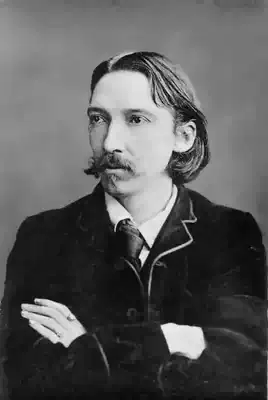
Robert Louis Stevenson
Sonnet VII
Sonnet VII
The strong man's hand, the snow-cool head of age,
The certain-footed sympathies of youth -
These, and that lofty passion after truth,
Hunger unsatisfied in priest or sage
Or the great men of former years, he needs
That not unworthily would dare to sing
(Hard task!) black care's inevitable ring
Settling with years upon the heart that feeds
Incessantly on glory. Year by year
The narrowing toil grows closer round his feet;
With disenchanting touch rude-handed time
The unlovely web discloses, and strange fear
Leads him at last to eld's inclement seat,
The bitter north of life - a frozen clime.
The strong man's hand, the snow-cool head of age,
The certain-footed sympathies of youth -
These, and that lofty passion after truth,
Hunger unsatisfied in priest or sage
Or the great men of former years, he needs
That not unworthily would dare to sing
(Hard task!) black care's inevitable ring
Settling with years upon the heart that feeds
Incessantly on glory. Year by year
The narrowing toil grows closer round his feet;
With disenchanting touch rude-handed time
The unlovely web discloses, and strange fear
Leads him at last to eld's inclement seat,
The bitter north of life - a frozen clime.
370
Robert Louis Stevenson
Sonnet I
Sonnet I
NOR judge me light, tho' light at times I seem,
And lightly in the stress of fortune bear
The innumerable flaws of changeful care -
Nor judge me light for this, nor rashly deem
(Office forbid to mortals, kept supreme
And separate the prerogative of God!)
That seaman idle who is borne abroad
To the far haven by the favouring stream.
Not he alone that to contrarious seas
Opposes, all night long, the unwearied oar,
Not he alone, by high success endeared,
Shall reach the Port; but, winged, with some light breeze
Shall they, with upright keels, pass in before
Whom easy Taste, the golden pilot, steered.
NOR judge me light, tho' light at times I seem,
And lightly in the stress of fortune bear
The innumerable flaws of changeful care -
Nor judge me light for this, nor rashly deem
(Office forbid to mortals, kept supreme
And separate the prerogative of God!)
That seaman idle who is borne abroad
To the far haven by the favouring stream.
Not he alone that to contrarious seas
Opposes, all night long, the unwearied oar,
Not he alone, by high success endeared,
Shall reach the Port; but, winged, with some light breeze
Shall they, with upright keels, pass in before
Whom easy Taste, the golden pilot, steered.
376
Robert Louis Stevenson
Prayer
Prayer
I ASK good things that I detest,
With speeches fair;
Heed not, I pray Thee, Lord, my breast,
But hear my prayer.
I say ill things I would not say -
Things unaware:
Regard my breast, Lord, in Thy day,
And not my prayer.
My heart is evil in Thy sight:
My good thoughts flee:
O Lord, I cannot wish aright -
Wish Thou for me.
O bend my words and acts to Thee,
However ill,
That I, whate'er I say or be,
May serve Thee still.
O let my thoughts abide in Thee
Lest I should fall:
Show me Thyself in all I see,
Thou Lord of all.
I ASK good things that I detest,
With speeches fair;
Heed not, I pray Thee, Lord, my breast,
But hear my prayer.
I say ill things I would not say -
Things unaware:
Regard my breast, Lord, in Thy day,
And not my prayer.
My heart is evil in Thy sight:
My good thoughts flee:
O Lord, I cannot wish aright -
Wish Thou for me.
O bend my words and acts to Thee,
However ill,
That I, whate'er I say or be,
May serve Thee still.
O let my thoughts abide in Thee
Lest I should fall:
Show me Thyself in all I see,
Thou Lord of all.
432
Robert Louis Stevenson
Music At The Villa Marina
Music At The Villa Marina
FOR some abiding central source of power,
Strong-smitten steady chords, ye seem to flow
And, flowing, carry virtue. Far below,
The vain tumultuous passions of the hour
Fleet fast and disappear; and as the sun
Shines on the wake of tempests, there is cast
O'er all the shattered ruins of my past
A strong contentment as of battles won.
And yet I cry in anguish, as I hear
The long drawn pageant of your passage roll
Magnificently forth into the night.
To yon fair land ye come from, to yon sphere
Of strength and love where now ye shape your flight,
O even wings of music, bear my soul!
Ye have the power, if but ye had the will,
Strong-smitten steady chords in sequence grand,
To bear me forth into that tranquil land
Where good is no more ravelled up with ill;
Where she and I, remote upon some hill
Or by some quiet river's windless strand,
May live, and love, and wander hand in hand,
And follow nature simply, and be still.
From this grim world, where, sadly, prisoned, we
Sit bound with others' heart-strings as with chains,
And, if one moves, all suffer, - to that Goal,
If such a land, if such a sphere, there be,
Thither, from life and all life's joys and pains,
O even wings of music, bear my soul!
FOR some abiding central source of power,
Strong-smitten steady chords, ye seem to flow
And, flowing, carry virtue. Far below,
The vain tumultuous passions of the hour
Fleet fast and disappear; and as the sun
Shines on the wake of tempests, there is cast
O'er all the shattered ruins of my past
A strong contentment as of battles won.
And yet I cry in anguish, as I hear
The long drawn pageant of your passage roll
Magnificently forth into the night.
To yon fair land ye come from, to yon sphere
Of strength and love where now ye shape your flight,
O even wings of music, bear my soul!
Ye have the power, if but ye had the will,
Strong-smitten steady chords in sequence grand,
To bear me forth into that tranquil land
Where good is no more ravelled up with ill;
Where she and I, remote upon some hill
Or by some quiet river's windless strand,
May live, and love, and wander hand in hand,
And follow nature simply, and be still.
From this grim world, where, sadly, prisoned, we
Sit bound with others' heart-strings as with chains,
And, if one moves, all suffer, - to that Goal,
If such a land, if such a sphere, there be,
Thither, from life and all life's joys and pains,
O even wings of music, bear my soul!
348
Robert Louis Stevenson
Men Are Heaven's Piers
Men Are Heaven's Piers
MEN are Heaven's piers; they evermore
Unwearying bear the skyey floor;
Man's theatre they bear with ease,
Unfrowning cariatides!
I, for my wife, the sun uphold,
Or, dozing, strike the seasons cold.
She, on her side, in fairy-wise
Deals in diviner mysteries,
By spells to make the fuel burn
And keep the parlour warm, to turn
Water to wine, and stones to bread,
By her unconquered hero-head.
A naked Adam, naked Eve,
Alone the primal bower we weave;
Sequestered in the seas of life,
A Crusoe couple, man and wife,
With all our good, with all our will,
Our unfrequented isle we fill;
And victor in day's petty wars,
Each for the other lights the stars.
Come then, my Eve, and to and fro
Let us about our garden go;
And, grateful-hearted, hand in hand
Revisit all our tillage land,
And marvel at our strange estate,
For hooded ruin at the gate
Sits watchful, and the angels fear
To see us tread so boldly here.
Meanwhile, my Eve, with flower and grass
Our perishable days we pass;
Far more the thorn observe - and see
How our enormous sins go free -
Nor less admire, beside the rose,
How far a little virtue goes.
MEN are Heaven's piers; they evermore
Unwearying bear the skyey floor;
Man's theatre they bear with ease,
Unfrowning cariatides!
I, for my wife, the sun uphold,
Or, dozing, strike the seasons cold.
She, on her side, in fairy-wise
Deals in diviner mysteries,
By spells to make the fuel burn
And keep the parlour warm, to turn
Water to wine, and stones to bread,
By her unconquered hero-head.
A naked Adam, naked Eve,
Alone the primal bower we weave;
Sequestered in the seas of life,
A Crusoe couple, man and wife,
With all our good, with all our will,
Our unfrequented isle we fill;
And victor in day's petty wars,
Each for the other lights the stars.
Come then, my Eve, and to and fro
Let us about our garden go;
And, grateful-hearted, hand in hand
Revisit all our tillage land,
And marvel at our strange estate,
For hooded ruin at the gate
Sits watchful, and the angels fear
To see us tread so boldly here.
Meanwhile, my Eve, with flower and grass
Our perishable days we pass;
Far more the thorn observe - and see
How our enormous sins go free -
Nor less admire, beside the rose,
How far a little virtue goes.
366
Robert Louis Stevenson
Let Love Go, If Go She Will
Let Love Go, If Go She Will
LET love go, if go she will.
Seek not, O fool, her wanton flight to stay.
Of all she gives and takes away
The best remains behind her still.
The best remains behind; in vain
Joy she may give and take again,
Joy she may take and leave us pain,
If yet she leave behind
The constant mind
To meet all fortunes nobly, to endure
All things with a good heart, and still be pure,
Still to be foremost in the foremost cause,
And still be worthy of the love that was.
Love coming is omnipotent indeed,
But not Love going. Let her go. The seed
Springs in the favouring Summer air, and grows,
And waxes strong; and when the Summer goes,
Remains, a perfect tree.
Joy she may give and take again,
Joy she may take and leave us pain.
O Love, and what care we?
For one thing thou hast given, O Love, one thing
Is ours that nothing can remove;
And as the King discrowned is still a King,
The unhappy lover still preserves his love.
LET love go, if go she will.
Seek not, O fool, her wanton flight to stay.
Of all she gives and takes away
The best remains behind her still.
The best remains behind; in vain
Joy she may give and take again,
Joy she may take and leave us pain,
If yet she leave behind
The constant mind
To meet all fortunes nobly, to endure
All things with a good heart, and still be pure,
Still to be foremost in the foremost cause,
And still be worthy of the love that was.
Love coming is omnipotent indeed,
But not Love going. Let her go. The seed
Springs in the favouring Summer air, and grows,
And waxes strong; and when the Summer goes,
Remains, a perfect tree.
Joy she may give and take again,
Joy she may take and leave us pain.
O Love, and what care we?
For one thing thou hast given, O Love, one thing
Is ours that nothing can remove;
And as the King discrowned is still a King,
The unhappy lover still preserves his love.
300
Robert Louis Stevenson
If This Were Faith
If This Were Faith
God, if this were enough,
That I see things bare to the buff
And up to the buttocks in mire;
That I ask nor hope nor hire,
Nut in the husk,
Nor dawn beyond the dusk,
Nor life beyond death:
God, if this were faith!
Having felt thy wind in my face
Spit sorrow and disgrace,
Having seen thine evil doom
In Golgotha and Khartoum,
And the brutes, the work of thine hands,
Fill with injustice lands
And stain with blood the sea:
If still in my veins the glee
Of the black night and the sun
And the lost battle, run:
If, an adept,
The iniquitous lists I still accept
With joy, and joy to endure and be withstood,
And still to battle and perish for a dream of good:
God, if that were enough!
If to feel, in the ink of the slough,
And the sink of the mire,
Veins of glory and fire
Run through and transpierce and transpire,
And a secret purpose of glory in every part,
And the answering glory of battle fill my heart;
To thrill with the joy of girded men
To go on for ever and fail and go on again,
And be mauled to the earth and arise,
And contend for the shade of a word and a thing
not seen with the eyes:
With the half of a broken hope for a pillow at night
That somehow the right is the right
And the smooth shall bloom from the rough:
Lord, if that were enough!
God, if this were enough,
That I see things bare to the buff
And up to the buttocks in mire;
That I ask nor hope nor hire,
Nut in the husk,
Nor dawn beyond the dusk,
Nor life beyond death:
God, if this were faith!
Having felt thy wind in my face
Spit sorrow and disgrace,
Having seen thine evil doom
In Golgotha and Khartoum,
And the brutes, the work of thine hands,
Fill with injustice lands
And stain with blood the sea:
If still in my veins the glee
Of the black night and the sun
And the lost battle, run:
If, an adept,
The iniquitous lists I still accept
With joy, and joy to endure and be withstood,
And still to battle and perish for a dream of good:
God, if that were enough!
If to feel, in the ink of the slough,
And the sink of the mire,
Veins of glory and fire
Run through and transpierce and transpire,
And a secret purpose of glory in every part,
And the answering glory of battle fill my heart;
To thrill with the joy of girded men
To go on for ever and fail and go on again,
And be mauled to the earth and arise,
And contend for the shade of a word and a thing
not seen with the eyes:
With the half of a broken hope for a pillow at night
That somehow the right is the right
And the smooth shall bloom from the rough:
Lord, if that were enough!
413
Robert Louis Stevenson
Historical Associations
Historical Associations
Dear Uncle Jim. this garden ground
That now you smoke your pipe around,
has seen immortal actions done
And valiant battles lost and won.
Here we had best on tip-toe tread,
While I for safety march ahead,
For this is that enchanted ground
Where all who loiter slumber sound.
Here is the sea, here is the sand,
Here is the simple Shepherd's Land,
Here are the fairy hollyhocks,
And there are Ali Baba's rocks.
But yonder, see! apart and high,
Frozen Siberia lies; where I,
With Robert Bruce William Tell,
Was bound by an enchanter's spell.
Dear Uncle Jim. this garden ground
That now you smoke your pipe around,
has seen immortal actions done
And valiant battles lost and won.
Here we had best on tip-toe tread,
While I for safety march ahead,
For this is that enchanted ground
Where all who loiter slumber sound.
Here is the sea, here is the sand,
Here is the simple Shepherd's Land,
Here are the fairy hollyhocks,
And there are Ali Baba's rocks.
But yonder, see! apart and high,
Frozen Siberia lies; where I,
With Robert Bruce William Tell,
Was bound by an enchanter's spell.
378
Robert Louis Stevenson
Hail! Childish Slave Of Social Rules
Hail! Childish Slave Of Social Rules
HAIL! Childish slaves of social rules
You had yourselves a hand in making!
How I could shake your faith, ye fools,
If but I thought it worth the shaking.
I see, and pity you; and then
Go, casting off the idle pity,
In search of better, braver men,
My own way freely through the city.
My own way freely, and not yours;
And, careless of a town's abusing,
Seek real friendship that endures
Among the friends of my own choosing.
I'll choose my friends myself, do you hear?
And won't let Mrs. Grundy do it,
Tho' all I honour and hold dear
And all I hope should move me to it.
I take my old coat from the shelf -
I am a man of little breeding.
And only dress to please myself -
I own, a very strange proceeding.
I smoke a pipe abroad, because
To all cigars I much prefer it,
And as I scorn your social laws
My choice has nothing to deter it.
Gladly I trudge the footpath way,
While you and yours roll by in coaches
In all the pride of fine array,
Through all the city's thronged approaches.
O fine religious, decent folk,
In Virtue's flaunting gold and scarlet,
I sneer between two puffs of smoke, -
Give me the publican and harlot.
Ye dainty-spoken, stiff, severe
Seed of the migrated Philistian,
One whispered question in your ear -
Pray, what was Christ, if you be Christian?
If Christ were only here just now,
Among the city's wynds and gables
Teaching the life he taught us, how
Would he be welcome to your tables?
I go and leave your logic-straws,
Your former-friends with face averted,
Your petty ways and narrow laws,
Your Grundy and your God, deserted.
From your frail ark of lies, I flee
I know not where, like Noah's raven.
Full to the broad, unsounded sea
I swim from your dishonest haven.
Alone on that unsounded deep,
Poor waif, it may be I shall perish,
Far from the course I thought to keep,
Far from the friends I hoped to cherish.
It may be that I shall sink, and yet
Hear, thro' all taunt and scornful laughter,
Through all defeat and all regret,
The stronger swimmers coming after.
HAIL! Childish slaves of social rules
You had yourselves a hand in making!
How I could shake your faith, ye fools,
If but I thought it worth the shaking.
I see, and pity you; and then
Go, casting off the idle pity,
In search of better, braver men,
My own way freely through the city.
My own way freely, and not yours;
And, careless of a town's abusing,
Seek real friendship that endures
Among the friends of my own choosing.
I'll choose my friends myself, do you hear?
And won't let Mrs. Grundy do it,
Tho' all I honour and hold dear
And all I hope should move me to it.
I take my old coat from the shelf -
I am a man of little breeding.
And only dress to please myself -
I own, a very strange proceeding.
I smoke a pipe abroad, because
To all cigars I much prefer it,
And as I scorn your social laws
My choice has nothing to deter it.
Gladly I trudge the footpath way,
While you and yours roll by in coaches
In all the pride of fine array,
Through all the city's thronged approaches.
O fine religious, decent folk,
In Virtue's flaunting gold and scarlet,
I sneer between two puffs of smoke, -
Give me the publican and harlot.
Ye dainty-spoken, stiff, severe
Seed of the migrated Philistian,
One whispered question in your ear -
Pray, what was Christ, if you be Christian?
If Christ were only here just now,
Among the city's wynds and gables
Teaching the life he taught us, how
Would he be welcome to your tables?
I go and leave your logic-straws,
Your former-friends with face averted,
Your petty ways and narrow laws,
Your Grundy and your God, deserted.
From your frail ark of lies, I flee
I know not where, like Noah's raven.
Full to the broad, unsounded sea
I swim from your dishonest haven.
Alone on that unsounded deep,
Poor waif, it may be I shall perish,
Far from the course I thought to keep,
Far from the friends I hoped to cherish.
It may be that I shall sink, and yet
Hear, thro' all taunt and scornful laughter,
Through all defeat and all regret,
The stronger swimmers coming after.
445
Robert Louis Stevenson
Ad Se Ipsum
Ad Se Ipsum
DEAR sir, good-morrow! Five years back,
When you first girded for this arduous track,
And under various whimsical pretexts
Endowed another with your damned defects,
Could you have dreamed in your despondent vein
That the kind God would make your path so plain?
Non nobis, domine! O, may He still
Support my stumbling footsteps on the hill!
DEAR sir, good-morrow! Five years back,
When you first girded for this arduous track,
And under various whimsical pretexts
Endowed another with your damned defects,
Could you have dreamed in your despondent vein
That the kind God would make your path so plain?
Non nobis, domine! O, may He still
Support my stumbling footsteps on the hill!
396
Robert Louis Stevenson
Ad Piscatorem
Ad Piscatorem
FOR these are sacred fishes all
Who know that lord that is the lord of all;
Come to the brim and nose the friendly hand
That sways and can beshadow all the land.
Nor only so, but have their names, and come
When they are summoned by the Lord of Rome.
Here once his line an impious Lybian threw;
And as with tremulous reed his prey he drew,
Straight, the light failed him.
He groped, nor found the prey that he had ta'en.
Now as a warning to the fisher clan
Beside the lake he sits, a beggarman.
Thou, then, while still thine innocence is pure,
Flee swiftly, nor presume to set thy lure;
Respect these fishes, for their friends are great;
And in the waters empty all thy bait.
FOR these are sacred fishes all
Who know that lord that is the lord of all;
Come to the brim and nose the friendly hand
That sways and can beshadow all the land.
Nor only so, but have their names, and come
When they are summoned by the Lord of Rome.
Here once his line an impious Lybian threw;
And as with tremulous reed his prey he drew,
Straight, the light failed him.
He groped, nor found the prey that he had ta'en.
Now as a warning to the fisher clan
Beside the lake he sits, a beggarman.
Thou, then, while still thine innocence is pure,
Flee swiftly, nor presume to set thy lure;
Respect these fishes, for their friends are great;
And in the waters empty all thy bait.
336
Robert Louis Stevenson
A Valentine's Song
A Valentine's Song
MOTLEY I count the only wear
That suits, in this mixed world, the truly wise,
Who boldly smile upon despair
And shake their bells in Grandam Grundy's eyes.
Singers should sing with such a goodly cheer
That the bare listening should make strong like wine,
At this unruly time of year,
The Feast of Valentine.
We do not now parade our "oughts"
And "shoulds" and motives and beliefs in God.
Their life lies all indoors; sad thoughts
Must keep the house, while gay thoughts go abroad,
Within we hold the wake for hopes deceased;
But in the public streets, in wind or sun,
Keep open, at the annual feast,
The puppet-booth of fun.
Our powers, perhaps, are small to please,
But even negro-songs and castanettes,
Old jokes and hackneyed repartees
Are more than the parade of vain regrets.
Let Jacques stand Wert(h)ering by the wounded deer -
We shall make merry, honest friends of mine,
At this unruly time of year,
The Feast of Valentine.
I know how, day by weary day,
Hope fades, love fades, a thousand pleasures fade.
I have not trudged in vain that way
On which life's daylight darkens, shade by shade.
And still, with hopes decreasing, griefs increased,
Still, with what wit I have shall I, for one,
Keep open, at the annual feast,
The puppet-booth of fun.
I care not if the wit be poor,
The old worn motley stained with rain and tears,
If but the courage still endure
That filled and strengthened hope in earlier years;
If still, with friends averted, fate severe,
A glad, untainted cheerfulness be mine
To greet the unruly time of year,
The Feast of Valentine.
Priest, I am none of thine, and see
In the perspective of still hopeful youth
That Truth shall triumph over thee -
Truth to one's self - I know no other truth.
I see strange days for thee and thine, O priest,
And how your doctrines, fallen one by one,
Shall furnish at the annual feast
The puppet-booth of fun.
Stand on your putrid ruins - stand,
White neck-clothed bigot, fixedly the same,
Cruel with all things but the hand,
Inquisitor in all things but the name.
Back, minister of Christ and source of fear -
We cherish freedom - back with thee and thine
From this unruly time of year,
The Feast of Valentine.
Blood thou mayest spare; but what of tears?
But what of riven households, broken faith -
Bywords that cling through all men's years
And drag them surely down to shame and death?
Stand back, O cruel man, O foe of youth,
And let such men as hearken not thy voice
Press freely up the road to truth,
The King's highway of choice.
MOTLEY I count the only wear
That suits, in this mixed world, the truly wise,
Who boldly smile upon despair
And shake their bells in Grandam Grundy's eyes.
Singers should sing with such a goodly cheer
That the bare listening should make strong like wine,
At this unruly time of year,
The Feast of Valentine.
We do not now parade our "oughts"
And "shoulds" and motives and beliefs in God.
Their life lies all indoors; sad thoughts
Must keep the house, while gay thoughts go abroad,
Within we hold the wake for hopes deceased;
But in the public streets, in wind or sun,
Keep open, at the annual feast,
The puppet-booth of fun.
Our powers, perhaps, are small to please,
But even negro-songs and castanettes,
Old jokes and hackneyed repartees
Are more than the parade of vain regrets.
Let Jacques stand Wert(h)ering by the wounded deer -
We shall make merry, honest friends of mine,
At this unruly time of year,
The Feast of Valentine.
I know how, day by weary day,
Hope fades, love fades, a thousand pleasures fade.
I have not trudged in vain that way
On which life's daylight darkens, shade by shade.
And still, with hopes decreasing, griefs increased,
Still, with what wit I have shall I, for one,
Keep open, at the annual feast,
The puppet-booth of fun.
I care not if the wit be poor,
The old worn motley stained with rain and tears,
If but the courage still endure
That filled and strengthened hope in earlier years;
If still, with friends averted, fate severe,
A glad, untainted cheerfulness be mine
To greet the unruly time of year,
The Feast of Valentine.
Priest, I am none of thine, and see
In the perspective of still hopeful youth
That Truth shall triumph over thee -
Truth to one's self - I know no other truth.
I see strange days for thee and thine, O priest,
And how your doctrines, fallen one by one,
Shall furnish at the annual feast
The puppet-booth of fun.
Stand on your putrid ruins - stand,
White neck-clothed bigot, fixedly the same,
Cruel with all things but the hand,
Inquisitor in all things but the name.
Back, minister of Christ and source of fear -
We cherish freedom - back with thee and thine
From this unruly time of year,
The Feast of Valentine.
Blood thou mayest spare; but what of tears?
But what of riven households, broken faith -
Bywords that cling through all men's years
And drag them surely down to shame and death?
Stand back, O cruel man, O foe of youth,
And let such men as hearken not thy voice
Press freely up the road to truth,
The King's highway of choice.
359
Robert Louis Stevenson
A Good Boy
A Good Boy
I woke before the morning, I was happy all the day,
I never said an ugly word, but smiled and stuck to play.
And now at last the sun is going down behind the wood,
And I am very happy, for I know that I've been good.
My bed is waiting cool and fresh, with linen smooth and fair,
And I must be off to sleepsin-by, and not forget my prayer.
I know that, till to-morrow I shall see the sun arise,
No ugly dream shall fright my mind, no ugly sight my eyes.
But slumber hold me tightly till I waken in the dawn,
And hear the thrushes singing in the lilacs round the lawn.
I woke before the morning, I was happy all the day,
I never said an ugly word, but smiled and stuck to play.
And now at last the sun is going down behind the wood,
And I am very happy, for I know that I've been good.
My bed is waiting cool and fresh, with linen smooth and fair,
And I must be off to sleepsin-by, and not forget my prayer.
I know that, till to-morrow I shall see the sun arise,
No ugly dream shall fright my mind, no ugly sight my eyes.
But slumber hold me tightly till I waken in the dawn,
And hear the thrushes singing in the lilacs round the lawn.
529
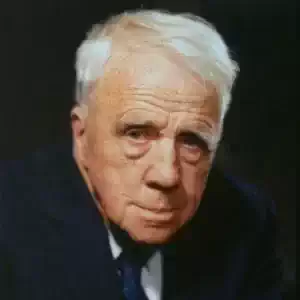
Robert Frost
They Were Welcome To Their Belief
They Were Welcome To Their Belief
Grief may have thought it was grief.
Care may have thought it was care.
They were welcome to their belief,
The overimportant pair.
No, it took all the snows that clung
To the low roof over his bed,
Beginning when he was young,
To induce the one snow on his head.
But whenever the roof camme white
The head in the dark below
Was a shade less the color of night,
A shade more the color of snow.
Grief may have thought it was grief.
Care may have thought it was care.
But neither one was the thief
Of his raven color of hair.
Grief may have thought it was grief.
Care may have thought it was care.
They were welcome to their belief,
The overimportant pair.
No, it took all the snows that clung
To the low roof over his bed,
Beginning when he was young,
To induce the one snow on his head.
But whenever the roof camme white
The head in the dark below
Was a shade less the color of night,
A shade more the color of snow.
Grief may have thought it was grief.
Care may have thought it was care.
But neither one was the thief
Of his raven color of hair.
465
Robert Frost
The Exposed Nest
The Exposed Nest
You were forever finding some new play.
So when I saw you down on hands and knees
I the meadow, busy with the new-cut hay,
Trying, I thought, to set it up on end,
I went to show you how to make it stay,
If that was your idea, against the breeze,
And, if you asked me, even help pretend
To make it root again and grow afresh.
But 'twas no make-believe with you today,
Nor was the grass itself your real concern,
Though I found your hand full of wilted fern,
Steel-bright June-grass, and blackening heads of clovers.
'Twas a nest full of young birds on the ground
The cutter-bar had just gone champing over
(Miraculously without tasking flesh)
And left defenseless to the heat and light.
You wanted to restore them to their right
Of something interposed between their sight
And too much world at once--could means be found.
The way the nest-full every time we stirred
Stood up to us as to a mother-bird
Whose coming home has been too long deferred,
Made me ask would the mother-bird return
And care for them in such a change of scene
And might out meddling make her more afraid.
That was a thing we could not wait to learn.
We saw the risk we took in doing good,
But dared not spare to do the best we could
Though harm should come of it; so built the screen
You had begun, and gave them back their shade.
All this to prove we cared. Why is there then
No more to tell? We turned to other things.
I haven't any memory--have you?--
Of ever coming to the place again
To see if the birds lived the first night through,
And so at last to learn to use their wings.
You were forever finding some new play.
So when I saw you down on hands and knees
I the meadow, busy with the new-cut hay,
Trying, I thought, to set it up on end,
I went to show you how to make it stay,
If that was your idea, against the breeze,
And, if you asked me, even help pretend
To make it root again and grow afresh.
But 'twas no make-believe with you today,
Nor was the grass itself your real concern,
Though I found your hand full of wilted fern,
Steel-bright June-grass, and blackening heads of clovers.
'Twas a nest full of young birds on the ground
The cutter-bar had just gone champing over
(Miraculously without tasking flesh)
And left defenseless to the heat and light.
You wanted to restore them to their right
Of something interposed between their sight
And too much world at once--could means be found.
The way the nest-full every time we stirred
Stood up to us as to a mother-bird
Whose coming home has been too long deferred,
Made me ask would the mother-bird return
And care for them in such a change of scene
And might out meddling make her more afraid.
That was a thing we could not wait to learn.
We saw the risk we took in doing good,
But dared not spare to do the best we could
Though harm should come of it; so built the screen
You had begun, and gave them back their shade.
All this to prove we cared. Why is there then
No more to tell? We turned to other things.
I haven't any memory--have you?--
Of ever coming to the place again
To see if the birds lived the first night through,
And so at last to learn to use their wings.
475
Robert Frost
Reluctance
Reluctance
Out through the fields and the woods And over the walls I have wended; I have
climbed the hills of view And looked at the world, and descended; I have come by the
highway home, And lo, it is ended. The leaves are all dead on the group, Save those
that the oak is keeping To ravel them one by one And let them go scraping and
creeping Out over the crusted snow, When others are sleeping. And the dead leaves
lie huddled and still, No longer blown hither and thither; The last long aster is gone;
The flowers of the witch-hazel wither; The heart is still aching to seek, But the feel
question 'Whither?' Ah, when to the heart of man Was it ever less than a treason To
go with the drift of things, To yield with a grace to reason, And bow and accept the end
Of a love or a season?
Out through the fields and the woods And over the walls I have wended; I have
climbed the hills of view And looked at the world, and descended; I have come by the
highway home, And lo, it is ended. The leaves are all dead on the group, Save those
that the oak is keeping To ravel them one by one And let them go scraping and
creeping Out over the crusted snow, When others are sleeping. And the dead leaves
lie huddled and still, No longer blown hither and thither; The last long aster is gone;
The flowers of the witch-hazel wither; The heart is still aching to seek, But the feel
question 'Whither?' Ah, when to the heart of man Was it ever less than a treason To
go with the drift of things, To yield with a grace to reason, And bow and accept the end
Of a love or a season?
446
Robert Frost
Plowmen
Plowmen
A plow, they say, to plow the snow.
They cannot mean to plant it, no --
Unless in bitterness to mock
At having cultivated rock.
A plow, they say, to plow the snow.
They cannot mean to plant it, no --
Unless in bitterness to mock
At having cultivated rock.
427
Robert Frost
Out, out--
Out, out--
The buzz-saw snarled and rattled in the yard
And made dust and dropped stove-length sticks of wood,
Sweet-scented stuff when the breeze drew across it.
And from there those that lifted eyes could count
Five mountain ranges one behind the other
Under the sunset far into Vermont.
And the saw snarled and rattled, snarled and rattled,
As it ran light, or had to bear a load.
And nothing happened: day was all but done.
Call it a day, I wish they might have said
To please the boy by giving him the half hour
That a boy counts so much when saved from work.
His sister stood beside them in her apron
To tell them "Supper." At the word, the saw,
As if to prove saws knew what supper meant,
Leaped out at the boy's hand, or seemed to leap--
He must have given the hand. However it was,
Neither refused the meeting. But the hand!
The boy's first outcry was a rueful laugh,
As he swung toward them holding up the hand
Half in appeal, but half as if to keep
The life from spilling. Then the boy saw all--
Since he was old enough to know, big boy
Doing a man's work, though a child at heart--
He saw all spoiled. "Don't let him cut my hand off--
The doctor, when he comes. Don't let him, sister!"
So. But the hand was gone already.
The doctor put him in the dark of ether.
He lay and puffed his lips out with his breath.
And then--the watcher at his pulse took fright.
No one believed. They listened at his heart.
Little--less--nothing!--and that ended it.
No more to build on there. And they, since they
Were not the one dead, turned to their affairs.
The buzz-saw snarled and rattled in the yard
And made dust and dropped stove-length sticks of wood,
Sweet-scented stuff when the breeze drew across it.
And from there those that lifted eyes could count
Five mountain ranges one behind the other
Under the sunset far into Vermont.
And the saw snarled and rattled, snarled and rattled,
As it ran light, or had to bear a load.
And nothing happened: day was all but done.
Call it a day, I wish they might have said
To please the boy by giving him the half hour
That a boy counts so much when saved from work.
His sister stood beside them in her apron
To tell them "Supper." At the word, the saw,
As if to prove saws knew what supper meant,
Leaped out at the boy's hand, or seemed to leap--
He must have given the hand. However it was,
Neither refused the meeting. But the hand!
The boy's first outcry was a rueful laugh,
As he swung toward them holding up the hand
Half in appeal, but half as if to keep
The life from spilling. Then the boy saw all--
Since he was old enough to know, big boy
Doing a man's work, though a child at heart--
He saw all spoiled. "Don't let him cut my hand off--
The doctor, when he comes. Don't let him, sister!"
So. But the hand was gone already.
The doctor put him in the dark of ether.
He lay and puffed his lips out with his breath.
And then--the watcher at his pulse took fright.
No one believed. They listened at his heart.
Little--less--nothing!--and that ended it.
No more to build on there. And they, since they
Were not the one dead, turned to their affairs.
484
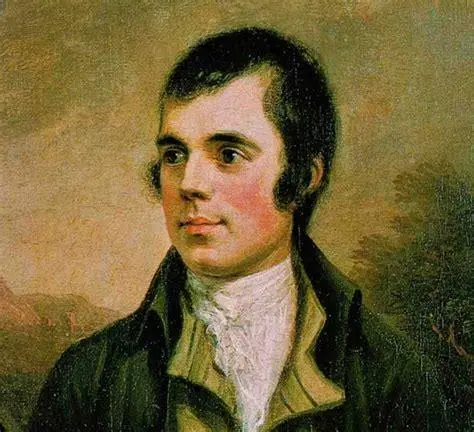
Robert Burns
Tragic Fragment
Tragic Fragment
All devil as I am-a damned wretch,
A hardened, stubborn, unrepenting villain,
Still my heart melts at human wretchedness;
And with sincere but unavailing sighs
I view the helpless children of distress:
With tears indignant I behold the oppressor
Rejoicing in the honest man's destruction,
Whose unsubmitting heart was all his crime. -
Ev'n you, ye hapless crew! I pity you;
Ye, whom the seeming good think sin to pity;
Ye poor, despised, abandoned vagabonds,
Whom Vice, as usual, has turn'd o'er to ruin.
Oh! but for friends and interposing Heaven,
I had been driven forth like you forlorn,
The most detested, worthless wretch among you!
O injured God! Thy goodness has endow'd me
With talents passing most of my compeers,
Which I in just proportion have abused-
As far surpassing other common villains
As Thou in natural parts has given me more.
All devil as I am-a damned wretch,
A hardened, stubborn, unrepenting villain,
Still my heart melts at human wretchedness;
And with sincere but unavailing sighs
I view the helpless children of distress:
With tears indignant I behold the oppressor
Rejoicing in the honest man's destruction,
Whose unsubmitting heart was all his crime. -
Ev'n you, ye hapless crew! I pity you;
Ye, whom the seeming good think sin to pity;
Ye poor, despised, abandoned vagabonds,
Whom Vice, as usual, has turn'd o'er to ruin.
Oh! but for friends and interposing Heaven,
I had been driven forth like you forlorn,
The most detested, worthless wretch among you!
O injured God! Thy goodness has endow'd me
With talents passing most of my compeers,
Which I in just proportion have abused-
As far surpassing other common villains
As Thou in natural parts has given me more.
236
Robert Burns
The Wounded Hare
The Wounded Hare
Inhuman man! curse on thy barb'rous art,
And blasted by thy murder-aiming eye;
May never pity soothe thee with a sigh,
Nor never pleasure glad thy cruel heart!
Go live, poor wanderer of the wood and field,
The bitter little of life that remains!
No more the thickening brakes and verdant plains
To thee shall home, or food, or pastime yield.
Seek, mangled wretch, some place of wonted rest,
No more of rest, but now of dying bed!
The sheltering rushes whistling o'er thy head,
The cold earth with thy bloody bosom Crest.
Oft as by winding Nith I, musing, wait
The sober eve, or hail the cheerful dawn,
I'll miss thee sporting o'er the dewy lawn,
And curse the ruffian's aim, and mourn thy hapless fate.
Inhuman man! curse on thy barb'rous art,
And blasted by thy murder-aiming eye;
May never pity soothe thee with a sigh,
Nor never pleasure glad thy cruel heart!
Go live, poor wanderer of the wood and field,
The bitter little of life that remains!
No more the thickening brakes and verdant plains
To thee shall home, or food, or pastime yield.
Seek, mangled wretch, some place of wonted rest,
No more of rest, but now of dying bed!
The sheltering rushes whistling o'er thy head,
The cold earth with thy bloody bosom Crest.
Oft as by winding Nith I, musing, wait
The sober eve, or hail the cheerful dawn,
I'll miss thee sporting o'er the dewy lawn,
And curse the ruffian's aim, and mourn thy hapless fate.
284
Robert Burns
The Lass That Made the Bed to Me
The Lass That Made the Bed to Me
When Januar' wind was blawing cauld,
As to the north I took my way,
The mirksome night did me enfauld,
I knew na whare to lodge till day:
By my gude luck a maid I met,
Just in the middle o' my care,
And Kindly she did me invite
To walk into a chamber fair.
I bow'd fu' low unto this maid,
And thank'd her for her courtesie;
I bow'd fu' low unto this maid,
An bade her make a bed to me;
She made the bed baith large and wide,
Wi' twa white hands she spread it doun;
She put the cup to her rosy lips,
And drank - "Young man, now sleep ye soun'."
Chorus - The bonie lass made the bed to me,
The braw lass made the bed to me,
I'll ne'er forget till the day I die,
The lass that made the bed to me.
She snatch'd the candle in her hand,
And frae my chamber went wi' speed;
But I call'd her quickly back again,
To lay some mair below my head:
A cod she laid below my head,
And served me with due respect,
And, to salute her wi' a kis,
I put my arms about her neck.
Chorus: -...
"Haud aff your hands, young man! she said,
"And dinna sae uncivil be;
Gif ye hae ony luve for me,
O wrang ma my virginitie."
Her hair was like the links o' gowd,
Her teeth were like the ivorie,
Her cheeks like lilies dipt in wine,
The lass that made the bed to me.
Chorus: -...
Her bosom was the driven snaw,
Twa drifted heaps sae fair to see;
Her limbs the polish'd marble stane,
The lass that made the bed to me.
I kiss'd her o'er and o'er again,
And aye she wist na what to say:
I laid her 'tween me and the wa';
The lassie thocht na lang till day.
Chorus: -...
Upon the morrow when we raise,
I thank'd her for her courtesie;
But aye she blush'd and aye she sigh'd,
And said, "Alas, ye've ruin'd me."
I clasp'd her waist, and kiss'd her syne,
While the tear stood twinklin' in her e'e;
I said, "My lassie, dinna cry,
For ye aye shall make the bed to me."
Chorus: - ...
She took her mither's holland sheets,
An' made them a' in sarks to me;
Blythe and merry may she be,
The lass that made the bed to me.
Chorus: -...
When Januar' wind was blawing cauld,
As to the north I took my way,
The mirksome night did me enfauld,
I knew na whare to lodge till day:
By my gude luck a maid I met,
Just in the middle o' my care,
And Kindly she did me invite
To walk into a chamber fair.
I bow'd fu' low unto this maid,
And thank'd her for her courtesie;
I bow'd fu' low unto this maid,
An bade her make a bed to me;
She made the bed baith large and wide,
Wi' twa white hands she spread it doun;
She put the cup to her rosy lips,
And drank - "Young man, now sleep ye soun'."
Chorus - The bonie lass made the bed to me,
The braw lass made the bed to me,
I'll ne'er forget till the day I die,
The lass that made the bed to me.
She snatch'd the candle in her hand,
And frae my chamber went wi' speed;
But I call'd her quickly back again,
To lay some mair below my head:
A cod she laid below my head,
And served me with due respect,
And, to salute her wi' a kis,
I put my arms about her neck.
Chorus: -...
"Haud aff your hands, young man! she said,
"And dinna sae uncivil be;
Gif ye hae ony luve for me,
O wrang ma my virginitie."
Her hair was like the links o' gowd,
Her teeth were like the ivorie,
Her cheeks like lilies dipt in wine,
The lass that made the bed to me.
Chorus: -...
Her bosom was the driven snaw,
Twa drifted heaps sae fair to see;
Her limbs the polish'd marble stane,
The lass that made the bed to me.
I kiss'd her o'er and o'er again,
And aye she wist na what to say:
I laid her 'tween me and the wa';
The lassie thocht na lang till day.
Chorus: -...
Upon the morrow when we raise,
I thank'd her for her courtesie;
But aye she blush'd and aye she sigh'd,
And said, "Alas, ye've ruin'd me."
I clasp'd her waist, and kiss'd her syne,
While the tear stood twinklin' in her e'e;
I said, "My lassie, dinna cry,
For ye aye shall make the bed to me."
Chorus: - ...
She took her mither's holland sheets,
An' made them a' in sarks to me;
Blythe and merry may she be,
The lass that made the bed to me.
Chorus: -...
271
Robert Burns
The Death and Dying Words of Poor Mailie
The Death and Dying Words of Poor Mailie
The Author's Only Pet Yowe
An Unco Mournfu' Tale
As Mailie, an' her lambs thegither,
Was ae day nibbling on the tether,
Upon her cloot she coost a hitch,
An owre she warsl'd in the ditch:
There, groaning, dying, she did lie,
When Hughoc he cam doytin by.
Wi' glowrin een, and lifted han's
Poor Hughoc like a statue stan's;
He saw her days were near-hand ended,
But, wae's my heart! he could na mend it!
He gaped wide, but naething spak,
At length poor Mailie silence brak.
"O thou, whase lamentable face
Appears to mourn my woefu' case!
My dying words attentive hear,
An' bear them to my Master dear.
"Tell him, if e'er again he keep
As muckle gear as buy a sheep -
O, bid him never tie them mair,
Wi' wicked strings o' hemp or hair!
But ca' them out to park or hill,
An' let them wander at their will:
So may his flock increase, an' grow
To scores o' lambs, an' packs o' woo'!
"Tell him, he was a Master kin',
An' aye was guid to me an' mine;
An now my dying charge I gie him,
My helpless lambs, I trust them wi' him.
"O, bid him save their harmless lives,
Frae dogs, an' tods, an' butchers' knives!
But gie them guid cow-milk their fill,
Till they be fit to fend themsel';
An' tent them duly, e'en an' morn,
Wi' taets o' hay an' ripps o' corn.
"An' may they never learn the gates,
Of ither vile, wanrestfu' pets -
To slink thro' slaps, an' reave an' steal
At stacks o' pease, or stocks o' kail!
So may they, like their great forbears,
For mony a year come thro' the shears:
So wives will gie them bits o' bread,
An bairns greet for them when they're dead.
"My poor toop-lamb, my son an' heir,
O, bid him breed him up wi' care!
An' if he live to be a beast,
To pit some havins in his breast!
An' warn him - what I winna name -
To stay content wi' yowes at hame;
An' no to rin an' wear his cloots,
Like ither meseless, graceless brutes.
"An' neist, my yowie, silly thing,
Gude keep thee frae a tether string!
O, may thou ne'er forgather up,
Wi' ony blastit, moorland toop;
But aye keep mind to moop an' mell,
Wi' sheep o' credit like thysel'!
"And now, my bairns, wi' my last breath,
I lea'e my blessin wi' you baith:
An' when you think upo' your mither,
Mind to be kind to ane anither.
"Now, honest Hughoc, dinna fail,
To tell my master a' my tale;
An' bid him burn this cursed tether,
An' for thy pains thou'se get my blather."
This said, poor Mailie turn'd her head,
An' closed her een amang the dead!
The Author's Only Pet Yowe
An Unco Mournfu' Tale
As Mailie, an' her lambs thegither,
Was ae day nibbling on the tether,
Upon her cloot she coost a hitch,
An owre she warsl'd in the ditch:
There, groaning, dying, she did lie,
When Hughoc he cam doytin by.
Wi' glowrin een, and lifted han's
Poor Hughoc like a statue stan's;
He saw her days were near-hand ended,
But, wae's my heart! he could na mend it!
He gaped wide, but naething spak,
At length poor Mailie silence brak.
"O thou, whase lamentable face
Appears to mourn my woefu' case!
My dying words attentive hear,
An' bear them to my Master dear.
"Tell him, if e'er again he keep
As muckle gear as buy a sheep -
O, bid him never tie them mair,
Wi' wicked strings o' hemp or hair!
But ca' them out to park or hill,
An' let them wander at their will:
So may his flock increase, an' grow
To scores o' lambs, an' packs o' woo'!
"Tell him, he was a Master kin',
An' aye was guid to me an' mine;
An now my dying charge I gie him,
My helpless lambs, I trust them wi' him.
"O, bid him save their harmless lives,
Frae dogs, an' tods, an' butchers' knives!
But gie them guid cow-milk their fill,
Till they be fit to fend themsel';
An' tent them duly, e'en an' morn,
Wi' taets o' hay an' ripps o' corn.
"An' may they never learn the gates,
Of ither vile, wanrestfu' pets -
To slink thro' slaps, an' reave an' steal
At stacks o' pease, or stocks o' kail!
So may they, like their great forbears,
For mony a year come thro' the shears:
So wives will gie them bits o' bread,
An bairns greet for them when they're dead.
"My poor toop-lamb, my son an' heir,
O, bid him breed him up wi' care!
An' if he live to be a beast,
To pit some havins in his breast!
An' warn him - what I winna name -
To stay content wi' yowes at hame;
An' no to rin an' wear his cloots,
Like ither meseless, graceless brutes.
"An' neist, my yowie, silly thing,
Gude keep thee frae a tether string!
O, may thou ne'er forgather up,
Wi' ony blastit, moorland toop;
But aye keep mind to moop an' mell,
Wi' sheep o' credit like thysel'!
"And now, my bairns, wi' my last breath,
I lea'e my blessin wi' you baith:
An' when you think upo' your mither,
Mind to be kind to ane anither.
"Now, honest Hughoc, dinna fail,
To tell my master a' my tale;
An' bid him burn this cursed tether,
An' for thy pains thou'se get my blather."
This said, poor Mailie turn'd her head,
An' closed her een amang the dead!
268
Robert Burns
The Gloomy Night Is Gath'ring Fast
The Gloomy Night Is Gath'ring Fast
The gloomy night is gath'ring fast,
Loud roars the wild inconstant blast;
Yon murky cloud is filled with rain,
I see it driving o'er the plain;
The hunter now has left the moor,
The scatt'red coveys meet secure;
While here I wander, prest with care,
Along the lonely banks of Ayr.
The Autumn mourns her rip'ning corn
By early Winter's ravage torn;
Across her placid, azure sky,
She sees the scowling tempest fly;
Chill runs my blood to hear it rave:
I think upon the stormy wave,
Where many a danger I must dare,
Far from the bonie banks of Ayr.
'Tis not the surging billows' roar,
'Tis not the fatal, deadly shore;
Tho' death inev'ry shape appear,
The wretched have no more to fear:
But round my heart the ties are bound,
That heart transpierc'd with many a wound;
These bleed afresh, those ties I tear,
To leave the bonie banks of Ayr.
Farewell, old Coila's hills and dales,
Her heathy moors and winding vales;
The scenes where wretched Fancy roves,
Pursuing past, unhappy loves!
Farewell my friends! Farewell my foes!
My peace with these, my love with those--
The bursting tears my heart declare,
Farewell, my bonie banks of Ayr.
The gloomy night is gath'ring fast,
Loud roars the wild inconstant blast;
Yon murky cloud is filled with rain,
I see it driving o'er the plain;
The hunter now has left the moor,
The scatt'red coveys meet secure;
While here I wander, prest with care,
Along the lonely banks of Ayr.
The Autumn mourns her rip'ning corn
By early Winter's ravage torn;
Across her placid, azure sky,
She sees the scowling tempest fly;
Chill runs my blood to hear it rave:
I think upon the stormy wave,
Where many a danger I must dare,
Far from the bonie banks of Ayr.
'Tis not the surging billows' roar,
'Tis not the fatal, deadly shore;
Tho' death inev'ry shape appear,
The wretched have no more to fear:
But round my heart the ties are bound,
That heart transpierc'd with many a wound;
These bleed afresh, those ties I tear,
To leave the bonie banks of Ayr.
Farewell, old Coila's hills and dales,
Her heathy moors and winding vales;
The scenes where wretched Fancy roves,
Pursuing past, unhappy loves!
Farewell my friends! Farewell my foes!
My peace with these, my love with those--
The bursting tears my heart declare,
Farewell, my bonie banks of Ayr.
240
Robert Burns
The Auld Farmer's New-Year-Morning Salutation to His Auld Mare , Maggie
The Auld Farmer's New-Year-Morning Salutation to His Auld Mare , Maggie
A Guide New-year I wish thee, Maggie!
Hae, there's a ripp to thy auld baggie:
Tho' thou's howe-backit now, an' knaggie,
I've seen the day
There could hae gaen like ony staggie,
Out-owre the lay.
Tho' now thou's dowie, stiff an' crazy,
An' thy auld hide as white's a daisie,
I've seen the dappl't, sleek an' glaizie,
A bonie gray:
He should been tight that daur't to raize thee,
Ance in a day.
Thou ance was i' the foremost rank,
A filly buirdly, steeve an' swank;
An' set weel down a shapely shank,
As e'er tread yird;
An' could hae flown out-owre a stank,
Like ony bird.
It's now some nine-an'-twenty year,
Sin' thou was my guid-father's mear;
He gied me thee, o' tocher clear,
An' fifty mark;
Tho' it was sma', 'twas weel-won gear,
An' thou was stark.
When first I gaed to woo my Jenny,
Ye then was trotting wi' your minnie:
Tho' ye was trickie, slee, an funnie,
Ye ne'er was donsie;
But hamely, tawie, quiet, an' cannie,
An' unco sonsie.
That day, ye pranc'd wi' muckle pride,
When ye bure hame my bonie bride:
An' sweet an' gracefu' she did ride,
Wi' maiden air!
Kyle-Stewart I could bragged wide
For sic a pair.
Tho' now ye dow but hoyte and hobble,
An' wintle like a saumont coble,
That day, ye was a jinker noble,
For heels an' win'!
An' ran them till they a' did wauble,
Far, far, behin'!
When thou an' I were young an' skeigh
An' stable-meals at fairs were dreigh,
How thou wad prance, and snore, an' skreigh
An' tak the road!
Town's-bodies ran, an' stood abeigh,
An' ca't thee mad.
When thou was corn't, an' I was mellow,
We took the road aye like a swallow:
At brooses thou had ne'er a fellow,
For pith an' speed;
But ev'ry tail thou pay't them hollow,
Whare'er thou gaed.
The sma', droop-rumpl't, hunter cattle
Might aiblins waurt thee for a brattle;
But sax Scotch mile, thou try't their mettle,
An' gar't them whaizle:
Nae whip nor spur, but just a wattle
O' saugh or hazel.
Thou was a noble fittie-lan',
As e'er in tug or tow was drawn!
Aft thee an' I, in aught hours' gaun,
In guid March-weather,
Hae turn'd sax rood beside our han',
For days thegither.
Thou never braing't, an' fetch't, an' fliskit;
But thy auld tail thou wad hae whiskit,
An' spread abreed thy weel-fill'd brisket,
Wi' pith an' power;
Till sprittie knowes wad rair't an' riskit
An' slypet owre.
When frosts lay lang, an' snaws were deep,
An' threaten'd labour back to keep,
I gied thy cog a wee bit heap
Aboon the timmer:
I ken'd my Maggie wad na sleep,
For that, or simmer.
In cart or car thou never reestit;
The steyest brae thou wad hae fac't it;
Thou never lap, an' sten't, and breastit,
Then stood to blaw;
But just thy step a wee thing hastit,
Thou snoov't awa.
My pleugh is now thy bairn-time a',
Four gallant brutes as e'er did draw;
Forbye sax mae I've sell't awa,
That thou hast nurst:
They drew me thretteen pund an' twa,
The vera warst.
Mony a sair daurk we twa hae wrought,
An' wi' the weary warl' fought!
An' mony an anxious day, I thought
We wad be beat!
Yet here to crazy age we're brought,
Wi' something yet.
An' think na', my auld trusty servan',
That now perhaps thou's less deservin,
An' thy auld days may end in starvin;
For my last fow,
A heapit stimpart, I'll reserve ane
Laid by for you.
We've worn to crazy years thegither;
We'll toyte about wi' ane anither;
Wi' tentie care I'll flit thy tether
To some hain'd rig,
Whare ye may nobly rax your leather,
Wi' sma' fatigue.
A Guide New-year I wish thee, Maggie!
Hae, there's a ripp to thy auld baggie:
Tho' thou's howe-backit now, an' knaggie,
I've seen the day
There could hae gaen like ony staggie,
Out-owre the lay.
Tho' now thou's dowie, stiff an' crazy,
An' thy auld hide as white's a daisie,
I've seen the dappl't, sleek an' glaizie,
A bonie gray:
He should been tight that daur't to raize thee,
Ance in a day.
Thou ance was i' the foremost rank,
A filly buirdly, steeve an' swank;
An' set weel down a shapely shank,
As e'er tread yird;
An' could hae flown out-owre a stank,
Like ony bird.
It's now some nine-an'-twenty year,
Sin' thou was my guid-father's mear;
He gied me thee, o' tocher clear,
An' fifty mark;
Tho' it was sma', 'twas weel-won gear,
An' thou was stark.
When first I gaed to woo my Jenny,
Ye then was trotting wi' your minnie:
Tho' ye was trickie, slee, an funnie,
Ye ne'er was donsie;
But hamely, tawie, quiet, an' cannie,
An' unco sonsie.
That day, ye pranc'd wi' muckle pride,
When ye bure hame my bonie bride:
An' sweet an' gracefu' she did ride,
Wi' maiden air!
Kyle-Stewart I could bragged wide
For sic a pair.
Tho' now ye dow but hoyte and hobble,
An' wintle like a saumont coble,
That day, ye was a jinker noble,
For heels an' win'!
An' ran them till they a' did wauble,
Far, far, behin'!
When thou an' I were young an' skeigh
An' stable-meals at fairs were dreigh,
How thou wad prance, and snore, an' skreigh
An' tak the road!
Town's-bodies ran, an' stood abeigh,
An' ca't thee mad.
When thou was corn't, an' I was mellow,
We took the road aye like a swallow:
At brooses thou had ne'er a fellow,
For pith an' speed;
But ev'ry tail thou pay't them hollow,
Whare'er thou gaed.
The sma', droop-rumpl't, hunter cattle
Might aiblins waurt thee for a brattle;
But sax Scotch mile, thou try't their mettle,
An' gar't them whaizle:
Nae whip nor spur, but just a wattle
O' saugh or hazel.
Thou was a noble fittie-lan',
As e'er in tug or tow was drawn!
Aft thee an' I, in aught hours' gaun,
In guid March-weather,
Hae turn'd sax rood beside our han',
For days thegither.
Thou never braing't, an' fetch't, an' fliskit;
But thy auld tail thou wad hae whiskit,
An' spread abreed thy weel-fill'd brisket,
Wi' pith an' power;
Till sprittie knowes wad rair't an' riskit
An' slypet owre.
When frosts lay lang, an' snaws were deep,
An' threaten'd labour back to keep,
I gied thy cog a wee bit heap
Aboon the timmer:
I ken'd my Maggie wad na sleep,
For that, or simmer.
In cart or car thou never reestit;
The steyest brae thou wad hae fac't it;
Thou never lap, an' sten't, and breastit,
Then stood to blaw;
But just thy step a wee thing hastit,
Thou snoov't awa.
My pleugh is now thy bairn-time a',
Four gallant brutes as e'er did draw;
Forbye sax mae I've sell't awa,
That thou hast nurst:
They drew me thretteen pund an' twa,
The vera warst.
Mony a sair daurk we twa hae wrought,
An' wi' the weary warl' fought!
An' mony an anxious day, I thought
We wad be beat!
Yet here to crazy age we're brought,
Wi' something yet.
An' think na', my auld trusty servan',
That now perhaps thou's less deservin,
An' thy auld days may end in starvin;
For my last fow,
A heapit stimpart, I'll reserve ane
Laid by for you.
We've worn to crazy years thegither;
We'll toyte about wi' ane anither;
Wi' tentie care I'll flit thy tether
To some hain'd rig,
Whare ye may nobly rax your leather,
Wi' sma' fatigue.
333