

Poems in this topic
Ethics and Morality
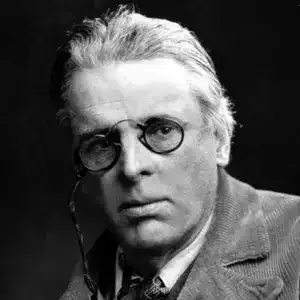
William Butler Yeats
What Was Lost
What Was Lost
I SING what was lost and dread what was won,
I walk in a battle fought over again,
My king a lost king, and lost soldiers my men;
Feet to the Rising and Setting may run,
They always beat on the same small stone.
I SING what was lost and dread what was won,
I walk in a battle fought over again,
My king a lost king, and lost soldiers my men;
Feet to the Rising and Setting may run,
They always beat on the same small stone.
327
William Butler Yeats
Upon A House Shaken By The Land Agitation
Upon A House Shaken By The Land Agitation
HOW should the world be luckier if this house,
Where passion and precision have been one
Time out of mind, became too ruinous
To breed the lidleSs eye that loves the sun?
And the sweet laughing eagle thoughts that grow
Where wings have memory of wings, and all
That comes of the best knit to the best? Although
Mean roof-trees were the sturdier for its fall.
How should their luck run high enough to reach
The gifts that govern men, and after these
To gradual Time's last gift, a written speech
Wrought of high laughter, loveliness and ease?
HOW should the world be luckier if this house,
Where passion and precision have been one
Time out of mind, became too ruinous
To breed the lidleSs eye that loves the sun?
And the sweet laughing eagle thoughts that grow
Where wings have memory of wings, and all
That comes of the best knit to the best? Although
Mean roof-trees were the sturdier for its fall.
How should their luck run high enough to reach
The gifts that govern men, and after these
To gradual Time's last gift, a written speech
Wrought of high laughter, loveliness and ease?
410
William Butler Yeats
Tom O'Roughley
Tom O'Roughley
'THOUGH logic-choppers rule the town,
And every man and maid and boy
Has marked a distant object down,
An aimless joy is a pure joy,'
Or so did Tom O'Roughley say
That saw the surges running by.
'And wisdom is a butterfly
And not a gloomy bird of prey.
'If little planned is little sinned
But little need the grave distress.
What's dying but a second wind?
How but in zig-zag wantonness
Could trumpeter Michael be so brave?'
Or something of that sort he said,
'And if my dearest friend were dead
I'd dance a measure on his grave.'
'THOUGH logic-choppers rule the town,
And every man and maid and boy
Has marked a distant object down,
An aimless joy is a pure joy,'
Or so did Tom O'Roughley say
That saw the surges running by.
'And wisdom is a butterfly
And not a gloomy bird of prey.
'If little planned is little sinned
But little need the grave distress.
What's dying but a second wind?
How but in zig-zag wantonness
Could trumpeter Michael be so brave?'
Or something of that sort he said,
'And if my dearest friend were dead
I'd dance a measure on his grave.'
441
William Butler Yeats
To A Young Beauty
To A Young Beauty
DEAR fellow-artist, why so free
With every sort of company,
With every Jack and Jill?
Choose your companions from the best;
Who draws a bucket with the rest
Soon topples down the hill.
You may, that mirror for a school,
Be passionate, not bountiful
As common beauties may,
Who were not born to keep in trim
With old Ezekiel's cherubim
But those of Beauvarlet.
I know what wages beauty gives,
How hard a life her setvant lives,
Yet praise the winters gone:
There is not a fool can call me friend,
And I may dine at journey's end
With Landor and with Donne.
DEAR fellow-artist, why so free
With every sort of company,
With every Jack and Jill?
Choose your companions from the best;
Who draws a bucket with the rest
Soon topples down the hill.
You may, that mirror for a school,
Be passionate, not bountiful
As common beauties may,
Who were not born to keep in trim
With old Ezekiel's cherubim
But those of Beauvarlet.
I know what wages beauty gives,
How hard a life her setvant lives,
Yet praise the winters gone:
There is not a fool can call me friend,
And I may dine at journey's end
With Landor and with Donne.
367
William Butler Yeats
To A Friend Whose Work Has Come To Nothing
To A Friend Whose Work Has Come To Nothing
NOW all the truth is out,
Be secret and take defeat
From any brazen throat,
For how can you compete,
Being honour bred, with one
Who, were it proved he lies,
Were neither shamed in his own
Nor in his neighbours' eyes?
Bred to a harder thing
Than Triumph, turn away
And like a laughing string
Whereon mad fingers play
Amid a place of stone,
Be secret and exult,
Because of all things known
That is most difficult.
NOW all the truth is out,
Be secret and take defeat
From any brazen throat,
For how can you compete,
Being honour bred, with one
Who, were it proved he lies,
Were neither shamed in his own
Nor in his neighbours' eyes?
Bred to a harder thing
Than Triumph, turn away
And like a laughing string
Whereon mad fingers play
Amid a place of stone,
Be secret and exult,
Because of all things known
That is most difficult.
493
William Butler Yeats
To A Shade
To A Shade
IF you have revisited the town, thin Shade,
Whether to look upon your monument
(I wonder if the builder has been paid)
Or happier-thoughted when the day is spent
To drink of that salt breath out of the sea
When grey gulls flit about instead of men,
And the gaunt houses put on majesty:
Let these content you and be gone again;
For they are at their old tricks yet.
A man
Of your own passionate serving kind who had brought
In his full hands what, had they only known,
Had given their children's children loftier thought,
Sweeter emotion, working in their veins
Like gentle blood, has been driven from the place,
And instilt heaped upon him for his pains,
And for his open-handedness, disgrace;
Your enemy, an old fotil mouth, had set
The pack upon him.
Go, unquiet wanderer,
And gather the Glasnevin coverlet
About your head till the dust stops your ear,
The time for you to taste of that Salt breath
And listen at the corners has not come;
You had enough of sorrow before death --
Away, away! You are safer in the tomb.
IF you have revisited the town, thin Shade,
Whether to look upon your monument
(I wonder if the builder has been paid)
Or happier-thoughted when the day is spent
To drink of that salt breath out of the sea
When grey gulls flit about instead of men,
And the gaunt houses put on majesty:
Let these content you and be gone again;
For they are at their old tricks yet.
A man
Of your own passionate serving kind who had brought
In his full hands what, had they only known,
Had given their children's children loftier thought,
Sweeter emotion, working in their veins
Like gentle blood, has been driven from the place,
And instilt heaped upon him for his pains,
And for his open-handedness, disgrace;
Your enemy, an old fotil mouth, had set
The pack upon him.
Go, unquiet wanderer,
And gather the Glasnevin coverlet
About your head till the dust stops your ear,
The time for you to taste of that Salt breath
And listen at the corners has not come;
You had enough of sorrow before death --
Away, away! You are safer in the tomb.
412
William Butler Yeats
Three Songs To The One Burden
Three Songs To The One Burden
THE Roaring Tinker if you like,
But Mannion is my name,
And I beat up the common sort
And think it is no shame.
The common breeds the common,
A lout begets a lout,
So when I take on half a score
I knock their heads about.
From mountain to mountain ride the fierce horsemen.
All Mannions come from Manannan,
Though rich on every shore
He never lay behind four walls
He had such character,
Nor ever made an iron red
Nor soldered pot or pan;
His roaring and his ranting
Best please a wandering man.
From mountain to mountain ride the fierce horsemen.
Could Crazy Jane put off old age
And ranting time renew,
Could that old god rise up again
We'd drink a can or two,
And out and lay our leadership
On country and on town,
Throw likely couples into bed
And knock the others down.
From mountain to mountain ride the fierce horsemen.
II
My name is Henry Middleton,
I have a small demesne,
A small forgotten house that's set
On a storm-bitten green.
I scrub its floors and make my bed,
I cook and change my plate,
The post and garden-boy alone
Have keys to my old gate.
From mountain to mountain ride the fierce horsemen.
Though I have locked my gate on them,
I pity all the young,
I know what devil's trade they learn
From those they live among,
Their drink, their pitch-and-toss by day,
Their robbery by night;
The wisdom of the people's gone,
How can the young go straight?
From mountain to mountain ride the fierce horsemen.
When every Sunday afternoon
On the Green Lands I walk
And wear a coat in fashion.
Memories of the talk
Of henwives and of queer old men
Brace me and make me strong;
There's not a pilot on the perch
Knows I have lived so long.
From mountain to mountain ride the fierce horsemen.
III
Come gather round me, players all:
Come praise Nineteen-Sixteen,
Those from the pit and gallery
Or from the painted scene
That fought in the Post Office
Or round the City Hall,
praise every man that came again,
Praise every man that fell.
From mountain to mountain ride the fierce horsemen.
Who was the first man shot that day?
The player Connolly,
Close to the City Hall he died;
Catriage and voice had he;
He lacked those years that go with skill,
But later might have been
A famous, a brilliant figure
Before the painted scene.
From mountain to mountain ride the fierce horsemen.
Some had no thought of victory
But had gone out to die
That Ireland's mind be greater,
Her heart mount up on high;
And yet who knows what's yet to come?
For patrick pearse had said
That in every generation
Must Ireland's blood be shed.
From mountain to mountain ride the fierce horsemen.
THE Roaring Tinker if you like,
But Mannion is my name,
And I beat up the common sort
And think it is no shame.
The common breeds the common,
A lout begets a lout,
So when I take on half a score
I knock their heads about.
From mountain to mountain ride the fierce horsemen.
All Mannions come from Manannan,
Though rich on every shore
He never lay behind four walls
He had such character,
Nor ever made an iron red
Nor soldered pot or pan;
His roaring and his ranting
Best please a wandering man.
From mountain to mountain ride the fierce horsemen.
Could Crazy Jane put off old age
And ranting time renew,
Could that old god rise up again
We'd drink a can or two,
And out and lay our leadership
On country and on town,
Throw likely couples into bed
And knock the others down.
From mountain to mountain ride the fierce horsemen.
II
My name is Henry Middleton,
I have a small demesne,
A small forgotten house that's set
On a storm-bitten green.
I scrub its floors and make my bed,
I cook and change my plate,
The post and garden-boy alone
Have keys to my old gate.
From mountain to mountain ride the fierce horsemen.
Though I have locked my gate on them,
I pity all the young,
I know what devil's trade they learn
From those they live among,
Their drink, their pitch-and-toss by day,
Their robbery by night;
The wisdom of the people's gone,
How can the young go straight?
From mountain to mountain ride the fierce horsemen.
When every Sunday afternoon
On the Green Lands I walk
And wear a coat in fashion.
Memories of the talk
Of henwives and of queer old men
Brace me and make me strong;
There's not a pilot on the perch
Knows I have lived so long.
From mountain to mountain ride the fierce horsemen.
III
Come gather round me, players all:
Come praise Nineteen-Sixteen,
Those from the pit and gallery
Or from the painted scene
That fought in the Post Office
Or round the City Hall,
praise every man that came again,
Praise every man that fell.
From mountain to mountain ride the fierce horsemen.
Who was the first man shot that day?
The player Connolly,
Close to the City Hall he died;
Catriage and voice had he;
He lacked those years that go with skill,
But later might have been
A famous, a brilliant figure
Before the painted scene.
From mountain to mountain ride the fierce horsemen.
Some had no thought of victory
But had gone out to die
That Ireland's mind be greater,
Her heart mount up on high;
And yet who knows what's yet to come?
For patrick pearse had said
That in every generation
Must Ireland's blood be shed.
From mountain to mountain ride the fierce horsemen.
404
William Butler Yeats
Three Marching Songs
Three Marching Songs
REMEMBER all those renowned generations,
They left their bodies to fatten the wolves,
They left their homesteads to fatten the foxes,
Fled to far countries, or sheltered themselves
In cavern, crevice, or hole,
Defending Ireland's soul.
Be still, be still, what can be said?
My father sang that song,
But time amends old wrong,
All that is finished, let it fade.
Remember all those renowned generations,
Remember all that have sunk in their blood,
Remember all that have died on the scaffold,
Remember all that have fled, that have stood,
Stood, took death like a tune
On an old,tambourine.
Be still, be still, what can be said?
My father sang that song,
But time amends old wrong,
And all that's finished, let it fade.
Fail, and that history turns into rubbish,
All that great past to a trouble of fools;
Those that come after shall mock at O'Donnell,
Mock at the memory of both O'Neills,
Mock Emmet, mock Parnell,
All the renown that fell.
Be still, be still, what can be said?
My father sang that song,
but time amends old wrong,
And all that's finished, let it fade.
The soldier takes pride in saluting his Captain,
The devotee proffers a knee to his Lord,
Some back a mare thrown from a thoroughbred,,
Troy backed its Helen; Troy died and adored;
Great nations blossom above;
A slave bows down to a slave.
What marches through the mountain pass?
No, no, my son, not yet;
That is an airy spot,
And no man knows what treads the grass.
We know what rascal might has defiled,
The lofty innocence that it has slain,
Were we not born in the peasant's cot
Where men forgive if the belly gain?
More dread the life that we live,
How can the mind forgive?
What marches down the mountain pass?
No, no, my son, not yet;
That is an airy spot,
And no man knows what treads the grass.
What if there's nothing up there at the top?
Where are the captains that govern mankind?
What tears down a tree that has nothing within it?
A blast of the wind, O a marching wind,
March wind, and any old tune.
March, march, and how does it run?
What marches down the mountain pass?
No, no, my son, not yet;
That is an airy spot,
And no man knows what treads the grass.
III
Grandfather sang it under the gallows:
'Hear, gentlemen, ladies, and all mankind:
Money is good and a girl might be better,
But good strong blows are delights to the mind.'
There, standing on the cart,
He sang it from his heart.
<1Robbers had taken his old tambourine,
But he took down the moon
And rattled out a tunc;
Robbers had taken his old tambourinc.>1
'A girl I had, but she followed another,
Money I had, and it went in the night,
Strong drink I had, and it brought me to sorrow,
But a good strong cause and blows are delight.'
All there caught up the tune:
'Oh, on, my darling man.'
Robbers had taken his old tambourine,
But he took down the moon
And rattled out a tune;>1
Robbers had taken his old tambourine.
'Money is good and a girl might be better,
No matter what happens and who takes the fall,
But a good strong cause' -- the rope gave a jerk there,
No more sang he, for his throat was too small;
But he kicked before he died,
He did it out of pride.
<1Robbers had taken his old tambourine,
But he took down the moon
And rattled out a tune;
Robbers had taken his old tambourine.
REMEMBER all those renowned generations,
They left their bodies to fatten the wolves,
They left their homesteads to fatten the foxes,
Fled to far countries, or sheltered themselves
In cavern, crevice, or hole,
Defending Ireland's soul.
Be still, be still, what can be said?
My father sang that song,
But time amends old wrong,
All that is finished, let it fade.
Remember all those renowned generations,
Remember all that have sunk in their blood,
Remember all that have died on the scaffold,
Remember all that have fled, that have stood,
Stood, took death like a tune
On an old,tambourine.
Be still, be still, what can be said?
My father sang that song,
But time amends old wrong,
And all that's finished, let it fade.
Fail, and that history turns into rubbish,
All that great past to a trouble of fools;
Those that come after shall mock at O'Donnell,
Mock at the memory of both O'Neills,
Mock Emmet, mock Parnell,
All the renown that fell.
Be still, be still, what can be said?
My father sang that song,
but time amends old wrong,
And all that's finished, let it fade.
The soldier takes pride in saluting his Captain,
The devotee proffers a knee to his Lord,
Some back a mare thrown from a thoroughbred,,
Troy backed its Helen; Troy died and adored;
Great nations blossom above;
A slave bows down to a slave.
What marches through the mountain pass?
No, no, my son, not yet;
That is an airy spot,
And no man knows what treads the grass.
We know what rascal might has defiled,
The lofty innocence that it has slain,
Were we not born in the peasant's cot
Where men forgive if the belly gain?
More dread the life that we live,
How can the mind forgive?
What marches down the mountain pass?
No, no, my son, not yet;
That is an airy spot,
And no man knows what treads the grass.
What if there's nothing up there at the top?
Where are the captains that govern mankind?
What tears down a tree that has nothing within it?
A blast of the wind, O a marching wind,
March wind, and any old tune.
March, march, and how does it run?
What marches down the mountain pass?
No, no, my son, not yet;
That is an airy spot,
And no man knows what treads the grass.
III
Grandfather sang it under the gallows:
'Hear, gentlemen, ladies, and all mankind:
Money is good and a girl might be better,
But good strong blows are delights to the mind.'
There, standing on the cart,
He sang it from his heart.
<1Robbers had taken his old tambourine,
But he took down the moon
And rattled out a tunc;
Robbers had taken his old tambourinc.>1
'A girl I had, but she followed another,
Money I had, and it went in the night,
Strong drink I had, and it brought me to sorrow,
But a good strong cause and blows are delight.'
All there caught up the tune:
'Oh, on, my darling man.'
Robbers had taken his old tambourine,
But he took down the moon
And rattled out a tune;>1
Robbers had taken his old tambourine.
'Money is good and a girl might be better,
No matter what happens and who takes the fall,
But a good strong cause' -- the rope gave a jerk there,
No more sang he, for his throat was too small;
But he kicked before he died,
He did it out of pride.
<1Robbers had taken his old tambourine,
But he took down the moon
And rattled out a tune;
Robbers had taken his old tambourine.
434
William Butler Yeats
The Winding Stair And Other Poems
The Winding Stair And Other Poems
IN MEMORY OF EVA GORE-BOOTH AND CON MARKIEWICZ
THE light of evening, Lissadell,
Great windows open to the south,
Two girls in silk kimonos, both
Beautiful, one a gazelle.
But a raving autumn shears
Blossom from the summer's wreath;
The older is condemned to death,
Pardoned, drags out lonely years
Conspiring among the ignorant.
I know not what the younger dreams --
Some vague Utopia -- and she seems,
When withered old and skeleton-gaunt,
An image of such politics.
Many a time I think to seek
One or the other out and speak
Of that old Georgian mansion, mix
pictures of the mind, recall
That table and the talk of youth,
Two girls in silk kimonos, both
Beautiful, one a gazelle.
Dear shadows, now you know it all,
All the folly of a fight
With a common wrong or right.
The innocent and the beautiful.
Have no enemy but time;
Arise and bid me strike a match
And strike another till time catch;
Should the conflagration climb,
Run till all the sages know.
We the great gazebo built,
They convicted us of guilt;
Bid me strike a match and blow.
IN MEMORY OF EVA GORE-BOOTH AND CON MARKIEWICZ
THE light of evening, Lissadell,
Great windows open to the south,
Two girls in silk kimonos, both
Beautiful, one a gazelle.
But a raving autumn shears
Blossom from the summer's wreath;
The older is condemned to death,
Pardoned, drags out lonely years
Conspiring among the ignorant.
I know not what the younger dreams --
Some vague Utopia -- and she seems,
When withered old and skeleton-gaunt,
An image of such politics.
Many a time I think to seek
One or the other out and speak
Of that old Georgian mansion, mix
pictures of the mind, recall
That table and the talk of youth,
Two girls in silk kimonos, both
Beautiful, one a gazelle.
Dear shadows, now you know it all,
All the folly of a fight
With a common wrong or right.
The innocent and the beautiful.
Have no enemy but time;
Arise and bid me strike a match
And strike another till time catch;
Should the conflagration climb,
Run till all the sages know.
We the great gazebo built,
They convicted us of guilt;
Bid me strike a match and blow.
394
William Butler Yeats
The Valley of the Black Pig
The Valley of the Black Pig
The dews drop slowly and dreams gather: unknown spears
Suddenly hurtle before my dream-awakened eyes,
And then the clash of fallen horsemen and the cries
Of unknown perishing armies beat about my ears.
We who still labour by the cromlech on the shore,
The grey caim on the hill, when day sinks drowned in dew,
Being weary of the world's empires, bow down to you.
Master of the still stars and of the flaming door.
The dews drop slowly and dreams gather: unknown spears
Suddenly hurtle before my dream-awakened eyes,
And then the clash of fallen horsemen and the cries
Of unknown perishing armies beat about my ears.
We who still labour by the cromlech on the shore,
The grey caim on the hill, when day sinks drowned in dew,
Being weary of the world's empires, bow down to you.
Master of the still stars and of the flaming door.
336
William Butler Yeats
The Three Monuments
The Three Monuments
THEY hold their public meetings where
Our most renowned patriots stand,
One among the birds of the air,
A stumpier on either hand;
And all the popular statesmen say
That purity built up the State
And after kept it from decay;
And let all base ambition be,
For intellect would make us proud
And pride bring in impurity:
The three old rascals laugh aloud.
THEY hold their public meetings where
Our most renowned patriots stand,
One among the birds of the air,
A stumpier on either hand;
And all the popular statesmen say
That purity built up the State
And after kept it from decay;
And let all base ambition be,
For intellect would make us proud
And pride bring in impurity:
The three old rascals laugh aloud.
326
William Butler Yeats
The Travail Of Passion
The Travail Of Passion
WHEN the flaming lute-thronged angelic door is wide;
When an immortal passion breathes in mortal clay;
Our hearts endure the scourge, the plaited thorns, the way
Crowded with bitter faces, the wounds in palm and side,
The vinegar-heavy sponge, the flowers by Kedron stream;
We will bend down and loosen our hair over you,
That it may drop faint perfume, and be heavy with dew,
Lilies of death-pale hope, roses of passionate dream.
WHEN the flaming lute-thronged angelic door is wide;
When an immortal passion breathes in mortal clay;
Our hearts endure the scourge, the plaited thorns, the way
Crowded with bitter faces, the wounds in palm and side,
The vinegar-heavy sponge, the flowers by Kedron stream;
We will bend down and loosen our hair over you,
That it may drop faint perfume, and be heavy with dew,
Lilies of death-pale hope, roses of passionate dream.
357
William Butler Yeats
The Three Bushes
The Three Bushes
SAID lady once to lover,
'None can rely upon
A love that lacks its proper food;
And if your love were gone
How could you sing those songs of love?
I should be blamed, young man.
O my dear, O my dear.
Have no lit candles in your room,'
That lovely lady said,
'That I at midnight by the clock
May creep into your bed,
For if I saw myself creep in
I think I should drop dead.'
O my dear, O my dear.
'I love a man in secret,
Dear chambermaid,' said she.
'I know that I must drop down dead
If he stop loving me,
Yet what could I but drop down dead
If I lost my chastity?
O my dear, O my dear.
'So you must lie beside him
And let him think me there.
And maybe we are all the same
Where no candles are,
And maybe we are all the same
That stip the body bare.'
O my dear, O my dear.
But no dogs barked, and midnights chimed,
And through the chime she'd say,
'That was a lucky thought of mine,
My lover. looked so gay';
But heaved a sigh if the chambermaid
Looked half asleep all day.
O my dear, O my dear.
'No, not another song,' siid he,
'Because my lady came
A year ago for the first time
At midnight to my room,
And I must lie between the sheets
When the clock begins to chime.'
O my dear, O my d-ear.
'A laughing, crying, sacred song,
A leching song,' they said.
Did ever men hear such a song?
No, but that day they did.
Did ever man ride such a race?
No, not until he rode.
O my dear, O my dear.
But when his horse had put its hoof
Into a rabbit-hole
He dropped upon his head and died.
His lady saw it all
And dropped and died thereon, for she
Loved him with her soul.
O my dear, O my dear.
The chambermaid lived long, and took
Their graves into her charge,
And there two bushes planted
That when they had grown large
Seemed sprung from but a single root
So did their roses merge.
O my dear, O my dear.
When she was old and dying,
The priest came where she was;
She made a full confession.
Long looked he in her face,
And O he was a good man
And understood her case.
O my dear, O my dear.
He bade them take and bury her
Beside her lady's man,
And set a rose-tree on her grave,
And now none living can,
When they have plucked a rose there,
Know where its roots began.
O my dear, O my dear.
SAID lady once to lover,
'None can rely upon
A love that lacks its proper food;
And if your love were gone
How could you sing those songs of love?
I should be blamed, young man.
O my dear, O my dear.
Have no lit candles in your room,'
That lovely lady said,
'That I at midnight by the clock
May creep into your bed,
For if I saw myself creep in
I think I should drop dead.'
O my dear, O my dear.
'I love a man in secret,
Dear chambermaid,' said she.
'I know that I must drop down dead
If he stop loving me,
Yet what could I but drop down dead
If I lost my chastity?
O my dear, O my dear.
'So you must lie beside him
And let him think me there.
And maybe we are all the same
Where no candles are,
And maybe we are all the same
That stip the body bare.'
O my dear, O my dear.
But no dogs barked, and midnights chimed,
And through the chime she'd say,
'That was a lucky thought of mine,
My lover. looked so gay';
But heaved a sigh if the chambermaid
Looked half asleep all day.
O my dear, O my dear.
'No, not another song,' siid he,
'Because my lady came
A year ago for the first time
At midnight to my room,
And I must lie between the sheets
When the clock begins to chime.'
O my dear, O my d-ear.
'A laughing, crying, sacred song,
A leching song,' they said.
Did ever men hear such a song?
No, but that day they did.
Did ever man ride such a race?
No, not until he rode.
O my dear, O my dear.
But when his horse had put its hoof
Into a rabbit-hole
He dropped upon his head and died.
His lady saw it all
And dropped and died thereon, for she
Loved him with her soul.
O my dear, O my dear.
The chambermaid lived long, and took
Their graves into her charge,
And there two bushes planted
That when they had grown large
Seemed sprung from but a single root
So did their roses merge.
O my dear, O my dear.
When she was old and dying,
The priest came where she was;
She made a full confession.
Long looked he in her face,
And O he was a good man
And understood her case.
O my dear, O my dear.
He bade them take and bury her
Beside her lady's man,
And set a rose-tree on her grave,
And now none living can,
When they have plucked a rose there,
Know where its roots began.
O my dear, O my dear.
424
William Butler Yeats
The Results Of Thought
The Results Of Thought
ACQUAINTANCE; companion;
One dear brilliant woman;
The best-endowed, the elect,
All by their youth undone,
All, all, by that inhuman
Bitter glory wrecked.
But I have straightened out
Ruin, wreck and wrack;
I toiled long years and at length
Came to so deep a thought
I can summon back
All their wholesome strength.
What images are these
That turn dull-eyed away,
Or Shift Time's filthy load,
Straighten aged knees,
Hesitate or stay?
What heads shake or nod?
ACQUAINTANCE; companion;
One dear brilliant woman;
The best-endowed, the elect,
All by their youth undone,
All, all, by that inhuman
Bitter glory wrecked.
But I have straightened out
Ruin, wreck and wrack;
I toiled long years and at length
Came to so deep a thought
I can summon back
All their wholesome strength.
What images are these
That turn dull-eyed away,
Or Shift Time's filthy load,
Straighten aged knees,
Hesitate or stay?
What heads shake or nod?
327
William Butler Yeats
The People
The People
'WHAT have I earned for all that work,' I said,
'For all that I have done at my own charge?
The daily spite of this unmannerly town,
Where who has served the most is most defaned,
The reputation of his lifetime lost
Between the night and morning. I might have lived,
And you know well how great the longing has been,
Where every day my footfall Should have lit
In the green shadow of Ferrara wall;
Or climbed among the images of the past --
The unperturbed and courtly images --
Evening and morning, the steep street of Urbino
To where the Duchess and her people talked
The stately midnight through until they stood
In their great window looking at the dawn;
I might have had no friend that could not mix
Courtesy and passion into one like those
That saw the wicks grow yellow in the dawn;
I might have used the one substantial right
My trade allows: chosen my company,
And chosen what scenery had pleased me best.
Thereon my phoenix answered in reproof,
'The drunkards, pilferers of public funds,
All the dishonest crowd I had driven away,
When my luck changed and they dared meet my face,
Crawled from obscurity, and set upon me
Those I had served and some that I had fed;
Yet never have I, now nor any time,
Complained of the people.'
All I could reply
Was: 'You, that have not lived in thought but deed,
Can have the purity of a natural force,
But I, whose virtues are the definitions
Of the analytic mind, can neither close
The eye of the mind nor keep my tongue from speech.'
And yet, because my heart leaped at her words,
I was abashed, and now they come to mind
After nine years, I sink my head abashed.
'WHAT have I earned for all that work,' I said,
'For all that I have done at my own charge?
The daily spite of this unmannerly town,
Where who has served the most is most defaned,
The reputation of his lifetime lost
Between the night and morning. I might have lived,
And you know well how great the longing has been,
Where every day my footfall Should have lit
In the green shadow of Ferrara wall;
Or climbed among the images of the past --
The unperturbed and courtly images --
Evening and morning, the steep street of Urbino
To where the Duchess and her people talked
The stately midnight through until they stood
In their great window looking at the dawn;
I might have had no friend that could not mix
Courtesy and passion into one like those
That saw the wicks grow yellow in the dawn;
I might have used the one substantial right
My trade allows: chosen my company,
And chosen what scenery had pleased me best.
Thereon my phoenix answered in reproof,
'The drunkards, pilferers of public funds,
All the dishonest crowd I had driven away,
When my luck changed and they dared meet my face,
Crawled from obscurity, and set upon me
Those I had served and some that I had fed;
Yet never have I, now nor any time,
Complained of the people.'
All I could reply
Was: 'You, that have not lived in thought but deed,
Can have the purity of a natural force,
But I, whose virtues are the definitions
Of the analytic mind, can neither close
The eye of the mind nor keep my tongue from speech.'
And yet, because my heart leaped at her words,
I was abashed, and now they come to mind
After nine years, I sink my head abashed.
457
William Butler Yeats
The Pilgrim
The Pilgrim
I FASTED for some forty days on bread and buttermilk,
For passing round the bottle with girls in rags or silk,
In country shawl or Paris cloak, had put my wits astray,
And what's the good of women, for all that they can say
Is fol de rol de rolly O.
Round Lough Derg's holy island I went upon the stones,
I prayed at all the Stations upon my matrow-bones,
And there I found an old man, and though, I prayed all day
And that old man beside me, nothing would he say
But fol de rol de rolly O.
All know that all the dead in the world about that place are stuck,
And that should mother seek her son she'd have but little luck
Because the fires of purgatory have ate their shapes away;
I swear to God I questioned them, and all they had to say
Was fol de rol de rolly O.
A great black ragged bird appeared when I was in the boat;
Some twenty feet from tip to tip had it stretched rightly out,
With flopping and with flapping it made a great display,
But I never stopped to question, what could the boatman say
But fol de rol de rolly O.
Now I am in the public-house and lean upon the wall,
So come in rags or come in silk, in cloak or country shawl,
And come with learned lovers or with what men you may,
For I can put the whole lot down, and all I have to say
Is fol de rol de rolly O.
I FASTED for some forty days on bread and buttermilk,
For passing round the bottle with girls in rags or silk,
In country shawl or Paris cloak, had put my wits astray,
And what's the good of women, for all that they can say
Is fol de rol de rolly O.
Round Lough Derg's holy island I went upon the stones,
I prayed at all the Stations upon my matrow-bones,
And there I found an old man, and though, I prayed all day
And that old man beside me, nothing would he say
But fol de rol de rolly O.
All know that all the dead in the world about that place are stuck,
And that should mother seek her son she'd have but little luck
Because the fires of purgatory have ate their shapes away;
I swear to God I questioned them, and all they had to say
Was fol de rol de rolly O.
A great black ragged bird appeared when I was in the boat;
Some twenty feet from tip to tip had it stretched rightly out,
With flopping and with flapping it made a great display,
But I never stopped to question, what could the boatman say
But fol de rol de rolly O.
Now I am in the public-house and lean upon the wall,
So come in rags or come in silk, in cloak or country shawl,
And come with learned lovers or with what men you may,
For I can put the whole lot down, and all I have to say
Is fol de rol de rolly O.
382
William Butler Yeats
The O'Rahilly
The O'Rahilly
SING of the O'Rahilly,
Do not deny his right;
Sing a 'the' before his name;
Allow that he, despite
All those learned historians,
Established it for good;
He wrote out that word himself,
He christened himself with blood.
How goes the weather?
Sing of the O'Rahilly
That had such little sense
He told Pearse and Connolly
He'd gone to great expense
Keeping all the Kerry men
Out of that crazy fight;
That he might be there himself
Had travelled half the night.
How goes the weather?
'Am I such a craven that
I should not get the word
But for what some travelling man
Had heard I had not heard?'
Then on pearse and Connolly
He fixed a bitter look:
'Because I helped to wind the clock
I come to hear it strike.'
How goes the weather?
What remains to sing about
But of the death he met
Stretched under a doorway
Somewhere off Henry Street;
They that found him found upon
The door above his head
'Here died the O'Rahilly.
R.I.P.' writ in blood.
How goes the weather.?
SING of the O'Rahilly,
Do not deny his right;
Sing a 'the' before his name;
Allow that he, despite
All those learned historians,
Established it for good;
He wrote out that word himself,
He christened himself with blood.
How goes the weather?
Sing of the O'Rahilly
That had such little sense
He told Pearse and Connolly
He'd gone to great expense
Keeping all the Kerry men
Out of that crazy fight;
That he might be there himself
Had travelled half the night.
How goes the weather?
'Am I such a craven that
I should not get the word
But for what some travelling man
Had heard I had not heard?'
Then on pearse and Connolly
He fixed a bitter look:
'Because I helped to wind the clock
I come to hear it strike.'
How goes the weather?
What remains to sing about
But of the death he met
Stretched under a doorway
Somewhere off Henry Street;
They that found him found upon
The door above his head
'Here died the O'Rahilly.
R.I.P.' writ in blood.
How goes the weather.?
366
William Butler Yeats
The Lover Speaks To The Hearers Of His Songs In Coming Days
The Lover Speaks To The Hearers Of His Songs In Coming Days
O WOMEN, kneeling by your altar-rails long hence,
When songs I wove for my beloved hide the prayer,
And smoke from this dead heart drifts through the violet air
And covers away the smoke of myrrh and frankincense;
Bend down and pray for all that sin I wove in song,
Till the Attorney for Lost Souls cry her sweet cry,
And.call to my beloved and me: 'No longer fly
Amid the hovering, piteouS, penitential throng.'
O WOMEN, kneeling by your altar-rails long hence,
When songs I wove for my beloved hide the prayer,
And smoke from this dead heart drifts through the violet air
And covers away the smoke of myrrh and frankincense;
Bend down and pray for all that sin I wove in song,
Till the Attorney for Lost Souls cry her sweet cry,
And.call to my beloved and me: 'No longer fly
Amid the hovering, piteouS, penitential throng.'
394
William Butler Yeats
The Lamentation Of The Old Pensioner
The Lamentation Of The Old Pensioner
ALTHOUGH I shelter from the rain
Under a broken tree,
My chair was nearest to the fire
In every company
That talked of love or politics,
Ere Time transfigured me.
Though lads are making pikes again
For some conspiracy,
And crazy rascals rage their fill
At human tyranny,
My contemplations are of Time
That has transfigured me.
There's not a woman turns her face
Upon a broken tree,
And yet the beauties that I loved
Are in my memory;
I spit into the face of Time
That has transfigured me.
ALTHOUGH I shelter from the rain
Under a broken tree,
My chair was nearest to the fire
In every company
That talked of love or politics,
Ere Time transfigured me.
Though lads are making pikes again
For some conspiracy,
And crazy rascals rage their fill
At human tyranny,
My contemplations are of Time
That has transfigured me.
There's not a woman turns her face
Upon a broken tree,
And yet the beauties that I loved
Are in my memory;
I spit into the face of Time
That has transfigured me.
425
William Butler Yeats
The Ghost Of Roger Casement
The Ghost Of Roger Casement
O WHAT has made that sudden noise?
What on the threshold stands?
It never crossed the sea because
John Bull and the sea are friends;
But this is not the old sea
Nor this the old seashore.
What gave that roar of mockery,
That roar in the sea's roar?
The ghost of Roger Casement
Is beating on the door.
John Bull has stood for Parliament,
A dog must have his day,
The country thinks no end of him,
For he knows how to say,
At a beanfeast or a banquet,
That all must hang their trust
Upon the British Empire,
Upon the Church of Christ.
The ghost of Roger Casement
Is beating on the door.
John Bull has gone to India
And all must pay him heed,
For histories are there to prove
That none of another breed
Has had a like inheritance,
Or sucked such milk as he,
And there's no luck about a house
If it lack honesty.
The ghost of Roger Casement
Is beating on the door.
I poked about a village church
And found his family tomb
And copied out what I could read
In that religious gloom;
Found many a famous man there;
But fame and virtue rot.
Draw round, beloved and bitter men,
Draw round and raise a shout;
The ghost of Roger Casement
Is beating on the door.
O WHAT has made that sudden noise?
What on the threshold stands?
It never crossed the sea because
John Bull and the sea are friends;
But this is not the old sea
Nor this the old seashore.
What gave that roar of mockery,
That roar in the sea's roar?
The ghost of Roger Casement
Is beating on the door.
John Bull has stood for Parliament,
A dog must have his day,
The country thinks no end of him,
For he knows how to say,
At a beanfeast or a banquet,
That all must hang their trust
Upon the British Empire,
Upon the Church of Christ.
The ghost of Roger Casement
Is beating on the door.
John Bull has gone to India
And all must pay him heed,
For histories are there to prove
That none of another breed
Has had a like inheritance,
Or sucked such milk as he,
And there's no luck about a house
If it lack honesty.
The ghost of Roger Casement
Is beating on the door.
I poked about a village church
And found his family tomb
And copied out what I could read
In that religious gloom;
Found many a famous man there;
But fame and virtue rot.
Draw round, beloved and bitter men,
Draw round and raise a shout;
The ghost of Roger Casement
Is beating on the door.
427
William Butler Yeats
The Great Day
The Great Day
HURRAH for revolution and more cannon-shot!
A beggar upon horseback lashes a beggar on foot.
Hurrah for revolution and cannon come again!
The beggars have changed places, but the lash goes on.
HURRAH for revolution and more cannon-shot!
A beggar upon horseback lashes a beggar on foot.
Hurrah for revolution and cannon come again!
The beggars have changed places, but the lash goes on.
303
William Butler Yeats
The Choice
The Choice
The intellect of man is forced to choose
perfection of the life, or of the work,
And if it take the second must refuse
A heavenly mansion, raging in the dark.
When all that story's finished, what's the news?
In luck or out the toil has left its mark:
That old perplexity an empty purse,
Or the day's vanity, the night's remorse.
The intellect of man is forced to choose
perfection of the life, or of the work,
And if it take the second must refuse
A heavenly mansion, raging in the dark.
When all that story's finished, what's the news?
In luck or out the toil has left its mark:
That old perplexity an empty purse,
Or the day's vanity, the night's remorse.
347
William Butler Yeats
The Black Tower
The Black Tower
SAY that the men of the old black tower,
Though they but feed as the goatherd feeds,
Their money spent, their wine gone sour,
Lack nothing that a soldier needs,
That all are oath-bound men:
Those banners come not in.
There in the tomb stand the dead upright,
But winds come up from the shore:
They shake when the winds roar,
Old bones upon the mountain shake.
Those banners come to bribe or threaten,
Or whisper that a man's a fool
Who, when his own right king's forgotten,
Cares what king sets up his rule.
If he died long ago
Why do yopu dread us so?
There in the tomb drops the faint moonlight,
But wind comes up from the shore:
They shake when the winds roar,
Old bones upon the mountain shake.
The tower's old cook that must climb and clamber
Catching small birds in the dew of the morn
When we hale men lie stretched in slumber
Swears that he hears the king's great horn.
But he's a lying hound:
Stand we on guard oath-bound!
There in the tomb the dark grows blacker,
But wind comes up from the shore:
They shake when the winds roar,
Old bones upon the mountain shake.
SAY that the men of the old black tower,
Though they but feed as the goatherd feeds,
Their money spent, their wine gone sour,
Lack nothing that a soldier needs,
That all are oath-bound men:
Those banners come not in.
There in the tomb stand the dead upright,
But winds come up from the shore:
They shake when the winds roar,
Old bones upon the mountain shake.
Those banners come to bribe or threaten,
Or whisper that a man's a fool
Who, when his own right king's forgotten,
Cares what king sets up his rule.
If he died long ago
Why do yopu dread us so?
There in the tomb drops the faint moonlight,
But wind comes up from the shore:
They shake when the winds roar,
Old bones upon the mountain shake.
The tower's old cook that must climb and clamber
Catching small birds in the dew of the morn
When we hale men lie stretched in slumber
Swears that he hears the king's great horn.
But he's a lying hound:
Stand we on guard oath-bound!
There in the tomb the dark grows blacker,
But wind comes up from the shore:
They shake when the winds roar,
Old bones upon the mountain shake.
427
William Butler Yeats
The Ballad Of Father O'Hart
The Ballad Of Father O'Hart
GOOD Father John O'Hart
In penal days rode out
To a Shoneen who had free lands
And his own snipe and trout.
In trust took he John's lands;
Sleiveens were all his race;
And he gave them as dowers to his daughters.
And they married beyond their place.
But Father John went up,
And Father John went down;
And he wore small holes in his Shoes,
And he wore large holes in his gown.
All loved him, only the shoneen,
Whom the devils have by the hair,
From the wives, and the cats, and the children,
To the birds in the white of the air.
The birds, for he opened their cages
As he went up and down;
And he said with a smile, 'Have peace now';
And he went his way with a frown.
But if when anyone died
Came keeners hoarser than rooks,
He bade them give over their keening;
For he was a man of books.
And these were the works of John,
When, weeping score by score,
People came into Colooney;
For he'd died at ninety-four.
There was no human keening;
The birds from Knocknarea
And the world round Knocknashee
Came keening in that day.
The young birds and old birds
Came flying, heavy and sad;
Keening in from Tiraragh,
Keening from Ballinafad;
Keening from Inishmurray.
Nor stayed for bite or sup;
This way were all reproved
Who dig old customs up.
GOOD Father John O'Hart
In penal days rode out
To a Shoneen who had free lands
And his own snipe and trout.
In trust took he John's lands;
Sleiveens were all his race;
And he gave them as dowers to his daughters.
And they married beyond their place.
But Father John went up,
And Father John went down;
And he wore small holes in his Shoes,
And he wore large holes in his gown.
All loved him, only the shoneen,
Whom the devils have by the hair,
From the wives, and the cats, and the children,
To the birds in the white of the air.
The birds, for he opened their cages
As he went up and down;
And he said with a smile, 'Have peace now';
And he went his way with a frown.
But if when anyone died
Came keeners hoarser than rooks,
He bade them give over their keening;
For he was a man of books.
And these were the works of John,
When, weeping score by score,
People came into Colooney;
For he'd died at ninety-four.
There was no human keening;
The birds from Knocknarea
And the world round Knocknashee
Came keening in that day.
The young birds and old birds
Came flying, heavy and sad;
Keening in from Tiraragh,
Keening from Ballinafad;
Keening from Inishmurray.
Nor stayed for bite or sup;
This way were all reproved
Who dig old customs up.
424