

Poems in this topic
Science and Reason
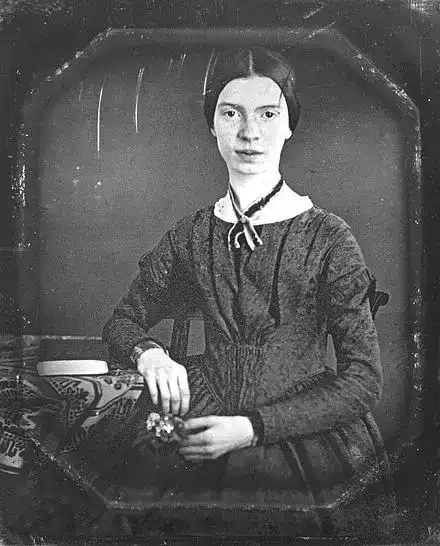
Emily Dickinson
I felt a cleaving in my mind
I felt a cleaving in my mind
I felt a cleaving in my mind
As if my brain had split;
I tried to match it, seam by seam,
But could not make them fit.
The thought behind I strove to join
Unto the thought before,
But sequence ravelled out of reach
Like balls upon a floor.
I felt a cleaving in my mind
As if my brain had split;
I tried to match it, seam by seam,
But could not make them fit.
The thought behind I strove to join
Unto the thought before,
But sequence ravelled out of reach
Like balls upon a floor.
264
Emily Dickinson
Faith
Faith
"Faith" is a fine invention
When Gentlemen can see—
But Microscopes are prudent
In an Emergency.
"Faith" is a fine invention
When Gentlemen can see—
But Microscopes are prudent
In an Emergency.
270
Emily Dickinson
Banish Air from Air
Banish Air from Air
854
Banish Air from Air-
Divide Light if you dareThey'll
meet
While Cubes in a Drop
Or Pellets of Shape
Fit
Films cannot annul
Odors return whole
Force Flame
And with a Blonde push
Over your impotence
Flits Steam.
854
Banish Air from Air-
Divide Light if you dareThey'll
meet
While Cubes in a Drop
Or Pellets of Shape
Fit
Films cannot annul
Odors return whole
Force Flame
And with a Blonde push
Over your impotence
Flits Steam.
448
Emily Dickinson
Arcturus
Arcturus
"Arcturus" is his other name—
I'd rather call him "Star."
It's very mean of Science
To go and interfere!
I slew a worm the other day—
A "Savant" passing by
Murmured "Resurgam"—"Centipede"!
"Oh Lord—how frail are we"!
I pull a flower from the woods—
A monster with a glass
Computes the stamens in a breath—
And has her in a "class"!
Whereas I took the Butterfly
Aforetime in my hat—
He sits erect in "Cabinets"—
The Clover bells forgot.
What once was "Heaven"
Is "Zenith" now—
Where I proposed to go
When Time's brief masquerade was done
Is mapped and charted too.
What if the poles should frisk about
And stand upon their heads!
I hope I'm ready for "the worst"—
Whatever prank betides!
Perhaps the "Kingdom of Heaven's" changed—
I hope the "Children" there Won't be "new fashioned" when I come—
And laugh at me—and stare—
I hope the Father in the skies
Will lift his little girl—
Old fashioned—naught—everything—
Over the stile of "Pearl."
"Arcturus" is his other name—
I'd rather call him "Star."
It's very mean of Science
To go and interfere!
I slew a worm the other day—
A "Savant" passing by
Murmured "Resurgam"—"Centipede"!
"Oh Lord—how frail are we"!
I pull a flower from the woods—
A monster with a glass
Computes the stamens in a breath—
And has her in a "class"!
Whereas I took the Butterfly
Aforetime in my hat—
He sits erect in "Cabinets"—
The Clover bells forgot.
What once was "Heaven"
Is "Zenith" now—
Where I proposed to go
When Time's brief masquerade was done
Is mapped and charted too.
What if the poles should frisk about
And stand upon their heads!
I hope I'm ready for "the worst"—
Whatever prank betides!
Perhaps the "Kingdom of Heaven's" changed—
I hope the "Children" there Won't be "new fashioned" when I come—
And laugh at me—and stare—
I hope the Father in the skies
Will lift his little girl—
Old fashioned—naught—everything—
Over the stile of "Pearl."
560
Emily Dickinson
A precious—mouldering pleasure
A precious—mouldering pleasure
371
A precious—mouldering pleasure—'tis—
To meet an Antique Book—
In just the Dress his Century wore—
A privilege—I think—
His venerable Hand to take—
And warming in our own—
A passage back—or two—to make—
To Times when he—was young—
His quaint opinions—to inspect—
His thought to ascertain
On Themes concern our mutual mind—
The Literature of Man—
What interested Scholars—most—
What Competitions ran—
When Plato—was a Certainty—
And Sophocles—a Man—
When Sappho—was a living Girl—
And Beatrice wore
The Gown that Dante—deified—
Facts Centuries before
He traverses—familiar—
As One should come to Town—
And tell you all your Dreams—were true—
He lived—where Dreams were born—
His presence is Enchantment—
You beg him not to go—
Old Volume shake their Vellum Heads
And tantalize—just so—
371
A precious—mouldering pleasure—'tis—
To meet an Antique Book—
In just the Dress his Century wore—
A privilege—I think—
His venerable Hand to take—
And warming in our own—
A passage back—or two—to make—
To Times when he—was young—
His quaint opinions—to inspect—
His thought to ascertain
On Themes concern our mutual mind—
The Literature of Man—
What interested Scholars—most—
What Competitions ran—
When Plato—was a Certainty—
And Sophocles—a Man—
When Sappho—was a living Girl—
And Beatrice wore
The Gown that Dante—deified—
Facts Centuries before
He traverses—familiar—
As One should come to Town—
And tell you all your Dreams—were true—
He lived—where Dreams were born—
His presence is Enchantment—
You beg him not to go—
Old Volume shake their Vellum Heads
And tantalize—just so—
410
Emily Dickinson
Arcturus is his other name
"Arcturus" is his other name
70
"Arcturus" is his other nameI'd
rather call him "Star."
It's very mean of Science
To go and interfere!
I slew a worm the other day-
A "Savant" passing by
Murmured "Resurgam"-"Centipede"!
"Oh Lord-how frail are we"!
I pull a flower from the woods-
A monster with a glass
Computes the stamens in a breath-
And has her in a "class"!
Whereas I took the Butterfly
Aforetime in my hat-
He sits erect in "Cabinets"-
The Clover bells forgot.
What once was "Heaven"
Is "Zenith" now-
Where I proposed to go
When Time's brief masquerade was done
Is mapped and charted too.
What if the poles should frisk about
And stand upon their heads!
I hope I'm ready for "the worst"-
Whatever prank betides!
Perhaps the "Kingdom of Heaven's" changed-
I hope the "Children" there Won't be "new fashioned" when I come-
And laugh at me-and stare-
I hope the Father in the skies
Will lift his little girl-
Old fashioned-naught-everything-
Over the stile of "Pearl."
70
"Arcturus" is his other nameI'd
rather call him "Star."
It's very mean of Science
To go and interfere!
I slew a worm the other day-
A "Savant" passing by
Murmured "Resurgam"-"Centipede"!
"Oh Lord-how frail are we"!
I pull a flower from the woods-
A monster with a glass
Computes the stamens in a breath-
And has her in a "class"!
Whereas I took the Butterfly
Aforetime in my hat-
He sits erect in "Cabinets"-
The Clover bells forgot.
What once was "Heaven"
Is "Zenith" now-
Where I proposed to go
When Time's brief masquerade was done
Is mapped and charted too.
What if the poles should frisk about
And stand upon their heads!
I hope I'm ready for "the worst"-
Whatever prank betides!
Perhaps the "Kingdom of Heaven's" changed-
I hope the "Children" there Won't be "new fashioned" when I come-
And laugh at me-and stare-
I hope the Father in the skies
Will lift his little girl-
Old fashioned-naught-everything-
Over the stile of "Pearl."
438
Emily Dickinson
Faith is a fine invention
"Faith" is a fine invention
185
"Faith" is a fine invention
When Gentlemen can see-
But Microscopes are prudent
In an Emergency.
185
"Faith" is a fine invention
When Gentlemen can see-
But Microscopes are prudent
In an Emergency.
369
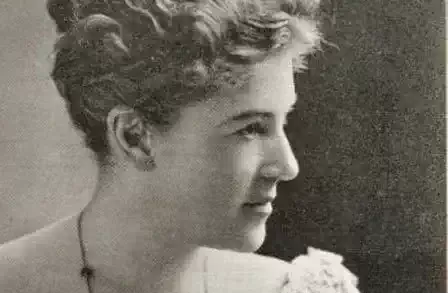
Ella Wheeler Wilcox
Uncontrolled
Uncontrolled
The mighty forces of mysterious space
Are one by one subdued by lordly man.
The awful lightning that for eons ran
Their devastating and untrammeled race,
Now bear his messages from place to place
Like carrier doves. The winds lead on his van;
The lawless elements no longer can
Resist his strength, but yield with sullen grace.
His bold feet scaling heights before untrod,
Light, darkness, air and water, heat and cold
He bids go forth and bring him power and pelf.
And yet though ruler, king and demi-god
He walks with his fierce passions uncontrolled
The conquerer of all things – save himself.
The mighty forces of mysterious space
Are one by one subdued by lordly man.
The awful lightning that for eons ran
Their devastating and untrammeled race,
Now bear his messages from place to place
Like carrier doves. The winds lead on his van;
The lawless elements no longer can
Resist his strength, but yield with sullen grace.
His bold feet scaling heights before untrod,
Light, darkness, air and water, heat and cold
He bids go forth and bring him power and pelf.
And yet though ruler, king and demi-god
He walks with his fierce passions uncontrolled
The conquerer of all things – save himself.
402
Ella Wheeler Wilcox
The Voice
The Voice
I dreamed a Voice, of one God-authorised,
Cried loudly thro’ the world, ‘Disarm! Disarm! ’
And there was consernation in the camps;
And men who strutted under braid and lace
Beat on their medalled breasts, and wailed,
‘Undone! ’
The word was echoed from a thousand hills,
And shop and mill, and factory and forge,
Where throve the awful industries of death,
Hushed into silence. Scrawled upon the doors,
The passer read, ‘Peace bids her children
Starve.’
But foolish women clasped their little sons
And wept for joy, not reasoning like men.
Again the Voice commanded: ‘Now go forth
And build a world for Progress and for Peace.
This world had waited since the earth was
Shaped;
But men were fighting, and they could not
Toil.
The needs of life outnumbered needs of death.
Leave death with God. Go forth, I say, and
Build.’
And then a sudden comprehensive joy
Shone in the eyes of men; and one who thought
Only of conquests and of victories
Woke from his gloomy reverie and cried,
‘Ay, come and build! I challenge all to try.
And I will make a world more beautiful
Then Eden was before the serpent came.’
And like a running flame on western wilds,
Ambition spread from mind to listening mind,
And lo! the looms were busy once again,
And all the earth resounded with men’s toil.
Vast palaces of Science graced the world;
Their banquet tables spread with feasts of truth
For all who hungered. Music kissed the air,
Once rent with boom of cannons. Statues gleamed
From wooded ways, where ambushed armies hid
In times of old. The sea and air were gay
With shining sails that soared from land to land.
A universal language of the world
Made nations kin, and poverty was known
But as a word marked ‘obsolete, ’ like war.
The arts were kindled with celestial fire;
New poets sang so Homer’s fame grew dim;
And brush and chisel gave the wondering race
Sublimer treasures than old Greece displayed.
Men differed still; fierce argument arose,
For men are human in this human sphere;
But unarmed Arbitration stood between
And Reason settled in a hundred hours
What War disputed for a hundred years.
Oh, that a Voice, of one God-authorised
Might cry to all mankind, Disarm! Disarm!
Remembered
His art was loving; Eres set his sign
Upon that youthful forehead, and he drew
The hearts of women, as the sun draws dew.
Love feeds love’s thirst as wine feeds love of wine;
Nor is there any potion from the vine
Which makes men drunken like the subtle brew
Of kisses crushed by kisses; and he grew
Inebriated with that draught divine.
Yet in his sober moments, when the sun
Of radiant summer paled to lonely fall,
And passion’s sea had grown an ebbing tide,
From out the many, Memory singled one
Full cup that seemed the sweetest of them all –
The warm red mouth that mocked him and denied.
I dreamed a Voice, of one God-authorised,
Cried loudly thro’ the world, ‘Disarm! Disarm! ’
And there was consernation in the camps;
And men who strutted under braid and lace
Beat on their medalled breasts, and wailed,
‘Undone! ’
The word was echoed from a thousand hills,
And shop and mill, and factory and forge,
Where throve the awful industries of death,
Hushed into silence. Scrawled upon the doors,
The passer read, ‘Peace bids her children
Starve.’
But foolish women clasped their little sons
And wept for joy, not reasoning like men.
Again the Voice commanded: ‘Now go forth
And build a world for Progress and for Peace.
This world had waited since the earth was
Shaped;
But men were fighting, and they could not
Toil.
The needs of life outnumbered needs of death.
Leave death with God. Go forth, I say, and
Build.’
And then a sudden comprehensive joy
Shone in the eyes of men; and one who thought
Only of conquests and of victories
Woke from his gloomy reverie and cried,
‘Ay, come and build! I challenge all to try.
And I will make a world more beautiful
Then Eden was before the serpent came.’
And like a running flame on western wilds,
Ambition spread from mind to listening mind,
And lo! the looms were busy once again,
And all the earth resounded with men’s toil.
Vast palaces of Science graced the world;
Their banquet tables spread with feasts of truth
For all who hungered. Music kissed the air,
Once rent with boom of cannons. Statues gleamed
From wooded ways, where ambushed armies hid
In times of old. The sea and air were gay
With shining sails that soared from land to land.
A universal language of the world
Made nations kin, and poverty was known
But as a word marked ‘obsolete, ’ like war.
The arts were kindled with celestial fire;
New poets sang so Homer’s fame grew dim;
And brush and chisel gave the wondering race
Sublimer treasures than old Greece displayed.
Men differed still; fierce argument arose,
For men are human in this human sphere;
But unarmed Arbitration stood between
And Reason settled in a hundred hours
What War disputed for a hundred years.
Oh, that a Voice, of one God-authorised
Might cry to all mankind, Disarm! Disarm!
Remembered
His art was loving; Eres set his sign
Upon that youthful forehead, and he drew
The hearts of women, as the sun draws dew.
Love feeds love’s thirst as wine feeds love of wine;
Nor is there any potion from the vine
Which makes men drunken like the subtle brew
Of kisses crushed by kisses; and he grew
Inebriated with that draught divine.
Yet in his sober moments, when the sun
Of radiant summer paled to lonely fall,
And passion’s sea had grown an ebbing tide,
From out the many, Memory singled one
Full cup that seemed the sweetest of them all –
The warm red mouth that mocked him and denied.
414
Ella Wheeler Wilcox
The Muse And The Poet
The Muse And The Poet
The Muse said, Let us sing a little song
Wherein no hint of wrong,
No echo of the great world need, or pain,
Shall mar the strain.
Lock fast the swinging portal of thy heart;
Keep sympathy apart.
Sing of the sunset, of the dawn, the sea;
Of any thing or nothing, so there be
No purpose to thy art.
Yea, let us make, art for Art's sake.
And sing no more unto the hearts of men,
But for the critic's pen.
With songs that are but words, sweet sounding words,
Like joyous jargon of the birds.
Tune now thy lyre, O Poet, and sing on.
Sing of
THE DAWN
The Virgin Night, all languorous with dreams
Of her belovèd Darkness, rose in fear,
Feeling the presence of another near.
Outside her curtained casement shone the gleams
Of burning orbs; and modestly she hid
Her brow and bosom with her dusky hair.
When lo! the bold intruder lurking there
Leaped through the fragile lattice, all unbid,
And half unveiled her. Then the swooning Night
Fell pale and dead, while yet her soul was white
Before that lawless Ravisher, the Light.
The Muse said, Poet, nay; thou hast not caught
My meaning. For there lurks a thought
Back of thy song.
In art, all thought is wrong.
Re-string thy lyre; and let the echoes bound
To nothing but sweet sound.
Strike now the chords
And sing of
WORDS
One day sweet Ladye Language gave to me
A little golden key.
I sat me down beside her jewel box
And turned its locks.
And oh, the wealth that lay there in my sight.
Great solitaires of words, so bright, so bright;
Words that no use can commonize; like God,
And Truth, and Love; and words of sapphire blue;
And amber words; with sunshine dripping through;
And words of that strange hue
A pearl reveals upon a wanton's hand.
Again the Muse:
Thou dost not understand;
A thought within thy song is lingering yet.
Sing but of words; all else forget, forget.
Nor let thy words convey one thought to men.
Try once again.
Down through the dusk and dew there fell a word;
Down through the dew and dusk.
And all the garments of the air it stirred
Smelled sweet as musk;
And all the little waves of air it kissed
Turned gold and amethyst.
There in the dew and dusk a heart it found;
There in the dusk and dew
The sodden silence changed to fragrant sound;
And all the world seemed new.
Upon the path that little word had trod,
There shone the smile of God.
The Muse said, Drop thy lyre.
I tire, I tire.
The Muse said, Let us sing a little song
Wherein no hint of wrong,
No echo of the great world need, or pain,
Shall mar the strain.
Lock fast the swinging portal of thy heart;
Keep sympathy apart.
Sing of the sunset, of the dawn, the sea;
Of any thing or nothing, so there be
No purpose to thy art.
Yea, let us make, art for Art's sake.
And sing no more unto the hearts of men,
But for the critic's pen.
With songs that are but words, sweet sounding words,
Like joyous jargon of the birds.
Tune now thy lyre, O Poet, and sing on.
Sing of
THE DAWN
The Virgin Night, all languorous with dreams
Of her belovèd Darkness, rose in fear,
Feeling the presence of another near.
Outside her curtained casement shone the gleams
Of burning orbs; and modestly she hid
Her brow and bosom with her dusky hair.
When lo! the bold intruder lurking there
Leaped through the fragile lattice, all unbid,
And half unveiled her. Then the swooning Night
Fell pale and dead, while yet her soul was white
Before that lawless Ravisher, the Light.
The Muse said, Poet, nay; thou hast not caught
My meaning. For there lurks a thought
Back of thy song.
In art, all thought is wrong.
Re-string thy lyre; and let the echoes bound
To nothing but sweet sound.
Strike now the chords
And sing of
WORDS
One day sweet Ladye Language gave to me
A little golden key.
I sat me down beside her jewel box
And turned its locks.
And oh, the wealth that lay there in my sight.
Great solitaires of words, so bright, so bright;
Words that no use can commonize; like God,
And Truth, and Love; and words of sapphire blue;
And amber words; with sunshine dripping through;
And words of that strange hue
A pearl reveals upon a wanton's hand.
Again the Muse:
Thou dost not understand;
A thought within thy song is lingering yet.
Sing but of words; all else forget, forget.
Nor let thy words convey one thought to men.
Try once again.
Down through the dusk and dew there fell a word;
Down through the dew and dusk.
And all the garments of the air it stirred
Smelled sweet as musk;
And all the little waves of air it kissed
Turned gold and amethyst.
There in the dew and dusk a heart it found;
There in the dusk and dew
The sodden silence changed to fragrant sound;
And all the world seemed new.
Upon the path that little word had trod,
There shone the smile of God.
The Muse said, Drop thy lyre.
I tire, I tire.
517
Ella Wheeler Wilcox
The Meeting Of The Centuries
The Meeting Of The Centuries
A CURIOUS vision, on mine eyes unfurled
In the deep night. I saw, or seemed to see,
Two Centuries meet, and sit down vis-a-vis,
Across the great round table of the world.
One with suggested sorrows in his mien
And on his brow the furrowed lines of thought.
And one whose glad expectant presence brought
A glow and radiance from the realms unseen.
Hand clasped with hand, in silence for a space,
The Centuries sat; the sad old eyes of one
(As grave paternal eyes regard a son)
Gazing upon that other eager face.
And then a voice, as cadenceless and gray
As the sea's monody in winter time,
Mingled with tones melodious, as the chime
Of bird choirs, singing in the dawns of May.
THE OLD CENTURY SPEAKS:
By you, Hope stands. With me, Experience walks.
Like a fair jewel in a faded box,
In my tear-rusted heart, sweet pity lies.
For all the dreams that look forth from your eyes,
And those bright-hued ambitions, which I know
Must fall like leaves and perish in Time's snow,
(Even as my soul's garden stands bereft,)
I give you pity! 'tis the one gift left.
THE NEW CENTURY:
Nay, nay, good friend! not pity, but Godspeed,
Here in the morning of my life I need.
Counsel, and not condolence; smiles, not tears,
To guide me through the channels of the years.
Oh, I am blinded by the blaze of light
That shines upon me from the Infinite.
Blurred is my vision by the close approach
To unseen shores, whereon the times encroach.
THE OLD CENTURY:
Illusion, all illusion. List and hear
The Godless cannons, booming far and near.
Flaunting the flag of Unbelief, with Greed
For pilot, lo! the pirate age in speed
Bears on to ruin. War's most hideous crimes
Besmirch the record of these modern times.
Degenerate is the world I leave to you, --
My happiest speech to earth will be -- adieu.
THE NEW CENTURY:
You speak as one too weary to be just.
I hear the guns-I see the greed and lust.
The death throes of a giant evil fill
The air with riot and confusion. Ill
Ofttimes makes fallow ground for Good; and Wrong
Builds Right's foundation, when it grows too strong.
Pregnant with promise is the hour, and grand
The trust you leave in my all-willing hand.
THE OLD CENTURY:
As one who throws a flickering taper's ray
To light departing feet, my shadowed way
You brighten with your faith. Faith makes the man.
Alas, that my poor foolish age outran
Its early trust in God. The death of art
And progress follows, when the world's hard heart
Casts out religion. 'Tis the human brain
Men worship now, and heaven, to them, means gain.
THE NEW CENTURY:
Faith is not dead, tho' priest and creed may pass,
For thought has leavened the whole unthinking mass.
And man looks now to find the God within.
We shall talk more of love, and less of sin,
In this new era. We are drawing near
Unatlassed boundaries of a larger sphere.
With awe, I wait, till Science leads us on,
Into the full effulgence of its dawn.
A CURIOUS vision, on mine eyes unfurled
In the deep night. I saw, or seemed to see,
Two Centuries meet, and sit down vis-a-vis,
Across the great round table of the world.
One with suggested sorrows in his mien
And on his brow the furrowed lines of thought.
And one whose glad expectant presence brought
A glow and radiance from the realms unseen.
Hand clasped with hand, in silence for a space,
The Centuries sat; the sad old eyes of one
(As grave paternal eyes regard a son)
Gazing upon that other eager face.
And then a voice, as cadenceless and gray
As the sea's monody in winter time,
Mingled with tones melodious, as the chime
Of bird choirs, singing in the dawns of May.
THE OLD CENTURY SPEAKS:
By you, Hope stands. With me, Experience walks.
Like a fair jewel in a faded box,
In my tear-rusted heart, sweet pity lies.
For all the dreams that look forth from your eyes,
And those bright-hued ambitions, which I know
Must fall like leaves and perish in Time's snow,
(Even as my soul's garden stands bereft,)
I give you pity! 'tis the one gift left.
THE NEW CENTURY:
Nay, nay, good friend! not pity, but Godspeed,
Here in the morning of my life I need.
Counsel, and not condolence; smiles, not tears,
To guide me through the channels of the years.
Oh, I am blinded by the blaze of light
That shines upon me from the Infinite.
Blurred is my vision by the close approach
To unseen shores, whereon the times encroach.
THE OLD CENTURY:
Illusion, all illusion. List and hear
The Godless cannons, booming far and near.
Flaunting the flag of Unbelief, with Greed
For pilot, lo! the pirate age in speed
Bears on to ruin. War's most hideous crimes
Besmirch the record of these modern times.
Degenerate is the world I leave to you, --
My happiest speech to earth will be -- adieu.
THE NEW CENTURY:
You speak as one too weary to be just.
I hear the guns-I see the greed and lust.
The death throes of a giant evil fill
The air with riot and confusion. Ill
Ofttimes makes fallow ground for Good; and Wrong
Builds Right's foundation, when it grows too strong.
Pregnant with promise is the hour, and grand
The trust you leave in my all-willing hand.
THE OLD CENTURY:
As one who throws a flickering taper's ray
To light departing feet, my shadowed way
You brighten with your faith. Faith makes the man.
Alas, that my poor foolish age outran
Its early trust in God. The death of art
And progress follows, when the world's hard heart
Casts out religion. 'Tis the human brain
Men worship now, and heaven, to them, means gain.
THE NEW CENTURY:
Faith is not dead, tho' priest and creed may pass,
For thought has leavened the whole unthinking mass.
And man looks now to find the God within.
We shall talk more of love, and less of sin,
In this new era. We are drawing near
Unatlassed boundaries of a larger sphere.
With awe, I wait, till Science leads us on,
Into the full effulgence of its dawn.
412
Ella Wheeler Wilcox
The Boys' And Girls' Thanksgiving of 1892
The Boys' And Girls' Thanksgiving of 1892
Never since the race was started,
Had a boy in any clime,
Cause to be so thankful-hearted,
As the boys of present time.
Not a girl in old times living-
Let the world talk as it may-
Found such reasons for Thanksgiving,
As the girls who live to-day!
Grandmas, in their corners sitting,
Toiling till the day grew late,
What knew they with endless knitting,
Of the jolly roller-skate?
Grandpas sitting by the fender,
Reading by the faggots' blaze,
What knew they of modern splendor
Found in incandescent rays?
Where they toiled in bitter weather,
Braving rain and snow and sleet,
Gathering sticks of wood together,
We have radiators' heat.
But these fruits of modern science
They first planted seed by seed,
In their strength and self-reliance
We may find a noble creed.
With the dawn of great inventions,
Came the anti-warring days.
Men are sick of armed contentions,
God be thanked with heart-felt praise.
Once a boy was trained for fighting,
Now the world is better taught,
'Tis an age when wrongs are righting
By the force of common thought.
Once a girl was trained for sewing,
Spinning, knitting, nothing more.
She must never think of knowing
Aught of things outside her door.
If she soared above her spinning,
If she sought a life more broad,
She was looked upon as sinning
'Gainst the laws of man and God.
Now a girl is taught she's human,
Brain and body, soul and heart
All are needed by the woman
Who to-day would play her part.
Swift and sure the world advances,
Let the critic carp who may.
God be praised for all the chances
Boys and girls enjoy to-day.
Never since the race was started,
Had a boy in any clime,
Cause to be so thankful-hearted,
As the boys of present time.
Not a girl in old times living-
Let the world talk as it may-
Found such reasons for Thanksgiving,
As the girls who live to-day!
Grandmas, in their corners sitting,
Toiling till the day grew late,
What knew they with endless knitting,
Of the jolly roller-skate?
Grandpas sitting by the fender,
Reading by the faggots' blaze,
What knew they of modern splendor
Found in incandescent rays?
Where they toiled in bitter weather,
Braving rain and snow and sleet,
Gathering sticks of wood together,
We have radiators' heat.
But these fruits of modern science
They first planted seed by seed,
In their strength and self-reliance
We may find a noble creed.
With the dawn of great inventions,
Came the anti-warring days.
Men are sick of armed contentions,
God be thanked with heart-felt praise.
Once a boy was trained for fighting,
Now the world is better taught,
'Tis an age when wrongs are righting
By the force of common thought.
Once a girl was trained for sewing,
Spinning, knitting, nothing more.
She must never think of knowing
Aught of things outside her door.
If she soared above her spinning,
If she sought a life more broad,
She was looked upon as sinning
'Gainst the laws of man and God.
Now a girl is taught she's human,
Brain and body, soul and heart
All are needed by the woman
Who to-day would play her part.
Swift and sure the world advances,
Let the critic carp who may.
God be praised for all the chances
Boys and girls enjoy to-day.
492
Ella Wheeler Wilcox
Conversion
Conversion
When this world's pleasures for my soul sufficed,
Ere my heart's plummet sounded depths of pain,
I call on Reason to control my brain,
And scoffed at that old story of Christ.
But when o'er burning wastes my feet had trod,
And all my life was desolate with loss,
With bleeding hands I clung about the cross,
And cried aloud, 'Man needs a suffering God! '
When this world's pleasures for my soul sufficed,
Ere my heart's plummet sounded depths of pain,
I call on Reason to control my brain,
And scoffed at that old story of Christ.
But when o'er burning wastes my feet had trod,
And all my life was desolate with loss,
With bleeding hands I clung about the cross,
And cried aloud, 'Man needs a suffering God! '
302
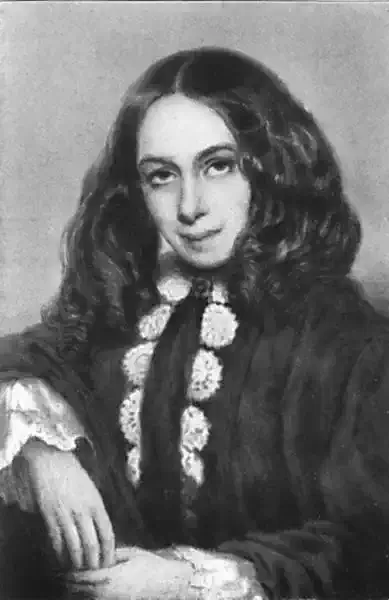
Elizabeth Barrett Browning
Pain In Pleasure
Pain In Pleasure
A THOUGHT ay like a flower upon mine heart,
And drew around it other thoughts like bees
For multitude and thirst of sweetnesses;
Whereat rejoicing, I desired the art
Of the Greek whistler, who to wharf and mart
Could lure those insect swarms from orange-trees
That I might hive with me such thoughts and please
My soul so, always. foolish counterpart
Of a weak man's vain wishes ! While I spoke,
The thought I called a flower grew nettle-rough
The thoughts, called bees, stung me to festering:
Oh, entertain (cried Reason as she woke)
Your best and gladdest thoughts but long enough,
And they will all prove sad enough to sting !
A THOUGHT ay like a flower upon mine heart,
And drew around it other thoughts like bees
For multitude and thirst of sweetnesses;
Whereat rejoicing, I desired the art
Of the Greek whistler, who to wharf and mart
Could lure those insect swarms from orange-trees
That I might hive with me such thoughts and please
My soul so, always. foolish counterpart
Of a weak man's vain wishes ! While I spoke,
The thought I called a flower grew nettle-rough
The thoughts, called bees, stung me to festering:
Oh, entertain (cried Reason as she woke)
Your best and gladdest thoughts but long enough,
And they will all prove sad enough to sting !
511
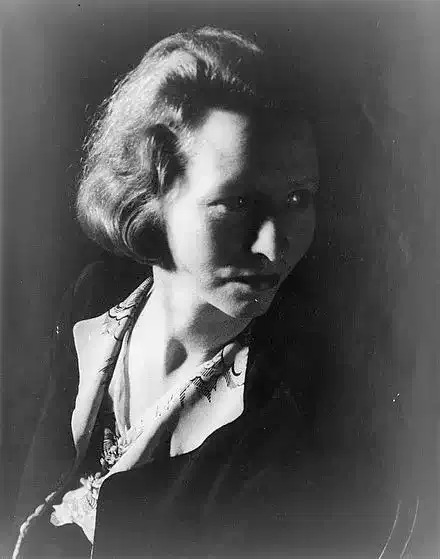
Edna St. Vincent Millay
Euclid Alone
Euclid Alone
Euclid alone has looked on Beauty bare.
Let all who prate of Beauty hold their peace,
And lay them prone upon the earth and cease
To ponder on themselves, the while they stare
At nothing, intricately drawn nowhere
In shapes of shifting lineage; let geese
Gabble and hiss, but heroes seek release
From dusty bondage into luminous air.
O blinding hour, O holy, terrible day,
When first the shaft into his vision shone
Of light anatomized! Euclid alone
Has looked on Beauty bare. Fortunate they
Who, though once only and then but far away,
Have heard her massive sandal set on stone.
Euclid alone has looked on Beauty bare.
Let all who prate of Beauty hold their peace,
And lay them prone upon the earth and cease
To ponder on themselves, the while they stare
At nothing, intricately drawn nowhere
In shapes of shifting lineage; let geese
Gabble and hiss, but heroes seek release
From dusty bondage into luminous air.
O blinding hour, O holy, terrible day,
When first the shaft into his vision shone
Of light anatomized! Euclid alone
Has looked on Beauty bare. Fortunate they
Who, though once only and then but far away,
Have heard her massive sandal set on stone.
312
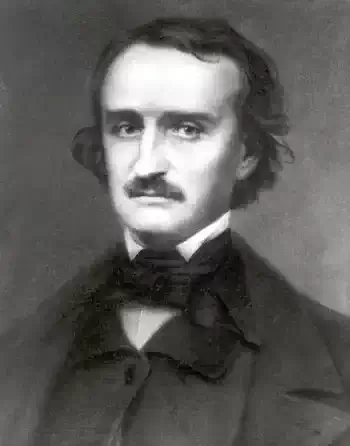
Edgar Allan Poe
Sonnet- To Science
Sonnet- To Science
Science! true daughter of Old Time thou art!
Who alterest all things with thy peering eyes.
Why preyest thou thus upon the poet's heart,
Vulture, whose wings are dull realities?
How should he love thee? or how deem thee wise,
Who wouldst not leave him in his wandering
To seek for treasure in the jewelled skies,
Albeit he soared with an undaunted wing?
Hast thou not dragged Diana from her car?
And driven the Hamadryad from the wood
To seek a shelter in some happier star?
Hast thou not torn the Naiad from her flood,
The Elfin from the green grass, and from me
The summer dream beneath the tamarind tree?
Science! true daughter of Old Time thou art!
Who alterest all things with thy peering eyes.
Why preyest thou thus upon the poet's heart,
Vulture, whose wings are dull realities?
How should he love thee? or how deem thee wise,
Who wouldst not leave him in his wandering
To seek for treasure in the jewelled skies,
Albeit he soared with an undaunted wing?
Hast thou not dragged Diana from her car?
And driven the Hamadryad from the wood
To seek a shelter in some happier star?
Hast thou not torn the Naiad from her flood,
The Elfin from the green grass, and from me
The summer dream beneath the tamarind tree?
537
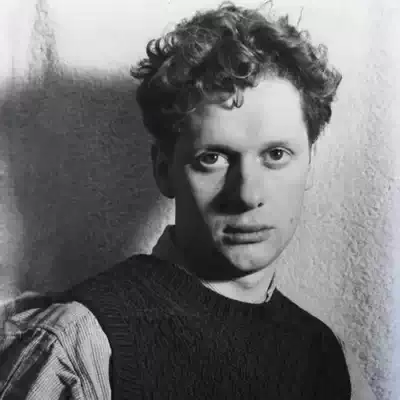
Dylan Thomas
Why East Wind Chills
Why East Wind Chills
Why east wind chills and south wind cools
Shall not be known till windwell dries
And west's no longer drowned
In winds that bring the fruit and rind
Of many a hundred falls;
Why silk is soft and the stone wounds
The child shall question all his days,
Why night-time rain and the breast's blood
Both quench his thirst he'll have a black reply.
When cometh Jack Frost? the children ask.
Shall they clasp a comet in their fists?
Not till, from high and low, their dust
Sprinkles in children's eyes a long-last sleep
And dusk is crowded with the children's ghosts,
Shall a white answer echo from the rooftops.
All things are known: the stars' advice
Calls some content to travel with the winds,
Though what the stars ask as they round
Time upon time the towers of the skies
Is heard but little till the stars go out.
I hear content, and 'Be Content'
Ring like a handbell through the corridors,
And 'Know no answer,' and I know
No answer to the children's cry
Of echo's answer and the man of frost
And ghostly comets over the raised fists.
Why east wind chills and south wind cools
Shall not be known till windwell dries
And west's no longer drowned
In winds that bring the fruit and rind
Of many a hundred falls;
Why silk is soft and the stone wounds
The child shall question all his days,
Why night-time rain and the breast's blood
Both quench his thirst he'll have a black reply.
When cometh Jack Frost? the children ask.
Shall they clasp a comet in their fists?
Not till, from high and low, their dust
Sprinkles in children's eyes a long-last sleep
And dusk is crowded with the children's ghosts,
Shall a white answer echo from the rooftops.
All things are known: the stars' advice
Calls some content to travel with the winds,
Though what the stars ask as they round
Time upon time the towers of the skies
Is heard but little till the stars go out.
I hear content, and 'Be Content'
Ring like a handbell through the corridors,
And 'Know no answer,' and I know
No answer to the children's cry
Of echo's answer and the man of frost
And ghostly comets over the raised fists.
292
Dylan Thomas
When I Woke
When I Woke
When I woke, the town spoke.
Birds and clocks and cross bells
Dinned aside the coiling crowd,
The reptile profligates in a flame,
Spoilers and pokers of sleep,
The next-door sea dispelled
Frogs and satans and woman-luck,
While a man outside with a billhook,
Up to his head in his blood,
Cutting the morning off,
The warm-veined double of Time
And his scarving beard from a book,
Slashed down the last snake as though
It were a wand or subtle bough,
Its tongue peeled in the wrap of a leaf.
Every morning I make,
God in bed, good and bad,
After a water-face walk,
The death-stagged scatter-breath
Mammoth and sparrowfall
Everybody's earth.
Where birds ride like leaves and boats like ducks
I heard, this morning, waking,
Crossly out of the town noises
A voice in the erected air,
No prophet-progeny of mine,
Cry my sea town was breaking.
No Time, spoke the clocks, no God, rang the bells,
I drew the white sheet over the islands
And the coins on my eyelids sang like shells.
When I woke, the town spoke.
Birds and clocks and cross bells
Dinned aside the coiling crowd,
The reptile profligates in a flame,
Spoilers and pokers of sleep,
The next-door sea dispelled
Frogs and satans and woman-luck,
While a man outside with a billhook,
Up to his head in his blood,
Cutting the morning off,
The warm-veined double of Time
And his scarving beard from a book,
Slashed down the last snake as though
It were a wand or subtle bough,
Its tongue peeled in the wrap of a leaf.
Every morning I make,
God in bed, good and bad,
After a water-face walk,
The death-stagged scatter-breath
Mammoth and sparrowfall
Everybody's earth.
Where birds ride like leaves and boats like ducks
I heard, this morning, waking,
Crossly out of the town noises
A voice in the erected air,
No prophet-progeny of mine,
Cry my sea town was breaking.
No Time, spoke the clocks, no God, rang the bells,
I drew the white sheet over the islands
And the coins on my eyelids sang like shells.
422

D.H. Lawrence
Tortoise Shell
Tortoise Shell
The Cross, the Cross
Goes deeper in than we know,
Deeper into life;
Right into the marrow
And through the bone.
Along the back of the baby tortoise
The scales are locked in an arch like a bridge,
Scale-lapping, like a lobster's sections
Or a bee's.
Then crossways down his sides
Tiger-stripes and wasp-bands.
Five, and five again, and five again,
And round the edges twenty-five little ones,
The sections of the baby tortoise shell.
Four, and a keystone;
Four, and a keystone;
Four, and a keystone;
Then twenty-four, and a tiny little keystone.
It needed Pythagoras to see life playing with counters on the living back
Of the baby tortoise;
Life establishing the first eternal mathematical tablet,
Not in stone, like the Judean Lord, or bronze, but in life-clouded, life-rosy tortoise shell.
The first little mathematical gentleman
Stepping, wee mite, in his loose trousers
Under all the eternal dome of mathematical law.
Fives, and tens,
Threes and fours and twelves,
All the volte face of decimals,
The whirligig of dozens and the pinnacle of seven.
Turn him on his back,
The kicking little beetle,
And there again, on his shell-tender, earth-touching belly,
The long cleavage of division, upright of the eternal cross
And on either side count five,
On each side, two above, on each side, two below
The dark bar horizontal.
The Cross!
It goes right through him, the sprottling insect,
Through his cross-wise cloven psyche,
Through his five-fold complex-nature.
So turn him over on his toes again;
Four pin-point toes, and a problematical thumb-piece,
Four rowing limbs, and one wedge-balancing head,
Four and one makes five, which is the clue to all mathematics.
The Lord wrote it all down on the little slate
Of the baby tortoise.
Outward and visible indication of the plan within,
The complex, manifold involvednes,s of an individual creature
Plotted out
On this small bird, this rudiment,
This little dome, this pediment
Of all creation,
This slow one.
The Cross, the Cross
Goes deeper in than we know,
Deeper into life;
Right into the marrow
And through the bone.
Along the back of the baby tortoise
The scales are locked in an arch like a bridge,
Scale-lapping, like a lobster's sections
Or a bee's.
Then crossways down his sides
Tiger-stripes and wasp-bands.
Five, and five again, and five again,
And round the edges twenty-five little ones,
The sections of the baby tortoise shell.
Four, and a keystone;
Four, and a keystone;
Four, and a keystone;
Then twenty-four, and a tiny little keystone.
It needed Pythagoras to see life playing with counters on the living back
Of the baby tortoise;
Life establishing the first eternal mathematical tablet,
Not in stone, like the Judean Lord, or bronze, but in life-clouded, life-rosy tortoise shell.
The first little mathematical gentleman
Stepping, wee mite, in his loose trousers
Under all the eternal dome of mathematical law.
Fives, and tens,
Threes and fours and twelves,
All the volte face of decimals,
The whirligig of dozens and the pinnacle of seven.
Turn him on his back,
The kicking little beetle,
And there again, on his shell-tender, earth-touching belly,
The long cleavage of division, upright of the eternal cross
And on either side count five,
On each side, two above, on each side, two below
The dark bar horizontal.
The Cross!
It goes right through him, the sprottling insect,
Through his cross-wise cloven psyche,
Through his five-fold complex-nature.
So turn him over on his toes again;
Four pin-point toes, and a problematical thumb-piece,
Four rowing limbs, and one wedge-balancing head,
Four and one makes five, which is the clue to all mathematics.
The Lord wrote it all down on the little slate
Of the baby tortoise.
Outward and visible indication of the plan within,
The complex, manifold involvednes,s of an individual creature
Plotted out
On this small bird, this rudiment,
This little dome, this pediment
Of all creation,
This slow one.
232
D.H. Lawrence
Thought
Thought
Thought, I love thought.
But not the juggling and twisting of already existent ideas
I despise that self-important game.
Thought is the welling up of unknown life into consciousness,
Thought is the testing of statements on the touchstone of consciousness,
Thought is gazing onto the face of life, and reading what can be read,
Thought is pondering over experience, and coming to conclusion.
Thought is not a trick, or an exercise, or a set of dodges,
Thought is a man in his wholeness, wholly attending.
Thought, I love thought.
But not the juggling and twisting of already existent ideas
I despise that self-important game.
Thought is the welling up of unknown life into consciousness,
Thought is the testing of statements on the touchstone of consciousness,
Thought is gazing onto the face of life, and reading what can be read,
Thought is pondering over experience, and coming to conclusion.
Thought is not a trick, or an exercise, or a set of dodges,
Thought is a man in his wholeness, wholly attending.
220
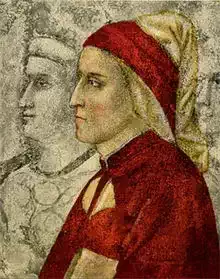
Dante Alighieri
Paradiso: Canto II
Paradiso: Canto II
Paradiso Canto 2
O Ye, who in some pretty little boat,
Eager to listen, have been following
Behind my ship, that singing sails along,
Turn back to look again upon your shores;
Do not put out to sea, lest peradventure,
In losing me, you might yourselves be lost.
The sea I sail has never yet been passed;
Minerva breathes, and pilots me Apollo,
And Muses nine point out to me the Bears.
Ye other few who have the neck uplifted
Betimes to th' bread of Angels upon which
One liveth here and grows not sated by it,
Well may you launch upon the deep salt-sea
Your vessel, keeping still my wake before you
Upon the water that grows smooth again.
Those glorious ones who unto Colchos passed
Were not so wonder-struck as you shall be,
When Jason they beheld a ploughman made!
The con-created and perpetual thirst
For the realm deiform did bear us on,
As swift almost as ye the heavens behold.
Upward gazed Beatrice, and I at her;
And in such space perchance as strikes a bolt
And flies, and from the notch unlocks itself,
Arrived I saw me where a wondrous thing
Drew to itself my sight; and therefore she
From whom no care of mine could be concealed,
Towards me turning, blithe as beautiful,
Said unto me: 'Fix gratefully thy mind
On God, who unto the first star has brought us.'
It seemed to me a cloud encompassed us,
Luminous, dense, consolidate and bright
As adamant on which the sun is striking.
Into itself did the eternal pearl
Receive us, even as water doth receive
A ray of light, remaining still unbroken.
If I was body, (and we here conceive not
How one dimension tolerates another,
Which needs must be if body enter body,)
More the desire should be enkindled in us
That essence to behold, wherein is seen
How God and our own nature were united.
There will be seen what we receive by faith,
Not demonstrated, but self-evident
In guise of the first truth that man believes.
I made reply: 'Madonna, as devoutly
As most I can do I give thanks to Him
Who has removed me from the mortal world.
But tell me what the dusky spots may be
Upon this body, which below on earth
Make people tell that fabulous tale of Cain?'
Somewhat she smiled; and then, 'If the opinion
Of mortals be erroneous,' she said,
'Where'er the key of sense doth not unlock,
Certes, the shafts of wonder should not pierce thee
Now, forasmuch as, following the senses,
Thou seest that the reason has short wings.
But tell me what thou think'st of it thyself.'
And I: 'What seems to us up here diverse,
Is caused, I think, by bodies rare and dense.'
And she: 'Right truly shalt thou see immersed
In error thy belief, if well thou hearest
The argument that I shall make against it.
Lights many the eighth sphere displays to you
Which in their quality and quantity
May noted be of aspects different.
If this were caused by rare and dense alone,
One only virtue would there be in all
Or more or less diffused, or equally.
Virtues diverse must be perforce the fruits
Of formal principles; and these, save one,
Of course would by thy reasoning be destroyed.
Besides, if rarity were of this dimness
The cause thou askest, either through and through
This planet thus attenuate were of matter,
Or else, as in a body is apportioned
The fat and lean, so in like manner this
Would in its volume interchange the leaves.
Were it the former, in the sun's eclipse
It would be manifest by the shining through
Of light, as through aught tenuous interfused.
This is not so; hence we must scan the other,
And if it chance the other I demolish,
Then falsified will thy opinion be.
But if this rarity go not through and through,
There needs must be a limit, beyond which
Its contrary prevents the further passing,
And thence the foreign radiance is reflected,
Even as a colour cometh back from glass,
The which behind itself concealeth lead.
Now thou wilt say the sunbeam shows itself
More dimly there than in the other parts,
By being there reflected farther back.
From this reply experiment will free thee
If e'er thou try it, which is wont to be
The fountain to the rivers of your arts.
Three mirrors shalt thou take, and two remove
Alike from thee, the other more remote
Between the former two shall meet thine eyes.
Turned towards these, cause that behind thy back
Be placed a light, illuming the three mirrors
And coming back to thee by all reflected.
Though in its quantity be not so ample
The image most remote, there shalt thou see
How it perforce is equally resplendent.
Now, as beneath the touches of warm rays
Naked the subject of the snow remains
Both of its former colour and its cold,
Thee thus remaining in thy intellect,
Will I inform with such a living light,
That it shall tremble in its aspect to thee.
Within the heaven of the divine repose
Revolves a body, in whose virtue lies
The being of whatever it contains.
The following heaven, that has so many eyes,
Divides this being by essences diverse,
Distinguished from it, and by it contained.
The other spheres, by various differences,
All the distinctions which they have within them
Dispose unto their ends and their effects.
Thus do these organs of the world proceed,
As thou perceivest now, from grade to grade;
Since from above they take, and act beneath.
Observe me well, how through this place I come
Unto the truth thou wishest, that hereafter
Thou mayst alone know how to keep the ford
The power and motion of the holy spheres,
As from the artisan the hammer's craft,
Forth from the blessed motors must proceed.
The heaven, which lights so manifold make fair,
From the Intelligence profound, which turns it,
The image takes, and makes of it a seal.
And even as the soul within your dust
Through members different and accommodated
To faculties diverse expands itself,
So likewise this Intelligence diffuses
Its virtue multiplied among the stars.
Itself revolving on its unity.
Virtue diverse doth a diverse alloyage
Make with the precious body that it quickens,
In which, as life in you, it is combined.
From the glad nature whence it is derived,
The mingled virtue through the body shines,
Even as gladness through the living pupil.
From this proceeds whate'er from light to light
Appeareth different, not from dense and rare:
This is the formal principle that produces,
According to its goodness, dark and bright.'
Paradiso Canto 2
O Ye, who in some pretty little boat,
Eager to listen, have been following
Behind my ship, that singing sails along,
Turn back to look again upon your shores;
Do not put out to sea, lest peradventure,
In losing me, you might yourselves be lost.
The sea I sail has never yet been passed;
Minerva breathes, and pilots me Apollo,
And Muses nine point out to me the Bears.
Ye other few who have the neck uplifted
Betimes to th' bread of Angels upon which
One liveth here and grows not sated by it,
Well may you launch upon the deep salt-sea
Your vessel, keeping still my wake before you
Upon the water that grows smooth again.
Those glorious ones who unto Colchos passed
Were not so wonder-struck as you shall be,
When Jason they beheld a ploughman made!
The con-created and perpetual thirst
For the realm deiform did bear us on,
As swift almost as ye the heavens behold.
Upward gazed Beatrice, and I at her;
And in such space perchance as strikes a bolt
And flies, and from the notch unlocks itself,
Arrived I saw me where a wondrous thing
Drew to itself my sight; and therefore she
From whom no care of mine could be concealed,
Towards me turning, blithe as beautiful,
Said unto me: 'Fix gratefully thy mind
On God, who unto the first star has brought us.'
It seemed to me a cloud encompassed us,
Luminous, dense, consolidate and bright
As adamant on which the sun is striking.
Into itself did the eternal pearl
Receive us, even as water doth receive
A ray of light, remaining still unbroken.
If I was body, (and we here conceive not
How one dimension tolerates another,
Which needs must be if body enter body,)
More the desire should be enkindled in us
That essence to behold, wherein is seen
How God and our own nature were united.
There will be seen what we receive by faith,
Not demonstrated, but self-evident
In guise of the first truth that man believes.
I made reply: 'Madonna, as devoutly
As most I can do I give thanks to Him
Who has removed me from the mortal world.
But tell me what the dusky spots may be
Upon this body, which below on earth
Make people tell that fabulous tale of Cain?'
Somewhat she smiled; and then, 'If the opinion
Of mortals be erroneous,' she said,
'Where'er the key of sense doth not unlock,
Certes, the shafts of wonder should not pierce thee
Now, forasmuch as, following the senses,
Thou seest that the reason has short wings.
But tell me what thou think'st of it thyself.'
And I: 'What seems to us up here diverse,
Is caused, I think, by bodies rare and dense.'
And she: 'Right truly shalt thou see immersed
In error thy belief, if well thou hearest
The argument that I shall make against it.
Lights many the eighth sphere displays to you
Which in their quality and quantity
May noted be of aspects different.
If this were caused by rare and dense alone,
One only virtue would there be in all
Or more or less diffused, or equally.
Virtues diverse must be perforce the fruits
Of formal principles; and these, save one,
Of course would by thy reasoning be destroyed.
Besides, if rarity were of this dimness
The cause thou askest, either through and through
This planet thus attenuate were of matter,
Or else, as in a body is apportioned
The fat and lean, so in like manner this
Would in its volume interchange the leaves.
Were it the former, in the sun's eclipse
It would be manifest by the shining through
Of light, as through aught tenuous interfused.
This is not so; hence we must scan the other,
And if it chance the other I demolish,
Then falsified will thy opinion be.
But if this rarity go not through and through,
There needs must be a limit, beyond which
Its contrary prevents the further passing,
And thence the foreign radiance is reflected,
Even as a colour cometh back from glass,
The which behind itself concealeth lead.
Now thou wilt say the sunbeam shows itself
More dimly there than in the other parts,
By being there reflected farther back.
From this reply experiment will free thee
If e'er thou try it, which is wont to be
The fountain to the rivers of your arts.
Three mirrors shalt thou take, and two remove
Alike from thee, the other more remote
Between the former two shall meet thine eyes.
Turned towards these, cause that behind thy back
Be placed a light, illuming the three mirrors
And coming back to thee by all reflected.
Though in its quantity be not so ample
The image most remote, there shalt thou see
How it perforce is equally resplendent.
Now, as beneath the touches of warm rays
Naked the subject of the snow remains
Both of its former colour and its cold,
Thee thus remaining in thy intellect,
Will I inform with such a living light,
That it shall tremble in its aspect to thee.
Within the heaven of the divine repose
Revolves a body, in whose virtue lies
The being of whatever it contains.
The following heaven, that has so many eyes,
Divides this being by essences diverse,
Distinguished from it, and by it contained.
The other spheres, by various differences,
All the distinctions which they have within them
Dispose unto their ends and their effects.
Thus do these organs of the world proceed,
As thou perceivest now, from grade to grade;
Since from above they take, and act beneath.
Observe me well, how through this place I come
Unto the truth thou wishest, that hereafter
Thou mayst alone know how to keep the ford
The power and motion of the holy spheres,
As from the artisan the hammer's craft,
Forth from the blessed motors must proceed.
The heaven, which lights so manifold make fair,
From the Intelligence profound, which turns it,
The image takes, and makes of it a seal.
And even as the soul within your dust
Through members different and accommodated
To faculties diverse expands itself,
So likewise this Intelligence diffuses
Its virtue multiplied among the stars.
Itself revolving on its unity.
Virtue diverse doth a diverse alloyage
Make with the precious body that it quickens,
In which, as life in you, it is combined.
From the glad nature whence it is derived,
The mingled virtue through the body shines,
Even as gladness through the living pupil.
From this proceeds whate'er from light to light
Appeareth different, not from dense and rare:
This is the formal principle that produces,
According to its goodness, dark and bright.'
298
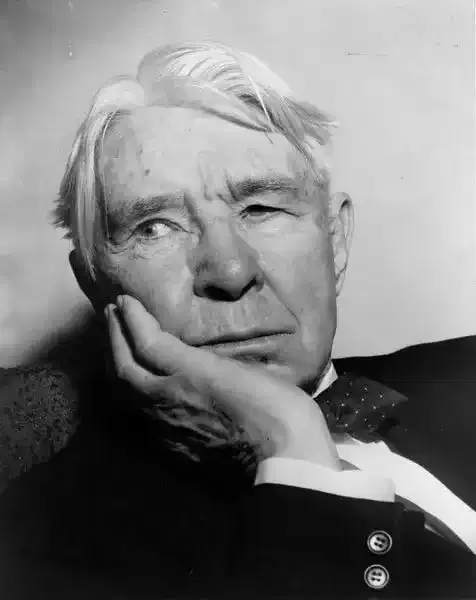
Carl Sandburg
Statistics
Statistics
Napoleon shifted,
Restless in the old sarcophagus
And murmured to a watchguard:
"Who goes there?"
"Twenty-one million men,
Soldiers, armies, guns,
Twenty-one million
Afoot, horseback,
In the air,
Under the sea."
And Napoleon turned to his sleep:
"It is not my world answering;
It is some dreamer who knows not
The world I marched in
From Calais to Moscow."
And he slept on
In the old sarcophagus
While the aeroplanes
Droned their motors
Between Napoleon's mausoleum
And the cool night stars.
Napoleon shifted,
Restless in the old sarcophagus
And murmured to a watchguard:
"Who goes there?"
"Twenty-one million men,
Soldiers, armies, guns,
Twenty-one million
Afoot, horseback,
In the air,
Under the sea."
And Napoleon turned to his sleep:
"It is not my world answering;
It is some dreamer who knows not
The world I marched in
From Calais to Moscow."
And he slept on
In the old sarcophagus
While the aeroplanes
Droned their motors
Between Napoleon's mausoleum
And the cool night stars.
409
Carl Sandburg
On the Way
On the Way
Little one, you have been buzzing in the books,
Flittering in the newspapers and drinking beer with lawyers
And amid the educated men of the clubs you have been getting an earful of speech
from trained tongues.
Take an earful from me once, go with me on a hike
Along sand stretches on the great inland sea here
And while the eastern breeze blows on us and the restless surge
Of the lake waves on the breakwater breaks with an ever fresh monotone,
Let us ask ourselves: What is truth? what do you or I know?
How much do the wisest of the world’s men know about where the massed human
procession is going?
You have heard the mob laughed at?
I ask you: Is not the mob rough as the mountains are rough?
And all things human rise from the mob and relapse and rise again as rain to the sea?
Little one, you have been buzzing in the books,
Flittering in the newspapers and drinking beer with lawyers
And amid the educated men of the clubs you have been getting an earful of speech
from trained tongues.
Take an earful from me once, go with me on a hike
Along sand stretches on the great inland sea here
And while the eastern breeze blows on us and the restless surge
Of the lake waves on the breakwater breaks with an ever fresh monotone,
Let us ask ourselves: What is truth? what do you or I know?
How much do the wisest of the world’s men know about where the massed human
procession is going?
You have heard the mob laughed at?
I ask you: Is not the mob rough as the mountains are rough?
And all things human rise from the mob and relapse and rise again as rain to the sea?
374