

Poems in this topic
Home and Household
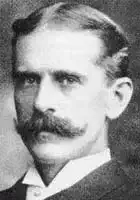
Henry Van Dyke
America for Me
America for Me
'Tis fine to see the Old World and travel up and down
Among the famous palaces and cities of renown,
To admire the crumblyh castles and the statues and kings
But now I think I've had enough of antiquated things.
So it's home again, and home again, America for me!
My heart is turning home again and there I long to be,
In the land of youth and freedom, beyond the ocean bars,
Where the air is full of sunlight and the flag is full of stars.
Oh, London is a man's town, there's power in the air;
And Paris is a woman's town, with flowers in her hair;
And it's sweet to dream in Venice, and it's great to study Rome;
But when it comes to living there is no place like home.
I like the German fir-woods in green battalions drilled;
I like the gardens of Versailles with flashing foutains filled;
But, oh, to take your had, my dear, and ramble for a day
In the friendly western woodland where Nature has her sway!
I know that Europe's wonderful, yet something seems to lack!
The Past is too much with her, and the people looking back.
But the glory of the Present is to make the Future free--
We love our land for what she is and what she is to be.
Oh, it's home again, and home again, America for me!
I want a ship that's westward bound to plough the rolling sea,
To the blessed Land of Room Enough, beyond the ocean bars,
Where the air is full of sunlight and the flag is full of stars.
'Tis fine to see the Old World and travel up and down
Among the famous palaces and cities of renown,
To admire the crumblyh castles and the statues and kings
But now I think I've had enough of antiquated things.
So it's home again, and home again, America for me!
My heart is turning home again and there I long to be,
In the land of youth and freedom, beyond the ocean bars,
Where the air is full of sunlight and the flag is full of stars.
Oh, London is a man's town, there's power in the air;
And Paris is a woman's town, with flowers in her hair;
And it's sweet to dream in Venice, and it's great to study Rome;
But when it comes to living there is no place like home.
I like the German fir-woods in green battalions drilled;
I like the gardens of Versailles with flashing foutains filled;
But, oh, to take your had, my dear, and ramble for a day
In the friendly western woodland where Nature has her sway!
I know that Europe's wonderful, yet something seems to lack!
The Past is too much with her, and the people looking back.
But the glory of the Present is to make the Future free--
We love our land for what she is and what she is to be.
Oh, it's home again, and home again, America for me!
I want a ship that's westward bound to plough the rolling sea,
To the blessed Land of Room Enough, beyond the ocean bars,
Where the air is full of sunlight and the flag is full of stars.
333
Henry Van Dyke
An American in Europe
An American in Europe
'Tis fine to see the Old World, and travel up and down
Among the famous palaces and cities of renown,
To admire the crumbly castles and the statues of the kings, --
But now I think I've had enough of antiquated things.
So it's home again, and home again, America for me!
My heart is turning home again, and there I long to be,
In the land of youth and freedom beyond the ocean bars,
Where the air is full of sunlight and the flag is full of stars.
Oh, London is a man's town, there's power in the air;
And Paris is a woman's town, with flowers in her hair;
And it's sweet to dream in Venice, and it's great to study Rome;
But when it comes to living there is no place like home.
I like the German fir-woods, in green battalions drilled;
I like the gardens of Versailles with flashing fountains filled;
But, oh, to take your hand, my dear, and ramble for a day
In the friendly western woodland where Nature has her way!
I know that Europe's wonderful, yet something seems to lack:
The Past is too much with her, and the people looking back.
But the glory of the Present is to make the Future free, --
We love our land for what she is and what she is to be.
So it's home again, and home again, America for me!
I want a ship that's westward bound to plough the rolling sea,
To the blessed Land of Room Enough beyond the ocean bars,
Where the air is full of sunlight and the flag is full of stars.
'Tis fine to see the Old World, and travel up and down
Among the famous palaces and cities of renown,
To admire the crumbly castles and the statues of the kings, --
But now I think I've had enough of antiquated things.
So it's home again, and home again, America for me!
My heart is turning home again, and there I long to be,
In the land of youth and freedom beyond the ocean bars,
Where the air is full of sunlight and the flag is full of stars.
Oh, London is a man's town, there's power in the air;
And Paris is a woman's town, with flowers in her hair;
And it's sweet to dream in Venice, and it's great to study Rome;
But when it comes to living there is no place like home.
I like the German fir-woods, in green battalions drilled;
I like the gardens of Versailles with flashing fountains filled;
But, oh, to take your hand, my dear, and ramble for a day
In the friendly western woodland where Nature has her way!
I know that Europe's wonderful, yet something seems to lack:
The Past is too much with her, and the people looking back.
But the glory of the Present is to make the Future free, --
We love our land for what she is and what she is to be.
So it's home again, and home again, America for me!
I want a ship that's westward bound to plough the rolling sea,
To the blessed Land of Room Enough beyond the ocean bars,
Where the air is full of sunlight and the flag is full of stars.
312

Henry Lawson
The Stringy-Bark Tree
The Stringy-Bark Tree
There's the whitebox and pine on the ridges afar,
Where the iron-bark, blue-gum, and peppermint are;
There is many another, but dearest to me,
And the king of them all was the stringy-bark tree.
Then of stringy-bark slabs were the walls of the hut,
And from stringy-bark saplings the rafters were cut;
And the roof that long sheltered my brothers and me
Was of broad sheets of bark from the stringy-bark tree.
And when sawn-timber homes were built out in the West,
Then for walls and for ceilings its wood was the best;
And for shingles and palings to last while men be,
There was nothing on earth like the stringy-bark tree.
Far up the long gullies the timber-trucks went,
Over tracks that seemed hopeless, by bark hut and tent;
And the gaunt timber-finder, who rode at his ease,
Led them on to a gully of stringy-bark trees.
Now still from the ridges, by ways that are dark,
Come the shingles and palings they call stringy-bark;
Though you ride through long gullies a twelve months you’ll see
But the old whitened stumps of the stringy-bark tree.
There's the whitebox and pine on the ridges afar,
Where the iron-bark, blue-gum, and peppermint are;
There is many another, but dearest to me,
And the king of them all was the stringy-bark tree.
Then of stringy-bark slabs were the walls of the hut,
And from stringy-bark saplings the rafters were cut;
And the roof that long sheltered my brothers and me
Was of broad sheets of bark from the stringy-bark tree.
And when sawn-timber homes were built out in the West,
Then for walls and for ceilings its wood was the best;
And for shingles and palings to last while men be,
There was nothing on earth like the stringy-bark tree.
Far up the long gullies the timber-trucks went,
Over tracks that seemed hopeless, by bark hut and tent;
And the gaunt timber-finder, who rode at his ease,
Led them on to a gully of stringy-bark trees.
Now still from the ridges, by ways that are dark,
Come the shingles and palings they call stringy-bark;
Though you ride through long gullies a twelve months you’ll see
But the old whitened stumps of the stringy-bark tree.
275
Henry Lawson
The Professional Wanderer
The Professional Wanderer
When you’ve knocked about the country—been away from home for years;
When the past, by distance softened, nearly fills your eyes with tears—
You are haunted oft, wherever or however you may roam,
By a fancy that you ought to go and see the folks at home.
You forget the family quarrels—little things that used to jar—
And you think of how they’ll worry—how they wonder where you are;
You will think you served them badly, and your own part you’ll condemn,
And it strikes you that you’ll surely be a novelty to them,
For your voice has somewhat altered, and your face has somewhat changed—
And your views of men and matters over wider fields have ranged.
Then it’s time to save your money, or to watch it (how it goes!);
Then it’s time to get a ‘Gladstone’ and a decent suit of clothes;
Then it’s time to practise daily with a hair-brush and a comb,
Till you drop in unexpected on the folks and friends at home.
When you’ve been at home for some time, and the novelty’s worn off,
And old chums no longer court you, and your friends begin to scoff;
When ‘the girls’ no longer kiss you, crying ‘Jack! how you have changed!’
When you’re stale to your relations, and their manner seems estranged ;
When the old domestic quarrels, round the table thrice a day,
Make it too much like the old times—make you wish you’d stayed away,
When, in short, you’ve spent your money in the fulness of your heart,
And your clothes are getting shabby . . . Then it’s high time to depart.
When you’ve knocked about the country—been away from home for years;
When the past, by distance softened, nearly fills your eyes with tears—
You are haunted oft, wherever or however you may roam,
By a fancy that you ought to go and see the folks at home.
You forget the family quarrels—little things that used to jar—
And you think of how they’ll worry—how they wonder where you are;
You will think you served them badly, and your own part you’ll condemn,
And it strikes you that you’ll surely be a novelty to them,
For your voice has somewhat altered, and your face has somewhat changed—
And your views of men and matters over wider fields have ranged.
Then it’s time to save your money, or to watch it (how it goes!);
Then it’s time to get a ‘Gladstone’ and a decent suit of clothes;
Then it’s time to practise daily with a hair-brush and a comb,
Till you drop in unexpected on the folks and friends at home.
When you’ve been at home for some time, and the novelty’s worn off,
And old chums no longer court you, and your friends begin to scoff;
When ‘the girls’ no longer kiss you, crying ‘Jack! how you have changed!’
When you’re stale to your relations, and their manner seems estranged ;
When the old domestic quarrels, round the table thrice a day,
Make it too much like the old times—make you wish you’d stayed away,
When, in short, you’ve spent your money in the fulness of your heart,
And your clothes are getting shabby . . . Then it’s high time to depart.
237
Henry Lawson
The Flour Bin
The Flour Bin
By Lawson's Hill, near Mudgee,
On old Eurunderee –
The place they called "New Pipeclay",
Where the diggers used to be –
On a dreary old selection,
Where times were dry and thin,
In a slab and shingle kitchen
There stood a flour bin.
'Twas "ploorer" with the cattle,
'Twas rust and smut in wheat,
'Twas blight in eyes and orchards,
And coarse salt-beef to eat.
Oh, how our mothers struggled
Till eyes and brain were dull –
Oh, how our fathers slaved and toiled
To keep those flour bins full!
We've been in many countries,
We've sailed on many seas;
We've travelled in the steerage
And lived on land at ease.
We've seen the world together
Through laughter and through tears –
And not been far from baker's bread
These five and thirty years.
The flats are green as ever,
The creeks go rippling through;
The Mudgee Hills are showing
Their deepest shades of blue;
Those mountains in the distance
That ever held a charm
Are fairer than a picture
As seen from Cox's farm.
On a German farm by Mudgee,
That took long years to win,
On the wide bricked back verandah
There stands a flour bin;
And the dear old German lady –
Though the bakers' carts run out –
Still keeps a "fifty" in it
Against a time of drought.
It was my father made it,
It stands as good as new,
And of the others like it
There still remain a few.
God grant, when drought shall strike us,
The young will "take a pull",
And the old folk their strength anew
To keep those flour bins full.
By Lawson's Hill, near Mudgee,
On old Eurunderee –
The place they called "New Pipeclay",
Where the diggers used to be –
On a dreary old selection,
Where times were dry and thin,
In a slab and shingle kitchen
There stood a flour bin.
'Twas "ploorer" with the cattle,
'Twas rust and smut in wheat,
'Twas blight in eyes and orchards,
And coarse salt-beef to eat.
Oh, how our mothers struggled
Till eyes and brain were dull –
Oh, how our fathers slaved and toiled
To keep those flour bins full!
We've been in many countries,
We've sailed on many seas;
We've travelled in the steerage
And lived on land at ease.
We've seen the world together
Through laughter and through tears –
And not been far from baker's bread
These five and thirty years.
The flats are green as ever,
The creeks go rippling through;
The Mudgee Hills are showing
Their deepest shades of blue;
Those mountains in the distance
That ever held a charm
Are fairer than a picture
As seen from Cox's farm.
On a German farm by Mudgee,
That took long years to win,
On the wide bricked back verandah
There stands a flour bin;
And the dear old German lady –
Though the bakers' carts run out –
Still keeps a "fifty" in it
Against a time of drought.
It was my father made it,
It stands as good as new,
And of the others like it
There still remain a few.
God grant, when drought shall strike us,
The young will "take a pull",
And the old folk their strength anew
To keep those flour bins full.
266
Henry Lawson
Reedy River
Reedy River
Ten miles down Reedy River
A pool of water lies,
And all the year it mirrors
The changes in the skies,
And in that pool's broad bosom
Is room for all the stars;
Its bed of sand has drifted
O'er countless rocky bars.
Around the lower edges
There waves a bed of reeds,
Where water rats are hidden
And where the wild duck breeds;
And grassy slopes rise gently
To ridges long and low,
Where groves of wattle flourish
And native bluebells grow.
Beneath the granite ridges
The eye may just discern
Where Rocky Creek emerges
From deep green banks of fern;
And standing tall between them,
The grassy she-oaks cool
The hard, blue-tinted waters
Before they reach the pool.
Ten miles down Reedy River
One Sunday afternoon,
I rode with Mary Campbell
To that broad, bright lagoon;
We left our horses grazing
Till shadows climbed the peak,
And strolled beneath the she-oaks
On the banks of Rocky Creek.
Then home along the river
That night we rode a race,
And the moonlight lent a glory
To Mary Campbell's face;
And I pleaded for our future
All through that moonlight ride,
Until our weary horses
Drew closer side by side.
Ten miles from Ryan's Crossing
And five miles below the peak,
I built a little homestead
On the banks of Rocky Creek;
I cleared the land and fenced it
And ploughed the rich, red loam,
And my first crop was golden
When I brought my Mary home.
Now still down Reedy River
The grassy she-oaks sigh,
And the water-holes still mirror
The pictures in the sky;
And over all for ever
Go sun and moon and stars,
While the golden sand is drifting
Across the rocky bars
But of the hut I builded
There are no traces now.
And many rains have levelled
The furrows of the plough;
And my bright days are olden,
For the twisted branches wave
And the wattle blossoms golden
On the hill by Mary's grave.
Ten miles down Reedy River
A pool of water lies,
And all the year it mirrors
The changes in the skies,
And in that pool's broad bosom
Is room for all the stars;
Its bed of sand has drifted
O'er countless rocky bars.
Around the lower edges
There waves a bed of reeds,
Where water rats are hidden
And where the wild duck breeds;
And grassy slopes rise gently
To ridges long and low,
Where groves of wattle flourish
And native bluebells grow.
Beneath the granite ridges
The eye may just discern
Where Rocky Creek emerges
From deep green banks of fern;
And standing tall between them,
The grassy she-oaks cool
The hard, blue-tinted waters
Before they reach the pool.
Ten miles down Reedy River
One Sunday afternoon,
I rode with Mary Campbell
To that broad, bright lagoon;
We left our horses grazing
Till shadows climbed the peak,
And strolled beneath the she-oaks
On the banks of Rocky Creek.
Then home along the river
That night we rode a race,
And the moonlight lent a glory
To Mary Campbell's face;
And I pleaded for our future
All through that moonlight ride,
Until our weary horses
Drew closer side by side.
Ten miles from Ryan's Crossing
And five miles below the peak,
I built a little homestead
On the banks of Rocky Creek;
I cleared the land and fenced it
And ploughed the rich, red loam,
And my first crop was golden
When I brought my Mary home.
Now still down Reedy River
The grassy she-oaks sigh,
And the water-holes still mirror
The pictures in the sky;
And over all for ever
Go sun and moon and stars,
While the golden sand is drifting
Across the rocky bars
But of the hut I builded
There are no traces now.
And many rains have levelled
The furrows of the plough;
And my bright days are olden,
For the twisted branches wave
And the wattle blossoms golden
On the hill by Mary's grave.
223
Henry Lawson
Never, Never Land
Never, Never Land
By hut, homestead and shearing shed,
By railroad, coach and track-
By lonely graves where rest the dead,
Up-Country and Out-Back:
To where beneath the clustered stars
The dreamy plains expand-
My home lies wide a thousand miles
In Never-Never Land.
It lies beyond the farming belt,
Wide wastes of scrub and plain,
A blazing desert in the drought,
A lake-land after rain;
To the skyline sweeps the waving grass,
Or whirls the scorching sand-
A phantom land, a mystic realm!
The Never-Never Land.
Where lone Mount Desolation lies
Mounts Dreadful and Despair'
Tis lost beneath the rainless skies
In hopeless deserts there;
It spreads nor-west by No-Man's Land
Where clouds are seldom seen
To where the cattle stations lie
Three hundred miles between.
The drovers of the Great Stock Routes
The strange Gulf country Know
Where, travelling from the southern droughts,
The big lean bullocks go;
And camped by night where plains lie wide,
Like some old ocean's bed,
The watchmen in the starlight ride
Round fifteen hundred head.
Lest in the city I forget
True mateship after all,
My water-bag and billy yet
Are hanging on the wall;
And I, to save my soul again,
Would tramp to sunsets grand
With sad-eyed mates across the plain
In Never-Never Land.
By hut, homestead and shearing shed,
By railroad, coach and track-
By lonely graves where rest the dead,
Up-Country and Out-Back:
To where beneath the clustered stars
The dreamy plains expand-
My home lies wide a thousand miles
In Never-Never Land.
It lies beyond the farming belt,
Wide wastes of scrub and plain,
A blazing desert in the drought,
A lake-land after rain;
To the skyline sweeps the waving grass,
Or whirls the scorching sand-
A phantom land, a mystic realm!
The Never-Never Land.
Where lone Mount Desolation lies
Mounts Dreadful and Despair'
Tis lost beneath the rainless skies
In hopeless deserts there;
It spreads nor-west by No-Man's Land
Where clouds are seldom seen
To where the cattle stations lie
Three hundred miles between.
The drovers of the Great Stock Routes
The strange Gulf country Know
Where, travelling from the southern droughts,
The big lean bullocks go;
And camped by night where plains lie wide,
Like some old ocean's bed,
The watchmen in the starlight ride
Round fifteen hundred head.
Lest in the city I forget
True mateship after all,
My water-bag and billy yet
Are hanging on the wall;
And I, to save my soul again,
Would tramp to sunsets grand
With sad-eyed mates across the plain
In Never-Never Land.
202
Henry Lawson
Mount Bukaroo
Mount Bukaroo
Only one old post is standing -Solid
yet, but only one --
Where the milking, and the branding,
And the slaughtering were done.
Later years have brought dejection,
Care, and sorrow; but we knew
Happy days on that selection
Underneath old Bukaroo.
Then the light of day commencing
Found us at the gully's head,
Splitting timber for the fencing,
Stripping bark to roof the shed.
Hands and hearts the labour strengthened;
Weariness we never knew,
Even when the shadows lengthened
Round the base of Bukaroo.
There for days below the paddock
How the wilderness would yield
To the spade, and pick, and mattock,
While we toiled to win the field.
Bronzed hands we used to sully
Till they were of darkest hue,
`Burning off' down in the gully
At the back of Bukaroo.
When we came the baby brother
Left in haste his broken toys,
Shouted to the busy mother:
`Here is dadda and the boys!'
Strange it seems that she was able
For the work that she would do;
How she'd bustle round the table
In the hut 'neath Bukaroo!
When the cows were safely yarded,
And the calves were in the pen,
All the cares of day discarded,
Closed we round the hut-fire then.
Rang the roof with boyish laughter
While the flames o'er-topped the flue;
Happy days remembered after -Far
away from Bukaroo.
But the years were full of changes,
And a sorrow found us there;
For our home amid the ranges
Was not safe from searching Care.
On he came, a silent creeper;
And another mountain threw
O'er our lives a shadow deeper
Than the shade of Bukaroo.
All the farm is disappearing;
For the home has vanished now,
Mountain scrub has choked the clearing,
Hid the furrows of the plough.
Nearer still the scrub is creeping
Where the little garden grew;
And the old folks now are sleeping
At the foot of Bukaroo.
Only one old post is standing -Solid
yet, but only one --
Where the milking, and the branding,
And the slaughtering were done.
Later years have brought dejection,
Care, and sorrow; but we knew
Happy days on that selection
Underneath old Bukaroo.
Then the light of day commencing
Found us at the gully's head,
Splitting timber for the fencing,
Stripping bark to roof the shed.
Hands and hearts the labour strengthened;
Weariness we never knew,
Even when the shadows lengthened
Round the base of Bukaroo.
There for days below the paddock
How the wilderness would yield
To the spade, and pick, and mattock,
While we toiled to win the field.
Bronzed hands we used to sully
Till they were of darkest hue,
`Burning off' down in the gully
At the back of Bukaroo.
When we came the baby brother
Left in haste his broken toys,
Shouted to the busy mother:
`Here is dadda and the boys!'
Strange it seems that she was able
For the work that she would do;
How she'd bustle round the table
In the hut 'neath Bukaroo!
When the cows were safely yarded,
And the calves were in the pen,
All the cares of day discarded,
Closed we round the hut-fire then.
Rang the roof with boyish laughter
While the flames o'er-topped the flue;
Happy days remembered after -Far
away from Bukaroo.
But the years were full of changes,
And a sorrow found us there;
For our home amid the ranges
Was not safe from searching Care.
On he came, a silent creeper;
And another mountain threw
O'er our lives a shadow deeper
Than the shade of Bukaroo.
All the farm is disappearing;
For the home has vanished now,
Mountain scrub has choked the clearing,
Hid the furrows of the plough.
Nearer still the scrub is creeping
Where the little garden grew;
And the old folks now are sleeping
At the foot of Bukaroo.
240
Henry Lawson
Lachlan Side
Lachlan Side
REGION of damper and junk and tea,
Region of pastures wide!
The fairest spots in the world to me
Are out on the Lachlan Side.
CHORUS:
I’m off to the Lachlan Side,
Where the bright lagoons are wide;
I long for river and grass and tree,
And someone dearer than all to me,
Far out on the Lachlan Side.
My heart was hardened against advice
And reason I would not see,
For by the ocean a paradise
The city appeared to me.
CHORUS:
I’m off to the Lachlan Side, etc.
“Not I for a bumpkin’s fate,” I cried,
“I’ll not be a country clown!
A life’s too slow on the Lachlan Side;
I’ll go to the shining town!”
CHORUS:
I’m off to the Lachlan Side, etc.
I’ve lost the battle, I strike the flag,
The town may sink in the tide;
A wiser head and a lighter swag
I take to the Lachlan Side.
CHORUS:
I’m off to the Lachlan Side, etc.
When crops of wool on the plains shall grow,
Shall flourish in drought or rain,
And when the shearers begin to mow
I’ll come to the town again.
CHORUS:
I’m off to the Lachlan Side, etc.
But now I go to a kinder fate,
If her love still conquers pride;
Her heart was true when she sobbed, “I’ll wait
For you on the Lachlan Side.”
CHORUS:
I’m off to the Lachlan Side,
Where the bright lagoons are wide;
I long for river and grass and tree,
And someone dearer than all to me,
Far out on the Lachlan Side.
REGION of damper and junk and tea,
Region of pastures wide!
The fairest spots in the world to me
Are out on the Lachlan Side.
CHORUS:
I’m off to the Lachlan Side,
Where the bright lagoons are wide;
I long for river and grass and tree,
And someone dearer than all to me,
Far out on the Lachlan Side.
My heart was hardened against advice
And reason I would not see,
For by the ocean a paradise
The city appeared to me.
CHORUS:
I’m off to the Lachlan Side, etc.
“Not I for a bumpkin’s fate,” I cried,
“I’ll not be a country clown!
A life’s too slow on the Lachlan Side;
I’ll go to the shining town!”
CHORUS:
I’m off to the Lachlan Side, etc.
I’ve lost the battle, I strike the flag,
The town may sink in the tide;
A wiser head and a lighter swag
I take to the Lachlan Side.
CHORUS:
I’m off to the Lachlan Side, etc.
When crops of wool on the plains shall grow,
Shall flourish in drought or rain,
And when the shearers begin to mow
I’ll come to the town again.
CHORUS:
I’m off to the Lachlan Side, etc.
But now I go to a kinder fate,
If her love still conquers pride;
Her heart was true when she sobbed, “I’ll wait
For you on the Lachlan Side.”
CHORUS:
I’m off to the Lachlan Side,
Where the bright lagoons are wide;
I long for river and grass and tree,
And someone dearer than all to me,
Far out on the Lachlan Side.
221
Henry Lawson
Bush Hay
Bush Hay
The stamp of Scotland is on his face,
But he sailed to the South a lad,
And he does not think of the black bleak hills
And the bitter hard youth he had;
He thinks of a nearer and dearer past
In the bright land far away,
When the teams went up and the teams came down,
In the days when they made bush hay.
The fare was rough and the bush was grim
In the “years of his pilgrimage”,
But he gained the strength that is still with him
In his hale, late middle age.
He thinks of the girl at the halfway inn
They use as a barn to-day—
Oh, she was a dumpling and he was thin
In the days when they made bush hay.
The ration teams to the Bathurst Plains
Were often a fortnight full.
And they branched all ways in the early days
And back to the port with wool.
They watched for the lights of old Cobb & Co.
That flashed to the West away,
When drivers drove six on a twelve-mile stage
In the days when they made bush hay.
He has made enough, and he’s sold his claim,
And he goes by the morning train,
From the gold-field town in the sultry West
To his home by the sea again,
Where a bustling old body’s expecting him
Whose hair is scarcely grey,
And she was the girl of the halfway house
In the days when they made bush hay.
The stamp of Scotland is on his face,
But he sailed to the South a lad,
And he does not think of the black bleak hills
And the bitter hard youth he had;
He thinks of a nearer and dearer past
In the bright land far away,
When the teams went up and the teams came down,
In the days when they made bush hay.
The fare was rough and the bush was grim
In the “years of his pilgrimage”,
But he gained the strength that is still with him
In his hale, late middle age.
He thinks of the girl at the halfway inn
They use as a barn to-day—
Oh, she was a dumpling and he was thin
In the days when they made bush hay.
The ration teams to the Bathurst Plains
Were often a fortnight full.
And they branched all ways in the early days
And back to the port with wool.
They watched for the lights of old Cobb & Co.
That flashed to the West away,
When drivers drove six on a twelve-mile stage
In the days when they made bush hay.
He has made enough, and he’s sold his claim,
And he goes by the morning train,
From the gold-field town in the sultry West
To his home by the sea again,
Where a bustling old body’s expecting him
Whose hair is scarcely grey,
And she was the girl of the halfway house
In the days when they made bush hay.
203
Henry Lawson
Andy's Return
Andy's Return
With pannikins all rusty,
And billy burnt and black,
And clothes all torn and dusty,
That scarcely hide his back;
With sun-cracked saddle-leather,
And knotted greenhide rein,
And face burnt brown with weather,
Our Andy’s home again!
His unkempt hair is faded
With sleeping in the wet,
He’s looking old and jaded;
But he is hearty yet.
With eyes sunk in their sockets—
But merry as of yore;
With big cheques in his pockets,
Our Andy’s home once more!
Old Uncle’s bright and cheerful;
He wears a smiling face;
And Aunty’s never tearful
Now Andy’s round the place.
Old Blucher barks for gladness;
He broke his rusty chain,
And leapt in joyous madness
When Andy came again.
With tales of flood and famine,
On distant northern tracks,
And shady yarns—‘baal gammon!’
Of dealings with the blacks,
From where the skies hang lazy
On many a northern plain,
From regions dim and hazy
Our Andy’s home again!
His toil is nearly over;
He’ll soon enjoy his gains.
Not long he’ll be a drover,
And cross the lonely plains.
We’ll happy be for ever
When he’ll no longer roam,
But by some deep, cool river
Will make us all a home.
With pannikins all rusty,
And billy burnt and black,
And clothes all torn and dusty,
That scarcely hide his back;
With sun-cracked saddle-leather,
And knotted greenhide rein,
And face burnt brown with weather,
Our Andy’s home again!
His unkempt hair is faded
With sleeping in the wet,
He’s looking old and jaded;
But he is hearty yet.
With eyes sunk in their sockets—
But merry as of yore;
With big cheques in his pockets,
Our Andy’s home once more!
Old Uncle’s bright and cheerful;
He wears a smiling face;
And Aunty’s never tearful
Now Andy’s round the place.
Old Blucher barks for gladness;
He broke his rusty chain,
And leapt in joyous madness
When Andy came again.
With tales of flood and famine,
On distant northern tracks,
And shady yarns—‘baal gammon!’
Of dealings with the blacks,
From where the skies hang lazy
On many a northern plain,
From regions dim and hazy
Our Andy’s home again!
His toil is nearly over;
He’ll soon enjoy his gains.
Not long he’ll be a drover,
And cross the lonely plains.
We’ll happy be for ever
When he’ll no longer roam,
But by some deep, cool river
Will make us all a home.
336
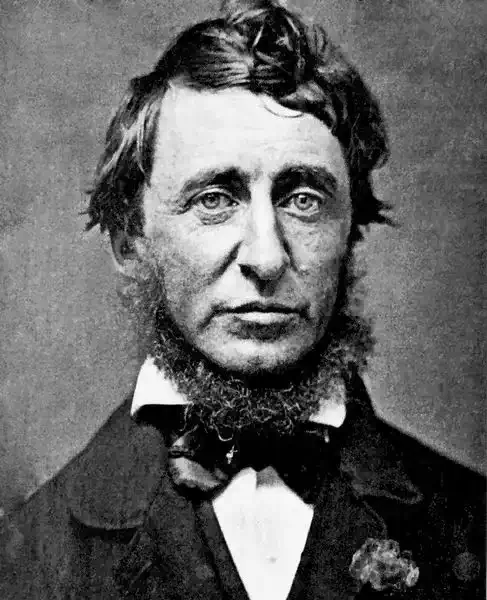
Henry David Thoreau
They Who Prepare My Evening Meal Below
They Who Prepare My Evening Meal Below
They who prepare my evening meal below
Carelessly hit the kettle as they go
With tongs or shovel,
And ringing round and round,
Out of this hovel
It makes an eastern temple by the sound.
At first I thought a cow bell right at hand
Mid birches sounded o'er the open land,
Where I plucked flowers
Many years ago,
Spending midsummer hours
With such secure delight they hardly seemed to flow.
They who prepare my evening meal below
Carelessly hit the kettle as they go
With tongs or shovel,
And ringing round and round,
Out of this hovel
It makes an eastern temple by the sound.
At first I thought a cow bell right at hand
Mid birches sounded o'er the open land,
Where I plucked flowers
Many years ago,
Spending midsummer hours
With such secure delight they hardly seemed to flow.
155

Gwendolyn Brooks
the vacant lot
the vacant lot
Mrs. Coley’s three-flat brick
Isn’t here any more.
All done with seeing her fat little form
Burst out of the basement door;
And with seeing her African son-in-law
(Rightful heir to the throne)
With his great white strong cold squares of teeth
And his little eyes of stone;
And with seeing the squat fat daughter
Letting in the men
When majesty has gone for the day—
And letting them out again.
Mrs. Coley’s three-flat brick
Isn’t here any more.
All done with seeing her fat little form
Burst out of the basement door;
And with seeing her African son-in-law
(Rightful heir to the throne)
With his great white strong cold squares of teeth
And his little eyes of stone;
And with seeing the squat fat daughter
Letting in the men
When majesty has gone for the day—
And letting them out again.
337
Gwendolyn Brooks
The Ballad of Rudolph Reed
The Ballad of Rudolph Reed
Rudolph Reed was oaken.
His wife was oaken too.
And his two good girls and his good little man
Oakened as they grew.
"I am not hungry for berries.
I am not hungry for bread.
But hungry hungry for a house
Where at night a man in bed
"May never hear the plaster
Stir as if in pain.
May never hear the roaches
Falling like fat rain.
"Where never wife and children need
Go blinking through the gloom.
Where every room of many rooms
Will be full of room.
"Oh my home may have its east or west
Or north or south behind it.
All I know is I shall know it,
And fight for it when I find it."
The agent's steep and steady stare
Corroded to a grin.
Why you black old, tough old hell of a man,
Move your family in!
Nary a grin grinned Rudolph Reed,
Nary a curse cursed he,
But moved in his House. With his dark little wife,
And his dark little children three.
A neighbor would look, with a yawning eye
That squeezed into a slit.
But the Rudolph Reeds and children three
Were too joyous to notice it.
For were they not firm in a home of their own
With windows everywhere
And a beautiful banistered stair
And a front yard for flowers and a back for grass?
The first night, a rock, big as two fists.
The second, a rock big as three.
But nary a curse cursed Rudolph Reed.
(Though oaken as man could be.)
The third night, a silvery ring of glass.
Patience arched to endure,
But he looked, and lo! small Mabel's blood
Was staining her gaze so pure.
Then up did rise our Roodoplh Reed
And pressed the hand of his wife,
And went to the door with a thirty-four
And a beastly butcher knife.
He ran like a mad thing into the night
And the words in his mouth were stinking.
By the time he had hurt his first white man
He was no longer thinking.
By the time he had hurt his fourth white man
Rudolph Reed was dead.
His neighbors gathered and kicked his corpse.
"Nigger--" his neighbors said.
Small Mabel whimpered all night long,
For calling herself the cause.
Her oak-eyed mother did no thing
But change the bloody gauze.
Rudolph Reed was oaken.
His wife was oaken too.
And his two good girls and his good little man
Oakened as they grew.
"I am not hungry for berries.
I am not hungry for bread.
But hungry hungry for a house
Where at night a man in bed
"May never hear the plaster
Stir as if in pain.
May never hear the roaches
Falling like fat rain.
"Where never wife and children need
Go blinking through the gloom.
Where every room of many rooms
Will be full of room.
"Oh my home may have its east or west
Or north or south behind it.
All I know is I shall know it,
And fight for it when I find it."
The agent's steep and steady stare
Corroded to a grin.
Why you black old, tough old hell of a man,
Move your family in!
Nary a grin grinned Rudolph Reed,
Nary a curse cursed he,
But moved in his House. With his dark little wife,
And his dark little children three.
A neighbor would look, with a yawning eye
That squeezed into a slit.
But the Rudolph Reeds and children three
Were too joyous to notice it.
For were they not firm in a home of their own
With windows everywhere
And a beautiful banistered stair
And a front yard for flowers and a back for grass?
The first night, a rock, big as two fists.
The second, a rock big as three.
But nary a curse cursed Rudolph Reed.
(Though oaken as man could be.)
The third night, a silvery ring of glass.
Patience arched to endure,
But he looked, and lo! small Mabel's blood
Was staining her gaze so pure.
Then up did rise our Roodoplh Reed
And pressed the hand of his wife,
And went to the door with a thirty-four
And a beastly butcher knife.
He ran like a mad thing into the night
And the words in his mouth were stinking.
By the time he had hurt his first white man
He was no longer thinking.
By the time he had hurt his fourth white man
Rudolph Reed was dead.
His neighbors gathered and kicked his corpse.
"Nigger--" his neighbors said.
Small Mabel whimpered all night long,
For calling herself the cause.
Her oak-eyed mother did no thing
But change the bloody gauze.
277
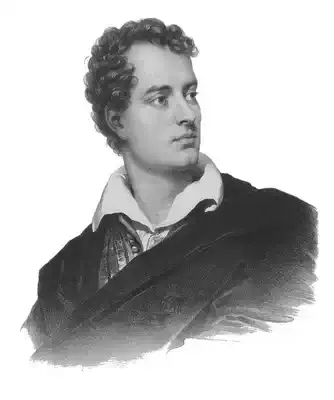
Lord Byron
To An Oak At Newstead
To An Oak At Newstead
Young Oak! when I planted thee deep in the ground,
I hoped that thy days would be longer than mine;
That thy dark‑waving branches would flourish around,
And ivy thy trunk with its mantle entwine.
Such, such was my hope, when in infancy's
On the land of my fathers I rear'd thee with pride;
They are past, and I water thy stem with my tears,
Thy decay not the weeds that surround thee can hide.
I left thee, my Oak, and, since that fatal hour,
A stranger has dwelt in the hall of my sire;
Till manhood shall crown me, not mine is the power,
But his, whose neglect may have bade thee expire.
Oh! hardy thou wenteven
now little care
Might revive thy young head, and thy wounds gently heal:
But thou went not fated affection to shareFor
who could suppose that a stranger would feel!
Ah, droop not, my Oak! lift thy head for a while;
Ere twice round yon Glory this planet shall run,
The hand of thy Master will teach thee to smile,
When Infancy's years of probation are done.
Oh, live then, my Oak! tow'r aloft from the weeds,
That clog thy young growth, and assist thy decay,
For still in thy bosom are life's early seeds,
And still may thy branches their beauty display.
Oh! yet, if maturity's years may be thine,
Though I shall lie low in the cavern of death,
On thy leaves yet the day‑beam of ages may shine,
Uninjured by time, or the rude winter's breath.
For centuries still may thy boughs lightly wave
O'er the Gorse of thy lord in thy canopy laid;
While the branches thus gratefully shelter his grave,
The chief who survives may recline in thy shade.
And as he, with his boys, shall revisit this spot,
He will tell them is whispers more softly to tread.
Oh! surely, by these I shall ne'er be forgot;
Remembrance still hallows the dust of the dead.
And here, will they say, when in life's glowing prime,
Perhaps he has pour'd forth his young simple lay,
And here must he sleep, till the moments of time
Are lost in the hours of Eternity's day.
Young Oak! when I planted thee deep in the ground,
I hoped that thy days would be longer than mine;
That thy dark‑waving branches would flourish around,
And ivy thy trunk with its mantle entwine.
Such, such was my hope, when in infancy's
On the land of my fathers I rear'd thee with pride;
They are past, and I water thy stem with my tears,
Thy decay not the weeds that surround thee can hide.
I left thee, my Oak, and, since that fatal hour,
A stranger has dwelt in the hall of my sire;
Till manhood shall crown me, not mine is the power,
But his, whose neglect may have bade thee expire.
Oh! hardy thou wenteven
now little care
Might revive thy young head, and thy wounds gently heal:
But thou went not fated affection to shareFor
who could suppose that a stranger would feel!
Ah, droop not, my Oak! lift thy head for a while;
Ere twice round yon Glory this planet shall run,
The hand of thy Master will teach thee to smile,
When Infancy's years of probation are done.
Oh, live then, my Oak! tow'r aloft from the weeds,
That clog thy young growth, and assist thy decay,
For still in thy bosom are life's early seeds,
And still may thy branches their beauty display.
Oh! yet, if maturity's years may be thine,
Though I shall lie low in the cavern of death,
On thy leaves yet the day‑beam of ages may shine,
Uninjured by time, or the rude winter's breath.
For centuries still may thy boughs lightly wave
O'er the Gorse of thy lord in thy canopy laid;
While the branches thus gratefully shelter his grave,
The chief who survives may recline in thy shade.
And as he, with his boys, shall revisit this spot,
He will tell them is whispers more softly to tread.
Oh! surely, by these I shall ne'er be forgot;
Remembrance still hallows the dust of the dead.
And here, will they say, when in life's glowing prime,
Perhaps he has pour'd forth his young simple lay,
And here must he sleep, till the moments of time
Are lost in the hours of Eternity's day.
552
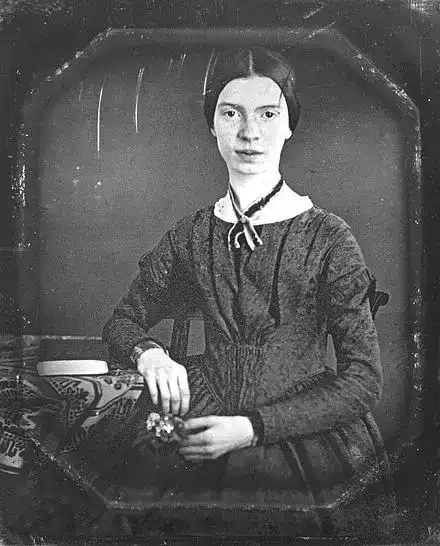
Emily Dickinson
Where Thou art—that—is Home
Where Thou art—that—is Home
725
Where Thou art—that—is Home—
Cashmere—or Calvary—the same—
Degree—or Shame—
I scarce esteem Location's Name—
So I may Come—
What Thou dost—is Delight—
Bondage as Play—be sweet—
Imprisonment—Content—
And Sentence—Sacrament—
Just We two—meet—
Where Thou art not—is Woe—
Tho' Bands of Spices—row—
What Thou dost not—Despair—
Tho' Gabriel—praise me—Sire—
725
Where Thou art—that—is Home—
Cashmere—or Calvary—the same—
Degree—or Shame—
I scarce esteem Location's Name—
So I may Come—
What Thou dost—is Delight—
Bondage as Play—be sweet—
Imprisonment—Content—
And Sentence—Sacrament—
Just We two—meet—
Where Thou art not—is Woe—
Tho' Bands of Spices—row—
What Thou dost not—Despair—
Tho' Gabriel—praise me—Sire—
174
Emily Dickinson
What is—
What is—
215
What is—"Paradise"—
Who live there—
Are they "Farmers"—
Do they "hoe"—
Do they know that this is "Amherst"—
And that I—am coming—too—
Do they wear "new shoes"—in "Eden"—
Is it always pleasant—there—
Won't they scold us—when we're homesick—
Or tell God—how cross we are—
You are sure there's such a person
As "a Father"—in the sky—
So if I get lost—there—ever—
Or do what the Nurse calls "die"—
I shan't walk the "Jasper"—barefoot—
Ransomed folks—won't laugh at me—
Maybe—"Eden" a'n't so lonesome
As New England used to be!
215
What is—"Paradise"—
Who live there—
Are they "Farmers"—
Do they "hoe"—
Do they know that this is "Amherst"—
And that I—am coming—too—
Do they wear "new shoes"—in "Eden"—
Is it always pleasant—there—
Won't they scold us—when we're homesick—
Or tell God—how cross we are—
You are sure there's such a person
As "a Father"—in the sky—
So if I get lost—there—ever—
Or do what the Nurse calls "die"—
I shan't walk the "Jasper"—barefoot—
Ransomed folks—won't laugh at me—
Maybe—"Eden" a'n't so lonesome
As New England used to be!
215
Emily Dickinson
To my small Hearth His fire came
To my small Hearth His fire came
638
To my small Hearth His fire came-
And all my House aglow
Did fan and rock, with sudden light'
Twas Sunrise-'twas the Sky-
Impanelled from no Summer brief-
With limit of Decay'
Twas Noon-without the News of Night-
Nay, Nature, it was Day-
638
To my small Hearth His fire came-
And all my House aglow
Did fan and rock, with sudden light'
Twas Sunrise-'twas the Sky-
Impanelled from no Summer brief-
With limit of Decay'
Twas Noon-without the News of Night-
Nay, Nature, it was Day-
275
Emily Dickinson
Sweet-safe-Houses
Sweet-safe-Houses
457
Sweet-safe-HousesGlad-
gay-Houses-
Sealed so stately tight-
Lids of Steel-on Lids of Marble-
Locking Bare feet out-
Brooks of Plush-in Banks of Satin
Not so softly fall
As the laughter-and the whisper-
From their People Pearl-
No Bald Death-affront their Parlors-
No Bold Sickness come
To deface their Stately TreasuresAnguish-
and the Tomb-
Hum by-in Muffled Coaches-
Lest they-wonder WhyAny-
for the Press of SmilingInterrupt-
to die-
457
Sweet-safe-HousesGlad-
gay-Houses-
Sealed so stately tight-
Lids of Steel-on Lids of Marble-
Locking Bare feet out-
Brooks of Plush-in Banks of Satin
Not so softly fall
As the laughter-and the whisper-
From their People Pearl-
No Bald Death-affront their Parlors-
No Bold Sickness come
To deface their Stately TreasuresAnguish-
and the Tomb-
Hum by-in Muffled Coaches-
Lest they-wonder WhyAny-
for the Press of SmilingInterrupt-
to die-
253
Emily Dickinson
She sweeps with many-colored brooms,
She sweeps with many-colored brooms,
She sweeps with many-colored brooms,
And leaves the shreds behind;
Oh, housewife in the evening west,
Come back, and dust the pond!
You dropped a purple ravelling in,
You dropped an amber thread;
And now you've littered all the East
With duds of emerald!
And still she plies her spotted brooms,
And still the aprons fly,
Till brooms fade softly into stars --
And then I come away.
She sweeps with many-colored brooms,
And leaves the shreds behind;
Oh, housewife in the evening west,
Come back, and dust the pond!
You dropped a purple ravelling in,
You dropped an amber thread;
And now you've littered all the East
With duds of emerald!
And still she plies her spotted brooms,
And still the aprons fly,
Till brooms fade softly into stars --
And then I come away.
369
Emily Dickinson
I years had been from home,
I years had been from home,
I years had been from home,
And now, before the door,
I dared not open, lest a face
I never saw before
Stare vacant into mine
And ask my business there.
My business,--just a life I left,
Was such still dwelling there?
I fumbled at my nerve,
I scanned the windows near;
The silence like an ocean rolled,
And broke against my ear.
I laughed a wooden laugh
That I could fear a door,
Who danger and the dead had faced,
But never quaked before.
I fitted to the latch
My hand, with trembling care,
Lest back the awful door should spring,
And leave me standing there.
I moved my fingers off
As cautiously as glass,
And held my ears, and like a thief
Fled gasping from the house.
I years had been from home,
And now, before the door,
I dared not open, lest a face
I never saw before
Stare vacant into mine
And ask my business there.
My business,--just a life I left,
Was such still dwelling there?
I fumbled at my nerve,
I scanned the windows near;
The silence like an ocean rolled,
And broke against my ear.
I laughed a wooden laugh
That I could fear a door,
Who danger and the dead had faced,
But never quaked before.
I fitted to the latch
My hand, with trembling care,
Lest back the awful door should spring,
And leave me standing there.
I moved my fingers off
As cautiously as glass,
And held my ears, and like a thief
Fled gasping from the house.
708
Emily Dickinson
I never felt at Home—Below
I never felt at Home—Below
413
I never felt at Home—Below—-
And in the Handsome Skies
I shall not feel at Home—I know—
I don't like Paradise—
Because it's Sunday—all the time—
And Recess—never comes—
And Eden'll be so lonesome
Bright Wednesday Afternoons—
If God could make a visit—
Or ever took a Nap—
So not to see us—but they say
Himself—a Telescope
Perennial beholds us—
Myself would run away
From Him—and Holy Ghost—and All—
But there's the "Judgement Day"!
413
I never felt at Home—Below—-
And in the Handsome Skies
I shall not feel at Home—I know—
I don't like Paradise—
Because it's Sunday—all the time—
And Recess—never comes—
And Eden'll be so lonesome
Bright Wednesday Afternoons—
If God could make a visit—
Or ever took a Nap—
So not to see us—but they say
Himself—a Telescope
Perennial beholds us—
Myself would run away
From Him—and Holy Ghost—and All—
But there's the "Judgement Day"!
294
Emily Dickinson
Houses—so the Wise Men tell me—
Houses—so the Wise Men tell me—
"Houses"—so the Wise Men tell me—
"Mansions"! Mansions must be warm!
Mansions cannot let the tears in,
Mansions must exclude the storm!
"Many Mansions," by "his Father,"
I don't know him; snugly built!
Could the Children find the way there—
Some, would even trudge tonight!
"Houses"—so the Wise Men tell me—
"Mansions"! Mansions must be warm!
Mansions cannot let the tears in,
Mansions must exclude the storm!
"Many Mansions," by "his Father,"
I don't know him; snugly built!
Could the Children find the way there—
Some, would even trudge tonight!
190
Emily Dickinson
Home
Home
Years I had been from home,
And now, before the door
I dared not open, lest a face
I never saw before
Stare vacant into mine
And ask my business there.
My business, - just a life I left,
Was such still dwelling there?
I fumbled at my nerve,
I scanned the windows near;
The silence like an ocean rolled,
And broke against my ear.
I laughed a wooden laugh
That I could fear a door,
Who danger and the dead had faced,
But never quaked before.
I fitted to the latch
My hand, with trembling care,
Lest back the awful door should spring,
And leave me standing there.
I moved my fingers off
As cautiously as glass,
And held my ears, and like a thief
Fled gasping from the house.
Years I had been from home,
And now, before the door
I dared not open, lest a face
I never saw before
Stare vacant into mine
And ask my business there.
My business, - just a life I left,
Was such still dwelling there?
I fumbled at my nerve,
I scanned the windows near;
The silence like an ocean rolled,
And broke against my ear.
I laughed a wooden laugh
That I could fear a door,
Who danger and the dead had faced,
But never quaked before.
I fitted to the latch
My hand, with trembling care,
Lest back the awful door should spring,
And leave me standing there.
I moved my fingers off
As cautiously as glass,
And held my ears, and like a thief
Fled gasping from the house.
320