

Poems in this topic
City and Everyday Life
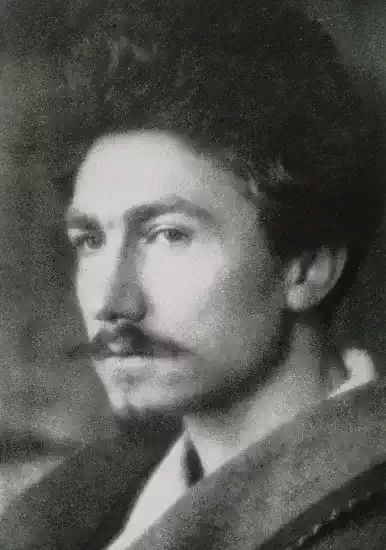
Ezra Pound
Black Slippers: Bellotti
Black Slippers: Bellotti
At the table beyond us
With her little suede slippers off,
With her white-stocking'd feet
Carefully kept from the floor by a napkin,
She converses:
'Connaissez-vous Ostende?'
The gurgling Italian lady on the other side of the
restaurant
Replies with a certain hauteur,
But I await with patience,
To see how Celestine will re-enter her slippers.
She re-enters them with a groan.
At the table beyond us
With her little suede slippers off,
With her white-stocking'd feet
Carefully kept from the floor by a napkin,
She converses:
'Connaissez-vous Ostende?'
The gurgling Italian lady on the other side of the
restaurant
Replies with a certain hauteur,
But I await with patience,
To see how Celestine will re-enter her slippers.
She re-enters them with a groan.
337
Ezra Pound
Alf’s Seventh Bit
Alf’s Seventh Bit
Did I 'ear it 'arf in a doze:
The Co-ops was a goin' somewhere,
Did I 'ear it while pickin' 'ops;
How they better start takin' care,
That the papers were gettin' together
And the larger stores were likewise
Considering something that would, as you
Might say, be a surprise
To the Co-ops, a echo or somethin'?
They tell me that branded goods
Don't get a discount like Mr. Selfridge
Of 25 per cent, on their ads., and the woods
Is where the Co-ops are goin' to,
And that Oxford Street site
Is not suited to co-operation
A sort of'Arab's dream in the night.
''We have plenty, so let it be.'
The example of these consumers in co-operation
Might cause thought and be therefore
A peril to Selfridge and the nation.
Did I 'ear it 'arf in a doze:
The Co-ops was a goin' somewhere,
Did I 'ear it while pickin' 'ops;
How they better start takin' care,
That the papers were gettin' together
And the larger stores were likewise
Considering something that would, as you
Might say, be a surprise
To the Co-ops, a echo or somethin'?
They tell me that branded goods
Don't get a discount like Mr. Selfridge
Of 25 per cent, on their ads., and the woods
Is where the Co-ops are goin' to,
And that Oxford Street site
Is not suited to co-operation
A sort of'Arab's dream in the night.
''We have plenty, so let it be.'
The example of these consumers in co-operation
Might cause thought and be therefore
A peril to Selfridge and the nation.
473

Emily Dickinson
I could die—to know
I could die—to know
570
I could die—to know—
'Tis a trifling knowledge—
News-Boys salute the Door—
Carts—joggle by—
Morning's bold face—stares in the window—
Were but mine—the Charter of the least Fly—
Houses hunch the House
With their Brick Shoulders—
Coals—from a Rolling Load—rattle—how—near—
To the very Square—His foot is passing—
Possibly, this moment—
While I—dream—Here—
570
I could die—to know—
'Tis a trifling knowledge—
News-Boys salute the Door—
Carts—joggle by—
Morning's bold face—stares in the window—
Were but mine—the Charter of the least Fly—
Houses hunch the House
With their Brick Shoulders—
Coals—from a Rolling Load—rattle—how—near—
To the very Square—His foot is passing—
Possibly, this moment—
While I—dream—Here—
280

Ella Wheeler Wilcox
The Tulip Bed At Greeley Square
The Tulip Bed At Greeley Square
You know that oasis, fresh and fair
In the city desert, as Greeley square?
That bright triangle of scented bloom
That lies surrounded by grime and gloom?
Right in the breast of the seething town
Like a gleaming gem or a wanton’s gown?
Ah, wonderful things that tulip bed
Unto my listening soul has said.
Over the rattle and roar of the street
I hear a chorus of voices sweet,
Day and night, when I pass that way,
And these are the things the voices say:
“Here, in the heart of the foolish strife,
We live a simple and natural life.
“Here, in the midst of the clash and din,
We know what it is to be calm within.
“Here, environed by sin and shame,
We do what we can with our pure white flame.
“We do what we can with our bloom and grace,
To make the city a fairer place.
“It is well to be good though the world is vile,
And so through the dust and the smoke we smile,
“We are but atoms in chaos tossed,
Yet never a purpose for truth was lost.”
Ah, many a sermon is uttered there
By the bed of blossoms in Greeley square.
And he who listens and hears aright,
Is better equipped for the world’s hard fight.
You know that oasis, fresh and fair
In the city desert, as Greeley square?
That bright triangle of scented bloom
That lies surrounded by grime and gloom?
Right in the breast of the seething town
Like a gleaming gem or a wanton’s gown?
Ah, wonderful things that tulip bed
Unto my listening soul has said.
Over the rattle and roar of the street
I hear a chorus of voices sweet,
Day and night, when I pass that way,
And these are the things the voices say:
“Here, in the heart of the foolish strife,
We live a simple and natural life.
“Here, in the midst of the clash and din,
We know what it is to be calm within.
“Here, environed by sin and shame,
We do what we can with our pure white flame.
“We do what we can with our bloom and grace,
To make the city a fairer place.
“It is well to be good though the world is vile,
And so through the dust and the smoke we smile,
“We are but atoms in chaos tossed,
Yet never a purpose for truth was lost.”
Ah, many a sermon is uttered there
By the bed of blossoms in Greeley square.
And he who listens and hears aright,
Is better equipped for the world’s hard fight.
319
Ella Wheeler Wilcox
The London 'Bobby'
The London 'Bobby'
A Tribute To The Policemen Of Englands Capital
Here in my cosy corner,
Before a blazing log,
I’m thinking of cold London
Wrapped in its killing fog;
And, like a shining beacon
Above the picture grim,
I see the London ‘Bobby, ’
And sing my song for him.
I see his stalwart figure,
I see his kindly face,
I hear his helpful answer
At any hour or place.
For, though you seek some by-way
Long miles from his own beat,
He tells you all about it,
And how to find the street.
He looks like some bold Viking,
This king of earth’s police –
Yet in his voice lies feeling,
And in his eyes lies peace;
He knows and does his duty –
(What higher praise is there?)
And London’s lords and paupers
Alike receive his care.
He has a regal bearing,
Yet one that breathes repose;
It is the look and manner
Of one who thinks and knows.
Oh, men who govern nations,
In old worlds or new,
Turn to the London ‘Bobby’
And learn a thing or two.
A Tribute To The Policemen Of Englands Capital
Here in my cosy corner,
Before a blazing log,
I’m thinking of cold London
Wrapped in its killing fog;
And, like a shining beacon
Above the picture grim,
I see the London ‘Bobby, ’
And sing my song for him.
I see his stalwart figure,
I see his kindly face,
I hear his helpful answer
At any hour or place.
For, though you seek some by-way
Long miles from his own beat,
He tells you all about it,
And how to find the street.
He looks like some bold Viking,
This king of earth’s police –
Yet in his voice lies feeling,
And in his eyes lies peace;
He knows and does his duty –
(What higher praise is there?)
And London’s lords and paupers
Alike receive his care.
He has a regal bearing,
Yet one that breathes repose;
It is the look and manner
Of one who thinks and knows.
Oh, men who govern nations,
In old worlds or new,
Turn to the London ‘Bobby’
And learn a thing or two.
410
Ella Wheeler Wilcox
PH. Best & Co.'s Lager-Beer
PH. Best & Co.'s Lager-Beer
In every part of the thrifty town,
Whether my course be up or down,
In lane, and alley, and avenue,
Painted in yellow, and red, and blue,
This side and that, east and west,
Was this flaunting sign-board of 'Ph. Best.'
'Twas hung high up, and swung in the air
With a swaggering, bold-faced, 'devil-may-careIt-
is-none-of-your-business' sort of way;
Or, as if dreading the light o' the day,
It hung low, over a basement-stair,
And seemed ashamed when you saw it there.
Or it shone like a wicked and evil eye
From a 'restaurant' door on passers-by,
And seemed with a twinkling wink to say:
'Are you bound for hell? Then step this way;
This is the ticket-office of sin;
If you think of purchasing, pray, walk in.'
Or it glared from a window where the light
Of the lamps within shone full and bright,
And seemed to be saying, 'Come out of the storm!
Come into my haven snug and warm;
I will give you warmth from the flowing bowl,
And all I ask is your purse and soul.'
But whether on window, door, or stair,
Wherever I went, it was always there;
Painted in yellow, and red, and blue,
It stared from alley and avenue:
It was north, and south, and east, and west,
The lager-beer of this Philip Best.
And who was Philip Best, you ask?
Oh! he was a man, whose noble task
Was the brewing of beer-good beer, first-class-
That should sparkle, and bubble, and boil in the glass:
Should sparkle and flow till drank, and then
Feast like a vampire on brains of men.
Ah! Philip Best, you have passed from view,
But your name and your works live after you.
Come, brothers, raise him a monument,
Inscribed, 'Here lies the man who sent
A million of souls to the depths of hell;
Turned genius and worth to the prison-cell;
Stole bread from the mouth of the hungry child:
Made the father a brute, and the mother wild;
Filled happy homes with dread unrest:
Oh! a very great man was Philip Best.
O Ph. Best! you have passed from view,
But your nameand your deeds live after you.'
In every part of the thrifty town,
Whether my course be up or down,
In lane, and alley, and avenue,
Painted in yellow, and red, and blue,
This side and that, east and west,
Was this flaunting sign-board of 'Ph. Best.'
'Twas hung high up, and swung in the air
With a swaggering, bold-faced, 'devil-may-careIt-
is-none-of-your-business' sort of way;
Or, as if dreading the light o' the day,
It hung low, over a basement-stair,
And seemed ashamed when you saw it there.
Or it shone like a wicked and evil eye
From a 'restaurant' door on passers-by,
And seemed with a twinkling wink to say:
'Are you bound for hell? Then step this way;
This is the ticket-office of sin;
If you think of purchasing, pray, walk in.'
Or it glared from a window where the light
Of the lamps within shone full and bright,
And seemed to be saying, 'Come out of the storm!
Come into my haven snug and warm;
I will give you warmth from the flowing bowl,
And all I ask is your purse and soul.'
But whether on window, door, or stair,
Wherever I went, it was always there;
Painted in yellow, and red, and blue,
It stared from alley and avenue:
It was north, and south, and east, and west,
The lager-beer of this Philip Best.
And who was Philip Best, you ask?
Oh! he was a man, whose noble task
Was the brewing of beer-good beer, first-class-
That should sparkle, and bubble, and boil in the glass:
Should sparkle and flow till drank, and then
Feast like a vampire on brains of men.
Ah! Philip Best, you have passed from view,
But your name and your works live after you.
Come, brothers, raise him a monument,
Inscribed, 'Here lies the man who sent
A million of souls to the depths of hell;
Turned genius and worth to the prison-cell;
Stole bread from the mouth of the hungry child:
Made the father a brute, and the mother wild;
Filled happy homes with dread unrest:
Oh! a very great man was Philip Best.
O Ph. Best! you have passed from view,
But your nameand your deeds live after you.'
337
Ella Wheeler Wilcox
A Suggestion
A Suggestion
As I go and shop, sir!
If a car I stop, sir!
Where you chance to sit,
And you want to read, sir!
Never mind or heed, sir!
I’ll not care a bit.
For it’s now aesthetic
To be quite athletic.
That’s our fad, you know.
I can hold the strap, sir!
And keep off your lap, sir!
As we jolting go.
If you read on blindly,
I shall take it kindly,
All the car’s not mine.
But, if you sit and stare, sir!
At my eyes and hair, sir!
I must draw the line.
If the stare is meant, sir!
For a compliment, sir!
As we jog through town,
Allow me to suggest, sir!
A woman oft looks best, sir!
When she’s sitting down.
As I go and shop, sir!
If a car I stop, sir!
Where you chance to sit,
And you want to read, sir!
Never mind or heed, sir!
I’ll not care a bit.
For it’s now aesthetic
To be quite athletic.
That’s our fad, you know.
I can hold the strap, sir!
And keep off your lap, sir!
As we jolting go.
If you read on blindly,
I shall take it kindly,
All the car’s not mine.
But, if you sit and stare, sir!
At my eyes and hair, sir!
I must draw the line.
If the stare is meant, sir!
For a compliment, sir!
As we jog through town,
Allow me to suggest, sir!
A woman oft looks best, sir!
When she’s sitting down.
455

Elizabeth Bishop
Trouvée
Trouvée
Oh, why should a hen
have been run over
on West 4th Street
in the middle of summer?
She was a white hen
--red-and-white now, of course.
How did she get there?
Where was she going?
Her wing feathers spread
flat, flat in the tar,
all dirtied, and thin
as tissue paper.
A pigeon, yes,
or an English sparrow,
might meet such a fate,
but not that poor fowl.
Just now I went back
to look again.
I hadn't dreamed it:
there is a hen
turned into a quaint
old country saying
scribbled in chalk
(except for the beak).
Oh, why should a hen
have been run over
on West 4th Street
in the middle of summer?
She was a white hen
--red-and-white now, of course.
How did she get there?
Where was she going?
Her wing feathers spread
flat, flat in the tar,
all dirtied, and thin
as tissue paper.
A pigeon, yes,
or an English sparrow,
might meet such a fate,
but not that poor fowl.
Just now I went back
to look again.
I hadn't dreamed it:
there is a hen
turned into a quaint
old country saying
scribbled in chalk
(except for the beak).
543
Elizabeth Bishop
The Bight
The Bight
At low tide like this how sheer the water is.
White, crumbling ribs of marl protrude and glare
and the boats are dry, the pilings dry as matches.
Absorbing, rather than being absorbed,
the water in the bight doesn't wet anything,
the color of the gas flame turned as low as possible.
One can smell it turning to gas; if one were Baudelaire
one could probably hear it turning to marimba music.
The little ocher dredge at work off the end of the dock
already plays the dry perfectly off-beat claves.
The birds are outsize. Pelicans crash
into this peculiar gas unnecessarily hard,
it seems to me, like pickaxes,
rarely coming up with anything to show for it,
and going off with humorous elbowings.
Black-and-white man-of-war birds soar
on impalpable drafts
and open their tails like scissors on the curves
or tense them like wishbones, till they tremble.
The frowsy sponge boats keep coming in
with the obliging air of retrievers,
bristling with jackstraw gaffs and hooks
and decorated with bobbles of sponges.
There is a fence of chicken wire along the dock
where, glinting like little plowshares,
the blue-gray shark tails are hung up to dry
for the Chinese-restaurant trade.
Some of the little white boats are still piled up
against each other, or lie on their sides, stove in,
and not yet salvaged, if they ever will be, from the last bad storm,
like torn-open, unanswered letters.
The bight is littered with old correspondences.
Click. Click. Goes the dredge,
and brings up a dripping jawful of marl.
All the untidy activity continues,
awful but cheerful.
At low tide like this how sheer the water is.
White, crumbling ribs of marl protrude and glare
and the boats are dry, the pilings dry as matches.
Absorbing, rather than being absorbed,
the water in the bight doesn't wet anything,
the color of the gas flame turned as low as possible.
One can smell it turning to gas; if one were Baudelaire
one could probably hear it turning to marimba music.
The little ocher dredge at work off the end of the dock
already plays the dry perfectly off-beat claves.
The birds are outsize. Pelicans crash
into this peculiar gas unnecessarily hard,
it seems to me, like pickaxes,
rarely coming up with anything to show for it,
and going off with humorous elbowings.
Black-and-white man-of-war birds soar
on impalpable drafts
and open their tails like scissors on the curves
or tense them like wishbones, till they tremble.
The frowsy sponge boats keep coming in
with the obliging air of retrievers,
bristling with jackstraw gaffs and hooks
and decorated with bobbles of sponges.
There is a fence of chicken wire along the dock
where, glinting like little plowshares,
the blue-gray shark tails are hung up to dry
for the Chinese-restaurant trade.
Some of the little white boats are still piled up
against each other, or lie on their sides, stove in,
and not yet salvaged, if they ever will be, from the last bad storm,
like torn-open, unanswered letters.
The bight is littered with old correspondences.
Click. Click. Goes the dredge,
and brings up a dripping jawful of marl.
All the untidy activity continues,
awful but cheerful.
636
Elizabeth Bishop
Suicide of a Moderate Dictator
Suicide of a Moderate Dictator
This is a day when truths will out, perhaps;
leak from the dangling telephone earphones
sapping the festooned switchboards' strength;
fall from the windows, blow from off the sills,
—the vague, slight unremarkable contents
of emptying ash-trays; rub off on our fingers
like ink from the un-proof-read newspapers,
crocking the way the unfocused photographs
of crooked faces do that soil our coats,
our tropical-weight coats, like slapped-at moths.
Today's a day when those who work
are idling. Those who played must work
and hurry, too, to get it done,
with little dignity or none.
The newspapers are sold; the kiosk shutters
crash down. But anyway, in the night
the headlines wrote themselves, see, on the streets
and sidewalks everywhere; a sediment's splashed
even to the first floors of apartment houses.
This is a day that's beautiful as well,
and warm and clear. At seven o'clock I saw
the dogs being walked along the famous beach
as usual, in a shiny gray-green dawn,
leaving their paw prints draining in the wet.
The line of breakers was steady and the pinkish,
segmented rainbow steadily hung above it.
At eight two little boys were flying kites.
This is a day when truths will out, perhaps;
leak from the dangling telephone earphones
sapping the festooned switchboards' strength;
fall from the windows, blow from off the sills,
—the vague, slight unremarkable contents
of emptying ash-trays; rub off on our fingers
like ink from the un-proof-read newspapers,
crocking the way the unfocused photographs
of crooked faces do that soil our coats,
our tropical-weight coats, like slapped-at moths.
Today's a day when those who work
are idling. Those who played must work
and hurry, too, to get it done,
with little dignity or none.
The newspapers are sold; the kiosk shutters
crash down. But anyway, in the night
the headlines wrote themselves, see, on the streets
and sidewalks everywhere; a sediment's splashed
even to the first floors of apartment houses.
This is a day that's beautiful as well,
and warm and clear. At seven o'clock I saw
the dogs being walked along the famous beach
as usual, in a shiny gray-green dawn,
leaving their paw prints draining in the wet.
The line of breakers was steady and the pinkish,
segmented rainbow steadily hung above it.
At eight two little boys were flying kites.
536
Elizabeth Bishop
Sleeping on the Ceiling
Sleeping on the Ceiling
It is so peaceful on the ceiling!
It is the Place de la Concorde.
The little crystal chandelier
is off, the fountain is in the dark.
Not a soul is in the park.
Below, where the wallpaper is peeling,
the Jardin des Plantes has locked its gates.
Those photographs are animals.
The mighty flowers and foliage rustle;
under the leaves the insects tunnel.
We must go under the wallpaper
to meet the insect-gladiator,
to battle with a net and trident,
and leave the fountain and the square
But oh, that we could sleep up there...
It is so peaceful on the ceiling!
It is the Place de la Concorde.
The little crystal chandelier
is off, the fountain is in the dark.
Not a soul is in the park.
Below, where the wallpaper is peeling,
the Jardin des Plantes has locked its gates.
Those photographs are animals.
The mighty flowers and foliage rustle;
under the leaves the insects tunnel.
We must go under the wallpaper
to meet the insect-gladiator,
to battle with a net and trident,
and leave the fountain and the square
But oh, that we could sleep up there...
500
Elizabeth Bishop
Cape Breton
Cape Breton
Out on the high "bird islands," Ciboux and Hertford,
the razorbill auks and the silly-looking puffins all stand
with their backs to the mainland
in solemn, uneven lines along the cliff's brown grass-frayed edge,
while the few sheep pastured there go "Baaa, baaa."
(Sometimes, frightened by aeroplanes, they stampede
and fall over into the sea or onto the rocks.)
The silken water is weaving and weaving,
disappearing under the mist equally in all directions,
lifted and penetrated now and then
by one shag's dripping serpent-neck,
and somewhere the mist incorporates the pulse,
rapid but unurgent, of a motor boat.
The same mist hangs in thin layers
among the valleys and gorges of the mainland
like rotting snow-ice sucked away
almost to spirit; the ghosts of glaciers drift
among those folds and folds of fir: spruce and hackmatack-dull,
dead, deep pea-cock colors,
each riser distinguished from the next
by an irregular nervous saw-tooth edge,
alike, but certain as a stereoscopic view.
The wild road clambers along the brink of the coast.
On it stand occasional small yellow bulldozers,
but without their drivers, because today is Sunday.
The little white churches have been dropped into the matted hills
like lost quartz arrowheads.
The road appears to have been abandoned.
Whatever the landscape had of meaning appears to have been abandoned,
unless the road is holding it back, in the interior,
where we cannot see,
where deep lakes are reputed to be,
and disused trails and mountains of rock
and miles of burnt forests, standing in gray scratches
like the admirable scriptures made on stones by stones-and
these regions now have little to say for themselves
except in thousands of light song-sparrow songs floating upward
freely, dispassionately, through the mist, and meshing
in brown-wet, fine torn fish-nets.
A small bus comes along, in up-and-down rushes,
packed with people, even to its step.
(On weekdays with groceries, spare automobile parts, and pump parts,
but today only two preachers extra, one carrying his frock coat on a
hanger.)
It passes the closed roadside stand, the closed schoolhouse,
where today no flag is flying
from the rough-adzed pole topped with a white china doorknob.
It stops, and a man carrying a bay gets off,
climbs over a stile, and goes down through a small steep meadow,
which establishes its poverty in a snowfall of daisies,
to his invisible house beside the water.
The birds keep on singing, a calf bawls, the bus starts.
The thin mist follows
the white mutations of its dream;
an ancient chill is rippling the dark brooks.
Out on the high "bird islands," Ciboux and Hertford,
the razorbill auks and the silly-looking puffins all stand
with their backs to the mainland
in solemn, uneven lines along the cliff's brown grass-frayed edge,
while the few sheep pastured there go "Baaa, baaa."
(Sometimes, frightened by aeroplanes, they stampede
and fall over into the sea or onto the rocks.)
The silken water is weaving and weaving,
disappearing under the mist equally in all directions,
lifted and penetrated now and then
by one shag's dripping serpent-neck,
and somewhere the mist incorporates the pulse,
rapid but unurgent, of a motor boat.
The same mist hangs in thin layers
among the valleys and gorges of the mainland
like rotting snow-ice sucked away
almost to spirit; the ghosts of glaciers drift
among those folds and folds of fir: spruce and hackmatack-dull,
dead, deep pea-cock colors,
each riser distinguished from the next
by an irregular nervous saw-tooth edge,
alike, but certain as a stereoscopic view.
The wild road clambers along the brink of the coast.
On it stand occasional small yellow bulldozers,
but without their drivers, because today is Sunday.
The little white churches have been dropped into the matted hills
like lost quartz arrowheads.
The road appears to have been abandoned.
Whatever the landscape had of meaning appears to have been abandoned,
unless the road is holding it back, in the interior,
where we cannot see,
where deep lakes are reputed to be,
and disused trails and mountains of rock
and miles of burnt forests, standing in gray scratches
like the admirable scriptures made on stones by stones-and
these regions now have little to say for themselves
except in thousands of light song-sparrow songs floating upward
freely, dispassionately, through the mist, and meshing
in brown-wet, fine torn fish-nets.
A small bus comes along, in up-and-down rushes,
packed with people, even to its step.
(On weekdays with groceries, spare automobile parts, and pump parts,
but today only two preachers extra, one carrying his frock coat on a
hanger.)
It passes the closed roadside stand, the closed schoolhouse,
where today no flag is flying
from the rough-adzed pole topped with a white china doorknob.
It stops, and a man carrying a bay gets off,
climbs over a stile, and goes down through a small steep meadow,
which establishes its poverty in a snowfall of daisies,
to his invisible house beside the water.
The birds keep on singing, a calf bawls, the bus starts.
The thin mist follows
the white mutations of its dream;
an ancient chill is rippling the dark brooks.
785
Elizabeth Bishop
Arrival At Santos
Arrival At Santos
Here is a coast; here is a harbor;
here, after a meager diet of horizon, is some scenery:
impractically shaped and--who knows?--self-pitying mountains,
sad and harsh beneath their frivolous greenery,
with a little church on top of one. And warehouses,
some of them painted a feeble pink, or blue,
and some tall, uncertain palms. Oh, tourist,
is this how this country is going to answer you
and your immodest demands for a different world,
and a better life, and complete comprehension
of both at last, and immediately,
after eighteen days of suspension?
Finish your breakfast. The tender is coming,
a strange and ancient craft, flying a strange and brilliant rag.
So that's the flag. I never saw it before.
I somehow never thought of there being a flag,
but of course there was, all along. And coins, I presume,
and paper money; they remain to be seen.
And gingerly now we climb down the ladder backward,
myself and a fellow passenger named Miss Breen,
descending into the midst of twenty-six freighters
waiting to be loaded with green coffee beaus.
Please, boy, do be more careful with that boat hook!
Watch out! Oh! It has caught Miss Breen's
skirt! There! Miss Breen is about seventy,
a retired police lieutenant, six feet tall,
with beautiful bright blue eyes and a kind expression.
Her home, when she is at home, is in Glens Fall
s, New York. There. We are settled.
The customs officials will speak English, we hope,
and leave us our bourbon and cigarettes.
Ports are necessities, like postage stamps, or soap,
but they seldom seem to care what impression they make,
or, like this, only attempt, since it does not matter,
the unassertive colors of soap, or postage stamps-wasting
away like the former, slipping the way the latter
do when we mail the letters we wrote on the boat,
either because the glue here is very inferior
or because of the heat. We leave Santos at once;
we are driving to the interior.
Here is a coast; here is a harbor;
here, after a meager diet of horizon, is some scenery:
impractically shaped and--who knows?--self-pitying mountains,
sad and harsh beneath their frivolous greenery,
with a little church on top of one. And warehouses,
some of them painted a feeble pink, or blue,
and some tall, uncertain palms. Oh, tourist,
is this how this country is going to answer you
and your immodest demands for a different world,
and a better life, and complete comprehension
of both at last, and immediately,
after eighteen days of suspension?
Finish your breakfast. The tender is coming,
a strange and ancient craft, flying a strange and brilliant rag.
So that's the flag. I never saw it before.
I somehow never thought of there being a flag,
but of course there was, all along. And coins, I presume,
and paper money; they remain to be seen.
And gingerly now we climb down the ladder backward,
myself and a fellow passenger named Miss Breen,
descending into the midst of twenty-six freighters
waiting to be loaded with green coffee beaus.
Please, boy, do be more careful with that boat hook!
Watch out! Oh! It has caught Miss Breen's
skirt! There! Miss Breen is about seventy,
a retired police lieutenant, six feet tall,
with beautiful bright blue eyes and a kind expression.
Her home, when she is at home, is in Glens Fall
s, New York. There. We are settled.
The customs officials will speak English, we hope,
and leave us our bourbon and cigarettes.
Ports are necessities, like postage stamps, or soap,
but they seldom seem to care what impression they make,
or, like this, only attempt, since it does not matter,
the unassertive colors of soap, or postage stamps-wasting
away like the former, slipping the way the latter
do when we mail the letters we wrote on the boat,
either because the glue here is very inferior
or because of the heat. We leave Santos at once;
we are driving to the interior.
617
Elizabeth Bishop
Anaphora
Anaphora
Each day with so much ceremony
begins, with birds, with bells,
with whistles from a factory;
such white-gold skies our eyes
first open on, such brilliant walls
that for a moment we wonder
"Where is the music coming from, the energy?
The day was meant for what ineffable creature
we must have missed?" Oh promptly he
appears and takes his earthly nature
instantly, instantly falls
victim of long intrigue,
assuming memory and mortal
mortal fatigue.
More slowly falling into sight
and showering into stippled faces,
darkening, condensing all his light;
in spite of all the dreaming
squandered upon him with that look,
suffers our uses and abuses,
sinks through the drift of bodies,
sinks through the drift of vlasses
to evening to the beggar in the park
who, weary, without lamp or book
prepares stupendous studies:
the fiery event
of every day in endless
endless assent.
Each day with so much ceremony
begins, with birds, with bells,
with whistles from a factory;
such white-gold skies our eyes
first open on, such brilliant walls
that for a moment we wonder
"Where is the music coming from, the energy?
The day was meant for what ineffable creature
we must have missed?" Oh promptly he
appears and takes his earthly nature
instantly, instantly falls
victim of long intrigue,
assuming memory and mortal
mortal fatigue.
More slowly falling into sight
and showering into stippled faces,
darkening, condensing all his light;
in spite of all the dreaming
squandered upon him with that look,
suffers our uses and abuses,
sinks through the drift of bodies,
sinks through the drift of vlasses
to evening to the beggar in the park
who, weary, without lamp or book
prepares stupendous studies:
the fiery event
of every day in endless
endless assent.
624
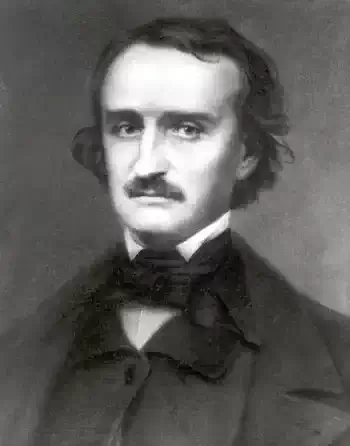
Edgar Allan Poe
The City In The Sea
The City In The Sea
Lo! Death has reared himself a throne
In a strange city lying alone
Far down within the dim West,
Where the good and the bad and the worst and the best
Have gone to their eternal rest.
There shrines and palaces and towers
(Time-eaten towers that tremble not!)
Resemble nothing that is ours.
Around, by lifting winds forgot,
Resignedly beneath the sky
The melancholy waters he.
No rays from the holy heaven come down
On the long night-time of that town;
But light from out the lurid sea
Streams up the turrets silentlyGleams
up the pinnacles far and freeUp
domes- up spires- up kingly hallsUp
fanes- up Babylon-like wallsUp
shadowy long-forgotten bowers
Of sculptured ivy and stone flowersUp
many and many a marvellous shrine
Whose wreathed friezes intertwine
The viol, the violet, and the vine.
Resignedly beneath the sky
The melancholy waters lie.
So blend the turrets and shadows there
That all seem pendulous in air,
While from a proud tower in the town
Death looks gigantically down.
There open fanes and gaping graves
Yawn level with the luminous waves;
But not the riches there that lie
In each idol's diamond eyeNot
the gaily-jewelled dead
Tempt the waters from their bed;
For no ripples curl, alas!
Along that wilderness of glassNo
swellings tell that winds may be
Upon some far-off happier seaNo
heavings hint that winds have been
On seas less hideously serene.
But lo, a stir is in the air!
The wave- there is a movement there!
As if the towers had thrust aside,
In slightly sinking, the dull tideAs
if their tops had feebly given
A void within the filmy Heaven.
The waves have now a redder glowThe
hours are breathing faint and low
And when, amid no earthly moans,
Down, down that town shall settle hence,
Hell, rising from a thousand thrones,
Shall do it reverence.
Lo! Death has reared himself a throne
In a strange city lying alone
Far down within the dim West,
Where the good and the bad and the worst and the best
Have gone to their eternal rest.
There shrines and palaces and towers
(Time-eaten towers that tremble not!)
Resemble nothing that is ours.
Around, by lifting winds forgot,
Resignedly beneath the sky
The melancholy waters he.
No rays from the holy heaven come down
On the long night-time of that town;
But light from out the lurid sea
Streams up the turrets silentlyGleams
up the pinnacles far and freeUp
domes- up spires- up kingly hallsUp
fanes- up Babylon-like wallsUp
shadowy long-forgotten bowers
Of sculptured ivy and stone flowersUp
many and many a marvellous shrine
Whose wreathed friezes intertwine
The viol, the violet, and the vine.
Resignedly beneath the sky
The melancholy waters lie.
So blend the turrets and shadows there
That all seem pendulous in air,
While from a proud tower in the town
Death looks gigantically down.
There open fanes and gaping graves
Yawn level with the luminous waves;
But not the riches there that lie
In each idol's diamond eyeNot
the gaily-jewelled dead
Tempt the waters from their bed;
For no ripples curl, alas!
Along that wilderness of glassNo
swellings tell that winds may be
Upon some far-off happier seaNo
heavings hint that winds have been
On seas less hideously serene.
But lo, a stir is in the air!
The wave- there is a movement there!
As if the towers had thrust aside,
In slightly sinking, the dull tideAs
if their tops had feebly given
A void within the filmy Heaven.
The waves have now a redder glowThe
hours are breathing faint and low
And when, amid no earthly moans,
Down, down that town shall settle hence,
Hell, rising from a thousand thrones,
Shall do it reverence.
339

Derek Walcott
Night in the Gardens of Port of Spain
Night in the Gardens of Port of Spain
Night, the black summer, simplifies her smells
into a village; she assumes the impenetrable
musk of the negro, grows secret as sweat,
her alleys odorous with shucked oyster shells,
coals of gold oranges, braziers of melon.
Commerce and tambourines increase her heat.
Hellfire or the whorehouse: crossing Park Street,
a surf of sailor's faces crest, is gone
with the sea's phosphoresence; the boites-de-nuit
tinkle like fireflies in her thick hair.
Blinded by headlamps, deaf to taxi klaxons,
she lifts her face from the cheap, pitch oil flare
toward white stars, like cities, flashing neon,
burning to be the bitch she must become.
As daylight breaks the coolie turns his tumbril
of hacked, beheaded coconuts towards home.
Night, the black summer, simplifies her smells
into a village; she assumes the impenetrable
musk of the negro, grows secret as sweat,
her alleys odorous with shucked oyster shells,
coals of gold oranges, braziers of melon.
Commerce and tambourines increase her heat.
Hellfire or the whorehouse: crossing Park Street,
a surf of sailor's faces crest, is gone
with the sea's phosphoresence; the boites-de-nuit
tinkle like fireflies in her thick hair.
Blinded by headlamps, deaf to taxi klaxons,
she lifts her face from the cheap, pitch oil flare
toward white stars, like cities, flashing neon,
burning to be the bitch she must become.
As daylight breaks the coolie turns his tumbril
of hacked, beheaded coconuts towards home.
1,193

D.H. Lawrence
Submergence
Submergence
When along the pavement,
Palpitating flames of life,
People flicker round me,
I forget my bereavement,
The gap in the great constellation,
The place where a star used to be.
Nay, though the pole-star
Is blown out like a candle,
And all the heavens are wandering in disarray,
Yet when pleiads of people are
Deployed around me, and I see
The street’s long outstretched Milky Way,
When people flicker down the pavement,
I forget my bereavement.
When along the pavement,
Palpitating flames of life,
People flicker round me,
I forget my bereavement,
The gap in the great constellation,
The place where a star used to be.
Nay, though the pole-star
Is blown out like a candle,
And all the heavens are wandering in disarray,
Yet when pleiads of people are
Deployed around me, and I see
The street’s long outstretched Milky Way,
When people flicker down the pavement,
I forget my bereavement.
203

Claude Mckay
Winter in the Country
Winter in the Country
Sweet life! how lovely to be here
And feel the soft sea-laden breeze
Strike my flushed face, the spruce's fair
Free limbs to see, the lesser trees'
Bare hands to touch, the sparrow's cheep
To heed, and watch his nimble flight
Above the short brown grass asleep.
Love glorious in his friendly might,
Music that every heart could bless,
And thoughts of life serene, divine,
Beyond my power to express,
Crowd round this lifted heart of mine!
But oh! to leave this paradise
For the city's dirty basement room,
Where, beauty hidden from the eyes,
A table, bed, bureau, and broom
In corner set, two crippled chairs
All covered up with dust and grim
With hideousness and scars of years,
And gaslight burning weird and dim,
Will welcome me . . . And yet, and yet
This very wind, the winter birds
The glory of the soft sunset,
Come there to me in words.
Sweet life! how lovely to be here
And feel the soft sea-laden breeze
Strike my flushed face, the spruce's fair
Free limbs to see, the lesser trees'
Bare hands to touch, the sparrow's cheep
To heed, and watch his nimble flight
Above the short brown grass asleep.
Love glorious in his friendly might,
Music that every heart could bless,
And thoughts of life serene, divine,
Beyond my power to express,
Crowd round this lifted heart of mine!
But oh! to leave this paradise
For the city's dirty basement room,
Where, beauty hidden from the eyes,
A table, bed, bureau, and broom
In corner set, two crippled chairs
All covered up with dust and grim
With hideousness and scars of years,
And gaslight burning weird and dim,
Will welcome me . . . And yet, and yet
This very wind, the winter birds
The glory of the soft sunset,
Come there to me in words.
359
Claude Mckay
When Dawn Comes to the City
When Dawn Comes to the City
The tired cars go grumbling by,
The moaning, groaning cars,
And the old milk carts go rumbling by
Under the same dull stars.
Out of the tenements, cold as stone,
Dark figures start for work;
I watch them sadly shuffle on,
'Tis dawn, dawn in New York.
But I would be on the island of the sea,
In the heart of the island of the sea,
Where the cocks are crowing, crowing, crowing,
And the hens are cackling in the rose-apple tree,
Where the old draft-horse is neighing, neighing, neighing,
Out on the brown dew-silvered lawn,
And the tethered cow is lowing, lowing, lowing,
And dear old Ned is braying, braying, braying,
And the shaggy Nannie goat is calling, calling, calling
From her little trampled corner of the long wide lea
That stretches to the waters of the hill-stream falling
Sheer upon the flat rocks joyously!
There, oh, there! on the island of the sea,
There would I be at dawn.
The tired cars go grumbling by,
The crazy, lazy cars,
And the same milk carts go rumbling by
Under the dying stars.
A lonely newsboy hurries by,
Humming a recent ditty;
Red streaks strike through the gray of the sky,
The dawn comes to the city.
But I would be on the island of the sea,
In the heart of the island of the sea,
Where the cocks are crowing, crowing, crowing,
And the hens are cackling in the rose-apple tree,
Where the old draft-horse is neighing, neighing, neighing
Out on the brown dew-silvered lawn,
And the tethered cow is lowing, lowing, lowing,
And dear old Ned is braying, braying, braying,
And the shaggy Nannie goat is calling, calling, calling,
From her little trampled corner of the long wide lea
That stretches to the waters of the hill-stream falling
Sheer upon the flat rocks joyously!
There, oh, there! on the island of the sea,
There I would be at dawn.
The tired cars go grumbling by,
The moaning, groaning cars,
And the old milk carts go rumbling by
Under the same dull stars.
Out of the tenements, cold as stone,
Dark figures start for work;
I watch them sadly shuffle on,
'Tis dawn, dawn in New York.
But I would be on the island of the sea,
In the heart of the island of the sea,
Where the cocks are crowing, crowing, crowing,
And the hens are cackling in the rose-apple tree,
Where the old draft-horse is neighing, neighing, neighing,
Out on the brown dew-silvered lawn,
And the tethered cow is lowing, lowing, lowing,
And dear old Ned is braying, braying, braying,
And the shaggy Nannie goat is calling, calling, calling
From her little trampled corner of the long wide lea
That stretches to the waters of the hill-stream falling
Sheer upon the flat rocks joyously!
There, oh, there! on the island of the sea,
There would I be at dawn.
The tired cars go grumbling by,
The crazy, lazy cars,
And the same milk carts go rumbling by
Under the dying stars.
A lonely newsboy hurries by,
Humming a recent ditty;
Red streaks strike through the gray of the sky,
The dawn comes to the city.
But I would be on the island of the sea,
In the heart of the island of the sea,
Where the cocks are crowing, crowing, crowing,
And the hens are cackling in the rose-apple tree,
Where the old draft-horse is neighing, neighing, neighing
Out on the brown dew-silvered lawn,
And the tethered cow is lowing, lowing, lowing,
And dear old Ned is braying, braying, braying,
And the shaggy Nannie goat is calling, calling, calling,
From her little trampled corner of the long wide lea
That stretches to the waters of the hill-stream falling
Sheer upon the flat rocks joyously!
There, oh, there! on the island of the sea,
There I would be at dawn.
622
Claude Mckay
On Broadway
On Broadway
About me young careless feet
Linger along the garish street;
Above, a hundred shouting signs
Shed down their bright fantastic glow
Upon the merry crowd and lines
Of moving carriages below.
Oh wonderful is Broadway -- only
My heart, my heart is lonely.
Desire naked, linked with Passion,
Goes trutting by in brazen fashion;
From playhouse, cabaret and inn
The rainbow lights of Broadway blaze
All gay without, all glad within;
As in a dream I stand and gaze
At Broadway, shining Broadway -- only
My heart, my heart is lonely.
About me young careless feet
Linger along the garish street;
Above, a hundred shouting signs
Shed down their bright fantastic glow
Upon the merry crowd and lines
Of moving carriages below.
Oh wonderful is Broadway -- only
My heart, my heart is lonely.
Desire naked, linked with Passion,
Goes trutting by in brazen fashion;
From playhouse, cabaret and inn
The rainbow lights of Broadway blaze
All gay without, all glad within;
As in a dream I stand and gaze
At Broadway, shining Broadway -- only
My heart, my heart is lonely.
386
Claude Mckay
Dawn in New York
Dawn in New York
The Dawn! The Dawn! The crimson-tinted, comes
Out of the low still skies, over the hills,
Manhattan's roofs and spires and cheerless domes!
The Dawn! My spirit to its spirit thrills.
Almost the mighty city is asleep,
No pushing crowd, no tramping, tramping feet.
But here and there a few cars groaning creep
Along, above, and underneath the street,
Bearing their strangely-ghostly burdens by,
The women and the men of garish nights,
Their eyes wine-weakened and their clothes awry,
Grotesques beneath the strong electric lights.
The shadows wane. The Dawn comes to New York.
And I go darkly-rebel to my work.
The Dawn! The Dawn! The crimson-tinted, comes
Out of the low still skies, over the hills,
Manhattan's roofs and spires and cheerless domes!
The Dawn! My spirit to its spirit thrills.
Almost the mighty city is asleep,
No pushing crowd, no tramping, tramping feet.
But here and there a few cars groaning creep
Along, above, and underneath the street,
Bearing their strangely-ghostly burdens by,
The women and the men of garish nights,
Their eyes wine-weakened and their clothes awry,
Grotesques beneath the strong electric lights.
The shadows wane. The Dawn comes to New York.
And I go darkly-rebel to my work.
329
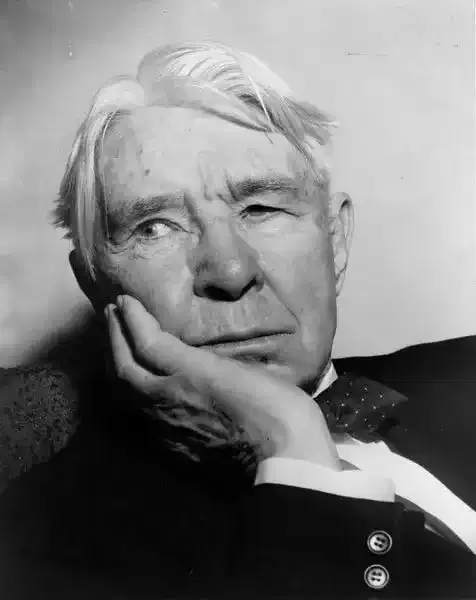
Carl Sandburg
The Mayor of Gary
The Mayor of Gary
I asked the mayor of Gary about the 12-hour day and the 7-day week.
And the mayor of Gary answered more workmen steal time on the job in Gary than any
other place in the United States.
"Go into the plants and you will see men sitting around doing nothing--machinery does
everything," said the mayor of Gary when I asked him about the 12-hour day and the
7-day week.
And he wore cool cream pants, the Mayor of Gary, and white shoes, and a barber had
fixed him up with a shampoo and a shave and he was east and imperturbable though
the government weather bureau thermometer said 96 and children were soaking their
heads at bubbling fountains on the street corners.
And I said good-bye to the Mayor of Gary and I went out from the city hall and turned
the corner into Broadway.
And I saw workmen wearing leather shoes scruffed with fire and cinders, and pitted
with little holes from running molten steel,
And some had bunches of specialized muscles around their shoulder blades hard as pig
iron, muscles of their forearms were sheet steel and they looked to me like men who
had been somewhere.
I asked the mayor of Gary about the 12-hour day and the 7-day week.
And the mayor of Gary answered more workmen steal time on the job in Gary than any
other place in the United States.
"Go into the plants and you will see men sitting around doing nothing--machinery does
everything," said the mayor of Gary when I asked him about the 12-hour day and the
7-day week.
And he wore cool cream pants, the Mayor of Gary, and white shoes, and a barber had
fixed him up with a shampoo and a shave and he was east and imperturbable though
the government weather bureau thermometer said 96 and children were soaking their
heads at bubbling fountains on the street corners.
And I said good-bye to the Mayor of Gary and I went out from the city hall and turned
the corner into Broadway.
And I saw workmen wearing leather shoes scruffed with fire and cinders, and pitted
with little holes from running molten steel,
And some had bunches of specialized muscles around their shoulder blades hard as pig
iron, muscles of their forearms were sheet steel and they looked to me like men who
had been somewhere.
410
Carl Sandburg
Soup
Soup
I saw a famous man eating soup.
I say he was lifting a fat broth
Into his mouth with a spoon.
His name was in the newspapers that day
Spelled out in tall black headlines
And thousands of people were talking about him.
When I saw him,
He sat bending his head over a plate
Putting soup in his mouth with a spoon.
I saw a famous man eating soup.
I say he was lifting a fat broth
Into his mouth with a spoon.
His name was in the newspapers that day
Spelled out in tall black headlines
And thousands of people were talking about him.
When I saw him,
He sat bending his head over a plate
Putting soup in his mouth with a spoon.
611
Carl Sandburg
Skyscraper
Skyscraper
By day the skyscraper looms in the smoke and sun and
has a soul.
Prairie and valley, streets of the city, pour people into
it and they mingle among its twenty floors and are
poured out again back to the streets, prairies and
valleys.
It is the men and women, boys and girls so poured in and
out all day that give the building a soul of dreams
and thoughts and memories.
(Dumped in the sea or fixed in a desert, who would care
for the building or speak its name or ask a policeman
the way to it?)
Elevators slide on their cables and tubes catch letters and
parcels and iron pipes carry gas and water in and
sewage out.
Wires climb with secrets, carry light and carry words,
and tell terrors and profits and loves--curses of men
grappling plans of business and questions of women
in plots of love.
Hour by hour the caissons reach down to the rock of the
earth and hold the building to a turning planet.
Hour by hour the girders play as ribs and reach out and
hold together the stone walls and floors.
Hour by hour the hand of the mason and the stuff of the
mortar clinch the pieces and parts to the shape an
architect voted.
Hour by hour the sun and the rain, the air and the rust,
and the press of time running into centuries, play
on the building inside and out and use it.
Men who sunk the pilings and mixed the mortar are laid
in graves where the wind whistles a wild song
without words
And so are men who strung the wires and fixed the pipes
and tubes and those who saw it rise floor by floor.
Souls of them all are here, even the hod carrier begging
at back doors hundreds of miles away and the bricklayer
who went to state's prison for shooting another
man while drunk.
(One man fell from a girder and broke his neck at the
end of a straight plunge--he is here--his soul has
gone into the stones of the building.)
On the office doors from tier to tier--hundreds of names
and each name standing for a face written across
with a dead child, a passionate lover, a driving
ambition for a million dollar business or a lobster's
ease of life.
Behind the signs on the doors they work and the walls
tell nothing from room to room.
Ten-dollar-a-week stenographers take letters from
corporation officers, lawyers, efficiency engineers,
and tons of letters go bundled from the building to all
ends of the earth.
Smiles and tears of each office girl go into the soul of
the building just the same as the master-men who
rule the building.
Hands of clocks turn to noon hours and each floor
empties its men and women who go away and eat
and come back to work.
Toward the end of the afternoon all work slackens and
all jobs go slower as the people feel day closing on
them.
One by one the floors are emptied. . . The uniformed
elevator men are gone. Pails clang. . . Scrubbers
work, talking in foreign tongues. Broom and water
and mop clean from the floors human dust and spit,
and machine grime of the day.
Spelled in electric fire on the roof are words telling
miles of houses and people where to buy a thing for
money. The sign speaks till midnight.
Darkness on the hallways. Voices echo. Silence
holds. . . Watchmen walk slow from floor to floor
and try the doors. Revolvers bulge from their hip
pockets. . . Steel safes stand in corners. Money
is stacked in them.
A young watchman leans at a window and sees the lights
of barges butting their way across a harbor, nets of
red and white lanterns in a railroad yard, and a span
of glooms splashed with lines of white and blurs of
crosses and clusters over the sleeping city.
By night the skyscraper looms in the smoke and the stars
and has a soul.
By day the skyscraper looms in the smoke and sun and
has a soul.
Prairie and valley, streets of the city, pour people into
it and they mingle among its twenty floors and are
poured out again back to the streets, prairies and
valleys.
It is the men and women, boys and girls so poured in and
out all day that give the building a soul of dreams
and thoughts and memories.
(Dumped in the sea or fixed in a desert, who would care
for the building or speak its name or ask a policeman
the way to it?)
Elevators slide on their cables and tubes catch letters and
parcels and iron pipes carry gas and water in and
sewage out.
Wires climb with secrets, carry light and carry words,
and tell terrors and profits and loves--curses of men
grappling plans of business and questions of women
in plots of love.
Hour by hour the caissons reach down to the rock of the
earth and hold the building to a turning planet.
Hour by hour the girders play as ribs and reach out and
hold together the stone walls and floors.
Hour by hour the hand of the mason and the stuff of the
mortar clinch the pieces and parts to the shape an
architect voted.
Hour by hour the sun and the rain, the air and the rust,
and the press of time running into centuries, play
on the building inside and out and use it.
Men who sunk the pilings and mixed the mortar are laid
in graves where the wind whistles a wild song
without words
And so are men who strung the wires and fixed the pipes
and tubes and those who saw it rise floor by floor.
Souls of them all are here, even the hod carrier begging
at back doors hundreds of miles away and the bricklayer
who went to state's prison for shooting another
man while drunk.
(One man fell from a girder and broke his neck at the
end of a straight plunge--he is here--his soul has
gone into the stones of the building.)
On the office doors from tier to tier--hundreds of names
and each name standing for a face written across
with a dead child, a passionate lover, a driving
ambition for a million dollar business or a lobster's
ease of life.
Behind the signs on the doors they work and the walls
tell nothing from room to room.
Ten-dollar-a-week stenographers take letters from
corporation officers, lawyers, efficiency engineers,
and tons of letters go bundled from the building to all
ends of the earth.
Smiles and tears of each office girl go into the soul of
the building just the same as the master-men who
rule the building.
Hands of clocks turn to noon hours and each floor
empties its men and women who go away and eat
and come back to work.
Toward the end of the afternoon all work slackens and
all jobs go slower as the people feel day closing on
them.
One by one the floors are emptied. . . The uniformed
elevator men are gone. Pails clang. . . Scrubbers
work, talking in foreign tongues. Broom and water
and mop clean from the floors human dust and spit,
and machine grime of the day.
Spelled in electric fire on the roof are words telling
miles of houses and people where to buy a thing for
money. The sign speaks till midnight.
Darkness on the hallways. Voices echo. Silence
holds. . . Watchmen walk slow from floor to floor
and try the doors. Revolvers bulge from their hip
pockets. . . Steel safes stand in corners. Money
is stacked in them.
A young watchman leans at a window and sees the lights
of barges butting their way across a harbor, nets of
red and white lanterns in a railroad yard, and a span
of glooms splashed with lines of white and blurs of
crosses and clusters over the sleeping city.
By night the skyscraper looms in the smoke and the stars
and has a soul.
320