

Poems in this topic
Disillusionment and Lost Love
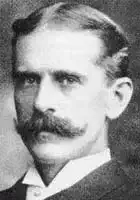
Henry Van Dyke
The Foolish Fir-Tree
The Foolish Fir-Tree
A tale that the poet Rückert told
To German children, in days of old;
Disguised in a random, rollicking rhyme
Like a merry mummer of ancient time,
And sent, in its English dress, to please
The little folk of the Christmas trees.
A little fir grew in the midst of the wood
Contented and happy, as young trees should.
His body was straight and his boughs were clean;
And summer and winter the bountiful sheen
Of his needles bedecked him, from top to root,
In a beautiful, all-the-year, evergreen suit.
But a trouble came into his heart one day,
When he saw that the other trees were gay
In the wonderful raiment that summer weaves
Of manifold shapes and kinds of leaves:
He looked at his needles so stiff and small,
And thought that his dress was the poorest of all.
Then jealousy clouded the little tree's mind,
And he said to himself, "It was not very kind
"To give such an ugly old dress to a tree!
"If the fays of the forest would only ask me,
"I'd tell them how I should like to be dressed,—
"In a garment of gold, to bedazzle the rest!"
So he fell asleep, but his dreams were bad.
When he woke in the morning, his heart was glad;
For every leaf that his boughs could hold
Was made of the brightest beaten gold.
I tell you, children, the tree was proud;
He was something above the common crowd;
And he tinkled his leaves, as if he would say
To a pedlar who happened to pass that way,
"Just look at me! don't you think I am fine?
"And wouldn't you like such a dress as mine?"
"Oh, yes!" said the man, "and I really guess
I must fill my pack with your beautiful dress."
So he picked the golden leaves with care,
And left the little tree shivering there.
"Oh, why did I wish for golden leaves?"
The fir-tree said, "I forgot that thieves
"Would be sure to rob me in passing by.
"If the fairies would give me another try,
"I'd wish for something that cost much less,
"And be satisfied with glass for my dress!"
Then he fell asleep; and, just as before,
The fairies granted his wish once more.
When the night was gone, and the sun rose clear,
The tree was a crystal chandelier;
And it seemed, as he stood in the morning light,
That his branches were covered with jewels bright.
"Aha!" said the tree. "This is something great!"
And he held himself up, very proud and straight;
But a rude young wind through the forest dashed,
In a reckless temper, and quickly smashed
The delicate leaves. With a clashing sound
They broke into pieces and fell on the ground,
Like a silvery, shimmering shower of hail,
And the tree stood naked and bare to the gale.
Then his heart was sad; and he cried, "Alas
"For my beautiful leaves of shining glass!
"Perhaps I have made another mistake
"In choosing a dress so easy to break.
"If the fairies only would hear me again
"I'd ask them for something both pretty and plain:
"It wouldn't cost much to grant my request,—
"In leaves of green lettuce I'd like to be dressed!"
By this time the fairies were laughing, I know;
But they gave him his wish in a second; and so
With leaves of green lettuce, all tender and sweet,
The tree was arrayed, from his head to his feet.
"I knew it!" he cried, "I was sure I could find
"The sort of a suit that would be to my mind.
"There's none of the trees has a prettier dress,
"And none as attractive as I am, I guess."
But a goat, who was taking an afternoon walk,
By chance overheard the fir-tree's talk.
So he came up close for a nearer view;—
"My salad!" he bleated, "I think so too!
"You're the most attractive kind of a tree,
"And I want your leaves for my five-o'clock tea."
So he ate them all without saying grace,
And walked away with a grin on his face;
While the little tree stood in the twilight dim,
With never a leaf on a single limb.
Then he sighed and groaned; but his voice was weak—
He was so ashamed that he could not speak.
He knew at last that he had been a fool,
To think of breaking the forest rule,
And choosing a dress himself to please,
Because he envied the other trees.
But it couldn't be helped, it was now too late,
He must make up his mind to a leafless fate!
So he let himself sink in a slumber deep,
But he moaned and he tossed in his troubled sleep,
Till the morning touched him with joyful beam,
And he woke to find it was all a dream.
For there in his evergreen dress he stood,
A pointed fir in the midst of the wood!
His branches were sweet with the balsam smell,
His needles were green when the white snow fell.
And always contented and happy was he,—
The very best kind of a Christmas tree.
A tale that the poet Rückert told
To German children, in days of old;
Disguised in a random, rollicking rhyme
Like a merry mummer of ancient time,
And sent, in its English dress, to please
The little folk of the Christmas trees.
A little fir grew in the midst of the wood
Contented and happy, as young trees should.
His body was straight and his boughs were clean;
And summer and winter the bountiful sheen
Of his needles bedecked him, from top to root,
In a beautiful, all-the-year, evergreen suit.
But a trouble came into his heart one day,
When he saw that the other trees were gay
In the wonderful raiment that summer weaves
Of manifold shapes and kinds of leaves:
He looked at his needles so stiff and small,
And thought that his dress was the poorest of all.
Then jealousy clouded the little tree's mind,
And he said to himself, "It was not very kind
"To give such an ugly old dress to a tree!
"If the fays of the forest would only ask me,
"I'd tell them how I should like to be dressed,—
"In a garment of gold, to bedazzle the rest!"
So he fell asleep, but his dreams were bad.
When he woke in the morning, his heart was glad;
For every leaf that his boughs could hold
Was made of the brightest beaten gold.
I tell you, children, the tree was proud;
He was something above the common crowd;
And he tinkled his leaves, as if he would say
To a pedlar who happened to pass that way,
"Just look at me! don't you think I am fine?
"And wouldn't you like such a dress as mine?"
"Oh, yes!" said the man, "and I really guess
I must fill my pack with your beautiful dress."
So he picked the golden leaves with care,
And left the little tree shivering there.
"Oh, why did I wish for golden leaves?"
The fir-tree said, "I forgot that thieves
"Would be sure to rob me in passing by.
"If the fairies would give me another try,
"I'd wish for something that cost much less,
"And be satisfied with glass for my dress!"
Then he fell asleep; and, just as before,
The fairies granted his wish once more.
When the night was gone, and the sun rose clear,
The tree was a crystal chandelier;
And it seemed, as he stood in the morning light,
That his branches were covered with jewels bright.
"Aha!" said the tree. "This is something great!"
And he held himself up, very proud and straight;
But a rude young wind through the forest dashed,
In a reckless temper, and quickly smashed
The delicate leaves. With a clashing sound
They broke into pieces and fell on the ground,
Like a silvery, shimmering shower of hail,
And the tree stood naked and bare to the gale.
Then his heart was sad; and he cried, "Alas
"For my beautiful leaves of shining glass!
"Perhaps I have made another mistake
"In choosing a dress so easy to break.
"If the fairies only would hear me again
"I'd ask them for something both pretty and plain:
"It wouldn't cost much to grant my request,—
"In leaves of green lettuce I'd like to be dressed!"
By this time the fairies were laughing, I know;
But they gave him his wish in a second; and so
With leaves of green lettuce, all tender and sweet,
The tree was arrayed, from his head to his feet.
"I knew it!" he cried, "I was sure I could find
"The sort of a suit that would be to my mind.
"There's none of the trees has a prettier dress,
"And none as attractive as I am, I guess."
But a goat, who was taking an afternoon walk,
By chance overheard the fir-tree's talk.
So he came up close for a nearer view;—
"My salad!" he bleated, "I think so too!
"You're the most attractive kind of a tree,
"And I want your leaves for my five-o'clock tea."
So he ate them all without saying grace,
And walked away with a grin on his face;
While the little tree stood in the twilight dim,
With never a leaf on a single limb.
Then he sighed and groaned; but his voice was weak—
He was so ashamed that he could not speak.
He knew at last that he had been a fool,
To think of breaking the forest rule,
And choosing a dress himself to please,
Because he envied the other trees.
But it couldn't be helped, it was now too late,
He must make up his mind to a leafless fate!
So he let himself sink in a slumber deep,
But he moaned and he tossed in his troubled sleep,
Till the morning touched him with joyful beam,
And he woke to find it was all a dream.
For there in his evergreen dress he stood,
A pointed fir in the midst of the wood!
His branches were sweet with the balsam smell,
His needles were green when the white snow fell.
And always contented and happy was he,—
The very best kind of a Christmas tree.
321

Henry Lawson
When Hopes Ran High
When Hopes Ran High
When hopes ran high the world was young,
We thought that we would never die,
And glorious were the songs we sung
In those grand days when hopes ran high.
When hopes ran high the world was true
We thought that friends could never lie—
There have been bitter truths for you
And me, since days when hopes ran high.
When hopes ran high the world was young,
We thought that we would never die,
And glorious were the songs we sung
In those grand days when hopes ran high.
When hopes ran high the world was true
We thought that friends could never lie—
There have been bitter truths for you
And me, since days when hopes ran high.
228
Henry Lawson
To-Morrow
To-Morrow
When you’re suffering hard for your sins, old man,
When you wake to trouble and sleep ill—
Oh, this is the clack of the middle class,
‘Win back the respect of the people!’
You are weak, you’re a fool, or a drunken brute
When you’re deep in trouble and sorrow;
But walk down the street in a decent suit,
And their hats will be off to-morrow! Old Chap—
And their hats will be off to-morrow!
They cant and they cackle—‘Redeem the Past!’
Who never had past worth redeeming:
Your soul seems dead, but you’ll find at last
That somewhere your soul lay dreaming.
You may stagger down-hill in a beer-stained coat,
You may loaf, you may cadge and borrow—
But walk down the street with a ten-pound note
And their hats will be off to-morrow! Old Man—
Yes, their hats will be off to-morrow!
But stick to it, man! for your old self’s sake,
Though to brood on the past is human;
Hold up for the sake of the mate who was true,
And the sake of the Other Woman.
And as for the rest, you may take off your hat
And banish all signs of sorrow;
You may take their hands, but in spite of that,
Can they win your respect to-morrow? Old Man—
Can they win your respect to-morrow?
When you’re suffering hard for your sins, old man,
When you wake to trouble and sleep ill—
Oh, this is the clack of the middle class,
‘Win back the respect of the people!’
You are weak, you’re a fool, or a drunken brute
When you’re deep in trouble and sorrow;
But walk down the street in a decent suit,
And their hats will be off to-morrow! Old Chap—
And their hats will be off to-morrow!
They cant and they cackle—‘Redeem the Past!’
Who never had past worth redeeming:
Your soul seems dead, but you’ll find at last
That somewhere your soul lay dreaming.
You may stagger down-hill in a beer-stained coat,
You may loaf, you may cadge and borrow—
But walk down the street with a ten-pound note
And their hats will be off to-morrow! Old Man—
Yes, their hats will be off to-morrow!
But stick to it, man! for your old self’s sake,
Though to brood on the past is human;
Hold up for the sake of the mate who was true,
And the sake of the Other Woman.
And as for the rest, you may take off your hat
And banish all signs of sorrow;
You may take their hands, but in spite of that,
Can they win your respect to-morrow? Old Man—
Can they win your respect to-morrow?
250
Henry Lawson
The Separation
The Separation
We knew too little of the world,
And you and I were good—
’Twas paltry things that wrecked our lives
As well I knew they would.
The people said our love was dead,
But how were they to know?
Ah! had we loved each other less
We’d not have quarrelled so.
We knew too little of the world,
And you and I were kind,
We listened to what others said
And both of us were blind.
The people said ’twas selfishness,
But how were they to know?
Ah! had we both more selfish been
We’d not have parted so.
But still when all seems lost on earth
Then heaven sets a sign—
Kneel down beside your lonely bed,
And I will kneel by mine,
And let us pray for happy days—
Like those of long ago.
Ah! had we knelt together then
We’d not have parted so.
We knew too little of the world,
And you and I were good—
’Twas paltry things that wrecked our lives
As well I knew they would.
The people said our love was dead,
But how were they to know?
Ah! had we loved each other less
We’d not have quarrelled so.
We knew too little of the world,
And you and I were kind,
We listened to what others said
And both of us were blind.
The people said ’twas selfishness,
But how were they to know?
Ah! had we both more selfish been
We’d not have parted so.
But still when all seems lost on earth
Then heaven sets a sign—
Kneel down beside your lonely bed,
And I will kneel by mine,
And let us pray for happy days—
Like those of long ago.
Ah! had we knelt together then
We’d not have parted so.
261
Henry Lawson
The Lily of St Leonards
The Lily of St Leonards
’TIS sunrise over Watson,
Where I sailed out to sea,
On that wild run to London
That wrecked and ruined me.
The beauty of the morning
On bluff and point and bay,
But the Lily of St Leonards
Was fairer than the day.
O Lily of St Leonards!
And I was mad to roam—
She died with loving words for me
Three days ere I came home.
As fair as lily whiteness,
As pure as lily gold,
And bright with childlike brightness
And wise as worlds of old.
Her heart for all was beating
And all hearts were her own—
Like sunshine through the Lily
Her purity was shown.
O Lily of St Leonards!
My night is on the track,
’Tis well you never lived to see
The wreck that I came back.
A leaden sky shuts over
A sobbing leaden sea,
For the Lily of St Leonards
Is never more for me.
I seek the wharf of Outward
Where the deck no longer thrills
Where she stood with great tears starting
Like the lights on dark wet hills.
The world was all before me
The laurels on my brow—
’Twas the world-star of the rovers,
’Tis the Star of Exile now.
’TIS sunrise over Watson,
Where I sailed out to sea,
On that wild run to London
That wrecked and ruined me.
The beauty of the morning
On bluff and point and bay,
But the Lily of St Leonards
Was fairer than the day.
O Lily of St Leonards!
And I was mad to roam—
She died with loving words for me
Three days ere I came home.
As fair as lily whiteness,
As pure as lily gold,
And bright with childlike brightness
And wise as worlds of old.
Her heart for all was beating
And all hearts were her own—
Like sunshine through the Lily
Her purity was shown.
O Lily of St Leonards!
My night is on the track,
’Tis well you never lived to see
The wreck that I came back.
A leaden sky shuts over
A sobbing leaden sea,
For the Lily of St Leonards
Is never more for me.
I seek the wharf of Outward
Where the deck no longer thrills
Where she stood with great tears starting
Like the lights on dark wet hills.
The world was all before me
The laurels on my brow—
’Twas the world-star of the rovers,
’Tis the Star of Exile now.
344
Henry Lawson
Peter Anderson And Co.
Peter Anderson And Co.
He had offices in Sydney, not so many years ago,
And his shingle bore the legend `Peter Anderson and Co.',
But his real name was Careless, as the fellows understood --
And his relatives decided that he wasn't any good.
'Twas their gentle tongues that blasted any `character' he had --
He was fond of beer and leisure -- and the Co. was just as bad.
It was limited in number to a unit, was the Co. -'
Twas a bosom chum of Peter and his Christian name was Joe.
'Tis a class of men belonging to these soul-forsaken years:
Third-rate canvassers, collectors, journalists and auctioneers.
They are never very shabby, they are never very spruce --
Going cheerfully and carelessly and smoothly to the deuce.
Some are wanderers by profession, `turning up' and gone as soon,
Travelling second-class, or steerage (when it's cheap they go saloon);
Free from `ists' and `isms', troubled little by belief or doubt --
Lazy, purposeless, and useless -- knocking round and hanging out.
They will take what they can get, and they will give what they can give,
God alone knows how they manage -- God alone knows how they live!
They are nearly always hard-up, but are cheerful all the while --
Men whose energy and trousers wear out sooner than their smile!
They, no doubt, like us, are haunted by the boresome `if' or `might',
But their ghosts are ghosts of daylight -- they are men who live at night!
Peter met you with the comic smile of one who knows you well,
And is mighty glad to see you, and has got a joke to tell;
He could laugh when all was gloomy, he could grin when all was blue,
Sing a comic song and act it, and appreciate it, too.
Only cynical in cases where his own self was the jest,
And the humour of his good yarns made atonement for the rest.
Seldom serious -- doing business just as 'twere a friendly game --
Cards or billiards -- nothing graver. And the Co. was much the same.
They tried everything and nothing 'twixt the shovel and the press,
And were more or less successful in their ventures -- mostly less.
Once they ran a country paper till the plant was seized for debt,
And the local sinners chuckle over dingy copies yet.
They'd been through it all and knew it in the land of Bills and Jims --
Using Peter's own expression, they had been in `various swims'.
Now and then they'd take an office, as they called it, -- make a dash
Into business life as `agents' -- something not requiring cash.
(You can always furnish cheaply, when your cash or credit fails,
With a packing-case, a hammer, and a pound of two-inch nails --
And, maybe, a drop of varnish and sienna, too, for tints,
And a scrap or two of oilcloth, and a yard or two of chintz).
They would pull themselves together, pay a week's rent in advance,
But it never lasted longer than a month by any chance.
The office was their haven, for they lived there when hard-up --
A `daily' for a table cloth -- a jam tin for a cup;
And if the landlord's bailiff happened round in times like these
And seized the office-fittings -- well, there wasn't much to seize --
They would leave him in possession. But at other times they shot
The moon, and took an office where the landlord knew them not.
And when morning brought the bailiff there'd be nothing to be seen
Save a piece of bevelled cedar where the tenant's plate had been;
There would be no sign of Peter -- there would be no sign of Joe
Till another portal boasted `Peter Anderson and Co.'
And when times were locomotive, billiard-rooms and private bars --
Spicy parties at the cafe -- long cab-drives beneath the stars;
Private picnics down the Harbour -- shady campings-out, you know --
No one would have dreamed 'twas Peter -
no one would have thought 'twas Joe!
Free-and-easies in their `diggings', when the funds began to fail,
Bosom chums, cigars, tobacco, and a case of English ale --
Gloriously drunk and happy, till they heard the roosters crow --
And the landlady and neighbours made complaints about the Co.
But that life! it might be likened to a reckless drinking-song,
For it can't go on for ever, and it never lasted long.
. . . . .
Debt-collecting ruined Peter -- people talked him round too oft,
For his heart was soft as butter (and the Co.'s was just as soft);
He would cheer the haggard missus, and he'd tell her not to fret,
And he'd ask the worried debtor round with him to have a wet;
He would ask him round the corner, and it seemed to him and her,
After each of Peter's visits, things were brighter than they were.
But, of course, it wasn't business -- only Peter's careless way;
And perhaps it pays in heaven, but on earth it doesn't pay.
They got harder up than ever, and, to make it worse, the Co.
Went more often round the corner than was good for him to go.
`I might live,' he said to Peter, `but I haven't got the nerve --
I am going, Peter, going -- going, going -- no reserve.
Eat and drink and love they tell us, for to-morrow we may die,
Buy experience -- and we bought it -- we're experienced, you and I.'
Then, with a weary movement of his hand across his brow:
`The death of such philosophy's the death I'm dying now.
Pull yourself together, Peter; 'tis the dying wish of Joe
That the business world shall honour Peter Anderson and Co.
`When you feel your life is sinking in a dull and useless course,
And begin to find in drinking keener pleasure and remorse --
When you feel the love of leisure on your careless heart take holt,
Break away from friends and pleasure, though it give your heart a jolt.
Shun the poison breath of cities -- billiard-rooms and private bars,
Go where you can breathe God's air and see the grandeur of the stars!
Find again and follow up the old ambitions that you had --
See if you can raise a drink, old man, I'm feelin' mighty bad --
Hot and sweetened, nip o' butter -- squeeze o' lemon, Pete,' he sighed.
And, while Peter went to fetch it, Joseph went to sleep -- and died
With a smile -- anticipation, maybe, of the peace to come,
Or a joke to try on Peter -- or, perhaps, it was the rum.
. . . . .
Peter staggered, gripped the table, swerved as some old drunkard swerves --
At a gulp he drank the toddy, just to brace his shattered nerves.
It was awful, if you like. But then he hadn't time to think --
All is nothing! Nothing matters! Fill your glasses -- dead man's drink.
. . . . .
Yet, to show his heart was not of human decency bereft,
Peter paid the undertaker. He got drunk on what was left;
Then he shed some tears, half-maudlin, on the grave where lay the Co.,
And he drifted to a township where the city failures go.
Where, though haunted by the man he was, the wreck he yet might be,
Or the man he might have been, or by each spectre of the three,
And the dying words of Joseph, ringing through his own despair,
Peter `pulled himself together' and he started business there.
But his life was very lonely, and his heart was very sad,
And no help to reformation was the company he had --
Men who might have been, who had been, but who were not in the swim -'
Twas a town of wrecks and failures -- they appreciated him.
They would ask him who the Co. was -- that queer company he kept --
And he'd always answer vaguely -- he would say his partner slept;
That he had a `sleeping partner' -- jesting while his spirit broke --
And they grinned above their glasses, for they took it as a joke.
He would shout while he had money, he would joke while he had breath --
No one seemed to care or notice how he drank himself to death;
Till at last there came a morning when his smile was seen no more --
He was gone from out the office, and his shingle from the door,
And a boundary-rider jogging out across the neighb'ring run
Was attracted by a something that was blazing in the sun;
And he found that it was Peter, lying peacefully at rest,
With a bottle close beside him and the shingle on his breast.
Well, they analysed the liquor, and it would appear that he
Qualified his drink with something good for setting spirits free.
Though 'twas plainly self-destruction -- `'twas his own affair,' they said;
And the jury viewed him sadly, and they found -- that he was dead.
He had offices in Sydney, not so many years ago,
And his shingle bore the legend `Peter Anderson and Co.',
But his real name was Careless, as the fellows understood --
And his relatives decided that he wasn't any good.
'Twas their gentle tongues that blasted any `character' he had --
He was fond of beer and leisure -- and the Co. was just as bad.
It was limited in number to a unit, was the Co. -'
Twas a bosom chum of Peter and his Christian name was Joe.
'Tis a class of men belonging to these soul-forsaken years:
Third-rate canvassers, collectors, journalists and auctioneers.
They are never very shabby, they are never very spruce --
Going cheerfully and carelessly and smoothly to the deuce.
Some are wanderers by profession, `turning up' and gone as soon,
Travelling second-class, or steerage (when it's cheap they go saloon);
Free from `ists' and `isms', troubled little by belief or doubt --
Lazy, purposeless, and useless -- knocking round and hanging out.
They will take what they can get, and they will give what they can give,
God alone knows how they manage -- God alone knows how they live!
They are nearly always hard-up, but are cheerful all the while --
Men whose energy and trousers wear out sooner than their smile!
They, no doubt, like us, are haunted by the boresome `if' or `might',
But their ghosts are ghosts of daylight -- they are men who live at night!
Peter met you with the comic smile of one who knows you well,
And is mighty glad to see you, and has got a joke to tell;
He could laugh when all was gloomy, he could grin when all was blue,
Sing a comic song and act it, and appreciate it, too.
Only cynical in cases where his own self was the jest,
And the humour of his good yarns made atonement for the rest.
Seldom serious -- doing business just as 'twere a friendly game --
Cards or billiards -- nothing graver. And the Co. was much the same.
They tried everything and nothing 'twixt the shovel and the press,
And were more or less successful in their ventures -- mostly less.
Once they ran a country paper till the plant was seized for debt,
And the local sinners chuckle over dingy copies yet.
They'd been through it all and knew it in the land of Bills and Jims --
Using Peter's own expression, they had been in `various swims'.
Now and then they'd take an office, as they called it, -- make a dash
Into business life as `agents' -- something not requiring cash.
(You can always furnish cheaply, when your cash or credit fails,
With a packing-case, a hammer, and a pound of two-inch nails --
And, maybe, a drop of varnish and sienna, too, for tints,
And a scrap or two of oilcloth, and a yard or two of chintz).
They would pull themselves together, pay a week's rent in advance,
But it never lasted longer than a month by any chance.
The office was their haven, for they lived there when hard-up --
A `daily' for a table cloth -- a jam tin for a cup;
And if the landlord's bailiff happened round in times like these
And seized the office-fittings -- well, there wasn't much to seize --
They would leave him in possession. But at other times they shot
The moon, and took an office where the landlord knew them not.
And when morning brought the bailiff there'd be nothing to be seen
Save a piece of bevelled cedar where the tenant's plate had been;
There would be no sign of Peter -- there would be no sign of Joe
Till another portal boasted `Peter Anderson and Co.'
And when times were locomotive, billiard-rooms and private bars --
Spicy parties at the cafe -- long cab-drives beneath the stars;
Private picnics down the Harbour -- shady campings-out, you know --
No one would have dreamed 'twas Peter -
no one would have thought 'twas Joe!
Free-and-easies in their `diggings', when the funds began to fail,
Bosom chums, cigars, tobacco, and a case of English ale --
Gloriously drunk and happy, till they heard the roosters crow --
And the landlady and neighbours made complaints about the Co.
But that life! it might be likened to a reckless drinking-song,
For it can't go on for ever, and it never lasted long.
. . . . .
Debt-collecting ruined Peter -- people talked him round too oft,
For his heart was soft as butter (and the Co.'s was just as soft);
He would cheer the haggard missus, and he'd tell her not to fret,
And he'd ask the worried debtor round with him to have a wet;
He would ask him round the corner, and it seemed to him and her,
After each of Peter's visits, things were brighter than they were.
But, of course, it wasn't business -- only Peter's careless way;
And perhaps it pays in heaven, but on earth it doesn't pay.
They got harder up than ever, and, to make it worse, the Co.
Went more often round the corner than was good for him to go.
`I might live,' he said to Peter, `but I haven't got the nerve --
I am going, Peter, going -- going, going -- no reserve.
Eat and drink and love they tell us, for to-morrow we may die,
Buy experience -- and we bought it -- we're experienced, you and I.'
Then, with a weary movement of his hand across his brow:
`The death of such philosophy's the death I'm dying now.
Pull yourself together, Peter; 'tis the dying wish of Joe
That the business world shall honour Peter Anderson and Co.
`When you feel your life is sinking in a dull and useless course,
And begin to find in drinking keener pleasure and remorse --
When you feel the love of leisure on your careless heart take holt,
Break away from friends and pleasure, though it give your heart a jolt.
Shun the poison breath of cities -- billiard-rooms and private bars,
Go where you can breathe God's air and see the grandeur of the stars!
Find again and follow up the old ambitions that you had --
See if you can raise a drink, old man, I'm feelin' mighty bad --
Hot and sweetened, nip o' butter -- squeeze o' lemon, Pete,' he sighed.
And, while Peter went to fetch it, Joseph went to sleep -- and died
With a smile -- anticipation, maybe, of the peace to come,
Or a joke to try on Peter -- or, perhaps, it was the rum.
. . . . .
Peter staggered, gripped the table, swerved as some old drunkard swerves --
At a gulp he drank the toddy, just to brace his shattered nerves.
It was awful, if you like. But then he hadn't time to think --
All is nothing! Nothing matters! Fill your glasses -- dead man's drink.
. . . . .
Yet, to show his heart was not of human decency bereft,
Peter paid the undertaker. He got drunk on what was left;
Then he shed some tears, half-maudlin, on the grave where lay the Co.,
And he drifted to a township where the city failures go.
Where, though haunted by the man he was, the wreck he yet might be,
Or the man he might have been, or by each spectre of the three,
And the dying words of Joseph, ringing through his own despair,
Peter `pulled himself together' and he started business there.
But his life was very lonely, and his heart was very sad,
And no help to reformation was the company he had --
Men who might have been, who had been, but who were not in the swim -'
Twas a town of wrecks and failures -- they appreciated him.
They would ask him who the Co. was -- that queer company he kept --
And he'd always answer vaguely -- he would say his partner slept;
That he had a `sleeping partner' -- jesting while his spirit broke --
And they grinned above their glasses, for they took it as a joke.
He would shout while he had money, he would joke while he had breath --
No one seemed to care or notice how he drank himself to death;
Till at last there came a morning when his smile was seen no more --
He was gone from out the office, and his shingle from the door,
And a boundary-rider jogging out across the neighb'ring run
Was attracted by a something that was blazing in the sun;
And he found that it was Peter, lying peacefully at rest,
With a bottle close beside him and the shingle on his breast.
Well, they analysed the liquor, and it would appear that he
Qualified his drink with something good for setting spirits free.
Though 'twas plainly self-destruction -- `'twas his own affair,' they said;
And the jury viewed him sadly, and they found -- that he was dead.
239
Henry Lawson
Mary Called Him 'Mister'
Mary Called Him 'Mister'
They'd parted but a year before—she never thought he’d come,
She stammer’d, blushed, held out her hand, and called him ‘Mister Gum.’
How could he know that all the while she longed to murmur ‘John.’
He called her ‘Miss le Brook,’ and asked how she was getting on.
They’d parted but a year before; they’d loved each other well,
But he’d been to the city, and he came back such a swell.
They longed to meet in fond embrace, they hungered for a kiss—
But Mary called him ‘Mister,’ and the idiot called her ‘Miss.’
He stood and lean’d against the door—a stupid chap was he—
And, when she asked if he’d come in and have a cup of tea,
He looked to left, he looked to right, and then he glanced behind,
And slowly doffed his cabbage-tree, and said he ‘didn’t mind.’
She made a shy apology because the meat was tough,
And then she asked if he was sure his tea was sweet enough;
He stirred the tea and sipped it twice, and answer’d ‘plenty, quite;’
And cut the smallest piece of beef and said that it was ‘right.’
She glanced at him at times and cough’d an awkward little cough;
He stared at anything but her and said, ‘I must be off.’
That evening he went riding north—a sad and lonely ride—
She locked herself inside her room, and there sat down and cried.
They’d parted but a year before, they loved each other well—
But she was such a country girl and he was such a swell ;
They longed to meet in fond embrace, they hungered for a kiss—
But Mary called him ‘Mister’ and the idiot called her ‘Miss.
They'd parted but a year before—she never thought he’d come,
She stammer’d, blushed, held out her hand, and called him ‘Mister Gum.’
How could he know that all the while she longed to murmur ‘John.’
He called her ‘Miss le Brook,’ and asked how she was getting on.
They’d parted but a year before; they’d loved each other well,
But he’d been to the city, and he came back such a swell.
They longed to meet in fond embrace, they hungered for a kiss—
But Mary called him ‘Mister,’ and the idiot called her ‘Miss.’
He stood and lean’d against the door—a stupid chap was he—
And, when she asked if he’d come in and have a cup of tea,
He looked to left, he looked to right, and then he glanced behind,
And slowly doffed his cabbage-tree, and said he ‘didn’t mind.’
She made a shy apology because the meat was tough,
And then she asked if he was sure his tea was sweet enough;
He stirred the tea and sipped it twice, and answer’d ‘plenty, quite;’
And cut the smallest piece of beef and said that it was ‘right.’
She glanced at him at times and cough’d an awkward little cough;
He stared at anything but her and said, ‘I must be off.’
That evening he went riding north—a sad and lonely ride—
She locked herself inside her room, and there sat down and cried.
They’d parted but a year before, they loved each other well—
But she was such a country girl and he was such a swell ;
They longed to meet in fond embrace, they hungered for a kiss—
But Mary called him ‘Mister’ and the idiot called her ‘Miss.
273
Henry Lawson
Do You Think That I Do Not Know?
Do You Think That I Do Not Know?
They say that I never have written of love,
As a writer of songs should do;
They say that I never could touch the strings
With a touch that is firm and true;
They say I know nothing of women and men
In the fields where Love's roses grow,
And they say I must write with a halting pen
Do you think that I do not know?
When the love-burst came, like an English Spring,
In days when our hair was brown,
And the hem of her skirt was a sacred thing
And her hair was an angel's crown.
The shock when another man touched her arm,
Where the dancers sat round in a row;
The hope and despair, and the false alarm
Do you think that I do not know?
By the arbour lights on the western farms,
You remember the question put,
While you held her warm in your quivering arms
And you trembled from head to foot.
The electric shock from her finger tips,
And the murmuring answer low,
The soft, shy yielding of warm red lips
Do you think that I do not know?
She was buried at Brighton, where Gordon sleeps,
When I was a world away;
And the sad old garden its secret keeps,
For nobody knows to-day.
She left a message for me to read,
Where the wild wide oceans flow;
Do you know how the heart of a man can bleed
Do you think that I do not know?
I stood by the grave where the dead girl lies,
When the sunlit scenes were fair,
And the white clouds high in the autumn skies,
And I answered the message there.
But the haunting words of the dead to me
Shall go wherever I go.
She lives in the Marriage that Might Have Been
Do you think that I do not know?
They sneer or scoff, and they pray or groan,
And the false friend plays his part.
Do you think that the blackguard who drinks alone
Knows aught of a pure girl's heart?
Knows aught of the first pure love of a boy
With his warm young blood aglow,
Knows aught of the thrill of the world-old joy
Do you think that I do not know?
They say that I never have written of love,
They say that my heart is such
That finer feelings are far above;
But a writer may know too much.
There are darkest depths in the brightest nights,
When the clustering stars hang low;
There are things it would break his strong heart to write
Do you think that I do not know?
They say that I never have written of love,
As a writer of songs should do;
They say that I never could touch the strings
With a touch that is firm and true;
They say I know nothing of women and men
In the fields where Love's roses grow,
And they say I must write with a halting pen
Do you think that I do not know?
When the love-burst came, like an English Spring,
In days when our hair was brown,
And the hem of her skirt was a sacred thing
And her hair was an angel's crown.
The shock when another man touched her arm,
Where the dancers sat round in a row;
The hope and despair, and the false alarm
Do you think that I do not know?
By the arbour lights on the western farms,
You remember the question put,
While you held her warm in your quivering arms
And you trembled from head to foot.
The electric shock from her finger tips,
And the murmuring answer low,
The soft, shy yielding of warm red lips
Do you think that I do not know?
She was buried at Brighton, where Gordon sleeps,
When I was a world away;
And the sad old garden its secret keeps,
For nobody knows to-day.
She left a message for me to read,
Where the wild wide oceans flow;
Do you know how the heart of a man can bleed
Do you think that I do not know?
I stood by the grave where the dead girl lies,
When the sunlit scenes were fair,
And the white clouds high in the autumn skies,
And I answered the message there.
But the haunting words of the dead to me
Shall go wherever I go.
She lives in the Marriage that Might Have Been
Do you think that I do not know?
They sneer or scoff, and they pray or groan,
And the false friend plays his part.
Do you think that the blackguard who drinks alone
Knows aught of a pure girl's heart?
Knows aught of the first pure love of a boy
With his warm young blood aglow,
Knows aught of the thrill of the world-old joy
Do you think that I do not know?
They say that I never have written of love,
They say that my heart is such
That finer feelings are far above;
But a writer may know too much.
There are darkest depths in the brightest nights,
When the clustering stars hang low;
There are things it would break his strong heart to write
Do you think that I do not know?
230
Henry Lawson
Break o’ Day
Break o’ Day
You love me, you say, and I think you do,
But I know so many who don’t,
And how can I say I’ll be true to you
When I know very well that I won’t?
I have journeyed long and my goal is far,
I love, but I cannot bide,
For as sure as rises the morning star,
With the break of day I’ll ride.
I was doomed to ruin or doomed to mar
The home wherever I stay,
But I’ll think of you as the morning star
And they call me Break o’ Day.
They well might have named me the Fall o’ Night,
For drear is the track I mark,
But I love fair girls and I love the light,
For I and my tribe were dark.
You may love me dear, for a day and night,
You may cast your life aside;
But as sure as the morning star shines bright
With the break of day I’ll ride.
There was never a lover so proud and kind,
There was never a friend so true;
But the song of my life I have left behind
In the heart of a girl like you.
There was never so deep or cruel a wrong
In the land that is far away,
There was never so bitter a broken heart
That rode at the break of day.
God bless you, dear, with your red-gold hair
And your pitying eyes of grey—
Oh! my heart forbids that a star so fair
Should be marred by the Break o’ Day.
Live on, my girl, as the girl you are,
Be a good and a true man’s bride,
For as sure as beckons the evening star
With the fall o’ night I’ll ride.
I was born to ruin or born to mar
The home wherever I light.
Oh! I wish that you were the Evening Star
And that I were the Fall o’ Night.
You love me, you say, and I think you do,
But I know so many who don’t,
And how can I say I’ll be true to you
When I know very well that I won’t?
I have journeyed long and my goal is far,
I love, but I cannot bide,
For as sure as rises the morning star,
With the break of day I’ll ride.
I was doomed to ruin or doomed to mar
The home wherever I stay,
But I’ll think of you as the morning star
And they call me Break o’ Day.
They well might have named me the Fall o’ Night,
For drear is the track I mark,
But I love fair girls and I love the light,
For I and my tribe were dark.
You may love me dear, for a day and night,
You may cast your life aside;
But as sure as the morning star shines bright
With the break of day I’ll ride.
There was never a lover so proud and kind,
There was never a friend so true;
But the song of my life I have left behind
In the heart of a girl like you.
There was never so deep or cruel a wrong
In the land that is far away,
There was never so bitter a broken heart
That rode at the break of day.
God bless you, dear, with your red-gold hair
And your pitying eyes of grey—
Oh! my heart forbids that a star so fair
Should be marred by the Break o’ Day.
Live on, my girl, as the girl you are,
Be a good and a true man’s bride,
For as sure as beckons the evening star
With the fall o’ night I’ll ride.
I was born to ruin or born to mar
The home wherever I light.
Oh! I wish that you were the Evening Star
And that I were the Fall o’ Night.
194

Gwendolyn Brooks
the sonnet-ballad
the sonnet-ballad
Oh mother, mother, where is happiness?
They took my lover's tallness off to war,
Left me lamenting. Now I cannot guess
What I can use an empty heart-cup for.
He won't be coming back here any more.
Some day the war will end, but, oh, I knew
When he went walking grandly out that door
That my sweet love would have to be untrue.
Would have to be untrue. Would have to court
Coquettish death, whose impudent and strange
Possessive arms and beauty (of a sort)
Can make a hard man hesitate--and change.
And he will be the one to stammer, "Yes."
Oh mother, mother, where is happiness?
Oh mother, mother, where is happiness?
They took my lover's tallness off to war,
Left me lamenting. Now I cannot guess
What I can use an empty heart-cup for.
He won't be coming back here any more.
Some day the war will end, but, oh, I knew
When he went walking grandly out that door
That my sweet love would have to be untrue.
Would have to be untrue. Would have to court
Coquettish death, whose impudent and strange
Possessive arms and beauty (of a sort)
Can make a hard man hesitate--and change.
And he will be the one to stammer, "Yes."
Oh mother, mother, where is happiness?
279
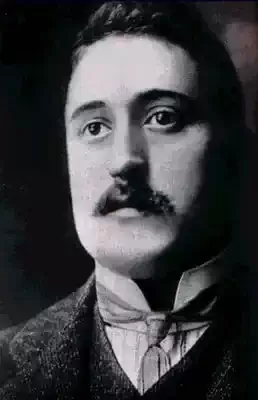
Guillaume Apollinaire
Vitam Impendere Amori
Vitam Impendere Amori
(Vitam Impendere Amori: To Threaten Life for Love)
Love is dead within your arms
Do you remember his encounter
He’s dead you restore the charms
He returns at your encounter
Another spring of springs gone past
I think of all its tenderness
Farewell season done at last
You’ll return as tenderly
****
In the evening light that’s faded
Where our several loves brush by
Your memory lies enchained
Far from our shades that die
O hands bound by memory
Burning like a funeral pyre
Where the last black Phoenix
Perfection comes to respire
Link by link the chain wears thin
Deriding us your memory
Flies ah hear it you who rail
I kneel again at your feet
****
You’ve not surprised my secret yet
Already the cortège moves on
But left to us is the regret
of there being no connivance none
The rose floats at the water’s edge
The maskers have passed by in crowds
It trembles in me like a bell
This heavy secret you ask now
****
Evening falls and in the garden
Women tell their histories
to Night that not without disdain
spills their dark hair’s mysteries
Little children little children
Your wings have flown away
But you rose that defend yourself
Throw your unrivalled scents away
For now’s the hour of petty theft
Of plumes of flowers and of tresses
Gather the fountain jets so free
Of whom the roses are mistresses
****
You descended through the water clear
I drowned my self so in your glance
The soldier passes she leans down
Turns and breaks away a branch
You float on nocturnal waves
The flame is my own heart reversed
Coloured as that comb’s tortoiseshell
The wave that bathes you mirrors well
****
O my abandoned youth is dead
Like a garland faded
Here the season comes again
Of suspicion and disdain
The landscape’s formed of canvasses
A false stream of blood flows down
And under the tree the stars glow fresh
The only passer by’s a clown
The glass in the frame has cracked
An air defined uncertainly
Hovers between sound and thought
Between ‘to be’ and memory
O my abandoned youth is dead
Like a garland faded
Here the season comes again
Of suspicion and disdain
(Vitam Impendere Amori: To Threaten Life for Love)
Love is dead within your arms
Do you remember his encounter
He’s dead you restore the charms
He returns at your encounter
Another spring of springs gone past
I think of all its tenderness
Farewell season done at last
You’ll return as tenderly
****
In the evening light that’s faded
Where our several loves brush by
Your memory lies enchained
Far from our shades that die
O hands bound by memory
Burning like a funeral pyre
Where the last black Phoenix
Perfection comes to respire
Link by link the chain wears thin
Deriding us your memory
Flies ah hear it you who rail
I kneel again at your feet
****
You’ve not surprised my secret yet
Already the cortège moves on
But left to us is the regret
of there being no connivance none
The rose floats at the water’s edge
The maskers have passed by in crowds
It trembles in me like a bell
This heavy secret you ask now
****
Evening falls and in the garden
Women tell their histories
to Night that not without disdain
spills their dark hair’s mysteries
Little children little children
Your wings have flown away
But you rose that defend yourself
Throw your unrivalled scents away
For now’s the hour of petty theft
Of plumes of flowers and of tresses
Gather the fountain jets so free
Of whom the roses are mistresses
****
You descended through the water clear
I drowned my self so in your glance
The soldier passes she leans down
Turns and breaks away a branch
You float on nocturnal waves
The flame is my own heart reversed
Coloured as that comb’s tortoiseshell
The wave that bathes you mirrors well
****
O my abandoned youth is dead
Like a garland faded
Here the season comes again
Of suspicion and disdain
The landscape’s formed of canvasses
A false stream of blood flows down
And under the tree the stars glow fresh
The only passer by’s a clown
The glass in the frame has cracked
An air defined uncertainly
Hovers between sound and thought
Between ‘to be’ and memory
O my abandoned youth is dead
Like a garland faded
Here the season comes again
Of suspicion and disdain
1,465
Guillaume Apollinaire
La Chanson Du Malaime
La Chanson Du Malaime
Un soir de demi-brume à Londres
Un voyou qui ressemblait à
Mon amour vint à ma rencontre
Et le regard qu'il me jeta
Me fit baisser les yeux de honte
Je suivis ce mauvais garçon
Qui sifflotait mains dans les poches
Nous semblions entre les maisons
Onde ouverte de la mer Rouge
Lui les Hébreux moi Pharaon
Qui tombent ces vagues de briques
Si tu ne fus pas bien aimée
Je suis le souverain d'Egypte
Sa soeur-épouse son armée
Si tu n'es pas l'amour unique.
Un soir de demi-brume à Londres
Un voyou qui ressemblait à
Mon amour vint à ma rencontre
Et le regard qu'il me jeta
Me fit baisser les yeux de honte
Je suivis ce mauvais garçon
Qui sifflotait mains dans les poches
Nous semblions entre les maisons
Onde ouverte de la mer Rouge
Lui les Hébreux moi Pharaon
Qui tombent ces vagues de briques
Si tu ne fus pas bien aimée
Je suis le souverain d'Egypte
Sa soeur-épouse son armée
Si tu n'es pas l'amour unique.
845
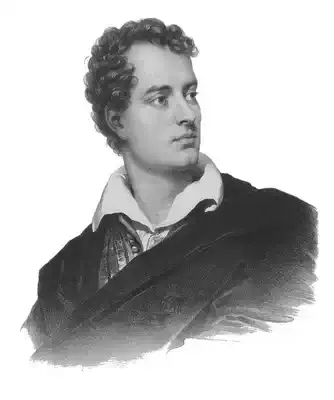
Lord Byron
Written Shortly After The Marriage Of Miss Chaworth
Written Shortly After The Marriage Of Miss Chaworth
Hills of Annesley, bleak and barren,
Where my thoughtless childhood stray'd,
How the northern tempests, warring,
Howl above thy tufted shade!
Now no more, the hours beguiling,
Former favourite haunts I see;
Now no more my Mary smiling
Makes ye seem a heaven to me.
Hills of Annesley, bleak and barren,
Where my thoughtless childhood stray'd,
How the northern tempests, warring,
Howl above thy tufted shade!
Now no more, the hours beguiling,
Former favourite haunts I see;
Now no more my Mary smiling
Makes ye seem a heaven to me.
446
Lord Byron
Translation Of The Romaic Song
Translation Of The Romaic Song
I enter thy garden of roses,
Beloved and fair Haidée,
Each morning where Flora reposes,
For surely I see her in thee.
Oh, Lovely! thus low I implore thee,
Receive this fond truth from my tongue,
Which utters its song to adore thee,
Yet trembles for what it has sung;
As the branch, at the bidding of Nature,
Adds fragrance and fruit to the tree,
Through her eyes, through her every feature,
Shines the soul of the young Haidée.
But the loveliest garden grows hateful
When Love has abandon'd the bowers;
Bring me hemlock since
mine is ungrateful,
That herb is more fragrant than flowers.
The poison, when pour 'd from the chalice,
Will deeply embitter the bowl;
But when drunk to escape from thy malice,
The draught shall be sweet to my soul.
Too cruel! in vain I implore thee
My heart from these horrors to save:
Will nought to my bosom restore thee?
Then open the gates of the grave.
As the chief who to combat advances
Secure of his conquest before,
Thus thou, with those eyes for thy lances,
Halt pierced through my heart to its core.
Ah, tell me, my soul! must I perish
By pangs which a smile would dispel?
Would the hope, which thou once bad'st me cherish,
For torture repay me too well?
Now sad is the garden of roses,
Beloved but false Haidée!
There Flora all wither'd reposes,
And mourns o'er thing absence with me.
I enter thy garden of roses,
Beloved and fair Haidée,
Each morning where Flora reposes,
For surely I see her in thee.
Oh, Lovely! thus low I implore thee,
Receive this fond truth from my tongue,
Which utters its song to adore thee,
Yet trembles for what it has sung;
As the branch, at the bidding of Nature,
Adds fragrance and fruit to the tree,
Through her eyes, through her every feature,
Shines the soul of the young Haidée.
But the loveliest garden grows hateful
When Love has abandon'd the bowers;
Bring me hemlock since
mine is ungrateful,
That herb is more fragrant than flowers.
The poison, when pour 'd from the chalice,
Will deeply embitter the bowl;
But when drunk to escape from thy malice,
The draught shall be sweet to my soul.
Too cruel! in vain I implore thee
My heart from these horrors to save:
Will nought to my bosom restore thee?
Then open the gates of the grave.
As the chief who to combat advances
Secure of his conquest before,
Thus thou, with those eyes for thy lances,
Halt pierced through my heart to its core.
Ah, tell me, my soul! must I perish
By pangs which a smile would dispel?
Would the hope, which thou once bad'st me cherish,
For torture repay me too well?
Now sad is the garden of roses,
Beloved but false Haidée!
There Flora all wither'd reposes,
And mourns o'er thing absence with me.
502
Lord Byron
To Woman
To Woman
Woman! experience might have told me,
That all must love thee who behold thee:
Surely experience might have taught
Thy firmest promises are nought:
But, placed in all thy charms before me,
All I forget, but to adore thee.
Oh memory! Thou choicest blessing
When join'd with hope, when still possessing;
But how much cursed by every lover
When hope is fled and passion's over.
Woman, that fair and fond deceiver,
How throbs the pulse when first we view
The eye that rolls in glossy blue,
Or sparkles black, or mildly throws
A beam from under hazel brows!
How quick we credit every oath,
And hear her plight the willing troth!
Fondly we hope't will last for aye,
When, lo! she changes in a day.
This record will for ever stand,
'Woman, thy vows are traced in sand.'
Woman! experience might have told me,
That all must love thee who behold thee:
Surely experience might have taught
Thy firmest promises are nought:
But, placed in all thy charms before me,
All I forget, but to adore thee.
Oh memory! Thou choicest blessing
When join'd with hope, when still possessing;
But how much cursed by every lover
When hope is fled and passion's over.
Woman, that fair and fond deceiver,
How throbs the pulse when first we view
The eye that rolls in glossy blue,
Or sparkles black, or mildly throws
A beam from under hazel brows!
How quick we credit every oath,
And hear her plight the willing troth!
Fondly we hope't will last for aye,
When, lo! she changes in a day.
This record will for ever stand,
'Woman, thy vows are traced in sand.'
512
Lord Byron
To Romance
To Romance
Parent of golden dreams, Romance!
Auspicious Queen of childish joys,
Who lead'st along, in airy dance,
Thy votive train of girls and boys;
At length, in spells no longer bound,
I break the fetters of my youth;
No more I tread thy mystic round,
But leave thy realms for those of Truth.
And yet 'tis hard to quit the dreams
Which haunt the unsuspicious soul,
Where every nymph a goddess seems,
Whose eyes through rays immortal roll;
While Fancy holds her boundless reign,
And all assume a varied hue;
When Virgins seem no longer vain,
And even Woman's smiles are true.
And must we own thee, but a name,
And from thy hall of clouds descend?
Nor find a Sylph in every dame,
A Pylades in every friend?
But leave, at once, thy realms of air i
To mingling bands of fairy elves;
Confess that woman's false as fair,
And friends have feeling forthemselves?
With shame, I own, I've felt thy sway;
Repentant, now thy reign is o'er;
No more thy precepts I obey,
No more on fancied pinions soar;
Fond fool! to love a sparkling eye,
And think that eye to truth was dear;
To trust a passing wanton's sigh,
And melt beneath a wanton's tear!
Romance! disgusted with deceit,
Far from thy motley court I fly,
Where Affectation holds her seat,
And sickly Sensibility;
Whose silly tears can never flow
For any pangs excepting thine;
Who turns aside from real woe,
To steep in dew thy gaudy shrine.
Now join with sable Sympathy,
With cypress crown'd, array'd in weeds,
Who heaves with thee her simple sigh,
Whose breast for every bosom bleeds;
And call thy sylvan female choir,
To mourn a Swain for ever gone,
Who once could glow with equal fire,
But bends not now before thy throne.
Ye genial Nymphs, whose ready tears
On all occasions swiftly flow;
Whose bosoms heave with fancied fears,
With fancied flames and phrenzy glow
Say, will you mourn my absent name,
Apostate from your gentle train
An infant Bard, at least, may claim
From you a sympathetic strain.
Adieu, fond race! a long adieu!
The hour of fate is hovering nigh;
E'en now the gulf appears in view,
Where unlamented you must lie:
Oblivion's blackening lake is seen,
Convuls'd by gales you cannot weather,
Where you, and eke your gentle queen,
Alas! must perish altogether.
Parent of golden dreams, Romance!
Auspicious Queen of childish joys,
Who lead'st along, in airy dance,
Thy votive train of girls and boys;
At length, in spells no longer bound,
I break the fetters of my youth;
No more I tread thy mystic round,
But leave thy realms for those of Truth.
And yet 'tis hard to quit the dreams
Which haunt the unsuspicious soul,
Where every nymph a goddess seems,
Whose eyes through rays immortal roll;
While Fancy holds her boundless reign,
And all assume a varied hue;
When Virgins seem no longer vain,
And even Woman's smiles are true.
And must we own thee, but a name,
And from thy hall of clouds descend?
Nor find a Sylph in every dame,
A Pylades in every friend?
But leave, at once, thy realms of air i
To mingling bands of fairy elves;
Confess that woman's false as fair,
And friends have feeling forthemselves?
With shame, I own, I've felt thy sway;
Repentant, now thy reign is o'er;
No more thy precepts I obey,
No more on fancied pinions soar;
Fond fool! to love a sparkling eye,
And think that eye to truth was dear;
To trust a passing wanton's sigh,
And melt beneath a wanton's tear!
Romance! disgusted with deceit,
Far from thy motley court I fly,
Where Affectation holds her seat,
And sickly Sensibility;
Whose silly tears can never flow
For any pangs excepting thine;
Who turns aside from real woe,
To steep in dew thy gaudy shrine.
Now join with sable Sympathy,
With cypress crown'd, array'd in weeds,
Who heaves with thee her simple sigh,
Whose breast for every bosom bleeds;
And call thy sylvan female choir,
To mourn a Swain for ever gone,
Who once could glow with equal fire,
But bends not now before thy throne.
Ye genial Nymphs, whose ready tears
On all occasions swiftly flow;
Whose bosoms heave with fancied fears,
With fancied flames and phrenzy glow
Say, will you mourn my absent name,
Apostate from your gentle train
An infant Bard, at least, may claim
From you a sympathetic strain.
Adieu, fond race! a long adieu!
The hour of fate is hovering nigh;
E'en now the gulf appears in view,
Where unlamented you must lie:
Oblivion's blackening lake is seen,
Convuls'd by gales you cannot weather,
Where you, and eke your gentle queen,
Alas! must perish altogether.
568
Lord Byron
To Caroline
To Caroline
Think'st thou I saw thy beauteous eyes,
Suffus'd in tears, implore to stay;
And heard unmov'd thy plenteous sighs,
Which said far more than words can say?
Though keen the grief thy tears exprest,
When love and hope lay both o'erthrown;
Yet still, my girl, this bleeding breast
Throbb'd, with deep sorrow, as thine own.
But, when our cheeks with anguish glow'd,
When thy sweet lips were join'd to mine;
The tears that from my eyelids flow'd
Were lost in those which fell from thine.
Thou could'st not feel my burning cheek,
Thy gushing tears had quench'd its flame,
And, as thy tongue essay'd to speak,
In sighs alone it breath'd my name.
And yet, my girl, we weep in vain,
In vain our fate in sighs deplore;
Remembrance only can remain,
But that, will make us weep the more.
Again, thou best belov'd, adieu!
Ah! if thou canst, o'ercome regret,
Nor let thy mind past joys review,
Our only hope is, to forget!
Think'st thou I saw thy beauteous eyes,
Suffus'd in tears, implore to stay;
And heard unmov'd thy plenteous sighs,
Which said far more than words can say?
Though keen the grief thy tears exprest,
When love and hope lay both o'erthrown;
Yet still, my girl, this bleeding breast
Throbb'd, with deep sorrow, as thine own.
But, when our cheeks with anguish glow'd,
When thy sweet lips were join'd to mine;
The tears that from my eyelids flow'd
Were lost in those which fell from thine.
Thou could'st not feel my burning cheek,
Thy gushing tears had quench'd its flame,
And, as thy tongue essay'd to speak,
In sighs alone it breath'd my name.
And yet, my girl, we weep in vain,
In vain our fate in sighs deplore;
Remembrance only can remain,
But that, will make us weep the more.
Again, thou best belov'd, adieu!
Ah! if thou canst, o'ercome regret,
Nor let thy mind past joys review,
Our only hope is, to forget!
530
Lord Byron
To A Lady
To A Lady
O! had my Fate been join'd with thine,
As once this pledge appear'd a token,
These follies had not, then, been mine,
For, then, my peace had not been broken.
To thee, these early faults I owe,
To thee, the wise and old reproving:
They know my sins, but do not know
'Twas thine to break the bonds of loving.
For once my soul, like thine, was pure,
And all its rising fires could smother;
But, now, thy vows no more endure,
Bestow'd by thee upon another.
Perhaps, his peace I could destroy,
And spoil the blisses that await him;
Yet let my Rival smile in joy,
For thy dear sake, I cannot hate him.
Ah! since thy angel form is gone,
My heart no more can rest with any;
But what it sought in thee alone,
Attempts, alas! to find in many.
Then, fare thee well, deceitful Maid!
'Twere vain and fruitless to regret thee;
Nor Hope, nor Memory yield their aid,
But Pride may teach me to forget thee.
Yet all this giddy waste of years,
This tiresome round of palling pleasures;
These varied loves, these matrons' fears,
These thoughtless strains to Passion's measures
If thou wert mine, had all been hush'd:This
cheek, now pale from early riot,
With Passion's hectic ne'er had flush'd,
But bloom'd in calm domestic quiet.
Yes, once the rural Scene was sweet,
For Nature seem'd to smile before thee;
And once my Breast abhorr'd deceit,For
then it beat but to adore thee.
But, now, I seek for other joysTo
think, would drive my soul to madness;
In thoughtless throngs, and empty noise,
I conquer half my Bosom's sadness.
Yet, even in these, a thought will steal,
In spite of every vain endeavor;
And fiends might pity what I feelTo
know that thou art lost for ever.
O! had my Fate been join'd with thine,
As once this pledge appear'd a token,
These follies had not, then, been mine,
For, then, my peace had not been broken.
To thee, these early faults I owe,
To thee, the wise and old reproving:
They know my sins, but do not know
'Twas thine to break the bonds of loving.
For once my soul, like thine, was pure,
And all its rising fires could smother;
But, now, thy vows no more endure,
Bestow'd by thee upon another.
Perhaps, his peace I could destroy,
And spoil the blisses that await him;
Yet let my Rival smile in joy,
For thy dear sake, I cannot hate him.
Ah! since thy angel form is gone,
My heart no more can rest with any;
But what it sought in thee alone,
Attempts, alas! to find in many.
Then, fare thee well, deceitful Maid!
'Twere vain and fruitless to regret thee;
Nor Hope, nor Memory yield their aid,
But Pride may teach me to forget thee.
Yet all this giddy waste of years,
This tiresome round of palling pleasures;
These varied loves, these matrons' fears,
These thoughtless strains to Passion's measures
If thou wert mine, had all been hush'd:This
cheek, now pale from early riot,
With Passion's hectic ne'er had flush'd,
But bloom'd in calm domestic quiet.
Yes, once the rural Scene was sweet,
For Nature seem'd to smile before thee;
And once my Breast abhorr'd deceit,For
then it beat but to adore thee.
But, now, I seek for other joysTo
think, would drive my soul to madness;
In thoughtless throngs, and empty noise,
I conquer half my Bosom's sadness.
Yet, even in these, a thought will steal,
In spite of every vain endeavor;
And fiends might pity what I feelTo
know that thou art lost for ever.
554
Lord Byron
There Was A Time, I Need Not Name
There Was A Time, I Need Not Name
There was a time, I need not name,
Since it will ne'er forgotten be,
When all our feelings were the same
As still my soul hath been to thee.
And from that hour when first thy tongue
Confess'd a love which equall'd mine,
Though many a grief my heart hath wrung,
Unknown, and thus unfelt, by thine,
None, none hath sunk so deep as thisTo
think how all that love hath flown;
Transient as every faithless kiss,
But transient in thy breast alone.
And yet my heart some solace knew,
When late I heard thy lips declare,
In accents once imagined true,
Remembrance of the days that were.
Yes! my adored, yet most unkind!
Though thou wilt never love again,
To me 'tis doubly sweet to find
Remembrance of that love remain.
Yes! 'tis a glorious thought to me,
Nor longer shall my soul repine,
Whate'er thou art or e'er shalt be,
Thou hast been dearly, solely mine.
There was a time, I need not name,
Since it will ne'er forgotten be,
When all our feelings were the same
As still my soul hath been to thee.
And from that hour when first thy tongue
Confess'd a love which equall'd mine,
Though many a grief my heart hath wrung,
Unknown, and thus unfelt, by thine,
None, none hath sunk so deep as thisTo
think how all that love hath flown;
Transient as every faithless kiss,
But transient in thy breast alone.
And yet my heart some solace knew,
When late I heard thy lips declare,
In accents once imagined true,
Remembrance of the days that were.
Yes! my adored, yet most unkind!
Though thou wilt never love again,
To me 'tis doubly sweet to find
Remembrance of that love remain.
Yes! 'tis a glorious thought to me,
Nor longer shall my soul repine,
Whate'er thou art or e'er shalt be,
Thou hast been dearly, solely mine.
548
Lord Byron
The Spell Is Broke, The Charm Is Flown!
The Spell Is Broke, The Charm Is Flown!
The spell is broke; the charm is flown!
Thus is it with life's fitful fever:
We madly smile when we should groan:
Delirium is our best deceiver.
Each lucid interval of thought
Recalls the woes of Nature's charter;
And he that acts as wise men ought,
But lives, as saints have died, a martyr.
The spell is broke; the charm is flown!
Thus is it with life's fitful fever:
We madly smile when we should groan:
Delirium is our best deceiver.
Each lucid interval of thought
Recalls the woes of Nature's charter;
And he that acts as wise men ought,
But lives, as saints have died, a martyr.
378
Lord Byron
The Chain I Gave: From The Turkish
The Chain I Gave: From The Turkish
The chain I gave was fair to view,
The lute I added sweet in sound;
The heart that offer'd both was true,
And ill deserved the fate it found.
These gifts were charm'd by secret spell,
Thy truth in absence to divine;
And they have done their duty well,
Alas! they could not teach the thine.
That chain was firm in every link,
But not to bear a stranger's touch;
That lute was sweet, till thou could'st think
In other hands its notes were such.
Let him who from thy neck unbound
The chain which shiver'd in his grasp,
Who saw that lute refuse to sound,
Restring the chords, renew the clasp.
When thou wert changed, they alter'd too;
The chain is broke, the music mute.
'Tis past, to them and thee adieu
False heart, frail chain, and silent lute.
The chain I gave was fair to view,
The lute I added sweet in sound;
The heart that offer'd both was true,
And ill deserved the fate it found.
These gifts were charm'd by secret spell,
Thy truth in absence to divine;
And they have done their duty well,
Alas! they could not teach the thine.
That chain was firm in every link,
But not to bear a stranger's touch;
That lute was sweet, till thou could'st think
In other hands its notes were such.
Let him who from thy neck unbound
The chain which shiver'd in his grasp,
Who saw that lute refuse to sound,
Restring the chords, renew the clasp.
When thou wert changed, they alter'd too;
The chain is broke, the music mute.
'Tis past, to them and thee adieu
False heart, frail chain, and silent lute.
391
Lord Byron
Stanzas For Music: There's Not A Joy The World Can Give
Stanzas For Music: There's Not A Joy The World Can Give
There's not a joy the world can give like that it takes away
When the glow of early thought declines in feeling's dull decay;
'Tis not on youth's smooth cheek the blush alone, which fades so fast,
But the tender bloom of heart is gone, ere youth itself be past.
Then the few whose spirits float above the wreck of happiness
Are driven o'er the shoals of guilt, or ocean of excess:
The magnet of their course is gone, or only points in vain
The shore to which their shivered sail shall never stretch again.
Then the mortal coldness of the soul like death itself comes down;
It cannot feel for others' woes, it dare not dream its own;
That heavy chill has frozen o'er the fountain of our tears,
And though the eye may sparkle still, 'tis where the ice appears.
Though wit may flash from fluent lips, and mirth distract the breast,
Through midnight hours that yield no more their former hope of rest,
'Tis but as ivyleaves
around the ruined turret wreath—
All green and wildly fresh without, but worn and grey beneath.
Oh, could I feel as I have felt, or be what I have been,
Or weep as I could once have wept, o'er many a vanished scene;
As springs in deserts found seem sweet, all brackish though they be,
So, midst the withered waste of life, those tears would flow to me.
There's not a joy the world can give like that it takes away
When the glow of early thought declines in feeling's dull decay;
'Tis not on youth's smooth cheek the blush alone, which fades so fast,
But the tender bloom of heart is gone, ere youth itself be past.
Then the few whose spirits float above the wreck of happiness
Are driven o'er the shoals of guilt, or ocean of excess:
The magnet of their course is gone, or only points in vain
The shore to which their shivered sail shall never stretch again.
Then the mortal coldness of the soul like death itself comes down;
It cannot feel for others' woes, it dare not dream its own;
That heavy chill has frozen o'er the fountain of our tears,
And though the eye may sparkle still, 'tis where the ice appears.
Though wit may flash from fluent lips, and mirth distract the breast,
Through midnight hours that yield no more their former hope of rest,
'Tis but as ivyleaves
around the ruined turret wreath—
All green and wildly fresh without, but worn and grey beneath.
Oh, could I feel as I have felt, or be what I have been,
Or weep as I could once have wept, o'er many a vanished scene;
As springs in deserts found seem sweet, all brackish though they be,
So, midst the withered waste of life, those tears would flow to me.
398
Lord Byron
Lines: Written In 'Letters Of An Italian Nun And An English Gentleman'
Lines: Written In 'Letters Of An Italian Nun And An English Gentleman'
'Away, away, your fleeting arts
May now betray some simpler hearts;
And you will smile at their believing,
And they shall weep at your deceiving.'
ANSWER TO THE FOREGOING, ADDRESSED TO MISS .
Dear, simple girl, those flattering arts,
From which thou'dst guard frail female hearts,
Exist but in imagination,Mere
phantoms of thine own creation;
For he who views that witching grace,
That perfect form, that lovely face,
With eyes admiring, oh! believe me,
He never wishes to deceive thee:
Once in thy polish'd mirror glance,
Thou'lt there descry that elegance
Which from our sex demands such praises,
But envy in the other raises:
Then he who tells thee of thy beauty,
Believe me, only does his duty:
Ah! fly not from the candid youth;
It is not flattery,'
tis truth.
July 1804
'Away, away, your fleeting arts
May now betray some simpler hearts;
And you will smile at their believing,
And they shall weep at your deceiving.'
ANSWER TO THE FOREGOING, ADDRESSED TO MISS .
Dear, simple girl, those flattering arts,
From which thou'dst guard frail female hearts,
Exist but in imagination,Mere
phantoms of thine own creation;
For he who views that witching grace,
That perfect form, that lovely face,
With eyes admiring, oh! believe me,
He never wishes to deceive thee:
Once in thy polish'd mirror glance,
Thou'lt there descry that elegance
Which from our sex demands such praises,
But envy in the other raises:
Then he who tells thee of thy beauty,
Believe me, only does his duty:
Ah! fly not from the candid youth;
It is not flattery,'
tis truth.
July 1804
471
Lord Byron
Fare Thee Well
Fare Thee Well
Fare thee well! and if for ever,
Still for ever, fare thee well:
Even though unforgiving, never
'Gainst thee shall my heart rebel.
Would that breast were bared before thee
Where thy head so oft hath lain.
While that placid sleep came o'er thee
Which thou ne'er canst know again;
Would that breast, by thee glanced over,
Every inmost thought could show!
Then thou wouldst at last discover
'Twas not well to spurn it so.
Though the world for this commend theeThough
it smile upon the blow,
Even its praises must offend thee,
Founded on another's woe:
Though my many faults defaced me,
Could no other arm be found,
Than the one which once embraced me,
To inflict a cureless wound?
Yet, oh yet, thyself deceive not;
Love may sink by slow decay,
But by sudden wrench, believe not
Hearts can thus be torn away:
Still thine own its life retaineth,
Still must mine, though bleeding, beat;
And the undying thought which paineth
Is that
we no more may meet.
These are words of deeper sorrow
Than the wail above the dead;
Both shall live, but every morrow
Wake us from a widow'd bed.
And when thou wouldst solace gather,
When our child's first accents flow,
Wilt thou teach her to say 'Father!'
Though his care she must forego?
When her little hands shall press thee,
When her lip to thine is press'd
Think of him whose prayer shall bless thee,
Think of him thy love had bless'd!
Should her lineaments resemble
Those thou never more may'st see,
Then thy heart will softly tremble
With a pulse yet true to me.
All my faults perchance thou knowest,
All my madness none can know;
All my hopes where'er thou goest,
Wither, yet with thee they go.
Every feeling hath been shaken;
Pride, which not a world could bow,
Bows to theeby
thee forsaken,
Even my soul forsakes me now:
But 'tis doneall
words are idleWords
from me are vainer still;
But the thoughts we cannot bridle
Force their way without the will.
Fare thee well! thus disunited,
Torn from every nearer tie
Sear 'd in heart, and lone, and blighted,
More than this I scarce can die.
Fare thee well! and if for ever,
Still for ever, fare thee well:
Even though unforgiving, never
'Gainst thee shall my heart rebel.
Would that breast were bared before thee
Where thy head so oft hath lain.
While that placid sleep came o'er thee
Which thou ne'er canst know again;
Would that breast, by thee glanced over,
Every inmost thought could show!
Then thou wouldst at last discover
'Twas not well to spurn it so.
Though the world for this commend theeThough
it smile upon the blow,
Even its praises must offend thee,
Founded on another's woe:
Though my many faults defaced me,
Could no other arm be found,
Than the one which once embraced me,
To inflict a cureless wound?
Yet, oh yet, thyself deceive not;
Love may sink by slow decay,
But by sudden wrench, believe not
Hearts can thus be torn away:
Still thine own its life retaineth,
Still must mine, though bleeding, beat;
And the undying thought which paineth
Is that
we no more may meet.
These are words of deeper sorrow
Than the wail above the dead;
Both shall live, but every morrow
Wake us from a widow'd bed.
And when thou wouldst solace gather,
When our child's first accents flow,
Wilt thou teach her to say 'Father!'
Though his care she must forego?
When her little hands shall press thee,
When her lip to thine is press'd
Think of him whose prayer shall bless thee,
Think of him thy love had bless'd!
Should her lineaments resemble
Those thou never more may'st see,
Then thy heart will softly tremble
With a pulse yet true to me.
All my faults perchance thou knowest,
All my madness none can know;
All my hopes where'er thou goest,
Wither, yet with thee they go.
Every feeling hath been shaken;
Pride, which not a world could bow,
Bows to theeby
thee forsaken,
Even my soul forsakes me now:
But 'tis doneall
words are idleWords
from me are vainer still;
But the thoughts we cannot bridle
Force their way without the will.
Fare thee well! thus disunited,
Torn from every nearer tie
Sear 'd in heart, and lone, and blighted,
More than this I scarce can die.
530