

Poems in this topic
Destiny and Overcoming
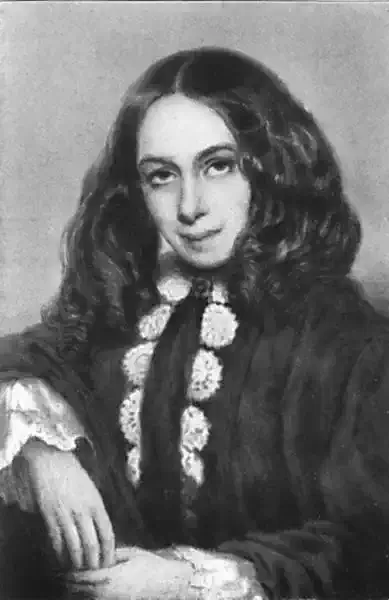
Elizabeth Barrett Browning
Sonnet XXV: A Heavy Heart, Belovèd
Sonnet XXV: A Heavy Heart, Belovèd
A heavy heart, Belovèd, have I borne
From year to year until I saw thy face,
And sorrow after sorrow took the place
Of all those natural joys as lightly worn
As the stringed pearls, each lifted in its turn
By a beating heart at dance-time. Hopes apace
Were changed to long despairs, till God's own grace
Could scarcely lift above the world forlorn
My heavy heart. Than thou didst bid me bring
And let it drop adown thy calmly great
Deep being! Fast it sinketh, as a thing
Which its own nature doth precipitate,
While thine doth close above it, mediating
Betwixt the stars and the unaccomplished fate.
A heavy heart, Belovèd, have I borne
From year to year until I saw thy face,
And sorrow after sorrow took the place
Of all those natural joys as lightly worn
As the stringed pearls, each lifted in its turn
By a beating heart at dance-time. Hopes apace
Were changed to long despairs, till God's own grace
Could scarcely lift above the world forlorn
My heavy heart. Than thou didst bid me bring
And let it drop adown thy calmly great
Deep being! Fast it sinketh, as a thing
Which its own nature doth precipitate,
While thine doth close above it, mediating
Betwixt the stars and the unaccomplished fate.
405
Elizabeth Barrett Browning
Sonnet III
Sonnet III
Unlike are we, unlike, O princely Heart !
Unlike our uses and our destinies.
Our ministering two angels look surprise
On one another, as they strike athwart
Their wings in passing. Thou, bethink thee, art
A guest for queens to social pageantries,
With gages from a hundred brighter eyes
Than tears even can make mine, to play thy part
Of chief musician. What hast thou to do
With looking from the lattice-lights at me,
A poor, tired, wandering singer, singing through
The dark, and leaning up a cypress tree ?
The chrism is on thine head,--on mine, the dew,--
And Death must dig the level where these agree.
Unlike are we, unlike, O princely Heart !
Unlike our uses and our destinies.
Our ministering two angels look surprise
On one another, as they strike athwart
Their wings in passing. Thou, bethink thee, art
A guest for queens to social pageantries,
With gages from a hundred brighter eyes
Than tears even can make mine, to play thy part
Of chief musician. What hast thou to do
With looking from the lattice-lights at me,
A poor, tired, wandering singer, singing through
The dark, and leaning up a cypress tree ?
The chrism is on thine head,--on mine, the dew,--
And Death must dig the level where these agree.
420
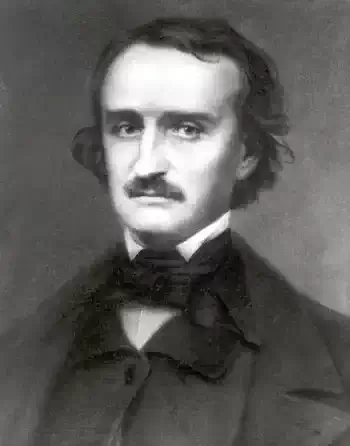
Edgar Allan Poe
To M--
To M--
O! I care not that my earthly lot
Hath little of Earth in it,
That years of love have been forgot
In the fever of a minute:
I heed not that the desolate
Are happier, sweet, than I,
But that you meddle with my fate
Who am a passer by.
It is not that my founts of bliss
Are gushing- strange! with tearsOr
that the thrill of a single kiss
Hath palsied many years
'Tis not that the flowers of twenty springs
Which have wither'd as they rose
Lie dead on my heart-strings
With the weight of an age of snows.
Not that the grass- O! may it thrive!
On my grave is growing or grownBut
that, while I am dead yet alive
I cannot be, lady, alone.
O! I care not that my earthly lot
Hath little of Earth in it,
That years of love have been forgot
In the fever of a minute:
I heed not that the desolate
Are happier, sweet, than I,
But that you meddle with my fate
Who am a passer by.
It is not that my founts of bliss
Are gushing- strange! with tearsOr
that the thrill of a single kiss
Hath palsied many years
'Tis not that the flowers of twenty springs
Which have wither'd as they rose
Lie dead on my heart-strings
With the weight of an age of snows.
Not that the grass- O! may it thrive!
On my grave is growing or grownBut
that, while I am dead yet alive
I cannot be, lady, alone.
312
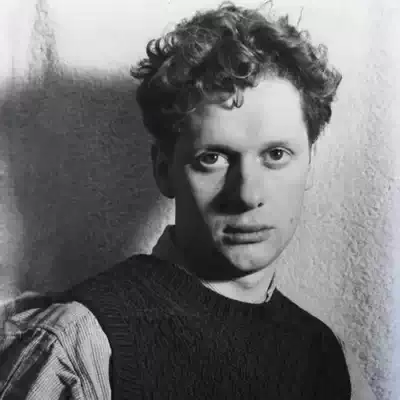
Dylan Thomas
The Seed-At-Zero
The Seed-At-Zero
The seed-at-zero shall not storm
That town of ghosts, the trodden womb,
With her rampart to his tapping,
No god-in-hero tumble down
Like a tower on the town
Dumbly and divinely stumbling
Over the manwaging line.
The seed-at-zero shall not storm
That town of ghosts, the manwaged tomb
With her rampart to his tapping,
No god-in-hero tumble down
Like a tower on the town
Dumbly and divinely leaping
Over the warbearing line.
Through the rampart of the sky
Shall the star-flanked seed be riddled,
Manna for the rumbling ground,
Quickening for the riddled sea;
Settled on a virgin stronghold
He shall grapple with the guard
And the keeper of the key.
May a humble village labour
And a continent deny?
A hemisphere may scold him
And a green inch be his bearer;
Let the hero seed find harbour,
Seaports by a drunken shore
Have their thirsty sailors hide him.
May be a humble planet labour
And a continent deny?
A village green may scold him
And a high sphere be his bearer;
Let the hero seed find harbour,
Seaports by a thirsty shore
Have their drunken sailors hide him.
Man-in-seed, in seed-at-zero,
From the foreign fields of space,
Shall not thunder on the town
With a star-flanked garrison,
Nor the cannons of his kingdom
Shall the hero-in-tomorrow
Range on the sky-scraping place.
Man-in-seed, in seed-at-zero,
From the star-flanked fields of space,
Thunders on the foreign town
With a sand-bagged garrison,
Nor the cannons of his kingdom
Shall the hero-in-to-morrow
Range from the grave-groping place.
The seed-at-zero shall not storm
That town of ghosts, the trodden womb,
With her rampart to his tapping,
No god-in-hero tumble down
Like a tower on the town
Dumbly and divinely stumbling
Over the manwaging line.
The seed-at-zero shall not storm
That town of ghosts, the manwaged tomb
With her rampart to his tapping,
No god-in-hero tumble down
Like a tower on the town
Dumbly and divinely leaping
Over the warbearing line.
Through the rampart of the sky
Shall the star-flanked seed be riddled,
Manna for the rumbling ground,
Quickening for the riddled sea;
Settled on a virgin stronghold
He shall grapple with the guard
And the keeper of the key.
May a humble village labour
And a continent deny?
A hemisphere may scold him
And a green inch be his bearer;
Let the hero seed find harbour,
Seaports by a drunken shore
Have their thirsty sailors hide him.
May be a humble planet labour
And a continent deny?
A village green may scold him
And a high sphere be his bearer;
Let the hero seed find harbour,
Seaports by a thirsty shore
Have their drunken sailors hide him.
Man-in-seed, in seed-at-zero,
From the foreign fields of space,
Shall not thunder on the town
With a star-flanked garrison,
Nor the cannons of his kingdom
Shall the hero-in-tomorrow
Range on the sky-scraping place.
Man-in-seed, in seed-at-zero,
From the star-flanked fields of space,
Thunders on the foreign town
With a sand-bagged garrison,
Nor the cannons of his kingdom
Shall the hero-in-to-morrow
Range from the grave-groping place.
234

Christina Rossetti
Amor Mundi
Amor Mundi
'Oh, where are you going with your love-locks flowing
On the west wind blowing along this valley track?'
'The downhill path is easy, come with me an' it please ye,
We shall escape the uphill by never turning back.'
So they two went together in glowing August weather,
The honey-breathing heather lay to their left and right;
And dear she was to doat on, her swift feet seemed to float on
The air like soft twin pigeons too sportive to alight.
'Oh, what is that in heaven where grey cloud-flakes are seven,
Where blackest clouds hang riven just at the rainy skirt?'
'Oh, that's a meteor sent us, a message dumb, portentous,—
An undeciphered solemn signal of help or hurt.'
'Oh, what is that glides quickly where velvet flowers grow thickly,
Their scent comes rich and sickly?'—'A scaled and hooded worm.'
'Oh, what's that in the hollow, so pale I quake to follow?'
'Oh, that's a thin dead body which waits th' eternal term.'
'Turn again, O my sweetest,—turn again, false and fleetest:
This way whereof thou weetest I fear is hell's own track.'
'Nay, too steep for hill-mounting,—nay, too late for cost-counting:
This downhill path is easy, but there's no turning back.'
'Oh, where are you going with your love-locks flowing
On the west wind blowing along this valley track?'
'The downhill path is easy, come with me an' it please ye,
We shall escape the uphill by never turning back.'
So they two went together in glowing August weather,
The honey-breathing heather lay to their left and right;
And dear she was to doat on, her swift feet seemed to float on
The air like soft twin pigeons too sportive to alight.
'Oh, what is that in heaven where grey cloud-flakes are seven,
Where blackest clouds hang riven just at the rainy skirt?'
'Oh, that's a meteor sent us, a message dumb, portentous,—
An undeciphered solemn signal of help or hurt.'
'Oh, what is that glides quickly where velvet flowers grow thickly,
Their scent comes rich and sickly?'—'A scaled and hooded worm.'
'Oh, what's that in the hollow, so pale I quake to follow?'
'Oh, that's a thin dead body which waits th' eternal term.'
'Turn again, O my sweetest,—turn again, false and fleetest:
This way whereof thou weetest I fear is hell's own track.'
'Nay, too steep for hill-mounting,—nay, too late for cost-counting:
This downhill path is easy, but there's no turning back.'
256
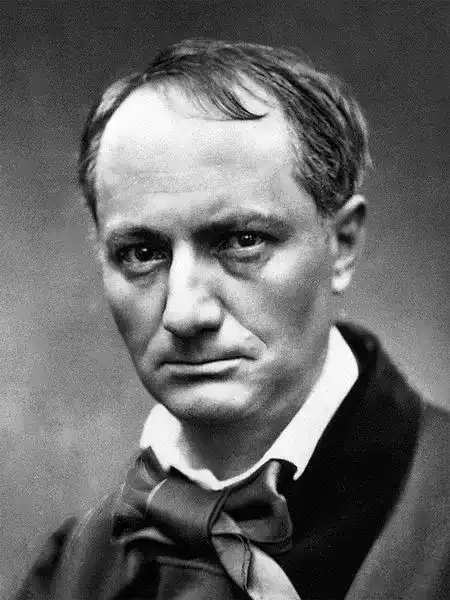
Charles Baudelaire
Travelling Bohemians
Travelling Bohemians
The prophetic tribe of the ardent eyes
Yesterday they took the road, holding their babies
On their backs, delivering to fierce appetites
The always ready treasure of pendulous breasts.
The men stick their feet out, waving their guns
Alongside the caravan where they tremble together,
Scanning the sky their eyes are weighted down
In mourning for absent chimeras.
At the bottom of his sandy retreat, a cricket
Watched passing, redoubles his song,
Cybele, who loves, adds more flower,
Makes fountains out of rock and blossoms from desert
Opening up before these travelers in a yawn—
A familiar empire, the inscrutable future.
Translated by William A. Sigler
Submitted by Ryan McGuire
The prophetic tribe of the ardent eyes
Yesterday they took the road, holding their babies
On their backs, delivering to fierce appetites
The always ready treasure of pendulous breasts.
The men stick their feet out, waving their guns
Alongside the caravan where they tremble together,
Scanning the sky their eyes are weighted down
In mourning for absent chimeras.
At the bottom of his sandy retreat, a cricket
Watched passing, redoubles his song,
Cybele, who loves, adds more flower,
Makes fountains out of rock and blossoms from desert
Opening up before these travelers in a yawn—
A familiar empire, the inscrutable future.
Translated by William A. Sigler
Submitted by Ryan McGuire
468
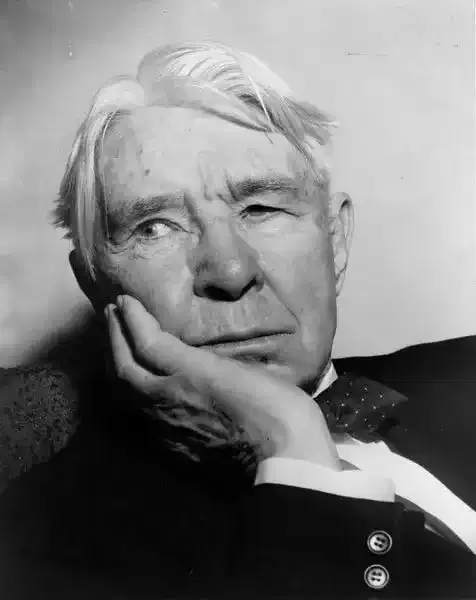
Carl Sandburg
The Answer
The Answer
You have spoken the answer.
A child searches far sometimes
Into the red dust
On a dark rose leaf
And so you have gone far
For the answer is:
Silence.
In the republic
Of the winking stars
and spent cataclysms
Sure we are it is off there the answer
is hidden and folded over,
Sleeping in the sun, careless whether
it is Sunday or any other day of
the week,
Knowing silence will bring all one way or another.
Have we not seen
Purple of the pansy
out of the mulch
and mold
crawl
into a dusk
of velvet?
blur of yellow?
Almost we thought from nowhere but it was the silence,
the future,
working.
You have spoken the answer.
A child searches far sometimes
Into the red dust
On a dark rose leaf
And so you have gone far
For the answer is:
Silence.
In the republic
Of the winking stars
and spent cataclysms
Sure we are it is off there the answer
is hidden and folded over,
Sleeping in the sun, careless whether
it is Sunday or any other day of
the week,
Knowing silence will bring all one way or another.
Have we not seen
Purple of the pansy
out of the mulch
and mold
crawl
into a dusk
of velvet?
blur of yellow?
Almost we thought from nowhere but it was the silence,
the future,
working.
350
Carl Sandburg
Population Drifts
Population Drifts
New-mown hay smell and wind of the plain made her
a woman whose ribs had the power of the hills in
them and her hands were tough for work and there
was passion for life in her womb.
She and her man crossed the ocean and the years that
marked their faces saw them haggling with landlords
and grocers while six children played on the stones
and prowled in the garbage cans.
One child coughed its lungs away, two more have adenoids
and can neither talk nor run like their mother,
one is in jail, two have jobs in a box factory
And as they fold the pasteboard, they wonder what the
wishing is and the wistful glory in them that flutters
faintly when the glimmer of spring comes on
the air or the green of summer turns brown:
They do not know it is the new-mown hay smell calling
and the wind of the plain praying for them to come
back and take hold of life again with tough hands
and with passion.
New-mown hay smell and wind of the plain made her
a woman whose ribs had the power of the hills in
them and her hands were tough for work and there
was passion for life in her womb.
She and her man crossed the ocean and the years that
marked their faces saw them haggling with landlords
and grocers while six children played on the stones
and prowled in the garbage cans.
One child coughed its lungs away, two more have adenoids
and can neither talk nor run like their mother,
one is in jail, two have jobs in a box factory
And as they fold the pasteboard, they wonder what the
wishing is and the wistful glory in them that flutters
faintly when the glimmer of spring comes on
the air or the green of summer turns brown:
They do not know it is the new-mown hay smell calling
and the wind of the plain praying for them to come
back and take hold of life again with tough hands
and with passion.
353
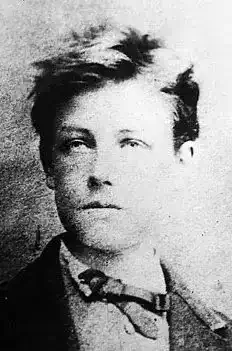
Arthur Rimbaud
Movement
Movement
A winding movement on the slope beside the rapids of the river.
The abyss at the stern,
The swiftness of the incline,
The overwhelming passage of the tide,
With extraordinary lights and chemical wonders
Lead on the travelers
Through the windspouts of the valley
And the whirlpool.
These are the conquerors of the world,
Seeking their personal chemical fortune;
Sport and comfort accompany them;
They bring education for races, for classes, for animals
Within this vessel, rest adn vertigo
In diluvian light,
In terrible evenings of study.
For in this conversation in the midst of machines,
Of blood, of flowers, of fire, of jewels,
In busy calculations on this fugitive deck,
Is their stock of studies visible
-Rolling like dike beyond
The hydraulic propulsive road,
Monstrous, endlessly lighting its way -
Themselves driven into harmonic ecstasy
And the heroism of discovery.
Amid the most amazing accidents,
Two youths stand out alone upon the ark
- Can one excuse past savagery? -
And sing, upon their watch.
A winding movement on the slope beside the rapids of the river.
The abyss at the stern,
The swiftness of the incline,
The overwhelming passage of the tide,
With extraordinary lights and chemical wonders
Lead on the travelers
Through the windspouts of the valley
And the whirlpool.
These are the conquerors of the world,
Seeking their personal chemical fortune;
Sport and comfort accompany them;
They bring education for races, for classes, for animals
Within this vessel, rest adn vertigo
In diluvian light,
In terrible evenings of study.
For in this conversation in the midst of machines,
Of blood, of flowers, of fire, of jewels,
In busy calculations on this fugitive deck,
Is their stock of studies visible
-Rolling like dike beyond
The hydraulic propulsive road,
Monstrous, endlessly lighting its way -
Themselves driven into harmonic ecstasy
And the heroism of discovery.
Amid the most amazing accidents,
Two youths stand out alone upon the ark
- Can one excuse past savagery? -
And sing, upon their watch.
639

Anonymous
Icarus, Robert Jones's Second Book of Songs and Airs
Icarus, Robert Jones's Second Book of Songs and Airs
LOVE wing'd my Hopes and taught me how to fly
Far from base earth, but not to mount too high:
For true pleasure
Lives in measure,
Which if men forsake,
Blinded they into folly run and grief for pleasure take.
But my vain Hopes, proud of their new-taught flight,
Enamour'd sought to woo the sun's fair light,
Whose rich brightness
Moved their lightness
To aspire so high
That all scorch'd and consumed with fire now drown'd in woe they lie.
And none but Love their woeful hap did rue,
For Love did know that their desires were true;
Though fate frowned,
And now drowned
They in sorrow dwell,
It was the purest light of heav'n for whose fair love they fell.
LOVE wing'd my Hopes and taught me how to fly
Far from base earth, but not to mount too high:
For true pleasure
Lives in measure,
Which if men forsake,
Blinded they into folly run and grief for pleasure take.
But my vain Hopes, proud of their new-taught flight,
Enamour'd sought to woo the sun's fair light,
Whose rich brightness
Moved their lightness
To aspire so high
That all scorch'd and consumed with fire now drown'd in woe they lie.
And none but Love their woeful hap did rue,
For Love did know that their desires were true;
Though fate frowned,
And now drowned
They in sorrow dwell,
It was the purest light of heav'n for whose fair love they fell.
205
Anonymous
Edward, Edward
Edward, Edward
'WHY does your brand sae drop wi' blude,
Edward, Edward?
Why does your brand sae drop wi' blude,
And why sae sad gang ye, O?'
'O I hae kill'd my hawk sae gude,
Mither, mither;
O I hae kill'd my hawk sae gude,
And I had nae mair but he, O.'
'Your hawk's blude was never sae red,
Edward, Edward;
Your hawk's blude was never sae red,
My dear son, I tell thee, O.'
'O I hae kill'd my red-roan steed,
Mither, mither;
O I hae kill'd my red-roan steed,
That erst was sae fair and free, O.'
'Your steed was auld, and ye hae got mair,
Edward, Edward;
Your steed was auld, and ye hae got mair;
Some other dule ye dree, O.'
'O I hae kill'd my father dear,
Mither, mither;
O I hae kill'd my father dear,
Alas, and wae is me, O!'
'And whatten penance will ye dree for that,
Edward, Edward?
Whatten penance will ye dree for that?
My dear son, now tell me, O.'
'I'll set my feet in yonder boat,
Mither, mither;
I'll set my feet in yonder boat,
And I'll fare over the sea, O.'
'And what will ye do wi' your tow'rs and your ha',
Edward, Edward?
And what will ye do wi' your tow'rs and your ha',
That were sae fair to see, O?'
'I'll let them stand till they doun fa',
Mither, mither;
I'll let them stand till they doun fa',
For here never mair maun I be, O.'
'And what will ye leave to your bairns and your wife,
Edward, Edward?
And what will ye leave to your bairns and your wife,
When ye gang owre the sea, O?'
'The warld's room: let them beg through life,
Mither, mither;
The warld's room: let them beg through life;
For them never mair will I see, O.'
'And what will ye leave to your ain mither dear,
Edward, Edward?
And what will ye leave to your ain mither dear,
My dear son, now tell me, O?'
'The curse of hell frae me sall ye bear,
Mither, mither;
The curse of hell frae me sall ye bear:
Sic counsels ye gave to me, O!'
'WHY does your brand sae drop wi' blude,
Edward, Edward?
Why does your brand sae drop wi' blude,
And why sae sad gang ye, O?'
'O I hae kill'd my hawk sae gude,
Mither, mither;
O I hae kill'd my hawk sae gude,
And I had nae mair but he, O.'
'Your hawk's blude was never sae red,
Edward, Edward;
Your hawk's blude was never sae red,
My dear son, I tell thee, O.'
'O I hae kill'd my red-roan steed,
Mither, mither;
O I hae kill'd my red-roan steed,
That erst was sae fair and free, O.'
'Your steed was auld, and ye hae got mair,
Edward, Edward;
Your steed was auld, and ye hae got mair;
Some other dule ye dree, O.'
'O I hae kill'd my father dear,
Mither, mither;
O I hae kill'd my father dear,
Alas, and wae is me, O!'
'And whatten penance will ye dree for that,
Edward, Edward?
Whatten penance will ye dree for that?
My dear son, now tell me, O.'
'I'll set my feet in yonder boat,
Mither, mither;
I'll set my feet in yonder boat,
And I'll fare over the sea, O.'
'And what will ye do wi' your tow'rs and your ha',
Edward, Edward?
And what will ye do wi' your tow'rs and your ha',
That were sae fair to see, O?'
'I'll let them stand till they doun fa',
Mither, mither;
I'll let them stand till they doun fa',
For here never mair maun I be, O.'
'And what will ye leave to your bairns and your wife,
Edward, Edward?
And what will ye leave to your bairns and your wife,
When ye gang owre the sea, O?'
'The warld's room: let them beg through life,
Mither, mither;
The warld's room: let them beg through life;
For them never mair will I see, O.'
'And what will ye leave to your ain mither dear,
Edward, Edward?
And what will ye leave to your ain mither dear,
My dear son, now tell me, O?'
'The curse of hell frae me sall ye bear,
Mither, mither;
The curse of hell frae me sall ye bear:
Sic counsels ye gave to me, O!'
299
Anonymous
Episode
Episode
THEN the baleful fiend its fire belched out,
and bright homes burned. The blaze stood high
all landsfolk frighting. No living thing
would that loathly one leave as aloft it flew.
Wide was the dragon's warring seen,
its fiendish fury far and near,
as the grim destroyer those Geatish people
hated and hounded. To hidden lair,
to its hoard it hastened at hint of dawn.
Folk of the land it had lapped in flame,
with bale and brand. In its barrow it trusted,
its battling and bulwarks: that boast was vain!
To Beowulf then the bale was told
quickly and truly: the king's own home,
of buildings the best, in brand-waves melted,
that gift-throne of Geats. To the good old man
sad in heart, 'twas heaviest sorrow.
The sage assumed that his sovran God
he had angered, breaking ancient law,
and embittered the Lord. His breast within
with black thoughts welled, as his wont was never.
The folk's own fastness that fiery dragon
with flame had destroyed, and the stronghold all
washed by waves; but the warlike king,
prince of the Weders, plotted vengeance.
Warriors'-bulwark, he bade them work
all of iron -- the earl's commander --
a war-shield wondrous: well he knew
that forest-wood against fire were worthless,
linden could aid not. -- Atheling brave,
he was fated to finish this fleeting life,
his days on earth, and the dragon with him,
though long it had watched o'er the wealth of thehoard! --
Shame he reckoned it, sharer-of-rings,
to follow the flyer-afar with a host,
a broad-flung band; nor the battle feared he,
nor deemed he dreadful the dragon's warring,
its vigor and valor: ventures desperate
he had passed a-plenty, and perils of war,
contest-crash, since, conqueror proud,
Hrothgar's hall he had wholly purged,
and in grapple had killed the kin of Grendel,
loathsome breed! Not least was that
of hand-to-hand fights where Hygelac fell,
when the ruler of Geats in rush of battle,
lord of his folk, in the Frisian land,
son of Hrethel, by sword-draughts died,
by brands down-beaten. Thence Beowulf fled
through strength of himself and his swimming power,
though alone, and his arms were laden with thirty
coats of mail, when he came to the sea!
Nor yet might Hetwaras haughtily boast
their craft of contest, who carried against him
shields to the fight: but few escaped
from strife with the hero to seek their homes!
Then swam over ocean Ecgtheow's son
lonely and sorrowful, seeking his land,
where Hygd made him offer of hoard and realm,
rings and royal-seat, reckoning naught
the strength of her son to save their kingdom
from hostile hordes, after Hygelac's death.
No sooner for this could the stricken ones
in any wise move that atheling's mind
over young Heardred's head as lord
and ruler of all the realm to be:
yet the hero upheld him with helpful words,
aided in honor, till, older grown,
he wielded the Weder-Geats. -- Wandering exiles
sought him o'er seas, the sons of Ohtere,
who had spurned the sway of the Scylfings'-helmet,
the bravest and best that broke the rings,
in Swedish land, of the sea-kings' line,
haughty hero. Hence Heardred's end.
For shelter he gave them, sword-death came,
the blade's fell blow, to bairn of Hygelac;
but the son of Ongentheow sought again
house and home when Heardred fell,
leaving Beowulf lord of Geats
and gift-seat's master. -- A good king he!
THEN the baleful fiend its fire belched out,
and bright homes burned. The blaze stood high
all landsfolk frighting. No living thing
would that loathly one leave as aloft it flew.
Wide was the dragon's warring seen,
its fiendish fury far and near,
as the grim destroyer those Geatish people
hated and hounded. To hidden lair,
to its hoard it hastened at hint of dawn.
Folk of the land it had lapped in flame,
with bale and brand. In its barrow it trusted,
its battling and bulwarks: that boast was vain!
To Beowulf then the bale was told
quickly and truly: the king's own home,
of buildings the best, in brand-waves melted,
that gift-throne of Geats. To the good old man
sad in heart, 'twas heaviest sorrow.
The sage assumed that his sovran God
he had angered, breaking ancient law,
and embittered the Lord. His breast within
with black thoughts welled, as his wont was never.
The folk's own fastness that fiery dragon
with flame had destroyed, and the stronghold all
washed by waves; but the warlike king,
prince of the Weders, plotted vengeance.
Warriors'-bulwark, he bade them work
all of iron -- the earl's commander --
a war-shield wondrous: well he knew
that forest-wood against fire were worthless,
linden could aid not. -- Atheling brave,
he was fated to finish this fleeting life,
his days on earth, and the dragon with him,
though long it had watched o'er the wealth of thehoard! --
Shame he reckoned it, sharer-of-rings,
to follow the flyer-afar with a host,
a broad-flung band; nor the battle feared he,
nor deemed he dreadful the dragon's warring,
its vigor and valor: ventures desperate
he had passed a-plenty, and perils of war,
contest-crash, since, conqueror proud,
Hrothgar's hall he had wholly purged,
and in grapple had killed the kin of Grendel,
loathsome breed! Not least was that
of hand-to-hand fights where Hygelac fell,
when the ruler of Geats in rush of battle,
lord of his folk, in the Frisian land,
son of Hrethel, by sword-draughts died,
by brands down-beaten. Thence Beowulf fled
through strength of himself and his swimming power,
though alone, and his arms were laden with thirty
coats of mail, when he came to the sea!
Nor yet might Hetwaras haughtily boast
their craft of contest, who carried against him
shields to the fight: but few escaped
from strife with the hero to seek their homes!
Then swam over ocean Ecgtheow's son
lonely and sorrowful, seeking his land,
where Hygd made him offer of hoard and realm,
rings and royal-seat, reckoning naught
the strength of her son to save their kingdom
from hostile hordes, after Hygelac's death.
No sooner for this could the stricken ones
in any wise move that atheling's mind
over young Heardred's head as lord
and ruler of all the realm to be:
yet the hero upheld him with helpful words,
aided in honor, till, older grown,
he wielded the Weder-Geats. -- Wandering exiles
sought him o'er seas, the sons of Ohtere,
who had spurned the sway of the Scylfings'-helmet,
the bravest and best that broke the rings,
in Swedish land, of the sea-kings' line,
haughty hero. Hence Heardred's end.
For shelter he gave them, sword-death came,
the blade's fell blow, to bairn of Hygelac;
but the son of Ongentheow sought again
house and home when Heardred fell,
leaving Beowulf lord of Geats
and gift-seat's master. -- A good king he!
260
Anonymous
Beowulf (Episode )
Beowulf (Episode )
BEOWULF spake, bairn of Ecgtheow: --
"Lo, now, this sea-booty, son of Healfdene,
Lord of Scyldings, we've lustily brought thee,
sign of glory; thou seest it here.
Not lightly did I with my life escape!
In war under water this work I essayed
with endless effort; and even so
my strength had been lost had the Lord not shielded me.
Not a whit could I with Hrunting do
in work of war, though the weapon is good;
yet a sword the Sovran of Men vouchsafed me
to spy on the wall there, in splendor hanging,
old, gigantic, -- how oft He guides
the friendless wight! -- and I fought with that brand,
felling in fight, since fate was with me,
the house's wardens. That war-sword then
all burned, bright blade, when the blood gushed o'er it,
battle-sweat hot; but the hilt I brought back
from my foes. So avenged I their fiendish deeds
death-fall of Danes, as was due and right.
And this is my hest, that in Heorot now
safe thou canst sleep with thy soldier band,
and every thane of all thy folk
both old and young; no evil fear,
Scyldings' lord, from that side again,
aught ill for thy earls, as erst thou must!"
Then the golden hilt, for that gray-haired leader,
hoary hero, in hand was laid,
giant-wrought, old. So owned and enjoyed it
after downfall of devils, the Danish lord,
wonder-smiths' work, since the world was rid
of that grim-souled fiend, the foe of God,
murder-marked, and his mother as well.
Now it passed into power of the people's king,
best of all that the oceans bound
who have scattered their gold o'er Scandia's isle.
Hrothgar spake -- the hilt he viewed,
heirloom old, where was etched the rise
of that far-off fight when the floods o'erwhelmed,
raging waves, the race of giants
(fearful their fate!), a folk estranged
from God Eternal: whence guerdon due
in that waste of waters the Wielder paid them.
So on the guard of shining gold
in runic staves it was rightly said
for whom the serpent-traced sword was wrought,
best of blades, in bygone days,
and the hilt well wound. -- The wise-one spake,
son of Healfdene; silent were all: --
"Lo, so may he say who sooth and right
follows 'mid folk, of far times mindful,
a land-warden old, that this earl belongs
to the better breed! So, borne aloft,
thy fame must fly, O friend my Beowulf,
far and wide o'er folksteads many. Firmly thou
shalt all maintain,
mighty strength with mood of wisdom. Love of
mine will I assure thee,
as, awhile ago, I promised; thou shalt prove a stay
in future,
in far-off years, to folk of thine,
to the heroes a help. Was not Heremod thus
to offspring of Ecgwela, Honor-Scyldings,
nor grew for their grace, but for grisly slaughter,
for doom of death to the Danishmen.
He slew, wrath-swollen, his shoulder-comrades,
companions at board! So he passed alone,
chieftain haughty, from human cheer.
Though him the Maker with might endowed,
delights of power, and uplifted high
above all men, yet blood-fierce his mind,
his breast-hoard, grew, no bracelets gave he
to Danes as was due; he endured all joyless
strain of struggle and stress of woe,
long feud with his folk. Here find thy lesson!
Of virtue advise thee! This verse I have said for thee,
wise from lapsed winters. Wondrous seems
how to sons of men Almighty God
in the strength of His spirit sendeth wisdom,
estate, high station: He swayeth all things.
Whiles He letteth right lustily fare
the heart of the hero of high-born race, --
in seat ancestral assigns him bliss,
his folk's sure fortress in fee to hold,
puts in his power great parts of the earth,
empire so ample, that end of it
this wanter-of-wisdom weeneth none.
So he waxes in wealth, nowise can harm him
illness or age; no evil cares
shadow his spirit; no sword-hate threatens
from ever an enemy: all the world
wends at his will, no worse he knoweth,
till all within him obstinate pride
waxes and wakes while the warden slumbers,
the spirit's sentry; sleep is too fast
which masters his might, and the murderer nears,
stealthily shooting the shafts from his bow!
BEOWULF spake, bairn of Ecgtheow: --
"Lo, now, this sea-booty, son of Healfdene,
Lord of Scyldings, we've lustily brought thee,
sign of glory; thou seest it here.
Not lightly did I with my life escape!
In war under water this work I essayed
with endless effort; and even so
my strength had been lost had the Lord not shielded me.
Not a whit could I with Hrunting do
in work of war, though the weapon is good;
yet a sword the Sovran of Men vouchsafed me
to spy on the wall there, in splendor hanging,
old, gigantic, -- how oft He guides
the friendless wight! -- and I fought with that brand,
felling in fight, since fate was with me,
the house's wardens. That war-sword then
all burned, bright blade, when the blood gushed o'er it,
battle-sweat hot; but the hilt I brought back
from my foes. So avenged I their fiendish deeds
death-fall of Danes, as was due and right.
And this is my hest, that in Heorot now
safe thou canst sleep with thy soldier band,
and every thane of all thy folk
both old and young; no evil fear,
Scyldings' lord, from that side again,
aught ill for thy earls, as erst thou must!"
Then the golden hilt, for that gray-haired leader,
hoary hero, in hand was laid,
giant-wrought, old. So owned and enjoyed it
after downfall of devils, the Danish lord,
wonder-smiths' work, since the world was rid
of that grim-souled fiend, the foe of God,
murder-marked, and his mother as well.
Now it passed into power of the people's king,
best of all that the oceans bound
who have scattered their gold o'er Scandia's isle.
Hrothgar spake -- the hilt he viewed,
heirloom old, where was etched the rise
of that far-off fight when the floods o'erwhelmed,
raging waves, the race of giants
(fearful their fate!), a folk estranged
from God Eternal: whence guerdon due
in that waste of waters the Wielder paid them.
So on the guard of shining gold
in runic staves it was rightly said
for whom the serpent-traced sword was wrought,
best of blades, in bygone days,
and the hilt well wound. -- The wise-one spake,
son of Healfdene; silent were all: --
"Lo, so may he say who sooth and right
follows 'mid folk, of far times mindful,
a land-warden old, that this earl belongs
to the better breed! So, borne aloft,
thy fame must fly, O friend my Beowulf,
far and wide o'er folksteads many. Firmly thou
shalt all maintain,
mighty strength with mood of wisdom. Love of
mine will I assure thee,
as, awhile ago, I promised; thou shalt prove a stay
in future,
in far-off years, to folk of thine,
to the heroes a help. Was not Heremod thus
to offspring of Ecgwela, Honor-Scyldings,
nor grew for their grace, but for grisly slaughter,
for doom of death to the Danishmen.
He slew, wrath-swollen, his shoulder-comrades,
companions at board! So he passed alone,
chieftain haughty, from human cheer.
Though him the Maker with might endowed,
delights of power, and uplifted high
above all men, yet blood-fierce his mind,
his breast-hoard, grew, no bracelets gave he
to Danes as was due; he endured all joyless
strain of struggle and stress of woe,
long feud with his folk. Here find thy lesson!
Of virtue advise thee! This verse I have said for thee,
wise from lapsed winters. Wondrous seems
how to sons of men Almighty God
in the strength of His spirit sendeth wisdom,
estate, high station: He swayeth all things.
Whiles He letteth right lustily fare
the heart of the hero of high-born race, --
in seat ancestral assigns him bliss,
his folk's sure fortress in fee to hold,
puts in his power great parts of the earth,
empire so ample, that end of it
this wanter-of-wisdom weeneth none.
So he waxes in wealth, nowise can harm him
illness or age; no evil cares
shadow his spirit; no sword-hate threatens
from ever an enemy: all the world
wends at his will, no worse he knoweth,
till all within him obstinate pride
waxes and wakes while the warden slumbers,
the spirit's sentry; sleep is too fast
which masters his might, and the murderer nears,
stealthily shooting the shafts from his bow!
229
Anonymous
Beowulf (Episode )
Beowulf (Episode )
HROTHGAR spake, helmet-of-Scyldings: --
"Ask not of pleasure! Pain is renewed
to Danish folk. Dead is Aeschere,
of Yrmenlaf the elder brother,
my sage adviser and stay in council,
shoulder-comrade in stress of fight
when warriors clashed and we warded our heads,
hewed the helm-boars; hero famed
should be every earl as Aeschere was!
But here in Heorot a hand hath slain him
of wandering death-sprite. I wot not whither,
proud of the prey, her path she took,
fain of her fill. The feud she avenged
that yesternight, unyieldingly,
Grendel in grimmest grasp thou killedst, --
seeing how long these liegemen mine
he ruined and ravaged. Reft of life,
in arms he fell. Now another comes,
keen and cruel, her kin to avenge,
faring far in feud of blood:
so that many a thane shall think, who e'er
sorrows in soul for that sharer of rings,
this is hardest of heart-bales. The hand lies low
that once was willing each wish to please.
Land-dwellers here and liegemen mine,
who house by those parts, I have heard relate
that such a pair they have sometimes seen,
march-stalkers mighty the moorland haunting,
wandering spirits: one of them seemed,
so far as my folk could fairly judge,
of womankind; and one, accursed,
in man's guise trod the misery-track
of exile, though huger than human bulk.
Grendel in days long gone they named him,
folk of the land; his father they knew not,
nor any brood that was born to him
of treacherous spirits. Untrod is their home;
by wolf-cliffs haunt they and windy headlands,
fenways fearful, where flows the stream
from mountains gliding to gloom of the rocks,
underground flood. Not far is it hence
in measure of miles that the mere expands,
and o'er it the frost-bound forest hanging,
sturdily rooted, shadows the wave.
By night is a wonder weird to see,
fire on the waters. So wise lived none
of the sons of men, to search those depths!
Nay, though the heath-rover, harried by dogs,
the horn-proud hart, this holt should seek,
long distance driven, his dear life first
on the brink he yields ere he brave the plunge
to hide his head: 'tis no happy place!
Thence the welter of waters washes up
wan to welkin when winds bestir
evil storms, and air grows dusk,
and the heavens weep. Now is help once more
with thee alone! The land thou knowst not,
place of fear, where thou findest out
that sin-flecked being. Seek if thou dare!
I will reward thee, for waging this fight,
with ancient treasure, as erst I did,
with winding gold, if thou winnest back."
HROTHGAR spake, helmet-of-Scyldings: --
"Ask not of pleasure! Pain is renewed
to Danish folk. Dead is Aeschere,
of Yrmenlaf the elder brother,
my sage adviser and stay in council,
shoulder-comrade in stress of fight
when warriors clashed and we warded our heads,
hewed the helm-boars; hero famed
should be every earl as Aeschere was!
But here in Heorot a hand hath slain him
of wandering death-sprite. I wot not whither,
proud of the prey, her path she took,
fain of her fill. The feud she avenged
that yesternight, unyieldingly,
Grendel in grimmest grasp thou killedst, --
seeing how long these liegemen mine
he ruined and ravaged. Reft of life,
in arms he fell. Now another comes,
keen and cruel, her kin to avenge,
faring far in feud of blood:
so that many a thane shall think, who e'er
sorrows in soul for that sharer of rings,
this is hardest of heart-bales. The hand lies low
that once was willing each wish to please.
Land-dwellers here and liegemen mine,
who house by those parts, I have heard relate
that such a pair they have sometimes seen,
march-stalkers mighty the moorland haunting,
wandering spirits: one of them seemed,
so far as my folk could fairly judge,
of womankind; and one, accursed,
in man's guise trod the misery-track
of exile, though huger than human bulk.
Grendel in days long gone they named him,
folk of the land; his father they knew not,
nor any brood that was born to him
of treacherous spirits. Untrod is their home;
by wolf-cliffs haunt they and windy headlands,
fenways fearful, where flows the stream
from mountains gliding to gloom of the rocks,
underground flood. Not far is it hence
in measure of miles that the mere expands,
and o'er it the frost-bound forest hanging,
sturdily rooted, shadows the wave.
By night is a wonder weird to see,
fire on the waters. So wise lived none
of the sons of men, to search those depths!
Nay, though the heath-rover, harried by dogs,
the horn-proud hart, this holt should seek,
long distance driven, his dear life first
on the brink he yields ere he brave the plunge
to hide his head: 'tis no happy place!
Thence the welter of waters washes up
wan to welkin when winds bestir
evil storms, and air grows dusk,
and the heavens weep. Now is help once more
with thee alone! The land thou knowst not,
place of fear, where thou findest out
that sin-flecked being. Seek if thou dare!
I will reward thee, for waging this fight,
with ancient treasure, as erst I did,
with winding gold, if thou winnest back."
217
Anonymous
Beowulf (Episode )
Beowulf (Episode )
AND the lord of earls, to each that came
with Beowulf over the briny ways,
an heirloom there at the ale-bench gave,
precious gift; and the price bade pay
in gold for him whom Grendel erst
murdered, -- and fain of them more had killed,
had not wisest God their Wyrd averted,
and the man's brave mood. The Maker then
ruled human kind, as here and now.
Therefore is insight always best,
and forethought of mind. How much awaits him
of lief and of loath, who long time here,
through days of warfare this world endures!
Then song and music mingled sounds
in the presence of Healfdene's head-of-armies
and harping was heard with the hero-lay
as Hrothgar's singer the hall-joy woke
along the mead-seats, making his song
of that sudden raid on the sons of Finn.
Healfdene's hero, Hnaef the Scylding,
was fated to fall in the Frisian slaughter.
Hildeburh needed not hold in value
her enemies' honor! Innocent both
were the loved ones she lost at the linden-play,
bairn and brother, they bowed to fate,
stricken by spears; 'twas a sorrowful woman!
None doubted why the daughter of Hoc
bewailed her doom when dawning came,
and under the sky she saw them lying,
kinsmen murdered, where most she had kenned
of the sweets of the world! By war were swept, too,
Finn's own liegemen, and few were left;
in the parleying-place he could ply no longer
weapon, nor war could he wage on Hengest,
and rescue his remnant by right of arms
from the prince's thane. A pact he offered:
another dwelling the Danes should have,
hall and high-seat, and half the power
should fall to them in Frisian land;
and at the fee-gifts, Folcwald's son
day by day the Danes should honor,
the folk of Hengest favor with rings,
even as truly, with treasure and jewels,
with fretted gold, as his Frisian kin
he meant to honor in ale-hall there.
Pact of peace they plighted further
on both sides firmly. Finn to Hengest
with oath, upon honor, openly promised
that woful remnant, with wise-men's aid,
nobly to govern, so none of the guests
by word or work should warp the treaty,
or with malice of mind bemoan themselves
as forced to follow their fee-giver's slayer,
lordless men, as their lot ordained.
Should Frisian, moreover, with foeman's taunt,
that murderous hatred to mind recall,
then edge of the sword must seal his doom.
Oaths were given, and ancient gold
heaped from hoard. -- The hardy Scylding,
battle-thane best, on his balefire lay.
All on the pyre were plain to see
the gory sark, the gilded swine-crest,
boar of hard iron, and athelings many
slain by the sword: at the slaughter they fell.
It was Hildeburh's hest, at Hnaef's own pyre
the bairn of her body on brands to lay,
his bones to burn, on the balefire placed,
at his uncle's side. In sorrowful dirges
bewept them the woman: great wailing ascended.
Then wound up to welkin the wildest of death-fires,
roared o'er the hillock: heads all were melted,
gashes burst, and blood gushed out
from bites of the body. Balefire devoured,
greediest spirit, those spared not by war
out of either folk: their flower was gone.
AND the lord of earls, to each that came
with Beowulf over the briny ways,
an heirloom there at the ale-bench gave,
precious gift; and the price bade pay
in gold for him whom Grendel erst
murdered, -- and fain of them more had killed,
had not wisest God their Wyrd averted,
and the man's brave mood. The Maker then
ruled human kind, as here and now.
Therefore is insight always best,
and forethought of mind. How much awaits him
of lief and of loath, who long time here,
through days of warfare this world endures!
Then song and music mingled sounds
in the presence of Healfdene's head-of-armies
and harping was heard with the hero-lay
as Hrothgar's singer the hall-joy woke
along the mead-seats, making his song
of that sudden raid on the sons of Finn.
Healfdene's hero, Hnaef the Scylding,
was fated to fall in the Frisian slaughter.
Hildeburh needed not hold in value
her enemies' honor! Innocent both
were the loved ones she lost at the linden-play,
bairn and brother, they bowed to fate,
stricken by spears; 'twas a sorrowful woman!
None doubted why the daughter of Hoc
bewailed her doom when dawning came,
and under the sky she saw them lying,
kinsmen murdered, where most she had kenned
of the sweets of the world! By war were swept, too,
Finn's own liegemen, and few were left;
in the parleying-place he could ply no longer
weapon, nor war could he wage on Hengest,
and rescue his remnant by right of arms
from the prince's thane. A pact he offered:
another dwelling the Danes should have,
hall and high-seat, and half the power
should fall to them in Frisian land;
and at the fee-gifts, Folcwald's son
day by day the Danes should honor,
the folk of Hengest favor with rings,
even as truly, with treasure and jewels,
with fretted gold, as his Frisian kin
he meant to honor in ale-hall there.
Pact of peace they plighted further
on both sides firmly. Finn to Hengest
with oath, upon honor, openly promised
that woful remnant, with wise-men's aid,
nobly to govern, so none of the guests
by word or work should warp the treaty,
or with malice of mind bemoan themselves
as forced to follow their fee-giver's slayer,
lordless men, as their lot ordained.
Should Frisian, moreover, with foeman's taunt,
that murderous hatred to mind recall,
then edge of the sword must seal his doom.
Oaths were given, and ancient gold
heaped from hoard. -- The hardy Scylding,
battle-thane best, on his balefire lay.
All on the pyre were plain to see
the gory sark, the gilded swine-crest,
boar of hard iron, and athelings many
slain by the sword: at the slaughter they fell.
It was Hildeburh's hest, at Hnaef's own pyre
the bairn of her body on brands to lay,
his bones to burn, on the balefire placed,
at his uncle's side. In sorrowful dirges
bewept them the woman: great wailing ascended.
Then wound up to welkin the wildest of death-fires,
roared o'er the hillock: heads all were melted,
gashes burst, and blood gushed out
from bites of the body. Balefire devoured,
greediest spirit, those spared not by war
out of either folk: their flower was gone.
210
Anonymous
Thomas the Rhymer
Thomas the Rhymer
True Thomas lay on Huntlie bank;
A ferlie he spied wi' his e'e;
And there he saw a ladye bright
Come riding down by the Eildon Tree.
Her skirt was o' the grass-green silk,
Her mantle o' the velvet fyne;
At ilka tett o' her horse's mane,
Hung fifty siller bells and nine.
True Thomas he pu'd aff his cap,
And louted low down on his knee
'Hail to thee Mary, Queen of Heaven!
For thy peer on earth could never be.'
'O no, O no, Thomas' she said,
'That name does not belang to me;
I'm but the Queen o' fair Elfland,
That am hither come to visit thee.
'Harp and carp, Thomas,' she said;
'Harp and carp along wi' me;
And if ye dare to kiss my lips,
Sure of your bodie I will be.'
'Betide me weal; betide me woe,
That weird shall never daunten me.'
Syne he has kiss'd her rosy lips,
All underneath the Eildon Tree.
'Now ye maun go wi' me,' she said,
'True Thomas, ye maun go wi' me;
And ye maun serve me seven years,
Thro' weal or woe as may chance to be.'
She 's mounted on her milk-white steed,
She 's ta'en true Thomas up behind;
And aye, whene'er her bridle rang,
The steed gaed swifter than the wind.
O they rade on, and farther on,
The steed gaed swifter than the wind;
Until they reach'd a desert wide,
And living land was left behind.
'Light down, light down now, true Thomas,
And lean your head upon my knee;
Abide ye there a little space,
And I will show you ferlies three.
'O see ye not yon narrow road,
So thick beset wi' thorns and briers?
That is the Path of Righteousness,
Though after it but few inquires.
'And see ye not yon braid, braid road,
That lies across the lily leven?
That is the Path of Wickedness,
Though some call it the Road to Heaven.
'And see ye not yon bonny road
That winds about the fernie brae?
That is the Road to fair Elfland,
Where thou and I this night maun gae.
'But, Thomas, ye sall haud your tongue,
Whatever ye may hear or see;
For speak ye word in Elfyn-land,
Ye'll ne'er win back to your ain countrie.'
O they rade on, and farther on,
And they waded rivers abune the knee;
And they saw neither sun nor moon,
But they heard the roaring of the sea.
It was mirk, mirk night, there was nae starlight,
They waded thro' red blude to the knee;
For a' the blude that 's shed on the earth
Rins through the springs o' that countrie.
Syne they came to a garden green,
And she pu'd an apple frae a tree:
'Take this for thy wages, true Thomas;
It will give thee the tongue that can never lee.'
'My tongue is my ain,' true Thomas he said;
'A gudely gift ye wad gie to me!
I neither dought to buy or sell
At fair or tryst where I might be.
'I dought neither speak to prince or peer,
Nor ask of grace from fair ladye!'—
'Now haud thy peace, Thomas,' she said,
'For as I say, so must it be.'
He has gotten a coat of the even cloth,
And a pair o' shoon of the velvet green;
And till seven years were gane and past,
True Thomas on earth was never seen.
True Thomas lay on Huntlie bank;
A ferlie he spied wi' his e'e;
And there he saw a ladye bright
Come riding down by the Eildon Tree.
Her skirt was o' the grass-green silk,
Her mantle o' the velvet fyne;
At ilka tett o' her horse's mane,
Hung fifty siller bells and nine.
True Thomas he pu'd aff his cap,
And louted low down on his knee
'Hail to thee Mary, Queen of Heaven!
For thy peer on earth could never be.'
'O no, O no, Thomas' she said,
'That name does not belang to me;
I'm but the Queen o' fair Elfland,
That am hither come to visit thee.
'Harp and carp, Thomas,' she said;
'Harp and carp along wi' me;
And if ye dare to kiss my lips,
Sure of your bodie I will be.'
'Betide me weal; betide me woe,
That weird shall never daunten me.'
Syne he has kiss'd her rosy lips,
All underneath the Eildon Tree.
'Now ye maun go wi' me,' she said,
'True Thomas, ye maun go wi' me;
And ye maun serve me seven years,
Thro' weal or woe as may chance to be.'
She 's mounted on her milk-white steed,
She 's ta'en true Thomas up behind;
And aye, whene'er her bridle rang,
The steed gaed swifter than the wind.
O they rade on, and farther on,
The steed gaed swifter than the wind;
Until they reach'd a desert wide,
And living land was left behind.
'Light down, light down now, true Thomas,
And lean your head upon my knee;
Abide ye there a little space,
And I will show you ferlies three.
'O see ye not yon narrow road,
So thick beset wi' thorns and briers?
That is the Path of Righteousness,
Though after it but few inquires.
'And see ye not yon braid, braid road,
That lies across the lily leven?
That is the Path of Wickedness,
Though some call it the Road to Heaven.
'And see ye not yon bonny road
That winds about the fernie brae?
That is the Road to fair Elfland,
Where thou and I this night maun gae.
'But, Thomas, ye sall haud your tongue,
Whatever ye may hear or see;
For speak ye word in Elfyn-land,
Ye'll ne'er win back to your ain countrie.'
O they rade on, and farther on,
And they waded rivers abune the knee;
And they saw neither sun nor moon,
But they heard the roaring of the sea.
It was mirk, mirk night, there was nae starlight,
They waded thro' red blude to the knee;
For a' the blude that 's shed on the earth
Rins through the springs o' that countrie.
Syne they came to a garden green,
And she pu'd an apple frae a tree:
'Take this for thy wages, true Thomas;
It will give thee the tongue that can never lee.'
'My tongue is my ain,' true Thomas he said;
'A gudely gift ye wad gie to me!
I neither dought to buy or sell
At fair or tryst where I might be.
'I dought neither speak to prince or peer,
Nor ask of grace from fair ladye!'—
'Now haud thy peace, Thomas,' she said,
'For as I say, so must it be.'
He has gotten a coat of the even cloth,
And a pair o' shoon of the velvet green;
And till seven years were gane and past,
True Thomas on earth was never seen.
236
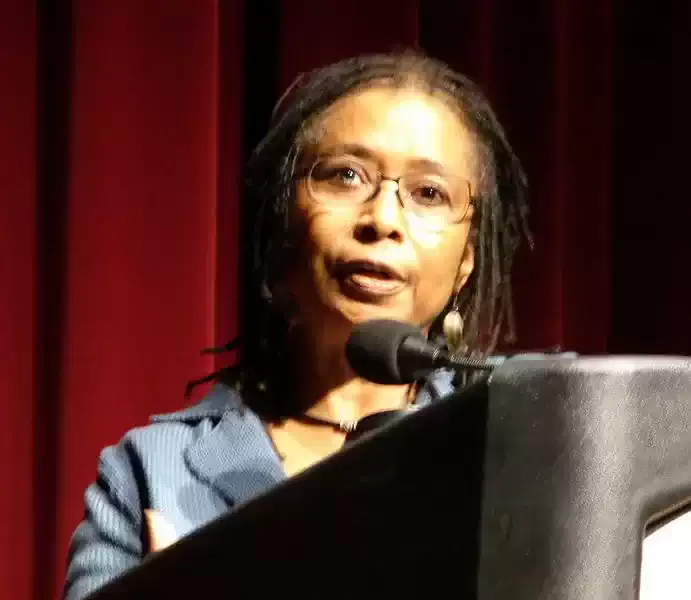
Alice Walker
When You Thought Me Poor
When You Thought Me Poor
When you thought me poor,
my poverty was shaming.
When blackness was unwelcome
we found it best
that I stay home.
When by the miracle
of fierce dreaming and hard work
Life fulfilled our every want
you found me crassly
well off;
not trimly,
inconspicuously wealthy
like your rich friends.
Still black too,
now
I owned too much and too many
of everything.
Woe is me: I became a
success! Blackness, who
knows how?
Became suddenly
in!
What to do?
Now that Fate appears
(for the moment anyhow)
to have dismissed
abject failure
in any case?
Now that moonlight and night
have blessed me.
Now that the sun
unaffected by criticism
of any sort,
implacably beams
the kiss filled magic that creates
the dark and radiant wonder
of my face.
When you thought me poor,
my poverty was shaming.
When blackness was unwelcome
we found it best
that I stay home.
When by the miracle
of fierce dreaming and hard work
Life fulfilled our every want
you found me crassly
well off;
not trimly,
inconspicuously wealthy
like your rich friends.
Still black too,
now
I owned too much and too many
of everything.
Woe is me: I became a
success! Blackness, who
knows how?
Became suddenly
in!
What to do?
Now that Fate appears
(for the moment anyhow)
to have dismissed
abject failure
in any case?
Now that moonlight and night
have blessed me.
Now that the sun
unaffected by criticism
of any sort,
implacably beams
the kiss filled magic that creates
the dark and radiant wonder
of my face.
396
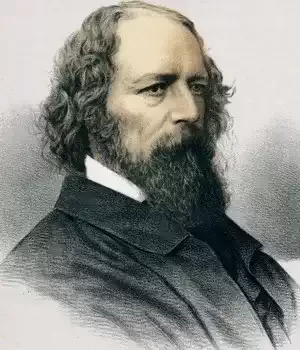
Alfred Lord Tennyson
The Princess: A Medley: Our Enemies have Fall'n
The Princess: A Medley: Our Enemies have Fall'n
Our enemies have fall'n, have fall'n: the seed,
The little seed they laugh'd at in the dark,
Has risen and cleft the soil, and grown a bulk
Of spanless girth, that lays on every side
A thousand arms and rushes to the Sun.
Our enemies have fall'n, have fall'n: they came;
The leaves were wet with women's tears: they heard
A noise of songs they would not understand:
They mark'd it with the red cross to the fall,
And would have strown it, and are fall'n themselves.
Our enemies have fall'n, have fall'n: they came,
The woodmen with their axes: lo the tree!
But we will make it faggots for the hearth,
And shape it plank and beam for roof and floor,
And boats and bridges for the use of men.
Our enemies have fall'n, have fall'n: they struck;
With their own blows they hurt themselves, nor knew
There dwelt an iron nature in the grain:
The glittering axe was broken in their arms,
Their arms were shatter'd to the shoulder blade.
Our enemies have fall'n, but this shall grow
A night of Summer from the heat, a breadth
Of Autumn, dropping fruits of power; and roll'd
With music in the growing breeze of Time,
The tops shall strike from star to star, the fangs
Shall move the stony bases of the world.
Our enemies have fall'n, have fall'n: the seed,
The little seed they laugh'd at in the dark,
Has risen and cleft the soil, and grown a bulk
Of spanless girth, that lays on every side
A thousand arms and rushes to the Sun.
Our enemies have fall'n, have fall'n: they came;
The leaves were wet with women's tears: they heard
A noise of songs they would not understand:
They mark'd it with the red cross to the fall,
And would have strown it, and are fall'n themselves.
Our enemies have fall'n, have fall'n: they came,
The woodmen with their axes: lo the tree!
But we will make it faggots for the hearth,
And shape it plank and beam for roof and floor,
And boats and bridges for the use of men.
Our enemies have fall'n, have fall'n: they struck;
With their own blows they hurt themselves, nor knew
There dwelt an iron nature in the grain:
The glittering axe was broken in their arms,
Their arms were shatter'd to the shoulder blade.
Our enemies have fall'n, but this shall grow
A night of Summer from the heat, a breadth
Of Autumn, dropping fruits of power; and roll'd
With music in the growing breeze of Time,
The tops shall strike from star to star, the fangs
Shall move the stony bases of the world.
409
Alfred Lord Tennyson
Politics
Politics
We move, the wheel must always move,
Nor always on the plain,
And if we move to such a goal
As wisdom hopes to gain,
Then you that drive, and know your Craft.
Will firmly hold the rein,
Nor lend an ear to random cried,
Or you may drive in vain,
For some cry ‘Quick’ and some cry ‘Slow’
But, while the hills remain,
Up hill ‘Too-slow’ will need the whip,
Down hill ‘Too-quick’ the chain.
We move, the wheel must always move,
Nor always on the plain,
And if we move to such a goal
As wisdom hopes to gain,
Then you that drive, and know your Craft.
Will firmly hold the rein,
Nor lend an ear to random cried,
Or you may drive in vain,
For some cry ‘Quick’ and some cry ‘Slow’
But, while the hills remain,
Up hill ‘Too-slow’ will need the whip,
Down hill ‘Too-quick’ the chain.
489
Alfred Lord Tennyson
Idylls of the King: The Marriage of Geraint (Fortune, Turn
Idylls of the King: The Marriage of Geraint (Fortune, Turn
Turn, Fortune, turn thy wheel, and lower the proud;
Turn thy wild wheel thro' sunshine, storm, and cloud;
Thy wheel and thee we neither love nor hate.
Turn, Fortune, turn thy wheel with smile or frown;
With that wild wheel we go not up or down;
Our hoard is little, but our hearts are great.
Smile and we smile, the lords of many lands;
Frown and we smile, the lords of our own hands;
For man is man and master of his fate.
Turn, turn thy wheel above the staring crowd;
Thy wheel and thou are shadows in the cloud;
Thy wheel and thee we neither love nor hate.
Turn, Fortune, turn thy wheel, and lower the proud;
Turn thy wild wheel thro' sunshine, storm, and cloud;
Thy wheel and thee we neither love nor hate.
Turn, Fortune, turn thy wheel with smile or frown;
With that wild wheel we go not up or down;
Our hoard is little, but our hearts are great.
Smile and we smile, the lords of many lands;
Frown and we smile, the lords of our own hands;
For man is man and master of his fate.
Turn, turn thy wheel above the staring crowd;
Thy wheel and thou are shadows in the cloud;
Thy wheel and thee we neither love nor hate.
461
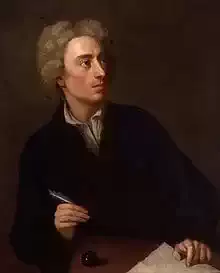
Alexander Pope
From an Essay on Man
From an Essay on Man
Heav'n from all creatures hides the book of fate,
All but the page prescrib'd, their present state:
From brutes what men, from men what spirits know:
Or who could suffer being here below?
The lamb thy riot dooms to bleed today,
Had he thy reason, would he skip and play?
Pleas'd to the last, he crops the flow'ry food,
And licks the hand just rais'd to shed his blood.
Oh blindness to the future! kindly giv'n,
That each may fill the circle mark'd by Heav'n:
Who sees with equal eye, as God of all,
A hero perish, or a sparrow fall,
Atoms or systems into ruin hurl'd,
And now a bubble burst, and now a world.
Hope humbly then; with trembling pinions soar;
Wait the great teacher Death; and God adore.
What future bliss, he gives not thee to know,
But gives that hope to be thy blessing now.
Hope springs eternal in the human breast:
Man never is, but always to be blest:
The soul, uneasy and confin'd from home,
Rests and expatiates in a life to come.
Lo! the poor Indian, whose untutor'd mind
Sees God in clouds, or hears him in the wind;
His soul, proud science never taught to stray
Far as the solar walk, or milky way;
Yet simple nature to his hope has giv'n,
Behind the cloud topp'd hill, an humbler heav'n;
Some safer world in depth of woods embrac'd,
Some happier island in the wat'ry waste,
Where slaves once more their native land behold,
No fiends torment, no Christians thirst for gold.
To be, contents his natural desire,
He asks no angel's wing, no seraph's fire;
But thinks, admitted to that equal sky.
Heav'n from all creatures hides the book of fate,
All but the page prescrib'd, their present state:
From brutes what men, from men what spirits know:
Or who could suffer being here below?
The lamb thy riot dooms to bleed today,
Had he thy reason, would he skip and play?
Pleas'd to the last, he crops the flow'ry food,
And licks the hand just rais'd to shed his blood.
Oh blindness to the future! kindly giv'n,
That each may fill the circle mark'd by Heav'n:
Who sees with equal eye, as God of all,
A hero perish, or a sparrow fall,
Atoms or systems into ruin hurl'd,
And now a bubble burst, and now a world.
Hope humbly then; with trembling pinions soar;
Wait the great teacher Death; and God adore.
What future bliss, he gives not thee to know,
But gives that hope to be thy blessing now.
Hope springs eternal in the human breast:
Man never is, but always to be blest:
The soul, uneasy and confin'd from home,
Rests and expatiates in a life to come.
Lo! the poor Indian, whose untutor'd mind
Sees God in clouds, or hears him in the wind;
His soul, proud science never taught to stray
Far as the solar walk, or milky way;
Yet simple nature to his hope has giv'n,
Behind the cloud topp'd hill, an humbler heav'n;
Some safer world in depth of woods embrac'd,
Some happier island in the wat'ry waste,
Where slaves once more their native land behold,
No fiends torment, no Christians thirst for gold.
To be, contents his natural desire,
He asks no angel's wing, no seraph's fire;
But thinks, admitted to that equal sky.
371
Previous
Page 10