

Poems in this topic
Destiny and Overcoming
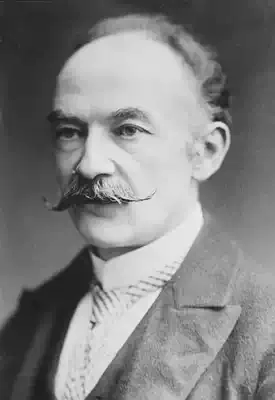
Thomas Hardy
The Lost Pyx: A Mediaeval Legend
The Lost Pyx: A Mediaeval Legend
Some say the spot is banned; that the pillar Cross-and-Hand
Attests to a deed of hell;
But of else than of bale is the mystic tale
That ancient Vale-folk tell.
Ere Cernel's Abbey ceased hereabout there dwelt a priest,
(In later life sub-prior
Of the brotherhood there, whose bones are now bare
In the field that was Cernel choir).
One night in his cell at the foot of yon dell
The priest heard a frequent cry:
"Go, father, in haste to the cot on the waste,
And shrive a man waiting to die."
Said the priest in a shout to the caller without,
"The night howls, the tree-trunks bow;
One may barely by day track so rugged a way,
And can I then do so now?"
No further word from the dark was heard,
And the priest moved never a limb;
And he slept and dreamed; till a Visage seemed
To frown from Heaven at him.
In a sweat he arose; and the storm shrieked shrill,
And smote as in savage joy;
While High-Stoy trees twanged to Bubb-Down Hill,
And Bubb-Down to High-Stoy.
There seemed not a holy thing in hail,
Nor shape of light or love,
From the Abbey north of Blackmore Vale
To the Abbey south thereof.
Yet he plodded thence through the dark immense,
And with many a stumbling stride
Through copse and briar climbed nigh and nigher
To the cot and the sick man's side.
When he would have unslung the Vessels uphung
To his arm in the steep ascent,
He made loud moan: the Pyx was gone
Of the Blessed Sacrament.
Then in dolorous dread he beat his head:
"No earthly prize or pelf
Is the thing I've lost in tempest tossed,
But the Body of Christ Himself!"
He thought of the Visage his dream revealed,
And turned towards whence he came,
Hands groping the ground along foot-track and field,
And head in a heat of shame.
Till here on the hill, betwixt vill and vill,
He noted a clear straight ray
Stretching down from the sky to a spot hard by,
Which shone with the light of day.
And gathered around the illumined ground
Were common beasts and rare,
All kneeling at gaze, and in pause profound
Attent on an object there.
'Twas the Pyx, unharmed 'mid the circling rows
Of Blackmore's hairy throng,
Whereof were oxen, sheep, and does,
And hares from the brakes among;
And badgers grey, and conies keen,
And squirrels of the tree,
And many a member seldom seen
Of Nature's family.
The ireful winds that scoured and swept
Through coppice, clump, and dell,
Within that holy circle slept
Calm as in hermit's cell.
Then the priest bent likewise to the sod
And thanked the Lord of Love,
And Blessed Mary, Mother of God,
And all the saints above.
And turning straight with his priceless freight,
He reached the dying one,
Whose passing sprite had been stayed for the rite
Without which bliss hath none.
And when by grace the priest won place,
And served the Abbey well,
He reared this stone to mark where shone
That midnight miracle.
Some say the spot is banned; that the pillar Cross-and-Hand
Attests to a deed of hell;
But of else than of bale is the mystic tale
That ancient Vale-folk tell.
Ere Cernel's Abbey ceased hereabout there dwelt a priest,
(In later life sub-prior
Of the brotherhood there, whose bones are now bare
In the field that was Cernel choir).
One night in his cell at the foot of yon dell
The priest heard a frequent cry:
"Go, father, in haste to the cot on the waste,
And shrive a man waiting to die."
Said the priest in a shout to the caller without,
"The night howls, the tree-trunks bow;
One may barely by day track so rugged a way,
And can I then do so now?"
No further word from the dark was heard,
And the priest moved never a limb;
And he slept and dreamed; till a Visage seemed
To frown from Heaven at him.
In a sweat he arose; and the storm shrieked shrill,
And smote as in savage joy;
While High-Stoy trees twanged to Bubb-Down Hill,
And Bubb-Down to High-Stoy.
There seemed not a holy thing in hail,
Nor shape of light or love,
From the Abbey north of Blackmore Vale
To the Abbey south thereof.
Yet he plodded thence through the dark immense,
And with many a stumbling stride
Through copse and briar climbed nigh and nigher
To the cot and the sick man's side.
When he would have unslung the Vessels uphung
To his arm in the steep ascent,
He made loud moan: the Pyx was gone
Of the Blessed Sacrament.
Then in dolorous dread he beat his head:
"No earthly prize or pelf
Is the thing I've lost in tempest tossed,
But the Body of Christ Himself!"
He thought of the Visage his dream revealed,
And turned towards whence he came,
Hands groping the ground along foot-track and field,
And head in a heat of shame.
Till here on the hill, betwixt vill and vill,
He noted a clear straight ray
Stretching down from the sky to a spot hard by,
Which shone with the light of day.
And gathered around the illumined ground
Were common beasts and rare,
All kneeling at gaze, and in pause profound
Attent on an object there.
'Twas the Pyx, unharmed 'mid the circling rows
Of Blackmore's hairy throng,
Whereof were oxen, sheep, and does,
And hares from the brakes among;
And badgers grey, and conies keen,
And squirrels of the tree,
And many a member seldom seen
Of Nature's family.
The ireful winds that scoured and swept
Through coppice, clump, and dell,
Within that holy circle slept
Calm as in hermit's cell.
Then the priest bent likewise to the sod
And thanked the Lord of Love,
And Blessed Mary, Mother of God,
And all the saints above.
And turning straight with his priceless freight,
He reached the dying one,
Whose passing sprite had been stayed for the rite
Without which bliss hath none.
And when by grace the priest won place,
And served the Abbey well,
He reared this stone to mark where shone
That midnight miracle.
205
Thomas Hardy
The Dead Drummer.
The Dead Drummer.
I
They throw in Drummer Hodge, to rest
Uncoffined--just as found:
His landmark is a kopje-crest
That breaks the veldt around;
And foreign constellations west
Each night above his mound.
II
Young Hodge the Drummer never knew -
Fresh from his Wessex home -
The meaning of the broad Karoo,
The Bush, the dusty loam,
And why uprose to nightly view
Strange stars amid the gloam.
III
Yet portion of that unknown plain
Will Hodge for ever be;
His homely Northern breast and brain
Grow up a Southern tree.
And strange-eyed constellations reign
His stars eternally.
I
They throw in Drummer Hodge, to rest
Uncoffined--just as found:
His landmark is a kopje-crest
That breaks the veldt around;
And foreign constellations west
Each night above his mound.
II
Young Hodge the Drummer never knew -
Fresh from his Wessex home -
The meaning of the broad Karoo,
The Bush, the dusty loam,
And why uprose to nightly view
Strange stars amid the gloam.
III
Yet portion of that unknown plain
Will Hodge for ever be;
His homely Northern breast and brain
Grow up a Southern tree.
And strange-eyed constellations reign
His stars eternally.
235
Thomas Hardy
The Convergence Of The Twain
The Convergence Of The Twain
I
In a solitude of the sea
Deep from human vanity,
And the Pride of Life that planned her, stilly couches she.
II
Steel chambers, late the pyres
Of her salamandrine fires,
Cold currents thrid, and turn to rhythmic tidal lyres.
III
Over the mirrors meant
To glass the opulent
The sea-worm crawls-grotesque, slimed, dumb, indifferent.
IV
Jewels in joy designed
To ravish the sensuous mind
Lie lightless, all their sparkles bleared and black and blind.
V
Dim moon-eyed fishes near
Gaze at the gilded gear
And query: "What does this vaingloriousness down here?" . . .
VI
Well: while was fashioning
This creature of cleaving wing,
The Immanent Will that stirs and urges everything
VII
Prepared a sinister mate
For her - so gaily great -
A Shape of Ice, for the time far and dissociate.
VIII
And as the smart ship grew
In stature, grace, and hue,
In shadowy silent distance grew the Iceberg too.
IX
Alien they seemed to be:
No mortal eye could see
The intimate welding of their later history,
X
Or sign that they were bent
by paths coincident
On being anon twin halves of one august event,
XI
Till the Spinner of the Years
Said "Now!" And each one hears,
And consummation comes, and jars two hemispheres.
I
In a solitude of the sea
Deep from human vanity,
And the Pride of Life that planned her, stilly couches she.
II
Steel chambers, late the pyres
Of her salamandrine fires,
Cold currents thrid, and turn to rhythmic tidal lyres.
III
Over the mirrors meant
To glass the opulent
The sea-worm crawls-grotesque, slimed, dumb, indifferent.
IV
Jewels in joy designed
To ravish the sensuous mind
Lie lightless, all their sparkles bleared and black and blind.
V
Dim moon-eyed fishes near
Gaze at the gilded gear
And query: "What does this vaingloriousness down here?" . . .
VI
Well: while was fashioning
This creature of cleaving wing,
The Immanent Will that stirs and urges everything
VII
Prepared a sinister mate
For her - so gaily great -
A Shape of Ice, for the time far and dissociate.
VIII
And as the smart ship grew
In stature, grace, and hue,
In shadowy silent distance grew the Iceberg too.
IX
Alien they seemed to be:
No mortal eye could see
The intimate welding of their later history,
X
Or sign that they were bent
by paths coincident
On being anon twin halves of one august event,
XI
Till the Spinner of the Years
Said "Now!" And each one hears,
And consummation comes, and jars two hemispheres.
200
Thomas Hardy
The Cave of the Unborn
The Cave of the Unborn
I rose at night and visited
The Cave of the Unborn,
And crowding shapes surrounded me
For tidings of the life to be,
Who long had prayed the silent Head
To speed their advent morn.
Their eyes were lit with artless trust;
Hope thrilled their every tone:
"A place the loveliest, is it not?
A pure delight, a beauty-spot
Where all is gentle, pure and just
And ??violence?? is unknown?"
My heart was anguished for their sake;
I could not frame a word;
But they descried my sunken face
And seemed to read therein, and trace
The news which Pity would not break
Nor Truth leave unaverred.
And as I silently retired
I turned and watched them still:
And they came helter-skelter out,
Driven forward like a rabble rout
Into the world they had so desired,
By the all-immanent Will.
I rose at night and visited
The Cave of the Unborn,
And crowding shapes surrounded me
For tidings of the life to be,
Who long had prayed the silent Head
To speed their advent morn.
Their eyes were lit with artless trust;
Hope thrilled their every tone:
"A place the loveliest, is it not?
A pure delight, a beauty-spot
Where all is gentle, pure and just
And ??violence?? is unknown?"
My heart was anguished for their sake;
I could not frame a word;
But they descried my sunken face
And seemed to read therein, and trace
The news which Pity would not break
Nor Truth leave unaverred.
And as I silently retired
I turned and watched them still:
And they came helter-skelter out,
Driven forward like a rabble rout
Into the world they had so desired,
By the all-immanent Will.
233
Thomas Hardy
Heredity
Heredity
I am the family face;
Flesh perishes, I live on,
Projecting trait and trace
Through time to times anon,
And leaping from place to place
Over oblivion.
The years-heired feature that can
In curve and voice and eye
Despise the human span
Of durance -- that is I;
The eternal thing in man,
That heeds no call to die
I am the family face;
Flesh perishes, I live on,
Projecting trait and trace
Through time to times anon,
And leaping from place to place
Over oblivion.
The years-heired feature that can
In curve and voice and eye
Despise the human span
Of durance -- that is I;
The eternal thing in man,
That heeds no call to die
200
Thomas Hardy
Hap
Hap
IF but some vengeful god would call to me
From up the sky, and laugh: "Thou suffering thing,
Know that thy sorrow is my ecstasy,
That thy love's loss is my hate's profiting!"
Then would I bear, and clench myself, and die,
Steeled by the sense of ire unmerited;
Half-eased, too, that a Powerfuller than I
Had willed and meted me the tears I shed.
But not so. How arrives it joy lies slain,
And why unblooms the best hope ever sown?
--Crass Casualty obstructs the sun and rain,
And dicing Time for gladness casts a moan....
These purblind Doomsters had as readily strown
Blisses about my pilgrimage as pain.
IF but some vengeful god would call to me
From up the sky, and laugh: "Thou suffering thing,
Know that thy sorrow is my ecstasy,
That thy love's loss is my hate's profiting!"
Then would I bear, and clench myself, and die,
Steeled by the sense of ire unmerited;
Half-eased, too, that a Powerfuller than I
Had willed and meted me the tears I shed.
But not so. How arrives it joy lies slain,
And why unblooms the best hope ever sown?
--Crass Casualty obstructs the sun and rain,
And dicing Time for gladness casts a moan....
These purblind Doomsters had as readily strown
Blisses about my pilgrimage as pain.
240
Thomas Hardy
Ditty
Ditty
(E. L. G.)
BENEATH a knap where flown
Nestlings play,
Within walls of weathered stone,
Far away
From the files of formal houses,
By the bough the firstling browses,
Lives a Sweet: no merchants meet,
No man barters, no man sells
Where she dwells.
Upon that fabric fair
"Here is she!"
Seems written everywhere
Unto me.
But to friends and nodding neighbors,
Fellow wights in lot and labors,
Who descry the times as I,
No such lucid legend tells
Where she dwells.
Should I lapse to what I was
In days by--
(Such cannot be, but because
Some loves die
Let me feign it)--none would notice
That where she I know by rote is
Spread a strange and withering change,
Like a drying of the wells
Where she dwells.
To feel I might have kissed--
Loved as true--
Otherwhere, nor Mine have missed
My life through,
Had I never wandered near her,
Is a smart severe--severer
In the thought that she is nought,
Even as I, beyond the dells
Where she dwells.
And Devotion droops her glance
To recall
What bond-servants of Chance
We are all.
I but found her in that, going
On my errant path unknowing,
I did not out-skirt the spot
That no spot on earth excels--
Where she dwells!
(E. L. G.)
BENEATH a knap where flown
Nestlings play,
Within walls of weathered stone,
Far away
From the files of formal houses,
By the bough the firstling browses,
Lives a Sweet: no merchants meet,
No man barters, no man sells
Where she dwells.
Upon that fabric fair
"Here is she!"
Seems written everywhere
Unto me.
But to friends and nodding neighbors,
Fellow wights in lot and labors,
Who descry the times as I,
No such lucid legend tells
Where she dwells.
Should I lapse to what I was
In days by--
(Such cannot be, but because
Some loves die
Let me feign it)--none would notice
That where she I know by rote is
Spread a strange and withering change,
Like a drying of the wells
Where she dwells.
To feel I might have kissed--
Loved as true--
Otherwhere, nor Mine have missed
My life through,
Had I never wandered near her,
Is a smart severe--severer
In the thought that she is nought,
Even as I, beyond the dells
Where she dwells.
And Devotion droops her glance
To recall
What bond-servants of Chance
We are all.
I but found her in that, going
On my errant path unknowing,
I did not out-skirt the spot
That no spot on earth excels--
Where she dwells!
287
Thomas Hardy
At Lulworth Cove a Century Back
At Lulworth Cove a Century Back
Had I but lived a hundred years ago
I might have gone, as I have gone this year,
By Warmwell Cross on to a Cove I know,
And Time have placed his finger on me there:
"You see that man?" -- I might have looked, and said,
"O yes: I see him. One that boat has brought
Which dropped down Channel round Saint Alban's Head.
So commonplace a youth calls not my thought."
"You see that man?" -- "Why yes; I told you; yes:
Of an idling town-sort; thin; hair brown in hue;
And as the evening light scants less and less
He looks up at a star, as many do."
"You see that man?" -- "Nay, leave me!" then I plead,
"I have fifteen miles to vamp across the lea,
And it grows dark, and I am weary-kneed:
I have said the third time; yes, that man I see!"
"Good. That man goes to Rome -- to death, despair;
And no one notes him now but you and I:
A hundred years, and the world will follow him there,
And bend with reverence where his ashes lie."
Had I but lived a hundred years ago
I might have gone, as I have gone this year,
By Warmwell Cross on to a Cove I know,
And Time have placed his finger on me there:
"You see that man?" -- I might have looked, and said,
"O yes: I see him. One that boat has brought
Which dropped down Channel round Saint Alban's Head.
So commonplace a youth calls not my thought."
"You see that man?" -- "Why yes; I told you; yes:
Of an idling town-sort; thin; hair brown in hue;
And as the evening light scants less and less
He looks up at a star, as many do."
"You see that man?" -- "Nay, leave me!" then I plead,
"I have fifteen miles to vamp across the lea,
And it grows dark, and I am weary-kneed:
I have said the third time; yes, that man I see!"
"Good. That man goes to Rome -- to death, despair;
And no one notes him now but you and I:
A hundred years, and the world will follow him there,
And bend with reverence where his ashes lie."
254
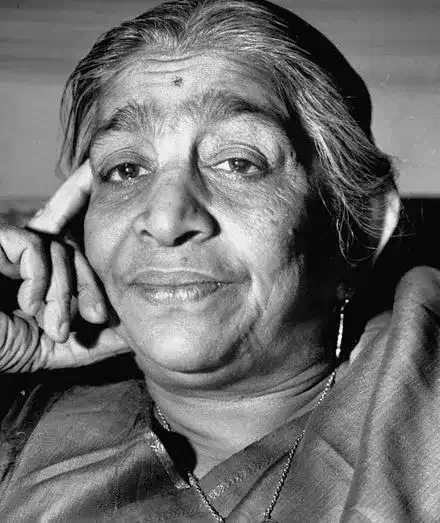
Sarojini Naidu
Wandering Singers
Wandering Singers
WHERE the voice of the wind calls our wandering feet,
Through echoing forest and echoing street,
With lutes in our hands ever-singing we roam,
All men are our kindred, the world is our home.
Our lays are of cities whose lustre is shed,
The laughter and beauty of women long dead;
The sword of old battles, the crown of old kings,
And happy and simple and sorrowful things.
What hope shall we gather, what dreams shall we sow?
Where the wind calls our wandering footsteps we go.
No love bids us tarry, no joy bids us wait:
The voice of the wind is the voice of our fate.
WHERE the voice of the wind calls our wandering feet,
Through echoing forest and echoing street,
With lutes in our hands ever-singing we roam,
All men are our kindred, the world is our home.
Our lays are of cities whose lustre is shed,
The laughter and beauty of women long dead;
The sword of old battles, the crown of old kings,
And happy and simple and sorrowful things.
What hope shall we gather, what dreams shall we sow?
Where the wind calls our wandering footsteps we go.
No love bids us tarry, no joy bids us wait:
The voice of the wind is the voice of our fate.
682
Sarojini Naidu
Past and Future
Past and Future
The new hath come and now the old retires:
And so the past becomes a mountain-cell,
Where lone, apart, old hermit-memories dwell
In consecrated calm, forgotten yet
Of the keen heart that hastens to forget
Old longings in fulfilling new desires.
And now the Soul stands in a vague, intense
Expectancy and anguish of suspense,
On the dim chamber-threshold . . . lo! he sees
Like a strange, fated bride as yet unknown,
His timid future shrinking there alone,
Beneath her marriage-veil of mysteries.
The new hath come and now the old retires:
And so the past becomes a mountain-cell,
Where lone, apart, old hermit-memories dwell
In consecrated calm, forgotten yet
Of the keen heart that hastens to forget
Old longings in fulfilling new desires.
And now the Soul stands in a vague, intense
Expectancy and anguish of suspense,
On the dim chamber-threshold . . . lo! he sees
Like a strange, fated bride as yet unknown,
His timid future shrinking there alone,
Beneath her marriage-veil of mysteries.
427
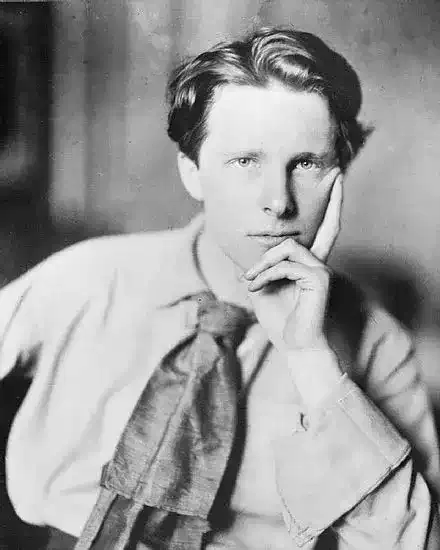
Rupert Brooke
Night Journey, The
Night Journey, The
Hands and lit faces eddy to a line;
The dazed last minutes click; the clamour dies.
Beyond the great-swung arc o' the roof, divine,
Night, smoky-scarv'd, with thousand coloured eyes
Glares the imperious mystery of the way.
Thirsty for dark, you feel the long-limbed train
Throb, stretch, thrill motion, slide, pull out and sway,
Strain for the far, pause, draw to strength again. . . .
As a man, caught by some great hour, will rise,
Slow-limbed, to meet the light or find his love;
And, breathing long, with staring sightless eyes,
Hands out, head back, agape and silent, move
Sure as a flood, smooth as a vast wind blowing;
And, gathering power and purpose as he goes,
Unstumbling, unreluctant, strong, unknowing,
Borne by a will not his, that lifts, that grows,
Sweep out to darkness, triumphing in his goal,
Out of the fire, out of the little room. . . .
-- There is an end appointed, O my soul!
Crimson and green the signals burn; the gloom
Is hung with steam's far-blowing livid streamers.
Lost into God, as lights in light, we fly,
Grown one with will, end-drunken huddled dreamers.
The white lights roar. The sounds of the world die.
And lips and laughter are forgotten things.
Speed sharpens; grows. Into the night, and on,
The strength and splendour of our purpose swings.
The lamps fade; and the stars. We are alone.
Hands and lit faces eddy to a line;
The dazed last minutes click; the clamour dies.
Beyond the great-swung arc o' the roof, divine,
Night, smoky-scarv'd, with thousand coloured eyes
Glares the imperious mystery of the way.
Thirsty for dark, you feel the long-limbed train
Throb, stretch, thrill motion, slide, pull out and sway,
Strain for the far, pause, draw to strength again. . . .
As a man, caught by some great hour, will rise,
Slow-limbed, to meet the light or find his love;
And, breathing long, with staring sightless eyes,
Hands out, head back, agape and silent, move
Sure as a flood, smooth as a vast wind blowing;
And, gathering power and purpose as he goes,
Unstumbling, unreluctant, strong, unknowing,
Borne by a will not his, that lifts, that grows,
Sweep out to darkness, triumphing in his goal,
Out of the fire, out of the little room. . . .
-- There is an end appointed, O my soul!
Crimson and green the signals burn; the gloom
Is hung with steam's far-blowing livid streamers.
Lost into God, as lights in light, we fly,
Grown one with will, end-drunken huddled dreamers.
The white lights roar. The sounds of the world die.
And lips and laughter are forgotten things.
Speed sharpens; grows. Into the night, and on,
The strength and splendour of our purpose swings.
The lamps fade; and the stars. We are alone.
177
Rupert Brooke
Hill, The
Hill, The
Breathless, we flung us on the windy hill,
Laughed in the sun, and kissed the lovely grass.
You said, "Through glory and ecstasy we pass;
Wind, sun, and earth remain, the birds sing still,
When we are old, are old. . . ." "And when we die
All's over that is ours; and life burns on
Through other lovers, other lips," said I,
-- "Heart of my heart, our heaven is now, is won!"
"We are Earth's best, that learnt her lesson here.
Life is our cry. We have kept the faith!" we said;
"We shall go down with unreluctant tread
Rose-crowned into the darkness!" . . . Proud we were,
And laughed, that had such brave true things to say.
-- And then you suddenly cried, and turned away.
Breathless, we flung us on the windy hill,
Laughed in the sun, and kissed the lovely grass.
You said, "Through glory and ecstasy we pass;
Wind, sun, and earth remain, the birds sing still,
When we are old, are old. . . ." "And when we die
All's over that is ours; and life burns on
Through other lovers, other lips," said I,
-- "Heart of my heart, our heaven is now, is won!"
"We are Earth's best, that learnt her lesson here.
Life is our cry. We have kept the faith!" we said;
"We shall go down with unreluctant tread
Rose-crowned into the darkness!" . . . Proud we were,
And laughed, that had such brave true things to say.
-- And then you suddenly cried, and turned away.
202
Rupert Brooke
II: Safety
II: Safety
Dear! of all happy in the hour, most blest
He who has found our hid security,
Assured in the dark tides of the world that rest,
And heard our word, 'Who is so safe as we?'
We have found safety with all things undying,
The winds, and morning, tears of men and mirth,
The deep night, and birds singing, and clouds flying,
And sleep, and freedom, and the autumnal earth.
We have built a house that is not for Time's throwing.
We have gained a peace unshaken by pain for ever.
War knows no power. Safe shall be my going,
Secretly armed against all death's endeavour;
Safe though all safety's lost; safe where men fall;
And if these poor limbs die, safest of all.
Dear! of all happy in the hour, most blest
He who has found our hid security,
Assured in the dark tides of the world that rest,
And heard our word, 'Who is so safe as we?'
We have found safety with all things undying,
The winds, and morning, tears of men and mirth,
The deep night, and birds singing, and clouds flying,
And sleep, and freedom, and the autumnal earth.
We have built a house that is not for Time's throwing.
We have gained a peace unshaken by pain for ever.
War knows no power. Safe shall be my going,
Secretly armed against all death's endeavour;
Safe though all safety's lost; safe where men fall;
And if these poor limbs die, safest of all.
189
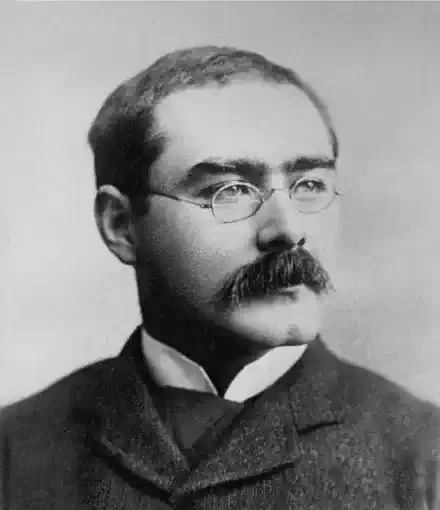
Rudyard Kipling
With Scindia To Delhi
With Scindia To Delhi
More than a hundred years ago, in a great battle fought near Delhi,
an Indian Prince rode fifty miles after the day was lost
with a beggar-girl, who had loved him and followed him in all his camps,
on his saddle-bow. He lost the girl when almost within sight of safety.
A Maratta trooper tells the story: --
The wreath of banquet overnight lay withered on the neck,
Our hands and scarfs were saffron-dyed for signal of despair,
When we went forth to Paniput to battle with the ~Mlech~, --
Ere we came back from Paniput and left a kingdom there.
Thrice thirty thousand men were we to force the Jumna fords --
The hawk-winged horse of Damajee, mailed squadrons of the Bhao,
Stark levies of the southern hills, the Deccan's sharpest swords,
And he the harlot's traitor son the goatherd Mulhar Rao!
Thrice thirty thousand men were we before the mists had cleared,
The low white mists of morning heard the war-conch scream and bray;
We called upon Bhowani and we gripped them by the beard,
We rolled upon them like a flood and washed their ranks away.
The children of the hills of Khost before our lances ran,
We drove the black Rohillas back as cattle to the pen;
'Twas then we needed Mulhar Rao to end what we began,
A thousand men had saved the charge; he fled the field with ten!
There was no room to clear a sword -- no power to strike a blow,
For foot to foot, ay, breast to breast, the battle held us fast --
Save where the naked hill-men ran, and stabbing from below
Brought down the horse and rider and we trampled them and passed.
To left the roar of musketry rang like a falling flood --
To right the sunshine rippled red from redder lance and blade --
Above the dark ~Upsaras~* flew, beneath us plashed the blood,
And, bellying black against the dust, the Bhagwa Jhanda swayed.
* The Choosers of the Slain.
I saw it fall in smoke and fire, the banner of the Bhao;
I heard a voice across the press of one who called in vain: --
"Ho! Anand Rao Nimbalkhur, ride! Get aid of Mulhar Rao!
Go shame his squadrons into fight -- the Bhao -- the Bhao is slain!"
Thereat, as when a sand-bar breaks in clotted spume and spray --
When rain of later autumn sweeps the Jumna water-head,
Before their charge from flank to flank our riven ranks gave way;
But of the waters of that flood the Jumna fords ran red.
I held by Scindia, my lord, as close as man might hold;
A Soobah of the Deccan asks no aid to guard his life;
But Holkar's Horse were flying, and our chiefest chiefs were cold,
And like a flame among us leapt the long lean Northern knife.
I held by Scindia -- my lance from butt to tuft was dyed,
The froth of battle bossed the shield and roped the bridle-chain --
What time beneath our horses' feet a maiden rose and cried,
And clung to Scindia, and I turned a sword-cut from the twain.
(He set a spell upon the maid in woodlands long ago,
A hunter by the Tapti banks she gave him water there:
He turned her heart to water, and she followed to her woe.
What need had he of Lalun who had twenty maids as fair?)
Now in that hour strength left my lord; he wrenched his mare aside;
He bound the girl behind him and we slashed and struggled free.
Across the reeling wreck of strife we rode as shadows ride
From Paniput to Delhi town, but not alone were we.
'Twas Lutuf-Ullah Populzai laid horse upon our track,
A swine-fed reiver of the North that lusted for the maid;
I might have barred his path awhile, but Scindia called me back,
And I -- O woe for Scindia! -- I listened and obeyed.
League after league the formless scrub took shape and glided by --
League after league the white road swirled behind the white mare's feet --
League after league, when leagues were done, we heard the Populzai,
Where sure as Time and swift as Death the tireless footfall beat.
Noon's eye beheld that shame of flight, the shadows fell, we fled
Where steadfast as the wheeling kite he followed in our train;
The black wolf warred where we had warred, the jackal mocked our dead,
And terror born of twilight-tide made mad the labouring brain.
I gasped: -- "A kingdom waits my lord; her love is but her own.
A day shall mar, a day shall cure for her, but what for thee?
Cut loose the girl: he follows fast. Cut loose and ride alone!"
Then Scindia 'twixt his blistered lips: -- "My Queens' Queen shall she be!
"Of all who ate my bread last night 'twas she alone that came
To seek her love between the spears and find her crown therein!
One shame is mine to-day, what need the weight of double shame?
If once we reach the Delhi gate, though all be lost, I win!"
We rode -- the white mare failed -- her trot a staggering stumble grew, --
The cooking-smoke of even rose and weltered and hung low;
And still we heard the Populzai and still we strained anew,
And Delhi town was very near, but nearer was the foe.
Yea, Delhi town was very near when Lalun whispered: -- "Slay!
Lord of my life, the mare sinks fast -- stab deep and let me die!"
But Scindia would not, and the maid tore free and flung away,
And turning as she fell we heard the clattering Populzai.
Then Scindia checked the gasping mare that rocked and groaned for breath,
And wheeled to charge and plunged the knife a hand's-breadth in her side --
The hunter and the hunted know how that last pause is death --
The blood had chilled about her heart, she reared and fell and died.
Our Gods were kind. Before he heard the maiden's piteous scream
A log upon the Delhi road, beneath the mare he lay --
Lost mistress and lost battle passed before him like a dream;
The darkness closed about his eyes -- I bore my King away.
More than a hundred years ago, in a great battle fought near Delhi,
an Indian Prince rode fifty miles after the day was lost
with a beggar-girl, who had loved him and followed him in all his camps,
on his saddle-bow. He lost the girl when almost within sight of safety.
A Maratta trooper tells the story: --
The wreath of banquet overnight lay withered on the neck,
Our hands and scarfs were saffron-dyed for signal of despair,
When we went forth to Paniput to battle with the ~Mlech~, --
Ere we came back from Paniput and left a kingdom there.
Thrice thirty thousand men were we to force the Jumna fords --
The hawk-winged horse of Damajee, mailed squadrons of the Bhao,
Stark levies of the southern hills, the Deccan's sharpest swords,
And he the harlot's traitor son the goatherd Mulhar Rao!
Thrice thirty thousand men were we before the mists had cleared,
The low white mists of morning heard the war-conch scream and bray;
We called upon Bhowani and we gripped them by the beard,
We rolled upon them like a flood and washed their ranks away.
The children of the hills of Khost before our lances ran,
We drove the black Rohillas back as cattle to the pen;
'Twas then we needed Mulhar Rao to end what we began,
A thousand men had saved the charge; he fled the field with ten!
There was no room to clear a sword -- no power to strike a blow,
For foot to foot, ay, breast to breast, the battle held us fast --
Save where the naked hill-men ran, and stabbing from below
Brought down the horse and rider and we trampled them and passed.
To left the roar of musketry rang like a falling flood --
To right the sunshine rippled red from redder lance and blade --
Above the dark ~Upsaras~* flew, beneath us plashed the blood,
And, bellying black against the dust, the Bhagwa Jhanda swayed.
* The Choosers of the Slain.
I saw it fall in smoke and fire, the banner of the Bhao;
I heard a voice across the press of one who called in vain: --
"Ho! Anand Rao Nimbalkhur, ride! Get aid of Mulhar Rao!
Go shame his squadrons into fight -- the Bhao -- the Bhao is slain!"
Thereat, as when a sand-bar breaks in clotted spume and spray --
When rain of later autumn sweeps the Jumna water-head,
Before their charge from flank to flank our riven ranks gave way;
But of the waters of that flood the Jumna fords ran red.
I held by Scindia, my lord, as close as man might hold;
A Soobah of the Deccan asks no aid to guard his life;
But Holkar's Horse were flying, and our chiefest chiefs were cold,
And like a flame among us leapt the long lean Northern knife.
I held by Scindia -- my lance from butt to tuft was dyed,
The froth of battle bossed the shield and roped the bridle-chain --
What time beneath our horses' feet a maiden rose and cried,
And clung to Scindia, and I turned a sword-cut from the twain.
(He set a spell upon the maid in woodlands long ago,
A hunter by the Tapti banks she gave him water there:
He turned her heart to water, and she followed to her woe.
What need had he of Lalun who had twenty maids as fair?)
Now in that hour strength left my lord; he wrenched his mare aside;
He bound the girl behind him and we slashed and struggled free.
Across the reeling wreck of strife we rode as shadows ride
From Paniput to Delhi town, but not alone were we.
'Twas Lutuf-Ullah Populzai laid horse upon our track,
A swine-fed reiver of the North that lusted for the maid;
I might have barred his path awhile, but Scindia called me back,
And I -- O woe for Scindia! -- I listened and obeyed.
League after league the formless scrub took shape and glided by --
League after league the white road swirled behind the white mare's feet --
League after league, when leagues were done, we heard the Populzai,
Where sure as Time and swift as Death the tireless footfall beat.
Noon's eye beheld that shame of flight, the shadows fell, we fled
Where steadfast as the wheeling kite he followed in our train;
The black wolf warred where we had warred, the jackal mocked our dead,
And terror born of twilight-tide made mad the labouring brain.
I gasped: -- "A kingdom waits my lord; her love is but her own.
A day shall mar, a day shall cure for her, but what for thee?
Cut loose the girl: he follows fast. Cut loose and ride alone!"
Then Scindia 'twixt his blistered lips: -- "My Queens' Queen shall she be!
"Of all who ate my bread last night 'twas she alone that came
To seek her love between the spears and find her crown therein!
One shame is mine to-day, what need the weight of double shame?
If once we reach the Delhi gate, though all be lost, I win!"
We rode -- the white mare failed -- her trot a staggering stumble grew, --
The cooking-smoke of even rose and weltered and hung low;
And still we heard the Populzai and still we strained anew,
And Delhi town was very near, but nearer was the foe.
Yea, Delhi town was very near when Lalun whispered: -- "Slay!
Lord of my life, the mare sinks fast -- stab deep and let me die!"
But Scindia would not, and the maid tore free and flung away,
And turning as she fell we heard the clattering Populzai.
Then Scindia checked the gasping mare that rocked and groaned for breath,
And wheeled to charge and plunged the knife a hand's-breadth in her side --
The hunter and the hunted know how that last pause is death --
The blood had chilled about her heart, she reared and fell and died.
Our Gods were kind. Before he heard the maiden's piteous scream
A log upon the Delhi road, beneath the mare he lay --
Lost mistress and lost battle passed before him like a dream;
The darkness closed about his eyes -- I bore my King away.
591
Rudyard Kipling
Untimely
Untimely
Nothing in life has been made by man for man's using
But it was shown long since to man in ages
Lost as the name of the maker of it,
Who received oppression and shame for his wages--
Hate, avoidance, and scorn in his daily dealings--
Until he perished, wholly confounded
More to be pitied than he are the wise
Souls which foresaw the evil of loosing
Knowledge or Art before time, and aborted
Noble devices and deep-wrought healings,
Lest offense should arise.
Heaven delivers on earth the Hour that cannot be
thwarted,
Neither advanced, at the price of a world nor a soul,
and its Prophet
Comes through the blood of the vanguards who
dreamed--too soon--it had sounded.
Nothing in life has been made by man for man's using
But it was shown long since to man in ages
Lost as the name of the maker of it,
Who received oppression and shame for his wages--
Hate, avoidance, and scorn in his daily dealings--
Until he perished, wholly confounded
More to be pitied than he are the wise
Souls which foresaw the evil of loosing
Knowledge or Art before time, and aborted
Noble devices and deep-wrought healings,
Lest offense should arise.
Heaven delivers on earth the Hour that cannot be
thwarted,
Neither advanced, at the price of a world nor a soul,
and its Prophet
Comes through the blood of the vanguards who
dreamed--too soon--it had sounded.
460
Rudyard Kipling
Two Kopjes
Two Kopjes
(Made Yeomanry towards End of Boer War)
Only two African kopjes,
Only the cart-tracks that wind
Empty and open between 'em,
Only the Transvaal behind;
Only an Aldershot column
Marching to conquer the land . . .
Only a sudden and solemn
Visit, unarmed, to the Rand.
Then scorn not the African kopje,
The kopje that smiles in the heat,
The wholly unoccupied kopje,
The home of Cornelius and Piet.
You can never be sure of your kopje,
But of this be you blooming well sure,
A kopje is always a kopje,
And a Boojer is always a Boer!
Only two African kopjes,
Only the vultures above,
Only baboons--at the bottom,
Only some buck on the move;
Only a Kensington draper
Only pretending to scout . . .
.Only bad news for the paper,
Only another knock-out.
Then mock not the African kopje,
And rub not your flank on its side,
The silent and simmering kopje,
The kopje beloved by the guide.
You can never be, etc.
Only two African kopjes,
Only the dust of their wheels,
Only a bolted commando,
Only our guns at their heels . . .
Only a little barb-wire,
Only a natural fort,
Only "by sections retire,"
Only "regret to report! "
Then mock not the .African kopje,
Especially when it is twins,
One sharp and one table-topped kopje
For that's where the trouble begins.
You never can be, etc.
Only two African kopjes
Baited the same as before--
Only we've had it so often,
Only we're taking no more . . .
Only a wave to our troopers,
Only our flanks swinging past,
Only a dozen voorloopers,.
Only we've learned it at last!
Then mock not the African kopje,
But take off your hat to the same,
The patient, impartial old kopje,
The kopje that taught us the game!
For all that we knew in the Columns,
And all they've forgot on the Staff,
We learned at the Fight o' Two Kopjes,
Which lasted two years an' a half.
mock not the African kopje,
Not even when peace has been signed--
The kopje that isn't a kopje--
The kopje that copies its kind.
You can never be sure of your kopje,
But of this be you blooming well sure,
That a kopje is always a kopje,
And a Boojer is always a Boer!
(Made Yeomanry towards End of Boer War)
Only two African kopjes,
Only the cart-tracks that wind
Empty and open between 'em,
Only the Transvaal behind;
Only an Aldershot column
Marching to conquer the land . . .
Only a sudden and solemn
Visit, unarmed, to the Rand.
Then scorn not the African kopje,
The kopje that smiles in the heat,
The wholly unoccupied kopje,
The home of Cornelius and Piet.
You can never be sure of your kopje,
But of this be you blooming well sure,
A kopje is always a kopje,
And a Boojer is always a Boer!
Only two African kopjes,
Only the vultures above,
Only baboons--at the bottom,
Only some buck on the move;
Only a Kensington draper
Only pretending to scout . . .
.Only bad news for the paper,
Only another knock-out.
Then mock not the African kopje,
And rub not your flank on its side,
The silent and simmering kopje,
The kopje beloved by the guide.
You can never be, etc.
Only two African kopjes,
Only the dust of their wheels,
Only a bolted commando,
Only our guns at their heels . . .
Only a little barb-wire,
Only a natural fort,
Only "by sections retire,"
Only "regret to report! "
Then mock not the .African kopje,
Especially when it is twins,
One sharp and one table-topped kopje
For that's where the trouble begins.
You never can be, etc.
Only two African kopjes
Baited the same as before--
Only we've had it so often,
Only we're taking no more . . .
Only a wave to our troopers,
Only our flanks swinging past,
Only a dozen voorloopers,.
Only we've learned it at last!
Then mock not the African kopje,
But take off your hat to the same,
The patient, impartial old kopje,
The kopje that taught us the game!
For all that we knew in the Columns,
And all they've forgot on the Staff,
We learned at the Fight o' Two Kopjes,
Which lasted two years an' a half.
mock not the African kopje,
Not even when peace has been signed--
The kopje that isn't a kopje--
The kopje that copies its kind.
You can never be sure of your kopje,
But of this be you blooming well sure,
That a kopje is always a kopje,
And a Boojer is always a Boer!
439
Rudyard Kipling
The Survival
The Survival
Securely, after days
Unnumbered, I behold
Kings mourn that promised praise
Their cheating bars foretold.
Of earth-constructing Wars,
Of Princes passed in chains,
Of deeds out-shining stars,
No word or voice remains.
Yet furthest times receive,
And to fresh praise restore,
Mere breath of flutes at eve,
Mere seaweed on the shore.
A smoke of sacrifice;
A chosen myrtle-wreath;
An harlot's altered eyes;
A rage 'gainst love or death;
Glazed snow beneath the moon --
The surge of storm-bowed trees--
The Caesars perished soon,
And Rome Herself: But these
Endure while Empires fall
And Gods for Gods make room....
Which greater God than all
Imposed the amazing doom?
Securely, after days
Unnumbered, I behold
Kings mourn that promised praise
Their cheating bars foretold.
Of earth-constructing Wars,
Of Princes passed in chains,
Of deeds out-shining stars,
No word or voice remains.
Yet furthest times receive,
And to fresh praise restore,
Mere breath of flutes at eve,
Mere seaweed on the shore.
A smoke of sacrifice;
A chosen myrtle-wreath;
An harlot's altered eyes;
A rage 'gainst love or death;
Glazed snow beneath the moon --
The surge of storm-bowed trees--
The Caesars perished soon,
And Rome Herself: But these
Endure while Empires fall
And Gods for Gods make room....
Which greater God than all
Imposed the amazing doom?
567
Rudyard Kipling
The Only Son
The Only Son
She dropped the bar, she shot the bolt, she fed the fire anew
For she heard a whimper under the sill and a great grey paw came through.
The fresh flame comforted the hut and shone on the roof-beam,
And the Only Son lay down again and dreamed that he dreamed a dream.
The last ash fell from the withered log with the click of a falling spark,
And the Only Son woke up again, and called across the dark:--
"Now was I born of womankind and laid in a mother's breast?
For I have dreamed of a shaggy hide whereon I went to rest.
And was I born of womankind and laid on a father's arm?
For I have dreamed of clashing teeth that guarded me from harm.
And was I born an Only Son and did I play alone?
For I have dreamed of comrades twain that bit me to the bone.
And did I break the barley-cake and steep it in the tyre?
For I have dreamed of a youngling kid new-riven from the byre:
For I have dreamed of a midnight sky and a midnight call to blood
And red-mouthed shadows racing by, that thrust me from my food.
'Tis an hour yet and an hour yet to the rising of the moon,
But I can see the black roof-tree as plain as it were noon.
'Tis a league and a league to the Lena Falls where the trooping blackbuck go;
But I can hear the little fawn that bleats behind the doe.
'Tis a league and a league to the Lena Falls where the crop and the upland meet,
But I Can smell the wet dawn-wind that wakes the sprouting wheat.
Unbar the door. I may not bide, but I must out and see
If those are wolves that wait outside or my own kin to me!"
. . . . .
She loosed the bar, she slid the bolt, she opened the door anon,
And a grey bitch-wolf came out of the dark and fawned on the Only Son!
She dropped the bar, she shot the bolt, she fed the fire anew
For she heard a whimper under the sill and a great grey paw came through.
The fresh flame comforted the hut and shone on the roof-beam,
And the Only Son lay down again and dreamed that he dreamed a dream.
The last ash fell from the withered log with the click of a falling spark,
And the Only Son woke up again, and called across the dark:--
"Now was I born of womankind and laid in a mother's breast?
For I have dreamed of a shaggy hide whereon I went to rest.
And was I born of womankind and laid on a father's arm?
For I have dreamed of clashing teeth that guarded me from harm.
And was I born an Only Son and did I play alone?
For I have dreamed of comrades twain that bit me to the bone.
And did I break the barley-cake and steep it in the tyre?
For I have dreamed of a youngling kid new-riven from the byre:
For I have dreamed of a midnight sky and a midnight call to blood
And red-mouthed shadows racing by, that thrust me from my food.
'Tis an hour yet and an hour yet to the rising of the moon,
But I can see the black roof-tree as plain as it were noon.
'Tis a league and a league to the Lena Falls where the trooping blackbuck go;
But I can hear the little fawn that bleats behind the doe.
'Tis a league and a league to the Lena Falls where the crop and the upland meet,
But I Can smell the wet dawn-wind that wakes the sprouting wheat.
Unbar the door. I may not bide, but I must out and see
If those are wolves that wait outside or my own kin to me!"
. . . . .
She loosed the bar, she slid the bolt, she opened the door anon,
And a grey bitch-wolf came out of the dark and fawned on the Only Son!
448
Rudyard Kipling
The Long Trail
The Long Trail
There's a whisper down the field where the year has shot her yield,
And the ricks stand grey to the sun,
Singing: "Over then, come over, for the bee has quit the dover,
"And your English summer's done."
You have heard the beat of the off-shore wind,
And the thresh of the deep-sea rain;
You have heard the song -- how long? how long?
Pull out on the trail again!
Ha' done with the Tents of Shem, dear lass,
We've seen the seasons through,
And it's time to turn the old trail, our own trail, the out trail,
Pull out, pull out, on the Long Trail-the trail that is always new!
It's North you may run to the rime-ringed sun
Or South to the blind Hom's hate;
Or East all the way into Mississippi Bay,
Or West to the Golden Gate --
Where the blindest bluffs hold good, dear lass,
And the wildest tales are true,
And the men bulk big on the old trail, our own trail, the out trail,
And life runs large on the Long Trail -- the trail that is always new.
The days are sick and cold, and the skies are grey and old
And the twice-breathed airs blow damp;
And I'd sell my tired soul for the bucking beam-sea roll
Of a black Bilbao tramp,
With her load-line over her hatch, dear lass,
And a drunken Dago crew,
And her nose held down on the old trail, our own trail, the out trail
From Cadiz south on the Long Trail-the trail that is always new.
There be triple ways to take, of the eagle or the snake,
Or the way of a man with a maid;
But the sweetest way to me is a ship's upon the sea
In the heel of the North-East Trade.
Can you hear the crash on her brows, dear lass.
And the drum of the racing screw,
As she ships it green on the old trail, our own trail, the out trail,
As she lifts and 'scends on the Long Trail -- the trail that is always new?
See the shaking funnels roar, with the Peter at the fore,
And the fenders grind and heave,
And the derricks clack and grate, as the tackle hooks the crate,
And the fall-rope whines through the sheave;
It's "Gang-plank up and in," dear lass,
It's "Hawsers warp her through!"
And it's "All clear aft" on the old trail, our own trail, the out trail,
We're backing down on the Long Trail -- the trail that is always new.
O the mutter overside, when the port-fog holds us tied,
And the sirens hoot their dread,
When foot by foot we creep o'er the hueless, viewless deep
To the sob of the questing lead!
It's down by the Lower Hope, dear lass,
With the Grinfleet Sands in view,
Till the Mouse swings green on the old trail, our own trail, the out trail,
And the Gull Light lifts on the Long Trail -- the trail that is always new.
O the blazing tropic night, when the wake's a welt of light
That holds the hot sky tame,
And the steady fore-foot snores through the planet-powdered floors
Where the scared whale flukes in flame!
Her plates are flaked by the sun, dear lass
And her ropes are taut with the dew,
For we're booming down on the old trail, our own trail, the out trail,
We're sagging south on the Long Trail -- the trail that is always new.
Then home, get her home, where the drunken rollers comb,
And the shouting seas drive by,
And the engines stamp and ring, and the wet bows reel and swing,
And the Southern Cross rides high!
Yes, the old lost stars wheel back, dear lass,
That blaze in the velvet blue.
They're all old friends on the old trail, our own trail, the out trail,
They're God's own guides on the Long Trail -- the trail that is always new.
Fly forward, O my heart, from the Foreland to the Start
We're steaming all too slow,
And it's twenty thousand mile to our little lazy isle
Where the trumpet-orchids blow!
You have heard the call of the off-shore wind
And the voice of the deep-sea rain;
You have heard the song-how long? how long?
Pull out on the trail again!
The Lord knows what we may find, dear lass,
And The Deuce knows we may do
But we're back once more on the old trail, our own trail, the out trail,
We're down, hull-down, on the Long Trail -- the trail that is always new!
There's a whisper down the field where the year has shot her yield,
And the ricks stand grey to the sun,
Singing: "Over then, come over, for the bee has quit the dover,
"And your English summer's done."
You have heard the beat of the off-shore wind,
And the thresh of the deep-sea rain;
You have heard the song -- how long? how long?
Pull out on the trail again!
Ha' done with the Tents of Shem, dear lass,
We've seen the seasons through,
And it's time to turn the old trail, our own trail, the out trail,
Pull out, pull out, on the Long Trail-the trail that is always new!
It's North you may run to the rime-ringed sun
Or South to the blind Hom's hate;
Or East all the way into Mississippi Bay,
Or West to the Golden Gate --
Where the blindest bluffs hold good, dear lass,
And the wildest tales are true,
And the men bulk big on the old trail, our own trail, the out trail,
And life runs large on the Long Trail -- the trail that is always new.
The days are sick and cold, and the skies are grey and old
And the twice-breathed airs blow damp;
And I'd sell my tired soul for the bucking beam-sea roll
Of a black Bilbao tramp,
With her load-line over her hatch, dear lass,
And a drunken Dago crew,
And her nose held down on the old trail, our own trail, the out trail
From Cadiz south on the Long Trail-the trail that is always new.
There be triple ways to take, of the eagle or the snake,
Or the way of a man with a maid;
But the sweetest way to me is a ship's upon the sea
In the heel of the North-East Trade.
Can you hear the crash on her brows, dear lass.
And the drum of the racing screw,
As she ships it green on the old trail, our own trail, the out trail,
As she lifts and 'scends on the Long Trail -- the trail that is always new?
See the shaking funnels roar, with the Peter at the fore,
And the fenders grind and heave,
And the derricks clack and grate, as the tackle hooks the crate,
And the fall-rope whines through the sheave;
It's "Gang-plank up and in," dear lass,
It's "Hawsers warp her through!"
And it's "All clear aft" on the old trail, our own trail, the out trail,
We're backing down on the Long Trail -- the trail that is always new.
O the mutter overside, when the port-fog holds us tied,
And the sirens hoot their dread,
When foot by foot we creep o'er the hueless, viewless deep
To the sob of the questing lead!
It's down by the Lower Hope, dear lass,
With the Grinfleet Sands in view,
Till the Mouse swings green on the old trail, our own trail, the out trail,
And the Gull Light lifts on the Long Trail -- the trail that is always new.
O the blazing tropic night, when the wake's a welt of light
That holds the hot sky tame,
And the steady fore-foot snores through the planet-powdered floors
Where the scared whale flukes in flame!
Her plates are flaked by the sun, dear lass
And her ropes are taut with the dew,
For we're booming down on the old trail, our own trail, the out trail,
We're sagging south on the Long Trail -- the trail that is always new.
Then home, get her home, where the drunken rollers comb,
And the shouting seas drive by,
And the engines stamp and ring, and the wet bows reel and swing,
And the Southern Cross rides high!
Yes, the old lost stars wheel back, dear lass,
That blaze in the velvet blue.
They're all old friends on the old trail, our own trail, the out trail,
They're God's own guides on the Long Trail -- the trail that is always new.
Fly forward, O my heart, from the Foreland to the Start
We're steaming all too slow,
And it's twenty thousand mile to our little lazy isle
Where the trumpet-orchids blow!
You have heard the call of the off-shore wind
And the voice of the deep-sea rain;
You have heard the song-how long? how long?
Pull out on the trail again!
The Lord knows what we may find, dear lass,
And The Deuce knows we may do
But we're back once more on the old trail, our own trail, the out trail,
We're down, hull-down, on the Long Trail -- the trail that is always new!
454
Rudyard Kipling
The Last Lap
The Last Lap
How do we know, by the bank-high river,
Where the mired and sulky oxen wait,
And it looks as though we might wait for ever,
How do we know that the floods abate?
There is no change in the current's brawling--
Louder and harsher the freshet scolds;
Yet we can feel she is falling, falling
And the more she threatens the less she holds,
Down to the drift, with no word spoken,
The wheel-chained wagons slither and slue....
Achtung! The back of the worst is broken!
And--lash your leaders!--we're through--we're through!
How do we know, when the port-fog holds us
Moored and helpless, a mile from the pier,
And the week-long summer smother enfolds us--
How do we know it is going to clear?
There is no break in the blindfold weather,
But, one and another, about the bay,
The unseen capstans clink together,
Getting ready to up and away.
A pennon whimpers--the breeze has found us--
A headsail jumps through the thinning haze.
The whole hull follows, till--broad around us--
The clean-swept ocean says: "Go your ways!"
How do we know, when the long fight rages,
On the old, stale front that we cannot shake,
And it looks as though we were locked for ages,
How do we know they are going to break?
There is no lull in the level firing,
Nothing has shifted except the sun.
Yet we can feel they are tiring, tiring--
Yet we can tell they are ripe to run.
Something wavers, and, while we wonder,
Their centre-trenches are emptying out,
And, before their useless flanks go under,
Our guns have pounded retreat to rout!
How do we know, by the bank-high river,
Where the mired and sulky oxen wait,
And it looks as though we might wait for ever,
How do we know that the floods abate?
There is no change in the current's brawling--
Louder and harsher the freshet scolds;
Yet we can feel she is falling, falling
And the more she threatens the less she holds,
Down to the drift, with no word spoken,
The wheel-chained wagons slither and slue....
Achtung! The back of the worst is broken!
And--lash your leaders!--we're through--we're through!
How do we know, when the port-fog holds us
Moored and helpless, a mile from the pier,
And the week-long summer smother enfolds us--
How do we know it is going to clear?
There is no break in the blindfold weather,
But, one and another, about the bay,
The unseen capstans clink together,
Getting ready to up and away.
A pennon whimpers--the breeze has found us--
A headsail jumps through the thinning haze.
The whole hull follows, till--broad around us--
The clean-swept ocean says: "Go your ways!"
How do we know, when the long fight rages,
On the old, stale front that we cannot shake,
And it looks as though we were locked for ages,
How do we know they are going to break?
There is no lull in the level firing,
Nothing has shifted except the sun.
Yet we can feel they are tiring, tiring--
Yet we can tell they are ripe to run.
Something wavers, and, while we wonder,
Their centre-trenches are emptying out,
And, before their useless flanks go under,
Our guns have pounded retreat to rout!
462
Rudyard Kipling
The Inventor
The Inventor
R. W. Emerson
Time and Space decreed his lot,
But little Man was quick to note:
When Time and Space said Man might not,
Bravely he answered, "Nay! I mote."
I looked on old New England.
Time and Space stood fast.
Men built altars to Distance
At every mile they passed.
Yet sleek with oil, a Force was hid
Making mock of all they did,
Ready at the appointed hour
To yield up to Prometheus
The secular and well-drilled Power
The Gods secreted thus.
And over high Wantastiquer
Emulous my lightnings ran,
Unregarded but after,
To fall in with my plan.
I beheld two ministries,
One of air and one of earth--
At a thought I married these,
And my New Age came to birth!
For rarely my purpose errs
Though oft it seems to pause,
And rods and cylinders
Obey my planets' laws.
Oil I drew from the well,
And Franklin's spark from its blue;
Time and Distance fell,
And Man went forth anew.
On the prairie and in the street
So long as my chariots roll
I bind wings to Adam's feet,
And, presently, to his soul!
R. W. Emerson
Time and Space decreed his lot,
But little Man was quick to note:
When Time and Space said Man might not,
Bravely he answered, "Nay! I mote."
I looked on old New England.
Time and Space stood fast.
Men built altars to Distance
At every mile they passed.
Yet sleek with oil, a Force was hid
Making mock of all they did,
Ready at the appointed hour
To yield up to Prometheus
The secular and well-drilled Power
The Gods secreted thus.
And over high Wantastiquer
Emulous my lightnings ran,
Unregarded but after,
To fall in with my plan.
I beheld two ministries,
One of air and one of earth--
At a thought I married these,
And my New Age came to birth!
For rarely my purpose errs
Though oft it seems to pause,
And rods and cylinders
Obey my planets' laws.
Oil I drew from the well,
And Franklin's spark from its blue;
Time and Distance fell,
And Man went forth anew.
On the prairie and in the street
So long as my chariots roll
I bind wings to Adam's feet,
And, presently, to his soul!
446
Rudyard Kipling
The Hour of the Angel
The Hour of the Angel
Sooner or late--in earnest or in jest--
(But the stakes are no jest) Ithuriel's Hour
Will spring on us, for the first time, the test
Of our sole unbacked competence and power
Up to the limit of our years and dower
Of judgment--or beyond. But here we have
Prepared long since our garland or our grave.
For, at that hour, the sum of all our past,
Act, habit, thought, and passion, shall be cast
In one addition, be it more or less,
And as that reading runs so shall we do;
Meeting, astounded, victory at the last,
Or, first and last, our own unworthiness.
And none can change us though they die to save!
Sooner or late--in earnest or in jest--
(But the stakes are no jest) Ithuriel's Hour
Will spring on us, for the first time, the test
Of our sole unbacked competence and power
Up to the limit of our years and dower
Of judgment--or beyond. But here we have
Prepared long since our garland or our grave.
For, at that hour, the sum of all our past,
Act, habit, thought, and passion, shall be cast
In one addition, be it more or less,
And as that reading runs so shall we do;
Meeting, astounded, victory at the last,
Or, first and last, our own unworthiness.
And none can change us though they die to save!
426
Rudyard Kipling
The Gods Of The Copybook Headings
The Gods Of The Copybook Headings
As I pass through my incarnations in every age and race,
I make my proper protestations to the Gods of the Market-Place.
Peering through reverent fingers I watch them flourish and fall.
And the Gods of the Copybook Headings, I notice, outlast them all.
We were living in trees when they met us. They showed us each in turn.
That water would certainly wet us, as Fire would certainly burn:
But we found them lacking in Uplift, Vision, and Breadth of Mind,
So we left them to teach the Gorilas while we followed the March of Mankind.
We moved as the Spirit listed. They never altered their pace,
Being neither clud nor wind-borne like the Gods of the Market-Place;
But they always caught up with our progress, and presently word would come
That a tribe had been wiped off its icefield, or the lights had gone out in Rome.
With the Hopes that our World is built on they were utterly out of touch.
They denied that the Moon was Stilton; they denied she was even Dutch.
They denied that Wishes were Horses; they denied that a Pig had Wings.
So we worshiped the Gods of the Market Who promiced these beautiful things.
When the Cambrian measures were forming, They promiced perpetual peace.
They swore, if we gave them our weapons, that the wars of the tribes would cease.
But when we disarmed They sold us and delivered us bound to our foe,
And the Gods of the Copybook Headings said: 'Stick to the Devil you know.'
On the first Feminian Sandstones we were promiced the Fuller Life
(Which started by loving our neighbor and ended by loving his wife)
Till our women had no more children and the men lost reason and faith,
And the Gods of the Copybook Headings said: 'The Wages of Sin is Death/'
In the Carboniferous Epoch we were promised abundance for all,
By robbing selective Peter to pay for collective Paul;
But, though we had plenty of money, there was nothing our money could buy,
And the Gods of the Copybook Headings said: 'If you don't work you die.'
The the Gods of the Market tumbled, and their smooth-tounged wizards withdrew,
And the hearts of the meanest were humbled and began to belive it was true
That All is not Gold that Glitters, and Two and Two make Four---
And the Gods of the Copybook Headings limped up to explain it once more
As it will be in the future, it was at the birth of Man---
There are only four things certain since Social Progress began:---
That the Dog returns to his Vomit and the Sow returns to her mire,
And the burnt Fool's bandaged finger goes wabbling back to the Fire;
And that after this is accomplished, and the brave new world begins
When all men are paid for existing and no man must pay for his sins,
As surely as Water will wet us, as surely as Fire will burn,
The Gods of the Copybook Headings with terror and slaughter return!
As I pass through my incarnations in every age and race,
I make my proper protestations to the Gods of the Market-Place.
Peering through reverent fingers I watch them flourish and fall.
And the Gods of the Copybook Headings, I notice, outlast them all.
We were living in trees when they met us. They showed us each in turn.
That water would certainly wet us, as Fire would certainly burn:
But we found them lacking in Uplift, Vision, and Breadth of Mind,
So we left them to teach the Gorilas while we followed the March of Mankind.
We moved as the Spirit listed. They never altered their pace,
Being neither clud nor wind-borne like the Gods of the Market-Place;
But they always caught up with our progress, and presently word would come
That a tribe had been wiped off its icefield, or the lights had gone out in Rome.
With the Hopes that our World is built on they were utterly out of touch.
They denied that the Moon was Stilton; they denied she was even Dutch.
They denied that Wishes were Horses; they denied that a Pig had Wings.
So we worshiped the Gods of the Market Who promiced these beautiful things.
When the Cambrian measures were forming, They promiced perpetual peace.
They swore, if we gave them our weapons, that the wars of the tribes would cease.
But when we disarmed They sold us and delivered us bound to our foe,
And the Gods of the Copybook Headings said: 'Stick to the Devil you know.'
On the first Feminian Sandstones we were promiced the Fuller Life
(Which started by loving our neighbor and ended by loving his wife)
Till our women had no more children and the men lost reason and faith,
And the Gods of the Copybook Headings said: 'The Wages of Sin is Death/'
In the Carboniferous Epoch we were promised abundance for all,
By robbing selective Peter to pay for collective Paul;
But, though we had plenty of money, there was nothing our money could buy,
And the Gods of the Copybook Headings said: 'If you don't work you die.'
The the Gods of the Market tumbled, and their smooth-tounged wizards withdrew,
And the hearts of the meanest were humbled and began to belive it was true
That All is not Gold that Glitters, and Two and Two make Four---
And the Gods of the Copybook Headings limped up to explain it once more
As it will be in the future, it was at the birth of Man---
There are only four things certain since Social Progress began:---
That the Dog returns to his Vomit and the Sow returns to her mire,
And the burnt Fool's bandaged finger goes wabbling back to the Fire;
And that after this is accomplished, and the brave new world begins
When all men are paid for existing and no man must pay for his sins,
As surely as Water will wet us, as surely as Fire will burn,
The Gods of the Copybook Headings with terror and slaughter return!
528
Rudyard Kipling
The Four Angels
The Four Angels
As Adam lay a-dreaming beneath the Apple Tree
The Angel of the Earth came down, and offered Earth in fee;
But Adam did not need it,
Nor the plough he would not speed it,
Singing: --"Earth and Water, Air and Fire,
What more can mortal man desire?"
(The Apple Tree's in bud)
As Adam lay a-dreaming beneath the Apple Tree
The Angel of the Waters offered all the Seas in fee;
But Adam would not take 'em,
Nor the ships he wouldn't make 'em,
Singing:--"Water, Earth and Air and Fire,
What more can mortal man desire? "
(The Apple Tree's in leaf.)
As Adam lay a-dreaming beneath the Apple Tree
The Angel of the Air he offered all the Air in fee;
But Adam did not crave it,
Nor the flight he wouldn't brave it,
Singing: --"Air and Water, Earth and Fire,
What more can mortal man desire:"
(The Apple Tree's in bloom.)
As Adam lay a-dreaming beneath the Apple Tree
The Angel of the Fire rose up and not a word said he;
But he wished a flame and made it,
And in Adam's heart he laid it,
Singing: --"Fire, Fire, burning Fire!
Stand up, and reach your heart's desire!"
(The Apple Blossom's set.)
As Adam was a-working outside of Eden-Wall,
He used the Earth, he used the Seas, he used the Air and all;
Till out of black disaster
He arose to be a master
Of Earth and Water, Air and Fire,
But never reached his heart's desire!
(The Apple Tree's cut down!)
As Adam lay a-dreaming beneath the Apple Tree
The Angel of the Earth came down, and offered Earth in fee;
But Adam did not need it,
Nor the plough he would not speed it,
Singing: --"Earth and Water, Air and Fire,
What more can mortal man desire?"
(The Apple Tree's in bud)
As Adam lay a-dreaming beneath the Apple Tree
The Angel of the Waters offered all the Seas in fee;
But Adam would not take 'em,
Nor the ships he wouldn't make 'em,
Singing:--"Water, Earth and Air and Fire,
What more can mortal man desire? "
(The Apple Tree's in leaf.)
As Adam lay a-dreaming beneath the Apple Tree
The Angel of the Air he offered all the Air in fee;
But Adam did not crave it,
Nor the flight he wouldn't brave it,
Singing: --"Air and Water, Earth and Fire,
What more can mortal man desire:"
(The Apple Tree's in bloom.)
As Adam lay a-dreaming beneath the Apple Tree
The Angel of the Fire rose up and not a word said he;
But he wished a flame and made it,
And in Adam's heart he laid it,
Singing: --"Fire, Fire, burning Fire!
Stand up, and reach your heart's desire!"
(The Apple Blossom's set.)
As Adam was a-working outside of Eden-Wall,
He used the Earth, he used the Seas, he used the Air and all;
Till out of black disaster
He arose to be a master
Of Earth and Water, Air and Fire,
But never reached his heart's desire!
(The Apple Tree's cut down!)
485