

Poems in this topic
Pain and Despair
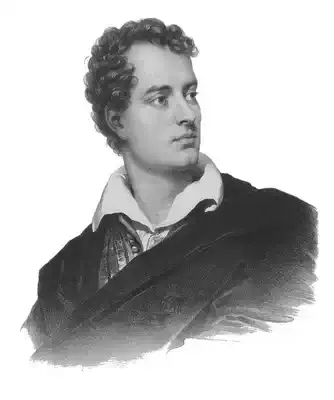
Lord Byron
All Is Vanity, Saieth the Preacher
All Is Vanity, Saieth the Preacher
I.
Fame, wisdom, love, and power were mine,
And health and youth possess'd me;
My goblets blush'd from every vine,
And lovely forms caress'd me;
I sunn'd my heart in beauty's eyes,
And felt my soul grow tender:
All earth can give, or mortal prize,
Was mine of regal splendour.
II.
I strive to number o'er what days
Remembrance can discover,
Which all that life or earth displays
Would lure me to live over.
There rose no day, there roll'd no hour
Of pleasure unembitter'd;
And not a trapping deck'd my power
That gall'd not while it glitter'd.
III.
The serpent of the field, by art
And spells, is won from harming;
But that which coils around the heart,
Oh! who hath pwer of charming?
It will not list to wisdom's lore,
Nor music's voice can lure it;
But there it stings for evermore
The soul that must endure it.
I.
Fame, wisdom, love, and power were mine,
And health and youth possess'd me;
My goblets blush'd from every vine,
And lovely forms caress'd me;
I sunn'd my heart in beauty's eyes,
And felt my soul grow tender:
All earth can give, or mortal prize,
Was mine of regal splendour.
II.
I strive to number o'er what days
Remembrance can discover,
Which all that life or earth displays
Would lure me to live over.
There rose no day, there roll'd no hour
Of pleasure unembitter'd;
And not a trapping deck'd my power
That gall'd not while it glitter'd.
III.
The serpent of the field, by art
And spells, is won from harming;
But that which coils around the heart,
Oh! who hath pwer of charming?
It will not list to wisdom's lore,
Nor music's voice can lure it;
But there it stings for evermore
The soul that must endure it.
488

Federico García Lorca
Weeping
Weeping
Weeping,
I go down the street
Grotesque, without solution
With the sadness of Cyrano
And Quixote.
Redeeming
Infinite impossiblities
With the rhythm of the clock.
Weeping,
I go down the street
Grotesque, without solution
With the sadness of Cyrano
And Quixote.
Redeeming
Infinite impossiblities
With the rhythm of the clock.
551
Federico García Lorca
Sonnet
Sonnet
I know that my profile will be serene
in the north of an unreflecting sky.
Mercury of vigil, chaste mirror
to break the pulse of my style.
For if ivy and the cool of linen
are the norm of the body I leave behind,
my profile in the sand will be the old
unblushing silence of a crocodile.
And though my tongue of frozen doves
will never taste of flame,
only of empty broom,
I'll be a free sign of oppressed norms
on the neck of the stiff branch
and in an ache of dahlias without end.
Largo espectro de plata conmovida
el viento de la noche suspirando,
abrió con mano gris mi vieja herida
y se alejó: yo estaba deseando.
Llaga de amor que me dará la vida
perpetua sangre y pura luz brotando.
Grieta en que Filomela enmudecida
tendrá bosque, dolor y nido blando.
¡Ay qué dulce rumor en mi cabeza!
Me tenderé junto a la flor sencilla
donde flota sin alma tu belleza.
Y el agua errante se pondrá amarilla,
mientras corre mi sangre en la maleza
mojada y olorosa de la orilla.
I know that my profile will be serene
in the north of an unreflecting sky.
Mercury of vigil, chaste mirror
to break the pulse of my style.
For if ivy and the cool of linen
are the norm of the body I leave behind,
my profile in the sand will be the old
unblushing silence of a crocodile.
And though my tongue of frozen doves
will never taste of flame,
only of empty broom,
I'll be a free sign of oppressed norms
on the neck of the stiff branch
and in an ache of dahlias without end.
Largo espectro de plata conmovida
el viento de la noche suspirando,
abrió con mano gris mi vieja herida
y se alejó: yo estaba deseando.
Llaga de amor que me dará la vida
perpetua sangre y pura luz brotando.
Grieta en que Filomela enmudecida
tendrá bosque, dolor y nido blando.
¡Ay qué dulce rumor en mi cabeza!
Me tenderé junto a la flor sencilla
donde flota sin alma tu belleza.
Y el agua errante se pondrá amarilla,
mientras corre mi sangre en la maleza
mojada y olorosa de la orilla.
660
Federico García Lorca
Nocturnos De La Ventana
Nocturnos De La Ventana
1
Alta va la luna.
Bajo corre el viento.
(Mis largas miradas,
exploran el cielo.)
Luna sobre el agua,
Luna bajo el viento.
(Mis cortas miradas,
exploran el suelo.)
Las voces de dos niñas
venían. Sin el esfuerzo,
de la luna del agua,
me fuí a la del cielo.
2
Un brazo de la noche
entra por mi ventana.
Un gran brazo moreno
con pulseras de agua.
Sobre un cristal azul
jugaba al río mi alma.
Los instantes heridos
por el reloj... pasaban.
3
Asomo la cabeza
por mi ventana, y veo
cómo quiere cortarla
la cuchilla del viento.
En esta guillotina
invisible, yo he puesto
las cabezas sin ojos
de todos mis deseos.
Y un olor de limón
llenó el instante inmenso,
mientras se convertía
en flor de gasa el viento.
4
Al estanque se le ha muerto
hoy una niña de agua.
Está fuera del estanque,
sobre el suelo amortajada.
De la cabeza a sus muslos
un pez la cruza, llamándola.
El viento le dice “niña”
mas no puede despertarla.
El estanque tiene suelta
su cabellera de algas
y al aire sus grises tetas
estremecidas de ranas.
Dios te salve. Rezaremos
a Nuestra Señora de Agua
por la niña del estanque
muerta bajo las manzanas.
Yo luego pondré a su lado
dos pequeñas calabazas
para que se tenga a flote,
¡ay! sobre la mar salada.
1
Alta va la luna.
Bajo corre el viento.
(Mis largas miradas,
exploran el cielo.)
Luna sobre el agua,
Luna bajo el viento.
(Mis cortas miradas,
exploran el suelo.)
Las voces de dos niñas
venían. Sin el esfuerzo,
de la luna del agua,
me fuí a la del cielo.
2
Un brazo de la noche
entra por mi ventana.
Un gran brazo moreno
con pulseras de agua.
Sobre un cristal azul
jugaba al río mi alma.
Los instantes heridos
por el reloj... pasaban.
3
Asomo la cabeza
por mi ventana, y veo
cómo quiere cortarla
la cuchilla del viento.
En esta guillotina
invisible, yo he puesto
las cabezas sin ojos
de todos mis deseos.
Y un olor de limón
llenó el instante inmenso,
mientras se convertía
en flor de gasa el viento.
4
Al estanque se le ha muerto
hoy una niña de agua.
Está fuera del estanque,
sobre el suelo amortajada.
De la cabeza a sus muslos
un pez la cruza, llamándola.
El viento le dice “niña”
mas no puede despertarla.
El estanque tiene suelta
su cabellera de algas
y al aire sus grises tetas
estremecidas de ranas.
Dios te salve. Rezaremos
a Nuestra Señora de Agua
por la niña del estanque
muerta bajo las manzanas.
Yo luego pondré a su lado
dos pequeñas calabazas
para que se tenga a flote,
¡ay! sobre la mar salada.
836
Federico García Lorca
Muerte De Antoñito El Camborio
Muerte De Antoñito El Camborio
Voces de muerte sonaron
cerca del Guadalquivir.
Voces antiguas que cercan
voz de clavel varonil.
Les clavó sobre las botas
mordiscos de jabalí.
En la lucha daba saltos
jabonados de delfín.
Baño con sangre enemiga
su corbata carmesí,
pero eran cuatro puñales
y tuvo que sucumbir.
Cuando las estrellas clavan
rejones al agua gris,
cuando los erales sueñan
verónicas de alhelí,
voces de muerte sonaron
cerca del Guadalquivir.
Antonio Torres Heredia,
Camborio de dura crin,
moreno de verde luna,
voz de clavel varonil:
¿quién te ha quitado la vida
cerca del Guadalquivir?
Mis cuatro primos Heredias
hijos de Benamejí.
Lo que en otros no envidiaban,
ya lo envidiaban en mí.
Zapatos color corinto,
medallones de marfil,
y este cutis amasado
con aceituna y jazmín.
¡Ay Antoñito el Camborio,
digno de una Emperatriz!
Acuérate de la Virgen
porque te vas a morir.
¡Ay Federico García,
llama a la Guardia Civil!
Ya mi talle se ha quebrado
como caña de maíz.
Tres golpes de sangre tuvo
y se murió de perfil.
Viva moneda que nunca
se volverá a repetir.
Un ángel marchoso pone
su cabeza en un cojín.
Otros de rubor cansado,
encendieron un candil.
Y cuando los cuatro primos
llegan a Benamejí,
voces de muerte cesaron
cerca del Guadalquivir.
Voces de muerte sonaron
cerca del Guadalquivir.
Voces antiguas que cercan
voz de clavel varonil.
Les clavó sobre las botas
mordiscos de jabalí.
En la lucha daba saltos
jabonados de delfín.
Baño con sangre enemiga
su corbata carmesí,
pero eran cuatro puñales
y tuvo que sucumbir.
Cuando las estrellas clavan
rejones al agua gris,
cuando los erales sueñan
verónicas de alhelí,
voces de muerte sonaron
cerca del Guadalquivir.
Antonio Torres Heredia,
Camborio de dura crin,
moreno de verde luna,
voz de clavel varonil:
¿quién te ha quitado la vida
cerca del Guadalquivir?
Mis cuatro primos Heredias
hijos de Benamejí.
Lo que en otros no envidiaban,
ya lo envidiaban en mí.
Zapatos color corinto,
medallones de marfil,
y este cutis amasado
con aceituna y jazmín.
¡Ay Antoñito el Camborio,
digno de una Emperatriz!
Acuérate de la Virgen
porque te vas a morir.
¡Ay Federico García,
llama a la Guardia Civil!
Ya mi talle se ha quebrado
como caña de maíz.
Tres golpes de sangre tuvo
y se murió de perfil.
Viva moneda que nunca
se volverá a repetir.
Un ángel marchoso pone
su cabeza en un cojín.
Otros de rubor cansado,
encendieron un candil.
Y cuando los cuatro primos
llegan a Benamejí,
voces de muerte cesaron
cerca del Guadalquivir.
834
Federico García Lorca
Lament for Ignacio Sánchez Mejías
Lament for Ignacio Sánchez Mejías
1. Cogida and death
At five in the afternoon.
It was exactly five in the afternoon.
A boy brought the white sheet
at five in the afternoon.
A frail of lime ready prepared
at five in the afternoon.
The rest was death, and death alone.
The wind carried away the cottonwool
at five in the afternoon.
And the oxide scattered crystal and nickel
at five in the afternoon.
Now the dove and the leopard wrestle
at five in the afternoon.
And a thigh with a desolated horn
at five in the afternoon.
The bass-string struck up
at five in the afternoon.
Arsenic bells and smoke
at five in the afternoon.
Groups of silence in the corners
at five in the afternoon.
And the bull alone with a high heart!
At five in the afternoon.
When the sweat of snow was coming
at five in the afternoon,
when the bull ring was covered with iodine
at five in the afternoon.
Death laid eggs in the wound
at five in the afternoon.
At five in the afternoon.
At five o'clock in the afternoon.
A coffin on wheels is his bed
at five in the afternoon.
Bones and flutes resound in his ears
at five in the afternoon.
Now the bull was bellowing through his forehead
at five in the afternoon.
The room was iridiscent with agony
at five in the afternoon.
In the distance the gangrene now comes
at five in the afternoon.
Horn of the lily through green groins
at five in the afternoon.
The wounds were burning like suns
at five in the afternoon.
At five in the afternoon.
Ah, that fatal five in the afternoon!
It was five by all the clocks!
It was five in the shade of the afternoon!
2. The Spilled Blood
I will not see it!
Tell the moon to come,
for I do not want to see the blood
of Ignacio on the sand.
I will not see it!
The moon wide open.
Horse of still clouds,
and the grey bull ring of dreams
with willows in the barreras.
I will not see it!
Let my memory kindle!
Warm the jasmines
of such minute whiteness!
I will not see it!
The cow of the ancient world
passed har sad tongue
over a snout of blood
spilled on the sand,
and the bulls of Guisando,
partly death and partly stone,
bellowed like two centuries
sated with threading the earth.
No.
I will not see it!
Ignacio goes up the tiers
with all his death on his shoulders.
He sought for the dawn
but the dawn was no more.
He seeks for his confident profile
and the dream bewilders him
He sought for his beautiful body
and encountered his opened blood
Do not ask me to see it!
I do not want to hear it spurt
each time with less strength:
that spurt that illuminates
the tiers of seats, and spills
over the cordury and the leather
of a thirsty multiude.
Who shouts that I should come near!
Do not ask me to see it!
His eyes did not close
when he saw the horns near,
but the terrible mothers
lifted their heads.
And across the ranches,
an air of secret voices rose,
shouting to celestial bulls,
herdsmen of pale mist.
There was no prince in Sevilla
who could compare to him,
nor sword like his sword
nor heart so true.
Like a river of lions
was his marvellous strength,
and like a marble toroso
his firm drawn moderation.
The air of Andalusian Rome
gilded his head
where his smile was a spikenard
of wit and intelligence.
What a great torero in the ring!
What a good peasant in the sierra!
How gentle with the sheaves!
How hard with the spurs!
How tender with the dew!
How dazzling the fiesta!
How tremendous with the final
banderillas of darkness!
But now he sleeps without end.
Now the moss and the grass
open with sure fingers
the flower of his skull.
And now his blood comes out singing;
singing along marshes and meadows,
sliden on frozen horns,
faltering soulles in the mist
stoumbling over a thousand hoofs
like a long, dark, sad tongue,
to form a pool of agony
close to the starry Guadalquivir.
Oh, white wall of Spain!
Oh, black bull of sorrow!
Oh, hard blood of Ignacio!
Oh, nightingale of his veins!
No.
I will not see it!
No chalice can contain it,
no swallows can drink it,
no frost of light can cool it,
nor song nor deluge og white lilies,
no glass can cover mit with silver.
No.
I will not see it!
3. The Laid Out Body
Stone is a forehead where dreames grieve
without curving waters and frozen cypresses.
Stone is a shoulder on which to bear Time
with trees formed of tears and ribbons and planets.
I have seen grey showers move towards the waves
raising their tender riddle arms,
to avoid being caught by lying stone
which loosens their limbs without soaking their blood.
For stone gathers seed and clouds,
skeleton larks and wolves of penumbra:
but yields not sounds nor crystals nor fire,
only bull rings and bull rings and more bull rings without walls.
Now, Ignacio the well born lies on the stone.
All is finished. What is happening! Contemplate his face:
death has covered him with pale sulphur
and has place on him the head of dark minotaur.
All is finished. The rain penetrates his mouth.
The air, as if mad, leaves his sunken chest,
and Love, soaked through with tears of snow,
warms itself on the peak of the herd.
What is they saying? A stenching silence settles down.
We are here with a body laid out which fades away,
with a pure shape which had nightingales
and we see it being filled with depthless holes.
Who creases the shroud? What he says is not true!
Nobody sings here, nobody weeps in the corner,
nobody pricks the spurs, nor terrifies the serpent.
Here I want nothing else but the round eyes
to see his body without a chance of rest.
Here I want to see those men of hard voice.
Those that break horses and dominate rivers;
those men of sonorous skeleton who sing
with a mouth full of sun and flint.
Here I want to see them. Before the stone.
Before this body with broken reins.
I want to know from them the way out
for this captain stripped down by death.
I want them to show me a lament like a river
wich will have sweet mists and deep shores,
to take the body of Ignacio where it looses itself
without hearing the double planting of the bulls.
Loses itself in the round bull ring of the moon
which feigns in its youth a sad quiet bull,
loses itself in the night without song of fishes
and in the white thicket of frozen smoke.
I don't want to cover his face with handkerchiefs
that he may get used to the death he carries.
Go, Ignacio, feel not the hot bellowing
Sleep, fly, rest: even the sea dies!
4. Absent Soul
The bull does not know you, nor the fig tree,
nor the horses, nor the ants in your own house.
The child and the afternoon do not know you
because you have dead forever.
The shoulder of the stone does not know you
nor the black silk, where you are shuttered.
Your silent memory does not know you
because you have died forever
The autumn will come with small white snails,
misty grapes and clustered hills,
but no one will look into your eyes
because you have died forever.
Because you have died for ever,
like all the dead of the earth,
like all the dead who are forgotten
in a heap of lifeless dogs.
Nobady knows you. No. But I sing of you.
For posterity I sing of your profile and grace.
Of the signal maturity of your understanding.
Of your appetite for death and the taste of its mouth.
Of the sadness of your once valiant gaiety.
It will be a long time, if ever, before there is born
an Andalusian so true, so rich in adventure.
I sing of his elegance with words that groan,
and I remember a sad breeze through the olive trees.
1. Cogida and death
At five in the afternoon.
It was exactly five in the afternoon.
A boy brought the white sheet
at five in the afternoon.
A frail of lime ready prepared
at five in the afternoon.
The rest was death, and death alone.
The wind carried away the cottonwool
at five in the afternoon.
And the oxide scattered crystal and nickel
at five in the afternoon.
Now the dove and the leopard wrestle
at five in the afternoon.
And a thigh with a desolated horn
at five in the afternoon.
The bass-string struck up
at five in the afternoon.
Arsenic bells and smoke
at five in the afternoon.
Groups of silence in the corners
at five in the afternoon.
And the bull alone with a high heart!
At five in the afternoon.
When the sweat of snow was coming
at five in the afternoon,
when the bull ring was covered with iodine
at five in the afternoon.
Death laid eggs in the wound
at five in the afternoon.
At five in the afternoon.
At five o'clock in the afternoon.
A coffin on wheels is his bed
at five in the afternoon.
Bones and flutes resound in his ears
at five in the afternoon.
Now the bull was bellowing through his forehead
at five in the afternoon.
The room was iridiscent with agony
at five in the afternoon.
In the distance the gangrene now comes
at five in the afternoon.
Horn of the lily through green groins
at five in the afternoon.
The wounds were burning like suns
at five in the afternoon.
At five in the afternoon.
Ah, that fatal five in the afternoon!
It was five by all the clocks!
It was five in the shade of the afternoon!
2. The Spilled Blood
I will not see it!
Tell the moon to come,
for I do not want to see the blood
of Ignacio on the sand.
I will not see it!
The moon wide open.
Horse of still clouds,
and the grey bull ring of dreams
with willows in the barreras.
I will not see it!
Let my memory kindle!
Warm the jasmines
of such minute whiteness!
I will not see it!
The cow of the ancient world
passed har sad tongue
over a snout of blood
spilled on the sand,
and the bulls of Guisando,
partly death and partly stone,
bellowed like two centuries
sated with threading the earth.
No.
I will not see it!
Ignacio goes up the tiers
with all his death on his shoulders.
He sought for the dawn
but the dawn was no more.
He seeks for his confident profile
and the dream bewilders him
He sought for his beautiful body
and encountered his opened blood
Do not ask me to see it!
I do not want to hear it spurt
each time with less strength:
that spurt that illuminates
the tiers of seats, and spills
over the cordury and the leather
of a thirsty multiude.
Who shouts that I should come near!
Do not ask me to see it!
His eyes did not close
when he saw the horns near,
but the terrible mothers
lifted their heads.
And across the ranches,
an air of secret voices rose,
shouting to celestial bulls,
herdsmen of pale mist.
There was no prince in Sevilla
who could compare to him,
nor sword like his sword
nor heart so true.
Like a river of lions
was his marvellous strength,
and like a marble toroso
his firm drawn moderation.
The air of Andalusian Rome
gilded his head
where his smile was a spikenard
of wit and intelligence.
What a great torero in the ring!
What a good peasant in the sierra!
How gentle with the sheaves!
How hard with the spurs!
How tender with the dew!
How dazzling the fiesta!
How tremendous with the final
banderillas of darkness!
But now he sleeps without end.
Now the moss and the grass
open with sure fingers
the flower of his skull.
And now his blood comes out singing;
singing along marshes and meadows,
sliden on frozen horns,
faltering soulles in the mist
stoumbling over a thousand hoofs
like a long, dark, sad tongue,
to form a pool of agony
close to the starry Guadalquivir.
Oh, white wall of Spain!
Oh, black bull of sorrow!
Oh, hard blood of Ignacio!
Oh, nightingale of his veins!
No.
I will not see it!
No chalice can contain it,
no swallows can drink it,
no frost of light can cool it,
nor song nor deluge og white lilies,
no glass can cover mit with silver.
No.
I will not see it!
3. The Laid Out Body
Stone is a forehead where dreames grieve
without curving waters and frozen cypresses.
Stone is a shoulder on which to bear Time
with trees formed of tears and ribbons and planets.
I have seen grey showers move towards the waves
raising their tender riddle arms,
to avoid being caught by lying stone
which loosens their limbs without soaking their blood.
For stone gathers seed and clouds,
skeleton larks and wolves of penumbra:
but yields not sounds nor crystals nor fire,
only bull rings and bull rings and more bull rings without walls.
Now, Ignacio the well born lies on the stone.
All is finished. What is happening! Contemplate his face:
death has covered him with pale sulphur
and has place on him the head of dark minotaur.
All is finished. The rain penetrates his mouth.
The air, as if mad, leaves his sunken chest,
and Love, soaked through with tears of snow,
warms itself on the peak of the herd.
What is they saying? A stenching silence settles down.
We are here with a body laid out which fades away,
with a pure shape which had nightingales
and we see it being filled with depthless holes.
Who creases the shroud? What he says is not true!
Nobody sings here, nobody weeps in the corner,
nobody pricks the spurs, nor terrifies the serpent.
Here I want nothing else but the round eyes
to see his body without a chance of rest.
Here I want to see those men of hard voice.
Those that break horses and dominate rivers;
those men of sonorous skeleton who sing
with a mouth full of sun and flint.
Here I want to see them. Before the stone.
Before this body with broken reins.
I want to know from them the way out
for this captain stripped down by death.
I want them to show me a lament like a river
wich will have sweet mists and deep shores,
to take the body of Ignacio where it looses itself
without hearing the double planting of the bulls.
Loses itself in the round bull ring of the moon
which feigns in its youth a sad quiet bull,
loses itself in the night without song of fishes
and in the white thicket of frozen smoke.
I don't want to cover his face with handkerchiefs
that he may get used to the death he carries.
Go, Ignacio, feel not the hot bellowing
Sleep, fly, rest: even the sea dies!
4. Absent Soul
The bull does not know you, nor the fig tree,
nor the horses, nor the ants in your own house.
The child and the afternoon do not know you
because you have dead forever.
The shoulder of the stone does not know you
nor the black silk, where you are shuttered.
Your silent memory does not know you
because you have died forever
The autumn will come with small white snails,
misty grapes and clustered hills,
but no one will look into your eyes
because you have died forever.
Because you have died for ever,
like all the dead of the earth,
like all the dead who are forgotten
in a heap of lifeless dogs.
Nobady knows you. No. But I sing of you.
For posterity I sing of your profile and grace.
Of the signal maturity of your understanding.
Of your appetite for death and the taste of its mouth.
Of the sadness of your once valiant gaiety.
It will be a long time, if ever, before there is born
an Andalusian so true, so rich in adventure.
I sing of his elegance with words that groan,
and I remember a sad breeze through the olive trees.
791
Federico García Lorca
Gacela of the Dark Death
Gacela of the Dark Death
I want to sleep the dream of the apples,
to withdraw from the tumult of cemetries.
I want to sleep the dream of that child
who wanted to cut his heart on the high seas.
I don't want to hear again that the dead do not lose their blood,
that the putrid mouth goes on asking for water.
I don't want to learn of the tortures of the grass,
nor of the moon with a serpent's mouth
that labors before dawn.
I want to sleep awhile,
awhile, a minute, a century;
but all must know that I have not died;
that there is a stable of gold in my lips;
that I am the small friend of the West wing;
that I am the intense shadows of my tears.
Cover me at dawn with a veil,
because dawn will throw fistfuls of ants at me,
and wet with hard water my shoes
so that the pincers of the scorpion slide.
For I want to sleep the dream of the apples,
to learn a lament that will cleanse me to earth;
for I want to live with that dark child
who wanted to cut his heart on the high seas.
I want to sleep the dream of the apples,
to withdraw from the tumult of cemetries.
I want to sleep the dream of that child
who wanted to cut his heart on the high seas.
I don't want to hear again that the dead do not lose their blood,
that the putrid mouth goes on asking for water.
I don't want to learn of the tortures of the grass,
nor of the moon with a serpent's mouth
that labors before dawn.
I want to sleep awhile,
awhile, a minute, a century;
but all must know that I have not died;
that there is a stable of gold in my lips;
that I am the small friend of the West wing;
that I am the intense shadows of my tears.
Cover me at dawn with a veil,
because dawn will throw fistfuls of ants at me,
and wet with hard water my shoes
so that the pincers of the scorpion slide.
For I want to sleep the dream of the apples,
to learn a lament that will cleanse me to earth;
for I want to live with that dark child
who wanted to cut his heart on the high seas.
766
Federico García Lorca
Gacela of Unforseen Love
Gacela of Unforseen Love
No one understood the perfume
of the dark magnolia of your womb.
Nobody knew that you tormented
a hummingbird of love between your teeth.
A thousand Persian little horses fell asleep
in the plaza with moon of your forehead,
while through four nights I embraced
your waist, enemy of the snow.
Between plaster and jasmins, your glance
was a pale branch of seeds.
I sought in my heart to give you
the ivory letters that say "siempre",
"siempre", "siempre" : garden of my agony,
your body elusive always,
that blood of your veins in my mouth,
your mouth already lightless for my death.
No one understood the perfume
of the dark magnolia of your womb.
Nobody knew that you tormented
a hummingbird of love between your teeth.
A thousand Persian little horses fell asleep
in the plaza with moon of your forehead,
while through four nights I embraced
your waist, enemy of the snow.
Between plaster and jasmins, your glance
was a pale branch of seeds.
I sought in my heart to give you
the ivory letters that say "siempre",
"siempre", "siempre" : garden of my agony,
your body elusive always,
that blood of your veins in my mouth,
your mouth already lightless for my death.
859
Federico García Lorca
City That Does Not Sleep
City That Does Not Sleep
In the sky there is nobody asleep. Nobody, nobody.
Nobody is asleep.
The creatures of the moon sniff and prowl about their cabins.
The living iguanas will come and bite the men who do not dream,
and the man who rushes out with his spirit broken will meet on the
street corner
the unbelievable alligator quiet beneath the tender protest of the
stars.
Nobody is asleep on earth. Nobody, nobody.
Nobody is asleep.
In a graveyard far off there is a corpse
who has moaned for three years
because of a dry countryside on his knee;
and that boy they buried this morning cried so much
it was necessary to call out the dogs to keep him quiet.
Life is not a dream. Careful! Careful! Careful!
We fall down the stairs in order to eat the moist earth
or we climb to the knife edge of the snow with the voices of the dead
dahlias.
But forgetfulness does not exist, dreams do not exist;
flesh exists. Kisses tie our mouths
in a thicket of new veins,
and whoever his pain pains will feel that pain forever
and whoever is afraid of death will carry it on his shoulders.
One day
the horses will live in the saloons
and the enraged ants
will throw themselves on the yellow skies that take refuge in the
eyes of cows.
Another day
we will watch the preserved butterflies rise from the dead
and still walking through a country of gray sponges and silent boats
we will watch our ring flash and roses spring from our tongue.
Careful! Be careful! Be careful!
The men who still have marks of the claw and the thunderstorm,
and that boy who cries because he has never heard of the invention
of the bridge,
or that dead man who possesses now only his head and a shoe,
we must carry them to the wall where the iguanas and the snakes
are waiting,
where the bear's teeth are waiting,
where the mummified hand of the boy is waiting,
and the hair of the camel stands on end with a violent blue shudder.
Nobody is sleeping in the sky. Nobody, nobody.
Nobody is sleeping.
If someone does close his eyes,
a whip, boys, a whip!
Let there be a landscape of open eyes
and bitter wounds on fire.
No one is sleeping in this world. No one, no one.
I have said it before.
No one is sleeping.
But if someone grows too much moss on his temples during the
night,
open the stage trapdoors so he can see in the moonlight
the lying goblets, and the poison, and the skull of the theaters.
In the sky there is nobody asleep. Nobody, nobody.
Nobody is asleep.
The creatures of the moon sniff and prowl about their cabins.
The living iguanas will come and bite the men who do not dream,
and the man who rushes out with his spirit broken will meet on the
street corner
the unbelievable alligator quiet beneath the tender protest of the
stars.
Nobody is asleep on earth. Nobody, nobody.
Nobody is asleep.
In a graveyard far off there is a corpse
who has moaned for three years
because of a dry countryside on his knee;
and that boy they buried this morning cried so much
it was necessary to call out the dogs to keep him quiet.
Life is not a dream. Careful! Careful! Careful!
We fall down the stairs in order to eat the moist earth
or we climb to the knife edge of the snow with the voices of the dead
dahlias.
But forgetfulness does not exist, dreams do not exist;
flesh exists. Kisses tie our mouths
in a thicket of new veins,
and whoever his pain pains will feel that pain forever
and whoever is afraid of death will carry it on his shoulders.
One day
the horses will live in the saloons
and the enraged ants
will throw themselves on the yellow skies that take refuge in the
eyes of cows.
Another day
we will watch the preserved butterflies rise from the dead
and still walking through a country of gray sponges and silent boats
we will watch our ring flash and roses spring from our tongue.
Careful! Be careful! Be careful!
The men who still have marks of the claw and the thunderstorm,
and that boy who cries because he has never heard of the invention
of the bridge,
or that dead man who possesses now only his head and a shoe,
we must carry them to the wall where the iguanas and the snakes
are waiting,
where the bear's teeth are waiting,
where the mummified hand of the boy is waiting,
and the hair of the camel stands on end with a violent blue shudder.
Nobody is sleeping in the sky. Nobody, nobody.
Nobody is sleeping.
If someone does close his eyes,
a whip, boys, a whip!
Let there be a landscape of open eyes
and bitter wounds on fire.
No one is sleeping in this world. No one, no one.
I have said it before.
No one is sleeping.
But if someone grows too much moss on his temples during the
night,
open the stage trapdoors so he can see in the moonlight
the lying goblets, and the poison, and the skull of the theaters.
939
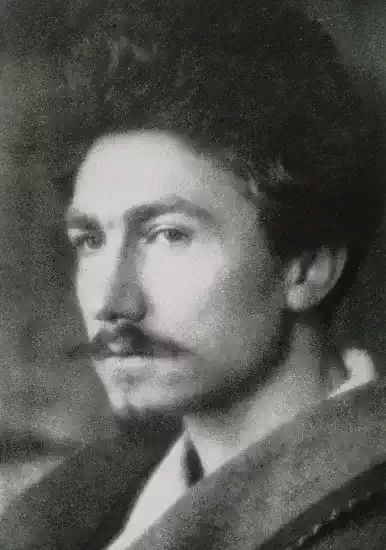
Ezra Pound
The Rest
The Rest
O helpless few in my country, remnant enslaved!
Artists broken against her,
A-stray, lost in the villages,
Mistrusted, spoken-against,
Lovers of beauty, starved,
Thwarted with systems,
Helpless against the control;
You who can not wear yourselves out
By persisting to successes,
You who can only speak,
Who can not steel yourselves into reiteration;
You of the finer sense,
Broken against false knowledge,
You who can know at first hand,
Hated, shut in, mistrusted:
Take thought:
I have weathered the storm,
I have beaten out my exile.
O helpless few in my country, remnant enslaved!
Artists broken against her,
A-stray, lost in the villages,
Mistrusted, spoken-against,
Lovers of beauty, starved,
Thwarted with systems,
Helpless against the control;
You who can not wear yourselves out
By persisting to successes,
You who can only speak,
Who can not steel yourselves into reiteration;
You of the finer sense,
Broken against false knowledge,
You who can know at first hand,
Hated, shut in, mistrusted:
Take thought:
I have weathered the storm,
I have beaten out my exile.
422
Ezra Pound
Poem
Poem
(Abbreviated from the conversation with Mr. T E H.
Over the flat slope of St Eloi
A wide wall of sandbags.
Night,
In the silence desultory men
Pottering over small fires, cleaning their mess-tins:
To and fro, from the lines,
Men walk as on Piccadilly,
Making paths in the dark,
Through scattered dead horses,
Over a dead Belgian’s body.
The Germans have rockets. The English have no rockets,
Behind the lines, cannon, hidden, lying back miles.
Before the line, chaos.
My mind is a corridor. The minds about me are
corridors.
Nothing suggests itself. There is nothing to do but keep on.
(Abbreviated from the conversation with Mr. T E H.
Over the flat slope of St Eloi
A wide wall of sandbags.
Night,
In the silence desultory men
Pottering over small fires, cleaning their mess-tins:
To and fro, from the lines,
Men walk as on Piccadilly,
Making paths in the dark,
Through scattered dead horses,
Over a dead Belgian’s body.
The Germans have rockets. The English have no rockets,
Behind the lines, cannon, hidden, lying back miles.
Before the line, chaos.
My mind is a corridor. The minds about me are
corridors.
Nothing suggests itself. There is nothing to do but keep on.
453
Ezra Pound
Lament of the Frontier Guard
Lament of the Frontier Guard
By the North Gate, the wind blows full of sand,
Lonely from the beginning of time until now!
Trees fall, the grass goes yellow with autumn.
I climb the towers and towers
to watch out the barbarous land:
Desolate castle, the sky, the wide desert.
There is no wall left to this village.
Bones white with a thousand frosts,
High heaps, covered with trees and grass;
Who brought this to pass?
Who has brought the flaming imperial anger?
Who has brought the army with drums and with kettle-drums?
Barbarous kings.
A gracious spring, turned to blood-ravenous autumn,
A turmoil of wars - men, spread over the middle kingdom,
Three hundred and sixty thousand,
And sorrow, sorrow like rain.
Sorrow to go, and sorrow, sorrow returning,
Desolate, desolate fields,
And no children of warfare upon them,
No longer the men for offence and defence.
Ah, how shall you know the dreary sorrow at the North Gate,
With Rihoku's name forgotten,
And we guardsmen fed to the tigers.
By Rihaku. [Li Po?]
By the North Gate, the wind blows full of sand,
Lonely from the beginning of time until now!
Trees fall, the grass goes yellow with autumn.
I climb the towers and towers
to watch out the barbarous land:
Desolate castle, the sky, the wide desert.
There is no wall left to this village.
Bones white with a thousand frosts,
High heaps, covered with trees and grass;
Who brought this to pass?
Who has brought the flaming imperial anger?
Who has brought the army with drums and with kettle-drums?
Barbarous kings.
A gracious spring, turned to blood-ravenous autumn,
A turmoil of wars - men, spread over the middle kingdom,
Three hundred and sixty thousand,
And sorrow, sorrow like rain.
Sorrow to go, and sorrow, sorrow returning,
Desolate, desolate fields,
And no children of warfare upon them,
No longer the men for offence and defence.
Ah, how shall you know the dreary sorrow at the North Gate,
With Rihoku's name forgotten,
And we guardsmen fed to the tigers.
By Rihaku. [Li Po?]
601

Emily Jane Brontë
Well Hast Thou spoke
Well Hast Thou spoke
Well hast thou spoken, and yet not taught
A feeling strange or new;
Thou hast but roused a latent thought,
A cloud-closed beam of sunshine brought
To gleam in open view.
Deep down, concealed within my soul,
That light lies hid from men;
Yet glows unquenched--though shadows roll,
Its gentle ray cannot control--
About the sullen den.
Was I not vexed, in these gloomy ways
To walk alone so long?
Around me, wretches uttering praise,
Or howling o'er their hopeless days,
And each with Frenzy's tongue;--
A brotherhood of misery,
Their smiles as sad as sighs;
Whose madness daily maddened me,
Distorting into agony
The bliss before my eyes!
So stood I, in Heaven's glorious sun,
And in the glare of Hell;
My spirit drank a mingled tone,
Of seraph's song, and demon's moan;
What my soul bore, my soul alone
Within itself may tell!
Like a soft, air above a sea,
Tossed by the tempest's stir;
A thaw-wind, melting quietly
The snow-drift on some wintry lea;
No: what sweet thing resembles thee,
My thoughtful Comforter?
And yet a little longer speak,
Calm this resentful mood;
And while the savage heart grows meek,
For other token do not seek,
But let the tear upon my cheek
Evince my gratitude!
Well hast thou spoken, and yet not taught
A feeling strange or new;
Thou hast but roused a latent thought,
A cloud-closed beam of sunshine brought
To gleam in open view.
Deep down, concealed within my soul,
That light lies hid from men;
Yet glows unquenched--though shadows roll,
Its gentle ray cannot control--
About the sullen den.
Was I not vexed, in these gloomy ways
To walk alone so long?
Around me, wretches uttering praise,
Or howling o'er their hopeless days,
And each with Frenzy's tongue;--
A brotherhood of misery,
Their smiles as sad as sighs;
Whose madness daily maddened me,
Distorting into agony
The bliss before my eyes!
So stood I, in Heaven's glorious sun,
And in the glare of Hell;
My spirit drank a mingled tone,
Of seraph's song, and demon's moan;
What my soul bore, my soul alone
Within itself may tell!
Like a soft, air above a sea,
Tossed by the tempest's stir;
A thaw-wind, melting quietly
The snow-drift on some wintry lea;
No: what sweet thing resembles thee,
My thoughtful Comforter?
And yet a little longer speak,
Calm this resentful mood;
And while the savage heart grows meek,
For other token do not seek,
But let the tear upon my cheek
Evince my gratitude!
243
Emily Jane Brontë
The Wind was Rough which Tore
The Wind was Rough which Tore
The wind was rough which tore
That leaf from its parent tree
The fate was cruel which bore
The withering corpse to me
We wander on we have no rest
It is a dreary way
What shadow is it
That ever moves before [my] eyes
It has a brow of ghostly whiteness
The wind was rough which tore
That leaf from its parent tree
The fate was cruel which bore
The withering corpse to me
We wander on we have no rest
It is a dreary way
What shadow is it
That ever moves before [my] eyes
It has a brow of ghostly whiteness
210
Emily Jane Brontë
The Prisoner
The Prisoner
Still let my tyrants know, I am not doomed to wear
Year after year in gloom and desolate despair;
A messenger of Hope comes every night to me,
And offers for short life, eternal liberty.
He comes with western winds, with evening's wandering airs,
With that clear dusk of heaven that brings the thickest stars:
Winds take a pensive tone, and stars a tender fire,
And visions rise, and change, that kill me with desire.
Desire for nothing known in my maturer years,
When Joy grew mad with awe, at counting future tears:
When, if my spirit's sky was full of flashes warm,
I knew not whence they came, from sun or thunderstorm.
But first, a hush of peace -a soundless calm descends;
The struggle of distress and fierce impatience ends;
Mute music soothes my breast -unuttered harmony
That I could never dream, till Earth was lost to me.
Then dawns the Invisible; the Unseen its truth reveals;
My outward sense is gone, my inward essence feels;
Its wings are almost free -its home, its harbour found;
Measuring the gulf, it stoops, and dares the final bound.
O dreadful is the check -intense the agony -
When the ear begins to hear, and the eye begins to see;
When the pulse begins to throb, the brain to think again,
The soul to feel the flesh, and the flesh to feel the chain.
Yet I would lose no sting, would wish no torture less;
The more that anguish racks, the earlier it will bless;
And robed in fires of hell, or bright with heavenly shine,
If it but herald Death, the vision is divine.
Still let my tyrants know, I am not doomed to wear
Year after year in gloom and desolate despair;
A messenger of Hope comes every night to me,
And offers for short life, eternal liberty.
He comes with western winds, with evening's wandering airs,
With that clear dusk of heaven that brings the thickest stars:
Winds take a pensive tone, and stars a tender fire,
And visions rise, and change, that kill me with desire.
Desire for nothing known in my maturer years,
When Joy grew mad with awe, at counting future tears:
When, if my spirit's sky was full of flashes warm,
I knew not whence they came, from sun or thunderstorm.
But first, a hush of peace -a soundless calm descends;
The struggle of distress and fierce impatience ends;
Mute music soothes my breast -unuttered harmony
That I could never dream, till Earth was lost to me.
Then dawns the Invisible; the Unseen its truth reveals;
My outward sense is gone, my inward essence feels;
Its wings are almost free -its home, its harbour found;
Measuring the gulf, it stoops, and dares the final bound.
O dreadful is the check -intense the agony -
When the ear begins to hear, and the eye begins to see;
When the pulse begins to throb, the brain to think again,
The soul to feel the flesh, and the flesh to feel the chain.
Yet I would lose no sting, would wish no torture less;
The more that anguish racks, the earlier it will bless;
And robed in fires of hell, or bright with heavenly shine,
If it but herald Death, the vision is divine.
362
Emily Jane Brontë
Stanzas
Stanzas
I'll not weep that thou art going to leave me,
There's nothing lovely here;
And doubly will the dark world grieve me,
While thy heart suffers there.
I'll not weep, because the summer's glory
Must always end in gloom;
And, follow out the happiest story -
It closes with a tomb!
And I am weary of the anguish
Increasing winters bear;
Weary to watch the spirit languish
Through years of dead despair.
So, if a tear, when thou art dying,
Should haply fall from me,
It is but that my soul is sighing,
To go and rest with thee.
I'll not weep that thou art going to leave me,
There's nothing lovely here;
And doubly will the dark world grieve me,
While thy heart suffers there.
I'll not weep, because the summer's glory
Must always end in gloom;
And, follow out the happiest story -
It closes with a tomb!
And I am weary of the anguish
Increasing winters bear;
Weary to watch the spirit languish
Through years of dead despair.
So, if a tear, when thou art dying,
Should haply fall from me,
It is but that my soul is sighing,
To go and rest with thee.
163
Emily Jane Brontë
Silent is the House
Silent is the House
Come, the wind may never again
Blow as now it blows for us;
And the stars may never again shine as now they shine;
Long before October returns,
Seas of blood will have parted us;
And you must crush the love in your heart, and I the love in mine!
Come, the wind may never again
Blow as now it blows for us;
And the stars may never again shine as now they shine;
Long before October returns,
Seas of blood will have parted us;
And you must crush the love in your heart, and I the love in mine!
279
Emily Jane Brontë
Oh, For The Time When I Shall Sleep
Oh, For The Time When I Shall Sleep
Oh, for the time when I shall sleep
Without identity,
And never care how rain may steep,
Or snow may cover me!
No promised heaven these wild desires
Could all, or half, fulful;
No threatened hell, with quenchless fires,
Subdue this quenchless will!
So said I, and still say the same;
Still, to my death, will say—
Three gods within this little frame
Are warring night and day:
Heaven could not hold them all, and yet
They all are held in me;
And must be mine till I forget
My present entity!
Oh, for the time when in my breast
Their struggles will be o'er!
Oh, for the day when I shall rest,
And never suffer more!
Oh, for the time when I shall sleep
Without identity,
And never care how rain may steep,
Or snow may cover me!
No promised heaven these wild desires
Could all, or half, fulful;
No threatened hell, with quenchless fires,
Subdue this quenchless will!
So said I, and still say the same;
Still, to my death, will say—
Three gods within this little frame
Are warring night and day:
Heaven could not hold them all, and yet
They all are held in me;
And must be mine till I forget
My present entity!
Oh, for the time when in my breast
Their struggles will be o'er!
Oh, for the day when I shall rest,
And never suffer more!
225
Emily Jane Brontë
My Comforter
My Comforter
Well hast thou spoken, and yet, not taught
A feeling strange or new;
Thou hast but roused a latent thought,
A cloud-closed beam of sunshine, brought
To gleam in open view.
Deep down, concealed within my soul,
That light lies hid from men;
Yet, glows unquenched - though shadows roll,
Its gentle ray cannot control,
About the sullen den.
Was I not vexed, in these gloomy ways
To walk alone so long?
Around me, wretches uttering praise,
Or howling o'er their hopeless days,
And each with Frenzy's tongue; -
A brotherhood of misery,
Their smiles as sad as sighs;
Whose madness daily maddened me,
Distorting into agony
The bliss before my eyes!
So stood I, in Heaven's glorious sun,
And in the glare of Hell;
My spirit drank a mingled tone,
Of seraph's song, and demon's moan;
What my soul bore, my soul alone
Within itself may tell!
Like a soft air, above a sea,
Tossed by the tempest's stir;
A thaw-wind, melting quietly
The snow-drift, on some wintry lea;
No: what sweet thing resembles thee,
My thoughtful Comforter?
And yet a little longer speak,
Calm this resentful mood;
And while the savage heart grows meek,
For other token do not seek,
But let the tear upon my cheek
Evince my gratitude!
Well hast thou spoken, and yet, not taught
A feeling strange or new;
Thou hast but roused a latent thought,
A cloud-closed beam of sunshine, brought
To gleam in open view.
Deep down, concealed within my soul,
That light lies hid from men;
Yet, glows unquenched - though shadows roll,
Its gentle ray cannot control,
About the sullen den.
Was I not vexed, in these gloomy ways
To walk alone so long?
Around me, wretches uttering praise,
Or howling o'er their hopeless days,
And each with Frenzy's tongue; -
A brotherhood of misery,
Their smiles as sad as sighs;
Whose madness daily maddened me,
Distorting into agony
The bliss before my eyes!
So stood I, in Heaven's glorious sun,
And in the glare of Hell;
My spirit drank a mingled tone,
Of seraph's song, and demon's moan;
What my soul bore, my soul alone
Within itself may tell!
Like a soft air, above a sea,
Tossed by the tempest's stir;
A thaw-wind, melting quietly
The snow-drift, on some wintry lea;
No: what sweet thing resembles thee,
My thoughtful Comforter?
And yet a little longer speak,
Calm this resentful mood;
And while the savage heart grows meek,
For other token do not seek,
But let the tear upon my cheek
Evince my gratitude!
250
Emily Jane Brontë
If grief for grief can touch thee
If grief for grief can touch thee
If grief for grief can touch thee,
If answering woe for woe,
If any truth can melt thee
Come to me now!
I cannot be more lonely,
More drear I cannot be!
My worn heart beats so wildly
'Twill break for thee--
And when the world despises--
When Heaven repels my prayer--
Will not mine angel comfort?
Mine idol hear?
Yes, by the tears I'm poured,
By all my hours of pain
O I shall surely win thee,
Beloved, again!
If grief for grief can touch thee,
If answering woe for woe,
If any truth can melt thee
Come to me now!
I cannot be more lonely,
More drear I cannot be!
My worn heart beats so wildly
'Twill break for thee--
And when the world despises--
When Heaven repels my prayer--
Will not mine angel comfort?
Mine idol hear?
Yes, by the tears I'm poured,
By all my hours of pain
O I shall surely win thee,
Beloved, again!
160
Emily Jane Brontë
Hope
Hope
Hope was but a timid friend;
She sat without the grated den,
Watching how my fate would tend,
Even as selfish-hearted men.
She was cruel in her fear;
Through the bars, one dreary day,
I looked out to see her there,
And she turned her face away!
Like a false guard, false watch keeping,
Still, in strife, she whispered peace;
She would sing while I was weeping;
If I listened, she would cease.
False she was, and unrelenting;
When my last joys strewed the ground,
Even Sorrow saw, repenting,
Those sad relics scattered round;
Hope, whose whisper would have given
Balm to all my frenzied pain,
Stretched her wings, and soared to heaven,
Went, and ne'er returned again!
Hope was but a timid friend;
She sat without the grated den,
Watching how my fate would tend,
Even as selfish-hearted men.
She was cruel in her fear;
Through the bars, one dreary day,
I looked out to see her there,
And she turned her face away!
Like a false guard, false watch keeping,
Still, in strife, she whispered peace;
She would sing while I was weeping;
If I listened, she would cease.
False she was, and unrelenting;
When my last joys strewed the ground,
Even Sorrow saw, repenting,
Those sad relics scattered round;
Hope, whose whisper would have given
Balm to all my frenzied pain,
Stretched her wings, and soared to heaven,
Went, and ne'er returned again!
222
Emily Jane Brontë
At Castle Wood
At Castle Wood
The day is done, the winter sun
Is setting in its sullen sky;
And drear the course that has been run,
And dim the hearts that slowly die.
No star will light my coming night;
No morn of hope for me will shine;
I mourn not heaven would blast my sight,
And I ne'er longed for joys divine.
Through life's hard task I did not ask
Celestial aid, celestial cheer;
I saw my fate without its mask,
And met it too without a tear.
The grief that pressed my aching breast
Was heavier far than earth can be;
And who would dread eternal rest
When labour's hour was agony?
Dark falls the fear of this despair
On spirits born of happiness;
But I was bred the mate of care,
The foster-child of sore distress.
No sighs for me, no sympathy,
No wish to keep my soul below;
The heart is dead in infancy,
Unwept-for let the body go.
The day is done, the winter sun
Is setting in its sullen sky;
And drear the course that has been run,
And dim the hearts that slowly die.
No star will light my coming night;
No morn of hope for me will shine;
I mourn not heaven would blast my sight,
And I ne'er longed for joys divine.
Through life's hard task I did not ask
Celestial aid, celestial cheer;
I saw my fate without its mask,
And met it too without a tear.
The grief that pressed my aching breast
Was heavier far than earth can be;
And who would dread eternal rest
When labour's hour was agony?
Dark falls the fear of this despair
On spirits born of happiness;
But I was bred the mate of care,
The foster-child of sore distress.
No sighs for me, no sympathy,
No wish to keep my soul below;
The heart is dead in infancy,
Unwept-for let the body go.
224
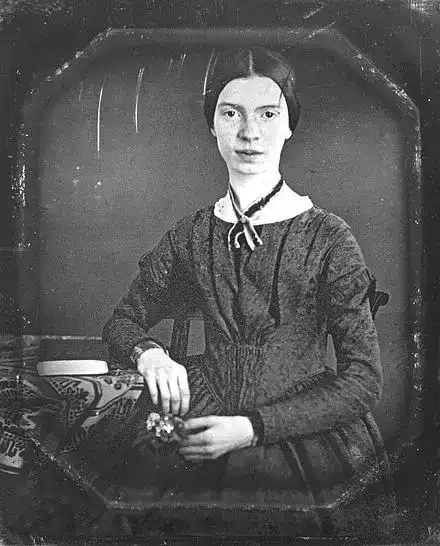
Emily Dickinson
You see I cannot see—your lifetime
You see I cannot see—your lifetime
253
You see I cannot see—your lifetime—
I must guess—
How many times it ache for me—today—Confess—
How many times for my far sake
The brave eyes film—
But I guess guessing hurts—
Mine—got so dim!
Too vague—the face—
My own—so patient—covers—
Too far—the strength—
My timidness enfolds—
Haunting the Heart—
Like her translated faces—
Teasing the want—
It—only—can suffice!
253
You see I cannot see—your lifetime—
I must guess—
How many times it ache for me—today—Confess—
How many times for my far sake
The brave eyes film—
But I guess guessing hurts—
Mine—got so dim!
Too vague—the face—
My own—so patient—covers—
Too far—the strength—
My timidness enfolds—
Haunting the Heart—
Like her translated faces—
Teasing the want—
It—only—can suffice!
216