

Poems in this topic
Pain and Despair
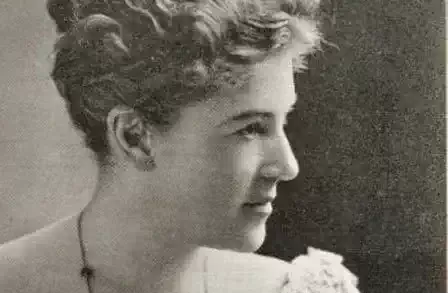
Ella Wheeler Wilcox
The Signboard
The Signboard
I will paint you a sign, rumseller,
And hang it above your door;
A truer and better signboard
Than ever you had before.
I will paint with the skill of a master,
And many shall pause to see
This wonderful piece of painting,
So like the reality.
I will paint yourself, rumseller,
As you wait for that fair young boy,
Just in the morning of manhood,
A mother’s pride and joy.
He has no thought of stopping,
But you greet him with a smile
And you seem so blithe and friendly,
That he pauses a chat awhile.
I will paint you again, rumseller,
I will paint you as you stand,
With a foaming glass of liquor
Extended in your hand.
He wavers, but you urge him –
Drink, pledge me just this one!
And he takes the glass and drains it,
And the hellish work is done.
And next I will paint a drunkard –
Only a year has flown,
But into that loathesome creature
The fair young boy has grown.
The work was sure and rapid.
I will paint him as he lies
In a torpid, drunken slumber,
Under the wintry skies.
I will paint the form of the mother
As she kneels at her darling’s side,
Her beautiful boy that was dearer
Than all the world beside.
I will paint the shape of a coffin
Labelled with one word – ‘Lost’
I will paint all this, rumseller,
And will paint it free of cost.
The sin and the shame and the sorrow,
The crime and the want and the woe
That are born there in your workshop,
No hand can paint, you know
But I’ll paint you a sign, rumseller,
And many shall pause to view
This wonderful swinging signboard,
So terribly, fearfully true.
I will paint you a sign, rumseller,
And hang it above your door;
A truer and better signboard
Than ever you had before.
I will paint with the skill of a master,
And many shall pause to see
This wonderful piece of painting,
So like the reality.
I will paint yourself, rumseller,
As you wait for that fair young boy,
Just in the morning of manhood,
A mother’s pride and joy.
He has no thought of stopping,
But you greet him with a smile
And you seem so blithe and friendly,
That he pauses a chat awhile.
I will paint you again, rumseller,
I will paint you as you stand,
With a foaming glass of liquor
Extended in your hand.
He wavers, but you urge him –
Drink, pledge me just this one!
And he takes the glass and drains it,
And the hellish work is done.
And next I will paint a drunkard –
Only a year has flown,
But into that loathesome creature
The fair young boy has grown.
The work was sure and rapid.
I will paint him as he lies
In a torpid, drunken slumber,
Under the wintry skies.
I will paint the form of the mother
As she kneels at her darling’s side,
Her beautiful boy that was dearer
Than all the world beside.
I will paint the shape of a coffin
Labelled with one word – ‘Lost’
I will paint all this, rumseller,
And will paint it free of cost.
The sin and the shame and the sorrow,
The crime and the want and the woe
That are born there in your workshop,
No hand can paint, you know
But I’ll paint you a sign, rumseller,
And many shall pause to view
This wonderful swinging signboard,
So terribly, fearfully true.
439
Ella Wheeler Wilcox
The Poor Little Toe
The Poor Little Toe
I am all tired out, said the mouth, with a pout,
I am all tired out with talk.
Just wait, said the knee, till you're lame as you can be-
And then have to walk-walk-walk.
My work, said the hand, is the hardest in the land.
Nay, mine is harder yet, said the brain;
When you toil, said the eye, as steadily as I,
O then you'll have reason to complain.
Then a voice, faint and low, of the poor little toe
Spoke out in the dark with a wail:
It is seldom I complain, but you all will bear your pain
With more patience if you hearken to my tale.
I'm the youngest of five, and the others live and thrive,
They are cared for, and considered and admired.
I am overlooked and snubbed, I am pushed upon and rubbed,
I am always sick and ailing, sore and tired.
But I carry all the weight of the body, small or great,
Yet no one ever praises what I do;
I am always in the way, and 'tis I who have to pay
For the folly and the pride of all of you.
Then the mouth and the brain and the hand said, 'tis plain
Though troubled be our lives with woe,
The hardest lot of all, does certainly befall
The poor little, humble little toe,
The snubbed little, rubbed little toe.
I am all tired out, said the mouth, with a pout,
I am all tired out with talk.
Just wait, said the knee, till you're lame as you can be-
And then have to walk-walk-walk.
My work, said the hand, is the hardest in the land.
Nay, mine is harder yet, said the brain;
When you toil, said the eye, as steadily as I,
O then you'll have reason to complain.
Then a voice, faint and low, of the poor little toe
Spoke out in the dark with a wail:
It is seldom I complain, but you all will bear your pain
With more patience if you hearken to my tale.
I'm the youngest of five, and the others live and thrive,
They are cared for, and considered and admired.
I am overlooked and snubbed, I am pushed upon and rubbed,
I am always sick and ailing, sore and tired.
But I carry all the weight of the body, small or great,
Yet no one ever praises what I do;
I am always in the way, and 'tis I who have to pay
For the folly and the pride of all of you.
Then the mouth and the brain and the hand said, 'tis plain
Though troubled be our lives with woe,
The hardest lot of all, does certainly befall
The poor little, humble little toe,
The snubbed little, rubbed little toe.
380
Ella Wheeler Wilcox
The Messenger
The Messenger
She rose up in the early dawn,
And white and silently she moved
About the house. Four men had gone
To battle for the land they loved,
And she, the mother and the wife,
Waited for tidings from the strife.
How still the house seemed! and her tread
Was like the footsteps of the dead.
The long day passed; the dark night came.
She had not seen a human face.
Some voice spoke suddenly her name.
How loud it echoed in that place,
Where, day on day, no sound was heard
But her own footsteps. 'Bring you word,'
She cried to whom she could not see,
'Word from the battle-plain to me?'
A soldier entered at the door,
And stood within the dim firelight;
'I bring you tidings of the four,'
He said, 'who left you for the fight.'
'God bless you, friend,' she cried, 'speak on!
For I can bear it. One is gone?'
'Ay, one is gone!' he said. 'Which one?'
'Dear lady, he, your eldest son.'
A deathly pallor shot across
Her withered face; she did not weep.
She said: 'It is a grievous loss,
But God gives His belovèd sleep.
What of the living-of the three?
And when can they come back to me?'
The soldier turned away his head:
'Lady, your husband, too, is dead.'
She put her hand upon her brow;
A wild, sharp pain was in her eyes.
'My husband! Oh, God, help me now!'
The soldier heard her shuddering sighs.
The task was harder than he thought.
'Your youngest son, dear madam, fought
Close at his father's side; both fell
Dead, by the bursting of a shell.'
She moved her lips and seemed to moan.
Her face had paled to ashen gray:
'Then one is left me-one alone,'
She said, 'of four who marched away.
Oh, overruling, All-wise God,
How can I pass beneath Thy rod!'
The soldier walked across the floor,
Paused at the window, at the door,
Wiped the cold dew-drops from his cheek
And sought the mourner's side again.
'Once more, dear lady, I must speak:
Your last remaining son was slain
Just at the closing of the fight,
'Twas he who sent me here to-night.'
'God knows,' the man said afterward,
'The fight itself was not so hard.'
She rose up in the early dawn,
And white and silently she moved
About the house. Four men had gone
To battle for the land they loved,
And she, the mother and the wife,
Waited for tidings from the strife.
How still the house seemed! and her tread
Was like the footsteps of the dead.
The long day passed; the dark night came.
She had not seen a human face.
Some voice spoke suddenly her name.
How loud it echoed in that place,
Where, day on day, no sound was heard
But her own footsteps. 'Bring you word,'
She cried to whom she could not see,
'Word from the battle-plain to me?'
A soldier entered at the door,
And stood within the dim firelight;
'I bring you tidings of the four,'
He said, 'who left you for the fight.'
'God bless you, friend,' she cried, 'speak on!
For I can bear it. One is gone?'
'Ay, one is gone!' he said. 'Which one?'
'Dear lady, he, your eldest son.'
A deathly pallor shot across
Her withered face; she did not weep.
She said: 'It is a grievous loss,
But God gives His belovèd sleep.
What of the living-of the three?
And when can they come back to me?'
The soldier turned away his head:
'Lady, your husband, too, is dead.'
She put her hand upon her brow;
A wild, sharp pain was in her eyes.
'My husband! Oh, God, help me now!'
The soldier heard her shuddering sighs.
The task was harder than he thought.
'Your youngest son, dear madam, fought
Close at his father's side; both fell
Dead, by the bursting of a shell.'
She moved her lips and seemed to moan.
Her face had paled to ashen gray:
'Then one is left me-one alone,'
She said, 'of four who marched away.
Oh, overruling, All-wise God,
How can I pass beneath Thy rod!'
The soldier walked across the floor,
Paused at the window, at the door,
Wiped the cold dew-drops from his cheek
And sought the mourner's side again.
'Once more, dear lady, I must speak:
Your last remaining son was slain
Just at the closing of the fight,
'Twas he who sent me here to-night.'
'God knows,' the man said afterward,
'The fight itself was not so hard.'
378
Ella Wheeler Wilcox
The Maniac
The Maniac
I saw them sitting in the shade;
The long green vines hung over,
But could not hide the gold-haired maid
And Earl, my dark-eyed lover.
His arm was clasped so close, so close,
Her eyes were softly lifted,
While his eyes drank the cheek of rose
And breasts like snowflakes drifted.
A strange noise sounded in my brain;
I was a guest unbidden.
I stole away, but came again
With two knives snugly hidden.
I stood behind them. Close they kissed,
While eye to eye was speaking;
I aimed my steels, and neither missed
The heart I sent it seeking.
There were two death-shrieks mingled so
It seemed like one voice crying.
I laughed-it was such bliss, you know,
To hear and see them dying.
I laughed and shouted while I stood
Above the lovers, gazing
Upon the trickling rills of blood
And frightened eyes fast glazing.
It was such joy to see the rose
Fade from her cheek forever;
To know the lips he kissed so close
Could answer never, never.
To see his arm grow stark and cold,
And know it could not hold her;
To know that while the world grew old
His eyes could not behold her.
A crowd of people thronged about,
Brought thither by my laughter;
I gave one last triumphant shout-
Then darkness followed after.
That was a thousand years ago;
Each hour I live it over,
For there, just out of reach, you know,
She
lies, with Earl, my lover.
They lie there, staring, staring so
With great, glazed eyes to taunt me.
Will no one bury them down low,
Where they shall cease to haunt me?
He kissed her lips, not mine; the flowers
And vines hung all about them
Sometimes I sit and laugh for hours
To think just how I found them.
And then I sometimes stand and shriek
In agony of terror:
I see the red warm in her cheek,
Then laugh loud at my error.
My cheek was all too pale he thought;
He deemed hers far the brightest.
Ha! but my dagger touched a spot
That made
her
face the whitest!
But oh, the days seem very long,
Without my Earl, my lover;
And something in my head seems wrong
The more I think it over.
Ah! look-she is not dead-look there!
She's standing close beside me!
Her eyes are open-how they stare!
Oh, hide me! hide me! hide me!
I saw them sitting in the shade;
The long green vines hung over,
But could not hide the gold-haired maid
And Earl, my dark-eyed lover.
His arm was clasped so close, so close,
Her eyes were softly lifted,
While his eyes drank the cheek of rose
And breasts like snowflakes drifted.
A strange noise sounded in my brain;
I was a guest unbidden.
I stole away, but came again
With two knives snugly hidden.
I stood behind them. Close they kissed,
While eye to eye was speaking;
I aimed my steels, and neither missed
The heart I sent it seeking.
There were two death-shrieks mingled so
It seemed like one voice crying.
I laughed-it was such bliss, you know,
To hear and see them dying.
I laughed and shouted while I stood
Above the lovers, gazing
Upon the trickling rills of blood
And frightened eyes fast glazing.
It was such joy to see the rose
Fade from her cheek forever;
To know the lips he kissed so close
Could answer never, never.
To see his arm grow stark and cold,
And know it could not hold her;
To know that while the world grew old
His eyes could not behold her.
A crowd of people thronged about,
Brought thither by my laughter;
I gave one last triumphant shout-
Then darkness followed after.
That was a thousand years ago;
Each hour I live it over,
For there, just out of reach, you know,
She
lies, with Earl, my lover.
They lie there, staring, staring so
With great, glazed eyes to taunt me.
Will no one bury them down low,
Where they shall cease to haunt me?
He kissed her lips, not mine; the flowers
And vines hung all about them
Sometimes I sit and laugh for hours
To think just how I found them.
And then I sometimes stand and shriek
In agony of terror:
I see the red warm in her cheek,
Then laugh loud at my error.
My cheek was all too pale he thought;
He deemed hers far the brightest.
Ha! but my dagger touched a spot
That made
her
face the whitest!
But oh, the days seem very long,
Without my Earl, my lover;
And something in my head seems wrong
The more I think it over.
Ah! look-she is not dead-look there!
She's standing close beside me!
Her eyes are open-how they stare!
Oh, hide me! hide me! hide me!
359
Ella Wheeler Wilcox
The Cry Of The People
The Cry Of The People
Fire! Fire! Fire! the cry rang out on the night air,
The roving winds caught it up, and the very heavens resounded.
Louder and louder still, by voices grown hoarse with terror,
The cry went up and out and a nation stood still to listen.
'Come, for the love of God, and help us fight the demon!
Come and help us to chain the fiend that is making us homeless:
His hot and scorching breath has melted our hard-earned fortunes,
And, not contented with this, he is snatching our loved ones from us.
The air is thick with the stream that pours in clouds from his nostrils:
Come, for the love of God, and help us to fetter or slay him.'
The ear of the Nation heard, the heart of the Nation responded:
The smith left anvil and forge, and hastened to render assistance;
The clergyman went from the pulpit, the lawyer went from his office,
The houses of trade were closed, and a Nation was in commotion.
For the hungry tongue of Fire was lapping the skirts of the city,
The royal Queen of the West, and her people were crying in anguish.
Nobly and well they worked, till they chained and fettered the demon,
Bound him hand and foot, and hindered his work of destruction.
Over the land on wires, over the mighty cable,
Flashed the terrible truth: 'Ruin and destitution
Reigns where but yesterday there was lavish wealth and plenty.'
And up from the South came aid, and aid came down from the Northland,
And it came from East and West, wholesome food for the hungry,
Shelter for houseless heads, and clothes to cover the naked.
Hark! there's a sound abroad, like the cry of a suffering people,
Loud and louder it swells, and echoes from ocean to ocean,
The raving winds catch it up, and from throats that are hoarse with crying
The wail goes up and out, but is answered only by echoes.
'Come for the love of God, and help us to fetter the demon
That is taking the bread from our mouths, and the mouths of our helpless children;
He is walking abroad in the land, and all things perish before him:
Homesteads crumble away, and fortunes vanish like snow wreaths;
And, not contented with this, he is slaying our best and our fairest,
Stealing the brains of the wise, and bringing the young to the gallows;
He is making the home forlorn, and crowding the jails and the prisons,
He moves the hand of the thief-he drives the assassin's dagger.'
The ear of the Nation is deaf, the heart of the Nation is hardened:
The smith at his anvil and forge sings in the midst of his labor;
The clergyman stands in his pulpit, and prays for the soul of the sinner,
But says no word of the fiend who wrecked and ruined the mortal;
The lawyer smokes his cigar or sips his glass of Burgundy;
The merchant, day after day, thinks only of buying and selling.
And up and down through the land, night and day, walks the demon,
Poverty, sorrow, and shame follow the print of his footsteps.
The cry of the people goes up, a cry of anguish and pleading,
But only a few respond, a few too feeble to chain him.
The multitude stands aloof, or aids the fiend of destruction,
While he tramples under his hoofs hundreds and thousands of victims-
And the multitude's ear is deaf to the wail of the beggared orphans.
Shame, oh! shame to the Nation that leaves the demon of Traffic
Free to roam through the land, and pillage and rob the helpless.
Shame to the multitude that will not render assistance,
But leaves a few to do what many can only accomplish.
Arouse! ye listless hosts! and answer the suffering people!
Spring to the aid of the million, as ye sprang to the aid of the thousand:
As you fettered the demon Fire, fetter the demon Traffic,
Who slays his tens of thousands, where the other slew only hundreds.
Fire! Fire! Fire! the cry rang out on the night air,
The roving winds caught it up, and the very heavens resounded.
Louder and louder still, by voices grown hoarse with terror,
The cry went up and out and a nation stood still to listen.
'Come, for the love of God, and help us fight the demon!
Come and help us to chain the fiend that is making us homeless:
His hot and scorching breath has melted our hard-earned fortunes,
And, not contented with this, he is snatching our loved ones from us.
The air is thick with the stream that pours in clouds from his nostrils:
Come, for the love of God, and help us to fetter or slay him.'
The ear of the Nation heard, the heart of the Nation responded:
The smith left anvil and forge, and hastened to render assistance;
The clergyman went from the pulpit, the lawyer went from his office,
The houses of trade were closed, and a Nation was in commotion.
For the hungry tongue of Fire was lapping the skirts of the city,
The royal Queen of the West, and her people were crying in anguish.
Nobly and well they worked, till they chained and fettered the demon,
Bound him hand and foot, and hindered his work of destruction.
Over the land on wires, over the mighty cable,
Flashed the terrible truth: 'Ruin and destitution
Reigns where but yesterday there was lavish wealth and plenty.'
And up from the South came aid, and aid came down from the Northland,
And it came from East and West, wholesome food for the hungry,
Shelter for houseless heads, and clothes to cover the naked.
Hark! there's a sound abroad, like the cry of a suffering people,
Loud and louder it swells, and echoes from ocean to ocean,
The raving winds catch it up, and from throats that are hoarse with crying
The wail goes up and out, but is answered only by echoes.
'Come for the love of God, and help us to fetter the demon
That is taking the bread from our mouths, and the mouths of our helpless children;
He is walking abroad in the land, and all things perish before him:
Homesteads crumble away, and fortunes vanish like snow wreaths;
And, not contented with this, he is slaying our best and our fairest,
Stealing the brains of the wise, and bringing the young to the gallows;
He is making the home forlorn, and crowding the jails and the prisons,
He moves the hand of the thief-he drives the assassin's dagger.'
The ear of the Nation is deaf, the heart of the Nation is hardened:
The smith at his anvil and forge sings in the midst of his labor;
The clergyman stands in his pulpit, and prays for the soul of the sinner,
But says no word of the fiend who wrecked and ruined the mortal;
The lawyer smokes his cigar or sips his glass of Burgundy;
The merchant, day after day, thinks only of buying and selling.
And up and down through the land, night and day, walks the demon,
Poverty, sorrow, and shame follow the print of his footsteps.
The cry of the people goes up, a cry of anguish and pleading,
But only a few respond, a few too feeble to chain him.
The multitude stands aloof, or aids the fiend of destruction,
While he tramples under his hoofs hundreds and thousands of victims-
And the multitude's ear is deaf to the wail of the beggared orphans.
Shame, oh! shame to the Nation that leaves the demon of Traffic
Free to roam through the land, and pillage and rob the helpless.
Shame to the multitude that will not render assistance,
But leaves a few to do what many can only accomplish.
Arouse! ye listless hosts! and answer the suffering people!
Spring to the aid of the million, as ye sprang to the aid of the thousand:
As you fettered the demon Fire, fetter the demon Traffic,
Who slays his tens of thousands, where the other slew only hundreds.
464
Ella Wheeler Wilcox
The Christian’s New Year Prayer
The Christian’s New Year Prayer
Thou Christ of mine, Thy gracious ear low bending
Through these glad New Year days,
To catch the countless prayers to heaven ascending –
For e’en hard hearts do raise
Some secret wish for fame, or gold, or power,
Or freedom from all care –
Dear, patient Christ, who listeneth hour on hour,
Hear now a Christian’s prayer.
Let this young year, silent, walks beside me,
Be as a means of grace
To lead me up, no matter what betide me,
Nearer the Master’s face.
If it need be ere I reach the Fountain
Where living waters play,
My feet should bleed from sharp stones on the mountain,
Then cast them in my way.
If my vain soul needs blows and bitter losses
To shape it for Thy crown,
Then bruise it, burn it, burden it with crosses,
With sorrows bear it down.
Do what Thou wilt to mould me to Thy pleasure,
And if I should complain,
Heap full of anguish yet another measure
Until I smile at pain.
Send dangers – deaths! but tell me how to dare them;
Enfold me in Thy care.
Send trials, tears! but give me strength to bear them –
This is a Christian’s prayer.
Thou Christ of mine, Thy gracious ear low bending
Through these glad New Year days,
To catch the countless prayers to heaven ascending –
For e’en hard hearts do raise
Some secret wish for fame, or gold, or power,
Or freedom from all care –
Dear, patient Christ, who listeneth hour on hour,
Hear now a Christian’s prayer.
Let this young year, silent, walks beside me,
Be as a means of grace
To lead me up, no matter what betide me,
Nearer the Master’s face.
If it need be ere I reach the Fountain
Where living waters play,
My feet should bleed from sharp stones on the mountain,
Then cast them in my way.
If my vain soul needs blows and bitter losses
To shape it for Thy crown,
Then bruise it, burn it, burden it with crosses,
With sorrows bear it down.
Do what Thou wilt to mould me to Thy pleasure,
And if I should complain,
Heap full of anguish yet another measure
Until I smile at pain.
Send dangers – deaths! but tell me how to dare them;
Enfold me in Thy care.
Send trials, tears! but give me strength to bear them –
This is a Christian’s prayer.
339
Ella Wheeler Wilcox
Spectres
Spectres
How terrible these nights are when alone
With our scarred hearts, we sit in solitude,
And some old sorrow, to the world unknown,
Does suddenly with silent steps intrude.
After the guests departed, and the light
Burned dimly in my room, there came to me,
As noiselessly as shadows of the night,
The spectre of a woe that used to be.
Out of the gruesome darkness and the gloom
I saw it peering; and, in still despair,
I watched it gliding swift across the room,
Until it came and stood beside my chair.
Why, need I tell thee what its shape or name?
Thou hast thy secret hidden from the light:
And be it sin or sorrow, woe or shame,
Thou dost not like to meet it in the night.
And yet it comes. As certainly as death,
And far more cruel since death ends all pain,
On lonesome nights we feel its icy breath,
And turn and face the thing we fancied slain.
With shrinking hearts, we view the ghastly shape;
We look into its eyes with fear and dread,
And know that we can never more escape
Until the grave doth fold us with the dead.
On the swift maelstrom of the eddying world
We hurl our woes, and think they are no more.
But round and round by dizzy billows whirled,
They reach out sinewy arms and swim to shore.
How terrible these nights are when alone
With our scarred hearts, we sit in solitude,
And some old sorrow, to the world unknown,
Does suddenly with silent steps intrude.
After the guests departed, and the light
Burned dimly in my room, there came to me,
As noiselessly as shadows of the night,
The spectre of a woe that used to be.
Out of the gruesome darkness and the gloom
I saw it peering; and, in still despair,
I watched it gliding swift across the room,
Until it came and stood beside my chair.
Why, need I tell thee what its shape or name?
Thou hast thy secret hidden from the light:
And be it sin or sorrow, woe or shame,
Thou dost not like to meet it in the night.
And yet it comes. As certainly as death,
And far more cruel since death ends all pain,
On lonesome nights we feel its icy breath,
And turn and face the thing we fancied slain.
With shrinking hearts, we view the ghastly shape;
We look into its eyes with fear and dread,
And know that we can never more escape
Until the grave doth fold us with the dead.
On the swift maelstrom of the eddying world
We hurl our woes, and think they are no more.
But round and round by dizzy billows whirled,
They reach out sinewy arms and swim to shore.
397
Ella Wheeler Wilcox
Sorrow's Uses
Sorrow's Uses
The uses of sorrow I comprehend
Better and better at each year’s end.
Deeper and deeper I seem to see
Why and wherefore it has to be
Only after the dark, wet days
Do we fully rejoice in the sun’s bright rays.
Sweeter the crust tastes after the fast
Than the sated gourmand’s finest repast.
The faintest cheer sounds never amiss
To the actor who once has heard a hiss.
To one who the sadness of freedom knows,
Light seem the fetters love may impose.
And he who has dwelt with his heart alone,
Hears all the music in friendship’s tone.
So better and better I comprehend,
How sorrow ever would be our friend.
The uses of sorrow I comprehend
Better and better at each year’s end.
Deeper and deeper I seem to see
Why and wherefore it has to be
Only after the dark, wet days
Do we fully rejoice in the sun’s bright rays.
Sweeter the crust tastes after the fast
Than the sated gourmand’s finest repast.
The faintest cheer sounds never amiss
To the actor who once has heard a hiss.
To one who the sadness of freedom knows,
Light seem the fetters love may impose.
And he who has dwelt with his heart alone,
Hears all the music in friendship’s tone.
So better and better I comprehend,
How sorrow ever would be our friend.
468
Ella Wheeler Wilcox
Solitude
Solitude
Laugh, and the world laughs with you;
Weep, and you weep alone.
For the sad old earth must borrow it's mirth,
But has trouble enough of its own.
Sing, and the hills will answer;
Sigh, it is lost on the air.
The echoes bound to a joyful sound,
But shrink from voicing care.
Rejoice, and men will seek you;
Grieve, and they turn and go.
They want full measure of all your pleasure,
But they do not need your woe.
Be glad, and your friends are many;
Be sad, and you lose them all.
There are none to decline your nectared wine,
But alone you must drink life's gall.
Feast, and your halls are crowded;
Fast, and the world goes by.
Succeed and give, and it helps you live,
But no man can help you die.
There is room in the halls of pleasure
For a long and lordly train,
But one by one we must all file on
Through the narrow aisles of pain.
Laugh, and the world laughs with you;
Weep, and you weep alone.
For the sad old earth must borrow it's mirth,
But has trouble enough of its own.
Sing, and the hills will answer;
Sigh, it is lost on the air.
The echoes bound to a joyful sound,
But shrink from voicing care.
Rejoice, and men will seek you;
Grieve, and they turn and go.
They want full measure of all your pleasure,
But they do not need your woe.
Be glad, and your friends are many;
Be sad, and you lose them all.
There are none to decline your nectared wine,
But alone you must drink life's gall.
Feast, and your halls are crowded;
Fast, and the world goes by.
Succeed and give, and it helps you live,
But no man can help you die.
There is room in the halls of pleasure
For a long and lordly train,
But one by one we must all file on
Through the narrow aisles of pain.
753
Ella Wheeler Wilcox
Sign-Board
Sign-Board
I will paint you a sign, rumseller,
And hang it above your door;
A truer and better signboard
Than ever you had before.
I will paint with the skill of a master,
And many shall pause to see
This wonderful piece of painting,
So like the reality.
I will paint yourself, rumseller,
As you wait for that fair young boy,
Just in the morning of manhood,
A mother's pride and joy.
He has no thought of stopping,
But you greet him with a smile,
And you seem so blithe and friendly,
That he pauses to chat awhile.
I will paint you again, rumseller,
I will paint you as you stand,
With a foaming glass of liquor
Extended in your hand.
He wavers, but you urge him-
Drink, pledge me just this one!
And he takes the glass and drains it,
And the hellish work is done.
And next I will paint a drunkard-
Only a year has flown,
But into that loathsome creature
The fair young boy has grown.
The work was sure and rapid.
I will paint him as he lies
In a torpid, drunken slumber,
Under the wintry skies.
I will paint the form of the mother
As she kneels at her darling's side,
Her beautiful boy that was dearer
Than all the world beside.
I will paint the shape of a coffin,
Labeled with one word-'lost,'
I will paint all this, rumseller,
And will paint it free of cost.
The sin and the shame and the sorrow,
The crime and the want and the woe
That are born there in your workshop,
No hand can paint, you know.
But I'll paint you a sign, rumseller,
And many shall pause to view
This wonderful swinging signboard,
So terribly, fearfully true.
I will paint you a sign, rumseller,
And hang it above your door;
A truer and better signboard
Than ever you had before.
I will paint with the skill of a master,
And many shall pause to see
This wonderful piece of painting,
So like the reality.
I will paint yourself, rumseller,
As you wait for that fair young boy,
Just in the morning of manhood,
A mother's pride and joy.
He has no thought of stopping,
But you greet him with a smile,
And you seem so blithe and friendly,
That he pauses to chat awhile.
I will paint you again, rumseller,
I will paint you as you stand,
With a foaming glass of liquor
Extended in your hand.
He wavers, but you urge him-
Drink, pledge me just this one!
And he takes the glass and drains it,
And the hellish work is done.
And next I will paint a drunkard-
Only a year has flown,
But into that loathsome creature
The fair young boy has grown.
The work was sure and rapid.
I will paint him as he lies
In a torpid, drunken slumber,
Under the wintry skies.
I will paint the form of the mother
As she kneels at her darling's side,
Her beautiful boy that was dearer
Than all the world beside.
I will paint the shape of a coffin,
Labeled with one word-'lost,'
I will paint all this, rumseller,
And will paint it free of cost.
The sin and the shame and the sorrow,
The crime and the want and the woe
That are born there in your workshop,
No hand can paint, you know.
But I'll paint you a sign, rumseller,
And many shall pause to view
This wonderful swinging signboard,
So terribly, fearfully true.
347
Ella Wheeler Wilcox
Slain
Slain
Hollow a grave where the willows wave,
And lay him under the grasses,
Where the pitying breeze bloweth up from the seas,
And murmurs a chant as it passes.
Lay the beautiful face and the form of grace
Away from the gaze of mortal.
Let us hope that his soul has gained the goal
Over the shining portal.
Hope! Ah! we thrill with a terrible chill.
Ah! pen, can you tell the story
Of the one who died in his manhood's pride,
Slain in the morn of his glory?
There's a blemish of shame on the dear one's name,
For he died as the drunkard dieth.
The ruddy wine-mug was the fiend who dug
The grave where our darling lieth.
O God! and his soul, was it lost in the bowl?
Has it gone where the wicked goeth?
Shall he bear the sin, and the tempter go in
Where the beautiful city gloweth?
Hush! O my heart! act well thy part,
Nor question a Father's kindness,
And strive not to see the thing hid from thee
By a veil of earthly blindness.
But all through the wine may there shimmer and shine,
As it glimmers and glows in the glasses,
A coffin and grave, and the willows that wave
Over our dead 'neath the grasses.
Hollow a grave where the willows wave,
And lay him under the grasses,
Where the pitying breeze bloweth up from the seas,
And murmurs a chant as it passes.
Lay the beautiful face and the form of grace
Away from the gaze of mortal.
Let us hope that his soul has gained the goal
Over the shining portal.
Hope! Ah! we thrill with a terrible chill.
Ah! pen, can you tell the story
Of the one who died in his manhood's pride,
Slain in the morn of his glory?
There's a blemish of shame on the dear one's name,
For he died as the drunkard dieth.
The ruddy wine-mug was the fiend who dug
The grave where our darling lieth.
O God! and his soul, was it lost in the bowl?
Has it gone where the wicked goeth?
Shall he bear the sin, and the tempter go in
Where the beautiful city gloweth?
Hush! O my heart! act well thy part,
Nor question a Father's kindness,
And strive not to see the thing hid from thee
By a veil of earthly blindness.
But all through the wine may there shimmer and shine,
As it glimmers and glows in the glasses,
A coffin and grave, and the willows that wave
Over our dead 'neath the grasses.
393
Ella Wheeler Wilcox
Pardoned Out
Pardoned Out
I’m pardoned out. Again the stars
Shine on me with their myriad eyes.
So long I’ve peered ‘twixt iron bars,
I’m awed by this expanse of skies.
The world is wider than I thought,
And yet ‘tis not so wide, I know,
But into its remotest spot
My tale of shame can go.
I’m pardoned out. Old Father Time
Who seemed to halt in horror, when
I strained my manhood by a crime,
With steady step moves on again,
And through the black appalling night,
That walled me in a gloom accurst,
The wonder of the morning light
In sudden glory burst.
I’m pardoned out. I shall be knows
No more by number, but by name.
And yet each whispering wind has blown
Abroad the story of my shame.
I dread to see men shrink away
With startled looks of scorn or fear,
When in life’s crowded marts some day,
That name falls on their ear.
I’m pardoned out, ah God! to roam
Like some whipped dog among my kind.
I have no friends, I have no home,
Save these bleak walls I leave behind.
How can I face the world of men,
My comrades in the days of yore?
Oh! hide me in my cell again,
And, warden lock the door.
I’m pardoned out. Again the stars
Shine on me with their myriad eyes.
So long I’ve peered ‘twixt iron bars,
I’m awed by this expanse of skies.
The world is wider than I thought,
And yet ‘tis not so wide, I know,
But into its remotest spot
My tale of shame can go.
I’m pardoned out. Old Father Time
Who seemed to halt in horror, when
I strained my manhood by a crime,
With steady step moves on again,
And through the black appalling night,
That walled me in a gloom accurst,
The wonder of the morning light
In sudden glory burst.
I’m pardoned out. I shall be knows
No more by number, but by name.
And yet each whispering wind has blown
Abroad the story of my shame.
I dread to see men shrink away
With startled looks of scorn or fear,
When in life’s crowded marts some day,
That name falls on their ear.
I’m pardoned out, ah God! to roam
Like some whipped dog among my kind.
I have no friends, I have no home,
Save these bleak walls I leave behind.
How can I face the world of men,
My comrades in the days of yore?
Oh! hide me in my cell again,
And, warden lock the door.
401
Ella Wheeler Wilcox
Only A Slight Flirtation
Only A Slight Flirtation
‘Twas just a slight flirtation,
And where’s the harm, I pray,
In that amusing pastime
So much in vogue to-day?
Her hand was plighted elsewhere
To one she held most dear,
But why should she sit lonely
When other men are near?
They walked to church together,
They sat upon the shore.
She found him entertaining,
He found her something more.
They rambled in the moonlight;
It made her look so fair,
She let him praise her beauty,
And kiss her flowing hair.
‘Twas just a nice flirtation.
So sad the fellow died.
Was drowned one day while boating,
The week she was a bride.’
A life went out in darkness,
A mother’s fond heart broke,
A maiden pined in secret –
With grief she never spoke.
While robed in bridal whiteness,
Queen of a festal throng,
She moved, whose slight flirtation
Had wrought this triple wrong.
‘Twas just a slight flirtation,
And where’s the harm, I pray,
In that amusing pastime
So much in vogue to-day?
Her hand was plighted elsewhere
To one she held most dear,
But why should she sit lonely
When other men are near?
They walked to church together,
They sat upon the shore.
She found him entertaining,
He found her something more.
They rambled in the moonlight;
It made her look so fair,
She let him praise her beauty,
And kiss her flowing hair.
‘Twas just a nice flirtation.
So sad the fellow died.
Was drowned one day while boating,
The week she was a bride.’
A life went out in darkness,
A mother’s fond heart broke,
A maiden pined in secret –
With grief she never spoke.
While robed in bridal whiteness,
Queen of a festal throng,
She moved, whose slight flirtation
Had wrought this triple wrong.
437
Ella Wheeler Wilcox
Older Than You
Older Than You
We are younger in years! Yes, that is true;
But in some things we are older than you.
For instance, you sometimes say with a smile,
'It will do to drink wine once in a while.'
We say, 'It will not do at all!'
Wine is an imp of old Alcohol.
So are gin and beer, and cider, too.
If you drink up them, they will eat up you.
'Cider is not a strong drink,' you say.
Ah! but, my friend, it opens the way
For brandy and whiskey to follow fast.
It has done it many a time in the past.
It tempts and teases the appetite.
Let it alone, boys, keep to the right;
Onward and upward we mean to go.
Heaven is reached that way, you know.
People who drink are behind the time.
They are back with darkness, and woe, and crime.
This age is progressive. You people who drink,
Though ever so little, just pause and think-
Think of the anguish that liquor makes;
Think of the hearts that it burdens and breaks.
Let it alone: stop drinking to-day-
This is what we, the children, say.
We are younger in years! Yes, that is true;
But in some things we are older than you.
For instance, you sometimes say with a smile,
'It will do to drink wine once in a while.'
We say, 'It will not do at all!'
Wine is an imp of old Alcohol.
So are gin and beer, and cider, too.
If you drink up them, they will eat up you.
'Cider is not a strong drink,' you say.
Ah! but, my friend, it opens the way
For brandy and whiskey to follow fast.
It has done it many a time in the past.
It tempts and teases the appetite.
Let it alone, boys, keep to the right;
Onward and upward we mean to go.
Heaven is reached that way, you know.
People who drink are behind the time.
They are back with darkness, and woe, and crime.
This age is progressive. You people who drink,
Though ever so little, just pause and think-
Think of the anguish that liquor makes;
Think of the hearts that it burdens and breaks.
Let it alone: stop drinking to-day-
This is what we, the children, say.
386
Ella Wheeler Wilcox
My Friend
My Friend
When first I looked upon the face of Pain
I shrank repelled, as one shrinks from a foe
Who stands with dagger poised, as for a blow.
I was in search of Pleasure and of Gain;
I turned aside to let him pass: in vain;
He looked straight in my eyes and would not go.
'Shake hands,' he said; 'our paths are one, and so
We must be comrades on the way, 'tis plain.'
I felt the firm clasp of his hand on mine;
Through all my veins it sent a strengthening glow.
I straightway linked my arm in his, and lo!
He led me forth to joys almost divine;
With God's great truths enriched me in the end:
And now I hold him as my dearest friend.
When first I looked upon the face of Pain
I shrank repelled, as one shrinks from a foe
Who stands with dagger poised, as for a blow.
I was in search of Pleasure and of Gain;
I turned aside to let him pass: in vain;
He looked straight in my eyes and would not go.
'Shake hands,' he said; 'our paths are one, and so
We must be comrades on the way, 'tis plain.'
I felt the firm clasp of his hand on mine;
Through all my veins it sent a strengthening glow.
I straightway linked my arm in his, and lo!
He led me forth to joys almost divine;
With God's great truths enriched me in the end:
And now I hold him as my dearest friend.
422
Ella Wheeler Wilcox
Music In The Flat
Music In The Flat
When Tom and I were married, we took a little flat;
I had a taste for singing and playing and all that.
And Tom, who loved to hear me, said he hoped
I would not stop
All practice, like so many wives who let their
music drop.
So I resolved to set apart an hour or two each day
To keeping vocal chords and hands in trim to sing and play.
The second morning I had been for half and hour or more
At work on Haydn’s masses, when a tap came at my door.
A nurse, who wore a dainty cap and apron, and a smile,
Ran down to ask if I would cease my music for awhile.
The lady in the flat above was very ill, she said,
And the sound of my piano was distracting to her head.
A fortnight’s exercises lost, ere I began them, when,
The following morning at my door, there came that tap again;
A woman with an anguished face implored me to forego
My music for some days to come – a man was dead below.
I shut down my piano till the corpse had left the house,
And spoke to Tom in whispers and was quiet as a mouse.
A week of labour limbered up my stiffened hand and voice,
I stole an extra hour from sleep, to practice and rejoice;
When, ting-a-ling, the door-bell rang a discord in my trill –
The baby in the flat across was very, very ill.
For ten long days that infant’s life was hanging by a thread,
And all that time my instrument was silent as the dead.
So pain and death and sickness came in one perpetual row,
When babies were not born above, then tenants died below.
The funeral over underneath, some one fell ill on top,
And begged me, for the love of God, to let my music drop.
When trouble went not up or down, it stalked across the hall,
And so in spite of my resolve, I do not play at all.
When Tom and I were married, we took a little flat;
I had a taste for singing and playing and all that.
And Tom, who loved to hear me, said he hoped
I would not stop
All practice, like so many wives who let their
music drop.
So I resolved to set apart an hour or two each day
To keeping vocal chords and hands in trim to sing and play.
The second morning I had been for half and hour or more
At work on Haydn’s masses, when a tap came at my door.
A nurse, who wore a dainty cap and apron, and a smile,
Ran down to ask if I would cease my music for awhile.
The lady in the flat above was very ill, she said,
And the sound of my piano was distracting to her head.
A fortnight’s exercises lost, ere I began them, when,
The following morning at my door, there came that tap again;
A woman with an anguished face implored me to forego
My music for some days to come – a man was dead below.
I shut down my piano till the corpse had left the house,
And spoke to Tom in whispers and was quiet as a mouse.
A week of labour limbered up my stiffened hand and voice,
I stole an extra hour from sleep, to practice and rejoice;
When, ting-a-ling, the door-bell rang a discord in my trill –
The baby in the flat across was very, very ill.
For ten long days that infant’s life was hanging by a thread,
And all that time my instrument was silent as the dead.
So pain and death and sickness came in one perpetual row,
When babies were not born above, then tenants died below.
The funeral over underneath, some one fell ill on top,
And begged me, for the love of God, to let my music drop.
When trouble went not up or down, it stalked across the hall,
And so in spite of my resolve, I do not play at all.
366
Ella Wheeler Wilcox
Mother's Kisses
Mother's Kisses
Baby was playing and down he fell, down he fell, down he fell,
Mama will kiss him and make him well,
Oh! what a miracle this is!
Baby was running and stubbed his toe, stubbed his toe, stubbed his toe,
If mama will kiss him the pain will go-
Magical mother's kisses.
Once an angel fair and calm,
Brewed a wondrous soothing balm
From the sweet immortal flowers,
Growing in the heavenly bowers,
Then the mothers of the earth,
All were called and told its worth.
'But anoint your lips with this,'
Said the angel, 'and your kiss
Shall have magic in its touch.'
Now 'tis plain to see why such
Soothing balm for bruise or wound
In a mother's kiss is found.
Baby was playing and down he fell, down he fell, down he fell,
Mama will kiss him, and make him well,
Oh! what a miracle this is.
Baby was running and stubbed his toe, stubbed his toe, stubbed his toe,
If mama kisses him, pain will go-
Magical mother's kisses.
Baby was playing and down he fell, down he fell, down he fell,
Mama will kiss him and make him well,
Oh! what a miracle this is!
Baby was running and stubbed his toe, stubbed his toe, stubbed his toe,
If mama will kiss him the pain will go-
Magical mother's kisses.
Once an angel fair and calm,
Brewed a wondrous soothing balm
From the sweet immortal flowers,
Growing in the heavenly bowers,
Then the mothers of the earth,
All were called and told its worth.
'But anoint your lips with this,'
Said the angel, 'and your kiss
Shall have magic in its touch.'
Now 'tis plain to see why such
Soothing balm for bruise or wound
In a mother's kiss is found.
Baby was playing and down he fell, down he fell, down he fell,
Mama will kiss him, and make him well,
Oh! what a miracle this is.
Baby was running and stubbed his toe, stubbed his toe, stubbed his toe,
If mama kisses him, pain will go-
Magical mother's kisses.
424
Ella Wheeler Wilcox
Mockery
Mockery
Why do we grudge our sweets so to the living
Who, God knows, find at best too much of gall,
And then with generous, open hands kneel, giving
Unto the dead our all?
Why do we pierce the warm hearts, sin or sorrow,
With idle jests, or scorn, or cruel sneers,
And when it cannot know, on some to-morrow,
Speak of its woe through tears?
What do the dead care, for the tender token—
The love, the praise, the floral offerings?
But palpitating, living hearts are broken
For want of just these things.
Why do we grudge our sweets so to the living
Who, God knows, find at best too much of gall,
And then with generous, open hands kneel, giving
Unto the dead our all?
Why do we pierce the warm hearts, sin or sorrow,
With idle jests, or scorn, or cruel sneers,
And when it cannot know, on some to-morrow,
Speak of its woe through tears?
What do the dead care, for the tender token—
The love, the praise, the floral offerings?
But palpitating, living hearts are broken
For want of just these things.
299
Ella Wheeler Wilcox
Life's Scars
Life's Scars
They say the world is round, and yet
I often think it square,
So many little hurts we get
From corners here and there.
But one great truth in life I've found,
While journeying to the West-
The only folks who really wound
Are those we love the best.
The man you thoroughly despise
Can rouse your wrath, 'tis true;
Annoyance in your heart will rise
At things mere strangers do;
But those are only passing ills;
This rule all lives will prove;
The rankling wound which aches and thrills
Is dealt by hands we love.
The choicest garb, the sweetest grace,
Are oft to strangers shown;
The careless mien, the frowning face,
Are given to our own.
We flatter those we scarcely know,
We please the fleeting guest,
And deal full many a thoughtless blow
To those who love us best.
Love does not grow on every tree,
Nor true hearts yearly bloom.
Alas for those who only see
This cut across a tomb!
But, soon or late, the fact grows plain
To all through sorrow's test:
The only folks who give us pain
Are those we love the best.
They say the world is round, and yet
I often think it square,
So many little hurts we get
From corners here and there.
But one great truth in life I've found,
While journeying to the West-
The only folks who really wound
Are those we love the best.
The man you thoroughly despise
Can rouse your wrath, 'tis true;
Annoyance in your heart will rise
At things mere strangers do;
But those are only passing ills;
This rule all lives will prove;
The rankling wound which aches and thrills
Is dealt by hands we love.
The choicest garb, the sweetest grace,
Are oft to strangers shown;
The careless mien, the frowning face,
Are given to our own.
We flatter those we scarcely know,
We please the fleeting guest,
And deal full many a thoughtless blow
To those who love us best.
Love does not grow on every tree,
Nor true hearts yearly bloom.
Alas for those who only see
This cut across a tomb!
But, soon or late, the fact grows plain
To all through sorrow's test:
The only folks who give us pain
Are those we love the best.
628
Ella Wheeler Wilcox
Life's Harmonies
Life's Harmonies
Let no man pray that he know not sorrow,
Let no soul ask to be free from pain,
For the gall of to-day is the sweet of to-morrow,
And the moment's loss is the lifetime's gain.
Through want of a thing does its worth redouble,
Through hunger's pangs does the feast content,
And only the heart that has harbored trouble,
Can fully rejoice when joy is sent.
Let no man shrink from the bitter tonics
Of grief, and yearning, and need, and strife,
For the rarest chords in the soul's harmonies,
Are found in the minor strains of life.
Let no man pray that he know not sorrow,
Let no soul ask to be free from pain,
For the gall of to-day is the sweet of to-morrow,
And the moment's loss is the lifetime's gain.
Through want of a thing does its worth redouble,
Through hunger's pangs does the feast content,
And only the heart that has harbored trouble,
Can fully rejoice when joy is sent.
Let no man shrink from the bitter tonics
Of grief, and yearning, and need, and strife,
For the rarest chords in the soul's harmonies,
Are found in the minor strains of life.
430
Ella Wheeler Wilcox
Let Me Lean Hard
Let Me Lean Hard
Let me lean hard upon the Eternal Breast;
In all earth's devious ways, I sought for rest
And found it not. I will be strong, said I,
And lean upon myself. I will not cry
And importune all heaven with my complaint,
But not my strength fails, and I fall, I faint:
Let me lean hard.
Let me lean hard upon the unfailing Arm.
I said I will walk on, I fear no harm,
The spark divine within my soul will show
The upward pathway where my feet should go,
But now the heights to which I msot aspire
Are lost in clouds. I stumble and I tire;
Let me lean hard.
Let me lean harder yet. That swerveless force
Which speeds the solar systems on their course
Can take, unfelt, the burden of my woe,
Which bears me to the dust and hurts me so;
I thought my strength enough for any fate,
But lo! I sink beneath my sorrow's weight:
Let me lean hard.
Let me lean hard upon the Eternal Breast;
In all earth's devious ways, I sought for rest
And found it not. I will be strong, said I,
And lean upon myself. I will not cry
And importune all heaven with my complaint,
But not my strength fails, and I fall, I faint:
Let me lean hard.
Let me lean hard upon the unfailing Arm.
I said I will walk on, I fear no harm,
The spark divine within my soul will show
The upward pathway where my feet should go,
But now the heights to which I msot aspire
Are lost in clouds. I stumble and I tire;
Let me lean hard.
Let me lean harder yet. That swerveless force
Which speeds the solar systems on their course
Can take, unfelt, the burden of my woe,
Which bears me to the dust and hurts me so;
I thought my strength enough for any fate,
But lo! I sink beneath my sorrow's weight:
Let me lean hard.
390
Ella Wheeler Wilcox
Karma
Karma
I
We cannot choose our sorrows. One there was
Who, reverent of soul, and strong with trust,
Cried, 'God, though Thou shouldst bow me to the dust,
Yet will I praise thy everlasting laws.
Beggared, my faith would never halt or pause,
But sing Thy glory, feasting on a crust.
Only one boon, one precious boon I must
Demand of Thee, O opulent great Cause.
Let Love stay with me, constant to the end,
Though fame pass by and poverty pursue.'
With freighted hold her life ship onward sailed;
The world gave wealth, and pleasure, and a friend,
Unmarred by envy, and whose heart was true.
But ere the sun reached midday, Love had failed.
II
Then from the depths, in bitterness she cried,
'Hell is on earth, and heaven is but a dream;
And human life a troubled aimless stream;
And God is nowhere. Would God so deride
A loving creature's faith?' A voice replied,
'The stream flows onward to the Source Supreme,
Where things that ARE replace the things that SEEM,
And where the deeds of all past lives abide.
Once at thy door Love languished and was spurned.
Who sorrow plants, must garner sorrow's sheaf.
No prayers can change the seedling in the sod.
By thine own heart Love's anguish must be learned.
Pass on, and know, as one made wise by grief,
That in thyself dwells heaven and hell and God.'
I
We cannot choose our sorrows. One there was
Who, reverent of soul, and strong with trust,
Cried, 'God, though Thou shouldst bow me to the dust,
Yet will I praise thy everlasting laws.
Beggared, my faith would never halt or pause,
But sing Thy glory, feasting on a crust.
Only one boon, one precious boon I must
Demand of Thee, O opulent great Cause.
Let Love stay with me, constant to the end,
Though fame pass by and poverty pursue.'
With freighted hold her life ship onward sailed;
The world gave wealth, and pleasure, and a friend,
Unmarred by envy, and whose heart was true.
But ere the sun reached midday, Love had failed.
II
Then from the depths, in bitterness she cried,
'Hell is on earth, and heaven is but a dream;
And human life a troubled aimless stream;
And God is nowhere. Would God so deride
A loving creature's faith?' A voice replied,
'The stream flows onward to the Source Supreme,
Where things that ARE replace the things that SEEM,
And where the deeds of all past lives abide.
Once at thy door Love languished and was spurned.
Who sorrow plants, must garner sorrow's sheaf.
No prayers can change the seedling in the sod.
By thine own heart Love's anguish must be learned.
Pass on, and know, as one made wise by grief,
That in thyself dwells heaven and hell and God.'
465
Ella Wheeler Wilcox
Is It Best?
Is It Best?
O mother who sips sweetened liquors!
Look down at the child on your breast;
Think, think of the rough path before him,
And ask yourself then, 'Is it best?
Shall I foster a love for this poison,
Instil the thirst into his veins?
In the fountain he seeks at my bosom
Sow the rank seeds of death, grief, and pains?
'Shall I give him the thirst of the drunkard,
Bequeath him the weapons of crime?
Can we look for a glass of pure water
Dipped up from a fountain of slime?
Can we look for brave men, strong and noble,
Where the parents drink poison for food?
When the body and soul are corrupted,
Can we look for the works to be good?'
Oh! think of the future before him!
There are perils you cannot remove.
Yet this, the great highway of sorrow-
Oh! guard him from this with your love.
There are rough paths enough in the future
For the feet of the child on your breast;
And lower the glass you are lifting,
And ask yourself, then, 'Is it best?'
O mother who sips sweetened liquors!
Look down at the child on your breast;
Think, think of the rough path before him,
And ask yourself then, 'Is it best?
Shall I foster a love for this poison,
Instil the thirst into his veins?
In the fountain he seeks at my bosom
Sow the rank seeds of death, grief, and pains?
'Shall I give him the thirst of the drunkard,
Bequeath him the weapons of crime?
Can we look for a glass of pure water
Dipped up from a fountain of slime?
Can we look for brave men, strong and noble,
Where the parents drink poison for food?
When the body and soul are corrupted,
Can we look for the works to be good?'
Oh! think of the future before him!
There are perils you cannot remove.
Yet this, the great highway of sorrow-
Oh! guard him from this with your love.
There are rough paths enough in the future
For the feet of the child on your breast;
And lower the glass you are lifting,
And ask yourself, then, 'Is it best?'
337
Ella Wheeler Wilcox
In The Cup
In The Cup
There is grief in the cup!
I saw a proud mother set wine on the board;
The eyes of her son sparkled bright as she poured
The ruddy stream into the glass in his hand.
The cup was of silver; the lady was grand
In her satins and laces; her proud heart was glad
In the love of her fair, noble son; but, oh! sad,
Oh! so sad ere a year had passed by,
And the soft light had gone from her beautiful eye.
For the boy that she loved, with a love strong as death,
In the chill hours of morn with a drunkard's foul breath
And a drunkard's fierce oath, reeled and staggered his way
To his home, a dark blot on the face of the day.
There is shame in the cup!
The tempter said, 'Drink,' and a fair maiden quaffed
Till her cheeks glowed the hue of the dangerous draught.
The voice of the tempter spoke low in her ear
Words that once would have started the quick, angry tear,
But wine blunts the conscience, and wine dulls the brain,
She listened and smiled, and he whispered again.
He lifted the goblet: 'Once more,' he said, 'drink,'
And the soul of the maiden was lost in the brink.
There is death in the cup!
A man in God's image, strong, noble, and grand,
With talents that crowned him a prince of the land,
Sipped the ruddy red wine!-sipped it lightly at first,
Until from its chains broke the demon of thirst.
And thirst became master, and man became slave,
And he ended his life in the drunkard's poor grave.
Wealth, fame, talents, beauty, and life swallowed up,
Grief, shame, death, destruction, are all in the cup.
There is grief in the cup!
I saw a proud mother set wine on the board;
The eyes of her son sparkled bright as she poured
The ruddy stream into the glass in his hand.
The cup was of silver; the lady was grand
In her satins and laces; her proud heart was glad
In the love of her fair, noble son; but, oh! sad,
Oh! so sad ere a year had passed by,
And the soft light had gone from her beautiful eye.
For the boy that she loved, with a love strong as death,
In the chill hours of morn with a drunkard's foul breath
And a drunkard's fierce oath, reeled and staggered his way
To his home, a dark blot on the face of the day.
There is shame in the cup!
The tempter said, 'Drink,' and a fair maiden quaffed
Till her cheeks glowed the hue of the dangerous draught.
The voice of the tempter spoke low in her ear
Words that once would have started the quick, angry tear,
But wine blunts the conscience, and wine dulls the brain,
She listened and smiled, and he whispered again.
He lifted the goblet: 'Once more,' he said, 'drink,'
And the soul of the maiden was lost in the brink.
There is death in the cup!
A man in God's image, strong, noble, and grand,
With talents that crowned him a prince of the land,
Sipped the ruddy red wine!-sipped it lightly at first,
Until from its chains broke the demon of thirst.
And thirst became master, and man became slave,
And he ended his life in the drunkard's poor grave.
Wealth, fame, talents, beauty, and life swallowed up,
Grief, shame, death, destruction, are all in the cup.
358