

Poems in this topic
Pain and Despair

D.H. Lawrence
Monologue of a Mother
Monologue of a Mother
This is the last of all, this is the last!
I must hold my hands, and turn my face to the fire,
I must watch my dead days fusing together in dross,
Shape after shape, and scene after scene from my past
Fusing to one dead mass in the sinking fire
Where the ash on the dying coals grows swiftly, like heavy moss.
Strange he is, my son, whom I have awaited like a loyer,
Strange to me like a captive in a foreign country, haunting
The confines and gazing out on the land where the wind is free;
White and gaunt, with wistful eyes that hover
Always on the distance, as if his soul were chaunting
The monotonous weird of departure away from me.
Like a strange white bird blown out of the frozen seas,
Like a bird from the far north blown with a broken wing
Into our sooty garden, he drags and beats
From place to place perpetually, seeking release
From me, from the hand of my love which creeps up, needing
His happiness, whilst he in displeasure retreats.
I must look away from him, for my faded eyes
Like a cringing dog at his heels offend him now,
Like a toothless hound pursuing him with my will,
Till he chafes at my crouching persistence, and a sharp spark flies
In my soul from under the sudden frown of his brow,
As he blenches and turns away, and my heart stands still.
This is the last, it will not be any more.
All my life I have borne the burden of myself,
All the long years of sitting in my husband’s house,
Never have I said to myself as he closed the door:
“Now I am caught!—You are hopelessly lost, O Self,
You are frightened with joy, my heart, like a frightened mouse.”
Three times have I offered myself, three times rejected.
It will not be any more. No more, my son, my son!
Never to know the glad freedom of obedience, since long ago
The angel of childhood kissed me and went. I expected
Another would take me,—and now, my son, O my son,
I must sit awhile and wait, and never know
The loss of myself, till death comes, who cannot fail.
Death, in whose service is nothing of gladness, takes me:
For the lips and the eyes of God are behind a veil.
And the thought of the lipless voice of the Father shakes me
With fear, and fills my eyes with the tears of desire,
And my heart rebels with anguish as night draws nigher.
This is the last of all, this is the last!
I must hold my hands, and turn my face to the fire,
I must watch my dead days fusing together in dross,
Shape after shape, and scene after scene from my past
Fusing to one dead mass in the sinking fire
Where the ash on the dying coals grows swiftly, like heavy moss.
Strange he is, my son, whom I have awaited like a loyer,
Strange to me like a captive in a foreign country, haunting
The confines and gazing out on the land where the wind is free;
White and gaunt, with wistful eyes that hover
Always on the distance, as if his soul were chaunting
The monotonous weird of departure away from me.
Like a strange white bird blown out of the frozen seas,
Like a bird from the far north blown with a broken wing
Into our sooty garden, he drags and beats
From place to place perpetually, seeking release
From me, from the hand of my love which creeps up, needing
His happiness, whilst he in displeasure retreats.
I must look away from him, for my faded eyes
Like a cringing dog at his heels offend him now,
Like a toothless hound pursuing him with my will,
Till he chafes at my crouching persistence, and a sharp spark flies
In my soul from under the sudden frown of his brow,
As he blenches and turns away, and my heart stands still.
This is the last, it will not be any more.
All my life I have borne the burden of myself,
All the long years of sitting in my husband’s house,
Never have I said to myself as he closed the door:
“Now I am caught!—You are hopelessly lost, O Self,
You are frightened with joy, my heart, like a frightened mouse.”
Three times have I offered myself, three times rejected.
It will not be any more. No more, my son, my son!
Never to know the glad freedom of obedience, since long ago
The angel of childhood kissed me and went. I expected
Another would take me,—and now, my son, O my son,
I must sit awhile and wait, and never know
The loss of myself, till death comes, who cannot fail.
Death, in whose service is nothing of gladness, takes me:
For the lips and the eyes of God are behind a veil.
And the thought of the lipless voice of the Father shakes me
With fear, and fills my eyes with the tears of desire,
And my heart rebels with anguish as night draws nigher.
238
D.H. Lawrence
Excursion
Excursion
I wonder, can the night go by;
Can this shot arrow of travel fly
Shaft-golden with light, sheer into the sky
Of a dawned to-morrow,
Without ever sleep delivering us
From each other, or loosing the dolorous
Unfruitful sorrow!
What is it then that you can see
That at the window endlessly
You watch the red sparks whirl and flee
And the night look through?
Your presence peering lonelily there
Oppresses me so, I can hardly bear
To share the train with you.
You hurt my heart-beats’ privacy;
I wish I could put you away from me;
I suffocate in this intimacy,
For all that I love you;
How I have longed for this night in the train,
Yet now every fibre of me cries in pain
To God to remove you.
But surely my soul’s best dream is still
That one night pouring down shall swill
Us away in an utter sleep, until
We are one, smooth-rounded.
Yet closely bitten in to me
Is this armour of stiff reluctancy
That keeps me impounded.
So, dear love, when another night
Pours on us, lift your fingers white
And strip me naked, touch me light,
Light, light all over.
For I ache most earnestly for your touch,
Yet I cannot move, however much
I would be your lover.
Night after night with a blemish of day
Unblown and unblossomed has withered away;
Come another night, come a new night, say
Will you pluck me apart?
Will you open the amorous, aching bud
Of my body, and loose the burning flood
That would leap to you from my heart?
I wonder, can the night go by;
Can this shot arrow of travel fly
Shaft-golden with light, sheer into the sky
Of a dawned to-morrow,
Without ever sleep delivering us
From each other, or loosing the dolorous
Unfruitful sorrow!
What is it then that you can see
That at the window endlessly
You watch the red sparks whirl and flee
And the night look through?
Your presence peering lonelily there
Oppresses me so, I can hardly bear
To share the train with you.
You hurt my heart-beats’ privacy;
I wish I could put you away from me;
I suffocate in this intimacy,
For all that I love you;
How I have longed for this night in the train,
Yet now every fibre of me cries in pain
To God to remove you.
But surely my soul’s best dream is still
That one night pouring down shall swill
Us away in an utter sleep, until
We are one, smooth-rounded.
Yet closely bitten in to me
Is this armour of stiff reluctancy
That keeps me impounded.
So, dear love, when another night
Pours on us, lift your fingers white
And strip me naked, touch me light,
Light, light all over.
For I ache most earnestly for your touch,
Yet I cannot move, however much
I would be your lover.
Night after night with a blemish of day
Unblown and unblossomed has withered away;
Come another night, come a new night, say
Will you pluck me apart?
Will you open the amorous, aching bud
Of my body, and loose the burning flood
That would leap to you from my heart?
224
D.H. Lawrence
Discipline
Discipline
It is stormy, and raindrops cling like silver bees to the pane,
The thin sycamores in the playground are swinging with flattened leaves;
The heads of the boys move dimly through a yellow gloom that stains
The class; over them all the dark net of my discipline weaves.
It is no good, dear, gentleness and forbearance, I endured too long:
I have pushed my hands in the dark soil, under the flower of my soul
And the gentle leaves, and have felt where the roots are strong
Fixed in the darkness, grappling for the deep soil’s little control.
And there is the dark, my darling, where the roots are entangled and fight
Each one for its hold on the oblivious darkness, I know that there
In the night where we first have being, before we rise on the light,
We are not brothers, my darling, we fight and we do not spare.
And in the original dark the roots cannot keep, cannot know
Any communion whatever, but they bind themselves on to the dark,
And drawing the darkness together, crush from it a twilight, a slow
Burning that breaks at last into leaves and a flower’s bright spark.
I came to the boys with love, my dear, but they turned on me;
I came with gentleness, with my heart ’twixt my hands like a bowl,
Like a loving-cup, like a grail, but they spilt it triumphantly
And tried to break the vessel, and to violate my soul.
But what have I to do with the boys, deep down in my soul, my love?
I throw from out of the darkness my self like a flower into sight,
Like a flower from out of the night-time, I lift my face, and those
Who will may warm their hands at me, comfort this night.
But whosoever would pluck apart my flowering shall burn their hands,
So flowers are tender folk, and roots can only hide,
Yet my flowerings of love are a fire, and the scarlet brands
Of my love are roses to look at, but flames to chide.
But comfort me, my love, now the fires are low,
Now I am broken to earth like a winter destroyed, and all
Myself but a knowledge of roots, of roots in the dark that throw
A net on the undersoil, which lies passive beneath their thrall.
But comfort me, for henceforth my love is yours alone,
To you alone will I offer the bowl, to you will I give
My essence only, but love me, and I will atone
To you for my general loving, atone as long as I live.
It is stormy, and raindrops cling like silver bees to the pane,
The thin sycamores in the playground are swinging with flattened leaves;
The heads of the boys move dimly through a yellow gloom that stains
The class; over them all the dark net of my discipline weaves.
It is no good, dear, gentleness and forbearance, I endured too long:
I have pushed my hands in the dark soil, under the flower of my soul
And the gentle leaves, and have felt where the roots are strong
Fixed in the darkness, grappling for the deep soil’s little control.
And there is the dark, my darling, where the roots are entangled and fight
Each one for its hold on the oblivious darkness, I know that there
In the night where we first have being, before we rise on the light,
We are not brothers, my darling, we fight and we do not spare.
And in the original dark the roots cannot keep, cannot know
Any communion whatever, but they bind themselves on to the dark,
And drawing the darkness together, crush from it a twilight, a slow
Burning that breaks at last into leaves and a flower’s bright spark.
I came to the boys with love, my dear, but they turned on me;
I came with gentleness, with my heart ’twixt my hands like a bowl,
Like a loving-cup, like a grail, but they spilt it triumphantly
And tried to break the vessel, and to violate my soul.
But what have I to do with the boys, deep down in my soul, my love?
I throw from out of the darkness my self like a flower into sight,
Like a flower from out of the night-time, I lift my face, and those
Who will may warm their hands at me, comfort this night.
But whosoever would pluck apart my flowering shall burn their hands,
So flowers are tender folk, and roots can only hide,
Yet my flowerings of love are a fire, and the scarlet brands
Of my love are roses to look at, but flames to chide.
But comfort me, my love, now the fires are low,
Now I am broken to earth like a winter destroyed, and all
Myself but a knowledge of roots, of roots in the dark that throw
A net on the undersoil, which lies passive beneath their thrall.
But comfort me, for henceforth my love is yours alone,
To you alone will I offer the bowl, to you will I give
My essence only, but love me, and I will atone
To you for my general loving, atone as long as I live.
231
D.H. Lawrence
A Baby Asleep after Pain
A Baby Asleep after Pain
As a drenched, drowned bee
Hangs numb and heavy from a bending flower,
So clings to me
My baby, her brown hair brushed with wet tears
And laid against her cheek;
Her soft white legs hanging heavily over my arm
Swinging heavily to my movements as I walk.
My sleeping baby hangs upon my life,
Like a burden she hangs on me.
She has always seemed so light,
But now she is wet with tears and numb with pain
Even her floating hair sinks heavily,
Reaching downwards;
As the wings of a drenched, drowned bee
Are a heaviness, and a weariness.
As a drenched, drowned bee
Hangs numb and heavy from a bending flower,
So clings to me
My baby, her brown hair brushed with wet tears
And laid against her cheek;
Her soft white legs hanging heavily over my arm
Swinging heavily to my movements as I walk.
My sleeping baby hangs upon my life,
Like a burden she hangs on me.
She has always seemed so light,
But now she is wet with tears and numb with pain
Even her floating hair sinks heavily,
Reaching downwards;
As the wings of a drenched, drowned bee
Are a heaviness, and a weariness.
177
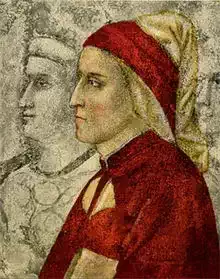
Dante Alighieri
Inferno Canto03
Inferno Canto03
Per me si va ne la città dolente,
per me si va ne l'etterno dolore,
per me si va tra la perduta gente .
THROUGH ME THE WAY INTO THE SUFFERING CITY,
THROUGH ME THE WAY TO THE ETERNAL PAIN,
THROUGH ME THE WAY THAT RUNS AMONG THE LOST.
Giustizia mosse il mio alto fattore:
fecemi la divina podestate,
la somma sapienza e 'l primo amore .
JUSTICE URGED ON MY HIGH ARTIFICER;
MY MAKER WAS DIVINE AUTHORITY,
THE HIGHEST WISDOM, AND THE PRIMAL LOVE.
Dinanzi a me non fuor cose create
se non etterne, e io etterno duro.
Lasciate ogne speranza, voi ch'intrate ".
BEFORE ME NOTHING BUT ETERNAL THINGS
WERE MADE, AND I ENDURE ETERNALLY.
ABANDON EVERY HOPE, WHO ENTER HERE.
Queste parole di colore oscuro
vid'io scritte al sommo d'una porta;
per ch'io: «Maestro, il senso lor m'è duro ».
These words-their aspect was obscure-I read
inscribed above a gateway, and I said:
"Master, their meaning is difficult for me."
Ed elli a me, come persona accorta:
«Qui si convien lasciare ogne sospetto;
ogne viltà convien che qui sia morta .
And he to me, as one who comprehends:
"Here one must leave behind all hesitation;
here every cowardice must meet its death.
Noi siam venuti al loco ov'i' t'ho detto
che tu vedrai le genti dolorose
c'hanno perduto il ben de l'intelletto ».
For we have reached the place of which I spoke,
where you will see the miserable people,
those who have lost the good of the intellect."
E poi che la sua mano a la mia puose
con lieto volto, ond'io mi confortai,
mi mise dentro a le segrete cose .
And when, with gladness in his face, he placed
his hand upon my own, to comfort me,
he drew me in among the hidden things.
Quivi sospiri, pianti e alti guai
risonavan per l'aere sanza stelle,
per ch'io al cominciar ne lagrimai .
Here sighs and lamentations and loud cries
were echoing across the starless air,
so that, as soon as I set out, I wept.
Diverse lingue, orribili favelle,
parole di dolore, accenti d'ira,
voci alte e fioche, e suon di man con elle
Strange utterances, horrible pronouncements,
accents of anger, words of suffering,
and voices shrill and faint, and beating hands
facevano un tumulto, il qual s'aggira
sempre in quell'aura sanza tempo tinta,
come la rena quando turbo spira .
all went to make a tumult that will whirl
forever through that turbid, timeless air,
like sand that eddies when a whirlwind swirls.
E io ch'avea d'error la testa cinta,
dissi: «Maestro, che è quel ch'i' odo?
e che gent'è che par nel duol sì vinta ?».
And I-my head oppressed by horror-said:
"Master, what is it that I hear? Who are
those people so defeated by their pain?"
Ed elli a me: «Questo misero modo
tegnon l'anime triste di coloro
che visser sanza 'nfamia e sanza lodo .
And he to me: "This miserable way
is taken by the sorry souls of those
who lived without disgrace and without praise.
Mischiate sono a quel cattivo coro
de li angeli che non furon ribelli
né fur fedeli a Dio, ma per sé fuoro .
They now commingle with the coward angels,
the company of those who were not rebels
nor faithful to their God, but stood apart.
Caccianli i ciel per non esser men belli,
né lo profondo inferno li riceve,
ch'alcuna gloria i rei avrebber d'elli ».
The heavens, that their beauty not be lessened,
have cast them out, nor will deep Hell receive themeven
the wicked cannot glory in them."
E io: «Maestro, che è tanto greve
a lor, che lamentar li fa sì forte?».
Rispuose: «Dicerolti molto breve .
And I: "What is it, master, that oppresses
these souls, compelling them to wail so loud?"
He answered: "I shall tell you in few words.
Questi non hanno speranza di morte
e la lor cieca vita è tanto bassa,
che 'nvidiosi son d'ogne altra sorte .
Those who are here can place no hope in death,
and their blind life is so abject that they
are envious of every other fate.
Fama di loro il mondo esser non lassa;
misericordia e giustizia li sdegna:
non ragioniam di lor, ma guarda e passa ».
The world will let no fame of theirs endure;
both justice and compassion must disdain them;
let us not talk of them, but look and pass."
E io, che riguardai, vidi una 'nsegna
che girando correva tanto ratta,
che d'ogne posa mi parea indegna ;
And I, looking more closely, saw a banner
that, as it wheeled about, raced on-so quick
that any respite seemed unsuited to it.
e dietro le venìa sì lunga tratta
di gente, ch'i' non averei creduto
che morte tanta n'avesse disfatta .
Behind that banner trailed so long a file
of people-I should never have believed
that death could have unmade so many souls.
Poscia ch'io v'ebbi alcun riconosciuto,
vidi e conobbi l'ombra di colui
che fece per viltade il gran rifiuto .
After I had identified a few,
I saw and recognized the shade of him
who made, through cowardice, the great refusal.
Incontanente intesi e certo fui
che questa era la setta d'i cattivi,
a Dio spiacenti e a' nemici sui .
At once I understood with certainty:
this company contained the cowardly,
hateful to God and to His enemies.
Questi sciaurati, che mai non fur vivi,
erano ignudi e stimolati molto
da mosconi e da vespe ch'eran ivi .
These wretched ones, who never were alive,
went naked and were stung again, again
by horseflies and by wasps that circled them.
Elle rigavan lor di sangue il volto,
che, mischiato di lagrime, a' lor piedi
da fastidiosi vermi era ricolto .
The insects streaked their faces with their blood,
which, mingled with their tears, fell at their feet,
where it was gathered up by sickening worms.
E poi ch'a riguardar oltre mi diedi,
vidi genti a la riva d'un gran fiume;
per ch'io dissi: «Maestro, or mi concedi
And then, looking beyond them, I could see
a crowd along the bank of a great river;
at which I said: "Allow me now to know
ch'i' sappia quali sono, e qual costume
le fa di trapassar parer sì pronte,
com'io discerno per lo fioco lume ».
who are these people-master-and what law
has made them seem so eager for the crossing,
as I can see despite the feeble light."
Ed elli a me: «Le cose ti fier conte
quando noi fermerem li nostri passi
su la trista riviera d'Acheronte ».
And he to me: "When we have stopped along
the melancholy shore of Acheron,
then all these matters will be plain to you."
Allor con li occhi vergognosi e bassi,
temendo no 'l mio dir li fosse grave,
infino al fiume del parlar mi trassi .
At that, with eyes ashamed, downcast, and fearing
that what I said had given him offense,
I did not speak until we reached the river.
Ed ecco verso noi venir per nave
un vecchio, bianco per antico pelo,
gridando: «Guai a voi, anime prave !
And here, advancing toward us, in a boat,
an aged man-his hair was white with yearswas
shouting: "Woe to you, corrupted souls!
Non isperate mai veder lo cielo:
i' vegno per menarvi a l'altra riva
ne le tenebre etterne, in caldo e 'n gelo .
Forget your hope of ever seeing Heaven:
I come to lead you to the other shore,
to the eternal dark, to fire and frost.
E tu che se' costì, anima viva,
pàrtiti da cotesti che son morti».
Ma poi che vide ch'io non mi partiva ,
And you approaching there, you living soul,
keep well away from these-they are the dead."
But when he saw I made no move to go,
disse: «Per altra via, per altri porti
verrai a piaggia, non qui, per passare:
più lieve legno convien che ti porti ».
he said: "Another way and other harborsnot
here-will bring you passage to your shore:
a lighter craft will have to carry you."
E 'l duca lui: «Caron, non ti crucciare:
vuolsi così colà dove si puote
ciò che si vuole, e più non dimandare ».
My guide then: "Charon, don't torment yourself:
our passage has been willed above, where One
can do what He has willed; and ask no more."
Quinci fuor quete le lanose gote
al nocchier de la livida palude,
che 'ntorno a li occhi avea di fiamme rote .
Now silence fell upon the wooly cheeks
of Charon, pilot of the livid marsh,
whose eyes were ringed about with wheels of flame.
Ma quell'anime, ch'eran lasse e nude,
cangiar colore e dibattero i denti,
ratto che 'nteser le parole crude .
But all those spirits, naked and exhausted,
had lost their color, and they gnashed their teeth
as soon as they heard Charon's cruel words;
Bestemmiavano Dio e lor parenti,
l'umana spezie e 'l loco e 'l tempo e 'l seme
di lor semenza e di lor nascimenti .
they execrated God and their own parents
and humankind, and then the place and time
of their conception's seed and of their birth.
Poi si ritrasser tutte quante insieme,
forte piangendo, a la riva malvagia
ch'attende ciascun uom che Dio non teme .
Then they forgathered, huddled in one throng,
weeping aloud along that wretched shore
which waits for all who have no fear of God.
Caron dimonio, con occhi di bragia,
loro accennando, tutte le raccoglie;
batte col remo qualunque s'adagia .
The demon Charon, with his eyes like embers,
by signaling to them, has all embark;
his oar strikes anyone who stretches out.
Come d'autunno si levan le foglie
l'una appresso de l'altra, fin che 'l ramo
vede a la terra tutte le sue spoglie ,
As, in the autumn, leaves detach themselves,
first one and then the other, till the bough
sees all its fallen garments on the ground,
Aen.VI.
similemente il mal seme d'Adamo
gittansi di quel lito ad una ad una,
per cenni come augel per suo richiamo .
similarly, the evil seed of Adam
descended from the shoreline one by one,
when signaled, as a falcon-called-will come.
Così sen vanno su per l'onda bruna,
e avanti che sien di là discese,
anche di qua nuova schiera s'auna .
So do they move across the darkened waters;
even before they reach the farther shore,
new ranks already gather on this bank.
«Figliuol mio», disse 'l maestro cortese,
«quelli che muoion ne l'ira di Dio
tutti convegnon qui d'ogne paese :
"My son," the gracious master said to me,
"those who have died beneath the wrath of God,
all these assemble here from every country;
e pronti sono a trapassar lo rio,
ché la divina giustizia li sprona,
sì che la tema si volve in disio .
and they are eager for the river crossing
because celestial justice spurs them on,
so that their fear is turned into desire.
Quinci non passa mai anima buona;
e però, se Caron di te si lagna,
ben puoi sapere omai che 'l suo dir suona ».
No good soul ever takes its passage here;
therefore, if Charon has complained of you,
by now you can be sure what his words mean."
Finito questo, la buia campagna
tremò sì forte, che de lo spavento
la mente di sudore ancor mi bagna .
And after this was said, the darkened plain
quaked so tremendously-the memory
of terror then, bathes me in sweat again.
La terra lagrimosa diede vento,
che balenò una luce vermiglia
la qual mi vinse ciascun sentimento ;
A whirlwind burst out of the tear-drenched earth,
a wind that crackled with a bloodred light,
a light that overcame all of my senses;
e caddi come l'uom cui sonno piglia.
and like a man whom sleep has seized, I fell.
Per me si va ne la città dolente,
per me si va ne l'etterno dolore,
per me si va tra la perduta gente .
THROUGH ME THE WAY INTO THE SUFFERING CITY,
THROUGH ME THE WAY TO THE ETERNAL PAIN,
THROUGH ME THE WAY THAT RUNS AMONG THE LOST.
Giustizia mosse il mio alto fattore:
fecemi la divina podestate,
la somma sapienza e 'l primo amore .
JUSTICE URGED ON MY HIGH ARTIFICER;
MY MAKER WAS DIVINE AUTHORITY,
THE HIGHEST WISDOM, AND THE PRIMAL LOVE.
Dinanzi a me non fuor cose create
se non etterne, e io etterno duro.
Lasciate ogne speranza, voi ch'intrate ".
BEFORE ME NOTHING BUT ETERNAL THINGS
WERE MADE, AND I ENDURE ETERNALLY.
ABANDON EVERY HOPE, WHO ENTER HERE.
Queste parole di colore oscuro
vid'io scritte al sommo d'una porta;
per ch'io: «Maestro, il senso lor m'è duro ».
These words-their aspect was obscure-I read
inscribed above a gateway, and I said:
"Master, their meaning is difficult for me."
Ed elli a me, come persona accorta:
«Qui si convien lasciare ogne sospetto;
ogne viltà convien che qui sia morta .
And he to me, as one who comprehends:
"Here one must leave behind all hesitation;
here every cowardice must meet its death.
Noi siam venuti al loco ov'i' t'ho detto
che tu vedrai le genti dolorose
c'hanno perduto il ben de l'intelletto ».
For we have reached the place of which I spoke,
where you will see the miserable people,
those who have lost the good of the intellect."
E poi che la sua mano a la mia puose
con lieto volto, ond'io mi confortai,
mi mise dentro a le segrete cose .
And when, with gladness in his face, he placed
his hand upon my own, to comfort me,
he drew me in among the hidden things.
Quivi sospiri, pianti e alti guai
risonavan per l'aere sanza stelle,
per ch'io al cominciar ne lagrimai .
Here sighs and lamentations and loud cries
were echoing across the starless air,
so that, as soon as I set out, I wept.
Diverse lingue, orribili favelle,
parole di dolore, accenti d'ira,
voci alte e fioche, e suon di man con elle
Strange utterances, horrible pronouncements,
accents of anger, words of suffering,
and voices shrill and faint, and beating hands
facevano un tumulto, il qual s'aggira
sempre in quell'aura sanza tempo tinta,
come la rena quando turbo spira .
all went to make a tumult that will whirl
forever through that turbid, timeless air,
like sand that eddies when a whirlwind swirls.
E io ch'avea d'error la testa cinta,
dissi: «Maestro, che è quel ch'i' odo?
e che gent'è che par nel duol sì vinta ?».
And I-my head oppressed by horror-said:
"Master, what is it that I hear? Who are
those people so defeated by their pain?"
Ed elli a me: «Questo misero modo
tegnon l'anime triste di coloro
che visser sanza 'nfamia e sanza lodo .
And he to me: "This miserable way
is taken by the sorry souls of those
who lived without disgrace and without praise.
Mischiate sono a quel cattivo coro
de li angeli che non furon ribelli
né fur fedeli a Dio, ma per sé fuoro .
They now commingle with the coward angels,
the company of those who were not rebels
nor faithful to their God, but stood apart.
Caccianli i ciel per non esser men belli,
né lo profondo inferno li riceve,
ch'alcuna gloria i rei avrebber d'elli ».
The heavens, that their beauty not be lessened,
have cast them out, nor will deep Hell receive themeven
the wicked cannot glory in them."
E io: «Maestro, che è tanto greve
a lor, che lamentar li fa sì forte?».
Rispuose: «Dicerolti molto breve .
And I: "What is it, master, that oppresses
these souls, compelling them to wail so loud?"
He answered: "I shall tell you in few words.
Questi non hanno speranza di morte
e la lor cieca vita è tanto bassa,
che 'nvidiosi son d'ogne altra sorte .
Those who are here can place no hope in death,
and their blind life is so abject that they
are envious of every other fate.
Fama di loro il mondo esser non lassa;
misericordia e giustizia li sdegna:
non ragioniam di lor, ma guarda e passa ».
The world will let no fame of theirs endure;
both justice and compassion must disdain them;
let us not talk of them, but look and pass."
E io, che riguardai, vidi una 'nsegna
che girando correva tanto ratta,
che d'ogne posa mi parea indegna ;
And I, looking more closely, saw a banner
that, as it wheeled about, raced on-so quick
that any respite seemed unsuited to it.
e dietro le venìa sì lunga tratta
di gente, ch'i' non averei creduto
che morte tanta n'avesse disfatta .
Behind that banner trailed so long a file
of people-I should never have believed
that death could have unmade so many souls.
Poscia ch'io v'ebbi alcun riconosciuto,
vidi e conobbi l'ombra di colui
che fece per viltade il gran rifiuto .
After I had identified a few,
I saw and recognized the shade of him
who made, through cowardice, the great refusal.
Incontanente intesi e certo fui
che questa era la setta d'i cattivi,
a Dio spiacenti e a' nemici sui .
At once I understood with certainty:
this company contained the cowardly,
hateful to God and to His enemies.
Questi sciaurati, che mai non fur vivi,
erano ignudi e stimolati molto
da mosconi e da vespe ch'eran ivi .
These wretched ones, who never were alive,
went naked and were stung again, again
by horseflies and by wasps that circled them.
Elle rigavan lor di sangue il volto,
che, mischiato di lagrime, a' lor piedi
da fastidiosi vermi era ricolto .
The insects streaked their faces with their blood,
which, mingled with their tears, fell at their feet,
where it was gathered up by sickening worms.
E poi ch'a riguardar oltre mi diedi,
vidi genti a la riva d'un gran fiume;
per ch'io dissi: «Maestro, or mi concedi
And then, looking beyond them, I could see
a crowd along the bank of a great river;
at which I said: "Allow me now to know
ch'i' sappia quali sono, e qual costume
le fa di trapassar parer sì pronte,
com'io discerno per lo fioco lume ».
who are these people-master-and what law
has made them seem so eager for the crossing,
as I can see despite the feeble light."
Ed elli a me: «Le cose ti fier conte
quando noi fermerem li nostri passi
su la trista riviera d'Acheronte ».
And he to me: "When we have stopped along
the melancholy shore of Acheron,
then all these matters will be plain to you."
Allor con li occhi vergognosi e bassi,
temendo no 'l mio dir li fosse grave,
infino al fiume del parlar mi trassi .
At that, with eyes ashamed, downcast, and fearing
that what I said had given him offense,
I did not speak until we reached the river.
Ed ecco verso noi venir per nave
un vecchio, bianco per antico pelo,
gridando: «Guai a voi, anime prave !
And here, advancing toward us, in a boat,
an aged man-his hair was white with yearswas
shouting: "Woe to you, corrupted souls!
Non isperate mai veder lo cielo:
i' vegno per menarvi a l'altra riva
ne le tenebre etterne, in caldo e 'n gelo .
Forget your hope of ever seeing Heaven:
I come to lead you to the other shore,
to the eternal dark, to fire and frost.
E tu che se' costì, anima viva,
pàrtiti da cotesti che son morti».
Ma poi che vide ch'io non mi partiva ,
And you approaching there, you living soul,
keep well away from these-they are the dead."
But when he saw I made no move to go,
disse: «Per altra via, per altri porti
verrai a piaggia, non qui, per passare:
più lieve legno convien che ti porti ».
he said: "Another way and other harborsnot
here-will bring you passage to your shore:
a lighter craft will have to carry you."
E 'l duca lui: «Caron, non ti crucciare:
vuolsi così colà dove si puote
ciò che si vuole, e più non dimandare ».
My guide then: "Charon, don't torment yourself:
our passage has been willed above, where One
can do what He has willed; and ask no more."
Quinci fuor quete le lanose gote
al nocchier de la livida palude,
che 'ntorno a li occhi avea di fiamme rote .
Now silence fell upon the wooly cheeks
of Charon, pilot of the livid marsh,
whose eyes were ringed about with wheels of flame.
Ma quell'anime, ch'eran lasse e nude,
cangiar colore e dibattero i denti,
ratto che 'nteser le parole crude .
But all those spirits, naked and exhausted,
had lost their color, and they gnashed their teeth
as soon as they heard Charon's cruel words;
Bestemmiavano Dio e lor parenti,
l'umana spezie e 'l loco e 'l tempo e 'l seme
di lor semenza e di lor nascimenti .
they execrated God and their own parents
and humankind, and then the place and time
of their conception's seed and of their birth.
Poi si ritrasser tutte quante insieme,
forte piangendo, a la riva malvagia
ch'attende ciascun uom che Dio non teme .
Then they forgathered, huddled in one throng,
weeping aloud along that wretched shore
which waits for all who have no fear of God.
Caron dimonio, con occhi di bragia,
loro accennando, tutte le raccoglie;
batte col remo qualunque s'adagia .
The demon Charon, with his eyes like embers,
by signaling to them, has all embark;
his oar strikes anyone who stretches out.
Come d'autunno si levan le foglie
l'una appresso de l'altra, fin che 'l ramo
vede a la terra tutte le sue spoglie ,
As, in the autumn, leaves detach themselves,
first one and then the other, till the bough
sees all its fallen garments on the ground,
Aen.VI.
similemente il mal seme d'Adamo
gittansi di quel lito ad una ad una,
per cenni come augel per suo richiamo .
similarly, the evil seed of Adam
descended from the shoreline one by one,
when signaled, as a falcon-called-will come.
Così sen vanno su per l'onda bruna,
e avanti che sien di là discese,
anche di qua nuova schiera s'auna .
So do they move across the darkened waters;
even before they reach the farther shore,
new ranks already gather on this bank.
«Figliuol mio», disse 'l maestro cortese,
«quelli che muoion ne l'ira di Dio
tutti convegnon qui d'ogne paese :
"My son," the gracious master said to me,
"those who have died beneath the wrath of God,
all these assemble here from every country;
e pronti sono a trapassar lo rio,
ché la divina giustizia li sprona,
sì che la tema si volve in disio .
and they are eager for the river crossing
because celestial justice spurs them on,
so that their fear is turned into desire.
Quinci non passa mai anima buona;
e però, se Caron di te si lagna,
ben puoi sapere omai che 'l suo dir suona ».
No good soul ever takes its passage here;
therefore, if Charon has complained of you,
by now you can be sure what his words mean."
Finito questo, la buia campagna
tremò sì forte, che de lo spavento
la mente di sudore ancor mi bagna .
And after this was said, the darkened plain
quaked so tremendously-the memory
of terror then, bathes me in sweat again.
La terra lagrimosa diede vento,
che balenò una luce vermiglia
la qual mi vinse ciascun sentimento ;
A whirlwind burst out of the tear-drenched earth,
a wind that crackled with a bloodred light,
a light that overcame all of my senses;
e caddi come l'uom cui sonno piglia.
and like a man whom sleep has seized, I fell.
249
Dante Alighieri
Autumn Song
Autumn Song
Know'st thou not at the fall of the leaf
How the heart feels a languid grief
Laid on it for a covering,
And how sleep seems a goodly thing
In Autumn at the fall of the leaf?
And how the swift beat of the brain
Falters because it is in vain,
In Autumn at the fall of the leaf
Knowest thou not? and how the chief
Of joys seems--not to suffer pain?
Know'st thou not at the fall of the leaf
How the soul feels like a dried sheaf
Bound up at length for harvesting,
And how death seems a comely thing
In Autumn at the fall of the leaf?
Know'st thou not at the fall of the leaf
How the heart feels a languid grief
Laid on it for a covering,
And how sleep seems a goodly thing
In Autumn at the fall of the leaf?
And how the swift beat of the brain
Falters because it is in vain,
In Autumn at the fall of the leaf
Knowest thou not? and how the chief
Of joys seems--not to suffer pain?
Know'st thou not at the fall of the leaf
How the soul feels like a dried sheaf
Bound up at length for harvesting,
And how death seems a comely thing
In Autumn at the fall of the leaf?
282

Claude Mckay
The Tropics in New York
The Tropics in New York
Bananas ripe and green, and ginger-root,
Cocoa in pods and alligator pears,
And tangerines and mangoes and grape fruit,
Fit for the highest prize at parish fairs,
Set in the window, bringing memories
Of fruit-trees laden by low-singing rills,
And dewy dawns, and mystical blue skies
In benediction over nun-like hills.
My eyes grew dim, and I could no more gaze;
A wave of longing through my body swept,
And, hungry for the old, familiar ways,
I turned aside and bowed my head and wept.
Bananas ripe and green, and ginger-root,
Cocoa in pods and alligator pears,
And tangerines and mangoes and grape fruit,
Fit for the highest prize at parish fairs,
Set in the window, bringing memories
Of fruit-trees laden by low-singing rills,
And dewy dawns, and mystical blue skies
In benediction over nun-like hills.
My eyes grew dim, and I could no more gaze;
A wave of longing through my body swept,
And, hungry for the old, familiar ways,
I turned aside and bowed my head and wept.
304
Claude Mckay
The Castaways
The Castaways
The vivid grass with visible delight
Springing triumphant from the pregnant earth,
The butterflies, and sparrows in brief flight
Chirping and dancing for the season's birth,
The dandelions and rare daffodils
That touch the deep-stirred heart with hands of gold,
The thrushes sending forth their joyous trills,--
Not these, not these did I at first behold!
But seated on the benches daubed with green,
The castaways of life, a few asleep,
Some withered women desolate and mean,
And over all, life's shadows dark and deep.
Moaning I turned away, for misery
I have the strength to bear but not to see.
The vivid grass with visible delight
Springing triumphant from the pregnant earth,
The butterflies, and sparrows in brief flight
Chirping and dancing for the season's birth,
The dandelions and rare daffodils
That touch the deep-stirred heart with hands of gold,
The thrushes sending forth their joyous trills,--
Not these, not these did I at first behold!
But seated on the benches daubed with green,
The castaways of life, a few asleep,
Some withered women desolate and mean,
And over all, life's shadows dark and deep.
Moaning I turned away, for misery
I have the strength to bear but not to see.
435
Claude Mckay
O Word I Love to Sing
O Word I Love to Sing
O word I love to sing! thou art too tender
For all the passions agitating me;
For all my bitterness thou art too tender,
I cannot pour my red soul into thee.
O haunting melody! thou art too slender,
Too fragile like a globe of crystal glass;
For all my stormy thoughts thou art too slender,
The burden from my bosom will not pass.
O tender word! O melody so slender!
O tears of passion saturate with brine,
O words, unwilling words, ye can not render
My hatred for the foe of me and mine.
O word I love to sing! thou art too tender
For all the passions agitating me;
For all my bitterness thou art too tender,
I cannot pour my red soul into thee.
O haunting melody! thou art too slender,
Too fragile like a globe of crystal glass;
For all my stormy thoughts thou art too slender,
The burden from my bosom will not pass.
O tender word! O melody so slender!
O tears of passion saturate with brine,
O words, unwilling words, ye can not render
My hatred for the foe of me and mine.
389
Claude Mckay
I Shall Return
I Shall Return
I shall return again; I shall return
To laugh and love and watch with wonder-eyes
At golden noon the forest fires burn,
Wafting their blue-black smoke to sapphire skies.
I shall return to loiter by the streams
That bathe the brown blades of the bending grasses,
And realize once more my thousand dreams
Of waters rushing down the mountain passes.
I shall return to hear the fiddle and fife
Of village dances, dear delicious tunes
That stir the hidden depths of native life,
Stray melodies of dim remembered runes.
I shall return, I shall return again,
To ease my mind of long, long years of pain.
I shall return again; I shall return
To laugh and love and watch with wonder-eyes
At golden noon the forest fires burn,
Wafting their blue-black smoke to sapphire skies.
I shall return to loiter by the streams
That bathe the brown blades of the bending grasses,
And realize once more my thousand dreams
Of waters rushing down the mountain passes.
I shall return to hear the fiddle and fife
Of village dances, dear delicious tunes
That stir the hidden depths of native life,
Stray melodies of dim remembered runes.
I shall return, I shall return again,
To ease my mind of long, long years of pain.
399
Claude Mckay
Futility
Futility
Oh, I have tried to laugh the pain away,
Let new flames brush my love-springs like a feather.
But the old fever seizes me to-day,
As sickness grips a soul in wretched weather.
I have given up myself to every urge,
With not a care of precious powers spent,
Have bared my body to the strangest scourge,
To soothe and deaden my heart's unhealing rent.
But you have torn a nerve out of my frame,
A gut that no physician can replace,
And reft my life of happiness and aim.
Oh what new purpose shall I now embrace?
What substance hold, what lovely form pursue,
When my thought burns through everything to you?
Oh, I have tried to laugh the pain away,
Let new flames brush my love-springs like a feather.
But the old fever seizes me to-day,
As sickness grips a soul in wretched weather.
I have given up myself to every urge,
With not a care of precious powers spent,
Have bared my body to the strangest scourge,
To soothe and deaden my heart's unhealing rent.
But you have torn a nerve out of my frame,
A gut that no physician can replace,
And reft my life of happiness and aim.
Oh what new purpose shall I now embrace?
What substance hold, what lovely form pursue,
When my thought burns through everything to you?
380

Christina Rossetti
The Love Of Christ Which Passeth Kowledge
The Love Of Christ Which Passeth Kowledge
I bore with thee long weary days and nights,
Through many pangs of heart, through many tears;
I bore with thee, thy hardness, coldness, slights,
For three and thirty years.
Who else had dared for thee what I have dared?
I plunged the depth most deep from bliss above;
I not My flesh, I not My spirit spared:
Give thou Me love for love.
For thee I thirsted in the daily drouth,
For thee I trembled in the nightly frost:
Much sweeter thou than honey to My mouth:
Why wilt thou still be lost?
I bore thee on My shoulders and rejoiced:
Men only marked upon My shoulders borne
The branding cross; and shouted hungry-voiced,
Or wagged their heads in scorn.
Thee did nails grave upon My hands, thy name
Did thorns for frontlets stamp between Mine eyes:
I, Holy One, put on thy guilt and shame;
I, God, Priest, Sacrifice.
A thief upon My right hand and My left;
Six hours alone, athirst, in misery:
At length in death one smote My heart and cleft
A hiding-place for thee.
Nailed to the racking cross, than bed of down
More dear, whereon to stretch Myself and sleep:
So did I win a kingdom,—share my crown;
A harvest,—come and reap.
I bore with thee long weary days and nights,
Through many pangs of heart, through many tears;
I bore with thee, thy hardness, coldness, slights,
For three and thirty years.
Who else had dared for thee what I have dared?
I plunged the depth most deep from bliss above;
I not My flesh, I not My spirit spared:
Give thou Me love for love.
For thee I thirsted in the daily drouth,
For thee I trembled in the nightly frost:
Much sweeter thou than honey to My mouth:
Why wilt thou still be lost?
I bore thee on My shoulders and rejoiced:
Men only marked upon My shoulders borne
The branding cross; and shouted hungry-voiced,
Or wagged their heads in scorn.
Thee did nails grave upon My hands, thy name
Did thorns for frontlets stamp between Mine eyes:
I, Holy One, put on thy guilt and shame;
I, God, Priest, Sacrifice.
A thief upon My right hand and My left;
Six hours alone, athirst, in misery:
At length in death one smote My heart and cleft
A hiding-place for thee.
Nailed to the racking cross, than bed of down
More dear, whereon to stretch Myself and sleep:
So did I win a kingdom,—share my crown;
A harvest,—come and reap.
153
Christina Rossetti
Shut Out
Shut Out
The door was shut. I looked between
Its iron bars; and saw it lie,
My garden, mine, beneath the sky,
Pied with all flowers bedewed and green:
From bough to bough the song-birds crossed,
From flower to flower the moths and bees;
With all its nests and stately trees
It had been mine, and it was lost.
A shadowless spirit kept the gate,
Blank and unchanging like the grave.
I peering through said: 'Let me have
Some buds to cheer my outcast state.'
He answered not. 'Or give me, then,
But one small twig from shrub or tree;
And bid my home remember me
Until I come to it again.'
The spirit was silent; but he took
Mortar and stone to build a wall;
He left no loophole great or small
Through which my straining eyes might look:
So now I sit here quite alone
Blinded with tears; nor grieve for that,
For nought is left worth looking at
Since my delightful land is gone.
A violet bed is budding near,
Wherein a lark has made her nest:
And good they are, but not the best;
And dear they are, but not so dear.
The door was shut. I looked between
Its iron bars; and saw it lie,
My garden, mine, beneath the sky,
Pied with all flowers bedewed and green:
From bough to bough the song-birds crossed,
From flower to flower the moths and bees;
With all its nests and stately trees
It had been mine, and it was lost.
A shadowless spirit kept the gate,
Blank and unchanging like the grave.
I peering through said: 'Let me have
Some buds to cheer my outcast state.'
He answered not. 'Or give me, then,
But one small twig from shrub or tree;
And bid my home remember me
Until I come to it again.'
The spirit was silent; but he took
Mortar and stone to build a wall;
He left no loophole great or small
Through which my straining eyes might look:
So now I sit here quite alone
Blinded with tears; nor grieve for that,
For nought is left worth looking at
Since my delightful land is gone.
A violet bed is budding near,
Wherein a lark has made her nest:
And good they are, but not the best;
And dear they are, but not so dear.
273
Christina Rossetti
One Day
One Day
I will tell you when they met:
In the limpid days of Spring;
Elder boughs were budding yet,
Oaken boughs looked wintry still,
But primrose and veined violet
In the mossful turf were set,
While meeting birds made haste to sing
And build with right good will.
I will tell you when they parted:
When plenteous Autumn sheaves were brown,
Then they parted heavy-hearted;
The full rejoicing sun looked down
As grand as in the days before;
Only they had lost a crown;
Only to them those days of yore
Could come back nevermore.
When shall they meet? I cannot tell,
Indeed, when they shall meet again,
Except some day in Paradise:
For this they wait, one waits in pain.
Beyond the sea of death love lies
For ever, yesterday, to-day;
Angels shall ask them, 'Is it well?'
And they shall answer, 'Yea.'
I will tell you when they met:
In the limpid days of Spring;
Elder boughs were budding yet,
Oaken boughs looked wintry still,
But primrose and veined violet
In the mossful turf were set,
While meeting birds made haste to sing
And build with right good will.
I will tell you when they parted:
When plenteous Autumn sheaves were brown,
Then they parted heavy-hearted;
The full rejoicing sun looked down
As grand as in the days before;
Only they had lost a crown;
Only to them those days of yore
Could come back nevermore.
When shall they meet? I cannot tell,
Indeed, when they shall meet again,
Except some day in Paradise:
For this they wait, one waits in pain.
Beyond the sea of death love lies
For ever, yesterday, to-day;
Angels shall ask them, 'Is it well?'
And they shall answer, 'Yea.'
253
Christina Rossetti
None Other Lamb
None Other Lamb
None other Lamb, none other Name,
None other hope in Heav’n or earth or sea,
None other hiding place from guilt and shame,
None beside Thee!
My faith burns low, my hope burns low;
Only my heart’s desire cries out in me
By the deep thunder of its want and woe,
Cries out to Thee.
Lord, Thou art Life, though I be dead;
Love’s fire Thou art, however cold I be:
Nor Heav’n have I, nor place to lay my head,
Nor home, but Thee.
None other Lamb, none other Name,
None other hope in Heav’n or earth or sea,
None other hiding place from guilt and shame,
None beside Thee!
My faith burns low, my hope burns low;
Only my heart’s desire cries out in me
By the deep thunder of its want and woe,
Cries out to Thee.
Lord, Thou art Life, though I be dead;
Love’s fire Thou art, however cold I be:
Nor Heav’n have I, nor place to lay my head,
Nor home, but Thee.
215
Christina Rossetti
Mirage
Mirage
The hope I dreamed of was a dream,
Was but a dream; and now I wake,
Exceeding comfortless, and worn, and old,
For a dream's sake.
I hang my harp upon a tree,
A weeping willow in a lake;
I hang my silent harp there, wrung and snapped
For a dream's sake.
Lie still, lie still, my breaking heart;
My silent heart, lie still and break:
Life, and the world, and mine own self, are changed
For a dream's sake.
The hope I dreamed of was a dream,
Was but a dream; and now I wake,
Exceeding comfortless, and worn, and old,
For a dream's sake.
I hang my harp upon a tree,
A weeping willow in a lake;
I hang my silent harp there, wrung and snapped
For a dream's sake.
Lie still, lie still, my breaking heart;
My silent heart, lie still and break:
Life, and the world, and mine own self, are changed
For a dream's sake.
234
Christina Rossetti
In The Willow Shade
In The Willow Shade
I sat beneath a willow tree,
Where water falls and calls;
While fancies upon fancies solaced me,
Some true, and some were false.
Who set their heart upon a hope
That never comes to pass,
Droop in the end like fading heliotrope
The sun's wan looking-glass.
Who set their will upon a whim
Clung to through good and ill,
Are wrecked alike whether they sink or swim,
Or hit or miss their will.
All things are vain that wax and wane,
For which we waste our breath;
Love only doth not wane and is not vain,
Love only outlives death.
A singing lark rose toward the sky,
Circling he sang amain;
He sang, a speck scarce visible sky-high,
And then he sank again.
A second like a sunlit spark
Flashed singing up his track;
But never overtook that foremost lark,
And songless fluttered back.
A hovering melody of birds
Haunted the air above;
They clearly sang contentment without words,
And youth and joy and love.
O silvery weeping willow tree
With all leaves shivering,
Have you no purpose but to shadow me
Beside this rippled spring?
On this first fleeting day of Spring,
For Winter is gone by,
And every bird on every quivering wing
Floats in a sunny sky;
On this first Summer-like soft day,
While sunshine steeps the air,
And every cloud has gat itself away,
And birds sing everywhere.
Have you no purpose in the world
But thus to shadow me
With all your tender drooping twigs unfurled,
O weeping willow tree?
With all your tremulous leaves outspread
Betwixt me and the sun,
While here I loiter on a mossy bed
With half my work undone;
My work undone, that should be done
At once with all my might;
For after the long day and lingering sun
Comes the unworking night.
This day is lapsing on its way,
Is lapsing out of sight;
And after all the chances of the day
Comes the resourceless night.
The weeping willow shook its head
And stretched its shadow long;
The west grew crimson, the sun smoldered red,
The birds forbore a song.
Slow wind sighed through the willow leaves,
The ripple made a moan,
The world drooped murmuring like a thing that grieves;
And then I felt alone.
I rose to go, and felt the chill,
And shivered as I went;
Yet shivering wondered, and I wonder still,
What more that willow meant;
That silvery weeping willow tree
With all leaves shivering,
Which spent one long day overshadowing me
Beside a spring in Spring.
I sat beneath a willow tree,
Where water falls and calls;
While fancies upon fancies solaced me,
Some true, and some were false.
Who set their heart upon a hope
That never comes to pass,
Droop in the end like fading heliotrope
The sun's wan looking-glass.
Who set their will upon a whim
Clung to through good and ill,
Are wrecked alike whether they sink or swim,
Or hit or miss their will.
All things are vain that wax and wane,
For which we waste our breath;
Love only doth not wane and is not vain,
Love only outlives death.
A singing lark rose toward the sky,
Circling he sang amain;
He sang, a speck scarce visible sky-high,
And then he sank again.
A second like a sunlit spark
Flashed singing up his track;
But never overtook that foremost lark,
And songless fluttered back.
A hovering melody of birds
Haunted the air above;
They clearly sang contentment without words,
And youth and joy and love.
O silvery weeping willow tree
With all leaves shivering,
Have you no purpose but to shadow me
Beside this rippled spring?
On this first fleeting day of Spring,
For Winter is gone by,
And every bird on every quivering wing
Floats in a sunny sky;
On this first Summer-like soft day,
While sunshine steeps the air,
And every cloud has gat itself away,
And birds sing everywhere.
Have you no purpose in the world
But thus to shadow me
With all your tender drooping twigs unfurled,
O weeping willow tree?
With all your tremulous leaves outspread
Betwixt me and the sun,
While here I loiter on a mossy bed
With half my work undone;
My work undone, that should be done
At once with all my might;
For after the long day and lingering sun
Comes the unworking night.
This day is lapsing on its way,
Is lapsing out of sight;
And after all the chances of the day
Comes the resourceless night.
The weeping willow shook its head
And stretched its shadow long;
The west grew crimson, the sun smoldered red,
The birds forbore a song.
Slow wind sighed through the willow leaves,
The ripple made a moan,
The world drooped murmuring like a thing that grieves;
And then I felt alone.
I rose to go, and felt the chill,
And shivered as I went;
Yet shivering wondered, and I wonder still,
What more that willow meant;
That silvery weeping willow tree
With all leaves shivering,
Which spent one long day overshadowing me
Beside a spring in Spring.
238
Christina Rossetti
Heart’s Chill Between
Heart’s Chill Between
I did not chide him, though I knew
That he was false to me.
Chide the exhaling of the dew,
The ebbing of the sea,
The fading of a rosy hue,—
But not inconstancy.
Why strive for love when love is o'er?
Why bind a restive heart?—
He never knew the pain I bore
In saying: 'We must part;
Let us be friends and nothing more.'
—Oh, woman's shallow art!
But it is over, it is done,—
I hardly heed it now;
So many weary years have run
Since then, I think not how
Things might have been,—but greet each one
With an unruffled brow.
What time I am where others be,
My heart seems very calm—
Stone calm; but if all go from me,
There comes a vague alarm,
A shrinking in the memory
From some forgotten harm.
And often through the long, long night,
Waking when none are near,
I feel my heart beat fast with fright,
Yet know not what I fear.
Oh how I long to see the light,
And the sweet birds to hear!
To have the sun upon my face,
To look up through the trees,
To walk forth in the open space
And listen to the breeze,—
And not to dream the burial-place
Is clogging my weak knees.
Sometimes I can nor weep nor pray,
But am half stupefied:
And then all those who see me say
Mine eyes are opened wide
And that my wits seem gone away—
Ah, would that I had died!
Would I could die and be at peace,
Or living could forget!
My grief nor grows nor doth decrease,
But ever is:—and yet
Methinks, now, that all this shall cease
Before the sun shall set.
I did not chide him, though I knew
That he was false to me.
Chide the exhaling of the dew,
The ebbing of the sea,
The fading of a rosy hue,—
But not inconstancy.
Why strive for love when love is o'er?
Why bind a restive heart?—
He never knew the pain I bore
In saying: 'We must part;
Let us be friends and nothing more.'
—Oh, woman's shallow art!
But it is over, it is done,—
I hardly heed it now;
So many weary years have run
Since then, I think not how
Things might have been,—but greet each one
With an unruffled brow.
What time I am where others be,
My heart seems very calm—
Stone calm; but if all go from me,
There comes a vague alarm,
A shrinking in the memory
From some forgotten harm.
And often through the long, long night,
Waking when none are near,
I feel my heart beat fast with fright,
Yet know not what I fear.
Oh how I long to see the light,
And the sweet birds to hear!
To have the sun upon my face,
To look up through the trees,
To walk forth in the open space
And listen to the breeze,—
And not to dream the burial-place
Is clogging my weak knees.
Sometimes I can nor weep nor pray,
But am half stupefied:
And then all those who see me say
Mine eyes are opened wide
And that my wits seem gone away—
Ah, would that I had died!
Would I could die and be at peace,
Or living could forget!
My grief nor grows nor doth decrease,
But ever is:—and yet
Methinks, now, that all this shall cease
Before the sun shall set.
201
Christina Rossetti
From “Later Life”
From “Later Life”
VI
We lack, yet cannot fix upon the lack:
Not this, nor that; yet somewhat, certainly.
We see the things we do not yearn to see
Around us: and what see we glancing back?
Lost hopes that leave our hearts upon the rack,
Hopes that were never ours yet seem’d to be,
For which we steer’d on life’s salt stormy sea
Braving the sunstroke and the frozen pack.
If thus to look behind is all in vain,
And all in vain to look to left or right,
Why face we not our future once again,
Launching with hardier hearts across the main,
Straining dim eyes to catch the invisible sight,
And strong to bear ourselves in patient pain?
IX
Star Sirius and the Pole Star dwell afar
Beyond the drawings each of other’s strength:
One blazes through the brief bright summer’s length
Lavishing life-heat from a flaming car;
While one unchangeable upon a throne
Broods o’er the frozen heart of earth alone,
Content to reign the bright particular star
Of some who wander or of some who groan.
They own no drawings each of other’s strength,
Nor vibrate in a visible sympathy,
Nor veer along their courses each toward
Yet are their orbits pitch’d in harmony
Of one dear heaven, across whose depth and length
Mayhap they talk together without speech.
VI
We lack, yet cannot fix upon the lack:
Not this, nor that; yet somewhat, certainly.
We see the things we do not yearn to see
Around us: and what see we glancing back?
Lost hopes that leave our hearts upon the rack,
Hopes that were never ours yet seem’d to be,
For which we steer’d on life’s salt stormy sea
Braving the sunstroke and the frozen pack.
If thus to look behind is all in vain,
And all in vain to look to left or right,
Why face we not our future once again,
Launching with hardier hearts across the main,
Straining dim eyes to catch the invisible sight,
And strong to bear ourselves in patient pain?
IX
Star Sirius and the Pole Star dwell afar
Beyond the drawings each of other’s strength:
One blazes through the brief bright summer’s length
Lavishing life-heat from a flaming car;
While one unchangeable upon a throne
Broods o’er the frozen heart of earth alone,
Content to reign the bright particular star
Of some who wander or of some who groan.
They own no drawings each of other’s strength,
Nor vibrate in a visible sympathy,
Nor veer along their courses each toward
Yet are their orbits pitch’d in harmony
Of one dear heaven, across whose depth and length
Mayhap they talk together without speech.
196
Christina Rossetti
Fluttered Wings
Fluttered Wings
The splendour of the kindling day,
The splendor of the setting sun,
These move my soul to wend its way,
And have done
With all we grasp and toil amongst and say.
The paling roses of a cloud,
The fading bow that arches space,
These woo my fancy toward my shroud,
Toward the place
Of faces veil’d, and heads discrown’d and bow’d.
The nation of the awful stars,
The wandering star whose blaze is brief,
These make me beat against the bars
Of my grief;
My tedious grief, twin to the life it mars.
O fretted heart toss’d to and fro,
So fain to flee, so fain to rest!
All glories that are high or low,
East or west,
Grow dim to thee who art so fain to go.
The splendour of the kindling day,
The splendor of the setting sun,
These move my soul to wend its way,
And have done
With all we grasp and toil amongst and say.
The paling roses of a cloud,
The fading bow that arches space,
These woo my fancy toward my shroud,
Toward the place
Of faces veil’d, and heads discrown’d and bow’d.
The nation of the awful stars,
The wandering star whose blaze is brief,
These make me beat against the bars
Of my grief;
My tedious grief, twin to the life it mars.
O fretted heart toss’d to and fro,
So fain to flee, so fain to rest!
All glories that are high or low,
East or west,
Grow dim to thee who art so fain to go.
230
Christina Rossetti
Dost Thou Not Care?
Dost Thou Not Care?
I love and love not: Lord, it breaks my heart
To love and not to love.
Thou veiled within Thy glory, gone apart
Into Thy shrine, which is above,
Dost Thou not love me, Lord, or care
For this mine ill?—
I love thee here or there,
I will accept thy broken heart, lie still.
Lord, it was well with me in time gone by
That cometh not again,
When I was fresh and cheerful, who but I?
I fresh, I cheerful: worn with pain
Now, out of sight and out of heart;
O Lord, how long?—
I watch thee as thou art,
I will accept thy fainting heart, be strong.
'Lie still,' 'be strong,' to-day; but, Lord, to-morrow,
What of to-morrow, Lord?
Shall there be rest from toil, be truce from sorrow,
Be living green upon the sward
Now but a barren grave to me,
Be joy for sorrow?—
Did I not die for thee?
Did I not live for thee? Leave Me to-morrow.
I love and love not: Lord, it breaks my heart
To love and not to love.
Thou veiled within Thy glory, gone apart
Into Thy shrine, which is above,
Dost Thou not love me, Lord, or care
For this mine ill?—
I love thee here or there,
I will accept thy broken heart, lie still.
Lord, it was well with me in time gone by
That cometh not again,
When I was fresh and cheerful, who but I?
I fresh, I cheerful: worn with pain
Now, out of sight and out of heart;
O Lord, how long?—
I watch thee as thou art,
I will accept thy fainting heart, be strong.
'Lie still,' 'be strong,' to-day; but, Lord, to-morrow,
What of to-morrow, Lord?
Shall there be rest from toil, be truce from sorrow,
Be living green upon the sward
Now but a barren grave to me,
Be joy for sorrow?—
Did I not die for thee?
Did I not live for thee? Leave Me to-morrow.
193
Christina Rossetti
Despised And Rejected
Despised And Rejected
My sun has set, I dwell
In darkness as a dead man out of sight;
And none remains, not one, that I should tell
To him mine evil plight
This bitter night.
I will make fast my door
That hollow friends may trouble me no more.
'Friend, open to Me.'—Who is this that calls?
Nay, I am deaf as are my walls:
Cease crying, for I will not hear
Thy cry of hope or fear.
Others were dear,
Others forsook me: what art thou indeed
That I should heed
Thy lamentable need?
Hungry should feed,
Or stranger lodge thee here?
'Friend, My Feet bleed.
Open thy door to Me and comfort Me.'
I will not open, trouble me no more.
Go on thy way footsore,
I will not rise and open unto thee.
'Then is it nothing to thee? Open, see
Who stands to plead with thee.
Open, lest I should pass thee by, and thou
One day entreat My Face
And howl for grace,
And I be deaf as thou art now.
Open to Me.'
Then I cried out upon him: Cease,
Leave me in peace:
Fear not that I should crave
Aught thou mayst have.
Leave me in peace, yea trouble me no more,
Lest I arise and chase thee from my door.
What, shall I not be let
Alone, that thou dost vex me yet?
But all night long that voice spake urgently:
'Open to Me.'
Still harping in mine ears:
'Rise, let Me in.'
Pleading with tears:
'Open to Me that I may come to thee.'
While the dew dropped, while the dark hours were cold:
'My Feet bleed, see My Face,
See My Hands bleed that bring thee grace,
My Heart doth bleed for thee,
Open to Me.'
So till the break of day:
Then died away
That voice, in silence as of sorrow;
Then footsteps echoing like a sigh
Passed me by,
Lingering footsteps slow to pass.
On the morrow
I saw upon the grass
Each footprint marked in blood, and on my door
The mark of blood for evermore.
My sun has set, I dwell
In darkness as a dead man out of sight;
And none remains, not one, that I should tell
To him mine evil plight
This bitter night.
I will make fast my door
That hollow friends may trouble me no more.
'Friend, open to Me.'—Who is this that calls?
Nay, I am deaf as are my walls:
Cease crying, for I will not hear
Thy cry of hope or fear.
Others were dear,
Others forsook me: what art thou indeed
That I should heed
Thy lamentable need?
Hungry should feed,
Or stranger lodge thee here?
'Friend, My Feet bleed.
Open thy door to Me and comfort Me.'
I will not open, trouble me no more.
Go on thy way footsore,
I will not rise and open unto thee.
'Then is it nothing to thee? Open, see
Who stands to plead with thee.
Open, lest I should pass thee by, and thou
One day entreat My Face
And howl for grace,
And I be deaf as thou art now.
Open to Me.'
Then I cried out upon him: Cease,
Leave me in peace:
Fear not that I should crave
Aught thou mayst have.
Leave me in peace, yea trouble me no more,
Lest I arise and chase thee from my door.
What, shall I not be let
Alone, that thou dost vex me yet?
But all night long that voice spake urgently:
'Open to Me.'
Still harping in mine ears:
'Rise, let Me in.'
Pleading with tears:
'Open to Me that I may come to thee.'
While the dew dropped, while the dark hours were cold:
'My Feet bleed, see My Face,
See My Hands bleed that bring thee grace,
My Heart doth bleed for thee,
Open to Me.'
So till the break of day:
Then died away
That voice, in silence as of sorrow;
Then footsteps echoing like a sigh
Passed me by,
Lingering footsteps slow to pass.
On the morrow
I saw upon the grass
Each footprint marked in blood, and on my door
The mark of blood for evermore.
228
Christina Rossetti
Dead Before Death
Dead Before Death
Ah! changed and cold, how changed and very cold,
With stiffened smiling lips and cold calm eyes:
Changed, yet the same; much knowing, little wise;
This was the promise of the days of old!
Grown hard and stubborn in the ancient mould,
Grown rigid in the sham of lifelong lies:
We hoped for better things as years would rise,
But it is over as a tale once told.
All fallen the blossom that no fruitage bore,
All lost the present and the future time,
All lost, all lost, the lapse that went before:
So lost till death shut-to the opened door,
So lost from chime to everlasting chime,
So cold and lost for ever evermore.
Ah! changed and cold, how changed and very cold,
With stiffened smiling lips and cold calm eyes:
Changed, yet the same; much knowing, little wise;
This was the promise of the days of old!
Grown hard and stubborn in the ancient mould,
Grown rigid in the sham of lifelong lies:
We hoped for better things as years would rise,
But it is over as a tale once told.
All fallen the blossom that no fruitage bore,
All lost the present and the future time,
All lost, all lost, the lapse that went before:
So lost till death shut-to the opened door,
So lost from chime to everlasting chime,
So cold and lost for ever evermore.
343
Christina Rossetti
Crying, My Little One, Footsore And Weary?
Crying, My Little One, Footsore And Weary?
Crying, my little one, footsore and weary?
Fall asleep, pretty one, warm on my shoulder:
I must tramp on through the winter night dreary,
While the snow falls on me colder and colder.
You are my one, and I have not another;
Sleep soft, my darling, my trouble and treasure;
Sleep warm and soft in the arms of your mother,
Dreaming of pretty things, dreaming of pleasure.
Crying, my little one, footsore and weary?
Fall asleep, pretty one, warm on my shoulder:
I must tramp on through the winter night dreary,
While the snow falls on me colder and colder.
You are my one, and I have not another;
Sleep soft, my darling, my trouble and treasure;
Sleep warm and soft in the arms of your mother,
Dreaming of pretty things, dreaming of pleasure.
187