

Poems in this topic
Hope and Optimism

Robert W. Service
Compensation Pete
Compensation Pete
He used to say: There ain't a doubt
Misfortune is a bitter pill,
But if you only pry it out
You'll find there's good in every ill.
There's comfort in the worst of woe,
There's consolation in defeat . . .
Oh what a solace-seeker! So
We called him Compensation Pete.
He lost his wealth - but was he pipped?
Why no - "That's fine," he used to say.
"I've got the government plumb gypped -
No more damn income tax to pay.
From cares of property set free,
And with no pesky social ties,
Why, even poverty may be
A benediction in disguise."
He lost his health: "Okay," he said;
"I'm getting on, may be the best.
I've always loved to lie abed,
And now I have the right to rest.
Such heaps o' things I want to do,
I'll have no time to fret or brood.
I'll read the dam ol' Bible through:
Guess it'll do me plenty good."
He has that line of sunny shine
That makes a blessing of a curse,
And he would say: "Don't let's repine,
Though things are bad they might be worse."
And so he cherished to the end
Philosophy so sane and sweet
That everybody was his friend . . .
With optimism hard to beat -
God bless old Compensation Pete.
He used to say: There ain't a doubt
Misfortune is a bitter pill,
But if you only pry it out
You'll find there's good in every ill.
There's comfort in the worst of woe,
There's consolation in defeat . . .
Oh what a solace-seeker! So
We called him Compensation Pete.
He lost his wealth - but was he pipped?
Why no - "That's fine," he used to say.
"I've got the government plumb gypped -
No more damn income tax to pay.
From cares of property set free,
And with no pesky social ties,
Why, even poverty may be
A benediction in disguise."
He lost his health: "Okay," he said;
"I'm getting on, may be the best.
I've always loved to lie abed,
And now I have the right to rest.
Such heaps o' things I want to do,
I'll have no time to fret or brood.
I'll read the dam ol' Bible through:
Guess it'll do me plenty good."
He has that line of sunny shine
That makes a blessing of a curse,
And he would say: "Don't let's repine,
Though things are bad they might be worse."
And so he cherished to the end
Philosophy so sane and sweet
That everybody was his friend . . .
With optimism hard to beat -
God bless old Compensation Pete.
198
Robert W. Service
Comfort
Comfort
Say! You've struck a heap of trouble -Bust
in business, lost your wife;
No one cares a cent about you,
You don't care a cent for life;
Hard luck has of hope bereft you,
Health is failing, wish you'd die --
Why, you've still the sunshine left you
And the big, blue sky.
Sky so blue it makes you wonder
If it's heaven shining through;
Earth so smiling 'way out yonder,
Sun so bright it dazzles you;
Birds a-singing, flowers a-flinging
All their fragrance on the breeze;
Dancing shadows, green, still meadows -Don't
you mope, you've still got these.
These, and none can take them from you;
These, and none can weigh their worth.
What! you're tired and broke and beaten? -Why,
you're rich -- you've got the earth!
Yes, if you're a tramp in tatters,
While the blue sky bends above
You've got nearly all that matters -You've
got God, and God is love.
Say! You've struck a heap of trouble -Bust
in business, lost your wife;
No one cares a cent about you,
You don't care a cent for life;
Hard luck has of hope bereft you,
Health is failing, wish you'd die --
Why, you've still the sunshine left you
And the big, blue sky.
Sky so blue it makes you wonder
If it's heaven shining through;
Earth so smiling 'way out yonder,
Sun so bright it dazzles you;
Birds a-singing, flowers a-flinging
All their fragrance on the breeze;
Dancing shadows, green, still meadows -Don't
you mope, you've still got these.
These, and none can take them from you;
These, and none can weigh their worth.
What! you're tired and broke and beaten? -Why,
you're rich -- you've got the earth!
Yes, if you're a tramp in tatters,
While the blue sky bends above
You've got nearly all that matters -You've
got God, and God is love.
262
Robert W. Service
Café Comedy
Café Comedy
She
I'm waiting for the man I hope to wed.
I've never seen him - that's the funny part.
I promised I would wear a rose of red,
Pinned on my coat above my fluttered heart,
So that he'd know me - a precaution wise,
Because I wrote him I was twenty-three,
And Oh such heaps and heaps of silly lies. . .
So when we meet what will he think of me?
It's funny, but it has its sorry side;
I put an advert. in the evening Press:
"A lonely maiden fain would be a bride."
Oh it was shameless of me, I confess.
But I am thirty-nine and in despair,
Wanting a home and children ere too late,
And I forget I'm no more young and fair I'll
hide my rose and run...No, no, I'll wait.
An hour has passed and I am waiting still.
I ought to feel relieved, but I'm so sad.
I would have liked to see him, just to thrill,
And sigh and say: "There goes my lovely lad!
My one romance!" Ah, Life's malign mishap!
"Garcon, a cafè creme." I'll stay till nine. . .
The cafè's empty, just an oldish chap
Who's sitting at the table next to mine. . .
He
I'm waiting for the girl I mean to wed.
She was to come at eight and now it's nine.
She'd pin upon her coat a rose of red,
And I would wear a marguerite in mine.
No sign of her I see...It's true my eyes
Need stronger glasses than the ones I wear,
But Oh I feel my heart would recognize
Her face without the rose - she is so fair.
Ah! what deceivers are we aging men!
What vanity keeps youthful hope aglow!
Poor girl! I sent a photo taken when
I was a student, twenty years ago.
(Hers is so Springlike, Oh so blossom sweet!)
How she will shudder when she sees me now!
I think I'd better hide that marguerite -
How can I age and ugliness avow?
She does not come. It's after nine o'clock.
What fools we fogeys are! I'll try to laugh;
(Garcon, you might bring me another bock)
Falling in love, just from a photograph.
Well, that's the end. I'll go home and forget,
Then realizing I am over ripe
I'll throw away this silly cigarette
And philosophically light my pipe.
* * * * *
The waiter brought the coffee and the beer,
And there they sat, so woe-begone a pair,
And seemed to think: "Why do we linger here?"
When suddenly they turned, to start and stare.
She spied a marguerite, he glimpsed a rose;
Their eyes were joined and in a flash they knew. . .
The sleepy waiter saw, when time to close,
The sweet romance of those deceiving two,
Whose lips were joined, their hearts, their future too.
She
I'm waiting for the man I hope to wed.
I've never seen him - that's the funny part.
I promised I would wear a rose of red,
Pinned on my coat above my fluttered heart,
So that he'd know me - a precaution wise,
Because I wrote him I was twenty-three,
And Oh such heaps and heaps of silly lies. . .
So when we meet what will he think of me?
It's funny, but it has its sorry side;
I put an advert. in the evening Press:
"A lonely maiden fain would be a bride."
Oh it was shameless of me, I confess.
But I am thirty-nine and in despair,
Wanting a home and children ere too late,
And I forget I'm no more young and fair I'll
hide my rose and run...No, no, I'll wait.
An hour has passed and I am waiting still.
I ought to feel relieved, but I'm so sad.
I would have liked to see him, just to thrill,
And sigh and say: "There goes my lovely lad!
My one romance!" Ah, Life's malign mishap!
"Garcon, a cafè creme." I'll stay till nine. . .
The cafè's empty, just an oldish chap
Who's sitting at the table next to mine. . .
He
I'm waiting for the girl I mean to wed.
She was to come at eight and now it's nine.
She'd pin upon her coat a rose of red,
And I would wear a marguerite in mine.
No sign of her I see...It's true my eyes
Need stronger glasses than the ones I wear,
But Oh I feel my heart would recognize
Her face without the rose - she is so fair.
Ah! what deceivers are we aging men!
What vanity keeps youthful hope aglow!
Poor girl! I sent a photo taken when
I was a student, twenty years ago.
(Hers is so Springlike, Oh so blossom sweet!)
How she will shudder when she sees me now!
I think I'd better hide that marguerite -
How can I age and ugliness avow?
She does not come. It's after nine o'clock.
What fools we fogeys are! I'll try to laugh;
(Garcon, you might bring me another bock)
Falling in love, just from a photograph.
Well, that's the end. I'll go home and forget,
Then realizing I am over ripe
I'll throw away this silly cigarette
And philosophically light my pipe.
* * * * *
The waiter brought the coffee and the beer,
And there they sat, so woe-begone a pair,
And seemed to think: "Why do we linger here?"
When suddenly they turned, to start and stare.
She spied a marguerite, he glimpsed a rose;
Their eyes were joined and in a flash they knew. . .
The sleepy waiter saw, when time to close,
The sweet romance of those deceiving two,
Whose lips were joined, their hearts, their future too.
171
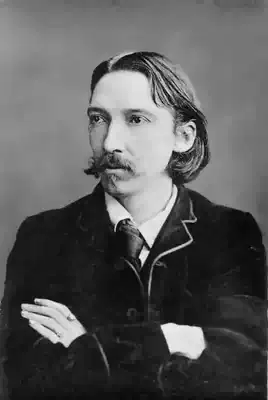
Robert Louis Stevenson
Variant Form Of The Preceding Poem
Variant Form Of The Preceding Poem
COME to me, all ye that labour; I will give your spirits rest;
Here apart in starry quiet I will give you rest.
Come to me, ye heavy laden, sin defiled and care opprest,
In your father's quiet mansions, soon to prove a welcome guest.
But an hour you bear your trial, sin and suffer, bleed and die;
But an hour you toil and combat here in day's inspiring eye.
See the feet of your deliverer; lo, the hour of freedom nigh.
COME to me, all ye that labour; I will give your spirits rest;
Here apart in starry quiet I will give you rest.
Come to me, ye heavy laden, sin defiled and care opprest,
In your father's quiet mansions, soon to prove a welcome guest.
But an hour you bear your trial, sin and suffer, bleed and die;
But an hour you toil and combat here in day's inspiring eye.
See the feet of your deliverer; lo, the hour of freedom nigh.
232
Robert Louis Stevenson
The Wind Is Without There And Howls In The Trees
The Wind Is Without There And Howls In The Trees
THE wind is without there and howls in the trees,
And the rain-flurries drum on the glass:
Alone by the fireside with elbows on knees
I can number the hours as they pass.
Yet now, when to cheer me the crickets begin,
And my pipe is just happily lit,
Believe me, my friend, tho' the evening draws in,
That not all uncontested I sit.
Alone, did I say? O no, nowise alone
With the Past sitting warm on my knee,
To gossip of days that are over and gone,
But still charming to her and to me.
With much to be glad of and much to deplore,
Yet, as these days with those we compare,
Believe me, my friend, tho' the sorrows seem more
They are somehow more easy to bear.
And thou, faded Future, uncertain and frail,
As I cherish thy light in each draught,
His lamp is not more to the miner - their sail
Is not more to the crew on the raft.
For Hope can make feeble ones earnest and brave,
And, as forth thro' the years I look on,
Believe me, my friend, between this and the grave,
I see wonderful things to be done.
To do or to try; and, believe me, my friend,
If the call should come early for me,
I can leave these foundations uprooted, and tend
For some new city over the sea.
To do or to try; and if failure be mine,
And if Fortune go cross to my plan,
Believe me, my friend, tho' I mourn the design
I shall never lament for the man.
THE wind is without there and howls in the trees,
And the rain-flurries drum on the glass:
Alone by the fireside with elbows on knees
I can number the hours as they pass.
Yet now, when to cheer me the crickets begin,
And my pipe is just happily lit,
Believe me, my friend, tho' the evening draws in,
That not all uncontested I sit.
Alone, did I say? O no, nowise alone
With the Past sitting warm on my knee,
To gossip of days that are over and gone,
But still charming to her and to me.
With much to be glad of and much to deplore,
Yet, as these days with those we compare,
Believe me, my friend, tho' the sorrows seem more
They are somehow more easy to bear.
And thou, faded Future, uncertain and frail,
As I cherish thy light in each draught,
His lamp is not more to the miner - their sail
Is not more to the crew on the raft.
For Hope can make feeble ones earnest and brave,
And, as forth thro' the years I look on,
Believe me, my friend, between this and the grave,
I see wonderful things to be done.
To do or to try; and, believe me, my friend,
If the call should come early for me,
I can leave these foundations uprooted, and tend
For some new city over the sea.
To do or to try; and if failure be mine,
And if Fortune go cross to my plan,
Believe me, my friend, tho' I mourn the design
I shall never lament for the man.
555
Robert Louis Stevenson
The Clock's Clear Voice Into The Clearer Air
The Clock's Clear Voice Into The Clearer Air
THE cock's clear voice into the clearer air
Where westward far I roam,
Mounts with a thrill of hope,
Falls with a sigh of home.
A rural sentry, he from farm and field
The coming morn descries,
And, mankind's bugler, wakes
The camp of enterprise.
He sings the morn upon the westward hills
Strange and remote and wild;
He sings it in the land
Where once I was a child.
He brings to me dear voices of the past,
The old land and the years:
My father calls for me,
My weeping spirit hears.
Fife, fife, into the golden air, O bird,
And sing the morning in;
For the old days are past
And new days begin.
THE cock's clear voice into the clearer air
Where westward far I roam,
Mounts with a thrill of hope,
Falls with a sigh of home.
A rural sentry, he from farm and field
The coming morn descries,
And, mankind's bugler, wakes
The camp of enterprise.
He sings the morn upon the westward hills
Strange and remote and wild;
He sings it in the land
Where once I was a child.
He brings to me dear voices of the past,
The old land and the years:
My father calls for me,
My weeping spirit hears.
Fife, fife, into the golden air, O bird,
And sing the morning in;
For the old days are past
And new days begin.
381
Robert Louis Stevenson
Man Sails The Deep Awhile
Man Sails The Deep Awhile
MAN sails the deep awhile;
Loud runs the roaring tide;
The seas are wild and wide;
O'er many a salt, o'er many a desert mile,
The unchained breakers ride,
The quivering stars beguile.
Hope bears the sole command;
Hope, with unshaken eyes,
Sees flaw and storm arise;
Hope, the good steersman, with unwearying hand,
Steers, under changing skies,
Unchanged toward the land.
O wind that bravely blows!
O hope that sails with all
Where stars and voices call!
O ship undaunted that forever goes
Where God, her admiral,
His battle signal shows!
What though the seas and wind
Far on the deep should whelm
Colours and sails and helm?
There, too, you touch that port that you designed -
There, in the mid-seas' realm,
Shall you that haven find.
Well hast thou sailed: now die,
To die is not to sleep.
Still your true course you keep,
O sailor soul, still sailing for the sky;
And fifty fathom deep
Your colours still shall fly.
MAN sails the deep awhile;
Loud runs the roaring tide;
The seas are wild and wide;
O'er many a salt, o'er many a desert mile,
The unchained breakers ride,
The quivering stars beguile.
Hope bears the sole command;
Hope, with unshaken eyes,
Sees flaw and storm arise;
Hope, the good steersman, with unwearying hand,
Steers, under changing skies,
Unchanged toward the land.
O wind that bravely blows!
O hope that sails with all
Where stars and voices call!
O ship undaunted that forever goes
Where God, her admiral,
His battle signal shows!
What though the seas and wind
Far on the deep should whelm
Colours and sails and helm?
There, too, you touch that port that you designed -
There, in the mid-seas' realm,
Shall you that haven find.
Well hast thou sailed: now die,
To die is not to sleep.
Still your true course you keep,
O sailor soul, still sailing for the sky;
And fifty fathom deep
Your colours still shall fly.
393
Robert Louis Stevenson
A Valentine's Song
A Valentine's Song
MOTLEY I count the only wear
That suits, in this mixed world, the truly wise,
Who boldly smile upon despair
And shake their bells in Grandam Grundy's eyes.
Singers should sing with such a goodly cheer
That the bare listening should make strong like wine,
At this unruly time of year,
The Feast of Valentine.
We do not now parade our "oughts"
And "shoulds" and motives and beliefs in God.
Their life lies all indoors; sad thoughts
Must keep the house, while gay thoughts go abroad,
Within we hold the wake for hopes deceased;
But in the public streets, in wind or sun,
Keep open, at the annual feast,
The puppet-booth of fun.
Our powers, perhaps, are small to please,
But even negro-songs and castanettes,
Old jokes and hackneyed repartees
Are more than the parade of vain regrets.
Let Jacques stand Wert(h)ering by the wounded deer -
We shall make merry, honest friends of mine,
At this unruly time of year,
The Feast of Valentine.
I know how, day by weary day,
Hope fades, love fades, a thousand pleasures fade.
I have not trudged in vain that way
On which life's daylight darkens, shade by shade.
And still, with hopes decreasing, griefs increased,
Still, with what wit I have shall I, for one,
Keep open, at the annual feast,
The puppet-booth of fun.
I care not if the wit be poor,
The old worn motley stained with rain and tears,
If but the courage still endure
That filled and strengthened hope in earlier years;
If still, with friends averted, fate severe,
A glad, untainted cheerfulness be mine
To greet the unruly time of year,
The Feast of Valentine.
Priest, I am none of thine, and see
In the perspective of still hopeful youth
That Truth shall triumph over thee -
Truth to one's self - I know no other truth.
I see strange days for thee and thine, O priest,
And how your doctrines, fallen one by one,
Shall furnish at the annual feast
The puppet-booth of fun.
Stand on your putrid ruins - stand,
White neck-clothed bigot, fixedly the same,
Cruel with all things but the hand,
Inquisitor in all things but the name.
Back, minister of Christ and source of fear -
We cherish freedom - back with thee and thine
From this unruly time of year,
The Feast of Valentine.
Blood thou mayest spare; but what of tears?
But what of riven households, broken faith -
Bywords that cling through all men's years
And drag them surely down to shame and death?
Stand back, O cruel man, O foe of youth,
And let such men as hearken not thy voice
Press freely up the road to truth,
The King's highway of choice.
MOTLEY I count the only wear
That suits, in this mixed world, the truly wise,
Who boldly smile upon despair
And shake their bells in Grandam Grundy's eyes.
Singers should sing with such a goodly cheer
That the bare listening should make strong like wine,
At this unruly time of year,
The Feast of Valentine.
We do not now parade our "oughts"
And "shoulds" and motives and beliefs in God.
Their life lies all indoors; sad thoughts
Must keep the house, while gay thoughts go abroad,
Within we hold the wake for hopes deceased;
But in the public streets, in wind or sun,
Keep open, at the annual feast,
The puppet-booth of fun.
Our powers, perhaps, are small to please,
But even negro-songs and castanettes,
Old jokes and hackneyed repartees
Are more than the parade of vain regrets.
Let Jacques stand Wert(h)ering by the wounded deer -
We shall make merry, honest friends of mine,
At this unruly time of year,
The Feast of Valentine.
I know how, day by weary day,
Hope fades, love fades, a thousand pleasures fade.
I have not trudged in vain that way
On which life's daylight darkens, shade by shade.
And still, with hopes decreasing, griefs increased,
Still, with what wit I have shall I, for one,
Keep open, at the annual feast,
The puppet-booth of fun.
I care not if the wit be poor,
The old worn motley stained with rain and tears,
If but the courage still endure
That filled and strengthened hope in earlier years;
If still, with friends averted, fate severe,
A glad, untainted cheerfulness be mine
To greet the unruly time of year,
The Feast of Valentine.
Priest, I am none of thine, and see
In the perspective of still hopeful youth
That Truth shall triumph over thee -
Truth to one's self - I know no other truth.
I see strange days for thee and thine, O priest,
And how your doctrines, fallen one by one,
Shall furnish at the annual feast
The puppet-booth of fun.
Stand on your putrid ruins - stand,
White neck-clothed bigot, fixedly the same,
Cruel with all things but the hand,
Inquisitor in all things but the name.
Back, minister of Christ and source of fear -
We cherish freedom - back with thee and thine
From this unruly time of year,
The Feast of Valentine.
Blood thou mayest spare; but what of tears?
But what of riven households, broken faith -
Bywords that cling through all men's years
And drag them surely down to shame and death?
Stand back, O cruel man, O foe of youth,
And let such men as hearken not thy voice
Press freely up the road to truth,
The King's highway of choice.
359
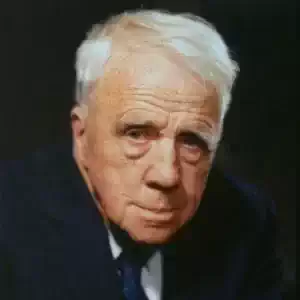
Robert Frost
Two Look at Two
Two Look at Two
Love and forgetting might have carried them
A little further up the mountain side
With night so near, but not much further up.
They must have halted soon in any case
With thoughts of a path back, how rough it was
With rock and washout, and unsafe in darkness;
When they were halted by a tumbled wall
With barbed-wire binding. They stood facing this,
Spending what onward impulse they still had
In One last look the way they must not go,
On up the failing path, where, if a stone
Or earthslide moved at night, it moved itself;
No footstep moved it. 'This is all,' they sighed,
Good-night to woods.' But not so; there was more.
A doe from round a spruce stood looking at them
Across the wall, as near the wall as they.
She saw them in their field, they her in hers.
The difficulty of seeing what stood still,
Like some up-ended boulder split in two,
Was in her clouded eyes; they saw no fear there.
She seemed to think that two thus they were safe.
Then, as if they were something that, though strange,
She could not trouble her mind with too long,
She sighed and passed unscared along the wall.
'This, then, is all. What more is there to ask?'
But no, not yet. A snort to bid them wait.
A buck from round the spruce stood looking at them
Across the wall as near the wall as they.
This was an antlered buck of lusty nostril,
Not the same doe come back into her place.
He viewed them quizzically with jerks of head,
As if to ask, 'Why don't you make some motion?
Or give some sign of life? Because you can't.
I doubt if you're as living as you look."
Thus till he had them almost feeling dared
To stretch a proffering hand -- and a spell-breaking.
Then he too passed unscared along the wall.
Two had seen two, whichever side you spoke from.
'This must be all.' It was all. Still they stood,
A great wave from it going over them,
As if the earth in one unlooked-for favour
Had made them certain earth returned their love.
Love and forgetting might have carried them
A little further up the mountain side
With night so near, but not much further up.
They must have halted soon in any case
With thoughts of a path back, how rough it was
With rock and washout, and unsafe in darkness;
When they were halted by a tumbled wall
With barbed-wire binding. They stood facing this,
Spending what onward impulse they still had
In One last look the way they must not go,
On up the failing path, where, if a stone
Or earthslide moved at night, it moved itself;
No footstep moved it. 'This is all,' they sighed,
Good-night to woods.' But not so; there was more.
A doe from round a spruce stood looking at them
Across the wall, as near the wall as they.
She saw them in their field, they her in hers.
The difficulty of seeing what stood still,
Like some up-ended boulder split in two,
Was in her clouded eyes; they saw no fear there.
She seemed to think that two thus they were safe.
Then, as if they were something that, though strange,
She could not trouble her mind with too long,
She sighed and passed unscared along the wall.
'This, then, is all. What more is there to ask?'
But no, not yet. A snort to bid them wait.
A buck from round the spruce stood looking at them
Across the wall as near the wall as they.
This was an antlered buck of lusty nostril,
Not the same doe come back into her place.
He viewed them quizzically with jerks of head,
As if to ask, 'Why don't you make some motion?
Or give some sign of life? Because you can't.
I doubt if you're as living as you look."
Thus till he had them almost feeling dared
To stretch a proffering hand -- and a spell-breaking.
Then he too passed unscared along the wall.
Two had seen two, whichever side you spoke from.
'This must be all.' It was all. Still they stood,
A great wave from it going over them,
As if the earth in one unlooked-for favour
Had made them certain earth returned their love.
444
Robert Frost
Good-bye, and Keep Cold
Good-bye, and Keep Cold
This saying good-bye on the edge of the dark
And cold to an orchard so young in the bark
Reminds me of all that can happen to harm
An orchard away at the end of the farm
All winter, cut off by a hill from the house.
I don't want it girdled by rabbit and mouse,
I don't want it dreamily nibbled for browse
By deer, and I don't want it budded by grouse.
(If certain it wouldn't be idle to call
I'd summon grouse, rabbit, and deer to the wall
And warn them away with a stick for a gun.)
I don't want it stirred by the heat of the sun.
(We made it secure against being, I hope,
By setting it out on a northerly slope.)
No orchard's the worse for the wintriest storm;
But one thing about it, it mustn't get warm.
"How often already you've had to be told,
Keep cold, young orchard. Good-bye and keep cold.
Dread fifty above more than fifty below."
I have to be gone for a season or so.
My business awhile is with different trees,
Less carefully nourished, less fruitful than these,
And such as is done to their wood with an axe--
Maples and birches and tamaracks.
I wish I could promise to lie in the night
And think of an orchard's arboreal plight
When slowly (and nobody comes with a light)
Its heart sinks lower under the sod.
But something has to be left to God.
This saying good-bye on the edge of the dark
And cold to an orchard so young in the bark
Reminds me of all that can happen to harm
An orchard away at the end of the farm
All winter, cut off by a hill from the house.
I don't want it girdled by rabbit and mouse,
I don't want it dreamily nibbled for browse
By deer, and I don't want it budded by grouse.
(If certain it wouldn't be idle to call
I'd summon grouse, rabbit, and deer to the wall
And warn them away with a stick for a gun.)
I don't want it stirred by the heat of the sun.
(We made it secure against being, I hope,
By setting it out on a northerly slope.)
No orchard's the worse for the wintriest storm;
But one thing about it, it mustn't get warm.
"How often already you've had to be told,
Keep cold, young orchard. Good-bye and keep cold.
Dread fifty above more than fifty below."
I have to be gone for a season or so.
My business awhile is with different trees,
Less carefully nourished, less fruitful than these,
And such as is done to their wood with an axe--
Maples and birches and tamaracks.
I wish I could promise to lie in the night
And think of an orchard's arboreal plight
When slowly (and nobody comes with a light)
Its heart sinks lower under the sod.
But something has to be left to God.
491

Robert Browning
Life in a Bottle
Life in a Bottle
Escape me?
Never--
Beloved!
While I am I, and you are you,
So long as the world contains us both,
Me the loving and you the loth,
While the one eludes, must the other pursue.
My life is a fault at last, I fear:
It seems too much like a fate, indeed!
Though I do my best I shall scarce succeed.
But what if I fail of my purpose here?
It is but to keep the nerves at strain,
To dry one's eyes and laugh at a fall,
And, baffled, get up and begin again,--
So the chace takes up one's life, that's all.
While, look but once from your farthest bound
At me so deep in the dust and dark,
No sooner the old hope goes to ground
Than a new one, straight to the self-same mark,
I shape me--
Ever
Removed!
Escape me?
Never--
Beloved!
While I am I, and you are you,
So long as the world contains us both,
Me the loving and you the loth,
While the one eludes, must the other pursue.
My life is a fault at last, I fear:
It seems too much like a fate, indeed!
Though I do my best I shall scarce succeed.
But what if I fail of my purpose here?
It is but to keep the nerves at strain,
To dry one's eyes and laugh at a fall,
And, baffled, get up and begin again,--
So the chace takes up one's life, that's all.
While, look but once from your farthest bound
At me so deep in the dust and dark,
No sooner the old hope goes to ground
Than a new one, straight to the self-same mark,
I shape me--
Ever
Removed!
307
Robert Browning
Epilogue
Epilogue
At the midnight in the silence of the sleep-time,
When you set your fancies free,
Will they pass to where--by death, fools think, imprisoned--
Low he lies who once so loved you, whom you loved so,
--Pity me?
Oh to love so, be so loved, yet so mistaken!
What had I on earth to do
With the slothful, with the mawkish, the unmanly?
Like the aimless, helpless, hopeless, did I drivel
--Being--who?
One who never turned his back but marched breast forward,
Never doubted clouds would break,
Never dreamed, though right were worsted, wrong would triumph,
Held we fall to rise, are baffled to fight better,
Sleep to wake.
No, at noonday in the bustle of man's work-time
Greet the unseen with a cheer!
Bid him forward, breast and back as either should be,
"Strive and thrive!" cry "Speed,--fight on, fare ever
There as here!"
At the midnight in the silence of the sleep-time,
When you set your fancies free,
Will they pass to where--by death, fools think, imprisoned--
Low he lies who once so loved you, whom you loved so,
--Pity me?
Oh to love so, be so loved, yet so mistaken!
What had I on earth to do
With the slothful, with the mawkish, the unmanly?
Like the aimless, helpless, hopeless, did I drivel
--Being--who?
One who never turned his back but marched breast forward,
Never doubted clouds would break,
Never dreamed, though right were worsted, wrong would triumph,
Held we fall to rise, are baffled to fight better,
Sleep to wake.
No, at noonday in the bustle of man's work-time
Greet the unseen with a cheer!
Bid him forward, breast and back as either should be,
"Strive and thrive!" cry "Speed,--fight on, fare ever
There as here!"
305
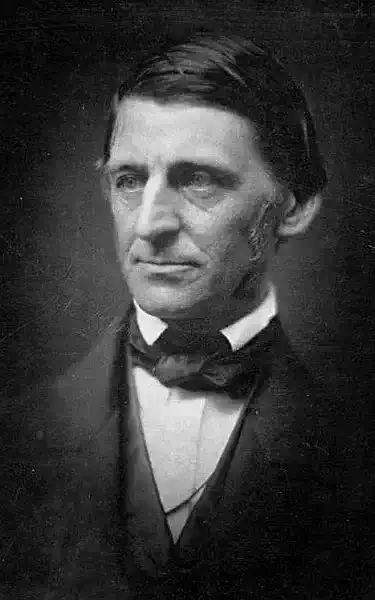
Ralph Waldo Emerson
The Forerunners
The Forerunners
Long I followed happy guides,—
I could never reach their sides.
Their step is forth, and, ere the day,
Breaks up their leaguer, and away.
Keen my sense, my heart was young,
Right goodwill my sinews strung,
But no speed of mine avails
To hunt upon their shining trails.
On and away, their hasting feet
Make the morning proud and sweet.
Flowers they strew, I catch the scent,
Or tone of silver instrument
Leaves on the wind melodious trace,
Yet I could never see their face.
On eastern hills I see their smokes
Mixed with mist by distant lochs.
I meet many travellers
Who the road had surely kept,—
They saw not my fine revellers,—
These had crossed them while they slept.
Some had heard their fair report
In the country or the court.
Fleetest couriers alive
Never yet could once arrive,
As they went or they returned,
At the house where these sojourned.
Sometimes their strong speed they slacken,
Though they are not overtaken:
In sleep, their jubilant troop is near,
I tuneful voices overhear,
It may be in wood or waste,—
At unawares 'tis come and passed.
Their near camp my spirit knows
By signs gracious as rainbows.
I thenceforward and long after
Listen for their harplike laughter,
And carry in my heart for days
Peace that hallows rudest ways.—
Long I followed happy guides,—
I could never reach their sides.
Their step is forth, and, ere the day,
Breaks up their leaguer, and away.
Keen my sense, my heart was young,
Right goodwill my sinews strung,
But no speed of mine avails
To hunt upon their shining trails.
On and away, their hasting feet
Make the morning proud and sweet.
Flowers they strew, I catch the scent,
Or tone of silver instrument
Leaves on the wind melodious trace,
Yet I could never see their face.
On eastern hills I see their smokes
Mixed with mist by distant lochs.
I meet many travellers
Who the road had surely kept,—
They saw not my fine revellers,—
These had crossed them while they slept.
Some had heard their fair report
In the country or the court.
Fleetest couriers alive
Never yet could once arrive,
As they went or they returned,
At the house where these sojourned.
Sometimes their strong speed they slacken,
Though they are not overtaken:
In sleep, their jubilant troop is near,
I tuneful voices overhear,
It may be in wood or waste,—
At unawares 'tis come and passed.
Their near camp my spirit knows
By signs gracious as rainbows.
I thenceforward and long after
Listen for their harplike laughter,
And carry in my heart for days
Peace that hallows rudest ways.—
289
Ralph Waldo Emerson
Rubies
Rubies
They brought me rubies from the mine,
And held them to the sun;
I said, they are drops of frozen wine
From Eden's vats that run.
I looked again,--I thought them hearts
Of friends to friends unknown;
Tides that should warm each neighboring life
Are locked in sparkling stone.
But fire to thaw that ruddy snow,
To break enchanted ice,
And give love's scarlet tides to flow,--
When shall that sun arise?
They brought me rubies from the mine,
And held them to the sun;
I said, they are drops of frozen wine
From Eden's vats that run.
I looked again,--I thought them hearts
Of friends to friends unknown;
Tides that should warm each neighboring life
Are locked in sparkling stone.
But fire to thaw that ruddy snow,
To break enchanted ice,
And give love's scarlet tides to flow,--
When shall that sun arise?
352
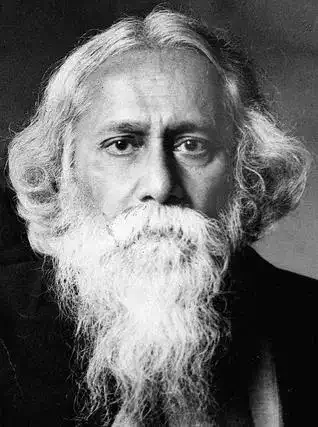
Rabindranath Tagore
When Day Is Done
When Day Is Done
If the day is done,
if birds sing no more,
if the wind has flagged tired,
then draw the veil of darkness thick upon me,
even as thou hast wrapt the earth with the coverlet of sleep
and tenderly closed the petals of the drooping lotus at dusk.
From the traveler,
whose sack of provisions is empty before the voyage is ended,
whose garment is torn and dust-laden,
whose strength is exhausted,
remove shame and poverty,
and renew his life like a flower under the cover of thy kindly night.
If the day is done,
if birds sing no more,
if the wind has flagged tired,
then draw the veil of darkness thick upon me,
even as thou hast wrapt the earth with the coverlet of sleep
and tenderly closed the petals of the drooping lotus at dusk.
From the traveler,
whose sack of provisions is empty before the voyage is ended,
whose garment is torn and dust-laden,
whose strength is exhausted,
remove shame and poverty,
and renew his life like a flower under the cover of thy kindly night.
644
Rabindranath Tagore
Stray Birds 71 - 80
Stray Birds 71 - 80
71
THE woodcutter's axe begged for its handle from the tree.
The tree gave it.
72
IN my solitude of heart
I feel the sigh of this widowed evening
veiled with mist and rain.
73
CHASTITY
is a wealth that comes from
abundance of love.
74
THE mist,
like love,
plays upon the heart of the hills
and brings out surprises of beauty.
75
WE read the world wrong
and say that it deceives us.
76
THE poet wind is out over the sea
and the forest to seek his own voice.
77
EVERY child
comes with the message
that God is not yet discouraged
of man.
78
THE grass seeks her crowd in the earth.
The tree seeks his solitude of the sky.
79
MAN barricades against himself.
80
YOUR voice, my friend,
wanders in my heart,
like the muffled sound of the sea
among these listening pines.
71
THE woodcutter's axe begged for its handle from the tree.
The tree gave it.
72
IN my solitude of heart
I feel the sigh of this widowed evening
veiled with mist and rain.
73
CHASTITY
is a wealth that comes from
abundance of love.
74
THE mist,
like love,
plays upon the heart of the hills
and brings out surprises of beauty.
75
WE read the world wrong
and say that it deceives us.
76
THE poet wind is out over the sea
and the forest to seek his own voice.
77
EVERY child
comes with the message
that God is not yet discouraged
of man.
78
THE grass seeks her crowd in the earth.
The tree seeks his solitude of the sky.
79
MAN barricades against himself.
80
YOUR voice, my friend,
wanders in my heart,
like the muffled sound of the sea
among these listening pines.
621
Rabindranath Tagore
Hard Times
Hard Times
Music is silenced, the dark descending slowly
Has stripped unending skies of all companions.
Weariness grips your limbs and within the locked horizons
Dumbly ring the bells of hugely gathering fears.
Still, O bird, O sightless bird,
Not yet, not yet the time to furl your wings.
It's not melodious woodlands but the leaps and falls
Of an ocean's drowsy booming,
Not a grove bedecked with flowers but a tumult flecked with foam.
Where is the shore that stored your buds and leaves?
Where the nest and the branch's hold?
Still, O bird, my sightless bird,
Not yet, not yet the time to furl your wings.
Stretching in front of you the night's immensity
Hides the western hill where sleeps the distant sun;
Still with bated breath the world is counting time and swimming
Across the shoreless dark a crescent moon
Has thinly just appeared upon the dim horizon.
-But O my bird, O sightless bird,
Not yet, not yet the time to furl your wings.
From upper skies the stars with pointing fingers
Intently watch your course and death's impatience
Lashes at you from the deeps in swirling waves;
And sad entreaties line the farthest shore
With hands outstretched and crooning 'Come, O come!'
Still, O bird, O sightless bird,
Not yet, not yet the time to furl your wings.
All that is past: your fears and loves and hopes;
All that is lost: your words and lamentation;
No longer yours a home nor a bed composed of flowers.
For wings are all you have, and the sky's broadening countryard,
And the dawn steeped in darkness, lacking all direction.
Dear bird, my sightless bird,
Not yet, not yet the time to furl your wings!
Music is silenced, the dark descending slowly
Has stripped unending skies of all companions.
Weariness grips your limbs and within the locked horizons
Dumbly ring the bells of hugely gathering fears.
Still, O bird, O sightless bird,
Not yet, not yet the time to furl your wings.
It's not melodious woodlands but the leaps and falls
Of an ocean's drowsy booming,
Not a grove bedecked with flowers but a tumult flecked with foam.
Where is the shore that stored your buds and leaves?
Where the nest and the branch's hold?
Still, O bird, my sightless bird,
Not yet, not yet the time to furl your wings.
Stretching in front of you the night's immensity
Hides the western hill where sleeps the distant sun;
Still with bated breath the world is counting time and swimming
Across the shoreless dark a crescent moon
Has thinly just appeared upon the dim horizon.
-But O my bird, O sightless bird,
Not yet, not yet the time to furl your wings.
From upper skies the stars with pointing fingers
Intently watch your course and death's impatience
Lashes at you from the deeps in swirling waves;
And sad entreaties line the farthest shore
With hands outstretched and crooning 'Come, O come!'
Still, O bird, O sightless bird,
Not yet, not yet the time to furl your wings.
All that is past: your fears and loves and hopes;
All that is lost: your words and lamentation;
No longer yours a home nor a bed composed of flowers.
For wings are all you have, and the sky's broadening countryard,
And the dawn steeped in darkness, lacking all direction.
Dear bird, my sightless bird,
Not yet, not yet the time to furl your wings!
610
Rabindranath Tagore
Closed Path
Closed Path
I thought that my voyage had come to its end
at the last limit of my power,---that the path before me was closed,
that provisions were exhausted
and the time come to take shelter in a silent obscurity.
But I find that thy will knows no end in me.
And when old words die out on the tongue,
new melodies break forth from the heart;
and where the old tracks are lost,
new country is revealed with its wonders.
I thought that my voyage had come to its end
at the last limit of my power,---that the path before me was closed,
that provisions were exhausted
and the time come to take shelter in a silent obscurity.
But I find that thy will knows no end in me.
And when old words die out on the tongue,
new melodies break forth from the heart;
and where the old tracks are lost,
new country is revealed with its wonders.
621
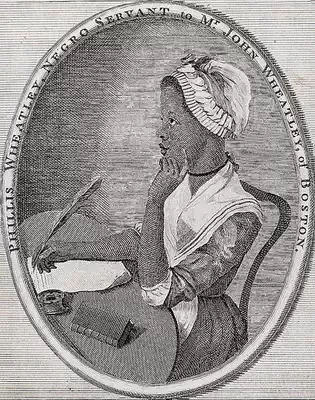
Phillis Wheatley
To A Gentleman On His Voyage To Great-Britain For The Recovery Of His
To A Gentleman On His Voyage To Great-Britain For The Recovery Of His
Health
WHILE others chant of gay Elysian scenes,
Of balmy zephyrs, and of flow'ry plains,
My song more happy speaks a greater name,
Feels higher motives and a nobler flame.
For thee, O R-----, the muse attunes her strings,
And mounts sublime above inferior things.
I sing not now of green embow'ring woods,
I sing not now the daughters of the floods,
I sing not of the storms o'er ocean driv'n,
And how they howl'd along the waste of heav'n.
But I to R----- would paint the British shore,
And vast Atlantic, not untry'd before:
Thy life impair'd commands thee to arise,
Leave these bleak regions and inclement skies,
Where chilling winds return the winter past,
And nature shudders at the furious blast.
O thou stupendous, earth-enclosing main
Exert thy wonders to the world again!
If ere thy pow'r prolong'd the fleeting breath,
Turn'd back the shafts, and mock'd the gates of death,
If ere thine air dispens'd an healing pow'r,
Or snatch'd the victim from the fatal hour,
This equal case demands thine equal care,
And equal wonders may this patient share.
But unavailing, frantic is the dream
To hope thine aid without the aid of him
Who gave thee birth and taught thee where to flow,
And in thy waves his various blessings show.
May R----- return to view his native shore
Replete with vigour not his own before,
Then shall we see with pleasure and surprise,
And own thy work, great Ruler of the skies!
Health
WHILE others chant of gay Elysian scenes,
Of balmy zephyrs, and of flow'ry plains,
My song more happy speaks a greater name,
Feels higher motives and a nobler flame.
For thee, O R-----, the muse attunes her strings,
And mounts sublime above inferior things.
I sing not now of green embow'ring woods,
I sing not now the daughters of the floods,
I sing not of the storms o'er ocean driv'n,
And how they howl'd along the waste of heav'n.
But I to R----- would paint the British shore,
And vast Atlantic, not untry'd before:
Thy life impair'd commands thee to arise,
Leave these bleak regions and inclement skies,
Where chilling winds return the winter past,
And nature shudders at the furious blast.
O thou stupendous, earth-enclosing main
Exert thy wonders to the world again!
If ere thy pow'r prolong'd the fleeting breath,
Turn'd back the shafts, and mock'd the gates of death,
If ere thine air dispens'd an healing pow'r,
Or snatch'd the victim from the fatal hour,
This equal case demands thine equal care,
And equal wonders may this patient share.
But unavailing, frantic is the dream
To hope thine aid without the aid of him
Who gave thee birth and taught thee where to flow,
And in thy waves his various blessings show.
May R----- return to view his native shore
Replete with vigour not his own before,
Then shall we see with pleasure and surprise,
And own thy work, great Ruler of the skies!
229
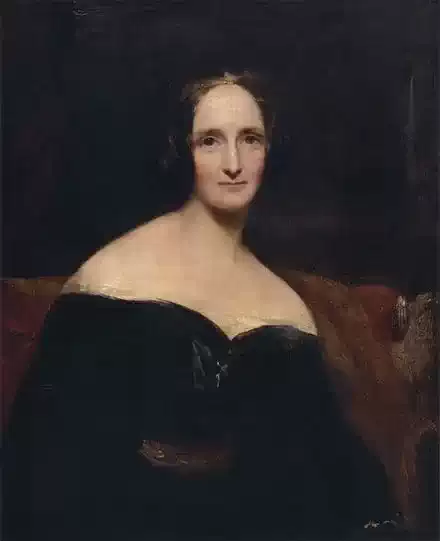
Percy Bysshe Shelley
The Two Spirits: An Allegory
The Two Spirits: An Allegory
FIRST SPIRIT
O thou, who plum'd with strong desire
Wouldst float above the earth, beware!
A Shadow tracks thy flight of fire--
Night is coming!
Bright are the regions of the air,
And among the winds and beams
It were delight to wander there--
Night is coming!SECOND SPIRIT
The deathless stars are bright above;
If I would cross the shade of night,
Within my heart is the lamp of love,
And that is day!
And the moon will smile with gentle light
On my golden plumes where'er they move;
The meteors will linger round my flight,
And make night day.FIRST SPIRIT
But if the whirlwinds of darkness waken
Hail, and lightning, and stormy rain;
See, the bounds of the air are shaken--
Night is coming!
The red swift clouds of the hurricane
Yon declining sun have overtaken,
The clash of the hail sweeps over the plain--
Night is coming!SECOND SPIRIT
I see the light, and I hear the sound;
I'll sail on the flood of the tempest dark,
With the calm within and the light around
Which makes night day:
And thou, when the gloom is deep and stark,
Look from thy dull earth, slumber-bound,
My moon-like flight thou then mayst mark
On high, far away.----
Some say there is a precipice
Where one vast pine is frozen to ruin
O'er piles of snow and chasms of ice
Mid Alpine mountains;
And that the languid storm pursuing
That winged shape, for ever flies
Round those hoar branches, aye renewing
Its aëry fountains.
Some say when nights are dry and dear,
And the death-dews sleep on the morass,
Sweet whispers are heard by the traveller,
Which make night day:
And a silver shape like his early love doth pass
Upborne by her wild and glittering hair,
And when he awakes on the fragrant grass,
He finds night day.
FIRST SPIRIT
O thou, who plum'd with strong desire
Wouldst float above the earth, beware!
A Shadow tracks thy flight of fire--
Night is coming!
Bright are the regions of the air,
And among the winds and beams
It were delight to wander there--
Night is coming!SECOND SPIRIT
The deathless stars are bright above;
If I would cross the shade of night,
Within my heart is the lamp of love,
And that is day!
And the moon will smile with gentle light
On my golden plumes where'er they move;
The meteors will linger round my flight,
And make night day.FIRST SPIRIT
But if the whirlwinds of darkness waken
Hail, and lightning, and stormy rain;
See, the bounds of the air are shaken--
Night is coming!
The red swift clouds of the hurricane
Yon declining sun have overtaken,
The clash of the hail sweeps over the plain--
Night is coming!SECOND SPIRIT
I see the light, and I hear the sound;
I'll sail on the flood of the tempest dark,
With the calm within and the light around
Which makes night day:
And thou, when the gloom is deep and stark,
Look from thy dull earth, slumber-bound,
My moon-like flight thou then mayst mark
On high, far away.----
Some say there is a precipice
Where one vast pine is frozen to ruin
O'er piles of snow and chasms of ice
Mid Alpine mountains;
And that the languid storm pursuing
That winged shape, for ever flies
Round those hoar branches, aye renewing
Its aëry fountains.
Some say when nights are dry and dear,
And the death-dews sleep on the morass,
Sweet whispers are heard by the traveller,
Which make night day:
And a silver shape like his early love doth pass
Upborne by her wild and glittering hair,
And when he awakes on the fragrant grass,
He finds night day.
444
Percy Bysshe Shelley
The Invitation
The Invitation
BEST and brightest, come away!
Fairer far than this fair Day,
Which, like thee to those in sorrow,
Comes to bid a sweet good-morrow
To the rough Year just awake
In its cradle on the brake.
The brightest hour of unborn Spring,
Through the winter wandering,
Found, it seems, the halcyon Morn
To hoar February born.
Bending from heaven, in azure mirth,
It kiss'd the forehead of the Earth;
And smiled upon the silent sea;
And bade the frozen streams be free;
And waked to music all their fountains;
And breathed upon the frozen mountains;
And like a prophetess of May
Strew'd flowers upon the barren way,
Making the wintry world appear
Like one on whom thou smilest, dear.
Away, away, from men and towns,
To the wild wood and the downs--
To the silent wilderness
Where the soul need not repress
Its music lest it should not find
An echo in another's mind,
While the touch of Nature's art
Harmonizes heart to heart.
I leave this notice on my door
For each accustom'd visitor:--
'I am gone into the fields
To take what this sweet hour yields.
Reflection, you may come to-morrow;
Sit by the fireside with Sorrow.
You with the unpaid bill, Despair,--
You, tiresome verse-reciter, Care,--
I will pay you in the grave,--
Death will listen to your stave.
Expectation too, be off!
To-day is for itself enough.
Hope, in pity mock not Woe
With smiles, nor follow where I go;
Long having lived on your sweet food,
At length I find one moment's good
After long pain: with all your love,
This you never told me of.'
Radiant Sister of the Day,
Awake! arise! and come away!
To the wild woods and the plains;
And the pools where winter rains
Image all their roof of leaves;
Where the pine its garland weaves
Of sapless green and ivy dun
Round stems that never kiss the sun;
Where the lawns and pastures be,
And the sandhills of the sea;
Where the melting hoar-frost wets
The daisy-star that never sets,
And wind-flowers, and violets
Which yet join not scent to hue,
Crown the pale year weak and new;
When the night is left behind
In the deep east, dun and blind,
And the blue noon is over us,
And the multitudinous
Billows murmur at our feet
Where the earth and ocean meet,
And all things seem only one
In the universal sun.
BEST and brightest, come away!
Fairer far than this fair Day,
Which, like thee to those in sorrow,
Comes to bid a sweet good-morrow
To the rough Year just awake
In its cradle on the brake.
The brightest hour of unborn Spring,
Through the winter wandering,
Found, it seems, the halcyon Morn
To hoar February born.
Bending from heaven, in azure mirth,
It kiss'd the forehead of the Earth;
And smiled upon the silent sea;
And bade the frozen streams be free;
And waked to music all their fountains;
And breathed upon the frozen mountains;
And like a prophetess of May
Strew'd flowers upon the barren way,
Making the wintry world appear
Like one on whom thou smilest, dear.
Away, away, from men and towns,
To the wild wood and the downs--
To the silent wilderness
Where the soul need not repress
Its music lest it should not find
An echo in another's mind,
While the touch of Nature's art
Harmonizes heart to heart.
I leave this notice on my door
For each accustom'd visitor:--
'I am gone into the fields
To take what this sweet hour yields.
Reflection, you may come to-morrow;
Sit by the fireside with Sorrow.
You with the unpaid bill, Despair,--
You, tiresome verse-reciter, Care,--
I will pay you in the grave,--
Death will listen to your stave.
Expectation too, be off!
To-day is for itself enough.
Hope, in pity mock not Woe
With smiles, nor follow where I go;
Long having lived on your sweet food,
At length I find one moment's good
After long pain: with all your love,
This you never told me of.'
Radiant Sister of the Day,
Awake! arise! and come away!
To the wild woods and the plains;
And the pools where winter rains
Image all their roof of leaves;
Where the pine its garland weaves
Of sapless green and ivy dun
Round stems that never kiss the sun;
Where the lawns and pastures be,
And the sandhills of the sea;
Where the melting hoar-frost wets
The daisy-star that never sets,
And wind-flowers, and violets
Which yet join not scent to hue,
Crown the pale year weak and new;
When the night is left behind
In the deep east, dun and blind,
And the blue noon is over us,
And the multitudinous
Billows murmur at our feet
Where the earth and ocean meet,
And all things seem only one
In the universal sun.
408
Percy Bysshe Shelley
Invocation
Invocation
Rarely, rarely, comest thou,
Spirit of Delight!
Wherefore hast thou left me now
Many a day and night?
Many a weary night and day
'Tis since thou art fled away.
How shall ever one like me
Win thee back again?
With the joyous and the free
Thou wilt scoff at pain.
Spirit false! thou hast forgot
All but those who need thee not.
As a lizard with the shade
Of a trembling leaf,
Thou with sorrow art dismayed;
Even the sighs of grief
Reproach thee, that thou art not near,
And reproach thou wilt not hear.
Let me set my mournful ditty
To a merry measure;
Thou wilt never come for pity,
Thou wilt come for pleasure; -
Pity then will cut away
Those cruel wings, and thou wilt stay.
I love all that thou lovest,
Spirit of Delight!
The fresh Earth in new leaves dressed,
And the starry night;
Autumn evening, and the morn
When the golden mists are born.
I love snow and all the forms
Of the radiant frost;
I love waves, and winds, and storms,
Everything almost
Which is Nature's, and may be
Untainted by man's misery.
I love tranquil solitude,
And such society
As is quiet, wise, and good: -
Between thee and me
What diff'rence? but thou dost possess
The things I seek, not love them less.
I love Love -though he has wings,
And like light can flee,
But above all other things,
Spirit, I love thee -
Thou art love and life! O come!
Make once more my heart thy home!
Rarely, rarely, comest thou,
Spirit of Delight!
Wherefore hast thou left me now
Many a day and night?
Many a weary night and day
'Tis since thou art fled away.
How shall ever one like me
Win thee back again?
With the joyous and the free
Thou wilt scoff at pain.
Spirit false! thou hast forgot
All but those who need thee not.
As a lizard with the shade
Of a trembling leaf,
Thou with sorrow art dismayed;
Even the sighs of grief
Reproach thee, that thou art not near,
And reproach thou wilt not hear.
Let me set my mournful ditty
To a merry measure;
Thou wilt never come for pity,
Thou wilt come for pleasure; -
Pity then will cut away
Those cruel wings, and thou wilt stay.
I love all that thou lovest,
Spirit of Delight!
The fresh Earth in new leaves dressed,
And the starry night;
Autumn evening, and the morn
When the golden mists are born.
I love snow and all the forms
Of the radiant frost;
I love waves, and winds, and storms,
Everything almost
Which is Nature's, and may be
Untainted by man's misery.
I love tranquil solitude,
And such society
As is quiet, wise, and good: -
Between thee and me
What diff'rence? but thou dost possess
The things I seek, not love them less.
I love Love -though he has wings,
And like light can flee,
But above all other things,
Spirit, I love thee -
Thou art love and life! O come!
Make once more my heart thy home!
525
Percy Bysshe Shelley
Hellas
Hellas
THE world's great age begins anew,
The golden years return,
The earth doth like a snake renew
Her winter weeds outworn;
Heaven smiles, and faiths and empires gleam
Like wrecks of a dissolving dream.
A brighter Hellas rears its mountains
From waves serener far;
A new Peneus rolls his fountains
Against the morning star;
Where fairer Tempes bloom, there sleep
Young Cyclads on a sunnier deep.
A loftier Argo cleaves the main,
Fraught with a later prize;
Another Orpheus sings again,
And loves, and weeps, and dies;
A new Ulysses leaves once more
Calypso for his native shore.
O write no more the tale of Troy,
If earth Death's scroll must be--
Nor mix with Laian rage the joy
Which dawns upon the free,
Although a subtler Sphinx renew
Riddles of death Thebes never knew.
Another Athens shall arise,
And to remoter time
Bequeath, like sunset to the skies,
The splendour of its prime;
And leave, if naught so bright may live,
All earth can take or Heaven can give.
Saturn and Love their long repose
Shall burst, more bright and good
Than all who fell, than One who rose,
Than many unsubdued:
Not gold, not blood, their altar dowers,
But votive tears and symbol flowers.
O cease! must hate and death return?
Cease! must men kill and die?
Cease! drain not to its dregs the urn
Of bitter prophecy!
The world is weary of the past--
O might it die or rest at last!
THE world's great age begins anew,
The golden years return,
The earth doth like a snake renew
Her winter weeds outworn;
Heaven smiles, and faiths and empires gleam
Like wrecks of a dissolving dream.
A brighter Hellas rears its mountains
From waves serener far;
A new Peneus rolls his fountains
Against the morning star;
Where fairer Tempes bloom, there sleep
Young Cyclads on a sunnier deep.
A loftier Argo cleaves the main,
Fraught with a later prize;
Another Orpheus sings again,
And loves, and weeps, and dies;
A new Ulysses leaves once more
Calypso for his native shore.
O write no more the tale of Troy,
If earth Death's scroll must be--
Nor mix with Laian rage the joy
Which dawns upon the free,
Although a subtler Sphinx renew
Riddles of death Thebes never knew.
Another Athens shall arise,
And to remoter time
Bequeath, like sunset to the skies,
The splendour of its prime;
And leave, if naught so bright may live,
All earth can take or Heaven can give.
Saturn and Love their long repose
Shall burst, more bright and good
Than all who fell, than One who rose,
Than many unsubdued:
Not gold, not blood, their altar dowers,
But votive tears and symbol flowers.
O cease! must hate and death return?
Cease! must men kill and die?
Cease! drain not to its dregs the urn
Of bitter prophecy!
The world is weary of the past--
O might it die or rest at last!
531
Percy Bysshe Shelley
Hymn to Intellectual Beauty
Hymn to Intellectual Beauty
The awful shadow of some unseen Power
Floats through unseen among us, -- visiting
This various world with as inconstant wing
As summer winds that creep from flower to flower, --
Like moonbeams that behind some piny mountain shower,
It visits with inconstant glance
Each human heart and countenance;
Like hues and harmonies of evening, --
Like clouds in starlight widely spread, --
Like memory of music fled, --
Like aught that for its grace may be
Dear, and yet dearer for its mystery.
Spirit of Beauty, that dost consecrate
With thine own hues all thou dost shine upon
Of human thought or form, -- where art thou gone?
Why dost thou pass away and leave our state,
This dim vast vale of tears, vacant and desolate?
Ask why the sunlight not for ever
Weaves rainbows o'er yon mountain-river,
Why aught should fail and fade that once is shown,
Why fear and dream and death and birth
Cast on the daylight of this earth
Such gloom, -- why man has such a scope
For love and hate, despondency and hope?
No voice from some sublimer world hath ever
To sage or poet these responses given --
Therefore the names of Demon, Ghost, and Heaven,
Remain the records of their vain endeavour,
Frail spells -- whose uttered charm might not avail to sever,
From all we hear and all we see,
Doubt, chance, and mutability.
Thy light alone -- like mist oe'er the mountains driven,
Or music by the night-wind sent
Through strings of some still instrument,
Or moonlight on a midnight stream,
Gives grace and truth to life's unquiet dream.
Love, Hope, and Self-esteem, like clouds depart
And come, for some uncertain moments lent.
Man were immortal, and omnipotent,
Didst thou, unknown and awful as thou art,
Keep with thy glorious train firm state within his heart.
Thou messgenger of sympathies,
That wax and wane in lovers' eyes --
Thou -- that to human thought art nourishment,
Like darkness to a dying flame!
Depart not as thy shadow came,
Depart not -- lest the grave should be,
Like life and fear, a dark reality.
While yet a boy I sought for ghosts, and sped
Through many a listening chamber, cave and ruin,
And starlight wood, with fearful steps pursuing
Hopes of high talk with the departed dead.
I called on poisonous names with which our youth is fed;
I was not heard -- I saw them not --
When musing deeply on the lot
Of life, at that sweet time when winds are wooing
All vital things that wake to bring
News of birds and blossoming, --
Sudden, thy shadow fell on me;
I shrieked, and clasped my hands in ecstasy!
I vowed that I would dedicate my powers
To thee and thine -- have I not kept the vow?
With beating heart and streaming eyes, even now
I call the phantoms of a thousand hours
Each from his voiceless grave: they have in visioned bowers
Of studious zeal or love's delight
Outwatched with me the envious night --
They know that never joy illumed my brow
Unlinked with hope that thou wouldst free
This world from its dark slavery,
That thou - O awful Loveliness,
Wouldst give whate'er these words cannot express.
The day becomes more solemn and serene
When noon is past -- there is a harmony
In autumn, and a lustre in its sky,
Which through the summer is not heard or seen,
As if it could not be, as if it had not been!
Thus let thy power, which like the truth
Of nature on my passive youth
Descended, to my onward life supply
Its calm -- to one who worships thee,
And every form containing thee,
Whom, Spirit fair, thy spells did bind
To fear himself, and love all human kind.
The awful shadow of some unseen Power
Floats through unseen among us, -- visiting
This various world with as inconstant wing
As summer winds that creep from flower to flower, --
Like moonbeams that behind some piny mountain shower,
It visits with inconstant glance
Each human heart and countenance;
Like hues and harmonies of evening, --
Like clouds in starlight widely spread, --
Like memory of music fled, --
Like aught that for its grace may be
Dear, and yet dearer for its mystery.
Spirit of Beauty, that dost consecrate
With thine own hues all thou dost shine upon
Of human thought or form, -- where art thou gone?
Why dost thou pass away and leave our state,
This dim vast vale of tears, vacant and desolate?
Ask why the sunlight not for ever
Weaves rainbows o'er yon mountain-river,
Why aught should fail and fade that once is shown,
Why fear and dream and death and birth
Cast on the daylight of this earth
Such gloom, -- why man has such a scope
For love and hate, despondency and hope?
No voice from some sublimer world hath ever
To sage or poet these responses given --
Therefore the names of Demon, Ghost, and Heaven,
Remain the records of their vain endeavour,
Frail spells -- whose uttered charm might not avail to sever,
From all we hear and all we see,
Doubt, chance, and mutability.
Thy light alone -- like mist oe'er the mountains driven,
Or music by the night-wind sent
Through strings of some still instrument,
Or moonlight on a midnight stream,
Gives grace and truth to life's unquiet dream.
Love, Hope, and Self-esteem, like clouds depart
And come, for some uncertain moments lent.
Man were immortal, and omnipotent,
Didst thou, unknown and awful as thou art,
Keep with thy glorious train firm state within his heart.
Thou messgenger of sympathies,
That wax and wane in lovers' eyes --
Thou -- that to human thought art nourishment,
Like darkness to a dying flame!
Depart not as thy shadow came,
Depart not -- lest the grave should be,
Like life and fear, a dark reality.
While yet a boy I sought for ghosts, and sped
Through many a listening chamber, cave and ruin,
And starlight wood, with fearful steps pursuing
Hopes of high talk with the departed dead.
I called on poisonous names with which our youth is fed;
I was not heard -- I saw them not --
When musing deeply on the lot
Of life, at that sweet time when winds are wooing
All vital things that wake to bring
News of birds and blossoming, --
Sudden, thy shadow fell on me;
I shrieked, and clasped my hands in ecstasy!
I vowed that I would dedicate my powers
To thee and thine -- have I not kept the vow?
With beating heart and streaming eyes, even now
I call the phantoms of a thousand hours
Each from his voiceless grave: they have in visioned bowers
Of studious zeal or love's delight
Outwatched with me the envious night --
They know that never joy illumed my brow
Unlinked with hope that thou wouldst free
This world from its dark slavery,
That thou - O awful Loveliness,
Wouldst give whate'er these words cannot express.
The day becomes more solemn and serene
When noon is past -- there is a harmony
In autumn, and a lustre in its sky,
Which through the summer is not heard or seen,
As if it could not be, as if it had not been!
Thus let thy power, which like the truth
Of nature on my passive youth
Descended, to my onward life supply
Its calm -- to one who worships thee,
And every form containing thee,
Whom, Spirit fair, thy spells did bind
To fear himself, and love all human kind.
1,109