

Poems in this topic
Children
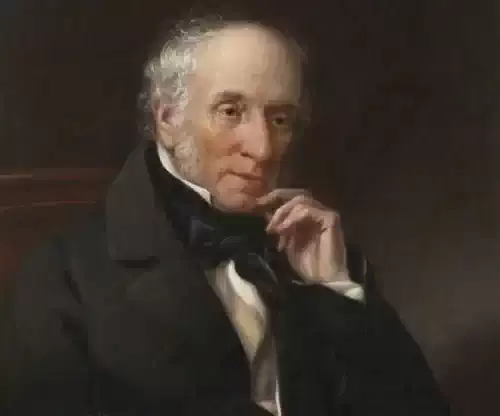
William Wordsworth
The Two April Mornings
The Two April Mornings
We walked along, while bright and red
Uprose the morning sun;
And Matthew stopped, he looked, and said
`The will of God be done!'
A village schoolmaster was he,
With hair of glittering grey;
As blithe a man as you could see
On a spring holiday.
And on that morning, through the grass
And by the steaming rills
We travelled merrily, to pass
A day among the hills.
`Our work,' said I, `was well begun;
Then, from thy breast what thought,
Beneath so beautiful a sun,
So sad a sigh has brought?'
A second time did Matthew stop;
And fixing still his eye
Upon the eastern mountain-top,
To me he made reply:
`Yon cloud with that long purple cleft
Brings fresh into my mind
A day like this, which I have left
Full thirty years behind.
`And just above yon slope of corn
Such colours, and no other,
Were in the sky, that April morn,
Of this the very brother.
`With rod and line I sued the sport
Which that sweet season gave,
And, to the churchyard come, stopped short
Beside my daughter's grave.
`Nine summers had she scarcely seen,
The pride of all the vale;
And then she sang: -she would have been
A very nightingale.
`Six feet in earth my Emma lay;
And yet I loved her more -
For so it seemed, -than till that day
I e'er had loved before.
`And turning from her grave, I met
Beside the churchyard yew
A blooming girl, whose hair was wet
With points of morning dew.
`A basket on her head she bare;
Her brow was smooth and white:
To see a child so very fair,
It was a pure delight!
`No fountain from its rocky cave
E'er tripped with foot so free;
She seemed as happy as a wave
That dances on the sea.
`There came from me a sigh of pain
Which I could ill confine;
I looked at her, and looked again:
And did not wish her mine!'
- Matthew is in his grave, yet now
Methinks I see him stand
As that moment, with a bough
Of wilding in his hand.
We walked along, while bright and red
Uprose the morning sun;
And Matthew stopped, he looked, and said
`The will of God be done!'
A village schoolmaster was he,
With hair of glittering grey;
As blithe a man as you could see
On a spring holiday.
And on that morning, through the grass
And by the steaming rills
We travelled merrily, to pass
A day among the hills.
`Our work,' said I, `was well begun;
Then, from thy breast what thought,
Beneath so beautiful a sun,
So sad a sigh has brought?'
A second time did Matthew stop;
And fixing still his eye
Upon the eastern mountain-top,
To me he made reply:
`Yon cloud with that long purple cleft
Brings fresh into my mind
A day like this, which I have left
Full thirty years behind.
`And just above yon slope of corn
Such colours, and no other,
Were in the sky, that April morn,
Of this the very brother.
`With rod and line I sued the sport
Which that sweet season gave,
And, to the churchyard come, stopped short
Beside my daughter's grave.
`Nine summers had she scarcely seen,
The pride of all the vale;
And then she sang: -she would have been
A very nightingale.
`Six feet in earth my Emma lay;
And yet I loved her more -
For so it seemed, -than till that day
I e'er had loved before.
`And turning from her grave, I met
Beside the churchyard yew
A blooming girl, whose hair was wet
With points of morning dew.
`A basket on her head she bare;
Her brow was smooth and white:
To see a child so very fair,
It was a pure delight!
`No fountain from its rocky cave
E'er tripped with foot so free;
She seemed as happy as a wave
That dances on the sea.
`There came from me a sigh of pain
Which I could ill confine;
I looked at her, and looked again:
And did not wish her mine!'
- Matthew is in his grave, yet now
Methinks I see him stand
As that moment, with a bough
Of wilding in his hand.
215
William Wordsworth
The Sparrow's Nest
The Sparrow's Nest
BEHOLD, within the leafy shade,
Those bright blue eggs together laid!
On me the chance-discovered sight
Gleamed like a vision of delight.
I started---seeming to espy
The home and sheltered bed,
The Sparrow's dwelling, which, hard by
My Father' house, in wet or dry
My sister Emmeline and I
Together visited.
She looked at it and seemed to fear it;
Dreading, tho' wishing, to be near it:
Such heart was in her, being then
A little Prattler among men.
The Blessing of my later year
Was with me when a boy:
She gave me eyes, she gave me ears;
And humble care, and delicate fears;
A heart, the fountain of sweet tears;
And love, and thought, and joy.
BEHOLD, within the leafy shade,
Those bright blue eggs together laid!
On me the chance-discovered sight
Gleamed like a vision of delight.
I started---seeming to espy
The home and sheltered bed,
The Sparrow's dwelling, which, hard by
My Father' house, in wet or dry
My sister Emmeline and I
Together visited.
She looked at it and seemed to fear it;
Dreading, tho' wishing, to be near it:
Such heart was in her, being then
A little Prattler among men.
The Blessing of my later year
Was with me when a boy:
She gave me eyes, she gave me ears;
And humble care, and delicate fears;
A heart, the fountain of sweet tears;
And love, and thought, and joy.
279
William Wordsworth
The Mother's Return
The Mother's Return
A MONTH, sweet Little-ones, is past
Since your dear Mother went away,---
And she tomorrow will return;
Tomorrow is the happy day.
O blessed tidings! thought of joy!
The eldest heard with steady glee;
Silent he stood; then laughed amain,---
And shouted, ' Mother, come to me!'
Louder and louder did he shout,
With witless hope to bring her near;
'Nay, patience! patience, little boy!
Your tender mother cannot hear.'
I told of hills, and far-off town,
And long, long vale to travel through;---
He listens, puzzled, sore perplexed,
But he submits; what can he do ?
No strife disturbs his sister's breast;
She wars not with the mystery
Of time and distance, night and day;
The bonds of our humanity.
Her joy is like an instinct, joy
Of kitten, bird, or summer fly;
She dances, runs without an aim,
She chatters in her ecstasy.
Her brother now takes up the note,
And echoes back his sister's glee;
They hug the infant in my arms,
As if to force his sympathy.
Then, settling into fond discourse,
We rested in the garden bower;
While sweetly shone the evening sun
In his departing hour.
We told o'er all that we had done,---
Our rambles by the swift brook's side
Far as the willow-skirted pool,
Where two fair swans together glide.
We talked of change, of winter gone,
Of green leaves on the hawthorn spray,
Of birds that build their nests and sing
And all 'since Mother went away!'
To her these tales they will repeat,
To her our new-born tribes will show,
The goslings green, the ass's colt,
The lambs that in the meadow go.
---But, see, the evening star comes forth!
To bed the children must depart;
A moment's heaviness they feel,
A sadness at the heart;
'Tis gone---and in a merry fit
They run up stairs in gamesome race;
I, too, infected by their mood,
I could have joined the wanton chase.
Five minutes past---and, O the change!
Asleep upon their beds they lie;
Their buy limbs in perfect rest,
And closed the sparkling eye.
A MONTH, sweet Little-ones, is past
Since your dear Mother went away,---
And she tomorrow will return;
Tomorrow is the happy day.
O blessed tidings! thought of joy!
The eldest heard with steady glee;
Silent he stood; then laughed amain,---
And shouted, ' Mother, come to me!'
Louder and louder did he shout,
With witless hope to bring her near;
'Nay, patience! patience, little boy!
Your tender mother cannot hear.'
I told of hills, and far-off town,
And long, long vale to travel through;---
He listens, puzzled, sore perplexed,
But he submits; what can he do ?
No strife disturbs his sister's breast;
She wars not with the mystery
Of time and distance, night and day;
The bonds of our humanity.
Her joy is like an instinct, joy
Of kitten, bird, or summer fly;
She dances, runs without an aim,
She chatters in her ecstasy.
Her brother now takes up the note,
And echoes back his sister's glee;
They hug the infant in my arms,
As if to force his sympathy.
Then, settling into fond discourse,
We rested in the garden bower;
While sweetly shone the evening sun
In his departing hour.
We told o'er all that we had done,---
Our rambles by the swift brook's side
Far as the willow-skirted pool,
Where two fair swans together glide.
We talked of change, of winter gone,
Of green leaves on the hawthorn spray,
Of birds that build their nests and sing
And all 'since Mother went away!'
To her these tales they will repeat,
To her our new-born tribes will show,
The goslings green, the ass's colt,
The lambs that in the meadow go.
---But, see, the evening star comes forth!
To bed the children must depart;
A moment's heaviness they feel,
A sadness at the heart;
'Tis gone---and in a merry fit
They run up stairs in gamesome race;
I, too, infected by their mood,
I could have joined the wanton chase.
Five minutes past---and, O the change!
Asleep upon their beds they lie;
Their buy limbs in perfect rest,
And closed the sparkling eye.
288
William Wordsworth
Rural Architecture
Rural Architecture
There's George Fisher, Charles Fleming, and Reginald Shore,
Three rosy-cheeked school-boys, the highest not more
Than the height of a counsellor's bag;
To the top of GREAT HOW did it please them to climb:
And there they built up, without mortar or lime,
A Man on the peak of the crag.
They built him of stones gathered up as they lay:
They built him and christened him all in one day,
An urchin both vigorous and hale;
And so without scruple they called him Ralph Jones.
Now Ralph is renowned for the length of his bones;
The Magog of Legberthwaite dale.
Just half a week after, the wind sallied forth,
And, in anger or merriment, out of the north,
Coming on with a terrible pother,
From the peak of the crag blew the giant away.
And what did these school-boys?--The very next day
They went and they built up another.
--Some little I've seen of blind boisterous works
By Christian disturbers more savage than Turks,
Spirits busy to do and undo:
At remembrance whereof my blood sometimes will flag;
Then, light-hearted Boys, to the top of the crag!
And I'll build up giant with you.
There's George Fisher, Charles Fleming, and Reginald Shore,
Three rosy-cheeked school-boys, the highest not more
Than the height of a counsellor's bag;
To the top of GREAT HOW did it please them to climb:
And there they built up, without mortar or lime,
A Man on the peak of the crag.
They built him of stones gathered up as they lay:
They built him and christened him all in one day,
An urchin both vigorous and hale;
And so without scruple they called him Ralph Jones.
Now Ralph is renowned for the length of his bones;
The Magog of Legberthwaite dale.
Just half a week after, the wind sallied forth,
And, in anger or merriment, out of the north,
Coming on with a terrible pother,
From the peak of the crag blew the giant away.
And what did these school-boys?--The very next day
They went and they built up another.
--Some little I've seen of blind boisterous works
By Christian disturbers more savage than Turks,
Spirits busy to do and undo:
At remembrance whereof my blood sometimes will flag;
Then, light-hearted Boys, to the top of the crag!
And I'll build up giant with you.
199
William Wordsworth
Ruth
Ruth
When Ruth was left half desolate,
Her Father took another Mate;
And Ruth, not seven years old,
A slighted child, at her own will
Went wandering over dale and hill,
In thoughtless freedom, bold.
And she had made a pipe of straw,
And music from that pipe could draw
Like sounds of winds and floods;
Had built a bower upon the green,
As if she from her birth had been
An infant of the woods.
Beneath her father's roof, alone
She seemed to live; her thoughts her own;
Herself her own delight;
Pleased with herself, nor sad, nor gay;
And, passing thus the live-long day,
She grew to woman's height.
There came a Youth from Georgia's shore--
A military casque he wore,
With splendid feathers drest;
He brought them from the Cherokees;
The feathers nodded in the breeze,
And made a gallant crest.
From Indian blood you deem him sprung:
But no! he spake the English tongue,
And bore a soldier's name;
And, when America was free
From battle and from jeopardy,
He 'cross the ocean came.
With hues of genius on his cheek
In finest tones the Youth could speak:
--While he was yet a boy,
The moon, the glory of the sun,
And streams that murmur as they run,
Had been his dearest joy.
He was a lovely Youth! I guess
The panther in the wilderness
Was not so fair as he;
And, when he chose to sport and play,
No dolphin ever was so gay
Upon the tropic sea.
Among the Indians he had fought,
And with him many tales he brought
Of pleasure and of fear;
Such tales as told to any maid
By such a Youth, in the green shade,
Were perilous to hear.
He told of girls--a happy rout!
Who quit their fold with dance and shout,
Their pleasant Indian town,
To gather strawberries all day long;
Returning with a choral song
When daylight is gone down.
He spake of plants that hourly change
Their blossoms, through a boundless range
Of intermingling hues;
With budding, fading, faded flowers
They stand the wonder of the bowers
From morn to evening dews.
He told of the magnolia, spread
High as a cloud, high over head!
The cypress and her spire;
--Of flowers that with one scarlet gleam
Cover a hundred leagues, and seem
To set the hills on fire.
The Youth of green savannahs spake,
And many an endless, endless lake,
With all its fairy crowds
Of islands, that together lie
As quietly as spots of sky
Among the evening clouds.
"How pleasant," then he said, "it were
A fisher or a hunter there,
In sunshine or in shade
To wander with an easy mind;
And build a household fire, and find
A home in every glade!
"What days and what bright years! Ah me!
Our life were life indeed, with thee
So passed in quiet bliss,
And all the while," said he, "to know
That we were in a world of woe,
On such an earth as this!"
And then he sometimes interwove
Fond thoughts about a father's love
"For there," said he, "are spun
Around the heart such tender ties,
That our own children to our eyes
Are dearer than the sun.
"Sweet Ruth! and could you go with me
My helpmate in the woods to be,
Our shed at night to rear;
Or run, my own adopted bride,
A sylvan huntress at my side,
And drive the flying deer!
"Beloved Ruth!"--No more he said,
The wakeful Ruth at midnight shed
A solitary tear:
She thought again--and did agree
With him to sail across the sea,
And drive the flying deer.
"And now, as fitting is and right,
We in the church our faith will plight,
A husband and a wife."
Even so they did; and I may say
That to sweet Ruth that happy day
Was more than human life.
Through dream and vision did she sink,
Delighted all the while to think
That on those lonesome floods,
And green savannahs, she should share
His board with lawful joy, and bear
His name in the wild woods.
But, as you have before been told,
This Stripling, sportive, gay, and bold,
And, with his dancing crest,
So beautiful, through savage lands
Had roamed about, with vagrant bands
Of Indians in the West.
The wind, the tempest roaring high,
The tumult of a tropic sky,
Might well be dangerous food
For him, a Youth to whom was given
So much of earth--so much of heaven,
And such impetuous blood.
Whatever in those climes he found
Irregular in sight or sound
Did to his mind impart
A kindred impulse, seemed allied
To his own powers, and justified
The workings of his heart.
Nor less, to feed voluptuous thought,
The beauteous forms of nature wrought,
Fair trees and gorgeous flowers;
The breezes their own languor lent;
The stars had feelings, which they sent
Into those favoured bowers.
Yet, in his worst pursuits, I ween
That sometimes there did intervene
Pure hopes of high intent:
For passions linked to forms so fair
And stately, needs must have their share
Of noble sentiment.
But ill he lived, much evil saw,
With men to whom no better law
Nor better life was known;
Deliberately, and undeceived,
Those wild men's vices he received,
And gave them back his own.
His genius and his moral frame
Were thus impaired, and he became
The slave of low desires:
A Man who without self-control
Would seek what the degraded soul
Unworthily admires.
And yet he with no feigned delight
Had wooed the Maiden, day and night
Had loved her, night and morn:
What could he less than love a Maid
Whose heart with so much nature played?
So kind and so forlorn!
Sometimes, most earnestly, he said,
"O Ruth! I have been worse than dead;
False thoughts, thoughts bold and vain,
Encompassed me on every side
When I, in confidence and pride,
Had crossed the Atlantic main.
"Before me shone a glorious world--
Fresh as a banner bright, unfurled
To music suddenly:
I looked upon those hills and plains,
And seemed as if let loose from chains,
To live at liberty.
"No more of this; for now, by thee
Dear Ruth! more happily set free
With nobler zeal I burn;
My soul from darkness is released,
Like the whole sky when to the east
The morning doth return."
Full soon that better mind was gone;
No hope, no wish remained, not one,--
They stirred him now no more;
New objects did new pleasure give,
And once again he wished to live
As lawless as before.
Meanwhile, as thus with him it fared,
They for the voyage were prepared,
And went to the sea-shore,
But, when they thither came the Youth
Deserted his poor Bride, and Ruth
Could never find him more.
God help thee, Ruth!--Such pains she had,
That she in half a year was mad,
And in a prison housed;
And there, with many a doleful song
Made of wild words, her cup of wrong
She fearfully caroused.
Yet sometimes milder hours she knew,
Nor wanted sun, nor rain, nor dew,
Nor pastimes of the May;
--They all were with her in her cell;
And a clear brook with cheerful knell
Did o'er the pebbles play.
When Ruth three seasons thus had lain,
There came a respite to her pain;
She from her prison fled;
But of the Vagrant none took thought;
And where it liked her best she sought
Her shelter and her bread.
Among the fields she breathed again:
The master-current of her brain
Ran permanent and free;
And, coming to the Banks of Tone,
There did she rest; and dwell alone
Under the greenwood tree.
The engines of her pain, the tools
That shaped her sorrow, rocks and pools,
And airs that gently stir
The vernal leaves--she loved them still;
Nor ever taxed them with the ill
Which had been done to her.
A Barn her 'winter' bed supplies;
But, till the warmth of summer skies
And summer days is gone,
(And all do in this tale agree)
She sleeps beneath the greenwood tree,
And other home hath none.
An innocent life, yet far astray!
And Ruth will, long before her day,
Be broken down and old:
Sore aches she needs must have! but less
Of mind, than body's wretchedness,
From damp, and rain, and cold.
If she is prest by want of food,
She from her dwelling in the wood
Repairs to a road-side;
And there she begs at one steep place
Where up and down with easy pace
The horsemen-travellers ride.
That oaten pipe of hers is mute,
Or thrown away; but with a flute
Her loneliness she cheers:
This flute, made of a hemlock stalk,
At evening in his homeward walk
The Quantock woodman hears.
I, too, have passed her on the hills
Setting her little water-mills
By spouts and fountains wild--
Such small machinery as she turned
Ere she had wept, ere she had mourned,
A young and happy Child!
Farewell! and when thy days are told,
Ill-fated Ruth, in hallowed mould
Thy corpse shall buried be,
For thee a funeral bell shall ring,
And all the congregation sing
A Christian psalm for thee.
When Ruth was left half desolate,
Her Father took another Mate;
And Ruth, not seven years old,
A slighted child, at her own will
Went wandering over dale and hill,
In thoughtless freedom, bold.
And she had made a pipe of straw,
And music from that pipe could draw
Like sounds of winds and floods;
Had built a bower upon the green,
As if she from her birth had been
An infant of the woods.
Beneath her father's roof, alone
She seemed to live; her thoughts her own;
Herself her own delight;
Pleased with herself, nor sad, nor gay;
And, passing thus the live-long day,
She grew to woman's height.
There came a Youth from Georgia's shore--
A military casque he wore,
With splendid feathers drest;
He brought them from the Cherokees;
The feathers nodded in the breeze,
And made a gallant crest.
From Indian blood you deem him sprung:
But no! he spake the English tongue,
And bore a soldier's name;
And, when America was free
From battle and from jeopardy,
He 'cross the ocean came.
With hues of genius on his cheek
In finest tones the Youth could speak:
--While he was yet a boy,
The moon, the glory of the sun,
And streams that murmur as they run,
Had been his dearest joy.
He was a lovely Youth! I guess
The panther in the wilderness
Was not so fair as he;
And, when he chose to sport and play,
No dolphin ever was so gay
Upon the tropic sea.
Among the Indians he had fought,
And with him many tales he brought
Of pleasure and of fear;
Such tales as told to any maid
By such a Youth, in the green shade,
Were perilous to hear.
He told of girls--a happy rout!
Who quit their fold with dance and shout,
Their pleasant Indian town,
To gather strawberries all day long;
Returning with a choral song
When daylight is gone down.
He spake of plants that hourly change
Their blossoms, through a boundless range
Of intermingling hues;
With budding, fading, faded flowers
They stand the wonder of the bowers
From morn to evening dews.
He told of the magnolia, spread
High as a cloud, high over head!
The cypress and her spire;
--Of flowers that with one scarlet gleam
Cover a hundred leagues, and seem
To set the hills on fire.
The Youth of green savannahs spake,
And many an endless, endless lake,
With all its fairy crowds
Of islands, that together lie
As quietly as spots of sky
Among the evening clouds.
"How pleasant," then he said, "it were
A fisher or a hunter there,
In sunshine or in shade
To wander with an easy mind;
And build a household fire, and find
A home in every glade!
"What days and what bright years! Ah me!
Our life were life indeed, with thee
So passed in quiet bliss,
And all the while," said he, "to know
That we were in a world of woe,
On such an earth as this!"
And then he sometimes interwove
Fond thoughts about a father's love
"For there," said he, "are spun
Around the heart such tender ties,
That our own children to our eyes
Are dearer than the sun.
"Sweet Ruth! and could you go with me
My helpmate in the woods to be,
Our shed at night to rear;
Or run, my own adopted bride,
A sylvan huntress at my side,
And drive the flying deer!
"Beloved Ruth!"--No more he said,
The wakeful Ruth at midnight shed
A solitary tear:
She thought again--and did agree
With him to sail across the sea,
And drive the flying deer.
"And now, as fitting is and right,
We in the church our faith will plight,
A husband and a wife."
Even so they did; and I may say
That to sweet Ruth that happy day
Was more than human life.
Through dream and vision did she sink,
Delighted all the while to think
That on those lonesome floods,
And green savannahs, she should share
His board with lawful joy, and bear
His name in the wild woods.
But, as you have before been told,
This Stripling, sportive, gay, and bold,
And, with his dancing crest,
So beautiful, through savage lands
Had roamed about, with vagrant bands
Of Indians in the West.
The wind, the tempest roaring high,
The tumult of a tropic sky,
Might well be dangerous food
For him, a Youth to whom was given
So much of earth--so much of heaven,
And such impetuous blood.
Whatever in those climes he found
Irregular in sight or sound
Did to his mind impart
A kindred impulse, seemed allied
To his own powers, and justified
The workings of his heart.
Nor less, to feed voluptuous thought,
The beauteous forms of nature wrought,
Fair trees and gorgeous flowers;
The breezes their own languor lent;
The stars had feelings, which they sent
Into those favoured bowers.
Yet, in his worst pursuits, I ween
That sometimes there did intervene
Pure hopes of high intent:
For passions linked to forms so fair
And stately, needs must have their share
Of noble sentiment.
But ill he lived, much evil saw,
With men to whom no better law
Nor better life was known;
Deliberately, and undeceived,
Those wild men's vices he received,
And gave them back his own.
His genius and his moral frame
Were thus impaired, and he became
The slave of low desires:
A Man who without self-control
Would seek what the degraded soul
Unworthily admires.
And yet he with no feigned delight
Had wooed the Maiden, day and night
Had loved her, night and morn:
What could he less than love a Maid
Whose heart with so much nature played?
So kind and so forlorn!
Sometimes, most earnestly, he said,
"O Ruth! I have been worse than dead;
False thoughts, thoughts bold and vain,
Encompassed me on every side
When I, in confidence and pride,
Had crossed the Atlantic main.
"Before me shone a glorious world--
Fresh as a banner bright, unfurled
To music suddenly:
I looked upon those hills and plains,
And seemed as if let loose from chains,
To live at liberty.
"No more of this; for now, by thee
Dear Ruth! more happily set free
With nobler zeal I burn;
My soul from darkness is released,
Like the whole sky when to the east
The morning doth return."
Full soon that better mind was gone;
No hope, no wish remained, not one,--
They stirred him now no more;
New objects did new pleasure give,
And once again he wished to live
As lawless as before.
Meanwhile, as thus with him it fared,
They for the voyage were prepared,
And went to the sea-shore,
But, when they thither came the Youth
Deserted his poor Bride, and Ruth
Could never find him more.
God help thee, Ruth!--Such pains she had,
That she in half a year was mad,
And in a prison housed;
And there, with many a doleful song
Made of wild words, her cup of wrong
She fearfully caroused.
Yet sometimes milder hours she knew,
Nor wanted sun, nor rain, nor dew,
Nor pastimes of the May;
--They all were with her in her cell;
And a clear brook with cheerful knell
Did o'er the pebbles play.
When Ruth three seasons thus had lain,
There came a respite to her pain;
She from her prison fled;
But of the Vagrant none took thought;
And where it liked her best she sought
Her shelter and her bread.
Among the fields she breathed again:
The master-current of her brain
Ran permanent and free;
And, coming to the Banks of Tone,
There did she rest; and dwell alone
Under the greenwood tree.
The engines of her pain, the tools
That shaped her sorrow, rocks and pools,
And airs that gently stir
The vernal leaves--she loved them still;
Nor ever taxed them with the ill
Which had been done to her.
A Barn her 'winter' bed supplies;
But, till the warmth of summer skies
And summer days is gone,
(And all do in this tale agree)
She sleeps beneath the greenwood tree,
And other home hath none.
An innocent life, yet far astray!
And Ruth will, long before her day,
Be broken down and old:
Sore aches she needs must have! but less
Of mind, than body's wretchedness,
From damp, and rain, and cold.
If she is prest by want of food,
She from her dwelling in the wood
Repairs to a road-side;
And there she begs at one steep place
Where up and down with easy pace
The horsemen-travellers ride.
That oaten pipe of hers is mute,
Or thrown away; but with a flute
Her loneliness she cheers:
This flute, made of a hemlock stalk,
At evening in his homeward walk
The Quantock woodman hears.
I, too, have passed her on the hills
Setting her little water-mills
By spouts and fountains wild--
Such small machinery as she turned
Ere she had wept, ere she had mourned,
A young and happy Child!
Farewell! and when thy days are told,
Ill-fated Ruth, in hallowed mould
Thy corpse shall buried be,
For thee a funeral bell shall ring,
And all the congregation sing
A Christian psalm for thee.
217
William Wordsworth
Rainbow, The
Rainbow, The
My heart leaps up when I behold
A Rainbow in the sky:
So was it when my life began;
So is it now I am a man;
So be it when I shall grow old,
Or let me die!
The Child is father of the man;
And I wish my days to be
Bound each to each by natural piety.
My heart leaps up when I behold
A Rainbow in the sky:
So was it when my life began;
So is it now I am a man;
So be it when I shall grow old,
Or let me die!
The Child is father of the man;
And I wish my days to be
Bound each to each by natural piety.
233
William Wordsworth
Lucy Gray
Lucy Gray
Oft I had heard of Lucy Gray:
And, when I crossed the wild,
I chanced to see at break of day
The solitary child.
No mate, no comrade Lucy knew;
She dwelt on a wide moor,
--The sweetest thing that ever grew
Beside a human door!
You yet may spy the fawn at play,
The hare upon the green;
But the sweet face of Lucy Gray
Will never more be seen.
"To-night will be a stormy night--
You to the town must go;
And take a lantern, Child, to light
Your mother through the snow."
"That, Father! will I gladly do:
'Tis scarcely afternoon--
The minster-clock has just struck two,
And yonder is the moon!"
At this the Father raised his hook,
And snapped a faggot-band;
He plied his work;--and Lucy took
The lantern in her hand.
Not blither is the mountain roe:
With many a wanton stroke
Her feet disperse the powdery snow,
That rises up like smoke.
The storm came on before its time:
She wandered up and down;
And many a hill did Lucy climb:
But never reached the town.
The wretched parents all that night
Went shouting far and wide;
But there was neither sound nor sight
To serve them for a guide.
At day-break on a hill they stood
That overlooked the moor;
And thence they saw the bridge of wood,
A furlong from their door.
They wept--and, turning homeward, cried,
"In heaven we all shall meet;"
--When in the snow the mother spied
The print of Lucy's feet.
Then downwards from the steep hill's edge
They tracked the footmarks small;
And through the broken hawthorn hedge,
And by the long stone-wall;
And then an open field they crossed:
The marks were still the same;
They tracked them on, nor ever lost;
And to the bridge they came.
They followed from the snowy bank
Those footmarks, one by one,
Into the middle of the plank;
And further there were none!
--Yet some maintain that to this day
She is a living child;
That you may see sweet Lucy Gray
Upon the lonesome wild.
O'er rough and smooth she trips along,
And never looks behind;
And sings a solitary song
That whistles in the wind.
Oft I had heard of Lucy Gray:
And, when I crossed the wild,
I chanced to see at break of day
The solitary child.
No mate, no comrade Lucy knew;
She dwelt on a wide moor,
--The sweetest thing that ever grew
Beside a human door!
You yet may spy the fawn at play,
The hare upon the green;
But the sweet face of Lucy Gray
Will never more be seen.
"To-night will be a stormy night--
You to the town must go;
And take a lantern, Child, to light
Your mother through the snow."
"That, Father! will I gladly do:
'Tis scarcely afternoon--
The minster-clock has just struck two,
And yonder is the moon!"
At this the Father raised his hook,
And snapped a faggot-band;
He plied his work;--and Lucy took
The lantern in her hand.
Not blither is the mountain roe:
With many a wanton stroke
Her feet disperse the powdery snow,
That rises up like smoke.
The storm came on before its time:
She wandered up and down;
And many a hill did Lucy climb:
But never reached the town.
The wretched parents all that night
Went shouting far and wide;
But there was neither sound nor sight
To serve them for a guide.
At day-break on a hill they stood
That overlooked the moor;
And thence they saw the bridge of wood,
A furlong from their door.
They wept--and, turning homeward, cried,
"In heaven we all shall meet;"
--When in the snow the mother spied
The print of Lucy's feet.
Then downwards from the steep hill's edge
They tracked the footmarks small;
And through the broken hawthorn hedge,
And by the long stone-wall;
And then an open field they crossed:
The marks were still the same;
They tracked them on, nor ever lost;
And to the bridge they came.
They followed from the snowy bank
Those footmarks, one by one,
Into the middle of the plank;
And further there were none!
--Yet some maintain that to this day
She is a living child;
That you may see sweet Lucy Gray
Upon the lonesome wild.
O'er rough and smooth she trips along,
And never looks behind;
And sings a solitary song
That whistles in the wind.
329
William Wordsworth
Kitten And Falling Leaves, The
Kitten And Falling Leaves, The
That way look, my Infant, lo!
What a pretty baby-show!
See the kitten on the wall,
Sporting with the leaves that fall,
Withered leaves---one---two---and three---
From the lofty elder-tree!
Through the calm and frosty air
Of this morning bright and fair,
Eddying round and round they sink
Softly, slowly: one might think,
From the motions that are made,
Every little leaf conveyed
Sylph or Faery hither tending,---
To this lower world descending,
Each invisible and mute,
In his wavering parachute.
---But the Kitten, how she starts,
Crouches, stretches, paws, and darts!
First at one, and then its fellow
Just as light and just as yellow;
There are many now---now one---
Now they stop and there are none
What intenseness of desire
In her upward eye of fire!
With a tiger-leap half way
Now she meets the coming prey,
Lets it go as fast, and then
Has it in her power again:
Now she works with three or four,
Like an Indian conjurer;
Quick as he in feats of art,
Far beyond in joy of heart.
Were her antics played in the eye
Of a thousand standers-by,
Clapping hands with shout and stare,
What would little Tabby care
For the plaudits of the crowd?
Over happy to be proud,
Over wealthy in the treasure
Of her own exceeding pleasure!
'Tis a pretty baby-treat;
Nor, I deem, for me unmeet;
Here, for neither Babe nor me,
Other play-mate can I see.
Of the countless living things,
That with stir of feet and wings
(In the sun or under shade,
Upon bough or grassy blade)
And with busy revellings,
Chirp and song, and murmurings,
Made this orchard's narrow space,
And this vale so blithe a place;
Multitudes are swept away
Never more to breathe the day:
Some are sleeping; some in bands
Travelled into distant lands;
Others slunk to moor and wood,
Far from human neighborhood;
And, among the Kinds that keep
With us closer fellowship,
With us openly abide,
All have laid their mirth aside.
Where is he that giddy Sprite,
Blue-cap, with his colors bright,
Who was blest as bird could be,
Feeding in the apple-tree;
Made such wanton spoil and rout,
Turning blossoms inside out;
Hung---head pointing towards the ground---
Fluttered, perched, into a round
Bound himself, and then unbound;
Lithest, gaudiest Harlequin!
Prettiest Tumbler ever seen!
Light of heart and light of limb;
What is now become of Him?
Lambs, that through the mountains went
Frisking, bleating merriment,
When the year was in its prime,
They are sobered by this time.
If you look to vale or hill,
If you listen, all is still,
Save a little neighboring rill,
That from out the rocky ground
Strikes a solitary sound.
Vainly glitter hill and plain,
And the air is calm in vain;
Vainly Morning spreads the lure
Of a sky serene and pure;
Creature none can she decoy
Into open sign of joy:
Is it that they have a fear
Of the dreary season near?
Or that other pleasures be
Sweeter even than gaiety ?
Yet, whate'er enjoyments dwell
In the impenetrable cell
Of the silent heart which Nature
Furnishes to every creature;
Whatsoe'er we feel and know
Too sedate for outward show,
Such a light of gladness breaks,
Pretty Kitten! from thy freaks,---
Spreads with such a living grace
O'er my little Dora's face;
Yes, the sight so stirs and charms
Thee, Baby, laughing in my arms,
That almost I could repine
That your transports are not mine,
That I do not wholly fare
Even as ye do, thoughtless pair!
And I will have my careless season
Spite of melancholy reason,
Will walk through life in such a way
That, when time brings on decay,
Now and then I may possess
Hours of perfect gladsomeness.
---Pleased by any random toy;
By a kitten's busy joy,
Or an infant's laughing eye
Sharing in the ecstasy;
I would fare like that or this,
Find my wisdom in my bliss;
Keep the sprightly soul awake,
And have faculties to take,
Even from things by sorrow wrought,
Matter for a jocund thought,
Spite of care, and spite of grief,
To gambol with Life's falling Leaf.
That way look, my Infant, lo!
What a pretty baby-show!
See the kitten on the wall,
Sporting with the leaves that fall,
Withered leaves---one---two---and three---
From the lofty elder-tree!
Through the calm and frosty air
Of this morning bright and fair,
Eddying round and round they sink
Softly, slowly: one might think,
From the motions that are made,
Every little leaf conveyed
Sylph or Faery hither tending,---
To this lower world descending,
Each invisible and mute,
In his wavering parachute.
---But the Kitten, how she starts,
Crouches, stretches, paws, and darts!
First at one, and then its fellow
Just as light and just as yellow;
There are many now---now one---
Now they stop and there are none
What intenseness of desire
In her upward eye of fire!
With a tiger-leap half way
Now she meets the coming prey,
Lets it go as fast, and then
Has it in her power again:
Now she works with three or four,
Like an Indian conjurer;
Quick as he in feats of art,
Far beyond in joy of heart.
Were her antics played in the eye
Of a thousand standers-by,
Clapping hands with shout and stare,
What would little Tabby care
For the plaudits of the crowd?
Over happy to be proud,
Over wealthy in the treasure
Of her own exceeding pleasure!
'Tis a pretty baby-treat;
Nor, I deem, for me unmeet;
Here, for neither Babe nor me,
Other play-mate can I see.
Of the countless living things,
That with stir of feet and wings
(In the sun or under shade,
Upon bough or grassy blade)
And with busy revellings,
Chirp and song, and murmurings,
Made this orchard's narrow space,
And this vale so blithe a place;
Multitudes are swept away
Never more to breathe the day:
Some are sleeping; some in bands
Travelled into distant lands;
Others slunk to moor and wood,
Far from human neighborhood;
And, among the Kinds that keep
With us closer fellowship,
With us openly abide,
All have laid their mirth aside.
Where is he that giddy Sprite,
Blue-cap, with his colors bright,
Who was blest as bird could be,
Feeding in the apple-tree;
Made such wanton spoil and rout,
Turning blossoms inside out;
Hung---head pointing towards the ground---
Fluttered, perched, into a round
Bound himself, and then unbound;
Lithest, gaudiest Harlequin!
Prettiest Tumbler ever seen!
Light of heart and light of limb;
What is now become of Him?
Lambs, that through the mountains went
Frisking, bleating merriment,
When the year was in its prime,
They are sobered by this time.
If you look to vale or hill,
If you listen, all is still,
Save a little neighboring rill,
That from out the rocky ground
Strikes a solitary sound.
Vainly glitter hill and plain,
And the air is calm in vain;
Vainly Morning spreads the lure
Of a sky serene and pure;
Creature none can she decoy
Into open sign of joy:
Is it that they have a fear
Of the dreary season near?
Or that other pleasures be
Sweeter even than gaiety ?
Yet, whate'er enjoyments dwell
In the impenetrable cell
Of the silent heart which Nature
Furnishes to every creature;
Whatsoe'er we feel and know
Too sedate for outward show,
Such a light of gladness breaks,
Pretty Kitten! from thy freaks,---
Spreads with such a living grace
O'er my little Dora's face;
Yes, the sight so stirs and charms
Thee, Baby, laughing in my arms,
That almost I could repine
That your transports are not mine,
That I do not wholly fare
Even as ye do, thoughtless pair!
And I will have my careless season
Spite of melancholy reason,
Will walk through life in such a way
That, when time brings on decay,
Now and then I may possess
Hours of perfect gladsomeness.
---Pleased by any random toy;
By a kitten's busy joy,
Or an infant's laughing eye
Sharing in the ecstasy;
I would fare like that or this,
Find my wisdom in my bliss;
Keep the sprightly soul awake,
And have faculties to take,
Even from things by sorrow wrought,
Matter for a jocund thought,
Spite of care, and spite of grief,
To gambol with Life's falling Leaf.
390
William Wordsworth
Foresight
Foresight
That is work of waste and ruin--
Do as Charles and I are doing!
Strawberry-blossoms, one and all,
We must spare them--here are many:
Look at it--the flower is small,
Small and low, though fair as any:
Do not touch it! summers two
I am older, Anne, than you.
Pull the primrose, sister Anne!
Pull as many as you can.
--Here are daisies, take your fill;
Pansies, and the cuckoo-flower:
Of the lofty daffodil
Make your bed, or make your bower;
Fill your lap, and fill your bosom;
Only spare the strawberry-blossom!
Primroses, the Spring may love them--
Summer knows but little of them:
Violets, a barren kind,
Withered on the ground must lie;
Daisies leave no fruit behind
When the pretty flowerets die;
Pluck them, and another year
As many will be blowing here.
God has given a kindlier power
To the favoured strawberry-flower.
Hither soon as spring is fled
You and Charles and I will walk;
Lurking berries, ripe and red,
Then will hang on every stalk,
Each within its leafy bower;
And for that promise spare the flower!
That is work of waste and ruin--
Do as Charles and I are doing!
Strawberry-blossoms, one and all,
We must spare them--here are many:
Look at it--the flower is small,
Small and low, though fair as any:
Do not touch it! summers two
I am older, Anne, than you.
Pull the primrose, sister Anne!
Pull as many as you can.
--Here are daisies, take your fill;
Pansies, and the cuckoo-flower:
Of the lofty daffodil
Make your bed, or make your bower;
Fill your lap, and fill your bosom;
Only spare the strawberry-blossom!
Primroses, the Spring may love them--
Summer knows but little of them:
Violets, a barren kind,
Withered on the ground must lie;
Daisies leave no fruit behind
When the pretty flowerets die;
Pluck them, and another year
As many will be blowing here.
God has given a kindlier power
To the favoured strawberry-flower.
Hither soon as spring is fled
You and Charles and I will walk;
Lurking berries, ripe and red,
Then will hang on every stalk,
Each within its leafy bower;
And for that promise spare the flower!
209
William Wordsworth
Evening on Calais Beach
Evening on Calais Beach
IT is a beauteous evening, calm and free,
The holy time is quiet as a Nun
Breathless with adoration; the broad sun
Is sinking down in its tranquillity;
The gentleness of heaven broods o'er the sea:
Listen! the mighty Being is awake,
And doth with his eternal motion make
A sound like thunder--everlastingly.
Dear Child! dear Girl! that walkest with me here,
If thou appear untouch'd by solemn thought,
Thy nature is not therefore less divine:
Thou liest in Abraham's bosom all the year;
And worshipp'st at the Temple's inner shrine,
God being with thee when we know it not.
IT is a beauteous evening, calm and free,
The holy time is quiet as a Nun
Breathless with adoration; the broad sun
Is sinking down in its tranquillity;
The gentleness of heaven broods o'er the sea:
Listen! the mighty Being is awake,
And doth with his eternal motion make
A sound like thunder--everlastingly.
Dear Child! dear Girl! that walkest with me here,
If thou appear untouch'd by solemn thought,
Thy nature is not therefore less divine:
Thou liest in Abraham's bosom all the year;
And worshipp'st at the Temple's inner shrine,
God being with thee when we know it not.
148
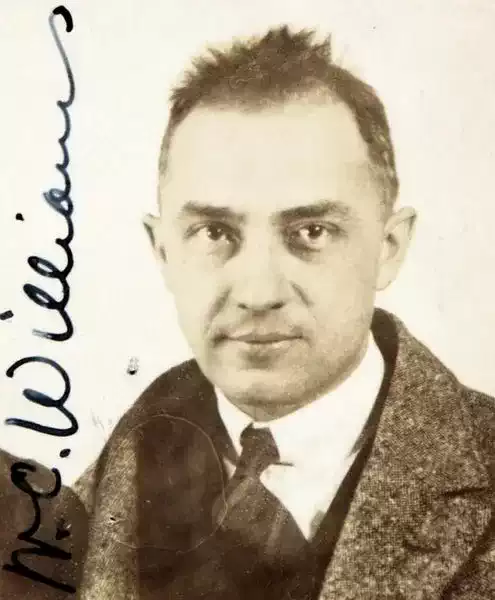
William Carlos Williams
The Cold Night
The Cold Night
It is cold. The white moon
is up among her scattered stars--
like the bare thighs of
the Police Sergeant's wife--among
her five children . . .
No answer. Pale shadows lie upon
the frosted grass. One answer:
It is midnight, it is still
and it is cold . . . !
White thights of the sky! a
new answer out of the depths of
my male belly: In April . . .
In April I shall see again--In April!
the round and perfects thighs
of the Police Sergeant's wife
perfect still after many babies.
Oya!
It is cold. The white moon
is up among her scattered stars--
like the bare thighs of
the Police Sergeant's wife--among
her five children . . .
No answer. Pale shadows lie upon
the frosted grass. One answer:
It is midnight, it is still
and it is cold . . . !
White thights of the sky! a
new answer out of the depths of
my male belly: In April . . .
In April I shall see again--In April!
the round and perfects thighs
of the Police Sergeant's wife
perfect still after many babies.
Oya!
299
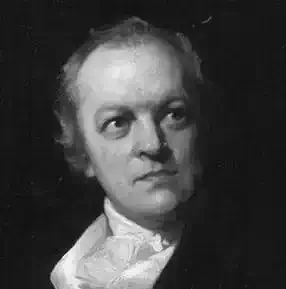
William Blake
The Land of Dreams
The Land of Dreams
Awake, awake, my little boy!
Thou wast thy mother's only joy;
Why dost thou weep in thy gentle sleep?
Awake! thy father does thee keep.
'O, what land is the Land of Dreams?
What are its mountains, and what are its streams?
O father! I saw my mother there,
Among the lilies by waters fair.
'Among the lambs, cloth?d in white,
She walk'd with her Thomas in sweet delight.
I wept for joy, like a dove I mourn;
O! when shall I again return?'
Dear child, I also by pleasant streams
Have wander'd all night in the Land of Dreams;
But tho' calm and warm the waters wide,
I could not get to the other side.
'Father, O father! what do we here
In this land of unbelief and fear?
The Land of Dreams is better far
Above the light of the morning star.'
Awake, awake, my little boy!
Thou wast thy mother's only joy;
Why dost thou weep in thy gentle sleep?
Awake! thy father does thee keep.
'O, what land is the Land of Dreams?
What are its mountains, and what are its streams?
O father! I saw my mother there,
Among the lilies by waters fair.
'Among the lambs, cloth?d in white,
She walk'd with her Thomas in sweet delight.
I wept for joy, like a dove I mourn;
O! when shall I again return?'
Dear child, I also by pleasant streams
Have wander'd all night in the Land of Dreams;
But tho' calm and warm the waters wide,
I could not get to the other side.
'Father, O father! what do we here
In this land of unbelief and fear?
The Land of Dreams is better far
Above the light of the morning star.'
458
William Blake
The Chimney-Sweeper
The Chimney-Sweeper
When my mother died I was very young,
And my father sold me while yet my tongue
Could scarcely cry 'Weep! weep! weep! weep!'
So your chimneys I sweep, and in soot I sleep.
There's little Tom Dacre, who cried when his head,
That curled like a lamb's back, was shaved; so I said,
'Hush, Tom! never mind it, for, when your head's bare,
You know that the soot cannot spoil your white hair.'
And so he was quiet, and that very night,
As Tom was a-sleeping, he had such a sight! --
That thousands of sweepers, Dick, Joe, Ned, and Jack,
Were all of them locked up in coffins of black.
And by came an angel, who had a bright key,
And he opened the coffins, and let them all free;
Then down a green plain, leaping, laughing, they run,
And wash in a river, and shine in the sun.
Then naked and white, all their bags left behind,
They rise upon clouds, and sport in the wind;
And the Angel told Tom, if he'd be a good boy,
He'd have God for his father, and never want joy.
And so Tom awoke, and we rose in the dark,
And got with our bags and our brushes to work.
Though the morning was cold, Tom was happy and warm:
So, if all do their duty, they need not fear harm.
When my mother died I was very young,
And my father sold me while yet my tongue
Could scarcely cry 'Weep! weep! weep! weep!'
So your chimneys I sweep, and in soot I sleep.
There's little Tom Dacre, who cried when his head,
That curled like a lamb's back, was shaved; so I said,
'Hush, Tom! never mind it, for, when your head's bare,
You know that the soot cannot spoil your white hair.'
And so he was quiet, and that very night,
As Tom was a-sleeping, he had such a sight! --
That thousands of sweepers, Dick, Joe, Ned, and Jack,
Were all of them locked up in coffins of black.
And by came an angel, who had a bright key,
And he opened the coffins, and let them all free;
Then down a green plain, leaping, laughing, they run,
And wash in a river, and shine in the sun.
Then naked and white, all their bags left behind,
They rise upon clouds, and sport in the wind;
And the Angel told Tom, if he'd be a good boy,
He'd have God for his father, and never want joy.
And so Tom awoke, and we rose in the dark,
And got with our bags and our brushes to work.
Though the morning was cold, Tom was happy and warm:
So, if all do their duty, they need not fear harm.
703
William Blake
Songs Of Innocence: Introduction
Songs Of Innocence: Introduction
Piping down the valleys wild
Piping songs of pleasant glee
On a cloud I saw a child.
And he laughing said to me.
Pipe a song about a Lamb:
So I piped with merry chear,
Piper, pipe that song again--
So I piped, he wept to hear.
Drop thy pipe thy happy pipe
Sing thy songs of happy chear,
So I sung the same again
While he wept with joy to hear
Piper sit thee down and write
In a book that all may read--
So he vanished from my sight
And I pluck'd a hollow reed.
And I made a rural pen,
And I stained the water clear,
And I wrote my happy songs,
Every child may joy to hear.
Piping down the valleys wild
Piping songs of pleasant glee
On a cloud I saw a child.
And he laughing said to me.
Pipe a song about a Lamb:
So I piped with merry chear,
Piper, pipe that song again--
So I piped, he wept to hear.
Drop thy pipe thy happy pipe
Sing thy songs of happy chear,
So I sung the same again
While he wept with joy to hear
Piper sit thee down and write
In a book that all may read--
So he vanished from my sight
And I pluck'd a hollow reed.
And I made a rural pen,
And I stained the water clear,
And I wrote my happy songs,
Every child may joy to hear.
449
William Blake
Sleep! Sleep! Beauty Bright
Sleep! Sleep! Beauty Bright
Sleep! sleep! beauty bright,
Dreaming o'er the joys of night;
Sleep! sleep! in thy sleep
Little sorrows sit and weep.
Sweet Babe, in thy face
Soft desires I can trace,
Secret joys and secret smiles,
Little pretty infant wiles.
As thy softest limbs I feel,
Smiles as of the morning steal
O'er thy cheek, and o'er thy breast
Where thy little heart does rest.
O! the cunning wiles that creep
In thy little heart asleep.
When thy little heart does wake
Then the dreadful lightnings break,
From thy cheek and from thy eye,
O'er the youthful harvests nigh.
Infant wiles and infant smiles
Heaven and Earth of peace beguiles.
Sleep! sleep! beauty bright,
Dreaming o'er the joys of night;
Sleep! sleep! in thy sleep
Little sorrows sit and weep.
Sweet Babe, in thy face
Soft desires I can trace,
Secret joys and secret smiles,
Little pretty infant wiles.
As thy softest limbs I feel,
Smiles as of the morning steal
O'er thy cheek, and o'er thy breast
Where thy little heart does rest.
O! the cunning wiles that creep
In thy little heart asleep.
When thy little heart does wake
Then the dreadful lightnings break,
From thy cheek and from thy eye,
O'er the youthful harvests nigh.
Infant wiles and infant smiles
Heaven and Earth of peace beguiles.
519
William Blake
Schoolboy, The
Schoolboy, The
I love to rise in a summer morn
When the birds sing on every tree;
The distant huntsman winds his horn,
And the skylark sings with me.
O! what sweet company!
But to go to school on a summer morn,
O! it drives all joy away;
Under a cruel eye outworn,
The little ones spend the day
In sighing and dismay.
Ah! then at times I drooping sit,
And spend many an anxious hour,
Nor in my book can I take delight,
Nor sit in learning's bower,
Worn thro' with the dreary shower.
How can the bird that is born for joy
Sit in a cage and sing?
How can a child, when fears annoy,
But droop his tender wing,
And forget his youthful spring?
O! father and mother, if buds are nipped
And blossoms blown away,
And if the tender plants are stripped
Of their joy in the springing day,
By sorrow and care's dismay,
How shall the summer arise in joy,
Or the summer's fruits appear?
Or how shall we gather what griefs destroy,
Or bless the mellowing year,
When the blasts of winter appear?
I love to rise in a summer morn
When the birds sing on every tree;
The distant huntsman winds his horn,
And the skylark sings with me.
O! what sweet company!
But to go to school on a summer morn,
O! it drives all joy away;
Under a cruel eye outworn,
The little ones spend the day
In sighing and dismay.
Ah! then at times I drooping sit,
And spend many an anxious hour,
Nor in my book can I take delight,
Nor sit in learning's bower,
Worn thro' with the dreary shower.
How can the bird that is born for joy
Sit in a cage and sing?
How can a child, when fears annoy,
But droop his tender wing,
And forget his youthful spring?
O! father and mother, if buds are nipped
And blossoms blown away,
And if the tender plants are stripped
Of their joy in the springing day,
By sorrow and care's dismay,
How shall the summer arise in joy,
Or the summer's fruits appear?
Or how shall we gather what griefs destroy,
Or bless the mellowing year,
When the blasts of winter appear?
476
William Blake
Nurse's Song (Innocence)
Nurse's Song (Innocence)
When voices of children are heard on the green
And laughing is heard on the hill,
My heart is at rest within my breast
And everything else is still
Then come home my children the sun is gone down
And the dews of night arise
Come come leave off play, and let us away
Till the morning appears in the skies
No no let us play, for it is yet day
And we cannot go to sleep
Besides in the sky, the little birds fly
And the hills are all covered with sheep
Well well go & play till the light fades away
And then go home to bed
The little ones leaped & shouted & laugh'd
And all the hills echoed
When voices of children are heard on the green
And laughing is heard on the hill,
My heart is at rest within my breast
And everything else is still
Then come home my children the sun is gone down
And the dews of night arise
Come come leave off play, and let us away
Till the morning appears in the skies
No no let us play, for it is yet day
And we cannot go to sleep
Besides in the sky, the little birds fly
And the hills are all covered with sheep
Well well go & play till the light fades away
And then go home to bed
The little ones leaped & shouted & laugh'd
And all the hills echoed
410
William Blake
Little Boy Found, The
Little Boy Found, The
The little boy lost in the lonely fen,
Led by the wandering light,
Began to cry, but God, ever nigh,
Appeared like his father, in white.
He kissed the child, and by the hand led,
And to his mother brought,
Who in sorrow pale, through the lonely dale,
The little boy weeping sought.
The little boy lost in the lonely fen,
Led by the wandering light,
Began to cry, but God, ever nigh,
Appeared like his father, in white.
He kissed the child, and by the hand led,
And to his mother brought,
Who in sorrow pale, through the lonely dale,
The little boy weeping sought.
406
William Blake
Holy Thursday
Holy Thursday
'Twas on a Holy Thursday, their innocent faces clean,
Came children walking two and two, in read, and blue, and green:
Grey-headed beadles walked before, with wands as white as snow,
Till into the high dome of Paul's they like Thames waters flow.
Oh what a multitude they seemed, these flowers of London town!
Seated in companies they sit, with radiance all their own.
The hum of multitudes was there, but multitudes of lambs,
Thousands of little boys and girls raising their innocent hands.
Now like a mighty wild they raise to heaven the voice of song,
Or like harmonious thunderings the seats of heaven among:
Beneath them sit the aged man, wise guardians of the poor.
Then cherish pity, lest you drive an angel from your door.
'Twas on a Holy Thursday, their innocent faces clean,
Came children walking two and two, in read, and blue, and green:
Grey-headed beadles walked before, with wands as white as snow,
Till into the high dome of Paul's they like Thames waters flow.
Oh what a multitude they seemed, these flowers of London town!
Seated in companies they sit, with radiance all their own.
The hum of multitudes was there, but multitudes of lambs,
Thousands of little boys and girls raising their innocent hands.
Now like a mighty wild they raise to heaven the voice of song,
Or like harmonious thunderings the seats of heaven among:
Beneath them sit the aged man, wise guardians of the poor.
Then cherish pity, lest you drive an angel from your door.
837
William Blake
Holy Thursday (Innocence)
Holy Thursday (Innocence)
Twas on a Holy Thursday their innocent faces clean
The children walking two & two in red & blue & green
Grey headed beadles walked before with wands as white as snow
Till into the high dome of Pauls they like Thames waters flow
O what a multitude they seemed these flowers of London town
Seated in companies they sit with radiance all their own
The hum of multitudes was there but multitudes of lambs
Thousands of little boys & girls raising their innocent hands
Now like a mighty wind they raise to heaven the voice of song
Or like harmonious thunderings the seats of heaven among
Beneath them sit the aged men wise guardians of the poor
Then cherish pity, lest you drive an angel from your door
Twas on a Holy Thursday their innocent faces clean
The children walking two & two in red & blue & green
Grey headed beadles walked before with wands as white as snow
Till into the high dome of Pauls they like Thames waters flow
O what a multitude they seemed these flowers of London town
Seated in companies they sit with radiance all their own
The hum of multitudes was there but multitudes of lambs
Thousands of little boys & girls raising their innocent hands
Now like a mighty wind they raise to heaven the voice of song
Or like harmonious thunderings the seats of heaven among
Beneath them sit the aged men wise guardians of the poor
Then cherish pity, lest you drive an angel from your door
698
William Blake
Chimney Sweeper, The
Chimney Sweeper, The
A little black thing in the snow,
Crying "weep! weep!" in notes of woe!
"Where are thy father and mother? Say!"--
"They are both gone up to the church to pray.
"Because I was happy upon the heath,
And smiled among the winter's snow,
They clothed me in the clothes of death,
And taught me to sing the notes of woe.
"And because I am happy and dance and sing,
They think they have done me no injury,
And are gone to praise God and his priest and king,
Who make up a heaven of our misery."
A little black thing in the snow,
Crying "weep! weep!" in notes of woe!
"Where are thy father and mother? Say!"--
"They are both gone up to the church to pray.
"Because I was happy upon the heath,
And smiled among the winter's snow,
They clothed me in the clothes of death,
And taught me to sing the notes of woe.
"And because I am happy and dance and sing,
They think they have done me no injury,
And are gone to praise God and his priest and king,
Who make up a heaven of our misery."
461

Walter de la Mare
Tom's Little Dog
Tom's Little Dog
Tom told his dog called Tim to beg,
And up at once he sat,
His two clear amber eyes fixed fast,
His haunches on his mat.Tom poised a lump of sugar on
His nose; then, "Trust!" says he;
Stiff as a guardsman sat his Tim;
Never a hair stirred he.
"Paid for!" says Tom; and in a trice
Up jerked that moist black nose;
A snap of teeth, a crunch, a munch,
And down the sugar goes!
Tom told his dog called Tim to beg,
And up at once he sat,
His two clear amber eyes fixed fast,
His haunches on his mat.Tom poised a lump of sugar on
His nose; then, "Trust!" says he;
Stiff as a guardsman sat his Tim;
Never a hair stirred he.
"Paid for!" says Tom; and in a trice
Up jerked that moist black nose;
A snap of teeth, a crunch, a munch,
And down the sugar goes!
255
Walter de la Mare
The Keys of Morning
The Keys of Morning
While at her bedroom window once,
Learning her task for school,
Little Louisa lonely sat
In the morning clear and cool,
She slanted her small bead-brown eyes
Across the empty street,
And saw Death softly watching her
In the sunshine pale and sweet.
His was a long lean sallow face;
He sat with half-shut eyes,
Like a old sailor in a ship
Becalmed 'neath tropic skies.
Beside him in the dust he had set
His staff and shady hat;
These, peeping small, Louisa saw
Quite clearly where she sat -
The thinness of his coal-black locks,
His hands so long and lean
They scarcely seemed to grasp at all
The keys that hung between:
Both were of gold, but one was small,
And with this last did he
Wag in the air, as if to say,
"Come hither, child, to me!"
Louisa laid her lesson book
On the cold window-sill;
And in the sleepy sunshine house
Went softly down, until
She stood in the half-opened door,
And peeped. But strange to say
Where Death just now had sunning sat
Only a shadow lay:
Just the tall chimney's round-topped cowl,
And the small sun behind,
Had with its shadow in the dust
Called sleepy Death to mind.
But most she thought how strange it was
Two keys that he should bear,
And that, when beckoning, he should wag
The littlest in the air.
While at her bedroom window once,
Learning her task for school,
Little Louisa lonely sat
In the morning clear and cool,
She slanted her small bead-brown eyes
Across the empty street,
And saw Death softly watching her
In the sunshine pale and sweet.
His was a long lean sallow face;
He sat with half-shut eyes,
Like a old sailor in a ship
Becalmed 'neath tropic skies.
Beside him in the dust he had set
His staff and shady hat;
These, peeping small, Louisa saw
Quite clearly where she sat -
The thinness of his coal-black locks,
His hands so long and lean
They scarcely seemed to grasp at all
The keys that hung between:
Both were of gold, but one was small,
And with this last did he
Wag in the air, as if to say,
"Come hither, child, to me!"
Louisa laid her lesson book
On the cold window-sill;
And in the sleepy sunshine house
Went softly down, until
She stood in the half-opened door,
And peeped. But strange to say
Where Death just now had sunning sat
Only a shadow lay:
Just the tall chimney's round-topped cowl,
And the small sun behind,
Had with its shadow in the dust
Called sleepy Death to mind.
But most she thought how strange it was
Two keys that he should bear,
And that, when beckoning, he should wag
The littlest in the air.
319
Walter de la Mare
Melmillo
Melmillo
Three and thirty birds there stood
In an elder in a wood;
Called Melmillo -- flew off three,
Leaving thirty in the tree;
Called Melmillo -- nine now gone,
And the boughs held twenty-one;
Called Melmillo -- and eighteen
Left but three to nod and preen;
Called Melmillo -- three--two--one--
Now of birds were feathers none.
Then stole slim Me.millo in
To that wood all dusk and green,
And with lean long palms outspread
Softly a strange dance did tread;
Not a note of music she
Had for echoing company;
All the birds were flown to rest
In the hollow of her breast;
In the wood -- thorn, elder willow --
Danced alone -- lone danced Melmillo.
Three and thirty birds there stood
In an elder in a wood;
Called Melmillo -- flew off three,
Leaving thirty in the tree;
Called Melmillo -- nine now gone,
And the boughs held twenty-one;
Called Melmillo -- and eighteen
Left but three to nod and preen;
Called Melmillo -- three--two--one--
Now of birds were feathers none.
Then stole slim Me.millo in
To that wood all dusk and green,
And with lean long palms outspread
Softly a strange dance did tread;
Not a note of music she
Had for echoing company;
All the birds were flown to rest
In the hollow of her breast;
In the wood -- thorn, elder willow --
Danced alone -- lone danced Melmillo.
312
Page 1
Next