

Poems in this topic
Gratitude

William Shakespeare
The Rival Poet Sonnets (78 - 86)
The Rival Poet Sonnets (78 - 86)
LXXVIII
So oft have I invoked thee for my Muse,
And found such fair assistance in my verse
As every alien pen hath got my use
And under thee their poesy disperse.
Thine eyes, that taught the dumb on high to sing
And heavy ignorance aloft to fly,
Have added feathers to the learned's wing
And given grace a double majesty.
Yet be most proud of that which I compile,
Whose influence is thine, and born of thee:
In others' works thou dost but mend the style,
And arts with thy sweet graces graced be;
But thou art all my art, and dost advance
As high as learning my rude ignorance.
LXXIX
Whilst I alone did call upon thy aid,
My verse alone had all thy gentle grace;
But now my gracious numbers are decay'd,
And my sick Muse doth give an other place.
I grant, sweet love, thy lovely argument
Deserves the travail of a worthier pen;
Yet what of thee thy poet doth invent
He robs thee of, and pays it thee again.
He lends thee virtue, and he stole that word
From thy behaviour; beauty doth he give,
And found it in thy cheek: he can afford
No praise to thee, but what in thee doth live.
Then thank him not for that which he doth say,
Since what he owes thee, thou thyself dost pay.
LXXX
O! how I faint when I of you do write,
Knowing a better spirit doth use your name,
And in the praise thereof spends all his might,
To make me tongue-tied speaking of your fame.
But since your worth, wide as the ocean is,
The humble as the proudest sail doth bear,
My saucy bark, inferior far to his,
On your broad main doth wilfully appear.
Your shallowest help will hold me up afloat,
Whilst he upon your soundless deep doth ride;
Or, being wrack'd, I am a worthless boat,
He of tall building, and of goodly pride:
Then if he thrive and I be cast away,
The worst was this, my love was my decay.
LXXXI
Or I shall live your epitaph to make,
Or you survive when I in earth am rotten,
From hence your memory death cannot take,
Although in me each part will be forgotten.
Your name from hence immortal life shall have,
Though I, once gone, to all the world must die:
The earth can yield me but a common grave,
When you entombed in men's eyes shall lie.
Your monument shall be my gentle verse,
Which eyes not yet created shall o'er-read;
And tongues to be, your being shall rehearse,
When all the breathers of this world are dead;
You still shall live, such virtue hath my pen,
Where breath most breathes, even in the mouths of men.
LXXXII
I grant thou wert not married to my Muse,
And therefore mayst without attaint o'erlook
The dedicated words which writers use
Of their fair subject, blessing every book.
Thou art as fair in knowledge as in hue,
Finding thy worth a limit past my praise;
And therefore art enforced to seek anew
Some fresher stamp of the time-bettering days.
And do so, love; yet when they have devis'd,
What strained touches rhetoric can lend,
Thou truly fair, wert truly sympathiz'd
In true plain words, by thy true-telling friend;
And their gross painting might be better usd
Where cheeks need blood; in thee it is abusd.
LXXXIII
I never saw that you did painting need,
And therefore to your fair no painting set;
I found, or thought I found, you did exceed
The barren tender of a poet's debt:
And therefore have I slept in your report,
That you yourself, being extant, well might show
How far a modern quill doth come too short,
Speaking of worth, what worth in you doth grow.
This silence for my sin you did impute,
Which shall be most my glory being dumb;
For I impair not beauty being mute,
When others would give life, and bring a tomb.
There lives more life in one of your fair eyes
Than both your poets can in praise devise.
LXXXIV
Who is it that says most, which can say more,
Than this rich praise, that you alone, are you,
In whose confine immured is the store
Which should example where your equal grew?
Lean penury within that pen doth dwell
That to his subject lends not some small glory;
But he that writes of you, if he can tell
That you are you, so dignifies his story.
Let him but copy what in you is writ,
Not making worse what nature made so clear,
And such a counterpart shall fame his wit,
Making his style admired every where.
You to your beauteous blessings add a curse,
Being fond on praise, which makes your praises worse.
LXXXV
My tongue-tied Muse in manners holds her still,
While comments of your praise richly compiled,
Reserve thy character with golden quill,
And precious phrase by all the Muses filed.
I think good thoughts, whilst others write good words,
And like unlettered clerk still cry 'Amen'
To every hymn that able spirit affords,
In polished form of well-refined pen.
Hearing you praised, I say ''tis so, 'tis true,'
And to the most of praise add something more;
But that is in my thought, whose love to you,
Though words come hindmost, holds his rank before.
Then others, for the breath of words respect,
Me for my dumb thoughts, speaking in effect.
LXXXVI
Was it the proud full sail of his great verse,
Bound for the prize of all too precious you,
That did my ripe thoughts in my brain inhearse,
Making their tomb the womb wherein they grew?
Was it his spirit, by spirits taught to write
Above a mortal pitch, that struck me dead?
No, neither he, nor his compeers by night
Giving him aid, my verse astonished.
He, nor that affable familiar ghost
Which nightly gulls him with intelligence,
As victors of my silence cannot boast;
I was not sick of any fear from thence:
But when your countenance filled up his line,
Then lacked I matter; that enfeebled mine.
LXXVIII
So oft have I invoked thee for my Muse,
And found such fair assistance in my verse
As every alien pen hath got my use
And under thee their poesy disperse.
Thine eyes, that taught the dumb on high to sing
And heavy ignorance aloft to fly,
Have added feathers to the learned's wing
And given grace a double majesty.
Yet be most proud of that which I compile,
Whose influence is thine, and born of thee:
In others' works thou dost but mend the style,
And arts with thy sweet graces graced be;
But thou art all my art, and dost advance
As high as learning my rude ignorance.
LXXIX
Whilst I alone did call upon thy aid,
My verse alone had all thy gentle grace;
But now my gracious numbers are decay'd,
And my sick Muse doth give an other place.
I grant, sweet love, thy lovely argument
Deserves the travail of a worthier pen;
Yet what of thee thy poet doth invent
He robs thee of, and pays it thee again.
He lends thee virtue, and he stole that word
From thy behaviour; beauty doth he give,
And found it in thy cheek: he can afford
No praise to thee, but what in thee doth live.
Then thank him not for that which he doth say,
Since what he owes thee, thou thyself dost pay.
LXXX
O! how I faint when I of you do write,
Knowing a better spirit doth use your name,
And in the praise thereof spends all his might,
To make me tongue-tied speaking of your fame.
But since your worth, wide as the ocean is,
The humble as the proudest sail doth bear,
My saucy bark, inferior far to his,
On your broad main doth wilfully appear.
Your shallowest help will hold me up afloat,
Whilst he upon your soundless deep doth ride;
Or, being wrack'd, I am a worthless boat,
He of tall building, and of goodly pride:
Then if he thrive and I be cast away,
The worst was this, my love was my decay.
LXXXI
Or I shall live your epitaph to make,
Or you survive when I in earth am rotten,
From hence your memory death cannot take,
Although in me each part will be forgotten.
Your name from hence immortal life shall have,
Though I, once gone, to all the world must die:
The earth can yield me but a common grave,
When you entombed in men's eyes shall lie.
Your monument shall be my gentle verse,
Which eyes not yet created shall o'er-read;
And tongues to be, your being shall rehearse,
When all the breathers of this world are dead;
You still shall live, such virtue hath my pen,
Where breath most breathes, even in the mouths of men.
LXXXII
I grant thou wert not married to my Muse,
And therefore mayst without attaint o'erlook
The dedicated words which writers use
Of their fair subject, blessing every book.
Thou art as fair in knowledge as in hue,
Finding thy worth a limit past my praise;
And therefore art enforced to seek anew
Some fresher stamp of the time-bettering days.
And do so, love; yet when they have devis'd,
What strained touches rhetoric can lend,
Thou truly fair, wert truly sympathiz'd
In true plain words, by thy true-telling friend;
And their gross painting might be better usd
Where cheeks need blood; in thee it is abusd.
LXXXIII
I never saw that you did painting need,
And therefore to your fair no painting set;
I found, or thought I found, you did exceed
The barren tender of a poet's debt:
And therefore have I slept in your report,
That you yourself, being extant, well might show
How far a modern quill doth come too short,
Speaking of worth, what worth in you doth grow.
This silence for my sin you did impute,
Which shall be most my glory being dumb;
For I impair not beauty being mute,
When others would give life, and bring a tomb.
There lives more life in one of your fair eyes
Than both your poets can in praise devise.
LXXXIV
Who is it that says most, which can say more,
Than this rich praise, that you alone, are you,
In whose confine immured is the store
Which should example where your equal grew?
Lean penury within that pen doth dwell
That to his subject lends not some small glory;
But he that writes of you, if he can tell
That you are you, so dignifies his story.
Let him but copy what in you is writ,
Not making worse what nature made so clear,
And such a counterpart shall fame his wit,
Making his style admired every where.
You to your beauteous blessings add a curse,
Being fond on praise, which makes your praises worse.
LXXXV
My tongue-tied Muse in manners holds her still,
While comments of your praise richly compiled,
Reserve thy character with golden quill,
And precious phrase by all the Muses filed.
I think good thoughts, whilst others write good words,
And like unlettered clerk still cry 'Amen'
To every hymn that able spirit affords,
In polished form of well-refined pen.
Hearing you praised, I say ''tis so, 'tis true,'
And to the most of praise add something more;
But that is in my thought, whose love to you,
Though words come hindmost, holds his rank before.
Then others, for the breath of words respect,
Me for my dumb thoughts, speaking in effect.
LXXXVI
Was it the proud full sail of his great verse,
Bound for the prize of all too precious you,
That did my ripe thoughts in my brain inhearse,
Making their tomb the womb wherein they grew?
Was it his spirit, by spirits taught to write
Above a mortal pitch, that struck me dead?
No, neither he, nor his compeers by night
Giving him aid, my verse astonished.
He, nor that affable familiar ghost
Which nightly gulls him with intelligence,
As victors of my silence cannot boast;
I was not sick of any fear from thence:
But when your countenance filled up his line,
Then lacked I matter; that enfeebled mine.
380
William Shakespeare
Sonnets XXIX: When, in disgrace with fortune and men's eyes
Sonnets XXIX: When, in disgrace with fortune and men's eyes
When, in disgrace with fortune and men's eyes,
I all alone beweep my outcast state
And trouble deaf heaven with my bootless cries
And look upon myself and curse my fate,
Wishing me like to one more rich in hope,
Featur'd like him, like him with friends possess'd,
Desiring this man's art and that man's scope,
With what I most enjoy contented least;
Yet in these thoughts myself almost despising,
Haply I think on thee, and then my state,
Like to the lark at break of day arising
From sullen earth, sings hymns at heaven's gate;
For thy sweet love remember'd such wealth brings
That then I scorn to change my state with kings.
When, in disgrace with fortune and men's eyes,
I all alone beweep my outcast state
And trouble deaf heaven with my bootless cries
And look upon myself and curse my fate,
Wishing me like to one more rich in hope,
Featur'd like him, like him with friends possess'd,
Desiring this man's art and that man's scope,
With what I most enjoy contented least;
Yet in these thoughts myself almost despising,
Haply I think on thee, and then my state,
Like to the lark at break of day arising
From sullen earth, sings hymns at heaven's gate;
For thy sweet love remember'd such wealth brings
That then I scorn to change my state with kings.
271
William Shakespeare
Sonnet XXI
Sonnet XXI
So is it not with me as with that Muse
Stirr'd by a painted beauty to his verse,
Who heaven itself for ornament doth use
And every fair with his fair doth rehearse
Making a couplement of proud compare,
With sun and moon, with earth and sea's rich gems,
With April's first-born flowers, and all things rare
That heaven's air in this huge rondure hems.
O' let me, true in love, but truly write,
And then believe me, my love is as fair
As any mother's child, though not so bright
As those gold candles fix'd in heaven's air:
Let them say more than like of hearsay well;
I will not praise that purpose not to sell.
So is it not with me as with that Muse
Stirr'd by a painted beauty to his verse,
Who heaven itself for ornament doth use
And every fair with his fair doth rehearse
Making a couplement of proud compare,
With sun and moon, with earth and sea's rich gems,
With April's first-born flowers, and all things rare
That heaven's air in this huge rondure hems.
O' let me, true in love, but truly write,
And then believe me, my love is as fair
As any mother's child, though not so bright
As those gold candles fix'd in heaven's air:
Let them say more than like of hearsay well;
I will not praise that purpose not to sell.
368
William Shakespeare
Sonnet LXXVIII
Sonnet LXXVIII
So oft have I invoked thee for my Muse
And found such fair assistance in my verse
As every alien pen hath got my use
And under thee their poesy disperse.
Thine eyes that taught the dumb on high to sing
And heavy ignorance aloft to fly
Have added feathers to the learned's wing
And given grace a double majesty.
Yet be most proud of that which I compile,
Whose influence is thine and born of thee:
In others' works thou dost but mend the style,
And arts with thy sweet graces graced be;
But thou art all my art and dost advance
As high as learning my rude ignorance.
So oft have I invoked thee for my Muse
And found such fair assistance in my verse
As every alien pen hath got my use
And under thee their poesy disperse.
Thine eyes that taught the dumb on high to sing
And heavy ignorance aloft to fly
Have added feathers to the learned's wing
And given grace a double majesty.
Yet be most proud of that which I compile,
Whose influence is thine and born of thee:
In others' works thou dost but mend the style,
And arts with thy sweet graces graced be;
But thou art all my art and dost advance
As high as learning my rude ignorance.
394
William Shakespeare
Sonnet CXXII
Sonnet CXXII
Thy gift, thy tables, are within my brain
Full character'd with lasting memory,
Which shall above that idle rank remain
Beyond all date, even to eternity;
Or at the least, so long as brain and heart
Have faculty by nature to subsist;
Till each to razed oblivion yield his part
Of thee, thy record never can be miss'd.
That poor retention could not so much hold,
Nor need I tallies thy dear love to score;
Therefore to give them from me was I bold,
To trust those tables that receive thee more:
To keep an adjunct to remember thee
Were to import forgetfulness in me.
Thy gift, thy tables, are within my brain
Full character'd with lasting memory,
Which shall above that idle rank remain
Beyond all date, even to eternity;
Or at the least, so long as brain and heart
Have faculty by nature to subsist;
Till each to razed oblivion yield his part
Of thee, thy record never can be miss'd.
That poor retention could not so much hold,
Nor need I tallies thy dear love to score;
Therefore to give them from me was I bold,
To trust those tables that receive thee more:
To keep an adjunct to remember thee
Were to import forgetfulness in me.
308
William Shakespeare
Sonnet 91: Some glory in their birth, some in their skill
Sonnet 91: Some glory in their birth, some in their skill
Some glory in their birth, some in their skill,
Some in their wealth, some in their body's force,
Some in their garments though new-fangled ill,
Some in their hawks and hounds, some in their horse;
And every humour hath his adjunct pleasure,
Wherein it finds a joy above the rest,
But these particulars are not my measure;
All these I better in one general best.
Thy love is better than high birth to me,
Richer than wealth, prouder than garments' costs,
Of more delight than hawks and horses be;
And having thee, of all men's pride I boast—
Wretched in this alone, that thou mayst take,
All this away and me most wretched make.
Some glory in their birth, some in their skill,
Some in their wealth, some in their body's force,
Some in their garments though new-fangled ill,
Some in their hawks and hounds, some in their horse;
And every humour hath his adjunct pleasure,
Wherein it finds a joy above the rest,
But these particulars are not my measure;
All these I better in one general best.
Thy love is better than high birth to me,
Richer than wealth, prouder than garments' costs,
Of more delight than hawks and horses be;
And having thee, of all men's pride I boast—
Wretched in this alone, that thou mayst take,
All this away and me most wretched make.
383
William Shakespeare
Sonnet 22: My glass shall not persuade me I am old
Sonnet 22: My glass shall not persuade me I am old
My glass shall not persuade me I am old
So long as youth and thou are of one date;
But when in thee Time's furrows I behold,
Then look I death my days should expiate.
For all that beauty that doth cover thee
Is but the seemly raiment of my heart,
Which in thy breast doth live, as thine in me.
How can I then be elder than thou art?
O, therefore, love, be of thyself so wary
As I not for myself, but for thee will,
Bearing thy heart, which I will keep so chary
As tender nurse her babe from faring ill.
Presume not on thy heart when mine is slain;
Thou gav'st me thine, not to give back again.
My glass shall not persuade me I am old
So long as youth and thou are of one date;
But when in thee Time's furrows I behold,
Then look I death my days should expiate.
For all that beauty that doth cover thee
Is but the seemly raiment of my heart,
Which in thy breast doth live, as thine in me.
How can I then be elder than thou art?
O, therefore, love, be of thyself so wary
As I not for myself, but for thee will,
Bearing thy heart, which I will keep so chary
As tender nurse her babe from faring ill.
Presume not on thy heart when mine is slain;
Thou gav'st me thine, not to give back again.
283
William Shakespeare
Sonnet 103: Alack, what poverty my Muse brings forth
Sonnet 103: Alack, what poverty my Muse brings forth
Alack, what poverty my Muse brings forth,
That having such a scope to show her pride,
The argument all bare is of more worth
Than when it hath my added praise beside.
O, blame me not if I no more can write!
Look in your glass, and there appears a face
That overgoes my blunt invention quite,
Dulling my lines, and doing me disgrace.
Were it not sinful then striving to mend,
To mar the subject that before was well?
For to no other pass my verses tend
Than of your graces and your gifts to tell;
And more, much more than in my verse can sit,
Your own glass shows you when you look in it.
Alack, what poverty my Muse brings forth,
That having such a scope to show her pride,
The argument all bare is of more worth
Than when it hath my added praise beside.
O, blame me not if I no more can write!
Look in your glass, and there appears a face
That overgoes my blunt invention quite,
Dulling my lines, and doing me disgrace.
Were it not sinful then striving to mend,
To mar the subject that before was well?
For to no other pass my verses tend
Than of your graces and your gifts to tell;
And more, much more than in my verse can sit,
Your own glass shows you when you look in it.
352
William Shakespeare
Blow, Blow, Thou Winter Wind
Blow, Blow, Thou Winter Wind
Blow, blow, thou winter wind
Thou art not so unkind
As man's ingratitude;
Thy tooth is not so keen,
Because thou art not seen,
Although thy breath be rude.
Heigh-ho! sing, heigh-ho! unto the green holly:
Most freindship if feigning, most loving mere folly:
Then heigh-ho, the holly!
This life is most jolly.
Freeze, freeze thou bitter sky,
That does not bite so nigh
As benefits forgot:
Though thou the waters warp,
Thy sting is not so sharp
As a friend remembered not.
Heigh-ho! sing, heigh-ho! unto the green holly:
Most friendship is feigning, most loving mere folly:
Then heigh-ho, the holly!
This life is most jolly.
Blow, blow, thou winter wind
Thou art not so unkind
As man's ingratitude;
Thy tooth is not so keen,
Because thou art not seen,
Although thy breath be rude.
Heigh-ho! sing, heigh-ho! unto the green holly:
Most freindship if feigning, most loving mere folly:
Then heigh-ho, the holly!
This life is most jolly.
Freeze, freeze thou bitter sky,
That does not bite so nigh
As benefits forgot:
Though thou the waters warp,
Thy sting is not so sharp
As a friend remembered not.
Heigh-ho! sing, heigh-ho! unto the green holly:
Most friendship is feigning, most loving mere folly:
Then heigh-ho, the holly!
This life is most jolly.
345
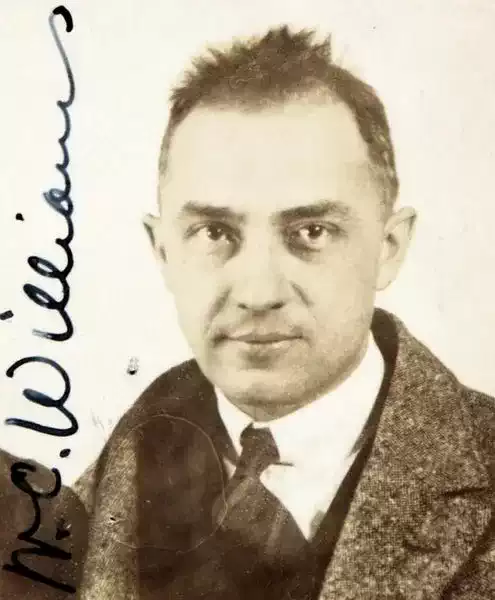
William Carlos Williams
January Morning
January Morning
I
I have discovered that most of
the beauties of travel are due to
the strange hours we keep to see them:
the domes of the Church of
the Paulist Fathers in Weehawken
against a smoky dawn -- the heart stirred --
are beautiful as Saint Peters
approached after years of anticipation.
II
Though the operation was postponed
I saw the tall probationers
in their tan uniforms
hurrying to breakfast!
III
-- and from basement entries
neatly coiffed, middle aged gentlemen
with orderly moustaches and
well-brushed coats
IV
-- and the sun, dipping into the avenues
streaking the tops of
the irregular red houselets,
and
the gay shadows drooping and drooping.
V
-- and a young horse with a green bed-quilt
on his withers shaking his head:
bared teeth and nozzle high in the air!
VI
--and a semicircle of dirt-colored men
about a fire bursting from an old
ash can,
VII
-- and the worn,
blue car rails (like the sky!)
gleaming among the cobbles!
VIII
-- and the rickety ferry-boat "Arden"!
What an object to be called "Arden"
among the great piers, -- on the
ever new river!
"Put me a Touchstone
at the wheel, white gulls, and we'll
follow the ghost of the Half Moon
to the North West Passage -- and through!
(at Albany!) for all that!"
IX
Exquisite brown waves -- long
circlets of silver moving over you!
enough with crumbling ice crusts among you!
The sky has come down to you,
lighter than tiny bubbles, face to
face with you!
His spirit is
a white gull with delicate pink feet
and a snowy breast for you to
hold to your lips delicately!
X
The young doctor is dancing with happiness
in the sparkling wind, alone
at the prow of the ferry! He notices
the curdy barnacles and broken ice crusts
left at the slip's base by the low tide
and thinks of summer and green
shell-crusted ledges among
the emerald eel-grass!
XI
Who knows the Palisades as I do
knows the river breaks east from them
above the city -- but they continue south
-- under the sky -- to bear a crest of
little peering houses that brighten
with dawn behind the moody
water-loving giants of Manhattan.
XII
Long yellow rushes bending
above the white snow patches;
purple and gold ribbon
of the distant wood:
what an angle
you make with each other as
you lie there in contemplation.
XIII
Work hard all your young days
and they'll find you too, some morning
staring up under
your chiffonier at its warped
bass-wood bottom and your soul --
out!
-- among the little sparrows
behind the shutter.
XIV
-- and the flapping flags are at
half-mast for the dead admiral.
XV
All this --
was for you, old woman.
I wanted to write a poem
that you would understand.
For what good is it to me
if you can't understand it?
But you got to try hard --
But --
Well, you know how
the young girls run giggling
on Park Avenue after dark
when they ought to be home in bed?
Well,
that's the way it is with me somehow.
I
I have discovered that most of
the beauties of travel are due to
the strange hours we keep to see them:
the domes of the Church of
the Paulist Fathers in Weehawken
against a smoky dawn -- the heart stirred --
are beautiful as Saint Peters
approached after years of anticipation.
II
Though the operation was postponed
I saw the tall probationers
in their tan uniforms
hurrying to breakfast!
III
-- and from basement entries
neatly coiffed, middle aged gentlemen
with orderly moustaches and
well-brushed coats
IV
-- and the sun, dipping into the avenues
streaking the tops of
the irregular red houselets,
and
the gay shadows drooping and drooping.
V
-- and a young horse with a green bed-quilt
on his withers shaking his head:
bared teeth and nozzle high in the air!
VI
--and a semicircle of dirt-colored men
about a fire bursting from an old
ash can,
VII
-- and the worn,
blue car rails (like the sky!)
gleaming among the cobbles!
VIII
-- and the rickety ferry-boat "Arden"!
What an object to be called "Arden"
among the great piers, -- on the
ever new river!
"Put me a Touchstone
at the wheel, white gulls, and we'll
follow the ghost of the Half Moon
to the North West Passage -- and through!
(at Albany!) for all that!"
IX
Exquisite brown waves -- long
circlets of silver moving over you!
enough with crumbling ice crusts among you!
The sky has come down to you,
lighter than tiny bubbles, face to
face with you!
His spirit is
a white gull with delicate pink feet
and a snowy breast for you to
hold to your lips delicately!
X
The young doctor is dancing with happiness
in the sparkling wind, alone
at the prow of the ferry! He notices
the curdy barnacles and broken ice crusts
left at the slip's base by the low tide
and thinks of summer and green
shell-crusted ledges among
the emerald eel-grass!
XI
Who knows the Palisades as I do
knows the river breaks east from them
above the city -- but they continue south
-- under the sky -- to bear a crest of
little peering houses that brighten
with dawn behind the moody
water-loving giants of Manhattan.
XII
Long yellow rushes bending
above the white snow patches;
purple and gold ribbon
of the distant wood:
what an angle
you make with each other as
you lie there in contemplation.
XIII
Work hard all your young days
and they'll find you too, some morning
staring up under
your chiffonier at its warped
bass-wood bottom and your soul --
out!
-- among the little sparrows
behind the shutter.
XIV
-- and the flapping flags are at
half-mast for the dead admiral.
XV
All this --
was for you, old woman.
I wanted to write a poem
that you would understand.
For what good is it to me
if you can't understand it?
But you got to try hard --
But --
Well, you know how
the young girls run giggling
on Park Avenue after dark
when they ought to be home in bed?
Well,
that's the way it is with me somehow.
489
William Carlos Williams
Complaint
Complaint
They call me and I go.
It is a frozen road
past midnight, a dust
of snow caught
in the rigid wheeltracks.
The door opens.
I smile, enter and
shake off the cold.
Here is a great woman
on her side in the bed.
She is sick,
perhaps vomiting,
perhaps laboring
to give birth to
a tenth child. Joy! Joy!
Night is a room
darkened for lovers,
through the jalousies the sun
has sent one golden needle!
I pick the hair from her eyes
and watch her misery
with compassion.
They call me and I go.
It is a frozen road
past midnight, a dust
of snow caught
in the rigid wheeltracks.
The door opens.
I smile, enter and
shake off the cold.
Here is a great woman
on her side in the bed.
She is sick,
perhaps vomiting,
perhaps laboring
to give birth to
a tenth child. Joy! Joy!
Night is a room
darkened for lovers,
through the jalousies the sun
has sent one golden needle!
I pick the hair from her eyes
and watch her misery
with compassion.
431
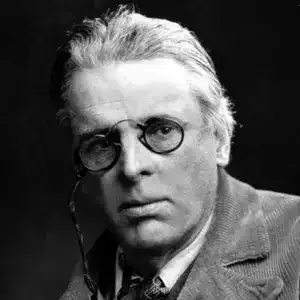
William Butler Yeats
When You Are Old
When You Are Old
WHEN you are old and grey and full of sleep,
And nodding by the fire, take down this book,
And slowly read, and dream of the soft look
Your eyes had once, and of their shadows deep;
How many loved your moments of glad grace,
And loved your beauty with love false or true,
But one man loved the pilgrim Soul in you,
And loved the sorrows of your changing face;
And bending down beside the glowing bars,
Murmur, a little sadly, how Love fled
And paced upon the mountains overhead
And hid his face amid a crowd of stars.
WHEN you are old and grey and full of sleep,
And nodding by the fire, take down this book,
And slowly read, and dream of the soft look
Your eyes had once, and of their shadows deep;
How many loved your moments of glad grace,
And loved your beauty with love false or true,
But one man loved the pilgrim Soul in you,
And loved the sorrows of your changing face;
And bending down beside the glowing bars,
Murmur, a little sadly, how Love fled
And paced upon the mountains overhead
And hid his face amid a crowd of stars.
367
William Butler Yeats
To A Wealthy Man Who Promised A Second Subscription To The Dublin
To A Wealthy Man Who Promised A Second Subscription To The Dublin
Municipal Gallery If It Were
You gave, but will not give again
Until enough of paudeen's pence
By Biddy's halfpennies have lain
To be 'some sort of evidence',
Before you'll put your guineas down,
That things it were a pride to give
Are what the blind and ignorant town
Imagines best to make it thrive.
What cared Duke Ercole, that bid
His mummers to the market-place,
What th' onion-sellers thought or did
So that his plautus set the pace
For the Italian comedies?
And Guidobaldo, when he made
That grammar school of courtesies
Where wit and beauty learned their trade
Upon Urbino's windy hill,
Had sent no runners to and fro
That he might learn the shepherds' will
And when they drove out Cosimo,
Indifferent how the rancour ran,
He gave the hours they had set free
To Michelozzo's latest plan
For the San Marco Library,
Whence turbulent Italy should draw
Delight in Art whoSe end is peace,
In logic and in natural law
By sucking at the dugs of Greece.
Your open hand but shows our loss,
For he knew better how to live.
Let paudeens play at pitch and toss,
Look up in the sun's eye and give
What the exultant heart calls good
That some new day may breed the best
Because you gave, not what they would,
But the right twigs for an eagle's nest!
Municipal Gallery If It Were
You gave, but will not give again
Until enough of paudeen's pence
By Biddy's halfpennies have lain
To be 'some sort of evidence',
Before you'll put your guineas down,
That things it were a pride to give
Are what the blind and ignorant town
Imagines best to make it thrive.
What cared Duke Ercole, that bid
His mummers to the market-place,
What th' onion-sellers thought or did
So that his plautus set the pace
For the Italian comedies?
And Guidobaldo, when he made
That grammar school of courtesies
Where wit and beauty learned their trade
Upon Urbino's windy hill,
Had sent no runners to and fro
That he might learn the shepherds' will
And when they drove out Cosimo,
Indifferent how the rancour ran,
He gave the hours they had set free
To Michelozzo's latest plan
For the San Marco Library,
Whence turbulent Italy should draw
Delight in Art whoSe end is peace,
In logic and in natural law
By sucking at the dugs of Greece.
Your open hand but shows our loss,
For he knew better how to live.
Let paudeens play at pitch and toss,
Look up in the sun's eye and give
What the exultant heart calls good
That some new day may breed the best
Because you gave, not what they would,
But the right twigs for an eagle's nest!
387
William Butler Yeats
The Players Ask For A Blessing On The Psalteries And On Themselves
The Players Ask For A Blessing On The Psalteries And On Themselves
Three Voices [together]. Hurry to bless the hands that play,
The mouths that speak, the notes and strings,
O masters of the glittering town!
O! lay the shrilly trumpet down,
Though drunken with the flags that sway
Over the ramparts and the towers,
And with the waving of your wings.
First Voice. Maybe they linger by the way.
One gathers up his purple gown;
One leans and mutters by the wall --
He dreads the weight of mortal hours.
Second Voice. O no, O no! they hurry down
Like plovers that have heard the call.
Third Voice. O kinsmen of the Three in One,
O kinsmen, bless the hands that play.
The notes they waken shall live on
When all this heavy history's done;
Our hands, our hands must ebb away.
Three Voices [together]. The proud and careless notes live on,
But bless our hands that ebb away.
Three Voices [together]. Hurry to bless the hands that play,
The mouths that speak, the notes and strings,
O masters of the glittering town!
O! lay the shrilly trumpet down,
Though drunken with the flags that sway
Over the ramparts and the towers,
And with the waving of your wings.
First Voice. Maybe they linger by the way.
One gathers up his purple gown;
One leans and mutters by the wall --
He dreads the weight of mortal hours.
Second Voice. O no, O no! they hurry down
Like plovers that have heard the call.
Third Voice. O kinsmen of the Three in One,
O kinsmen, bless the hands that play.
The notes they waken shall live on
When all this heavy history's done;
Our hands, our hands must ebb away.
Three Voices [together]. The proud and careless notes live on,
But bless our hands that ebb away.
365
William Butler Yeats
The Ballad Of Father O'Hart
The Ballad Of Father O'Hart
GOOD Father John O'Hart
In penal days rode out
To a Shoneen who had free lands
And his own snipe and trout.
In trust took he John's lands;
Sleiveens were all his race;
And he gave them as dowers to his daughters.
And they married beyond their place.
But Father John went up,
And Father John went down;
And he wore small holes in his Shoes,
And he wore large holes in his gown.
All loved him, only the shoneen,
Whom the devils have by the hair,
From the wives, and the cats, and the children,
To the birds in the white of the air.
The birds, for he opened their cages
As he went up and down;
And he said with a smile, 'Have peace now';
And he went his way with a frown.
But if when anyone died
Came keeners hoarser than rooks,
He bade them give over their keening;
For he was a man of books.
And these were the works of John,
When, weeping score by score,
People came into Colooney;
For he'd died at ninety-four.
There was no human keening;
The birds from Knocknarea
And the world round Knocknashee
Came keening in that day.
The young birds and old birds
Came flying, heavy and sad;
Keening in from Tiraragh,
Keening from Ballinafad;
Keening from Inishmurray.
Nor stayed for bite or sup;
This way were all reproved
Who dig old customs up.
GOOD Father John O'Hart
In penal days rode out
To a Shoneen who had free lands
And his own snipe and trout.
In trust took he John's lands;
Sleiveens were all his race;
And he gave them as dowers to his daughters.
And they married beyond their place.
But Father John went up,
And Father John went down;
And he wore small holes in his Shoes,
And he wore large holes in his gown.
All loved him, only the shoneen,
Whom the devils have by the hair,
From the wives, and the cats, and the children,
To the birds in the white of the air.
The birds, for he opened their cages
As he went up and down;
And he said with a smile, 'Have peace now';
And he went his way with a frown.
But if when anyone died
Came keeners hoarser than rooks,
He bade them give over their keening;
For he was a man of books.
And these were the works of John,
When, weeping score by score,
People came into Colooney;
For he'd died at ninety-four.
There was no human keening;
The birds from Knocknarea
And the world round Knocknashee
Came keening in that day.
The young birds and old birds
Came flying, heavy and sad;
Keening in from Tiraragh,
Keening from Ballinafad;
Keening from Inishmurray.
Nor stayed for bite or sup;
This way were all reproved
Who dig old customs up.
424
William Butler Yeats
On Woman
On Woman
MAY God be praised for woman
That gives up all her mind,
A man may find in no man
A friendship of her kind
That covers all he has brought
As with her flesh and bone,
Nor quarrels with a thought
Because it is not her own.
Though pedantry denies,
It's plain the Bible means
That Solomon grew wise
While talking with his queens.
Yet never could, although
They say he counted grass,
Count all the praises due
When Sheba was his lass,
When she the iron wrought, or
When from the smithy fire
It shuddered in the water:
Harshness of their desire
That made them stretch and yawn,
pleasure that comes with sleep,
Shudder that made them one.
What else He give or keep
God grant me -- no, not here,
For I am not so bold
To hope a thing so dear
Now I am growing old,
But when, if the tale's true,
The Pestle of the moon
That pounds up all anew
Brings me to birth again --
To find what once I had
And know what once I have known,
Until I am driven mad,
Sleep driven from my bed.
By tenderness and care.
pity, an aching head,
Gnashing of teeth, despair;
And all because of some one
perverse creature of chance,
And live like Solomon
That Sheba led a dance.
MAY God be praised for woman
That gives up all her mind,
A man may find in no man
A friendship of her kind
That covers all he has brought
As with her flesh and bone,
Nor quarrels with a thought
Because it is not her own.
Though pedantry denies,
It's plain the Bible means
That Solomon grew wise
While talking with his queens.
Yet never could, although
They say he counted grass,
Count all the praises due
When Sheba was his lass,
When she the iron wrought, or
When from the smithy fire
It shuddered in the water:
Harshness of their desire
That made them stretch and yawn,
pleasure that comes with sleep,
Shudder that made them one.
What else He give or keep
God grant me -- no, not here,
For I am not so bold
To hope a thing so dear
Now I am growing old,
But when, if the tale's true,
The Pestle of the moon
That pounds up all anew
Brings me to birth again --
To find what once I had
And know what once I have known,
Until I am driven mad,
Sleep driven from my bed.
By tenderness and care.
pity, an aching head,
Gnashing of teeth, despair;
And all because of some one
perverse creature of chance,
And live like Solomon
That Sheba led a dance.
412
William Butler Yeats
His Phoenix
His Phoenix
THERE is a queen in China, or maybe it's in Spain,
And birthdays and holidays such praises can be heard
Of her unblemished lineaments, a whiteness with no stain,
That she might be that sprightly girl trodden by a bird;
And there's a score of duchesses, surpassing woma-kind,
Or who have found a painter to make them so for pay
And smooth out stain and blemish with the elegance of his mind:
I knew a phoenix in my youth, so let them have their day.
The young men every night applaud their Gaby's laughing eye,
And Ruth St. Denis had more charm although she had poor luck;
From nineteen hundred nine or ten, Pavlova's had the cry
And there's a player in the States who gathers up her cloak
And flings herself out of the room when Juliet would be bride
With all a woman's passion, a child's imperious way,
And there are -- but no matter if there are scores beside:
I knew a phoenix in my youth, so let them have their day.
There's Margaret and Marjorie and Dorothy and Nan,
A Daphne and a Mary who live in privacy;
One's had her fill of lovers, another's had but one,
Another boasts, 'I pick and choose and have but two or three.'
If head and limb have beauty and the instep's high and light
They can spread out what sail they please for all I have to say,
Be but the breakers of men's hearts or engines of delight:
I knew a phoenix in my youth, so let them have their day.
There'll be that crowd, that barbarous crowd, through all the centuries,
And who can say but some young belle may walk and talk men wild
Who is my beauty's equal, though that my heart denies,
But not the exact likeness, the simplicity of a child,
And that proud look as though she had gazed into the burning sun,
And all the shapely body no tittle gone astray.
I mourn for that most lonely thing; and yet God's will be done:
I knew a phoenix in my youth, so let them have their day.
THERE is a queen in China, or maybe it's in Spain,
And birthdays and holidays such praises can be heard
Of her unblemished lineaments, a whiteness with no stain,
That she might be that sprightly girl trodden by a bird;
And there's a score of duchesses, surpassing woma-kind,
Or who have found a painter to make them so for pay
And smooth out stain and blemish with the elegance of his mind:
I knew a phoenix in my youth, so let them have their day.
The young men every night applaud their Gaby's laughing eye,
And Ruth St. Denis had more charm although she had poor luck;
From nineteen hundred nine or ten, Pavlova's had the cry
And there's a player in the States who gathers up her cloak
And flings herself out of the room when Juliet would be bride
With all a woman's passion, a child's imperious way,
And there are -- but no matter if there are scores beside:
I knew a phoenix in my youth, so let them have their day.
There's Margaret and Marjorie and Dorothy and Nan,
A Daphne and a Mary who live in privacy;
One's had her fill of lovers, another's had but one,
Another boasts, 'I pick and choose and have but two or three.'
If head and limb have beauty and the instep's high and light
They can spread out what sail they please for all I have to say,
Be but the breakers of men's hearts or engines of delight:
I knew a phoenix in my youth, so let them have their day.
There'll be that crowd, that barbarous crowd, through all the centuries,
And who can say but some young belle may walk and talk men wild
Who is my beauty's equal, though that my heart denies,
But not the exact likeness, the simplicity of a child,
And that proud look as though she had gazed into the burning sun,
And all the shapely body no tittle gone astray.
I mourn for that most lonely thing; and yet God's will be done:
I knew a phoenix in my youth, so let them have their day.
436
William Butler Yeats
Gratitude To The Unknown Instructors
Gratitude To The Unknown Instructors
WHAT they undertook to do
They brought to pass;
All things hang like a drop of dew
Upon a blade of grass.
WHAT they undertook to do
They brought to pass;
All things hang like a drop of dew
Upon a blade of grass.
293
William Butler Yeats
Friends
Friends
NOW must I these three praise --
Three women that have wrought
What joy is in my days:
One because no thought,
Nor those unpassing cares,
No, not in these fifteen
Many-times-troubled years,
Could ever come between
Mind and delighted mind;
And one because her hand
Had strength that could unbind
What none can understand,
What none can have and thrive,
Youth's dreamy load, till she
So changed me that I live
Labouring in ecstasy.
And what of her that took
All till my youth was gone
With scarce a pitying look?
How could I praise that one?
When day begins to break
I count my good and bad,
Being wakeful for her sake,
Remembering what she had,
What eagle look still shows,
While up from my heart's root
So great a sweetness flows
I shake from head to foot.
NOW must I these three praise --
Three women that have wrought
What joy is in my days:
One because no thought,
Nor those unpassing cares,
No, not in these fifteen
Many-times-troubled years,
Could ever come between
Mind and delighted mind;
And one because her hand
Had strength that could unbind
What none can understand,
What none can have and thrive,
Youth's dreamy load, till she
So changed me that I live
Labouring in ecstasy.
And what of her that took
All till my youth was gone
With scarce a pitying look?
How could I praise that one?
When day begins to break
I count my good and bad,
Being wakeful for her sake,
Remembering what she had,
What eagle look still shows,
While up from my heart's root
So great a sweetness flows
I shake from head to foot.
378
William Butler Yeats
Come Gather Round Me, Parnellites
Come Gather Round Me, Parnellites
COME gather round me, Parnellites,
And praise our chosen man;
Stand upright on your legs awhile,
Stand upright while you can,
For soon we lie where he is laid,
And he is underground;
Come fill up all those glasses
And pass the bottle round.
And here's a cogent reason,
And I have many more,
He fought the might of England
And saved the Irish poor,
Whatever good a farmer's got
He brought it all to pass;
And here's another reason,
That parnell loved a lass.
And here's a final reason,
He was of such a kind
Every man that sings a song
Keeps Parnell in his mind.
For Parnell was a proud man,
No prouder trod the ground,
And a proud man's a lovely man,
So pass the bottle round.
The Bishops and the party
That tragic story made,
A husband that had sold hiS wife
And after that betrayed;
But stories that live longest
Are sung above the glass,
And Parnell loved his countrey
And parnell loved his lass.
COME gather round me, Parnellites,
And praise our chosen man;
Stand upright on your legs awhile,
Stand upright while you can,
For soon we lie where he is laid,
And he is underground;
Come fill up all those glasses
And pass the bottle round.
And here's a cogent reason,
And I have many more,
He fought the might of England
And saved the Irish poor,
Whatever good a farmer's got
He brought it all to pass;
And here's another reason,
That parnell loved a lass.
And here's a final reason,
He was of such a kind
Every man that sings a song
Keeps Parnell in his mind.
For Parnell was a proud man,
No prouder trod the ground,
And a proud man's a lovely man,
So pass the bottle round.
The Bishops and the party
That tragic story made,
A husband that had sold hiS wife
And after that betrayed;
But stories that live longest
Are sung above the glass,
And Parnell loved his countrey
And parnell loved his lass.
399
William Butler Yeats
Colonel Martin
Colonel Martin
THE Colonel went out sailing,
He spoke with Turk and Jew,
With Christian and with Infidel,
For all tongues he knew.
'O what's a wifeless man?' said he,
And he came sailing home.
He rose the latch and went upstairS
And found an empty room.
The Colonel went out sailing.
'I kept her much in the country
And she was much alone,
And though she may be there,' he said,
'She may be in the town.
She may be all alone there,
For who can say?' he said.
'I think that I shall find her
In a young man's bed.'
The Colonel went out sailing.
III
The Colonel met a pedlar,
Agreed their clothes to swop,
And bought the grandest jewelry
In a Galway shop,
Instead of thread and needle
put jewelry in the pack,
Bound a thong about his hand,
Hitched it on his back.
The Colonel wcnt out sailing.
The Colonel knocked on the rich man's door,
'I am sorry,' said the maid,
'My mistress cannot see these things,
But she is still abed,
And never have I looked upon
Jewelry so grand.'
'Take all to your mistress,'
And he laid them on her hand.
The Colonel went out sailing.
And he went in and she went on
And both climbed up the stair,
And O he was a clever man,
For he his slippers wore.
And when they came to the top stair
He ran on ahead,
His wife he found and the rich man
In the comfort of a bed.
The Colonel went out sailing.
The Judge at the Assize Court,
When he heard that story told,
Awarded him for damages
Three kegs of gold.
The Colonel said to Tom his man,
'Harness an ass and cart,
Carry the gold about the town,
Throw it in every patt.'
The Colonel went out sailing.
VII
And there at all street-corners
A man with a pistol stood,
And the rich man had paid them well
To shoot the Colonel dead;
But they threw down their pistols
And all men heard them swear
That they could never shoot a man
Did all that for the poor.
The Colonel went out sailing.
VIII
'And did you keep no gold, Tom?
You had three kegs,' said he.
'I never thought of that, Sir.'
'Then want before you die.'
And want he did; for my own grand-dad
Saw the story's end,
And Tom make out a living
From the seaweed on the strand.
The Colonel went out sailing.
THE Colonel went out sailing,
He spoke with Turk and Jew,
With Christian and with Infidel,
For all tongues he knew.
'O what's a wifeless man?' said he,
And he came sailing home.
He rose the latch and went upstairS
And found an empty room.
The Colonel went out sailing.
'I kept her much in the country
And she was much alone,
And though she may be there,' he said,
'She may be in the town.
She may be all alone there,
For who can say?' he said.
'I think that I shall find her
In a young man's bed.'
The Colonel went out sailing.
III
The Colonel met a pedlar,
Agreed their clothes to swop,
And bought the grandest jewelry
In a Galway shop,
Instead of thread and needle
put jewelry in the pack,
Bound a thong about his hand,
Hitched it on his back.
The Colonel wcnt out sailing.
The Colonel knocked on the rich man's door,
'I am sorry,' said the maid,
'My mistress cannot see these things,
But she is still abed,
And never have I looked upon
Jewelry so grand.'
'Take all to your mistress,'
And he laid them on her hand.
The Colonel went out sailing.
And he went in and she went on
And both climbed up the stair,
And O he was a clever man,
For he his slippers wore.
And when they came to the top stair
He ran on ahead,
His wife he found and the rich man
In the comfort of a bed.
The Colonel went out sailing.
The Judge at the Assize Court,
When he heard that story told,
Awarded him for damages
Three kegs of gold.
The Colonel said to Tom his man,
'Harness an ass and cart,
Carry the gold about the town,
Throw it in every patt.'
The Colonel went out sailing.
VII
And there at all street-corners
A man with a pistol stood,
And the rich man had paid them well
To shoot the Colonel dead;
But they threw down their pistols
And all men heard them swear
That they could never shoot a man
Did all that for the poor.
The Colonel went out sailing.
VIII
'And did you keep no gold, Tom?
You had three kegs,' said he.
'I never thought of that, Sir.'
'Then want before you die.'
And want he did; for my own grand-dad
Saw the story's end,
And Tom make out a living
From the seaweed on the strand.
The Colonel went out sailing.
399
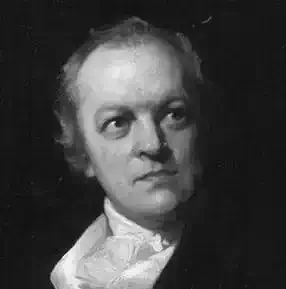
William Blake
To Tirzah
To Tirzah
Whate'er is Born of Mortal Birth
Must be consumed with the Earth
To rise from Generation free:
Then what have I to do with thee?
The Sexes sprung from Shame & Pride,
Blow'd in the morn, in evening died;
But Mercy chang'd Death into Sleep;
The Sexes rose to work & weep.
Thou, Mother of my Mortal part,
With cruelty didst mould my Heart,
And with false self-deceiving tears
Didst bind my Nostrils, Eyes, & Ears:
Didst close my Tongue in senseless clay,
And me to Mortal Life betray.
The Death of Jesus set me free:
Then what have I to do with thee?
Whate'er is Born of Mortal Birth
Must be consumed with the Earth
To rise from Generation free:
Then what have I to do with thee?
The Sexes sprung from Shame & Pride,
Blow'd in the morn, in evening died;
But Mercy chang'd Death into Sleep;
The Sexes rose to work & weep.
Thou, Mother of my Mortal part,
With cruelty didst mould my Heart,
And with false self-deceiving tears
Didst bind my Nostrils, Eyes, & Ears:
Didst close my Tongue in senseless clay,
And me to Mortal Life betray.
The Death of Jesus set me free:
Then what have I to do with thee?
424
William Blake
Little Vagabond, The
Little Vagabond, The
Dear mother, dear mother, the church is cold,
But the ale-house is healthy and pleasant and warm;
Besides I can tell where I am used well,
Such usage in Heaven will never do well.
But if at the church they would give us some ale,
And a pleasant fire our souls to regale,
We'd sing and we'd pray all the live-long day,
Nor ever once wish from the church to stray.
Then the parson might preach, and drink, and sing,
And we'd be as happy as birds in the spring;
And modest Dame Lurch, who is always at church,
Would not have bandy children, nor fasting, nor birch.
And God, like a father rejoicing to see
His children as pleasant and happy as he,
Would have no more quarrel with the Devil or the barrel,
But kiss him, and give him both drink and apparel.
Dear mother, dear mother, the church is cold,
But the ale-house is healthy and pleasant and warm;
Besides I can tell where I am used well,
Such usage in Heaven will never do well.
But if at the church they would give us some ale,
And a pleasant fire our souls to regale,
We'd sing and we'd pray all the live-long day,
Nor ever once wish from the church to stray.
Then the parson might preach, and drink, and sing,
And we'd be as happy as birds in the spring;
And modest Dame Lurch, who is always at church,
Would not have bandy children, nor fasting, nor birch.
And God, like a father rejoicing to see
His children as pleasant and happy as he,
Would have no more quarrel with the Devil or the barrel,
But kiss him, and give him both drink and apparel.
479
William Blake
Holy Thursday
Holy Thursday
'Twas on a Holy Thursday, their innocent faces clean,
Came children walking two and two, in read, and blue, and green:
Grey-headed beadles walked before, with wands as white as snow,
Till into the high dome of Paul's they like Thames waters flow.
Oh what a multitude they seemed, these flowers of London town!
Seated in companies they sit, with radiance all their own.
The hum of multitudes was there, but multitudes of lambs,
Thousands of little boys and girls raising their innocent hands.
Now like a mighty wild they raise to heaven the voice of song,
Or like harmonious thunderings the seats of heaven among:
Beneath them sit the aged man, wise guardians of the poor.
Then cherish pity, lest you drive an angel from your door.
'Twas on a Holy Thursday, their innocent faces clean,
Came children walking two and two, in read, and blue, and green:
Grey-headed beadles walked before, with wands as white as snow,
Till into the high dome of Paul's they like Thames waters flow.
Oh what a multitude they seemed, these flowers of London town!
Seated in companies they sit, with radiance all their own.
The hum of multitudes was there, but multitudes of lambs,
Thousands of little boys and girls raising their innocent hands.
Now like a mighty wild they raise to heaven the voice of song,
Or like harmonious thunderings the seats of heaven among:
Beneath them sit the aged man, wise guardians of the poor.
Then cherish pity, lest you drive an angel from your door.
837