

Poems in this topic
Gratitude
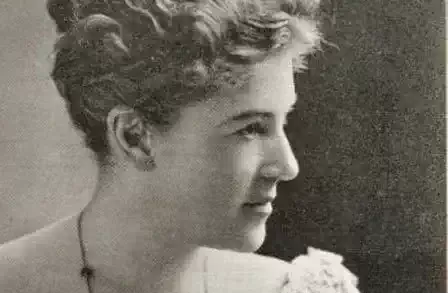
Ella Wheeler Wilcox
Unanswered Prayers
Unanswered Prayers
Like some school master, kind in being stern,
Who hears the children crying o’er their slates
And calling, “Help me master! ” yet helps not,
Since in his silence and refusal lies
Their self-development, so God abides
Unheeding many prayers. He is not deaf
To any cry sent up from earnest hearts,
He hears and strengthens when He must deny.
He sees us weeping over life’s hard sums
But should He give us the key and dry our tears
What would it profit us when school were done
And not one lesson mastered?
What a world
Where this if all our prayers were answered. Not
In famed Pandora’s box were such vast ills
As lie in human hearts. Should our desires
Voiced one by one in prayer ascend to God
And come back as events shaped to our wish
What chaos would result!
In my fierce youth
I sighed out a breath enough to move a fleet
Voicing wild prayers to heaven for fancied boons
Which were denied; and that denial bends
My knee to prayers of gratitude each day
Of my maturer years. Yet from those prayers
I rose always regirded for the strife
And conscious of new strength. Pray on, sad heart,
That which thou pleadest for may not be given
But in the lofty altitude where souls
Who supplicate God’s grace are lifted there
Thou shalt find help to bear thy daily lot
Which is not elsewhere found.
Like some school master, kind in being stern,
Who hears the children crying o’er their slates
And calling, “Help me master! ” yet helps not,
Since in his silence and refusal lies
Their self-development, so God abides
Unheeding many prayers. He is not deaf
To any cry sent up from earnest hearts,
He hears and strengthens when He must deny.
He sees us weeping over life’s hard sums
But should He give us the key and dry our tears
What would it profit us when school were done
And not one lesson mastered?
What a world
Where this if all our prayers were answered. Not
In famed Pandora’s box were such vast ills
As lie in human hearts. Should our desires
Voiced one by one in prayer ascend to God
And come back as events shaped to our wish
What chaos would result!
In my fierce youth
I sighed out a breath enough to move a fleet
Voicing wild prayers to heaven for fancied boons
Which were denied; and that denial bends
My knee to prayers of gratitude each day
Of my maturer years. Yet from those prayers
I rose always regirded for the strife
And conscious of new strength. Pray on, sad heart,
That which thou pleadest for may not be given
But in the lofty altitude where souls
Who supplicate God’s grace are lifted there
Thou shalt find help to bear thy daily lot
Which is not elsewhere found.
325
Ella Wheeler Wilcox
True Charity
True Charity
I gave a beggar from my little store
Of well-earned gold. He spent the shining ore
And came again, and yet again, still cold
And hungry, as before.
I gave a thought, and through that thought of mine
He found himself, the man, supreme, divine!
Fed, clothed, and crowned with blessings manifold.
And now he begs no more.
I gave a beggar from my little store
Of well-earned gold. He spent the shining ore
And came again, and yet again, still cold
And hungry, as before.
I gave a thought, and through that thought of mine
He found himself, the man, supreme, divine!
Fed, clothed, and crowned with blessings manifold.
And now he begs no more.
322
Ella Wheeler Wilcox
To Men
To Men
Sirs, when you pity us, I say
You waste your pity. Let it stay,
Well corked and stored upon your shelves,
Until you need it for yourselves.
We do appreciate God's thought
In forming you, before He brought
Us into life. His art was crude,
But oh, so virile in its rude
Large elemental strength: and then
He learned His trade in making men;
Learned how to mix and mould the clay
And fashion in a finer way.
How fine that skilful way can be
You need but lift your eyes to see;
And we are glad God placed you there
To lift your eyes and find us fair.
Apprentice labour though you were,
He made you great enough to stir
The best and deepest depths of us,
And we are glad he made you thus.
Ay! we are glad of many things.
God strung our hearts with such fine strings
The least breath movces them, and we hear
Music where silence greets your ear.
We suffer so? but women's souls
Like violet powder dropped on coals,
Give forth their best in anguish. Oh,
The subtle secrets that we know,
Of joy in sorrow, strange delights
Of ecstasy in pain-filled nights,
And mysteries of gain in loss
Known but to Christ upon the Cross!
Our tears are pitiful to you?
Look how the heaven-reflecting dew
Dissolves its life in tears. The sand
Meanwhile lies hard upon the strand.
How could your pity find a place
For us, the mothers of the race?
Men may be fathers unaware,
So poor the title is you wear,
But mothers -? Who that crown adorns
Knows all its mingled blooms and thorns;
And she whose feet that path hath trod
Has walked upon the heights with God.
No, offer us not pity's cup.
There is no looking down or up
Between us: eye looks straight in eye:
Born equals, so we live and die.
Sirs, when you pity us, I say
You waste your pity. Let it stay,
Well corked and stored upon your shelves,
Until you need it for yourselves.
We do appreciate God's thought
In forming you, before He brought
Us into life. His art was crude,
But oh, so virile in its rude
Large elemental strength: and then
He learned His trade in making men;
Learned how to mix and mould the clay
And fashion in a finer way.
How fine that skilful way can be
You need but lift your eyes to see;
And we are glad God placed you there
To lift your eyes and find us fair.
Apprentice labour though you were,
He made you great enough to stir
The best and deepest depths of us,
And we are glad he made you thus.
Ay! we are glad of many things.
God strung our hearts with such fine strings
The least breath movces them, and we hear
Music where silence greets your ear.
We suffer so? but women's souls
Like violet powder dropped on coals,
Give forth their best in anguish. Oh,
The subtle secrets that we know,
Of joy in sorrow, strange delights
Of ecstasy in pain-filled nights,
And mysteries of gain in loss
Known but to Christ upon the Cross!
Our tears are pitiful to you?
Look how the heaven-reflecting dew
Dissolves its life in tears. The sand
Meanwhile lies hard upon the strand.
How could your pity find a place
For us, the mothers of the race?
Men may be fathers unaware,
So poor the title is you wear,
But mothers -? Who that crown adorns
Knows all its mingled blooms and thorns;
And she whose feet that path hath trod
Has walked upon the heights with God.
No, offer us not pity's cup.
There is no looking down or up
Between us: eye looks straight in eye:
Born equals, so we live and die.
409
Ella Wheeler Wilcox
Time's Defeat
Time's Defeat
Time has made conquest of so many things
That once were mine. Swift-footed, eager youth
That ran to meet the years; bold brigand health,
That broke all laws of reason unafraid,
And laughed at talk of punishment. Close ties
Of blood and friendship, and that joy of life,
Which reads its music in the major key
And will not listen to a minor strain-
These things and many more are spoils of time.
Yet as a conqueror who only storms
The outposts of a town, and finds the fort
Too strong to be assailed, so time retreats
And knows his impotence. He cannot take
My three great jewels from the crown of life;
Love, sympathy, and faith; and year on year
He sees them grow in lustre and in worth,
And glowers by me, plucking at his beard,
And dragging as he goes, a useless scythe.
Once in the dark he plotted with his friend
Grim death, to steal my treasures. Death replied:
'They are immortal, and beyond thy reach:
I could but set them in another sphere,
To shine with greater lustre.'
Time and Death
Passed on together, knowing their defeat;
And I am singing by the road of life.
Time has made conquest of so many things
That once were mine. Swift-footed, eager youth
That ran to meet the years; bold brigand health,
That broke all laws of reason unafraid,
And laughed at talk of punishment. Close ties
Of blood and friendship, and that joy of life,
Which reads its music in the major key
And will not listen to a minor strain-
These things and many more are spoils of time.
Yet as a conqueror who only storms
The outposts of a town, and finds the fort
Too strong to be assailed, so time retreats
And knows his impotence. He cannot take
My three great jewels from the crown of life;
Love, sympathy, and faith; and year on year
He sees them grow in lustre and in worth,
And glowers by me, plucking at his beard,
And dragging as he goes, a useless scythe.
Once in the dark he plotted with his friend
Grim death, to steal my treasures. Death replied:
'They are immortal, and beyond thy reach:
I could but set them in another sphere,
To shine with greater lustre.'
Time and Death
Passed on together, knowing their defeat;
And I am singing by the road of life.
416
Ella Wheeler Wilcox
Three Friends
Three Friends
Of all the blessings which my life has known,
I value most, and most praise God for three:
Want, Loneliness and Pain, those comrades true,
Who, masquerade in the garb of foes
For many a year, and filled my heart with dread.
Yet fickle joys, like false, pretentious friends,
Have proved less worthy than this trio. First,
Want taught me labor, led me up the steep
And toilsome paths to hills of pure delight,
Trod only by the feet that know fatigue,
And yet press on until the heights appear.
Then loneliness and hunger of the heart
Sent me upreaching to the realms of space,
Till all the silences grew eloquent,
And all their loving forces hailed me friend.
Last, pain taught me prayer! placed in my hand the staff
Of close communion with the over-soul,
That I might lean upon it to the end,
And find myself made strong for any strife.
And then these three who had pursued my steps
Like stern, relentless foes, year after year,
Unmasked, and turned their faces full on me,
And lo! they were divinely beautiful,
For through them shone the lustrous eyes of Love.
Of all the blessings which my life has known,
I value most, and most praise God for three:
Want, Loneliness and Pain, those comrades true,
Who, masquerade in the garb of foes
For many a year, and filled my heart with dread.
Yet fickle joys, like false, pretentious friends,
Have proved less worthy than this trio. First,
Want taught me labor, led me up the steep
And toilsome paths to hills of pure delight,
Trod only by the feet that know fatigue,
And yet press on until the heights appear.
Then loneliness and hunger of the heart
Sent me upreaching to the realms of space,
Till all the silences grew eloquent,
And all their loving forces hailed me friend.
Last, pain taught me prayer! placed in my hand the staff
Of close communion with the over-soul,
That I might lean upon it to the end,
And find myself made strong for any strife.
And then these three who had pursued my steps
Like stern, relentless foes, year after year,
Unmasked, and turned their faces full on me,
And lo! they were divinely beautiful,
For through them shone the lustrous eyes of Love.
550
Ella Wheeler Wilcox
The Poor Little Toe
The Poor Little Toe
I am all tired out, said the mouth, with a pout,
I am all tired out with talk.
Just wait, said the knee, till you're lame as you can be-
And then have to walk-walk-walk.
My work, said the hand, is the hardest in the land.
Nay, mine is harder yet, said the brain;
When you toil, said the eye, as steadily as I,
O then you'll have reason to complain.
Then a voice, faint and low, of the poor little toe
Spoke out in the dark with a wail:
It is seldom I complain, but you all will bear your pain
With more patience if you hearken to my tale.
I'm the youngest of five, and the others live and thrive,
They are cared for, and considered and admired.
I am overlooked and snubbed, I am pushed upon and rubbed,
I am always sick and ailing, sore and tired.
But I carry all the weight of the body, small or great,
Yet no one ever praises what I do;
I am always in the way, and 'tis I who have to pay
For the folly and the pride of all of you.
Then the mouth and the brain and the hand said, 'tis plain
Though troubled be our lives with woe,
The hardest lot of all, does certainly befall
The poor little, humble little toe,
The snubbed little, rubbed little toe.
I am all tired out, said the mouth, with a pout,
I am all tired out with talk.
Just wait, said the knee, till you're lame as you can be-
And then have to walk-walk-walk.
My work, said the hand, is the hardest in the land.
Nay, mine is harder yet, said the brain;
When you toil, said the eye, as steadily as I,
O then you'll have reason to complain.
Then a voice, faint and low, of the poor little toe
Spoke out in the dark with a wail:
It is seldom I complain, but you all will bear your pain
With more patience if you hearken to my tale.
I'm the youngest of five, and the others live and thrive,
They are cared for, and considered and admired.
I am overlooked and snubbed, I am pushed upon and rubbed,
I am always sick and ailing, sore and tired.
But I carry all the weight of the body, small or great,
Yet no one ever praises what I do;
I am always in the way, and 'tis I who have to pay
For the folly and the pride of all of you.
Then the mouth and the brain and the hand said, 'tis plain
Though troubled be our lives with woe,
The hardest lot of all, does certainly befall
The poor little, humble little toe,
The snubbed little, rubbed little toe.
380
Ella Wheeler Wilcox
The London 'Bobby'
The London 'Bobby'
A Tribute To The Policemen Of Englands Capital
Here in my cosy corner,
Before a blazing log,
I’m thinking of cold London
Wrapped in its killing fog;
And, like a shining beacon
Above the picture grim,
I see the London ‘Bobby, ’
And sing my song for him.
I see his stalwart figure,
I see his kindly face,
I hear his helpful answer
At any hour or place.
For, though you seek some by-way
Long miles from his own beat,
He tells you all about it,
And how to find the street.
He looks like some bold Viking,
This king of earth’s police –
Yet in his voice lies feeling,
And in his eyes lies peace;
He knows and does his duty –
(What higher praise is there?)
And London’s lords and paupers
Alike receive his care.
He has a regal bearing,
Yet one that breathes repose;
It is the look and manner
Of one who thinks and knows.
Oh, men who govern nations,
In old worlds or new,
Turn to the London ‘Bobby’
And learn a thing or two.
A Tribute To The Policemen Of Englands Capital
Here in my cosy corner,
Before a blazing log,
I’m thinking of cold London
Wrapped in its killing fog;
And, like a shining beacon
Above the picture grim,
I see the London ‘Bobby, ’
And sing my song for him.
I see his stalwart figure,
I see his kindly face,
I hear his helpful answer
At any hour or place.
For, though you seek some by-way
Long miles from his own beat,
He tells you all about it,
And how to find the street.
He looks like some bold Viking,
This king of earth’s police –
Yet in his voice lies feeling,
And in his eyes lies peace;
He knows and does his duty –
(What higher praise is there?)
And London’s lords and paupers
Alike receive his care.
He has a regal bearing,
Yet one that breathes repose;
It is the look and manner
Of one who thinks and knows.
Oh, men who govern nations,
In old worlds or new,
Turn to the London ‘Bobby’
And learn a thing or two.
410
Ella Wheeler Wilcox
The Boys' And Girls' Thanksgiving of 1892
The Boys' And Girls' Thanksgiving of 1892
Never since the race was started,
Had a boy in any clime,
Cause to be so thankful-hearted,
As the boys of present time.
Not a girl in old times living-
Let the world talk as it may-
Found such reasons for Thanksgiving,
As the girls who live to-day!
Grandmas, in their corners sitting,
Toiling till the day grew late,
What knew they with endless knitting,
Of the jolly roller-skate?
Grandpas sitting by the fender,
Reading by the faggots' blaze,
What knew they of modern splendor
Found in incandescent rays?
Where they toiled in bitter weather,
Braving rain and snow and sleet,
Gathering sticks of wood together,
We have radiators' heat.
But these fruits of modern science
They first planted seed by seed,
In their strength and self-reliance
We may find a noble creed.
With the dawn of great inventions,
Came the anti-warring days.
Men are sick of armed contentions,
God be thanked with heart-felt praise.
Once a boy was trained for fighting,
Now the world is better taught,
'Tis an age when wrongs are righting
By the force of common thought.
Once a girl was trained for sewing,
Spinning, knitting, nothing more.
She must never think of knowing
Aught of things outside her door.
If she soared above her spinning,
If she sought a life more broad,
She was looked upon as sinning
'Gainst the laws of man and God.
Now a girl is taught she's human,
Brain and body, soul and heart
All are needed by the woman
Who to-day would play her part.
Swift and sure the world advances,
Let the critic carp who may.
God be praised for all the chances
Boys and girls enjoy to-day.
Never since the race was started,
Had a boy in any clime,
Cause to be so thankful-hearted,
As the boys of present time.
Not a girl in old times living-
Let the world talk as it may-
Found such reasons for Thanksgiving,
As the girls who live to-day!
Grandmas, in their corners sitting,
Toiling till the day grew late,
What knew they with endless knitting,
Of the jolly roller-skate?
Grandpas sitting by the fender,
Reading by the faggots' blaze,
What knew they of modern splendor
Found in incandescent rays?
Where they toiled in bitter weather,
Braving rain and snow and sleet,
Gathering sticks of wood together,
We have radiators' heat.
But these fruits of modern science
They first planted seed by seed,
In their strength and self-reliance
We may find a noble creed.
With the dawn of great inventions,
Came the anti-warring days.
Men are sick of armed contentions,
God be thanked with heart-felt praise.
Once a boy was trained for fighting,
Now the world is better taught,
'Tis an age when wrongs are righting
By the force of common thought.
Once a girl was trained for sewing,
Spinning, knitting, nothing more.
She must never think of knowing
Aught of things outside her door.
If she soared above her spinning,
If she sought a life more broad,
She was looked upon as sinning
'Gainst the laws of man and God.
Now a girl is taught she's human,
Brain and body, soul and heart
All are needed by the woman
Who to-day would play her part.
Swift and sure the world advances,
Let the critic carp who may.
God be praised for all the chances
Boys and girls enjoy to-day.
492
Ella Wheeler Wilcox
The Camp Fire
The Camp Fire
When night hung low and dew fell damp,
There fell athwart the shadows
The gleaming watchfires of the camp,
Like glow-worms on the meadows.
The sentinel his measured beat
With measured tread was keeping,
While like bronze statues at his feet
Lay tired soldiers, sleeping.
On some worn faces of the men
There crept a homesick yearning,
Which made it almost seem again,
The child-look was returning.
While on full many a youthful brow,
Till now to care a stranger,
The premature grave lines told how
They had grown old through danger.
One, in his slumber, laughed with joy,
The laughing echoes mocked him,
He thought beside his baby boy
He sat and gaily rocked him.
O pitying angels! Thou wert kind
To end this brief elysian,
He found what he no more could find
Save in a dreamer's vision.
The clear note of a mocking bird-
That star of sound-came falling
Down thro' the night; one, wakeful, heard
And answered to the calling,
And then upon the ear there broke
That sweet, pathetic measure,
That song that wakes-as then it woke,
Such mingled pain and pleasure.
One voice at first, and then the sound
Pulsed like a great bell's swinging,
'Tenting to-night on the old camp ground,'
The whole roused camp was singing.
The sense of warfare's discontent
Gave place to warfare's glory;
Right merrily the swift hours went
With song, and jest, and story.
They sang the song of Old John Brown,
Whose march goes on forever;
It made them thirsty for renown,
It fired them with endeavor.
So much of that great heart lives still,
So much of that great spirit-
His very name shoots like a thrill
Through all men when they hear it.
They found in tales of march and fight
New courage as they listened,
And while they watched the weird camp-light,
And while the still stars glistened,
Like some stern comrade's voice, there broke
And swept from hill to valley
'Til all the sleeping echoes woke,-
The bugle's call to rally!
'To arms! to arms! the foe is near!'
Ah, brave hearts were ye equal
To hearing through without one fear
The whole tale's bloody sequel?
The laurel wreath, the victor's cry,
These are not all of glory;
The gaping wound, the glazing eye,
They, too, are in the story.
And when again their tents were spread,
And by campfires they slumbered,
The missing faces of the dead
The living ones outnumbered.
And yet, their memories animate
The hearts that still survive them,
And holy seems the task, and great,
For one hour to revive them.
When night hung low and dew fell damp,
There fell athwart the shadows
The gleaming watchfires of the camp,
Like glow-worms on the meadows.
The sentinel his measured beat
With measured tread was keeping,
While like bronze statues at his feet
Lay tired soldiers, sleeping.
On some worn faces of the men
There crept a homesick yearning,
Which made it almost seem again,
The child-look was returning.
While on full many a youthful brow,
Till now to care a stranger,
The premature grave lines told how
They had grown old through danger.
One, in his slumber, laughed with joy,
The laughing echoes mocked him,
He thought beside his baby boy
He sat and gaily rocked him.
O pitying angels! Thou wert kind
To end this brief elysian,
He found what he no more could find
Save in a dreamer's vision.
The clear note of a mocking bird-
That star of sound-came falling
Down thro' the night; one, wakeful, heard
And answered to the calling,
And then upon the ear there broke
That sweet, pathetic measure,
That song that wakes-as then it woke,
Such mingled pain and pleasure.
One voice at first, and then the sound
Pulsed like a great bell's swinging,
'Tenting to-night on the old camp ground,'
The whole roused camp was singing.
The sense of warfare's discontent
Gave place to warfare's glory;
Right merrily the swift hours went
With song, and jest, and story.
They sang the song of Old John Brown,
Whose march goes on forever;
It made them thirsty for renown,
It fired them with endeavor.
So much of that great heart lives still,
So much of that great spirit-
His very name shoots like a thrill
Through all men when they hear it.
They found in tales of march and fight
New courage as they listened,
And while they watched the weird camp-light,
And while the still stars glistened,
Like some stern comrade's voice, there broke
And swept from hill to valley
'Til all the sleeping echoes woke,-
The bugle's call to rally!
'To arms! to arms! the foe is near!'
Ah, brave hearts were ye equal
To hearing through without one fear
The whole tale's bloody sequel?
The laurel wreath, the victor's cry,
These are not all of glory;
The gaping wound, the glazing eye,
They, too, are in the story.
And when again their tents were spread,
And by campfires they slumbered,
The missing faces of the dead
The living ones outnumbered.
And yet, their memories animate
The hearts that still survive them,
And holy seems the task, and great,
For one hour to revive them.
332
Ella Wheeler Wilcox
The Belle's Soliloquy
The Belle's Soliloquy
Heigh Ho! Well, the season’s over!
Once again we’ve come to Lent!
Programme’s changes from balls and parties –
Now we’re ordered to repent.
Forty days of self-denial!
Tell you what, I think it pays –
Know’t’l freshen my complexion
Going slow for forty days.
No more savoury French suppers –
Such as Madame R- can give.
Well, I need a little thinning –
Just a trifle – sure’s you live!
Sometimes been afraid my plumpness
Might grow into downright fat.
Rector urges need of fasting –
Think there’s lot of truth in that.
We must meditate, he tells us,
On our several acts of sin,
And repent them. Let me see now –
Whereabouts shall I begin!
Flirting – yes, they say ‘tis wicked;
Well, I’m awful penitent.
(Wonder if my handsome major
Goes to early Mass though Lent?)
Love of dress! I’m guilty there too –
Guess it’s my besetting sin.
Still I’m somewhat like the lillies,
For I neither toil or spin.
Forty days I’ll wear my plainest –
Could repentance be more true?
What a saving on my dresses!
They’ll make over just like new.
Pride, and worldliness and all that,
Rector bade us pray about
Every day through Lenten season,
And I mean to be devout!
Papa always talks entrenchment –
Lent is just the very thing.
Hope he’ll get enough in pocket
So we’ll move up town next spring.
Heigh Ho! Well, the season’s over!
Once again we’ve come to Lent!
Programme’s changes from balls and parties –
Now we’re ordered to repent.
Forty days of self-denial!
Tell you what, I think it pays –
Know’t’l freshen my complexion
Going slow for forty days.
No more savoury French suppers –
Such as Madame R- can give.
Well, I need a little thinning –
Just a trifle – sure’s you live!
Sometimes been afraid my plumpness
Might grow into downright fat.
Rector urges need of fasting –
Think there’s lot of truth in that.
We must meditate, he tells us,
On our several acts of sin,
And repent them. Let me see now –
Whereabouts shall I begin!
Flirting – yes, they say ‘tis wicked;
Well, I’m awful penitent.
(Wonder if my handsome major
Goes to early Mass though Lent?)
Love of dress! I’m guilty there too –
Guess it’s my besetting sin.
Still I’m somewhat like the lillies,
For I neither toil or spin.
Forty days I’ll wear my plainest –
Could repentance be more true?
What a saving on my dresses!
They’ll make over just like new.
Pride, and worldliness and all that,
Rector bade us pray about
Every day through Lenten season,
And I mean to be devout!
Papa always talks entrenchment –
Lent is just the very thing.
Hope he’ll get enough in pocket
So we’ll move up town next spring.
405
Ella Wheeler Wilcox
Sunshine And Shadow
Sunshine And Shadow
Life has its shadows, as well as its sun;
Its lights and its shades, all twined together.
I tried to single them out, one by one,
Single and count them, determining whether
There was less blue than there was grey,
And more of the deep night than of the day.
But dear me, dear me, my task’s but begun,
And I am not half way into the sun.
For the longer I look on the bright side of earth,
The more of the beautiful do I discover;
And really, I never knew what life was worth
Till I searched the wide storehouse of happiness over.
It is filled from the cellar well up to the skies,
With things meant to gladden the heart and the eyes.
The doors are unlocked, you can enter each room,
That lies like a beautiful garden in bloom.
Yet life has its shadow, as well as its sun;
Earth has its storehouse of joy and sorrow.
But the first is so wide – and my task’s but begun –
That the last must be left for a far-distant morrow.
I will count up the blessings God gave in a row,
But dear me! When I get through them, I know
I shall have little tine left for the rest,
For life is a swift-flowing river at best.
Life has its shadows, as well as its sun;
Its lights and its shades, all twined together.
I tried to single them out, one by one,
Single and count them, determining whether
There was less blue than there was grey,
And more of the deep night than of the day.
But dear me, dear me, my task’s but begun,
And I am not half way into the sun.
For the longer I look on the bright side of earth,
The more of the beautiful do I discover;
And really, I never knew what life was worth
Till I searched the wide storehouse of happiness over.
It is filled from the cellar well up to the skies,
With things meant to gladden the heart and the eyes.
The doors are unlocked, you can enter each room,
That lies like a beautiful garden in bloom.
Yet life has its shadow, as well as its sun;
Earth has its storehouse of joy and sorrow.
But the first is so wide – and my task’s but begun –
That the last must be left for a far-distant morrow.
I will count up the blessings God gave in a row,
But dear me! When I get through them, I know
I shall have little tine left for the rest,
For life is a swift-flowing river at best.
460
Ella Wheeler Wilcox
Sorrow's Uses
Sorrow's Uses
The uses of sorrow I comprehend
Better and better at each year’s end.
Deeper and deeper I seem to see
Why and wherefore it has to be
Only after the dark, wet days
Do we fully rejoice in the sun’s bright rays.
Sweeter the crust tastes after the fast
Than the sated gourmand’s finest repast.
The faintest cheer sounds never amiss
To the actor who once has heard a hiss.
To one who the sadness of freedom knows,
Light seem the fetters love may impose.
And he who has dwelt with his heart alone,
Hears all the music in friendship’s tone.
So better and better I comprehend,
How sorrow ever would be our friend.
The uses of sorrow I comprehend
Better and better at each year’s end.
Deeper and deeper I seem to see
Why and wherefore it has to be
Only after the dark, wet days
Do we fully rejoice in the sun’s bright rays.
Sweeter the crust tastes after the fast
Than the sated gourmand’s finest repast.
The faintest cheer sounds never amiss
To the actor who once has heard a hiss.
To one who the sadness of freedom knows,
Light seem the fetters love may impose.
And he who has dwelt with his heart alone,
Hears all the music in friendship’s tone.
So better and better I comprehend,
How sorrow ever would be our friend.
468
Ella Wheeler Wilcox
Realisation
Realisation
Hers was a lonely, shadowed lot;
Or so the unperceiving thought,
Who looked no deeper than her face,
Devoid of chiselled lines of grace –
No farther than her humble grate,
And wondered how she bore her fate.
Yet she was neither lone nor sad;
So much of love her spirit had,
She found an ever-flowing spring
Of happiness in everything.
So near to her was Nature’s heart
It seemed a very living part
Of her own self; and bud and blade,
And heat and cold, and sun and shade,
And dawn and sunset, Spring and Fall,
Held raptures for her, one and all.
The year’s four changing seasons brought
To her own door what thousands sought
In wandering ways and did not find –
Diversion and content of mind.
She loved the tasks that filled each day –
Such menial duties; but her way
Of looking at them lent a grace
To things the world deemed commonplace.
Obscure and without place or name,
She gloried in another’s fame.
Poor, plain and humble in her dress,
She thrilled when beauty and success
And wealth passed by, on pleasure bent;
They made earth seem so opulent.
Yet none of quicker sympathy,
When need or sorrow came, than she.
And so she lived, and so she died.
She woke as from a dream. How wide
And wonderful the avenue
That stretched to her astonished view!
And up the green ascending lawn
A palace caught the rays of dawn.
Then suddenly the silence stirred
With one clear keynote of a bird;
A thousand answered, till ere long
The air was quivering bits of song.
She rose and wandered forth in awe,
Amazed and moved by all she saw,
For, like so many souls who go
Away from earth, she did not know
The cord was severed.
Down the street,
With eager arms stretched forth to greet,
Came one she loved and mourned in youth;
Her mother followed; then the truth
Broke on her, golden wave on wave,
Of knowledge infinite. The grave,
The body and the earthly sphere
Were gone! Immortal life was here!
They led her through the Palace halls;
From gleaming mirrors on the walls
She saw herself, with radiant mien,
And robed in splendour like a queen,
While glory round about her shone.
‘All this, ’ Love murmured, ‘is your own.’
And when she gazed with wondering eye,
And questioned whence and where and why,
Love answered thus: ‘All Heaven is made
By thoughts on earth; your walls were laid,
Year after year, of purest gold;
The beauty of your mind behold
In this fair palace; ay, and more
Waits farther on, so vast your store.
I was not worthy when I died
To take my place here at your side;
I toiled through long and weary years
From lower planes to these high spheres;
And through the love you sent from earth
I have attained a second birth.
Oft when my erring soul would tire
I felt the strength of your desire;
I heard you breathe my name in prayer,
And courage conquered weak despair.
Ah! earth needs heaven, but heaven indeed
Of earth has just as great a need!
Across the terrace with a bound
There sped a lambkin with a hound
(Dumb comrades of the old earth land)
And fondled her caressing hand.
Hers was a lonely, shadowed lot;
Or so the unperceiving thought,
Who looked no deeper than her face,
Devoid of chiselled lines of grace –
No farther than her humble grate,
And wondered how she bore her fate.
Yet she was neither lone nor sad;
So much of love her spirit had,
She found an ever-flowing spring
Of happiness in everything.
So near to her was Nature’s heart
It seemed a very living part
Of her own self; and bud and blade,
And heat and cold, and sun and shade,
And dawn and sunset, Spring and Fall,
Held raptures for her, one and all.
The year’s four changing seasons brought
To her own door what thousands sought
In wandering ways and did not find –
Diversion and content of mind.
She loved the tasks that filled each day –
Such menial duties; but her way
Of looking at them lent a grace
To things the world deemed commonplace.
Obscure and without place or name,
She gloried in another’s fame.
Poor, plain and humble in her dress,
She thrilled when beauty and success
And wealth passed by, on pleasure bent;
They made earth seem so opulent.
Yet none of quicker sympathy,
When need or sorrow came, than she.
And so she lived, and so she died.
She woke as from a dream. How wide
And wonderful the avenue
That stretched to her astonished view!
And up the green ascending lawn
A palace caught the rays of dawn.
Then suddenly the silence stirred
With one clear keynote of a bird;
A thousand answered, till ere long
The air was quivering bits of song.
She rose and wandered forth in awe,
Amazed and moved by all she saw,
For, like so many souls who go
Away from earth, she did not know
The cord was severed.
Down the street,
With eager arms stretched forth to greet,
Came one she loved and mourned in youth;
Her mother followed; then the truth
Broke on her, golden wave on wave,
Of knowledge infinite. The grave,
The body and the earthly sphere
Were gone! Immortal life was here!
They led her through the Palace halls;
From gleaming mirrors on the walls
She saw herself, with radiant mien,
And robed in splendour like a queen,
While glory round about her shone.
‘All this, ’ Love murmured, ‘is your own.’
And when she gazed with wondering eye,
And questioned whence and where and why,
Love answered thus: ‘All Heaven is made
By thoughts on earth; your walls were laid,
Year after year, of purest gold;
The beauty of your mind behold
In this fair palace; ay, and more
Waits farther on, so vast your store.
I was not worthy when I died
To take my place here at your side;
I toiled through long and weary years
From lower planes to these high spheres;
And through the love you sent from earth
I have attained a second birth.
Oft when my erring soul would tire
I felt the strength of your desire;
I heard you breathe my name in prayer,
And courage conquered weak despair.
Ah! earth needs heaven, but heaven indeed
Of earth has just as great a need!
Across the terrace with a bound
There sped a lambkin with a hound
(Dumb comrades of the old earth land)
And fondled her caressing hand.
405
Ella Wheeler Wilcox
My Friend
My Friend
When first I looked upon the face of Pain
I shrank repelled, as one shrinks from a foe
Who stands with dagger poised, as for a blow.
I was in search of Pleasure and of Gain;
I turned aside to let him pass: in vain;
He looked straight in my eyes and would not go.
'Shake hands,' he said; 'our paths are one, and so
We must be comrades on the way, 'tis plain.'
I felt the firm clasp of his hand on mine;
Through all my veins it sent a strengthening glow.
I straightway linked my arm in his, and lo!
He led me forth to joys almost divine;
With God's great truths enriched me in the end:
And now I hold him as my dearest friend.
When first I looked upon the face of Pain
I shrank repelled, as one shrinks from a foe
Who stands with dagger poised, as for a blow.
I was in search of Pleasure and of Gain;
I turned aside to let him pass: in vain;
He looked straight in my eyes and would not go.
'Shake hands,' he said; 'our paths are one, and so
We must be comrades on the way, 'tis plain.'
I felt the firm clasp of his hand on mine;
Through all my veins it sent a strengthening glow.
I straightway linked my arm in his, and lo!
He led me forth to joys almost divine;
With God's great truths enriched me in the end:
And now I hold him as my dearest friend.
422
Ella Wheeler Wilcox
Love is Enough
Love is Enough
Love is enough. Let us not ask for gold.
Wealth breeds false aims, and pride and selfishness;
In those serene, Arcadian days of old
Men gave no thought to princely homes and dress.
The gods who dwelt on fair Olympia's height
Lived only for dear love and love's delight.
Love is enough.
Love is enough. Why should we care for fame?
Ambition is a most unpleasant guest:
It lures us with the glory of a name
Far from the happy haunts of peace and rest.
Let us stay here in this secluded place
Made beautiful by love's endearing grace!
Love is enough.
Love is enough. Why should we strive for power?
It brings men only envy and distrust.
The poor world's homage pleases but an hour,
And earthly honours vanish in the dust.
The grandest lives are ofttimes desolate;
Let me be loved, and let who will be great.
Love is enough.
Love is enough. Why should we ask for more?
What greater gift have gods vouchsafed to men?
What better boon of all their precious store
Than our fond hearts that love and love again?
Old love may die; new love is just as sweet;
And life is fair and all the world complete:
Love is enough!
Love is enough. Let us not ask for gold.
Wealth breeds false aims, and pride and selfishness;
In those serene, Arcadian days of old
Men gave no thought to princely homes and dress.
The gods who dwelt on fair Olympia's height
Lived only for dear love and love's delight.
Love is enough.
Love is enough. Why should we care for fame?
Ambition is a most unpleasant guest:
It lures us with the glory of a name
Far from the happy haunts of peace and rest.
Let us stay here in this secluded place
Made beautiful by love's endearing grace!
Love is enough.
Love is enough. Why should we strive for power?
It brings men only envy and distrust.
The poor world's homage pleases but an hour,
And earthly honours vanish in the dust.
The grandest lives are ofttimes desolate;
Let me be loved, and let who will be great.
Love is enough.
Love is enough. Why should we ask for more?
What greater gift have gods vouchsafed to men?
What better boon of all their precious store
Than our fond hearts that love and love again?
Old love may die; new love is just as sweet;
And life is fair and all the world complete:
Love is enough!
404
Ella Wheeler Wilcox
Lines from
Lines from
I'd rather have my verses win
A place in common people's hearts,
Who, toiling through the strife and din
Of life's great thoroughfares, and marts,
May read some line my hand has penned;
Some simple verse, not fine, or grand,
But what their hearts can understand
And hold me henceforth as a friend,-
I'd rather win such quiet fame
Than by some fine thought, bolished so
But those of learned minds would know,
Just what the meaning of my song,--
To have the critics sound my name
In high-flown praises, loud and long.
I sing not for the critic's ear,
But for the masses. If they hear
Despite the turmoil, noise, and strife
Some least low note that gladdens life,
I shall be wholly satisfied,
Though critics to the end deride.
I'd rather have my verses win
A place in common people's hearts,
Who, toiling through the strife and din
Of life's great thoroughfares, and marts,
May read some line my hand has penned;
Some simple verse, not fine, or grand,
But what their hearts can understand
And hold me henceforth as a friend,-
I'd rather win such quiet fame
Than by some fine thought, bolished so
But those of learned minds would know,
Just what the meaning of my song,--
To have the critics sound my name
In high-flown praises, loud and long.
I sing not for the critic's ear,
But for the masses. If they hear
Despite the turmoil, noise, and strife
Some least low note that gladdens life,
I shall be wholly satisfied,
Though critics to the end deride.
440
Ella Wheeler Wilcox
Life Is A Privilege
Life Is A Privilege
Life is a privilege. Its youthful days
Shine with the radiance of continuous Mays.
To live, to breathe, to wonder and desire,
To feed with dreams the heart’s perpetual fire,
To thrill with virtuous passions, and to glow
With great ambitions – in one hour to know
The depths and heights of feeling – God! in truth,
How beautiful, how beautiful is youth!
Life is a privilege. Like some rare rose
The mysteries of the human mind unclose.
What marvels lie in the earth, and air, and sea!
What stores of knowledge wait our opening key!
What sunny roads of happiness lead out
Beyond the realms of indolence and doubt!
And what large pleasures smile upon and bless
The busy avenues of usefulness!
Life is a privilege. Thought the noontide fades
And shadows fall along the winding glades,
Though joy-blooms wither in the autumn air,
Yet the sweet scent of sympathy is there.
Pale sorrow leads us closer to our kind,
And in the serious hours of life we find
Depths in the souls of men which lend new worth
And majesty to this brief span of earth.
Life is a privilege. If some sad fate
Sends us alone to seek the exit gate,
If men forsake us and as shadows fall,
Still does the supreme privilege of all
Come in that reaching upward of the soul
To find the welcoming Presence at the goal,
And in the Knowledge that our feet have trod
Paths that led from, and must wind back, to God.
Life is a privilege. Its youthful days
Shine with the radiance of continuous Mays.
To live, to breathe, to wonder and desire,
To feed with dreams the heart’s perpetual fire,
To thrill with virtuous passions, and to glow
With great ambitions – in one hour to know
The depths and heights of feeling – God! in truth,
How beautiful, how beautiful is youth!
Life is a privilege. Like some rare rose
The mysteries of the human mind unclose.
What marvels lie in the earth, and air, and sea!
What stores of knowledge wait our opening key!
What sunny roads of happiness lead out
Beyond the realms of indolence and doubt!
And what large pleasures smile upon and bless
The busy avenues of usefulness!
Life is a privilege. Thought the noontide fades
And shadows fall along the winding glades,
Though joy-blooms wither in the autumn air,
Yet the sweet scent of sympathy is there.
Pale sorrow leads us closer to our kind,
And in the serious hours of life we find
Depths in the souls of men which lend new worth
And majesty to this brief span of earth.
Life is a privilege. If some sad fate
Sends us alone to seek the exit gate,
If men forsake us and as shadows fall,
Still does the supreme privilege of all
Come in that reaching upward of the soul
To find the welcoming Presence at the goal,
And in the Knowledge that our feet have trod
Paths that led from, and must wind back, to God.
617
Ella Wheeler Wilcox
In the Long Run
In the Long Run
In the long run fame finds the deserving man.
The lucky wight may prosper for a day,
But in good time true merit leads the van,
And vain pretense, unnoticed, goes its way.
There is no Chance, no Destiny, no Fate,
But Fortune smiles on those who work and wait,
In the long run.
In the long run all goodly sorrow pays,
There is no better thing than righteous pain,
The sleepless nights, the awful thorn-crowned days,
Bring sure reward to tortured soul and brain.
Unmeaning joys enervate in the end,
But sorrow yields a glorious dividend
In the long run.
In the long run all hidden things are known,
The eye of truth will penetrate the night,
And good or ill, thy secret shall be known,
However well 't is guarded from the light.
All the unspoken motives of the breast
Are fathomed by the years and stand confest
In the long run.
In the long run all love is paid by love,
Though undervalued by the hosts of earth;
The great eternal Governemnt above
Keeps strict account and will redeem its worth.
Give thy love freely; do not count the cost;
So beautiful a thing was never lost
In the long run.
In the long run fame finds the deserving man.
The lucky wight may prosper for a day,
But in good time true merit leads the van,
And vain pretense, unnoticed, goes its way.
There is no Chance, no Destiny, no Fate,
But Fortune smiles on those who work and wait,
In the long run.
In the long run all goodly sorrow pays,
There is no better thing than righteous pain,
The sleepless nights, the awful thorn-crowned days,
Bring sure reward to tortured soul and brain.
Unmeaning joys enervate in the end,
But sorrow yields a glorious dividend
In the long run.
In the long run all hidden things are known,
The eye of truth will penetrate the night,
And good or ill, thy secret shall be known,
However well 't is guarded from the light.
All the unspoken motives of the breast
Are fathomed by the years and stand confest
In the long run.
In the long run all love is paid by love,
Though undervalued by the hosts of earth;
The great eternal Governemnt above
Keeps strict account and will redeem its worth.
Give thy love freely; do not count the cost;
So beautiful a thing was never lost
In the long run.
374
Ella Wheeler Wilcox
If I Should Die
If I Should Die
If I should die, how kind you all would grow!
In that strange hour I would not have one foe.
There are no words too beautiful to say
Of one who goes forevermore away
Across that ebbing tide which has no flow.
With what new lustre my good deeds would glow!
If faults were mine, no one would call them so,
Or speak of me in aught but praise that day,
If I should die.
Ah, friends! before my listening ear lies low,
While I can hear and understand, bestow
That gentle treatment and fond love, I pray,
The lustre of whose late though radiant way
Would gild my grave with mocking light, I know,
If I should die.
If I should die, how kind you all would grow!
In that strange hour I would not have one foe.
There are no words too beautiful to say
Of one who goes forevermore away
Across that ebbing tide which has no flow.
With what new lustre my good deeds would glow!
If faults were mine, no one would call them so,
Or speak of me in aught but praise that day,
If I should die.
Ah, friends! before my listening ear lies low,
While I can hear and understand, bestow
That gentle treatment and fond love, I pray,
The lustre of whose late though radiant way
Would gild my grave with mocking light, I know,
If I should die.
444
Ella Wheeler Wilcox
In England
In England
In England, there are wrongs no doubt,
Which should be righted; so men say,
Who seek to weed earth's garden out,
And give the roses right of way;
Yes, right of way, to fruit and rose,
Where now but poison ivy grows.
In England, there is wide unrest,
They tell me who should know; and yet
I saw but hedges, gayly dressed,
And eyes where love and kindness met;
Yes, love and kindness, met and made
Soft sunshine even in the shade.
In England, there are haunting things
Which follow one to other lands;
Like some pervading scent that clings
To laces touched by vanished hands;
Yes, touched by vanished hands, which made
A fragrance that defies the grave.
In England, centuries of art
Give common things a mellow tone;
And wake old memories in the heart
Of other lives the soul has known;
Yes, other lives in some past age
Start forth from canvas, and from page.
In England, there are simple joys,
The modern world has left all sweet;
In London's heart, are nooks where noise
Has entered but with slippered feet;
Yes, entered softly. Friend, believe,
To part from England is to grieve.
In England, there are wrongs no doubt,
Which should be righted; so men say,
Who seek to weed earth's garden out,
And give the roses right of way;
Yes, right of way, to fruit and rose,
Where now but poison ivy grows.
In England, there is wide unrest,
They tell me who should know; and yet
I saw but hedges, gayly dressed,
And eyes where love and kindness met;
Yes, love and kindness, met and made
Soft sunshine even in the shade.
In England, there are haunting things
Which follow one to other lands;
Like some pervading scent that clings
To laces touched by vanished hands;
Yes, touched by vanished hands, which made
A fragrance that defies the grave.
In England, centuries of art
Give common things a mellow tone;
And wake old memories in the heart
Of other lives the soul has known;
Yes, other lives in some past age
Start forth from canvas, and from page.
In England, there are simple joys,
The modern world has left all sweet;
In London's heart, are nooks where noise
Has entered but with slippered feet;
Yes, entered softly. Friend, believe,
To part from England is to grieve.
374
Ella Wheeler Wilcox
God's Work
God's Work
To J. J. H., Of Kentucky
Gathering brands from the burning,
Plucking them out of the fire,
Lifting the sheep that have wandered,
Out of the dust and the mire,
Bringing home sheaves from the harvest
To lay at the Master's feet-
Lord! all thy hosts of angels
Must smile on a life so sweet.
Speaking with fear of no man,
Speaking with love for all,
Warning the young and the thoughtless
From the wild beast-'Alcohol.'
Showing the snares that the tempter
Weaveth on every hand.
Lord! all thy dear, dear angels
Must smile on a life so grand.
Fighting the bloodless battle
With a heart that is true and bold;
Fighting it not for glory,
Fighting it not for gold,
But out of love for his neighbor,
And out of love for his Lord.
And I know that the hands of the angels
Will crown him with his reward.
For whoso works for the Master,
And whoso fights his fight,
The angels crown with a star-wreath,
And it glows with gems most bright.
They wear them for ever and ever,
The saints in that land of bliss,
And I know that heaven's best jewel
Is kept for a soul like this.
To J. J. H., Of Kentucky
Gathering brands from the burning,
Plucking them out of the fire,
Lifting the sheep that have wandered,
Out of the dust and the mire,
Bringing home sheaves from the harvest
To lay at the Master's feet-
Lord! all thy hosts of angels
Must smile on a life so sweet.
Speaking with fear of no man,
Speaking with love for all,
Warning the young and the thoughtless
From the wild beast-'Alcohol.'
Showing the snares that the tempter
Weaveth on every hand.
Lord! all thy dear, dear angels
Must smile on a life so grand.
Fighting the bloodless battle
With a heart that is true and bold;
Fighting it not for glory,
Fighting it not for gold,
But out of love for his neighbor,
And out of love for his Lord.
And I know that the hands of the angels
Will crown him with his reward.
For whoso works for the Master,
And whoso fights his fight,
The angels crown with a star-wreath,
And it glows with gems most bright.
They wear them for ever and ever,
The saints in that land of bliss,
And I know that heaven's best jewel
Is kept for a soul like this.
340
Ella Wheeler Wilcox
Go Plant a Tree
Go Plant a Tree
God, what a joy it is to plant a tree,
And from the sallow earth to watch it rise,
Lifting its emerald branches to the skies
In silent adoration; and to see
Its strength and glory waxing with each spring.
Yes, 'tis a goodly, and a gladsome thing
To plant a tree.
Nature has many marvels; but a tree
Seems more than marvellous. It is divine.
So generous, so tender, so benign.
Not garrulous like the rivers; and yet free
In pleasant converse with the winds and birds;
Oh! privilege beyond explaining words,
To plant a tree.
Rocks are majestic; but, unlike a tree,
They stand aloof, and silent. In the roar
Of ocean billows breaking on the shore
There sounds the voice of turmoil. But a tree
Speaks ever of companionship and rest.
Yea, of all righteous acts, this, this is best,
To plant a tree.
There is an oak (oh! how I love that tree)
Which has been thriving for a hundred years;
Each day I send my blessing through the spheres
To one who gave this triple boon to me,
Of growing beauty, singing birds, and shade.
Wouldst thou win laurels that shall never fade?
God, what a joy it is to plant a tree,
And from the sallow earth to watch it rise,
Lifting its emerald branches to the skies
In silent adoration; and to see
Its strength and glory waxing with each spring.
Yes, 'tis a goodly, and a gladsome thing
To plant a tree.
Nature has many marvels; but a tree
Seems more than marvellous. It is divine.
So generous, so tender, so benign.
Not garrulous like the rivers; and yet free
In pleasant converse with the winds and birds;
Oh! privilege beyond explaining words,
To plant a tree.
Rocks are majestic; but, unlike a tree,
They stand aloof, and silent. In the roar
Of ocean billows breaking on the shore
There sounds the voice of turmoil. But a tree
Speaks ever of companionship and rest.
Yea, of all righteous acts, this, this is best,
To plant a tree.
There is an oak (oh! how I love that tree)
Which has been thriving for a hundred years;
Each day I send my blessing through the spheres
To one who gave this triple boon to me,
Of growing beauty, singing birds, and shade.
Wouldst thou win laurels that shall never fade?
500
Ella Wheeler Wilcox
Does It Pay?
Does It Pay?
If one poor burdened toiler o’er life’s road,
Who meets us by the way,
Goes on less conscious of his galling load,
Then life, indeed, does pay.
If we can show the troubled heart the gain
That lies always in loss,
Why, then, we too are paid for all the pain
Of bearing life’s hard cross.
If some despondent soul to hope is stirred,
Some sad lip made to smile,
By any act of ours, or any word,
Then, life has been worth while.
If one poor burdened toiler o’er life’s road,
Who meets us by the way,
Goes on less conscious of his galling load,
Then life, indeed, does pay.
If we can show the troubled heart the gain
That lies always in loss,
Why, then, we too are paid for all the pain
Of bearing life’s hard cross.
If some despondent soul to hope is stirred,
Some sad lip made to smile,
By any act of ours, or any word,
Then, life has been worth while.
309
Ella Wheeler Wilcox
Curious Story
Curious Story
I heard such a curious story
Of Santa Claus. Once, so they say,
He set out to find what people were kind,
Before he took presents their way.
'This year I will give but to givers,
To those who make presents themselves.'
With a nod of his head, old Santa Claus said
To his band of bright officer elves:
'Go into the homes of the happy
Where Pleasure stands page at the door,
Watch well how they live, and report what they give
To the hordes of God's suffering poor.
Keep track of each cent and each moment,
Yea, tell me each word, too, they use,
To silver line clouds for earth's suffering crowds,
And tell me, too, when they refuse.'
So, into our homes flew the fairies,
Though never a soul of us knew,
And with pencil and book, they sat by us, and took
Each action, if false or if true.
White marks for the deeds done for others,
Black marks for the deeds done for self,
And nobody hid what he said or he did,
For no one, of course, sees an elf.
Well, Christmas came all in its season
And Santa Claus, so I am told,
With a very light pack of small gifts on his back
And his reindeers all left in the fold,
Set out on a leisurely journey,
And finished ere midnight, they say,
And there never had been such surprise and chagrin,
Before on the breaking of day
As there was on that bright Christmas morning
When stockings and cupboards and shelves
Were ransacked and sought in for gifts that were not in-
But wasn't it fun for the elves?
And what did I get? You confuse me-
I got not one thing, and that's true,
But had I suspected my actions detected
I would have had gifts-wouldn't you?
I heard such a curious story
Of Santa Claus. Once, so they say,
He set out to find what people were kind,
Before he took presents their way.
'This year I will give but to givers,
To those who make presents themselves.'
With a nod of his head, old Santa Claus said
To his band of bright officer elves:
'Go into the homes of the happy
Where Pleasure stands page at the door,
Watch well how they live, and report what they give
To the hordes of God's suffering poor.
Keep track of each cent and each moment,
Yea, tell me each word, too, they use,
To silver line clouds for earth's suffering crowds,
And tell me, too, when they refuse.'
So, into our homes flew the fairies,
Though never a soul of us knew,
And with pencil and book, they sat by us, and took
Each action, if false or if true.
White marks for the deeds done for others,
Black marks for the deeds done for self,
And nobody hid what he said or he did,
For no one, of course, sees an elf.
Well, Christmas came all in its season
And Santa Claus, so I am told,
With a very light pack of small gifts on his back
And his reindeers all left in the fold,
Set out on a leisurely journey,
And finished ere midnight, they say,
And there never had been such surprise and chagrin,
Before on the breaking of day
As there was on that bright Christmas morning
When stockings and cupboards and shelves
Were ransacked and sought in for gifts that were not in-
But wasn't it fun for the elves?
And what did I get? You confuse me-
I got not one thing, and that's true,
But had I suspected my actions detected
I would have had gifts-wouldn't you?
418