

Poems in this topic
Gratitude
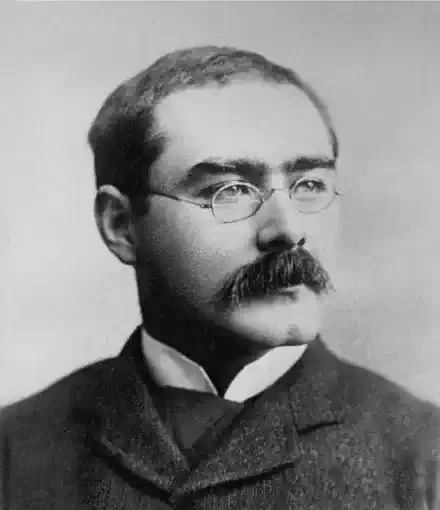
Rudyard Kipling
Prelude
Prelude
I have eaten your bread and salt.
I have drunk your water and wine.
In deaths ye died I have watched beside,
And the lives ye led were mine.
Was there aught that I did not share
In vigil or toil or ease, --
One joy or woe that I did not know,
Dear hearts across the seas?
I have written the tale of our life
For a sheltered people's mirth,
In jesting guise -- but ye are wise,
And ye know what the jest is worth.
I have eaten your bread and salt.
I have drunk your water and wine.
In deaths ye died I have watched beside,
And the lives ye led were mine.
Was there aught that I did not share
In vigil or toil or ease, --
One joy or woe that I did not know,
Dear hearts across the seas?
I have written the tale of our life
For a sheltered people's mirth,
In jesting guise -- but ye are wise,
And ye know what the jest is worth.
509
Rudyard Kipling
Neighbours
Neighbours
The man that is open of heart to his neighbour,
And stops to consider his likes and dislikes,
His blood shall be wholesome whatever his labour,
His luck shall be with him whatever he strikes.
The Splendour of Morning shall duly possess him,
That he may not be sad at the falling of eve.
And, when he has done with mere living--God bless him!--
A many shall sigh, and one Woman shall grieve!
But he that is costive of soul toward his fellow,
Through the ways, and the works, and the woes of this life,
Him food shall not fatten, him drink shall not mellow;
And his innards shall brew him perpetual strife.
His eye shall be blind to God's Glory above him;
His ear shall be deaf to Earth's Laughter around;
His Friends and his Club and his Dog shall not love him;
And his Widow shall skip when he goes underground!
The man that is open of heart to his neighbour,
And stops to consider his likes and dislikes,
His blood shall be wholesome whatever his labour,
His luck shall be with him whatever he strikes.
The Splendour of Morning shall duly possess him,
That he may not be sad at the falling of eve.
And, when he has done with mere living--God bless him!--
A many shall sigh, and one Woman shall grieve!
But he that is costive of soul toward his fellow,
Through the ways, and the works, and the woes of this life,
Him food shall not fatten, him drink shall not mellow;
And his innards shall brew him perpetual strife.
His eye shall be blind to God's Glory above him;
His ear shall be deaf to Earth's Laughter around;
His Friends and his Club and his Dog shall not love him;
And his Widow shall skip when he goes underground!
404
Rudyard Kipling
Old Fighting-Men
Old Fighting-Men
All the world over, nursing their scars,
Sit the old fighting-men broke in the wars--
Sit the old fighting-men, surly and grim
Mocking the lilt of the conquerors' hymn.
Dust of the battle o'erwhelmed them and hid.
Fame never found them for aught that they did.
Wounded and spent to the lazar they drew,
Lining the road where the Legions roll through.
Sons of the Laurel who press to your meed,
(Worthy God's pity most--you who succeed!)
Ere you go triumphing, crowned, to the stars,
Pity poor fighting-men, broke in the wars!
All the world over, nursing their scars,
Sit the old fighting-men broke in the wars--
Sit the old fighting-men, surly and grim
Mocking the lilt of the conquerors' hymn.
Dust of the battle o'erwhelmed them and hid.
Fame never found them for aught that they did.
Wounded and spent to the lazar they drew,
Lining the road where the Legions roll through.
Sons of the Laurel who press to your meed,
(Worthy God's pity most--you who succeed!)
Ere you go triumphing, crowned, to the stars,
Pity poor fighting-men, broke in the wars!
399
Rudyard Kipling
My Boy Jack
My Boy Jack
-
'Have you news of my boy Jack?'
Not this tide.
'When d'you think that he'll come back?'
Not with this wind blowing, and this tide.
'Has anyone else had word of him?'
Not this tide.
For what is sunk will hardly swim,
Not with this wind blowing and this tide.
'Oh, dear, what comfort can I find?'
None this tide,
Nor any tide,
Except he did not shame his kind-
Not even with that wind blowing, and that tide.
Then hold your head up all the more,
This tide,
And every tide;
Because he was the son you bore,
And gave to that wind blowing and that tide!
-
'Have you news of my boy Jack?'
Not this tide.
'When d'you think that he'll come back?'
Not with this wind blowing, and this tide.
'Has anyone else had word of him?'
Not this tide.
For what is sunk will hardly swim,
Not with this wind blowing and this tide.
'Oh, dear, what comfort can I find?'
None this tide,
Nor any tide,
Except he did not shame his kind-
Not even with that wind blowing, and that tide.
Then hold your head up all the more,
This tide,
And every tide;
Because he was the son you bore,
And gave to that wind blowing and that tide!
465
Rudyard Kipling
Mother o' Mine
Mother o' Mine
If I were hanged on the highest hill,
Mother o' mine, O mother o' mine!
I know whose love would follow me still,
Mother o' mine, O mother o' mine!
If I were drowned in the deepest sea,
Mother o' mine, O mother o' mine!
I know whose tears would come down to me,
Mother o' mine, O mother o' mine!
If I were damned of body and soul,
I know whose prayers would make me whole,
Mother o' mine, O mother o' mine!
If I were hanged on the highest hill,
Mother o' mine, O mother o' mine!
I know whose love would follow me still,
Mother o' mine, O mother o' mine!
If I were drowned in the deepest sea,
Mother o' mine, O mother o' mine!
I know whose tears would come down to me,
Mother o' mine, O mother o' mine!
If I were damned of body and soul,
I know whose prayers would make me whole,
Mother o' mine, O mother o' mine!
517
Rudyard Kipling
L'envoi To Life's Handicap
L'envoi To "Life's Handicap"
My new-cut ashlar takes the light
Where crimson-blank the windows flare;
By my own work, before the night,
Great Overseer I make my prayer.
If there be good in that I wrought,
Thy hand compelled it, Master, Thine;
Where I have failed to meet Thy thought
I know, through Thee, the blame is mine.
One instant's toil to Thee denied
Stands all Eternity's offence,
Of that I did with Thee to guide
To Thee, through Thee, be excellence.
Who, lest all thought of Eden fade,
Bring'st Eden to the craftsman's brain,
Godlike to muse o'er his own trade
And Manlike stand with God again.
The depth and dream of my desire,
The bitter paths wherein I stray,
Thou knowest Who hast made the Fire,
Thou knowest Who hast made the Clay!
One stone the more swings to her place
In that dread Temple of Thy Worth --
It is enough that through Thy grace
I saw naught common on Thy earth.
Take not that vision from my ken;
Oh whatsoe'er may spoil or speed,
Help me to need no aid from men
That I may help such men as need!
My new-cut ashlar takes the light
Where crimson-blank the windows flare;
By my own work, before the night,
Great Overseer I make my prayer.
If there be good in that I wrought,
Thy hand compelled it, Master, Thine;
Where I have failed to meet Thy thought
I know, through Thee, the blame is mine.
One instant's toil to Thee denied
Stands all Eternity's offence,
Of that I did with Thee to guide
To Thee, through Thee, be excellence.
Who, lest all thought of Eden fade,
Bring'st Eden to the craftsman's brain,
Godlike to muse o'er his own trade
And Manlike stand with God again.
The depth and dream of my desire,
The bitter paths wherein I stray,
Thou knowest Who hast made the Fire,
Thou knowest Who hast made the Clay!
One stone the more swings to her place
In that dread Temple of Thy Worth --
It is enough that through Thy grace
I saw naught common on Thy earth.
Take not that vision from my ken;
Oh whatsoe'er may spoil or speed,
Help me to need no aid from men
That I may help such men as need!
459
Rudyard Kipling
Gunga Din
Gunga Din
You may talk o' gin and beer
When you're quartered safe out 'ere,
An' you're sent to penny-fights an' Aldershot it;
But when it comes to slaughter
You will do your work on water,
An' you'll lick the bloomin' boots of 'im that's got it.
Now in Injia's sunny clime,
Where I used to spend my time
A-servin' of 'Er Majesty the Queen,
Of all them blackfaced crew
The finest man I knew
Was our regimental bhisti, Gunga Din.
He was "Din! Din! Din!
You limpin' lump o' brick-dust, Gunga Din!
Hi! slippery ~hitherao~!
Water, get it! ~Panee lao~! [Bring water swiftly.]
You squidgy-nosed old idol, Gunga Din."
The uniform 'e wore
Was nothin' much before,
An' rather less than 'arf o' that be'ind,
For a piece o' twisty rag
An' a goatskin water-bag
Was all the field-equipment 'e could find.
When the sweatin' troop-train lay
In a sidin' through the day,
Where the 'eat would make your bloomin' eyebrows crawl,
We shouted "Harry By!" [Mr. Atkins's equivalent for "O brother."]
Till our throats were bricky-dry,
Then we wopped 'im 'cause 'e couldn't serve us all.
It was "Din! Din! Din!
You 'eathen, where the mischief 'ave you been?
You put some ~juldee~ in it [Be quick.]
Or I'll ~marrow~ you this minute [Hit you.]
If you don't fill up my helmet, Gunga Din!"
'E would dot an' carry one
Till the longest day was done;
An' 'e didn't seem to know the use o' fear.
If we charged or broke or cut,
You could bet your bloomin' nut,
'E'd be waitin' fifty paces right flank rear.
With 'is ~mussick~ on 'is back, [Water-skin.]
'E would skip with our attack,
An' watch us till the bugles made "Retire",
An' for all 'is dirty 'ide
'E was white, clear white, inside
When 'e went to tend the wounded under fire!
It was "Din! Din! Din!"
With the bullets kickin' dust-spots on the green.
When the cartridges ran out,
You could hear the front-files shout,
"Hi! ammunition-mules an' Gunga Din!"
I shan't forgit the night
When I dropped be'ind the fight
With a bullet where my belt-plate should 'a' been.
I was chokin' mad with thirst,
An' the man that spied me first
Was our good old grinnin', gruntin' Gunga Din.
'E lifted up my 'ead,
An' he plugged me where I bled,
An' 'e guv me 'arf-a-pint o' water-green:
It was crawlin' and it stunk,
But of all the drinks I've drunk,
I'm gratefullest to one from Gunga Din.
It was "Din! Din! Din!
'Ere's a beggar with a bullet through 'is spleen;
'E's chawin' up the ground,
An' 'e's kickin' all around:
For Gawd's sake git the water, Gunga Din!"
'E carried me away
To where a dooli lay,
An' a bullet come an' drilled the beggar clean.
'E put me safe inside,
An' just before 'e died,
"I 'ope you liked your drink", sez Gunga Din.
So I'll meet 'im later on
At the place where 'e is gone --
Where it's always double drill and no canteen;
'E'll be squattin' on the coals
Givin' drink to poor damned souls,
An' I'll get a swig in hell from Gunga Din!
Yes, Din! Din! Din!
You Lazarushian-leather Gunga Din!
Though I've belted you and flayed you,
By the livin' Gawd that made you,
You're a better man than I am, Gunga Din!
You may talk o' gin and beer
When you're quartered safe out 'ere,
An' you're sent to penny-fights an' Aldershot it;
But when it comes to slaughter
You will do your work on water,
An' you'll lick the bloomin' boots of 'im that's got it.
Now in Injia's sunny clime,
Where I used to spend my time
A-servin' of 'Er Majesty the Queen,
Of all them blackfaced crew
The finest man I knew
Was our regimental bhisti, Gunga Din.
He was "Din! Din! Din!
You limpin' lump o' brick-dust, Gunga Din!
Hi! slippery ~hitherao~!
Water, get it! ~Panee lao~! [Bring water swiftly.]
You squidgy-nosed old idol, Gunga Din."
The uniform 'e wore
Was nothin' much before,
An' rather less than 'arf o' that be'ind,
For a piece o' twisty rag
An' a goatskin water-bag
Was all the field-equipment 'e could find.
When the sweatin' troop-train lay
In a sidin' through the day,
Where the 'eat would make your bloomin' eyebrows crawl,
We shouted "Harry By!" [Mr. Atkins's equivalent for "O brother."]
Till our throats were bricky-dry,
Then we wopped 'im 'cause 'e couldn't serve us all.
It was "Din! Din! Din!
You 'eathen, where the mischief 'ave you been?
You put some ~juldee~ in it [Be quick.]
Or I'll ~marrow~ you this minute [Hit you.]
If you don't fill up my helmet, Gunga Din!"
'E would dot an' carry one
Till the longest day was done;
An' 'e didn't seem to know the use o' fear.
If we charged or broke or cut,
You could bet your bloomin' nut,
'E'd be waitin' fifty paces right flank rear.
With 'is ~mussick~ on 'is back, [Water-skin.]
'E would skip with our attack,
An' watch us till the bugles made "Retire",
An' for all 'is dirty 'ide
'E was white, clear white, inside
When 'e went to tend the wounded under fire!
It was "Din! Din! Din!"
With the bullets kickin' dust-spots on the green.
When the cartridges ran out,
You could hear the front-files shout,
"Hi! ammunition-mules an' Gunga Din!"
I shan't forgit the night
When I dropped be'ind the fight
With a bullet where my belt-plate should 'a' been.
I was chokin' mad with thirst,
An' the man that spied me first
Was our good old grinnin', gruntin' Gunga Din.
'E lifted up my 'ead,
An' he plugged me where I bled,
An' 'e guv me 'arf-a-pint o' water-green:
It was crawlin' and it stunk,
But of all the drinks I've drunk,
I'm gratefullest to one from Gunga Din.
It was "Din! Din! Din!
'Ere's a beggar with a bullet through 'is spleen;
'E's chawin' up the ground,
An' 'e's kickin' all around:
For Gawd's sake git the water, Gunga Din!"
'E carried me away
To where a dooli lay,
An' a bullet come an' drilled the beggar clean.
'E put me safe inside,
An' just before 'e died,
"I 'ope you liked your drink", sez Gunga Din.
So I'll meet 'im later on
At the place where 'e is gone --
Where it's always double drill and no canteen;
'E'll be squattin' on the coals
Givin' drink to poor damned souls,
An' I'll get a swig in hell from Gunga Din!
Yes, Din! Din! Din!
You Lazarushian-leather Gunga Din!
Though I've belted you and flayed you,
By the livin' Gawd that made you,
You're a better man than I am, Gunga Din!
729
Rudyard Kipling
For To Admire
For To Admire
The Injian Ocean sets an' smiles
So sof', so bright, so bloomin' blue;
There aren't a wave for miles an' miles
Excep' the jiggle from the screw.
The ship is swep', the day is done,
The bugle's gone for smoke and play;
An' black agin' the settin' sun
The Lascar sings, "~Hum deckty hai!~" ["I'm looking out."]
For to admire an' for to see,
For to be'old this world so wide --
It never done no good to me,
But I can't drop it if I tried!
I see the sergeants pitchin' quoits,
I 'ear the women laugh an' talk,
I spy upon the quarter-deck
The orficers an' lydies walk.
I thinks about the things that was,
An' leans an' looks acrost the sea,
Till spite of all the crowded ship
There's no one lef' alive but me.
The things that was which I 'ave seen,
In barrick, camp, an' action too,
I tells them over by myself,
An' sometimes wonders if they're true;
For they was odd -- most awful odd --
But all the same now they are o'er,
There must be 'eaps o' plenty such,
An' if I wait I'll see some more.
Oh, I 'ave come upon the books,
An' frequent broke a barrick rule,
An' stood beside an' watched myself
Be'avin' like a bloomin' fool.
I paid my price for findin' out,
Nor never grutched the price I paid,
But sat in Clink without my boots,
Admirin' 'ow the world was made.
Be'old a crowd upon the beam,
An' 'umped above the sea appears
Old Aden, like a barrick-stove
That no one's lit for years an' years!
I passed by that when I began,
An' I go 'ome the road I came,
A time-expired soldier-man
With six years' service to 'is name.
My girl she said, "Oh, stay with me!"
My mother 'eld me to 'er breast.
They've never written none, an' so
They must 'ave gone with all the rest --
With all the rest which I 'ave seen
An' found an' known an' met along.
I cannot say the things I feel,
And so I sing my evenin' song:
For to admire an' for to see,
For to be'old this world so wide --
It never done no good to me,
But I can't drop it if I tried!
The Injian Ocean sets an' smiles
So sof', so bright, so bloomin' blue;
There aren't a wave for miles an' miles
Excep' the jiggle from the screw.
The ship is swep', the day is done,
The bugle's gone for smoke and play;
An' black agin' the settin' sun
The Lascar sings, "~Hum deckty hai!~" ["I'm looking out."]
For to admire an' for to see,
For to be'old this world so wide --
It never done no good to me,
But I can't drop it if I tried!
I see the sergeants pitchin' quoits,
I 'ear the women laugh an' talk,
I spy upon the quarter-deck
The orficers an' lydies walk.
I thinks about the things that was,
An' leans an' looks acrost the sea,
Till spite of all the crowded ship
There's no one lef' alive but me.
The things that was which I 'ave seen,
In barrick, camp, an' action too,
I tells them over by myself,
An' sometimes wonders if they're true;
For they was odd -- most awful odd --
But all the same now they are o'er,
There must be 'eaps o' plenty such,
An' if I wait I'll see some more.
Oh, I 'ave come upon the books,
An' frequent broke a barrick rule,
An' stood beside an' watched myself
Be'avin' like a bloomin' fool.
I paid my price for findin' out,
Nor never grutched the price I paid,
But sat in Clink without my boots,
Admirin' 'ow the world was made.
Be'old a crowd upon the beam,
An' 'umped above the sea appears
Old Aden, like a barrick-stove
That no one's lit for years an' years!
I passed by that when I began,
An' I go 'ome the road I came,
A time-expired soldier-man
With six years' service to 'is name.
My girl she said, "Oh, stay with me!"
My mother 'eld me to 'er breast.
They've never written none, an' so
They must 'ave gone with all the rest --
With all the rest which I 'ave seen
An' found an' known an' met along.
I cannot say the things I feel,
And so I sing my evenin' song:
For to admire an' for to see,
For to be'old this world so wide --
It never done no good to me,
But I can't drop it if I tried!
411
Rudyard Kipling
Divided Destinies
Divided Destinies
It was an artless Bandar, and he danced upon a pine,
And much I wondered how he lived, and where the beast might dine,
And many, many other things, till, o'er my morning smoke,
I slept the sleep of idleness and dreamt that Bandar spoke.
He said: "O man of many clothes! Sad crawler on the Hills!
Observe, I know not Ranken's shop, nor Ranken's monthly bills;
I take no heed to trousers or the coats that you call dress;
Nor am I plagued with little cards for little drinks at Mess.
"I steal the bunnia's grain at morn, at noon and eventide,
(For he is fat and I am spare), I roam the mountain side,
I follow no man's carriage, and no, never in my life
Have I flirted at Peliti's with another Bandar's wife.
"O man of futile fopperies -- unnecessary wraps;
I own no ponies in the hills, I drive no tall-wheeled traps;
I buy me not twelve-button gloves, 'short-sixes' eke, or rings,
Nor do I waste at Hamilton's my wealth on 'pretty things.'
"I quarrel with my wife at home, we never fight abroad;
But Mrs. B. has grasped the fact I am her only lord.
I never heard of fever -- dumps nor debts depress my soul;
And I pity and despise you!" Here he pouched my breakfast-roll.
His hide was very mangy, and his face was very red,
And ever and anon he scratched with energy his head.
His manners were not always nice, but how my spirit cried
To be an artless Bandar loose upon the mountain side!
So I answered: "Gentle Bandar, and inscrutable Decree
Makes thee a gleesome fleasome Thou, and me a wretched Me.
Go! Depart in peace, my brother, to thy home amid the pine;
Yet forget not once a mortal wished to change his lot for thine."
It was an artless Bandar, and he danced upon a pine,
And much I wondered how he lived, and where the beast might dine,
And many, many other things, till, o'er my morning smoke,
I slept the sleep of idleness and dreamt that Bandar spoke.
He said: "O man of many clothes! Sad crawler on the Hills!
Observe, I know not Ranken's shop, nor Ranken's monthly bills;
I take no heed to trousers or the coats that you call dress;
Nor am I plagued with little cards for little drinks at Mess.
"I steal the bunnia's grain at morn, at noon and eventide,
(For he is fat and I am spare), I roam the mountain side,
I follow no man's carriage, and no, never in my life
Have I flirted at Peliti's with another Bandar's wife.
"O man of futile fopperies -- unnecessary wraps;
I own no ponies in the hills, I drive no tall-wheeled traps;
I buy me not twelve-button gloves, 'short-sixes' eke, or rings,
Nor do I waste at Hamilton's my wealth on 'pretty things.'
"I quarrel with my wife at home, we never fight abroad;
But Mrs. B. has grasped the fact I am her only lord.
I never heard of fever -- dumps nor debts depress my soul;
And I pity and despise you!" Here he pouched my breakfast-roll.
His hide was very mangy, and his face was very red,
And ever and anon he scratched with energy his head.
His manners were not always nice, but how my spirit cried
To be an artless Bandar loose upon the mountain side!
So I answered: "Gentle Bandar, and inscrutable Decree
Makes thee a gleesome fleasome Thou, and me a wretched Me.
Go! Depart in peace, my brother, to thy home amid the pine;
Yet forget not once a mortal wished to change his lot for thine."
383
Rudyard Kipling
Darzee's Chaunt
Darzee's Chaunt
Singer and tailor am I--
Doubled the joys that I know--
Proud of my lilt to the sky,
Proud of the house that I sew--
Over and under, so weave I my music--so weave I the house that
I sew.
Sing to your fledglings again,
Mother, O lift up your head!
Evil that plagued us is slain,
Death in the garden lies dead.
Terror that hid in the roses is impotent--flung on the dung-hill
and dead!
Who hath delivered us, who?
Tell me his nest and his name.
Rikki, the valiant, the true,
Tikki, with eyeballs of flame,
Rik-tikki-tikki, the ivory-fanged, the Hunter with eyeballs of
flame.
Give him the Thanks of the Birds,
Bowing with tail-feathers spread!
Praise him in nightingale-words--
Nay, I will praise him instead.
I will sing you the praise of the bottle-tailed Rikki with
eyeballs of red!
Singer and tailor am I--
Doubled the joys that I know--
Proud of my lilt to the sky,
Proud of the house that I sew--
Over and under, so weave I my music--so weave I the house that
I sew.
Sing to your fledglings again,
Mother, O lift up your head!
Evil that plagued us is slain,
Death in the garden lies dead.
Terror that hid in the roses is impotent--flung on the dung-hill
and dead!
Who hath delivered us, who?
Tell me his nest and his name.
Rikki, the valiant, the true,
Tikki, with eyeballs of flame,
Rik-tikki-tikki, the ivory-fanged, the Hunter with eyeballs of
flame.
Give him the Thanks of the Birds,
Bowing with tail-feathers spread!
Praise him in nightingale-words--
Nay, I will praise him instead.
I will sing you the praise of the bottle-tailed Rikki with
eyeballs of red!
498

Robert W. Service
Worms
Worms
Worms finer for fishing you couldn't be wishing;
I delved them dismayed from the velvety sod;
The rich loam upturning I gathered them squirming,
big, fat, gleamy earthworms, all ripe for my rod.
Thinks I, without waiting, my hook I'll be baiting,
And flip me a fish from the foam of the pool;
Then Mother beholding, came crying and scolding:
"You're late, ye young devil! Be off to the school."
So grabbing me bait-tin I dropped them fat worms in,
With globs of green turf for their comfort and cheer;
And there, clean forgotten, no doubt dead and rotten;
I left them to languish for nigh on a year.
One day to be cleaning the byre I was meaning,
When seeing that old rusty can on the shelf,
Says I: "To my thinking, them worms must be stinking:
Begorrah! I'd better find out for myself."
So I opened the tin, held my nose and looked in;
And what did I see? Why, most nothing at all.
Just darkness and dank. and . . . a something that stank,
Tucked down in a corner, a greasy grey ball.
My worms -no, not dead, but thin as a thread,
Each seemed to reproach me, protesting its worth:
So softly I took them and tenderly shook them
Back into the bosom of mothering earth.
I'm now in the City; 'tis grand, but I pity
The weariful wretches that crawl in its grime;
The dregs and the scum and the spawn of the slum,
And the poor little children that's cradled in crime.
Sure I see them in terms of my pitiful worms,
surviving despite desperation and doom,
And I wish I was God, with a smile and a nod
To set them all down in a valley of bloom,
Saying: "Let these rejoice with a wonderful voice
For mothering earth and for fathering sea,
And healing of sun, for each weariful one
Of these poor human worms is a wee bit of me. . . .
Let your be the blame and yours be the shame:
What ye do unto them ye do also to ME."
Worms finer for fishing you couldn't be wishing;
I delved them dismayed from the velvety sod;
The rich loam upturning I gathered them squirming,
big, fat, gleamy earthworms, all ripe for my rod.
Thinks I, without waiting, my hook I'll be baiting,
And flip me a fish from the foam of the pool;
Then Mother beholding, came crying and scolding:
"You're late, ye young devil! Be off to the school."
So grabbing me bait-tin I dropped them fat worms in,
With globs of green turf for their comfort and cheer;
And there, clean forgotten, no doubt dead and rotten;
I left them to languish for nigh on a year.
One day to be cleaning the byre I was meaning,
When seeing that old rusty can on the shelf,
Says I: "To my thinking, them worms must be stinking:
Begorrah! I'd better find out for myself."
So I opened the tin, held my nose and looked in;
And what did I see? Why, most nothing at all.
Just darkness and dank. and . . . a something that stank,
Tucked down in a corner, a greasy grey ball.
My worms -no, not dead, but thin as a thread,
Each seemed to reproach me, protesting its worth:
So softly I took them and tenderly shook them
Back into the bosom of mothering earth.
I'm now in the City; 'tis grand, but I pity
The weariful wretches that crawl in its grime;
The dregs and the scum and the spawn of the slum,
And the poor little children that's cradled in crime.
Sure I see them in terms of my pitiful worms,
surviving despite desperation and doom,
And I wish I was God, with a smile and a nod
To set them all down in a valley of bloom,
Saying: "Let these rejoice with a wonderful voice
For mothering earth and for fathering sea,
And healing of sun, for each weariful one
Of these poor human worms is a wee bit of me. . . .
Let your be the blame and yours be the shame:
What ye do unto them ye do also to ME."
238
Robert W. Service
Winnie
Winnie
When I went by the meadow gate
The chestnut mare would trot to meet me,
And as her coming I would wait,
She'd whinney high as if to greet me.
And I would kiss her silky nose,
And stroke her neck until it glistened,
And speak soft words: I don't suppose
She understand - but how she listened!
Then in the war-net I was caught,
Returning three black winters older;
And when the little mare I sought
The farmer told me he had sold her.
And so time passed - when in the street
One day I heard a plaintive whinney
That roused a recollection sweet,
So then I turned and there was Winnie.
I vow she knew me, mooning there.
She raised her nose for me to fondle,
And though I'd lost an arm I'll swear
She kissed the empty sleeve a-dangle.
But oh it cut me to the heart,
Though I was awful glad to meet her,
For lo! she dragged a tinker's cart
And stumbled weakly as he beat her.
Just skin and bone, a sorry hack!
Say, fellow, you may think it funny:
I made a deal and bought her back,
Though it took all my bonus money.
And she'll be in the meadow there,
As long as I have dough for spending . . .
Gee! I'll take care of that old mare "
Sweetheart! you'll have a happy ending."
When I went by the meadow gate
The chestnut mare would trot to meet me,
And as her coming I would wait,
She'd whinney high as if to greet me.
And I would kiss her silky nose,
And stroke her neck until it glistened,
And speak soft words: I don't suppose
She understand - but how she listened!
Then in the war-net I was caught,
Returning three black winters older;
And when the little mare I sought
The farmer told me he had sold her.
And so time passed - when in the street
One day I heard a plaintive whinney
That roused a recollection sweet,
So then I turned and there was Winnie.
I vow she knew me, mooning there.
She raised her nose for me to fondle,
And though I'd lost an arm I'll swear
She kissed the empty sleeve a-dangle.
But oh it cut me to the heart,
Though I was awful glad to meet her,
For lo! she dragged a tinker's cart
And stumbled weakly as he beat her.
Just skin and bone, a sorry hack!
Say, fellow, you may think it funny:
I made a deal and bought her back,
Though it took all my bonus money.
And she'll be in the meadow there,
As long as I have dough for spending . . .
Gee! I'll take care of that old mare "
Sweetheart! you'll have a happy ending."
284
Robert W. Service
Window Shopper
Window Shopper
I stood before a candy shop
Which with a Christmas radiance shone;
I saw my parents pass and stop
To grin at me and then go on.
The sweets were heaped in gleamy rows;
On each I feasted - what a game!
Against the glass with flatted nose,
Gulping my spittle as it came;
So still I stood, and stared and dreamed,
Savouring sweetness with my eyes,
Devouring dainties till it seemed
My candy shop was paradise.
I had, I think, but five years old,
And though three-score and ten have passed,
I still recall the craintive cold,
The grimy street, the gritty blast;
And how I stared into that shop,
Its gifts so near and yet so far,
Of marzipan and toffee drop,
Of chocolate and walnut bar;
Imagining what I would buy
Amid delights so rich and rare . . .
The glass was misted with my sigh:
"If just one penny Pop could spare!"
And then when I went home to tea
Of bread and butter sparsely spread,
Oh, how my parents twitted me:
"You stood for full an hour," they said.
"We saw you as we passed again;
Your eyes upon the sweets were glued;
Your nose was flattened to the pane,
Like someone hypnotized you stood."
But when they laughed as at a joke,
A bitterness I could not stem
Within my little heart awoke. . . .
Oh, I have long forgiven them;
For though I know they did no own
Pennies to spare, they might, it seems
More understanding love have shown
More sympathy for those vain dreams,
Which make of me with wistful gaze
God's Window Shopper all days.
I stood before a candy shop
Which with a Christmas radiance shone;
I saw my parents pass and stop
To grin at me and then go on.
The sweets were heaped in gleamy rows;
On each I feasted - what a game!
Against the glass with flatted nose,
Gulping my spittle as it came;
So still I stood, and stared and dreamed,
Savouring sweetness with my eyes,
Devouring dainties till it seemed
My candy shop was paradise.
I had, I think, but five years old,
And though three-score and ten have passed,
I still recall the craintive cold,
The grimy street, the gritty blast;
And how I stared into that shop,
Its gifts so near and yet so far,
Of marzipan and toffee drop,
Of chocolate and walnut bar;
Imagining what I would buy
Amid delights so rich and rare . . .
The glass was misted with my sigh:
"If just one penny Pop could spare!"
And then when I went home to tea
Of bread and butter sparsely spread,
Oh, how my parents twitted me:
"You stood for full an hour," they said.
"We saw you as we passed again;
Your eyes upon the sweets were glued;
Your nose was flattened to the pane,
Like someone hypnotized you stood."
But when they laughed as at a joke,
A bitterness I could not stem
Within my little heart awoke. . . .
Oh, I have long forgiven them;
For though I know they did no own
Pennies to spare, they might, it seems
More understanding love have shown
More sympathy for those vain dreams,
Which make of me with wistful gaze
God's Window Shopper all days.
215
Robert W. Service
Why Do Birds Sing?
Why Do Birds Sing?
Let poets piece prismatic words,
Give me the jewelled joy of birds!
What ecstasy moves them to sing?
Is it the lyric glee of Spring,
The dewy rapture of the rose?
Is it the worship born in those
Who are of Nature's self a part,
The adoration of the heart?
Is it the mating mood in them
That makes each crystal note a gem?
Oh mocking bird and nightingale,
Oh mavis, lark and robin - hail!
Tell me what perfect passion glows
In your inspired arpeggios?
A thrush is thrilling as I write
Its obligato of delight;
And in its fervour, as in mine,
I fathom tenderness divine,
And pity those of earthy ear
Who cannot hear . . . who cannot hear.
Let poets pattern pretty words:
For lovely largesse - bless you, Birds!
Let poets piece prismatic words,
Give me the jewelled joy of birds!
What ecstasy moves them to sing?
Is it the lyric glee of Spring,
The dewy rapture of the rose?
Is it the worship born in those
Who are of Nature's self a part,
The adoration of the heart?
Is it the mating mood in them
That makes each crystal note a gem?
Oh mocking bird and nightingale,
Oh mavis, lark and robin - hail!
Tell me what perfect passion glows
In your inspired arpeggios?
A thrush is thrilling as I write
Its obligato of delight;
And in its fervour, as in mine,
I fathom tenderness divine,
And pity those of earthy ear
Who cannot hear . . . who cannot hear.
Let poets pattern pretty words:
For lovely largesse - bless you, Birds!
187
Robert W. Service
Two Children
Two Children
Give me your hand, oh little one!
Like children be we two;
Yet I am old, my day is done
That barely breaks for you.
A baby-basket hard you hold,
With in it cherries four:
You cherish them as men do gold,
And count them o'er.
And then you stumble in your walk;
The cherries scattered lie.
You pick them up with foolish talk
And foolish glad am I,
When you wipe one quite clean of dust
And give it unto me;
So in the baby-basket just
Are three.
All this is simple, I confess,
A moment piled with peace;
Yet loving men have died for less,
And will till time shall cease. . . .
A silken hand in crinkled one-O
Little Innocence!
O blessed moment in the son
E'er I go hence!
Give me your hand, oh little one!
Like children be we two;
Yet I am old, my day is done
That barely breaks for you.
A baby-basket hard you hold,
With in it cherries four:
You cherish them as men do gold,
And count them o'er.
And then you stumble in your walk;
The cherries scattered lie.
You pick them up with foolish talk
And foolish glad am I,
When you wipe one quite clean of dust
And give it unto me;
So in the baby-basket just
Are three.
All this is simple, I confess,
A moment piled with peace;
Yet loving men have died for less,
And will till time shall cease. . . .
A silken hand in crinkled one-O
Little Innocence!
O blessed moment in the son
E'er I go hence!
179
Robert W. Service
Tranquilism
Tranquilism
I call myself a Tranquilist;
With deep detachment I exist,
From friction free;
While others court the gilded throng
And worship Women, Wine and Song,
I scorn the three.
For I have reached the sober age
When I prefer to turn a page
Beside the fire,
And from the busy mart of men
To meditative book and pen
With grace retire.
If you are craving peace of mind,
In Tranquilism you will find
Philosophy;
Serenely fold your hands and wait
Be cloistered calm whatever fate
The Gods decree.
And though the world with rage be rent,
Hold it remote and claim content
With quiet heart;
You can't do much to better it,
But your good-will may help a bit,
Ere you depart.
So let us who are old and sere
To din of battle shut the ear,
And trumpet vain;
And though in no monastic mood
Accept the balm of solitude
And grace regain.
Let us be Tranquilists and try
In placid places to apply
Life's wisdom won;
In Nature's bounty we may bless
The Gods and wait with thankfulness
Our setting sun.
I call myself a Tranquilist;
With deep detachment I exist,
From friction free;
While others court the gilded throng
And worship Women, Wine and Song,
I scorn the three.
For I have reached the sober age
When I prefer to turn a page
Beside the fire,
And from the busy mart of men
To meditative book and pen
With grace retire.
If you are craving peace of mind,
In Tranquilism you will find
Philosophy;
Serenely fold your hands and wait
Be cloistered calm whatever fate
The Gods decree.
And though the world with rage be rent,
Hold it remote and claim content
With quiet heart;
You can't do much to better it,
But your good-will may help a bit,
Ere you depart.
So let us who are old and sere
To din of battle shut the ear,
And trumpet vain;
And though in no monastic mood
Accept the balm of solitude
And grace regain.
Let us be Tranquilists and try
In placid places to apply
Life's wisdom won;
In Nature's bounty we may bless
The Gods and wait with thankfulness
Our setting sun.
209
Robert W. Service
Toilet Seats
Toilet Seats
While I am emulating Keats
My brother fabrics toilet seats,
The which, they say, are works of art,
Aesthetic features of the mart;
So exquisitely are they made
With plastic of a pastel shade,
Of topaz, ivory or rose,
Inviting to serene repose.
Rajahs I'm told have seats of gold,-(
They must, I fear, be very cold).
But Tom's have thermostatic heat,
With sympathy your grace to greet.
Like silver they are neon lit,
Making a halo as you sit:
Then lo! they play with dulset tone
A melody by Mendelssohn.
Oh were I lyrical as Yeats
I would not sing of toilet seats,
But rather serenade a star,--
Yet I must take things as they are.
For even kings must coyly own
Them as essential as a throne:
So as I tug the Muse's teats
I envy Tom his toilet seats.
While I am emulating Keats
My brother fabrics toilet seats,
The which, they say, are works of art,
Aesthetic features of the mart;
So exquisitely are they made
With plastic of a pastel shade,
Of topaz, ivory or rose,
Inviting to serene repose.
Rajahs I'm told have seats of gold,-(
They must, I fear, be very cold).
But Tom's have thermostatic heat,
With sympathy your grace to greet.
Like silver they are neon lit,
Making a halo as you sit:
Then lo! they play with dulset tone
A melody by Mendelssohn.
Oh were I lyrical as Yeats
I would not sing of toilet seats,
But rather serenade a star,--
Yet I must take things as they are.
For even kings must coyly own
Them as essential as a throne:
So as I tug the Muse's teats
I envy Tom his toilet seats.
222
Robert W. Service
To A Tycoon
To A Tycoon
Since much has been your mirth
And fair your fate,
Friend, leave your lot of earth
Less desolate.
With frailing overdue,
Why don't you try
The bit of God in you
To justify?
Try to discern the grace
All greed above,
That may uplift the race
To realm of love.
For in you is a spark,
A heaven-glow,
That will illume the dark
Before you go.
Aye, though it be that you
To Faith are blind,
There's one thing you can do,
It's--just be kind.
The anguish understand,
Of hearts that bleed:
Friends, lend a helping hand
To those in need.
Since much has been your mirth
And fair your fate,
Friend, leave your lot of earth
Less desolate.
With frailing overdue,
Why don't you try
The bit of God in you
To justify?
Try to discern the grace
All greed above,
That may uplift the race
To realm of love.
For in you is a spark,
A heaven-glow,
That will illume the dark
Before you go.
Aye, though it be that you
To Faith are blind,
There's one thing you can do,
It's--just be kind.
The anguish understand,
Of hearts that bleed:
Friends, lend a helping hand
To those in need.
215
Robert W. Service
The Younger Son
The Younger Son
If you leave the gloom of London and you seek a glowing land,
Where all except the flag is strange and new,
There's a bronzed and stalwart fellow who will grip you by the hand,
And greet you with a welcome warm and true;
For he's your younger brother, the one you sent away
Because there wasn't room for him at home;
And now he's quite contented, and he's glad he didn't stay,
And he's building Britain's greatness o'er the foam.
When the giant herd is moving at the rising of the sun,
And the prairie is lit with rose and gold,
And the camp is all abustle, and the busy day's begun,
He leaps into the saddle sure and bold.
Through the round of heat and hurry, through the racket and the rout,
He rattles at a pace that nothing mars;
And when the night-winds whisper and camp-fires flicker out,
He is sleeping like a child beneath the stars.
When the wattle-blooms are drooping in the sombre she-oak glade,
And the breathless land is lying in a swoon,
He leaves his work a moment, leaning lightly on his spade,
And he hears the bell-bird chime the Austral noon.
The parrakeets are silent in the gum-tree by the creek;
The ferny grove is sunshine-steeped and still;
But the dew will gem the myrtle in the twilight ere he seek
His little lonely cabin on the hill.
Around the purple, vine-clad slope the argent river dreams;
The roses almost hide the house from view;
A snow-peak of the Winterberg in crimson splendor gleams;
The shadow deepens down on the karroo.
He seeks the lily-scented dusk beneath the orange tree;
His pipe in silence glows and fades and glows;
And then two little maids come out and climb upon his knee,
And one is like the lily, one the rose.
He sees his white sheep dapple o'er the green New Zealand plain,
And where Vancouver's shaggy ramparts frown,
When the sunlight threads the pine-gloom he is fighting might and main
To clinch the rivets of an Empire down.
You will find him toiling, toiling, in the south or in the west,
A child of nature, fearless, frank, and free;
And the warmest heart that beats for you is beating in his breast,
And he sends you loyal greeting o'er the sea.
You've a brother in the army, you've another in the Church;
One of you is a diplomatic swell;
You've had the pick of everything and left him in the lurch,
And yet I think he's doing very well.
I'm sure his life is happy, and he doesn't envy yours;
I know he loves the land his pluck has won;
And I fancy in the years unborn, while England's fame endures,
She will come to bless with pride -- The Younger Son.
If you leave the gloom of London and you seek a glowing land,
Where all except the flag is strange and new,
There's a bronzed and stalwart fellow who will grip you by the hand,
And greet you with a welcome warm and true;
For he's your younger brother, the one you sent away
Because there wasn't room for him at home;
And now he's quite contented, and he's glad he didn't stay,
And he's building Britain's greatness o'er the foam.
When the giant herd is moving at the rising of the sun,
And the prairie is lit with rose and gold,
And the camp is all abustle, and the busy day's begun,
He leaps into the saddle sure and bold.
Through the round of heat and hurry, through the racket and the rout,
He rattles at a pace that nothing mars;
And when the night-winds whisper and camp-fires flicker out,
He is sleeping like a child beneath the stars.
When the wattle-blooms are drooping in the sombre she-oak glade,
And the breathless land is lying in a swoon,
He leaves his work a moment, leaning lightly on his spade,
And he hears the bell-bird chime the Austral noon.
The parrakeets are silent in the gum-tree by the creek;
The ferny grove is sunshine-steeped and still;
But the dew will gem the myrtle in the twilight ere he seek
His little lonely cabin on the hill.
Around the purple, vine-clad slope the argent river dreams;
The roses almost hide the house from view;
A snow-peak of the Winterberg in crimson splendor gleams;
The shadow deepens down on the karroo.
He seeks the lily-scented dusk beneath the orange tree;
His pipe in silence glows and fades and glows;
And then two little maids come out and climb upon his knee,
And one is like the lily, one the rose.
He sees his white sheep dapple o'er the green New Zealand plain,
And where Vancouver's shaggy ramparts frown,
When the sunlight threads the pine-gloom he is fighting might and main
To clinch the rivets of an Empire down.
You will find him toiling, toiling, in the south or in the west,
A child of nature, fearless, frank, and free;
And the warmest heart that beats for you is beating in his breast,
And he sends you loyal greeting o'er the sea.
You've a brother in the army, you've another in the Church;
One of you is a diplomatic swell;
You've had the pick of everything and left him in the lurch,
And yet I think he's doing very well.
I'm sure his life is happy, and he doesn't envy yours;
I know he loves the land his pluck has won;
And I fancy in the years unborn, while England's fame endures,
She will come to bless with pride -- The Younger Son.
206
Robert W. Service
The Three Bares
The Three Bares
Ma tried to wash her garden slacks but couldn't get 'em clean
And so she thought she'd soak 'em in a bucket o' benzine.
It worked all right. She wrung 'em out then wondered what she'd do
With all that bucket load of high explosive residue.
She knew that it was dangerous to scatter it around,
For Grandpa liked to throw his lighted matches on the ground.
Somehow she didn't dare to pour it down the kitchen sink,
And what the heck to do with it, poor Ma jest couldn't think.
Then Nature seemed to give the clue, as down the garden lot
She spied the edifice that graced a solitary spot,
Their Palace of Necessity, the family joy and pride,
Enshrined in morning-glory vine, with graded seats inside;
Jest like that cabin Goldylocks found occupied by three,
But in this case B-E-A-R was spelt B-A-R-E----
A tiny seat for Baby Bare, a medium for Ma,
A full-sized section sacred to the Bare of Grandpapa.
Well, Ma was mighty glad to get that worry off her mind,
And hefting up the bucket so combustibly inclined,
She hurried down the garden to that refuge so discreet,
And dumped the liquid menace safely through the centre seat.
Next morning old Grandpa arose; he made a hearty meal,
And sniffed the air and said: 'By Gosh! how full of beans I feel.
Darned if I ain't as fresh as paint; my joy will be complete
With jest a quiet session on the usual morning seat;
To smoke me pipe an' meditate, an' maybe write a pome,
For that's the time when bits o' rhyme gits jiggin' in me dome.'
He sat down on that special seat slicked shiny by his age,
And looking like Walt Whitman, jest a silver-whiskered sage,
He filled his corn-cob to the brim and tapped it snugly down,
And chuckled: 'Of a perfect day I reckon this the crown.'
He lit the weed, it soothed his need, it was so soft and sweet:
And then he dropped the lighted match clean through the middle seat.
His little grand-child Rosyleen cried from the kichen door:
'Oh, Ma, come quick; there's sompin wrong; I heared a dreffel roar;
Oh, Ma, I see a sheet of flame; it's rising high and higher...
Oh, Mummy dear, I sadly fear our comfort-cot's caught fire.'
Poor Ma was thrilled with horror at them words o' Rosyleen.
She thought of Grandpa's matches and that bucket of benzine;
So down the garden geared on high, she ran with all her power,
For regular was Grandpa, and she knew it was his hour.
Then graspin' gaspin' Rosyleen she peered into the fire,
A roarin' soarin' furnace now, perchance old Grandpa's pyre....
But as them twain expressed their pain they heard a hearty cheer----
Behold the old rapscallion squattinn' in the duck pond near,
His silver whiskers singed away, a gosh-almighty wreck,
Wi' half a yard o' toilet seat entwined about his neck....
He cried: 'Say, folks, oh, did ye hear the big blow-out I made?
It scared me stiff - I hope you-uns was not too much afraid?
But now I best be crawlin' out o' this dog-gasted wet....
For what I aim to figger out is----WHAT THE HECK I ET?'
Ma tried to wash her garden slacks but couldn't get 'em clean
And so she thought she'd soak 'em in a bucket o' benzine.
It worked all right. She wrung 'em out then wondered what she'd do
With all that bucket load of high explosive residue.
She knew that it was dangerous to scatter it around,
For Grandpa liked to throw his lighted matches on the ground.
Somehow she didn't dare to pour it down the kitchen sink,
And what the heck to do with it, poor Ma jest couldn't think.
Then Nature seemed to give the clue, as down the garden lot
She spied the edifice that graced a solitary spot,
Their Palace of Necessity, the family joy and pride,
Enshrined in morning-glory vine, with graded seats inside;
Jest like that cabin Goldylocks found occupied by three,
But in this case B-E-A-R was spelt B-A-R-E----
A tiny seat for Baby Bare, a medium for Ma,
A full-sized section sacred to the Bare of Grandpapa.
Well, Ma was mighty glad to get that worry off her mind,
And hefting up the bucket so combustibly inclined,
She hurried down the garden to that refuge so discreet,
And dumped the liquid menace safely through the centre seat.
Next morning old Grandpa arose; he made a hearty meal,
And sniffed the air and said: 'By Gosh! how full of beans I feel.
Darned if I ain't as fresh as paint; my joy will be complete
With jest a quiet session on the usual morning seat;
To smoke me pipe an' meditate, an' maybe write a pome,
For that's the time when bits o' rhyme gits jiggin' in me dome.'
He sat down on that special seat slicked shiny by his age,
And looking like Walt Whitman, jest a silver-whiskered sage,
He filled his corn-cob to the brim and tapped it snugly down,
And chuckled: 'Of a perfect day I reckon this the crown.'
He lit the weed, it soothed his need, it was so soft and sweet:
And then he dropped the lighted match clean through the middle seat.
His little grand-child Rosyleen cried from the kichen door:
'Oh, Ma, come quick; there's sompin wrong; I heared a dreffel roar;
Oh, Ma, I see a sheet of flame; it's rising high and higher...
Oh, Mummy dear, I sadly fear our comfort-cot's caught fire.'
Poor Ma was thrilled with horror at them words o' Rosyleen.
She thought of Grandpa's matches and that bucket of benzine;
So down the garden geared on high, she ran with all her power,
For regular was Grandpa, and she knew it was his hour.
Then graspin' gaspin' Rosyleen she peered into the fire,
A roarin' soarin' furnace now, perchance old Grandpa's pyre....
But as them twain expressed their pain they heard a hearty cheer----
Behold the old rapscallion squattinn' in the duck pond near,
His silver whiskers singed away, a gosh-almighty wreck,
Wi' half a yard o' toilet seat entwined about his neck....
He cried: 'Say, folks, oh, did ye hear the big blow-out I made?
It scared me stiff - I hope you-uns was not too much afraid?
But now I best be crawlin' out o' this dog-gasted wet....
For what I aim to figger out is----WHAT THE HECK I ET?'
230
Robert W. Service
The Song Of The Wage-Slave
The Song Of The Wage-Slave
When the long, long day is over, and the Big Boss gives me my pay,
I hope that it won't be hell-fire, as some of the parsons say.
And I hope that it won't be heaven, with some of the parsons I've met --
All I want is just quiet, just to rest and forget.
Look at my face, toil-furrowed; look at my calloused hands;
Master, I've done Thy bidding, wrought in Thy many lands --
Wrought for the little masters, big-bellied they be, and rich;
I've done their desire for a daily hire, and I die like a dog in a ditch.
I have used the strength Thou hast given, Thou knowest I did not shirk;
Threescore years of labor -- Thine be the long day's work.
And now, Big Master, I'm broken and bent and twisted and scarred,
But I've held my job, and Thou knowest, and Thou will not judge me hard.
Thou knowest my sins are many, and often I've played the fool --
Whiskey and cards and women, they made me the devil's tool.
I was just like a child with money; I flung it away with a curse,
Feasting a fawning parasite, or glutting a harlot's purse;
Then back to the woods repentant, back to the mill or the mine,
I, the worker of workers, everything in my line.
Everything hard but headwork (I'd no more brains than a kid),
A brute with brute strength to labor, doing as I was bid;
Living in camps with men-folk, a lonely and loveless life;
Never knew kiss of sweetheart, never caress of wife.
A brute with brute strength to labor, and they were so far above --
Yet I'd gladly have gone to the gallows for one little look of Love.
I, with the strength of two men, savage and shy and wild --
Yet how I'd ha' treasured a woman, and the sweet, warm kiss of a child!
Well, 'tis Thy world, and Thou knowest. I blaspheme and my ways be rude;
But I've lived my life as I found it, and I've done my best to be good;
I, the primitive toiler, half naked and grimed to the eyes,
Sweating it deep in their ditches, swining it stark in their styes;
Hurling down forests before me, spanning tumultuous streams;
Down in the ditch building o'er me palaces fairer than dreams;
Boring the rock to the ore-bed, driving the road through the fen,
Resolute, dumb, uncomplaining, a man in a world of men.
Master, I've filled my contract, wrought in Thy many lands;
Not by my sins wilt Thou judge me, but by the work of my hands.
Master, I've done Thy bidding, and the light is low in the west,
And the long, long shift is over . . . Master, I've earned it -- Rest.
When the long, long day is over, and the Big Boss gives me my pay,
I hope that it won't be hell-fire, as some of the parsons say.
And I hope that it won't be heaven, with some of the parsons I've met --
All I want is just quiet, just to rest and forget.
Look at my face, toil-furrowed; look at my calloused hands;
Master, I've done Thy bidding, wrought in Thy many lands --
Wrought for the little masters, big-bellied they be, and rich;
I've done their desire for a daily hire, and I die like a dog in a ditch.
I have used the strength Thou hast given, Thou knowest I did not shirk;
Threescore years of labor -- Thine be the long day's work.
And now, Big Master, I'm broken and bent and twisted and scarred,
But I've held my job, and Thou knowest, and Thou will not judge me hard.
Thou knowest my sins are many, and often I've played the fool --
Whiskey and cards and women, they made me the devil's tool.
I was just like a child with money; I flung it away with a curse,
Feasting a fawning parasite, or glutting a harlot's purse;
Then back to the woods repentant, back to the mill or the mine,
I, the worker of workers, everything in my line.
Everything hard but headwork (I'd no more brains than a kid),
A brute with brute strength to labor, doing as I was bid;
Living in camps with men-folk, a lonely and loveless life;
Never knew kiss of sweetheart, never caress of wife.
A brute with brute strength to labor, and they were so far above --
Yet I'd gladly have gone to the gallows for one little look of Love.
I, with the strength of two men, savage and shy and wild --
Yet how I'd ha' treasured a woman, and the sweet, warm kiss of a child!
Well, 'tis Thy world, and Thou knowest. I blaspheme and my ways be rude;
But I've lived my life as I found it, and I've done my best to be good;
I, the primitive toiler, half naked and grimed to the eyes,
Sweating it deep in their ditches, swining it stark in their styes;
Hurling down forests before me, spanning tumultuous streams;
Down in the ditch building o'er me palaces fairer than dreams;
Boring the rock to the ore-bed, driving the road through the fen,
Resolute, dumb, uncomplaining, a man in a world of men.
Master, I've filled my contract, wrought in Thy many lands;
Not by my sins wilt Thou judge me, but by the work of my hands.
Master, I've done Thy bidding, and the light is low in the west,
And the long, long shift is over . . . Master, I've earned it -- Rest.
323
Robert W. Service
The Song Of The Pacifist
The Song Of The Pacifist
What do they matter, our headlong hates, when we take the toll of our Dead?
Think ye our glory and gain will pay for the torrent of blood we have shed?
By the cheers of our Victory will the heart of the mother be comforted?
If by the Victory all we mean is a broken and brooding foe;
Is the pomp and power of a glitt'ring hour, and a truce for an age or so:
By the clay-cold hand on the broken blade we have smitten a bootless blow!
If by the Triumph we only prove that the sword we sheathe is bright;
That justice and truth and love endure; that freedom's throned on the height;
That the feebler folks shall be unafraid; that Might shall never be Right;
If this be all: by the blood-drenched plains, by the havoc of fire and fear,
By the rending roar of the War of Wars, by the Dead so doubly dear. . . .
Then our Victory is a vast defeat, and it mocks us as we cheer.
Victory! there can be but one, hallowed in every land:
When by the graves of our common dead we who were foemen stand;
And in the hush of our common grief hand is tendered to hand.
Triumph! Yes, when out of the dust in the splendour of their release
The spirits of those who fell go forth and they hallow our hearts to peace,
And, brothers in pain, with world-wide voice, we clamour that War shall cease.
Glory! Ay, when from blackest loss shall be born most radiant gain;
When over the gory fields shall rise a star that never shall wane:
Then, and then only, our Dead shall know that they have not fall'n in vain.
When our children's children shall talk of War as a madness that may not be;
When we thank our God for our grief to-day, and blazon from sea to sea
In the name of the Dead the banner of Peace . . . that will be Victory.
What do they matter, our headlong hates, when we take the toll of our Dead?
Think ye our glory and gain will pay for the torrent of blood we have shed?
By the cheers of our Victory will the heart of the mother be comforted?
If by the Victory all we mean is a broken and brooding foe;
Is the pomp and power of a glitt'ring hour, and a truce for an age or so:
By the clay-cold hand on the broken blade we have smitten a bootless blow!
If by the Triumph we only prove that the sword we sheathe is bright;
That justice and truth and love endure; that freedom's throned on the height;
That the feebler folks shall be unafraid; that Might shall never be Right;
If this be all: by the blood-drenched plains, by the havoc of fire and fear,
By the rending roar of the War of Wars, by the Dead so doubly dear. . . .
Then our Victory is a vast defeat, and it mocks us as we cheer.
Victory! there can be but one, hallowed in every land:
When by the graves of our common dead we who were foemen stand;
And in the hush of our common grief hand is tendered to hand.
Triumph! Yes, when out of the dust in the splendour of their release
The spirits of those who fell go forth and they hallow our hearts to peace,
And, brothers in pain, with world-wide voice, we clamour that War shall cease.
Glory! Ay, when from blackest loss shall be born most radiant gain;
When over the gory fields shall rise a star that never shall wane:
Then, and then only, our Dead shall know that they have not fall'n in vain.
When our children's children shall talk of War as a madness that may not be;
When we thank our God for our grief to-day, and blazon from sea to sea
In the name of the Dead the banner of Peace . . . that will be Victory.
172
Robert W. Service
The Search
The Search
I bought a young and lovely bride,
Paying her father gold;
Lamblike she rested by my side,
As cold as ice is cold.
No love in her could I awake,
Even for pity's sake.
I bought rich books I could not read,
And pictures proud and rare;
Reproachfully they seemed to plead
And hunger for my care;
But to their beauty I was blind,
Even as is a hind.
The bearded merchants heard my cry:
'I'll give all I posses
If only, only I can buy
A little happiness.'
Alas! I sought without avail:
They had not that for sale.
I gave my riches to the poor
And dared the desert lone;
Now of God's heaven I am sure
Though I am rag and bone . . .
Aye, richer than the Aga Khan,
At last--a happy man.
I bought a young and lovely bride,
Paying her father gold;
Lamblike she rested by my side,
As cold as ice is cold.
No love in her could I awake,
Even for pity's sake.
I bought rich books I could not read,
And pictures proud and rare;
Reproachfully they seemed to plead
And hunger for my care;
But to their beauty I was blind,
Even as is a hind.
The bearded merchants heard my cry:
'I'll give all I posses
If only, only I can buy
A little happiness.'
Alas! I sought without avail:
They had not that for sale.
I gave my riches to the poor
And dared the desert lone;
Now of God's heaven I am sure
Though I am rag and bone . . .
Aye, richer than the Aga Khan,
At last--a happy man.
226
Robert W. Service
The March Of The Dead
The March Of The Dead
The cruel war was over -- oh, the triumph was so sweet!
We watched the troops returning, through our tears;
There was triumph, triumph, triumph down the scarlet glittering street,
And you scarce could hear the music for the cheers.
And you scarce could see the house-tops for the flags that flew between;
The bells were pealing madly to the sky;
And everyone was shouting for the Soldiers of the Queen,
And the glory of an age was passing by.
And then there came a shadow, swift and sudden, dark and drear;
The bells were silent, not an echo stirred.
The flags were drooping sullenly, the men forgot to cheer;
We waited, and we never spoke a word.
The sky grew darker, darker, till from out the gloomy rack
There came a voice that checked the heart with dread:
"Tear down, tear down your bunting now, and hang up sable black;
They are coming -- it's the Army of the Dead."
They were coming, they were coming, gaunt and ghastly, sad and slow;
They were coming, all the crimson wrecks of pride;
With faces seared, and cheeks red smeared, and haunting eyes of woe,
And clotted holes the khaki couldn't hide.
Oh, the clammy brow of anguish! the livid, foam-flecked lips!
The reeling ranks of ruin swept along!
The limb that trailed, the hand that failed, the bloody finger tips!
And oh, the dreary rhythm of their song!
"They left us on the veldt-side, but we felt we couldn't stop
On this, our England's crowning festal day;
We're the men of Magersfontein, we're the men of Spion Kop,
Colenso -- we're the men who had to pay.
We're the men who paid the blood-price. Shall the grave be all our gain?
You owe us. Long and heavy is the score.
Then cheer us for our glory now, and cheer us for our pain,
And cheer us as ye never cheered before."
The folks were white and stricken, and each tongue seemed weighted with lead;
Each heart was clutched in hollow hand of ice;
And every eye was staring at the horror of the dead,
The pity of the men who paid the price.
They were come, were come to mock us, in the first flush of our peace;
Through writhing lips their teeth were all agleam;
They were coming in their thousands -- oh, would they never cease!
I closed my eyes, and then -- it was a dream.
There was triumph, triumph, triumph down the scarlet gleaming street;
The town was mad; a man was like a boy.
A thousand flags were flaming where the sky and city meet;
A thousand bells were thundering the joy.
There was music, mirth and sunshine; but some eyes shone with regret;
And while we stun with cheers our homing braves,
O God, in Thy great mercy, let us nevermore forget
The graves they left behind, the bitter graves.
The cruel war was over -- oh, the triumph was so sweet!
We watched the troops returning, through our tears;
There was triumph, triumph, triumph down the scarlet glittering street,
And you scarce could hear the music for the cheers.
And you scarce could see the house-tops for the flags that flew between;
The bells were pealing madly to the sky;
And everyone was shouting for the Soldiers of the Queen,
And the glory of an age was passing by.
And then there came a shadow, swift and sudden, dark and drear;
The bells were silent, not an echo stirred.
The flags were drooping sullenly, the men forgot to cheer;
We waited, and we never spoke a word.
The sky grew darker, darker, till from out the gloomy rack
There came a voice that checked the heart with dread:
"Tear down, tear down your bunting now, and hang up sable black;
They are coming -- it's the Army of the Dead."
They were coming, they were coming, gaunt and ghastly, sad and slow;
They were coming, all the crimson wrecks of pride;
With faces seared, and cheeks red smeared, and haunting eyes of woe,
And clotted holes the khaki couldn't hide.
Oh, the clammy brow of anguish! the livid, foam-flecked lips!
The reeling ranks of ruin swept along!
The limb that trailed, the hand that failed, the bloody finger tips!
And oh, the dreary rhythm of their song!
"They left us on the veldt-side, but we felt we couldn't stop
On this, our England's crowning festal day;
We're the men of Magersfontein, we're the men of Spion Kop,
Colenso -- we're the men who had to pay.
We're the men who paid the blood-price. Shall the grave be all our gain?
You owe us. Long and heavy is the score.
Then cheer us for our glory now, and cheer us for our pain,
And cheer us as ye never cheered before."
The folks were white and stricken, and each tongue seemed weighted with lead;
Each heart was clutched in hollow hand of ice;
And every eye was staring at the horror of the dead,
The pity of the men who paid the price.
They were come, were come to mock us, in the first flush of our peace;
Through writhing lips their teeth were all agleam;
They were coming in their thousands -- oh, would they never cease!
I closed my eyes, and then -- it was a dream.
There was triumph, triumph, triumph down the scarlet gleaming street;
The town was mad; a man was like a boy.
A thousand flags were flaming where the sky and city meet;
A thousand bells were thundering the joy.
There was music, mirth and sunshine; but some eyes shone with regret;
And while we stun with cheers our homing braves,
O God, in Thy great mercy, let us nevermore forget
The graves they left behind, the bitter graves.
166