

Poems in this topic
War and Peace

Wilfred Owen
The Parable of the Old Man and the Young
The Parable of the Old Man and the Young
So Abram rose, and clave the wood, and went,
And took the fire with him, and a knife.
And as they sojourned both of them together,
Isaac the first-born spake and said, My Father,
Behold the preparations, fire and iron,
But where the lamb for this burnt-offering?
Then Abram bound the youth with belts and strops,
And builded parapets and trenches there,
And stretched forth the knife to slay his son.
When lo! an angel called him out of heaven,
Saying, Lay not thy hand upon the lad,
Neither do anything to him. Behold,
A ram, caught in a thicket by its horns;
Offer the Ram of Pride instead of him.
But the old man would not so, but slew his son,
And half the seed of Europe, one by one.
So Abram rose, and clave the wood, and went,
And took the fire with him, and a knife.
And as they sojourned both of them together,
Isaac the first-born spake and said, My Father,
Behold the preparations, fire and iron,
But where the lamb for this burnt-offering?
Then Abram bound the youth with belts and strops,
And builded parapets and trenches there,
And stretched forth the knife to slay his son.
When lo! an angel called him out of heaven,
Saying, Lay not thy hand upon the lad,
Neither do anything to him. Behold,
A ram, caught in a thicket by its horns;
Offer the Ram of Pride instead of him.
But the old man would not so, but slew his son,
And half the seed of Europe, one by one.
369
Wilfred Owen
The Dead-beat
The Dead-beat
He dropped, - more sullenly than wearily,
Lay stupid like a cod, heavy like meat,
And none of us could kick him to his feet;
-just blinked at my revolver, blearily;
- Didn't appear to know a war was on,
Or see the blasted trench at which he stared.
'I'll do 'em in,' he whined. 'If this hand's spared,
I'll murder them, I will.'
A low voice said,
'It's Blighty, p'raps, he sees; his pluck's all gone,
Dreaming of all the valiant, that aren't dead:
Bold uncles, smiling ministerially;
Maybe his brave young wife, getting her fun
In some new home, improved materially.
It's not these stiffs have crazed him; nor the Hun.'
We sent him down at last, out of the way.
Unwounded; - stout lad, too, before that strafe.
Malingering? Stretcher-bearers winked, 'Not half!'
Next day I heard the Doc's well-whiskied laugh:
'That scum you sent last night soon died. Hooray!'
He dropped, - more sullenly than wearily,
Lay stupid like a cod, heavy like meat,
And none of us could kick him to his feet;
-just blinked at my revolver, blearily;
- Didn't appear to know a war was on,
Or see the blasted trench at which he stared.
'I'll do 'em in,' he whined. 'If this hand's spared,
I'll murder them, I will.'
A low voice said,
'It's Blighty, p'raps, he sees; his pluck's all gone,
Dreaming of all the valiant, that aren't dead:
Bold uncles, smiling ministerially;
Maybe his brave young wife, getting her fun
In some new home, improved materially.
It's not these stiffs have crazed him; nor the Hun.'
We sent him down at last, out of the way.
Unwounded; - stout lad, too, before that strafe.
Malingering? Stretcher-bearers winked, 'Not half!'
Next day I heard the Doc's well-whiskied laugh:
'That scum you sent last night soon died. Hooray!'
231
Wilfred Owen
Strange Meeting
Strange Meeting
It seemed that out of the battle I escaped
Down some profound dull tunnel, long since scooped
Through granites which Titanic wars had groined.
Yet also there encumbered sleepers groaned,
Too fast in thought or death to be bestirred.
Then, as I probed them, one sprang up, and stared
With piteous recognition in fixed eyes,
Lifting distressful hands as if to bless.
And by his smile, I knew that sullen hall;
With a thousand fears that vision's face was grained;
Yet no blood reached there from the upper ground,
And no guns thumped, or down the fluies made moan.
"Strange, friend," I said, "Here is no cause to mourn."
"None," said the other, "Save the undone years,
The hopelessness. Whatever hope is yours,
Was my life also; I went hunting wild
After the wildest beauty in the world,
Which lies not calm in eyes, or braided hair,
But mocks the steady running of the hour,
And if it grieves, grieves richlier than here.
For by my glee might many men have laughed,
And of my weeping something has been left,
Which must die now. I mean the truth untold,
The pity of war, the pity war distilled.
Now men will go content with what we spoiled.
Or, discontent, boil bloody, and be spilled.
They will be swift with swiftness of the tigress,
None will break ranks, though nations trek from progress.
Courage was mine, and I had mystery;
Wisdom was mine, and I had mastery;
To miss the march of this retreating world
Into vain citadels that are not walled.
Then, when much blood had clogged their chariot-wheels
I would go up and wash them from sweet wells,
Even with truths that lie too deep for taint.
I would have poured my spirit without stint
But not through wounds; not on the cess of war.
Foreheads of men have bled where no wounds were.
I am the enemy you killed, my friend.
I knew you in this dark; for so you frowned
Yesterday through me as you jabbed and killed.
I parried; but my hands were loath and cold.
Let us sleep now ...
It seemed that out of the battle I escaped
Down some profound dull tunnel, long since scooped
Through granites which Titanic wars had groined.
Yet also there encumbered sleepers groaned,
Too fast in thought or death to be bestirred.
Then, as I probed them, one sprang up, and stared
With piteous recognition in fixed eyes,
Lifting distressful hands as if to bless.
And by his smile, I knew that sullen hall;
With a thousand fears that vision's face was grained;
Yet no blood reached there from the upper ground,
And no guns thumped, or down the fluies made moan.
"Strange, friend," I said, "Here is no cause to mourn."
"None," said the other, "Save the undone years,
The hopelessness. Whatever hope is yours,
Was my life also; I went hunting wild
After the wildest beauty in the world,
Which lies not calm in eyes, or braided hair,
But mocks the steady running of the hour,
And if it grieves, grieves richlier than here.
For by my glee might many men have laughed,
And of my weeping something has been left,
Which must die now. I mean the truth untold,
The pity of war, the pity war distilled.
Now men will go content with what we spoiled.
Or, discontent, boil bloody, and be spilled.
They will be swift with swiftness of the tigress,
None will break ranks, though nations trek from progress.
Courage was mine, and I had mystery;
Wisdom was mine, and I had mastery;
To miss the march of this retreating world
Into vain citadels that are not walled.
Then, when much blood had clogged their chariot-wheels
I would go up and wash them from sweet wells,
Even with truths that lie too deep for taint.
I would have poured my spirit without stint
But not through wounds; not on the cess of war.
Foreheads of men have bled where no wounds were.
I am the enemy you killed, my friend.
I knew you in this dark; for so you frowned
Yesterday through me as you jabbed and killed.
I parried; but my hands were loath and cold.
Let us sleep now ...
759
Wilfred Owen
The Calls [unfinished]
The Calls [unfinished]
A dismal fog-hoarse siren howls at dawn.
I watch the man it calls for, pushed and drawn
Backwards and forwards, helpless as a pawn.
But I'm lazy, and his work's crazy.
Quick treble bells begin at nine o'clock,
Scuttling the schoolboy pulling up his sock,
Scaring the late girl in the inky frock.
I must be crazy; I learn from the daisy.
Stern bells annoy the rooks and doves at ten.
I watch the verger close the doors, and when
I hear the organ moan the first amen,
Sing my religion's-same as pigeons'.
A blatant bugle tears my afternoons.
Out clump the clumsy Tommies by platoons,
Trying to keep in step with rag-time tunes,
But I sit still; I've done my drill.
Gongs hum and buzz like saucepan-lids at dusk,
I see a food-hog whet his gold-filled tusk
To eat less bread, and more luxurious rusk.
Then sometimes late at night my window bumps
From gunnery-practice, till my small heart thumps
And listens for the shell-shrieks and the crumps,
But that's not all.
For leaning out last midnight on my sill
I heard the sighs of men, that have no skill
To speak of their distress, no, nor the will!
A voice I know. And this time I must go.
A dismal fog-hoarse siren howls at dawn.
I watch the man it calls for, pushed and drawn
Backwards and forwards, helpless as a pawn.
But I'm lazy, and his work's crazy.
Quick treble bells begin at nine o'clock,
Scuttling the schoolboy pulling up his sock,
Scaring the late girl in the inky frock.
I must be crazy; I learn from the daisy.
Stern bells annoy the rooks and doves at ten.
I watch the verger close the doors, and when
I hear the organ moan the first amen,
Sing my religion's-same as pigeons'.
A blatant bugle tears my afternoons.
Out clump the clumsy Tommies by platoons,
Trying to keep in step with rag-time tunes,
But I sit still; I've done my drill.
Gongs hum and buzz like saucepan-lids at dusk,
I see a food-hog whet his gold-filled tusk
To eat less bread, and more luxurious rusk.
Then sometimes late at night my window bumps
From gunnery-practice, till my small heart thumps
And listens for the shell-shrieks and the crumps,
But that's not all.
For leaning out last midnight on my sill
I heard the sighs of men, that have no skill
To speak of their distress, no, nor the will!
A voice I know. And this time I must go.
167
Wilfred Owen
Smile, Smile, Smile
Smile, Smile, Smile
Head to limp head, the sunk-eyed wounded scanned
Yesterday's Mail; the casualties (typed small)
And (large) Vast Booty from our Latest Haul.
Also, they read of Cheap Homes, not yet planned;
For, said the paper, "When this war is done
The men's first instinct will be making homes.
Meanwhile their foremost need is aerodromes,
It being certain war has just begun.
Peace would do wrong to our undying dead, --
The sons we offered might regret they died
If we got nothing lasting in their stead.
We must be solidly indemnified.
Though all be worthy Victory which all bought,
We rulers sitting in this ancient spot
Would wrong our very selves if we forgot
The greatest glory will be theirs who fought,
Who kept this nation in integrity."
Nation? -- The half-limbed readers did not chafe
But smiled at one another curiously
Like secret men who know their secret safe.
This is the thing they know and never speak,
That England one by one had fled to France
(Not many elsewhere now save under France).
Pictures of these broad smiles appear each week,
And people in whose voice real feeling rings
Say: How they smile! They're happy now, poor things.
rd September .
Head to limp head, the sunk-eyed wounded scanned
Yesterday's Mail; the casualties (typed small)
And (large) Vast Booty from our Latest Haul.
Also, they read of Cheap Homes, not yet planned;
For, said the paper, "When this war is done
The men's first instinct will be making homes.
Meanwhile their foremost need is aerodromes,
It being certain war has just begun.
Peace would do wrong to our undying dead, --
The sons we offered might regret they died
If we got nothing lasting in their stead.
We must be solidly indemnified.
Though all be worthy Victory which all bought,
We rulers sitting in this ancient spot
Would wrong our very selves if we forgot
The greatest glory will be theirs who fought,
Who kept this nation in integrity."
Nation? -- The half-limbed readers did not chafe
But smiled at one another curiously
Like secret men who know their secret safe.
This is the thing they know and never speak,
That England one by one had fled to France
(Not many elsewhere now save under France).
Pictures of these broad smiles appear each week,
And people in whose voice real feeling rings
Say: How they smile! They're happy now, poor things.
rd September .
221
Wilfred Owen
S. I. W.
S. I. W.
"I will to the King,
And offer him consolation in his trouble,
For that man there has set his teeth to die,
And being one that hates obedience,
Discipline, and orderliness of life,
I cannot mourn him."
W. B. Yeats.
Patting goodbye, doubtless they told the lad
He'd always show the Hun a brave man's face;
Father would sooner him dead than in disgrace, --
Was proud to see him going, aye, and glad.
Perhaps his Mother whimpered how she'd fret
Until he got a nice, safe wound to nurse.
Sisters would wish girls too could shoot, charge, curse, . . .
Brothers -- would send his favourite cigarette,
Each week, month after month, they wrote the same,
Thinking him sheltered in some Y.M. Hut,
Where once an hour a bullet missed its aim
And misses teased the hunger of his brain.
His eyes grew old with wincing, and his hand
Reckless with ague. Courage leaked, as sand
From the best sandbags after years of rain.
But never leave, wound, fever, trench-foot, shock,
Untrapped the wretch. And death seemed still withheld
For torture of lying machinally shelled,
At the pleasure of this world's Powers who'd run amok.
He'd seen men shoot their hands, on night patrol,
Their people never knew. Yet they were vile.
"Death sooner than dishonour, that's the style!"
So Father said.
One dawn, our wire patrol
Carried him. This time, Death had not missed.
We could do nothing, but wipe his bleeding cough.
Could it be accident? -- Rifles go off . . .
Not sniped? No. (Later they found the English ball.)
It was the reasoned crisis of his soul.
Against the fires that would not burn him whole
But kept him for death's perjury and scoff
And life's half-promising, and both their riling.
With him they buried the muzzle his teeth had kissed,
And truthfully wrote the Mother "Tim died smiling."
"I will to the King,
And offer him consolation in his trouble,
For that man there has set his teeth to die,
And being one that hates obedience,
Discipline, and orderliness of life,
I cannot mourn him."
W. B. Yeats.
Patting goodbye, doubtless they told the lad
He'd always show the Hun a brave man's face;
Father would sooner him dead than in disgrace, --
Was proud to see him going, aye, and glad.
Perhaps his Mother whimpered how she'd fret
Until he got a nice, safe wound to nurse.
Sisters would wish girls too could shoot, charge, curse, . . .
Brothers -- would send his favourite cigarette,
Each week, month after month, they wrote the same,
Thinking him sheltered in some Y.M. Hut,
Where once an hour a bullet missed its aim
And misses teased the hunger of his brain.
His eyes grew old with wincing, and his hand
Reckless with ague. Courage leaked, as sand
From the best sandbags after years of rain.
But never leave, wound, fever, trench-foot, shock,
Untrapped the wretch. And death seemed still withheld
For torture of lying machinally shelled,
At the pleasure of this world's Powers who'd run amok.
He'd seen men shoot their hands, on night patrol,
Their people never knew. Yet they were vile.
"Death sooner than dishonour, that's the style!"
So Father said.
One dawn, our wire patrol
Carried him. This time, Death had not missed.
We could do nothing, but wipe his bleeding cough.
Could it be accident? -- Rifles go off . . .
Not sniped? No. (Later they found the English ball.)
It was the reasoned crisis of his soul.
Against the fires that would not burn him whole
But kept him for death's perjury and scoff
And life's half-promising, and both their riling.
With him they buried the muzzle his teeth had kissed,
And truthfully wrote the Mother "Tim died smiling."
183
Wilfred Owen
Schoolmistress
Schoolmistress
Schoolmistress
Having, with bold Horatius, stamped her feet
And waved a final swashing arabesque
O'er the brave days of old, she ceased to bleat,
Slapped her Macaulay back upon the desk,
Resuned her calm gaze and her lofty seat.
There, while she heard the classic lines repeat,
Once more the teacher's face clenched stern;
For through the window, looking on the street,
Three soldiers hailed her. She made no return.
One was called 'Orace whom she would not greet.
Schoolmistress
Having, with bold Horatius, stamped her feet
And waved a final swashing arabesque
O'er the brave days of old, she ceased to bleat,
Slapped her Macaulay back upon the desk,
Resuned her calm gaze and her lofty seat.
There, while she heard the classic lines repeat,
Once more the teacher's face clenched stern;
For through the window, looking on the street,
Three soldiers hailed her. She made no return.
One was called 'Orace whom she would not greet.
135
Wilfred Owen
Preface
Preface
This book is not about heroes. English Poetry is not yet fit to speak
of them. Nor is it about deeds or lands, nor anything about glory, honour,
dominion or power,
except War.
Above all, this book is not concerned with Poetry.
The subject of it is War, and the pity of War.
The Poetry is in the pity.
Yet these elegies are not to this generation,
This is in no sense consolatory.
They may be to the next.
All the poet can do to-day is to warn.
That is why the true Poets must be truthful.
If I thought the letter of this book would last,
I might have used proper names; but if the spirit of it survives Prussia, --
my ambition and those names will be content; for they will have
achieved themselves fresher fields than Flanders.
This book is not about heroes. English Poetry is not yet fit to speak
of them. Nor is it about deeds or lands, nor anything about glory, honour,
dominion or power,
except War.
Above all, this book is not concerned with Poetry.
The subject of it is War, and the pity of War.
The Poetry is in the pity.
Yet these elegies are not to this generation,
This is in no sense consolatory.
They may be to the next.
All the poet can do to-day is to warn.
That is why the true Poets must be truthful.
If I thought the letter of this book would last,
I might have used proper names; but if the spirit of it survives Prussia, --
my ambition and those names will be content; for they will have
achieved themselves fresher fields than Flanders.
176
Wilfred Owen
On Seeing a Piece of Our Artillery Brought into Action
On Seeing a Piece of Our Artillery Brought into Action
Be slowly lifted up, thou long black arm,
Great gun towering towards Heaven, about to curse;
Sway steep against them, and for years rehearse
Huge imprecations like a blasting charm!
Reach at that Arrogance which needs thy harm,
And beat it down before its sins grow worse;
Spend our resentment, cannon,--yea, disburse
Our gold in shapes of flame, our breaths in storm.
Yet, for men's sakes whom thy vast malison
Must wither innocent of enmity,
Be not withdrawn, dark arm, thy spoilure done,
Safe to the bosom of our prosperity.
But when thy spell be cast complete and whole,
May God curse thee, and cut thee from our soul!
Be slowly lifted up, thou long black arm,
Great gun towering towards Heaven, about to curse;
Sway steep against them, and for years rehearse
Huge imprecations like a blasting charm!
Reach at that Arrogance which needs thy harm,
And beat it down before its sins grow worse;
Spend our resentment, cannon,--yea, disburse
Our gold in shapes of flame, our breaths in storm.
Yet, for men's sakes whom thy vast malison
Must wither innocent of enmity,
Be not withdrawn, dark arm, thy spoilure done,
Safe to the bosom of our prosperity.
But when thy spell be cast complete and whole,
May God curse thee, and cut thee from our soul!
216
Wilfred Owen
Le Christianisme
Le Christianisme
So the church Christ was hit and buried
Under its rubbish and its rubble.
In cellars, packed-up saints long serried,
Well out of hearing of our trouble.
One Virgin still immaculate
Smiles on for war to flatter her.
She's halo'd with an old tin hat,
But a piece of hell will batter her.
So the church Christ was hit and buried
Under its rubbish and its rubble.
In cellars, packed-up saints long serried,
Well out of hearing of our trouble.
One Virgin still immaculate
Smiles on for war to flatter her.
She's halo'd with an old tin hat,
But a piece of hell will batter her.
166
Wilfred Owen
Insensibility
Insensibility
I
Happy are men who yet before they are killed
Can let their veins run cold.
Whom no compassion fleers
Or makes their feet
Sore on the alleys cobbled with their brothers.
The front line withers,
But they are troops who fade, not flowers
For poets' tearful fooling:
Men, gaps for filling
Losses who might have fought
Longer; but no one bothers.
II
And some cease feeling
Even themselves or for themselves.
Dullness best solves
The tease and doubt of shelling,
And Chance's strange arithmetic
Comes simpler than the reckoning of their shilling.
They keep no check on Armies' decimation.
III
Happy are these who lose imagination:
They have enough to carry with ammunition.
Their spirit drags no pack.
Their old wounds save with cold can not more ache.
Having seen all things red,
Their eyes are rid
Of the hurt of the colour of blood for ever.
And terror's first constriction over,
Their hearts remain small drawn.
Their senses in some scorching cautery of battle
Now long since ironed,
Can laugh among the dying, unconcerned.
IV
Happy the soldier home, with not a notion
How somewhere, every dawn, some men attack,
And many sighs are drained.
Happy the lad whose mind was never trained:
His days are worth forgetting more than not.
He sings along the march
Which we march taciturn, because of dusk,
The long, forlorn, relentless trend
From larger day to huger night.
V
We wise, who with a thought besmirch
Blood over all our soul,
How should we see our task
But through his blunt and lashless eyes?
Alive, he is not vital overmuch;
Dying, not mortal overmuch;
Nor sad, nor proud,
Nor curious at all.
He cannot tell
Old men's placidity from his.
VI
But cursed are dullards whom no cannon stuns,
That they should be as stones.
Wretched are they, and mean
With paucity that never was simplicity.
By choice they made themselves immune
To pity and whatever mourns in man
Before the last sea and the hapless stars;
Whatever mourns when many leave these shores;
Whatever shares
The eternal reciprocity of tears.
I
Happy are men who yet before they are killed
Can let their veins run cold.
Whom no compassion fleers
Or makes their feet
Sore on the alleys cobbled with their brothers.
The front line withers,
But they are troops who fade, not flowers
For poets' tearful fooling:
Men, gaps for filling
Losses who might have fought
Longer; but no one bothers.
II
And some cease feeling
Even themselves or for themselves.
Dullness best solves
The tease and doubt of shelling,
And Chance's strange arithmetic
Comes simpler than the reckoning of their shilling.
They keep no check on Armies' decimation.
III
Happy are these who lose imagination:
They have enough to carry with ammunition.
Their spirit drags no pack.
Their old wounds save with cold can not more ache.
Having seen all things red,
Their eyes are rid
Of the hurt of the colour of blood for ever.
And terror's first constriction over,
Their hearts remain small drawn.
Their senses in some scorching cautery of battle
Now long since ironed,
Can laugh among the dying, unconcerned.
IV
Happy the soldier home, with not a notion
How somewhere, every dawn, some men attack,
And many sighs are drained.
Happy the lad whose mind was never trained:
His days are worth forgetting more than not.
He sings along the march
Which we march taciturn, because of dusk,
The long, forlorn, relentless trend
From larger day to huger night.
V
We wise, who with a thought besmirch
Blood over all our soul,
How should we see our task
But through his blunt and lashless eyes?
Alive, he is not vital overmuch;
Dying, not mortal overmuch;
Nor sad, nor proud,
Nor curious at all.
He cannot tell
Old men's placidity from his.
VI
But cursed are dullards whom no cannon stuns,
That they should be as stones.
Wretched are they, and mean
With paucity that never was simplicity.
By choice they made themselves immune
To pity and whatever mourns in man
Before the last sea and the hapless stars;
Whatever mourns when many leave these shores;
Whatever shares
The eternal reciprocity of tears.
190
Wilfred Owen
Disabled
Disabled
He sat in a wheeled chair, waiting for dark,
And shivered in his ghastly suit of grey,
Legless, sewn short at elbow. Through the park
Voices of boys rang saddening like a hymn,
Voices of play and pleasure after day,
Till gathering sleep had mothered them from him.
About this time Town used to swing so gay
When glow-lamps budded in the light blue trees,
And girls glanced lovelier as the air grew dim,-
In the old times, before he threw away his knees.
Now he will never feel again how slim
Girls' waists are, or how warm their subtle hands.
All of them touch him like some queer disease.
There was an artist silly for his face,
For it was younger than his youth, last year.
Now, he is old; his back will never brace;
He's lost his colour very far from here,
Poured it down shell-holes till the veins ran dry,
And half his lifetime lapsed in the hot race
And leap of purple spurted from his thigh.
One time he liked a blood-smear down his leg,
After the matches, carried shoulder-high.
It was after football, when he'd drunk a peg,
He thought he'd better join. - He wonders why.
Someone had said he'd look a god in kilts,
That's why; and maybe, too, to please his Meg,
Aye, that was it, to please the giddy jilts
He asked to join. He didn't have to beg;
Smiling they wrote his lie: aged nineteen years.
Germans he scarcely thought of; all their guilt,
And Austria's, did not move him. And no fears
Of Fear came yet. He drought of jewelled hills
For daggers in plaid socks; of smart salutes;
And care of arms; and leave; and pay arrears;
Esprit de corps; and hints for young recruits.
And soon, he was drafted out with drums and cheers.
Some cheered him home, but not as crowds cheer Goal.
Only a solemn man who brought him fruits
Thanked him; and then enquired about his soul.
Now, he will spend a few sick years in institutes,
And do what things the rules consider wise,
And take whatever pity they may dole.
Tonight he noticed how the women's eyes
Passed from him to the strong men that were whole.
How cold and late it is! Why don't they come
And put him into bed? Why don't they come?
He sat in a wheeled chair, waiting for dark,
And shivered in his ghastly suit of grey,
Legless, sewn short at elbow. Through the park
Voices of boys rang saddening like a hymn,
Voices of play and pleasure after day,
Till gathering sleep had mothered them from him.
About this time Town used to swing so gay
When glow-lamps budded in the light blue trees,
And girls glanced lovelier as the air grew dim,-
In the old times, before he threw away his knees.
Now he will never feel again how slim
Girls' waists are, or how warm their subtle hands.
All of them touch him like some queer disease.
There was an artist silly for his face,
For it was younger than his youth, last year.
Now, he is old; his back will never brace;
He's lost his colour very far from here,
Poured it down shell-holes till the veins ran dry,
And half his lifetime lapsed in the hot race
And leap of purple spurted from his thigh.
One time he liked a blood-smear down his leg,
After the matches, carried shoulder-high.
It was after football, when he'd drunk a peg,
He thought he'd better join. - He wonders why.
Someone had said he'd look a god in kilts,
That's why; and maybe, too, to please his Meg,
Aye, that was it, to please the giddy jilts
He asked to join. He didn't have to beg;
Smiling they wrote his lie: aged nineteen years.
Germans he scarcely thought of; all their guilt,
And Austria's, did not move him. And no fears
Of Fear came yet. He drought of jewelled hills
For daggers in plaid socks; of smart salutes;
And care of arms; and leave; and pay arrears;
Esprit de corps; and hints for young recruits.
And soon, he was drafted out with drums and cheers.
Some cheered him home, but not as crowds cheer Goal.
Only a solemn man who brought him fruits
Thanked him; and then enquired about his soul.
Now, he will spend a few sick years in institutes,
And do what things the rules consider wise,
And take whatever pity they may dole.
Tonight he noticed how the women's eyes
Passed from him to the strong men that were whole.
How cold and late it is! Why don't they come
And put him into bed? Why don't they come?
279
Wilfred Owen
At a Calvary Near the Ancre
At a Calvary Near the Ancre
One ever hangs where shelled roads part.
In this war He too lost a limb,
But His disciples hide apart;
And now the Soldiers bear with Him.
Near Golgotha strolls many a priest,
And in their faces there is pride
That they were flesh-marked by the Beast
By whom the gentle Christ's denied
The scribes on all the people shove
And bawl allegiance to the state,
But they who love the greater love
Lay down their life; they do not hate
One ever hangs where shelled roads part.
In this war He too lost a limb,
But His disciples hide apart;
And now the Soldiers bear with Him.
Near Golgotha strolls many a priest,
And in their faces there is pride
That they were flesh-marked by the Beast
By whom the gentle Christ's denied
The scribes on all the people shove
And bawl allegiance to the state,
But they who love the greater love
Lay down their life; they do not hate
175
Wilfred Owen
Apologia Pro Poemate Meo
Apologia Pro Poemate Meo
I, too, saw God through mud--
The mud that cracked on cheeks when wretches smiled.
War brought more glory to their eyes than blood,
And gave their laughs more glee than shakes a child.
Merry it was to laugh there--
Where death becomes absurd and life absurder.
For power was on us as we slashed bones bare
Not to feel sickness or remorse of murder.
I, too, have dropped off fear--
Behind the barrage, dead as my platoon,
And sailed my spirit surging, light and clear,
Past the entanglement where hopes lie strewn;
And witnessed exhultation--
Faces that used to curse me, scowl for scowl,
Shine and lift up with passion of oblation,
Seraphic for an hour, though they were foul.
I have made fellowships--
Untold of happy lovers in old song.
For love is not the binding of fair lips
With the soft silk of eyes that look and long.
By joy, whose ribbon slips,--
But wound with war's hard wire whose stakes are strong;
Bound with the bandage of the arm that drips;
Knit in the welding of the rifle-thong.
I have perceived much beauty
In the hoarse oaths that kept our courage straight;
Heard music in the silentness of duty;
Found peace where shell-storms spouted reddest spate.
Nevertheless, except you share
With them in hell the sorrowful dark of hell,
Whose world is but a trembling of a flare
And heaven but a highway for a shell,
You shall not hear their mirth:
You shall not come to think them well content
By any jest of mine. These men are worth
Your tears: You are not worth their merriment.
I, too, saw God through mud--
The mud that cracked on cheeks when wretches smiled.
War brought more glory to their eyes than blood,
And gave their laughs more glee than shakes a child.
Merry it was to laugh there--
Where death becomes absurd and life absurder.
For power was on us as we slashed bones bare
Not to feel sickness or remorse of murder.
I, too, have dropped off fear--
Behind the barrage, dead as my platoon,
And sailed my spirit surging, light and clear,
Past the entanglement where hopes lie strewn;
And witnessed exhultation--
Faces that used to curse me, scowl for scowl,
Shine and lift up with passion of oblation,
Seraphic for an hour, though they were foul.
I have made fellowships--
Untold of happy lovers in old song.
For love is not the binding of fair lips
With the soft silk of eyes that look and long.
By joy, whose ribbon slips,--
But wound with war's hard wire whose stakes are strong;
Bound with the bandage of the arm that drips;
Knit in the welding of the rifle-thong.
I have perceived much beauty
In the hoarse oaths that kept our courage straight;
Heard music in the silentness of duty;
Found peace where shell-storms spouted reddest spate.
Nevertheless, except you share
With them in hell the sorrowful dark of hell,
Whose world is but a trembling of a flare
And heaven but a highway for a shell,
You shall not hear their mirth:
You shall not come to think them well content
By any jest of mine. These men are worth
Your tears: You are not worth their merriment.
175
Wilfred Owen
As Bronze May Be Much Beautified
As Bronze May Be Much Beautified
As bronze may be much beautified
By lying in the dark damp soil,
So men who fade in dust of warfare fade
Fairer, and sorrow blooms their soul.
Like pearls which noble women wear
And, tarnishing, awhile confide
Unto the old salt sea to feed,
Many return more lustrous than they were.
But what of them buried profound,
Buried where we can no more find.
Who ( )
Lie dark for ever under abysmal war?
As bronze may be much beautified
By lying in the dark damp soil,
So men who fade in dust of warfare fade
Fairer, and sorrow blooms their soul.
Like pearls which noble women wear
And, tarnishing, awhile confide
Unto the old salt sea to feed,
Many return more lustrous than they were.
But what of them buried profound,
Buried where we can no more find.
Who ( )
Lie dark for ever under abysmal war?
160
Wilfred Owen
A Terre
A Terre
(Being the philosophy of many Soldiers.)
Sit on the bed; I'm blind, and three parts shell,
Be careful; can't shake hands now; never shall.
Both arms have mutinied against me -- brutes.
My fingers fidget like ten idle brats.
I tried to peg out soldierly -- no use!
One dies of war like any old disease.
This bandage feels like pennies on my eyes.
I have my medals? -- Discs to make eyes close.
My glorious ribbons? -- Ripped from my own back
In scarlet shreds. (That's for your poetry book.)
A short life and a merry one, my brick!
We used to say we'd hate to live dead old, --
Yet now . . . I'd willingly be puffy, bald,
And patriotic. Buffers catch from boys
At least the jokes hurled at them. I suppose
Little I'd ever teach a son, but hitting,
Shooting, war, hunting, all the arts of hurting.
Well, that's what I learnt, -- that, and making money.
Your fifty years ahead seem none too many?
Tell me how long I've got? God! For one year
To help myself to nothing more than air!
One Spring! Is one too good to spare, too long?
Spring wind would work its own way to my lung,
And grow me legs as quick as lilac-shoots.
My servant's lamed, but listen how he shouts!
When I'm lugged out, he'll still be good for that.
Here in this mummy-case, you know, I've thought
How well I might have swept his floors for ever,
I'd ask no night off when the bustle's over,
Enjoying so the dirt. Who's prejudiced
Against a grimed hand when his own's quite dust,
Less live than specks that in the sun-shafts turn,
Less warm than dust that mixes with arms' tan?
I'd love to be a sweep, now, black as Town,
Yes, or a muckman. Must I be his load?
O Life, Life, let me breathe, -- a dug-out rat!
Not worse than ours the existences rats lead --
Nosing along at night down some safe vat,
They find a shell-proof home before they rot.
Dead men may envy living mites in cheese,
Or good germs even. Microbes have their joys,
And subdivide, and never come to death,
Certainly flowers have the easiest time on earth.
"I shall be one with nature, herb, and stone."
Shelley would tell me. Shelley would be stunned;
The dullest Tommy hugs that fancy now.
"Pushing up daisies," is their creed, you know.
To grain, then, go my fat, to buds my sap,
For all the usefulness there is in soap.
D'you think the Boche will ever stew man-soup?
Some day, no doubt, if . . .
Friend, be very sure
I shall be better off with plants that share
More peaceably the meadow and the shower.
Soft rains will touch me, -- as they could touch once,
And nothing but the sun shall make me ware.
Your guns may crash around me. I'll not hear;
Or, if I wince, I shall not know I wince.
Don't take my soul's poor comfort for your jest.
Soldiers may grow a soul when turned to fronds,
But here the thing's best left at home with friends.
My soul's a little grief, grappling your chest,
To climb your throat on sobs; easily chased
On other sighs and wiped by fresher winds.
Carry my crying spirit till it's weaned
To do without what blood remained these wounds.
(Being the philosophy of many Soldiers.)
Sit on the bed; I'm blind, and three parts shell,
Be careful; can't shake hands now; never shall.
Both arms have mutinied against me -- brutes.
My fingers fidget like ten idle brats.
I tried to peg out soldierly -- no use!
One dies of war like any old disease.
This bandage feels like pennies on my eyes.
I have my medals? -- Discs to make eyes close.
My glorious ribbons? -- Ripped from my own back
In scarlet shreds. (That's for your poetry book.)
A short life and a merry one, my brick!
We used to say we'd hate to live dead old, --
Yet now . . . I'd willingly be puffy, bald,
And patriotic. Buffers catch from boys
At least the jokes hurled at them. I suppose
Little I'd ever teach a son, but hitting,
Shooting, war, hunting, all the arts of hurting.
Well, that's what I learnt, -- that, and making money.
Your fifty years ahead seem none too many?
Tell me how long I've got? God! For one year
To help myself to nothing more than air!
One Spring! Is one too good to spare, too long?
Spring wind would work its own way to my lung,
And grow me legs as quick as lilac-shoots.
My servant's lamed, but listen how he shouts!
When I'm lugged out, he'll still be good for that.
Here in this mummy-case, you know, I've thought
How well I might have swept his floors for ever,
I'd ask no night off when the bustle's over,
Enjoying so the dirt. Who's prejudiced
Against a grimed hand when his own's quite dust,
Less live than specks that in the sun-shafts turn,
Less warm than dust that mixes with arms' tan?
I'd love to be a sweep, now, black as Town,
Yes, or a muckman. Must I be his load?
O Life, Life, let me breathe, -- a dug-out rat!
Not worse than ours the existences rats lead --
Nosing along at night down some safe vat,
They find a shell-proof home before they rot.
Dead men may envy living mites in cheese,
Or good germs even. Microbes have their joys,
And subdivide, and never come to death,
Certainly flowers have the easiest time on earth.
"I shall be one with nature, herb, and stone."
Shelley would tell me. Shelley would be stunned;
The dullest Tommy hugs that fancy now.
"Pushing up daisies," is their creed, you know.
To grain, then, go my fat, to buds my sap,
For all the usefulness there is in soap.
D'you think the Boche will ever stew man-soup?
Some day, no doubt, if . . .
Friend, be very sure
I shall be better off with plants that share
More peaceably the meadow and the shower.
Soft rains will touch me, -- as they could touch once,
And nothing but the sun shall make me ware.
Your guns may crash around me. I'll not hear;
Or, if I wince, I shall not know I wince.
Don't take my soul's poor comfort for your jest.
Soldiers may grow a soul when turned to fronds,
But here the thing's best left at home with friends.
My soul's a little grief, grappling your chest,
To climb your throat on sobs; easily chased
On other sighs and wiped by fresher winds.
Carry my crying spirit till it's weaned
To do without what blood remained these wounds.
176
Wilfred Owen
An Imperial Elegy
An Imperial Elegy
Not one corner of a foreign field
But a span as wide as Europe;
An appearance of a titan's grave,
And the length thereof a thousand miles,
It crossed all Europe like a mystic road,
Or as the Spirits' Pathway lieth on the night.
And I heard a voice crying
This is the Path of Glory.
Not one corner of a foreign field
But a span as wide as Europe;
An appearance of a titan's grave,
And the length thereof a thousand miles,
It crossed all Europe like a mystic road,
Or as the Spirits' Pathway lieth on the night.
And I heard a voice crying
This is the Path of Glory.
162
Wilfred Owen
War broke: and now the Winter of the world
War broke: and now the Winter of the world
With perishing great darkness closes in.
The foul tornado, centred at Berlin,
Is over all the width of Europe whirled,
Rending the sails of progress. Rent or furled
Are all Art's ensigns. Verse wails. Now begin
Famines of thought and feeling. Love's wine's thin.
The grain of human Autumn rots, down-hurled.
For after Spring had bloomed in early Greece,
And Summer blazed her glory out with Rome,
An Autumn softly fell, a harvest home,
A slow grand age, and rich with all increase.
But now, for us, wild Winter, and the need
Of sowings for new Spring, and blood for seed.
With perishing great darkness closes in.
The foul tornado, centred at Berlin,
Is over all the width of Europe whirled,
Rending the sails of progress. Rent or furled
Are all Art's ensigns. Verse wails. Now begin
Famines of thought and feeling. Love's wine's thin.
The grain of human Autumn rots, down-hurled.
For after Spring had bloomed in early Greece,
And Summer blazed her glory out with Rome,
An Autumn softly fell, a harvest home,
A slow grand age, and rich with all increase.
But now, for us, wild Winter, and the need
Of sowings for new Spring, and blood for seed.
182

Walter de la Mare
How Sleep the Brave
How Sleep the Brave
Nay, nay, sweet England, do not grieve!
Not one of these poor men who died
But did within his soul believe
That death for thee was glorified.
Ever they watched it hovering near
That mystery 'yond thought to plumb,
Perchance sometimes in loathèd fear
They heard cold Danger whisper, Come! --
Heard and obeyed. O, if thou weep
Such courage and honour, beauty, care,
Be it for joy that those who sleep
Only thy joy could share.
Nay, nay, sweet England, do not grieve!
Not one of these poor men who died
But did within his soul believe
That death for thee was glorified.
Ever they watched it hovering near
That mystery 'yond thought to plumb,
Perchance sometimes in loathèd fear
They heard cold Danger whisper, Come! --
Heard and obeyed. O, if thou weep
Such courage and honour, beauty, care,
Be it for joy that those who sleep
Only thy joy could share.
290
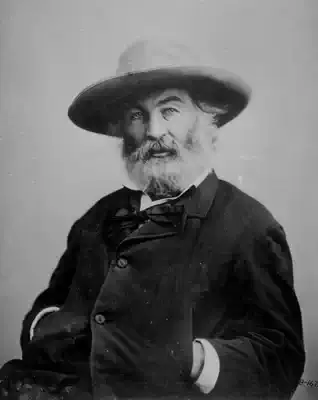
Walt Whitman
To Thee, Old Cause!
To Thee, Old Cause!
TO thee, old Cause!
Thou peerless, passionate, good cause!
Thou stern, remorseless, sweet Idea!
Deathless throughout the ages, races, lands!
After a strange, sad war--great war for thee,
(I think all war through time was really fought, and ever will be
really fought, for thee;)
These chants for thee--the eternal march of thee.
Thou orb of many orbs!
Thou seething principle! Thou well-kept, latent germ! Thou centre!
Around the idea of thee the strange sad war revolving, 10
With all its angry and vehement play of causes,
(With yet unknown results to come, for thrice a thousand years,)
These recitatives for thee--my Book and the War are one,
Merged in its spirit I and mine--as the contest hinged on thee,
As a wheel on its axis turns, this Book, unwitting to itself,
Around the Idea of thee.
TO thee, old Cause!
Thou peerless, passionate, good cause!
Thou stern, remorseless, sweet Idea!
Deathless throughout the ages, races, lands!
After a strange, sad war--great war for thee,
(I think all war through time was really fought, and ever will be
really fought, for thee;)
These chants for thee--the eternal march of thee.
Thou orb of many orbs!
Thou seething principle! Thou well-kept, latent germ! Thou centre!
Around the idea of thee the strange sad war revolving, 10
With all its angry and vehement play of causes,
(With yet unknown results to come, for thrice a thousand years,)
These recitatives for thee--my Book and the War are one,
Merged in its spirit I and mine--as the contest hinged on thee,
As a wheel on its axis turns, this Book, unwitting to itself,
Around the Idea of thee.
402
Walt Whitman
To The Leaven'd Soil They Trod
To The Leaven'd Soil They Trod
TO the leaven'd soil they trod, calling, I sing, for the last;
(Not cities, nor man alone, nor war, nor the dead,
But forth from my tent emerging for good--loosing, untying the tent
ropes;)
In the freshness, the forenoon air, in the far-stretching circuits
and vistas, again to peace restored,
To the fiery fields emanative, and the endless vistas beyond--to the
south and the north;
To the leaven'd soil of the general western world, to attest my
songs,
(To the average earth, the wordless earth, witness of war and peace,)
To the Alleghanian hills, and the tireless Mississippi,
To the rocks I, calling, sing, and all the trees in the woods,
To the plain of the poems of heroes, to the prairie spreading
wide, 10
To the far-off sea, and the unseen winds, and the same impalpable
air;
... And responding, they answer all, (but not in words,)
The average earth, the witness of war and peace, acknowledges mutely;
The prairie draws me close, as the father, to bosom broad, the son;
The Northern ice and rain, that began me, nourish me to the end;
But the hot sun of the South is to ripen my songs.
TO the leaven'd soil they trod, calling, I sing, for the last;
(Not cities, nor man alone, nor war, nor the dead,
But forth from my tent emerging for good--loosing, untying the tent
ropes;)
In the freshness, the forenoon air, in the far-stretching circuits
and vistas, again to peace restored,
To the fiery fields emanative, and the endless vistas beyond--to the
south and the north;
To the leaven'd soil of the general western world, to attest my
songs,
(To the average earth, the wordless earth, witness of war and peace,)
To the Alleghanian hills, and the tireless Mississippi,
To the rocks I, calling, sing, and all the trees in the woods,
To the plain of the poems of heroes, to the prairie spreading
wide, 10
To the far-off sea, and the unseen winds, and the same impalpable
air;
... And responding, they answer all, (but not in words,)
The average earth, the witness of war and peace, acknowledges mutely;
The prairie draws me close, as the father, to bosom broad, the son;
The Northern ice and rain, that began me, nourish me to the end;
But the hot sun of the South is to ripen my songs.
419
Walt Whitman
The Wound Dresser
The Wound Dresser
1
AN old man bending, I come, among new faces,
Years looking backward, resuming, in answer to children,
Come tell us, old man, as from young men and maidens that love me;
(Arous'd and angry, I'd thought to beat the alarum, and urge relentless war,
but soon my fingers fail'd me, my face droop'd and I resign'd myself,
To sit by the wounded and soothe them, or silently watch the dead
Years hence of these scenes, of these furious passions, these chances,
Of unsurpass’d heroes, (was one side so brave? the other was equally brave
Now be witness again—paint the mightiest armies of earth;
Of those armies so rapid, so wondrous, what saw you to tell us?
What stays with you latest and deepest? of curious panics,
Of hard-fought engagements, or sieges tremendous, what deepest remains?
2
O maidens and young men I love, and that love me,
What you ask of my days, those the strangest and sudden your talking recalls;
Soldier alert I arrive, after a long march, cover’d with sweat and dust;
In the nick of time I come, plunge in the fight, loudly shout in the rush of successful
charge;
Enter the captur’d works.... yet lo! like a swift-running river, they fade;
Pass and are gone, they fade—I dwell not on soldiers’ perils or soldiers’ joys;
(Both I remember well—many the hardships, few the joys, yet I was content.)
But in silence, in dreams’ projections,
While the world of gain and appearance and mirth goes on,
So soon what is over forgotten, and waves wash the imprints off the sand,
With hinged knees returning, I enter the doors—(while for you up there,
Whoever you are, follow me without noise, and be of strong heart.)
3
Bearing the bandages, water and sponge,
Straight and swift to my wounded I go,
Where they lie on the ground, after the battle brought in;
Where their priceless blood reddens the grass, the ground;
Or to the rows of the hospital tent, or under the roof’d hospital;
To the long rows of cots, up and down, each side, I return;
To each and all, one after another, I draw near—not one do I miss;
An attendant follows, holding a tray—he carries a refuse pail,
Soon to be fill’d with clotted rags and blood, emptied and fill’d again.
I onward go, I stop,
With hinged knees and steady hand, to dress wounds;
I am firm with each—the pangs are sharp, yet unavoidable;
One turns to me his appealing eyes—(poor boy! I never knew you,
Yet I think I could not refuse this moment to die for you, if that would save you.)
On, on I go!—(open doors of time! open hospital doors!)
The crush’d head I dress, (poor crazed hand, tear not the bandage away
The neck of the cavalry-man, with the bullet through and through, I examine;
Hard the breathing rattles, quite glazed already the eye, yet life struggles hard;
(Come, sweet death! be persuaded, O beautiful death!
In mercy come quickly.)
From the stump of the arm, the amputated hand,
I undo the clotted lint, remove the slough, wash off the matter and blood;
Back on his pillow the soldier bends, with curv’d neck, and side-falling head;
His eyes are closed, his face is pale, he dares not look on the bloody stump,
And has not yet look’d on it.
I dress a wound in the side, deep, deep;
But a day or two more—for see, the frame all wasted already, and sinking,
And the yellow-blue countenance see.
I dress the perforated shoulder, the foot with the bullet wound,
Cleanse the one with a gnawing and putrid gangrene, so sickening, so offensive,
While the attendant stands behind aside me, holding the tray and pail.
I am faithful, I do not give out;
The fractur’d thigh, the knee, the wound in the abdomen,
These and more I dress with impassive hand, (yet deep in my breast a fire, a burning
flame.)
4
Thus in silence, in dreams’ projections,
Returning, resuming, I thread my way through the hospitals;
The hurt and wounded I pacify with soothing hand,
I sit by the restless all the dark night—some are so young;
Some suffer so much—I recall the experience sweet and sad;
(Many a soldier’s loving arms about this neck have cross’d and rested,
Many a soldier’s kiss dwells on these bearded lips.)
1
AN old man bending, I come, among new faces,
Years looking backward, resuming, in answer to children,
Come tell us, old man, as from young men and maidens that love me;
(Arous'd and angry, I'd thought to beat the alarum, and urge relentless war,
but soon my fingers fail'd me, my face droop'd and I resign'd myself,
To sit by the wounded and soothe them, or silently watch the dead
Years hence of these scenes, of these furious passions, these chances,
Of unsurpass’d heroes, (was one side so brave? the other was equally brave
Now be witness again—paint the mightiest armies of earth;
Of those armies so rapid, so wondrous, what saw you to tell us?
What stays with you latest and deepest? of curious panics,
Of hard-fought engagements, or sieges tremendous, what deepest remains?
2
O maidens and young men I love, and that love me,
What you ask of my days, those the strangest and sudden your talking recalls;
Soldier alert I arrive, after a long march, cover’d with sweat and dust;
In the nick of time I come, plunge in the fight, loudly shout in the rush of successful
charge;
Enter the captur’d works.... yet lo! like a swift-running river, they fade;
Pass and are gone, they fade—I dwell not on soldiers’ perils or soldiers’ joys;
(Both I remember well—many the hardships, few the joys, yet I was content.)
But in silence, in dreams’ projections,
While the world of gain and appearance and mirth goes on,
So soon what is over forgotten, and waves wash the imprints off the sand,
With hinged knees returning, I enter the doors—(while for you up there,
Whoever you are, follow me without noise, and be of strong heart.)
3
Bearing the bandages, water and sponge,
Straight and swift to my wounded I go,
Where they lie on the ground, after the battle brought in;
Where their priceless blood reddens the grass, the ground;
Or to the rows of the hospital tent, or under the roof’d hospital;
To the long rows of cots, up and down, each side, I return;
To each and all, one after another, I draw near—not one do I miss;
An attendant follows, holding a tray—he carries a refuse pail,
Soon to be fill’d with clotted rags and blood, emptied and fill’d again.
I onward go, I stop,
With hinged knees and steady hand, to dress wounds;
I am firm with each—the pangs are sharp, yet unavoidable;
One turns to me his appealing eyes—(poor boy! I never knew you,
Yet I think I could not refuse this moment to die for you, if that would save you.)
On, on I go!—(open doors of time! open hospital doors!)
The crush’d head I dress, (poor crazed hand, tear not the bandage away
The neck of the cavalry-man, with the bullet through and through, I examine;
Hard the breathing rattles, quite glazed already the eye, yet life struggles hard;
(Come, sweet death! be persuaded, O beautiful death!
In mercy come quickly.)
From the stump of the arm, the amputated hand,
I undo the clotted lint, remove the slough, wash off the matter and blood;
Back on his pillow the soldier bends, with curv’d neck, and side-falling head;
His eyes are closed, his face is pale, he dares not look on the bloody stump,
And has not yet look’d on it.
I dress a wound in the side, deep, deep;
But a day or two more—for see, the frame all wasted already, and sinking,
And the yellow-blue countenance see.
I dress the perforated shoulder, the foot with the bullet wound,
Cleanse the one with a gnawing and putrid gangrene, so sickening, so offensive,
While the attendant stands behind aside me, holding the tray and pail.
I am faithful, I do not give out;
The fractur’d thigh, the knee, the wound in the abdomen,
These and more I dress with impassive hand, (yet deep in my breast a fire, a burning
flame.)
4
Thus in silence, in dreams’ projections,
Returning, resuming, I thread my way through the hospitals;
The hurt and wounded I pacify with soothing hand,
I sit by the restless all the dark night—some are so young;
Some suffer so much—I recall the experience sweet and sad;
(Many a soldier’s loving arms about this neck have cross’d and rested,
Many a soldier’s kiss dwells on these bearded lips.)
645
Walt Whitman
The Centerarian's Story
The Centerarian's Story
GIVE me your hand, old Revolutionary;
The hill-top is nigh--but a few steps, (make room, gentlemen;)
Up the path you have follow'd me well, spite of your hundred and
extra years;
You can walk, old man, though your eyes are almost done;
Your faculties serve you, and presently I must have them serve me.
Rest, while I tell what the crowd around us means;
On the plain below, recruits are drilling and exercising;
There is the camp--one regiment departs to-morrow;
Do you hear the officers giving the orders?
Do you hear the clank of the muskets? 10
Why, what comes over you now, old man?
Why do you tremble, and clutch my hand so convulsively?
The troops are but drilling--they are yet surrounded with smiles;
Around them, at hand, the well-drest friends, and the women;
While splendid and warm the afternoon sun shines down;
Green the midsummer verdure, and fresh blows the dallying breeze,
O'er proud and peaceful cities, and arm of the sea between.
But drill and parade are over--they march back to quarters;
Only hear that approval of hands! hear what a clapping!
As wending, the crowds now part and disperse--but we, old man, 20
Not for nothing have I brought you hither--we must remain;
You to speak in your turn, and I to listen and tell.
THE CENTENARIAN.
When I clutch'd your hand, it was not with terror;
But suddenly, pouring about me here, on every side,
And below there where the boys were drilling, and up the slopes they
ran,
And where tents are pitch'd, and wherever you see, south and south
east and south-west,
Over hills, across lowlands, and in the skirts of woods,
And along the shores, in mire (now fill'd over), came again, and
suddenly raged,
As eighty-five years agone, no mere parade receiv'd with applause of
friends,
But a battle, which I took part in myself--aye, long ago as it is, I
took part in it, 30
Walking then this hill-top, this same ground.
Aye, this is the ground;
My blind eyes, even as I speak, behold it re-peopled from graves;
The years recede, pavements and stately houses disappear;
Rude forts appear again, the old hoop'd guns are mounted;
I see the lines of rais'd earth stretching from river to bay;
I mark the vista of waters, I mark the uplands and slopes:
Here we lay encamp'd--it was this time in summer also.
As I talk, I remember all--I remember the Declaration;
It was read here--the whole army paraded--it was read to us here; 40
By his staff surrounded, the General stood in the middle--he held up
his unsheath'd sword,
It glitter'd in the sun in full sight of the army.
'Twas a bold act then;
The English war-ships had just arrived--the king had sent them from
over the sea;
We could watch down the lower bay where they lay at anchor,
And the transports, swarming with soldiers.
A few days more, and they landed--and then the battle.
Twenty thousand were brought against us,
A veteran force, furnish'd with good artillery.
I tell not now the whole of the battle; 50
But one brigade, early in the forenoon, order'd forward to engage the
red-coats;
Of that brigade I tell, and how steadily it march'd,
And how long and how well it stood, confronting death.
Who do you think that was, marching steadily, sternly confronting
death?
It was the brigade of the youngest men, two thousand strong,
Rais'd in Virginia and Maryland, and many of them known personally to
the General.
Jauntily forward they went with quick step toward Gowanus' waters;
Till of a sudden, unlook'd for, by defiles through the woods, gain'd
at night,
The British advancing, wedging in from the east, fiercely playing
their guns,
That brigade of the youngest was cut off, and at the enemy's
mercy. 60
The General watch'd them from this hill;
They made repeated desperate attempts to burst their environment;
Then drew close together, very compact, their flag flying in the
middle;
But O from the hills how the cannon were thinning and thinning them!
It sickens me yet, that slaughter!
I saw the moisture gather in drops on the face of the General;
I saw how he wrung his hands in anguish.
Meanwhile the British maneuver'd to draw us out for a pitch'd battle;
But we dared not trust the chances of a pitch'd battle.
We fought the fight in detachments; 70
Sallying forth, we fought at several points--but in each the luck was
against us;
Our foe advancing, steadily getting the best of it, push'd us back to
the works on this hill;
Till we turn'd, menacing, here, and then he left us.
That was the going out of the brigade of the youngest men, two
thousand strong;
Few return'd--nearly all remain in Brooklyn.
That, and here, my General's first battle;
No women looking on, nor sunshine to bask in--it did not conclude
with applause;
Nobody clapp'd hands here then.
But in darkness, in mist, on the ground, under a chill rain,
Wearied that night we lay, foil'd and sullen; 80
While scornfully laugh'd many an arrogant lord, off against us
encamp'd,
Quite within hearing, feasting, klinking wine-glasses together over
their victory.
So, dull and damp, and another day;
But the night of that, mist lifting, rain ceasing,
Silent as a ghost, while they thought they were sure of him, my
General retreated.
I saw him at the river-side,
Down by the ferry, lit by torches, hastening the embarcation;
My General waited till the soldiers and wounded were all pass'd over;
And then, (it was just ere sunrise,) these eyes rested on him for the
last time.
Every one else seem'd fill'd with gloom; 90
Many no doubt thought of capitulation.
But when my General pass'd me,
As he stood in his boat, and look'd toward the coming sun,
I saw something different from capitulation.
TERMINUS.
Enough--the Centenarian's story ends;
The two, the past and present, have interchanged;
I myself, as connecter, as chansonnier of a great future, am now
speaking.
And is this the ground Washington trod?
And these waters I listlessly daily cross, are these the waters he
cross'd,
As resolute in defeat, as other generals in their proudest
triumphs? 100
It is well--a lesson like that, always comes good;
I must copy the story, and send it eastward and westward;
I must preserve that look, as it beam'd on you, rivers of Brooklyn.
See! as the annual round returns, the phantoms return;
It is the 27th of August, and the British have landed;
The battle begins, and goes against us--behold! through the smoke,
Washington's face;
The brigade of Virginia and Maryland have march'd forth to intercept
the enemy;
They are cut off--murderous artillery from the hills plays upon them;
Rank after rank falls, while over them silently droops the flag,
Baptized that day in many a young man's bloody wounds, 110
In death, defeat, and sisters', mothers' tears.
Ah, hills and slopes of Brooklyn! I perceive you are more valuable
than your owners supposed;
Ah, river! henceforth you will be illumin'd to me at sunrise with
something besides the sun.
Encampments new! in the midst of you stands an encampment very old;
Stands forever the camp of the dead brigade.
GIVE me your hand, old Revolutionary;
The hill-top is nigh--but a few steps, (make room, gentlemen;)
Up the path you have follow'd me well, spite of your hundred and
extra years;
You can walk, old man, though your eyes are almost done;
Your faculties serve you, and presently I must have them serve me.
Rest, while I tell what the crowd around us means;
On the plain below, recruits are drilling and exercising;
There is the camp--one regiment departs to-morrow;
Do you hear the officers giving the orders?
Do you hear the clank of the muskets? 10
Why, what comes over you now, old man?
Why do you tremble, and clutch my hand so convulsively?
The troops are but drilling--they are yet surrounded with smiles;
Around them, at hand, the well-drest friends, and the women;
While splendid and warm the afternoon sun shines down;
Green the midsummer verdure, and fresh blows the dallying breeze,
O'er proud and peaceful cities, and arm of the sea between.
But drill and parade are over--they march back to quarters;
Only hear that approval of hands! hear what a clapping!
As wending, the crowds now part and disperse--but we, old man, 20
Not for nothing have I brought you hither--we must remain;
You to speak in your turn, and I to listen and tell.
THE CENTENARIAN.
When I clutch'd your hand, it was not with terror;
But suddenly, pouring about me here, on every side,
And below there where the boys were drilling, and up the slopes they
ran,
And where tents are pitch'd, and wherever you see, south and south
east and south-west,
Over hills, across lowlands, and in the skirts of woods,
And along the shores, in mire (now fill'd over), came again, and
suddenly raged,
As eighty-five years agone, no mere parade receiv'd with applause of
friends,
But a battle, which I took part in myself--aye, long ago as it is, I
took part in it, 30
Walking then this hill-top, this same ground.
Aye, this is the ground;
My blind eyes, even as I speak, behold it re-peopled from graves;
The years recede, pavements and stately houses disappear;
Rude forts appear again, the old hoop'd guns are mounted;
I see the lines of rais'd earth stretching from river to bay;
I mark the vista of waters, I mark the uplands and slopes:
Here we lay encamp'd--it was this time in summer also.
As I talk, I remember all--I remember the Declaration;
It was read here--the whole army paraded--it was read to us here; 40
By his staff surrounded, the General stood in the middle--he held up
his unsheath'd sword,
It glitter'd in the sun in full sight of the army.
'Twas a bold act then;
The English war-ships had just arrived--the king had sent them from
over the sea;
We could watch down the lower bay where they lay at anchor,
And the transports, swarming with soldiers.
A few days more, and they landed--and then the battle.
Twenty thousand were brought against us,
A veteran force, furnish'd with good artillery.
I tell not now the whole of the battle; 50
But one brigade, early in the forenoon, order'd forward to engage the
red-coats;
Of that brigade I tell, and how steadily it march'd,
And how long and how well it stood, confronting death.
Who do you think that was, marching steadily, sternly confronting
death?
It was the brigade of the youngest men, two thousand strong,
Rais'd in Virginia and Maryland, and many of them known personally to
the General.
Jauntily forward they went with quick step toward Gowanus' waters;
Till of a sudden, unlook'd for, by defiles through the woods, gain'd
at night,
The British advancing, wedging in from the east, fiercely playing
their guns,
That brigade of the youngest was cut off, and at the enemy's
mercy. 60
The General watch'd them from this hill;
They made repeated desperate attempts to burst their environment;
Then drew close together, very compact, their flag flying in the
middle;
But O from the hills how the cannon were thinning and thinning them!
It sickens me yet, that slaughter!
I saw the moisture gather in drops on the face of the General;
I saw how he wrung his hands in anguish.
Meanwhile the British maneuver'd to draw us out for a pitch'd battle;
But we dared not trust the chances of a pitch'd battle.
We fought the fight in detachments; 70
Sallying forth, we fought at several points--but in each the luck was
against us;
Our foe advancing, steadily getting the best of it, push'd us back to
the works on this hill;
Till we turn'd, menacing, here, and then he left us.
That was the going out of the brigade of the youngest men, two
thousand strong;
Few return'd--nearly all remain in Brooklyn.
That, and here, my General's first battle;
No women looking on, nor sunshine to bask in--it did not conclude
with applause;
Nobody clapp'd hands here then.
But in darkness, in mist, on the ground, under a chill rain,
Wearied that night we lay, foil'd and sullen; 80
While scornfully laugh'd many an arrogant lord, off against us
encamp'd,
Quite within hearing, feasting, klinking wine-glasses together over
their victory.
So, dull and damp, and another day;
But the night of that, mist lifting, rain ceasing,
Silent as a ghost, while they thought they were sure of him, my
General retreated.
I saw him at the river-side,
Down by the ferry, lit by torches, hastening the embarcation;
My General waited till the soldiers and wounded were all pass'd over;
And then, (it was just ere sunrise,) these eyes rested on him for the
last time.
Every one else seem'd fill'd with gloom; 90
Many no doubt thought of capitulation.
But when my General pass'd me,
As he stood in his boat, and look'd toward the coming sun,
I saw something different from capitulation.
TERMINUS.
Enough--the Centenarian's story ends;
The two, the past and present, have interchanged;
I myself, as connecter, as chansonnier of a great future, am now
speaking.
And is this the ground Washington trod?
And these waters I listlessly daily cross, are these the waters he
cross'd,
As resolute in defeat, as other generals in their proudest
triumphs? 100
It is well--a lesson like that, always comes good;
I must copy the story, and send it eastward and westward;
I must preserve that look, as it beam'd on you, rivers of Brooklyn.
See! as the annual round returns, the phantoms return;
It is the 27th of August, and the British have landed;
The battle begins, and goes against us--behold! through the smoke,
Washington's face;
The brigade of Virginia and Maryland have march'd forth to intercept
the enemy;
They are cut off--murderous artillery from the hills plays upon them;
Rank after rank falls, while over them silently droops the flag,
Baptized that day in many a young man's bloody wounds, 110
In death, defeat, and sisters', mothers' tears.
Ah, hills and slopes of Brooklyn! I perceive you are more valuable
than your owners supposed;
Ah, river! henceforth you will be illumin'd to me at sunrise with
something besides the sun.
Encampments new! in the midst of you stands an encampment very old;
Stands forever the camp of the dead brigade.
472
Walt Whitman
The Artilleryman's Vision
The Artilleryman's Vision
WHILE my wife at my side lies slumbering, and the wars are over long,
And my head on the pillow rests at home, and the vacant midnight
passes,
And through the stillness, through the dark, I hear, just hear, the
breath of my infant,
There in the room, as I wake from sleep, this vision presses upon me:
The engagement opens there and then, in fantasy unreal;
The skirmishers begin--they crawl cautiously ahead--I hear the
irregular snap! snap!
I hear the sounds of the different missiles--the short t-h-t! t-h-t!
of the rifle balls;
I see the shells exploding, leaving small white clouds--I hear the
great shells shrieking as they pass;
The grape, like the hum and whirr of wind through the trees, (quick,
tumultuous, now the contest rages!)
All the scenes at the batteries themselves rise in detail before me
again; 10
The crashing and smoking--the pride of the men in their pieces;
The chief gunner ranges and sights his piece, and selects a fuse of
the right time;
After firing, I see him lean aside, and look eagerly off to note the
effect;
--Elsewhere I hear the cry of a regiment charging--(the young colonel
leads himself this time, with brandish'd sword;)
I see the gaps cut by the enemy's volleys, (quickly fill'd up, no
delay;)
I breathe the suffocating smoke--then the flat clouds hover low,
concealing all;
Now a strange lull comes for a few seconds, not a shot fired on
either side;
Then resumed, the chaos louder than ever, with eager calls, and
orders of officers;
While from some distant part of the field the wind wafts to my ears a
shout of applause, (some special success;)
And ever the sound of the cannon, far or near, (rousing, even in
dreams, a devilish exultation, and all the old mad joy, in the
depths of my soul;) 20
And ever the hastening of infantry shifting positions--batteries,
cavalry, moving hither and thither;
(The falling, dying, I heed not--the wounded, dripping and red, I
heed not--some to the rear are hobbling;)
Grime, heat, rush--aid-de-camps galloping by, or on a full run;
With the patter of small arms, the warning s-s-t of the rifles,
(these in my vision I hear or see,)
And bombs busting in air, and at night the vari-color'd rockets.
WHILE my wife at my side lies slumbering, and the wars are over long,
And my head on the pillow rests at home, and the vacant midnight
passes,
And through the stillness, through the dark, I hear, just hear, the
breath of my infant,
There in the room, as I wake from sleep, this vision presses upon me:
The engagement opens there and then, in fantasy unreal;
The skirmishers begin--they crawl cautiously ahead--I hear the
irregular snap! snap!
I hear the sounds of the different missiles--the short t-h-t! t-h-t!
of the rifle balls;
I see the shells exploding, leaving small white clouds--I hear the
great shells shrieking as they pass;
The grape, like the hum and whirr of wind through the trees, (quick,
tumultuous, now the contest rages!)
All the scenes at the batteries themselves rise in detail before me
again; 10
The crashing and smoking--the pride of the men in their pieces;
The chief gunner ranges and sights his piece, and selects a fuse of
the right time;
After firing, I see him lean aside, and look eagerly off to note the
effect;
--Elsewhere I hear the cry of a regiment charging--(the young colonel
leads himself this time, with brandish'd sword;)
I see the gaps cut by the enemy's volleys, (quickly fill'd up, no
delay;)
I breathe the suffocating smoke--then the flat clouds hover low,
concealing all;
Now a strange lull comes for a few seconds, not a shot fired on
either side;
Then resumed, the chaos louder than ever, with eager calls, and
orders of officers;
While from some distant part of the field the wind wafts to my ears a
shout of applause, (some special success;)
And ever the sound of the cannon, far or near, (rousing, even in
dreams, a devilish exultation, and all the old mad joy, in the
depths of my soul;) 20
And ever the hastening of infantry shifting positions--batteries,
cavalry, moving hither and thither;
(The falling, dying, I heed not--the wounded, dripping and red, I
heed not--some to the rear are hobbling;)
Grime, heat, rush--aid-de-camps galloping by, or on a full run;
With the patter of small arms, the warning s-s-t of the rifles,
(these in my vision I hear or see,)
And bombs busting in air, and at night the vari-color'd rockets.
463