

Poems in this topic
Memories and Recollections

Claude Mckay
The Spanish Needle
The Spanish Needle
Lovely dainty Spanish needle
With your yellow flower and white,
Dew bedecked and softly sleeping,
Do you think of me to-night?
Shadowed by the spreading mango,
Nodding o'er the rippling stream,
Tell me, dear plant of my childhood,
Do you of the exile dream?
Do you see me by the brook's side
Catching crayfish 'neath the stone,
As you did the day you whispered:
Leave the harmless dears alone?
Do you see me in the meadow
Coming from the woodland spring
With a bamboo on my shoulder
And a pail slung from a string?
Do you see me all expectant
Lying in an orange grove,
While the swee-swees sing above me,
Waiting for my elf-eyed love?
Lovely dainty Spanish needle,
Source to me of sweet delight,
In your far-off sunny southland
Do you dream of me to-night?
Lovely dainty Spanish needle
With your yellow flower and white,
Dew bedecked and softly sleeping,
Do you think of me to-night?
Shadowed by the spreading mango,
Nodding o'er the rippling stream,
Tell me, dear plant of my childhood,
Do you of the exile dream?
Do you see me by the brook's side
Catching crayfish 'neath the stone,
As you did the day you whispered:
Leave the harmless dears alone?
Do you see me in the meadow
Coming from the woodland spring
With a bamboo on my shoulder
And a pail slung from a string?
Do you see me all expectant
Lying in an orange grove,
While the swee-swees sing above me,
Waiting for my elf-eyed love?
Lovely dainty Spanish needle,
Source to me of sweet delight,
In your far-off sunny southland
Do you dream of me to-night?
435
Claude Mckay
Memorial
Memorial
Your body was a sacred cell always,
A jewel that grew dull in garish light,
An opal which beneath my wondering gaze
Gleamed rarely, softly throbbing in the night.
I touched your flesh with reverential hands,
For you were sweet and timid like a flower
That blossoms out of barren tropic sands,
Shedding its perfume in one golden hour.
You yielded to my touch with gentle grace,
And though my passion was a mighty wave
That buried you beneath its strong embrace,
You were yet happy in the moment's grave.
Still more than passion consummate to me,
More than the nuptials immemorial sung,
Was the warm thrill that melted me to see
Your clean brown body, beautiful and young;
The joy in your maturity at length,
The peace that filled my soul like cooling wine,
When you responded to my tender strength,
And pressed your heart exulting into mine.
How shall I with such memories of you
In coarser forms of love fruition find?
No, I would rather like a ghost pursue
The fairy phantoms of my lonely mind.
Your body was a sacred cell always,
A jewel that grew dull in garish light,
An opal which beneath my wondering gaze
Gleamed rarely, softly throbbing in the night.
I touched your flesh with reverential hands,
For you were sweet and timid like a flower
That blossoms out of barren tropic sands,
Shedding its perfume in one golden hour.
You yielded to my touch with gentle grace,
And though my passion was a mighty wave
That buried you beneath its strong embrace,
You were yet happy in the moment's grave.
Still more than passion consummate to me,
More than the nuptials immemorial sung,
Was the warm thrill that melted me to see
Your clean brown body, beautiful and young;
The joy in your maturity at length,
The peace that filled my soul like cooling wine,
When you responded to my tender strength,
And pressed your heart exulting into mine.
How shall I with such memories of you
In coarser forms of love fruition find?
No, I would rather like a ghost pursue
The fairy phantoms of my lonely mind.
384
Claude Mckay
I Shall Return
I Shall Return
I shall return again; I shall return
To laugh and love and watch with wonder-eyes
At golden noon the forest fires burn,
Wafting their blue-black smoke to sapphire skies.
I shall return to loiter by the streams
That bathe the brown blades of the bending grasses,
And realize once more my thousand dreams
Of waters rushing down the mountain passes.
I shall return to hear the fiddle and fife
Of village dances, dear delicious tunes
That stir the hidden depths of native life,
Stray melodies of dim remembered runes.
I shall return, I shall return again,
To ease my mind of long, long years of pain.
I shall return again; I shall return
To laugh and love and watch with wonder-eyes
At golden noon the forest fires burn,
Wafting their blue-black smoke to sapphire skies.
I shall return to loiter by the streams
That bathe the brown blades of the bending grasses,
And realize once more my thousand dreams
Of waters rushing down the mountain passes.
I shall return to hear the fiddle and fife
Of village dances, dear delicious tunes
That stir the hidden depths of native life,
Stray melodies of dim remembered runes.
I shall return, I shall return again,
To ease my mind of long, long years of pain.
399
Claude Mckay
Heritage
Heritage
Now the dead past seems vividly alive,
And in this shining moment I can trace,
Down through the vista of the vanished years,
Your faun-like form, your fond elusive face.
And suddenly some secret spring's released,
And unawares a riddle is revealed,
And I can read like large, black-lettered print,
What seemed before a thing forever sealed.
I know the magic word, the graceful thought,
The song that fills me in my lucid hours,
The spirit's wine that thrills my body through,
And makes me music-drunk, are yours, all yours.
I cannot praise, for you have passed from praise,
I have no tinted thoughts to paint you true;
But I can feel and I can write the word;
The best of me is but the least of you.
Now the dead past seems vividly alive,
And in this shining moment I can trace,
Down through the vista of the vanished years,
Your faun-like form, your fond elusive face.
And suddenly some secret spring's released,
And unawares a riddle is revealed,
And I can read like large, black-lettered print,
What seemed before a thing forever sealed.
I know the magic word, the graceful thought,
The song that fills me in my lucid hours,
The spirit's wine that thrills my body through,
And makes me music-drunk, are yours, all yours.
I cannot praise, for you have passed from praise,
I have no tinted thoughts to paint you true;
But I can feel and I can write the word;
The best of me is but the least of you.
372
Claude Mckay
Flame-Heart
Flame-Heart
So much have I forgotten in ten years,
So much in ten brief years! I have forgot
What time the purple apples come to juice,
And what month brings the shy forget-me-not.
I have forgot the special, startling season
Of the pimento's flowering and fruiting;
What time of year the ground doves brown the fields
And fill the noonday with their curious fluting.
I have forgotten much, but still remember
The poinsettia's red, blood-red in warm December.
I still recall the honey-fever grass,
But cannot recollect the high days when
We rooted them out of the ping-wing path
To stop the mad bees in the rabbit pen.
I often try to think in what sweet month
The languid painted ladies used to dapple
The yellow by-road mazing from the main,
Sweet with the golden threads of the rose-apple.
I have forgotten--strange--but quite remember
The poinsettia's red, blood-red in warm December.
What weeks, what months, what time of the mild year
We cheated school to have our fling at tops?
What days our wine-thrilled bodies pulsed with joy
Feasting upon blackberries in the copse?
Oh some I know! I have embalmed the days,
Even the sacred moments when we played,
All innocent of passion, uncorrupt,
At noon and evening in the flame-heart's shade.
We were so happy, happy, I remember,
Beneath the poinsettia's red in warm December.
So much have I forgotten in ten years,
So much in ten brief years! I have forgot
What time the purple apples come to juice,
And what month brings the shy forget-me-not.
I have forgot the special, startling season
Of the pimento's flowering and fruiting;
What time of year the ground doves brown the fields
And fill the noonday with their curious fluting.
I have forgotten much, but still remember
The poinsettia's red, blood-red in warm December.
I still recall the honey-fever grass,
But cannot recollect the high days when
We rooted them out of the ping-wing path
To stop the mad bees in the rabbit pen.
I often try to think in what sweet month
The languid painted ladies used to dapple
The yellow by-road mazing from the main,
Sweet with the golden threads of the rose-apple.
I have forgotten--strange--but quite remember
The poinsettia's red, blood-red in warm December.
What weeks, what months, what time of the mild year
We cheated school to have our fling at tops?
What days our wine-thrilled bodies pulsed with joy
Feasting upon blackberries in the copse?
Oh some I know! I have embalmed the days,
Even the sacred moments when we played,
All innocent of passion, uncorrupt,
At noon and evening in the flame-heart's shade.
We were so happy, happy, I remember,
Beneath the poinsettia's red in warm December.
415
Claude Mckay
Commemoration
Commemoration
When first your glory shone upon my face
My body kindled to a mighty flame,
And burnt you yielding in my hot embrace
Until you swooned to love, breathing my name.
And wonder came and filled our night of sleep,
Like a new comet crimsoning the sky;
And stillness like the stillness of the deep
Suspended lay as an unuttered sigh.
I never again shall feel your warm heart flushed,
Panting with passion, naked unto mine,
Until the throbbing world around is hushed
To quiet worship at our scented shrine.
Nor will your glory seek my swarthy face,
To kindle and to change my jaded frame
Into a miracle of godlike grace,
Transfigured, bathed in your immortal flame.
When first your glory shone upon my face
My body kindled to a mighty flame,
And burnt you yielding in my hot embrace
Until you swooned to love, breathing my name.
And wonder came and filled our night of sleep,
Like a new comet crimsoning the sky;
And stillness like the stillness of the deep
Suspended lay as an unuttered sigh.
I never again shall feel your warm heart flushed,
Panting with passion, naked unto mine,
Until the throbbing world around is hushed
To quiet worship at our scented shrine.
Nor will your glory seek my swarthy face,
To kindle and to change my jaded frame
Into a miracle of godlike grace,
Transfigured, bathed in your immortal flame.
400

Christina Rossetti
When I am dead, my dearest
When I am dead, my dearest
When I am dead, my dearest,
Sing no sad songs for me;
Plant thou no roses at my head,
Nor shady cypress tree:
Be the green grass above me
With showers and dewdrops wet;
And if thou wilt, remember,
And if thou wilt, forget.
I shall not see the shadows,
I shall not feel the rain;
I shall not hear the nightingale
Sing on, as if in pain:
And dreaming through the twilight
That doth not rise nor set,
Haply I may remember,
And haply may forget.
When I am dead, my dearest,
Sing no sad songs for me;
Plant thou no roses at my head,
Nor shady cypress tree:
Be the green grass above me
With showers and dewdrops wet;
And if thou wilt, remember,
And if thou wilt, forget.
I shall not see the shadows,
I shall not feel the rain;
I shall not hear the nightingale
Sing on, as if in pain:
And dreaming through the twilight
That doth not rise nor set,
Haply I may remember,
And haply may forget.
476
Christina Rossetti
The First Day
The First Day
I wish I could remember the first day,
First hour, first moment of your meeting me;
If bright or dim the season, it might be
Summer or winter for aught I can say.
So unrecorded did it slip away,
So blind was I to see and to foresee,
So dull to mark the budding of my tree
That would not blossom yet for many a May.
If only I could recollect it! Such
A day of days! I let it come and go
As traceless as a thaw of bygone snow.
It seemed to mean so little, meant so much!
If only now I could recall that touch,
First touch of hand in hand! - Did one but know!
I wish I could remember the first day,
First hour, first moment of your meeting me;
If bright or dim the season, it might be
Summer or winter for aught I can say.
So unrecorded did it slip away,
So blind was I to see and to foresee,
So dull to mark the budding of my tree
That would not blossom yet for many a May.
If only I could recollect it! Such
A day of days! I let it come and go
As traceless as a thaw of bygone snow.
It seemed to mean so little, meant so much!
If only now I could recall that touch,
First touch of hand in hand! - Did one but know!
263
Christina Rossetti
Remember
Remember
Remember me when I am gone away,
Gone far away into the silent land;
When you can no more hold me by the hand,
Nor I half turn to go yet turning stay.
Remember me when no more day by day
You tell me of our future that you plann'd:
Only remember me; you understand
It will be late to counsel then or pray.
Yet if you should forget me for a while
And afterwards remember, do not grieve:
For if the darkness and corruption leave
A vestige of the thoughts that once I had,
Better by far you should forget and smile
Than that you should remember and be sad.
Remember me when I am gone away,
Gone far away into the silent land;
When you can no more hold me by the hand,
Nor I half turn to go yet turning stay.
Remember me when no more day by day
You tell me of our future that you plann'd:
Only remember me; you understand
It will be late to counsel then or pray.
Yet if you should forget me for a while
And afterwards remember, do not grieve:
For if the darkness and corruption leave
A vestige of the thoughts that once I had,
Better by far you should forget and smile
Than that you should remember and be sad.
223
Christina Rossetti
Requiem
Requiem
When I am dead, my dearest,
Sing no sad songs for me;
Plant thou no roses at my head,
Nor shady cypress tree:
Be the green grass above me
With showers and dewdrops wet;
And if thou wilt, remember,
And if thou wilt, forget.
I shall not see the shadows,
I shall not feel the rain;
I shall not hear the nightingale
Sing on, as if in pain:
And dreaming through the twilight
That doth not rise nor set,
Haply I may remember,
And haply may forget.
When I am dead, my dearest,
Sing no sad songs for me;
Plant thou no roses at my head,
Nor shady cypress tree:
Be the green grass above me
With showers and dewdrops wet;
And if thou wilt, remember,
And if thou wilt, forget.
I shall not see the shadows,
I shall not feel the rain;
I shall not hear the nightingale
Sing on, as if in pain:
And dreaming through the twilight
That doth not rise nor set,
Haply I may remember,
And haply may forget.
300
Christina Rossetti
Monna Innominata: A Sonnet of Sonnets
Monna Innominata: A Sonnet of Sonnets
1
Lo dì che han detto a' dolci amici addio. - Dante
Amor, con quanto sforzo oggi mi vinci! - Petrarca
Come back to me, who wait and watch for you:--
Or come not yet, for it is over then,
And long it is before you come again,
So far between my pleasures are and few.
While, when you come not, what I do I do
Thinking "Now when he comes," my sweetest when:"
For one man is my world of all the men
This wide world holds; O love, my world is you.
Howbeit, to meet you grows almost a pang
Because the pang of parting comes so soon;
My hope hangs waning, waxing, like a moon
Between the heavenly days on which we meet:
Ah me, but where are now the songs I sang
When life was sweet because you call'd them sweet?
2
Era già 1'ora che volge il desio. - Dante
Ricorro al tempo ch' io vi vidi prima. - Petrarca
I wish I could remember that first day,
First hour, first moment of your meeting me,
If bright or dim the season, it might be
Summer or winter for aught I can say;
So unrecorded did it slip away,
So blind was I to see and to foresee,
So dull to mark the budding of my tree
That would not blossom yet for many a May.
If only I could recollect it, such
A day of days! I let it come and go
As traceless as a thaw of bygone snow;
It seem'd to mean so little, meant so much;
If only now I could recall that touch,
First touch of hand in hand--Did one but know!
3
O ombre vane, fuor che ne l'aspetto! - Dante
Immaginata guida la conduce. - Petrarca
I dream of you to wake: would that I might
Dream of you and not wake but slumber on;
Nor find with dreams the dear companion gone,
As summer ended summer birds take flight.
In happy dreams I hold you full in sight,
I blush again who waking look so wan;
Brighter than sunniest day that ever shone,
In happy dreams your smile makes day of night.
Thus only in a dream we are at one,
Thus only in a dream we give and take
The faith that maketh rich who take or give;
If thus to sleep is sweeter than to wake,
To die were surely sweeter than to live,
Though there be nothing new beneath the sun.
4
Poca favilla gran fliamma seconda. - Dante
Ogni altra cosa, ogni pensier va fore,
E sol ivi con voi rimansi amore. - Petrarca
I lov'd you first: but afterwards your love
Outsoaring mine, sang such a loftier song
As drown'd the friendly cooings of my dove.
Which owes the other most? my love was long,
And yours one moment seem'd to wax more strong;
I lov'd and guess'd at you, you construed me--
And lov'd me for what might or might not be
Nay, weights and measures do us both a wrong.
For verily love knows not "mine" or "thine;"
With separate "I" and "thou" free love has done,
For one is both and both are one in love:
Rich love knows nought of "thine that is not mine;"
Both have the strength and both the length thereof,
Both of us, of the love which makes us one.
5
Amor che a nullo amato amar perdona. - Dante
Amor m'addusse in sì gioiosa spene. - Petrarca
O my heart's heart, and you who are to me
More than myself myself, God be with you,
Keep you in strong obedience leal and true
To Him whose noble service setteth free,
Give you all good we see or can foresee,
Make your joys many and your sorrows few,
Bless you in what you bear and what you do,
Yea, perfect you as He would have you be.
So much for you; but what for me, dear friend?
To love you without stint and all I can
Today, tomorrow, world without an end;
To love you much and yet to love you more,
As Jordan at his flood sweeps either shore;
Since woman is the helpmeet made for man.
6
Or puoi la quantitate
Comprender de l'amor che a te mi scalda. - Dante
Non vo' che da tal nodo mi scioglia. - Petrarca
Trust me, I have not earn'd your dear rebuke,
I love, as you would have me, God the most;
Would lose not Him, but you, must one be lost,
Nor with Lot's wife cast back a faithless look
Unready to forego what I forsook;
This say I, having counted up the cost,
This, though I be the feeblest of God's host,
The sorriest sheep Christ shepherds with His crook.
Yet while I love my God the most, I deem
That I can never love you overmuch;
I love Him more, so let me love you too;
Yea, as I apprehend it, love is such
I cannot love you if I love not Him,
I cannot love Him if I love not you.
7
Qui primavera sempre ed ogni frutto. - Dante
Ragionando con meco ed io con lui. - Petrarca
"Love me, for I love you"--and answer me,
"Love me, for I love you"--so shall we stand
As happy equals in the flowering land
Of love, that knows not a dividing sea.
Love builds the house on rock and not on sand,
Love laughs what while the winds rave desperately;
And who hath found love's citadel unmann'd?
And who hath held in bonds love's liberty?
My heart's a coward though my words are brave
We meet so seldom, yet we surely part
So often; there's a problem for your art!
Still I find comfort in his Book, who saith,
Though jealousy be cruel as the grave,
And death be strong, yet love is strong as death.
8
Come dicesse a Dio: D'altro non calme. - Dante
Spero trovar pietà non che perdono. - Petrarca
"I, if I perish, perish"--Esther spake:
And bride of life or death she made her fair
In all the lustre of her perfum'd hair
And smiles that kindle longing but to slake.
She put on pomp of loveliness, to take
Her husband through his eyes at unaware;
She spread abroad her beauty for a snare,
Harmless as doves and subtle as a snake.
She trapp'd him with one mesh of silken hair,
She vanquish'd him by wisdom of her wit,
And built her people's house that it should stand:--
If I might take my life so in my hand,
And for my love to Love put up my prayer,
And for love's sake by Love be granted it!
9
O dignitosa coscienza e netta! - Dante
Spirto più acceso di virtuti ardenti. - Petrarca
Thinking of you, and all that was, and all
That might have been and now can never be,
I feel your honour'd excellence, and see
Myself unworthy of the happier call:
For woe is me who walk so apt to fall,
So apt to shrink afraid, so apt to flee,
Apt to lie down and die (ah, woe is me!)
Faithless and hopeless turning to the wall.
And yet not hopeless quite nor faithless quite,
Because not loveless; love may toil all night,
But take at morning; wrestle till the break
Of day, but then wield power with God and man:--
So take I heart of grace as best I can,
Ready to spend and be spent for your sake.
10
Con miglior corso e con migliore stella. - Dante
La vita fugge e non s'arresta un' ora. - Petrarca
Time flies, hope flags, life plies a wearied wing;
Death following hard on life gains ground apace;
Faith runs with each and rears an eager face,
Outruns the rest, makes light of everything,
Spurns earth, and still finds breath to pray and sing;
While love ahead of all uplifts his praise,
Still asks for grace and still gives thanks for grace,
Content with all day brings and night will bring.
Life wanes; and when love folds his wings above
Tired hope, and less we feel his conscious pulse,
Let us go fall asleep, dear friend, in peace:
A little while, and age and sorrow cease;
A little while, and life reborn annuls
Loss and decay and death, and all is love.
11
Vien dietro a me e lascia dir le genti. - Dante
Contando i casi della vita nostra. - Petrarca
Many in aftertimes will say of you
"He lov'd her"--while of me what will they say?
Not that I lov'd you more than just in play,
For fashion's sake as idle women do.
Even let them prate; who know not what we knew
Of love and parting in exceeding pain,
Of parting hopeless here to meet again,
Hopeless on earth, and heaven is out of view.
But by my heart of love laid bare to you,
My love that you can make not void nor vain,
Love that foregoes you but to claim anew
Beyond this passage of the gate of death,
I charge you at the Judgment make it plain
My love of you was life and not a breath.
12
Amor, che ne la mente mi ragiona. - Dante
Amor vien nel bel viso di costei. - Petrarca
If there be any one can take my place
And make you happy whom I grieve to grieve,
Think not that I can grudge it, but believe
I do commend you to that nobler grace,
That readier wit than mine, that sweeter face;
Yea, since your riches make me rich, conceive
I too am crown'd, while bridal crowns I weave,
And thread the bridal dance with jocund pace.
For if I did not love you, it might be
That I should grudge you some one dear delight;
But since the heart is yours that was mine own,
Your pleasure is my pleasure, right my right,
Your honourable freedom makes me free,
And you companion'd I am not alone.
13
E drizzeremo gli occhi al Primo Amore. - Dante
Ma trovo peso non da le mie braccia. - Petrarca
If I could trust mine own self with your fate,
Shall I not rather trust it in God's hand?
Without Whose Will one lily doth not stand,
Nor sparrow fall at his appointed date;
Who numbereth the innumerable sand,
Who weighs the wind and water with a weight,
To Whom the world is neither small nor great,
Whose knowledge foreknew every plan we plann'd.
Searching my heart for all that touches you,
I find there only love and love's goodwill
Helpless to help and impotent to do,
Of understanding dull, of sight most dim;
And therefore I commend you back to Him
Whose love your love's capacity can fill.
14
E la Sua Volontade è nostra pace. - Dante
Sol con questi pensier, con altre chiome. - Petrarca
Youth gone, and beauty gone if ever there
Dwelt beauty in so poor a face as this;
Youth gone and beauty, what remains of bliss?
I will not bind fresh roses in my hair,
To shame a cheek at best but little fair,--
Leave youth his roses, who can bear a thorn,--
I will not seek for blossoms anywhere,
Except such common flowers as blow with corn.
Youth gone and beauty gone, what doth remain?
The longing of a heart pent up forlorn,
A silent heart whose silence loves and longs;
The silence of a heart which sang its songs
While youth and beauty made a summer morn,
Silence of love that cannot sing again.
1
Lo dì che han detto a' dolci amici addio. - Dante
Amor, con quanto sforzo oggi mi vinci! - Petrarca
Come back to me, who wait and watch for you:--
Or come not yet, for it is over then,
And long it is before you come again,
So far between my pleasures are and few.
While, when you come not, what I do I do
Thinking "Now when he comes," my sweetest when:"
For one man is my world of all the men
This wide world holds; O love, my world is you.
Howbeit, to meet you grows almost a pang
Because the pang of parting comes so soon;
My hope hangs waning, waxing, like a moon
Between the heavenly days on which we meet:
Ah me, but where are now the songs I sang
When life was sweet because you call'd them sweet?
2
Era già 1'ora che volge il desio. - Dante
Ricorro al tempo ch' io vi vidi prima. - Petrarca
I wish I could remember that first day,
First hour, first moment of your meeting me,
If bright or dim the season, it might be
Summer or winter for aught I can say;
So unrecorded did it slip away,
So blind was I to see and to foresee,
So dull to mark the budding of my tree
That would not blossom yet for many a May.
If only I could recollect it, such
A day of days! I let it come and go
As traceless as a thaw of bygone snow;
It seem'd to mean so little, meant so much;
If only now I could recall that touch,
First touch of hand in hand--Did one but know!
3
O ombre vane, fuor che ne l'aspetto! - Dante
Immaginata guida la conduce. - Petrarca
I dream of you to wake: would that I might
Dream of you and not wake but slumber on;
Nor find with dreams the dear companion gone,
As summer ended summer birds take flight.
In happy dreams I hold you full in sight,
I blush again who waking look so wan;
Brighter than sunniest day that ever shone,
In happy dreams your smile makes day of night.
Thus only in a dream we are at one,
Thus only in a dream we give and take
The faith that maketh rich who take or give;
If thus to sleep is sweeter than to wake,
To die were surely sweeter than to live,
Though there be nothing new beneath the sun.
4
Poca favilla gran fliamma seconda. - Dante
Ogni altra cosa, ogni pensier va fore,
E sol ivi con voi rimansi amore. - Petrarca
I lov'd you first: but afterwards your love
Outsoaring mine, sang such a loftier song
As drown'd the friendly cooings of my dove.
Which owes the other most? my love was long,
And yours one moment seem'd to wax more strong;
I lov'd and guess'd at you, you construed me--
And lov'd me for what might or might not be
Nay, weights and measures do us both a wrong.
For verily love knows not "mine" or "thine;"
With separate "I" and "thou" free love has done,
For one is both and both are one in love:
Rich love knows nought of "thine that is not mine;"
Both have the strength and both the length thereof,
Both of us, of the love which makes us one.
5
Amor che a nullo amato amar perdona. - Dante
Amor m'addusse in sì gioiosa spene. - Petrarca
O my heart's heart, and you who are to me
More than myself myself, God be with you,
Keep you in strong obedience leal and true
To Him whose noble service setteth free,
Give you all good we see or can foresee,
Make your joys many and your sorrows few,
Bless you in what you bear and what you do,
Yea, perfect you as He would have you be.
So much for you; but what for me, dear friend?
To love you without stint and all I can
Today, tomorrow, world without an end;
To love you much and yet to love you more,
As Jordan at his flood sweeps either shore;
Since woman is the helpmeet made for man.
6
Or puoi la quantitate
Comprender de l'amor che a te mi scalda. - Dante
Non vo' che da tal nodo mi scioglia. - Petrarca
Trust me, I have not earn'd your dear rebuke,
I love, as you would have me, God the most;
Would lose not Him, but you, must one be lost,
Nor with Lot's wife cast back a faithless look
Unready to forego what I forsook;
This say I, having counted up the cost,
This, though I be the feeblest of God's host,
The sorriest sheep Christ shepherds with His crook.
Yet while I love my God the most, I deem
That I can never love you overmuch;
I love Him more, so let me love you too;
Yea, as I apprehend it, love is such
I cannot love you if I love not Him,
I cannot love Him if I love not you.
7
Qui primavera sempre ed ogni frutto. - Dante
Ragionando con meco ed io con lui. - Petrarca
"Love me, for I love you"--and answer me,
"Love me, for I love you"--so shall we stand
As happy equals in the flowering land
Of love, that knows not a dividing sea.
Love builds the house on rock and not on sand,
Love laughs what while the winds rave desperately;
And who hath found love's citadel unmann'd?
And who hath held in bonds love's liberty?
My heart's a coward though my words are brave
We meet so seldom, yet we surely part
So often; there's a problem for your art!
Still I find comfort in his Book, who saith,
Though jealousy be cruel as the grave,
And death be strong, yet love is strong as death.
8
Come dicesse a Dio: D'altro non calme. - Dante
Spero trovar pietà non che perdono. - Petrarca
"I, if I perish, perish"--Esther spake:
And bride of life or death she made her fair
In all the lustre of her perfum'd hair
And smiles that kindle longing but to slake.
She put on pomp of loveliness, to take
Her husband through his eyes at unaware;
She spread abroad her beauty for a snare,
Harmless as doves and subtle as a snake.
She trapp'd him with one mesh of silken hair,
She vanquish'd him by wisdom of her wit,
And built her people's house that it should stand:--
If I might take my life so in my hand,
And for my love to Love put up my prayer,
And for love's sake by Love be granted it!
9
O dignitosa coscienza e netta! - Dante
Spirto più acceso di virtuti ardenti. - Petrarca
Thinking of you, and all that was, and all
That might have been and now can never be,
I feel your honour'd excellence, and see
Myself unworthy of the happier call:
For woe is me who walk so apt to fall,
So apt to shrink afraid, so apt to flee,
Apt to lie down and die (ah, woe is me!)
Faithless and hopeless turning to the wall.
And yet not hopeless quite nor faithless quite,
Because not loveless; love may toil all night,
But take at morning; wrestle till the break
Of day, but then wield power with God and man:--
So take I heart of grace as best I can,
Ready to spend and be spent for your sake.
10
Con miglior corso e con migliore stella. - Dante
La vita fugge e non s'arresta un' ora. - Petrarca
Time flies, hope flags, life plies a wearied wing;
Death following hard on life gains ground apace;
Faith runs with each and rears an eager face,
Outruns the rest, makes light of everything,
Spurns earth, and still finds breath to pray and sing;
While love ahead of all uplifts his praise,
Still asks for grace and still gives thanks for grace,
Content with all day brings and night will bring.
Life wanes; and when love folds his wings above
Tired hope, and less we feel his conscious pulse,
Let us go fall asleep, dear friend, in peace:
A little while, and age and sorrow cease;
A little while, and life reborn annuls
Loss and decay and death, and all is love.
11
Vien dietro a me e lascia dir le genti. - Dante
Contando i casi della vita nostra. - Petrarca
Many in aftertimes will say of you
"He lov'd her"--while of me what will they say?
Not that I lov'd you more than just in play,
For fashion's sake as idle women do.
Even let them prate; who know not what we knew
Of love and parting in exceeding pain,
Of parting hopeless here to meet again,
Hopeless on earth, and heaven is out of view.
But by my heart of love laid bare to you,
My love that you can make not void nor vain,
Love that foregoes you but to claim anew
Beyond this passage of the gate of death,
I charge you at the Judgment make it plain
My love of you was life and not a breath.
12
Amor, che ne la mente mi ragiona. - Dante
Amor vien nel bel viso di costei. - Petrarca
If there be any one can take my place
And make you happy whom I grieve to grieve,
Think not that I can grudge it, but believe
I do commend you to that nobler grace,
That readier wit than mine, that sweeter face;
Yea, since your riches make me rich, conceive
I too am crown'd, while bridal crowns I weave,
And thread the bridal dance with jocund pace.
For if I did not love you, it might be
That I should grudge you some one dear delight;
But since the heart is yours that was mine own,
Your pleasure is my pleasure, right my right,
Your honourable freedom makes me free,
And you companion'd I am not alone.
13
E drizzeremo gli occhi al Primo Amore. - Dante
Ma trovo peso non da le mie braccia. - Petrarca
If I could trust mine own self with your fate,
Shall I not rather trust it in God's hand?
Without Whose Will one lily doth not stand,
Nor sparrow fall at his appointed date;
Who numbereth the innumerable sand,
Who weighs the wind and water with a weight,
To Whom the world is neither small nor great,
Whose knowledge foreknew every plan we plann'd.
Searching my heart for all that touches you,
I find there only love and love's goodwill
Helpless to help and impotent to do,
Of understanding dull, of sight most dim;
And therefore I commend you back to Him
Whose love your love's capacity can fill.
14
E la Sua Volontade è nostra pace. - Dante
Sol con questi pensier, con altre chiome. - Petrarca
Youth gone, and beauty gone if ever there
Dwelt beauty in so poor a face as this;
Youth gone and beauty, what remains of bliss?
I will not bind fresh roses in my hair,
To shame a cheek at best but little fair,--
Leave youth his roses, who can bear a thorn,--
I will not seek for blossoms anywhere,
Except such common flowers as blow with corn.
Youth gone and beauty gone, what doth remain?
The longing of a heart pent up forlorn,
A silent heart whose silence loves and longs;
The silence of a heart which sang its songs
While youth and beauty made a summer morn,
Silence of love that cannot sing again.
403
Christina Rossetti
Echo
Echo
Come to me in the silence of the night;
Come in the speaking silence of a dream;
Come with soft rounded cheeks and eyes as bright
As sunlight on a stream;
Come back in tears,
O memory, hope, love of finished years.
O dream how sweet, too sweet, too bitter sweet,
Whose wakening should have been in Paradise,
Where souls brimfull of love abide and meet;
Where thirsting longing eyes
Watch the slow door
That opening, letting in, lets out no more.
Yet come to me in dreams, that I may live
My very life again though cold in death:
Come back to me in dreams, that I may give
Pulse for pulse, breath for breath:
Speak low, lean low
As long ago, my love, how long ago.
Come to me in the silence of the night;
Come in the speaking silence of a dream;
Come with soft rounded cheeks and eyes as bright
As sunlight on a stream;
Come back in tears,
O memory, hope, love of finished years.
O dream how sweet, too sweet, too bitter sweet,
Whose wakening should have been in Paradise,
Where souls brimfull of love abide and meet;
Where thirsting longing eyes
Watch the slow door
That opening, letting in, lets out no more.
Yet come to me in dreams, that I may live
My very life again though cold in death:
Come back to me in dreams, that I may give
Pulse for pulse, breath for breath:
Speak low, lean low
As long ago, my love, how long ago.
256
Christina Rossetti
At Home
At Home
When I was dead, my spirit turned
To seek the much-frequented house:
I passed the door, and saw my friends
Feasting beneath green orange boughs;
From hand to hand they pushed the wine,
They sucked the pulp of plum and peach;
They sang, they jested, and they laughed,
For each was loved of each.
I listened to thier honest chat:
Said one: "To-morrow we shall be
Plod plod along the featureless sands,
And coasting miles and miles of sea."
Said one: "Before the turn of tide
We will achieve the eyrie-seat."
Said one: "To-morrow shall be like
To-day, but much more sweet."
"To-morrow," said they, strong with hope,
And dwelt upon the pleasant way:
"To-morrow," cried they, one and all,
While no one spoke of yesterday.
Their life stood full at blessed noon;
I, only I, had passed away:
"To-morrow and to-day," they cried;
I was of yesterday.
I shivered comfortless, but cast
No chill across the table-cloth;
I, all-forgotten, shivered, sad
To stay, and yet to part how loth:
I passed from the familiar room,
I who from love had passed away,
Like the remembrance of a guest
That tarrieth but a day.
When I was dead, my spirit turned
To seek the much-frequented house:
I passed the door, and saw my friends
Feasting beneath green orange boughs;
From hand to hand they pushed the wine,
They sucked the pulp of plum and peach;
They sang, they jested, and they laughed,
For each was loved of each.
I listened to thier honest chat:
Said one: "To-morrow we shall be
Plod plod along the featureless sands,
And coasting miles and miles of sea."
Said one: "Before the turn of tide
We will achieve the eyrie-seat."
Said one: "To-morrow shall be like
To-day, but much more sweet."
"To-morrow," said they, strong with hope,
And dwelt upon the pleasant way:
"To-morrow," cried they, one and all,
While no one spoke of yesterday.
Their life stood full at blessed noon;
I, only I, had passed away:
"To-morrow and to-day," they cried;
I was of yesterday.
I shivered comfortless, but cast
No chill across the table-cloth;
I, all-forgotten, shivered, sad
To stay, and yet to part how loth:
I passed from the familiar room,
I who from love had passed away,
Like the remembrance of a guest
That tarrieth but a day.
223

Charlotte Brontë
The Letter
The Letter
WHAT is she writing ? Watch her now,
How fast her fingers move !
How eagerly her youthful brow
Is bent in thought above !
Her long curls, drooping, shade the light,
She puts them quick aside,
Nor knows, that band of crystals bright,
Her hasty touch untied.
It slips adown her silken dress,
Falls glittering at her feet;
Unmarked it falls, for she no less
Pursues her labour sweet.
The very loveliest hour that shines,
Is in that deep blue sky;
The golden sun of June declines,
It has not caught her eye.
The cheerful lawn, and unclosed gate,
The white road, far away,
In vain for her light footsteps wait,
She comes not forth today.
There is an open door of glass
Close by that lady's chair,
From thence, to slopes of mossy grass,
Descends a marble stair.
Tall plants of bright and spicy bloom
Around the threshold grow;
Their leaves and blossoms shade the room,
From that sun's deepening glow.
Why does she not a moment glance
Between the clustering flowers,
And mark in heaven the radiant dance
Of evening's rosy hours ?
O look again ! Still fixed her eye,
Unsmiling, earnest, still,
And fast her pen and fingers fly,
Urged by her eager will.
Her soul is in th' absorbing task;
To whom, then, doth she write ?
Nay, watch her still more closely, ask
Her own eyes' serious light;
Where do they turn, as now her pen
Hangs o'er th' unfinished line ?
Whence fell the tearful gleam that then
Did in their dark spheres shine ?
The summerparlour
looks so dark,
When from that sky you turn,
And from th' expanse of that green park,
You scarce may aught discern.
Yet o'er the piles of porcelain rare,
O'er flowerstand,
couch, and vase,
Sloped, as if leaning on the air,
One picture meets the gaze.
'Tis there she turns; you may not see
Distinct, what form defines
The clouded mass of mystery
Yon broad gold frame confines.
But look again; inured to shade
Your eyes now faintly trace
A stalwart form, a massive head,
A firm, determined face.
Black Spanish locks, a sunburnt cheek,
A brow high, broad, and white,
Where every furrow seems to speak
Of mind and moral might.
Is that her god ? I cannot tell;
Her eye a moment met
Th' impending picture, then it fell
Darkened and dimmed and wet.
A moment more, her task is done,
And sealed the letter lies;
And now, towards the setting sun
She turns her tearful eyes.
Those tears flow over, wonder not,
For by the inscription, see
In what a strange and distant spot
Her heart of hearts must be !
Three seas and many a league of land
That letter must pass o'er,
E'er read by him to whose loved hand
'Tis sent from England's shore.
Remote colonial wilds detain
Her husband, loved though stern;
She, 'mid that smiling English scene,
Weeps for his wished return.
WHAT is she writing ? Watch her now,
How fast her fingers move !
How eagerly her youthful brow
Is bent in thought above !
Her long curls, drooping, shade the light,
She puts them quick aside,
Nor knows, that band of crystals bright,
Her hasty touch untied.
It slips adown her silken dress,
Falls glittering at her feet;
Unmarked it falls, for she no less
Pursues her labour sweet.
The very loveliest hour that shines,
Is in that deep blue sky;
The golden sun of June declines,
It has not caught her eye.
The cheerful lawn, and unclosed gate,
The white road, far away,
In vain for her light footsteps wait,
She comes not forth today.
There is an open door of glass
Close by that lady's chair,
From thence, to slopes of mossy grass,
Descends a marble stair.
Tall plants of bright and spicy bloom
Around the threshold grow;
Their leaves and blossoms shade the room,
From that sun's deepening glow.
Why does she not a moment glance
Between the clustering flowers,
And mark in heaven the radiant dance
Of evening's rosy hours ?
O look again ! Still fixed her eye,
Unsmiling, earnest, still,
And fast her pen and fingers fly,
Urged by her eager will.
Her soul is in th' absorbing task;
To whom, then, doth she write ?
Nay, watch her still more closely, ask
Her own eyes' serious light;
Where do they turn, as now her pen
Hangs o'er th' unfinished line ?
Whence fell the tearful gleam that then
Did in their dark spheres shine ?
The summerparlour
looks so dark,
When from that sky you turn,
And from th' expanse of that green park,
You scarce may aught discern.
Yet o'er the piles of porcelain rare,
O'er flowerstand,
couch, and vase,
Sloped, as if leaning on the air,
One picture meets the gaze.
'Tis there she turns; you may not see
Distinct, what form defines
The clouded mass of mystery
Yon broad gold frame confines.
But look again; inured to shade
Your eyes now faintly trace
A stalwart form, a massive head,
A firm, determined face.
Black Spanish locks, a sunburnt cheek,
A brow high, broad, and white,
Where every furrow seems to speak
Of mind and moral might.
Is that her god ? I cannot tell;
Her eye a moment met
Th' impending picture, then it fell
Darkened and dimmed and wet.
A moment more, her task is done,
And sealed the letter lies;
And now, towards the setting sun
She turns her tearful eyes.
Those tears flow over, wonder not,
For by the inscription, see
In what a strange and distant spot
Her heart of hearts must be !
Three seas and many a league of land
That letter must pass o'er,
E'er read by him to whose loved hand
'Tis sent from England's shore.
Remote colonial wilds detain
Her husband, loved though stern;
She, 'mid that smiling English scene,
Weeps for his wished return.
255
Charlotte Brontë
Mementos
Mementos
ARRANGING longlocked
drawers and shelves
Of cabinets, shut up for years,
What a strange task we've set ourselves !
How still the lonely room appears !
How strange this mass of ancient treasures,
Mementos of past pains and pleasures;
These volumes, clasped with costly stone,
With print all faded, gilding gone;
These fans of leaves, from Indian treesThese
crimson shells, from Indian seasThese
tiny portraits, set in ringsOnce,
doubtless, deemed such precious things;
Keepsakes bestowed by Love on Faith,
And worn till the receiver's death,
Now stored with cameos, china, shells,
In this old closet's dusty cells.
I scarcely think, for ten long years,
A hand has touched these relics old;
And, coating each, slowformed,
appears,
The growth of green and antique mould.
All in this house is mossing over;
All is unused, and dim, and damp;
Nor light, nor warmth, the rooms discoverBereft
for years of fire and lamp.
The sun, sometimes in summer, enters
The casements, with reviving ray;
But the long rains of many winters
Moulder the very walls away.
And outside all is ivy, clinging
To chimney, lattice, gable grey;
Scarcely one little red rose springing
Through the green moss can force its way.
Unscared, the daw, and starling nestle,
Where the tall turret rises high,
And winds alone come near to rustle
The thick leaves where their cradles lie.
I sometimes think, when late at even
I climb the stair reluctantly,
Some shape that should be well in heaven,
Or ill elsewhere, will pass by me.
I fear to see the very faces,
Familiar thirty years ago,
Even in the old accustomed places
Which look so cold and gloomy now.
I've come, to close the window, hither,
At twilight, when the sun was down,
And Fear, my very soul would wither,
Lest something should be dimly shown.
Too much the buried form resembling,
Of her who once was mistress here;
Lest doubtful shade, or moonbeam trembling,
Might take her aspect, once so dear.
Hers was this chamber; in her time
It seemed to me a pleasant room,
For then no cloud of grief or crime
Had cursed it with a settled gloom;
I had not seen death's image laid
In shroud and sheet, on yonder bed.
Before she married, she was blestBlest
in her youth, blest in her worth;
Her mind was calm, its sunny rest
Shone in her eyes more clear than mirth.
And when attired in rich array,
Light, lustrous hair about her brow,
She yonder sata
kind of day
Lit upwhat
seems so gloomy now.
These grim oak walls, even then were grim;
That old carved chair, was then antique;
But what around looked dusk and dim
Served as a foil to her fresh cheek;
Her neck, and arms, of hue so fair,
Eyes of unclouded, smiling, light;
Her soft, and curled, and floating hair,
Gems and attire, as rainbow bright.
Reclined in yonder deep recess,
Ofttimes she would, at evening, lie
Watching the sun; she seemed to bless
With happy glance the glorious sky.
She loved such scenes, and as she gazed,
Her face evinced her spirit's mood;
Beauty or grandeur ever raised
In her, a deepfelt
gratitude.
But of all lovely things, she loved
A cloudless moon, on summer night;
Full oft have I impatience proved
To see how long, her still delight
Would find a theme in reverie.
Out on the lawn, or where the trees
Let in the lustre fitfully,
As their boughs parted momently,
To the soft, languid, summer breeze.
Alas ! that she should e'er have flung
Those pure, though lonely joys awayDeceived
by false and guileful tongue,
She gave her hand, then suffered wrong;
Oppressed, illused,
she faded young,
And died of grief by slow decay.
Open that casketlook
how bright
Those jewels flash upon the sight;
The brilliants have not lost a ray
Of lustre, since her wedding day.
But seeupon
that pearly chainHow
dim lies time's discolouring stain !
I've seen that by her daughter worn:
For, e'er she died, a child was born;
A child that ne'er its mother knew,
That lone, and almost friendless grew;
For, ever, when its step drew nigh,
Averted was the father's eye;
And then, a life impure and wild
Made him a stranger to his child;
Absorbed in vice, he little cared
On what she did, or how she fared.
The love withheld, she never sought,
She grew uncherishedlearnt
untaught;
To her the inward life of thought
Full soon was open laid.
I know not if her friendlessness
Did sometimes on her spirit press,
But plaint she never made.
The bookshelves
were her darling treasure,
She rarely seemed the time to measure
While she could read alone.
And she too loved the twilight wood,
And often, in her mother's mood,
Away to yonder hill would hie,
Like her, to watch the setting sun,
Or see the stars born, one by one,
Out of the darkening sky.
Nor would she leave that hill till night
Trembled from pole to pole with light;
Even then, upon her homeward way,
Longlong
her wandering steps delayed
To quit the sombre forest shade,
Through which her eerie pathway lay.
You ask if she had beauty's grace ?
I know notbut
a nobler face
My eyes have seldom seen;
A keen and fine intelligence,
And, better still, the truest sense
Were in her speaking mien.
But bloom or lustre was there none,
Only at moments, fitful shone
An ardour in her eye,
That kindled on her cheek a flush,
Warm as a red sky's passing blush
And quick with energy.
Her speech, too, was not common speech,
No wish to shine, or aim to teach,
Was in her words displayed:
She still began with quiet sense,
But oft the force of eloquence
Came to her lips in aid;
Language and voice unconscious changed,
And thoughts, in other words arranged,
Her fervid soul transfused
Into the hearts of those who heard,
And transient strength and ardour stirred,
In minds to strength unused.
Yet in gay crowd or festal glare,
Grave and retiring was her air;
'Twas seldom, save with me alone,
That fire of feeling freely shone;
She loved not awe's nor wonder's gaze,
Nor even exaggerated praise,
Nor even notice, if too keen
The curious gazer searched her mien.
Nature's own green expanse revealed
The world, the pleasures, she could prize;
On free hillside,
in sunny field,
In quiet spots by woods concealed,
Grew wild and fresh her chosen joys,
Yet Nature's feelings deeply lay
In that endowed and youthful frame;
Shrined in her heart and hid from day,
They burned unseen with silent flame;
In youth's first search for mental light,
She lived but to reflect and learn,
But soon her mind's maturer might
For stronger task did pant and yearn;
And stronger task did fate assign,
Task that a giant's strength might strain;
To suffer long and ne'er repine,
Be calm in frenzy, smile at pain.
Pale with the secret war of feeling,
Sustained with courage, mute, yet high;
The wounds at which she bled, revealing
Only by altered cheek and eye;
She bore in silencebut
when passion
Surged in her soul with ceaseless foam,
The storm at last brought desolation,
And drove her exiled from her home.
And silent still, she straight assembled
The wrecks of strength her soul retained;
For though the wasted body trembled,
The unconquered mind, to quail, disdained.
She crossed the seanow
lone she wanders
By Seine's, or Rhine's, or Arno's flow;
Fain would I know if distance renders
Relief or comfort to her woe.
Fain would I know if, henceforth, ever,
These eyes shall read in hers again,
That light of love which faded never,
Though dimmed so long with secret pain.
She will return, but cold and altered,
Like all whose hopes too soon depart;
Like all on whom have beat, unsheltered,
The bitter blasts that blight the heart.
No more shall I behold her lying
Calm on a pillow, smoothed by me;
No more that spirit, worn with sighing,
Will know the rest of infancy.
If still the paths of lore she follow,
'Twill be with tired and goaded will;
She'll only toil, the aching hollow,
The joyless blank of life to fill.
And oh ! full oft, quite spent and weary,
Her hand will pause, her head decline;
That labour seems so hard and dreary,
On which no ray of hope may shine.
Thus the pale blight of time and sorrow
Will shade with grey her soft, dark hair
Then comes the day that knows no morrow,
And death succeeds to long despair.
So speaks experience, sage and hoary;
I see it plainly, know it well,
Like one who, having read a story,
Each incident therein can tell.
Touch not that ring, 'twas his, the sire
Of that forsaken child;
And nought his relics can inspire
Save memories, sindefiled.
I, who sat by his wife's deathbed,
I, who his daughter loved,
Could almost curse the guilty dead,
For woes, the guiltless proved.
And heaven did cursethey
found him laid,
When crime for wrath was rife,
Coldwith
the suicidal blade
Clutched in his desperate gripe.
'Twas near that long deserted hut,
Which in the wood decays,
Death's axe, selfwielded,
struck his root,
And lopped his desperate days.
You know the spot, where three black trees,
Lift up their branches fell,
And moaning, ceaseless as the seas,
Still seem, in every passing breeze,
The deed of blood to tell.
They named him mad, and laid his bones
Where holier ashes lie;
Yet doubt not that his spirit groans,
In hell's eternity.
But, lo ! night, closing o'er the earth,
Infects our thoughts with gloom;
Come, let us strive to rally mirth,
Where glows a clear and tranquil hearth
In some more cheerful room.
ARRANGING longlocked
drawers and shelves
Of cabinets, shut up for years,
What a strange task we've set ourselves !
How still the lonely room appears !
How strange this mass of ancient treasures,
Mementos of past pains and pleasures;
These volumes, clasped with costly stone,
With print all faded, gilding gone;
These fans of leaves, from Indian treesThese
crimson shells, from Indian seasThese
tiny portraits, set in ringsOnce,
doubtless, deemed such precious things;
Keepsakes bestowed by Love on Faith,
And worn till the receiver's death,
Now stored with cameos, china, shells,
In this old closet's dusty cells.
I scarcely think, for ten long years,
A hand has touched these relics old;
And, coating each, slowformed,
appears,
The growth of green and antique mould.
All in this house is mossing over;
All is unused, and dim, and damp;
Nor light, nor warmth, the rooms discoverBereft
for years of fire and lamp.
The sun, sometimes in summer, enters
The casements, with reviving ray;
But the long rains of many winters
Moulder the very walls away.
And outside all is ivy, clinging
To chimney, lattice, gable grey;
Scarcely one little red rose springing
Through the green moss can force its way.
Unscared, the daw, and starling nestle,
Where the tall turret rises high,
And winds alone come near to rustle
The thick leaves where their cradles lie.
I sometimes think, when late at even
I climb the stair reluctantly,
Some shape that should be well in heaven,
Or ill elsewhere, will pass by me.
I fear to see the very faces,
Familiar thirty years ago,
Even in the old accustomed places
Which look so cold and gloomy now.
I've come, to close the window, hither,
At twilight, when the sun was down,
And Fear, my very soul would wither,
Lest something should be dimly shown.
Too much the buried form resembling,
Of her who once was mistress here;
Lest doubtful shade, or moonbeam trembling,
Might take her aspect, once so dear.
Hers was this chamber; in her time
It seemed to me a pleasant room,
For then no cloud of grief or crime
Had cursed it with a settled gloom;
I had not seen death's image laid
In shroud and sheet, on yonder bed.
Before she married, she was blestBlest
in her youth, blest in her worth;
Her mind was calm, its sunny rest
Shone in her eyes more clear than mirth.
And when attired in rich array,
Light, lustrous hair about her brow,
She yonder sata
kind of day
Lit upwhat
seems so gloomy now.
These grim oak walls, even then were grim;
That old carved chair, was then antique;
But what around looked dusk and dim
Served as a foil to her fresh cheek;
Her neck, and arms, of hue so fair,
Eyes of unclouded, smiling, light;
Her soft, and curled, and floating hair,
Gems and attire, as rainbow bright.
Reclined in yonder deep recess,
Ofttimes she would, at evening, lie
Watching the sun; she seemed to bless
With happy glance the glorious sky.
She loved such scenes, and as she gazed,
Her face evinced her spirit's mood;
Beauty or grandeur ever raised
In her, a deepfelt
gratitude.
But of all lovely things, she loved
A cloudless moon, on summer night;
Full oft have I impatience proved
To see how long, her still delight
Would find a theme in reverie.
Out on the lawn, or where the trees
Let in the lustre fitfully,
As their boughs parted momently,
To the soft, languid, summer breeze.
Alas ! that she should e'er have flung
Those pure, though lonely joys awayDeceived
by false and guileful tongue,
She gave her hand, then suffered wrong;
Oppressed, illused,
she faded young,
And died of grief by slow decay.
Open that casketlook
how bright
Those jewels flash upon the sight;
The brilliants have not lost a ray
Of lustre, since her wedding day.
But seeupon
that pearly chainHow
dim lies time's discolouring stain !
I've seen that by her daughter worn:
For, e'er she died, a child was born;
A child that ne'er its mother knew,
That lone, and almost friendless grew;
For, ever, when its step drew nigh,
Averted was the father's eye;
And then, a life impure and wild
Made him a stranger to his child;
Absorbed in vice, he little cared
On what she did, or how she fared.
The love withheld, she never sought,
She grew uncherishedlearnt
untaught;
To her the inward life of thought
Full soon was open laid.
I know not if her friendlessness
Did sometimes on her spirit press,
But plaint she never made.
The bookshelves
were her darling treasure,
She rarely seemed the time to measure
While she could read alone.
And she too loved the twilight wood,
And often, in her mother's mood,
Away to yonder hill would hie,
Like her, to watch the setting sun,
Or see the stars born, one by one,
Out of the darkening sky.
Nor would she leave that hill till night
Trembled from pole to pole with light;
Even then, upon her homeward way,
Longlong
her wandering steps delayed
To quit the sombre forest shade,
Through which her eerie pathway lay.
You ask if she had beauty's grace ?
I know notbut
a nobler face
My eyes have seldom seen;
A keen and fine intelligence,
And, better still, the truest sense
Were in her speaking mien.
But bloom or lustre was there none,
Only at moments, fitful shone
An ardour in her eye,
That kindled on her cheek a flush,
Warm as a red sky's passing blush
And quick with energy.
Her speech, too, was not common speech,
No wish to shine, or aim to teach,
Was in her words displayed:
She still began with quiet sense,
But oft the force of eloquence
Came to her lips in aid;
Language and voice unconscious changed,
And thoughts, in other words arranged,
Her fervid soul transfused
Into the hearts of those who heard,
And transient strength and ardour stirred,
In minds to strength unused.
Yet in gay crowd or festal glare,
Grave and retiring was her air;
'Twas seldom, save with me alone,
That fire of feeling freely shone;
She loved not awe's nor wonder's gaze,
Nor even exaggerated praise,
Nor even notice, if too keen
The curious gazer searched her mien.
Nature's own green expanse revealed
The world, the pleasures, she could prize;
On free hillside,
in sunny field,
In quiet spots by woods concealed,
Grew wild and fresh her chosen joys,
Yet Nature's feelings deeply lay
In that endowed and youthful frame;
Shrined in her heart and hid from day,
They burned unseen with silent flame;
In youth's first search for mental light,
She lived but to reflect and learn,
But soon her mind's maturer might
For stronger task did pant and yearn;
And stronger task did fate assign,
Task that a giant's strength might strain;
To suffer long and ne'er repine,
Be calm in frenzy, smile at pain.
Pale with the secret war of feeling,
Sustained with courage, mute, yet high;
The wounds at which she bled, revealing
Only by altered cheek and eye;
She bore in silencebut
when passion
Surged in her soul with ceaseless foam,
The storm at last brought desolation,
And drove her exiled from her home.
And silent still, she straight assembled
The wrecks of strength her soul retained;
For though the wasted body trembled,
The unconquered mind, to quail, disdained.
She crossed the seanow
lone she wanders
By Seine's, or Rhine's, or Arno's flow;
Fain would I know if distance renders
Relief or comfort to her woe.
Fain would I know if, henceforth, ever,
These eyes shall read in hers again,
That light of love which faded never,
Though dimmed so long with secret pain.
She will return, but cold and altered,
Like all whose hopes too soon depart;
Like all on whom have beat, unsheltered,
The bitter blasts that blight the heart.
No more shall I behold her lying
Calm on a pillow, smoothed by me;
No more that spirit, worn with sighing,
Will know the rest of infancy.
If still the paths of lore she follow,
'Twill be with tired and goaded will;
She'll only toil, the aching hollow,
The joyless blank of life to fill.
And oh ! full oft, quite spent and weary,
Her hand will pause, her head decline;
That labour seems so hard and dreary,
On which no ray of hope may shine.
Thus the pale blight of time and sorrow
Will shade with grey her soft, dark hair
Then comes the day that knows no morrow,
And death succeeds to long despair.
So speaks experience, sage and hoary;
I see it plainly, know it well,
Like one who, having read a story,
Each incident therein can tell.
Touch not that ring, 'twas his, the sire
Of that forsaken child;
And nought his relics can inspire
Save memories, sindefiled.
I, who sat by his wife's deathbed,
I, who his daughter loved,
Could almost curse the guilty dead,
For woes, the guiltless proved.
And heaven did cursethey
found him laid,
When crime for wrath was rife,
Coldwith
the suicidal blade
Clutched in his desperate gripe.
'Twas near that long deserted hut,
Which in the wood decays,
Death's axe, selfwielded,
struck his root,
And lopped his desperate days.
You know the spot, where three black trees,
Lift up their branches fell,
And moaning, ceaseless as the seas,
Still seem, in every passing breeze,
The deed of blood to tell.
They named him mad, and laid his bones
Where holier ashes lie;
Yet doubt not that his spirit groans,
In hell's eternity.
But, lo ! night, closing o'er the earth,
Infects our thoughts with gloom;
Come, let us strive to rally mirth,
Where glows a clear and tranquil hearth
In some more cheerful room.
306
Charlotte Brontë
Evening Solace
Evening Solace
THE human heart has hidden treasures,
In secret kept, in silence sealed;The
thoughts, the hopes, the dreams, the pleasures,
Whose charms were broken if revealed.
And days may pass in gay confusion,
And nights in rosy riot fly,
While, lost in Fame's or Wealth's illusion,
The memory of the Past may die.
But, there are hours of lonely musing,
Such as in evening silence come,
When, soft as birds their pinions closing,
The heart's best feelings gather home.
Then in our souls there seems to languish
A tender grief that is not woe;
And thoughts that once wrung groans of anguish,
Now cause but some mild tears to flow.
And feelings, once as strong as passions,
Float softly backa
faded dream;
Our own sharp griefs and wild sensations,
The tale of others' sufferings seem.
Oh ! when the heart is freshly bleeding,
How longs it for that time to be,
When, through the mist of years receding,
Its woes but live in reverie !
And it can dwell on moonlight glimmer,
On evening shade and loneliness;
And, while the sky grows dim and dimmer,
Feel no untold and strange distressOnly
a deeper impulse given
By lonely hour and darkened room,
To solemn thoughts that soar to heaven,
Seeking a life and world to come.
THE human heart has hidden treasures,
In secret kept, in silence sealed;The
thoughts, the hopes, the dreams, the pleasures,
Whose charms were broken if revealed.
And days may pass in gay confusion,
And nights in rosy riot fly,
While, lost in Fame's or Wealth's illusion,
The memory of the Past may die.
But, there are hours of lonely musing,
Such as in evening silence come,
When, soft as birds their pinions closing,
The heart's best feelings gather home.
Then in our souls there seems to languish
A tender grief that is not woe;
And thoughts that once wrung groans of anguish,
Now cause but some mild tears to flow.
And feelings, once as strong as passions,
Float softly backa
faded dream;
Our own sharp griefs and wild sensations,
The tale of others' sufferings seem.
Oh ! when the heart is freshly bleeding,
How longs it for that time to be,
When, through the mist of years receding,
Its woes but live in reverie !
And it can dwell on moonlight glimmer,
On evening shade and loneliness;
And, while the sky grows dim and dimmer,
Feel no untold and strange distressOnly
a deeper impulse given
By lonely hour and darkened room,
To solemn thoughts that soar to heaven,
Seeking a life and world to come.
250
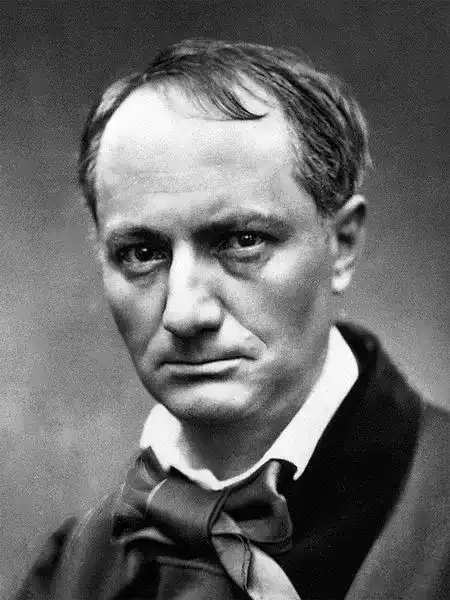
Charles Baudelaire
The Balcony
The Balcony
Mother of memories, mistress of mistresses,
O you, all my pleasures! O you, all my learning!
You will remember the joy of caresses,
the sweetness of home and the beauty of evening,
Mother of memories, mistress of mistresses!
On evenings lit by the glow of the ashes
and on the balcony, veiled, rose-coloured, misted,
how gentle your breast was, how good your heart to me!
We have said things meant for eternity,
on evenings lit by the glow of the ashes.
How lovely the light is on sultry evenings!
How deep the void grows! How powerful the heart is!
As I leaned towards you, queen of adored ones
I thought I breathed perfume from your blood’s kiss.
How lovely the light is on sultry evenings!
The night it was thickening and closing around us,
and my eyes in the dark were divining your glance,
and I drank your nectar. Oh sweetness! Oh poison!
your feet held, here, in these fraternal hands.
The night it was thickening and closing around us.
I know how to summon up happiest moments,
and relive my past, there, curled, touching your knees.
What good to search for your languorous beauties
but in your dear body, and your heart so sweet?
I know how to summon up happiest moments!
Those vows, those perfumes, those infinite kisses,
will they be reborn, from gulfs beyond soundings,
as the suns that are young again climb in the sky,
after they’ve passed through the deepest of drownings?
-O vows! O perfumes! O infinite kisses
Mother of memories, mistress of mistresses,
O you, all my pleasures! O you, all my learning!
You will remember the joy of caresses,
the sweetness of home and the beauty of evening,
Mother of memories, mistress of mistresses!
On evenings lit by the glow of the ashes
and on the balcony, veiled, rose-coloured, misted,
how gentle your breast was, how good your heart to me!
We have said things meant for eternity,
on evenings lit by the glow of the ashes.
How lovely the light is on sultry evenings!
How deep the void grows! How powerful the heart is!
As I leaned towards you, queen of adored ones
I thought I breathed perfume from your blood’s kiss.
How lovely the light is on sultry evenings!
The night it was thickening and closing around us,
and my eyes in the dark were divining your glance,
and I drank your nectar. Oh sweetness! Oh poison!
your feet held, here, in these fraternal hands.
The night it was thickening and closing around us.
I know how to summon up happiest moments,
and relive my past, there, curled, touching your knees.
What good to search for your languorous beauties
but in your dear body, and your heart so sweet?
I know how to summon up happiest moments!
Those vows, those perfumes, those infinite kisses,
will they be reborn, from gulfs beyond soundings,
as the suns that are young again climb in the sky,
after they’ve passed through the deepest of drownings?
-O vows! O perfumes! O infinite kisses
582
Charles Baudelaire
Evening Harmony
Evening Harmony
The hour has come at last when, trembling to and fro,
Each flower is a censer sifting its perfume;
The scent and sounds all swirl in evening’s gentle fume;
A melancholy waltz, a languid vertigo!
Each flower is a censer sifting its perfume;
A violin’s vibrato wounds the heart of woe;
A melancholy waltz, a languid vertigo!
The sky, a lofty altar, lovely in the gloom,
A violin’s vibrato wounds the heart of woe,
A tender heart detests the black of nullity,
The sky, a lofty altar, lovely in the gloom;
The sun is drowning in the evening’s blood-red glow.
A tender heart detests the black of nullity,
And lovingly preserves each trace of long ago!
The sun is drowning in the evening’s blood-red glow …
Your memory shines through me like an ostensory!
The hour has come at last when, trembling to and fro,
Each flower is a censer sifting its perfume;
The scent and sounds all swirl in evening’s gentle fume;
A melancholy waltz, a languid vertigo!
Each flower is a censer sifting its perfume;
A violin’s vibrato wounds the heart of woe;
A melancholy waltz, a languid vertigo!
The sky, a lofty altar, lovely in the gloom,
A violin’s vibrato wounds the heart of woe,
A tender heart detests the black of nullity,
The sky, a lofty altar, lovely in the gloom;
The sun is drowning in the evening’s blood-red glow.
A tender heart detests the black of nullity,
And lovingly preserves each trace of long ago!
The sun is drowning in the evening’s blood-red glow …
Your memory shines through me like an ostensory!
702
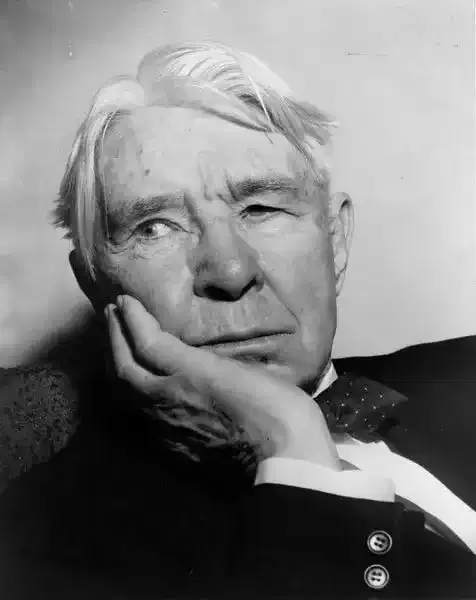
Carl Sandburg
Upstairs
Upstairs
I too have a garret of old playthings.
I have tin soldiers with broken arms upstairs.
I have a wagon and the wheels gone upstairs.
I have guns and a drum, a jumping-jack and a magic lantern.
And dust is on them and I never look at them upstairs.
I too have a garret of old playthings.
I too have a garret of old playthings.
I have tin soldiers with broken arms upstairs.
I have a wagon and the wheels gone upstairs.
I have guns and a drum, a jumping-jack and a magic lantern.
And dust is on them and I never look at them upstairs.
I too have a garret of old playthings.
331
Carl Sandburg
Under the Harvest Moon
Under the Harvest Moon
Under the harvest moon,
When the soft silver
Drips shimmering
Over the garden nights,
Death, the gray mocker,
Comes and whispers to you
As a beautiful friend
Who remembers.
Under the summer roses
When the flagrant crimson
Lurks in the dusk
Of the wild red leaves,
Love, with little hands,
Comes and touches you
With a thousand memories,
And asks you
Beautiful, unanswerable questions.
Under the harvest moon,
When the soft silver
Drips shimmering
Over the garden nights,
Death, the gray mocker,
Comes and whispers to you
As a beautiful friend
Who remembers.
Under the summer roses
When the flagrant crimson
Lurks in the dusk
Of the wild red leaves,
Love, with little hands,
Comes and touches you
With a thousand memories,
And asks you
Beautiful, unanswerable questions.
365
Carl Sandburg
Under A Hat Rim
Under A Hat Rim
While the hum and the hurry
Of passing footfalls
Beat in my ear like the restless surf
Of a wind-blown sea,
A soul came to me
Out of the look on a face.
Eyes like a lake
Where a storm-wind roams
Caught me from under
The rim of a hat.
I thought of a midsea wreck
and bruised fingers clinging
to a broken state-room door.
While the hum and the hurry
Of passing footfalls
Beat in my ear like the restless surf
Of a wind-blown sea,
A soul came to me
Out of the look on a face.
Eyes like a lake
Where a storm-wind roams
Caught me from under
The rim of a hat.
I thought of a midsea wreck
and bruised fingers clinging
to a broken state-room door.
332
Carl Sandburg
Troths
Troths
Yellow dust on a bumble
bee's wing,
Grey lights in a woman's
asking eyes,
Red ruins in the changing
sunset embers:
I take you and pile high
the memories.
Death will break her claws
on some I keep.
Yellow dust on a bumble
bee's wing,
Grey lights in a woman's
asking eyes,
Red ruins in the changing
sunset embers:
I take you and pile high
the memories.
Death will break her claws
on some I keep.
292
Carl Sandburg
Plowboy
Plowboy
After the last red sunset glimmer,
Black on the line of a low hill rise,
Formed into moving shadows, I saw
A plowboy and two horses lined against the gray,
Plowing in the dusk the last furrow.
The turf had a gleam of brown,
And smell of soil was in the air,
And, cool and moist, a haze of April.
I shall remember you long,
Plowboy and horses against the sky in shadow.
I shall remember you and the picture
You made for me,
Turning the turf in the dusk
And haze of an April gloaming.
After the last red sunset glimmer,
Black on the line of a low hill rise,
Formed into moving shadows, I saw
A plowboy and two horses lined against the gray,
Plowing in the dusk the last furrow.
The turf had a gleam of brown,
And smell of soil was in the air,
And, cool and moist, a haze of April.
I shall remember you long,
Plowboy and horses against the sky in shadow.
I shall remember you and the picture
You made for me,
Turning the turf in the dusk
And haze of an April gloaming.
352
Carl Sandburg
Personality
Personality
Musings of a Police Reporter in the Identification Bureau
You have loved forty women, but you have only one thumb.
You have led a hundred secret lives, but you mark only
one thumb.
You go round the world and fight in a thousand wars and
win all the world's honors, but when you come back
home the print of the one thumb your mother gave
you is the same print of thumb you had in the old
home when your mother kissed you and said good-by.
Out of the whirling womb of time come millions of men
and their feet crowd the earth and they cut one anothers'
throats for room to stand and among them all
are not two thumbs alike.
Somewhere is a Great God of Thumbs who can tell the
inside story of this.
Musings of a Police Reporter in the Identification Bureau
You have loved forty women, but you have only one thumb.
You have led a hundred secret lives, but you mark only
one thumb.
You go round the world and fight in a thousand wars and
win all the world's honors, but when you come back
home the print of the one thumb your mother gave
you is the same print of thumb you had in the old
home when your mother kissed you and said good-by.
Out of the whirling womb of time come millions of men
and their feet crowd the earth and they cut one anothers'
throats for room to stand and among them all
are not two thumbs alike.
Somewhere is a Great God of Thumbs who can tell the
inside story of this.
367