

Poems in this topic
Death and Mourning
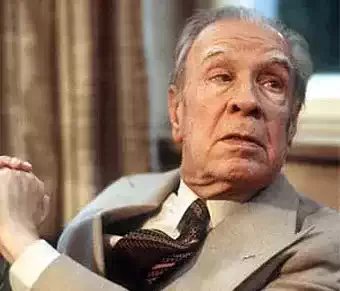
Jorge Luis Borges
Susana Soca
Susana Soca
With lingering love she gazed at the dispersed
Colors of dusk. It pleased her utterly
To lose herself in the complex melody
Or in the cunous life to be found in verse.
lt was not the primal red but rather grays
That spun the fine thread of her destiny,
For the nicest distinctions and all spent
In waverings, ambiguities, delays.
Lacking the nerve to tread this treacherous
Labyrinth, she looked in on, whom without,
The shapes, the turbulence, the striving rout,
(Like the other lady of the looking glass.)
The gods that dwell too far away for prayer
Abandoned her to the final tiger, Fire.
With lingering love she gazed at the dispersed
Colors of dusk. It pleased her utterly
To lose herself in the complex melody
Or in the cunous life to be found in verse.
lt was not the primal red but rather grays
That spun the fine thread of her destiny,
For the nicest distinctions and all spent
In waverings, ambiguities, delays.
Lacking the nerve to tread this treacherous
Labyrinth, she looked in on, whom without,
The shapes, the turbulence, the striving rout,
(Like the other lady of the looking glass.)
The gods that dwell too far away for prayer
Abandoned her to the final tiger, Fire.
1,256

Jonathan Swift
Elegy Upon Tiger
Elegy Upon Tiger
Her dead lady's joy and comfort,
Who departed this life
The last day of March, 1727:
To the great joy of Bryan
That his antagonist is gone.
And is poor Tiger laid at last so low?
O day of sorrow! -Day of dismal woe!
Bloodhounds, or spaniels, lap-dogs, 'tis all one,
When Death once whistles -snap! -away they're gone.
See how she lies, and hangs her lifeless ears,
Bathed in her mournful lady's tears!
Dumb is her throat, and wagless is her tail,
Doomed to the grave, to Death's eternal jail!
In a few days this lovely creature must
First turn to clay, and then be changed to dust.
That mouth which used its lady's mouth to lick
Must yield its jaw-bones to the worms to pick.
That mouth which used the partridge-wing to eat
Must give its palate to the worms to eat.
Methinks I see her now in Charon's boat
Bark at the Stygian fish which round it float;
While Cerberus, alarmed to hear the sound,
Makes Hell's wide concave bellow all around.
She sees him not, but hears him through the dark,
And valiantly returns him bark for bark.
But now she trembles -though a ghost, she dreads
To see a dog with three large yawning heads.
Spare her, you hell-hounds, case your frightful paws,
And let poor Tiger 'scape your furious jaws.
Let her go safe to the Elysian plains,
Where Hylax barks among the Mantuan swains;
There let her frisk about her new-found love:
She loved a dog when she was here above.
The Epitaph
Here lies beneath this marble
An animal could bark, or warble:
Sometimes a bitch, sometimes a bird,
Could eat a tart, or eat a t -.
Her dead lady's joy and comfort,
Who departed this life
The last day of March, 1727:
To the great joy of Bryan
That his antagonist is gone.
And is poor Tiger laid at last so low?
O day of sorrow! -Day of dismal woe!
Bloodhounds, or spaniels, lap-dogs, 'tis all one,
When Death once whistles -snap! -away they're gone.
See how she lies, and hangs her lifeless ears,
Bathed in her mournful lady's tears!
Dumb is her throat, and wagless is her tail,
Doomed to the grave, to Death's eternal jail!
In a few days this lovely creature must
First turn to clay, and then be changed to dust.
That mouth which used its lady's mouth to lick
Must yield its jaw-bones to the worms to pick.
That mouth which used the partridge-wing to eat
Must give its palate to the worms to eat.
Methinks I see her now in Charon's boat
Bark at the Stygian fish which round it float;
While Cerberus, alarmed to hear the sound,
Makes Hell's wide concave bellow all around.
She sees him not, but hears him through the dark,
And valiantly returns him bark for bark.
But now she trembles -though a ghost, she dreads
To see a dog with three large yawning heads.
Spare her, you hell-hounds, case your frightful paws,
And let poor Tiger 'scape your furious jaws.
Let her go safe to the Elysian plains,
Where Hylax barks among the Mantuan swains;
There let her frisk about her new-found love:
She loved a dog when she was here above.
The Epitaph
Here lies beneath this marble
An animal could bark, or warble:
Sometimes a bitch, sometimes a bird,
Could eat a tart, or eat a t -.
237
Jonathan Swift
A Satirical Elegy on the Death of a Late Famous General
A Satirical Elegy on the Death of a Late Famous General
"His Grace! impossible! what, dead!
Of old age too, and in his bed!
And could that mighty warrior fall,
And so inglorious, after all?
Well, since he's gone, no matter how,
The last loud trump must wake him now;
And, trust me, as the noise grows stronger,
He'd wish to sleep a little longer.
And could he be indeed so old
As by the newspapers we're told?
Threescore, I think, is pretty high;
'Twas time in conscience he should die!
This world he cumber'd long enough;
He burnt his candle to the snuff;
And that's the reason, some folks think,
He left behind so great a stink.
Behold his funeral appears,
Nor widows' sighs, nor orphans' tears,
Wont at such times each heart to pierce,
Attend the progress of his hearse.
But what of that? his friends may say,
He had those honours in his day.
True to his profit and his pride,
He made them weep before he died
Come hither, all ye empty things!
Ye bubbles rais'd by breath of kings!
Who float upon the tide of state;
Come hither, and behold your fate!
Let pride be taught by this rebuke,
How very mean a thing's a duke;
From all his ill-got honours flung,
Turn'd to that dirt from whence he sprung"
"His Grace! impossible! what, dead!
Of old age too, and in his bed!
And could that mighty warrior fall,
And so inglorious, after all?
Well, since he's gone, no matter how,
The last loud trump must wake him now;
And, trust me, as the noise grows stronger,
He'd wish to sleep a little longer.
And could he be indeed so old
As by the newspapers we're told?
Threescore, I think, is pretty high;
'Twas time in conscience he should die!
This world he cumber'd long enough;
He burnt his candle to the snuff;
And that's the reason, some folks think,
He left behind so great a stink.
Behold his funeral appears,
Nor widows' sighs, nor orphans' tears,
Wont at such times each heart to pierce,
Attend the progress of his hearse.
But what of that? his friends may say,
He had those honours in his day.
True to his profit and his pride,
He made them weep before he died
Come hither, all ye empty things!
Ye bubbles rais'd by breath of kings!
Who float upon the tide of state;
Come hither, and behold your fate!
Let pride be taught by this rebuke,
How very mean a thing's a duke;
From all his ill-got honours flung,
Turn'd to that dirt from whence he sprung"
287
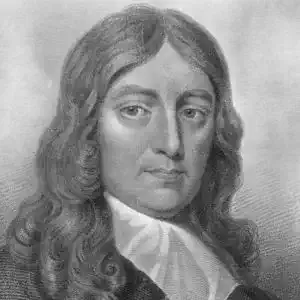
John Milton
Sonnet 14
Sonnet 14
XIV
When Faith and Love which parted from thee never,
Had ripen'd thy just soul to dwell with God,
Meekly thou didst resign this earthy load
Of Death, call'd Life; which us from Life doth sever
Thy Works and Alms and all thy good Endeavour
Staid not behind, nor in the grave were trod;
But as Faith pointed with her golden rod,
Follow'd thee up to joy and bliss for ever.
Love led them on, and Faith who knew them best
Thy hand-maids, clad them o're with purple beams
And azure wings, that up they flew so drest,
And speak the truth of thee on glorious Theams
Before the Judge, who thenceforth bid thee rest
And drink thy fill of pure immortal streams.
Note: Camb. Autograph supplies title, On the Religious
Memory of Catherine Thomson, my Christian Friend, deceased
16 Decemb., 1646.
XIV
When Faith and Love which parted from thee never,
Had ripen'd thy just soul to dwell with God,
Meekly thou didst resign this earthy load
Of Death, call'd Life; which us from Life doth sever
Thy Works and Alms and all thy good Endeavour
Staid not behind, nor in the grave were trod;
But as Faith pointed with her golden rod,
Follow'd thee up to joy and bliss for ever.
Love led them on, and Faith who knew them best
Thy hand-maids, clad them o're with purple beams
And azure wings, that up they flew so drest,
And speak the truth of thee on glorious Theams
Before the Judge, who thenceforth bid thee rest
And drink thy fill of pure immortal streams.
Note: Camb. Autograph supplies title, On the Religious
Memory of Catherine Thomson, my Christian Friend, deceased
16 Decemb., 1646.
746
John Milton
On Time
On Time
Fly, envious Time, till thou run out thy race,
Call on the lazy leaden-stepping hours,
Whose speed is but the heavy plummet's pace;
And glut thyself with what thy womb devours,
Which is no more than what is false and vain,
And merely mortal dross;
So little is our loss,
So little is thy gain.
For when as each thing bad thou hast intombed,
And last of all thy greedy self consumed,
Then long Eternity shall greet our bliss
With an individual kiss,
And Joy shall overtake us as a flood;
When every thing that is sincerely good
And perfectly divine,
With truth, and peace, and love, shall ever shine
About the supreme throne
Of Him, t' whose happy-making sight alone
When once our heav'nly-guided soul shall climb,
Then, all this earthly grossness quit,
Attired with stars, we shall for ever sit,
Triumphing over Death, and Chance, and thee, O Time.
Fly, envious Time, till thou run out thy race,
Call on the lazy leaden-stepping hours,
Whose speed is but the heavy plummet's pace;
And glut thyself with what thy womb devours,
Which is no more than what is false and vain,
And merely mortal dross;
So little is our loss,
So little is thy gain.
For when as each thing bad thou hast intombed,
And last of all thy greedy self consumed,
Then long Eternity shall greet our bliss
With an individual kiss,
And Joy shall overtake us as a flood;
When every thing that is sincerely good
And perfectly divine,
With truth, and peace, and love, shall ever shine
About the supreme throne
Of Him, t' whose happy-making sight alone
When once our heav'nly-guided soul shall climb,
Then, all this earthly grossness quit,
Attired with stars, we shall for ever sit,
Triumphing over Death, and Chance, and thee, O Time.
638
John Milton
On the University Carrier
On the University Carrier
Who sickened in the time of his Vacancy, being forbid to go to London by reason of the
Plague.
Here lies old Hobson. Death hath broke his girt,
And here, alas! hath laid him in the dirt;
Or else, the ways being foul, twenty to one
He’s here stuck in a slough, and overthrown.
’T was such a shifter that, if truth were known,
Death was half glad when he had got him down;
For he had any time this ten years full
Dodged with him betwixt Cambridge and The Bull.
And surely Death could never have prevailed,
Had not his weekly course of carriage failed;
But lately, finding him so long at home,
And thinking now his journey’s end was come,
And that he had ta’en up his latest Inn,
In the kind office of a Chamberlin
Showed him his room where he must lodge that night,
Pulled off his boots, and took away the light.
If any ask for him, it shall be said,
“Hobson has supped, and ’s newly gone to bed.”
Who sickened in the time of his Vacancy, being forbid to go to London by reason of the
Plague.
Here lies old Hobson. Death hath broke his girt,
And here, alas! hath laid him in the dirt;
Or else, the ways being foul, twenty to one
He’s here stuck in a slough, and overthrown.
’T was such a shifter that, if truth were known,
Death was half glad when he had got him down;
For he had any time this ten years full
Dodged with him betwixt Cambridge and The Bull.
And surely Death could never have prevailed,
Had not his weekly course of carriage failed;
But lately, finding him so long at home,
And thinking now his journey’s end was come,
And that he had ta’en up his latest Inn,
In the kind office of a Chamberlin
Showed him his room where he must lodge that night,
Pulled off his boots, and took away the light.
If any ask for him, it shall be said,
“Hobson has supped, and ’s newly gone to bed.”
531
John Milton
On The Death Of A Fair Infant Dying Of A Cough
On The Death Of A Fair Infant Dying Of A Cough
I
O fairest flower no sooner blown but blasted,
Soft silken Primrose fading timelesslie,
Summers chief honour if thou hadst outlasted
Bleak winters force that made thy blossome drie;
For he being amorous on that lovely die
That did thy cheek envermeil, thought to kiss
But kill'd alas, and then bewayl'd his fatal bliss.
II
For since grim Aquilo his charioter
By boistrous rape th' Athenian damsel got,
He thought it toucht his Deitie full neer,
If likewise he some fair one wedded not,
Thereby to wipe away th' infamous blot,
Of long-uncoupled bed, and childless eld,
Which 'mongst the wanton gods a foul reproach was held.
III
So mounting up in ycie-pearled carr,
Through middle empire of the freezing aire
He wanderd long, till thee he spy'd from farr,
There ended was his quest, there ceast his care
Down he descended from his Snow-soft chaire,
But all unwares with his cold-kind embrace
Unhous'd thy Virgin Soul from her fair hiding place.
IV
Yet art thou not inglorious in thy fate;
For so Apollo, with unweeting hand
Whilome did slay his dearly-loved mate
Young Hyacinth born on Eurotas' strand,
Young Hyacinth the pride of Spartan land;
But then transform'd him to a purple flower
Alack that so to change thee winter had no power.
V
Yet can I not perswade me thou art dead
Or that thy coarse corrupts in earths dark wombe,
Or that thy beauties lie in wormie bed,
Hid from the world in a low delved tombe;
Could Heav'n for pittie thee so strictly doom?
O no! for something in thy face did shine
Above mortalitie that shew'd thou wast divine.
VI
Resolve me then oh Soul most surely blest
(If so it be that thou these plaints dost hear)
Tell me bright Spirit where e're thou hoverest
Whether above that high first-moving Spheare
Or in the Elisian fields (if such there were.)
Oh say me true if thou wert mortal wight
And why from us so quickly thou didst take thy flight.
VII
Wert thou some Starr which from the ruin'd roofe
Of shak't Olympus by mischance didst fall;
Which carefull Jove in natures true behoofe
Took up, and in fit place did reinstall?
Or did of late earths Sonnes besiege the wall
Of sheenie Heav'n, and thou some goddess fled
Amongst us here below to hide thy nectar'd head
VIII
Or wert thou that just Maid who once before
Forsook the hated earth, O tell me sooth
And cam'st again to visit us once more?
Or wert thou that sweet smiling Youth!
Or that c[r]own'd Matron sage white-robed Truth?
Or any other of that heav'nly brood
Let down in clowdie throne to do the world some good.
Note: 53 Or wert thou] Or wert thou Mercy -- conjectured by
John Heskin Ch. Ch. Oxon. from Ode on Nativity, st. 15.
IX
Or wert thou of the golden-winged boast,
Who having clad thy self in humane weed,
To earth from thy praefixed seat didst poast,
And after short abode flie back with speed,
As if to shew what creatures Heav'n doth breed,
Thereby to set the hearts of men on fire
To scorn the sordid world, and unto Heav'n aspire.
X
But oh why didst thou not stay here below
To bless us with thy heav'n-lov'd innocence,
To slake his wrath whom sin hath made our foe
To turn Swift-rushing black perdition hence,
Or drive away the slaughtering pestilence,
To stand 'twixt us and our deserved smart
But thou canst best perform that office where thou art.
XI
Then thou the mother of so sweet a child
Her false imagin'd loss cease to lament,
And wisely learn to curb thy sorrows wild;
Think what a present thou to God hast sent,
And render him with patience what he lent;
This if thou do he will an off-spring give,
That till the worlds last-end shall make thy name to live.
I
O fairest flower no sooner blown but blasted,
Soft silken Primrose fading timelesslie,
Summers chief honour if thou hadst outlasted
Bleak winters force that made thy blossome drie;
For he being amorous on that lovely die
That did thy cheek envermeil, thought to kiss
But kill'd alas, and then bewayl'd his fatal bliss.
II
For since grim Aquilo his charioter
By boistrous rape th' Athenian damsel got,
He thought it toucht his Deitie full neer,
If likewise he some fair one wedded not,
Thereby to wipe away th' infamous blot,
Of long-uncoupled bed, and childless eld,
Which 'mongst the wanton gods a foul reproach was held.
III
So mounting up in ycie-pearled carr,
Through middle empire of the freezing aire
He wanderd long, till thee he spy'd from farr,
There ended was his quest, there ceast his care
Down he descended from his Snow-soft chaire,
But all unwares with his cold-kind embrace
Unhous'd thy Virgin Soul from her fair hiding place.
IV
Yet art thou not inglorious in thy fate;
For so Apollo, with unweeting hand
Whilome did slay his dearly-loved mate
Young Hyacinth born on Eurotas' strand,
Young Hyacinth the pride of Spartan land;
But then transform'd him to a purple flower
Alack that so to change thee winter had no power.
V
Yet can I not perswade me thou art dead
Or that thy coarse corrupts in earths dark wombe,
Or that thy beauties lie in wormie bed,
Hid from the world in a low delved tombe;
Could Heav'n for pittie thee so strictly doom?
O no! for something in thy face did shine
Above mortalitie that shew'd thou wast divine.
VI
Resolve me then oh Soul most surely blest
(If so it be that thou these plaints dost hear)
Tell me bright Spirit where e're thou hoverest
Whether above that high first-moving Spheare
Or in the Elisian fields (if such there were.)
Oh say me true if thou wert mortal wight
And why from us so quickly thou didst take thy flight.
VII
Wert thou some Starr which from the ruin'd roofe
Of shak't Olympus by mischance didst fall;
Which carefull Jove in natures true behoofe
Took up, and in fit place did reinstall?
Or did of late earths Sonnes besiege the wall
Of sheenie Heav'n, and thou some goddess fled
Amongst us here below to hide thy nectar'd head
VIII
Or wert thou that just Maid who once before
Forsook the hated earth, O tell me sooth
And cam'st again to visit us once more?
Or wert thou that sweet smiling Youth!
Or that c[r]own'd Matron sage white-robed Truth?
Or any other of that heav'nly brood
Let down in clowdie throne to do the world some good.
Note: 53 Or wert thou] Or wert thou Mercy -- conjectured by
John Heskin Ch. Ch. Oxon. from Ode on Nativity, st. 15.
IX
Or wert thou of the golden-winged boast,
Who having clad thy self in humane weed,
To earth from thy praefixed seat didst poast,
And after short abode flie back with speed,
As if to shew what creatures Heav'n doth breed,
Thereby to set the hearts of men on fire
To scorn the sordid world, and unto Heav'n aspire.
X
But oh why didst thou not stay here below
To bless us with thy heav'n-lov'd innocence,
To slake his wrath whom sin hath made our foe
To turn Swift-rushing black perdition hence,
Or drive away the slaughtering pestilence,
To stand 'twixt us and our deserved smart
But thou canst best perform that office where thou art.
XI
Then thou the mother of so sweet a child
Her false imagin'd loss cease to lament,
And wisely learn to curb thy sorrows wild;
Think what a present thou to God hast sent,
And render him with patience what he lent;
This if thou do he will an off-spring give,
That till the worlds last-end shall make thy name to live.
549
John Milton
Methought I Saw My Late Espoused Saint
Methought I Saw My Late Espoused Saint
Methought I saw my late espoused Saint
Brought to me like Alcestus from the grave,
Who Jove's great Son to her glad Husband gave,
Rescu'd from death by force though pale and faint.
Mine as whom washt from spot of child-bed taint
Purification in the old Law did save,
And such as yet once more I trust to have
Full sight of her in Heav'n without restraint,
Came vested all in white, pure as her mind:
Her face was veil'd, yet to my fancied sight
Love, sweetness, goodness in her person shin'd
So clear, as in no face with more delight.
But O as to embrace me she enclin'd
I wak'd, she fled, and day brought back my night.
Methought I saw my late espoused Saint
Brought to me like Alcestus from the grave,
Who Jove's great Son to her glad Husband gave,
Rescu'd from death by force though pale and faint.
Mine as whom washt from spot of child-bed taint
Purification in the old Law did save,
And such as yet once more I trust to have
Full sight of her in Heav'n without restraint,
Came vested all in white, pure as her mind:
Her face was veil'd, yet to my fancied sight
Love, sweetness, goodness in her person shin'd
So clear, as in no face with more delight.
But O as to embrace me she enclin'd
I wak'd, she fled, and day brought back my night.
518
John Milton
On His Deceased Wife
On His Deceased Wife
METHOUGHT I saw my late espoused Saint
Brought to me like Alcestis from the grave,
Whom Joves great Son to her glad Husband gave,
Rescu'd from death by force though pale and faint.
Mine as whom washt from spot of child-bed taint,
Purification in the old Law did save,
And such, as yet once more I trust to have
Full sight of her in Heaven without restraint,
Came vested all in white, pure as her mind:
Her face was vail'd, yet to my fancied sight,
Love, sweetness, goodness, in her person shin'd
So clear, as in no face with more delight.
But O as to embrace me she enclin'd
I wak'd, she fled, and day brought back my night.
METHOUGHT I saw my late espoused Saint
Brought to me like Alcestis from the grave,
Whom Joves great Son to her glad Husband gave,
Rescu'd from death by force though pale and faint.
Mine as whom washt from spot of child-bed taint,
Purification in the old Law did save,
And such, as yet once more I trust to have
Full sight of her in Heaven without restraint,
Came vested all in white, pure as her mind:
Her face was vail'd, yet to my fancied sight,
Love, sweetness, goodness, in her person shin'd
So clear, as in no face with more delight.
But O as to embrace me she enclin'd
I wak'd, she fled, and day brought back my night.
497
John Milton
An Epitaph On The Marchioness Of Winchester
An Epitaph On The Marchioness Of Winchester
This rich Marble doth enterr
The honour'd Wife of Winchester,
A Vicounts daughter, an Earls heir,
Besides what her vertues fair
Added to her noble birth,
More then she could own from Earth.
Summers three times eight save one
She had told, alas too soon,
After so short time of breath,
To house with darknes, and with death.
Yet had the number of her days
Bin as compleat as was her praise,
Nature and fate had had no strife
In giving limit to her life.
Her high birth, and her graces sweet,
Quickly found a lover meet;
The Virgin quire for her request
The God that sits at marriage feast;
He at their invoking came
But with a scarce-wel-lighted flame;
And in his Garland as he stood,
Ye might discern a Cipress bud.
Once had the early Matrons run
To greet her of a lovely son,
And now with second hope she goes,
And calls Lucina to her throws;
But whether by mischance or blame
Atropos for Lucina came;
And with remorsles cruelty,
Spoil'd at once both fruit and tree:
The haples Babe before his birth
Had burial, yet not laid in earth,
And the languisht Mothers Womb
Was not long a living Tomb.
So have I seen som tender slip
Sav'd with care from Winters nip,
The pride of her carnation train,
Pluck't up by som unheedy swain,
Who onely thought to crop the flowr
New shot up from vernall showr;
But the fair blossom hangs the head
Side-ways as on a dying bed,
And those Pearls of dew she wears,
Prove to be presaging tears
Which the sad morn had let fall
On her hast'ning funerall.
Gentle Lady may thy grave
Peace and quiet ever have;
After this thy travail sore
Sweet rest sease thee evermore,
That to give the world encrease,
Shortned hast thy own lives lease;
Here besides the sorrowing
That thy noble House doth bring,
Here be tears of perfect moan
Weept for thee in Helicon,
And som Flowers, and som Bays,
For thy Hears to strew the ways,
Sent thee from the banks of Came,
Devoted to thy vertuous name;
Whilst thou bright Saint high sit'st in glory,
Next her much like to thee in story,
That fair Syrian Shepherdess,
Who after yeers of barrennes,
The highly favour'd Joseph bore
To him that serv'd for her before,
And at her next birth much like thee,
Through pangs fled to felicity,
Far within the boosom bright
of blazing Majesty and Light,
There with thee, new welcom Saint,
Like fortunes may her soul acquaint,
With thee there clad in radiant sheen,
No Marchioness, but now a Queen.
This rich Marble doth enterr
The honour'd Wife of Winchester,
A Vicounts daughter, an Earls heir,
Besides what her vertues fair
Added to her noble birth,
More then she could own from Earth.
Summers three times eight save one
She had told, alas too soon,
After so short time of breath,
To house with darknes, and with death.
Yet had the number of her days
Bin as compleat as was her praise,
Nature and fate had had no strife
In giving limit to her life.
Her high birth, and her graces sweet,
Quickly found a lover meet;
The Virgin quire for her request
The God that sits at marriage feast;
He at their invoking came
But with a scarce-wel-lighted flame;
And in his Garland as he stood,
Ye might discern a Cipress bud.
Once had the early Matrons run
To greet her of a lovely son,
And now with second hope she goes,
And calls Lucina to her throws;
But whether by mischance or blame
Atropos for Lucina came;
And with remorsles cruelty,
Spoil'd at once both fruit and tree:
The haples Babe before his birth
Had burial, yet not laid in earth,
And the languisht Mothers Womb
Was not long a living Tomb.
So have I seen som tender slip
Sav'd with care from Winters nip,
The pride of her carnation train,
Pluck't up by som unheedy swain,
Who onely thought to crop the flowr
New shot up from vernall showr;
But the fair blossom hangs the head
Side-ways as on a dying bed,
And those Pearls of dew she wears,
Prove to be presaging tears
Which the sad morn had let fall
On her hast'ning funerall.
Gentle Lady may thy grave
Peace and quiet ever have;
After this thy travail sore
Sweet rest sease thee evermore,
That to give the world encrease,
Shortned hast thy own lives lease;
Here besides the sorrowing
That thy noble House doth bring,
Here be tears of perfect moan
Weept for thee in Helicon,
And som Flowers, and som Bays,
For thy Hears to strew the ways,
Sent thee from the banks of Came,
Devoted to thy vertuous name;
Whilst thou bright Saint high sit'st in glory,
Next her much like to thee in story,
That fair Syrian Shepherdess,
Who after yeers of barrennes,
The highly favour'd Joseph bore
To him that serv'd for her before,
And at her next birth much like thee,
Through pangs fled to felicity,
Far within the boosom bright
of blazing Majesty and Light,
There with thee, new welcom Saint,
Like fortunes may her soul acquaint,
With thee there clad in radiant sheen,
No Marchioness, but now a Queen.
533
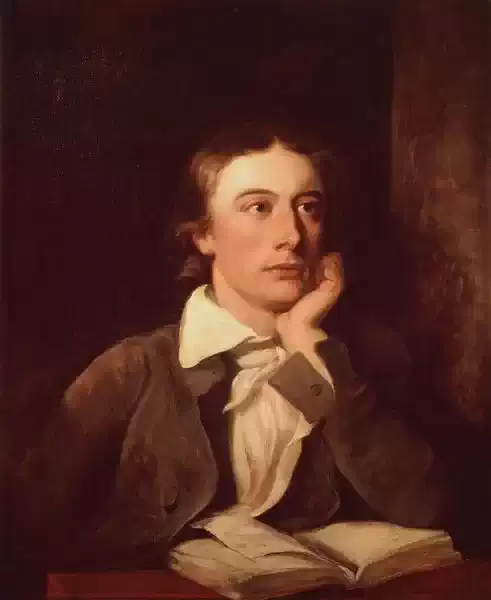
John Keats
Written on a Summer Evening
Written on a Summer Evening
The church bells toll a melancholy round,
Calling the people to some other prayers,
Some other gloominess, more dreadful cares,
More harkening to the sermon's horrid sound.
Surely the mind of man is closely bound
In some blind spell: seeing that each one tears
Himself from fireside joys and Lydian airs,
And converse high of those with glory crowned.
Still, still they toll, and I should feel a damp,
A chill as from a tomb, did I not know
That they are dying like an outburnt lamp, -
That 'tis their sighing, wailing, ere they go
Into oblivion -that fresh flowers will grow,
And many glories of immortal stamp.
The church bells toll a melancholy round,
Calling the people to some other prayers,
Some other gloominess, more dreadful cares,
More harkening to the sermon's horrid sound.
Surely the mind of man is closely bound
In some blind spell: seeing that each one tears
Himself from fireside joys and Lydian airs,
And converse high of those with glory crowned.
Still, still they toll, and I should feel a damp,
A chill as from a tomb, did I not know
That they are dying like an outburnt lamp, -
That 'tis their sighing, wailing, ere they go
Into oblivion -that fresh flowers will grow,
And many glories of immortal stamp.
436
John Keats
Why did I laugh tonight? No voice will tell
Why did I laugh tonight? No voice will tell
Why did I laugh tonight? No voice will tell
No God, no demon of severe response
Deigns to reply from heaven or from hell
Then to my human heart I turn at once:
Heart, thou and I are here, sad and alone,
Say, why did I laugh? O mortal pain!
O darkness! darkness! Forever must I moan
To question heaven and hell and heart in vain?
Why did I laugh? I know this being's lease
My fancy to it's utmost blisses spreads
Yet would I on this very midnight cease
And all the world's gaudy ensigns see in shreds
Verse, fame and beauty are intense indeed
But death intenser, death is life's high meed.
Why did I laugh tonight? No voice will tell
No God, no demon of severe response
Deigns to reply from heaven or from hell
Then to my human heart I turn at once:
Heart, thou and I are here, sad and alone,
Say, why did I laugh? O mortal pain!
O darkness! darkness! Forever must I moan
To question heaven and hell and heart in vain?
Why did I laugh? I know this being's lease
My fancy to it's utmost blisses spreads
Yet would I on this very midnight cease
And all the world's gaudy ensigns see in shreds
Verse, fame and beauty are intense indeed
But death intenser, death is life's high meed.
467
John Keats
Sonnet. Why Did I Laugh Tonight?
Sonnet. Why Did I Laugh Tonight?
Why did I laugh to-night? No voice will tell
No God, no Demon of severe response,
Deigns to reply from Heaven or from Hell
Then to my human heart I turn at once:
Heart! Thou and I are here sad and alone;
I say, why did I laugh? O mortal pain!
O Darkness! Darkness! ever must I moan,
To question Heaven and Hell and Heart in vain.
Why did I laugh? I know this Being's lease,
My fancy to its utmost blisses spreads;
Yet would I on this very midnight cease,
And all the world's gaudy ensigns see in shreds;
Verse, Fame, and Beauty are intense indeed,
But Death intenser -- Death is Life's high meed.
Why did I laugh to-night? No voice will tell
No God, no Demon of severe response,
Deigns to reply from Heaven or from Hell
Then to my human heart I turn at once:
Heart! Thou and I are here sad and alone;
I say, why did I laugh? O mortal pain!
O Darkness! Darkness! ever must I moan,
To question Heaven and Hell and Heart in vain.
Why did I laugh? I know this Being's lease,
My fancy to its utmost blisses spreads;
Yet would I on this very midnight cease,
And all the world's gaudy ensigns see in shreds;
Verse, Fame, and Beauty are intense indeed,
But Death intenser -- Death is Life's high meed.
457
John Keats
Sonnet. On A Picture Of Leander
Sonnet. On A Picture Of Leander
Come hither all sweet Maidens soberly
Down looking aye, and with a chasten'd light
Hid in the fringes of your eyelids white,
And meekly let your fair hands joined be,
As if so gentle that ye could not see,
Untouch'd, a victim of your beauty bright,
Sinking away to his young spirit's night,
Sinking bewilder'd 'mid the dreary sea.
'Tis young Leander toiling to his death.
Nigh swooning he doth purse his weary lips
For Hero's cheek, and smiles against her smile.
O horrid dream! see how his body dips
Dead-heavy; arms and shoulders gleam awhile;
He's gone; up bubbles all his amorous breath!
Come hither all sweet Maidens soberly
Down looking aye, and with a chasten'd light
Hid in the fringes of your eyelids white,
And meekly let your fair hands joined be,
As if so gentle that ye could not see,
Untouch'd, a victim of your beauty bright,
Sinking away to his young spirit's night,
Sinking bewilder'd 'mid the dreary sea.
'Tis young Leander toiling to his death.
Nigh swooning he doth purse his weary lips
For Hero's cheek, and smiles against her smile.
O horrid dream! see how his body dips
Dead-heavy; arms and shoulders gleam awhile;
He's gone; up bubbles all his amorous breath!
533
John Keats
On Death
On Death
1.
Can death be sleep, when life is but a dream,
And scenes of bliss pass as a phantom by?
The transient pleasures as a vision seem,
And yet we think the greatest pain's to die.
2.
How strange it is that man on earth should roam,
And lead a life of woe, but not forsake
His rugged path; nor dare he view alone
His future doom which is but to awake.
1.
Can death be sleep, when life is but a dream,
And scenes of bliss pass as a phantom by?
The transient pleasures as a vision seem,
And yet we think the greatest pain's to die.
2.
How strange it is that man on earth should roam,
And lead a life of woe, but not forsake
His rugged path; nor dare he view alone
His future doom which is but to awake.
408
John Keats
Faery Songs
Faery Songs
I.
Shed no tear! oh, shed no tear!
The flower will bloom another year.
Weep no more! oh, weep no more!
Young buds sleep in the root's white core.
Dry your eyes! oh, dry your eyes!
For I was taught in Paradise
To ease my breast of melodies,--
Shed no tear.
Overhead! look overhead!
'Mong the blossoms white and red--
Look up, look up! I flutter now
On this fresh pomegranate bough.
See me! 'tis this silvery bill
Ever cures the good man's ill.
Shed no tear! oh, shed no tear!
The flower will bloom another year.
Adieu, adieu -- I fly -- adieu!
I vanish in the heaven’s blue,--
Adieu, adieu!
II.
Ah! woe is me! poor silver-wing!
That I must chant thy lady's dirge,
And death to this fair haunt of spring,
Of melody, and streams of flowery verge,--
Poor silver-wing! ah! woe is me!
That I must see
These blossoms snow upon thy lady's pall!
Go, pretty page! and in her ear
Whisper that the hour is near!
Softly tell her not to fear
Such calm favonian burial!
Go, pretty page! and soothly tell,--
The blossoms hang by a melting spell,
And fall they must, ere a star wink thrice
Upon her closed eyes,
That now in vain are weeping their last tears,
At sweet life leaving, and these arbours green,--
Rich dowry from the Spirit of the Spheres,
Alas! poor Queen!
I.
Shed no tear! oh, shed no tear!
The flower will bloom another year.
Weep no more! oh, weep no more!
Young buds sleep in the root's white core.
Dry your eyes! oh, dry your eyes!
For I was taught in Paradise
To ease my breast of melodies,--
Shed no tear.
Overhead! look overhead!
'Mong the blossoms white and red--
Look up, look up! I flutter now
On this fresh pomegranate bough.
See me! 'tis this silvery bill
Ever cures the good man's ill.
Shed no tear! oh, shed no tear!
The flower will bloom another year.
Adieu, adieu -- I fly -- adieu!
I vanish in the heaven’s blue,--
Adieu, adieu!
II.
Ah! woe is me! poor silver-wing!
That I must chant thy lady's dirge,
And death to this fair haunt of spring,
Of melody, and streams of flowery verge,--
Poor silver-wing! ah! woe is me!
That I must see
These blossoms snow upon thy lady's pall!
Go, pretty page! and in her ear
Whisper that the hour is near!
Softly tell her not to fear
Such calm favonian burial!
Go, pretty page! and soothly tell,--
The blossoms hang by a melting spell,
And fall they must, ere a star wink thrice
Upon her closed eyes,
That now in vain are weeping their last tears,
At sweet life leaving, and these arbours green,--
Rich dowry from the Spirit of the Spheres,
Alas! poor Queen!
438
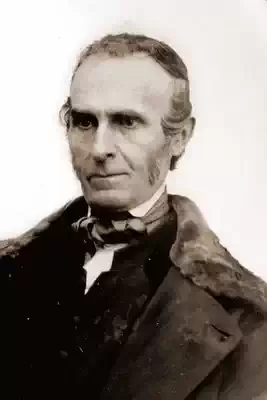
John Greenleaf Whittier
To Lydia Maria Child
To Lydia Maria Child
ON READING HER POEM IN 'THE STANDARD.'
The sweet spring day is glad with music,
But through it sounds a sadder strain;
The worthiest of our narrowing circle
Sings Loring's dirges o'er again.
O woman greatly loved! I join thee
In tender memories of our friend;
With thee across the awful spaces
The greeting of a soul I send!
What cheer hath he? How is it with him?
Where lingers he this weary while?
Over what pleasant fields of Heaven
Dawns the sweet sunrise of his smile?
Does he not know our feet are treading
The earth hard down on Slavery's grave?
That, in our crowning exultations,
We miss the charm his presence gave?
Why on this spring air comes no whisper
From him to tell us all is well?
Why to our flower-time comes no token
Of lily and of asphodel?
I feel the unutterable longing,
Thy hunger of the heart is mine;
I reach and grope for hands in darkness,
My ear grows sharp for voice or sign.
Still on the lips of all we question
The finger of God's silence lies;
Will the lost hands in ours be folded?
Will the shut eyelids ever rise?
O friend! no proof beyond this yearning,
This outreach of our hearts, we need;
God will not mock the hope He giveth,
No love He prompts shall vainly plead.
Then let us stretch our hands in darkness,
And call our loved ones o'er and o'er;
Some day their arms shall close about us,
And the old voices speak once more.
No dreary splendors wait our coming
Where rapt ghost sits from ghost apart;
Homeward we go to Heaven's thanksgiving,
The harvest-gathering of the heart.
ON READING HER POEM IN 'THE STANDARD.'
The sweet spring day is glad with music,
But through it sounds a sadder strain;
The worthiest of our narrowing circle
Sings Loring's dirges o'er again.
O woman greatly loved! I join thee
In tender memories of our friend;
With thee across the awful spaces
The greeting of a soul I send!
What cheer hath he? How is it with him?
Where lingers he this weary while?
Over what pleasant fields of Heaven
Dawns the sweet sunrise of his smile?
Does he not know our feet are treading
The earth hard down on Slavery's grave?
That, in our crowning exultations,
We miss the charm his presence gave?
Why on this spring air comes no whisper
From him to tell us all is well?
Why to our flower-time comes no token
Of lily and of asphodel?
I feel the unutterable longing,
Thy hunger of the heart is mine;
I reach and grope for hands in darkness,
My ear grows sharp for voice or sign.
Still on the lips of all we question
The finger of God's silence lies;
Will the lost hands in ours be folded?
Will the shut eyelids ever rise?
O friend! no proof beyond this yearning,
This outreach of our hearts, we need;
God will not mock the hope He giveth,
No love He prompts shall vainly plead.
Then let us stretch our hands in darkness,
And call our loved ones o'er and o'er;
Some day their arms shall close about us,
And the old voices speak once more.
No dreary splendors wait our coming
Where rapt ghost sits from ghost apart;
Homeward we go to Heaven's thanksgiving,
The harvest-gathering of the heart.
275
John Greenleaf Whittier
To My Friend OnThe Death Of His Sister
To My Friend OnThe Death Of His Sister
Thine is a grief, the depth of which another
May never know;
Yet, o'er the waters, O my stricken brother!
To thee I go.
I lean my heart unto thee, sadly folding
Thy hand in mine;
With even the weakness of my soul upholding
The strength of thine.
I never knew, like thee, the dear departed;
I stood not by
When, in calm trust, the pure and tranquil-hearted
Lay down to die.
And on thy ears my words of weak condoling
Must vainly fall
The funeral bell which in thy heart is tolling,
Sounds over all!
I will not mock thee with the poor world's common
And heartless phrase,
Nor wrong the memory of a sainted woman
With idle praise.
With silence only as their benediction,
God's angels come
Where, in the shadow of a great affliction,
The soul sits dumb!
Yet, would I say what thy own heart approveth
Our Father's will,
Calling to Him the dear one whom He loveth,
Is mercy still.
Not upon thee or thine the solemn angel
Hath evil wrought
Her funeral anthem is a glad evangel,-The
good die not!
God calls our loved ones, but we lose not wholly
What He hath given;
They live on earth, in thought and deed, as truly
As in His heaven.
And she is with thee; in thy path of trial
She walketh yet;
Still with the baptism of thy self-denial
Her locks are wet.
Up, then, my brother! Lo, the fields of harvest
Lie white in view
She lives and loves thee, and the God thou servest
To both is true.
Thrust in thy sickle! England's toilworn peasants
Thy call abide;
And she thou mourn'st, a pure and holy presence,
Shall glean beside!
Thine is a grief, the depth of which another
May never know;
Yet, o'er the waters, O my stricken brother!
To thee I go.
I lean my heart unto thee, sadly folding
Thy hand in mine;
With even the weakness of my soul upholding
The strength of thine.
I never knew, like thee, the dear departed;
I stood not by
When, in calm trust, the pure and tranquil-hearted
Lay down to die.
And on thy ears my words of weak condoling
Must vainly fall
The funeral bell which in thy heart is tolling,
Sounds over all!
I will not mock thee with the poor world's common
And heartless phrase,
Nor wrong the memory of a sainted woman
With idle praise.
With silence only as their benediction,
God's angels come
Where, in the shadow of a great affliction,
The soul sits dumb!
Yet, would I say what thy own heart approveth
Our Father's will,
Calling to Him the dear one whom He loveth,
Is mercy still.
Not upon thee or thine the solemn angel
Hath evil wrought
Her funeral anthem is a glad evangel,-The
good die not!
God calls our loved ones, but we lose not wholly
What He hath given;
They live on earth, in thought and deed, as truly
As in His heaven.
And she is with thee; in thy path of trial
She walketh yet;
Still with the baptism of thy self-denial
Her locks are wet.
Up, then, my brother! Lo, the fields of harvest
Lie white in view
She lives and loves thee, and the God thou servest
To both is true.
Thrust in thy sickle! England's toilworn peasants
Thy call abide;
And she thou mourn'st, a pure and holy presence,
Shall glean beside!
207
John Greenleaf Whittier
The Wreck Of Rivermouth
The Wreck Of Rivermouth
Rivermouth Rocks are fair to see,
By dawn or sunset shone across,
When the ebb of the sea has left them free,
To dry their fringes of gold-green moss
For there the river comes winding down,
From salt sea-meadows and uplands brown,
And waves on the outer rocks afoam
Shout to its waters, 'Welcome home!'
And fair are the sunny isles in view
East of the grisly Head of the Boar,
And Agamenticus lifts its blue
Disk of a cloud the woodlands o'er;
And southerly, when the tide is down,
'Twixt white sea-waves and sand-hills brown,
The beach-birds dance and the gray gulls wheel
Over a floor of burnished steel.
Once, in the old Colonial days,
Two hundred years ago and more,
A boat sailed down through the winding ways
Of Hampton River to that low shore,
Full of a goodly company
Sailing out on the summer sea,
Veering to catch the land-breeze light,
With the Boar to left and the Rocks to right.
In Hampton meadows, where mowers laid
Their scythes to the swaths of salted grass,
'Ah, well-a-day! our hay must be made!'
A young man sighed, who saw them pass.
Loud laughed his fellows to see him stand
Whetting his scythe with a listless hand,
Hearing a voice in a far-off song,
Watching a white hand beckoning long.
'Fie on the witch!' cried a merry girl,
As they rounded the point where Goody Cole
Sat by her door with her wheel atwirl,
A bent and blear-eyed poor old soul.
'Oho!' she muttered, 'ye 're brave to-day!
But I hear the little waves laugh and say,
'The broth will be cold that waits at home;
For it 's one to go, but another to come!''
'She's cursed,' said the skipper; 'speak her fair:
I'm scary always to see her shake
Her wicked head, with its wild gray hair,
And nose like a hawk, and eyes like a snake.'
But merrily still, with laugh and shout,
From Hampton River the boat sailed out,
Till the huts and the flakes on Star seemed nigh,
And they lost the scent of the pines of Rye.
They dropped their lines in the lazy tide,
Drawing up haddock and mottled cod;
They saw not the Shadow that walked beside,
They heard not the feet with silence shod.
But thicker and thicker a hot mist grew,
Shot by the lightnings through and through;
And muffled growls, like the growl of a beast,
Ran along the sky from west to east.
Then the skipper looked from the darkening sea
Up to the dimmed and wading sun;
But he spake like a brave man cheerily,
'Yet there is time for our homeward run.'
Veering and tacking, they backward wore;
And just as a breath-from the woods ashore
Blew out to whisper of danger past,
The wrath of the storm came down at last!
The skipper hauled at the heavy sail
'God be our help!' he only cried,
As the roaring gale, like the stroke of a flail,
Smote the boat on its starboard side.
The Shoalsmen looked, but saw alone
Dark films of rain-cloud slantwise blown,
Wild rocks lit up by the lightning's glare,
The strife and torment of sea and air.
Goody Cole looked out from her door
The Isles of Shoals were drowned and gone,
Scarcely she saw the Head of the Boar
Toss the foam from tusks of stone.
She clasped her hands with a grip of pain,
The tear on her cheek was not of rain
'They are lost,' she muttered, 'boat and crew!
Lord, forgive me! my words were true!'
Suddenly seaward swept the squall;
The low sun smote through cloudy rack;
The Shoals stood clear in the light, and all
The trend of the coast lay hard and black.
But far and wide as eye could reach,
No life was seen upon wave or beach;
The boat that went out at morning never
Sailed back again into Hampton River.
O mower, lean on thy bended snath,
Look from the meadows green and low
The wind of the sea is a waft of death,
The waves are singing a song of woe!
By silent river, by moaning sea,
Long and vain shall thy watching be
Never again shall the sweet voice call,
Never the white hand rise and fall!
O Rivermouth Rocks, how sad a sight
Ye saw in the light of breaking day
Dead faces looking up cold and white
From sand and seaweed where they lay.
The mad old witch-wife wailed and wept,
And cursed the tide as it backward crept
'Crawl back, crawl back, blue water-snake
Leave your dead for the hearts that break!'
Solemn it was in that old day
In Hampton town and its log-built church,
Where side by side the coffins lay
And the mourners stood in aisle and porch.
In the singing-seats young eyes were dim,
The voices faltered that raised the hymn,
And Father Dalton, grave and stern,
Sobbed through his prayer and wept in turn.
But his ancient colleague did not pray;
Under the weight of his fourscore years
He stood apart with the iron-gray
Of his strong brows knitted to hide his tears;
And a fair-faced woman of doubtful fame,
Linking her own with his honored name,
Subtle as sin, at his side withstood
The felt reproach of her neighborhood.
Apart with them, like them forbid,
Old Goody Cole looked drearily round,
As, two by two, with their faces hid,
The mourners walked to the burying-ground.
She let the staff from her clasped hands fall
'Lord, forgive us! we're sinners all!'
And the voice of the old man answered her
'Amen!' said Father Bachiler.
So, as I sat upon Appledore
In the calm of a closing summer day,
And the broken lines of Hampton shore
In purple mist of cloudland lay,
The Rivermouth Rocks their story told;
And waves aglow with sunset gold,
Rising and breaking in steady chime,
Beat the rhythm and kept the time.
And the sunset paled, and warmed once more
With a softer, tenderer after-glow;
In the east was moon-rise, with boats off-shore
And sails in the distance drifting slow.
The beacon glimmered from Portsmouth bar,
The White Isle kindled its great red star;
And life and death in my old-time lay
Mingled in peace like the night and day!
. . . . .
'Well!' said the Man of Books, 'your story
Is really not ill told in verse.
As the Celt said of purgatory,
One might go farther and fare worse.'
The Reader smiled; and once again
With steadier voice took up his strain,
While the fair singer from the neighboring tent
Drew near, and at his side a graceful listener bent.
Rivermouth Rocks are fair to see,
By dawn or sunset shone across,
When the ebb of the sea has left them free,
To dry their fringes of gold-green moss
For there the river comes winding down,
From salt sea-meadows and uplands brown,
And waves on the outer rocks afoam
Shout to its waters, 'Welcome home!'
And fair are the sunny isles in view
East of the grisly Head of the Boar,
And Agamenticus lifts its blue
Disk of a cloud the woodlands o'er;
And southerly, when the tide is down,
'Twixt white sea-waves and sand-hills brown,
The beach-birds dance and the gray gulls wheel
Over a floor of burnished steel.
Once, in the old Colonial days,
Two hundred years ago and more,
A boat sailed down through the winding ways
Of Hampton River to that low shore,
Full of a goodly company
Sailing out on the summer sea,
Veering to catch the land-breeze light,
With the Boar to left and the Rocks to right.
In Hampton meadows, where mowers laid
Their scythes to the swaths of salted grass,
'Ah, well-a-day! our hay must be made!'
A young man sighed, who saw them pass.
Loud laughed his fellows to see him stand
Whetting his scythe with a listless hand,
Hearing a voice in a far-off song,
Watching a white hand beckoning long.
'Fie on the witch!' cried a merry girl,
As they rounded the point where Goody Cole
Sat by her door with her wheel atwirl,
A bent and blear-eyed poor old soul.
'Oho!' she muttered, 'ye 're brave to-day!
But I hear the little waves laugh and say,
'The broth will be cold that waits at home;
For it 's one to go, but another to come!''
'She's cursed,' said the skipper; 'speak her fair:
I'm scary always to see her shake
Her wicked head, with its wild gray hair,
And nose like a hawk, and eyes like a snake.'
But merrily still, with laugh and shout,
From Hampton River the boat sailed out,
Till the huts and the flakes on Star seemed nigh,
And they lost the scent of the pines of Rye.
They dropped their lines in the lazy tide,
Drawing up haddock and mottled cod;
They saw not the Shadow that walked beside,
They heard not the feet with silence shod.
But thicker and thicker a hot mist grew,
Shot by the lightnings through and through;
And muffled growls, like the growl of a beast,
Ran along the sky from west to east.
Then the skipper looked from the darkening sea
Up to the dimmed and wading sun;
But he spake like a brave man cheerily,
'Yet there is time for our homeward run.'
Veering and tacking, they backward wore;
And just as a breath-from the woods ashore
Blew out to whisper of danger past,
The wrath of the storm came down at last!
The skipper hauled at the heavy sail
'God be our help!' he only cried,
As the roaring gale, like the stroke of a flail,
Smote the boat on its starboard side.
The Shoalsmen looked, but saw alone
Dark films of rain-cloud slantwise blown,
Wild rocks lit up by the lightning's glare,
The strife and torment of sea and air.
Goody Cole looked out from her door
The Isles of Shoals were drowned and gone,
Scarcely she saw the Head of the Boar
Toss the foam from tusks of stone.
She clasped her hands with a grip of pain,
The tear on her cheek was not of rain
'They are lost,' she muttered, 'boat and crew!
Lord, forgive me! my words were true!'
Suddenly seaward swept the squall;
The low sun smote through cloudy rack;
The Shoals stood clear in the light, and all
The trend of the coast lay hard and black.
But far and wide as eye could reach,
No life was seen upon wave or beach;
The boat that went out at morning never
Sailed back again into Hampton River.
O mower, lean on thy bended snath,
Look from the meadows green and low
The wind of the sea is a waft of death,
The waves are singing a song of woe!
By silent river, by moaning sea,
Long and vain shall thy watching be
Never again shall the sweet voice call,
Never the white hand rise and fall!
O Rivermouth Rocks, how sad a sight
Ye saw in the light of breaking day
Dead faces looking up cold and white
From sand and seaweed where they lay.
The mad old witch-wife wailed and wept,
And cursed the tide as it backward crept
'Crawl back, crawl back, blue water-snake
Leave your dead for the hearts that break!'
Solemn it was in that old day
In Hampton town and its log-built church,
Where side by side the coffins lay
And the mourners stood in aisle and porch.
In the singing-seats young eyes were dim,
The voices faltered that raised the hymn,
And Father Dalton, grave and stern,
Sobbed through his prayer and wept in turn.
But his ancient colleague did not pray;
Under the weight of his fourscore years
He stood apart with the iron-gray
Of his strong brows knitted to hide his tears;
And a fair-faced woman of doubtful fame,
Linking her own with his honored name,
Subtle as sin, at his side withstood
The felt reproach of her neighborhood.
Apart with them, like them forbid,
Old Goody Cole looked drearily round,
As, two by two, with their faces hid,
The mourners walked to the burying-ground.
She let the staff from her clasped hands fall
'Lord, forgive us! we're sinners all!'
And the voice of the old man answered her
'Amen!' said Father Bachiler.
So, as I sat upon Appledore
In the calm of a closing summer day,
And the broken lines of Hampton shore
In purple mist of cloudland lay,
The Rivermouth Rocks their story told;
And waves aglow with sunset gold,
Rising and breaking in steady chime,
Beat the rhythm and kept the time.
And the sunset paled, and warmed once more
With a softer, tenderer after-glow;
In the east was moon-rise, with boats off-shore
And sails in the distance drifting slow.
The beacon glimmered from Portsmouth bar,
The White Isle kindled its great red star;
And life and death in my old-time lay
Mingled in peace like the night and day!
. . . . .
'Well!' said the Man of Books, 'your story
Is really not ill told in verse.
As the Celt said of purgatory,
One might go farther and fare worse.'
The Reader smiled; and once again
With steadier voice took up his strain,
While the fair singer from the neighboring tent
Drew near, and at his side a graceful listener bent.
352
John Greenleaf Whittier
The Swan Song of Parson Avery
The Swan Song of Parson Avery
When the reaper's task was ended, and the summer wearing late,
Parson Avery sailed from Newbury, with his wife and children eight,
Dropping down the river-harbor in the shallop 'Watch and Wait.'
Pleasantly lay the clearings in the mellow summer-morn,
With the newly planted orchards dropping their fruits first-born,
And the home-roofs like brown islands amid a sea of corn.
Broad meadows reached out 'seaward the tided creeks between,
And hills rolled wave-like inland, with oaks and walnuts green;A
fairer home, a-goodlier land, his eyes had never seen.
Yet away sailed Parson Avery, away where duty led,
And the voice of God seemed calling, to break the living bread
To the souls of fishers starving on the rocks of Marblehead.
All day they sailed: at nightfall the pleasant land-breeze died,
The blackening sky, at midnight, its starry lights denied,
And far and low the thunder of tempest prophesied.
Blotted out were all the coast-lines, gone were rock, and wood, and sand;
Grimly anxious stood the skipper with the rudder in his hand,
And questioned of the darkness what was sea and what was land.
And the preacher heard his dear ones, nestled round him, weeping sore,
'Never heed, my little children! Christ is walking on before;
To the pleasant land of heaven, where the sea shall be no more.'
All at once the great cloud parted, like a curtain drawn aside,
To let down the torch of lightning on the terror far and wide;
And the thunder and the whirlwind together smote the tide.
There was wailing in the shallop, woman's wail and man's despair,
A crash of breaking timbers on the rocks so sharp and bare,
And, through it all, the murmur of Father Avery's prayer.
From his struggle in the darkness with the wild waves and the blast,
On a rock, where every billow broke above him as it passed,
Alone, of all his household, the man of God was cast.
There a comrade heard him praying, in the pause of wave and wind
'All my own have gone before me, and I linger just behind;
Not for life I ask, but only for the rest Thy ransomed find!
'In this night of death I challenge the promise of Thy word!Let
me see the great salvation of which mine ears have heard!Let
me pass from hence forgiven, through the grace of Christ, our Lord!
'In the baptism of these waters wash white my every sin,
And let me follow up to Thee my household and my kin!
Open the sea-gate of Thy heaven, and let me enter in!'
When the Christian sings his death-song, all the listening heavens draw near,
And the angels, leaning over the walls of crystal, hear
How the notes so faint and broken swell to music in God's ear.
The ear of God was open to His servant's last request;
As the strong wave swept him downward the sweet hymn upward pressed,
And the soul of Father Avery went, singing, to its rest.
There was wailing on the mainland, from the rocks of Marblehead;
In the stricken church of Newbury the notes of prayer were read;
And long, by board and hearthstone, the living mourned the dead.
And still the fishers outbound, or scudding from the squall,
With grave and reverent faces, the ancient tale recall,
When they see the white waves breaking on the Rock of Avery's Fall!
When the reaper's task was ended, and the summer wearing late,
Parson Avery sailed from Newbury, with his wife and children eight,
Dropping down the river-harbor in the shallop 'Watch and Wait.'
Pleasantly lay the clearings in the mellow summer-morn,
With the newly planted orchards dropping their fruits first-born,
And the home-roofs like brown islands amid a sea of corn.
Broad meadows reached out 'seaward the tided creeks between,
And hills rolled wave-like inland, with oaks and walnuts green;A
fairer home, a-goodlier land, his eyes had never seen.
Yet away sailed Parson Avery, away where duty led,
And the voice of God seemed calling, to break the living bread
To the souls of fishers starving on the rocks of Marblehead.
All day they sailed: at nightfall the pleasant land-breeze died,
The blackening sky, at midnight, its starry lights denied,
And far and low the thunder of tempest prophesied.
Blotted out were all the coast-lines, gone were rock, and wood, and sand;
Grimly anxious stood the skipper with the rudder in his hand,
And questioned of the darkness what was sea and what was land.
And the preacher heard his dear ones, nestled round him, weeping sore,
'Never heed, my little children! Christ is walking on before;
To the pleasant land of heaven, where the sea shall be no more.'
All at once the great cloud parted, like a curtain drawn aside,
To let down the torch of lightning on the terror far and wide;
And the thunder and the whirlwind together smote the tide.
There was wailing in the shallop, woman's wail and man's despair,
A crash of breaking timbers on the rocks so sharp and bare,
And, through it all, the murmur of Father Avery's prayer.
From his struggle in the darkness with the wild waves and the blast,
On a rock, where every billow broke above him as it passed,
Alone, of all his household, the man of God was cast.
There a comrade heard him praying, in the pause of wave and wind
'All my own have gone before me, and I linger just behind;
Not for life I ask, but only for the rest Thy ransomed find!
'In this night of death I challenge the promise of Thy word!Let
me see the great salvation of which mine ears have heard!Let
me pass from hence forgiven, through the grace of Christ, our Lord!
'In the baptism of these waters wash white my every sin,
And let me follow up to Thee my household and my kin!
Open the sea-gate of Thy heaven, and let me enter in!'
When the Christian sings his death-song, all the listening heavens draw near,
And the angels, leaning over the walls of crystal, hear
How the notes so faint and broken swell to music in God's ear.
The ear of God was open to His servant's last request;
As the strong wave swept him downward the sweet hymn upward pressed,
And the soul of Father Avery went, singing, to its rest.
There was wailing on the mainland, from the rocks of Marblehead;
In the stricken church of Newbury the notes of prayer were read;
And long, by board and hearthstone, the living mourned the dead.
And still the fishers outbound, or scudding from the squall,
With grave and reverent faces, the ancient tale recall,
When they see the white waves breaking on the Rock of Avery's Fall!
357
John Greenleaf Whittier
The Sisters
The Sisters
ANNIE and Rhoda, sisters twain,
Woke in the night to the sound of rain,
The rush of wind, the ramp and roar
Of great waves climbing a rocky shore.
Annie rose up in her bed-gown white,
And looked out into the storm and night.
'Hush, and hearken!' she cried in fear,
'Hearest thou nothing, sister dear?'
'I hear the sea, and the plash of rain,
And roar of the northeast hurricane.
'Get thee back to the bed so warm,
No good comes of watching a storm.
'What is it to thee, I fain would know,
That waves are roaring and wild winds blow?
'No lover of thine's afloat to miss
The harbor-lights on a night like this.'
'But I heard a voice cry out my name,
Up from the sea on the wind it came.
'Twice and thrice have I heard it call,
And the voice is the voice of Estwick Hall!'
On her pillow the sister tossed her head.
'Hall of the Heron is safe,' she said.
'In the tautest schooner that ever swam
He rides at anchor in Anisquam.
'And, if in peril from swamping sea
Or lee shore rocks, would he call on thee?'
But the girl heard only the wind and tide,
And wringing her small white hands she cried,
'O sister Rhoda, there's something wrong;
I hear it again, so loud and long.
''Annie! Annie!' I hear it call,
And the voice is the voice of Estwick Hall!'
Up sprang the elder, with eyes aflame,
'Thou liest! He never would call thy name!
'If he did, I would pray the wind and sea
To keep him forever from thee and me!'
Then out of the sea blew a dreadful blast;
Like the cry of a dying man it passed.
The young girl hushed on her lips a groan,
But through her tears a strange light shone,-
The solemn joy of her heart's release
To own and cherish its love in peace.
'Dearest!' she whispered, under breath,
'Life was a lie, but true is death.
'The love I hid from myself away
Shall crown me now in the light of day.
'My ears shall never to wooer list,
Never by lover my lips be kissed.
'Sacred to thee am I henceforth,
Thou in heaven and I on earth!'
She came and stood by her sister's bed
'Hall of the Heron is dead!' she said.
'The wind and the waves their work have done,
We shall see him no more beneath the sun.
'Little will reek that heart of thine,
It loved him not with a love like mine.
'I, for his sake, were he but here,
Could hem and 'broider thy bridal gear,
'Though hands should tremble and eyes be wet,
And stitch for stitch in my heart be set.
'But now my soul with his soul I wed;
Thine the living, and mine the dead!'
ANNIE and Rhoda, sisters twain,
Woke in the night to the sound of rain,
The rush of wind, the ramp and roar
Of great waves climbing a rocky shore.
Annie rose up in her bed-gown white,
And looked out into the storm and night.
'Hush, and hearken!' she cried in fear,
'Hearest thou nothing, sister dear?'
'I hear the sea, and the plash of rain,
And roar of the northeast hurricane.
'Get thee back to the bed so warm,
No good comes of watching a storm.
'What is it to thee, I fain would know,
That waves are roaring and wild winds blow?
'No lover of thine's afloat to miss
The harbor-lights on a night like this.'
'But I heard a voice cry out my name,
Up from the sea on the wind it came.
'Twice and thrice have I heard it call,
And the voice is the voice of Estwick Hall!'
On her pillow the sister tossed her head.
'Hall of the Heron is safe,' she said.
'In the tautest schooner that ever swam
He rides at anchor in Anisquam.
'And, if in peril from swamping sea
Or lee shore rocks, would he call on thee?'
But the girl heard only the wind and tide,
And wringing her small white hands she cried,
'O sister Rhoda, there's something wrong;
I hear it again, so loud and long.
''Annie! Annie!' I hear it call,
And the voice is the voice of Estwick Hall!'
Up sprang the elder, with eyes aflame,
'Thou liest! He never would call thy name!
'If he did, I would pray the wind and sea
To keep him forever from thee and me!'
Then out of the sea blew a dreadful blast;
Like the cry of a dying man it passed.
The young girl hushed on her lips a groan,
But through her tears a strange light shone,-
The solemn joy of her heart's release
To own and cherish its love in peace.
'Dearest!' she whispered, under breath,
'Life was a lie, but true is death.
'The love I hid from myself away
Shall crown me now in the light of day.
'My ears shall never to wooer list,
Never by lover my lips be kissed.
'Sacred to thee am I henceforth,
Thou in heaven and I on earth!'
She came and stood by her sister's bed
'Hall of the Heron is dead!' she said.
'The wind and the waves their work have done,
We shall see him no more beneath the sun.
'Little will reek that heart of thine,
It loved him not with a love like mine.
'I, for his sake, were he but here,
Could hem and 'broider thy bridal gear,
'Though hands should tremble and eyes be wet,
And stitch for stitch in my heart be set.
'But now my soul with his soul I wed;
Thine the living, and mine the dead!'
296
John Greenleaf Whittier
The River Path
The River Path
No bird-song floated down the hill,
The tangled bank below was still;
No rustle from the birchen stem,
No ripple from the water's hem.
The dusk of twilight round us grew,
We felt the falling of the dew;
For, from us, ere the day was done,
The wooded hills shut out the sun.
But on the river's farther side
We saw the hill-tops glorified,-
A tender glow, exceeding fair,
A dream of day without its glare.
With us the damp, the chill, the gloom
With them the sunset's rosy bloom;
While dark, through willowy vistas seen,
The river rolled in shade between.
From out the darkness where we trod,
We gazed upon those bills of God,
Whose light seemed not of moon or sun.
We spake not, but our thought was one.
We paused, as if from that bright shore
Beckoned our dear ones gone before;
And stilled our beating hearts to hear
The voices lost to mortal ear!
Sudden our pathway turned from night;
The hills swung open to the light;
Through their green gates the sunshine showed,
A long, slant splendor downward flowed.
Down glade and glen and bank it rolled;
It bridged the shaded stream with gold;
And, borne on piers of mist, allied
The shadowy with the sunlit side!
'So,' prayed we, 'when our feet draw near
The river dark, with mortal fear,
'And the night cometh chill with dew,
O Father! let Thy light break through!
'So let the hills of doubt divide,
So bridge with faith the sunless tide!
'So let the eyes that fail on earth
On Thy eternal hills look forth;
'And in Thy beckoning angels know
The dear ones whom we loved below!'
No bird-song floated down the hill,
The tangled bank below was still;
No rustle from the birchen stem,
No ripple from the water's hem.
The dusk of twilight round us grew,
We felt the falling of the dew;
For, from us, ere the day was done,
The wooded hills shut out the sun.
But on the river's farther side
We saw the hill-tops glorified,-
A tender glow, exceeding fair,
A dream of day without its glare.
With us the damp, the chill, the gloom
With them the sunset's rosy bloom;
While dark, through willowy vistas seen,
The river rolled in shade between.
From out the darkness where we trod,
We gazed upon those bills of God,
Whose light seemed not of moon or sun.
We spake not, but our thought was one.
We paused, as if from that bright shore
Beckoned our dear ones gone before;
And stilled our beating hearts to hear
The voices lost to mortal ear!
Sudden our pathway turned from night;
The hills swung open to the light;
Through their green gates the sunshine showed,
A long, slant splendor downward flowed.
Down glade and glen and bank it rolled;
It bridged the shaded stream with gold;
And, borne on piers of mist, allied
The shadowy with the sunlit side!
'So,' prayed we, 'when our feet draw near
The river dark, with mortal fear,
'And the night cometh chill with dew,
O Father! let Thy light break through!
'So let the hills of doubt divide,
So bridge with faith the sunless tide!
'So let the eyes that fail on earth
On Thy eternal hills look forth;
'And in Thy beckoning angels know
The dear ones whom we loved below!'
194
John Greenleaf Whittier
The Red River Voyageur
The Red River Voyageur
Out and in the river is winding
The links of its long, red chain,
Through belts of dusky pine-land
And gusty leagues of plain.
Only, at times, a smoke-wreath
With the drifting cloud-rack joins,The
smoke of the hunting-lodges
Of the wild Assiniboins.
Drearily blows the north-wind
From the land of ice and snow;
The eyes that look are weary,
And heavy the hands that row.
And with one foot on the water,
And one upon the shore,
The Angel of Shadow gives warning
That day shall be no more.
Is it the clang of wild-geese?
Is it the Indian's yell,
That lends to the voice of the north-wind
The tones of a far-off bell?
The voyageur smiles as he listens
To the sound that grows apace;
Well he knows the vesper ringing
Of the bells of St. Boniface.
The bells of the Roman Mission,
That call from their turrets twain,
To the boatman on the river,
To the hunter on the plain!
Even so in our mortal journey
The bitter north-winds blow,
And thus upon life's Red River
Our hearts, as oarsmen, row.
And when the Angel of Shadow
Rests his feet on wave and shore,
And our eyes grow dim with watching
And our hearts faint at the oar,
Happy is he who heareth
The signal of his release
In the bells of the Holy City,
The chimes of eternal peace!
Out and in the river is winding
The links of its long, red chain,
Through belts of dusky pine-land
And gusty leagues of plain.
Only, at times, a smoke-wreath
With the drifting cloud-rack joins,The
smoke of the hunting-lodges
Of the wild Assiniboins.
Drearily blows the north-wind
From the land of ice and snow;
The eyes that look are weary,
And heavy the hands that row.
And with one foot on the water,
And one upon the shore,
The Angel of Shadow gives warning
That day shall be no more.
Is it the clang of wild-geese?
Is it the Indian's yell,
That lends to the voice of the north-wind
The tones of a far-off bell?
The voyageur smiles as he listens
To the sound that grows apace;
Well he knows the vesper ringing
Of the bells of St. Boniface.
The bells of the Roman Mission,
That call from their turrets twain,
To the boatman on the river,
To the hunter on the plain!
Even so in our mortal journey
The bitter north-winds blow,
And thus upon life's Red River
Our hearts, as oarsmen, row.
And when the Angel of Shadow
Rests his feet on wave and shore,
And our eyes grow dim with watching
And our hearts faint at the oar,
Happy is he who heareth
The signal of his release
In the bells of the Holy City,
The chimes of eternal peace!
363
John Greenleaf Whittier
The Lost Occasion
The Lost Occasion
Some die too late and some too soon,
At early morning, heat of noon,
Or the chill evening twilight. Thou,
Whom the rich heavens did so endow
With eyes of power and Jove's own brow,
With all the massive strength that fills
Thy home-horizon's granite hills,
With rarest gifts of heart and head
From manliest stock inherited,
New England's stateliest type of man,
In port and speech Olympian;
Whom no one met, at first, but took
A second awed and wondering look
(As turned, perchance, the eyes of Greece
On Phidias' unveiled masterpiece);
Whose words in simplest homespun clad,
The Saxon strength of Caedmon's had,
With power reserved at need to reach
The Roman forum's loftiest speech,
Sweet with persuasion, eloquent
In passion, cool in argument,
Or, ponderous, falling on thy foes
As fell the Norse god's hammer blows,
Crushing as if with Talus' flail
Through Error's logic-woven mail,
And failing only when they tried
The adamant of the righteous side,-Thou,
foiled in aim and hope, bereaved
Of old friends, by the new deceived,
Too soon for us, too soon for thee,
Beside thy lonely Northern sea,
Where long and low the marsh-lands spread,
Laid wearily down thy August head.
Thou shouldst have lived to feel below
Thy feet Disunion's fierce upthrow;
The late-sprung mine that underlaid
Thy sad concessions vainly made.
Thou shouldst have seen from Sumter's wall
The star-flag of the Union fall,
And armed rebellion pressing on
The broken lines of Washington!
No stronger voice than thine had then
Called out the utmost might of men,
To make the Union's charter free
And strengthen law by liberty.
How had that stern arbitrament
To thy gray age youth's vigor lent,
Shaming ambition's paltry prize
Before thy disillusioned eyes;
Breaking the spell about thee wound
Like the green withes that Samson bound;
Redeeming in one effort grand,
Thyself and thy imperilled land!
Ah, cruel fate, that closed to thee,
O sleeper by the Northern sea,
The gates of opportunity!
God fills the gaps of human need,
Each crisis brings its word and deed.
Wise men and strong we did not lack;
But still, with memory turning back,
In the dark hours we thought of thee,
And thy lone grave beside the sea.
Above that grave the east winds blow,
And from the marsh-lands drifting slow
The sea-fog comes, with evermore
The wave-wash of a lonely shore,
And sea-bird's melancholy cry,
As Nature fain would typify
The sadness of a closing scene,
The loss of that which should have been.
But, where thy native mountains bare
Their foreheads to diviner air,
Fit emblem of enduring fame,
One lofty summit keeps thy name.
For thee the cosmic forces did
The rearing of that pyramid,
The prescient ages shaping with
Fire, flood, and frost thy monolith.
Sunrise and sunset lay thereon
With hands of light their benison,
The stars of midnight pause to set
Their jewels in its coronet.
And evermore that mountain mass
Seems climbing from the shadowy pass
To light, as if to manifest
Thy nobler self, thy life at best!
Some die too late and some too soon,
At early morning, heat of noon,
Or the chill evening twilight. Thou,
Whom the rich heavens did so endow
With eyes of power and Jove's own brow,
With all the massive strength that fills
Thy home-horizon's granite hills,
With rarest gifts of heart and head
From manliest stock inherited,
New England's stateliest type of man,
In port and speech Olympian;
Whom no one met, at first, but took
A second awed and wondering look
(As turned, perchance, the eyes of Greece
On Phidias' unveiled masterpiece);
Whose words in simplest homespun clad,
The Saxon strength of Caedmon's had,
With power reserved at need to reach
The Roman forum's loftiest speech,
Sweet with persuasion, eloquent
In passion, cool in argument,
Or, ponderous, falling on thy foes
As fell the Norse god's hammer blows,
Crushing as if with Talus' flail
Through Error's logic-woven mail,
And failing only when they tried
The adamant of the righteous side,-Thou,
foiled in aim and hope, bereaved
Of old friends, by the new deceived,
Too soon for us, too soon for thee,
Beside thy lonely Northern sea,
Where long and low the marsh-lands spread,
Laid wearily down thy August head.
Thou shouldst have lived to feel below
Thy feet Disunion's fierce upthrow;
The late-sprung mine that underlaid
Thy sad concessions vainly made.
Thou shouldst have seen from Sumter's wall
The star-flag of the Union fall,
And armed rebellion pressing on
The broken lines of Washington!
No stronger voice than thine had then
Called out the utmost might of men,
To make the Union's charter free
And strengthen law by liberty.
How had that stern arbitrament
To thy gray age youth's vigor lent,
Shaming ambition's paltry prize
Before thy disillusioned eyes;
Breaking the spell about thee wound
Like the green withes that Samson bound;
Redeeming in one effort grand,
Thyself and thy imperilled land!
Ah, cruel fate, that closed to thee,
O sleeper by the Northern sea,
The gates of opportunity!
God fills the gaps of human need,
Each crisis brings its word and deed.
Wise men and strong we did not lack;
But still, with memory turning back,
In the dark hours we thought of thee,
And thy lone grave beside the sea.
Above that grave the east winds blow,
And from the marsh-lands drifting slow
The sea-fog comes, with evermore
The wave-wash of a lonely shore,
And sea-bird's melancholy cry,
As Nature fain would typify
The sadness of a closing scene,
The loss of that which should have been.
But, where thy native mountains bare
Their foreheads to diviner air,
Fit emblem of enduring fame,
One lofty summit keeps thy name.
For thee the cosmic forces did
The rearing of that pyramid,
The prescient ages shaping with
Fire, flood, and frost thy monolith.
Sunrise and sunset lay thereon
With hands of light their benison,
The stars of midnight pause to set
Their jewels in its coronet.
And evermore that mountain mass
Seems climbing from the shadowy pass
To light, as if to manifest
Thy nobler self, thy life at best!
288