

Poems in this topic
Death and Mourning
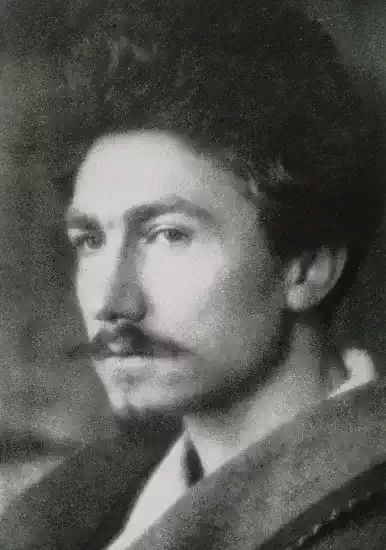
Ezra Pound
Prayer For His Lady’s Life
Prayer For His Lady’s Life
FROM PROPERTIUS, ELEGIAE, LIB. III, 26
Here let thy clemency, Persephone, hold firm,
Do thou, Pluto, bring here no greater harshness.
So many thousand beauties are gone down to Avernus,
Ye might let one remain above with us.
With you is lope, with you the white-gleaming Tyro,
With you is Europa and the shameless Pasiphae,
And all the fair from Troy and all from Achaia,
From the sundered realms, of Thebes and of aged Priamus;
And all the maidens of Rome, as many as they were,
They died and the greed of your flame consumes them.
Here let thy clemency, Persephone, hold firm.
Do thou, Pluto, bring here no greater harshness.
So many thousandfair are gone down to Avernus,
Ye might let one remain above with us.
FROM PROPERTIUS, ELEGIAE, LIB. III, 26
Here let thy clemency, Persephone, hold firm,
Do thou, Pluto, bring here no greater harshness.
So many thousand beauties are gone down to Avernus,
Ye might let one remain above with us.
With you is lope, with you the white-gleaming Tyro,
With you is Europa and the shameless Pasiphae,
And all the fair from Troy and all from Achaia,
From the sundered realms, of Thebes and of aged Priamus;
And all the maidens of Rome, as many as they were,
They died and the greed of your flame consumes them.
Here let thy clemency, Persephone, hold firm.
Do thou, Pluto, bring here no greater harshness.
So many thousandfair are gone down to Avernus,
Ye might let one remain above with us.
474
Ezra Pound
Liu Ch'e
Liu Ch'e
The rustling of the silk is discontinued,
Dust drifts over the court-yard,
There is no sound of foot-fall, and the leaves
Scurry into heaps and lie still,
And she the rejoicer of the heart is beneath them:
A wet leaf that clings to the threshold.
The rustling of the silk is discontinued,
Dust drifts over the court-yard,
There is no sound of foot-fall, and the leaves
Scurry into heaps and lie still,
And she the rejoicer of the heart is beneath them:
A wet leaf that clings to the threshold.
433
Ezra Pound
For E. McC
For E. McC
Gone while your tastes were keen to you,
Gone where the grey winds call to you,
By that high fencer, even Death,
Struck of the blade that no man parrieth;
Such is your fence, one saith,
One that hath known you.
Drew you your sword most gallantly
Made you your pass most valiantly
'Gainst that grey fencer, even Death.
Gone as a gust of breath
Faith! no man tarrieth,
‘Se il cor ti manca,’ but it failed thee not!
'Non ti fidar,’ it is the sword that speaks
‘In me.’
Thou trusted'st in thyself and met the blade
'Thout mask or gauntlet, and art laid
As memorable broken blades that be
Kept as bold trophies of old pageantry.
As old Toledos past their days of war
Are kept mnemonic of the strokes they bore,
So art thou with us, being good to keep
In our heart's sword-rack, though thy sword-arm sleep.
ENVOI
Struck of the blade that no man parrieth
Pierced of the point that toucheth lastly all,
'Gainst that grey fencer, even Death,
Behold the shield! He shall not take thee all.
Gone while your tastes were keen to you,
Gone where the grey winds call to you,
By that high fencer, even Death,
Struck of the blade that no man parrieth;
Such is your fence, one saith,
One that hath known you.
Drew you your sword most gallantly
Made you your pass most valiantly
'Gainst that grey fencer, even Death.
Gone as a gust of breath
Faith! no man tarrieth,
‘Se il cor ti manca,’ but it failed thee not!
'Non ti fidar,’ it is the sword that speaks
‘In me.’
Thou trusted'st in thyself and met the blade
'Thout mask or gauntlet, and art laid
As memorable broken blades that be
Kept as bold trophies of old pageantry.
As old Toledos past their days of war
Are kept mnemonic of the strokes they bore,
So art thou with us, being good to keep
In our heart's sword-rack, though thy sword-arm sleep.
ENVOI
Struck of the blade that no man parrieth
Pierced of the point that toucheth lastly all,
'Gainst that grey fencer, even Death,
Behold the shield! He shall not take thee all.
483
Ezra Pound
Coda
Coda
O My songs,
Why do you look so eagerly and so curiously into
people's faces,
Will you find your lost dead among them?
O My songs,
Why do you look so eagerly and so curiously into
people's faces,
Will you find your lost dead among them?
448
Ezra Pound
Canto I
Canto I
And then went down to the ship,
Set keel to breakers, forth on the godly sea, and
We set up mast and sail on tha swart ship,
Bore sheep aboard her, and our bodies also
Heavy with weeping, so winds from sternward
Bore us out onward with bellying canvas,
Circe's this craft, the trim-coifed goddess.
Then sat we amidships, wind jamming the tiller,
Thus with stretched sail, we went over sea till day's end.
Sun to his slumber, shadows o'er all the ocean,
Came we then to the bounds of deepest water,
To the Kimmerian lands, and peopled cities
Covered with close-webbed mist, unpierced ever
With glitter of sun-rays
Nor with stars stretched, nor looking back from heaven
Swartest night stretched over wretched men there.
The ocean flowing backward, came we then to the place
Aforesaid by Circe.
Here did they rites, Perimedes and Eurylochus,
And drawing sword from my hip
I dug the ell-square pitkin;
Poured we libations unto each the dead,
First mead and then sweet wine, water mixed with white flour.
Then prayed I many a prayer to the sickly death's-head;
As set in Ithaca, sterile bulls of the best
For sacrifice, heaping the pyre with goods,
A sheep to Tiresias only, black and a bell-sheep.
Dark blood flowed in the fosse,
Souls out of Erebus, cadaverous dead, of brides
Of youths and at the old who had borne much;
Souls stained with recent tears, girls tender,
Men many, mauled with bronze lance heads,
Battle spoil, bearing yet dreory arms,
These many crowded about me; with shouting,
Pallor upon me, cried to my men for more beasts;
Slaughtered the heards, sheep slain of bronze;
Poured ointment, cried to the gods,
To Pluto the strong, and praised Proserpine;
Unsheathed the narrow sword,
I sat to keep off the impetuous impotent dead,
Till I should hear Tiresias.
But first Elpenor came, our friend Elpenor,
Unburied, cast on the wide earth,
Limbs that we left in the house of Circe,
Unwept, unwrapped in sepulchre, since toils urged other.
Pitiful spirit.And I cried in hurried speech:
"Elpenor, how art thou come to this dark coast?
Cam'st thou afoot, outstripping seamen?"
And he in heavy speech:
"Ill fate and abundant wine. I slept in Circe's ingle.
Going down the long ladder unguarded,
I fell against the buttress,
Shattered the nape-nerve, the soul sought Avernus.
But thou, O King, I bid remember me, unwept, unburied,
Heap up mine arms, be tomb by sea-bord, and inscribed:
A man of no fortune, and with a name to come.
And set my oar up, that I swung mid fellows."
And Anticlea came, whom I beat off, and then Tiresias Theban,
Holding his golden wand, knew me, and spoke first:
"A second time? why? man of ill star,
Facing the sunless dead and this joyless region?
Stand from the fosse, leave me my bloody bever
For soothsay."
And I stepped back,
And he stong with the blood, said then: "Odysseus
Shalt return through spiteful Neptune, over dark seas,
Lose all companions." And then Anticlea came.
Lie quiet Divus. I mean, that is Andreas Divus,
In officina Wecheli, 1538, out of Homer.
And he sailed, by Sirens and thence outward and away
And unto Circe.
Venerandam,
In the Creatan's phrase, with the golden crown, Aphrodite,
Cypri munimenta sortita est, mirthful, orichalchi, with golden
Girdles and breast bands, thou with dark eyelids
Bearing the golden bough of Argicida. So that:
And then went down to the ship,
Set keel to breakers, forth on the godly sea, and
We set up mast and sail on tha swart ship,
Bore sheep aboard her, and our bodies also
Heavy with weeping, so winds from sternward
Bore us out onward with bellying canvas,
Circe's this craft, the trim-coifed goddess.
Then sat we amidships, wind jamming the tiller,
Thus with stretched sail, we went over sea till day's end.
Sun to his slumber, shadows o'er all the ocean,
Came we then to the bounds of deepest water,
To the Kimmerian lands, and peopled cities
Covered with close-webbed mist, unpierced ever
With glitter of sun-rays
Nor with stars stretched, nor looking back from heaven
Swartest night stretched over wretched men there.
The ocean flowing backward, came we then to the place
Aforesaid by Circe.
Here did they rites, Perimedes and Eurylochus,
And drawing sword from my hip
I dug the ell-square pitkin;
Poured we libations unto each the dead,
First mead and then sweet wine, water mixed with white flour.
Then prayed I many a prayer to the sickly death's-head;
As set in Ithaca, sterile bulls of the best
For sacrifice, heaping the pyre with goods,
A sheep to Tiresias only, black and a bell-sheep.
Dark blood flowed in the fosse,
Souls out of Erebus, cadaverous dead, of brides
Of youths and at the old who had borne much;
Souls stained with recent tears, girls tender,
Men many, mauled with bronze lance heads,
Battle spoil, bearing yet dreory arms,
These many crowded about me; with shouting,
Pallor upon me, cried to my men for more beasts;
Slaughtered the heards, sheep slain of bronze;
Poured ointment, cried to the gods,
To Pluto the strong, and praised Proserpine;
Unsheathed the narrow sword,
I sat to keep off the impetuous impotent dead,
Till I should hear Tiresias.
But first Elpenor came, our friend Elpenor,
Unburied, cast on the wide earth,
Limbs that we left in the house of Circe,
Unwept, unwrapped in sepulchre, since toils urged other.
Pitiful spirit.And I cried in hurried speech:
"Elpenor, how art thou come to this dark coast?
Cam'st thou afoot, outstripping seamen?"
And he in heavy speech:
"Ill fate and abundant wine. I slept in Circe's ingle.
Going down the long ladder unguarded,
I fell against the buttress,
Shattered the nape-nerve, the soul sought Avernus.
But thou, O King, I bid remember me, unwept, unburied,
Heap up mine arms, be tomb by sea-bord, and inscribed:
A man of no fortune, and with a name to come.
And set my oar up, that I swung mid fellows."
And Anticlea came, whom I beat off, and then Tiresias Theban,
Holding his golden wand, knew me, and spoke first:
"A second time? why? man of ill star,
Facing the sunless dead and this joyless region?
Stand from the fosse, leave me my bloody bever
For soothsay."
And I stepped back,
And he stong with the blood, said then: "Odysseus
Shalt return through spiteful Neptune, over dark seas,
Lose all companions." And then Anticlea came.
Lie quiet Divus. I mean, that is Andreas Divus,
In officina Wecheli, 1538, out of Homer.
And he sailed, by Sirens and thence outward and away
And unto Circe.
Venerandam,
In the Creatan's phrase, with the golden crown, Aphrodite,
Cypri munimenta sortita est, mirthful, orichalchi, with golden
Girdles and breast bands, thou with dark eyelids
Bearing the golden bough of Argicida. So that:
489

Emily Jane Brontë
The Prisoner
The Prisoner
Still let my tyrants know, I am not doomed to wear
Year after year in gloom and desolate despair;
A messenger of Hope comes every night to me,
And offers for short life, eternal liberty.
He comes with western winds, with evening's wandering airs,
With that clear dusk of heaven that brings the thickest stars:
Winds take a pensive tone, and stars a tender fire,
And visions rise, and change, that kill me with desire.
Desire for nothing known in my maturer years,
When Joy grew mad with awe, at counting future tears:
When, if my spirit's sky was full of flashes warm,
I knew not whence they came, from sun or thunderstorm.
But first, a hush of peace -a soundless calm descends;
The struggle of distress and fierce impatience ends;
Mute music soothes my breast -unuttered harmony
That I could never dream, till Earth was lost to me.
Then dawns the Invisible; the Unseen its truth reveals;
My outward sense is gone, my inward essence feels;
Its wings are almost free -its home, its harbour found;
Measuring the gulf, it stoops, and dares the final bound.
O dreadful is the check -intense the agony -
When the ear begins to hear, and the eye begins to see;
When the pulse begins to throb, the brain to think again,
The soul to feel the flesh, and the flesh to feel the chain.
Yet I would lose no sting, would wish no torture less;
The more that anguish racks, the earlier it will bless;
And robed in fires of hell, or bright with heavenly shine,
If it but herald Death, the vision is divine.
Still let my tyrants know, I am not doomed to wear
Year after year in gloom and desolate despair;
A messenger of Hope comes every night to me,
And offers for short life, eternal liberty.
He comes with western winds, with evening's wandering airs,
With that clear dusk of heaven that brings the thickest stars:
Winds take a pensive tone, and stars a tender fire,
And visions rise, and change, that kill me with desire.
Desire for nothing known in my maturer years,
When Joy grew mad with awe, at counting future tears:
When, if my spirit's sky was full of flashes warm,
I knew not whence they came, from sun or thunderstorm.
But first, a hush of peace -a soundless calm descends;
The struggle of distress and fierce impatience ends;
Mute music soothes my breast -unuttered harmony
That I could never dream, till Earth was lost to me.
Then dawns the Invisible; the Unseen its truth reveals;
My outward sense is gone, my inward essence feels;
Its wings are almost free -its home, its harbour found;
Measuring the gulf, it stoops, and dares the final bound.
O dreadful is the check -intense the agony -
When the ear begins to hear, and the eye begins to see;
When the pulse begins to throb, the brain to think again,
The soul to feel the flesh, and the flesh to feel the chain.
Yet I would lose no sting, would wish no torture less;
The more that anguish racks, the earlier it will bless;
And robed in fires of hell, or bright with heavenly shine,
If it but herald Death, the vision is divine.
362
Emily Jane Brontë
Stanzas
Stanzas
I'll not weep that thou art going to leave me,
There's nothing lovely here;
And doubly will the dark world grieve me,
While thy heart suffers there.
I'll not weep, because the summer's glory
Must always end in gloom;
And, follow out the happiest story -
It closes with a tomb!
And I am weary of the anguish
Increasing winters bear;
Weary to watch the spirit languish
Through years of dead despair.
So, if a tear, when thou art dying,
Should haply fall from me,
It is but that my soul is sighing,
To go and rest with thee.
I'll not weep that thou art going to leave me,
There's nothing lovely here;
And doubly will the dark world grieve me,
While thy heart suffers there.
I'll not weep, because the summer's glory
Must always end in gloom;
And, follow out the happiest story -
It closes with a tomb!
And I am weary of the anguish
Increasing winters bear;
Weary to watch the spirit languish
Through years of dead despair.
So, if a tear, when thou art dying,
Should haply fall from me,
It is but that my soul is sighing,
To go and rest with thee.
163
Emily Jane Brontë
R. Alcona to J. Brenzaida
R. Alcona to J. Brenzaida
Cold in the earth, and the deep snow piled above thee!
Far, far removed, cold in the dreary grave!
Have I forgot, my Only Love, to love thee,
Severed at last by Time's all-wearing wave?
Now, when alone, do my thoughts no longer hover
Over the mountains on Angora's shore;
Resting their wings where heath and fern-leaves cover
That noble heart for ever, ever more?
Cold in the earth, and fifteen wild Decembers
From those brown hills have melted into spring--
Faithful indeed is the spirit that remembers
After such years of change and suffering!
Sweet Love of youth, forgive if I forget thee
While the World's tide is bearing me along:
Sterner desires and darker hopes beset me,
Hopes which obscure but cannot do thee wrong.
No other Sun has lightened up my heaven;
No other Star has ever shone for me:
All my life's bliss from thy dear life was given
All my life's bliss is in the grave with thee.
But when the days of golden dreams had perished
And even Despair was powerless to destroy,
Then did I learn how existence could be cherished,
Strengthened and fed without the aid of joy;
Then did I check the tears of useless passion,
Weaned my young soul from yearning after thine;
Sternly denied its burning wish to hasten
Down to that tomb already more than mine!
And even yet, I dare not let it languish,
Dare not indulge in Memory's rapturous pain;
Once drinking deep of that divinest anguish,
How could I seek the empty world again?
(March 3, 1845)
Cold in the earth, and the deep snow piled above thee!
Far, far removed, cold in the dreary grave!
Have I forgot, my Only Love, to love thee,
Severed at last by Time's all-wearing wave?
Now, when alone, do my thoughts no longer hover
Over the mountains on Angora's shore;
Resting their wings where heath and fern-leaves cover
That noble heart for ever, ever more?
Cold in the earth, and fifteen wild Decembers
From those brown hills have melted into spring--
Faithful indeed is the spirit that remembers
After such years of change and suffering!
Sweet Love of youth, forgive if I forget thee
While the World's tide is bearing me along:
Sterner desires and darker hopes beset me,
Hopes which obscure but cannot do thee wrong.
No other Sun has lightened up my heaven;
No other Star has ever shone for me:
All my life's bliss from thy dear life was given
All my life's bliss is in the grave with thee.
But when the days of golden dreams had perished
And even Despair was powerless to destroy,
Then did I learn how existence could be cherished,
Strengthened and fed without the aid of joy;
Then did I check the tears of useless passion,
Weaned my young soul from yearning after thine;
Sternly denied its burning wish to hasten
Down to that tomb already more than mine!
And even yet, I dare not let it languish,
Dare not indulge in Memory's rapturous pain;
Once drinking deep of that divinest anguish,
How could I seek the empty world again?
(March 3, 1845)
298
Emily Jane Brontë
Encouragement
Encouragement
I do not weep; I would not weep;
Our mother needs no tears:
Dry thine eyes, too; 'tis vain to keep
This causeless grief for years.
What though her brow be changed and cold,
Her sweet eyes closed for ever?
What though the stone-the darksome mould
Our mortal bodies sever?
What though her hand smooth ne'er again
Those silken locks of thine?
Nor, through long hours of future pain,
Her kind face o'er thee shine?
Remember still, she is not dead;
She sees us, sister, now;
Laid, where her angel spirit fled,
'Mid heath and frozen snow.
And from that world of heavenly light
Will she not always bend
To guide us in our lifetime's night,
And guard us to the end?
Thou knowest she will; and thou mayst mourn
That we are left below:
But not that she can ne'er return
To share our earthly woe.
I do not weep; I would not weep;
Our mother needs no tears:
Dry thine eyes, too; 'tis vain to keep
This causeless grief for years.
What though her brow be changed and cold,
Her sweet eyes closed for ever?
What though the stone-the darksome mould
Our mortal bodies sever?
What though her hand smooth ne'er again
Those silken locks of thine?
Nor, through long hours of future pain,
Her kind face o'er thee shine?
Remember still, she is not dead;
She sees us, sister, now;
Laid, where her angel spirit fled,
'Mid heath and frozen snow.
And from that world of heavenly light
Will she not always bend
To guide us in our lifetime's night,
And guard us to the end?
Thou knowest she will; and thou mayst mourn
That we are left below:
But not that she can ne'er return
To share our earthly woe.
232
Emily Jane Brontë
Come, Walk With Me
Come, Walk With Me
Come, walk with me,
There's only thee
To bless my spirit now -
We used to love on winter nights
To wander through the snow;
Can we not woo back old delights?
The clouds rush dark and wild
They fleck with shade our mountain heights
The same as long ago
And on the horizon rest at last
In looming masses piled;
While moonbeams flash and fly so fast
We scarce can say they smiled -
Come walk with me, come walk with me;
We were not once so few
But Death has stolen our company
As sunshine steals the dew -
He took them one by one and we
Are left the only two;
So closer would my feelings twine
Because they have no stay but thine
'Nay call me not - it may not be
Is human love so true?
Can Friendship's flower droop on for years
And then revive anew?
No, though the soil be wet with tears,
How fair soe'er it grew
The vital sap once perished
Will never flow again
And surer than that dwelling dread,
The narrow dungeon of the dead
Time parts the hearts of men -'
Come, walk with me,
There's only thee
To bless my spirit now -
We used to love on winter nights
To wander through the snow;
Can we not woo back old delights?
The clouds rush dark and wild
They fleck with shade our mountain heights
The same as long ago
And on the horizon rest at last
In looming masses piled;
While moonbeams flash and fly so fast
We scarce can say they smiled -
Come walk with me, come walk with me;
We were not once so few
But Death has stolen our company
As sunshine steals the dew -
He took them one by one and we
Are left the only two;
So closer would my feelings twine
Because they have no stay but thine
'Nay call me not - it may not be
Is human love so true?
Can Friendship's flower droop on for years
And then revive anew?
No, though the soil be wet with tears,
How fair soe'er it grew
The vital sap once perished
Will never flow again
And surer than that dwelling dread,
The narrow dungeon of the dead
Time parts the hearts of men -'
234
Emily Jane Brontë
At Castle Wood
At Castle Wood
The day is done, the winter sun
Is setting in its sullen sky;
And drear the course that has been run,
And dim the hearts that slowly die.
No star will light my coming night;
No morn of hope for me will shine;
I mourn not heaven would blast my sight,
And I ne'er longed for joys divine.
Through life's hard task I did not ask
Celestial aid, celestial cheer;
I saw my fate without its mask,
And met it too without a tear.
The grief that pressed my aching breast
Was heavier far than earth can be;
And who would dread eternal rest
When labour's hour was agony?
Dark falls the fear of this despair
On spirits born of happiness;
But I was bred the mate of care,
The foster-child of sore distress.
No sighs for me, no sympathy,
No wish to keep my soul below;
The heart is dead in infancy,
Unwept-for let the body go.
The day is done, the winter sun
Is setting in its sullen sky;
And drear the course that has been run,
And dim the hearts that slowly die.
No star will light my coming night;
No morn of hope for me will shine;
I mourn not heaven would blast my sight,
And I ne'er longed for joys divine.
Through life's hard task I did not ask
Celestial aid, celestial cheer;
I saw my fate without its mask,
And met it too without a tear.
The grief that pressed my aching breast
Was heavier far than earth can be;
And who would dread eternal rest
When labour's hour was agony?
Dark falls the fear of this despair
On spirits born of happiness;
But I was bred the mate of care,
The foster-child of sore distress.
No sighs for me, no sympathy,
No wish to keep my soul below;
The heart is dead in infancy,
Unwept-for let the body go.
224
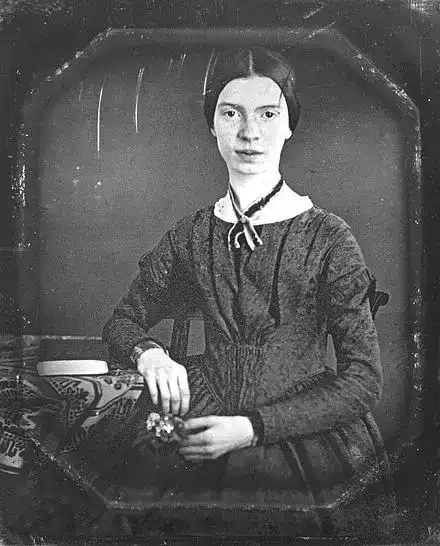
Emily Dickinson
You'll find—it when you try to die
You'll find—it when you try to die
610
You'll find—it when you try to die—
The Easier to let go—
For recollecting such as went—
You could not spare—you know.
And though their places somewhat filled—
As did their Marble names
With Moss—they never grew so full—
You chose the newer names—
And when this World—sets further back—
As Dying—say it does—
The former love—distincter grows—
And supersedes the fresh—
And Thought of them—so fair invites—
It looks too tawdry Grace
To stay behind—with just the Toys
We bought—to ease their place—
610
You'll find—it when you try to die—
The Easier to let go—
For recollecting such as went—
You could not spare—you know.
And though their places somewhat filled—
As did their Marble names
With Moss—they never grew so full—
You chose the newer names—
And when this World—sets further back—
As Dying—say it does—
The former love—distincter grows—
And supersedes the fresh—
And Thought of them—so fair invites—
It looks too tawdry Grace
To stay behind—with just the Toys
We bought—to ease their place—
289
Emily Dickinson
Would you like summer? Taste of ours
Would you like summer? Taste of ours
691
Would you like summer? Taste of ours.
Spices? Buy here!
Ill! We have berries, for the parching!
Weary! Furloughs of down!
Perplexed! Estates of violet trouble ne'er looked on!
Captive! We bring reprieve of roses!
Fainting! Flasks of air!
Even for Death, a fairy medicine.
But, which is it, sir?
691
Would you like summer? Taste of ours.
Spices? Buy here!
Ill! We have berries, for the parching!
Weary! Furloughs of down!
Perplexed! Estates of violet trouble ne'er looked on!
Captive! We bring reprieve of roses!
Fainting! Flasks of air!
Even for Death, a fairy medicine.
But, which is it, sir?
195
Emily Dickinson
Where I have lost, I softer tread
Where I have lost, I softer tread
104
Where I have lost, I softer tread-
I sow sweet flower from garden bed-
I pause above that vanished head
And mourn.
Whom I have lost, I pious guard
From accent harsh, or ruthless word-
Feeling as if their pillow heard,
Though stone!
When I have lost, you'll know by this-
A Bonnet black-A dusk surplice-
A little tremor in my voice
Like this!
Why, I have lost, the people know
Who dressed in flocks of purest snow
Went home a century ago
Next Bliss!
104
Where I have lost, I softer tread-
I sow sweet flower from garden bed-
I pause above that vanished head
And mourn.
Whom I have lost, I pious guard
From accent harsh, or ruthless word-
Feeling as if their pillow heard,
Though stone!
When I have lost, you'll know by this-
A Bonnet black-A dusk surplice-
A little tremor in my voice
Like this!
Why, I have lost, the people know
Who dressed in flocks of purest snow
Went home a century ago
Next Bliss!
257
Emily Dickinson
We can but follow to the Sun
We can but follow to the Sun
920
We can but follow to the Sun-
As oft as He go down
He leave Ourselves a Sphere behind'
Tis mostly-following-
We go no further with the Dust
Than to the Earthen Door-
And then the Panels are reversed-
And we behold-no more.
920
We can but follow to the Sun-
As oft as He go down
He leave Ourselves a Sphere behind'
Tis mostly-following-
We go no further with the Dust
Than to the Earthen Door-
And then the Panels are reversed-
And we behold-no more.
245
Emily Dickinson
We do not play on Graves
We do not play on Graves
467
We do not play on Graves-
Because there isn't RoomBesides-
it isn't even-it slants
And People come-
And put a Flower on it-
And hang their faces soWe're
fearing that their Hearts will drop-
And crush our pretty play-
And so we move as far
As Enemies-away-
Just looking round to see how far
It is-Occasionally-
467
We do not play on Graves-
Because there isn't RoomBesides-
it isn't even-it slants
And People come-
And put a Flower on it-
And hang their faces soWe're
fearing that their Hearts will drop-
And crush our pretty play-
And so we move as far
As Enemies-away-
Just looking round to see how far
It is-Occasionally-
279
Emily Dickinson
Wait till the Majesty of Death
Wait till the Majesty of Death
171
Wait till the Majesty of Death
Invests so mean a brow!
Almost a powdered Footman
Might dare to touch it now!
Wait till in Everlasting Robes
That Democrat is dressed,
Then prate about "Preferment"-
And "Station," and the rest!
Around this quiet Courtier
Obsequious Angels wait!
Full royal is his Retinue!
Full purple is his state!
A Lord, might dare to lift the Hat
To such a Modest Clay
Since that My Lord, "the Lord of Lords"
Receives unblushingly!
171
Wait till the Majesty of Death
Invests so mean a brow!
Almost a powdered Footman
Might dare to touch it now!
Wait till in Everlasting Robes
That Democrat is dressed,
Then prate about "Preferment"-
And "Station," and the rest!
Around this quiet Courtier
Obsequious Angels wait!
Full royal is his Retinue!
Full purple is his state!
A Lord, might dare to lift the Hat
To such a Modest Clay
Since that My Lord, "the Lord of Lords"
Receives unblushingly!
258
Emily Dickinson
Upon Concluded Lives
Upon Concluded Lives
735
Upon Concluded Lives
There's nothing cooler falls-
Than Life's sweet Calculations-
The mixing Bells and Palls-
Make Lacerating Tune-
To Ears the Dying Side'
Tis Coronal-and FuneralSaluting-
in the Road-
735
Upon Concluded Lives
There's nothing cooler falls-
Than Life's sweet Calculations-
The mixing Bells and Palls-
Make Lacerating Tune-
To Ears the Dying Side'
Tis Coronal-and FuneralSaluting-
in the Road-
245
Emily Dickinson
Unit, like Death, for Whom?
Unit, like Death, for Whom?
408
Unit, like Death, for Whom?
True, like the Tomb,
Who tells no secret
Told to Him-
The Grave is strict-
Tickets admit
Just two-the Bearer-
And the Borne-
And seat-just One-
The Living-tell-
The Dying-but a Syllable-
The Coy Dead-None-
No Chatter-here-no tea-
So Babbler, and Bohea-stay there-
But Gravity-and Expectation-and Fear-
A tremor just, that All's not sure.
408
Unit, like Death, for Whom?
True, like the Tomb,
Who tells no secret
Told to Him-
The Grave is strict-
Tickets admit
Just two-the Bearer-
And the Borne-
And seat-just One-
The Living-tell-
The Dying-but a Syllable-
The Coy Dead-None-
No Chatter-here-no tea-
So Babbler, and Bohea-stay there-
But Gravity-and Expectation-and Fear-
A tremor just, that All's not sure.
264
Emily Dickinson
Two Travellers perishing in Snow
Two Travellers perishing in Snow
933
Two Travellers perishing in Snow
The Forests as they froze
Together heard them strengthening
Each other with the words
That Heaven if Heaven-must contain
What Either left behind
And then the cheer too solemn grew
For language, and the wind
Long steps across the features took
That Love had touched the Morn
With reverential Hyacinth-
The taleless Days went on
Till Mystery impatient drew
And those They left behind
Led absent, were procured of Heaven
As Those first furnished, said-
933
Two Travellers perishing in Snow
The Forests as they froze
Together heard them strengthening
Each other with the words
That Heaven if Heaven-must contain
What Either left behind
And then the cheer too solemn grew
For language, and the wind
Long steps across the features took
That Love had touched the Morn
With reverential Hyacinth-
The taleless Days went on
Till Mystery impatient drew
And those They left behind
Led absent, were procured of Heaven
As Those first furnished, said-
314
Emily Dickinson
'Twas warm—at first—like Us
'Twas warm—at first—like Us
519
'Twas warm—at first—like Us—
Until there crept upon
A Chill—like frost upon a Glass—
Till all the scene—be gone.
The Forehead copied Stone—
The Fingers grew too cold
To ache—and like a Skater's Brook—
The busy eyes—congealed—
It straightened—that was all—
It crowded Cold to Cold—
It multiplied indifference—
As Pride were all it could—
And even when with Cords—
'Twas lowered, like a Weight—
It made no Signal, nor demurred,
But dropped like Adamant.
519
'Twas warm—at first—like Us—
Until there crept upon
A Chill—like frost upon a Glass—
Till all the scene—be gone.
The Forehead copied Stone—
The Fingers grew too cold
To ache—and like a Skater's Brook—
The busy eyes—congealed—
It straightened—that was all—
It crowded Cold to Cold—
It multiplied indifference—
As Pride were all it could—
And even when with Cords—
'Twas lowered, like a Weight—
It made no Signal, nor demurred,
But dropped like Adamant.
269
Emily Dickinson
Twas Crisis—All the length had passed
Twas Crisis—All the length had passed
'Twas Crisis—All the length had passed—
That dull—benumbing time
There is in Fever or Event—
And now the Chance had come—
The instant holding in its claw
The privilege to live
Or warrant to report the Soul
The other side the Grave.
The Muscles grappled as with leads
That would not let the Will—
The Spirit shook the Adamant—
But could not make it feel.
The Second poised—debated—shot—
Another had begun—
And simultaneously, a Soul
Escaped the House unseen—
'Twas Crisis—All the length had passed—
That dull—benumbing time
There is in Fever or Event—
And now the Chance had come—
The instant holding in its claw
The privilege to live
Or warrant to report the Soul
The other side the Grave.
The Muscles grappled as with leads
That would not let the Will—
The Spirit shook the Adamant—
But could not make it feel.
The Second poised—debated—shot—
Another had begun—
And simultaneously, a Soul
Escaped the House unseen—
273
Emily Dickinson
To make One's Toilette-after Death
To make One's Toilette-after Death
485
To make One's Toilette-after Death
Has made the Toilette cool
Of only Taste we cared to please
Is difficult, and still
That's easier-than Braid the Hair-
And make the Bodice gay-
When eyes that fondled it are wrenched
By Decalogues-away-
485
To make One's Toilette-after Death
Has made the Toilette cool
Of only Taste we cared to please
Is difficult, and still
That's easier-than Braid the Hair-
And make the Bodice gay-
When eyes that fondled it are wrenched
By Decalogues-away-
233
Emily Dickinson
To die
To die
To die--takes just a little while--
They say it doesn't hurt-It's
only fainter--by degrees--
And then--it's out of sight--
A darker Ribbon--for a Day--
A Crape upon the Hat--
And then the pretty sunshine comes--
And helps us to forget--
The absent--mystic--creature--
That but for love of us--
Had gone to sleep--that soundest time--
Without the weariness--
To die--takes just a little while--
They say it doesn't hurt-It's
only fainter--by degrees--
And then--it's out of sight--
A darker Ribbon--for a Day--
A Crape upon the Hat--
And then the pretty sunshine comes--
And helps us to forget--
The absent--mystic--creature--
That but for love of us--
Had gone to sleep--that soundest time--
Without the weariness--
318