

Poems in this topic
Death and Mourning
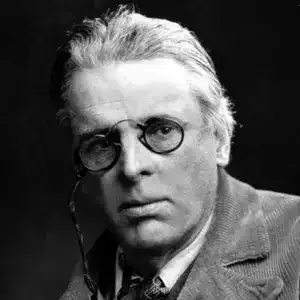
William Butler Yeats
The Harp Of Aengus
The Harp Of Aengus
Edain came out of Midhir's hill, and lay
Beside young Aengus in his tower of glass,
Where time is drowned in odour-laden winds
And Druid moons, and murmuring of boughs,
And sleepy boughs, and boughs where apples made
Of opal and ruhy and pale chrysolite
Awake unsleeping fires; and wove seven strings,
Sweet with all music, out of his long hair,
Because her hands had been made wild by love.
When Midhir's wife had changed her to a fly,
He made a harp with Druid apple-wood
That she among her winds might know he wept;
And from that hour he has watched over none
But faithful lovers.
Edain came out of Midhir's hill, and lay
Beside young Aengus in his tower of glass,
Where time is drowned in odour-laden winds
And Druid moons, and murmuring of boughs,
And sleepy boughs, and boughs where apples made
Of opal and ruhy and pale chrysolite
Awake unsleeping fires; and wove seven strings,
Sweet with all music, out of his long hair,
Because her hands had been made wild by love.
When Midhir's wife had changed her to a fly,
He made a harp with Druid apple-wood
That she among her winds might know he wept;
And from that hour he has watched over none
But faithful lovers.
436
William Butler Yeats
The Delphic Oracle Upon Plotinus
The Delphic Oracle Upon Plotinus
Behold that great Plotinus swim,
Buffeted by such seas;
Bland Rhadamanthus beckons him,
But the Golden Race looks dim,
Salt blood blocks his eyes.
Scattered on the level grass
Or winding through the grove
plato there and Minos pass,
There stately Pythagoras
And all the choir of Love.
Behold that great Plotinus swim,
Buffeted by such seas;
Bland Rhadamanthus beckons him,
But the Golden Race looks dim,
Salt blood blocks his eyes.
Scattered on the level grass
Or winding through the grove
plato there and Minos pass,
There stately Pythagoras
And all the choir of Love.
268
William Butler Yeats
The Cloak, The Boat And The Shoes
The Cloak, The Boat And The Shoes
'What do you make so fair and bright?'
'I make the cloak of Sorrow:
O lovely to see in all men's sight
Shall be the cloak of Sorrow,
In all men's sight.'
'What do you build with sails for flight?'
'I build a boat for Sorrow:
O swift on the seas all day and night
Saileth the rover Sorrow,
All day and night.'
What do you weave with wool so white?'
'I weave the shoes of Sorrow:
Soundless shall be the footfall light
In all men's ears of Sorrow,
Sudden and light.'
'What do you make so fair and bright?'
'I make the cloak of Sorrow:
O lovely to see in all men's sight
Shall be the cloak of Sorrow,
In all men's sight.'
'What do you build with sails for flight?'
'I build a boat for Sorrow:
O swift on the seas all day and night
Saileth the rover Sorrow,
All day and night.'
What do you weave with wool so white?'
'I weave the shoes of Sorrow:
Soundless shall be the footfall light
In all men's ears of Sorrow,
Sudden and light.'
371
William Butler Yeats
The Black Tower
The Black Tower
SAY that the men of the old black tower,
Though they but feed as the goatherd feeds,
Their money spent, their wine gone sour,
Lack nothing that a soldier needs,
That all are oath-bound men:
Those banners come not in.
There in the tomb stand the dead upright,
But winds come up from the shore:
They shake when the winds roar,
Old bones upon the mountain shake.
Those banners come to bribe or threaten,
Or whisper that a man's a fool
Who, when his own right king's forgotten,
Cares what king sets up his rule.
If he died long ago
Why do yopu dread us so?
There in the tomb drops the faint moonlight,
But wind comes up from the shore:
They shake when the winds roar,
Old bones upon the mountain shake.
The tower's old cook that must climb and clamber
Catching small birds in the dew of the morn
When we hale men lie stretched in slumber
Swears that he hears the king's great horn.
But he's a lying hound:
Stand we on guard oath-bound!
There in the tomb the dark grows blacker,
But wind comes up from the shore:
They shake when the winds roar,
Old bones upon the mountain shake.
SAY that the men of the old black tower,
Though they but feed as the goatherd feeds,
Their money spent, their wine gone sour,
Lack nothing that a soldier needs,
That all are oath-bound men:
Those banners come not in.
There in the tomb stand the dead upright,
But winds come up from the shore:
They shake when the winds roar,
Old bones upon the mountain shake.
Those banners come to bribe or threaten,
Or whisper that a man's a fool
Who, when his own right king's forgotten,
Cares what king sets up his rule.
If he died long ago
Why do yopu dread us so?
There in the tomb drops the faint moonlight,
But wind comes up from the shore:
They shake when the winds roar,
Old bones upon the mountain shake.
The tower's old cook that must climb and clamber
Catching small birds in the dew of the morn
When we hale men lie stretched in slumber
Swears that he hears the king's great horn.
But he's a lying hound:
Stand we on guard oath-bound!
There in the tomb the dark grows blacker,
But wind comes up from the shore:
They shake when the winds roar,
Old bones upon the mountain shake.
427
William Butler Yeats
The Ballad Of The Foxhunter
The Ballad Of The Foxhunter
'Lay me in a cushioned chair;
Carry me, ye four,
With cushions here and cushions there,
To see the world once more.
'To stable and to kennel go;
Bring what is there to bring;
Lead my Lollard to and fro,
Or gently in a ring.
'Put the chair upon the grass:
Bring Rody and his hounds,
That I may contented pass
From these earthly bounds.'
His eyelids droop, his head falls low,
His old eyes cloud with dreams;
The sun upon all things that grow
Falls in sleepy streams.
Brown Lollard treads upon the lawn,
And to the armchair goes,
And now the old man's dreams are gone,
He smooths the long brown nose.
And now moves many a pleasant tongue
Upon his wasted hands,
For leading aged hounds and young
The huntsman near him stands.
'Huntsmam Rody, blow the horn,
Make the hills reply.'
The huntsman loosens on the morn
A gay wandering cry.
Fire is in the old man's eyes,
His fingers move and sway,
And when the wandering music dies
They hear him feebly say,
'Huntsman Rody, blow the horn,
Make the hills reply.'
'I cannot blow upon my horn,
I can but weep and sigh.'
Servants round his cushioned place
Are with new sorrow wrung;
Hounds are gazing on his face,
Aged hounds and young.
One blind hound only lies apart
On the sun-smitten grass;
He holds deep commune with his heart:
The moments pass and pass:
The blind hound with a mournful din
Lifts slow his wintry head;
The servants bear the body in;
The hounds wail for the dead.
'Lay me in a cushioned chair;
Carry me, ye four,
With cushions here and cushions there,
To see the world once more.
'To stable and to kennel go;
Bring what is there to bring;
Lead my Lollard to and fro,
Or gently in a ring.
'Put the chair upon the grass:
Bring Rody and his hounds,
That I may contented pass
From these earthly bounds.'
His eyelids droop, his head falls low,
His old eyes cloud with dreams;
The sun upon all things that grow
Falls in sleepy streams.
Brown Lollard treads upon the lawn,
And to the armchair goes,
And now the old man's dreams are gone,
He smooths the long brown nose.
And now moves many a pleasant tongue
Upon his wasted hands,
For leading aged hounds and young
The huntsman near him stands.
'Huntsmam Rody, blow the horn,
Make the hills reply.'
The huntsman loosens on the morn
A gay wandering cry.
Fire is in the old man's eyes,
His fingers move and sway,
And when the wandering music dies
They hear him feebly say,
'Huntsman Rody, blow the horn,
Make the hills reply.'
'I cannot blow upon my horn,
I can but weep and sigh.'
Servants round his cushioned place
Are with new sorrow wrung;
Hounds are gazing on his face,
Aged hounds and young.
One blind hound only lies apart
On the sun-smitten grass;
He holds deep commune with his heart:
The moments pass and pass:
The blind hound with a mournful din
Lifts slow his wintry head;
The servants bear the body in;
The hounds wail for the dead.
445
William Butler Yeats
Shepherd And Goatherd
Shepherd And Goatherd
Shepherd. That cry's from the first cuckoo of the year.
I wished before it ceased.
Goatherd. Nor bird nor beast
Could make me wish for anything this day,
Being old, but that the old alone might die,
And that would be against God's providence.
Let the young wish. But what has brought you here?
Never until this moment have we met
Where my goats browse on the scarce grass or leap
From stone to Stone.
Shepherd. I am looking for strayed sheep;
Something has troubled me and in my rrouble
I let them stray. I thought of rhyme alone,
For rhme can beat a measure out of trouble
And make the daylight sweet once more; but when
I had driven every rhyme into its Place
The sheep had gone from theirs.
Goatherd. I know right well
What turned so good a shepherd from his charge.
Shepherd. He that was best in every country sport
And every country craft, and of us all
Most courteous to slow age and hasty youth,
Is dead.
Goatherd. The boy that brings my griddle-cake
Brought the bare news.
Shepherd. He had thrown the crook away
And died in the great war beyond the sea.
Goatherd. He had often played his pipes among my hills,
And when he played it was their loneliness,
The exultation of their stone, that died
Under his fingers.
Shepherd. I had it from his mother,
And his own flock was browsing at the door.
Goatherd. How does she bear her grief? There is not a
shepherd
But grows more gentle when he speaks her name,
Remembering kindness done, and how can I,
That found when I had neither goat nor grazing
New welcome and old wisdom at her fire
Till winter blasts were gone, but speak of her
Even before his children and his wife?
Shepherd. She goes about her house erect and calm
Between the pantry and the linen-chest,
Or else at meadow or at grazing overlooks
Her labouring men, as though her darling lived,
But for her grandson now; there is no change
But such as I have Seen upon her face
Watching our shepherd sports at harvest-time
When her son's turn was over.
Goatherd. Sing your song.
I too have rhymed my reveries, but youth
Is hot to show whatever it has found,
And till that's done can neither work nor wait.
Old goatherds and old goats, if in all else
Youth can excel them in accomplishment,
Are learned in waiting.
Shepherd. You cannot but have seen
That he alone had gathered up no gear,
Set carpenters to work on no wide table,
On no long bench nor lofty milking-shed
As others will, when first they take possession,
But left the house as in his father's time
As though he knew himself, as it were, a cuckoo,
No settled man. And now that he is gone
There's nothing of him left but half a score
Of sorrowful, austere, sweet, lofty pipe tunes.
Goatherd. You have put the thought in rhyme.
Shepherd. I worked all day,
And when 'twas done so little had I done
That maybe "I am sorry' in plain prose
Had Sounded better to your mountain fancy.
[He sings.]
"Like the speckled bird that steers
Thousands of leagues oversea,
And runs or a while half-flies
On his yellow legs through our meadows.
He stayed for a while; and we
Had scarcely accustomed our ears
To his speech at the break of day,
Had scarcely accustomed our eyes
To his shape at the rinsing-pool
Among the evening shadows,
When he vanished from ears and eyes.
I might have wished on the day
He came, but man is a fool.'
Goatherd. You sing as always of the natural life,
And I that made like music in my youth
Hearing it now have sighed for that young man
And certain lost companions of my own.
Shepherd. They say that on your barren mountain ridge
You have measured out the road that the soul treads
When it has vanished from our natural eyes;
That you have talked with apparitions.
Goatherd. Indeed
My daily thoughts since the first stupor of youth
Have found the path my goats' feet cannot find.
Shepherd. Sing, for it may be that your thoughts have
plucked
Some medicable herb to make our grief
Less bitter.
Goatherd. They have brought me from that ridge
Seed-pods and flowers that are not all wild poppy.
[Sings.]
"He grows younger every second
That were all his birthdays reckoned
Much too solemn seemed;
Because of what he had dreamed,
Or the ambitions that he served,
Much too solemn and reserved.
Jaunting, journeying
To his own dayspring,
He unpacks the loaded pern
Of all 'twas pain or joy to learn,
Of all that he had made.
The outrageous war shall fade;
At some old winding whitethorn root
He'll practise on the shepherd's flute,
Or on the close-cropped grass
Court his shepherd lass,
Or put his heart into some game
Till daytime, playtime seem the same;
Knowledge he shall unwind
Through victories of the mind,
Till, clambering at the cradle-side,
He dreams himself hsi mother's pride,
All knowledge lost in trance
Of sweeter ignorance.'
Shepherd. When I have shut these ewes and this old ram
Into the fold, we'll to the woods and there
Cut out our rhymes on strips of new-torn bark
But put no name and leave them at her door.
To know the mountain and the valley have grieved
May be a quiet thought to wife and mother,
And children when they spring up shoulder-high.
Shepherd. That cry's from the first cuckoo of the year.
I wished before it ceased.
Goatherd. Nor bird nor beast
Could make me wish for anything this day,
Being old, but that the old alone might die,
And that would be against God's providence.
Let the young wish. But what has brought you here?
Never until this moment have we met
Where my goats browse on the scarce grass or leap
From stone to Stone.
Shepherd. I am looking for strayed sheep;
Something has troubled me and in my rrouble
I let them stray. I thought of rhyme alone,
For rhme can beat a measure out of trouble
And make the daylight sweet once more; but when
I had driven every rhyme into its Place
The sheep had gone from theirs.
Goatherd. I know right well
What turned so good a shepherd from his charge.
Shepherd. He that was best in every country sport
And every country craft, and of us all
Most courteous to slow age and hasty youth,
Is dead.
Goatherd. The boy that brings my griddle-cake
Brought the bare news.
Shepherd. He had thrown the crook away
And died in the great war beyond the sea.
Goatherd. He had often played his pipes among my hills,
And when he played it was their loneliness,
The exultation of their stone, that died
Under his fingers.
Shepherd. I had it from his mother,
And his own flock was browsing at the door.
Goatherd. How does she bear her grief? There is not a
shepherd
But grows more gentle when he speaks her name,
Remembering kindness done, and how can I,
That found when I had neither goat nor grazing
New welcome and old wisdom at her fire
Till winter blasts were gone, but speak of her
Even before his children and his wife?
Shepherd. She goes about her house erect and calm
Between the pantry and the linen-chest,
Or else at meadow or at grazing overlooks
Her labouring men, as though her darling lived,
But for her grandson now; there is no change
But such as I have Seen upon her face
Watching our shepherd sports at harvest-time
When her son's turn was over.
Goatherd. Sing your song.
I too have rhymed my reveries, but youth
Is hot to show whatever it has found,
And till that's done can neither work nor wait.
Old goatherds and old goats, if in all else
Youth can excel them in accomplishment,
Are learned in waiting.
Shepherd. You cannot but have seen
That he alone had gathered up no gear,
Set carpenters to work on no wide table,
On no long bench nor lofty milking-shed
As others will, when first they take possession,
But left the house as in his father's time
As though he knew himself, as it were, a cuckoo,
No settled man. And now that he is gone
There's nothing of him left but half a score
Of sorrowful, austere, sweet, lofty pipe tunes.
Goatherd. You have put the thought in rhyme.
Shepherd. I worked all day,
And when 'twas done so little had I done
That maybe "I am sorry' in plain prose
Had Sounded better to your mountain fancy.
[He sings.]
"Like the speckled bird that steers
Thousands of leagues oversea,
And runs or a while half-flies
On his yellow legs through our meadows.
He stayed for a while; and we
Had scarcely accustomed our ears
To his speech at the break of day,
Had scarcely accustomed our eyes
To his shape at the rinsing-pool
Among the evening shadows,
When he vanished from ears and eyes.
I might have wished on the day
He came, but man is a fool.'
Goatherd. You sing as always of the natural life,
And I that made like music in my youth
Hearing it now have sighed for that young man
And certain lost companions of my own.
Shepherd. They say that on your barren mountain ridge
You have measured out the road that the soul treads
When it has vanished from our natural eyes;
That you have talked with apparitions.
Goatherd. Indeed
My daily thoughts since the first stupor of youth
Have found the path my goats' feet cannot find.
Shepherd. Sing, for it may be that your thoughts have
plucked
Some medicable herb to make our grief
Less bitter.
Goatherd. They have brought me from that ridge
Seed-pods and flowers that are not all wild poppy.
[Sings.]
"He grows younger every second
That were all his birthdays reckoned
Much too solemn seemed;
Because of what he had dreamed,
Or the ambitions that he served,
Much too solemn and reserved.
Jaunting, journeying
To his own dayspring,
He unpacks the loaded pern
Of all 'twas pain or joy to learn,
Of all that he had made.
The outrageous war shall fade;
At some old winding whitethorn root
He'll practise on the shepherd's flute,
Or on the close-cropped grass
Court his shepherd lass,
Or put his heart into some game
Till daytime, playtime seem the same;
Knowledge he shall unwind
Through victories of the mind,
Till, clambering at the cradle-side,
He dreams himself hsi mother's pride,
All knowledge lost in trance
Of sweeter ignorance.'
Shepherd. When I have shut these ewes and this old ram
Into the fold, we'll to the woods and there
Cut out our rhymes on strips of new-torn bark
But put no name and leave them at her door.
To know the mountain and the valley have grieved
May be a quiet thought to wife and mother,
And children when they spring up shoulder-high.
376
William Butler Yeats
Oil And Blood
Oil And Blood
IN tombs of gold and lapis lazuli
Bodies of holy men and women exude
Miraculous oil, odour of violet.
But under heavy loads of trampled clay
Lie bodies of the vampires full of blood;
Their shrouds are bloody and their lips are wet.
IN tombs of gold and lapis lazuli
Bodies of holy men and women exude
Miraculous oil, odour of violet.
But under heavy loads of trampled clay
Lie bodies of the vampires full of blood;
Their shrouds are bloody and their lips are wet.
299
William Butler Yeats
In Memory of Major Robert Gregory
In Memory of Major Robert Gregory
Now that we're almost settled in our house
I'll name the friends that cannot sup with us
Beside a fire of turf in th' ancient tower,
And having talked to some late hour
Climb up the narrow winding stairs to bed:
Discoverers of forgotten truth
Or mere companions of my youth,
All, all are in my thoughts to-night being dead.
Always we'd have the new friend meet the old
And we are hurt if either friend seem cold,
And there is salt to lengthen out the smart
In the affections of our heart,
And quarrels are blown up upon that head;
But not a friend that I would bring
This night can set us quarrelling,
For all that come into my mind are dead.
Lionel Johnson comes the first to mind,
That loved his learning better than mankind.
Though courteous to the worst; much falling he
Brooded upon sanctity
Till all his Greek and Latin learning seemed
A long blast upon the horn that brought
A little nearer to his thought
A measureless consummation that he dreamed.
And that enquiring man John Synge comes next,
That dying chose the living world for text
And never could have rested in the tomb
But that, long travelling, he had come
Towards nightfall upon certain set apart
In a most desolate stony place,
Towards nightfall upon a race
Passionate and simple like his heart.
And then I think of old George Pollexfen,
In muscular youth well known to Mayo men
For horsemanship at meets or at racecourses,
That could have shown how pure-bred horses
And solid men, for all their passion, live
But as the outrageous stars incline
By opposition, square and trine;
Having grown sluggish and contemplative.
They were my close companions many a year.
A portion of my mind and life, as it were,
And now their breathless faces seem to look
Out of some old picture-book;
I am accustomed to their lack of breath,
But not that my dear friend's dear son,
Our Sidney and our perfect man,
Could share in that discourtesy of death.
For all things the delighted eye now sees
Were loved by him: the old storm-broken trees
That cast their shadows upon road and bridge;
The tower set on the stream's edge;
The ford where drinking cattle make a stir
Nightly, and startled by that sound
The water-hen must change her ground;
He might have been your heartiest welcomer.
When with the Galway foxhounds he would ride
From Castle Taylor to the Roxborough side
Or Esserkelly plain, few kept his pace;
At Mooneen he had leaped a place
So perilous that half the astonished meet
Had shut their eyes; and where was it
He rode a race without a bit?
And yet his mind outran the horses' feet.
We dreamed that a great painter had been born
To cold Clare rock and Galway rock and thorn,
To that stern colour and that delicate line
That are our secret discipline
Wherein the gazing heart doubles her might.
Soldier, scholar, horseman, he,
And yet he had the intensity
To have published all to be a world's delight.
What other could so well have counselled us
In all lovely intricacies of a house
As he that practised or that understood
All work in metal or in wood,
In moulded plaster or in carven stone?
Soldier, scholar, horseman, he,
And all he did done perfectly
As though he had but that one trade alone.
Some burn damp faggots, others may consume
The entire combustible world in one small room
As though dried straw, and if we turn about
The bare chimney is gone black out
Because the work had finished in that flare.
Soldier, scholar, horseman, he,
As 'twere all life's epitome.
What made us dream that he could comb grey hair?
I had thought, seeing how bitter is that wind
That shakes the shutter, to have brought to mind
All those that manhood tried, or childhood loved
Or boyish intellect approved,
With some appropriatc commentary on each;
Until imagination brought
A fitter welcome; but a thought
Of that late death took all my heart for speech.
Now that we're almost settled in our house
I'll name the friends that cannot sup with us
Beside a fire of turf in th' ancient tower,
And having talked to some late hour
Climb up the narrow winding stairs to bed:
Discoverers of forgotten truth
Or mere companions of my youth,
All, all are in my thoughts to-night being dead.
Always we'd have the new friend meet the old
And we are hurt if either friend seem cold,
And there is salt to lengthen out the smart
In the affections of our heart,
And quarrels are blown up upon that head;
But not a friend that I would bring
This night can set us quarrelling,
For all that come into my mind are dead.
Lionel Johnson comes the first to mind,
That loved his learning better than mankind.
Though courteous to the worst; much falling he
Brooded upon sanctity
Till all his Greek and Latin learning seemed
A long blast upon the horn that brought
A little nearer to his thought
A measureless consummation that he dreamed.
And that enquiring man John Synge comes next,
That dying chose the living world for text
And never could have rested in the tomb
But that, long travelling, he had come
Towards nightfall upon certain set apart
In a most desolate stony place,
Towards nightfall upon a race
Passionate and simple like his heart.
And then I think of old George Pollexfen,
In muscular youth well known to Mayo men
For horsemanship at meets or at racecourses,
That could have shown how pure-bred horses
And solid men, for all their passion, live
But as the outrageous stars incline
By opposition, square and trine;
Having grown sluggish and contemplative.
They were my close companions many a year.
A portion of my mind and life, as it were,
And now their breathless faces seem to look
Out of some old picture-book;
I am accustomed to their lack of breath,
But not that my dear friend's dear son,
Our Sidney and our perfect man,
Could share in that discourtesy of death.
For all things the delighted eye now sees
Were loved by him: the old storm-broken trees
That cast their shadows upon road and bridge;
The tower set on the stream's edge;
The ford where drinking cattle make a stir
Nightly, and startled by that sound
The water-hen must change her ground;
He might have been your heartiest welcomer.
When with the Galway foxhounds he would ride
From Castle Taylor to the Roxborough side
Or Esserkelly plain, few kept his pace;
At Mooneen he had leaped a place
So perilous that half the astonished meet
Had shut their eyes; and where was it
He rode a race without a bit?
And yet his mind outran the horses' feet.
We dreamed that a great painter had been born
To cold Clare rock and Galway rock and thorn,
To that stern colour and that delicate line
That are our secret discipline
Wherein the gazing heart doubles her might.
Soldier, scholar, horseman, he,
And yet he had the intensity
To have published all to be a world's delight.
What other could so well have counselled us
In all lovely intricacies of a house
As he that practised or that understood
All work in metal or in wood,
In moulded plaster or in carven stone?
Soldier, scholar, horseman, he,
And all he did done perfectly
As though he had but that one trade alone.
Some burn damp faggots, others may consume
The entire combustible world in one small room
As though dried straw, and if we turn about
The bare chimney is gone black out
Because the work had finished in that flare.
Soldier, scholar, horseman, he,
As 'twere all life's epitome.
What made us dream that he could comb grey hair?
I had thought, seeing how bitter is that wind
That shakes the shutter, to have brought to mind
All those that manhood tried, or childhood loved
Or boyish intellect approved,
With some appropriatc commentary on each;
Until imagination brought
A fitter welcome; but a thought
Of that late death took all my heart for speech.
451
William Butler Yeats
In Memory Of Alfred Pollexfen
In Memory Of Alfred Pollexfen
FIVE-AND-TWENTY years have gone
Since old William pollexfen
Laid his strong bones down in death
By his wife Elizabeth
In the grey stone tomb he made.
And after twenty years they laid
In that tomb by him and her
His son George, the astrologer;
And Masons drove from miles away
To scatter the Acacia spray
Upon a melancholy man
Who had ended where his breath began.
Many a son and daughter lies
Far from the customary skies,
The Mall and Eades's grammar school,
In London or in Liverpool;
But where is laid the sailor John
That so many lands had known,
Quiet lands or unquiet seas
Where the Indians trade or Japanese?
He never found his rest ashore,
Moping for one voyage more.
Where have they laid the sailor John?
And yesterday the youngest son,
A humorous, unambitious man,
Was buried near the astrologer,
Yesterday in the tenth year
Since he who had been contented long.
A nobody in a great throng,
Decided he would journey home,
Now that his fiftieth year had come,
And 'Mr. Alfred' be again
Upon the lips of common men
Who carried in their memory
His childhood and his family.
At all these death-beds women heard
A visionary white sea-bird
Lamenting that a man should die;
And with that cry I have raised my cry.
FIVE-AND-TWENTY years have gone
Since old William pollexfen
Laid his strong bones down in death
By his wife Elizabeth
In the grey stone tomb he made.
And after twenty years they laid
In that tomb by him and her
His son George, the astrologer;
And Masons drove from miles away
To scatter the Acacia spray
Upon a melancholy man
Who had ended where his breath began.
Many a son and daughter lies
Far from the customary skies,
The Mall and Eades's grammar school,
In London or in Liverpool;
But where is laid the sailor John
That so many lands had known,
Quiet lands or unquiet seas
Where the Indians trade or Japanese?
He never found his rest ashore,
Moping for one voyage more.
Where have they laid the sailor John?
And yesterday the youngest son,
A humorous, unambitious man,
Was buried near the astrologer,
Yesterday in the tenth year
Since he who had been contented long.
A nobody in a great throng,
Decided he would journey home,
Now that his fiftieth year had come,
And 'Mr. Alfred' be again
Upon the lips of common men
Who carried in their memory
His childhood and his family.
At all these death-beds women heard
A visionary white sea-bird
Lamenting that a man should die;
And with that cry I have raised my cry.
452
William Butler Yeats
Her Dream
Her Dream
I dreamed as in my bed I lay,
All night's fathomless wisdom come,
That I had shorn my locks away
And laid them on Love's lettered tomb:
But something bore them out of sight
In a great tumult of the air,
And after nailed upon the night
Berenice's burning hair.
I dreamed as in my bed I lay,
All night's fathomless wisdom come,
That I had shorn my locks away
And laid them on Love's lettered tomb:
But something bore them out of sight
In a great tumult of the air,
And after nailed upon the night
Berenice's burning hair.
256
William Butler Yeats
Form the Green Helmet And Other Poems
Form the Green Helmet And Other Poems
HIS DREAM
I SWAYED upon the gaudy stem
The butt-end of a steering-oar,
And saw wherever I could turn
A crowd upon a shore.
And though I would have hushed the crowd,
There was no mother's son but said,
'What is the figure in a shroud
Upon a gaudy bed?'
And after running at the brim
Cried out upon that thing beneath
-- It had such dignity of limb --
By the sweet name of Death.
Though I'd my finger on my lip,
What could I but take up the song?
And running crowd and gaudy ship
Cried out the whole night long,
Crying amid the glittering sea,
Naming it with ecstatic breath,
Because it had such dignity,
By the sweet name of Death.
HIS DREAM
I SWAYED upon the gaudy stem
The butt-end of a steering-oar,
And saw wherever I could turn
A crowd upon a shore.
And though I would have hushed the crowd,
There was no mother's son but said,
'What is the figure in a shroud
Upon a gaudy bed?'
And after running at the brim
Cried out upon that thing beneath
-- It had such dignity of limb --
By the sweet name of Death.
Though I'd my finger on my lip,
What could I but take up the song?
And running crowd and gaudy ship
Cried out the whole night long,
Crying amid the glittering sea,
Naming it with ecstatic breath,
Because it had such dignity,
By the sweet name of Death.
359
William Butler Yeats
Easter, 1916
Easter, 1916
I have met them at close of day
Coming with vivid faces
From counter or desk among grey
Eighteenth-century houses.
I have passed with a nod of the head
Or polite meaningless words,
Or have lingered awhile and said
Polite meaningless words,
And thought before I had done
Of a mocking tale or a gibe
To please a companion
Around the fire at the club,
Being certain that they and I
But lived where motley is worn:
All changed, changed utterly:
A terrible beauty is born.
That woman's days were spent
In ignorant good-will,
Her nights in argument
Until her voice grew shrill.
What voice more sweet than hers
When, young and beautiful,
She rode to harriers?
This man had kept a school
And rode our winged horse;
This other his helper and friend
Was coming into his force;
He might have won fame in the end,
So sensitive his nature seemed,
So daring and sweet his thought.
This other man I had dreamed
A drunken, vainglorious lout.
He had done most bitter wrong
To some who are near my heart,
Yet I number him in the song;
He, too, has resigned his part
In the casual comedy;
He, too, has been changed in his turn,
Transformed utterly:
A terrible beauty is born.
Hearts with one purpose alone
Through summer and winter seem
Enchanted to a stone
To trouble the living stream.
The horse that comes from the road.
The rider, the birds that range
From cloud to tumbling cloud,
Minute by minute they change;
A shadow of cloud on the stream
Changes minute by minute;
A horse-hoof slides on the brim,
And a horse plashes within it;
The long-legged moor-hens dive,
And hens to moor-cocks call;
Minute by minute they live:
The stone's in the midst of all.
Too long a sacrifice
Can make a stone of the heart.
O when may it suffice?
That is Heaven's part, our part
To murmur name upon name,
As a mother names her child
When sleep at last has come
On limbs that had run wild.
What is it but nightfall?
No, no, not night but death;
Was it needless death after all?
For England may keep faith
For all that is done and said.
We know their dream; enough
To know they dreamed and are dead;
And what if excess of love
Bewildered them till they died?
I write it out in a verse -
MacDonagh and MacBride
And Connolly and pearse
Now and in time to be,
Wherever green is worn,
Are changed, changed utterly:
A terrible beauty is born.
I have met them at close of day
Coming with vivid faces
From counter or desk among grey
Eighteenth-century houses.
I have passed with a nod of the head
Or polite meaningless words,
Or have lingered awhile and said
Polite meaningless words,
And thought before I had done
Of a mocking tale or a gibe
To please a companion
Around the fire at the club,
Being certain that they and I
But lived where motley is worn:
All changed, changed utterly:
A terrible beauty is born.
That woman's days were spent
In ignorant good-will,
Her nights in argument
Until her voice grew shrill.
What voice more sweet than hers
When, young and beautiful,
She rode to harriers?
This man had kept a school
And rode our winged horse;
This other his helper and friend
Was coming into his force;
He might have won fame in the end,
So sensitive his nature seemed,
So daring and sweet his thought.
This other man I had dreamed
A drunken, vainglorious lout.
He had done most bitter wrong
To some who are near my heart,
Yet I number him in the song;
He, too, has resigned his part
In the casual comedy;
He, too, has been changed in his turn,
Transformed utterly:
A terrible beauty is born.
Hearts with one purpose alone
Through summer and winter seem
Enchanted to a stone
To trouble the living stream.
The horse that comes from the road.
The rider, the birds that range
From cloud to tumbling cloud,
Minute by minute they change;
A shadow of cloud on the stream
Changes minute by minute;
A horse-hoof slides on the brim,
And a horse plashes within it;
The long-legged moor-hens dive,
And hens to moor-cocks call;
Minute by minute they live:
The stone's in the midst of all.
Too long a sacrifice
Can make a stone of the heart.
O when may it suffice?
That is Heaven's part, our part
To murmur name upon name,
As a mother names her child
When sleep at last has come
On limbs that had run wild.
What is it but nightfall?
No, no, not night but death;
Was it needless death after all?
For England may keep faith
For all that is done and said.
We know their dream; enough
To know they dreamed and are dead;
And what if excess of love
Bewildered them till they died?
I write it out in a verse -
MacDonagh and MacBride
And Connolly and pearse
Now and in time to be,
Wherever green is worn,
Are changed, changed utterly:
A terrible beauty is born.
631
William Butler Yeats
Death
Death
NOR dread nor hope attend
A dying animal;
A man awaits his end
Dreading and hoping all;
Many times he died,
Many times rose again.
A great man in his pride
Confronting murderous men
Casts derision upon
Supersession of breath;
He knows death to the bone --
Man has created death.
NOR dread nor hope attend
A dying animal;
A man awaits his end
Dreading and hoping all;
Many times he died,
Many times rose again.
A great man in his pride
Confronting murderous men
Casts derision upon
Supersession of breath;
He knows death to the bone --
Man has created death.
301
William Butler Yeats
Cuchulain Comforted
Cuchulain Comforted
A MAN that had six mortal wounds, a man
Violent and famous, strode among the dead;
Eyes stared out of the branches and were gone.
Then certain Shrouds that muttered head to head
Came and were gone. He leant upon a tree
As though to meditate on wounds and blood.
A Shroud that seemed to have authority
Among those bird-like things came, and let fall
A bundle of linen. Shrouds by two and thrce
Came creeping up because the man was still.
And thereupon that linen-carrier said:
'Your life can grow much sweeter if you will
'Obey our ancient rule and make a shroud;
Mainly because of what we only know
The rattle of those arms makes us afraid.
'We thread the needles' eyes, and all we do
All must together do.' That done, the man
Took up the nearest and began to sew.
'Now must we sing and sing the best we can,
But first you must be told our character:
Convicted cowards all, by kindred slain
'Or driven from home and left to dic in fear.'
They sang, but had nor human tunes nor words,
Though all was done in common as before;
They had changed their thtoats and had the throats of birds.
A MAN that had six mortal wounds, a man
Violent and famous, strode among the dead;
Eyes stared out of the branches and were gone.
Then certain Shrouds that muttered head to head
Came and were gone. He leant upon a tree
As though to meditate on wounds and blood.
A Shroud that seemed to have authority
Among those bird-like things came, and let fall
A bundle of linen. Shrouds by two and thrce
Came creeping up because the man was still.
And thereupon that linen-carrier said:
'Your life can grow much sweeter if you will
'Obey our ancient rule and make a shroud;
Mainly because of what we only know
The rattle of those arms makes us afraid.
'We thread the needles' eyes, and all we do
All must together do.' That done, the man
Took up the nearest and began to sew.
'Now must we sing and sing the best we can,
But first you must be told our character:
Convicted cowards all, by kindred slain
'Or driven from home and left to dic in fear.'
They sang, but had nor human tunes nor words,
Though all was done in common as before;
They had changed their thtoats and had the throats of birds.
385
William Butler Yeats
Crazy Jane And Jack The Journeyman
Crazy Jane And Jack The Journeyman
I know, although when looks meet
I tremble to the bone,
The more I leave the door unlatched
The sooner love is gone,
For love is but a skein unwound
Between the dark and dawn.
A lonely ghost the ghost is
That to God shall come;
I - love's skein upon the ground,
My body in the tomb -
Shall leap into the light lost
In my mother's womb.
But were I left to lie alone
In an empty bed,
The skein so bound us ghost to ghost
When he turned his head
passing on the road that night,
Mine must walk when dead.
I know, although when looks meet
I tremble to the bone,
The more I leave the door unlatched
The sooner love is gone,
For love is but a skein unwound
Between the dark and dawn.
A lonely ghost the ghost is
That to God shall come;
I - love's skein upon the ground,
My body in the tomb -
Shall leap into the light lost
In my mother's womb.
But were I left to lie alone
In an empty bed,
The skein so bound us ghost to ghost
When he turned his head
passing on the road that night,
Mine must walk when dead.
436
William Butler Yeats
All Souls' Night
All Souls' Night
Epilogue to 'A Vision'
MIDNIGHT has come, and the great Christ Church Bell
And may a lesser bell sound through the room;
And it is All Souls' Night,
And two long glasses brimmed with muscatel
Bubble upon the table. A ghost may come;
For it is a ghost's right,
His element is so fine
Being sharpened by his death,
To drink from the wine-breath
While our gross palates drink from the whole wine.
I need some mind that, if the cannon sound
From every quarter of the world, can stay
Wound in mind's pondering
As mummies in the mummy-cloth are wound;
Because I have a marvellous thing to say,
A certain marvellous thing
None but the living mock,
Though not for sober ear;
It may be all that hear
Should laugh and weep an hour upon the clock.
Horton's the first I call. He loved strange thought
And knew that sweet extremity of pride
That's called platonic love,
And that to such a pitch of passion wrought
Nothing could bring him, when his lady died,
Anodyne for his love.
Words were but wasted breath;
One dear hope had he:
The inclemency
Of that or the next winter would be death.
Two thoughts were so mixed up I could not tell
Whether of her or God he thought the most,
But think that his mind's eye,
When upward turned, on one sole image fell;
And that a slight companionable ghost,
Wild with divinity,
Had so lit up the whole
Immense miraculous house
The Bible promised us,
It seemed a gold-fish swimming in a bowl.
On Florence Emery I call the next,
Who finding the first wrinkles on a face
Admired and beautiful,
And knowing that the future would be vexed
With 'minished beauty, multiplied commonplace,
preferred to teach a school
Away from neighbour or friend,
Among dark skins, and there
permit foul years to wear
Hidden from eyesight to the unnoticed end.
Before that end much had she ravelled out
From a discourse in figurative speech
By some learned Indian
On the soul's journey. How it is whirled about,
Wherever the orbit of the moon can reach,
Until it plunge into the sun;
And there, free and yet fast,
Being both Chance and Choice,
Forget its broken toys
And sink into its own delight at last.
And I call up MacGregor from the grave,
For in my first hard springtime we were friends.
Although of late estranged.
I thought him half a lunatic, half knave,
And told him so, but friendship never ends;
And what if mind seem changed,
And it seem changed with the mind,
When thoughts rise up unbid
On generous things that he did
And I grow half contented to be blind!
He had much industry at setting out,
Much boisterous courage, before loneliness
Had driven him crazed;
For meditations upon unknown thought
Make human intercourse grow less and less;
They are neither paid nor praised.
but he d object to the host,
The glass because my glass;
A ghost-lover he was
And may have grown more arrogant being a ghost.
But names are nothing. What matter who it be,
So that his elements have grown so fine
The fume of muscatel
Can give his sharpened palate ecstasy
No living man can drink from the whole wine.
I have mummy truths to tell
Whereat the living mock,
Though not for sober ear,
For maybe all that hear
Should laugh and weep an hour upon the clock.
Such thought -- such thought have I that hold it tight
Till meditation master all its parts,
Nothing can stay my glance
Until that glance run in the world's despite
To where the damned have howled away their hearts,
And where the blessed dance;
Such thought, that in it bound
I need no other thing,
Wound in mind's wandering
As mummies in the mummy-cloth are wound.
Epilogue to 'A Vision'
MIDNIGHT has come, and the great Christ Church Bell
And may a lesser bell sound through the room;
And it is All Souls' Night,
And two long glasses brimmed with muscatel
Bubble upon the table. A ghost may come;
For it is a ghost's right,
His element is so fine
Being sharpened by his death,
To drink from the wine-breath
While our gross palates drink from the whole wine.
I need some mind that, if the cannon sound
From every quarter of the world, can stay
Wound in mind's pondering
As mummies in the mummy-cloth are wound;
Because I have a marvellous thing to say,
A certain marvellous thing
None but the living mock,
Though not for sober ear;
It may be all that hear
Should laugh and weep an hour upon the clock.
Horton's the first I call. He loved strange thought
And knew that sweet extremity of pride
That's called platonic love,
And that to such a pitch of passion wrought
Nothing could bring him, when his lady died,
Anodyne for his love.
Words were but wasted breath;
One dear hope had he:
The inclemency
Of that or the next winter would be death.
Two thoughts were so mixed up I could not tell
Whether of her or God he thought the most,
But think that his mind's eye,
When upward turned, on one sole image fell;
And that a slight companionable ghost,
Wild with divinity,
Had so lit up the whole
Immense miraculous house
The Bible promised us,
It seemed a gold-fish swimming in a bowl.
On Florence Emery I call the next,
Who finding the first wrinkles on a face
Admired and beautiful,
And knowing that the future would be vexed
With 'minished beauty, multiplied commonplace,
preferred to teach a school
Away from neighbour or friend,
Among dark skins, and there
permit foul years to wear
Hidden from eyesight to the unnoticed end.
Before that end much had she ravelled out
From a discourse in figurative speech
By some learned Indian
On the soul's journey. How it is whirled about,
Wherever the orbit of the moon can reach,
Until it plunge into the sun;
And there, free and yet fast,
Being both Chance and Choice,
Forget its broken toys
And sink into its own delight at last.
And I call up MacGregor from the grave,
For in my first hard springtime we were friends.
Although of late estranged.
I thought him half a lunatic, half knave,
And told him so, but friendship never ends;
And what if mind seem changed,
And it seem changed with the mind,
When thoughts rise up unbid
On generous things that he did
And I grow half contented to be blind!
He had much industry at setting out,
Much boisterous courage, before loneliness
Had driven him crazed;
For meditations upon unknown thought
Make human intercourse grow less and less;
They are neither paid nor praised.
but he d object to the host,
The glass because my glass;
A ghost-lover he was
And may have grown more arrogant being a ghost.
But names are nothing. What matter who it be,
So that his elements have grown so fine
The fume of muscatel
Can give his sharpened palate ecstasy
No living man can drink from the whole wine.
I have mummy truths to tell
Whereat the living mock,
Though not for sober ear,
For maybe all that hear
Should laugh and weep an hour upon the clock.
Such thought -- such thought have I that hold it tight
Till meditation master all its parts,
Nothing can stay my glance
Until that glance run in the world's despite
To where the damned have howled away their hearts,
And where the blessed dance;
Such thought, that in it bound
I need no other thing,
Wound in mind's wandering
As mummies in the mummy-cloth are wound.
477
William Butler Yeats
A Dream Of Death
A Dream Of Death
I DREAMED that one had died in a strange place
Near no accustomed hand,
And they had nailed the boards above her face,
The peasants of that land,
Wondering to lay her in that solitude,
And raised above her mound
A cross they had made out of two bits of wood,
And planted cypress round;
And left her to the indifferent stars above
Until I carved these words:
i{She was more beautiful than thy first love,}
i{But now lies under boards.}
I DREAMED that one had died in a strange place
Near no accustomed hand,
And they had nailed the boards above her face,
The peasants of that land,
Wondering to lay her in that solitude,
And raised above her mound
A cross they had made out of two bits of wood,
And planted cypress round;
And left her to the indifferent stars above
Until I carved these words:
i{She was more beautiful than thy first love,}
i{But now lies under boards.}
356
William Butler Yeats
A Drunken Man's Praise Of Sobriety
A Drunken Man's Praise Of Sobriety
COME swish around, my pretty punk,
And keep me dancing still
That I may stay a sober man
Although I drink my fill.
Sobriety is a jewel
That I do much adore;
And therefore keep me dancing
Though drunkards lie and snore.
O mind your feet, O mind your feet,
Keep dancing like a wave,
And under every dancer
A dead man in his grave.
No ups and downs, my pretty,
A mermaid, not a punk;
A drunkard is a dead man,
And all dead men are drunk.
COME swish around, my pretty punk,
And keep me dancing still
That I may stay a sober man
Although I drink my fill.
Sobriety is a jewel
That I do much adore;
And therefore keep me dancing
Though drunkards lie and snore.
O mind your feet, O mind your feet,
Keep dancing like a wave,
And under every dancer
A dead man in his grave.
No ups and downs, my pretty,
A mermaid, not a punk;
A drunkard is a dead man,
And all dead men are drunk.
306
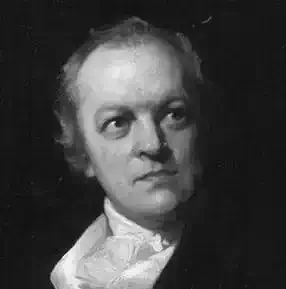
William Blake
The Land of Dreams
The Land of Dreams
Awake, awake, my little boy!
Thou wast thy mother's only joy;
Why dost thou weep in thy gentle sleep?
Awake! thy father does thee keep.
'O, what land is the Land of Dreams?
What are its mountains, and what are its streams?
O father! I saw my mother there,
Among the lilies by waters fair.
'Among the lambs, cloth?d in white,
She walk'd with her Thomas in sweet delight.
I wept for joy, like a dove I mourn;
O! when shall I again return?'
Dear child, I also by pleasant streams
Have wander'd all night in the Land of Dreams;
But tho' calm and warm the waters wide,
I could not get to the other side.
'Father, O father! what do we here
In this land of unbelief and fear?
The Land of Dreams is better far
Above the light of the morning star.'
Awake, awake, my little boy!
Thou wast thy mother's only joy;
Why dost thou weep in thy gentle sleep?
Awake! thy father does thee keep.
'O, what land is the Land of Dreams?
What are its mountains, and what are its streams?
O father! I saw my mother there,
Among the lilies by waters fair.
'Among the lambs, cloth?d in white,
She walk'd with her Thomas in sweet delight.
I wept for joy, like a dove I mourn;
O! when shall I again return?'
Dear child, I also by pleasant streams
Have wander'd all night in the Land of Dreams;
But tho' calm and warm the waters wide,
I could not get to the other side.
'Father, O father! what do we here
In this land of unbelief and fear?
The Land of Dreams is better far
Above the light of the morning star.'
458
William Blake
The Book of Urizen: Chapter VIII
The Book of Urizen: Chapter VIII
. Urizen explor'd his dens
Mountain, moor, & wilderness,
With a globe of fire lighting his journey
A fearful journey, annoy'd
By cruel enormities: forms
Of life on his forsaken mountains
. And his world teemd vast enormities
Frightning; faithless; fawning
Portions of life; similitudes
Of a foot, or a hand, or a head
Or a heart, or an eye, they swam mischevous
Dread terrors! delighting in blood
. Most Urizen sicken'd to see
His eternal creations appear
Sons & daughters of sorrow on mountains
Weeping! wailing! first Thiriel appear'd
Astonish'd at his own existence
Like a man from a cloud born, & Utha
From the waters emerging, laments!
Grodna rent the deep earth howling
Amaz'd! his heavens immense cracks
Like the ground parch'd with heat; then Fuzon
Flam'd out! first begotten, last born.
All his eternal sons in like manner
His daughters from green herbs & cattle
From monsters, & worms of the pit.
. He in darkness clos'd, view'd all his race,
And his soul sicken'd! he curs'd
Both sons & daughters; for he saw
That no flesh nor spirit could keep
His iron laws one moment.
. For he saw that life liv'd upon death
The Ox in the slaughter house moans
The Dog at the wintry door
And he wept, & he called it Pity
And his tears flowed down on the winds
. Cold he wander'd on high, over their cities
In weeping & pain & woe!
And where-ever he wanderd in sorrows
Upon the aged heavens
A cold shadow follow'd behind him
Like a spiders web, moist, cold, & dim
Drawing out from his sorrowing soul
The dungeon-like heaven dividing.
Where ever the footsteps of Urizen
Walk'd over the cities in sorrow.
. Till a Web dark & cold, throughout all
The tormented element stretch'd
From the sorrows of Urizens soul
And the Web is a Female in embrio
None could break the Web, no wings of fire.
. So twisted the cords, & so knotted
The meshes: twisted like to the human brain
. And all calld it, The Net of Religion
. Urizen explor'd his dens
Mountain, moor, & wilderness,
With a globe of fire lighting his journey
A fearful journey, annoy'd
By cruel enormities: forms
Of life on his forsaken mountains
. And his world teemd vast enormities
Frightning; faithless; fawning
Portions of life; similitudes
Of a foot, or a hand, or a head
Or a heart, or an eye, they swam mischevous
Dread terrors! delighting in blood
. Most Urizen sicken'd to see
His eternal creations appear
Sons & daughters of sorrow on mountains
Weeping! wailing! first Thiriel appear'd
Astonish'd at his own existence
Like a man from a cloud born, & Utha
From the waters emerging, laments!
Grodna rent the deep earth howling
Amaz'd! his heavens immense cracks
Like the ground parch'd with heat; then Fuzon
Flam'd out! first begotten, last born.
All his eternal sons in like manner
His daughters from green herbs & cattle
From monsters, & worms of the pit.
. He in darkness clos'd, view'd all his race,
And his soul sicken'd! he curs'd
Both sons & daughters; for he saw
That no flesh nor spirit could keep
His iron laws one moment.
. For he saw that life liv'd upon death
The Ox in the slaughter house moans
The Dog at the wintry door
And he wept, & he called it Pity
And his tears flowed down on the winds
. Cold he wander'd on high, over their cities
In weeping & pain & woe!
And where-ever he wanderd in sorrows
Upon the aged heavens
A cold shadow follow'd behind him
Like a spiders web, moist, cold, & dim
Drawing out from his sorrowing soul
The dungeon-like heaven dividing.
Where ever the footsteps of Urizen
Walk'd over the cities in sorrow.
. Till a Web dark & cold, throughout all
The tormented element stretch'd
From the sorrows of Urizens soul
And the Web is a Female in embrio
None could break the Web, no wings of fire.
. So twisted the cords, & so knotted
The meshes: twisted like to the human brain
. And all calld it, The Net of Religion
427
William Blake
The Book of Urizen: Chapter IX
The Book of Urizen: Chapter IX
. Then the Inhabitants of those Cities:
Felt their Nerves change into Marrow
And hardening Bones began
In swift diseases and torments,
In throbbings & shootings & grindings
Thro' all the coasts; till weaken'd
The Senses inward rush'd shrinking,
Beneath the dark net of infection.
. Till the shrunken eyes clouded over
Discernd not the woven hipocrisy
But the streaky slime in their heavens
Brought together by narrowing perceptions
Appeard transparent air; for their eyes
Grew small like the eyes of a man
And in reptile forms shrinking together
Of seven feet stature they remaind
. Six days they shrunk up from existence
And on the seventh day they rested
And they bless'd the seventh day, in sick hope:
And forgot their eternal life
. And their thirty cities divided
In form of a human heart
No more could they rise at will
In the infinite void, but bound down
To earth by their narrowing perceptions
They lived a period of years
Then left a noisom body
To the jaws of devouring darkness
. And their children wept, & built
Tombs in the desolate places,
And form'd laws of prudence, and call'd them
The eternal laws of God
. And the thirty cities remaind
Surrounded by salt floods, now call'd
Africa: its name was then Egypt.
. The remaining sons of Urizen
Beheld their brethren shrink together
Beneath the Net of Urizen;
Perswasion was in vain;
For the ears of the inhabitants,
Were wither'd, & deafen'd, & cold:
And their eyes could not discern,
Their brethren of other cities.
. So Fuzon call'd all together
The remaining children of Urizen:
And they left the pendulous earth:
They called it Egypt, & left it.
. And the salt ocean rolled englob'd.
. Then the Inhabitants of those Cities:
Felt their Nerves change into Marrow
And hardening Bones began
In swift diseases and torments,
In throbbings & shootings & grindings
Thro' all the coasts; till weaken'd
The Senses inward rush'd shrinking,
Beneath the dark net of infection.
. Till the shrunken eyes clouded over
Discernd not the woven hipocrisy
But the streaky slime in their heavens
Brought together by narrowing perceptions
Appeard transparent air; for their eyes
Grew small like the eyes of a man
And in reptile forms shrinking together
Of seven feet stature they remaind
. Six days they shrunk up from existence
And on the seventh day they rested
And they bless'd the seventh day, in sick hope:
And forgot their eternal life
. And their thirty cities divided
In form of a human heart
No more could they rise at will
In the infinite void, but bound down
To earth by their narrowing perceptions
They lived a period of years
Then left a noisom body
To the jaws of devouring darkness
. And their children wept, & built
Tombs in the desolate places,
And form'd laws of prudence, and call'd them
The eternal laws of God
. And the thirty cities remaind
Surrounded by salt floods, now call'd
Africa: its name was then Egypt.
. The remaining sons of Urizen
Beheld their brethren shrink together
Beneath the Net of Urizen;
Perswasion was in vain;
For the ears of the inhabitants,
Were wither'd, & deafen'd, & cold:
And their eyes could not discern,
Their brethren of other cities.
. So Fuzon call'd all together
The remaining children of Urizen:
And they left the pendulous earth:
They called it Egypt, & left it.
. And the salt ocean rolled englob'd.
465
William Blake
The Book of Urizen: Chapter III
The Book of Urizen: Chapter III
. The voice ended, they saw his pale visage
Emerge from the darkness; his hand
On the rock of eternity unclasping
The Book of brass. Rage siez'd the strong
. Rage, fury, intense indignation
In cataracts of fire blood & gall
In whirlwinds of sulphurous smoke:
And enormous forms of energy;
All the seven deadly sins of the soul
In living creations appear'd
In the flames of eternal fury.
. Sund'ring, dark'ning, thund'ring!
Rent away with a terrible crash
Eternity roll'd wide apart
Wide asunder rolling
Mountainous all around
Departing; departing; departing:
Leaving ruinous fragments of life
Hanging frowning cliffs & all between
An ocean of voidness unfathomable.
. The roaring fires ran o'er the heav'ns
In whirlwinds & cataracts of blood
And o'er the dark desarts of Urizen
Fires pour thro' the void on all sides
On Urizens self-begotten armies.
. But no light from the fires. all was darkness
In the flames of Eternal fury
. In fierce anguish & quenchless flames
To the desarts and rocks He ran raging
To hide, but He could not: combining
He dug mountains & hills in vast strength,
He piled them in incessant labour,
In howlings & pangs & fierce madness
Long periods in burning fires labouring
Till hoary, and age-broke, and aged,
In despair and the shadows of death.
. And a roof, vast petrific around,
On all sides He fram'd: like a womb;
Where thousands of rivers in veins
Of blood pour down the mountains to cool
The eternal fires beating without
From Eternals; & like a black globe
View'd by sons of Eternity, standing
On the shore of the infinite ocean
Like a human heart strugling & beating
The vast world of Urizen appear'd.
. And Los round the dark globe of Urizen,
Kept watch for Eternals to confine,
The obscure separation alone;
For Eternity stood wide apart,
As the stars are apart from the earth
. Los wept howling around the dark Demon:
And cursing his lot; for in anguish,
Urizen was rent from his side;
And a fathomless void for his feet;
And intense fires for his dwelling.
. But Urizen laid in a stony sleep
Unorganiz'd, rent from Eternity
. The Eternals said: What is this? Death
Urizen is a clod of clay.
. Los howld in a dismal stupor,
Groaning! gnashing! groaning!
Till the wrenching apart was healed
. But the wrenching of Urizen heal'd not
Cold, featureless, flesh or clay,
Rifted with direful changes
He lay in a dreamless night
. Till Los rouz'd his fires, affrighted
At the formless unmeasurable death.
. The voice ended, they saw his pale visage
Emerge from the darkness; his hand
On the rock of eternity unclasping
The Book of brass. Rage siez'd the strong
. Rage, fury, intense indignation
In cataracts of fire blood & gall
In whirlwinds of sulphurous smoke:
And enormous forms of energy;
All the seven deadly sins of the soul
In living creations appear'd
In the flames of eternal fury.
. Sund'ring, dark'ning, thund'ring!
Rent away with a terrible crash
Eternity roll'd wide apart
Wide asunder rolling
Mountainous all around
Departing; departing; departing:
Leaving ruinous fragments of life
Hanging frowning cliffs & all between
An ocean of voidness unfathomable.
. The roaring fires ran o'er the heav'ns
In whirlwinds & cataracts of blood
And o'er the dark desarts of Urizen
Fires pour thro' the void on all sides
On Urizens self-begotten armies.
. But no light from the fires. all was darkness
In the flames of Eternal fury
. In fierce anguish & quenchless flames
To the desarts and rocks He ran raging
To hide, but He could not: combining
He dug mountains & hills in vast strength,
He piled them in incessant labour,
In howlings & pangs & fierce madness
Long periods in burning fires labouring
Till hoary, and age-broke, and aged,
In despair and the shadows of death.
. And a roof, vast petrific around,
On all sides He fram'd: like a womb;
Where thousands of rivers in veins
Of blood pour down the mountains to cool
The eternal fires beating without
From Eternals; & like a black globe
View'd by sons of Eternity, standing
On the shore of the infinite ocean
Like a human heart strugling & beating
The vast world of Urizen appear'd.
. And Los round the dark globe of Urizen,
Kept watch for Eternals to confine,
The obscure separation alone;
For Eternity stood wide apart,
As the stars are apart from the earth
. Los wept howling around the dark Demon:
And cursing his lot; for in anguish,
Urizen was rent from his side;
And a fathomless void for his feet;
And intense fires for his dwelling.
. But Urizen laid in a stony sleep
Unorganiz'd, rent from Eternity
. The Eternals said: What is this? Death
Urizen is a clod of clay.
. Los howld in a dismal stupor,
Groaning! gnashing! groaning!
Till the wrenching apart was healed
. But the wrenching of Urizen heal'd not
Cold, featureless, flesh or clay,
Rifted with direful changes
He lay in a dreamless night
. Till Los rouz'd his fires, affrighted
At the formless unmeasurable death.
424
William Blake
Land of Dreams, The
Land of Dreams, The
Awake, awake, my little boy!
Thou wast thy mother's only joy;
Why dost thou weep in thy gentle sleep?
Awake! thy father does thee keep.
"O, what land is the Land of Dreams?
What are its mountains, and what are its streams?
O father! I saw my mother there,
Among the lilies by waters fair.
"Among the lambs, cloth?d in white,
She walk'd with her Thomas in sweet delight.
I wept for joy, like a dove I mourn;
O! when shall I again return?"
Dear child, I also by pleasant streams
Have wander'd all night in the Land of Dreams;
But tho' calm and warm the waters wide,
I could not get to the other side.
"Father, O father! what do we here
In this land of unbelief and fear?
The Land of Dreams is better far
Above the light of the morning star."
Awake, awake, my little boy!
Thou wast thy mother's only joy;
Why dost thou weep in thy gentle sleep?
Awake! thy father does thee keep.
"O, what land is the Land of Dreams?
What are its mountains, and what are its streams?
O father! I saw my mother there,
Among the lilies by waters fair.
"Among the lambs, cloth?d in white,
She walk'd with her Thomas in sweet delight.
I wept for joy, like a dove I mourn;
O! when shall I again return?"
Dear child, I also by pleasant streams
Have wander'd all night in the Land of Dreams;
But tho' calm and warm the waters wide,
I could not get to the other side.
"Father, O father! what do we here
In this land of unbelief and fear?
The Land of Dreams is better far
Above the light of the morning star."
478
William Blake
Fair Elanor
Fair Elanor
The bell struck one, and shook the silent tower;
The graves give up their dead: fair Elenor
Walk'd by the castle gate, and lookèd in.
A hollow groan ran thro' the dreary vaults.
She shriek'd aloud, and sunk upon the steps,
On the cold stone her pale cheeks. Sickly smells
Of death issue as from a sepulchre,
And all is silent but the sighing vaults.
Chill Death withdraws his hand, and she revives;
Amaz'd, she finds herself upon her feet,
And, like a ghost, thro' narrow passages
Walking, feeling the cold walls with her hands.
Fancy returns, and now she thinks of bones
And grinning skulls, and corruptible death
Wrapp'd in his shroud; and now fancies she hears
Deep sighs, and sees pale sickly ghosts gliding.
At length, no fancy but reality
Distracts her. A rushing sound, and the feet
Of one that fled, approaches--Ellen stood
Like a dumb statue, froze to stone with fear.
The wretch approaches, crying: `The deed is done;
Take this, and send it by whom thou wilt send;
It is my life--send it to Elenor:--
He's dead, and howling after me for blood!
`Take this,' he cried; and thrust into her arms
A wet napkin, wrapp'd about; then rush'd
Past, howling: she receiv'd into her arms
Pale death, and follow'd on the wings of fear.
They pass'd swift thro' the outer gate; the wretch,
Howling, leap'd o'er the wall into the moat,
Stifling in mud. Fair Ellen pass'd the bridge,
And heard a gloomy voice cry `Is it done?'
As the deer wounded, Ellen flew over
The pathless plain; as the arrows that fly
By night, destruction flies, and strikes in darkness.
She fled from fear, till at her house arriv'd.
Her maids await her; on her bed she falls,
That bed of joy, where erst her lord hath press'd:
`Ah, woman's fear!' she cried; `ah, cursèd duke!
Ah, my dear lord! ah, wretched Elenor!
`My lord was like a flower upon the brows
Of lusty May! Ah, life as frail as flower!
O ghastly death! withdraw thy cruel hand,
Seek'st thou that flow'r to deck thy horrid temples?
`My lord was like a star in highest heav'n
Drawn down to earth by spells and wickedness;
My lord was like the opening eyes of day
When western winds creep softly o'er the flowers;
`But he is darken'd; like the summer's noon
Clouded; fall'n like the stately tree, cut down;
The breath of heaven dwelt among his leaves.
O Elenor, weak woman, fill'd with woe!'
Thus having spoke, she raisèd up her head,
And saw the bloody napkin by her side,
Which in her arms she brought; and now, tenfold
More terrifièd, saw it unfold itself.
Her eyes were fix'd; the bloody cloth unfolds,
Disclosing to her sight the murder'd head
Of her dear lord, all ghastly pale, clotted
With gory blood; it groan'd, and thus it spake:
`O Elenor, I am thy husband's head,
Who, sleeping on the stones of yonder tower,
Was 'reft of life by the accursèd duke!
A hirèd villain turn'd my sleep to death!
`O Elenor, beware the cursèd duke;
O give not him thy hand, now I am dead;
He seeks thy love; who, coward, in the night,
Hirèd a villain to bereave my life.'
She sat with dead cold limbs, stiffen'd to stone;
She took the gory head up in her arms;
She kiss'd the pale lips; she had no tears to shed;
She hugg'd it to her breast, and groan'd her last.
The bell struck one, and shook the silent tower;
The graves give up their dead: fair Elenor
Walk'd by the castle gate, and lookèd in.
A hollow groan ran thro' the dreary vaults.
She shriek'd aloud, and sunk upon the steps,
On the cold stone her pale cheeks. Sickly smells
Of death issue as from a sepulchre,
And all is silent but the sighing vaults.
Chill Death withdraws his hand, and she revives;
Amaz'd, she finds herself upon her feet,
And, like a ghost, thro' narrow passages
Walking, feeling the cold walls with her hands.
Fancy returns, and now she thinks of bones
And grinning skulls, and corruptible death
Wrapp'd in his shroud; and now fancies she hears
Deep sighs, and sees pale sickly ghosts gliding.
At length, no fancy but reality
Distracts her. A rushing sound, and the feet
Of one that fled, approaches--Ellen stood
Like a dumb statue, froze to stone with fear.
The wretch approaches, crying: `The deed is done;
Take this, and send it by whom thou wilt send;
It is my life--send it to Elenor:--
He's dead, and howling after me for blood!
`Take this,' he cried; and thrust into her arms
A wet napkin, wrapp'd about; then rush'd
Past, howling: she receiv'd into her arms
Pale death, and follow'd on the wings of fear.
They pass'd swift thro' the outer gate; the wretch,
Howling, leap'd o'er the wall into the moat,
Stifling in mud. Fair Ellen pass'd the bridge,
And heard a gloomy voice cry `Is it done?'
As the deer wounded, Ellen flew over
The pathless plain; as the arrows that fly
By night, destruction flies, and strikes in darkness.
She fled from fear, till at her house arriv'd.
Her maids await her; on her bed she falls,
That bed of joy, where erst her lord hath press'd:
`Ah, woman's fear!' she cried; `ah, cursèd duke!
Ah, my dear lord! ah, wretched Elenor!
`My lord was like a flower upon the brows
Of lusty May! Ah, life as frail as flower!
O ghastly death! withdraw thy cruel hand,
Seek'st thou that flow'r to deck thy horrid temples?
`My lord was like a star in highest heav'n
Drawn down to earth by spells and wickedness;
My lord was like the opening eyes of day
When western winds creep softly o'er the flowers;
`But he is darken'd; like the summer's noon
Clouded; fall'n like the stately tree, cut down;
The breath of heaven dwelt among his leaves.
O Elenor, weak woman, fill'd with woe!'
Thus having spoke, she raisèd up her head,
And saw the bloody napkin by her side,
Which in her arms she brought; and now, tenfold
More terrifièd, saw it unfold itself.
Her eyes were fix'd; the bloody cloth unfolds,
Disclosing to her sight the murder'd head
Of her dear lord, all ghastly pale, clotted
With gory blood; it groan'd, and thus it spake:
`O Elenor, I am thy husband's head,
Who, sleeping on the stones of yonder tower,
Was 'reft of life by the accursèd duke!
A hirèd villain turn'd my sleep to death!
`O Elenor, beware the cursèd duke;
O give not him thy hand, now I am dead;
He seeks thy love; who, coward, in the night,
Hirèd a villain to bereave my life.'
She sat with dead cold limbs, stiffen'd to stone;
She took the gory head up in her arms;
She kiss'd the pale lips; she had no tears to shed;
She hugg'd it to her breast, and groan'd her last.
521