

Poems in this topic
Romantic Love
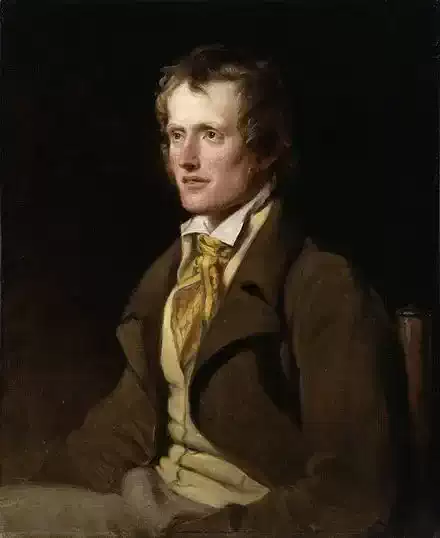
John Clare
Love Cannot Die
Love Cannot Die
In crime and enmity they lie
Who sin and tell us love can die,
Who say to us in slander's breath
That love belongs to sin and death.
From heaven it came on angel's wing
To bloom on earth, eternal spring;
In falsehood's enmity they lie
Who sin and tell us love can die.
Twas born upon an angel's breast.
The softest dreams, the sweetest rest,
The brightest sun, the bluest sky,
Are love's own home and canopy.
The thought that cheers this heart of mine
Is that of love; love so divine
They sin who say in slander's breath
That love belongs to sin and death.
The sweetest voice that lips contain,
The sweetest thought that leaves the brain,
The sweetest feeling of the heart-There's
pleasure in its very smart.
The scent of rose and cinnamon
Is not like love remembered on;
In falsehood's enmity they lie
Who sin and tell us love can die.
In crime and enmity they lie
Who sin and tell us love can die,
Who say to us in slander's breath
That love belongs to sin and death.
From heaven it came on angel's wing
To bloom on earth, eternal spring;
In falsehood's enmity they lie
Who sin and tell us love can die.
Twas born upon an angel's breast.
The softest dreams, the sweetest rest,
The brightest sun, the bluest sky,
Are love's own home and canopy.
The thought that cheers this heart of mine
Is that of love; love so divine
They sin who say in slander's breath
That love belongs to sin and death.
The sweetest voice that lips contain,
The sweetest thought that leaves the brain,
The sweetest feeling of the heart-There's
pleasure in its very smart.
The scent of rose and cinnamon
Is not like love remembered on;
In falsehood's enmity they lie
Who sin and tell us love can die.
402
John Clare
First Love
First Love
I ne'er was struck before that hour
With love so sudden and so sweet,
Her face it bloomed like a sweet flower
And stole my heart away complete.
My face turned pale as deadly pale.
My legs refused to walk away,
And when she looked, what could I ail?
My life and all seemed turned to clay.
And then my blood rushed to my face
And took my eyesight quite away,
The trees and bushes round the place
Seemed midnight at noonday.
I could not see a single thing,
Words from my eyes did start --
They spoke as chords do from the string,
And blood burnt round my heart.
Are flowers the winter's choice?
Is love's bed always snow?
She seemed to hear my silent voice,
Not love's appeals to know.
I never saw so sweet a face
As that I stood before.
My heart has left its dwelling-place
And can return no more
I ne'er was struck before that hour
With love so sudden and so sweet,
Her face it bloomed like a sweet flower
And stole my heart away complete.
My face turned pale as deadly pale.
My legs refused to walk away,
And when she looked, what could I ail?
My life and all seemed turned to clay.
And then my blood rushed to my face
And took my eyesight quite away,
The trees and bushes round the place
Seemed midnight at noonday.
I could not see a single thing,
Words from my eyes did start --
They spoke as chords do from the string,
And blood burnt round my heart.
Are flowers the winter's choice?
Is love's bed always snow?
She seemed to hear my silent voice,
Not love's appeals to know.
I never saw so sweet a face
As that I stood before.
My heart has left its dwelling-place
And can return no more
414
John Clare
Bonny Lassie O!
Bonny Lassie O!
O the evening's for the fair, bonny lassie O!
To meet the cooler air and walk an angel there,
With the dark dishevelled hair,
Bonny lassie O!
The bloom's on the brere, bonny lassie O!
Oak apples on the tree; and wilt thou gang to see
The shed I've made for thee,
Bonny lassie O!
Tis agen the running brook, bonny lassie O!
In a grassy nook hard by, with a little patch of sky,
And a bush to keep us dry,
Bonny lassie O!
There's the daisy all the year, bonny lassie O!
There's the king-cup bright as gold, and the speedwell never cold,
And the arum leaves unrolled,
Bonny lassie O!
O meet me at the shed, bonny lassie O!
With a woodbine peeping in, and the roses like thy skin
Blushing, thy praise to win,
Bonny lassie O!
I will meet thee there at e'en, bonny lassie O!
When the bee sips in the bean, and grey willow branches lean,
And the moonbeam looks between,
Bonny lassie O!
O the evening's for the fair, bonny lassie O!
To meet the cooler air and walk an angel there,
With the dark dishevelled hair,
Bonny lassie O!
The bloom's on the brere, bonny lassie O!
Oak apples on the tree; and wilt thou gang to see
The shed I've made for thee,
Bonny lassie O!
Tis agen the running brook, bonny lassie O!
In a grassy nook hard by, with a little patch of sky,
And a bush to keep us dry,
Bonny lassie O!
There's the daisy all the year, bonny lassie O!
There's the king-cup bright as gold, and the speedwell never cold,
And the arum leaves unrolled,
Bonny lassie O!
O meet me at the shed, bonny lassie O!
With a woodbine peeping in, and the roses like thy skin
Blushing, thy praise to win,
Bonny lassie O!
I will meet thee there at e'en, bonny lassie O!
When the bee sips in the bean, and grey willow branches lean,
And the moonbeam looks between,
Bonny lassie O!
386
John Clare
A World For Love
A World For Love
Oh, the world is all too rude for thee, with much ado and care;
Oh, this world is but a rude world, and hurts a thing so fair;
Was there a nook in which the world had never been to sear,
That place would prove a paradise when thou and Love were near.
And there to pluck the blackberry, and there to reach the sloe,
How joyously and happily would Love thy partner go;
Then rest when weary on a bank, where not a grassy blade
Had eer been bent by Trouble's feet, and Love thy pillow made.
For Summer would be ever green, though sloes were in their prime,
And Winter smile his frowns to Spring, in beauty's happy clime;
And months would come, and months would go, and all in sunny mood,
And everything inspired by thee grow beautifully good.
And there to make a cot unknown to any care and pain,
And there to shut the door alone on singing wind and rain--
Far, far away from all the world, more rude than rain or wind,
Oh, who could wish a sweeter home, or better place to find?
Than thus to love and live with thee, thou beautiful delight!
Than thus to live and love with thee the summer day and night!
The Earth itself, where thou hadst rest, would surely smile to see
Herself grow Eden once again, possest of Love and thee
Oh, the world is all too rude for thee, with much ado and care;
Oh, this world is but a rude world, and hurts a thing so fair;
Was there a nook in which the world had never been to sear,
That place would prove a paradise when thou and Love were near.
And there to pluck the blackberry, and there to reach the sloe,
How joyously and happily would Love thy partner go;
Then rest when weary on a bank, where not a grassy blade
Had eer been bent by Trouble's feet, and Love thy pillow made.
For Summer would be ever green, though sloes were in their prime,
And Winter smile his frowns to Spring, in beauty's happy clime;
And months would come, and months would go, and all in sunny mood,
And everything inspired by thee grow beautifully good.
And there to make a cot unknown to any care and pain,
And there to shut the door alone on singing wind and rain--
Far, far away from all the world, more rude than rain or wind,
Oh, who could wish a sweeter home, or better place to find?
Than thus to love and live with thee, thou beautiful delight!
Than thus to live and love with thee the summer day and night!
The Earth itself, where thou hadst rest, would surely smile to see
Herself grow Eden once again, possest of Love and thee
410
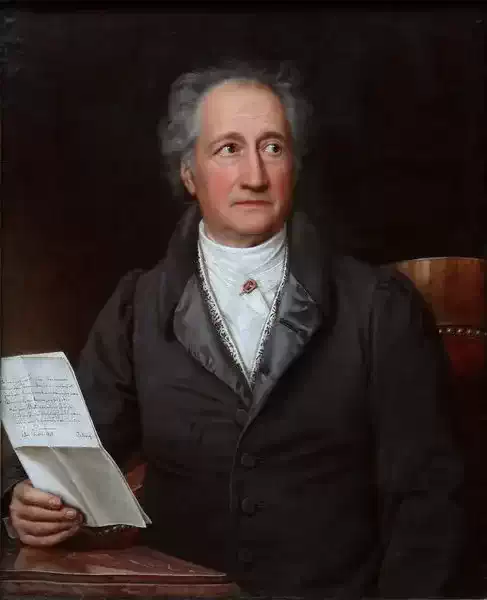
Johann Wolfgang von Goethe
With A Painted Ribbon
With A Painted Ribbon
LITTLE leaves and flow'rets too,
Scatter we with gentle hand,
Kind young spring-gods to the view,
Sporting on an airy band.
Zephyr, bear it on the wing,
Twine it round my loved one's dress;
To her glass then let her spring,
Full of eager joyousness.
Roses round her let her see,
She herself a youthful rose.
Grant, dear life, one look to me!
'Twill repay me all my woes,
What this bosom feels, feel thou.
Freely offer me thy hand;
Let the band that joins us now
Be no fragile rosy band!
LITTLE leaves and flow'rets too,
Scatter we with gentle hand,
Kind young spring-gods to the view,
Sporting on an airy band.
Zephyr, bear it on the wing,
Twine it round my loved one's dress;
To her glass then let her spring,
Full of eager joyousness.
Roses round her let her see,
She herself a youthful rose.
Grant, dear life, one look to me!
'Twill repay me all my woes,
What this bosom feels, feel thou.
Freely offer me thy hand;
Let the band that joins us now
Be no fragile rosy band!
430
Johann Wolfgang von Goethe
Welcome And Farewell
Welcome And Farewell
QUICK throbb'd my heart: to norse! haste, haste,
And lo! 'twas done with speed of light;
The evening soon the world embraced,
And o'er the mountains hung the night.
Soon stood, in robe of mist, the oak,
A tow'ring giant in his size,
Where darkness through the thicket broke,
And glared with hundred gloomy eyes.
From out a hill of clouds the moon
With mournful gaze began to peer:
The winds their soft wings flutter'd soon,
And murmur'd in mine awe-struck ear;
The night a thousand monsters made,
Yet fresh and joyous was my mind;
What fire within my veins then play'd!
What glow was in my bosom shrin'd!
I saw thee, and with tender pride
Felt thy sweet gaze pour joy on me;
While all my heart was at thy side.
And every breath I breath'd for thee.
The roseate hues that spring supplies
Were playing round thy features fair,
And love for me--ye Deities!
I hoped it, I deserved it ne'er!
But, when the morning sun return'd,
Departure filled with grief my heart:
Within thy kiss, what rapture burn'd!
But in thy look, what bitter smart!
I went--thy gaze to earth first roved
Thou follow'dst me with tearful eye:
And yet, what rapture to be loved!
And, Gods, to love--what ecstasy!
QUICK throbb'd my heart: to norse! haste, haste,
And lo! 'twas done with speed of light;
The evening soon the world embraced,
And o'er the mountains hung the night.
Soon stood, in robe of mist, the oak,
A tow'ring giant in his size,
Where darkness through the thicket broke,
And glared with hundred gloomy eyes.
From out a hill of clouds the moon
With mournful gaze began to peer:
The winds their soft wings flutter'd soon,
And murmur'd in mine awe-struck ear;
The night a thousand monsters made,
Yet fresh and joyous was my mind;
What fire within my veins then play'd!
What glow was in my bosom shrin'd!
I saw thee, and with tender pride
Felt thy sweet gaze pour joy on me;
While all my heart was at thy side.
And every breath I breath'd for thee.
The roseate hues that spring supplies
Were playing round thy features fair,
And love for me--ye Deities!
I hoped it, I deserved it ne'er!
But, when the morning sun return'd,
Departure filled with grief my heart:
Within thy kiss, what rapture burn'd!
But in thy look, what bitter smart!
I went--thy gaze to earth first roved
Thou follow'dst me with tearful eye:
And yet, what rapture to be loved!
And, Gods, to love--what ecstasy!
592
Johann Wolfgang von Goethe
Wedding Night
Wedding Night
Far from the feasting, in the bedroom
Sits loyal Amor and quakes with dread:
What if the guests become too zestful,
Break the peace of the bridal bed?
A mystical and holy shimmer
Flows from his pale flames of gold;
For you both a whirl of incense
Readies pleasures manifold.
How throbs your heart as chiming timepiece
Chases noisy guests away;
Any moment, lips you burn for
Nought will utter, nought gainsay.
You hasten with her to the temple,
There to consummate your bliss;
The guardian holds aloft his flambeau,
Still and small as a taper is.
How she trembles with your kisses,
Bosom, lips, and cheeks, and brow:
His severities are shivers,
Your derring-do is duty now.
Quick, Amor helps you undress her,
He has half your enterprise;
Roguish, then, but also modest,
He'll be closing both his eyes.
Far from the feasting, in the bedroom
Sits loyal Amor and quakes with dread:
What if the guests become too zestful,
Break the peace of the bridal bed?
A mystical and holy shimmer
Flows from his pale flames of gold;
For you both a whirl of incense
Readies pleasures manifold.
How throbs your heart as chiming timepiece
Chases noisy guests away;
Any moment, lips you burn for
Nought will utter, nought gainsay.
You hasten with her to the temple,
There to consummate your bliss;
The guardian holds aloft his flambeau,
Still and small as a taper is.
How she trembles with your kisses,
Bosom, lips, and cheeks, and brow:
His severities are shivers,
Your derring-do is duty now.
Quick, Amor helps you undress her,
He has half your enterprise;
Roguish, then, but also modest,
He'll be closing both his eyes.
451
Johann Wolfgang von Goethe
Trilogy Of Passion 03 Atonement
Trilogy Of Passion 03 Atonement
PASSION brings reason--who can pacify
An anguish'd heart whose loss hath been so great?
Where are the hours that fled so swiftly by?
In vain the fairest thou didst gain from fate;
Sad is the soul, confused the enterprise;
The glorious world, how on the sense it dies!
In million tones entwined for evermore,
Music with angel-pinions hovers there,
To pierce man's being to its inmost core,
Eternal beauty has its fruit to bear;
The eye grows moist, in yearnings blest reveres
The godlike worth of music as of tears.
And so the lighten'd heart soon learns to see
That it still lives, and beats, and ought to beat,
Off'ring itself with joy and willingly,
In grateful payment for a gift so sweet.
And then was felt,--oh may it constant prove!--
The twofold bliss of music and of love.
PASSION brings reason--who can pacify
An anguish'd heart whose loss hath been so great?
Where are the hours that fled so swiftly by?
In vain the fairest thou didst gain from fate;
Sad is the soul, confused the enterprise;
The glorious world, how on the sense it dies!
In million tones entwined for evermore,
Music with angel-pinions hovers there,
To pierce man's being to its inmost core,
Eternal beauty has its fruit to bear;
The eye grows moist, in yearnings blest reveres
The godlike worth of music as of tears.
And so the lighten'd heart soon learns to see
That it still lives, and beats, and ought to beat,
Off'ring itself with joy and willingly,
In grateful payment for a gift so sweet.
And then was felt,--oh may it constant prove!--
The twofold bliss of music and of love.
378
Johann Wolfgang von Goethe
To The Chosen One
To The Chosen One
HAND in hand! and lip to lip!
Oh, be faithful, maiden dear!
Fare thee well! thy lover's ship
Past full many a rock must steers
But should he the haven see,
When the storm has ceased to break,
And be happy, reft of thee,--
May the Gods fierce vengeance take!
Boldly dared is well nigh won!
Half my task is solved aright;
Ev'ry star's to me a sun,
Only cowards deem it night.
Stood I idly by thy side,
Sorrow still would sadden me;
But when seas our paths divide,
Gladly toil I,--toil for thee!
Now the valley I perceive,
Where together we will go,
And the streamlet watch each eve,
Gliding peacefully below
Oh, the poplars on yon spot!
Oh, the beech trees in yon grove!
And behind we'll build a cot,
Where to taste the joys of love!
HAND in hand! and lip to lip!
Oh, be faithful, maiden dear!
Fare thee well! thy lover's ship
Past full many a rock must steers
But should he the haven see,
When the storm has ceased to break,
And be happy, reft of thee,--
May the Gods fierce vengeance take!
Boldly dared is well nigh won!
Half my task is solved aright;
Ev'ry star's to me a sun,
Only cowards deem it night.
Stood I idly by thy side,
Sorrow still would sadden me;
But when seas our paths divide,
Gladly toil I,--toil for thee!
Now the valley I perceive,
Where together we will go,
And the streamlet watch each eve,
Gliding peacefully below
Oh, the poplars on yon spot!
Oh, the beech trees in yon grove!
And behind we'll build a cot,
Where to taste the joys of love!
340
Johann Wolfgang von Goethe
The Wedding Night
The Wedding Night
WITHIN the chamber, far away
From the glad feast, sits Love in dread
Lest guests disturb, in wanton play,
The silence of the bridal bed.
His torch's pale flame serves to gild
The scene with mystic sacred glow;
The room with incense-clouds is fil'd,
That ye may perfect rapture know.
How beats thy heart, when thou dost hear
The chime that warns thy guests to fly!
How glow'st thou for those lips so dear,
That soon are mute, and nought deny!
With her into the holy place
Thou hast'nest then, to perfect all;
The fire the warder's hands embrace,
Grows, like a night-light, dim and small.
How heaves her bosom, and how burns
Her face at every fervent kiss!
Her coldness now to trembling turns,
Thy daring now a duty is.
Love helps thee to undress her fast,
But thou art twice as fast as he;
And then he shuts both eye at last,
With sly and roguish modesty.
WITHIN the chamber, far away
From the glad feast, sits Love in dread
Lest guests disturb, in wanton play,
The silence of the bridal bed.
His torch's pale flame serves to gild
The scene with mystic sacred glow;
The room with incense-clouds is fil'd,
That ye may perfect rapture know.
How beats thy heart, when thou dost hear
The chime that warns thy guests to fly!
How glow'st thou for those lips so dear,
That soon are mute, and nought deny!
With her into the holy place
Thou hast'nest then, to perfect all;
The fire the warder's hands embrace,
Grows, like a night-light, dim and small.
How heaves her bosom, and how burns
Her face at every fervent kiss!
Her coldness now to trembling turns,
Thy daring now a duty is.
Love helps thee to undress her fast,
But thou art twice as fast as he;
And then he shuts both eye at last,
With sly and roguish modesty.
415
Johann Wolfgang von Goethe
The Visit
The Visit
FAIN had I to-day surprised my mistress,
But soon found I that her door was fasten'd.
Yet I had the key safe in my pocket,
And the darling door I open'd softly!
In the parlour found I not the maiden,
Found the maiden not within her closet,
Then her chamber-door I gently open'd,
When I found her wrapp'd in pleasing slumbers,
Fully dress'd, and lying on the sofa.
While at work had slumber stolen o'er her;
For her knitting and her needle found I
Resting in her folded bands so tender;
And I placed myself beside her softly,
And held counsel, whether I should wake her.
Then I looked upon the beauteous quiet
That on her sweet eyelids was reposing
On her lips was silent truth depicted,
On her cheeks had loveliness its dwelling,
And the pureness of a heart unsullied
In her bosom evermore was heaving.
All her limbs were gracefully reclining,
Set at rest by sweet and godlike balsam.
Gladly sat I, and the contemplation
Held the strong desire I felt to wake her
Firmer and firmer down, with mystic fetters.
"Oh, thou love," methought, "I see that slumber,
Slumber that betrayeth each false feature,
Cannot injure thee, can nought discover
That could serve to harm thy friend's soft feelings.
"Now thy beauteous eyes are firmly closed,
That, when open, form mine only rapture.
And thy sweet lips are devoid of motion,
Motionless for speaking or for kissing;
Loosen'd are the soft and magic fetters
Of thine arms, so wont to twine around me,
And the hand, the ravishing companion
Of thy sweet caresses, lies unmoving.
Were my thoughts of thee but based on error,
Were the love I bear thee self-deception,
I must now have found it out, since Amor
Is, without his bandage, placed beside me."
Long I sat thus, full of heartfelt pleasure
At my love, and at her matchless merit;
She had so delighted me while slumbering,
That I could not venture to awake her.
Then I on the little table near her
Softly placed two oranges, two roses;
Gently, gently stole I from her chamber.
When her eyes the darling one shall open,
She will straightway spy these colourd presents,
And the friendly gift will view with wonder,
For the door will still remain unopen'd.
If perchance I see to-night the angel,
How will she rejoice,--reward me doubly
For this sacrifice of fond affection!
FAIN had I to-day surprised my mistress,
But soon found I that her door was fasten'd.
Yet I had the key safe in my pocket,
And the darling door I open'd softly!
In the parlour found I not the maiden,
Found the maiden not within her closet,
Then her chamber-door I gently open'd,
When I found her wrapp'd in pleasing slumbers,
Fully dress'd, and lying on the sofa.
While at work had slumber stolen o'er her;
For her knitting and her needle found I
Resting in her folded bands so tender;
And I placed myself beside her softly,
And held counsel, whether I should wake her.
Then I looked upon the beauteous quiet
That on her sweet eyelids was reposing
On her lips was silent truth depicted,
On her cheeks had loveliness its dwelling,
And the pureness of a heart unsullied
In her bosom evermore was heaving.
All her limbs were gracefully reclining,
Set at rest by sweet and godlike balsam.
Gladly sat I, and the contemplation
Held the strong desire I felt to wake her
Firmer and firmer down, with mystic fetters.
"Oh, thou love," methought, "I see that slumber,
Slumber that betrayeth each false feature,
Cannot injure thee, can nought discover
That could serve to harm thy friend's soft feelings.
"Now thy beauteous eyes are firmly closed,
That, when open, form mine only rapture.
And thy sweet lips are devoid of motion,
Motionless for speaking or for kissing;
Loosen'd are the soft and magic fetters
Of thine arms, so wont to twine around me,
And the hand, the ravishing companion
Of thy sweet caresses, lies unmoving.
Were my thoughts of thee but based on error,
Were the love I bear thee self-deception,
I must now have found it out, since Amor
Is, without his bandage, placed beside me."
Long I sat thus, full of heartfelt pleasure
At my love, and at her matchless merit;
She had so delighted me while slumbering,
That I could not venture to awake her.
Then I on the little table near her
Softly placed two oranges, two roses;
Gently, gently stole I from her chamber.
When her eyes the darling one shall open,
She will straightway spy these colourd presents,
And the friendly gift will view with wonder,
For the door will still remain unopen'd.
If perchance I see to-night the angel,
How will she rejoice,--reward me doubly
For this sacrifice of fond affection!
592
Johann Wolfgang von Goethe
The Traveller And The Farm-Maiden
The Traveller And The Farm-Maiden
HE.
CANST thou give, oh fair and matchless maiden,
'Neath the shadow of the lindens yonder,--
Where I'd fain one moment cease to wander,--
Food and drink to one so heavy laden?
SHE.
Wouldst thou find refreshment, traveller weary,
Bread, ripe fruit and cream to meet thy wishes,--
None but Nature's plain and homely dishes,--
Near the spring may soothe thy wanderings dreary.
HE.
Dreams of old acquaintance now pass through me,
Ne'er-forgotten queen of hours of blisses.
Likenesses I've often found, but this is
One that quite a marvel seemeth to me!
SHE.
Travellers often wonder beyond measure,
But their wonder soon see cause to smother;
Fair and dark are often like each other,
Both inspire the mind with equal pleasure.
HE.
Not now for the first time I surrender
To this form, in humble adoration;
It was brightest midst the constellation
In the hail adorn'd with festal splendour.
SHE.
Be thou joyful that 'tis in my power
To complete thy strange and merry story!
Silks behind her, full of purple glory,
Floated, when thou saw'st her in that hour.
HE.
No, in truth, thou hast not sung it rightly!
Spirits may have told thee all about it;
Pearls and gems they spoke of, do not doubt it,--
By her gaze eclipsed,--it gleam'd so brightly!
SHE.
This one thing I certainly collected:
That the fair one--(say nought, I entreat thee!)
Fondly hoping once again to meet thee,
Many a castle in the air erected.
HE.
By each wind I ceaselessly was driven,
Seeking gold and honour, too, to capture!
When my wand'rings end, then oh, what rapture,
If to find that form again 'tis given!
SHE.
'Tis the daughter of the race now banish'd
That thou seest, not her likeness only;
Helen and her brother, glad though lonely,
Till this farm of their estate now vanish'd.
HE.
But the owner surely is not wanting
Of these plains, with ev'ry beauty teeming?
Verdant fields, broad meads, and pastures gleaming,
Gushing springs, all heav'nly and enchanting.
SHE.
Thou must hunt the world through, wouldst thou find him!--
We have wealth enough in our possession,
And intend to purchase the succession,
When the good man leaves the world behind him.
HE.
I have learnt the owner's own condition,
And, fair maiden, thou indeed canst buy it;
But the cost is great, I won't deny it,--
Helen is the price,--with thy permission!
SHE.
Did then fate and rank keep us asunder,
And must Love take this road, and no other?
Yonder comes my dear and trusty brother;
What will he say to it all, I wonder?
HE.
CANST thou give, oh fair and matchless maiden,
'Neath the shadow of the lindens yonder,--
Where I'd fain one moment cease to wander,--
Food and drink to one so heavy laden?
SHE.
Wouldst thou find refreshment, traveller weary,
Bread, ripe fruit and cream to meet thy wishes,--
None but Nature's plain and homely dishes,--
Near the spring may soothe thy wanderings dreary.
HE.
Dreams of old acquaintance now pass through me,
Ne'er-forgotten queen of hours of blisses.
Likenesses I've often found, but this is
One that quite a marvel seemeth to me!
SHE.
Travellers often wonder beyond measure,
But their wonder soon see cause to smother;
Fair and dark are often like each other,
Both inspire the mind with equal pleasure.
HE.
Not now for the first time I surrender
To this form, in humble adoration;
It was brightest midst the constellation
In the hail adorn'd with festal splendour.
SHE.
Be thou joyful that 'tis in my power
To complete thy strange and merry story!
Silks behind her, full of purple glory,
Floated, when thou saw'st her in that hour.
HE.
No, in truth, thou hast not sung it rightly!
Spirits may have told thee all about it;
Pearls and gems they spoke of, do not doubt it,--
By her gaze eclipsed,--it gleam'd so brightly!
SHE.
This one thing I certainly collected:
That the fair one--(say nought, I entreat thee!)
Fondly hoping once again to meet thee,
Many a castle in the air erected.
HE.
By each wind I ceaselessly was driven,
Seeking gold and honour, too, to capture!
When my wand'rings end, then oh, what rapture,
If to find that form again 'tis given!
SHE.
'Tis the daughter of the race now banish'd
That thou seest, not her likeness only;
Helen and her brother, glad though lonely,
Till this farm of their estate now vanish'd.
HE.
But the owner surely is not wanting
Of these plains, with ev'ry beauty teeming?
Verdant fields, broad meads, and pastures gleaming,
Gushing springs, all heav'nly and enchanting.
SHE.
Thou must hunt the world through, wouldst thou find him!--
We have wealth enough in our possession,
And intend to purchase the succession,
When the good man leaves the world behind him.
HE.
I have learnt the owner's own condition,
And, fair maiden, thou indeed canst buy it;
But the cost is great, I won't deny it,--
Helen is the price,--with thy permission!
SHE.
Did then fate and rank keep us asunder,
And must Love take this road, and no other?
Yonder comes my dear and trusty brother;
What will he say to it all, I wonder?
355
Johann Wolfgang von Goethe
The Maid Of The Mill's Treachery
The Maid Of The Mill's Treachery
WHENCE comes our friend so hastily,
When scarce the Eastern sky is grey?
Hath he just ceased, though cold it be,
In yonder holy spot to pray?
The brook appears to hem his path,
Would he barefooted o'er it go?
Why curse his orisons in wrath,
Across those heights beclad with snow?
Alas! his warm bed he bath left,
Where he had look'd for bliss, I ween;
And if his cloak too, had been reft,
How fearful his disgrace had been!
By yonder villain sorely press'd,
His wallet from him has been torn;
Our hapless friend has been undress'd,
Left well nigh naked as when born.
The reason why he came this road,
Is that he sought a pair of eyes,
Which, at the mill, as brightly glow'd
As those that are in Paradise.
He will not soon again be there;
From out the house he quickly hied,
And when he gain'd the open air,
Thus bitterly and loudly cried
'Within her gaze, so dazzling bright,
No word of treachery I could read;
She seem'd to see me with delight,
Yet plann'd e'en then this cruel deed!
Could I, when basking in her smile,
Dream of the treason in her breast?
She bade kind Cupid stay awhile,
And he was there, to make us blest.
'To taste of love's sweet ecstasy
Throughout the night, that endless seem'd,
And for her mother's help to cry
Only when morning sunlight beam'd!
A dozen of her kith and kin,
A very human flood, in-press'd
Her cousins came, her aunts peer'd in,
And uncles, brothers, and the rest.
'Then what a tumult, fierce and loud!
Each seem'd a beast of prey to be;
The maiden's honour all the crowd,
With fearful shout, demand of me.
Why should they, madmen-like, begin
To fall upon a guiltless youth?
For he who such a prize would win,
Far nimbler needs must be, in truth.
'The way to follow up with skill
His freaks, by love betimes is known:
He ne'er will leave, within a mill,
Sweet flowers for sixteen years alone.-
They stole my clothes away,-yes, all!
And tried my cloak besides to steal.
How strange that any house so small
So many rascals could conceal!
'Then I sprang up, and raved, and swore,
To force a passage through them there.
I saw the treacherous maid once more,
And she was still, alas, so fair
They all gave way before my wrath,
Wild outcries flew about pell-mell;
At length I managed to rush forth,
With voice of thunder, from that hell.
'As maidens of the town we fly,
We'll shun you maidens of the village;
Leave it to those of quality
Their humble worshippers to pillage.
Yet if ye are of practised skill,
And of all tender ties afraid,
Exchange your lovers, if ye will,
But never let them be betray'd.'
Thus sings he in the winter-night,
While not a blade of grass was green.
I laugh'd to see his piteous plight,
For it was well-deserved, I ween.
And may this be the fate of all,
Who treat by day their true loves ill,
And, with foolhardy daring, crawl
By night to Cupid's treacherous mill!
WHENCE comes our friend so hastily,
When scarce the Eastern sky is grey?
Hath he just ceased, though cold it be,
In yonder holy spot to pray?
The brook appears to hem his path,
Would he barefooted o'er it go?
Why curse his orisons in wrath,
Across those heights beclad with snow?
Alas! his warm bed he bath left,
Where he had look'd for bliss, I ween;
And if his cloak too, had been reft,
How fearful his disgrace had been!
By yonder villain sorely press'd,
His wallet from him has been torn;
Our hapless friend has been undress'd,
Left well nigh naked as when born.
The reason why he came this road,
Is that he sought a pair of eyes,
Which, at the mill, as brightly glow'd
As those that are in Paradise.
He will not soon again be there;
From out the house he quickly hied,
And when he gain'd the open air,
Thus bitterly and loudly cried
'Within her gaze, so dazzling bright,
No word of treachery I could read;
She seem'd to see me with delight,
Yet plann'd e'en then this cruel deed!
Could I, when basking in her smile,
Dream of the treason in her breast?
She bade kind Cupid stay awhile,
And he was there, to make us blest.
'To taste of love's sweet ecstasy
Throughout the night, that endless seem'd,
And for her mother's help to cry
Only when morning sunlight beam'd!
A dozen of her kith and kin,
A very human flood, in-press'd
Her cousins came, her aunts peer'd in,
And uncles, brothers, and the rest.
'Then what a tumult, fierce and loud!
Each seem'd a beast of prey to be;
The maiden's honour all the crowd,
With fearful shout, demand of me.
Why should they, madmen-like, begin
To fall upon a guiltless youth?
For he who such a prize would win,
Far nimbler needs must be, in truth.
'The way to follow up with skill
His freaks, by love betimes is known:
He ne'er will leave, within a mill,
Sweet flowers for sixteen years alone.-
They stole my clothes away,-yes, all!
And tried my cloak besides to steal.
How strange that any house so small
So many rascals could conceal!
'Then I sprang up, and raved, and swore,
To force a passage through them there.
I saw the treacherous maid once more,
And she was still, alas, so fair
They all gave way before my wrath,
Wild outcries flew about pell-mell;
At length I managed to rush forth,
With voice of thunder, from that hell.
'As maidens of the town we fly,
We'll shun you maidens of the village;
Leave it to those of quality
Their humble worshippers to pillage.
Yet if ye are of practised skill,
And of all tender ties afraid,
Exchange your lovers, if ye will,
But never let them be betray'd.'
Thus sings he in the winter-night,
While not a blade of grass was green.
I laugh'd to see his piteous plight,
For it was well-deserved, I ween.
And may this be the fate of all,
Who treat by day their true loves ill,
And, with foolhardy daring, crawl
By night to Cupid's treacherous mill!
407
Johann Wolfgang von Goethe
The Loving One Once More
The Loving One Once More
WHY do I o'er my paper once more bend?
Ask not too closely, dearest one, I pray
For, to speak truth, I've nothing now to say;
Yet to thy hands at length 'twill come, dear friend.
Since I can come not with it, what I send
My undivided heart shall now convey,
With all its joys, hopes, pleasures, pains, to-day:
All this hath no beginning, hath no end.
Henceforward I may ne'er to thee confide
How, far as thought, wish, fancy, will, can reach,
My faithful heart with thine is surely blended.
Thus stood I once enraptured by thy side,
Gazed on thee, and said nought. What need of speech?
My very being in itself was ended.
WHY do I o'er my paper once more bend?
Ask not too closely, dearest one, I pray
For, to speak truth, I've nothing now to say;
Yet to thy hands at length 'twill come, dear friend.
Since I can come not with it, what I send
My undivided heart shall now convey,
With all its joys, hopes, pleasures, pains, to-day:
All this hath no beginning, hath no end.
Henceforward I may ne'er to thee confide
How, far as thought, wish, fancy, will, can reach,
My faithful heart with thine is surely blended.
Thus stood I once enraptured by thy side,
Gazed on thee, and said nought. What need of speech?
My very being in itself was ended.
395
Johann Wolfgang von Goethe
The Happy Couple
The Happy Couple
AFTER these vernal rains
That we so warmly sought,
Dear wife, see how our plains
With blessings sweet are fraught!
We cast our distant gaze
Far in the misty blue;
Here gentle love still strays,
Here dwells still rapture true.
Thou seest whither go
Yon pair of pigeons white,
Where swelling violets blow
Round sunny foliage bright.
'Twas there we gather'd first
A nosegay as we roved;
There into flame first burst
The passion that we proved.
Yet when, with plighted troth,
The priest beheld us fare
Home from the altar both,
With many a youthful pair,--
Then other moons had birth,
And many a beauteous sun,
Then we had gain'd the earth
Whereon life's race to run.
A hundred thousand fold
The mighty bond was seal'd;
In woods, on mountains cold,
In bushes, in the field,
Within the wall, in caves,
And on the craggy height,
And love, e'en o'er the waves,
Bore in his tube the light.
Contented we remain'd,
We deem'd ourselves a pair;
'Twas otherwise ordain'd,
For, lo! a third was there;
A fourth, fifth, sixth appear'd,
And sat around our board;
And now the plants we've rear'd
High o'er our heads have soar'd!
How fair and pleasant looks,
On yonder beauteous spot,
Embraced by poplar-brooks,
The newly-finish'd cot!
Who is it there that sits
In that glad home above?
Is't not our darling Fritz
With his own darling love?
Beside yon precipice,
Whence pent-up waters steal,
And leaving the abyss,
Fall foaming through the wheel,
Though people often tell
Of millers' wives so fair,
Yet none can e'er excel
Our dearest daughter there!
Yet where the thick-set green
Stands round yon church and sad,
Where the old fir-tree's seen
Alone tow'rd heaven to nod,-'
Tis there the ashes lie
Of our untimely dead;
From earth our gaze on high
By their blest memory's led.
See how yon hill is bright
With billowy-waving arms!
The force returns, whose might
Has vanquished war's alarms.
Who proudly hastens here
With wreath-encircled brow?
'Tis like our child so dear
Thus Charles comes homeward now.
That dearest honour'd guest
Is welcom'd by the bride;
She makes the true one blest,
At the glad festal tide.
And ev'ry one makes haste
To join the dance with glee;
While thou with wreaths hast graced
The youngest children three.
To sound of flute and horn
The time appears renew'd,
When we, in love's young morn,
In the glad dance upstood;
And perfect bliss I know
Ere the year's course is run,
For to the font we go
With grandson and with son!
AFTER these vernal rains
That we so warmly sought,
Dear wife, see how our plains
With blessings sweet are fraught!
We cast our distant gaze
Far in the misty blue;
Here gentle love still strays,
Here dwells still rapture true.
Thou seest whither go
Yon pair of pigeons white,
Where swelling violets blow
Round sunny foliage bright.
'Twas there we gather'd first
A nosegay as we roved;
There into flame first burst
The passion that we proved.
Yet when, with plighted troth,
The priest beheld us fare
Home from the altar both,
With many a youthful pair,--
Then other moons had birth,
And many a beauteous sun,
Then we had gain'd the earth
Whereon life's race to run.
A hundred thousand fold
The mighty bond was seal'd;
In woods, on mountains cold,
In bushes, in the field,
Within the wall, in caves,
And on the craggy height,
And love, e'en o'er the waves,
Bore in his tube the light.
Contented we remain'd,
We deem'd ourselves a pair;
'Twas otherwise ordain'd,
For, lo! a third was there;
A fourth, fifth, sixth appear'd,
And sat around our board;
And now the plants we've rear'd
High o'er our heads have soar'd!
How fair and pleasant looks,
On yonder beauteous spot,
Embraced by poplar-brooks,
The newly-finish'd cot!
Who is it there that sits
In that glad home above?
Is't not our darling Fritz
With his own darling love?
Beside yon precipice,
Whence pent-up waters steal,
And leaving the abyss,
Fall foaming through the wheel,
Though people often tell
Of millers' wives so fair,
Yet none can e'er excel
Our dearest daughter there!
Yet where the thick-set green
Stands round yon church and sad,
Where the old fir-tree's seen
Alone tow'rd heaven to nod,-'
Tis there the ashes lie
Of our untimely dead;
From earth our gaze on high
By their blest memory's led.
See how yon hill is bright
With billowy-waving arms!
The force returns, whose might
Has vanquished war's alarms.
Who proudly hastens here
With wreath-encircled brow?
'Tis like our child so dear
Thus Charles comes homeward now.
That dearest honour'd guest
Is welcom'd by the bride;
She makes the true one blest,
At the glad festal tide.
And ev'ry one makes haste
To join the dance with glee;
While thou with wreaths hast graced
The youngest children three.
To sound of flute and horn
The time appears renew'd,
When we, in love's young morn,
In the glad dance upstood;
And perfect bliss I know
Ere the year's course is run,
For to the font we go
With grandson and with son!
432
Johann Wolfgang von Goethe
The Goblet
The Goblet
ONCE I held a well-carved brimming goblet,--
In my two hands tightly clasp'd I held it,
Eagerly the sweet wine sipp'd I from it,
Seeking there to drown all care and sorrow.
Amor enter'd in, and found me sitting,
And he gently smiled in modest fashion,
Smiled as though the foolish one he pitied.
"Friend, I know a far more beauteous vessel,
One wherein to sink thy spirit wholly;
Say, what wilt thou give me, if I grant it,
And with other nectar fill it for thee?"
Oh, how kindly hath he kept his promise!
For to me, who long had yearn'd, he granted
Thee, my Lida, fill'd with soft affection.
When I clasp mine arms around thee fondly,
When I drink in love's long-hoarded balsam
From thy darling lips so true, so faithful,
Fill'd with bliss thus speak I to my spirit
"No! a vessel such as this, save Amor
Never god hath fashion'd or been lord of!
Such a form was ne'er produced by Vulcan
With his cunning, reason-gifted hammers!
On the leaf-crown'd mountains may Lyaeus
Bid his Fauns, the oldest and the wisest,
Pass the choicest clusters through the winepress,
And himself watch o'er the fermentation:
Such a draught no toil can e'er procure him!"
ONCE I held a well-carved brimming goblet,--
In my two hands tightly clasp'd I held it,
Eagerly the sweet wine sipp'd I from it,
Seeking there to drown all care and sorrow.
Amor enter'd in, and found me sitting,
And he gently smiled in modest fashion,
Smiled as though the foolish one he pitied.
"Friend, I know a far more beauteous vessel,
One wherein to sink thy spirit wholly;
Say, what wilt thou give me, if I grant it,
And with other nectar fill it for thee?"
Oh, how kindly hath he kept his promise!
For to me, who long had yearn'd, he granted
Thee, my Lida, fill'd with soft affection.
When I clasp mine arms around thee fondly,
When I drink in love's long-hoarded balsam
From thy darling lips so true, so faithful,
Fill'd with bliss thus speak I to my spirit
"No! a vessel such as this, save Amor
Never god hath fashion'd or been lord of!
Such a form was ne'er produced by Vulcan
With his cunning, reason-gifted hammers!
On the leaf-crown'd mountains may Lyaeus
Bid his Fauns, the oldest and the wisest,
Pass the choicest clusters through the winepress,
And himself watch o'er the fermentation:
Such a draught no toil can e'er procure him!"
374
Johann Wolfgang von Goethe
The Friendly Meeting
The Friendly Meeting
IN spreading mantle to my chin concealed,
I trod the rocky path, so steep and grey,
Then to the wintry plain I bent my way
Uneasily, to flight my bosom steel'd.
But sudden was the newborn day reveal'd:
A maiden came, in heavenly bright array,
Like the fair creatures of the poet's lay
In realms of song. My yearning heart was heal'd.
Yet turn'd I thence, till she had onward pass'd,
While closer still the folds to draw I tried,
As though with heat self-kindled to grow warm;
But follow'd her. She stood. The die was cast!
No more within my mantle could I hide;
I threw it off,--she lay within mine arm.
IN spreading mantle to my chin concealed,
I trod the rocky path, so steep and grey,
Then to the wintry plain I bent my way
Uneasily, to flight my bosom steel'd.
But sudden was the newborn day reveal'd:
A maiden came, in heavenly bright array,
Like the fair creatures of the poet's lay
In realms of song. My yearning heart was heal'd.
Yet turn'd I thence, till she had onward pass'd,
While closer still the folds to draw I tried,
As though with heat self-kindled to grow warm;
But follow'd her. She stood. The die was cast!
No more within my mantle could I hide;
I threw it off,--she lay within mine arm.
299
Johann Wolfgang von Goethe
The Exchange
The Exchange
THE stones in the streamlet I make my bright pillow,
And open my arms to the swift-rolling billow,
That lovingly hastens to fall on my breast.
Then fickleness soon bids it onwards be flowing;
A second draws nigh, its caresses bestowing,--
And so by a twofold enjoyment I'm blest.
And yet thou art trailing in sorrow and sadness
The moments that life, as it flies, gave for gladness,
Because by thy love thou'rt remember'd no more!
Oh, call back to mind former days and their blisses!
The lips of the second will give as sweet kisses
As any the lips of the first gave before!
THE stones in the streamlet I make my bright pillow,
And open my arms to the swift-rolling billow,
That lovingly hastens to fall on my breast.
Then fickleness soon bids it onwards be flowing;
A second draws nigh, its caresses bestowing,--
And so by a twofold enjoyment I'm blest.
And yet thou art trailing in sorrow and sadness
The moments that life, as it flies, gave for gladness,
Because by thy love thou'rt remember'd no more!
Oh, call back to mind former days and their blisses!
The lips of the second will give as sweet kisses
As any the lips of the first gave before!
428
Johann Wolfgang von Goethe
The Epochs
The Epochs
ON Petrarch's heart, all other days before,
In flaming letters written, was impress d
GOOD FRIDAY. And on mine, be it confess'd,
Is this year's ADVENT, as it passeth o'er.
I do not now begin,--I still adore
Her whom I early cherish'd in my breast;,
Then once again with prudence dispossess'd,
And to whose heart I'm driven back once more.
The love of Petrarch, that all-glorious love,
Was unrequited, and, alas, full sad;
One long Good Friday 'twas, one heartache drear
But may my mistress' Advent ever prove,
With its palm-jubilee, so sweet and glad,
One endless Mayday, through the livelong year!
ON Petrarch's heart, all other days before,
In flaming letters written, was impress d
GOOD FRIDAY. And on mine, be it confess'd,
Is this year's ADVENT, as it passeth o'er.
I do not now begin,--I still adore
Her whom I early cherish'd in my breast;,
Then once again with prudence dispossess'd,
And to whose heart I'm driven back once more.
The love of Petrarch, that all-glorious love,
Was unrequited, and, alas, full sad;
One long Good Friday 'twas, one heartache drear
But may my mistress' Advent ever prove,
With its palm-jubilee, so sweet and glad,
One endless Mayday, through the livelong year!
465
Johann Wolfgang von Goethe
The Chosen Cliff
The Chosen Cliff
HERE in silence the lover fondly mused on his loved one;
Gladly he spake to me thus: "Be thou my witness, thou stone!
Yet thou must not be vainglorious, thou hast many companions;
Unto each rock on the plain, where I, the happy one, dwell,
Unto each tree of the wood that I cling to, as onward I ramble,
'Be thou a sign of my bliss!' shout I, and then 'tis ordain'd.
Yet to thee only I lend a voice, as a Muse from the people
Chooseth one for herself, kissing his lips as a friend."
HERE in silence the lover fondly mused on his loved one;
Gladly he spake to me thus: "Be thou my witness, thou stone!
Yet thou must not be vainglorious, thou hast many companions;
Unto each rock on the plain, where I, the happy one, dwell,
Unto each tree of the wood that I cling to, as onward I ramble,
'Be thou a sign of my bliss!' shout I, and then 'tis ordain'd.
Yet to thee only I lend a voice, as a Muse from the people
Chooseth one for herself, kissing his lips as a friend."
398
Johann Wolfgang von Goethe
The Bridegroom
The Bridegroom
I SLEPT,--'twas midnight,--in my bosom woke,
As though 'twere day, my love-o'erflowing heart;
To me it seemed like night, when day first broke;
What is't to me, whate'er it may impart?
She was away; the world's unceasing strife
For her alone I suffer'd through the heat
Of sultry day; oh, what refreshing life
At cooling eve!--my guerdon was complete.
The sun now set, and wand'ring hand in hand,
His last and blissful look we greeted then;
While spake our eyes, as they each other scann'd:
"From the far east, let's trust, he'll come again!"
At midnight!--the bright stars, in vision blest,
Guide to the threshold where she slumbers calm:
Oh be it mine, there too at length to rest,--
Yet howsoe'er this prove, life's full of charm!
I SLEPT,--'twas midnight,--in my bosom woke,
As though 'twere day, my love-o'erflowing heart;
To me it seemed like night, when day first broke;
What is't to me, whate'er it may impart?
She was away; the world's unceasing strife
For her alone I suffer'd through the heat
Of sultry day; oh, what refreshing life
At cooling eve!--my guerdon was complete.
The sun now set, and wand'ring hand in hand,
His last and blissful look we greeted then;
While spake our eyes, as they each other scann'd:
"From the far east, let's trust, he'll come again!"
At midnight!--the bright stars, in vision blest,
Guide to the threshold where she slumbers calm:
Oh be it mine, there too at length to rest,--
Yet howsoe'er this prove, life's full of charm!
437
Johann Wolfgang von Goethe
The Best
The Best
WHEN head and heart are busy, say,
What better can be found?
Who neither loves nor goes astray,
Were better under ground.
WHEN head and heart are busy, say,
What better can be found?
Who neither loves nor goes astray,
Were better under ground.
362
Johann Wolfgang von Goethe
The Beauteous Flower - Son Of The Imprisioned Count
The Beauteous Flower - Son Of The Imprisioned Count
COUNT.
I KNOW a flower of beauty rare,
Ah, how I hold it dear!
To seek it I would fain repair,
Were I not prison'd here.
My sorrow sore oppresses me,
For when I was at liberty,
I had it close beside me.
Though from this castle's walls so steep
I cast mine eyes around,
And gaze oft from the lofty keep,
The flower can not be found.
Whoe'er would bring it to my sight,
Whether a vassal he, or knight,
My dearest friend I'd deem him.
THE ROSE.
I blossom fair,--thy tale of woes
I hear from 'neath thy grate.
Thou doubtless meanest me, the rose.
Poor knight of high estate!
Thou hast in truth a lofty mind;
The queen of flowers is then enshrin'd,
I doubt not, in thy bosom.
COUNT.
Thy red, in dress of green array'd,
As worth all praise I hold;
And so thou'rt treasured by each maid
Like precious stones or gold.
Thy wreath adorns the fairest face
But still thou'rt not the flower whose grace
I honour here in silence.
THE LILY.
The rose is wont with pride to swell,
And ever seeks to rise;
But gentle sweethearts love full well
The lily's charms to prize,
The heart that fills a bosom true,
That is, like me, unsullied too,
My merit values duly.
COUNT.
In truth, I hope myself unstain'd,
And free from grievous crime;
Yet I am here a prisoner chain'd,
And pass in grief my time,
To me thou art an image sure
Of many a maiden, mild and pure,
And yet I know a dearer.
THE PINK.
That must be me, the pink, who scent
The warder's garden here;
Or wherefore is he so intent
My charms with care to rear?
My petals stand in beauteous ring,
Sweet incense all around I fling,
And boast a thousand colours.
COUNT.
The pink in truth we should not slight,
It is the gardener's pride
It now must stand exposed to light,
Now in the shade abide.
Yet what can make the Count's heart glow
Is no mere pomp of outward show;
It is a silent flower.
THE VIOLET.
Here stand I, modestly half hid,
And fain would silence keep;
Yet since to speak I now am bid,
I'll break my silence deep.
If, worthy Knight, I am that flower,
It grieves me that I have not power
To breathe forth all my sweetness.
COUNT.
The violet's charms I prize indeed,
So modest 'tis, and fair,
And smells so sweet; yet more I need
To ease my heavy care.
The truth I'll whisper in thine ear:
Upon these rocky heights so drear,
I cannot find the loved one.
The truest maiden 'neath the sky
Roams near the stream below,
And breathes forth many a gentle sigh,
Till I from hence can go.
And when she plucks a flow'ret blue,
And says "Forget-me-not!"--I, too,
Though far away, can feel it.
Ay, distance only swells love's might,
When fondly love a pair;
Though prison'd in the dungeon's night,
In life I linger there
And when my heart is breaking nigh,
"Forget-me-not!" is all I cry,
And straightway life returneth.
COUNT.
I KNOW a flower of beauty rare,
Ah, how I hold it dear!
To seek it I would fain repair,
Were I not prison'd here.
My sorrow sore oppresses me,
For when I was at liberty,
I had it close beside me.
Though from this castle's walls so steep
I cast mine eyes around,
And gaze oft from the lofty keep,
The flower can not be found.
Whoe'er would bring it to my sight,
Whether a vassal he, or knight,
My dearest friend I'd deem him.
THE ROSE.
I blossom fair,--thy tale of woes
I hear from 'neath thy grate.
Thou doubtless meanest me, the rose.
Poor knight of high estate!
Thou hast in truth a lofty mind;
The queen of flowers is then enshrin'd,
I doubt not, in thy bosom.
COUNT.
Thy red, in dress of green array'd,
As worth all praise I hold;
And so thou'rt treasured by each maid
Like precious stones or gold.
Thy wreath adorns the fairest face
But still thou'rt not the flower whose grace
I honour here in silence.
THE LILY.
The rose is wont with pride to swell,
And ever seeks to rise;
But gentle sweethearts love full well
The lily's charms to prize,
The heart that fills a bosom true,
That is, like me, unsullied too,
My merit values duly.
COUNT.
In truth, I hope myself unstain'd,
And free from grievous crime;
Yet I am here a prisoner chain'd,
And pass in grief my time,
To me thou art an image sure
Of many a maiden, mild and pure,
And yet I know a dearer.
THE PINK.
That must be me, the pink, who scent
The warder's garden here;
Or wherefore is he so intent
My charms with care to rear?
My petals stand in beauteous ring,
Sweet incense all around I fling,
And boast a thousand colours.
COUNT.
The pink in truth we should not slight,
It is the gardener's pride
It now must stand exposed to light,
Now in the shade abide.
Yet what can make the Count's heart glow
Is no mere pomp of outward show;
It is a silent flower.
THE VIOLET.
Here stand I, modestly half hid,
And fain would silence keep;
Yet since to speak I now am bid,
I'll break my silence deep.
If, worthy Knight, I am that flower,
It grieves me that I have not power
To breathe forth all my sweetness.
COUNT.
The violet's charms I prize indeed,
So modest 'tis, and fair,
And smells so sweet; yet more I need
To ease my heavy care.
The truth I'll whisper in thine ear:
Upon these rocky heights so drear,
I cannot find the loved one.
The truest maiden 'neath the sky
Roams near the stream below,
And breathes forth many a gentle sigh,
Till I from hence can go.
And when she plucks a flow'ret blue,
And says "Forget-me-not!"--I, too,
Though far away, can feel it.
Ay, distance only swells love's might,
When fondly love a pair;
Though prison'd in the dungeon's night,
In life I linger there
And when my heart is breaking nigh,
"Forget-me-not!" is all I cry,
And straightway life returneth.
317
Johann Wolfgang von Goethe
Swiss Song
Swiss Song
Up in th' mountain
I was a-sitting,
With the bird there
As my guest,
Blithely singing,
Blithely springing,
And building
His nest.
In the garden
I was a-standing,
And the bee there
Saw as well,
Buzzing, humming,
Going, coming,
And building
His cell.
O'er the meadow
I was a-going,
And there saw the
Butterflies,
Sipping, dancing,
Flying, glancing,
And charming
The eyes.
And then came my
Dear Hansel,
And I show'd them
With glee,
Sipping, quaffing,
And he, laughing,
Sweet kisses
Gave me.
Up in th' mountain
I was a-sitting,
With the bird there
As my guest,
Blithely singing,
Blithely springing,
And building
His nest.
In the garden
I was a-standing,
And the bee there
Saw as well,
Buzzing, humming,
Going, coming,
And building
His cell.
O'er the meadow
I was a-going,
And there saw the
Butterflies,
Sipping, dancing,
Flying, glancing,
And charming
The eyes.
And then came my
Dear Hansel,
And I show'd them
With glee,
Sipping, quaffing,
And he, laughing,
Sweet kisses
Gave me.
375