

Poems in this topic
Romantic Love

William Shakespeare
Sonnet 15: When I consider every thing that grows
Sonnet 15: When I consider every thing that grows
When I consider every thing that grows
Holds in perfection but a little moment.
That this huge stage presenteth nought but shows
Whereon the stars in secret influence comment.
When I perceive that men as plants increase,
Cheerèd and checked even by the self-same sky,
Vaunt in their youthful sap, at height decrease,
And wear their brave state out of memory;
Then the conceit of this inconstant stay,
Sets you most rich in youth before my sight,
Where wasteful Time debateth with decay
To change your day of youth to sullied night;
And all in war with Time for love of you,
As he takes from you, I engraft you new.
When I consider every thing that grows
Holds in perfection but a little moment.
That this huge stage presenteth nought but shows
Whereon the stars in secret influence comment.
When I perceive that men as plants increase,
Cheerèd and checked even by the self-same sky,
Vaunt in their youthful sap, at height decrease,
And wear their brave state out of memory;
Then the conceit of this inconstant stay,
Sets you most rich in youth before my sight,
Where wasteful Time debateth with decay
To change your day of youth to sullied night;
And all in war with Time for love of you,
As he takes from you, I engraft you new.
252
William Shakespeare
Sonnet 147: My love is as a fever, longing still
Sonnet 147: My love is as a fever, longing still
My love is as a fever, longing still
For that which longer nurseth the disease,
Feeding on that which doth preserve the ill,
Th' uncertain sickly appetite to please.
My reason, the physician to my love,
Angry that his prescriptions are not kept,
Hath left me, and I desperate now approve
Desire is death, which physic did except.
Past cure I am, now reason is past care,
And frantic-mad with evermore unrest;
My thoughts and my discourse as mad men's are,
At random from the truth vainly expressed.
For I have sworn thee fair, and thought thee bright,
Who art as black as hell, as dark as night.
My love is as a fever, longing still
For that which longer nurseth the disease,
Feeding on that which doth preserve the ill,
Th' uncertain sickly appetite to please.
My reason, the physician to my love,
Angry that his prescriptions are not kept,
Hath left me, and I desperate now approve
Desire is death, which physic did except.
Past cure I am, now reason is past care,
And frantic-mad with evermore unrest;
My thoughts and my discourse as mad men's are,
At random from the truth vainly expressed.
For I have sworn thee fair, and thought thee bright,
Who art as black as hell, as dark as night.
333
William Shakespeare
Sonnet 143: Lo, as a careful huswife runs to catch
Sonnet 143: Lo, as a careful huswife runs to catch
Lo, as a careful huswife runs to catch
One of her feathered creatures broke away,
Sets down her babe and makes all swift dispatch
In pursuit of the thing she would have stay,
Whilst her neglected child holds her in chase,
Cries to catch her whose busy care is bent
To follow that which flies before her face,
Not prizing her poor infant's discontent:
So runn'st thou after that which flies from thee,
Whilst I, thy babe, chase thee afar behind;
But if thou catch thy hope turn back to me,
And play the mother's part: kiss me, be kind.
So will I pray that thou mayst have thy Will,
If thou turn back and my loud crying still.
Lo, as a careful huswife runs to catch
One of her feathered creatures broke away,
Sets down her babe and makes all swift dispatch
In pursuit of the thing she would have stay,
Whilst her neglected child holds her in chase,
Cries to catch her whose busy care is bent
To follow that which flies before her face,
Not prizing her poor infant's discontent:
So runn'st thou after that which flies from thee,
Whilst I, thy babe, chase thee afar behind;
But if thou catch thy hope turn back to me,
And play the mother's part: kiss me, be kind.
So will I pray that thou mayst have thy Will,
If thou turn back and my loud crying still.
263
William Shakespeare
Sonnet 145:
Sonnet 145:
Those lips that Love's own hand did make
Breath'd forth the sound that said I hate
To me that languish'd for her sake:
But when she saw my woeful state,
Straight in her heart did mercy come.
Chiding that tongue, that ever sweet
Was used in giving gentle doom:
And taught it thus anew to greet:
'I hate' she alter'd with an end
That follow'd it as gentle day
Doth follow night, who like a fiend
From heaven to hell is flown away.
'I hate' from hate away she threw,
And sav'd my life, saying 'not you'
Those lips that Love's own hand did make
Breath'd forth the sound that said I hate
To me that languish'd for her sake:
But when she saw my woeful state,
Straight in her heart did mercy come.
Chiding that tongue, that ever sweet
Was used in giving gentle doom:
And taught it thus anew to greet:
'I hate' she alter'd with an end
That follow'd it as gentle day
Doth follow night, who like a fiend
From heaven to hell is flown away.
'I hate' from hate away she threw,
And sav'd my life, saying 'not you'
312
William Shakespeare
Sonnet 137: Thou blind fool, Love, what dost thou to mine eyes
Sonnet 137: Thou blind fool, Love, what dost thou to mine eyes
Thou blind fool, Love, what dost thou to mine eyes
That they behold and see not what they see?
They know what beauty is, see where it lies,
Yet what the best is, take the worst to be.
If eyes corrupt by overpartial looks,
Be anchored in the bay where all men ride,
Why of eyes' falsehood hast thou forgèd hooks,
Whereto the judgment of my heart is tied?
Why should my heart think that a several plot
Which my heart knows the wide world's common place?
Or mine eyes seeing this, say this is not
To put fair truth upon so foul a face?
In things right true my heart and eyes have erred,
And to this false plague are they now transferred.
Thou blind fool, Love, what dost thou to mine eyes
That they behold and see not what they see?
They know what beauty is, see where it lies,
Yet what the best is, take the worst to be.
If eyes corrupt by overpartial looks,
Be anchored in the bay where all men ride,
Why of eyes' falsehood hast thou forgèd hooks,
Whereto the judgment of my heart is tied?
Why should my heart think that a several plot
Which my heart knows the wide world's common place?
Or mine eyes seeing this, say this is not
To put fair truth upon so foul a face?
In things right true my heart and eyes have erred,
And to this false plague are they now transferred.
338
William Shakespeare
Sonnet 133: Beshrew that heart that makes my heart to groan
Sonnet 133: Beshrew that heart that makes my heart to groan
Beshrew that heart that makes my heart to groan
For that deep wound it gives my friend and me!
Is't not enough to torture me alone,
But slave to slavery my sweet'st friend must be?
Me from my self thy cruel eye hath taken,
And my next self thou harder hast engrossed.
Of him, myself, and thee I am forsaken—
A torment thrice threefold thus to be crossed.
Prison my heart in thy steel bosom's ward,
But then my friend's heart let my poor heart bail;
Whoe'er keeps me, let my heart be his guard,
Thou canst not then use rigour in my jail.
And yet thou wilt; for I, being pent in thee,
Perforce am thine, and all that is in me.
Beshrew that heart that makes my heart to groan
For that deep wound it gives my friend and me!
Is't not enough to torture me alone,
But slave to slavery my sweet'st friend must be?
Me from my self thy cruel eye hath taken,
And my next self thou harder hast engrossed.
Of him, myself, and thee I am forsaken—
A torment thrice threefold thus to be crossed.
Prison my heart in thy steel bosom's ward,
But then my friend's heart let my poor heart bail;
Whoe'er keeps me, let my heart be his guard,
Thou canst not then use rigour in my jail.
And yet thou wilt; for I, being pent in thee,
Perforce am thine, and all that is in me.
309
William Shakespeare
Sonnet 135: Whoever hath her wish, thou hast thy will
Sonnet 135: Whoever hath her wish, thou hast thy will
Whoever hath her wish, thou hast thy will,
And Will to boot, and Will in overplus;
More than enough am I that vex thee still,
To thy sweet will making addition thus.
Wilt thou, whose will is large and spacious,
Not once vouchsafe to hide my will in thine?
Shall will in others seem right gracious,
And in my will no fair acceptance shine?
The sea, all water, yet receives rain still,
And in abundance addeth to his store;
So thou being rich in will add to thy will
One will of mine to make thy large will more.
Let no unkind, no fair beseechers kill,
Think all but one, and me in that one Will.
Whoever hath her wish, thou hast thy will,
And Will to boot, and Will in overplus;
More than enough am I that vex thee still,
To thy sweet will making addition thus.
Wilt thou, whose will is large and spacious,
Not once vouchsafe to hide my will in thine?
Shall will in others seem right gracious,
And in my will no fair acceptance shine?
The sea, all water, yet receives rain still,
And in abundance addeth to his store;
So thou being rich in will add to thy will
One will of mine to make thy large will more.
Let no unkind, no fair beseechers kill,
Think all but one, and me in that one Will.
272
William Shakespeare
Sonnet 131: Thou art as tyrannous, so as thou art
Sonnet 131: Thou art as tyrannous, so as thou art
Thou art as tyrannous, so as thou art,
As those whose beauties proudly make them cruel;
For well thou know'st to my dear doting heart
Thou art the fairest and most precious jewel.
Yet, in good faith, some say that thee behold
Thy face hath not the power to make love groan;
To say they err I dare not be so bold,
Although I swear it to myself alone.
And to be sure that is not false I swear,
A thousand groans but thinking on thy face,
One on another's neck do witness bear
Thy black is fairest in my judgment's place.
In nothing art thou black save in thy deeds,
And thence this slander, as I think, proceeds.
Thou art as tyrannous, so as thou art,
As those whose beauties proudly make them cruel;
For well thou know'st to my dear doting heart
Thou art the fairest and most precious jewel.
Yet, in good faith, some say that thee behold
Thy face hath not the power to make love groan;
To say they err I dare not be so bold,
Although I swear it to myself alone.
And to be sure that is not false I swear,
A thousand groans but thinking on thy face,
One on another's neck do witness bear
Thy black is fairest in my judgment's place.
In nothing art thou black save in thy deeds,
And thence this slander, as I think, proceeds.
398
William Shakespeare
Sonnet 128: How oft, when thou, my music, music play'st
Sonnet 128: How oft, when thou, my music, music play'st
How oft, when thou, my music, music play'st,
Upon that blessèd wood whose motion sounds
With thy sweet fingers when thou gently sway'st
The wiry concord that mine ear confounds,
Do I envy those jacks that nimble leap
To kiss the tender inward of thy hand,
Whilst my poor lips, which should that harvest reap,
At the wood's boldness by thee blushing stand!
To be so tickled, they would change their state
And situation with those dancing chips
O'er whom thy fingers walk with gentle gait,
Making dead wood more blest than living lips.
Since saucy jacks so happy are in this,
Give them thy fingers, me thy lips to kiss.
How oft, when thou, my music, music play'st,
Upon that blessèd wood whose motion sounds
With thy sweet fingers when thou gently sway'st
The wiry concord that mine ear confounds,
Do I envy those jacks that nimble leap
To kiss the tender inward of thy hand,
Whilst my poor lips, which should that harvest reap,
At the wood's boldness by thee blushing stand!
To be so tickled, they would change their state
And situation with those dancing chips
O'er whom thy fingers walk with gentle gait,
Making dead wood more blest than living lips.
Since saucy jacks so happy are in this,
Give them thy fingers, me thy lips to kiss.
351
William Shakespeare
Sonnet 113: Since I left you, mine eye is in my mind
Sonnet 113: Since I left you, mine eye is in my mind
Since I left you, mine eye is in my mind,
And that which governs me to go about
Doth part his function, and is partly blind,
Seems seeing, but effectually is out;
For it no form delivers to the heart
Of bird, of flower, or shape which it doth latch;
Of his quick objects hath the mind no part,
Nor his own vision holds what it doth catch;
For if it see the rud'st or gentlest sight,
The most sweet-favour or deformed'st creature,
The mountain or the sea, the day or night,
The crow or dove, it shapes them to your feature.
Incapable of more, replete with you,
My most true mind thus maketh mine untrue.
Since I left you, mine eye is in my mind,
And that which governs me to go about
Doth part his function, and is partly blind,
Seems seeing, but effectually is out;
For it no form delivers to the heart
Of bird, of flower, or shape which it doth latch;
Of his quick objects hath the mind no part,
Nor his own vision holds what it doth catch;
For if it see the rud'st or gentlest sight,
The most sweet-favour or deformed'st creature,
The mountain or the sea, the day or night,
The crow or dove, it shapes them to your feature.
Incapable of more, replete with you,
My most true mind thus maketh mine untrue.
384
William Shakespeare
Sonnet 115: Those lines that I before have writ do lie
Sonnet 115: Those lines that I before have writ do lie
Those lines that I before have writ do lie,
Even those that said I could not love you dearer;
Yet then my judgment knew no reason why
My most full flame should afterwards burn clearer,
But reckoning Time, whose millioned accidents
Creep in 'twixt vows, and change decrees of kings,
Tan sacred beauty, blunt the sharp'st intents,
Divert strong minds to the course of alt'ring things—
Alas, why, fearing of Time's tyranny,
Might I not then say, "Now I love you best,"
When I was certain o'er incertainty,
Crowning the present, doubting of the rest?
Love is a babe; then might I not say so,
To give full growth to that which still doth grow.
Those lines that I before have writ do lie,
Even those that said I could not love you dearer;
Yet then my judgment knew no reason why
My most full flame should afterwards burn clearer,
But reckoning Time, whose millioned accidents
Creep in 'twixt vows, and change decrees of kings,
Tan sacred beauty, blunt the sharp'st intents,
Divert strong minds to the course of alt'ring things—
Alas, why, fearing of Time's tyranny,
Might I not then say, "Now I love you best,"
When I was certain o'er incertainty,
Crowning the present, doubting of the rest?
Love is a babe; then might I not say so,
To give full growth to that which still doth grow.
329
William Shakespeare
Sonnet 108: What's in the brain that ink may character
Sonnet 108: What's in the brain that ink may character
What's in the brain that ink may character
Which hath not figured to thee my true spirit?
What's new to speak, what now to register,
That may express my love, or thy dear merit?
Nothing, sweet boy, but yet, like prayers divine,
I must each day say o'er the very same,
Counting no old thing old—thou mine, I thine—
Even as when first I hallowed thy fair name.
So that eternal love in love's fresh case
Weighs not the dust and injury of age,
Nor gives to necessary wrinkles place,
But makes antiquity for aye his page,
Finding the first conceit of love there bred
Where time and outward form would show it dead.
What's in the brain that ink may character
Which hath not figured to thee my true spirit?
What's new to speak, what now to register,
That may express my love, or thy dear merit?
Nothing, sweet boy, but yet, like prayers divine,
I must each day say o'er the very same,
Counting no old thing old—thou mine, I thine—
Even as when first I hallowed thy fair name.
So that eternal love in love's fresh case
Weighs not the dust and injury of age,
Nor gives to necessary wrinkles place,
But makes antiquity for aye his page,
Finding the first conceit of love there bred
Where time and outward form would show it dead.
304
William Shakespeare
Sonnet 107:
Sonnet 107:
Not mine own fears, nor the prophetic soul
Of the wide world dreaming on things to come,
Can yet the lease of my true love control,
Suppos'd as forfeit to a confin'd doom.
The mortal moon hath her eclipse endur'd
And the sad augurs mock their own presage;
Incertainties now crown themselves assur'd
And peace proclaims olives of endless age.
Now with the drops of this most balmy time
My love looks fresh, and Death to me subscribes,
Since, spite of him, I'll live in this poor rhyme,
While he insults o'er dull and speechless tribes;
And thou in this shalt find thy monument,
When tyrants' crests and tombs of brass are spent.
Not mine own fears, nor the prophetic soul
Of the wide world dreaming on things to come,
Can yet the lease of my true love control,
Suppos'd as forfeit to a confin'd doom.
The mortal moon hath her eclipse endur'd
And the sad augurs mock their own presage;
Incertainties now crown themselves assur'd
And peace proclaims olives of endless age.
Now with the drops of this most balmy time
My love looks fresh, and Death to me subscribes,
Since, spite of him, I'll live in this poor rhyme,
While he insults o'er dull and speechless tribes;
And thou in this shalt find thy monument,
When tyrants' crests and tombs of brass are spent.
277
William Shakespeare
Sonnet 105: Let not my love be called idolatry
Sonnet 105: Let not my love be called idolatry
Let not my love be called idolatry,
Nor my belovèd as an idol show,
Since all alike my songs and praises be
To one, of one, still such, and ever so.
Kind is my love today, tomorrow kind,
Still constant in a wondrous excellence;
Therefore my verse to constancy confined,
One thing expressing, leaves out difference.
"Fair, kind, and true" is all my argument,
"Fair, kind, and true" varying to other words;
And in this change is my invention spent,
Three themes in one, which wondrous scope affords.
Fair, kind, and true, have often lived alone.
Which three till now never kept seat in one.
Let not my love be called idolatry,
Nor my belovèd as an idol show,
Since all alike my songs and praises be
To one, of one, still such, and ever so.
Kind is my love today, tomorrow kind,
Still constant in a wondrous excellence;
Therefore my verse to constancy confined,
One thing expressing, leaves out difference.
"Fair, kind, and true" is all my argument,
"Fair, kind, and true" varying to other words;
And in this change is my invention spent,
Three themes in one, which wondrous scope affords.
Fair, kind, and true, have often lived alone.
Which three till now never kept seat in one.
298
William Shakespeare
Love
Love
TELL me where is Fancy bred,
Or in the heart or in the head?
How begot, how nourished?
Reply, reply.
It is engender'd in the eyes,
With gazing fed; and Fancy dies
In the cradle where it lies.
Let us all ring Fancy's knell:
I'll begin it,--Ding, dong, bell.
All. Ding, dong, bell.
TELL me where is Fancy bred,
Or in the heart or in the head?
How begot, how nourished?
Reply, reply.
It is engender'd in the eyes,
With gazing fed; and Fancy dies
In the cradle where it lies.
Let us all ring Fancy's knell:
I'll begin it,--Ding, dong, bell.
All. Ding, dong, bell.
433
William Shakespeare
It was a Lover and his Lass
It was a Lover and his Lass
IT was a lover and his lass,
With a hey, and a ho, and a hey nonino,
That o'er the green corn-field did pass,
In the spring time, the only pretty ring time,
When birds do sing, hey ding a ding, ding;
Sweet lovers love the spring.
Between the acres of the rye,
With a hey, and a ho, and a hey nonino,
These pretty country folks would lie,
In the spring time, the only pretty ring time,
When birds do sing, hey ding a ding, ding;
Sweet lovers love the spring.
This carol they began that hour,
With a hey, and a ho, and a hey nonino,
How that life was but a flower
In the spring time, the only pretty ring time,
When birds do sing, hey ding a ding, ding;
Sweet lovers love the spring.
And, therefore, take the present time
With a hey, and a ho, and a hey nonino,
For love is crown`d with the prime
In the spring time, the only pretty ring time,
When birds do sing, hey ding a ding, ding;
Sweet lovers love the spring.
IT was a lover and his lass,
With a hey, and a ho, and a hey nonino,
That o'er the green corn-field did pass,
In the spring time, the only pretty ring time,
When birds do sing, hey ding a ding, ding;
Sweet lovers love the spring.
Between the acres of the rye,
With a hey, and a ho, and a hey nonino,
These pretty country folks would lie,
In the spring time, the only pretty ring time,
When birds do sing, hey ding a ding, ding;
Sweet lovers love the spring.
This carol they began that hour,
With a hey, and a ho, and a hey nonino,
How that life was but a flower
In the spring time, the only pretty ring time,
When birds do sing, hey ding a ding, ding;
Sweet lovers love the spring.
And, therefore, take the present time
With a hey, and a ho, and a hey nonino,
For love is crown`d with the prime
In the spring time, the only pretty ring time,
When birds do sing, hey ding a ding, ding;
Sweet lovers love the spring.
610
William Shakespeare
From you have I been absent in the spring... (Sonnet 98)
From you have I been absent in the spring... (Sonnet 98)
From you have I been absent in the spring,
When proud-pied April, dressed in all his trim,
Hath put a spirit of youth in everything,
That heavy Saturn laughed and leaped with him,
Yet nor the lays of birds, nor the sweet smell
Of different flowers in odor and in hue,
Could make me any summer's story tell,
Or from their proud lap pluck them where they grew.
Nor did I wonder at the lily's white,
Nor praise the deep vermilion in the rose;
They were but sweet, but figures of delight,
Drawn after you, you pattern of all those.
Yet seemed it winter still, and, you away,
As with your shadow I with these did play.
From you have I been absent in the spring,
When proud-pied April, dressed in all his trim,
Hath put a spirit of youth in everything,
That heavy Saturn laughed and leaped with him,
Yet nor the lays of birds, nor the sweet smell
Of different flowers in odor and in hue,
Could make me any summer's story tell,
Or from their proud lap pluck them where they grew.
Nor did I wonder at the lily's white,
Nor praise the deep vermilion in the rose;
They were but sweet, but figures of delight,
Drawn after you, you pattern of all those.
Yet seemed it winter still, and, you away,
As with your shadow I with these did play.
317

William Ernest Henley
O Gather Me the Rose
O Gather Me the Rose
O gather me the rose, the rose,
While yet in flower we find it,
For summer smiles, but summer goes,
And winter waits behind it.
For with the dream foregone, foregone,
The deed foreborn forever,
The worm Regret will canker on,
And time will turn him never.
So were it well to love, my love,
And cheat of any laughter
The fate beneath us, and above,
The dark before and after.
The myrtle and the rose, the rose,
The sunshine and the swallow,
The dream that comes, the wish that goes
The memories that follow!
O gather me the rose, the rose,
While yet in flower we find it,
For summer smiles, but summer goes,
And winter waits behind it.
For with the dream foregone, foregone,
The deed foreborn forever,
The worm Regret will canker on,
And time will turn him never.
So were it well to love, my love,
And cheat of any laughter
The fate beneath us, and above,
The dark before and after.
The myrtle and the rose, the rose,
The sunshine and the swallow,
The dream that comes, the wish that goes
The memories that follow!
163
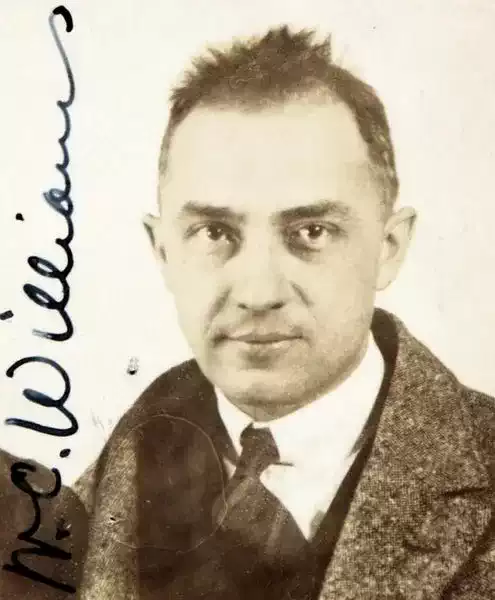
William Carlos Williams
To a Friend Concerning Several Ladies
To a Friend Concerning Several Ladies
You know there is not much
that I desire, a few chrysanthemums
half lying on the grass, yellow
and brown and white, the
talk of a few people, the trees,
an expanse of dried leaves perhaps
with ditches among them.
But there comes
between me and these things
a letter
or even a look--well placed,
you understand,
so that I am confused, twisted
four ways and--left flat,
unable to lift the food to
my own mouth:
Here is what they say: Come!
and come! and come! And if
I do not go I remain stale to
myself and if I go--
I have watched
the city from a distance at night
and wondered why I wrote no poem.
Come! yes,
the city is ablaze for you
and you stand and look at it.
And they are right. There is
no good in the world except out of
a woman and certain women alone
for certain. But what if
I arrive like a turtle,
with my house on my back or
a fish ogling from under water?
It will not do. I must be
steaming with love, colored
like a flamingo. For what?
To have legs and a silly head
and to smell, pah! like a flamingo
that soils its own feathers behind.
Must I go home filled
with a bad poem?
And they say:
Who can answer these things
till he has tried? Your eyes
are half closed, you are a child,
oh, a sweet one, ready to play
but I will make a man of you and
with love on his shoulder--!
And in the marshes
the crickets run
on the sunny dike's top and
make burrows there, the water
reflects the reeds and the reeds
move on their stalks and rattle drily.
You know there is not much
that I desire, a few chrysanthemums
half lying on the grass, yellow
and brown and white, the
talk of a few people, the trees,
an expanse of dried leaves perhaps
with ditches among them.
But there comes
between me and these things
a letter
or even a look--well placed,
you understand,
so that I am confused, twisted
four ways and--left flat,
unable to lift the food to
my own mouth:
Here is what they say: Come!
and come! and come! And if
I do not go I remain stale to
myself and if I go--
I have watched
the city from a distance at night
and wondered why I wrote no poem.
Come! yes,
the city is ablaze for you
and you stand and look at it.
And they are right. There is
no good in the world except out of
a woman and certain women alone
for certain. But what if
I arrive like a turtle,
with my house on my back or
a fish ogling from under water?
It will not do. I must be
steaming with love, colored
like a flamingo. For what?
To have legs and a silly head
and to smell, pah! like a flamingo
that soils its own feathers behind.
Must I go home filled
with a bad poem?
And they say:
Who can answer these things
till he has tried? Your eyes
are half closed, you are a child,
oh, a sweet one, ready to play
but I will make a man of you and
with love on his shoulder--!
And in the marshes
the crickets run
on the sunny dike's top and
make burrows there, the water
reflects the reeds and the reeds
move on their stalks and rattle drily.
427
William Carlos Williams
Love Song
Love Song
I lie here thinking of you:---
the stain of love
is upon the world!
Yellow, yellow, yellow
it eats into the leaves,
smears with saffron
the horned branched the lean
heavily
against a smooth purple sky!
There is no light
only a honey-thick stain
that drips from leaf to leaf
and limb to limb
spoiling the colors
of the whole worldyou
far off there under
the wine-red selvage of the west!
I lie here thinking of you:---
the stain of love
is upon the world!
Yellow, yellow, yellow
it eats into the leaves,
smears with saffron
the horned branched the lean
heavily
against a smooth purple sky!
There is no light
only a honey-thick stain
that drips from leaf to leaf
and limb to limb
spoiling the colors
of the whole worldyou
far off there under
the wine-red selvage of the west!
423
William Carlos Williams
Epitaph
Epitaph
An old willow with hollow branches
slowly swayed his few high gright tendrils
and sang:
Love is a young green willow
shimmering at the bare wood's edge.
An old willow with hollow branches
slowly swayed his few high gright tendrils
and sang:
Love is a young green willow
shimmering at the bare wood's edge.
505
William Carlos Williams
Complaint
Complaint
They call me and I go.
It is a frozen road
past midnight, a dust
of snow caught
in the rigid wheeltracks.
The door opens.
I smile, enter and
shake off the cold.
Here is a great woman
on her side in the bed.
She is sick,
perhaps vomiting,
perhaps laboring
to give birth to
a tenth child. Joy! Joy!
Night is a room
darkened for lovers,
through the jalousies the sun
has sent one golden needle!
I pick the hair from her eyes
and watch her misery
with compassion.
They call me and I go.
It is a frozen road
past midnight, a dust
of snow caught
in the rigid wheeltracks.
The door opens.
I smile, enter and
shake off the cold.
Here is a great woman
on her side in the bed.
She is sick,
perhaps vomiting,
perhaps laboring
to give birth to
a tenth child. Joy! Joy!
Night is a room
darkened for lovers,
through the jalousies the sun
has sent one golden needle!
I pick the hair from her eyes
and watch her misery
with compassion.
431