

Poems in this topic
Nostalgia
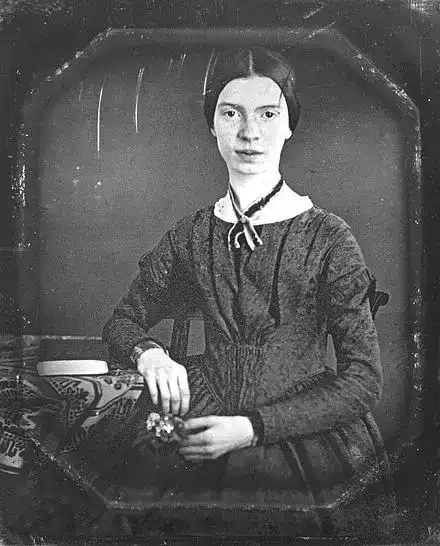
Emily Dickinson
When Roses cease to bloom, Sir
When Roses cease to bloom, Sir
32
When Roses cease to bloom, Sir,
And Violets are done-
When Bumblebees in solemn flight
Have passed beyond the Sun-
The hand that paused to gather
Upon this Summer's day
Will idle lie-in Auburn-
Then take my flowers-pray!
32
When Roses cease to bloom, Sir,
And Violets are done-
When Bumblebees in solemn flight
Have passed beyond the Sun-
The hand that paused to gather
Upon this Summer's day
Will idle lie-in Auburn-
Then take my flowers-pray!
252
Emily Dickinson
What is—
What is—
215
What is—"Paradise"—
Who live there—
Are they "Farmers"—
Do they "hoe"—
Do they know that this is "Amherst"—
And that I—am coming—too—
Do they wear "new shoes"—in "Eden"—
Is it always pleasant—there—
Won't they scold us—when we're homesick—
Or tell God—how cross we are—
You are sure there's such a person
As "a Father"—in the sky—
So if I get lost—there—ever—
Or do what the Nurse calls "die"—
I shan't walk the "Jasper"—barefoot—
Ransomed folks—won't laugh at me—
Maybe—"Eden" a'n't so lonesome
As New England used to be!
215
What is—"Paradise"—
Who live there—
Are they "Farmers"—
Do they "hoe"—
Do they know that this is "Amherst"—
And that I—am coming—too—
Do they wear "new shoes"—in "Eden"—
Is it always pleasant—there—
Won't they scold us—when we're homesick—
Or tell God—how cross we are—
You are sure there's such a person
As "a Father"—in the sky—
So if I get lost—there—ever—
Or do what the Nurse calls "die"—
I shan't walk the "Jasper"—barefoot—
Ransomed folks—won't laugh at me—
Maybe—"Eden" a'n't so lonesome
As New England used to be!
215
Emily Dickinson
We talked as Girls do
We talked as Girls do
586
We talked as Girls do-
Fond, and late-
We speculated fair, on every subject, but the Grave-
Of ours, none affair-
We handled Destinies, as cool-
As we-Disposers-be-
And God, a Quiet Party
To our Authority-
But fondest, dwelt upon Ourself
As we eventual-be-
When Girls to Women, softly raised
We-occupy-Degree-
We parted with a contract
To cherish, and to write
But Heaven made both, impossible
Before another night.
586
We talked as Girls do-
Fond, and late-
We speculated fair, on every subject, but the Grave-
Of ours, none affair-
We handled Destinies, as cool-
As we-Disposers-be-
And God, a Quiet Party
To our Authority-
But fondest, dwelt upon Ourself
As we eventual-be-
When Girls to Women, softly raised
We-occupy-Degree-
We parted with a contract
To cherish, and to write
But Heaven made both, impossible
Before another night.
282
Emily Dickinson
Tho' my destiny be Fustian
Tho' my destiny be Fustian
163
Tho' my destiny be Fustian-
Hers be damask fine-
Tho' she wear a silver apron-
I, a less divine-
Still, my little Gypsy being
I would far prefer,
Still, my little sunburnt bosom
To her Rosier,
For, when Frosts, their punctual fingers
On her forehead lay,
You and I, and Dr. Holland,
Bloom Eternally!
Roses of a steadfast summer
In a steadfast land,
Where no Autumn lifts her pencil-
And no Reapers stand!
163
Tho' my destiny be Fustian-
Hers be damask fine-
Tho' she wear a silver apron-
I, a less divine-
Still, my little Gypsy being
I would far prefer,
Still, my little sunburnt bosom
To her Rosier,
For, when Frosts, their punctual fingers
On her forehead lay,
You and I, and Dr. Holland,
Bloom Eternally!
Roses of a steadfast summer
In a steadfast land,
Where no Autumn lifts her pencil-
And no Reapers stand!
282
Emily Dickinson
Superfluous were the Sun
Superfluous were the Sun
999
Superfluous were the Sun
When Excellence be dead
He were superfluous every Day
For every Day be said
That syllable whose Faith
Just saves it from Despair
And whose "I'll meet You" hesitates
If Love inquire "Where"?
Upon His dateless Fame
Our Periods may lie
As Stars that drop anonymous
From an abundant sky.
999
Superfluous were the Sun
When Excellence be dead
He were superfluous every Day
For every Day be said
That syllable whose Faith
Just saves it from Despair
And whose "I'll meet You" hesitates
If Love inquire "Where"?
Upon His dateless Fame
Our Periods may lie
As Stars that drop anonymous
From an abundant sky.
329
Emily Dickinson
One Year ago—jots what?
One Year ago—jots what?
296
One Year ago—jots what?
God—spell the word! I—can't—
Was't Grace? Not that—
Was't Glory? That—will do—
Spell slower—Glory—
Such Anniversary shall be—
Sometimes—not often—in Eternity—
When farther Parted, than the Common Woe—
Look—feed upon each other's faces—so—
In doubtful meal, if it be possible
Their Banquet's true—
I tasted—careless—then—
I did not know the Wine
Came once a World—Did you?
Oh, had you told me so—
This Thirst would blister—easier—now—
You said it hurt you—most—
Mine—was an Acorn's Breast—
And could not know how fondness grew
In Shaggier Vest—
Perhaps—I couldn't—
But, had you looked in—
A Giant—eye to eye with you, had been—
No Acorn—then—
So—Twelve months ago—
We breathed—
Then dropped the Air—
Which bore it best?
Was this—the patientest—
Because it was a Child, you know—
And could not value—Air?
If to be "Elder"—mean most pain—
I'm old enough, today, I'm certain—then—
As old as thee—how soon?
One—Birthday more—or Ten?
Let me—choose!
Ah, Sir, None!
296
One Year ago—jots what?
God—spell the word! I—can't—
Was't Grace? Not that—
Was't Glory? That—will do—
Spell slower—Glory—
Such Anniversary shall be—
Sometimes—not often—in Eternity—
When farther Parted, than the Common Woe—
Look—feed upon each other's faces—so—
In doubtful meal, if it be possible
Their Banquet's true—
I tasted—careless—then—
I did not know the Wine
Came once a World—Did you?
Oh, had you told me so—
This Thirst would blister—easier—now—
You said it hurt you—most—
Mine—was an Acorn's Breast—
And could not know how fondness grew
In Shaggier Vest—
Perhaps—I couldn't—
But, had you looked in—
A Giant—eye to eye with you, had been—
No Acorn—then—
So—Twelve months ago—
We breathed—
Then dropped the Air—
Which bore it best?
Was this—the patientest—
Because it was a Child, you know—
And could not value—Air?
If to be "Elder"—mean most pain—
I'm old enough, today, I'm certain—then—
As old as thee—how soon?
One—Birthday more—or Ten?
Let me—choose!
Ah, Sir, None!
287
Emily Dickinson
Like Some Old fashioned Miracle
Like Some Old fashioned Miracle
302
Like Some Old fashioned Miracle
When Summertime is done-
Seems Summer's Recollection
And the Affairs of June
As infinite Tradition
As Cinderella's Bays-
Or Little John-of Lincoln Green-
Or Blue Beard's Galleries-
Her Bees have a fictitious Hum-
Her Blossoms, like a Dream-
Elate us-till we almost weep-
So plausible-they seem-
Her Memories like Strains-Review-
When Orchestra is dumb-
The Violin in Baize replaced-
And Ear-and Heaven-numb-
302
Like Some Old fashioned Miracle
When Summertime is done-
Seems Summer's Recollection
And the Affairs of June
As infinite Tradition
As Cinderella's Bays-
Or Little John-of Lincoln Green-
Or Blue Beard's Galleries-
Her Bees have a fictitious Hum-
Her Blossoms, like a Dream-
Elate us-till we almost weep-
So plausible-they seem-
Her Memories like Strains-Review-
When Orchestra is dumb-
The Violin in Baize replaced-
And Ear-and Heaven-numb-
216
Emily Dickinson
Home
Home
Years I had been from home,
And now, before the door
I dared not open, lest a face
I never saw before
Stare vacant into mine
And ask my business there.
My business, - just a life I left,
Was such still dwelling there?
I fumbled at my nerve,
I scanned the windows near;
The silence like an ocean rolled,
And broke against my ear.
I laughed a wooden laugh
That I could fear a door,
Who danger and the dead had faced,
But never quaked before.
I fitted to the latch
My hand, with trembling care,
Lest back the awful door should spring,
And leave me standing there.
I moved my fingers off
As cautiously as glass,
And held my ears, and like a thief
Fled gasping from the house.
Years I had been from home,
And now, before the door
I dared not open, lest a face
I never saw before
Stare vacant into mine
And ask my business there.
My business, - just a life I left,
Was such still dwelling there?
I fumbled at my nerve,
I scanned the windows near;
The silence like an ocean rolled,
And broke against my ear.
I laughed a wooden laugh
That I could fear a door,
Who danger and the dead had faced,
But never quaked before.
I fitted to the latch
My hand, with trembling care,
Lest back the awful door should spring,
And leave me standing there.
I moved my fingers off
As cautiously as glass,
And held my ears, and like a thief
Fled gasping from the house.
320
Emily Dickinson
Have any like Myself
Have any like Myself
736
Have any like Myself
Investigating March,
New Houses on the Hill descried-
And possibly a Church-
That were not, We are sure-
As lately as the Snow-
And are Today-if We exist-
Though how may this be so?
Have any like Myself
Conjectured Who may be
The Occupants of the Adobes-
So easy to the Sky
'Twould seem that God should be
The nearest Neighbor to-
And Heaven-a convenient Grace
For Show, or Company-
Have any like Myself
Preserved the Charm secure
By shunning carefully the Place
All Seasons of the Year,
Excepting March-'Tis then
My Villages be seen-
And possibly a Steeple-
Not afterward-by Men-
736
Have any like Myself
Investigating March,
New Houses on the Hill descried-
And possibly a Church-
That were not, We are sure-
As lately as the Snow-
And are Today-if We exist-
Though how may this be so?
Have any like Myself
Conjectured Who may be
The Occupants of the Adobes-
So easy to the Sky
'Twould seem that God should be
The nearest Neighbor to-
And Heaven-a convenient Grace
For Show, or Company-
Have any like Myself
Preserved the Charm secure
By shunning carefully the Place
All Seasons of the Year,
Excepting March-'Tis then
My Villages be seen-
And possibly a Steeple-
Not afterward-by Men-
298
Emily Dickinson
Exultation is the going
Exultation is the going
76
Exultation is the going
Of an inland soul to sea,
Past the houses-past the headlands-
Into deep Eternity-
Bred as we, among the mountains,
Can the sailor understand
The divine intoxication
Of the first league out from land?
76
Exultation is the going
Of an inland soul to sea,
Past the houses-past the headlands-
Into deep Eternity-
Bred as we, among the mountains,
Can the sailor understand
The divine intoxication
Of the first league out from land?
356
Emily Dickinson
Civilization-spurns-the Leopard!
Civilization-spurns-the Leopard!
492
Civilization-spurns-the Leopard!
Was the Leopard-bold?
Deserts-never rebuked her SatinEthiop-
her GoldTawny-
her Customs-
She was ConsciousSpotted-
her Dun Gown-
This was the Leopard's nature-SignorNeed-
a keeper-frown?
Pity-the Pard-that left her AsiaMemories-
of Palm-
Cannot be stifled-with Narcotic-
Nor suppressed-with Balm-
492
Civilization-spurns-the Leopard!
Was the Leopard-bold?
Deserts-never rebuked her SatinEthiop-
her GoldTawny-
her Customs-
She was ConsciousSpotted-
her Dun Gown-
This was the Leopard's nature-SignorNeed-
a keeper-frown?
Pity-the Pard-that left her AsiaMemories-
of Palm-
Cannot be stifled-with Narcotic-
Nor suppressed-with Balm-
322
Emily Dickinson
Away from Home are some and I—
Away from Home are some and I—
821
Away from Home are some and I—
An Emigrant to be
In a Metropolis of Homes
Is easy, possibly—
The Habit of a Foreign Sky
We—difficult—acquire
As Children, who remain in Face
The more their Feet retire.
821
Away from Home are some and I—
An Emigrant to be
In a Metropolis of Homes
Is easy, possibly—
The Habit of a Foreign Sky
We—difficult—acquire
As Children, who remain in Face
The more their Feet retire.
199
Emily Dickinson
As if some little Arctic flower
As if some little Arctic flower
180
As if some little Arctic flower
Upon the polar hem-
Went wandering down the Latitudes
Until it puzzled came
To continents of summer-
To firmaments of sun-
To strange, bright crowds of flowers-
And birds, of foreign tongue!
I say, As if this little flower
To Eden, wandered in-
What then? Why nothing,
Only, your inference therefrom!
180
As if some little Arctic flower
Upon the polar hem-
Went wandering down the Latitudes
Until it puzzled came
To continents of summer-
To firmaments of sun-
To strange, bright crowds of flowers-
And birds, of foreign tongue!
I say, As if this little flower
To Eden, wandered in-
What then? Why nothing,
Only, your inference therefrom!
265
Emily Dickinson
A loss of something ever felt I
A loss of something ever felt I
959
A loss of something ever felt I-
The first that I could recollect
Bereft I was-of what I knew not
Too young that any should suspect
A Mourner walked among the children
I notwithstanding went about
As one bemoaning a Dominion
Itself the only Prince cast out-
Elder, Today, a session wiser
And fainter, too, as Wiseness is-
I find myself still softly searching
For my Delinguent Palaces-
And a Suspicion, like a Finger
Touches my Forehead now and then
That I am looking oppositely
For the site of the Kingdom of Heaven-
959
A loss of something ever felt I-
The first that I could recollect
Bereft I was-of what I knew not
Too young that any should suspect
A Mourner walked among the children
I notwithstanding went about
As one bemoaning a Dominion
Itself the only Prince cast out-
Elder, Today, a session wiser
And fainter, too, as Wiseness is-
I find myself still softly searching
For my Delinguent Palaces-
And a Suspicion, like a Finger
Touches my Forehead now and then
That I am looking oppositely
For the site of the Kingdom of Heaven-
361
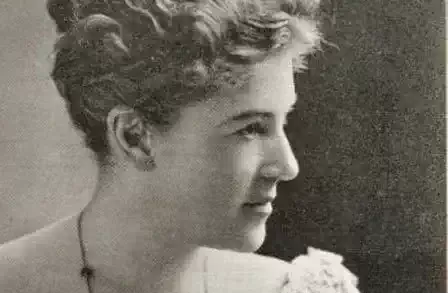
Ella Wheeler Wilcox
When
When
I dwell in the western inland,
Afar from the sounding sea,
But I seem to hear it sobbing
And calling aloud to me,
And my heart cries out for the ocean
As a child for its mother's breast,
And I long to lie on its waters
And be lulled in its arms to rest.
I can close my eyes and fancy
That I hear its mighty roar,
And I see its blue waves splashing
And plunging against the shore;
And the white foam caps the billow,
And the sea-gulls wheel and cry,
And the cool wild wind is blowing,
And the ships go sailing by.
Oh, wonderful, mighty ocean!
When shall I ever stand,
Where my heart has gone already,
There on thy gleaming strand!
When shall I ever wander
Away from the inland west,
And strand by thy side, dear ocean,
And rock on thy heaving breast?
I dwell in the western inland,
Afar from the sounding sea,
But I seem to hear it sobbing
And calling aloud to me,
And my heart cries out for the ocean
As a child for its mother's breast,
And I long to lie on its waters
And be lulled in its arms to rest.
I can close my eyes and fancy
That I hear its mighty roar,
And I see its blue waves splashing
And plunging against the shore;
And the white foam caps the billow,
And the sea-gulls wheel and cry,
And the cool wild wind is blowing,
And the ships go sailing by.
Oh, wonderful, mighty ocean!
When shall I ever stand,
Where my heart has gone already,
There on thy gleaming strand!
When shall I ever wander
Away from the inland west,
And strand by thy side, dear ocean,
And rock on thy heaving breast?
327
Ella Wheeler Wilcox
Two Sunsets
Two Sunsets
In the fair morning of his life,
When his pure heart lay in his breast,
Panting, with all that wild unrest
To plunge into the great world's strife
That fills young hearts with mad desire,
He saw a sunset. Red and gold
The burning billows surged and rolled,
And upward tossed their caps of fire.
He looked. And as he looked the sight
Sent from his soul through breast and brain
Such intense joy, it hurt like pain.
His heart seemed bursting with delight.
So near the Unknown seemed, so close
He might have grasped it with his hand.
He felt his inmost soul expand,
As sunlight will expand a rose.
One day he heard a singing strain--
A human voice, in bird-like trills.
He paused, and little rapture-rills
Went trickling downward through each vein.
And in his heart the whole day long,
As in a temple veiled and dim,
He kept and bore about with him
The beauty of that singer's song.
And then? But why relate what then?
His smoldering heart flamed into fire--
He had his one supreme desire,
And plunged into the world of men.
For years queen Folly held her sway.
With pleasures of the grosser kind
She fed his flesh and drugged his mind,
Till, shamed, he sated turned away.
He sought his boyhood's home. That hour
Triumphant should have been, in sooth,
Since he went forth an unknown youth,
And came back crowned with wealth and power.
The clouds made day a gorgeous bed;
He saw the splendor of the sky
With unmoved heart and stolid eye;
He knew only West was red.
Then suddenly a fresh young voice
Rose, bird-like, from some hidden place,
He did not even turn his face;
It struck him simply as a noise.
He trod the old paths up and down.
Their ruch-hued leaves by Fall winds whirled--
How dull they were--how dull the world--
Dull even in the pulsing town.
O! worst of punishments, that brings
A blunting of all finer sense,
A loss of feelings keen, intense,
And dulls us to the higher things.
O! penalty most dire, most sure,
Swift following after gross delights,
That we no more see beauteous sights,
Or hear as hear the good and pure.
O! shape more hideous and more dread
Than Vengeance takes in creed-taught minds,
This certain doom that blunts and blinds,
And strikes the holiest feelings dead.
In the fair morning of his life,
When his pure heart lay in his breast,
Panting, with all that wild unrest
To plunge into the great world's strife
That fills young hearts with mad desire,
He saw a sunset. Red and gold
The burning billows surged and rolled,
And upward tossed their caps of fire.
He looked. And as he looked the sight
Sent from his soul through breast and brain
Such intense joy, it hurt like pain.
His heart seemed bursting with delight.
So near the Unknown seemed, so close
He might have grasped it with his hand.
He felt his inmost soul expand,
As sunlight will expand a rose.
One day he heard a singing strain--
A human voice, in bird-like trills.
He paused, and little rapture-rills
Went trickling downward through each vein.
And in his heart the whole day long,
As in a temple veiled and dim,
He kept and bore about with him
The beauty of that singer's song.
And then? But why relate what then?
His smoldering heart flamed into fire--
He had his one supreme desire,
And plunged into the world of men.
For years queen Folly held her sway.
With pleasures of the grosser kind
She fed his flesh and drugged his mind,
Till, shamed, he sated turned away.
He sought his boyhood's home. That hour
Triumphant should have been, in sooth,
Since he went forth an unknown youth,
And came back crowned with wealth and power.
The clouds made day a gorgeous bed;
He saw the splendor of the sky
With unmoved heart and stolid eye;
He knew only West was red.
Then suddenly a fresh young voice
Rose, bird-like, from some hidden place,
He did not even turn his face;
It struck him simply as a noise.
He trod the old paths up and down.
Their ruch-hued leaves by Fall winds whirled--
How dull they were--how dull the world--
Dull even in the pulsing town.
O! worst of punishments, that brings
A blunting of all finer sense,
A loss of feelings keen, intense,
And dulls us to the higher things.
O! penalty most dire, most sure,
Swift following after gross delights,
That we no more see beauteous sights,
Or hear as hear the good and pure.
O! shape more hideous and more dread
Than Vengeance takes in creed-taught minds,
This certain doom that blunts and blinds,
And strikes the holiest feelings dead.
349
Ella Wheeler Wilcox
The Yellow-Covered Almanac
The Yellow-Covered Almanac
I left the farm when mother died and changed my place of dwelling
To daughter Susie’s stylish house right on the city street:
And there was them before I came that sort of scared me, telling
How I would find the town folks’ ways so difficult to meet;
They said I’d have no comfort in the rustling, fixed-up throng,
And I’d have to wear stiff collars every weekday, right along.
I find I take to city ways just like a duck to water;
I like the racket and the noise and never tire of shows;
And there’s no end of comfort in the mansion of my daughter,
And everything is right at hand and money freely flows;
And hired help is all about, just listenin’ to my call –
But I miss the yellow almanac off my old kitchen wall.
The house is full of calendars from the attic to the cellar,
They’re painted in all colours and are fancy like to see,
But in this one in particular I’m not a modern feller,
And the yellow-covered almanac is good enough for me.
I’m used to it, I’ve seen it round from boyhood to old age,
And I rather like the jokin’ at the bottom of the page.
I like the way its ‘S’ stood out to show the week’s beginning,
(In these new-fangled calendars the days seem sort of mixed) ,
And the man upon the cover, though he wa’n’t exactly winnin’,
With lungs and liver all exposed, still showed how we are fixed;
And the letters and credentials hat was writ to Mr. Ayer
I’ve often on a rainy day found readin’ pretty fair.
I tried to buy one recently; there wa’n’t none in the city!
They toted out great calendars, in every shape and style.
I looked at them in cold disdain, and answered ‘em in pity –
‘I’d rather have my almanac than all that costly pile.’
And though I take to city life, I’m lonesome after all
For that old yellow almanac upon my kitchen wall.
I left the farm when mother died and changed my place of dwelling
To daughter Susie’s stylish house right on the city street:
And there was them before I came that sort of scared me, telling
How I would find the town folks’ ways so difficult to meet;
They said I’d have no comfort in the rustling, fixed-up throng,
And I’d have to wear stiff collars every weekday, right along.
I find I take to city ways just like a duck to water;
I like the racket and the noise and never tire of shows;
And there’s no end of comfort in the mansion of my daughter,
And everything is right at hand and money freely flows;
And hired help is all about, just listenin’ to my call –
But I miss the yellow almanac off my old kitchen wall.
The house is full of calendars from the attic to the cellar,
They’re painted in all colours and are fancy like to see,
But in this one in particular I’m not a modern feller,
And the yellow-covered almanac is good enough for me.
I’m used to it, I’ve seen it round from boyhood to old age,
And I rather like the jokin’ at the bottom of the page.
I like the way its ‘S’ stood out to show the week’s beginning,
(In these new-fangled calendars the days seem sort of mixed) ,
And the man upon the cover, though he wa’n’t exactly winnin’,
With lungs and liver all exposed, still showed how we are fixed;
And the letters and credentials hat was writ to Mr. Ayer
I’ve often on a rainy day found readin’ pretty fair.
I tried to buy one recently; there wa’n’t none in the city!
They toted out great calendars, in every shape and style.
I looked at them in cold disdain, and answered ‘em in pity –
‘I’d rather have my almanac than all that costly pile.’
And though I take to city life, I’m lonesome after all
For that old yellow almanac upon my kitchen wall.
354
Ella Wheeler Wilcox
The Story Of Grumble Tone
The Story Of Grumble Tone
There was a boy named Grumble Tone, who ran away to sea.
'I'm sick of things on land,' he said, 'as sick as I can be,
A life upon the bounding wave is just the life for me!'
But the seething ocean billows failed to stimulate his mirth,
For he did not like the vessel or the dizzy rolling berth,
And he thought the sea was almost as unpleasant as the earth.
He wandered into foreign lands, he saw each wondrous sight,
But nothing that he heard or saw seemed just exactly right,
And so he journeyed on and on, still seeking for delight.
He talked with kings and ladies grand; he dined in courts, they say,
But always found the people dull and longed to get away
To search for that mysterious land where he should want to stay.
He wandered over all the world, his hair grew white as snow,
He reached that final bourne at last where all of us must go,
But never found the land he sought; the reason would you know?
The reason was that north or south, where'er his steps were bent,
On land or sea, in court or hall, he found but discontent,
For he took his disposition with him, everywhere he went.
There was a boy named Grumble Tone, who ran away to sea.
'I'm sick of things on land,' he said, 'as sick as I can be,
A life upon the bounding wave is just the life for me!'
But the seething ocean billows failed to stimulate his mirth,
For he did not like the vessel or the dizzy rolling berth,
And he thought the sea was almost as unpleasant as the earth.
He wandered into foreign lands, he saw each wondrous sight,
But nothing that he heard or saw seemed just exactly right,
And so he journeyed on and on, still seeking for delight.
He talked with kings and ladies grand; he dined in courts, they say,
But always found the people dull and longed to get away
To search for that mysterious land where he should want to stay.
He wandered over all the world, his hair grew white as snow,
He reached that final bourne at last where all of us must go,
But never found the land he sought; the reason would you know?
The reason was that north or south, where'er his steps were bent,
On land or sea, in court or hall, he found but discontent,
For he took his disposition with him, everywhere he went.
486
Ella Wheeler Wilcox
The Lady And The Dame
The Lady And The Dame
So thou hast the art, good dame, thou swearest,
To keep Time's perishing touch at bay
From the roseate splendor of the cheek so tender,
And the silver threads from the gold away;
And the tell-tale years that have hurried by us
Shall tiptoe back, and, with kind good-will,
They shall take their traces from off our faces,
If we will trust to thy magic skill.
Thou speakest fairly; but if I listen
And buy thy secret and prove its truth,
Hast thou the potion and magic lotion
To give me also the heart of youth?
With the cheek of rose and the eye of beauty,
And the lustrous locks of life's lost prime,
Wilt thou bring thronging each hope and longing
That made the glory of that dead Time?
When the sap in the trees sets young buds bursting,
And the song of the birds fills the air like spray,
Will rivers of feeling come once more stealing
From the beautiful hills of the far-away?
Wilt thou demolish the tower of reason
And fling forever down into the dust,
The caution time brought me, the lessons life taught me,
And put in their places my old sweet trust?
If Time's footprint from my brow is driven,
Canst thou, too, take with thy subtle powers
The burden of thinking, and let me go drinking
The careless pleasures of youth's bright hours?
If silver threads from my tresses vanish,
If a glow once more in my pale cheek gleams,
Wilt thou slay duty and give back the beauty
Of days untroubled by aught but dreams?
When the soft, fair arms of the siren Summer
Encircle the earth in their languorous fold,
Will vast, deep oceans of sweet emotions
Surge through my veins as they surged of old?
Canst thou bring back from a day long vanished
The leaping pulse and the boundless aim?
I will pay thee double for all thy trouble,
If thou wilt restore all these, good dame.
So thou hast the art, good dame, thou swearest,
To keep Time's perishing touch at bay
From the roseate splendor of the cheek so tender,
And the silver threads from the gold away;
And the tell-tale years that have hurried by us
Shall tiptoe back, and, with kind good-will,
They shall take their traces from off our faces,
If we will trust to thy magic skill.
Thou speakest fairly; but if I listen
And buy thy secret and prove its truth,
Hast thou the potion and magic lotion
To give me also the heart of youth?
With the cheek of rose and the eye of beauty,
And the lustrous locks of life's lost prime,
Wilt thou bring thronging each hope and longing
That made the glory of that dead Time?
When the sap in the trees sets young buds bursting,
And the song of the birds fills the air like spray,
Will rivers of feeling come once more stealing
From the beautiful hills of the far-away?
Wilt thou demolish the tower of reason
And fling forever down into the dust,
The caution time brought me, the lessons life taught me,
And put in their places my old sweet trust?
If Time's footprint from my brow is driven,
Canst thou, too, take with thy subtle powers
The burden of thinking, and let me go drinking
The careless pleasures of youth's bright hours?
If silver threads from my tresses vanish,
If a glow once more in my pale cheek gleams,
Wilt thou slay duty and give back the beauty
Of days untroubled by aught but dreams?
When the soft, fair arms of the siren Summer
Encircle the earth in their languorous fold,
Will vast, deep oceans of sweet emotions
Surge through my veins as they surged of old?
Canst thou bring back from a day long vanished
The leaping pulse and the boundless aim?
I will pay thee double for all thy trouble,
If thou wilt restore all these, good dame.
356
Ella Wheeler Wilcox
The Hammock's Complaint
The Hammock's Complaint
Who thinks how desolate and strange
To me must seem the autumn's change,
When housed in attic or in chest,
A lonely and unwilling guest,
I lie through nights of bleak December,
And think in silence, and remember.
I think of hempen fields, where I
Once played with insects floating by,
And joyed alike in sun and rain,
Unconscious of approaching pain.
I dwell upon my later lot,
Where, swung in some secluded spot
Between two tried and trusted trees,
All summer long I wooed the breeze.
With song of bee and call of bird
And lover's secrets overheard,
And sight and scent of blooming flowers,
To fill the happy sunlight's hours.
When verdant fields grow bare and brown,
When forest leaves come raining down,
When frost has mated with the weather
And all the birds go south together,
When drying boats turn up their keels,
Who wonders how the hammock feels?
Who thinks how desolate and strange
To me must seem the autumn's change,
When housed in attic or in chest,
A lonely and unwilling guest,
I lie through nights of bleak December,
And think in silence, and remember.
I think of hempen fields, where I
Once played with insects floating by,
And joyed alike in sun and rain,
Unconscious of approaching pain.
I dwell upon my later lot,
Where, swung in some secluded spot
Between two tried and trusted trees,
All summer long I wooed the breeze.
With song of bee and call of bird
And lover's secrets overheard,
And sight and scent of blooming flowers,
To fill the happy sunlight's hours.
When verdant fields grow bare and brown,
When forest leaves come raining down,
When frost has mated with the weather
And all the birds go south together,
When drying boats turn up their keels,
Who wonders how the hammock feels?
426
Ella Wheeler Wilcox
The Ah Goo Tongue
The Ah Goo Tongue
The queerest languages known to man,
Sanscrit, Hebrew, Hindoostan,
Are all translated and made as free
And comprehensive as A B C.
Yet the oldest language talked or sung,
The strange mysterious Ah Goo tongue,
The royal language of Babyland
No man living can understand.
Every soul in the world to-day
Was one time anchored in Babyland Bay,
And quarantined there for a year or more
Before he even could step on shore.
And everybody in Babyland Bay
Talks the Ah Goo tongue, so people say,
But once on land-why not a word
Do they understand of it when 'tis heard.
For the fairy rulers of Babyland
Who guard the kingdom on every hand,
Have willed that no one shall keep the key
Who crosses into the Grown-up Sea.
So the sweet court language has never been made
A common parlance of strife or trade,
But is kept in the kingdom where natives come
Versed in the language of Babydom.
They are all of them royal and that is how
The Grown-up people all kneel and bow,
When they hear that language talked or sung-
The strange mysterious Ah Goo tongue.
The queerest languages known to man,
Sanscrit, Hebrew, Hindoostan,
Are all translated and made as free
And comprehensive as A B C.
Yet the oldest language talked or sung,
The strange mysterious Ah Goo tongue,
The royal language of Babyland
No man living can understand.
Every soul in the world to-day
Was one time anchored in Babyland Bay,
And quarantined there for a year or more
Before he even could step on shore.
And everybody in Babyland Bay
Talks the Ah Goo tongue, so people say,
But once on land-why not a word
Do they understand of it when 'tis heard.
For the fairy rulers of Babyland
Who guard the kingdom on every hand,
Have willed that no one shall keep the key
Who crosses into the Grown-up Sea.
So the sweet court language has never been made
A common parlance of strife or trade,
But is kept in the kingdom where natives come
Versed in the language of Babydom.
They are all of them royal and that is how
The Grown-up people all kneel and bow,
When they hear that language talked or sung-
The strange mysterious Ah Goo tongue.
406
Ella Wheeler Wilcox
Songs Of A Country Home
Songs Of A Country Home
I
Who has not felt his heart leap up, and glow
What time the tulips first begin to blow,
Has one sweet joy, still left for him to know.
It is like early loves' imagining;
That fragile pleasure, which the Tulips bring,
When suddenly we see them, in the Spring.
Not all the gardens later royal train,
Not great triumphant Roses, when they reign,
Can bring that delicate delight again.
II
One of the sweetest hours is this;
(Of all I think we like it best
A little restful oasis,
Between the breakfast, and the post.
Just south of coffee, and of toast,
Just north of daily task and duty;
Just west of dreams, this Island gleams,
A fertile spot of peace and beauty.
We wander out across the lawn;
We idle by a bush in bloom;
The Household pets come following on;
Or if the day is one of gloom,
We loiter in a pleasant room
Or from a casement, lean and chatter.
Then comes the mail, like sudden hail,
And off we scatter.
III
When roses die, in languid August days,
We leave the Garden, to its fallen ways;
And seek the shelter of wide porticos,
Where Honeysuckle, in defiance blows
Undaunted by the Sun's too ardent rays.
The matron Summer, turns a wistful gaze
Across green valleys, back to tender Mays;
And something of her large contentment goes,
When roses die.
Yet all her subtle fascination stays
To lure us into idle sweet delays.
The lowered awning, by the hammock shows
Inviting nooks for dreaming and repose;
Oh, restful are the pleasures of those days
When roses die.
IV
The summer folk, fled back to town;
The green woods changed to red and brown;
A sound upon the frosty air
Of windows closing everywhere.
And then the log, lapped by a blaze.
Oh, what is better than these days;
With books and friends and love a-near;
Go on, gay world, but leave me here.
I
Who has not felt his heart leap up, and glow
What time the tulips first begin to blow,
Has one sweet joy, still left for him to know.
It is like early loves' imagining;
That fragile pleasure, which the Tulips bring,
When suddenly we see them, in the Spring.
Not all the gardens later royal train,
Not great triumphant Roses, when they reign,
Can bring that delicate delight again.
II
One of the sweetest hours is this;
(Of all I think we like it best
A little restful oasis,
Between the breakfast, and the post.
Just south of coffee, and of toast,
Just north of daily task and duty;
Just west of dreams, this Island gleams,
A fertile spot of peace and beauty.
We wander out across the lawn;
We idle by a bush in bloom;
The Household pets come following on;
Or if the day is one of gloom,
We loiter in a pleasant room
Or from a casement, lean and chatter.
Then comes the mail, like sudden hail,
And off we scatter.
III
When roses die, in languid August days,
We leave the Garden, to its fallen ways;
And seek the shelter of wide porticos,
Where Honeysuckle, in defiance blows
Undaunted by the Sun's too ardent rays.
The matron Summer, turns a wistful gaze
Across green valleys, back to tender Mays;
And something of her large contentment goes,
When roses die.
Yet all her subtle fascination stays
To lure us into idle sweet delays.
The lowered awning, by the hammock shows
Inviting nooks for dreaming and repose;
Oh, restful are the pleasures of those days
When roses die.
IV
The summer folk, fled back to town;
The green woods changed to red and brown;
A sound upon the frosty air
Of windows closing everywhere.
And then the log, lapped by a blaze.
Oh, what is better than these days;
With books and friends and love a-near;
Go on, gay world, but leave me here.
552
Ella Wheeler Wilcox
Queries
Queries
Well, how has it been with you since we met
That last strange time of a hundred times?
When we met to swear that we could forget—
I your caresses, and you my rhymes—
The rhyme of my lays that rang like a bell,
And the rhyme of my heart with yours, as well?
How has it been since we drank that last kiss,
That was bitter with lees of the wasted wine,
When the tattered remains of a threadbare bliss,
And the worn-out shreds of a joy divine,
With a year's best dreams and hopes, were cast
Into the rag-bag of the Past?
Since Time, the rag-buyer, hurried away,
With a chuckle of glee at a bargain made,
Did you discover, like me, one day,
That, hid in the folds of those garments frayed,
Were priceless jewels and diadems—
The soul's best treasures, the heart's best gems?
Have you, too, found that you could not supply
The place of those jewels so rare and chaste?
Do all that you borrow or beg or buy
Prove to be nothing but skilful paste?
Have you found pleasure, as I found art,
Not all-sufficient to fill your heart?
Do you sometimes sigh for the tattered shreds
Of the old delight that we cast away,
And find no worth in the silken threads
Of newer fabrics we wear to-day?
Have you thought the bitter of that last kiss
Better than sweets of a later bliss?
What idle queries!—or yes or no—
Whatever your answer, I understand
That there is no pathway by which we can go
Back to the dead past's wonderland;
And the gems he purchased from me, from you,
There is no rebuying from Time, the Jew
Well, how has it been with you since we met
That last strange time of a hundred times?
When we met to swear that we could forget—
I your caresses, and you my rhymes—
The rhyme of my lays that rang like a bell,
And the rhyme of my heart with yours, as well?
How has it been since we drank that last kiss,
That was bitter with lees of the wasted wine,
When the tattered remains of a threadbare bliss,
And the worn-out shreds of a joy divine,
With a year's best dreams and hopes, were cast
Into the rag-bag of the Past?
Since Time, the rag-buyer, hurried away,
With a chuckle of glee at a bargain made,
Did you discover, like me, one day,
That, hid in the folds of those garments frayed,
Were priceless jewels and diadems—
The soul's best treasures, the heart's best gems?
Have you, too, found that you could not supply
The place of those jewels so rare and chaste?
Do all that you borrow or beg or buy
Prove to be nothing but skilful paste?
Have you found pleasure, as I found art,
Not all-sufficient to fill your heart?
Do you sometimes sigh for the tattered shreds
Of the old delight that we cast away,
And find no worth in the silken threads
Of newer fabrics we wear to-day?
Have you thought the bitter of that last kiss
Better than sweets of a later bliss?
What idle queries!—or yes or no—
Whatever your answer, I understand
That there is no pathway by which we can go
Back to the dead past's wonderland;
And the gems he purchased from me, from you,
There is no rebuying from Time, the Jew
335
Ella Wheeler Wilcox
Perfectness
Perfectness
All perfect things are saddening in effect.
The autumn wood robed in its scarlet clothes,
The matchless tinting on the royal rose
Whose velvet leaf by no least flaw is flecked,
Love's supreme moment, when the soul unchecked
Soars high as heaven, and its best rapture knows—
These hold a deeper pathos than our woes,
Since they leave nothing better to expect.
Resistless change, when powerless to improve,
Can only mar. The gold will pale to gray;
Nothing remains tomorrow as to-day;
The lose will not seem quite so fait, and love
Must find its measures of delight made less.
Ah, how imperfect is all Perfectness!
All perfect things are saddening in effect.
The autumn wood robed in its scarlet clothes,
The matchless tinting on the royal rose
Whose velvet leaf by no least flaw is flecked,
Love's supreme moment, when the soul unchecked
Soars high as heaven, and its best rapture knows—
These hold a deeper pathos than our woes,
Since they leave nothing better to expect.
Resistless change, when powerless to improve,
Can only mar. The gold will pale to gray;
Nothing remains tomorrow as to-day;
The lose will not seem quite so fait, and love
Must find its measures of delight made less.
Ah, how imperfect is all Perfectness!
326